
Berlin is flat. Genuinely, absurdly flat. The highest natural point in the entire city is a man-made hill built from World War II rubble. And that single fact makes it one of the best cycling cities in Europe — maybe the world.
I figured this out about two hours into my first visit, standing at a crosswalk watching a 70-year-old woman glide past on a beat-up single-speed, grocery bags swinging from both handlebars, not even breathing hard. Berlin has over 1,000 kilometres of dedicated bike lanes. The Wall trail alone stretches 160km. You could spend a week here and never run out of new ground to cover on two wheels.
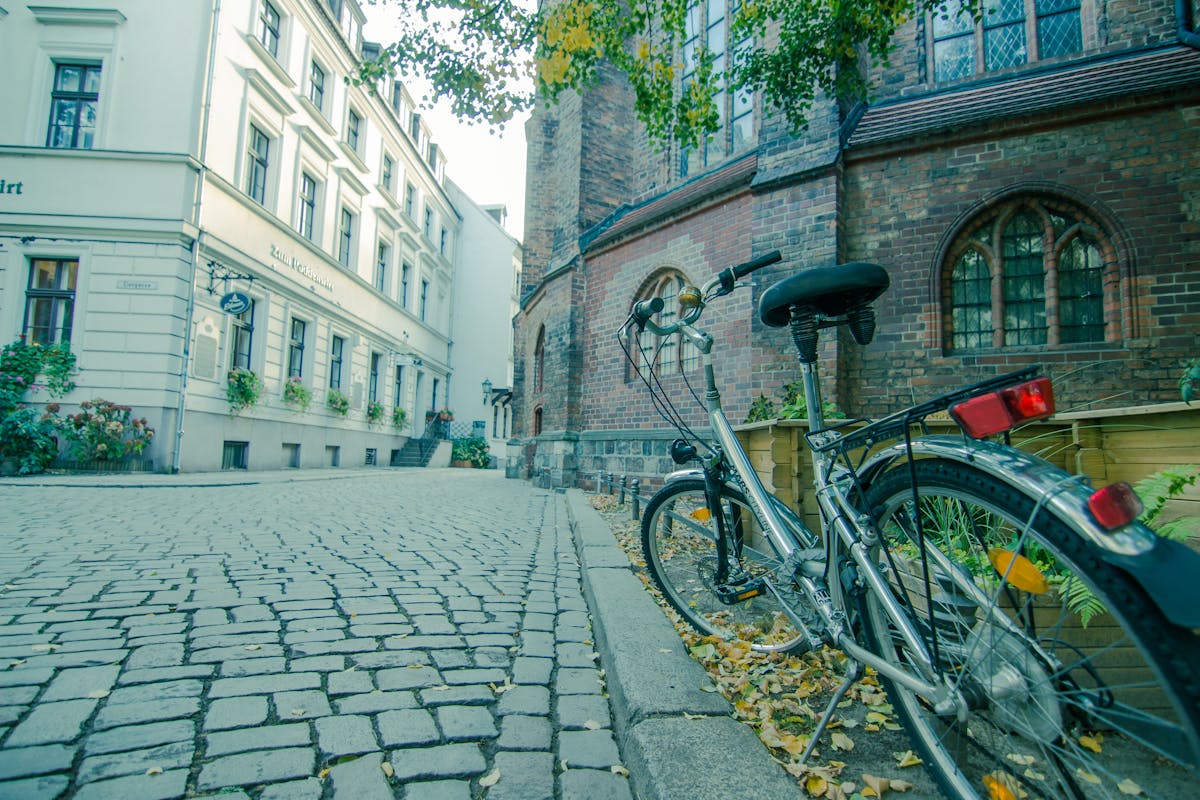
But here’s the thing about Berlin. The city is spread out. The Brandenburg Gate, the East Side Gallery, Checkpoint Charlie, the Reichstag — they’re not in a neat little cluster you can walk between. On foot, you’d spend half your day on public transport connections. On a bike, you thread through Tiergarten, cut along the Spree, and hit everything in a single morning.
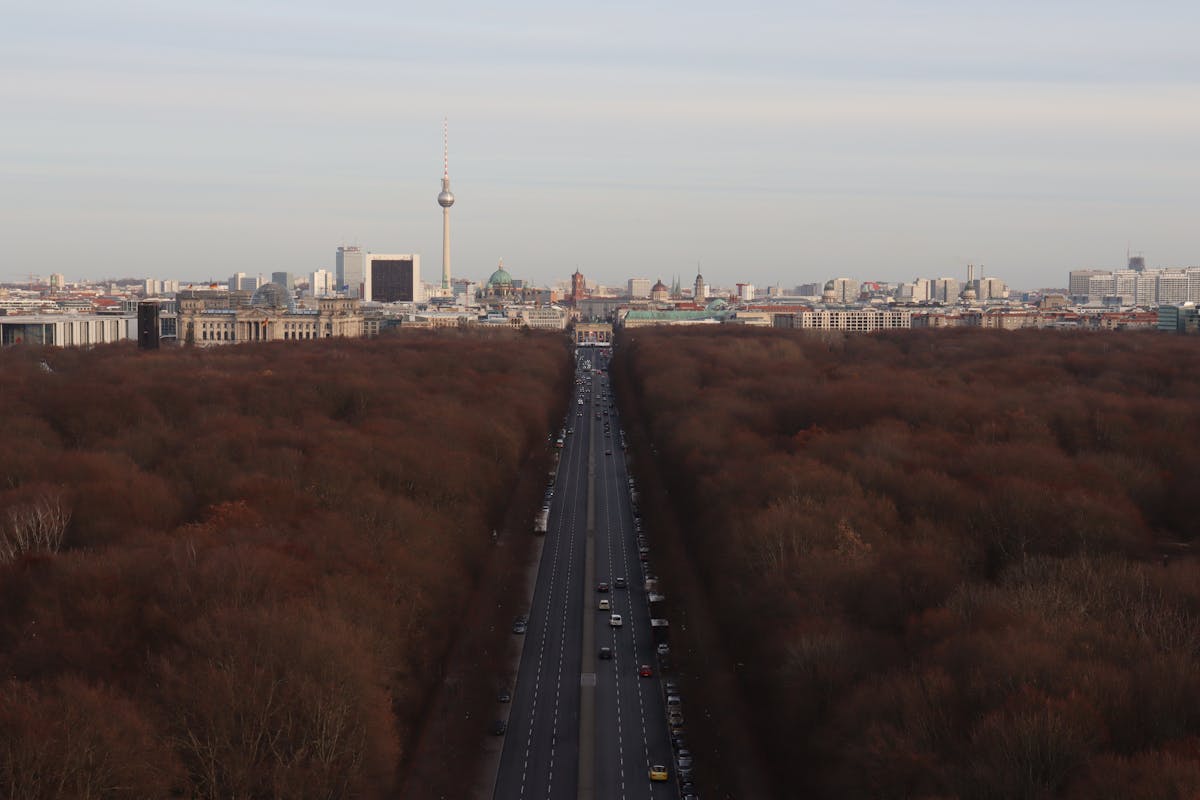
A guided bike tour solves two problems at once. You cover serious distance without exhaustion (again — flat), and you get a local guide who actually knows which stretch of pavement used to be the death strip, or where the Soviet soldiers carved their names into the Reichstag walls. That context is the difference between pedalling past grey concrete and understanding why a whole city held its breath for 28 years.
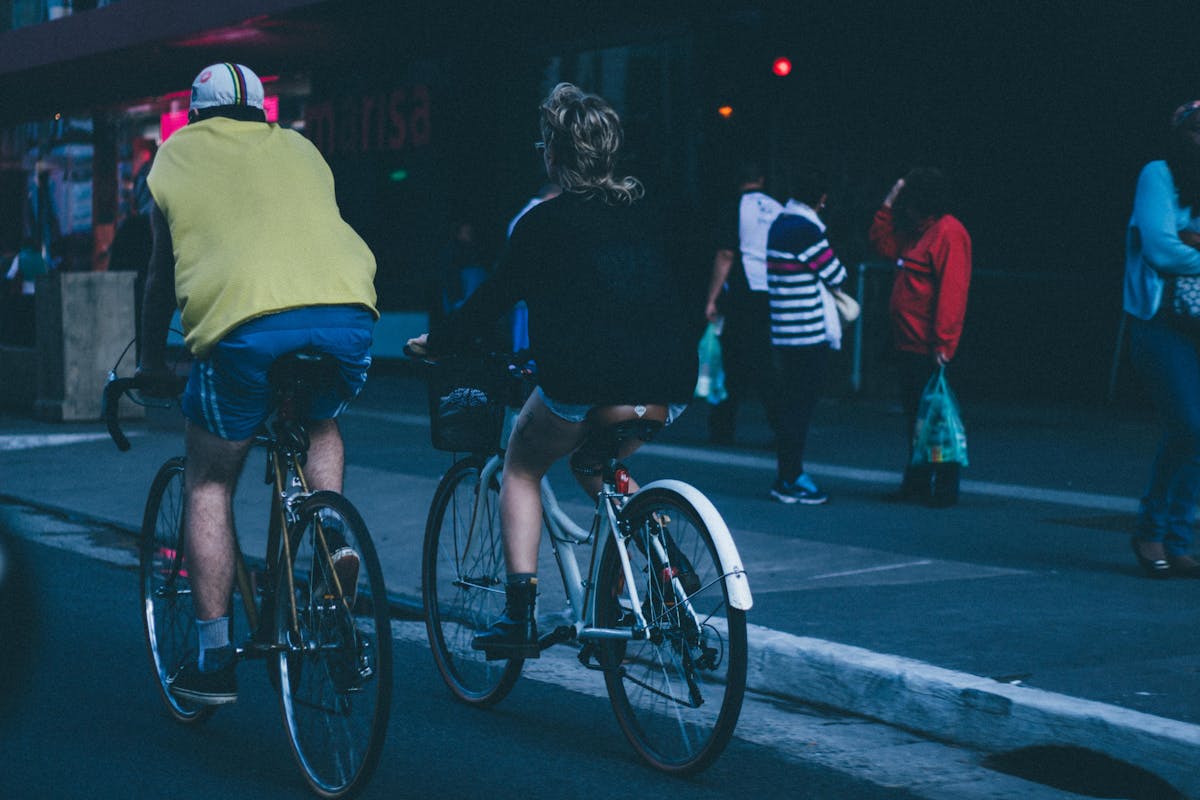
Best overall: Berlin Sights and Highlights Bike Tour — $41. Three hours, all the major landmarks, and the most-booked Berlin bike tour for good reason.
Best budget: Cold War Era History Bike Tour — $35. Focused on the Wall and Cold War sites with paths you’d never find alone.
Best for a full day: City Bike Tour with Beer Garden Stop — $83. Five and a half hours including a proper beer garden break halfway through.
- How Berlin Bike Tours Actually Work
- Self-Guided vs. Guided: The Honest Comparison
- The Best Berlin Bike Tours to Book
- 1. Berlin Sights and Highlights Bike Tour —
- 2. Cold War Era History Guided Bike Tour —
- 3. Berlin City Bike Tour with Beer Garden Stop —
- Best Time to Ride
- How to Get to the Meeting Points
- Tips That Will Actually Save You Time
- What You’ll Actually See Along the Way
- More Berlin Guides
How Berlin Bike Tours Actually Work
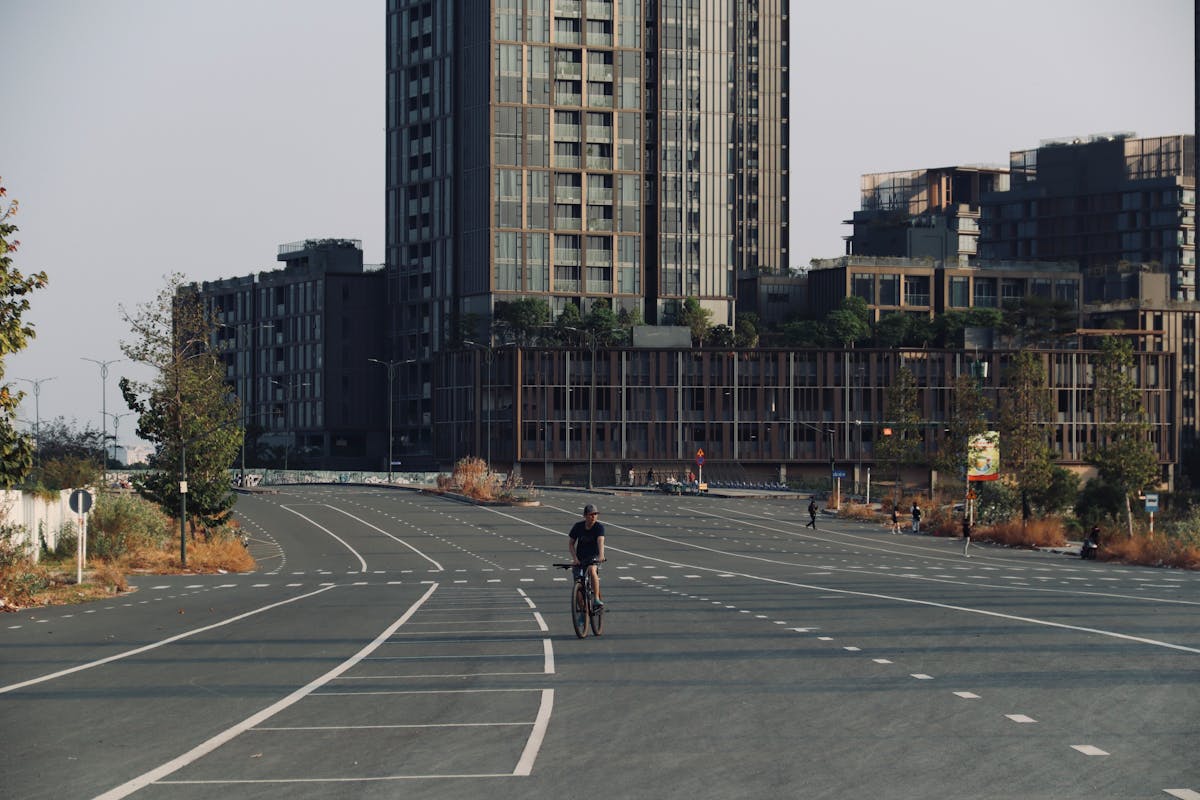
Most Berlin bike tours follow the same general format. You show up at a meeting point (usually in Mitte or near Alexanderplatz), get fitted for a bike — they’re typically comfortable city bikes with gears, not racing machines — and set off in a group of 10-20 people.
The routes vary, but nearly all of them hit the big landmarks: Brandenburg Gate, the Reichstag, remnants of the Berlin Wall, Checkpoint Charlie, the Memorial to the Murdered Jews of Europe, and stretches along the Spree River. The difference between tours comes down to how deep the guide goes, how long you ride, and what else they throw in beyond the standard loop.
You don’t need to be fit. I’m serious about this. Berlin is pancake-flat, the pace is relaxed, and there are regular stops for photos and explanations. I’ve seen families with kids and people well into their 70s on these tours looking perfectly comfortable.
Typical costs: Budget tours start around $35 for a focused 2.5-3 hour ride. Mid-range options run $40-45 for 3 hours with broader coverage. Full-day tours with stops (lunch, beer gardens) go up to $80-85.
Helmets are usually available but not required in Germany. The guide carries a first aid kit and spare tubes. Bikes include a lock for stops.
Self-Guided vs. Guided: The Honest Comparison
You could absolutely rent a bike and do Berlin on your own. Nextbike and Lime are everywhere, and rental shops in Mitte charge around 12-15 EUR per day. So why pay for a guided tour?
The case for self-guided: Freedom. You go at your own pace, stop when you want, skip what doesn’t interest you. If you’ve been to Berlin before and just want to ride the Wall trail or cruise through Kreuzberg at your own speed, a guide would just slow you down. Rentals are cheap, the bike lanes are well-marked, and Google Maps cycling directions actually work well here.
The case for guided: Context. Berlin doesn’t look like much on the surface — a lot of the most important sites are patches of empty ground or unremarkable grey buildings. Without someone explaining what happened at each spot, you’ll ride past the exact location of Hitler’s bunker (now a car park) without even noticing. A good Berlin bike guide turns a pleasant ride into something you’ll remember for years. They also know routes that dodge tourist congestion and construction zones, which in Berlin is half the battle.
My take: First visit? Get a guided tour. You’ll cover more ground and actually understand what you’re looking at. Returning visit? Rent a bike and explore Kreuzberg, Neukölln, or Prenzlauer Berg at your own pace.
The Best Berlin Bike Tours to Book
I went through every Berlin bike tour in our database and narrowed it down to three that actually stand apart from the pack. Each one offers something different, so the right pick depends on what you’re after.
1. Berlin Sights and Highlights Bike Tour — $41
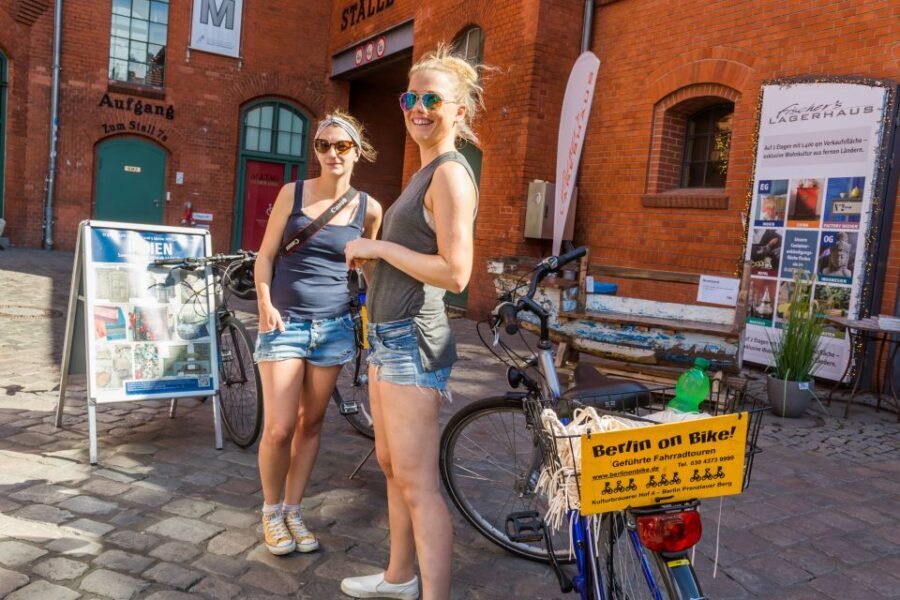
This is the one I’d tell most first-timers to book. Three hours, all the major sights, and a local guide who actually grew up in or around Berlin. It’s the most popular Berlin bike tour on GetYourGuide by a wide margin, and that kind of track record doesn’t happen by accident.
The route hits the Brandenburg Gate, the Reichstag, remnants of the Wall, Checkpoint Charlie, and the Memorial to the Murdered Jews of Europe — plus several spots most travelers walk right past. The guides are consistently praised for going beyond the Wikipedia-level facts and sharing stories that make the stops actually memorable. At $41 for three hours of guided cycling through one of Europe’s most historically layered cities, it’s hard to argue with the value.
One note: groups can be larger on weekends and during peak summer months. If you prefer a smaller crowd, try booking a weekday morning slot.
2. Cold War Era History Guided Bike Tour — $35
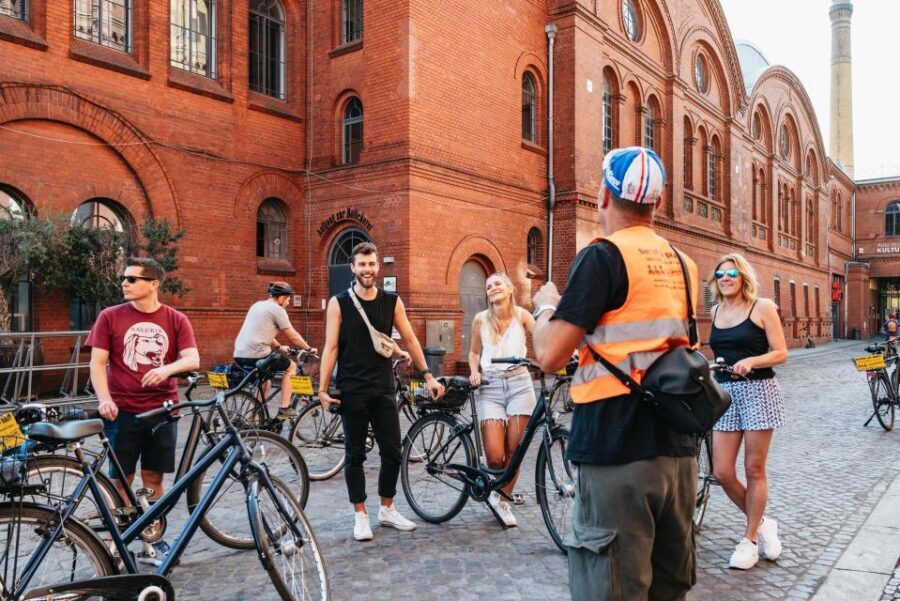
If Berlin’s Cold War history is specifically what draws you, this tour goes deeper than any general highlights ride can. Instead of rushing between the big-name landmarks, the Cold War bike tour follows the actual path of the Berlin Wall, stopping at sites that most travelers never see — watchtower foundations, border crossing remnants, and sections of the death strip that still haven’t been fully built over.
At $35, it’s the cheapest option on this list, and honestly the guides might be the best part. They take routes through back streets and along bike paths that you genuinely would never find on your own, even with a good map. The focus is tighter than a general tour — you won’t hit every famous landmark — but what you lose in breadth you gain in depth. If you already know the basics of the Brandenburg Gate and the Reichstag, this is the one that’ll teach you something new.
3. Berlin City Bike Tour with Beer Garden Stop — $83
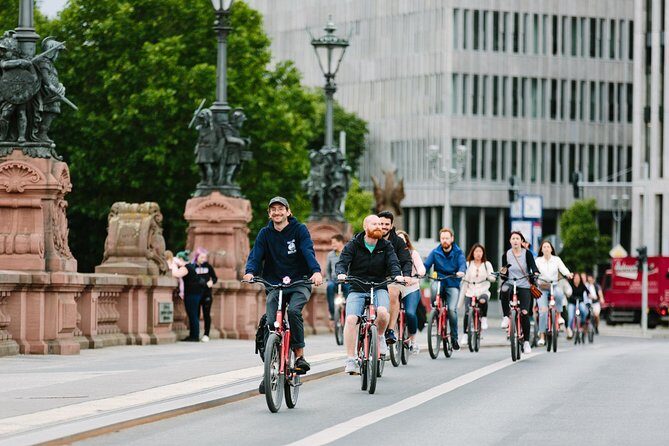
This is the one for people who want to make a day of it. Five and a half hours of riding through Berlin, with a proper stop at a traditional beer garden roughly halfway through. It’s twice the price of the other two options, and honestly? If you have the time, it’s worth every cent.
The longer format means you cover neighbourhoods that the three-hour tours can’t reach — Kreuzberg, parts of Friedrichshain, deeper stretches along the Spree. The beer garden stop isn’t just a gimmick; it’s a genuine sit-down break where you eat, drink a cold one, and chat with your group. The guides on this Viator tour are known for being charismatic and funny — one reviewer described their guide as a stand-up comedian who happened to know everything about German history.
Fair warning: at $83, food and drinks at the beer garden are not included. Budget an extra 15-20 EUR for that. And book this one when the weather is cooperating — five hours in the rain is nobody’s idea of a good time.
Best Time to Ride
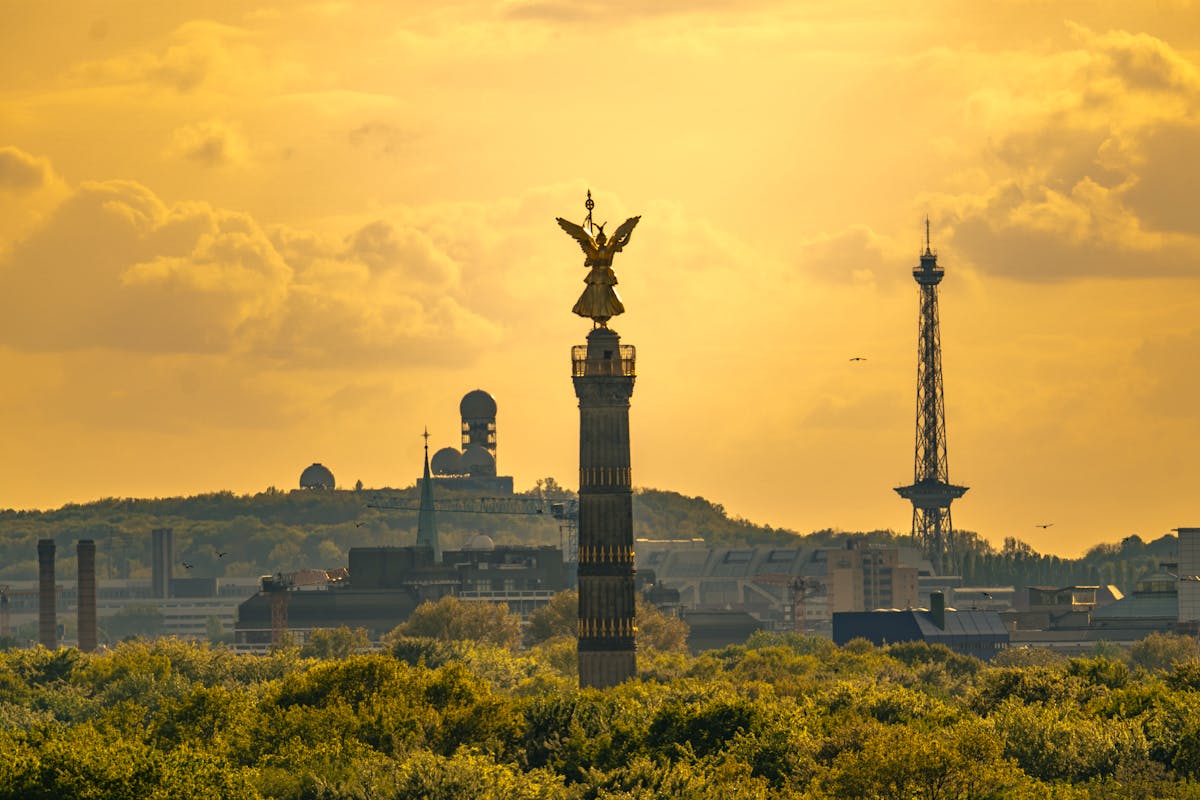
Berlin’s cycling season runs roughly from April through October. The sweet spot is May through September — long days, warm temperatures (usually 18-25C), and dry enough that you won’t get soaked. June and July are peak tourist season, so expect larger tour groups and busier bike lanes.
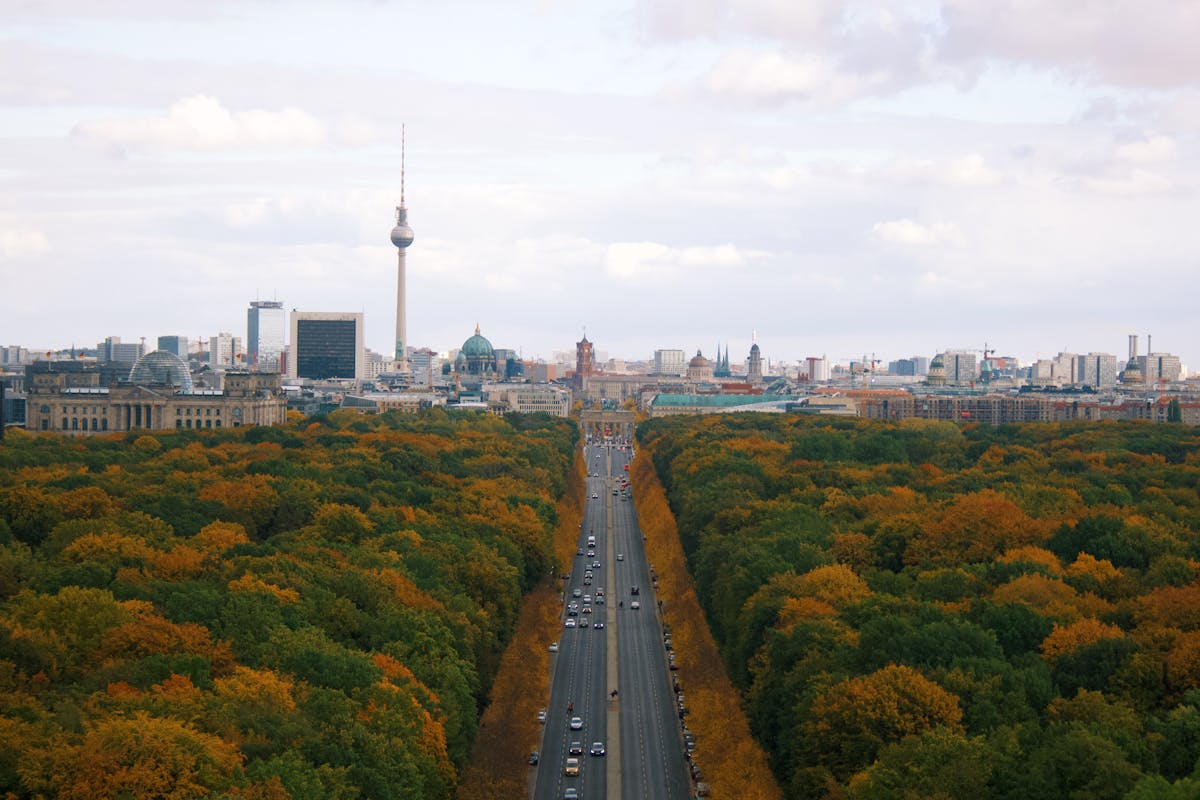
April and October are underrated. The city is quieter, the leaves are either just emerging or turning golden, and you can usually still ride comfortably with a light jacket. I’ve done October rides in Berlin that were genuinely perfect — 14 degrees, no wind, golden light bouncing off the Spree.
November through March: Possible, but cold, dark, and occasionally icy. Most tour operators reduce their schedules or shut down entirely. If you’re determined, some guides run winter tours, but you’ll need proper cold-weather cycling gear and a tolerance for 4pm sunsets.
Time of day matters too. Morning tours (10-11am start) beat afternoon ones almost every time. Less traffic, cooler temperatures in summer, and the light is softer. Afternoon tours in July can be genuinely hot — Berlin hits 30C+ more often than you’d expect.
How to Get to the Meeting Points
Most Berlin bike tours start in Mitte, usually near Alexanderplatz, Hackescher Markt, or somewhere between Friedrichstrasse and Unter den Linden. This is the dead centre of the city, and it’s ridiculously well-connected.
By U-Bahn/S-Bahn: Alexanderplatz is served by the U2, U5, U8, S5, S7, and S75 lines. Hackescher Markt is on the S-Bahn. You can reach either from anywhere in Berlin in under 30 minutes.
By bus: The 100 and 200 bus lines run straight through Mitte and are useful if you’re coming from the west side.
On foot: If you’re staying anywhere in Mitte, Prenzlauer Berg, or Friedrichshain, you can probably walk to the meeting point in 15-20 minutes.
Pro tip: Arrive 10-15 minutes early. You need time to get fitted for a bike, adjust the seat height, and maybe test the brakes. Showing up right at start time means you’re scrambling while everyone else is already ready to roll.
Tips That Will Actually Save You Time
Book at least 2-3 days ahead in summer. The popular morning slots (especially the $35-45 tours) fill up fast from June through August. Shoulder season? You can often book the night before.
Wear layers, not cycling gear. Berlin weather changes fast. A morning that starts at 16 degrees can hit 24 by noon. You don’t need lycra or clip-in shoes — trainers and comfortable clothes work fine. Bring a light rain jacket that packs small, because Berlin drizzle appears out of nowhere.
Bring a water bottle. Most tours don’t provide water. Berlin tap water is perfectly drinkable, so fill up before you go. There are also Spätkauf (late-night corner shops) everywhere if you need to grab a drink mid-route.
Secure your phone. A lot of people ride one-handed trying to take photos. Get a handlebar mount or just stop to take pictures. Berlin traffic is cyclist-friendly, but cars and trams still exist.
Lock protocol: At longer stops, the guide will show you how to lock the bikes. Don’t wander off without locking yours — Berlin is generally safe, but bike theft is real.
Tipping: Not expected, but appreciated. If your guide was good, 5-10 EUR is standard.
What You’ll Actually See Along the Way
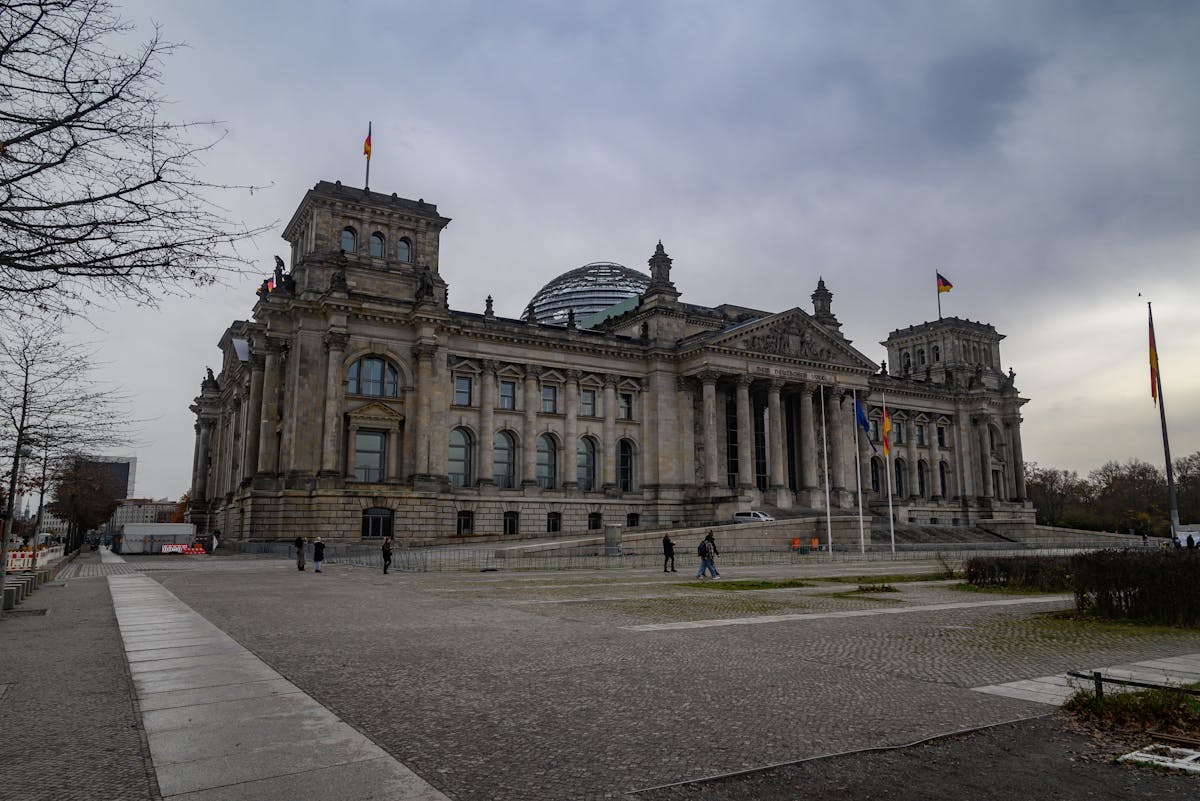
Most bike tour routes cover a greatest-hits loop through Berlin’s centre, but the experience is fundamentally different from seeing these places on foot or from a bus window. On a bike, you move between them at a pace that actually lets the city breathe.
The Brandenburg Gate is the obvious starting or ending point. From a bike, you approach it down Unter den Linden with the full avenue perspective — something pedestrians miss because they usually arrive from the side. Guides stop here for history (Napoleon rode through it, the Wall ran right beside it, Reagan gave his speech nearby) and photos.
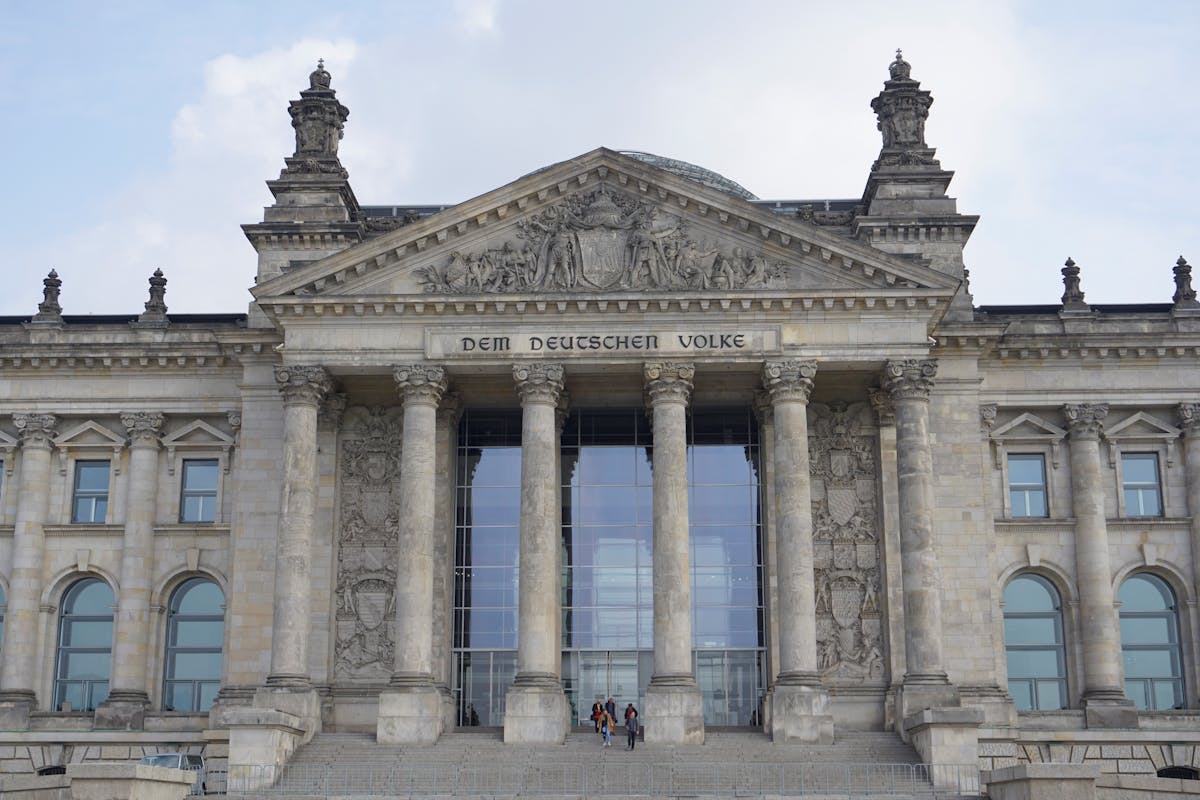
The Reichstag sits just north of the Gate. Most tours don’t go inside (you need a separate Reichstag visit booking for the dome), but guides explain the fire, the Soviet graffiti, and why Norman Foster wrapped it in glass. The lawn in front is a good rest stop.
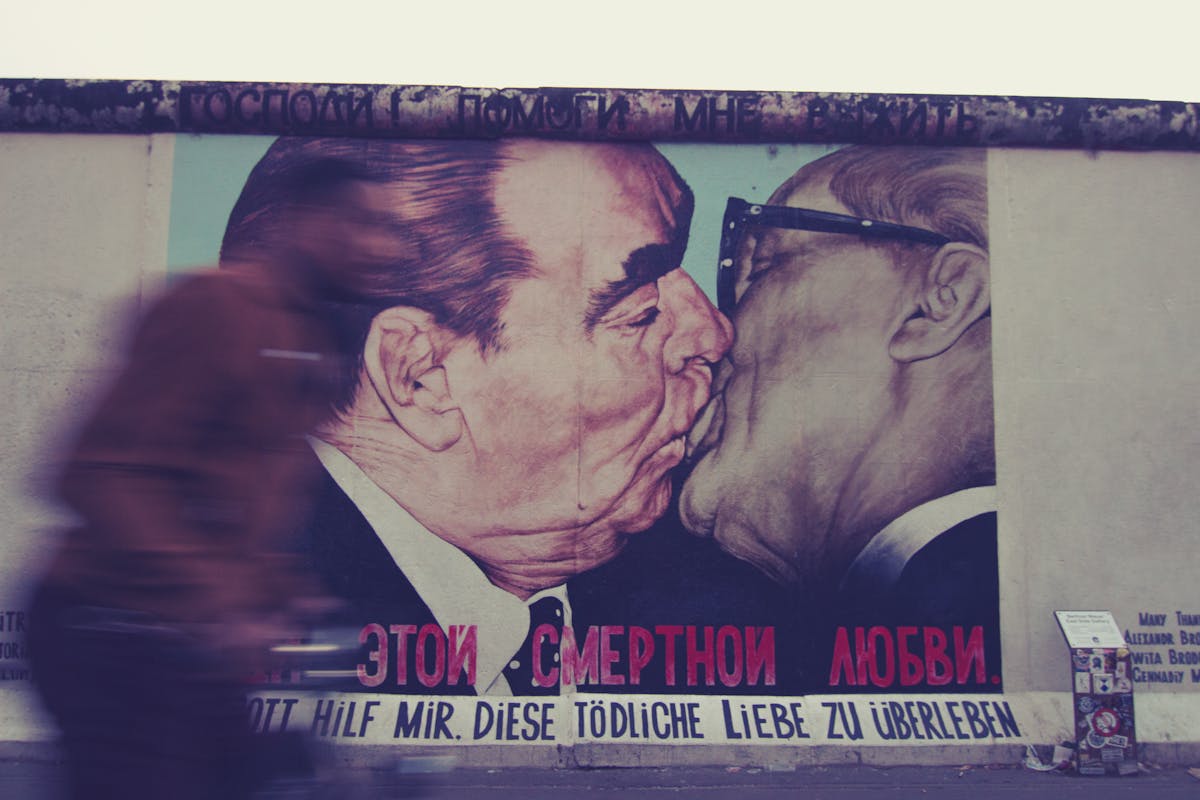
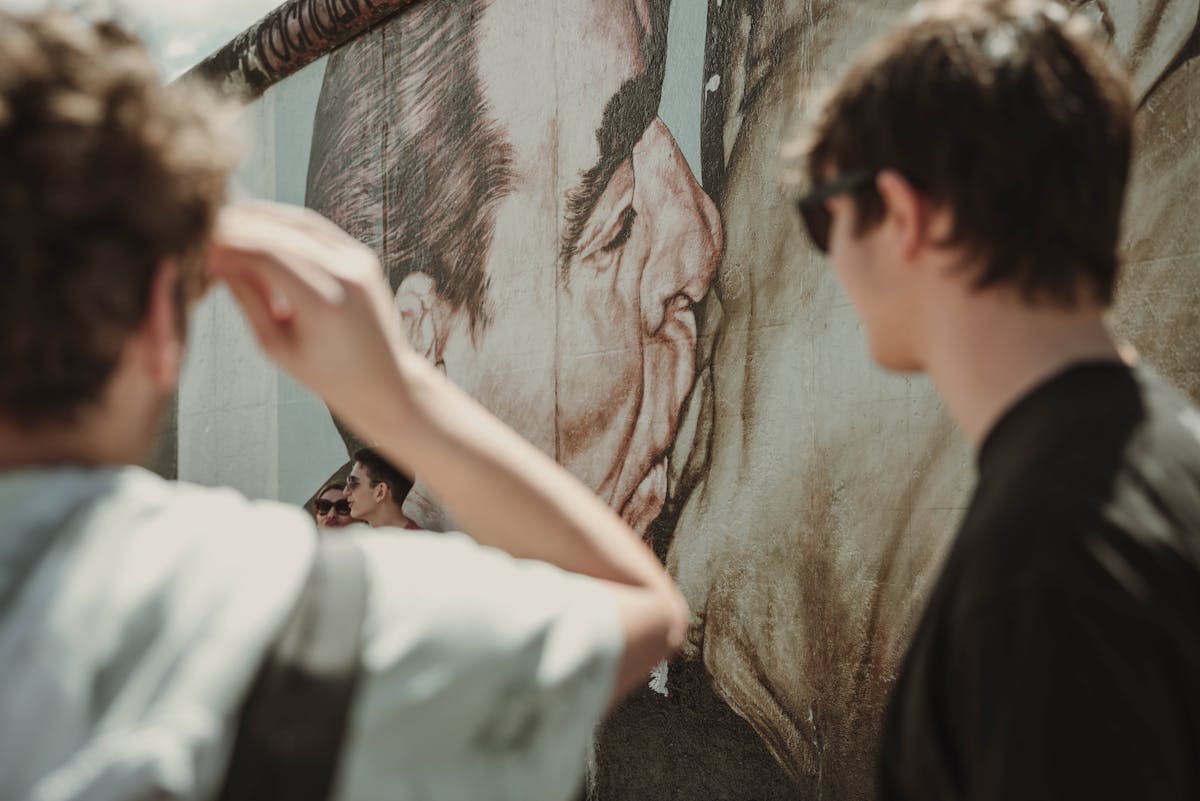
The Berlin Wall remnants are scattered across the city, but the East Side Gallery along Mühlenstrasse is the most photogenic stretch. Bike tours typically ride the length of it — 1.3km of murals — then loop back to explain the difference between this tourist-friendly art project and the actual death strip, which was just bare ground, floodlights, and guard towers.
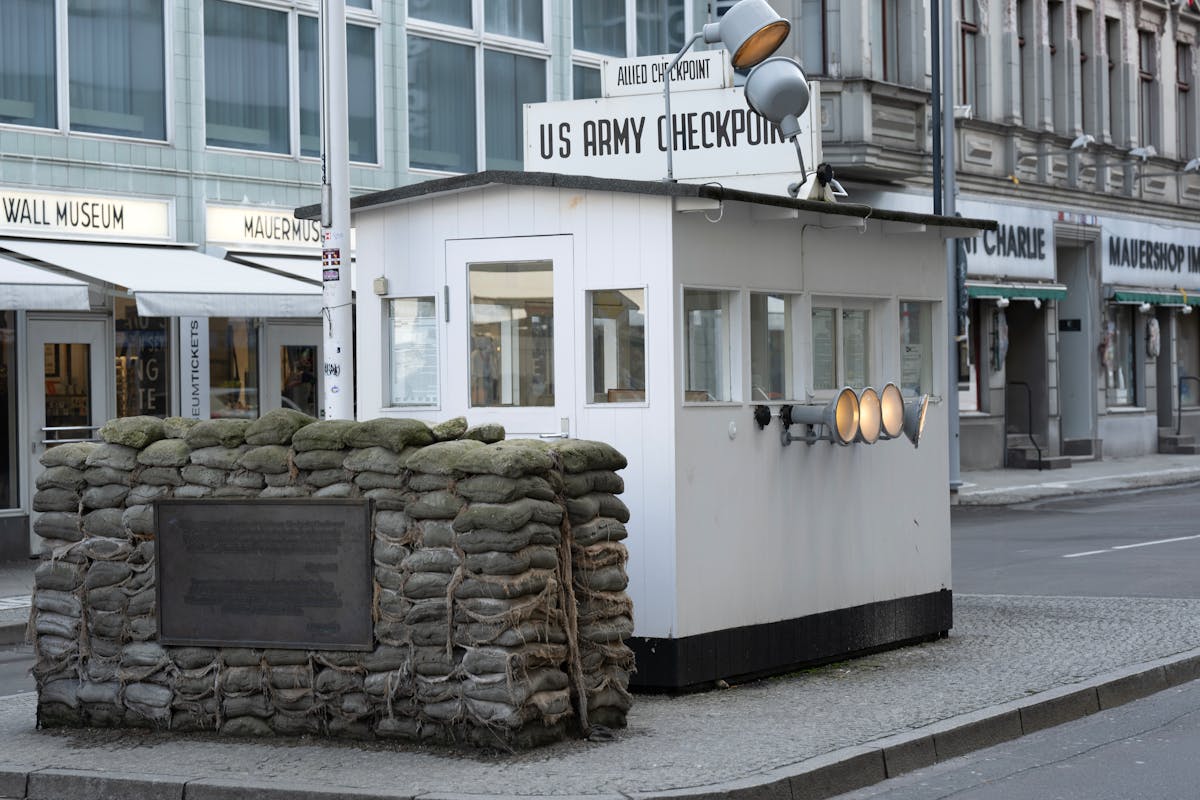
Checkpoint Charlie is, frankly, disappointing on its own. The replica guardhouse surrounded by souvenir shops and people in costume isn’t exactly moving. But on a bike tour, the guide redeems it — telling the stories of escape attempts (hot air balloons, converted cars, tunnels under the Wall) that make you look at that stretch of Friedrichstrasse differently.
The Memorial to the Murdered Jews of Europe hits hardest early in the morning when the concrete blocks cast long shadows and the crowds are thin. Most bike tours stop here for a respectful few minutes. The underground Information Centre is worth visiting separately — tours don’t typically include it.
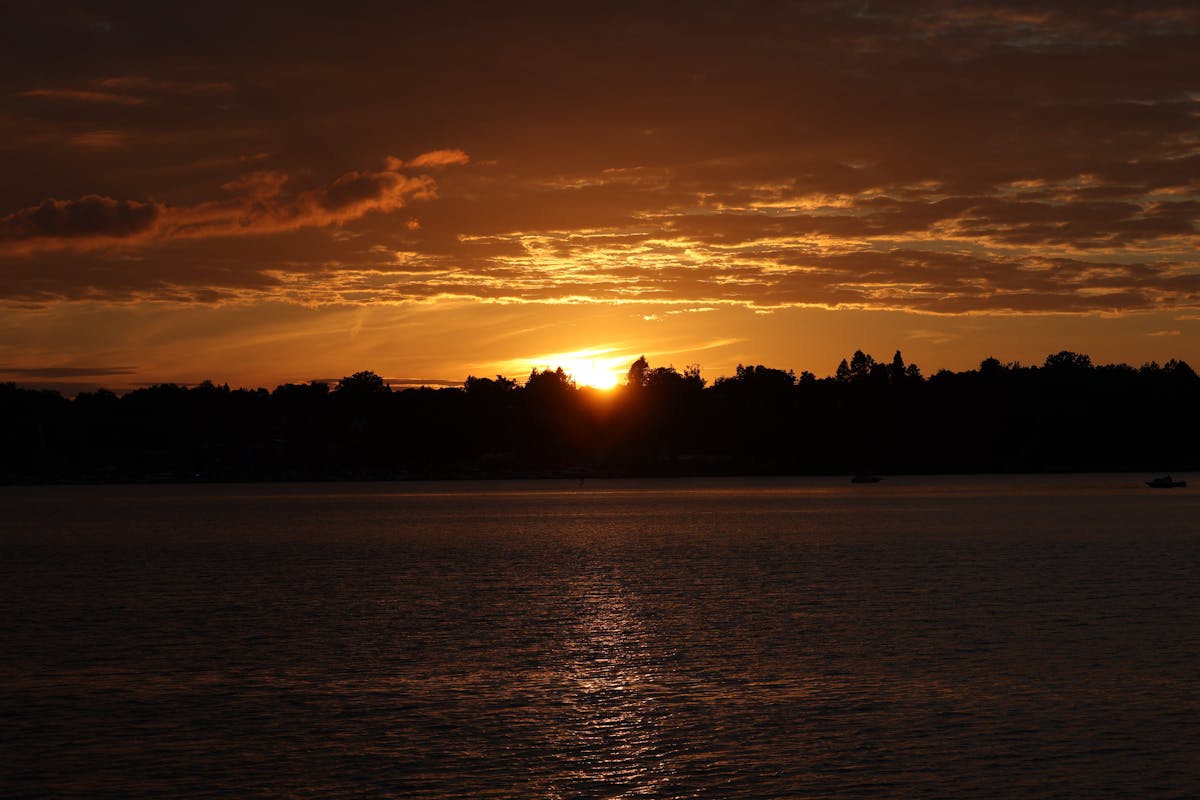
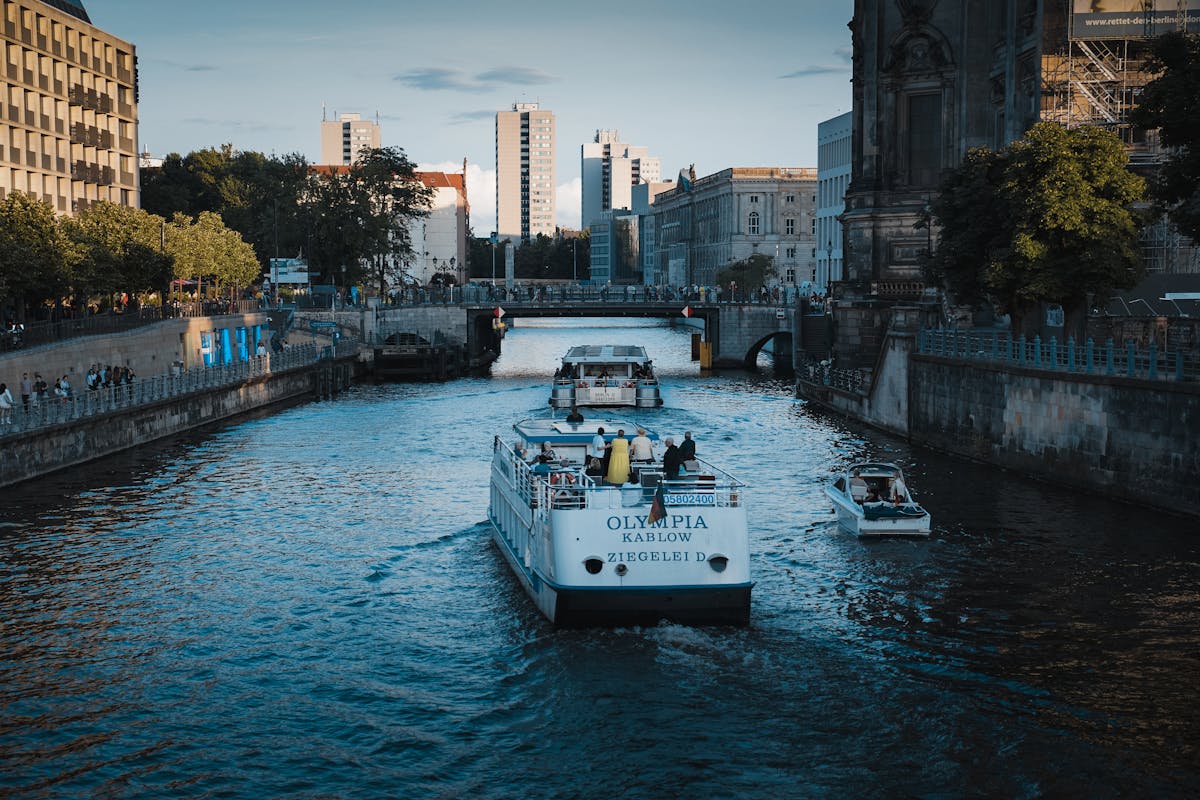
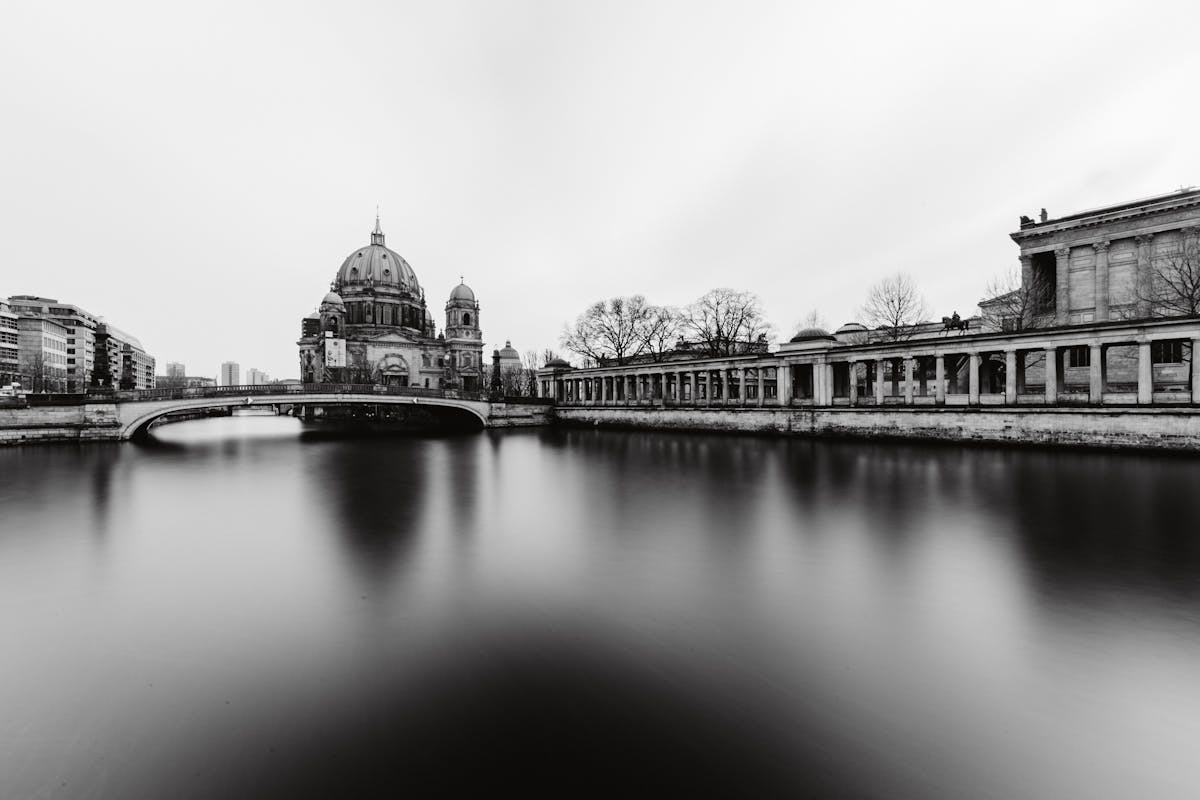
The Spree River weaves through most routes. Riding alongside it is the most relaxing part of any Berlin bike tour — dedicated paths, water on one side, old warehouses and new architecture on the other. Some tours cross the Oberbaum Bridge, which is worth the detour just for the view. If you’re interested in seeing the Spree from the water instead, our Spree River cruise guide covers that angle.
More Berlin Guides
Berlin rewards people who do more than the standard checklist. A walking tour fills in the details that a bike tour covers at speed, particularly around Museum Island and the government quarter. The Spree River cruise gives you a completely different perspective on the same landmarks, and the Reichstag dome visit is free but needs advance booking. Combine a morning bike tour with an afternoon cruise and you will have seen more of Berlin in one day than most people manage in three.
If the history grabbed you during the ride, the Third Reich walking tour spends two focused hours on the Nazi-era sites your bike guide could only point out in passing. Our Berlin Wall guide covers the memorial sites in detail, and the TV Tower puts the whole city into aerial perspective from 203 metres up. For a day out of the city, Potsdam is 25 minutes by train and a world away from Cold War Berlin.
This article contains affiliate links. If you book through our links, we earn a small commission at no extra cost to you. This helps us keep creating free travel guides.