
Most people picture one wall. A single concrete barrier cutting through the middle of Berlin. But there were actually two walls, with a death strip between them — a no man’s land of raked sand, tripwires, attack dogs, and armed guards in watchtowers with orders to shoot on sight.
Between 1961 and 1989, this system trapped 3.5 million East Germans behind it. Over 5,000 people found ways to escape — through tunnels, in modified car trunks, even via homemade hot air balloons. At least 140 died trying. Today, most of the wall is gone. Berliners wanted it gone, and within months of November 9, 1989, wall-peckers had chipped away most of it for souvenirs. But enough remains to hit you in the gut — particularly at the Berlin Wall Memorial on Bernauer Strasse, where the full death strip is preserved exactly as it was.
If you are planning to visit the Berlin Wall sites, guided tours are worth the money. A good guide fills in the gaps between what you can see and what actually happened there. And there is a lot you would walk right past without context. Here is how to do it.
- Skip-the-Line: Berlin Wall Museum at Checkpoint Charlie — $21/person. The full Checkpoint Charlie museum without the queue. Best for first-time visitors who want the complete Cold War story.
- Cold War Berlin: Espionage, Berlin Wall, and a Divided City — $18/person. A 2-hour walking tour covering the espionage angle. Covers the wall, spy tunnels, and the divided city on foot.
- The Wall Museum East Side Gallery Ticket — $14/person. Cheapest entry to a wall museum. Located right at the East Side Gallery, so you combine both in one visit.
- Where the Wall Still Stands
- Checkpoint Charlie — Skip the Replica, Visit the Museum
- Best Berlin Wall Tours to Book
- 1. Skip-the-Line: Berlin Wall Museum at Checkpoint Charlie —
- 2. Cold War Berlin: Espionage, Berlin Wall, and a Divided City —
- 3. The Wall Museum East Side Gallery Ticket —
- Planning Your Wall Route
- What Most Guides Will Not Tell You
- Practical Tips
Where the Wall Still Stands
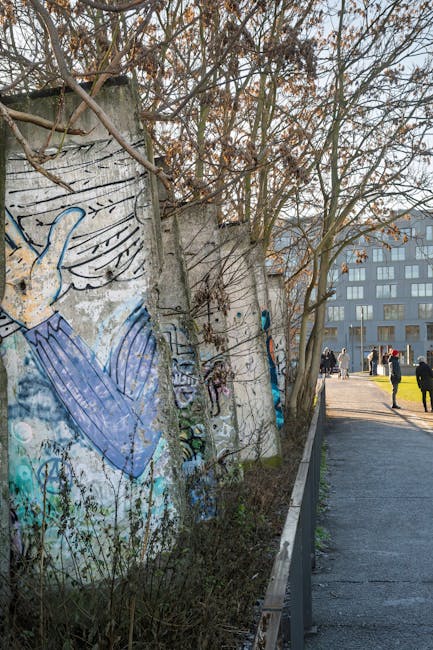
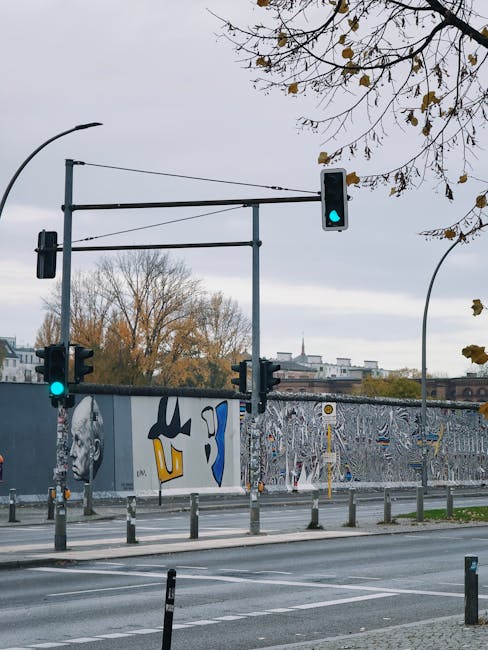
The wall’s path through Berlin stretched 155 kilometres (96 miles) — 43 kilometres of that running through the city centre. Today, you can follow the trail by looking down. A double row of cobblestones set into the pavement marks where it stood. But there are several major sites where actual wall segments remain, and they are spread across town.
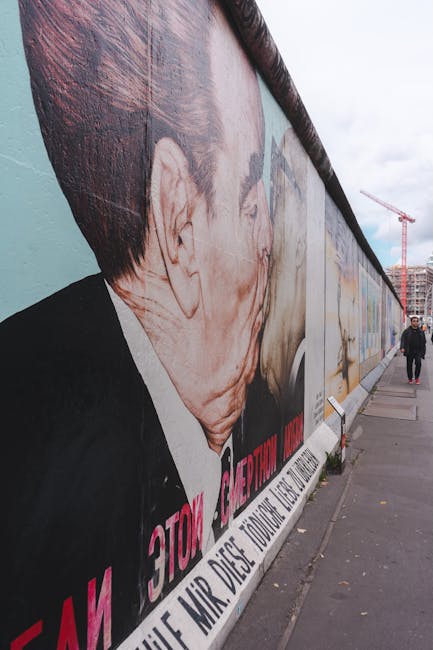
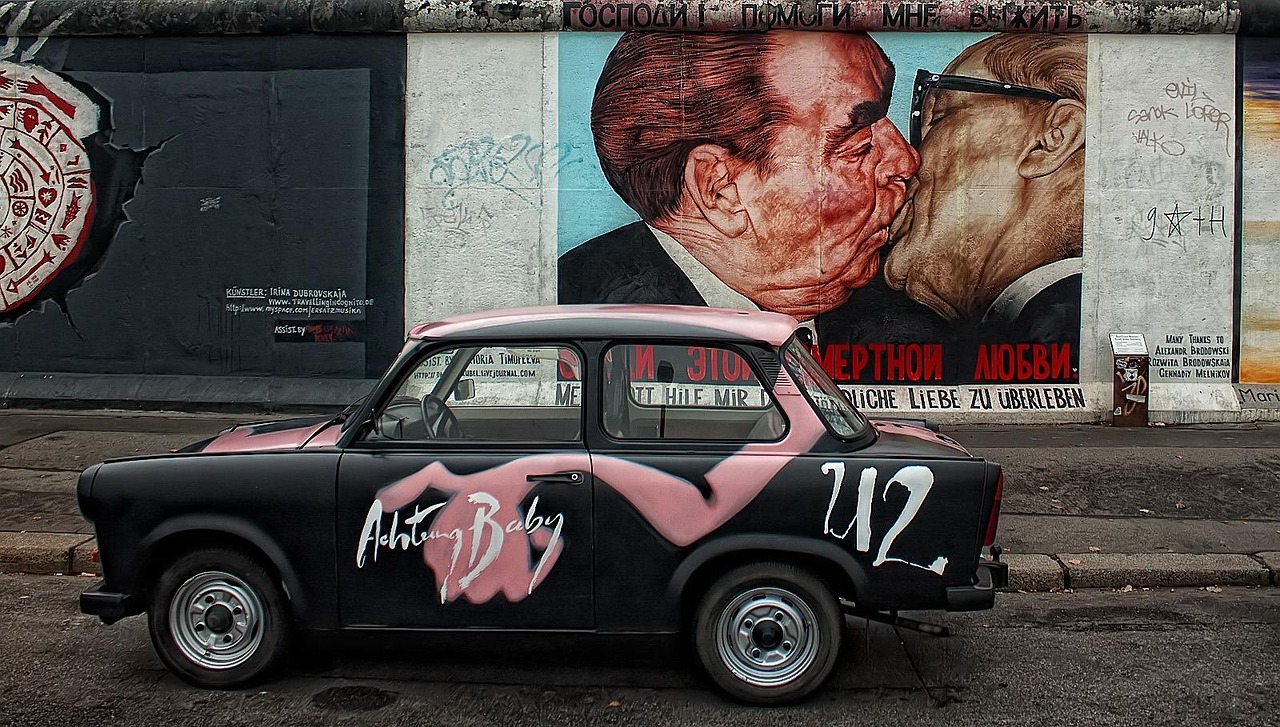
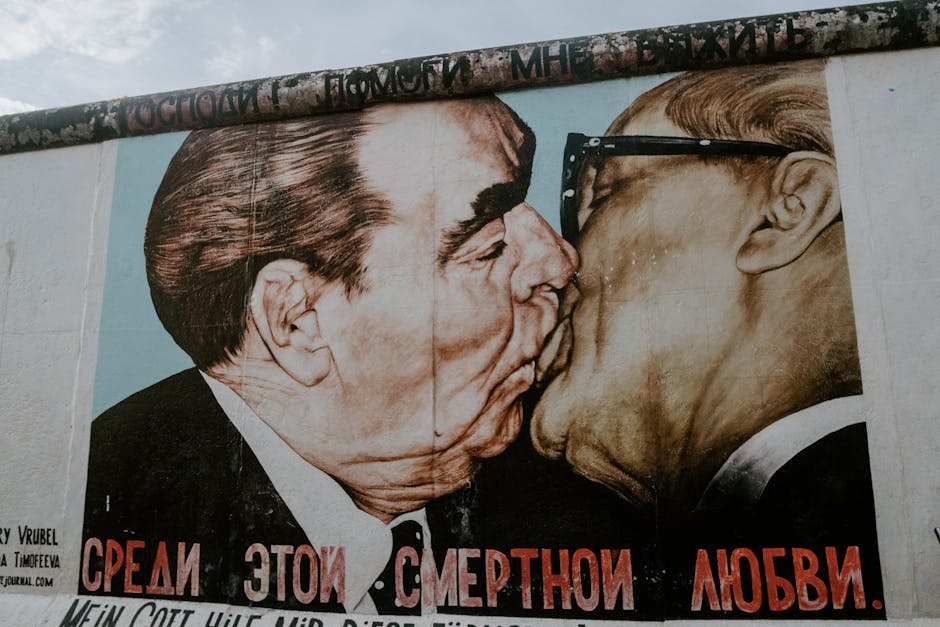
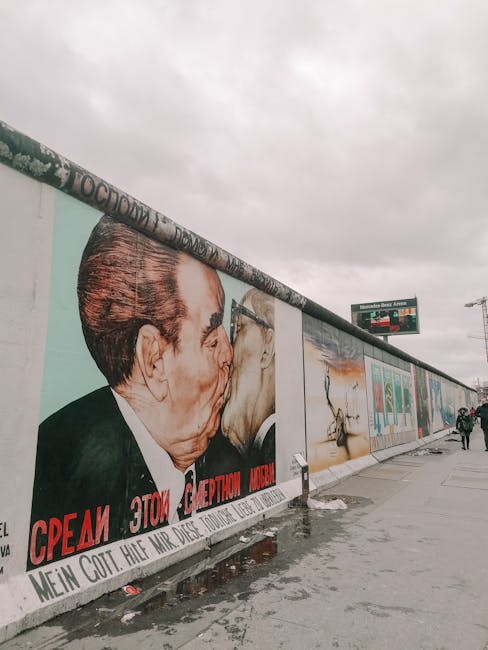
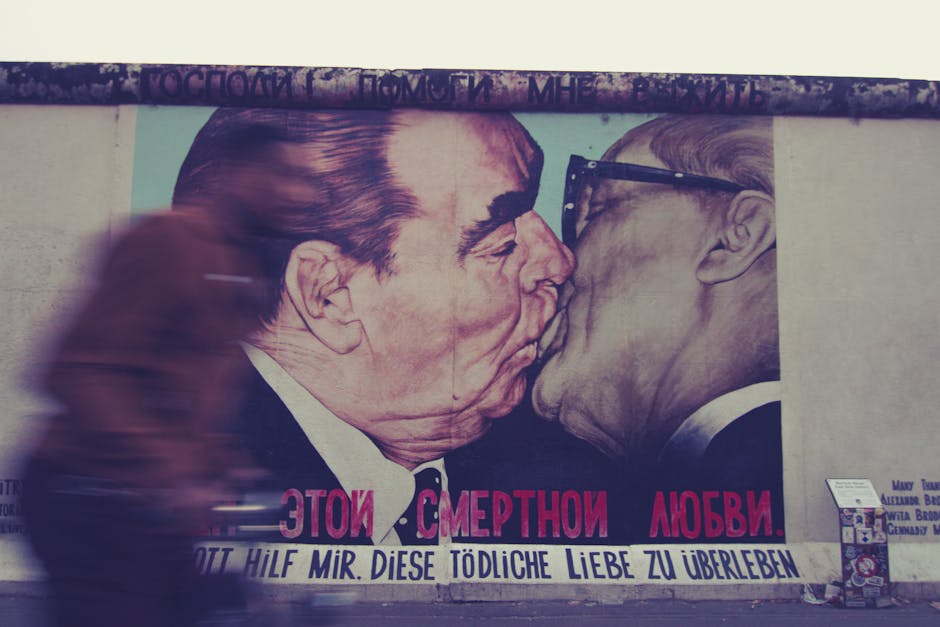
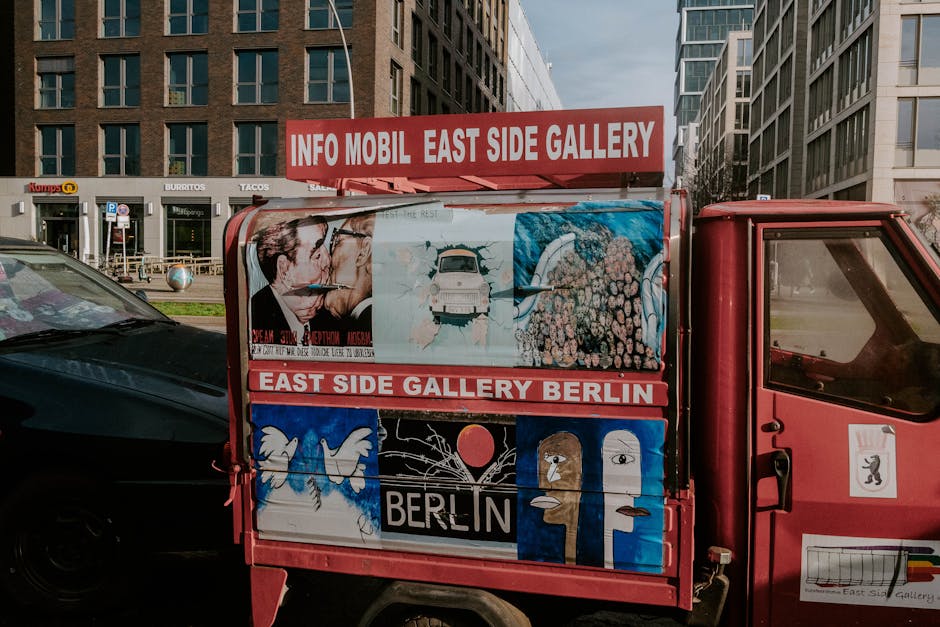
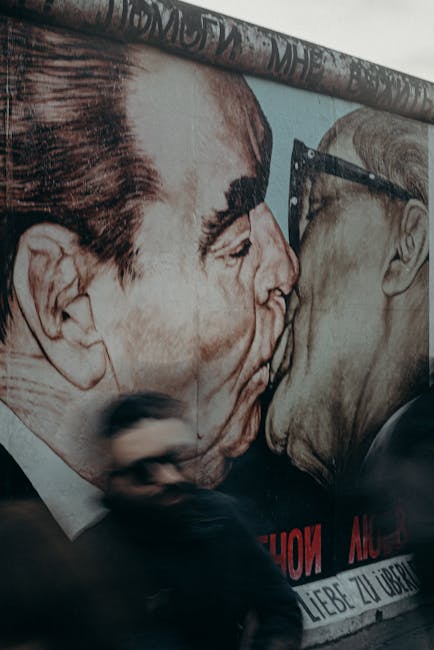
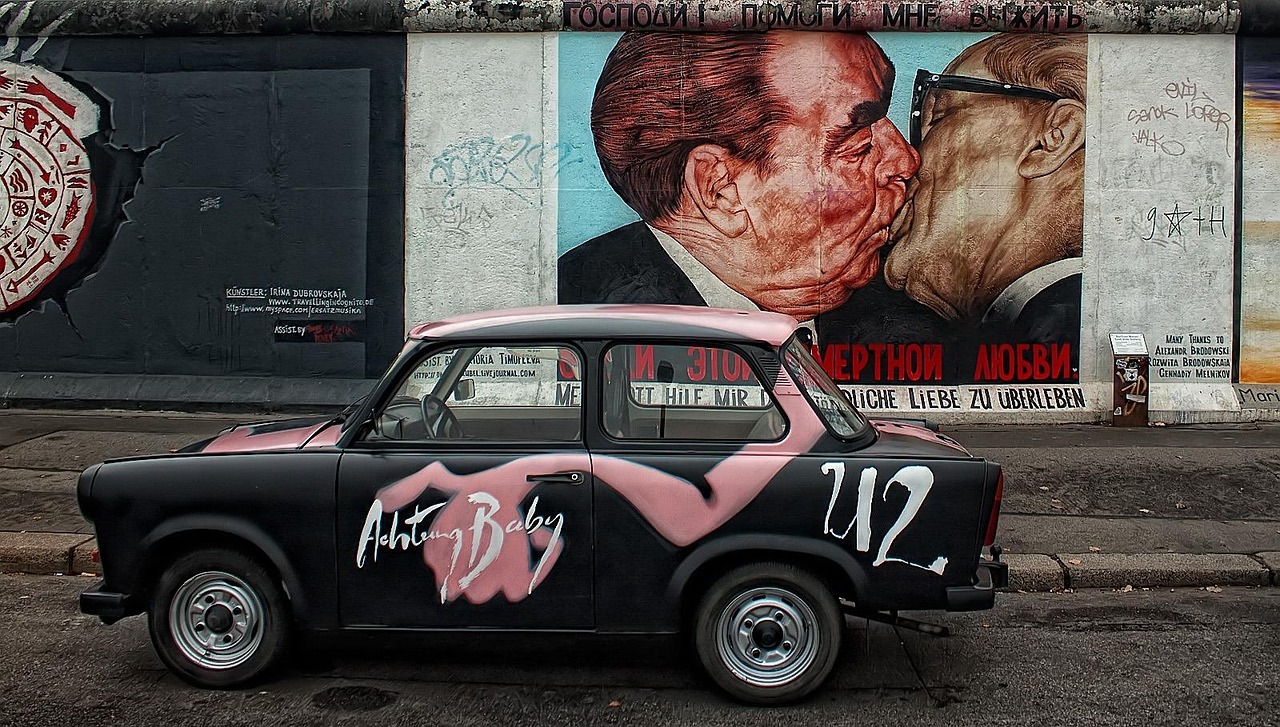
East Side Gallery sits along Muhlenstrasse, a 1.3-kilometre stretch covered in murals that were painted immediately after the wall opened. Dmitri Vrubel’s famous “Fraternal Kiss” mural — Brezhnev and Honecker locked in an embrace — is the most photographed spot. It is free, outdoors, open 24 hours, and directly accessible from Warschauer Strasse U-Bahn station. Get there early if you want photos without a hundred selfie sticks in the frame.
Berlin Wall Memorial on Bernauer Strasse is, honestly, the place that matters most. This is where the full wall system has been preserved — both walls, the death strip, a watchtower, and the foundations of buildings that were demolished to create clear firing lines. The open-air exhibition runs four blocks, and there is a viewing platform that lets you look down into the death strip from above. Free entry. Open 9:30am to 7pm (April through October), closing at 6pm in winter. Closed Mondays. Take the U8 to Bernauer Strasse.
Topography of Terror preserves about 200 metres of wall along Niederkirchnerstrasse. This section sat right on the border between Mitte and Kreuzberg. The museum itself covers the SS and Gestapo headquarters that stood on this site, so the wall segment adds another layer to an already heavy visit. Free admission, open daily.
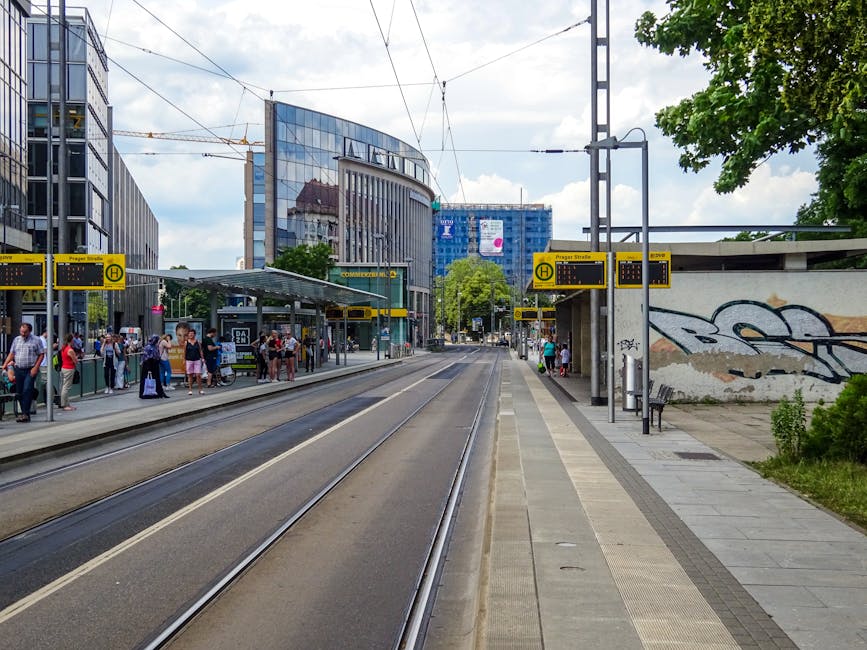
Potsdamer Platz has six wall sections at the station entrance. This was once the busiest intersection in Europe, then it became a wasteland in the death strip. Now it is all glass towers and Sony Center. The contrast is the point.
Checkpoint Charlie — Skip the Replica, Visit the Museum
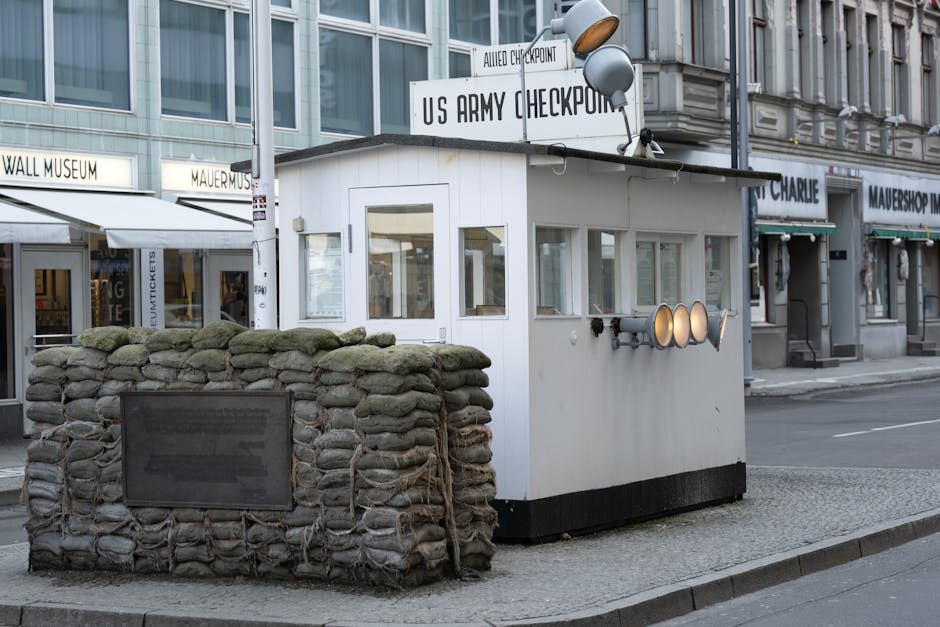
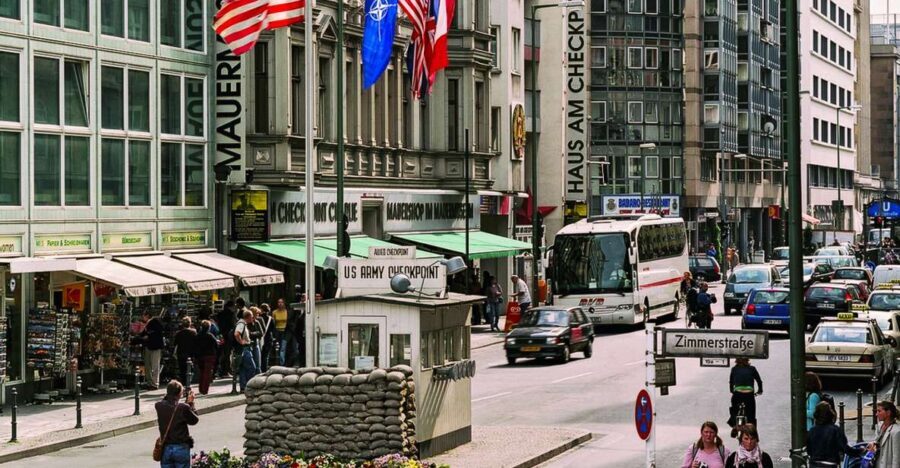
The guard house standing at Checkpoint Charlie today is a reproduction. The original is in the Allied Museum in Dahlem. But the Checkpoint Charlie Museum (Mauermuseum) at Friedrichstrasse 43-45 is legitimately worth your time — it documents escape attempts in extraordinary detail. Converted cars with secret compartments, a one-man submarine, the homemade hot air balloon that carried two families over the wall. Some of these stories are almost unbelievable.
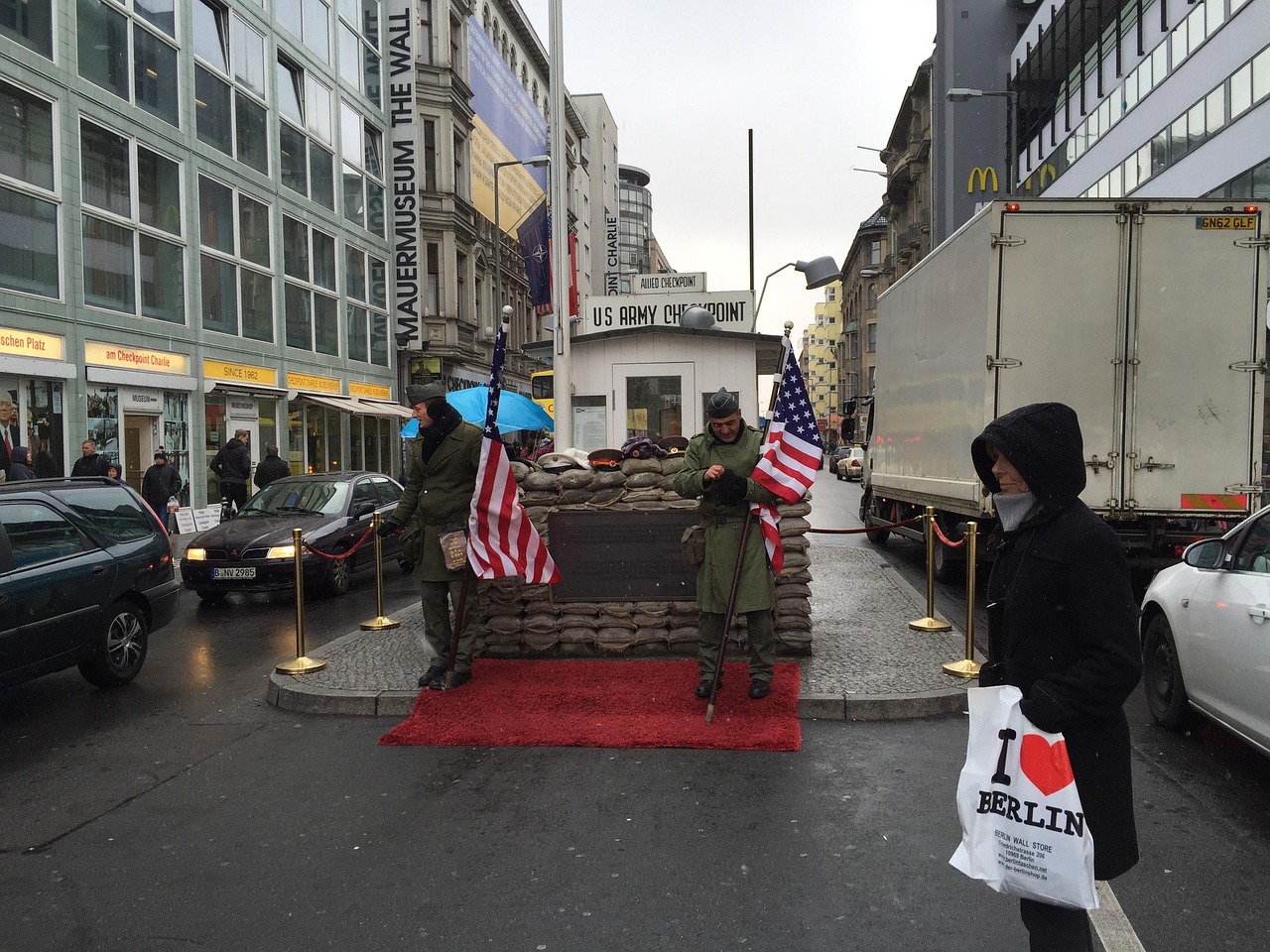
The skip-the-line ticket is worth it — especially in summer when the queue snakes around the block. You will spend a good 90 minutes inside if you actually read the exhibition panels, and the escape story section alone justifies the entry price.
Best Berlin Wall Tours to Book
Here are the tours that cover the Berlin Wall sites properly, ranked by how well they handle the subject.
1. Skip-the-Line: Berlin Wall Museum at Checkpoint Charlie — $21
This is pure museum access, no guide — you get priority entry to the Mauermuseum and go at your own pace. The collection is enormous. Escape vehicles, forged documents, hidden compartments in everyday objects. Plan at least 90 minutes, though you could easily spend two hours. The skip-the-line element saves you 20-30 minutes during peak season, which is real time saved when you are standing outside on Friedrichstrasse in August.
Good for: people who prefer to absorb things quietly, at their own speed, without a group breathing down their neck.
Check Availability or read our full review
2. Cold War Berlin: Espionage, Berlin Wall, and a Divided City — $18
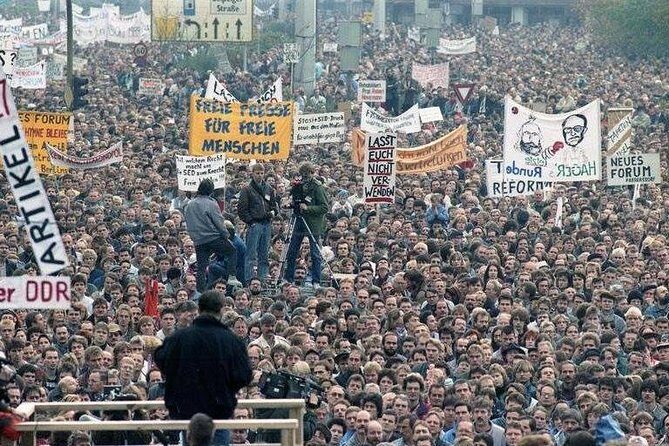
A 2-hour walking tour that takes the espionage angle on the wall. You cover Checkpoint Charlie, sections of the wall, and spy-related sites that most visitors walk straight past. The guide explains how both sides ran intelligence operations, the tunnel digs, and the informant networks. It is a different lens on the wall story — less about the physical barrier and more about what was happening on both sides of it.
At $18 per person, this is one of the cheapest guided options in Berlin. The meeting point is central and the route covers about 3 kilometres on foot.
Good for: history nerds, anyone interested in Cold War espionage, people who have already been to the museums and want a deeper layer.
Check Availability or read our full review
3. The Wall Museum East Side Gallery Ticket — $14
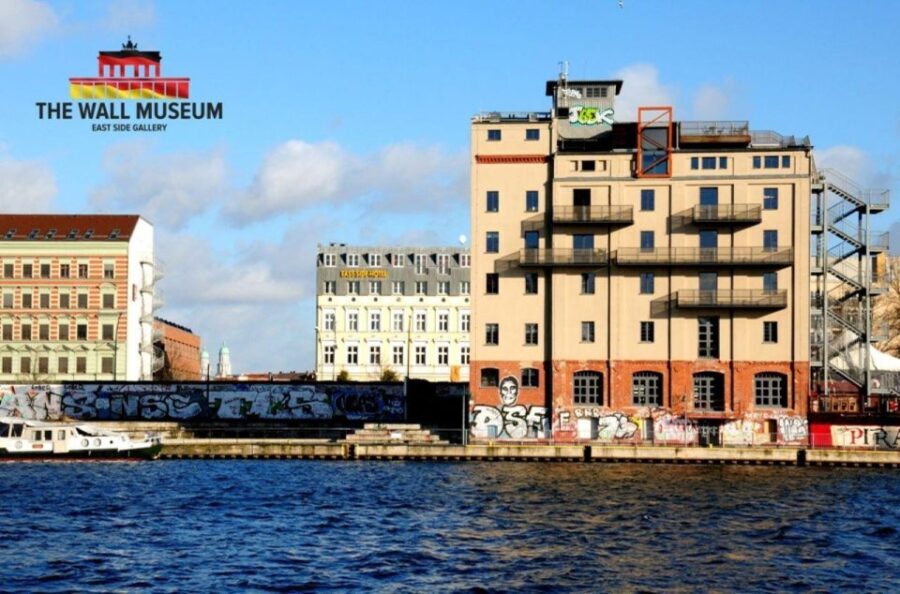
The cheapest way into a dedicated wall museum. This one sits right at the East Side Gallery, so you can walk the murals first and then duck inside for the exhibition. It covers the wall’s construction, daily life in divided Berlin, and the events leading to November 9, 1989. The multimedia installations are newer than the Checkpoint Charlie museum, and the whole thing is more modern in design.
At $14, it is almost an impulse buy. Budget about 60-75 minutes for the exhibition.
Good for: budget travellers, anyone already at the East Side Gallery, people who want a quicker museum visit than Checkpoint Charlie.
Check Availability or read our full review
Planning Your Wall Route
The wall sites are not clustered together. Bernauer Strasse, Checkpoint Charlie, East Side Gallery, and Topography of Terror are all in different parts of the city. You will need the U-Bahn and S-Bahn. A day ticket (Tageskarte) costs about EUR 9 and covers all zones.
A solid one-day route:
Start at Berlin Wall Memorial, Bernauer Strasse in the morning (it opens at 9:30am). Spend 60-90 minutes. Walk to the S-Bahn at Nordbahnhof, take the S1 or S2 south to Friedrichstrasse, and walk to Checkpoint Charlie and the museum. After that, it is a short walk south to Topography of Terror on Niederkirchnerstrasse. Then take the U-Bahn east to Warschauer Strasse for the East Side Gallery in the late afternoon — the light along the Spree is best around this time anyway.
What Most Guides Will Not Tell You
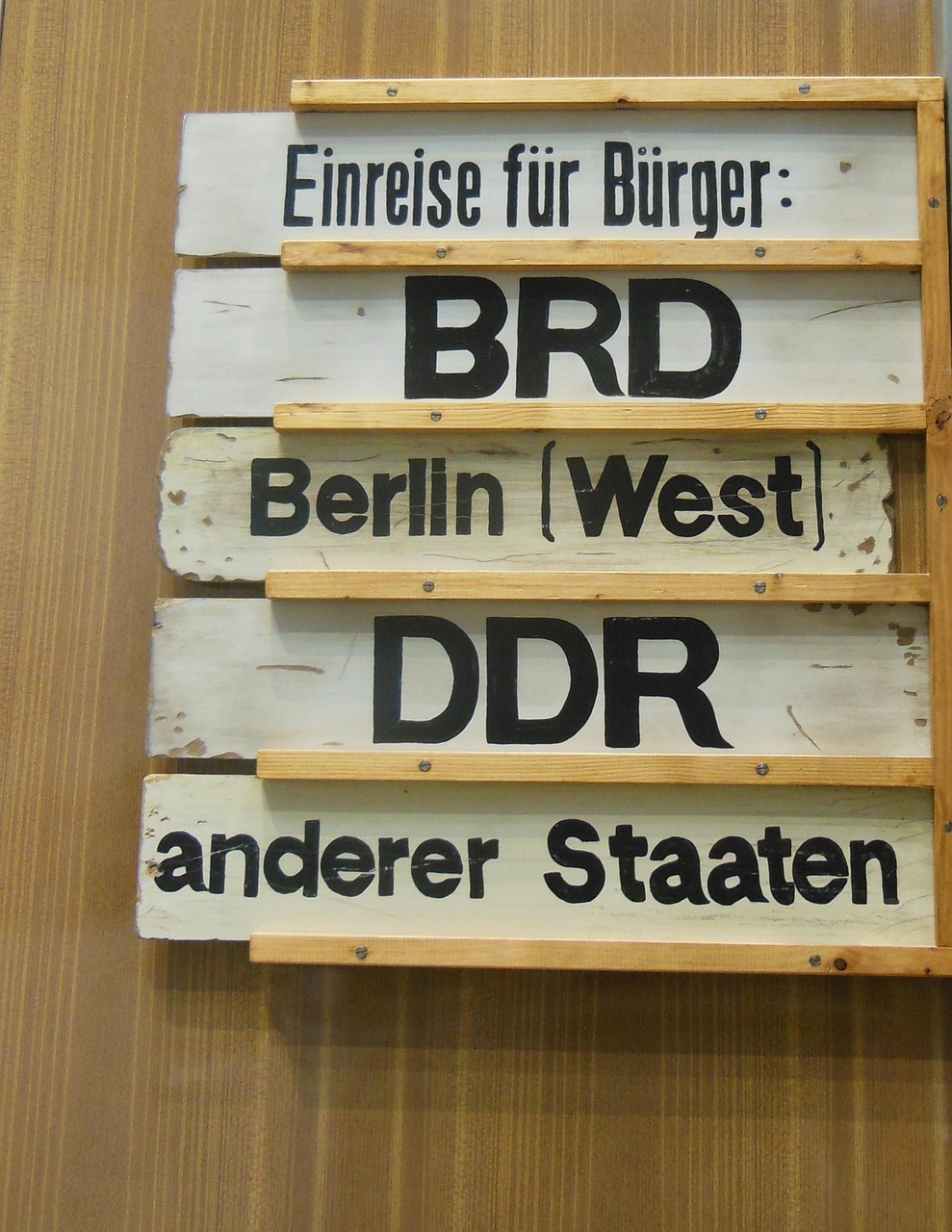
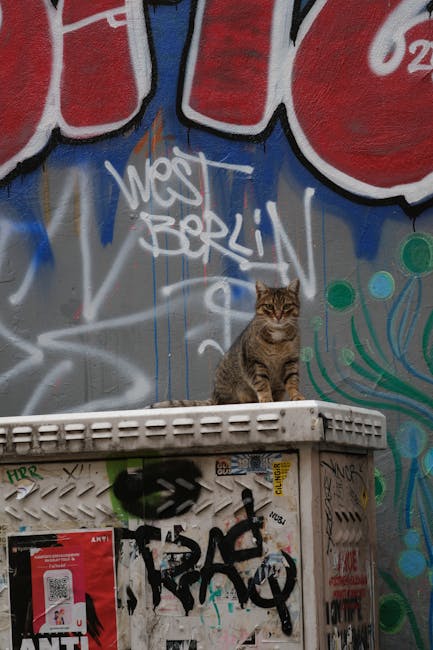
The wall path is marked by a double row of cobblestones embedded in the pavement across Berlin. You will cross it dozens of times in a day without realising it. Once you start looking for the cobblestones, you will notice them everywhere — cutting through intersections, running alongside buildings, crossing parks.
Bosebrucke at Bornholmer Strasse was the actual first crossing point when the wall opened on November 9, 1989. Not Checkpoint Charlie, not the Brandenburg Gate — Bornholmer Strasse. Japanese cherry trees now line the path as a gift from Japan in 1990. It is off the tourist trail and feels genuinely peaceful compared to the chaos at Checkpoint Charlie.
Mauerpark — the name literally means wall park — sits on the former death strip and has remnants of the rear security wall. Sundays bring a massive flea market and an outdoor karaoke amphitheatre. It is the most Berlin thing you can do, standing on a former death strip singing ABBA into a microphone while 2,000 strangers cheer.
The Tranenpalast (Palace of Tears) at Friedrichstrasse station is free and deeply moving. This was where West Berliners had to say goodbye to their relatives before crossing back. The name came from the tears shed at the exit point. The permanent exhibition covers everyday life in divided Germany with personal stories that stay with you longer than any museum panel.

Practical Tips
Wear proper shoes. A full wall day covers 8-12 kilometres of walking across uneven cobblestones and pavement. Sandals are a mistake.
Bring water and snacks. Bernauer Strasse does not have much nearby in terms of cafes, and you will be walking outdoor exhibitions for an hour or more.
Summer temperatures hit the high 20s to low 30s Celsius. Winter drops to minus 10 on bad days. The outdoor memorial sites have zero shade in summer and zero shelter in winter. Dress for it.
Avoid the fake soldiers at Checkpoint Charlie. The guys in uniforms charging EUR 3-5 for photos have absolutely nothing to do with anything historical. They are actors in costume running a tourist trap.
The Berlin WelcomeCard gives discounted entry to the Checkpoint Charlie museum and other sites, plus unlimited transport. Worth doing the maths if you are spending 2-3 days in Berlin.
The Berlin Wall did not just divide a city — it cut through families, friendships, and the daily routines of millions of people for 28 years. Visiting the sites where it stood is one of those rare travel experiences where the history does not feel distant at all.
Pair the Wall sites with a Third Reich walking tour to get the full arc of what happened here in the 20th century, or head to the Reichstag to see the building where German reunification was officially celebrated in 1990. A general Berlin walking tour ties the Wall story into the broader city narrative, from the Brandenburg Gate to Checkpoint Charlie and beyond.
A guided bike tour follows the Wall trail and the Spree in one ride — covering more ground than you could on foot without the fatigue. The Spree River cruise passes the East Side Gallery from the water, giving you a perspective on the Wall that walking alongside it cannot match. And the TV Tower at Alexanderplatz — built by the DDR as a statement of socialist modernity — lets you look down at both sides of where the Wall once ran. The wall has been down longer than it was ever up now. But what it left behind still has something to say.