
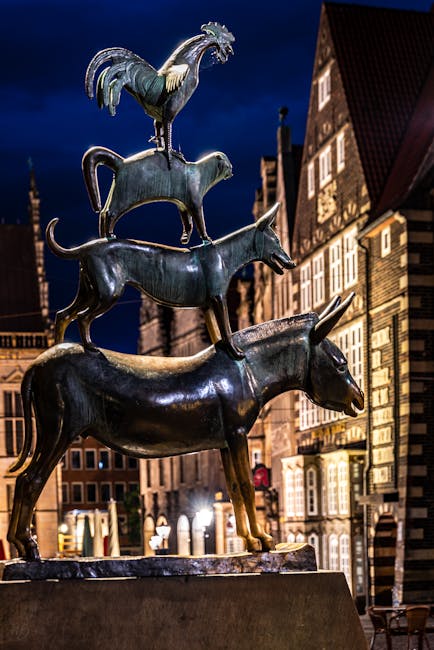
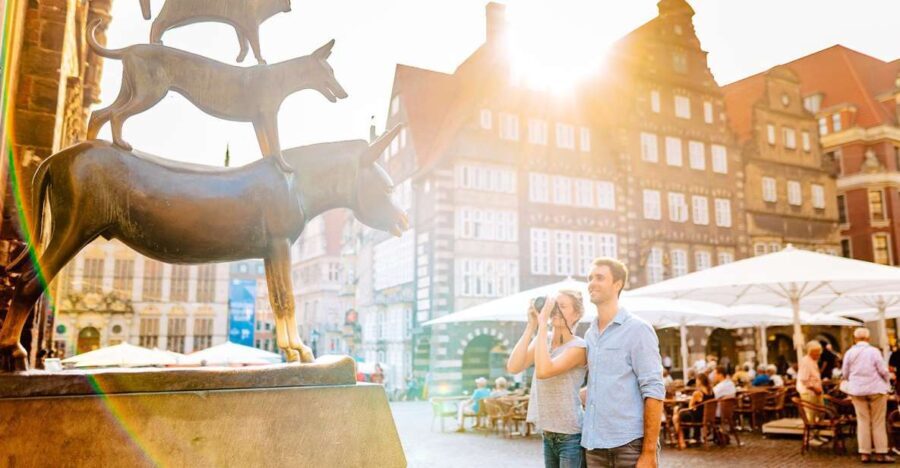
Every visitor to Bremen ends up standing in front of the same statue. The bronze Town Musicians — a donkey, a dog, a cat, and a rooster stacked on top of each other — sit right beside the Rathaus, and people grab the donkey’s front legs for good luck until the metal shines gold. It’s a little silly. It’s also the kind of thing that makes you realize Bremen isn’t trying to be Berlin or Munich. This is a city that knows what it is: a compact, walkable medieval trading port where you can cover 800 years of history before lunch, then spend the afternoon lost in the Schnoor quarter’s crooked alleys wondering how buildings this old are still standing.
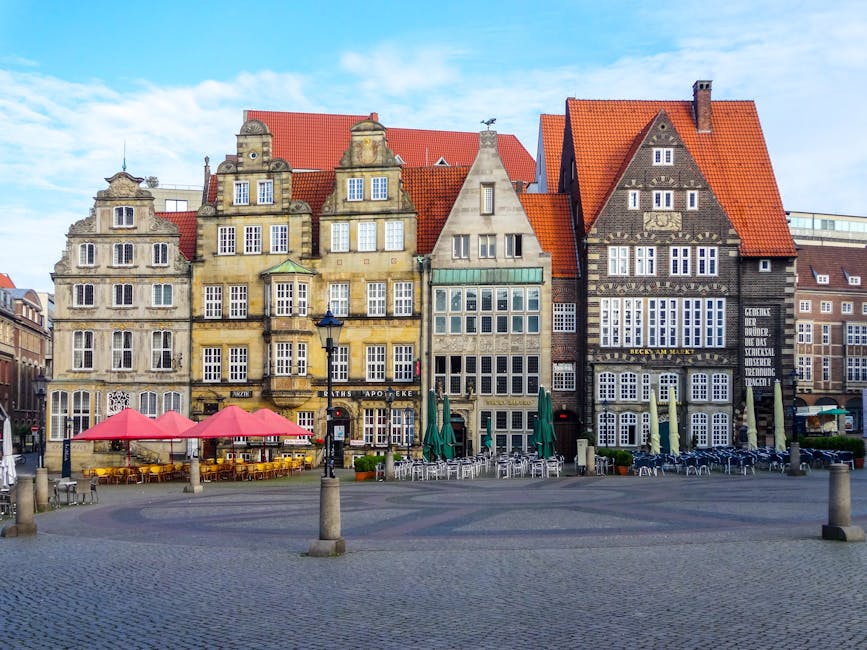
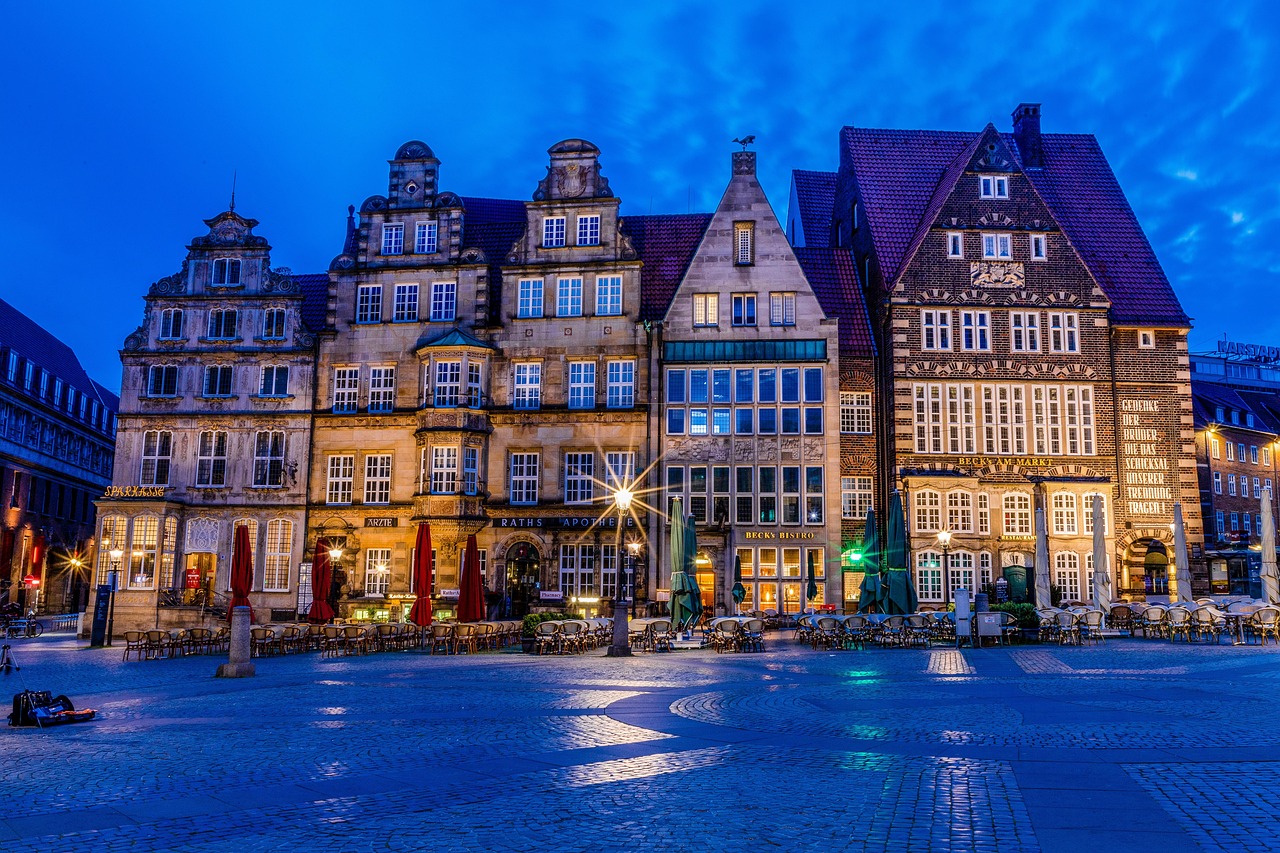
A walking tour is hands-down the best way to make sense of Bremen’s old town. The Rathaus and Roland statue together are a UNESCO World Heritage Site — that alone should tell you there’s more going on here than the Brothers Grimm connection. But you’ll also hit the 15th-century Schnoor district, St. Peter’s Cathedral with its 1,200-year history, the Boettcherstrasse (an entire street redesigned in the 1920s as an art-nouveau experiment), and the Weser riverfront where the old trading docks used to run.
The trick is that Bremen is small enough to walk on your own, but there’s so much layered history that you’ll miss most of it without a guide. The Rathaus’s Renaissance facade? That’s actually a 1600s makeover over a 1400s building. The Schnoor’s tiny houses? Former fishermen’s cottages that nearly got demolished in the 1950s. A guide fills in those gaps.
- Bremen: City Center Guided Walking Tour — 2 hours, $14/person. The go-to option: covers the Marktplatz, Schnoor, Boettcherstrasse, and all the major landmarks with a licensed guide. Over 2,700 reviews.
- Bremen: Walking Tour of Historic Schnoor District — 1 hour, $14/person. Deep dive into just the Schnoor quarter. Perfect if you’ve already seen the big sights and want the backstreet stories. 429 reviews, 4.8 rating.
- Bremen: Walking Tour with Night Guard — 1.5 hours, $18/person. A costumed night watchman leads you through the old town after dark. Theatrical and fun. Nearly 3,000 reviews (German language only).
- What You’ll Actually See on a Bremen Walking Tour
- The Schnoor Quarter
- Boettcherstrasse — The Street That Shouldn’t Exist
- The Best Walking Tours to Book
- 1. Bremen: City Center Guided Walking Tour
- 2. Bremen: Walking Tour of Historic Schnoor District
- 3. Bremen: Walking Tour with Night Guard
- Practical Tips for Walking in Bremen
- Before You Book
What You’ll Actually See on a Bremen Walking Tour
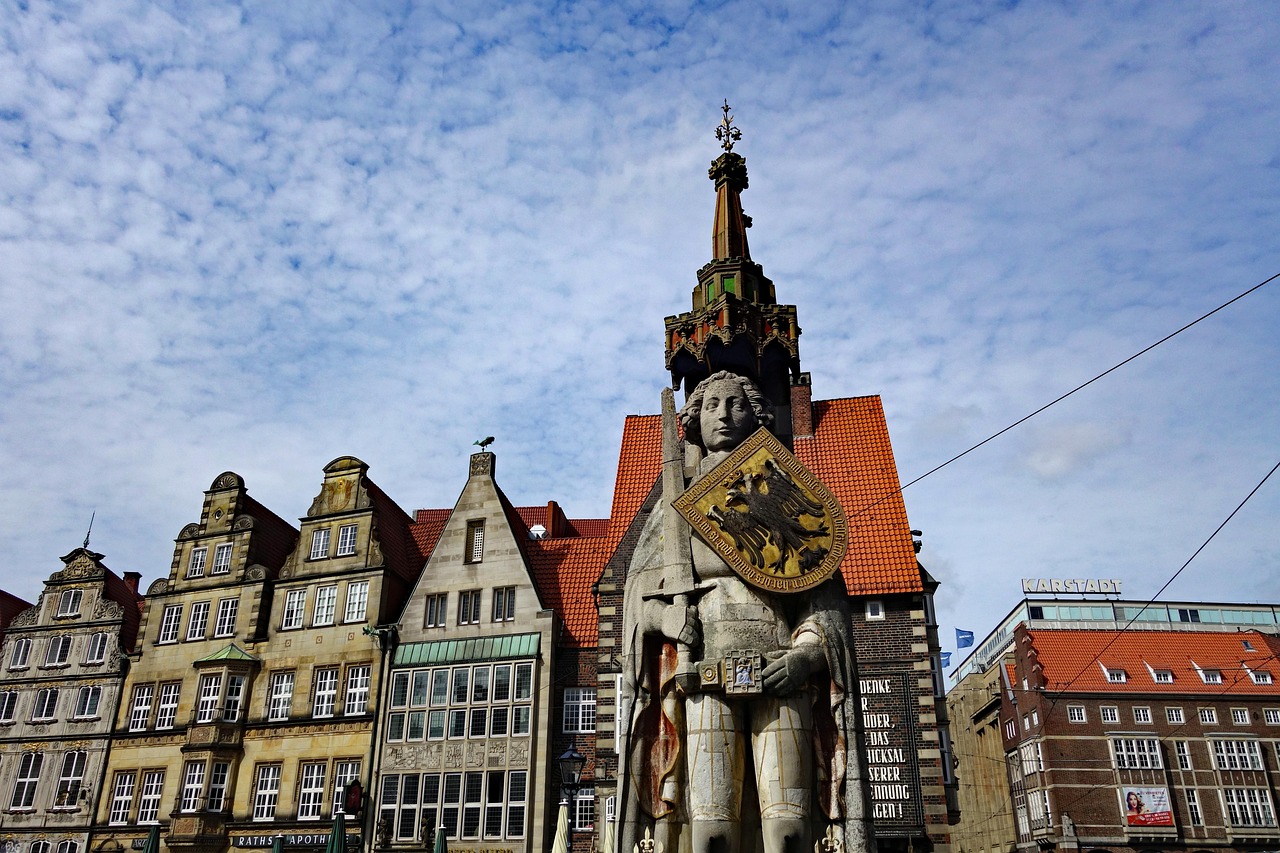
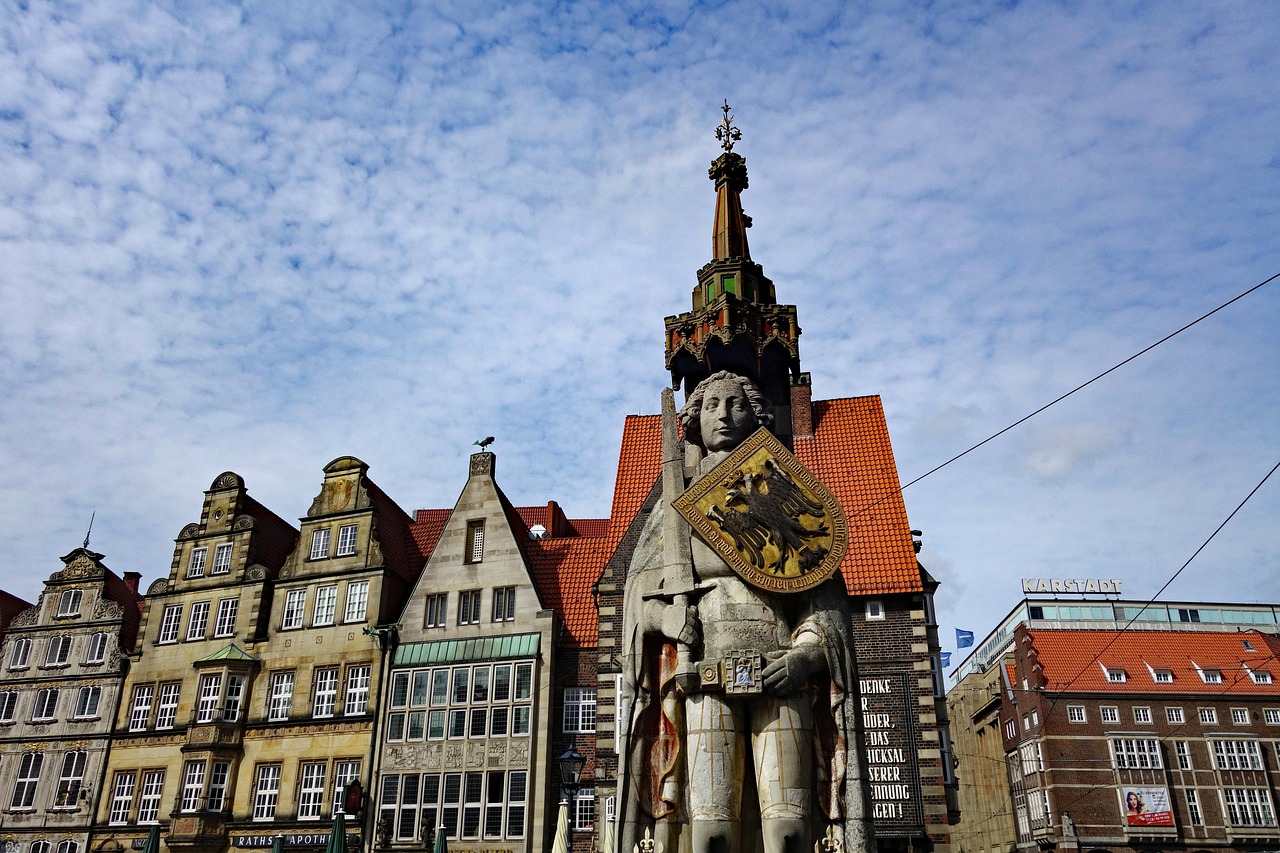
Bremen’s old town is concentrated enough that a two-hour tour covers the highlights without rushing. Here’s the typical route and why each stop matters.
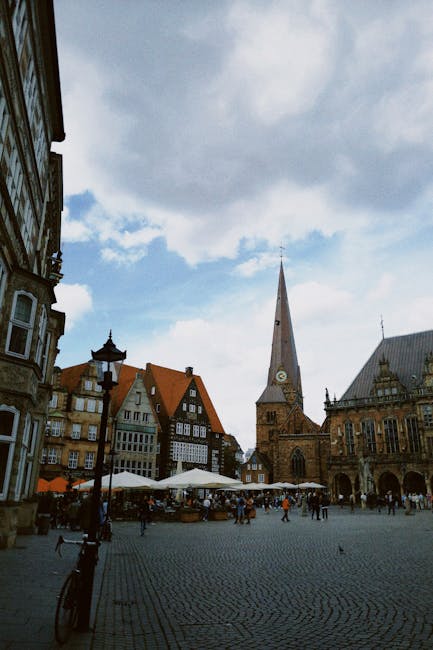
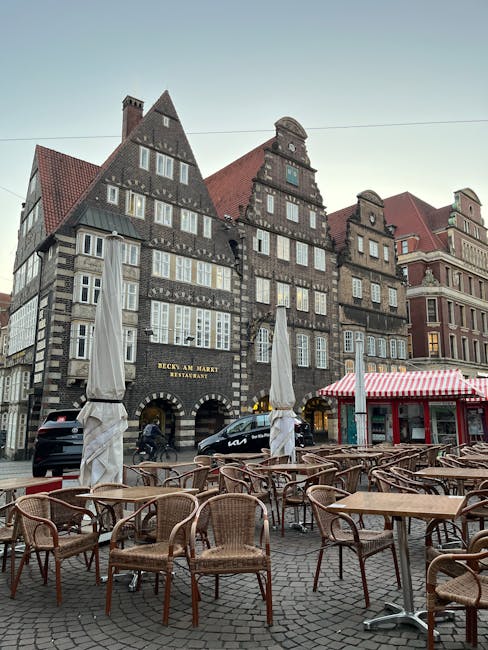
The Marktplatz is where everything begins. This isn’t just a pretty square — it was the commercial heart of the Hanseatic League’s trade network for centuries. The Rathaus takes up the north side, Roland towers over the center, and St. Peter’s Cathedral anchors the eastern edge. On Saturday mornings, a farmers’ market fills the gaps between them.
The Roland Statue has stood in the Marktplatz since 1404. At 5.5 meters (not counting the pedestal), he’s the largest freestanding Roland statue in Germany. The sword and shield aren’t just decorative — they symbolized the city’s independence from the local archbishop. Bremen’s citizens were very serious about self-governance. They still are.
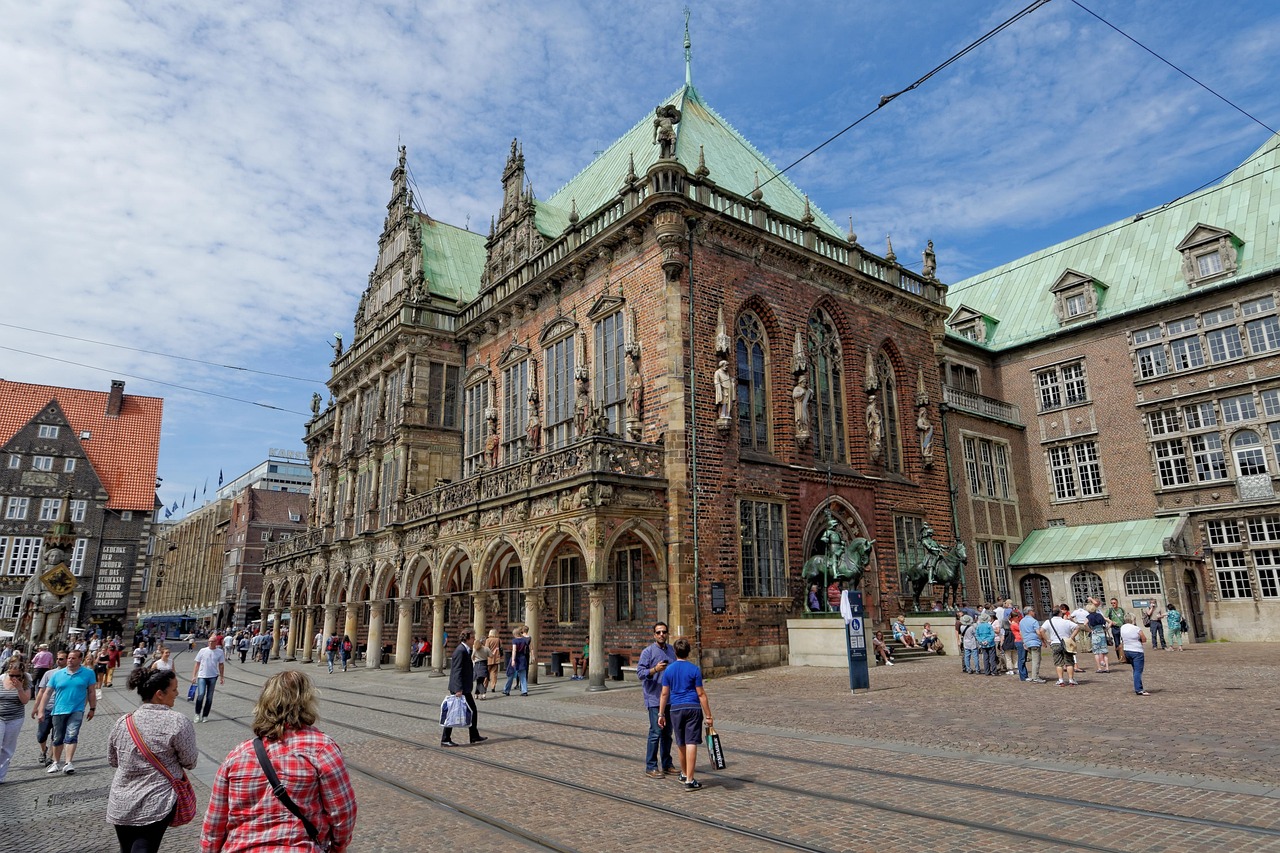
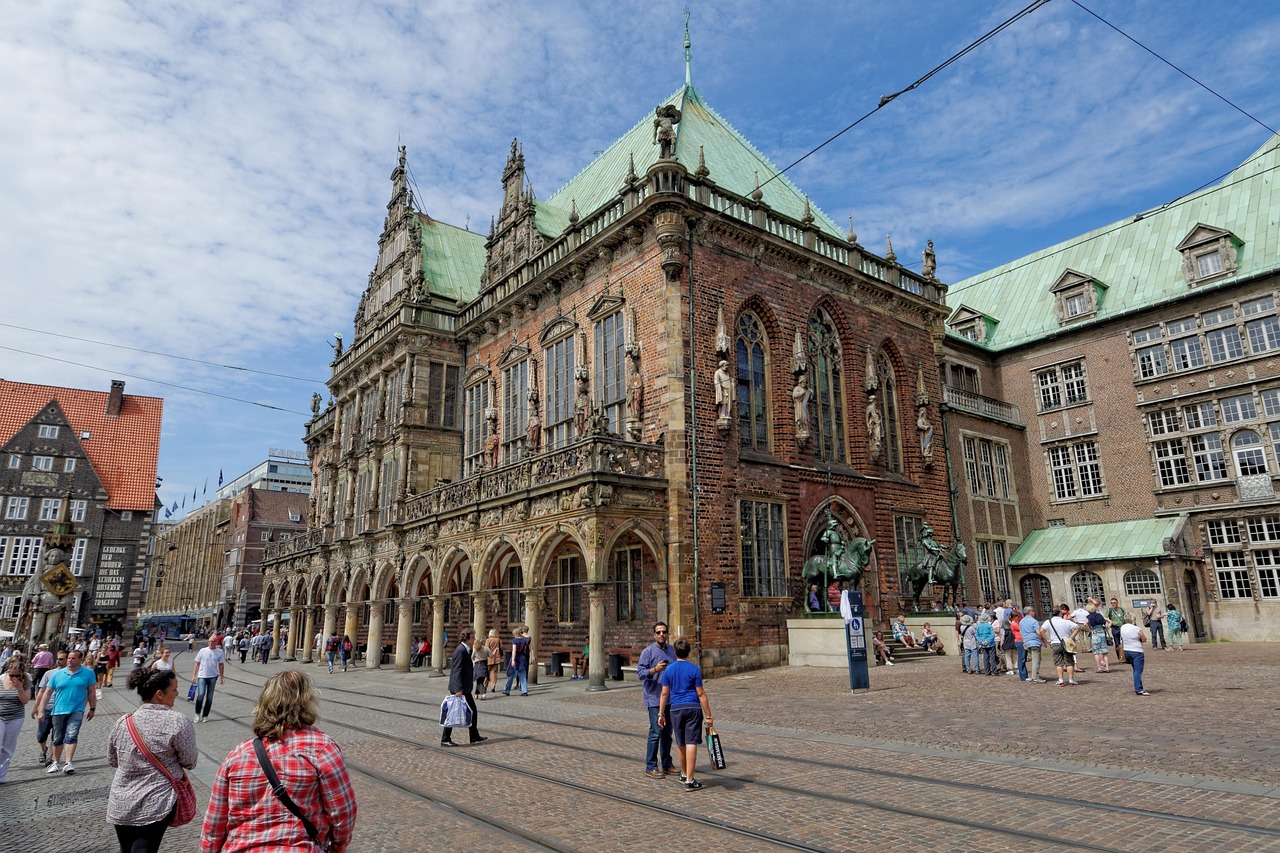
The Rathaus deserves a slower look than most people give it. The original Gothic hall was built in 1405 as a meeting place for the town council. Two centuries later, they slapped on a Weser Renaissance facade — all ornate gables, carved figures, and a level of decorative excess that basically screamed “we have money.” The wine cellar underneath (Ratskeller) has been serving wine continuously since 1405. You can still drink there today, though the prices reflect the UNESCO status.
St. Peter’s Cathedral (Dom) has been rebuilt, expanded, damaged, and restored so many times that the building is essentially a timeline of German architecture. The current structure dates mostly to the 11th and 13th centuries, but there’s been a church on this spot since at least 789 AD. The lead cellar (Bleikeller) in the basement contains naturally mummified bodies that have been on display since the 17th century — which is either fascinating or deeply unsettling, depending on your tolerance.
The Schnoor Quarter
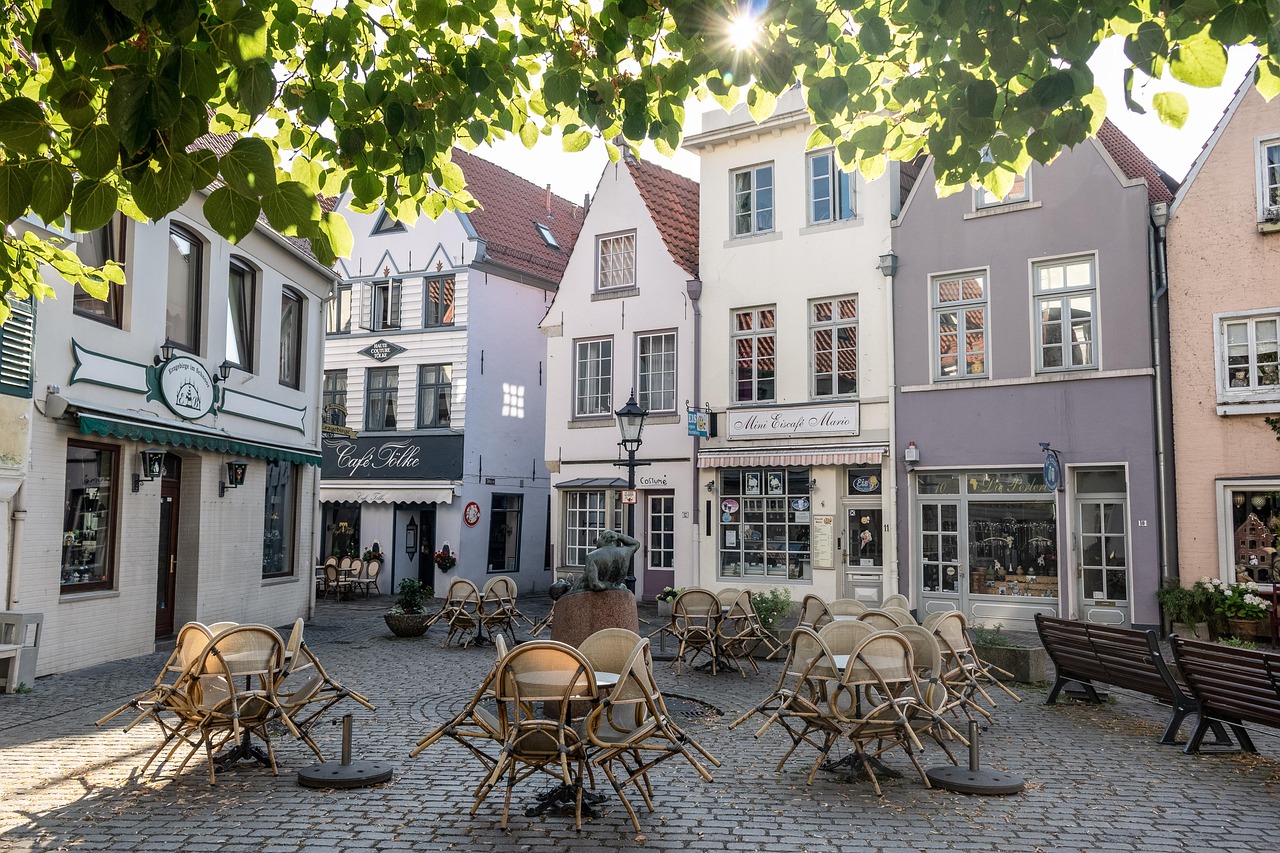
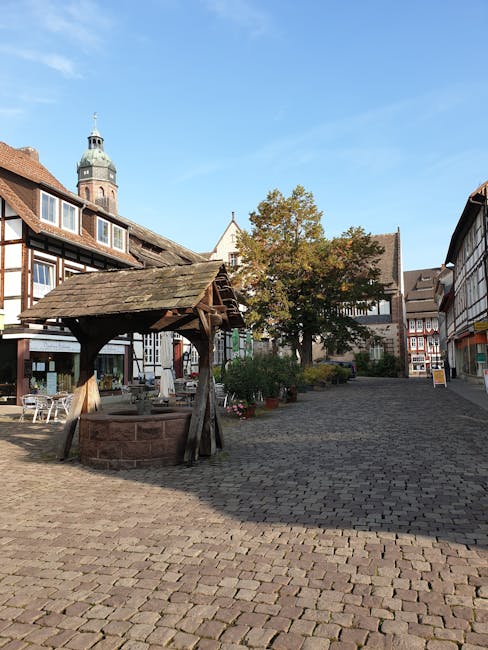
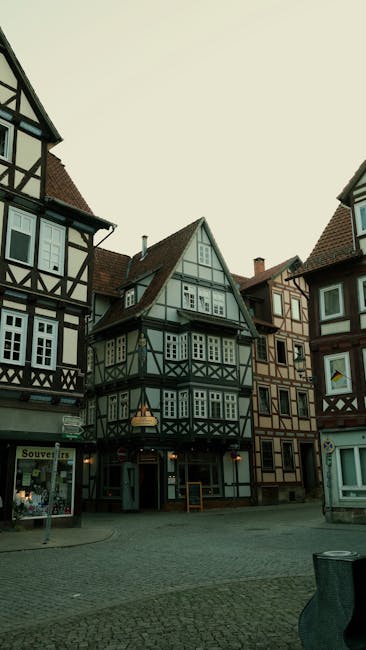
This is where a guide really earns their money. The Schnoor is Bremen’s oldest surviving neighbourhood, a tangle of narrow lanes and half-timbered houses dating back to the 15th and 16th centuries. The name comes from “Schnur” (string) — supposedly because the houses were packed together like beads on a string.
What most people don’t know: the Schnoor nearly didn’t survive. By the mid-20th century, the district was run-down and there were serious plans to demolish the whole thing. A restoration campaign in the 1950s and 60s saved it, and now it’s one of the most photographed spots in northern Germany. The irony is thick.
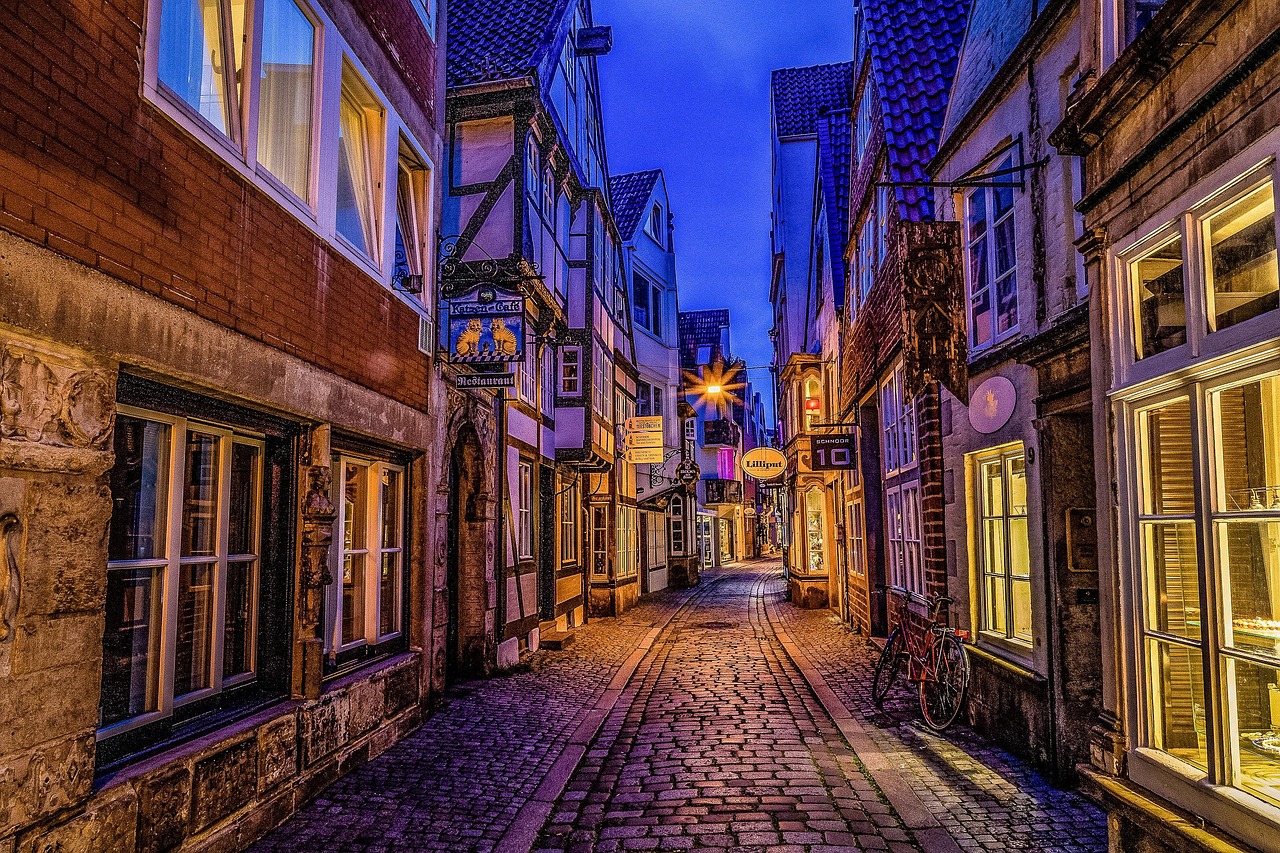
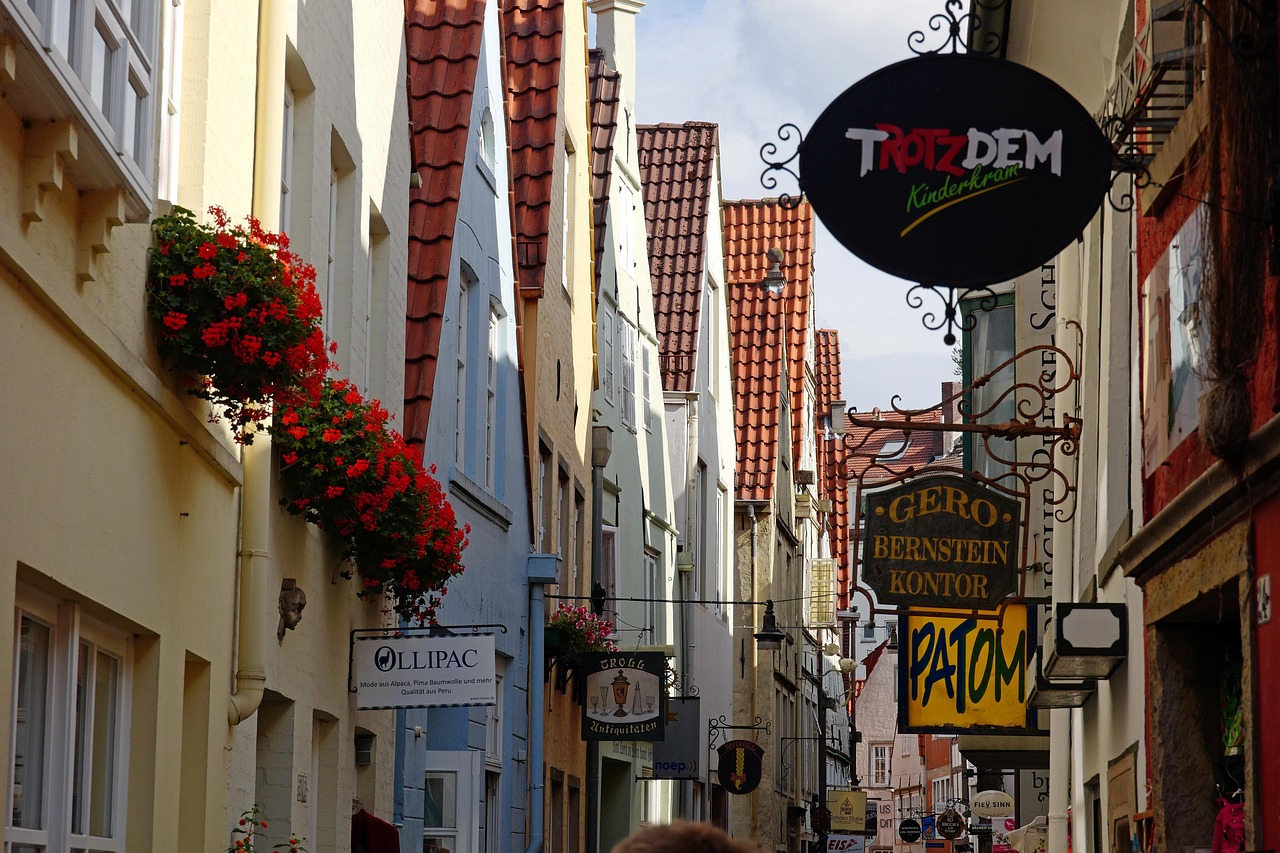
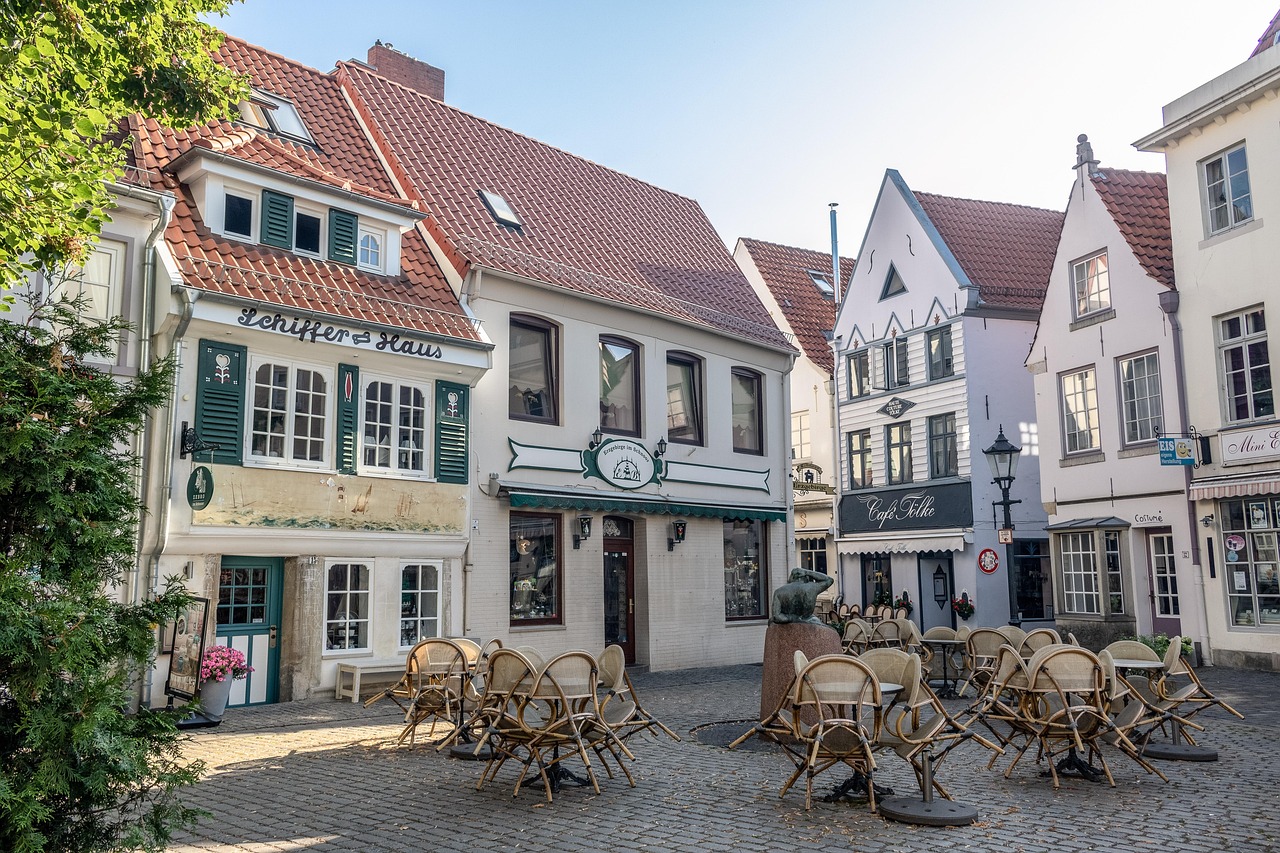
Today the Schnoor is full of craft shops, tiny cafes, and art galleries squeezed into spaces that seem physically impossible. The Schnoorkonditorei on Schnoor 38 does excellent cake, though you’ll need to be assertive about getting a table.
Boettcherstrasse — The Street That Shouldn’t Exist
If the Schnoor is medieval, Boettcherstrasse is its opposite: a single narrow street completely redesigned between 1922 and 1931 by the coffee magnate Ludwig Roselius. He commissioned a full Expressionist makeover — brick reliefs, golden facades, a glockenspiel made of Meissen porcelain bells, and the Paula Modersohn-Becker Museum (the first museum in the world dedicated to a female artist).
The Nazis actually condemned Boettcherstrasse as “degenerate art.” Roselius got around this by dedicating one of the buildings to a pseudo-Nordic mythology theme, which apparently satisfied the censors enough to leave the rest alone. The whole street is only about 100 meters long, but the density of art and architecture packed into that space is absurd.
The Best Walking Tours to Book
1. Bremen: City Center Guided Walking Tour
This is the tour to book if you’re only doing one. Two hours with a licensed guide covering the Marktplatz, the Rathaus, Roland, St. Peter’s Cathedral, the Schnoor quarter, and Boettcherstrasse — basically the entire old town core in a logical walking route. Groups stay small enough that you can actually ask questions without shouting.
At $14 per person, it’s also the cheapest option. That’s less than two coffees in the Schnoor, and you’ll learn more in two hours than you would in a full day of wandering with a guidebook.
Duration: 2 hours
Price: $14 per person
Best for: First-timers who want the full overview
Check Availability for City Center Tour
2. Bremen: Walking Tour of Historic Schnoor District
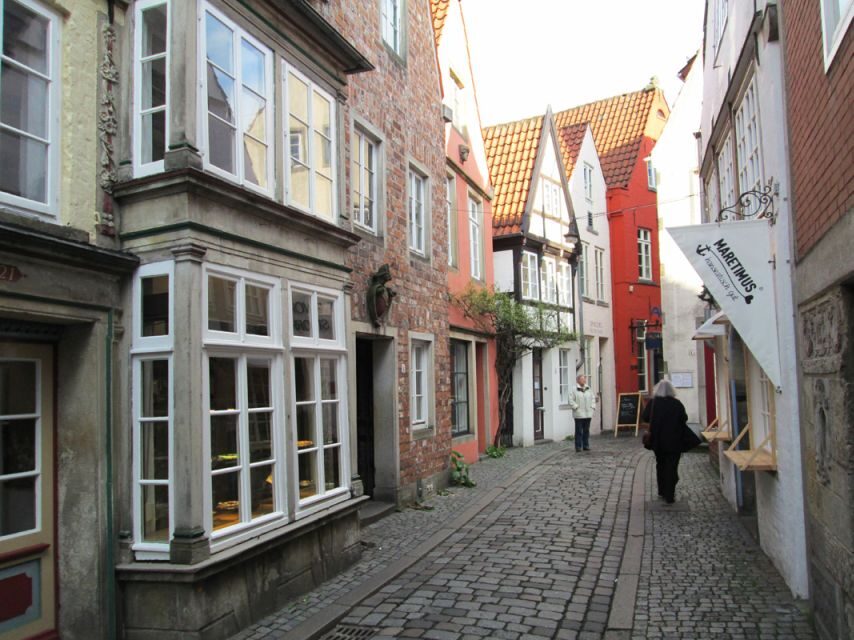
If you’ve already seen the Marktplatz or you just want to go deep on one neighbourhood, this is the one. A full hour dedicated entirely to the Schnoor quarter — the history of the fishermen’s cottages, the near-demolition in the 1950s, the hidden courtyards that most visitors walk right past.
The 4.8-star rating (from 429 reviews) makes this the highest-rated walking tour in Bremen, and it’s easy to see why. The Schnoor rewards close attention, and a dedicated guide can point out details you’d never notice on your own: the iron anchor marks on the walls from the old rope-making quarter, the hidden garden behind the Schnoor Kirche, and the story behind the district’s smallest house.
Duration: 1 hour
Price: $14 per person
Best for: Architecture lovers, photographers, return visitors
Check Availability for Schnoor Tour
3. Bremen: Walking Tour with Night Guard
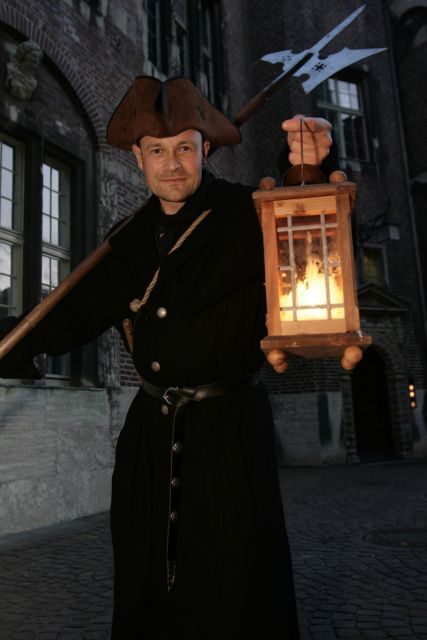
This one’s different. A costumed night watchman (complete with lantern, horn, and halberd) leads you through the old town after dark, telling stories from Bremen’s medieval past. It’s part history tour, part street theatre, and the nighttime atmosphere in the Schnoor and around the Rathaus is genuinely different from daytime — quieter, moodier, and somehow more convincing as a medieval setting.
Important: This tour is conducted in German only. If you speak German or at least understand enough to follow along, it’s terrific entertainment. If you don’t, stick with options 1 or 2.
Nearly 3,000 reviews and a 4.7-star average tell you the format works. It’s one of the most popular tours in all of northern Germany.
Duration: 1.5 hours
Price: $18 per person
Best for: German speakers, couples, anyone who likes theatrical tours
Note: German language only
Check Availability for Night Guard Tour
Practical Tips for Walking in Bremen
When to go: May through September gives you the best weather, but Bremen’s old town is genuinely good in any season. The Christmas market in December transforms the Marktplatz into something out of a storybook, and spring brings out the cherry blossoms along the Wallanlagen (the ring park where the medieval walls used to be). Avoid July school holidays if you don’t like crowds.
What to wear: Cobblestones everywhere. Flat, sturdy shoes are non-negotiable. The Schnoor’s lanes are uneven and occasionally slippery after rain. Heels are a bad idea.
How to get there: Bremen Hauptbahnhof is a 10-minute walk from the Marktplatz. Tram lines 2, 3, and 10 stop at Am Brill, which puts you right at the edge of the old town. If you’re flying in, Bremen Airport has a direct tram line (Line 6) into the center — takes about 15 minutes.
Combine it with: The Beck’s Brewery Tour ($28, 3 hours) is a popular add-on — Bremen’s most famous export after the Town Musicians. The underground tour ($18, 2 hours) covers the WWII bunkers and tunnels beneath the city, which is a totally different side of Bremen. And if you’re making a northern Germany trip of it, Hamburg is only an hour away by train — check out our guides to booking a harbor cruise in Hamburg or exploring the Reeperbahn on a guided tour.
Before You Book
All three tours start at or near the Marktplatz, so you can’t really get lost on the way there. The city center tour and the Schnoor tour both run in English and are easy to book same-day if there’s availability, though summer weekends can sell out. The night guard tour fills up faster — book at least a few days ahead.
One thing worth knowing: Bremen’s old town is flat. Completely flat. There are no hills, no stairs, and no significant elevation changes on any of these routes. If mobility is a concern, this is one of the most accessible historic centers in Germany for walking tours.
Bremen does not get the attention that Hamburg or Munich do, and honestly that is part of why it works so well for a walking tour. You are not fighting through crowds at every landmark. You are not queuing for twenty minutes to take a photo. You are just walking through a genuinely old, genuinely interesting city where the history is still written into the buildings, the street names, and the slightly-too-narrow alleys of the Schnoor. If you have been thinking about visiting northern Germany, this is a good place to start.
Hamburg is just an hour north by train and pairs naturally with Bremen. A harbor cruise shows you the port city from the water, and the Reeperbahn and St. Pauli tour is the neon-lit evening counterpart to Bremen’s medieval calm. If you enjoyed the night watchman experience here, the Dresden Night Watchman tour is the same concept taken to another level — lantern-lit, costumed, and brilliantly atmospheric.
For more Germany walking tours, our guide to walking tours in Berlin covers the capital’s Cold War and WWII history, or if you are heading south, walking tours in Munich take you through Marienplatz and the old town.