
The first thing that hit me was not the heat. It was the sound — or rather, the complete absence of it. One second I was on a chaotic Sultanahmet side street dodging a guy selling simit from a cart, and the next I was standing barefoot on 500-year-old marble in a room so quiet I could hear water dripping from a dome twenty feet above my head.
That silence lasted about four seconds. Then a stocky man in a checkered pestemal appeared, grinned, pointed at the heated marble slab in the center of the room, and said a single word: “Lie.”
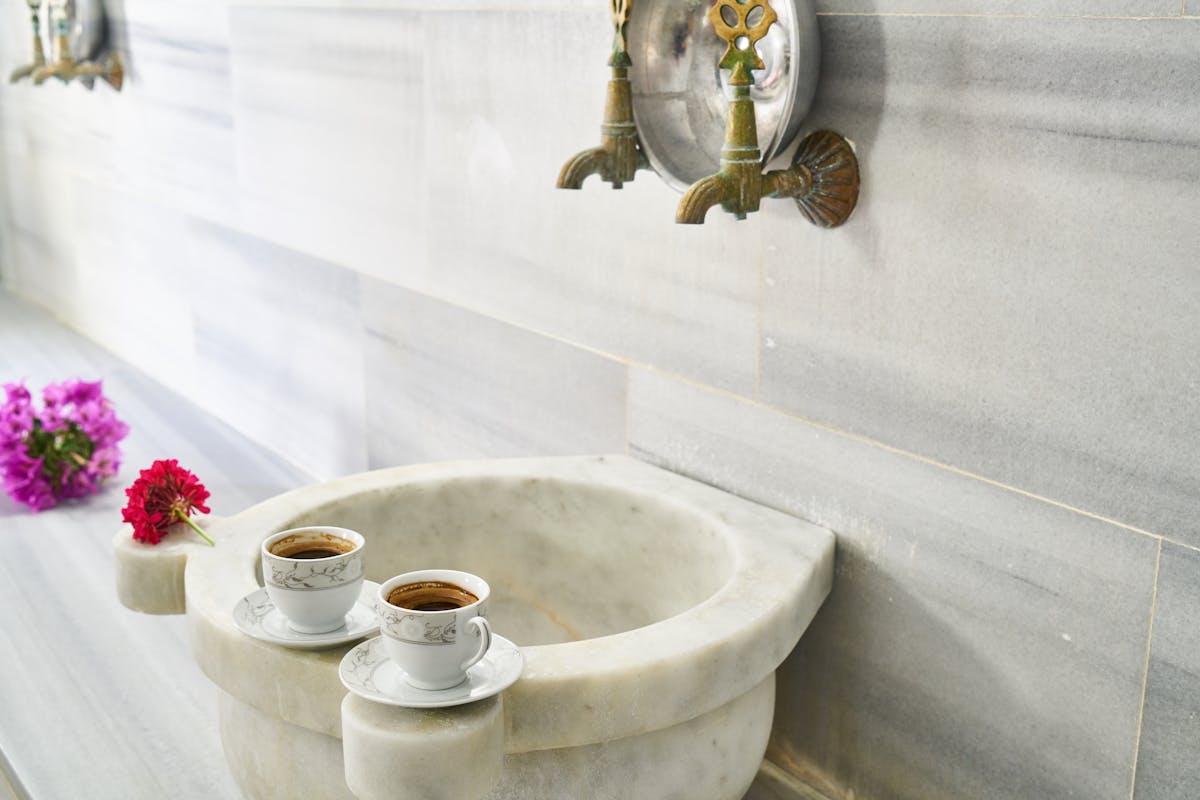
That is the Turkish bath experience in Istanbul. It is not a spa day. It is not a wellness retreat with ambient music and cucumber water. It is an ancient ritual where someone scrubs your skin so hard you genuinely wonder if you will have any left, and you walk out feeling like you have been given an entirely new body.
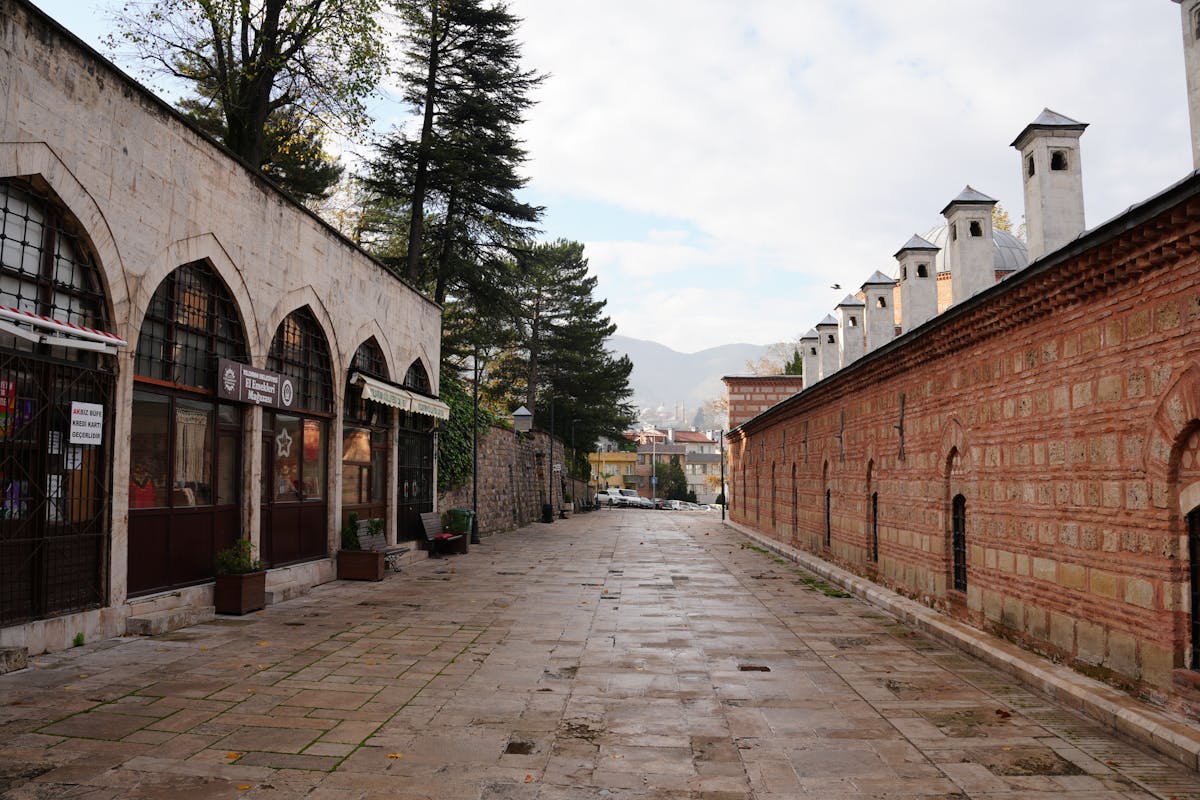
Istanbul has dozens of hamams. Some are 600 years old. Some opened last year and have LED mood lighting. Some cost $30, some cost $200. Figuring out which one to book, what to expect when you get there, and how not to embarrass yourself — that is what this guide is for.
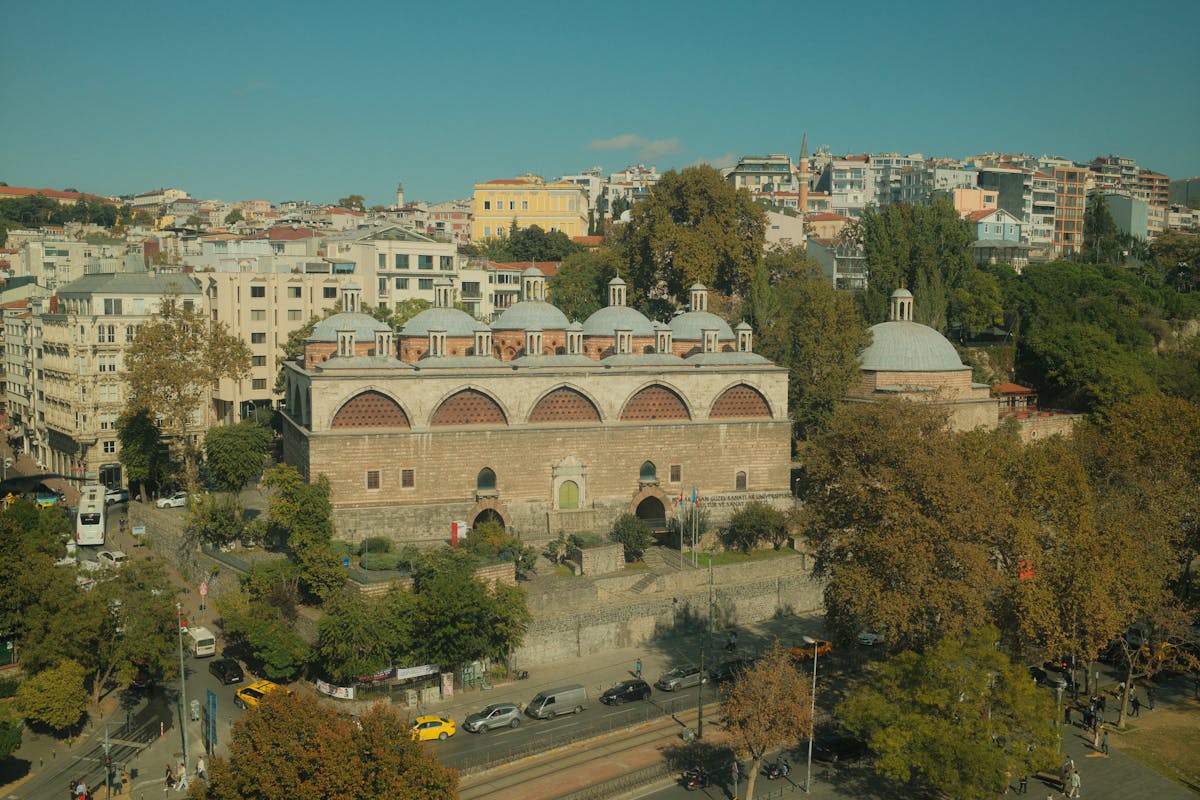
Best overall: Private Turkish Bath and Spa in Old City — $53. The one everyone books. Private rooms, Old City location, full treatment with massage. Hard to beat.
Best budget: Acemoglu Historical Turkish Bath — $42. A 15th-century hamam with the full experience for under fifty bucks. Includes clay mask.
Best splurge: Hurrem Sultan Hamam — $130. Architect Sinan built this one in the 1550s. Right between the Blue Mosque and Hagia Sophia. The marble alone is worth the price.
- What Actually Happens in a Turkish Bath
- Historic Hamams vs Tourist Hamams — and Why It Matters
- The Best Turkish Bath Experiences to Book in Istanbul
- 1. Private Turkish Bath, Massage and Spa in Old City —
- 2. Acemoglu Historical Turkish Bath —
- 3. Cagaloglu Hamam Experience — 6
- 4. Hurrem Sultan Hamam — 0
- When to Go and How to Book
- What to Wear (The Question Everyone Asks)
- How to Get to Istanbul’s Main Hamam District
- Tips That Will Actually Help
- What You Are Walking Into — A 600-Year Tradition
- More Istanbul Guides
What Actually Happens in a Turkish Bath
If you have never been to a hamam before, here is the honest version — not the polished marketing copy you will find on the hamam websites.
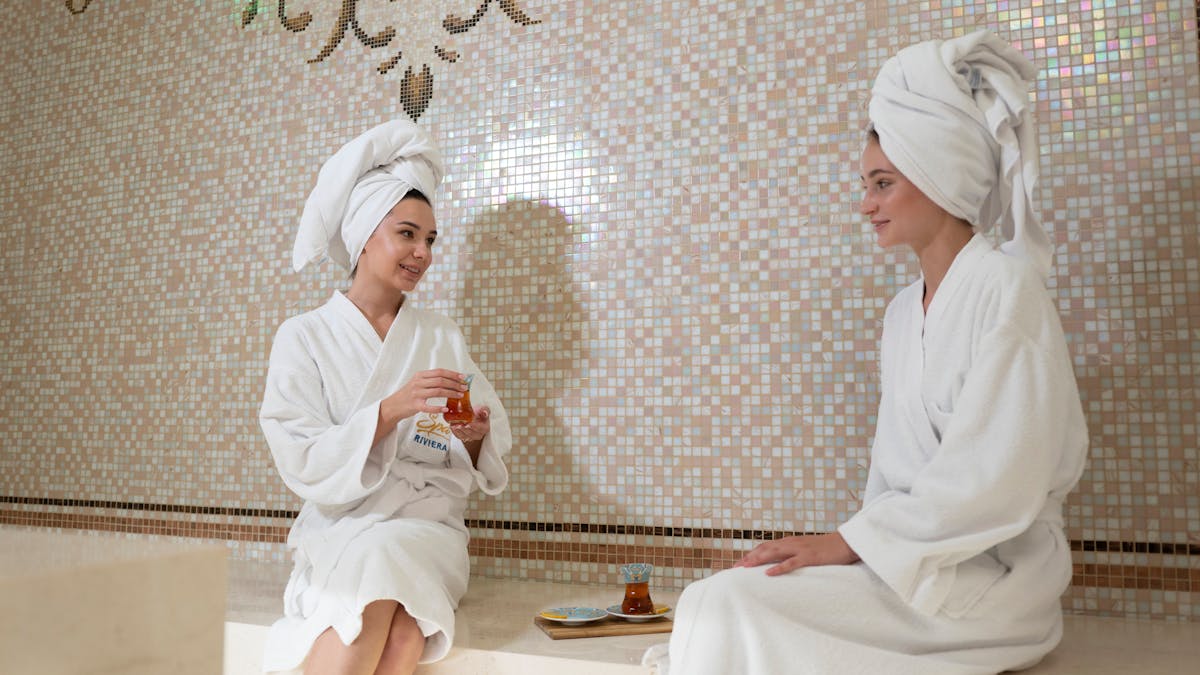
You arrive. Someone hands you a pestemal (a thin cotton wrap) and a pair of wooden clogs or plastic sandals. You change in a cubicle, wrap up, and shuffle into the main room.
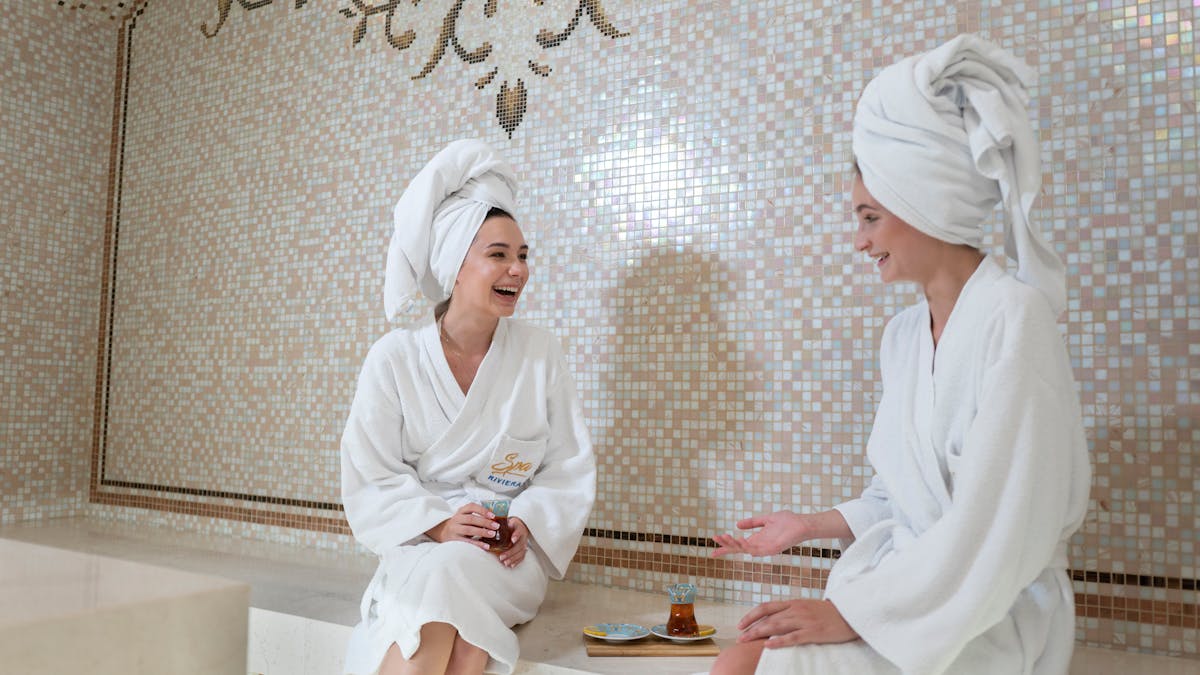
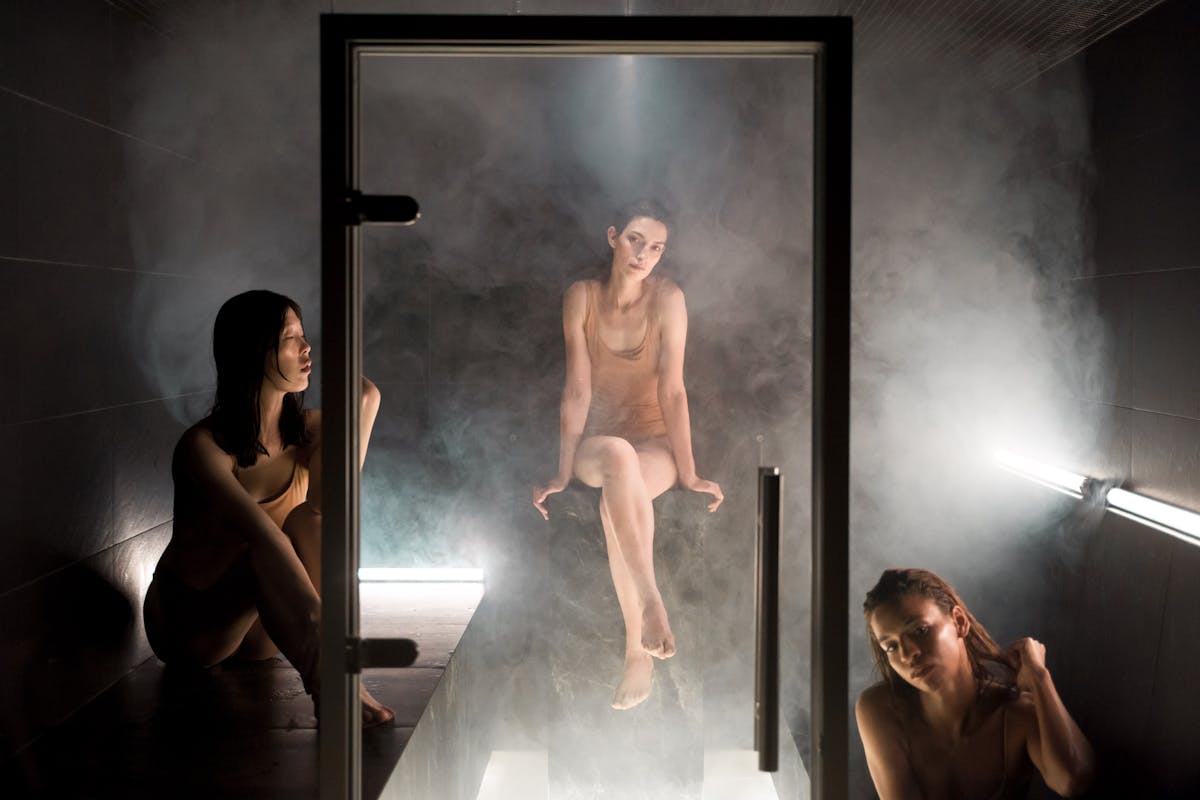
The main room — the hararet — is the star. It is a domed marble chamber, hot and humid, with a large heated stone platform in the middle called the gobektasi (literally “belly stone”). You lie on it. The marble is warm. The steam softens your skin. You stay there for ten or fifteen minutes, sweating out whatever the Grand Bazaar did to your pores.
Then the scrub begins. Your tellak (the bath attendant) puts on a coarse mitt called a kese and goes to work. This is the part that surprises everyone. They scrub hard. You will see grey rolls of dead skin peeling off your arms and think something is seriously wrong. Nothing is wrong. That is just the top layer of skin you did not know you were carrying around.
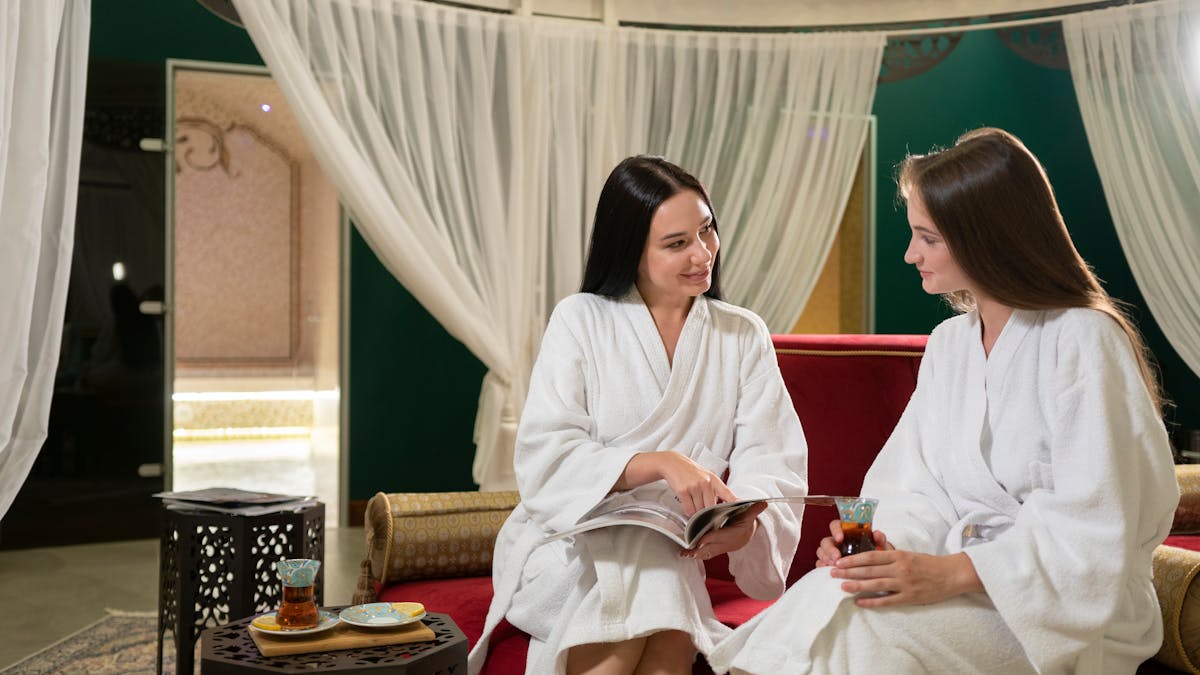
After the scrub comes the foam wash. The tellak fills a cloth bag with soapy water, inflates it like a balloon, and squeezes clouds of warm foam over your body. This is the part where you stop questioning your life choices and start thinking “I should do this every week.”
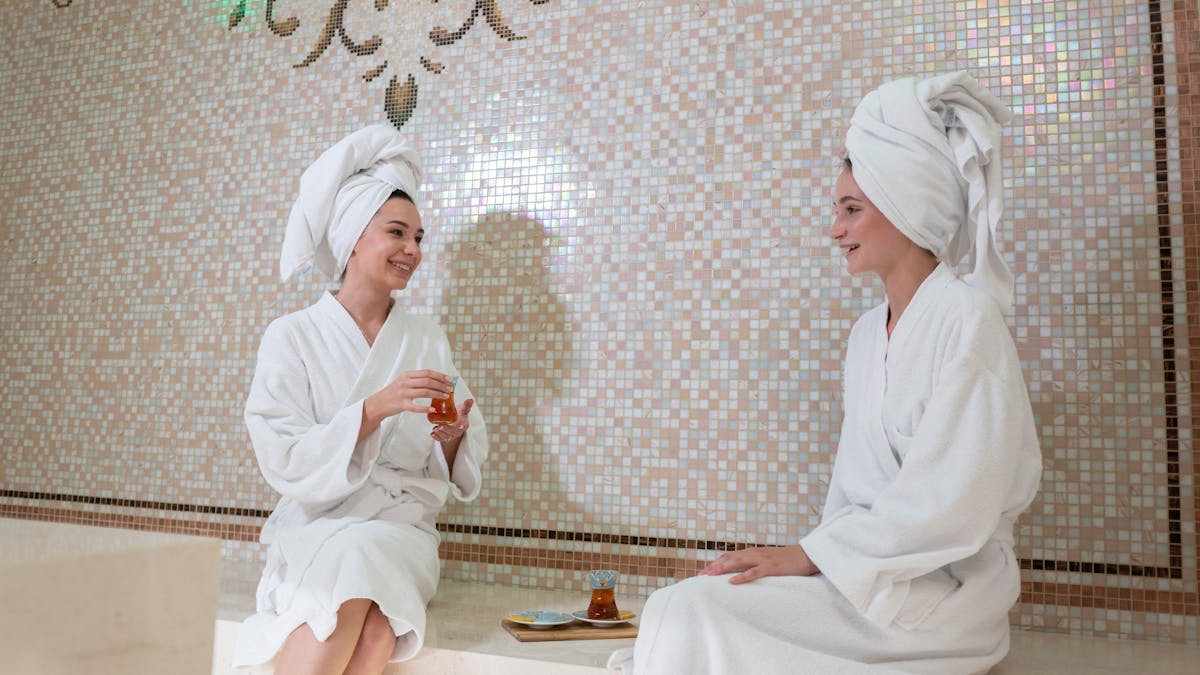
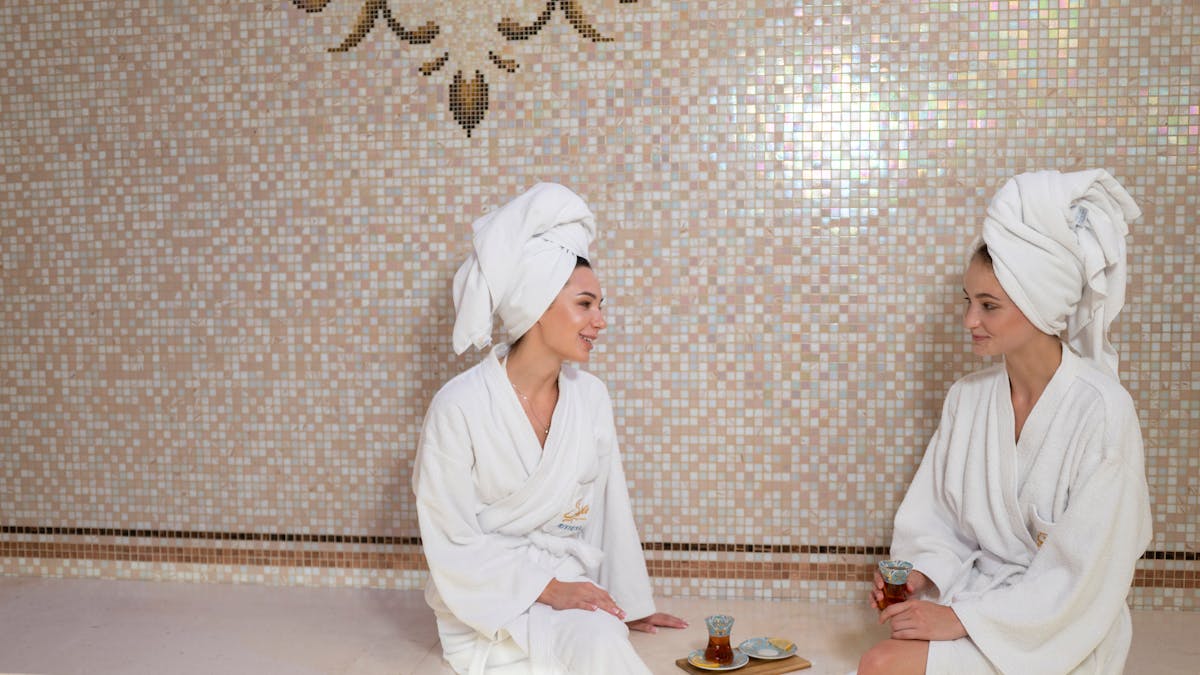
If you booked a massage, that comes next. Then you rinse off, wrap up, and head back to the changing area where someone usually brings you tea. The whole thing takes 45 minutes to two hours depending on what package you picked.
Historic Hamams vs Tourist Hamams — and Why It Matters
Istanbul’s hamam scene splits into two worlds, and knowing the difference saves you from either overpaying or having a terrible time.
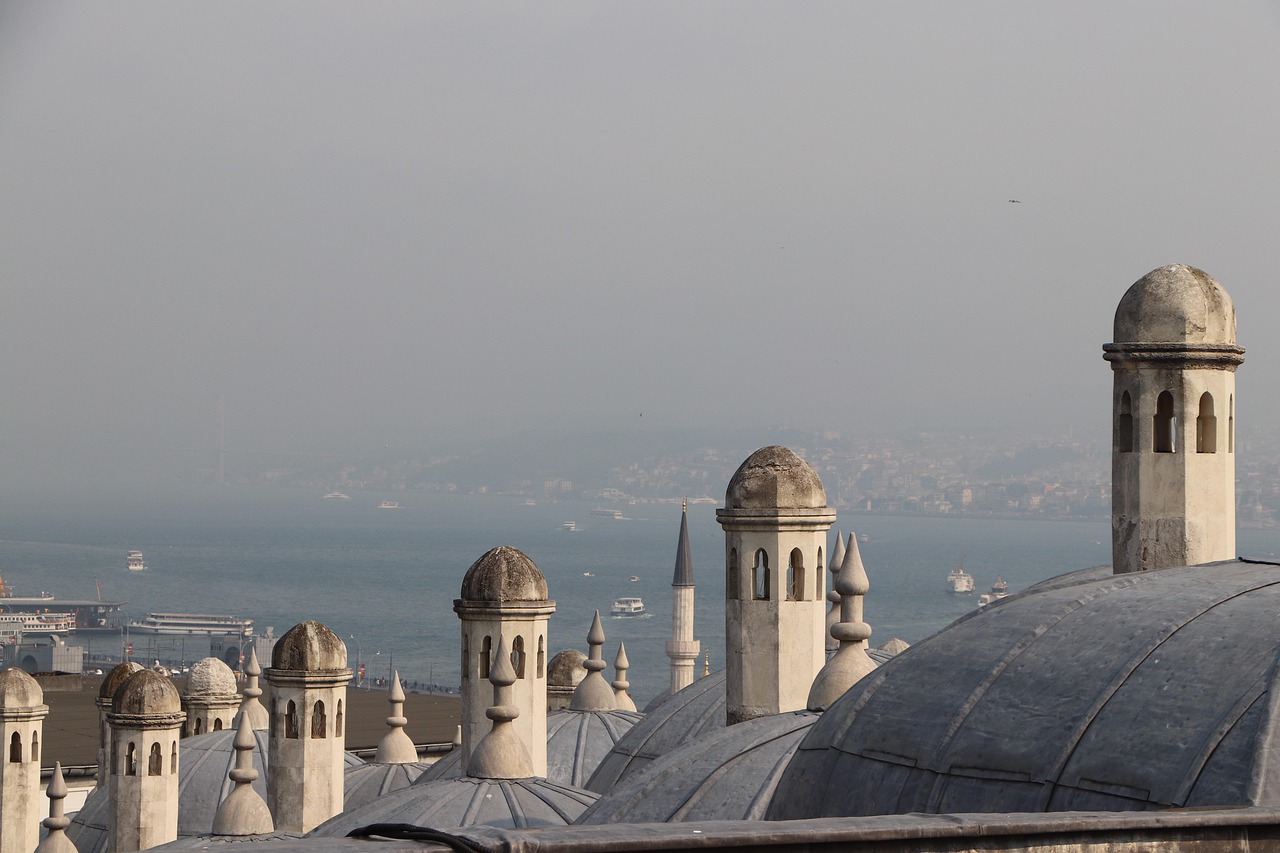
Historic hamams (Cagaloglu, Hurrem Sultan, Gedikpasa, Suleymaniye) were built by Ottoman architects — some by the legendary Mimar Sinan himself. The architecture is genuinely stunning: marble everywhere, domed ceilings with star-shaped skylights, copper basins older than most countries. These hamams charge $80-$200 and the experience feels ceremonial. The buildings alone are worth visiting as architecture.
Tourist-friendly private hamams are newer operations, often in converted historic buildings, that offer private rooms, fixed-price packages, and English-speaking staff. They cost $40-$70 and the experience is more spa than ritual. Less intimidating for first-timers. Less authentic for purists. But perfectly good if your main goal is the scrub-and-foam experience without the awkwardness of navigating a 500-year-old bathhouse where nobody speaks English.
My honest take: Do the historic hamam if you can afford it. The Cagaloglu or Hurrem Sultan experience is something you will remember for years. But if budget matters or you are nervous about the whole thing, the private hamams listed below deliver an excellent scrub for half the price.
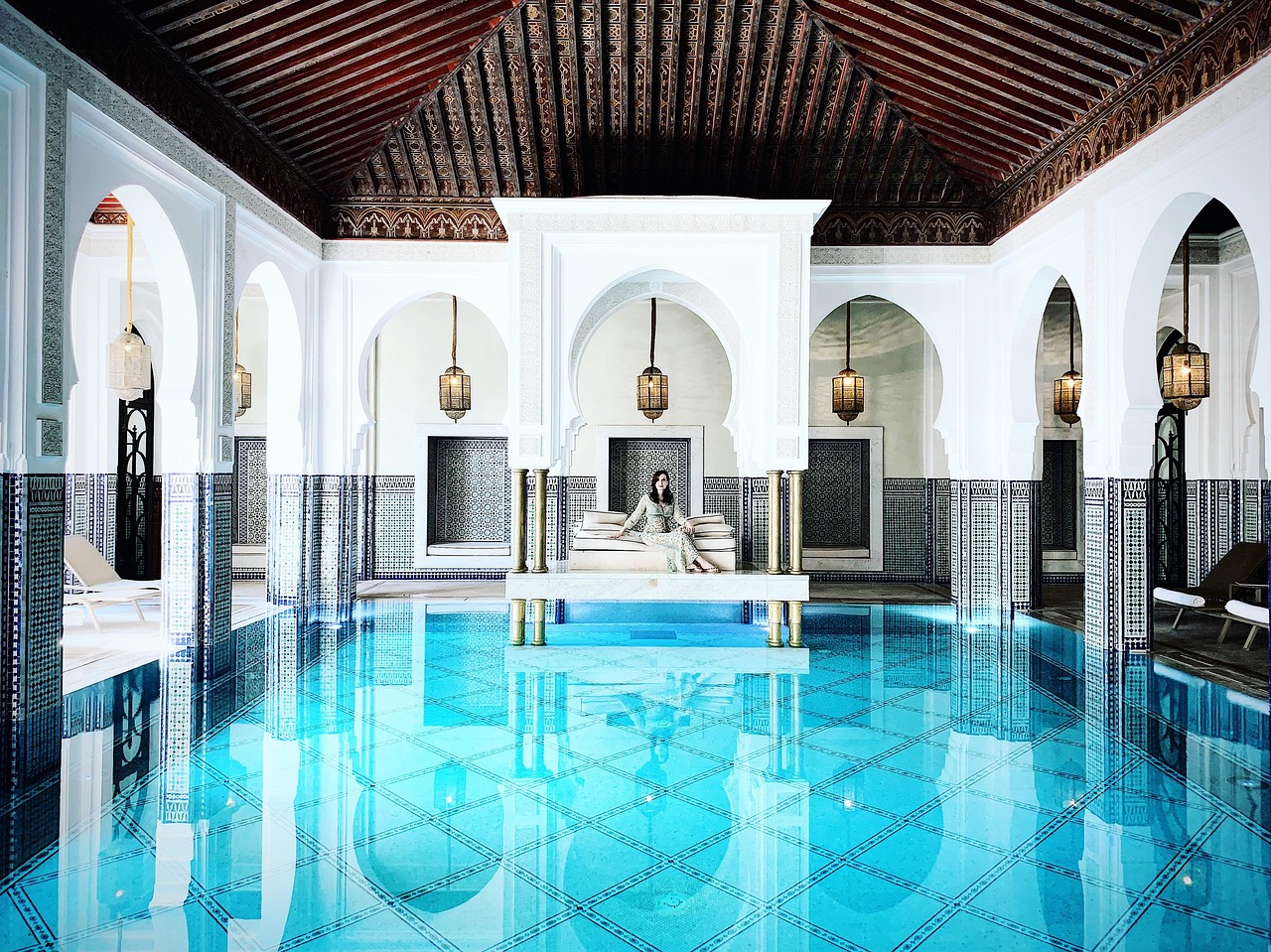
The Best Turkish Bath Experiences to Book in Istanbul
I have pulled the top-rated Istanbul hamam experiences from our database, filtered out anything with poor reviews, and ranked them by the combination of value, atmosphere, and overall quality. Here are the four worth booking.
1. Private Turkish Bath, Massage and Spa in Old City — $53
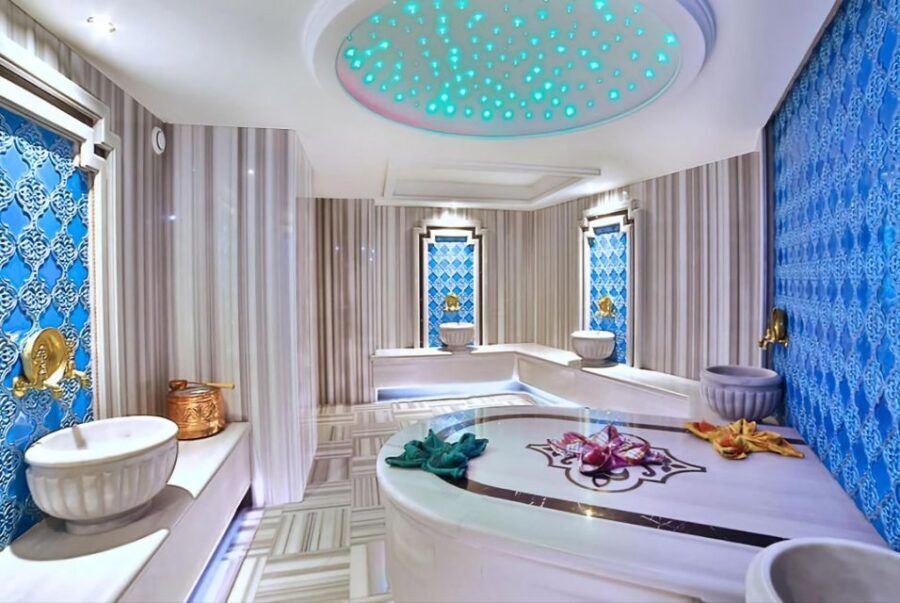
This is the one I would recommend to most people visiting Istanbul. It is in the Old City — walking distance from the Blue Mosque and Hagia Sophia — and the private room setup means you do not have to navigate the awkward “do I take everything off?” question that comes with communal hamams.
At $53, you get the full traditional sequence: steam room, kese scrub, foam massage, and a proper oil massage at the end. The whole thing runs 50 minutes to just over two hours depending on which package you pick. It is the most booked hamam experience in Istanbul for a reason — it does everything right without charging luxury prices.
The only downside: it is a private facility, not a centuries-old monument. If you want that “bathing where sultans bathed” feeling, look at Cagaloglu or Hurrem Sultan below. But for the actual bath experience? This delivers.
2. Acemoglu Historical Turkish Bath — $42
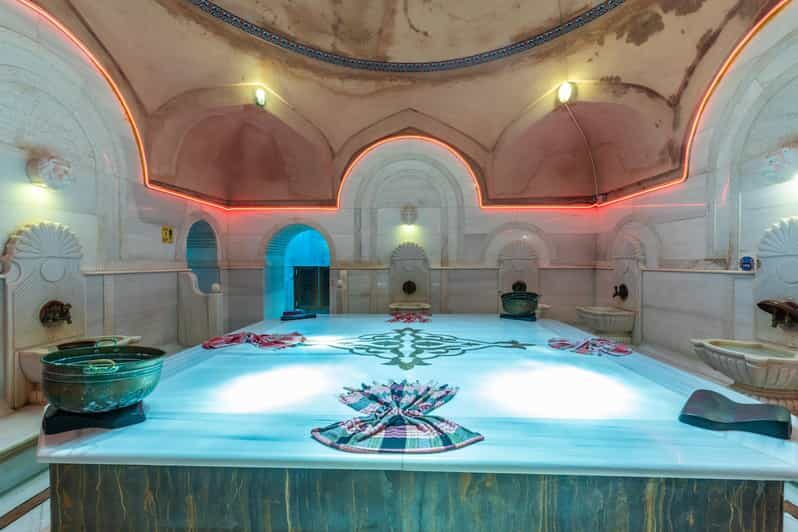
This is the budget pick, but “budget” in hamam terms still means a proper 15th-century bathhouse with the full traditional treatment. $42 gets you a steam session, the kese scrub, foam wash, and a clay face mask — which is a nice extra you do not always see at this price.
The Acemoglu sits in the Fatih neighborhood, slightly off the main tourist track. That is actually a plus — you get a more local feel without the crowds that pack Sultanahmet’s hamams. Private and shared options are both available, and the staff are used to hosting visitors who have never been to a hamam before.
Fair warning: the building shows its age. That is not a complaint — it is 600 years old and that is part of the charm. But if you are expecting a polished spa, recalibrate.
3. Cagaloglu Hamam Experience — $106
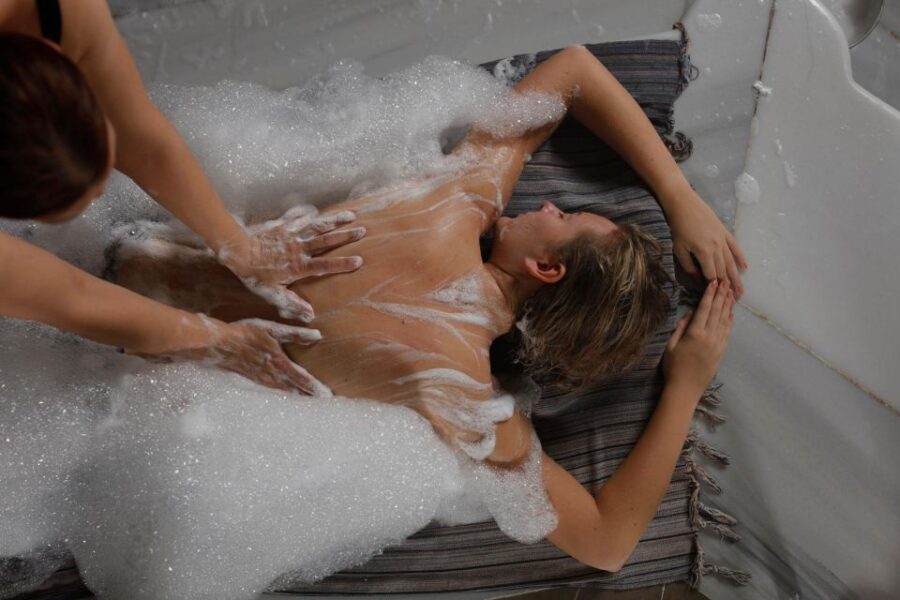
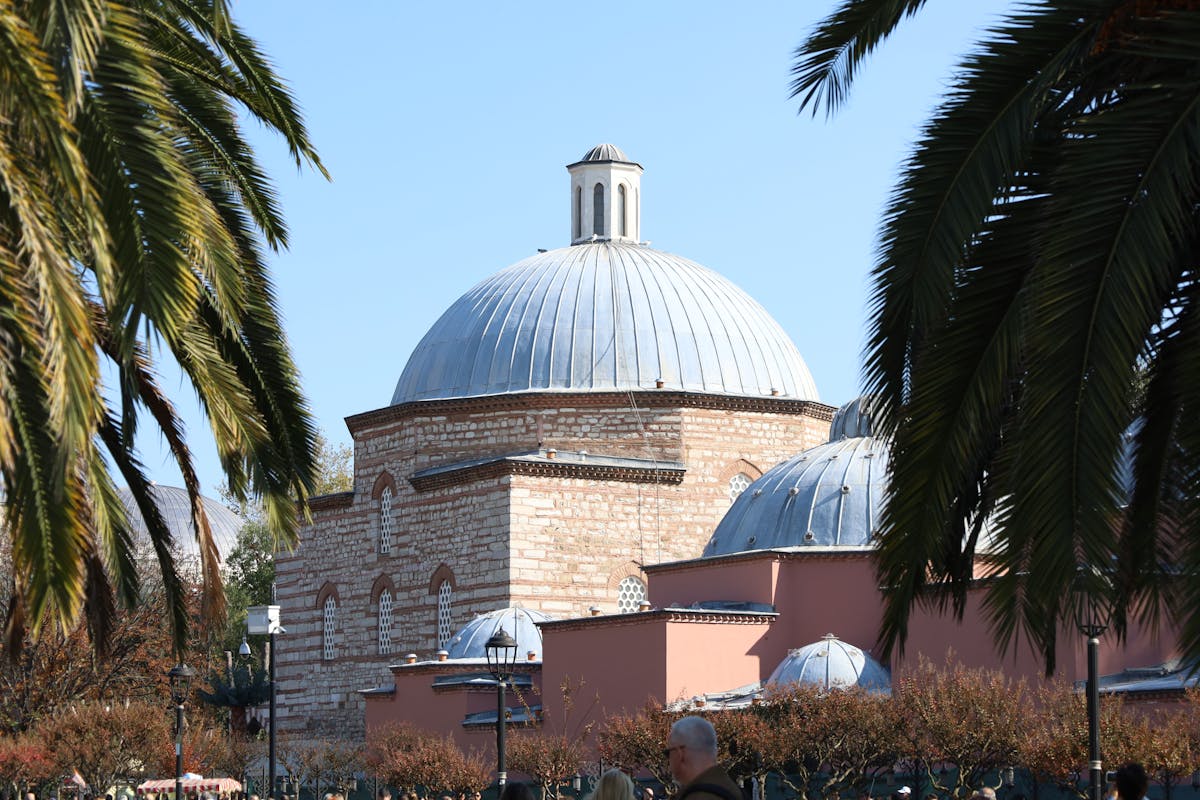
Cagaloglu is the famous one. Built in 1741 as the last great hamam of the Ottoman Empire, it is the one that shows up in every “top things to do in Istanbul” list, and for once the hype is justified. The architecture is extraordinary — twin bathing halls (men’s and women’s), soaring domes, and marble that has been polished to a mirror finish by nearly three centuries of use.
At $106, it is not cheap. But this is the only hamam in Istanbul where the building itself is as much of the experience as the bath. You are lying on the same heated marble slab that has held royalty, dignitaries, and several million travelers before you. The treatments — scrub, foam, massage — are excellent, and the staff here have the routine down to an art.
Best for: anyone who wants the “once in a lifetime” hamam experience and does not mind paying for the setting. If you are only doing one hamam in Istanbul, make it this one.
4. Hurrem Sultan Hamam — $130
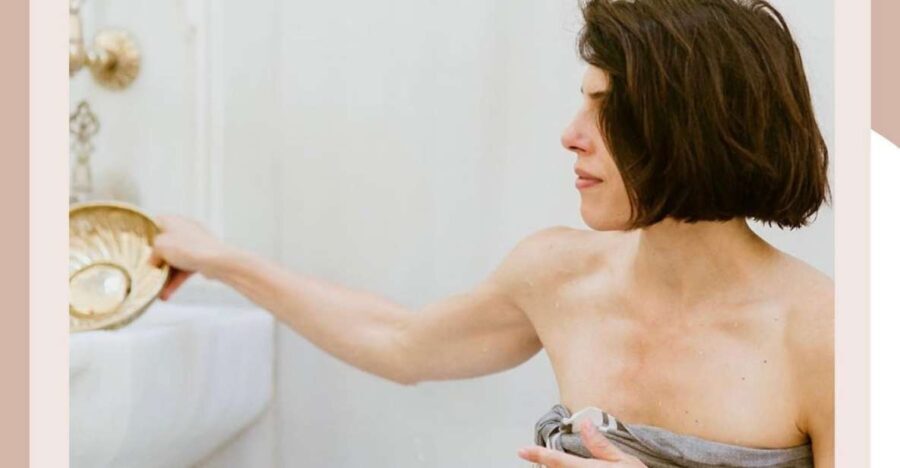
This is the luxury option, and the location alone is absurd — the Hurrem Sultan Hamam sits on the exact strip of land between the Blue Mosque and Hagia Sophia. Architect Mimar Sinan designed it in the 1550s for Hurrem Sultan (Roxelana), wife of Suleiman the Magnificent. That is the kind of pedigree that makes the $130 price tag feel almost reasonable.
The interior is stunning. Twin bathing chambers with heated marble platforms, ornate domed ceilings, and the kind of stonework that makes you realize the Ottomans were operating on a completely different level of craftsmanship. The treatments are thorough and the staff are professional, though at this price point you would expect nothing less.
Is it worth the premium over Cagaloglu? Honestly, it depends on how much you value the location. The bath itself is comparable. But walking out of a 16th-century hamam and straight onto the plaza between Istanbul’s two most famous buildings — that is a hard combination to beat.
When to Go and How to Book
Most Istanbul hamams are open daily from around 8am to 10pm. Some historic ones close earlier (Cagaloglu shuts at 8pm for women, 10pm for men, with gender-specific hours). The private tourist hamams are generally mixed-gender throughout the day since you are in your own room anyway.
Best time to visit: Early morning (before 10am) or late afternoon (after 4pm). Midday gets busy with tour groups, especially at Cagaloglu and Hurrem Sultan. Going early means you will often have the steam room to yourself, and the marble has not been lying-on by fifty people yet.
Booking: You can walk into most hamams without a reservation, but I would book online for two reasons. First, the popular ones (especially Cagaloglu on weekends) do fill up. Second, booking ahead locks in a price — walk-in rates at tourist hamams are sometimes higher than the online package deals.
What to bring: Just yourself. Hamams provide towels, sandals, and toiletries. Some people bring a swimsuit — useful in mixed-gender communal areas but not necessary in private rooms. Leave jewelry and valuables in your hotel safe. Most hamams have lockers, but why risk it.
Tipping: Standard is 15-20% of the treatment price. Tip your tellak directly, in cash. They work physically demanding jobs and the base pay is not great.
What to Wear (The Question Everyone Asks)
Let me get this out of the way because every first-timer worries about it.
In a private room: Wear whatever you want. Most people go nude or wear underwear. Nobody cares — it is just you and your tellak.
In a communal historic hamam: It depends. Traditional etiquette means wrapping in the pestemal and nothing else underneath. In tourist-heavy hamams like Cagaloglu, you will see everything from full swimsuits to just the pestemal. Nobody bats an eye either way.
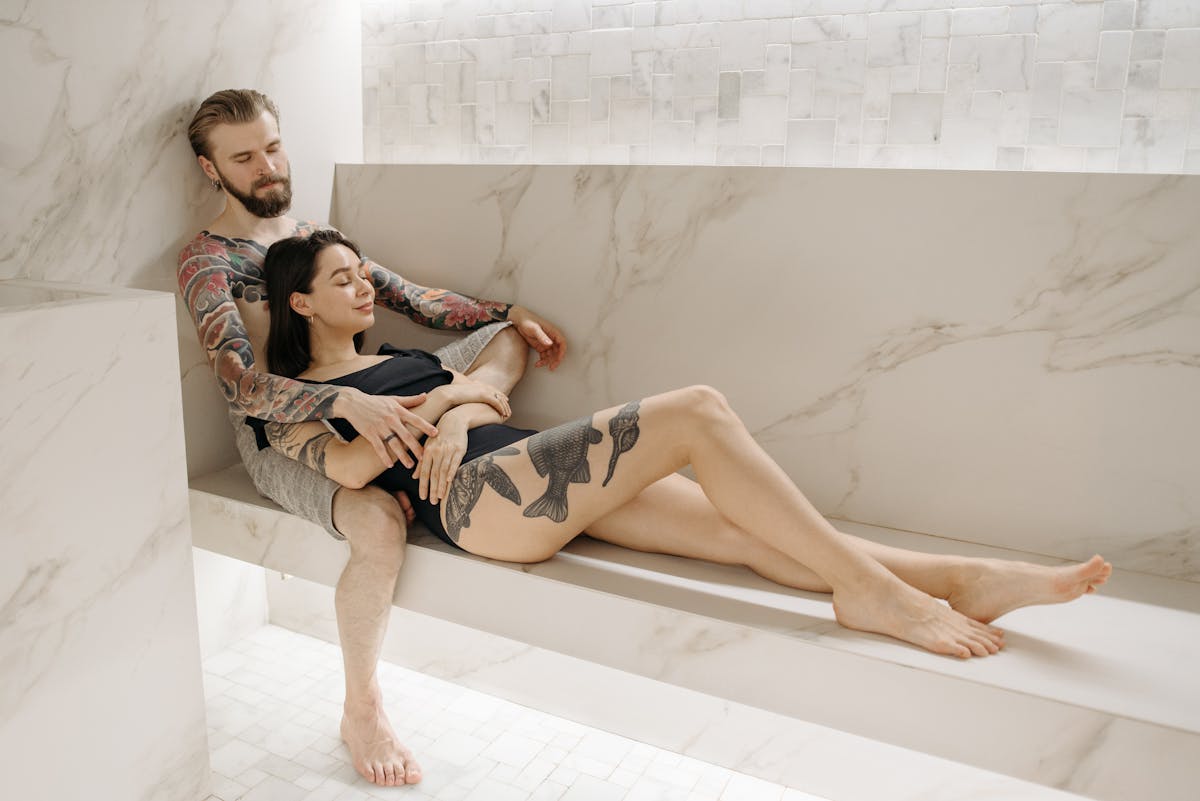
For couples: The private hamams are ideal — you can book a couples session and be in the room together. Historic hamams often have separate men’s and women’s sections, so you would be apart for the actual bath. Some (like Hurrem Sultan) offer mixed-gender “VIP” sessions for couples at a higher price.
How to Get to Istanbul’s Main Hamam District
Most of Istanbul’s famous hamams cluster around two neighborhoods: Sultanahmet (the old city) and Fatih.
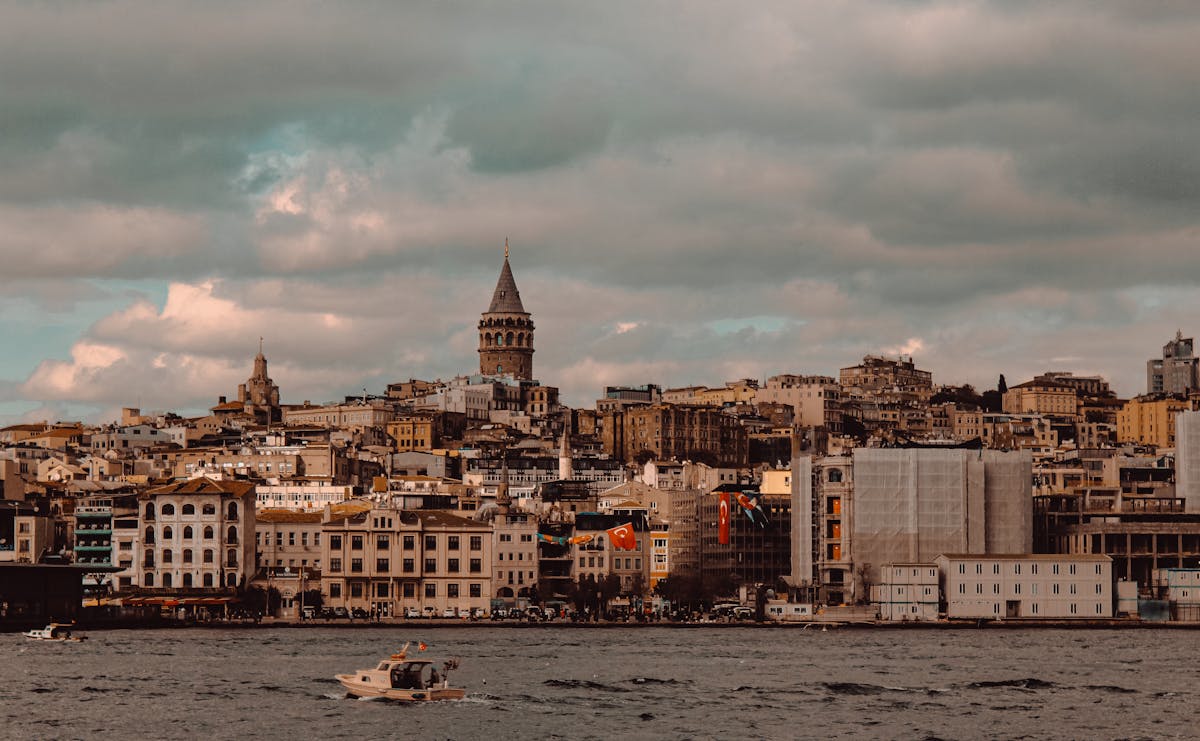
By tram: The T1 tramline runs right through Sultanahmet. Get off at the Sultanahmet stop for Hurrem Sultan Hamam and Cagaloglu, or Beyazit-Kapalicarsi for hamams near the Grand Bazaar.
By metro: Take the M2 line to Vezneciler station for the Fatih area hamams, or connect to the T1 tram at Zeytinburnu if you are coming from the airport.
On foot: If you are staying in Sultanahmet (and you should — it is the best base for a first visit), every hamam mentioned in this article is within a 20-minute walk. Cagaloglu is literally behind the tram stop.
Tips That Will Actually Help
- Do not eat a big meal before. An hour of being steamed and scrubbed on a full stomach is a bad combination. Light snack, max.
- Drink water before and after. You will sweat more than you think. Some hamams serve tea afterward — take them up on it.
- The scrub is supposed to feel rough. Those grey rolls coming off your skin are dead skin cells. It looks alarming the first time. It is normal.
- Speak up if the pressure is too much. Your tellak will not be offended. A quick “softer please” works in any language, and they have heard it thousands of times.
- Go after a day of sightseeing, not before. You will be too relaxed afterward to do anything productive. Schedule the hamam as the last activity of the day, then dinner.
- The marble floor is slippery. Wear the sandals they give you. I have seen people try to go barefoot on wet marble. It does not end well.
- Bring small bills for tipping. Turkish lira, not dollars or euros. An ATM visit before the hamam saves awkwardness.
What You Are Walking Into — A 600-Year Tradition
The hamam did not start as a tourist attraction. It started because Ottomans took cleanliness seriously — both as a practical matter and a religious one. Islamic tradition requires ritual washing (wudu) before prayer, and the hamam became the social infrastructure for an entire civilization.
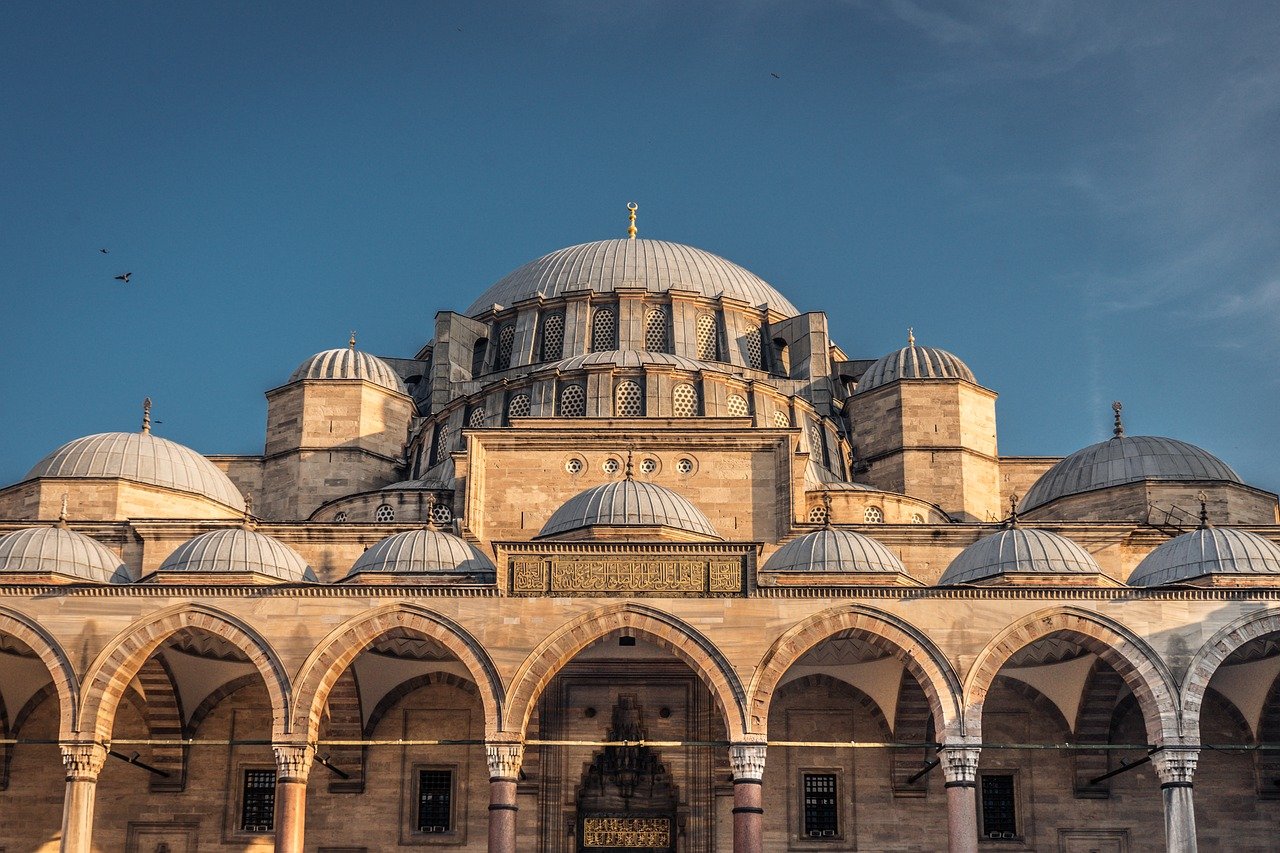
Every Ottoman mosque complex included a hamam. Architect Mimar Sinan (the one behind Hurrem Sultan Hamam) designed more than 50 bathhouses across the empire. At its peak, Istanbul had over 300 operating hamams. The buildings were so central to daily life that real estate was measured by proximity to the nearest bath.
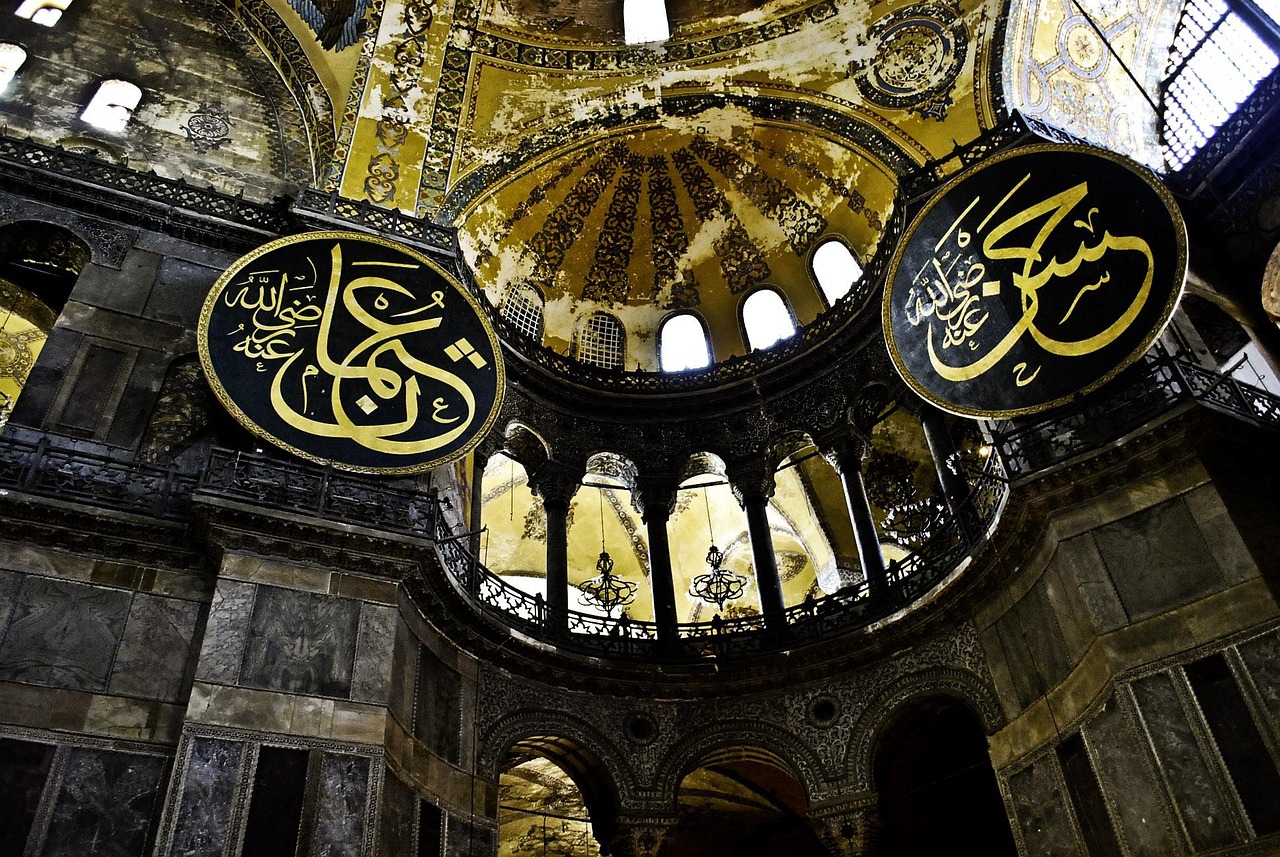
Today about 60 historic hamams still operate in Istanbul, though most locals have long since switched to home plumbing. The ones that survive do so on a mix of tourism and tradition — a grandmother bringing her granddaughter for a bridal bath one day, a group of Australian backpackers the next.
That mix is part of what makes the Istanbul hamam special. It is not a museum. It is not a theme park version of itself. It is a living, steaming, scrubbing institution that has been doing the exact same thing, in the exact same buildings, for half a millennium. You are not watching history. You are lying on it.
More Istanbul Guides
Most of Istanbul’s historic hamams are in Sultanahmet, which puts you within walking distance of the big three: Hagia Sophia, Topkapi Palace, and the Basilica Cistern. A Turkish bath pairs especially well with a morning of sightseeing — do the monuments first, then let the hot marble undo the damage from all those stairs.
For a guided circuit through the Sultanahmet district, an Old City walking tour covers the same neighbourhood and gives you useful bearings before you wander off to find a hamam. On the other side of the Golden Horn, Dolmabahce Palace is a completely different architectural world — think Versailles on the Bosphorus rather than Ottoman minimalism.
A Bosphorus cruise is a solid pairing for a hamam day, since both are relaxing rather than exhausting. And for evening plans, a whirling dervish ceremony keeps the contemplative mood going — the Sufi philosophy behind the spinning has a lot in common with the meditative side of bath culture.
If you are extending your trip beyond Istanbul, Cappadocia has its own cave hamams, Ephesus features ancient Roman baths in the ruins, and Pamukkale is literally a giant natural thermal bath.