
The first time I stood in Sultanahmet Square, I made the mistake of trying to look at everything at once. Hagia Sophia on my left, the Blue Mosque straight ahead, the old Hippodrome stretching out behind me. My neck was on a swivel and I nearly walked into a simit cart.
That was the afternoon I realized this neighbourhood doesn’t work the way other tourist districts do. In Rome or Paris, the major sights are spread across the city. In Istanbul’s Old City, fifteen centuries of history are crammed into a square kilometre. You can walk from a Roman chariot track to a Byzantine cathedral to an Ottoman mosque without breaking a sweat.
The question isn’t whether to walk it. The question is whether to walk it alone or with someone who can explain what you’re actually looking at.
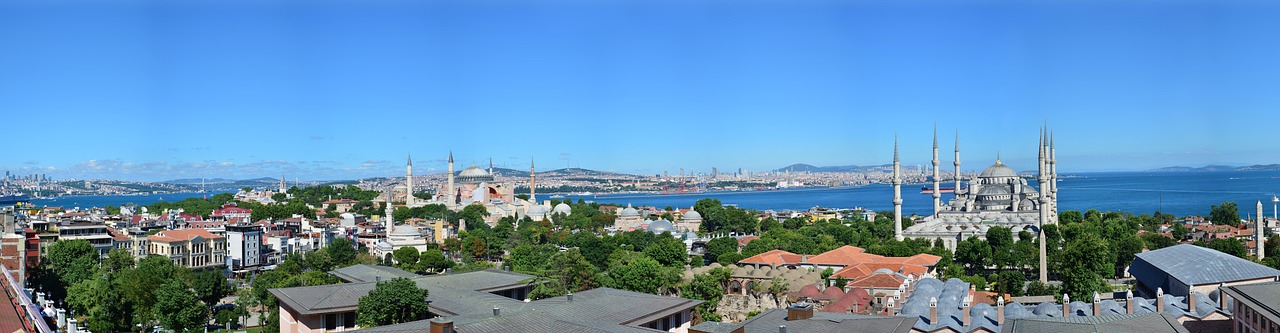
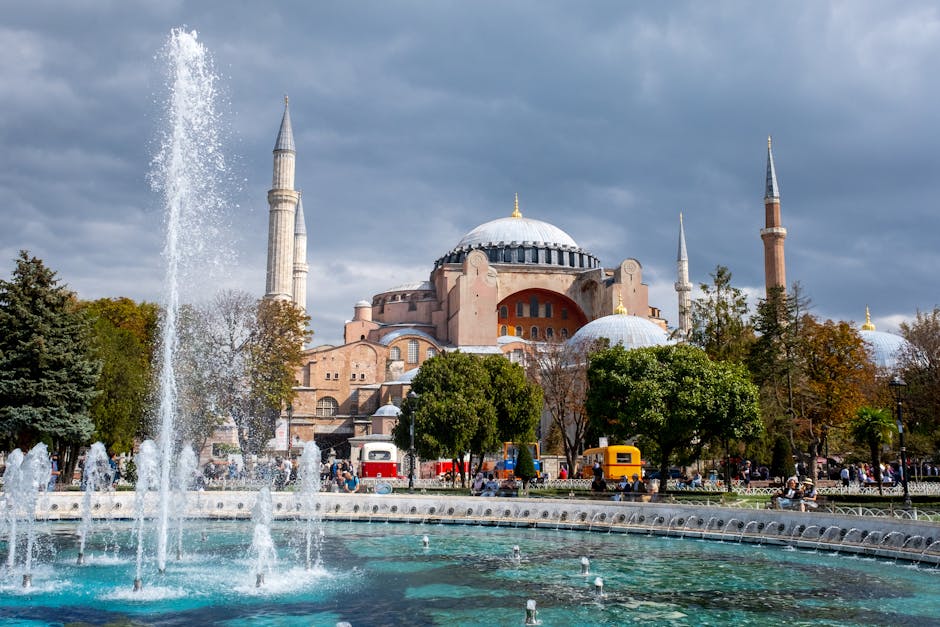
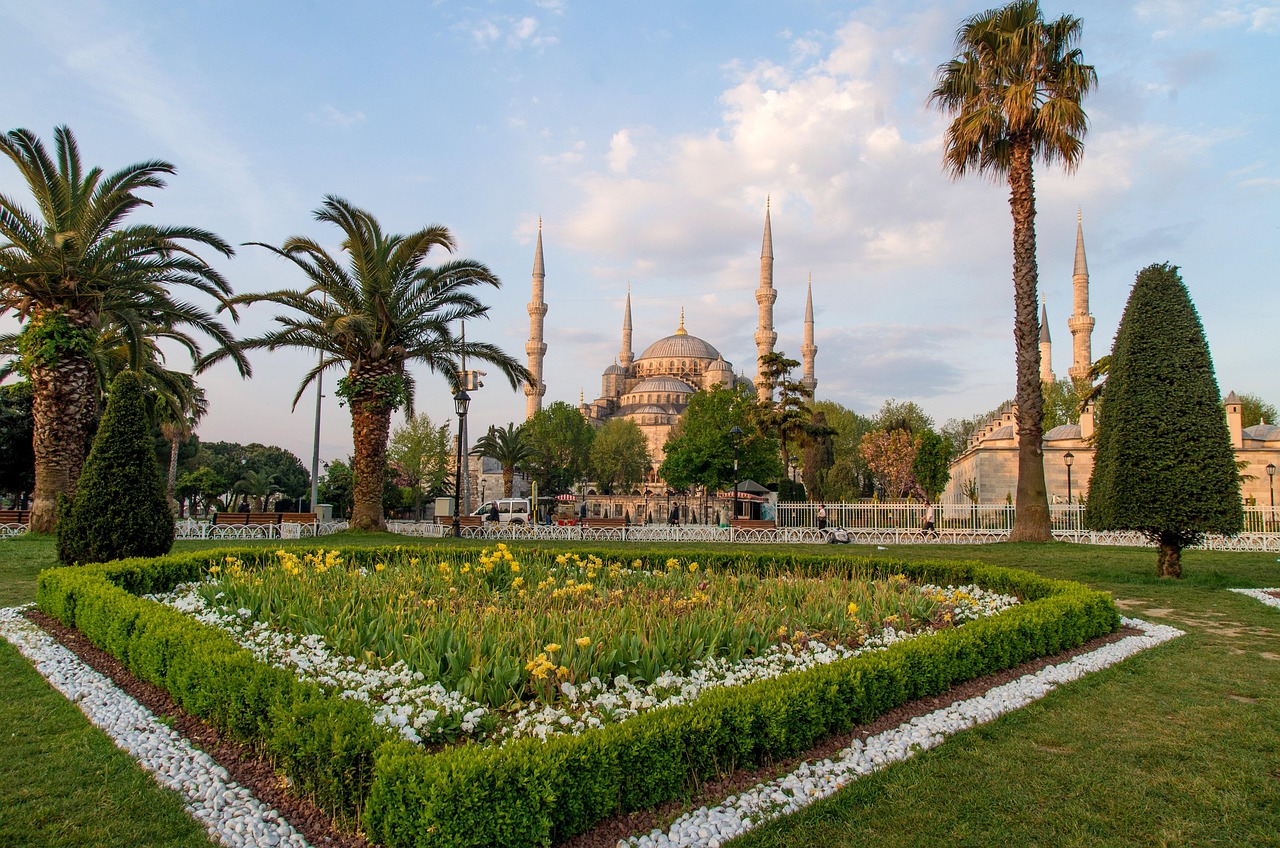
Best overall: Blue Mosque & Hagia Sophia Guided Tour w/ Tickets — $39. Covers both landmarks with skip-the-line entry in about three hours. The ticket alone saves you a queue.
Best budget: Sultanahmet Small-Group Tour — $37. Similar ground, slightly larger group, and guides who genuinely know their Ottoman history.
Best full-day: Istanbul Highlights Small-Group Walking Tour — $155. Eight hours covering Topkapi Palace, Grand Bazaar, and everything in between. Worth it if you only have one day.
- How Old City Walking Tours Actually Work
- Self-Guided or Guided: Which Makes Sense Here
- The Best Old City Walking Tours to Book
- 1. Blue Mosque & Hagia Sophia Guided Tour w/ Tickets —
- 2. Blue Mosque, Hagia Sophia & Sultanahmet Tour —
- 3. Istanbul Highlights Small-Group Walking Tour — 5
- 4. Best of Istanbul Private Guided Tour — 0
- When to Go
- Getting to Sultanahmet
- Tips That’ll Save You Time and Money
- What You’ll Actually See on the Route
- Planning the Rest of Your Istanbul Trip
How Old City Walking Tours Actually Work
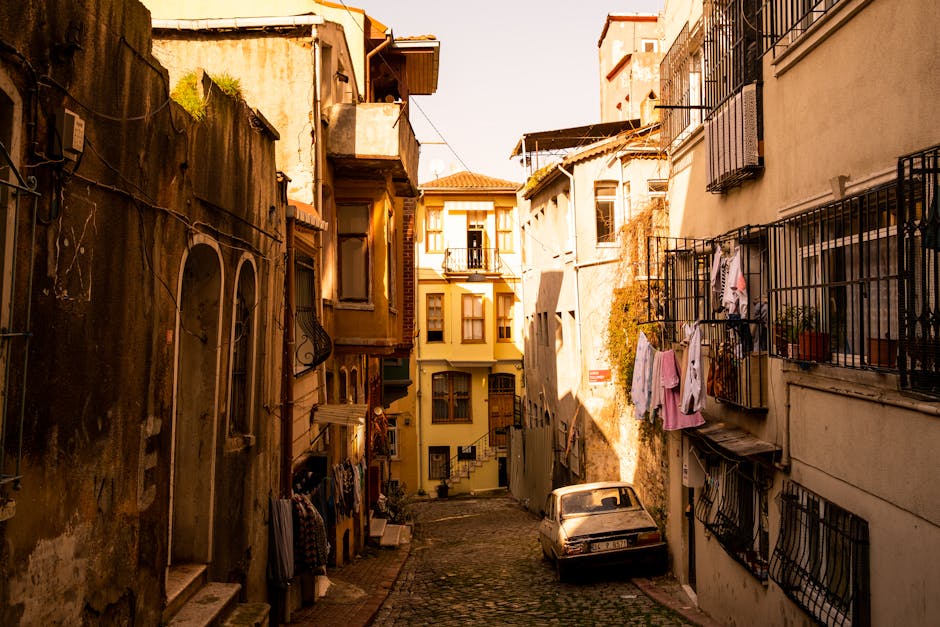
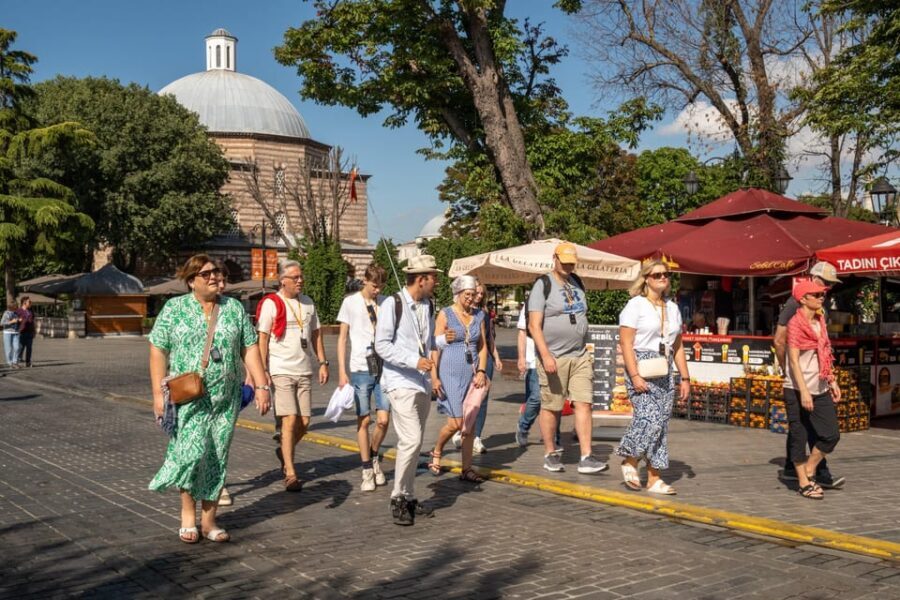
Most guided walking tours of Istanbul’s Old City follow a similar loop. You start somewhere near Hagia Sophia or Sultanahmet Square, hit the major landmarks within walking distance, and end at or near the Grand Bazaar. The route covers roughly two kilometres on foot, though you’ll barely notice with all the stopping.
A typical half-day tour (2-3 hours) hits the big three: Hagia Sophia, the Blue Mosque, and either the Hippodrome ruins or the Basilica Cistern. Full-day tours (7-8 hours) add Topkapi Palace, the Grand Bazaar, and sometimes lunch at a local restaurant the guide has a relationship with. The food at these spots is usually decent — not the best in Istanbul, but far better than the tourist traps lining the tram line.
Almost every guided tour includes skip-the-line tickets for Hagia Sophia, which alone can save you 30-45 minutes of standing in the sun. If you’re visiting between April and October, that queue gets brutal by mid-morning. During Ramadan, the Blue Mosque has adjusted visiting hours, so a guide who knows the current schedule prevents wasted trips.
Self-Guided or Guided: Which Makes Sense Here
I’ll be honest — Istanbul’s Old City is one of the few places where I’d almost always say go guided, at least for the first visit. And I’m normally the person who wanders off on my own.
The reason is layers. Hagia Sophia alone has been a church, a mosque, a museum, and a mosque again. The Blue Mosque looks straightforward from outside but the interior tile work has a specific story behind almost every panel. The Hippodrome is literally a park bench unless someone tells you that 60,000 Romans once watched chariot races on the exact ground you’re standing on. A good guide turns a pleasant walk into something you’ll actually remember.
That said, if you’ve already visited Istanbul before, or you’ve done serious reading on Byzantine and Ottoman history, self-guided is fine. The sights are well-signed and close together. You can download audio guides from apps like GPSmyCity for a few dollars and go at your own pace.
Go guided if: it’s your first time, you want skip-the-line tickets, or you have limited time and need to be efficient. A 3-hour tour with a good guide gives you more context than a full day wandering alone.
Go solo if: you’ve visited before, prefer total flexibility, or want to spend two hours in Hagia Sophia rather than the 30 minutes most tours allocate. Just buy your tickets online in advance — the official e-ticket system works well for Hagia Sophia.
The Best Old City Walking Tours to Book
I’ve narrowed this to four tours that cover different budgets and styles. All of them stick to the Sultanahmet area and the core Old City sights — the stuff within walking distance of each other.
1. Blue Mosque & Hagia Sophia Guided Tour w/ Tickets — $39
This is the one I’d recommend to most first-time visitors. $39 gets you a licensed guide, skip-the-line Hagia Sophia entry, and a focused 2.5-3 hour route that covers the two most important buildings in the district without rushing or dragging.
The small group format keeps things intimate enough that you can actually ask questions, and the guides on this particular tour tend to be historians rather than tourism generics. One guide, Kaan, has built a reputation for bringing the Ottoman-Byzantine rivalry to life in a way that sticks with you long after you leave.
The price point is hard to beat. A standalone Hagia Sophia ticket runs about EUR 25 these days, so the guided tour with skip-the-line is barely more than doing it yourself with a queue.
2. Blue Mosque, Hagia Sophia & Sultanahmet Tour — $37
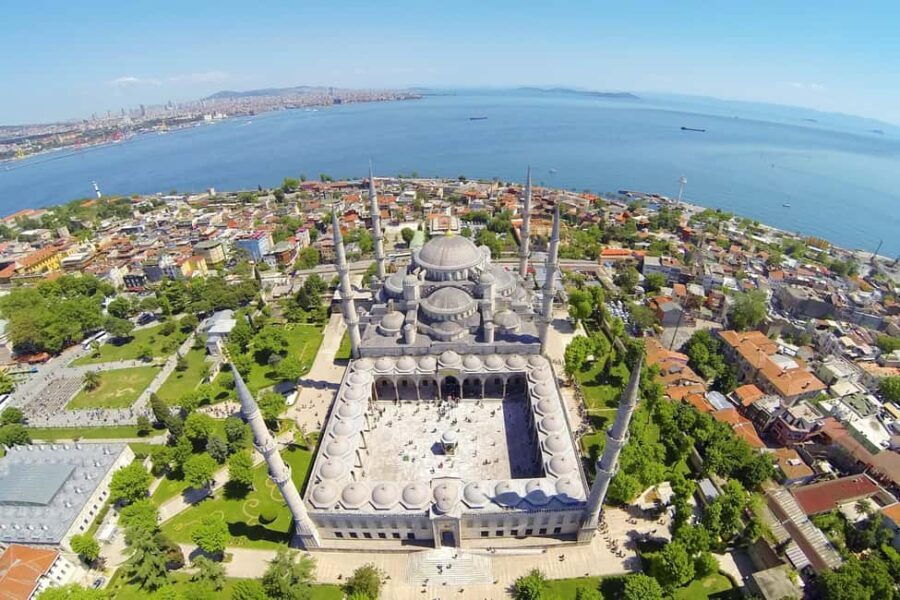
Two dollars cheaper and covers a bit more ground. This tour adds the Hippodrome area and the wider Sultanahmet district to the core Hagia Sophia and Blue Mosque stops. Groups tend to be a little larger, but the guides are knowledgeable and the route makes geographic sense — you’re not zigzagging back and forth.
At $37, this is the budget pick, though “budget” feels like the wrong word when you’re getting a licensed guide and entry to a building that served as the seat of two empires. The tour includes priority tickets and runs rain or shine, which matters in Istanbul’s unpredictable shoulder seasons.
I’d pick this over the first option if you specifically want to understand the Hippodrome and the Roman layer of Istanbul’s history. The guides here tend to spend more time on the pre-Ottoman period, which is often overlooked.
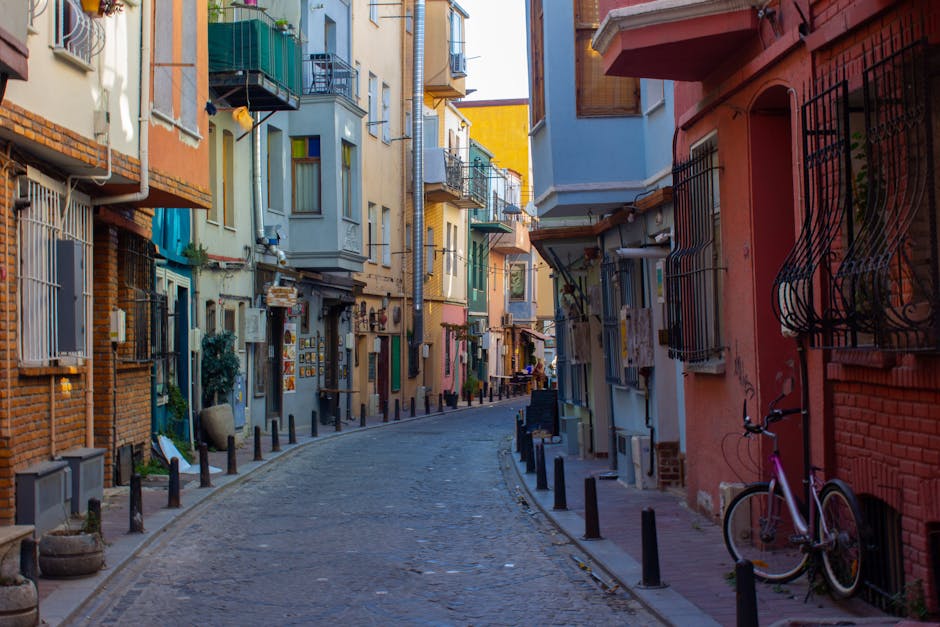
3. Istanbul Highlights Small-Group Walking Tour — $155

This is the “I only have one day in Istanbul” option, and it’s genuinely good at what it does. $155 gets you eight hours with a guide who takes you through Hagia Sophia, the Blue Mosque, Topkapi Palace, the Grand Bazaar, and the Hippodrome — basically every headline sight in the Old City in a single, well-paced day.
The small-group format (usually 10-15 people) keeps it personal enough that you’re not just following an umbrella through crowds. Lunch is included, though I’d recommend eating lightly — the afternoon stretch through Topkapi’s Harem section involves a lot of standing. Wear comfortable shoes. Seriously.
It’s nearly four times the price of the half-day options, but the value math actually works if you add up what you’d spend on individual Topkapi tickets (EUR 30+), Hagia Sophia entry, and Grand Bazaar navigation on your own. Plus you skip every queue, which on a single day in Istanbul is worth real money in time saved.
4. Best of Istanbul Private Guided Tour — $100
If the idea of shuffling through Hagia Sophia with ten strangers doesn’t appeal, this private tour is the upgrade that actually justifies its price. $100 per person for a full day with a private guide who adjusts the route to what interests you. Want to spend an hour in Topkapi’s Harem and skip the Blue Mosque interior? Done. Want to detour through the Arasta Bazaar instead of the Grand Bazaar? Your call.
The flexibility is the real product here. Groups of two or more bring the per-person cost down to something reasonable, and the guides on this tour are consistently among the best-reviewed in Istanbul. The 1-day option covers the Old City thoroughly; the 2 and 3-day extensions add the Asian side, the Bosphorus, and Chora Church — but for a focused Old City walk, the single day is plenty.
I’d recommend this for couples, families with teenagers, or small friend groups where splitting the cost makes it comparable to the small-group tours but with infinitely better flexibility.
When to Go
Best months: April-May and September-October. Istanbul gets properly hot in July and August — the kind of hot where walking for three hours on stone streets stops being fun. Spring and autumn temperatures sit in the low 20s (Celsius), which is perfect for covering ground on foot.
Best time of day: Morning tours starting at 9-10am beat the midday heat and the cruise ship crowds. By noon, Sultanahmet Square is at peak density. If you’re booking a half-day tour, mornings are better. Full-day tours obviously start early and push through — the guides know how to time the indoor/outdoor sections around the hottest part of the day.
Ramadan considerations: The Blue Mosque has restricted visiting hours during Ramadan (times shift yearly based on the lunar calendar). A good guide will know the current schedule and route around it. If you’re visiting solo during Ramadan, check prayer times in advance — the mosque closes to travelers for roughly 90 minutes around each prayer.
Weekdays vs weekends: Friday is the busiest day at the Blue Mosque (it’s the main prayer day). Saturday mornings bring domestic travelers. Tuesday is when Topkapi Palace is closed. For the smoothest experience, aim for Wednesday or Thursday mornings.
Getting to Sultanahmet
From the airport (IST): The Havaist bus runs directly from Istanbul Airport to Sultanahmet for about 150 TL (roughly $5). Journey takes 60-90 minutes depending on traffic. A taxi costs around 600-800 TL ($18-24). The M11 metro connects to the Marmaray line, but it involves two transfers and isn’t worth the hassle with luggage.
By tram: The T1 tram line has a stop called “Sultanahmet” that drops you right in the middle of the district. It connects to the Marmaray commuter rail at Sirkeci, which is useful if you’re coming from the Asian side.
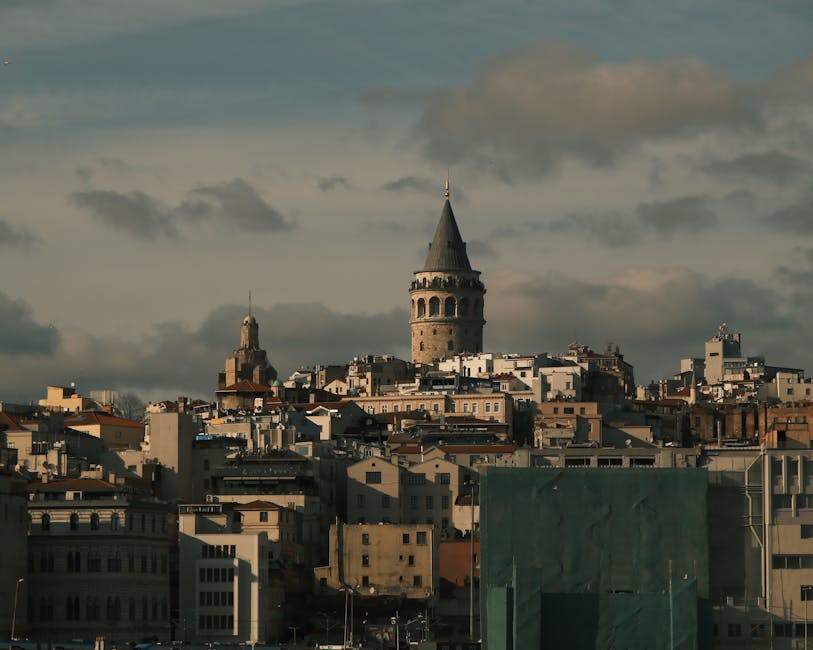
On foot from Galata/Taksim: It’s a 20-25 minute walk downhill from Galata Tower across the Galata Bridge, through Eminonu, and up to Sultanahmet. The route is scenic and easy — you’ll pass the Spice Bazaar and the waterfront fish sandwich stalls. Going the other direction (back uphill) is less fun.
Most guided tours meet at a specific point near Sultanahmet Square or the Hippodrome. The exact meeting point is confirmed in your booking — look for the guide holding a sign or an umbrella. Get there 10 minutes early, especially for morning tours when groups are still being organised.
Tips That’ll Save You Time and Money
Buy the Istanbul Museum Pass if you’re staying 3+ days. It covers Hagia Sophia, Topkapi Palace, the Harem, and several other museums for a flat fee. If your guided tour already includes tickets to some of these, skip the pass and buy individual tickets for the rest.
Dress code matters. Both the Blue Mosque and Hagia Sophia require covered shoulders and knees. Women need a headscarf for the Blue Mosque (free loaners are available at the entrance, but they’re often damp from the last person). Bring your own. Shoes come off at the Blue Mosque — wear socks you’re comfortable walking on carpet in.
Don’t eat in Sultanahmet. The restaurants lining the main streets charge tourist prices for mediocre food. Walk 10 minutes toward Sirkeci or Kumkapi for much better meals at half the cost. Ask your guide for recommendations — most have a favourite local spot.
Carry small bills in Turkish Lira. The Sultanahmet area has ATMs everywhere, but smaller vendors and the shoe-minders at the Blue Mosque appreciate small notes. Credit cards work at most shops in the Grand Bazaar but not at street stalls.
Water. Istanbul’s tap water is technically safe but tastes heavily of chlorine. Buy a large bottle at any corner shop for 5-10 TL. The tourist-facing vendors near the sights charge 3-4x more. Carrying water matters — especially in summer when you’re walking on stone and marble that radiates heat back at you.
What You’ll Actually See on the Route
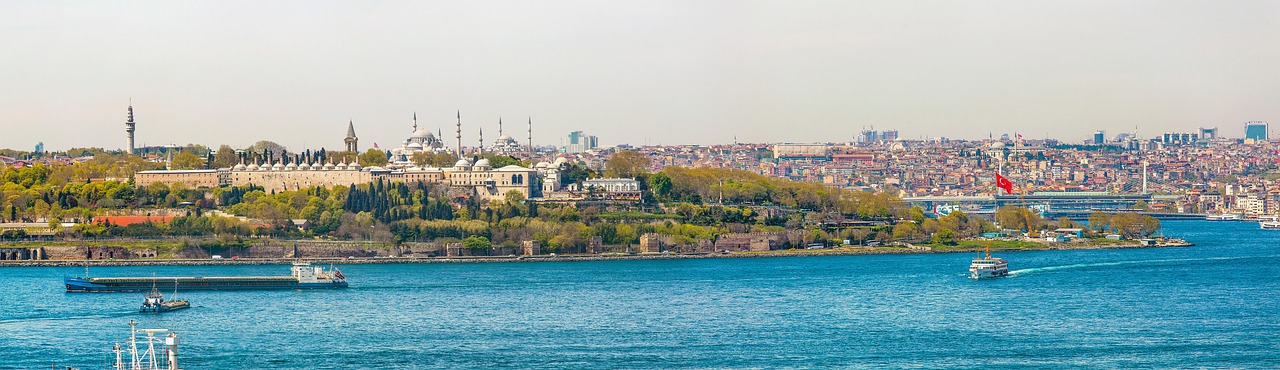
The Old City walking route covers around 1,500 years of continuous human history, which is a slightly absurd amount to process on foot. Here’s what you’ll pass through and why each stop matters.
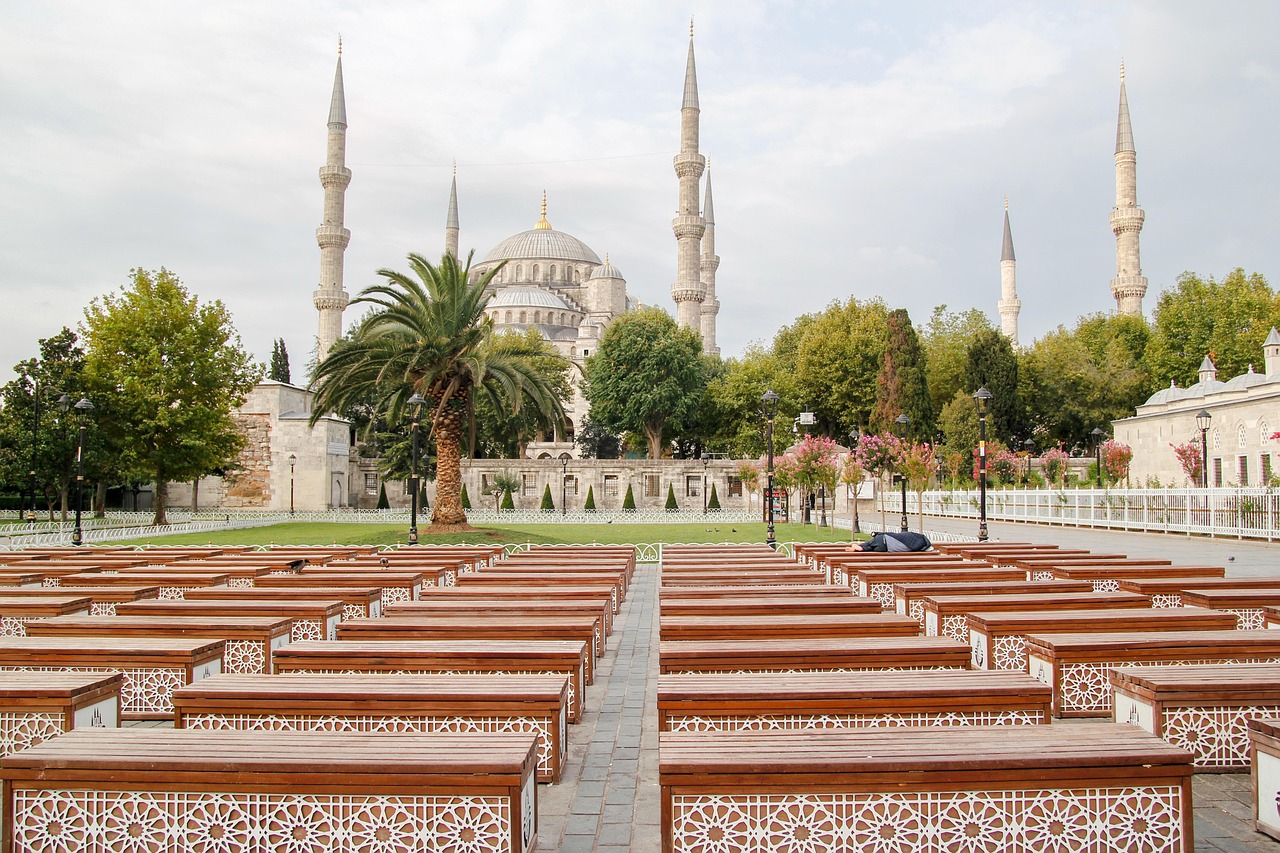
The Hippodrome is where most tours begin. Today it’s a long park with a few monuments, but this was once a 60,000-seat chariot racing stadium. The Egyptian Obelisk from 1500 BC still stands here — it was ancient history even when the Romans installed it. The Serpentine Column next to it came from the Temple of Apollo at Delphi. Both pieces have been standing in this exact spot for over 1,600 years.
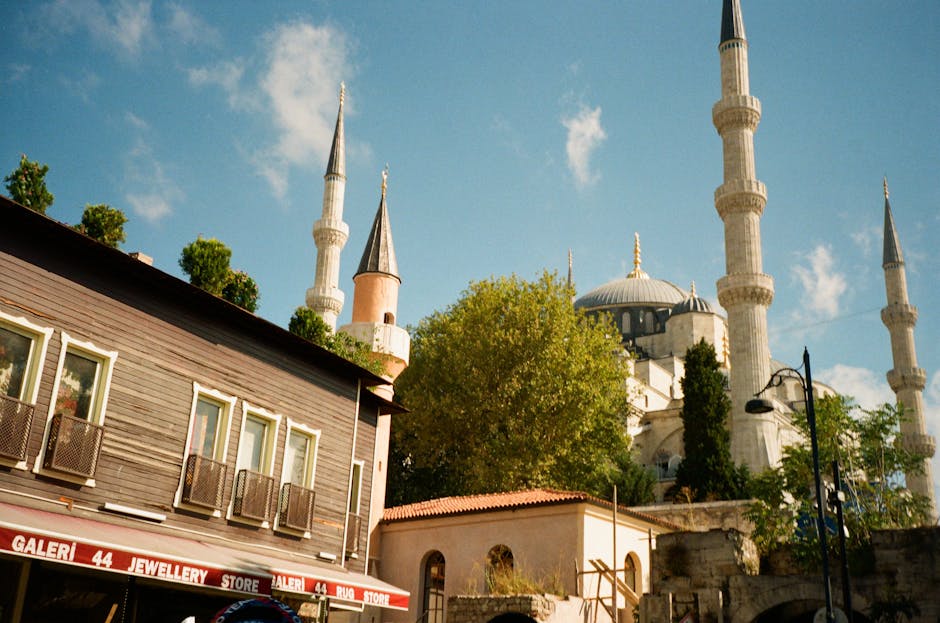
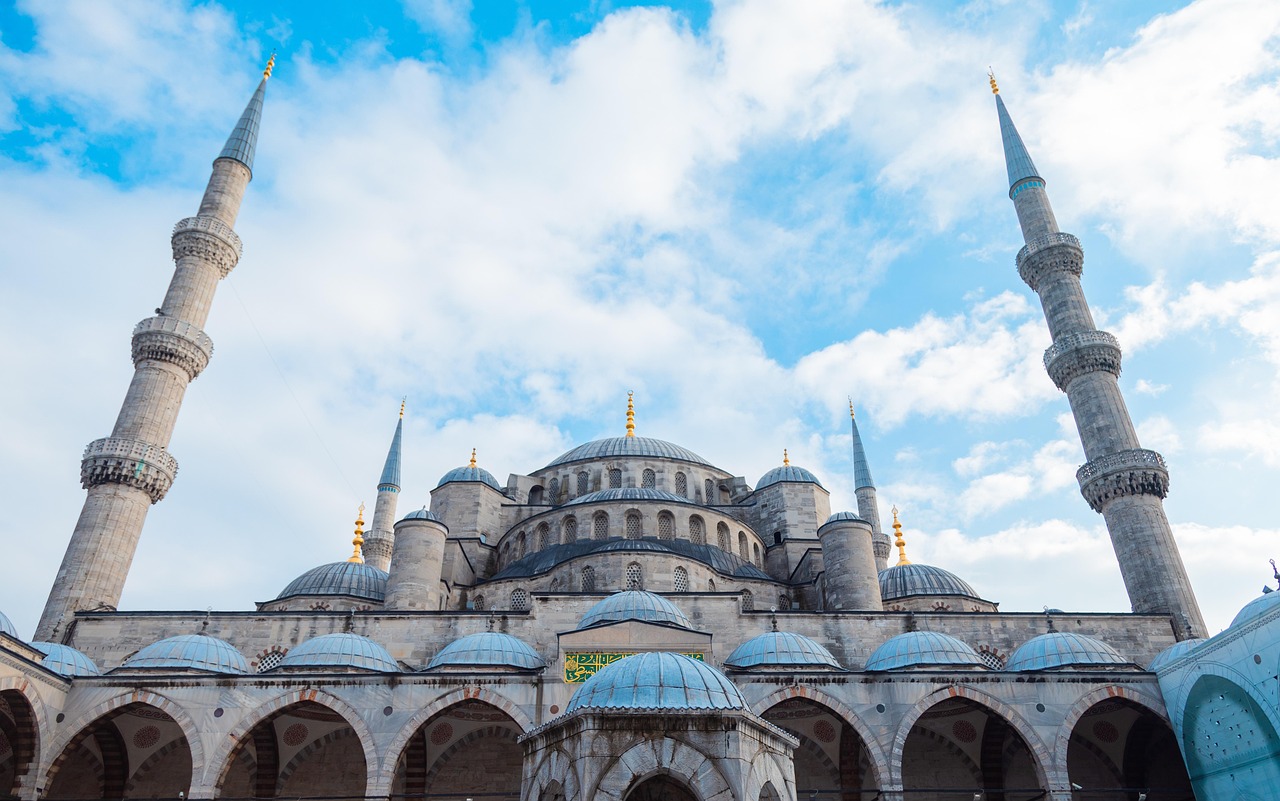
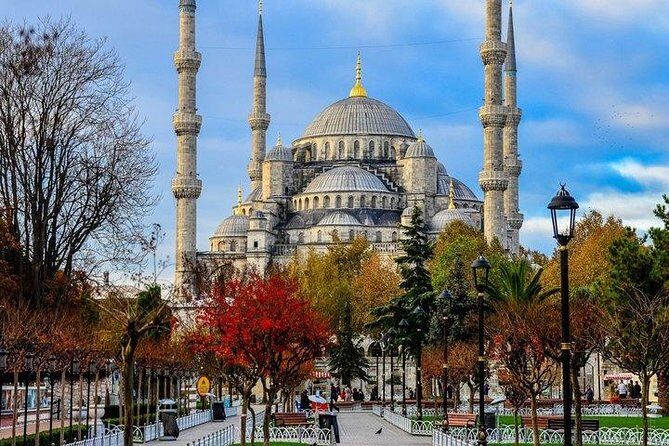
The Blue Mosque (Sultan Ahmed Mosque) sits at one end of the Hippodrome. It was built in 1616 and is the only mosque in Istanbul with six minarets, which caused a diplomatic incident at the time. The interior is covered in over 20,000 blue Iznik tiles — handmade, each one slightly different from the next. Entry is free, but visiting hours are limited by prayer times (five times daily). Most tours work around this.
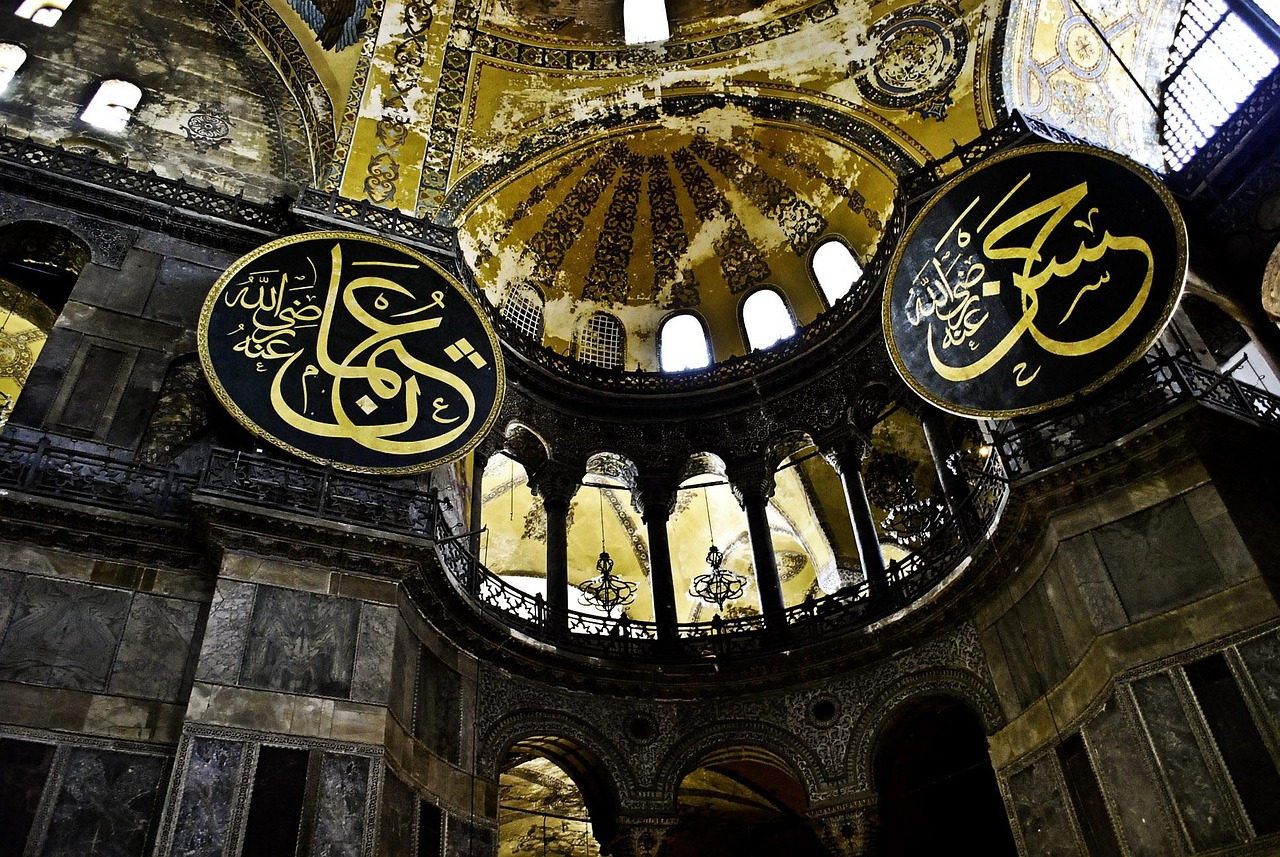
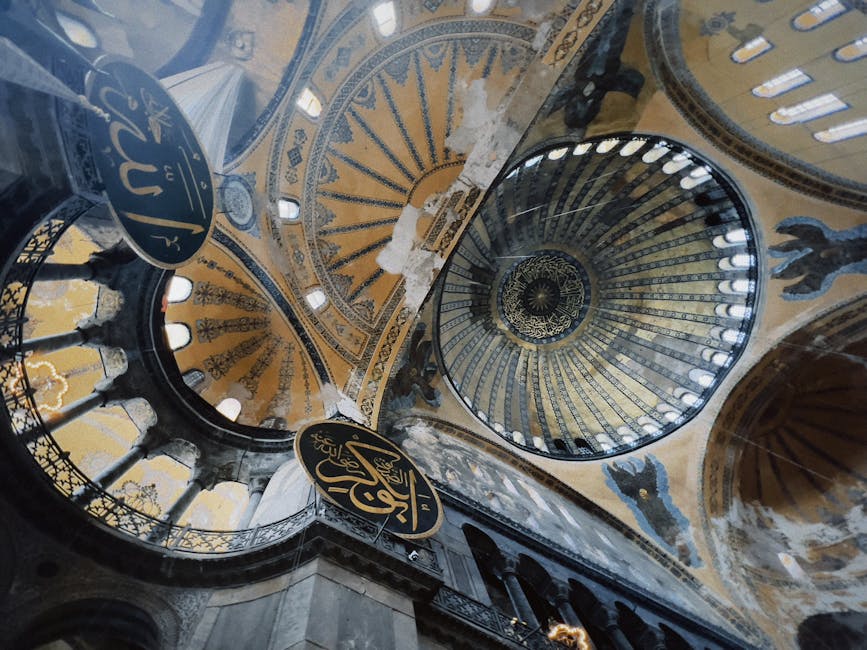
Hagia Sophia is directly opposite. Built in 537 AD, it was the largest building in the world for nearly a thousand years. It switched between church and mosque four times over its history. The interior still has both Byzantine mosaics and Islamic calligraphy, which makes it one of the most architecturally schizophrenic buildings on earth. A ticketed entry costs about EUR 25 for foreigners.
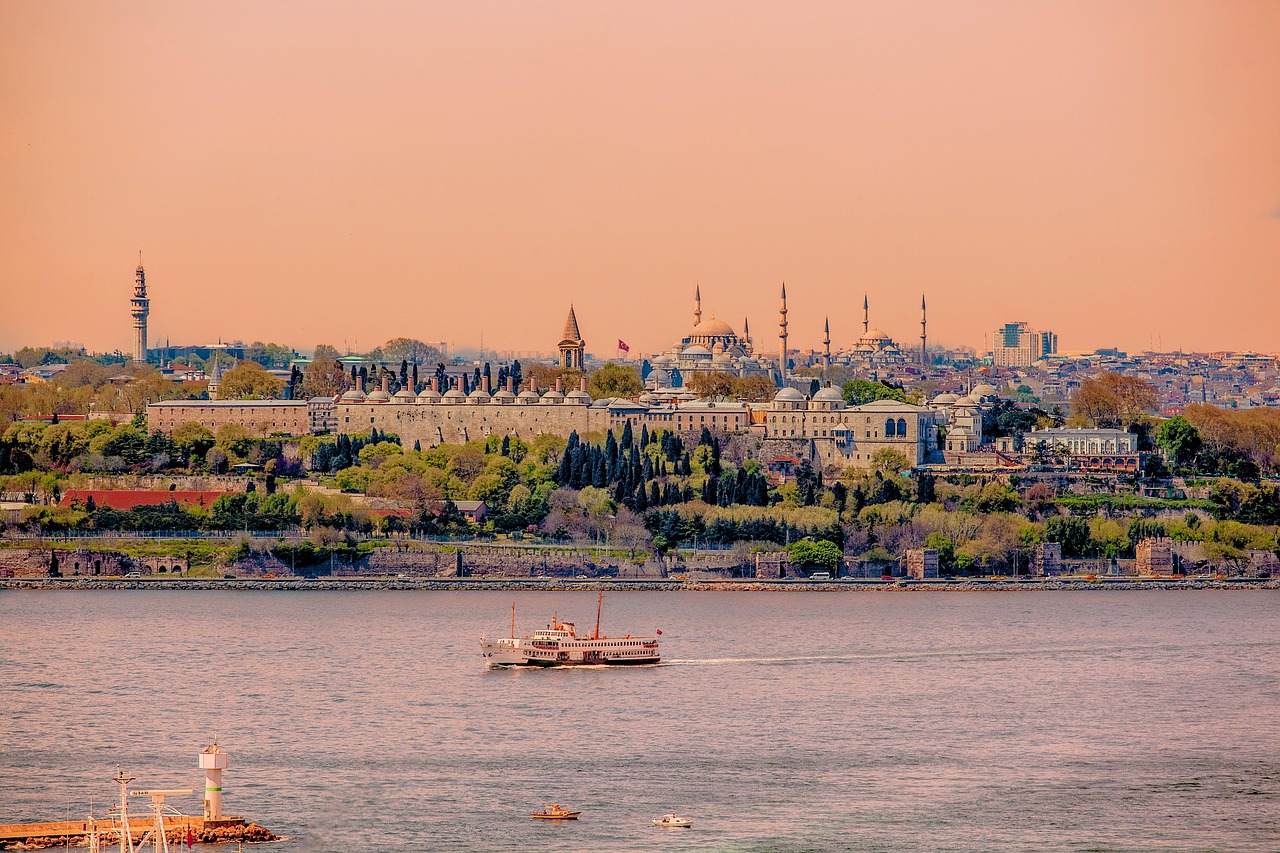
Topkapi Palace (full-day tours only) served as the primary residence of Ottoman sultans for 400 years. The Harem section alone could take hours — it’s a maze of 300+ rooms where the sultan’s family and up to 2,000 servants and concubines lived. The treasury holds the 86-carat Spoonmaker’s Diamond and the Topkapi Dagger. Entry requires a separate ticket beyond the palace admission.
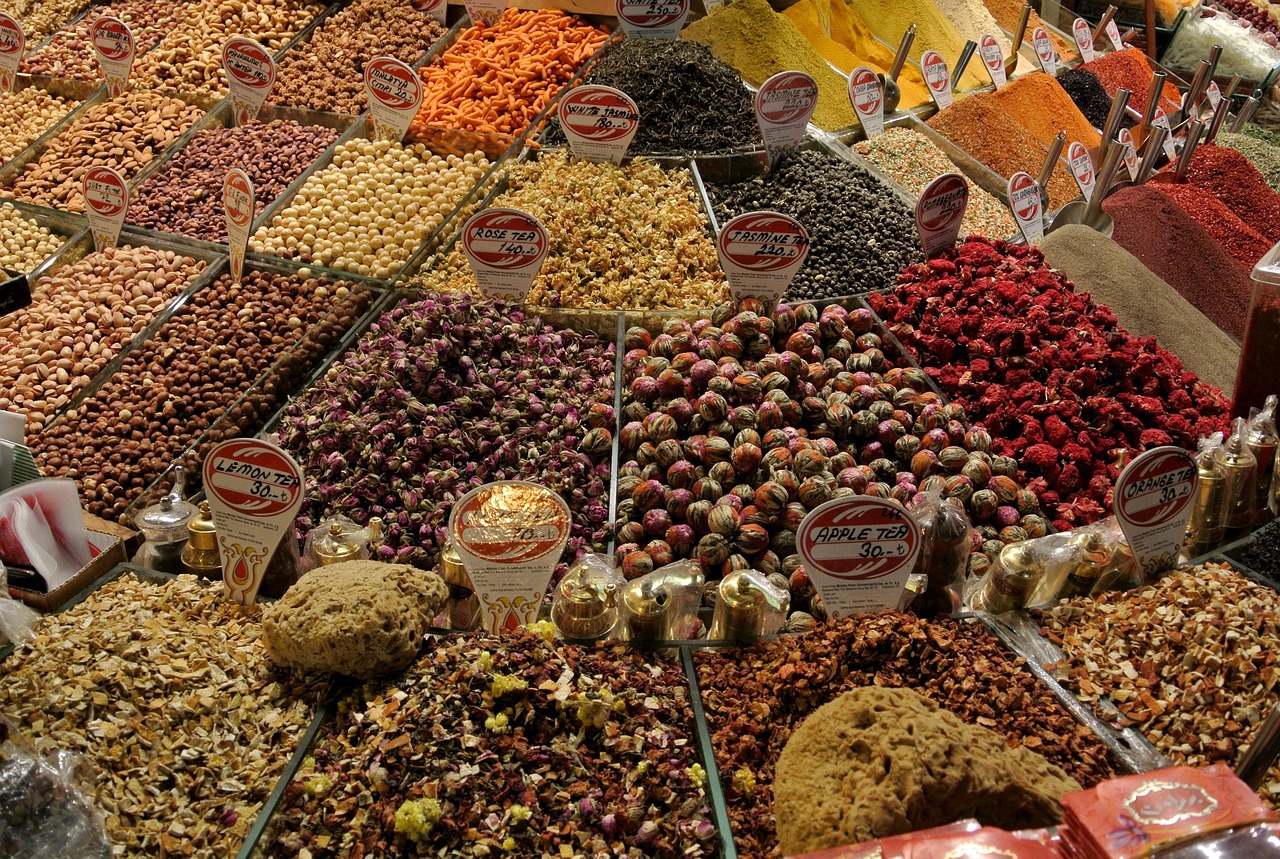
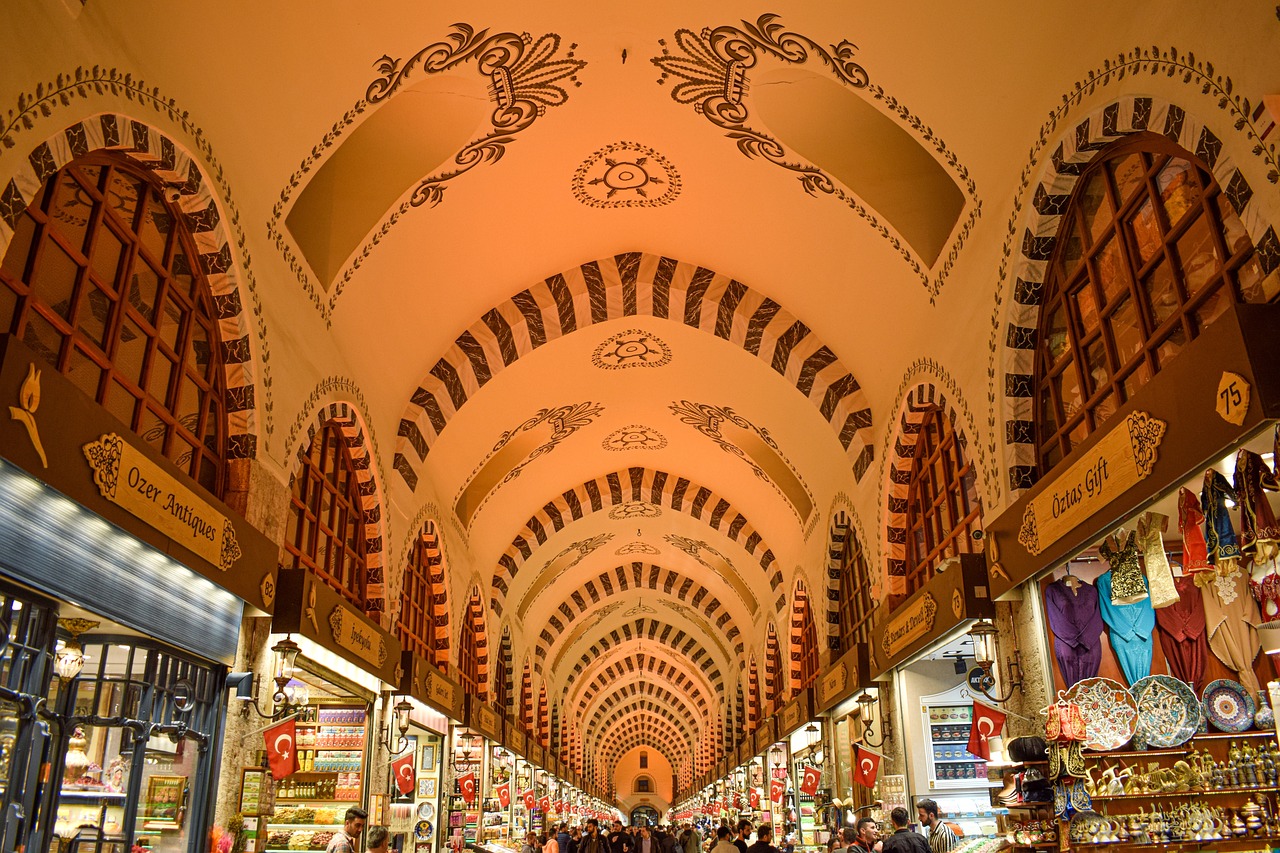
The Grand Bazaar is usually the last stop on full-day tours. With over 4,000 shops across 61 covered streets, it’s been operating since 1455 and feels like a small city inside the city. Without a guide, it’s easy to spend three hours and buy nothing useful. A good guide knows which sections have authentic crafts versus mass-produced tourist items, and which tea shops actually welcome browsers without the hard sell.
Planning the Rest of Your Istanbul Trip
A walking tour gives you the overview — but most of the stops along the route deserve a deeper visit on their own. Hagia Sophia benefits from at least 45 minutes inside, ideally with a skip-the-line ticket so you do not spend half your time in the queue. Topkapi Palace needs a full two hours, especially if you want to see the Harem section, which requires a separate ticket.
The Basilica Cistern usually appears on walking tours as a quick exterior mention, but going inside is one of Istanbul’s strangest and most memorable experiences. Budget 30 minutes. For a very different kind of palace, Dolmabahce Palace on the Bosphorus shore is worth the tram ride — it is the Ottoman answer to Versailles.
After the walk, three experiences round out an Istanbul trip. A Bosphorus cruise puts everything you walked past into a wider context from the water. A Turkish bath is the best possible way to recover from a day of walking on cobblestones. And a whirling dervish ceremony adds a spiritual layer that the historical sites only hint at.
If you are spending more than three days in Istanbul, the big day trips — Cappadocia, Ephesus, and Pamukkale — are all reachable, though Cappadocia works better as an overnight.