
Every clock in Dolmabahce Palace tells the correct time except one. In Ataturk’s bedroom, the clock on the nightstand is frozen at 9:05 a.m. — the exact moment Turkey’s founding father died there on November 10, 1938. It has not been wound since.
That stopped clock hit me harder than the 4.5-ton Baccarat chandelier, harder than the 14 tons of gold leaf covering the ceilings, harder than the 285 rooms I’d just walked through in a kind of daze. One small detail in one quiet room, and suddenly the whole palace made sense.
But getting inside Dolmabahce without wasting half your morning in line takes a little planning. Here’s everything I know about tickets, tours, and how to do this right.
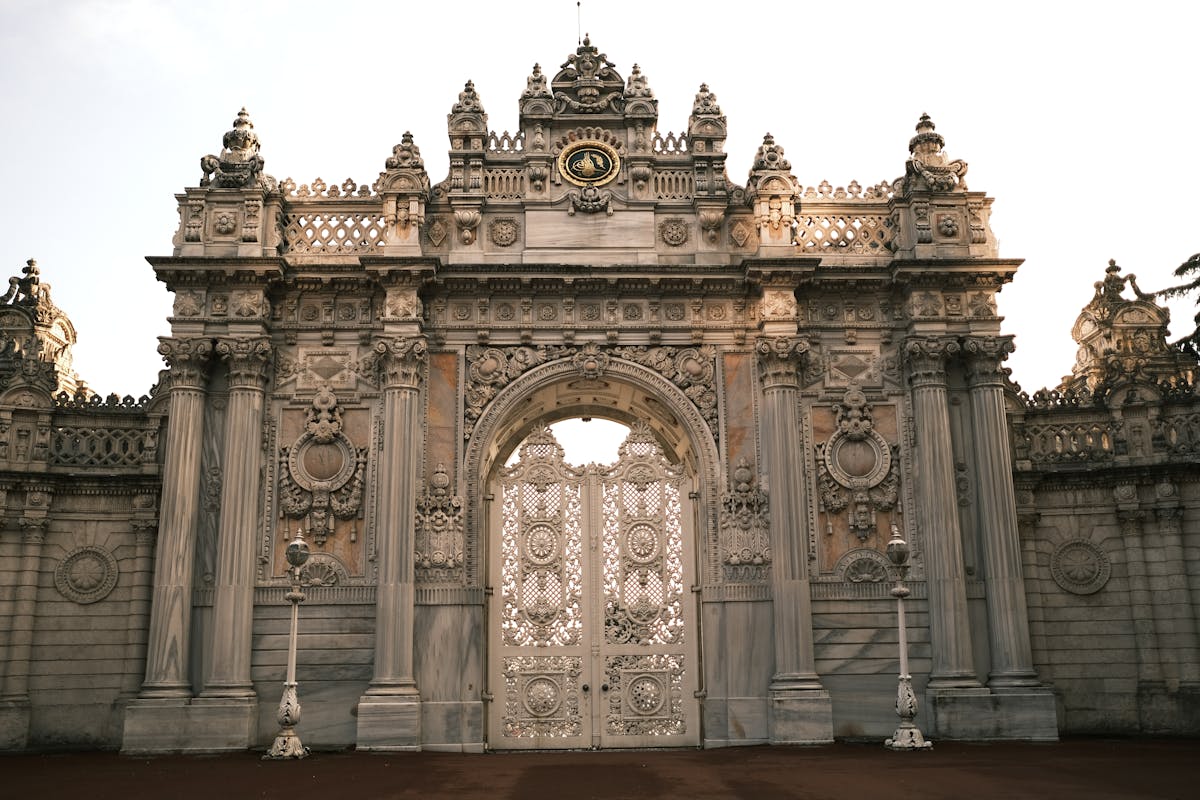
Best overall: Dolmabahce Palace and Harem Fast-Track with Audio — $46. Skip the line, explore both sections at your own pace with an audio guide. Lowest price for full access.
Best for detail lovers: Dolmabahce Palace and Harem Skip-the-Line with Audio Guide — $54. Similar setup with a slightly different audio narrative. Good if the first option sells out.
Best premium experience: Dolmabahce Palace and Harem Skip-the-Line Ticket — $62. Priority entry for when you don’t want to think about logistics at all.
- How the Official Ticket System Works
- Official Tickets vs Skip-the-Line Tours
- The Best Dolmabahce Palace Tours to Book
- 1. Dolmabahce Palace and Harem Fast-Track with Audio —
- 2. Dolmabahce Palace and Harem Skip-the-Line with Audio Guide —
- 3. Dolmabahce Palace and Harem Skip-the-Line Ticket —
- When to Visit Dolmabahce Palace
- How to Get to Dolmabahce Palace
- Tips That Will Save You Time
- What You’ll Actually See Inside
- More Istanbul Guides
How the Official Ticket System Works
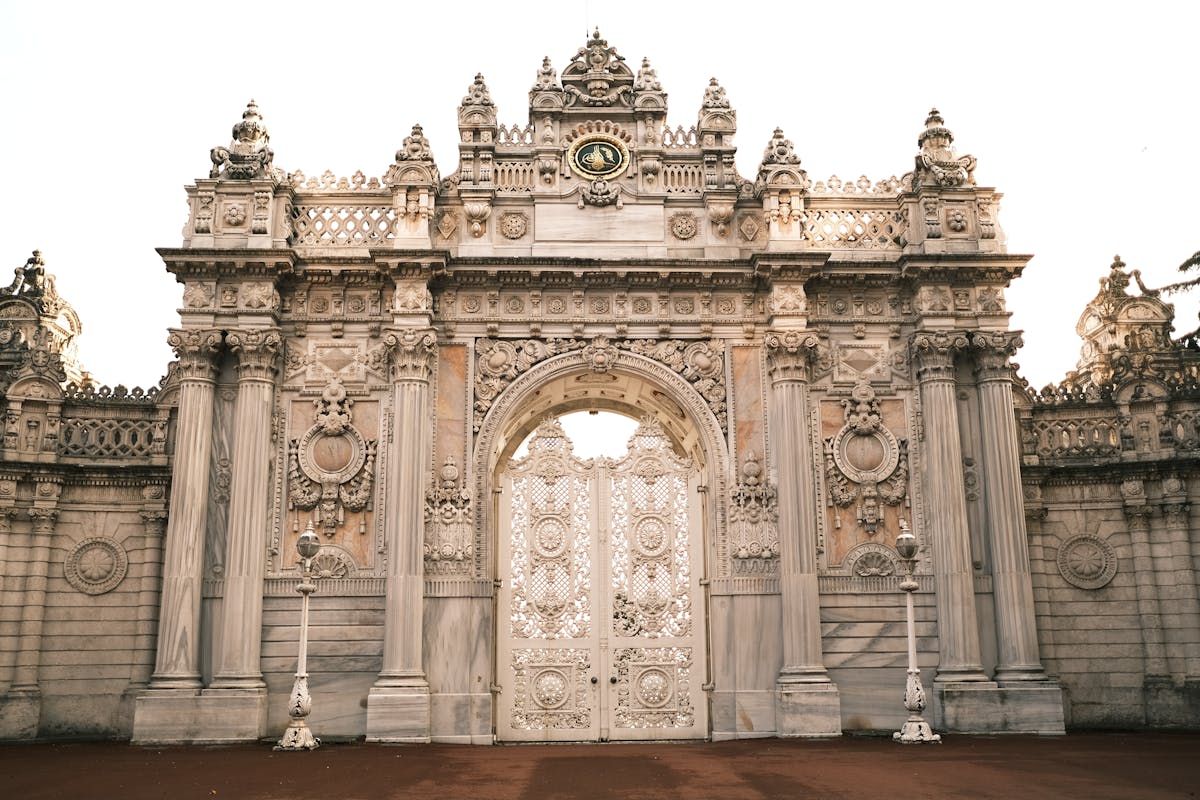
Dolmabahce Palace is managed by the Milli Saraylar (National Palaces) administration, and they sell tickets through their official website at millisaraylar.gov.tr. The e-ticket system works, but it’s clunky — the interface is slow, payment sometimes fails with foreign cards, and the English translation is spotty in places.
There are two main sections you need to understand:
Selamlik (main palace section): This is the public and ceremonial wing. The Ceremonial Hall with that famous Baccarat chandelier is here. The Crystal Staircase — a double-horseshoe design with Baccarat crystal banisters — is here. Most of the jaw-dropping rooms are in this section.
Harem: The private quarters where the sultan’s family actually lived. Smaller rooms, more intimate, and honestly just as beautiful in a different way. The Harem was where daily life happened — bedrooms, baths, sitting rooms. It costs extra if you buy official tickets separately, which is why most people go with a combined skip-the-line pass.
Official ticket prices tend to be around 650-750 TL for the combined Selamlik + Harem entry (prices change regularly — they went up twice in 2025 alone). Children under 6 go free. There’s a Museum Pass Istanbul that covers Dolmabahce along with several other palaces, but it only makes financial sense if you plan to visit at least three National Palace sites.
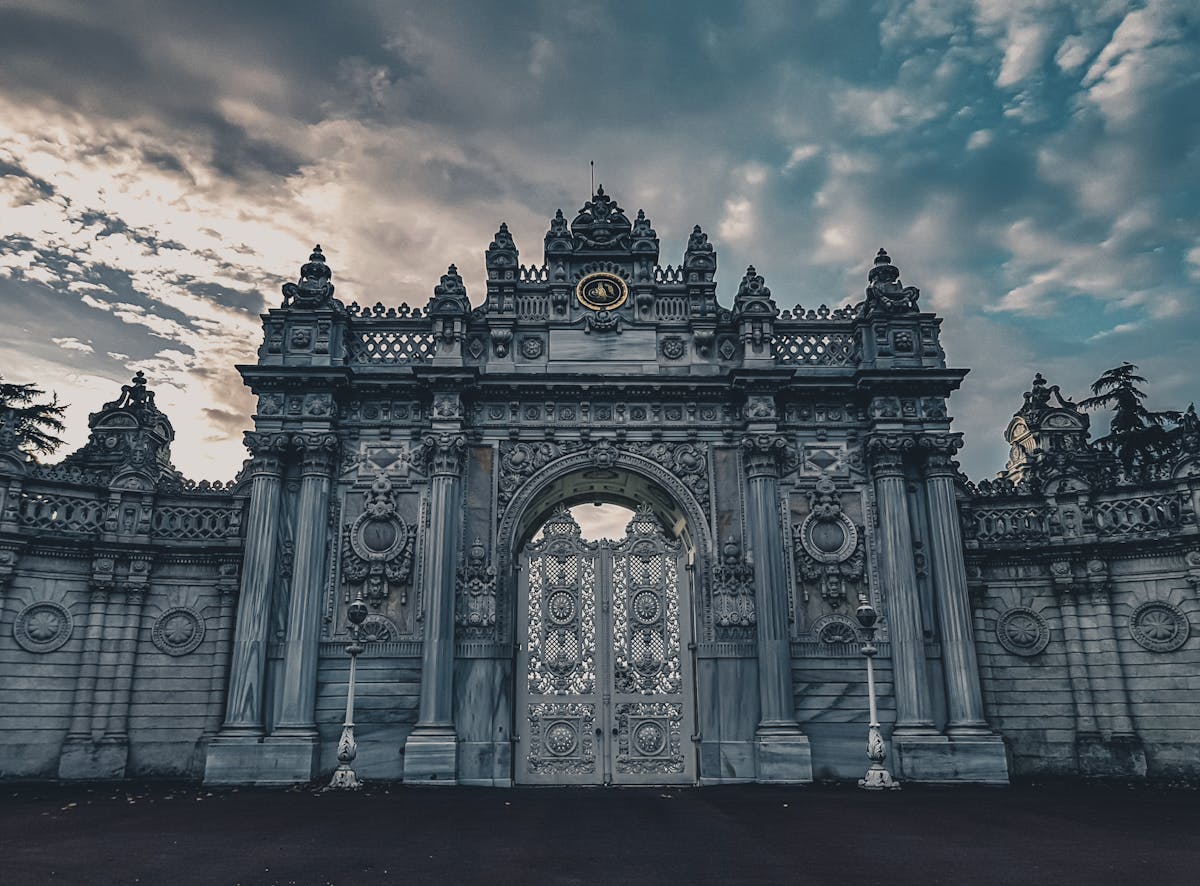
One thing that catches people off guard: photography is banned inside the palace rooms. You can take photos in the gardens and exterior, but once you step inside, cameras and phones go away. Security enforces this strictly. It’s actually kind of nice — it forces you to look at things instead of photographing them for later.
Official Tickets vs Skip-the-Line Tours
This is where I need to be honest. The official website works fine if you’re patient, but there are real reasons people pay $10-15 more for a skip-the-line ticket through a platform like GetYourGuide.
Official tickets make sense if:
- You’re comfortable navigating a Turkish government website
- Your credit card processes international payments without issues
- You don’t mind potentially waiting 20-40 minutes in the ticket queue on busy days
- You want to save every dollar
Skip-the-line tickets make sense if:
- You have limited time in Istanbul (the most common scenario)
- You’re visiting on a weekend or during peak season (April through October)
- You want the audio guide included — it adds real context that you’d miss otherwise
- You’d rather pay a bit more and walk straight in
Most of the tours I recommend below include both Selamlik and Harem access, skip-the-line entry, and an audio guide. You get the combined ticket without juggling separate purchases, and the audio guide is genuinely useful — it explains things like why that Crystal Staircase was built with Baccarat crystal (it was meant to signal that the Ottoman Empire could rival any European court).
The Best Dolmabahce Palace Tours to Book
I’ve gone through about twenty different Dolmabahce tour options and narrowed it down to three that actually stand out. The differences between them are smaller than you’d expect — all three give you skip-the-line access and cover both the palace and the Harem. What separates them is price, flexibility, and how the audio guides are structured.
1. Dolmabahce Palace and Harem Fast-Track with Audio — $46
This is the one I’d pick if I were doing it again. At $46 per person, it’s the cheapest way to get skip-the-line access to both the Selamlik and the Harem with a proper audio guide. You move at your own pace, stop where you want, and skip the parts that don’t interest you. That flexibility is the whole point.
The audio guide covers the key rooms in enough detail to understand what you’re seeing without turning the visit into a history lecture. It took me about two and a half hours to go through everything, though some people do it faster. The fast-track entry worked exactly as advertised — I walked past a line of maybe 40 people at the general admission window.
One practical note: the ticket says “1 day” for duration, but that just means it’s valid for the day. The actual visit takes 2-3 hours depending on how long you linger.
2. Dolmabahce Palace and Harem Skip-the-Line with Audio Guide — $54
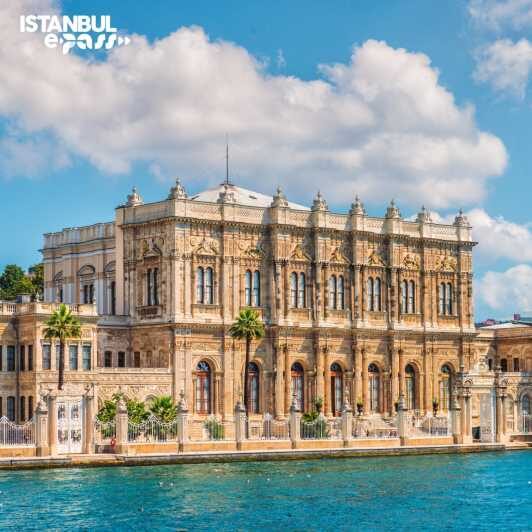
Very similar to the first option but at $54 per person. You get the same skip-the-line entry, the same palace and Harem access, and a comparable audio guide. The $8 price difference buys you a slightly more detailed audio narrative and — based on what I’ve heard from other visitors — marginally better customer support if anything goes wrong with your booking.
Is it worth $8 more than the first option? Honestly, for most people, no. But if the $46 tour is sold out for your date (it does sell out during peak months), this is your next best bet. The experience is almost identical. One visitor mentioned that the audio guide has 258 rooms and 46 halls worth of commentary — more than you’ll realistically listen to in a single visit.
3. Dolmabahce Palace and Harem Skip-the-Line Ticket — $62
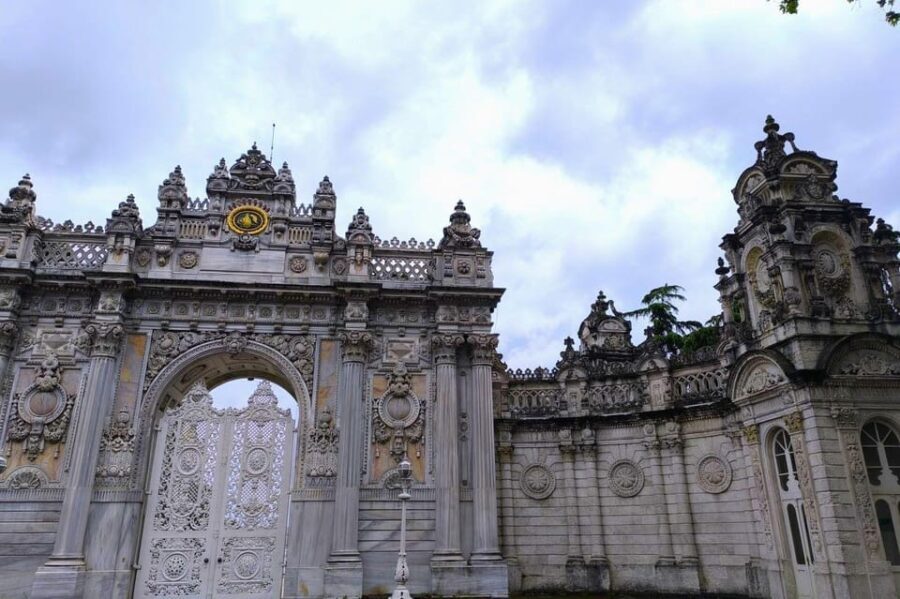
At $62 per person, this is the most expensive of the three, and what you’re paying for is peace of mind. Priority entry, full palace and Harem access, and an audio guide — the same core experience, but with what seems to be the fastest entry process of the bunch. Multiple visitors have noted that there’s no timed entry requirement — you can show up when you want.
I’d recommend this one specifically for weekend visitors in summer. The line situation at Dolmabahce gets genuinely bad on Saturday and Sunday mornings from June through September, and the extra $16 over the budget option pays for itself in saved time. If you’re visiting on a Tuesday in February, though, save your money and go with option one.
Something that surprised me: the palace itself is stunning enough that even at the highest price point, nobody seems to leave disappointed. That’s rare for a tourist attraction.
When to Visit Dolmabahce Palace
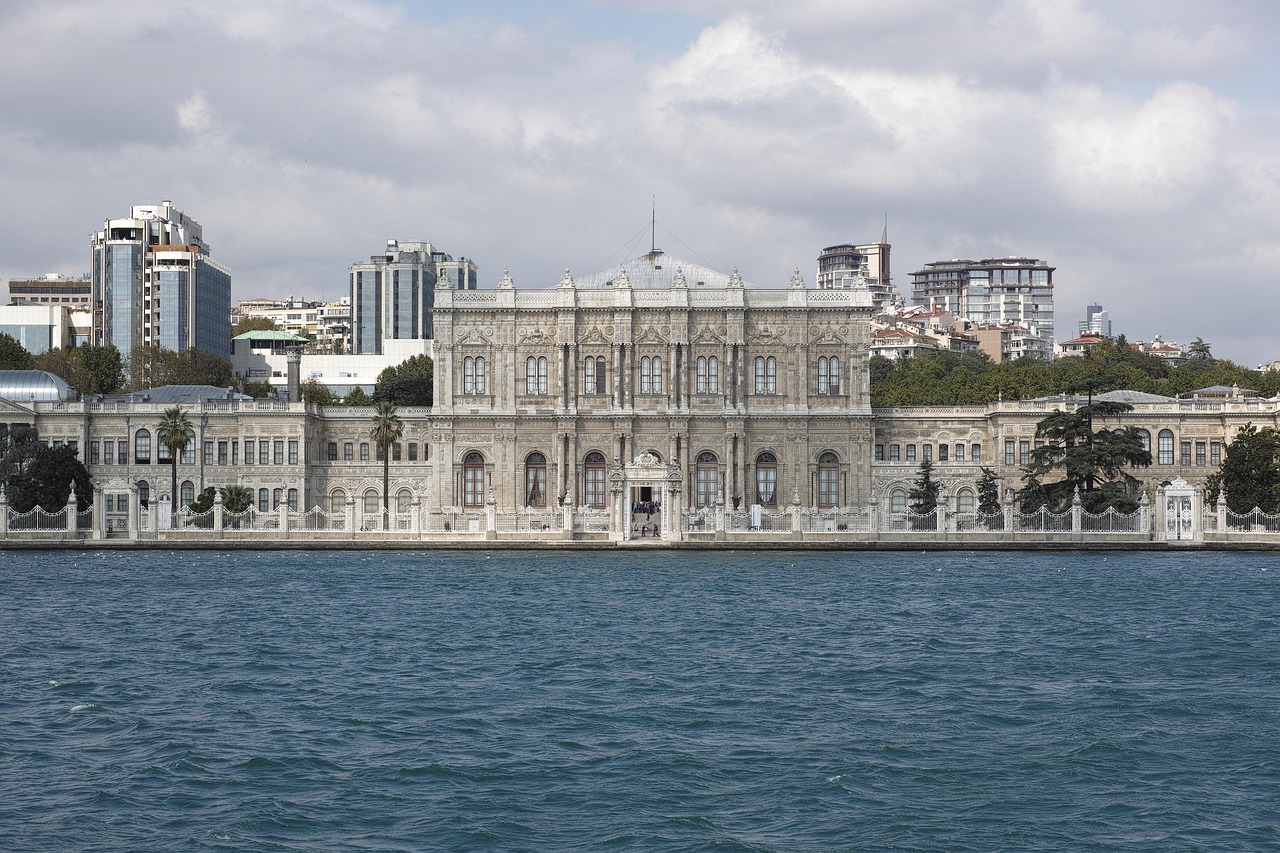
Opening hours: Tuesday through Sunday, 9:00 AM to 6:00 PM (last entry at 5:00 PM). Closed on Mondays. This catches a surprising number of people off guard — I’ve seen confused travelers standing outside the locked gates on a Monday more than once.
Best time to visit: Midweek mornings between 9:30 and 10:30 AM, or weekday afternoons after 3:00 PM. The first big wave of tour groups arrives around 10:00 AM, so getting there at opening lets you have the Crystal Staircase almost to yourself for about 20 minutes. Afternoons clear out as groups move on to other sites.
Worst time to visit: Weekend mornings from May through September. The combination of cruise ship passengers, organized tour groups, and independent visitors creates lines that can stretch 45 minutes or longer. If you must visit on a weekend, get there when the doors open or wait until after 2:00 PM.
Seasonal considerations: Summer is predictably the busiest. Spring (April-May) and autumn (September-October) offer the best balance of decent weather and manageable crowds. Winter visits have the shortest lines but reduced daylight hours — the palace gardens don’t have the same impact on a grey January afternoon.
How to Get to Dolmabahce Palace
The palace sits in the Besiktas district on the European side, right on the Bosphorus waterfront. Getting there is straightforward from anywhere in central Istanbul.
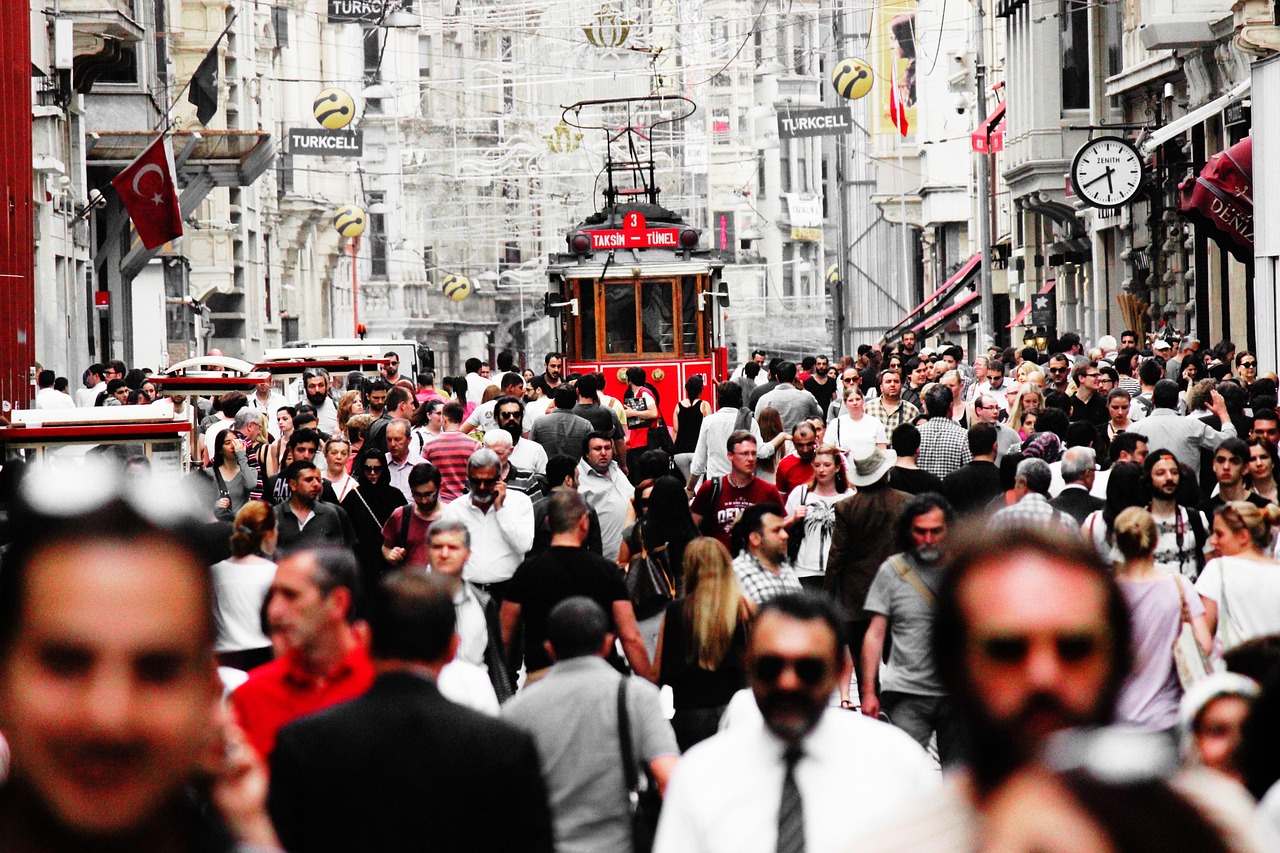
By tram: Take the T1 line to Kabatas (the end of the line). From there, it’s a 5-minute walk along the waterfront to the palace gates. This is the easiest option from Sultanahmet, the Grand Bazaar area, or Eminonu.
By funicular: If you’re coming from Taksim Square, take the F1 funicular down to Kabatas, then walk. The whole journey takes under 10 minutes.
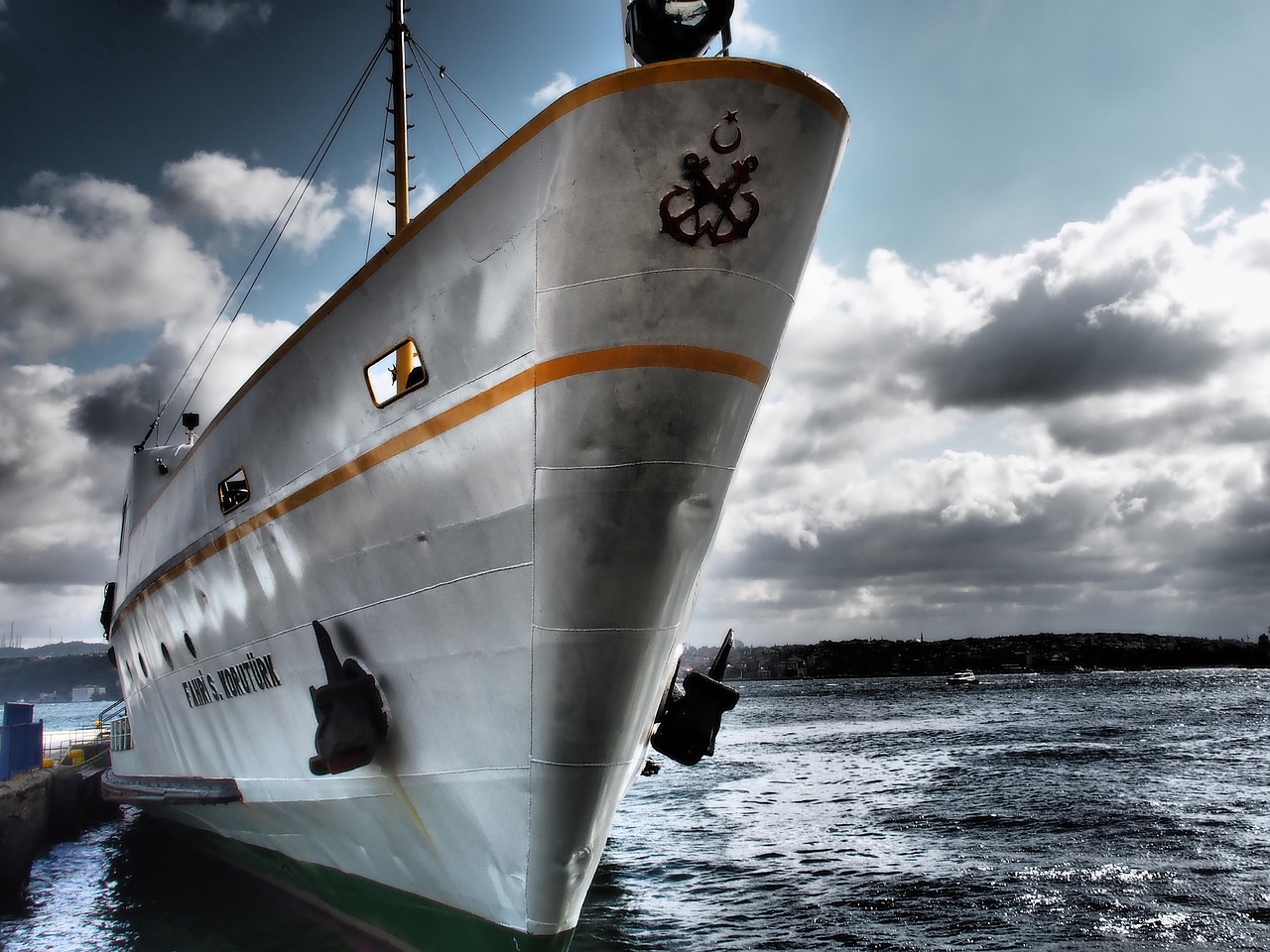
By ferry: Besiktas has a major ferry terminal with connections to Kadikoy and Uskudar on the Asian side. From the terminal, the palace is roughly a 5-minute walk northeast along the coast road.
By bus: Several bus routes stop near the palace, but Istanbul buses can be confusing if you don’t know the system. Stick with the tram or ferry unless you’re already comfortable with local transit.
By taxi: A taxi from Sultanahmet takes 15-25 minutes depending on traffic (and Istanbul traffic is legendary). Expect to pay around 150-250 TL. Use the BiTaksi app rather than hailing from the street — it locks in the meter and gives you a route estimate.
Tips That Will Save You Time
- Book your tickets at least a day in advance. Same-day availability exists, but the skip-the-line options sometimes sell out during peak season. No reason to risk it.
- Wear comfortable shoes. The palace covers a massive area and you’ll be on your feet for 2-3 hours. The marble floors are beautiful but unforgiving.
- Leave bags at the cloakroom. Large bags aren’t allowed inside. The cloakroom is free but the queue adds time. Travel light if possible.
- Don’t rush the Harem. Most people spend all their energy on the Selamlik and then speed through the Harem as an afterthought. The Harem is where the human stories are — the mothers, the wives, the children. Give it proper time.
- The gardens are worth exploring. After the interior, walk the waterfront gardens. The clock tower, the aviary, and the views across to the Asian side are all free and rarely crowded.
- Combine with Besiktas. The neighborhood has excellent street food, a lively fish market, and some of the best breakfast spots in Istanbul. Don’t just see the palace and leave.
- Audio guides need headphones. Bring your own earbuds. The audio guide plays on your phone, and nobody wants to hear someone else’s palace commentary on speakerphone.
What You’ll Actually See Inside
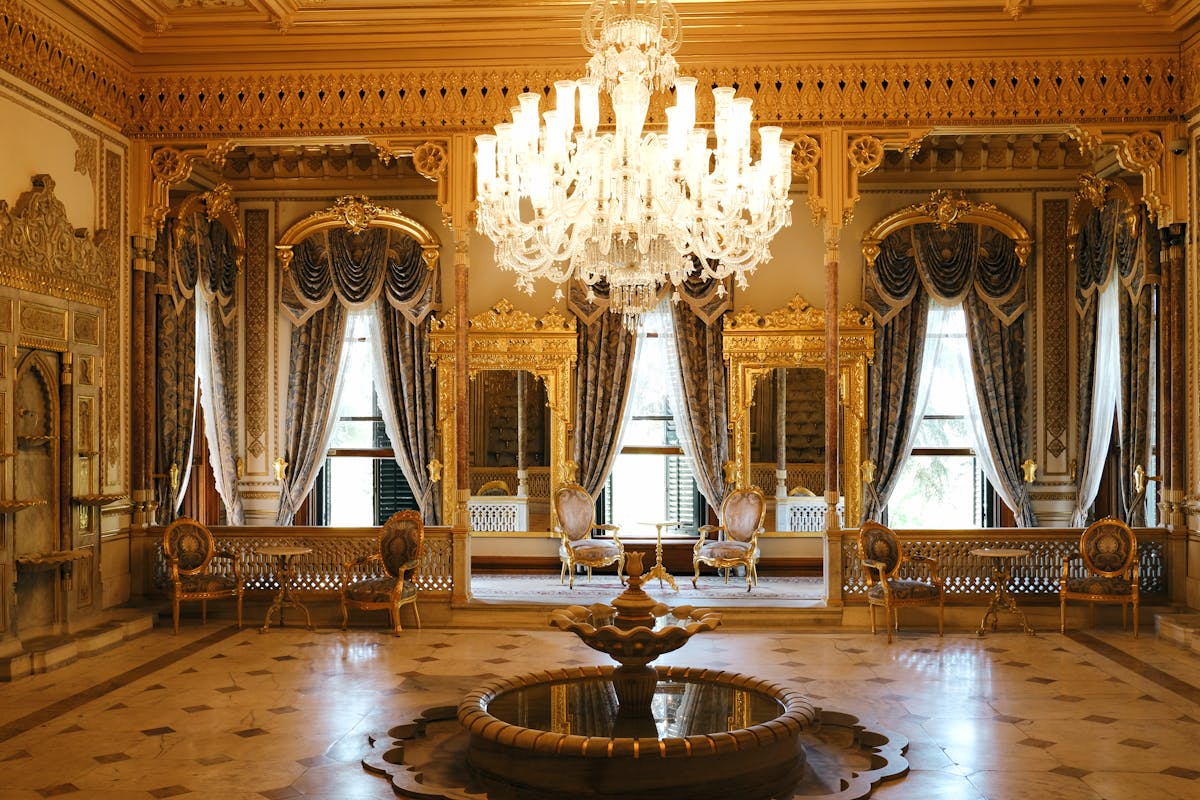
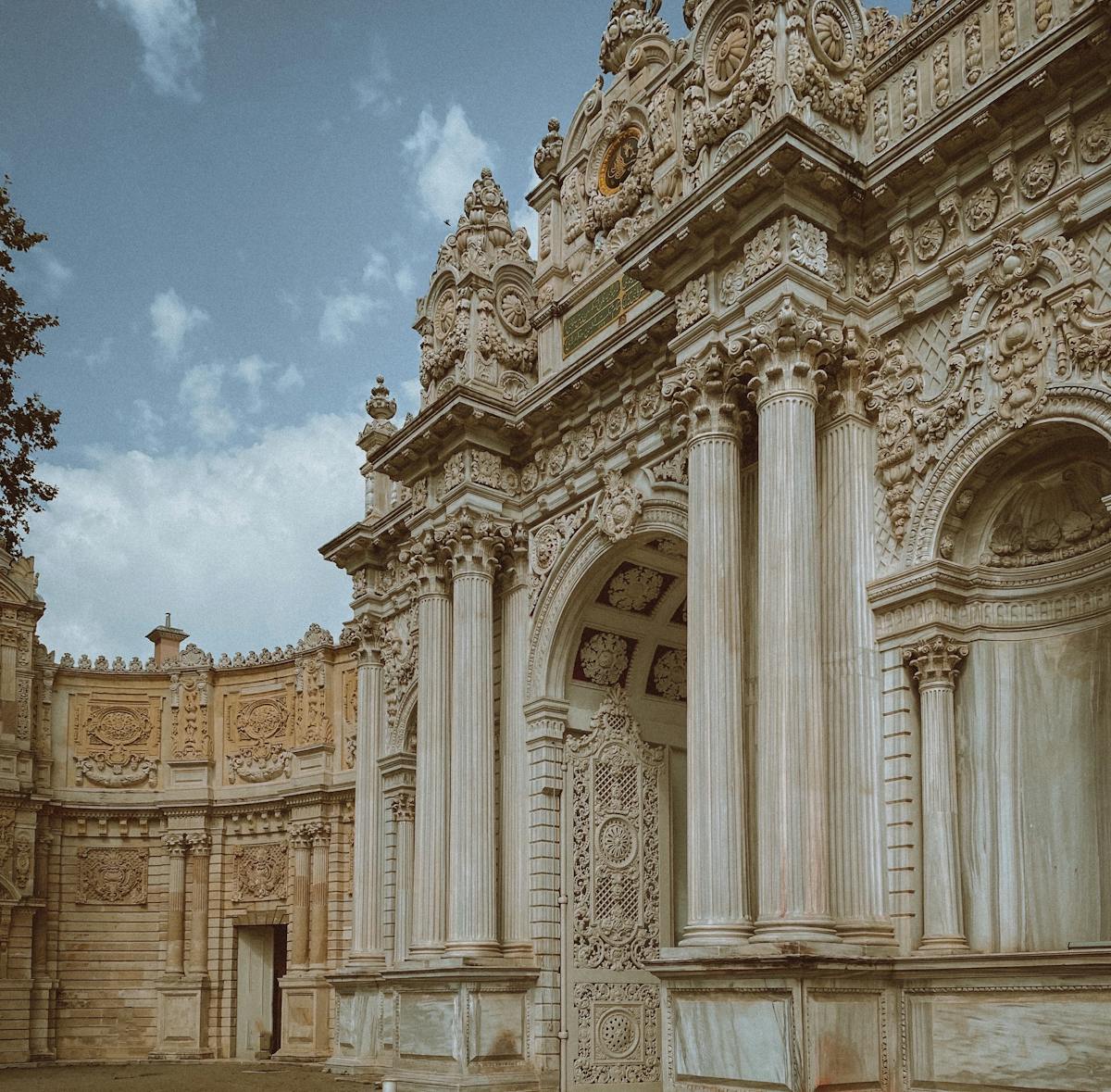
Dolmabahce was built between 1843 and 1856 by Sultan Abdulmecid I, who wanted a modern European-style palace to replace the aging Topkapi. The result is 285 rooms, 46 halls, 6 hammams (Turkish baths), and enough gold leaf to cover approximately 14,000 square metres of ceiling. The numbers sound absurd because they are absurd — the construction cost nearly bankrupted the Ottoman treasury.
The Crystal Staircase is usually the first thing that stops people in their tracks. The banisters are made of Baccarat crystal and brass, and the staircase curves in a double horseshoe shape that was architecturally ambitious for the 1850s. It’s smaller than you expect but more impressive in person than any photo could convey.
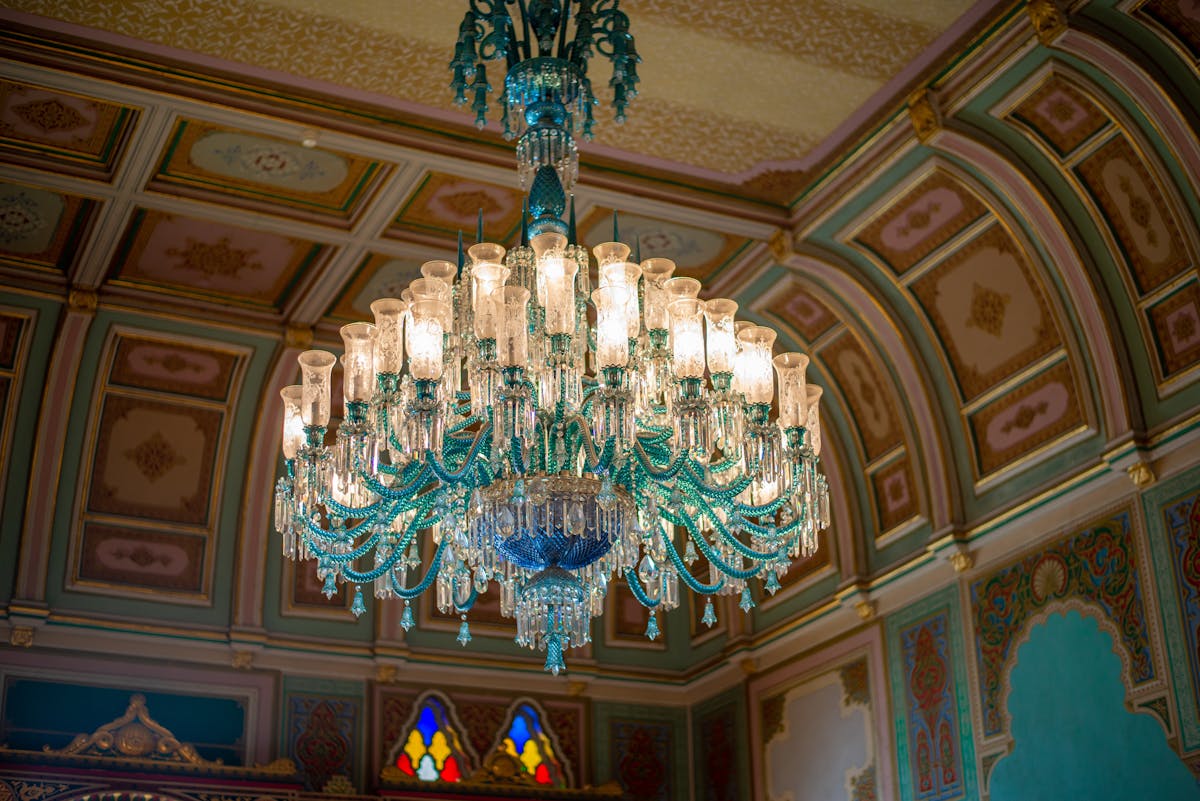
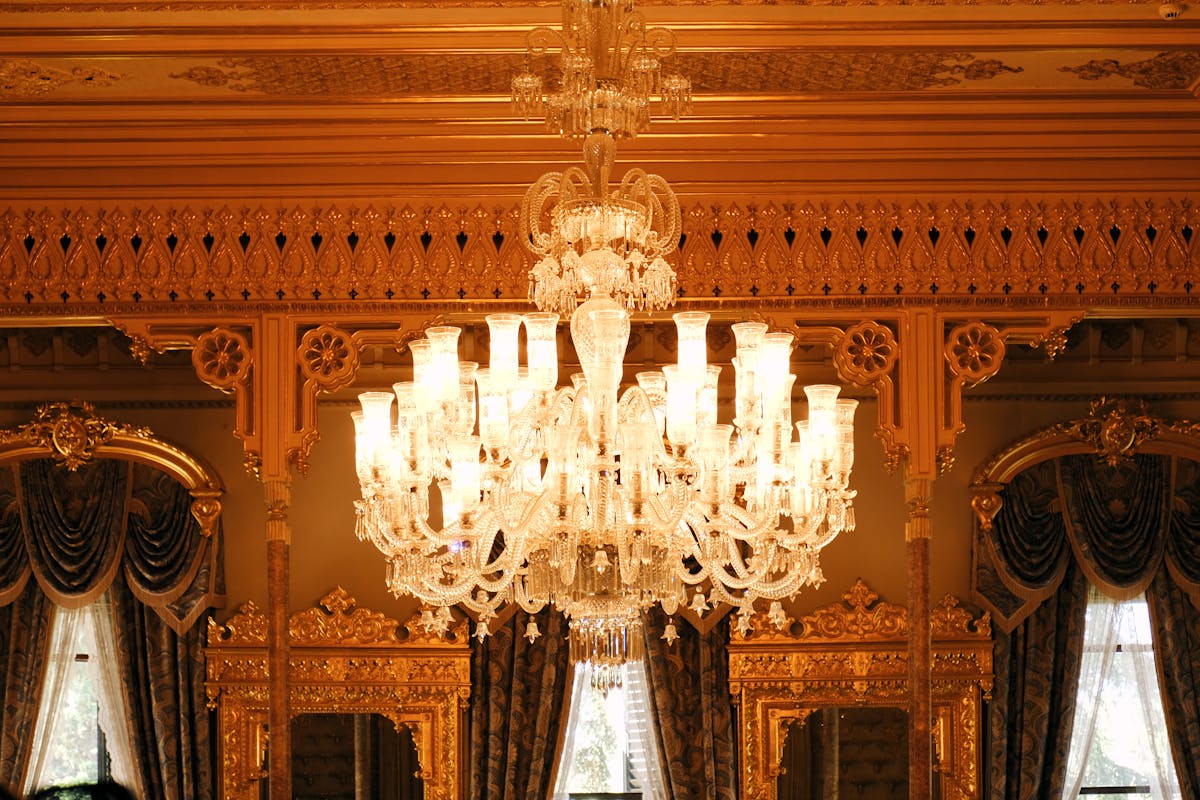
The Ceremonial Hall (Muayede Salonu) is the centrepiece. The dome ceiling rises 36 metres high, and hanging from it is that famous 4.5-ton chandelier — a gift from Queen Victoria. The hall was designed for state ceremonies and it still hosts the occasional government event. Standing in the centre and looking up is one of those rare travel moments where scale genuinely takes your breath away.
Ataturk’s Room is in the Harem section. Mustafa Kemal Ataturk used Dolmabahce as his Istanbul residence and died here on November 10, 1938. The room has been preserved exactly as it was, down to that stopped clock on the nightstand reading 9:05 a.m. It is one of the most quietly powerful rooms in any museum anywhere.
The Harem itself is a maze of rooms that housed the sultan’s family and their attendants. The decoration is slightly more intimate than the public rooms — floral patterns, hand-painted ceilings, smaller chandeliers — but no less impressive in quality. The sultan’s mother had the nicest suite, which tells you everything about the power dynamics at the Ottoman court.
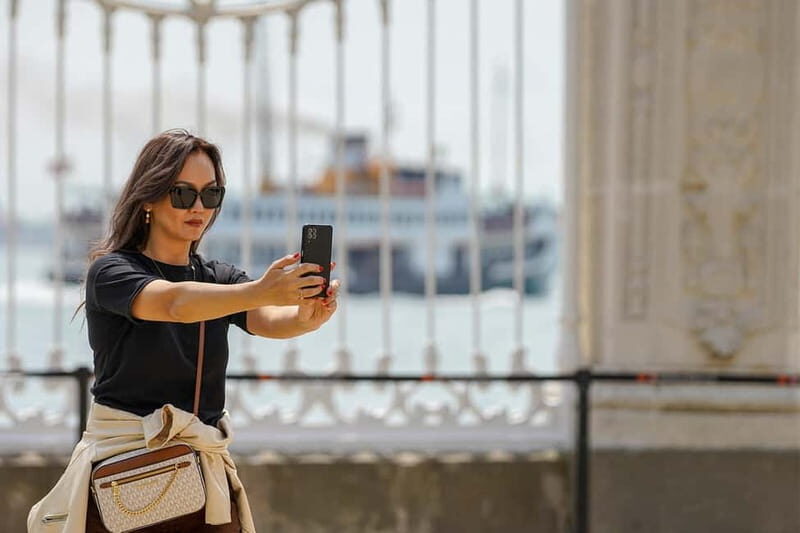
Outside, the palace gardens stretch along the Bosphorus waterfront with manicured lawns, an ornamental pool, and a clock tower that’s become a minor Instagram landmark. The gardens are included with your palace ticket and make for a good 20-minute stroll after the sensory overload of the interior.
More Istanbul Guides
Dolmabahce Palace was built because the sultans decided Topkapi Palace was not grand enough — visiting both on the same day tells the story of the Ottoman Empire’s transformation from medieval powerhouse to modernizing state. Topkapi is across the Golden Horn in Sultanahmet, about 30 minutes by tram. Pair it with Hagia Sophia, which is steps away from Topkapi.
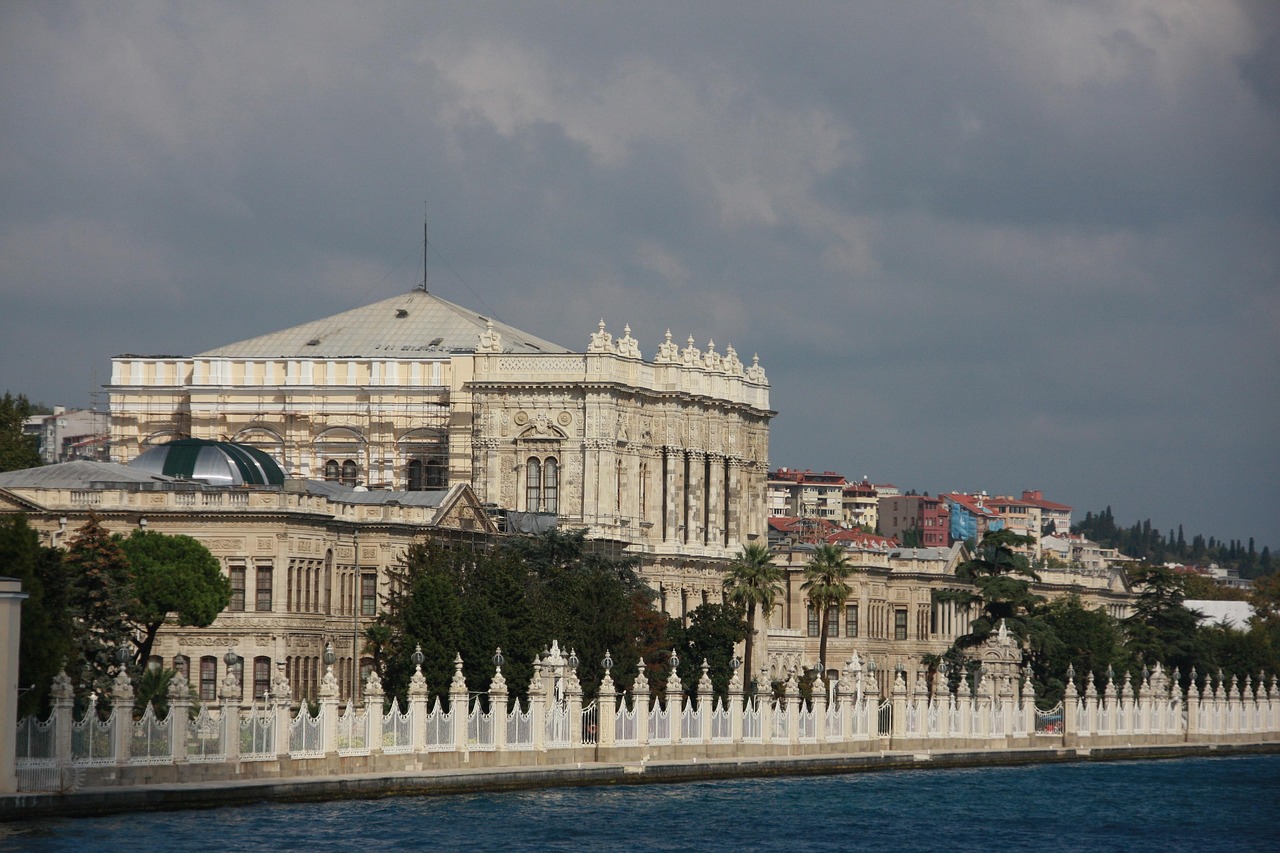
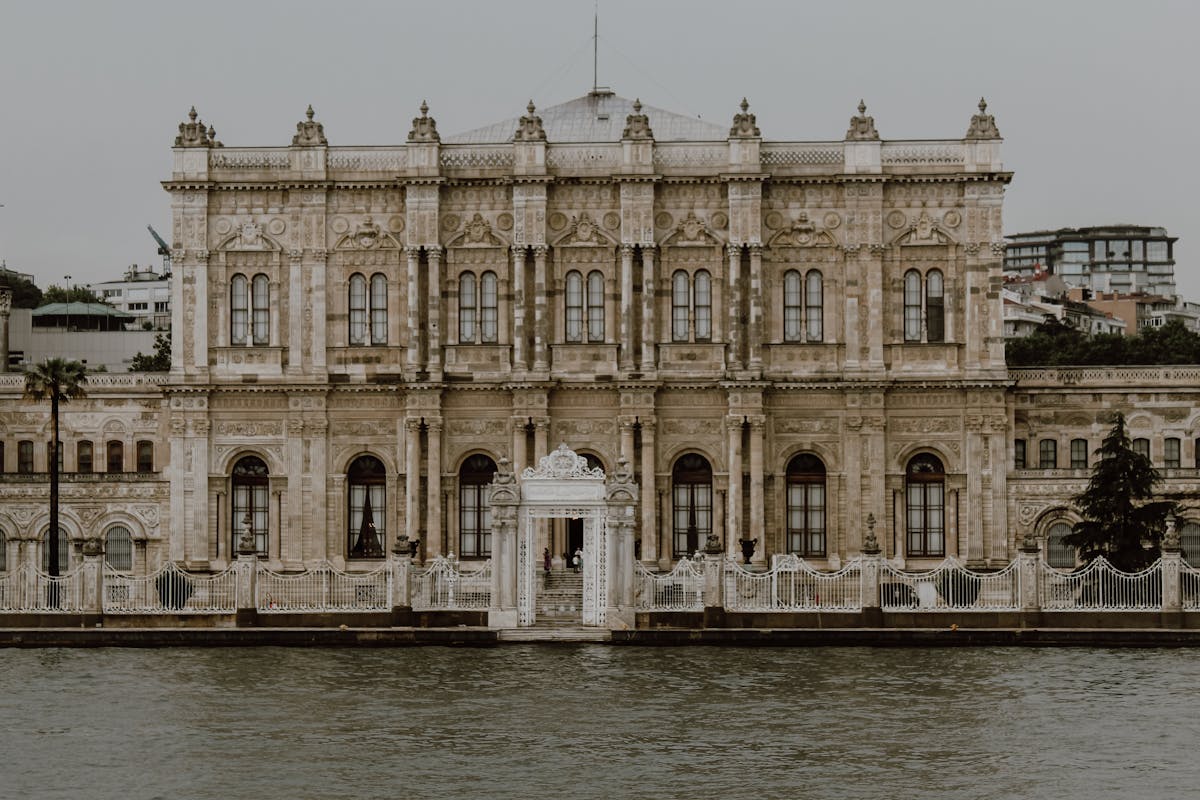
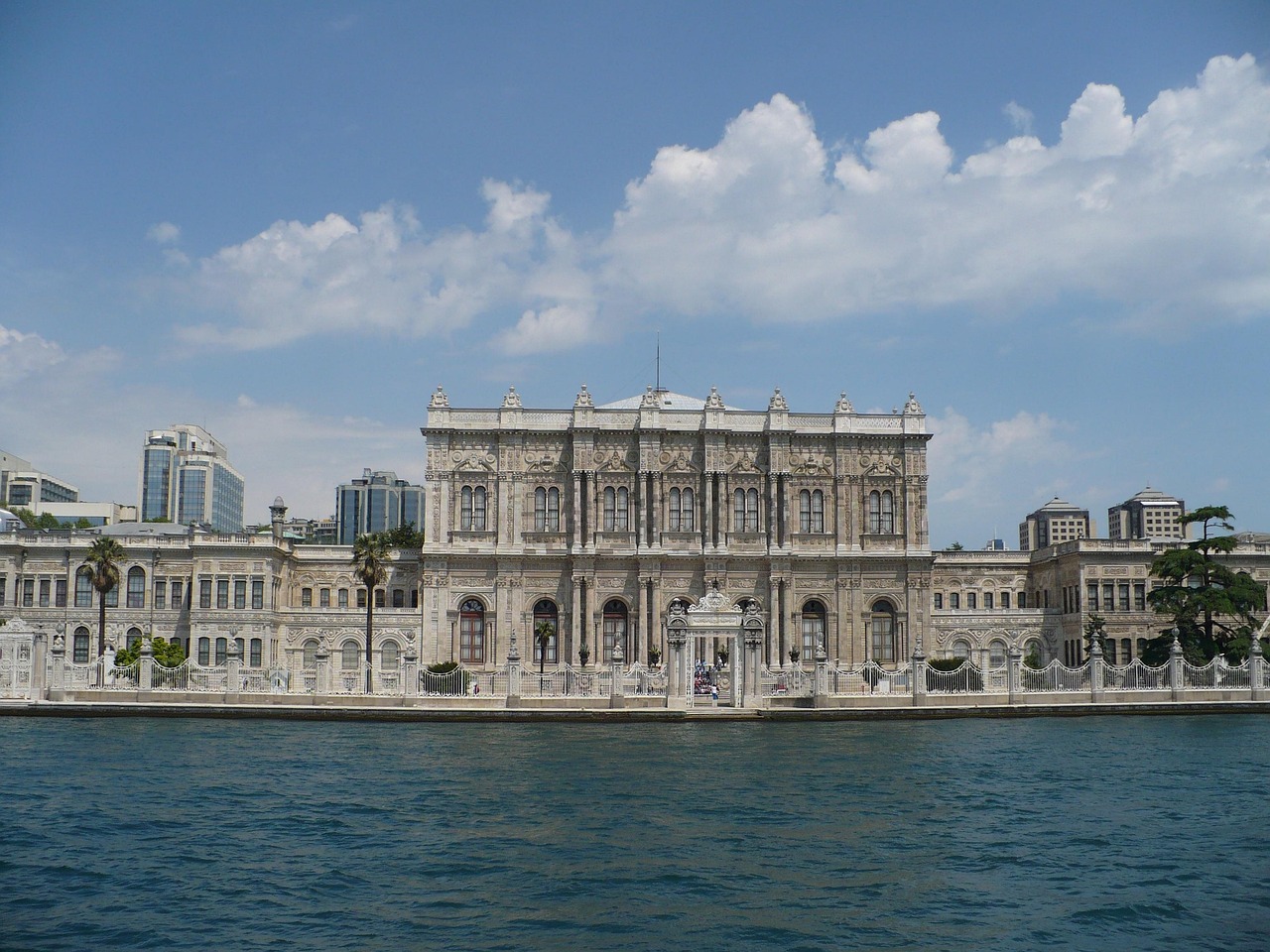
A Bosphorus cruise sails right past Dolmabahce’s waterfront facade, and the palace looks completely different from the water — the 600-metre frontage is hard to appreciate standing in the garden. Some cruises include a brief stop near the palace, which makes combining the two straightforward.
While you are in Sultanahmet for Topkapi, the Basilica Cistern is a quick underground detour, and an Old City walking tour wraps the whole Sultanahmet area into a single guided morning. For evening plans, a whirling dervish ceremony or a Turkish bath both work well after a day of palace interiors.