
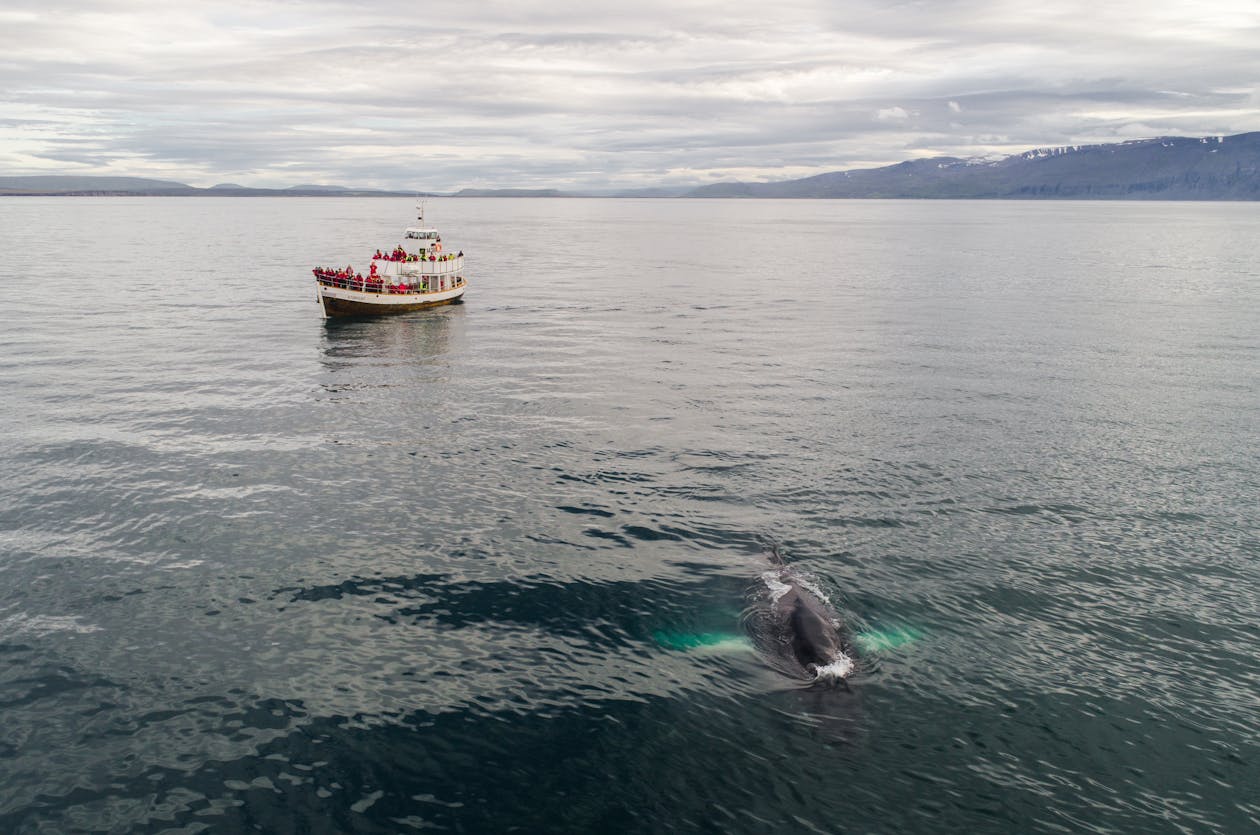
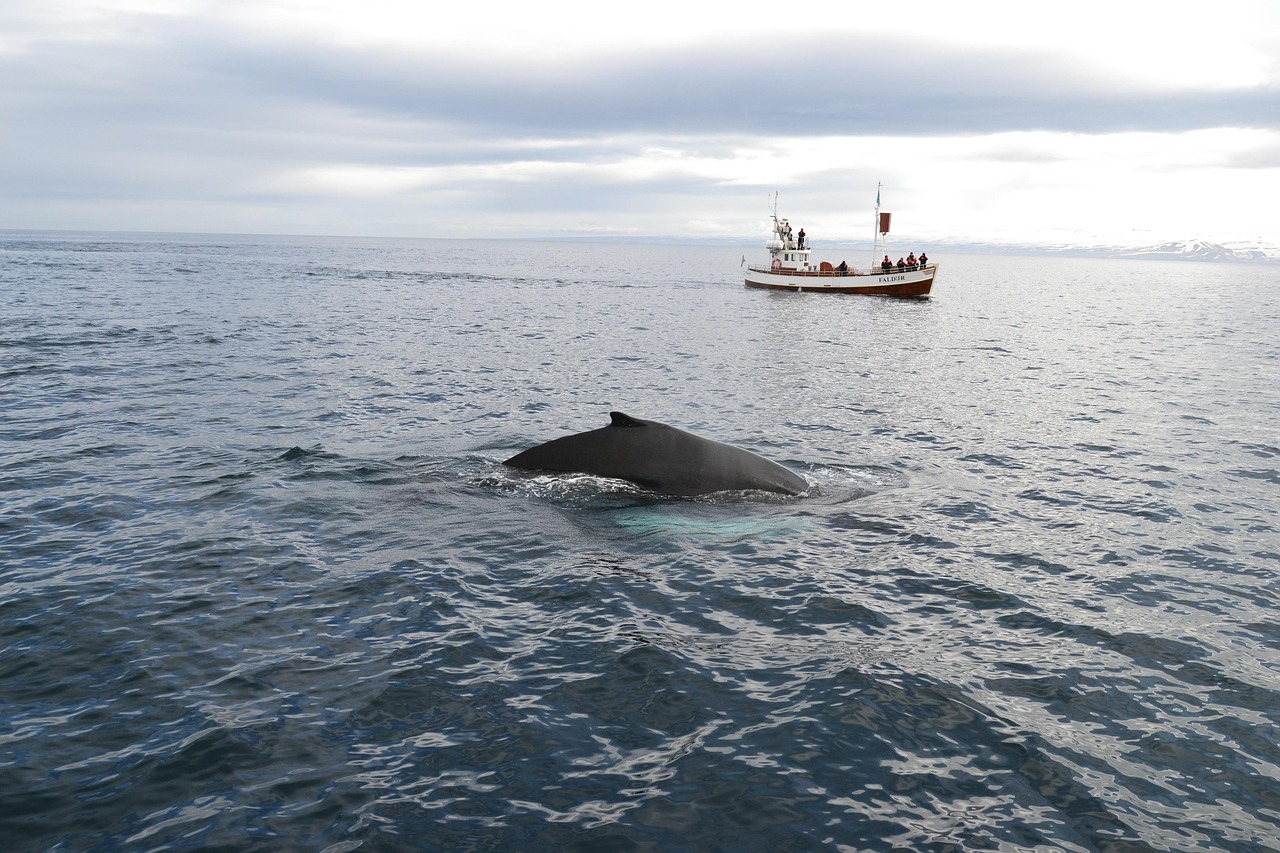
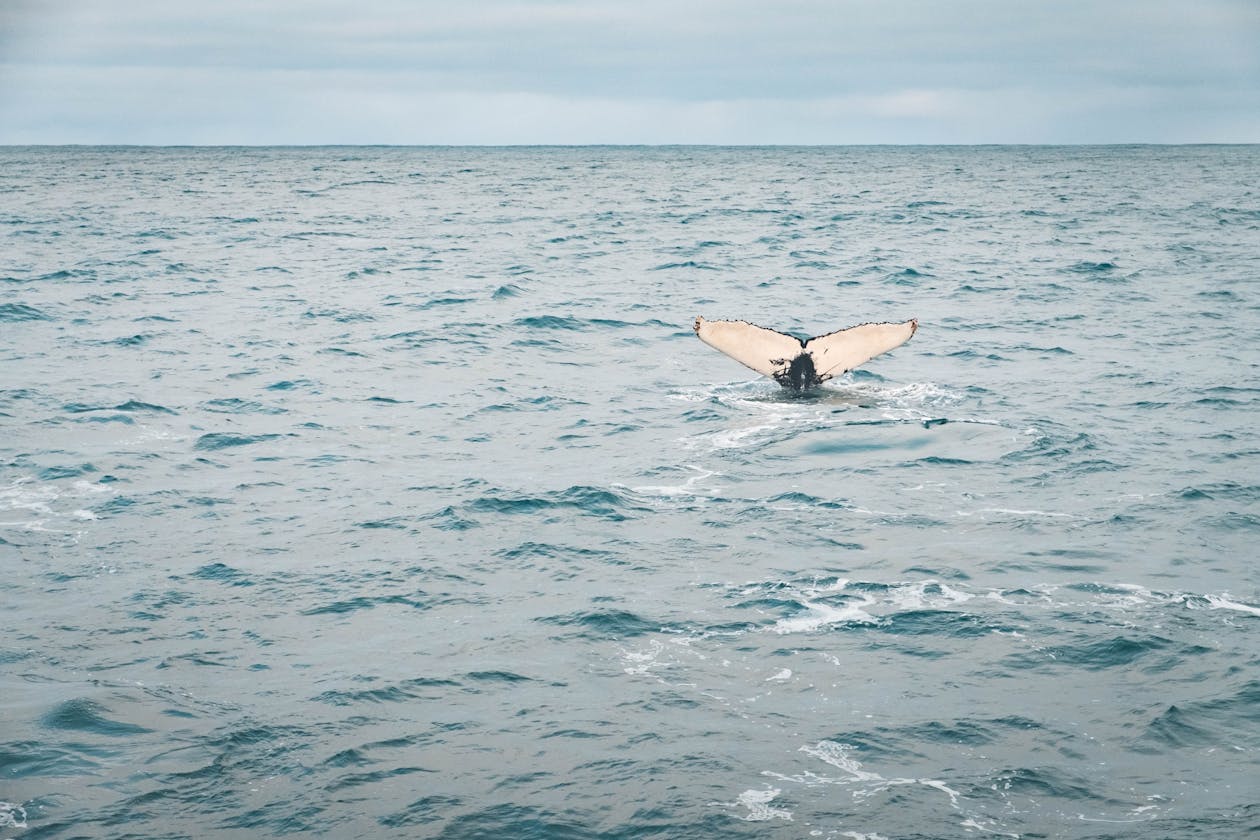
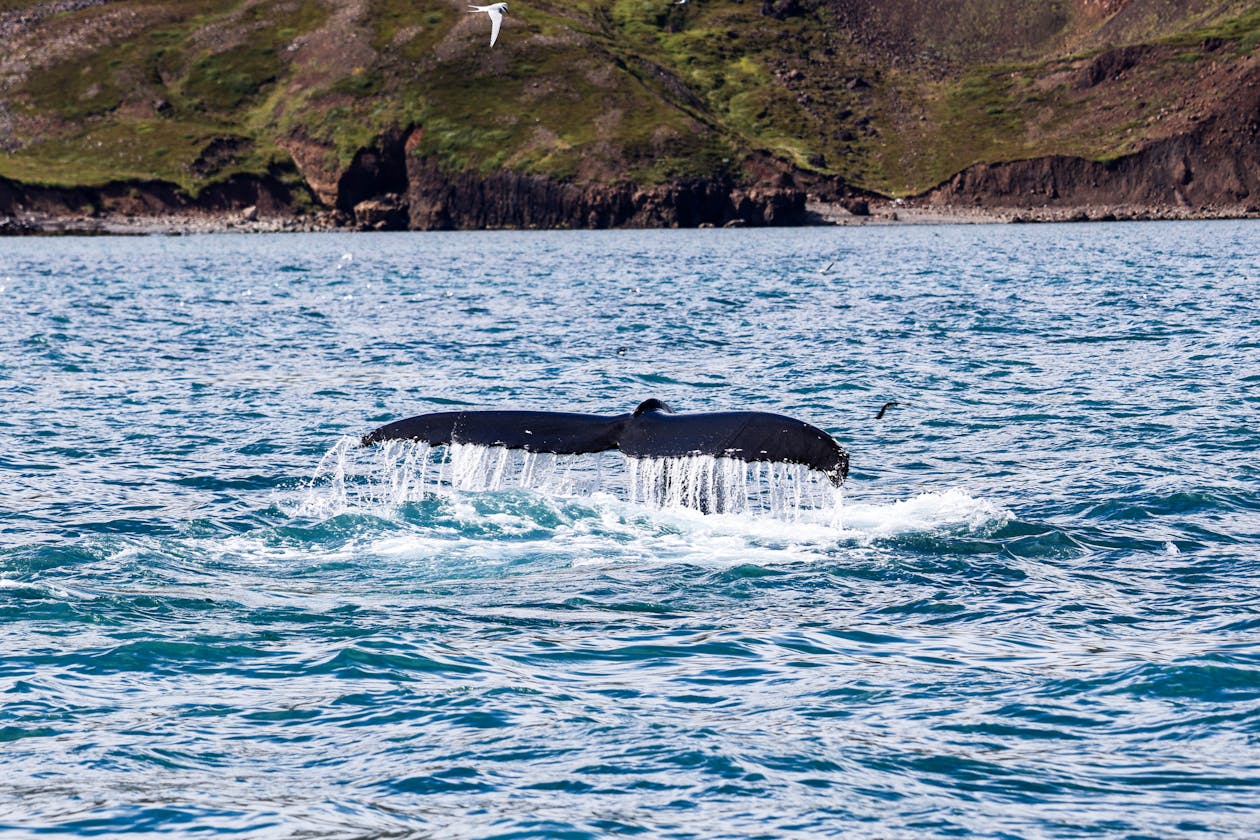
I heard the exhale before I saw the whale. A low, breathy rush of air that cut through the engine noise and made everyone on the upper deck spin around at once. Twenty meters off the port side, a humpback had surfaced without warning, its dark back glistening and a column of mist still hanging in the cold air above it.
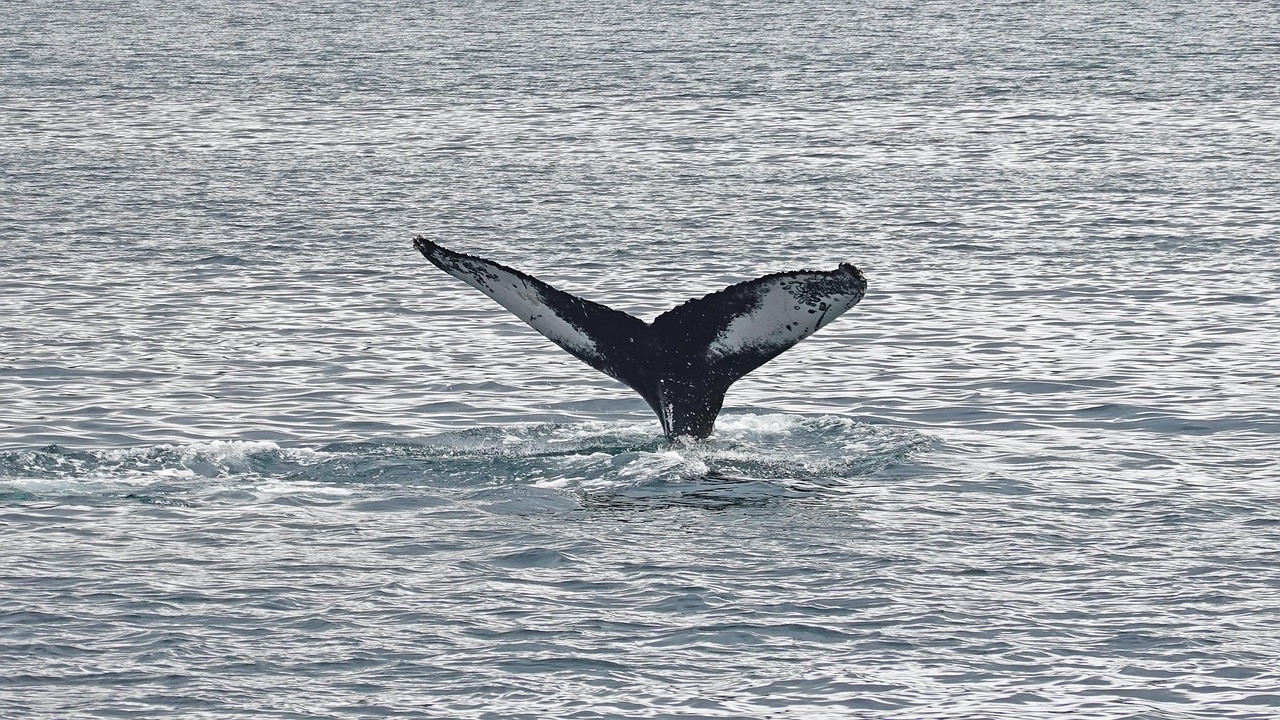
That was in Faxafloi Bay, about 30 minutes out from Reykjavik’s Old Harbour. I had booked the tour mostly to fill a gap in my morning schedule, not expecting much from a capital-city whale watching trip. I was completely wrong. Over the next two hours, we saw four humpbacks feeding in the same stretch of water, a pod of white-beaked dolphins racing alongside the boat, and a minke whale that kept popping up just long enough to tease everyone’s cameras.
Reykjavik sits right on the edge of some of the richest feeding grounds in the North Atlantic. The bay funnels nutrient-dense water from the open ocean into shallow channels where whales come to feed, which is why sighting rates from the capital hover around 90% during summer months. And because nearly every visitor to Iceland passes through Reykjavik anyway, it is one of the easiest wildlife experiences to fit into any trip.
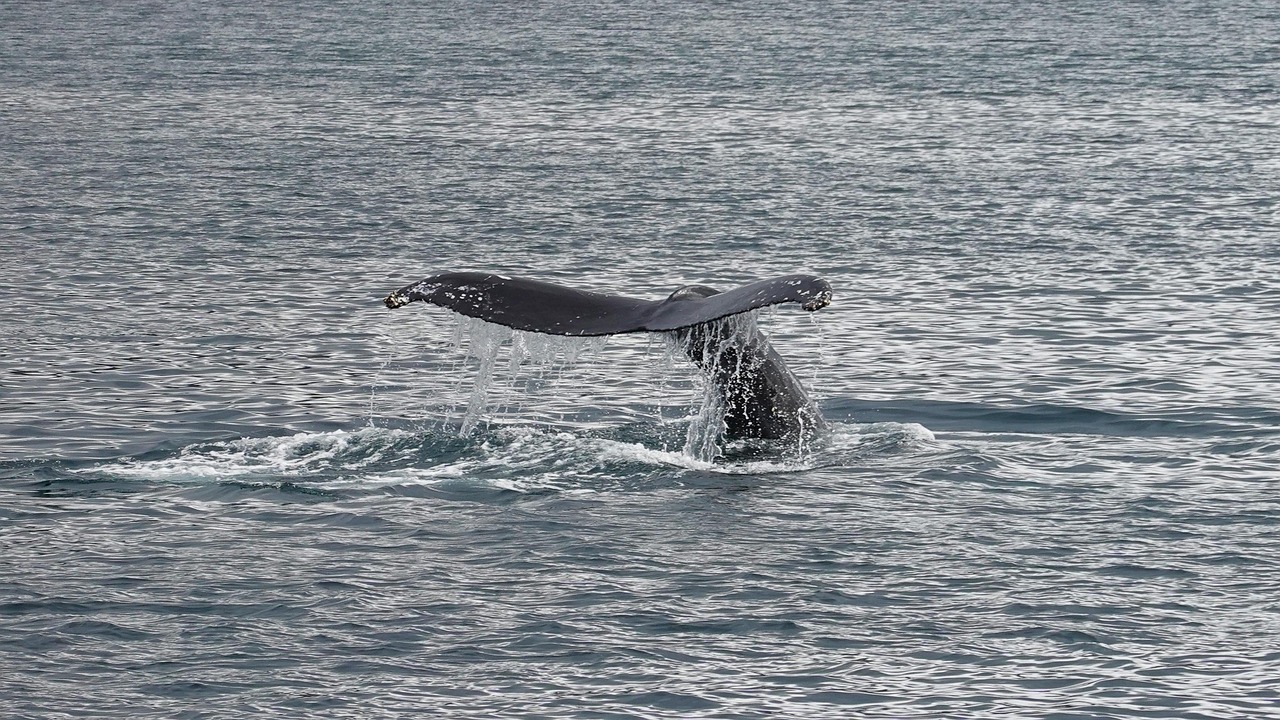
Best overall: Whale Watching and Marine Life Cruise — $87. The most popular Reykjavik whale watching tour by a wide margin. Three hours on a large, stable vessel with expert marine biologists guiding the trip.
Best premium: Amelia Rose Yacht Cruise — $107. A smaller yacht with an onboard bar and more personal atmosphere. Same waters, fewer passengers, better photos.
Best for thrill-seekers: RIB Speedboat Whale Watching — $200. A two-hour blast across Faxafloi Bay on a rigid inflatable. You sit at water level, which puts you eye-to-eye with the whales.
- How Whale Watching from Reykjavik Works
- Large Boat vs. Yacht vs. RIB Speedboat
- The Best Whale Watching Tours to Book
- 1. Whale Watching and Marine Life Cruise —
- 2. Amelia Rose Yacht Cruise — 7
- 3. RIB Speedboat Whale Watching — 0
- 4. Whales and Puffins Combo Cruise — 3
- When to Go Whale Watching in Reykjavik
- How to Get to the Old Harbour
- Tips That Will Save You Time and Money
- What You Will Actually See
- Reykjavik vs. Husavik: Which Is Better?
- More Iceland Guides
How Whale Watching from Reykjavik Works
Every whale watching operator in Reykjavik departs from the Old Harbour, a 10-minute walk from the city center. The harbour is impossible to miss — just head toward the water and follow the cluster of ticket booths and colourful boats.
Most tours run year-round, though schedules are fuller in summer (June through August) when departures run multiple times per day. Winter tours typically have one or two departures. Booking online in advance is strongly recommended during peak season — the popular tours sell out days ahead. Off-season, you can sometimes walk up and buy a ticket, but I would still book ahead to lock in your preferred time.
The standard tour lasts three hours. You spend roughly 30 minutes sailing out into Faxafloi Bay, 90 minutes to two hours in the whale watching area, and 30 minutes returning. Most boats have heated indoor cabins with a cafe, plus open-air upper decks for watching.
Prices range from about $85 to $210 depending on the boat type. Standard large-vessel tours cost $85 to $110. Yacht-based tours run $100 to $120. RIB speedboat tours are the most expensive at $190 to $210, but they cover more ground in less time and put you closer to the water.
One important detail: most operators offer a free rebooking or a complimentary second trip if no whales are spotted. Sighting rates are high enough that this rarely comes into play during summer, but it is a genuine safety net in winter when conditions are less predictable.
Large Boat vs. Yacht vs. RIB Speedboat
This is the biggest decision you will make when booking, and it genuinely affects the experience.
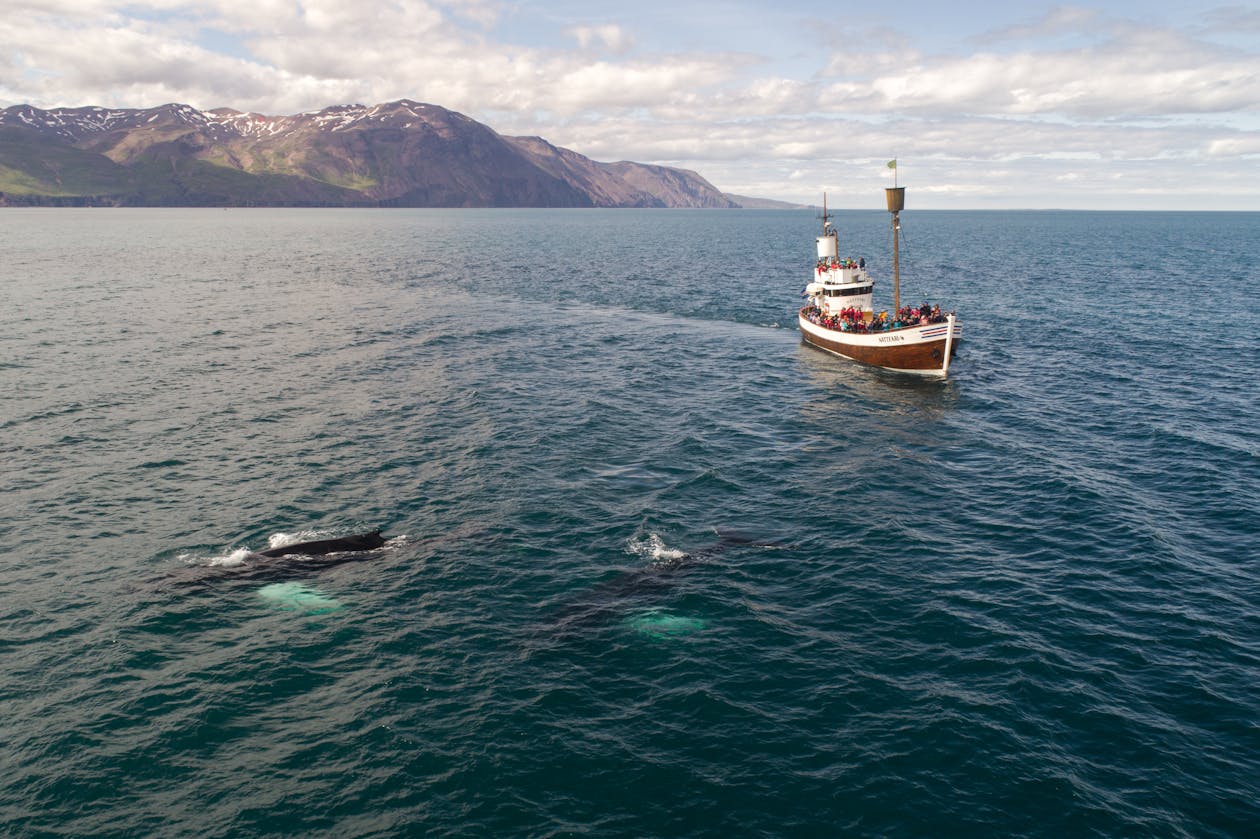
Large vessels (100-200 passengers) are the most affordable and the most comfortable. They barely rock in moderate swells, they have warm cabins when you need a break from the wind, and the upper decks give you a high vantage point. The downside is crowds — on a full sailing, you will be competing for rail space with a lot of people pointing cameras in the same direction.
Yachts (20-50 passengers) split the difference. You get a more intimate experience, better access to the guides, and an onboard bar on some vessels. The boats are stable enough for most people, though they roll more than the big ships. If you tend toward seasickness, take medication before boarding regardless of boat size.
RIB speedboats (12-20 passengers) are the most exciting option and, honestly, the most memorable. You wear a full thermal suit over your clothes, sit on inflatable sides at water level, and the boat can reposition fast when a whale surfaces somewhere new. The downside is price, cold, and a rougher ride. I would not recommend these for anyone who gets motion sick or has mobility issues.
The Best Whale Watching Tours to Book
I went through every Reykjavik whale watching tour available through the major booking platforms and narrowed it down to these four. They cover different price points and boat types, and all of them have earned consistently strong feedback from thousands of past passengers.
1. Whale Watching and Marine Life Cruise — $87
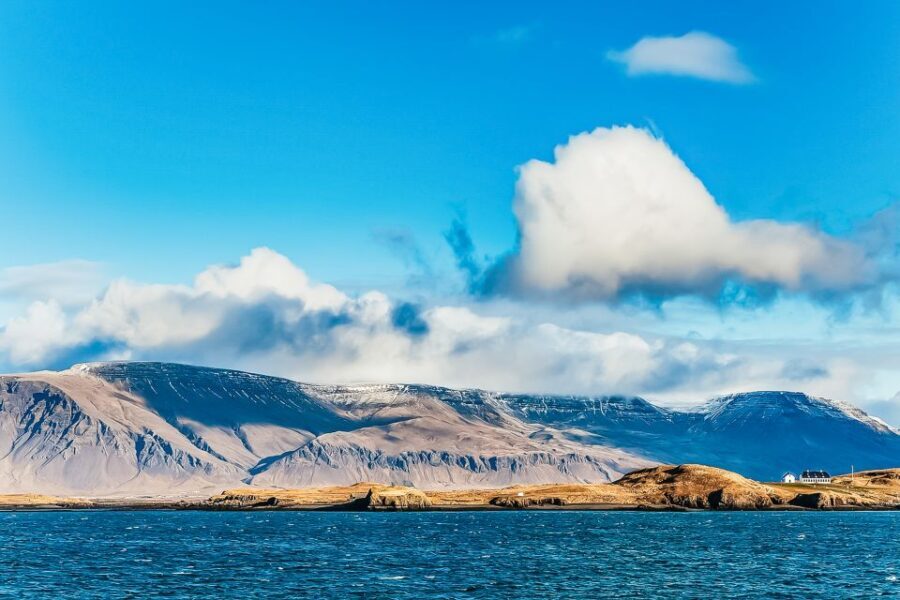
This is the one I would pick if I could only recommend a single tour. It is the most popular whale watching experience departing from Reykjavik, and that popularity is not a fluke — it has earned it through consistently high sighting rates and guides who actually know their marine biology.
The tour runs three hours on a large, stable vessel with heated indoor areas, a cafe, and multiple viewing decks. At $87, it is also the best value option for a standard whale watching experience. The onboard marine biologists do more than just point at whales — they explain feeding behavior, migration patterns, and can identify individual humpbacks by their fluke markings.
The only real downside is group size. On a busy summer day, you will share the boat with a lot of other passengers. Arrive early to grab a spot on the upper deck and you will be fine.
2. Amelia Rose Yacht Cruise — $107
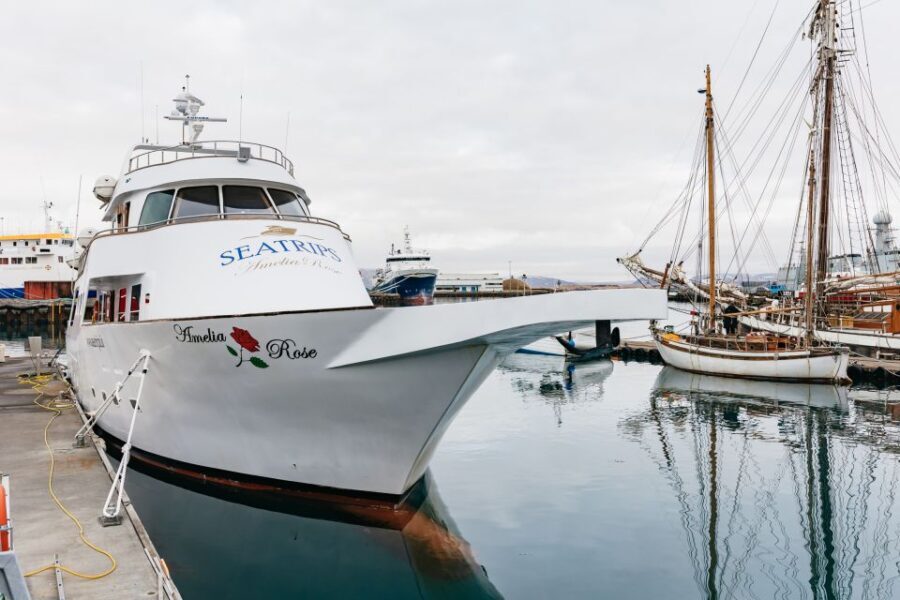
If you want something a step above the standard large-boat experience, the Amelia Rose is the upgrade worth paying for. This yacht-based tour carries fewer passengers, which means less jostling for position and more time with the guides.
The boat itself is genuinely attractive — it has the kind of curb appeal that makes you feel like you booked something special when you walk up to the dock. There is an onboard bar, heated interiors, and enough deck space that you never feel crowded even at full capacity. The three-hour tour at $107 is only about $20 more than the standard option, which makes it an easy upgrade.
The Amelia Rose covers the same waters as the larger vessels, so sighting rates are identical. You are just doing it in more comfort with fewer elbows in your peripheral vision.
3. RIB Speedboat Whale Watching — $200
This is whale watching for people who want an adventure, not just a sightseeing trip. The RIB speedboat tour puts you on a rigid inflatable boat at water level, where every whale surfacing feels like it is happening right next to you. Because the boat is fast and nimble, the crew can reposition quickly when a whale appears in a new spot.
At $200 for two hours, this is the most expensive option on the list. But the experience is genuinely different from anything you will get on a larger vessel. You wear a full thermal suit (provided), which keeps you warm even when spray hits the boat. The smaller group — usually 12 to 20 people — means the guide’s attention is not spread thin.
I would not recommend this for young children, anyone with back problems, or anyone prone to seasickness. The ride is bumpy, especially on the way out. But if you are reasonably fit and want the most intense whale watching experience Reykjavik offers, this is it.
4. Whales and Puffins Combo Cruise — $153
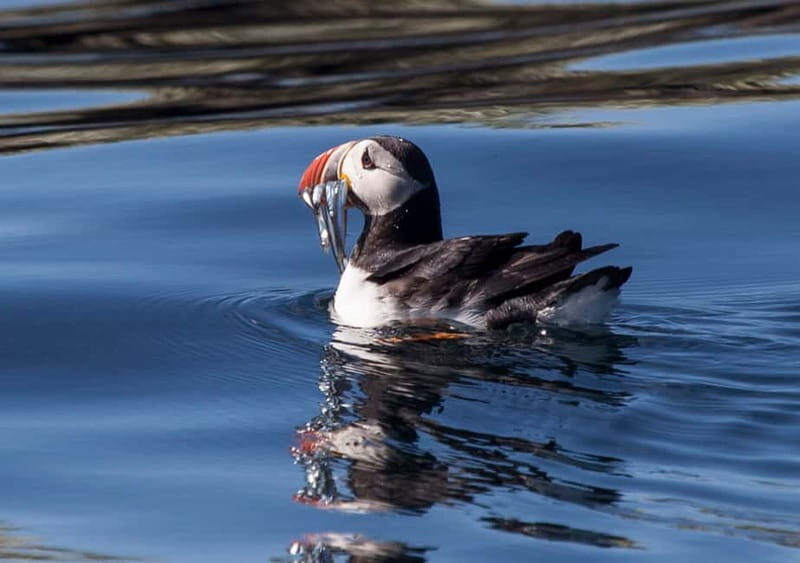
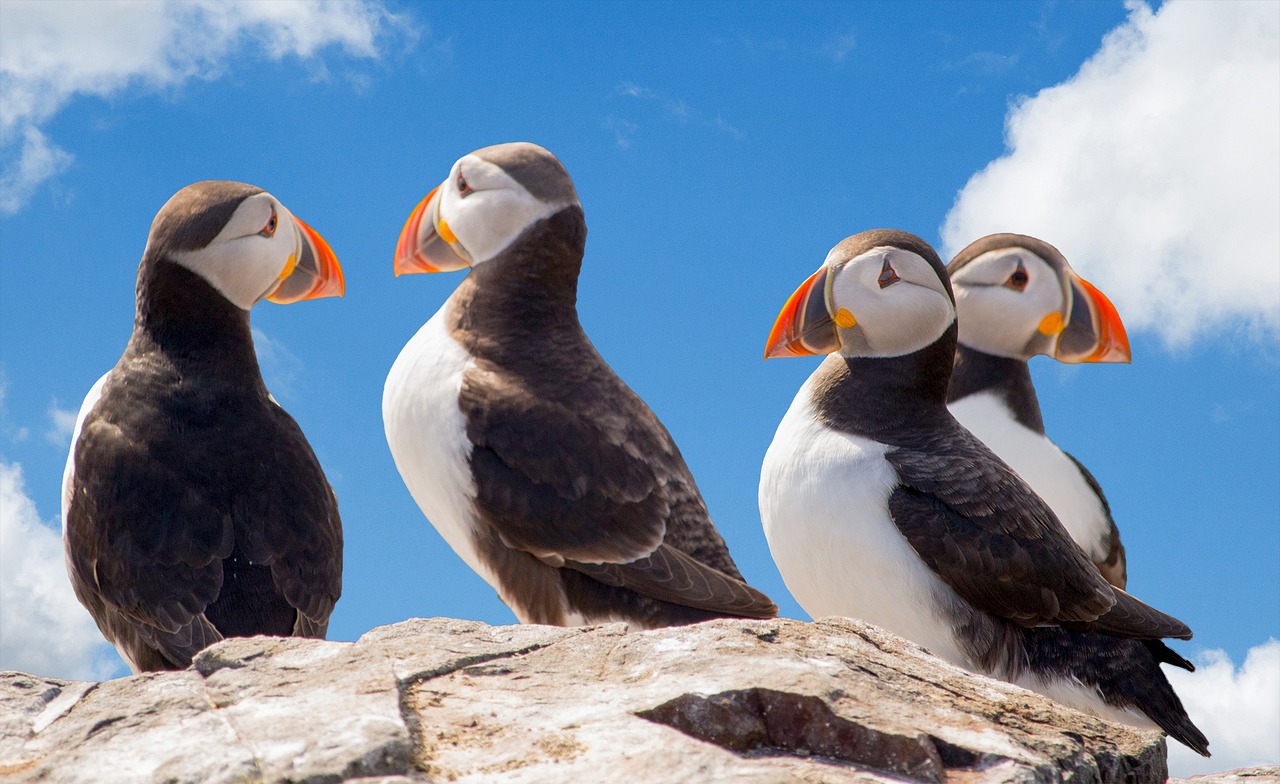
If you are visiting Reykjavik between mid-May and mid-August, this combo tour is the smartest way to spend four hours. It pairs whale watching in Faxafloi Bay with a boat trip past the puffin colonies on the islands just offshore. Two wildlife highlights, one booking, one departure from the harbour.
The puffin portion takes you past Akurey and Lundey islands, where thousands of Atlantic puffins nest during summer. You do not land on the islands — the boat cruises close enough for excellent photos without disturbing the colonies. The four-hour tour at $153 is good value when you consider that booking whale watching and puffin tours separately would cost more and eat up most of your day.
Outside of puffin season (September through April), this tour is not available. If you are visiting in winter, stick with one of the whale-only options above.
When to Go Whale Watching in Reykjavik
Peak season is June through August. This is when the most whale species are present, sighting rates are highest (around 90-95%), and tours run the most frequently. It is also when puffins are nesting on the nearby islands, so you can combine both experiences. The downside is that peak season means peak crowds — expect full boats and higher prices.
Shoulder season (April-May, September-October) offers a genuine sweet spot. Fewer travelers, lower prices, and sighting rates that are still very good. Humpbacks start arriving in April and some linger into October. You miss the puffins after mid-August, but the whale watching itself is nearly as good.
Winter (November through March) is when things get unpredictable. Sighting rates drop, seas are rougher, and tours sometimes cancel due to weather. But winter whale watching has its own appeal — you might see the northern lights while you are out on the water, and the low light creates incredible photo conditions. Some operators specifically run evening winter tours to combine both.
My recommendation: aim for late June or early July if you have flexibility. The days are essentially endless (Iceland gets 21+ hours of daylight), the whales are active, the puffins are nesting, and the weather is as mild as Iceland gets.
How to Get to the Old Harbour
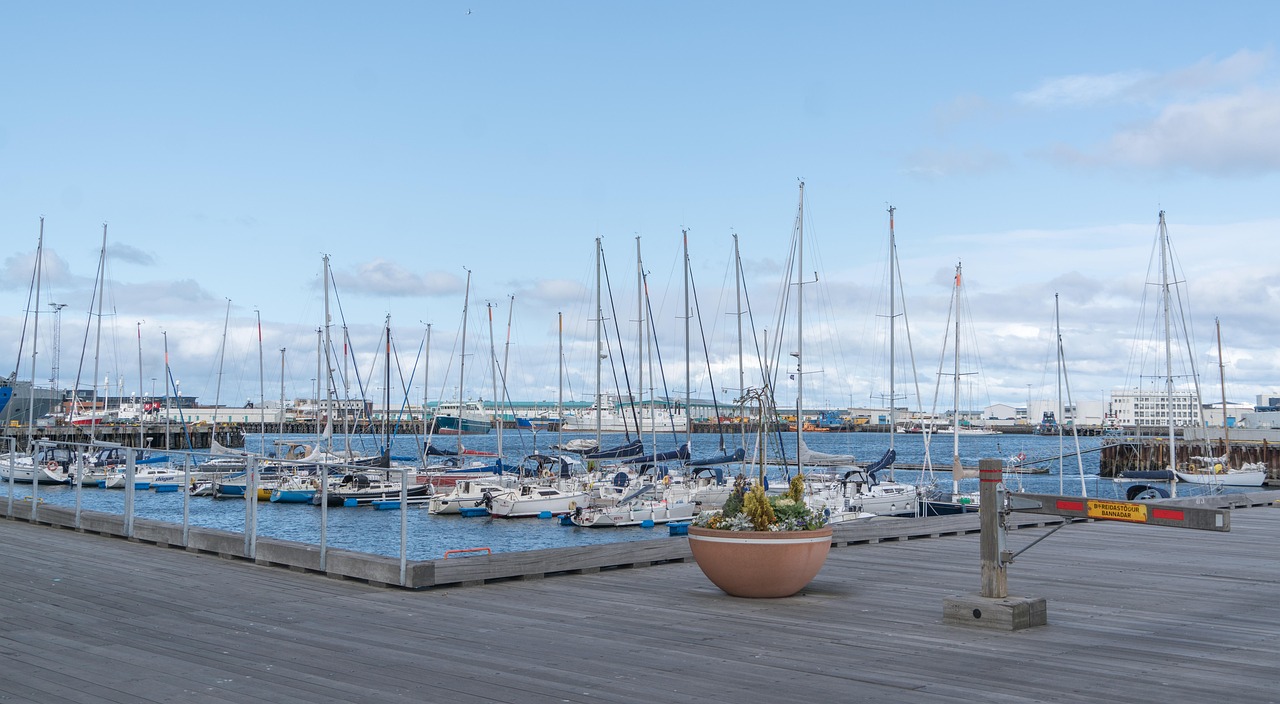
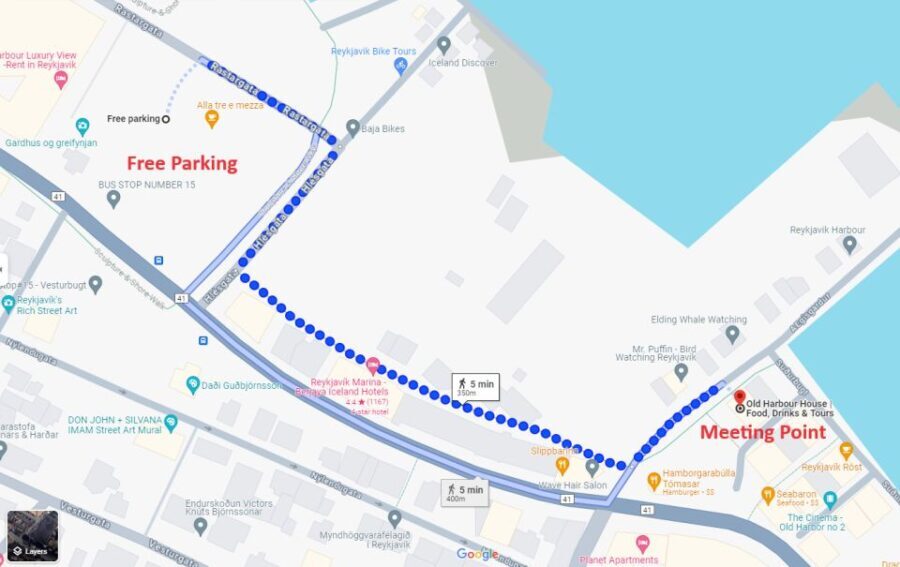
The Old Harbour (Gamli Hofnin) is in the heart of Reykjavik, at the northern edge of the city center. If you are staying anywhere downtown, it is a flat 10 to 15 minute walk.
Walking: Head north from Laugavegur (the main shopping street) toward the water. Follow Geirsgata along the waterfront and you are there. You will see the whale watching boats and ticket booths on your left.
Driving: Parking near the harbour is limited and metered. There are small lots along Geirsgata and Myrargata, but they fill up fast in summer. Several tour operators offer free parking codes — check your booking confirmation for details.
Hotel pickup: Most of the larger whale watching operators offer complimentary pickup from Reykjavik hotels and guesthouses. This is genuinely convenient and avoids the parking headache entirely. Look for the pickup option when booking.
From Keflavik Airport: The airport is about 50 minutes from Reykjavik by car or airport bus. If you are arriving in the morning and want to go whale watching the same day, it is doable but tight. I would recommend settling in first and booking a tour for day two.
Tips That Will Save You Time and Money
Book online, not at the dock. Walk-up prices are the same, but popular time slots sell out. Booking ahead guarantees your spot and saves you from the disappointment of showing up to a full boat.
Take seasickness medication before boarding. Even if you do not usually get motion sick, the North Atlantic swells can surprise you. Take Dramamine or a ginger tablet 30 to 45 minutes before departure. The onboard shop usually sells seasickness wristbands and ginger candy too, but by the time you need them it is already too late.
Dress warmer than you think. It is always colder on the water than on land, and the wind chill on an open deck in Faxafloi Bay is no joke. Wear thermal layers, a windproof outer jacket, gloves, and a hat. Some operators lend overalls for free — check before you pack.
Bring a camera with a zoom lens. Your phone will work for video, but whales are often 50 to 100 meters away. A 200mm lens or longer makes a real difference. If you do not have one, just enjoy the moment — the guides’ photos often end up online afterward and they will tell you where to find them.
Sit on the upper deck from the start. When the spotter calls out a whale, the upper deck fills up fast. Claim your spot early, even though it is colder up there. The higher vantage point makes it much easier to see whales in the distance and track their movements.
Morning tours tend to be calmer. If you are worried about rough seas or seasickness, book the first departure of the day. Wind typically picks up in the afternoon, making morning trips smoother and better for photography.
What You Will Actually See
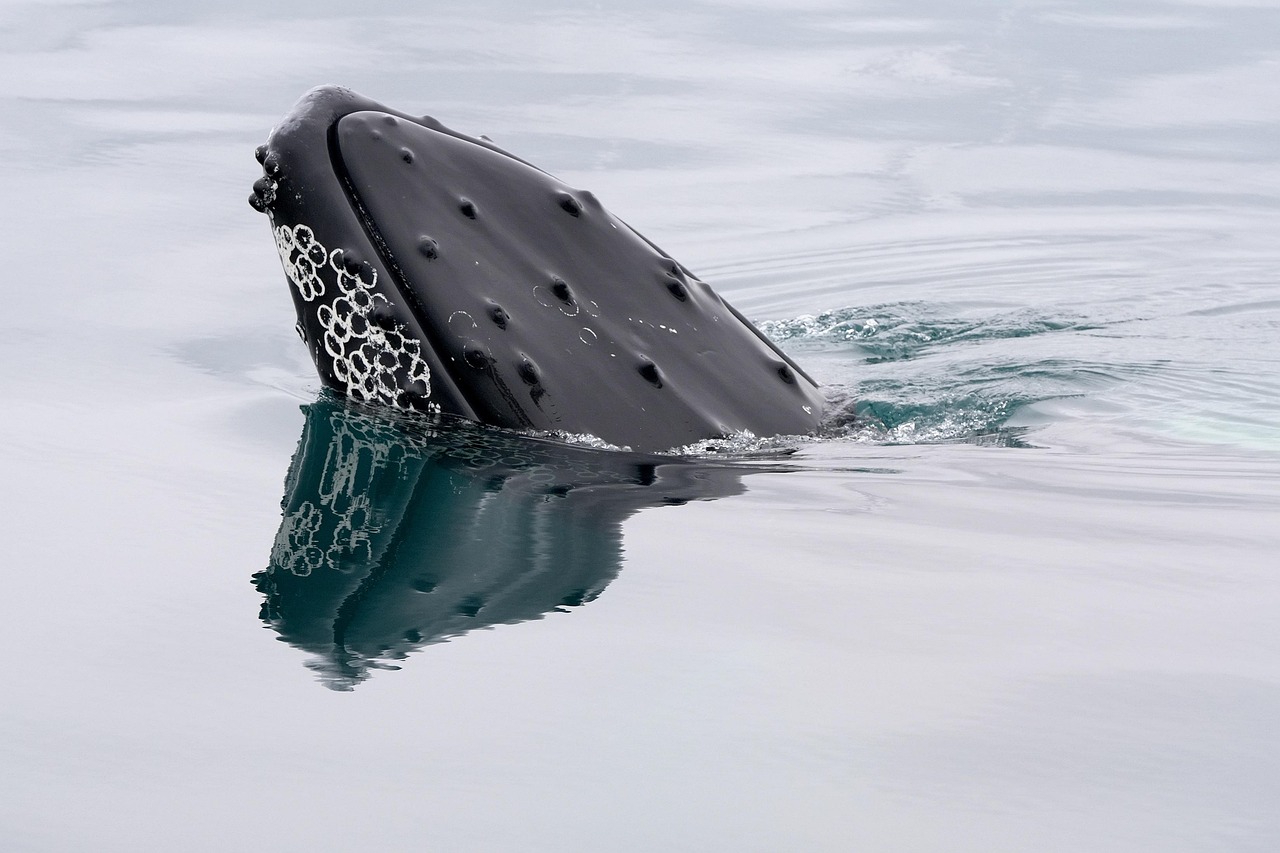
Faxafloi Bay is home to over 20 species of cetacean, but the ones you are most likely to see on a Reykjavik whale watching tour are:
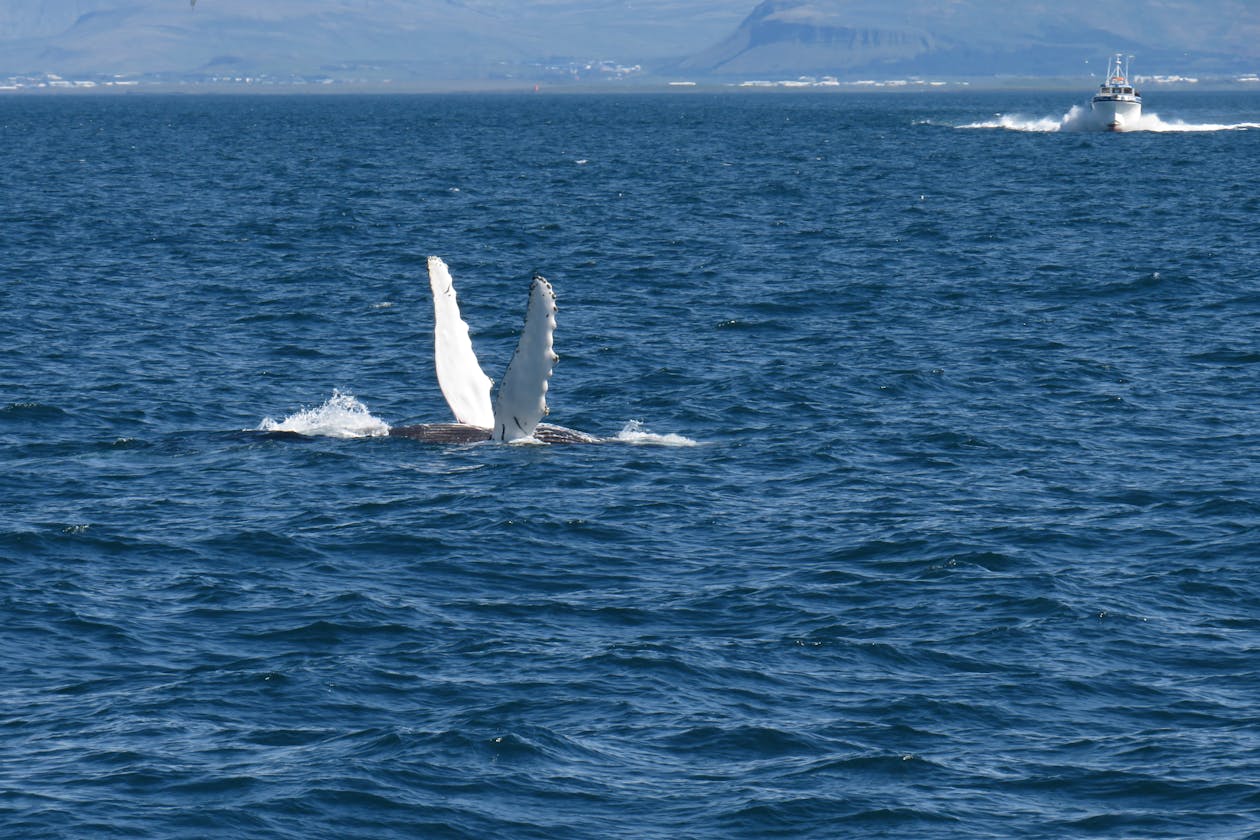
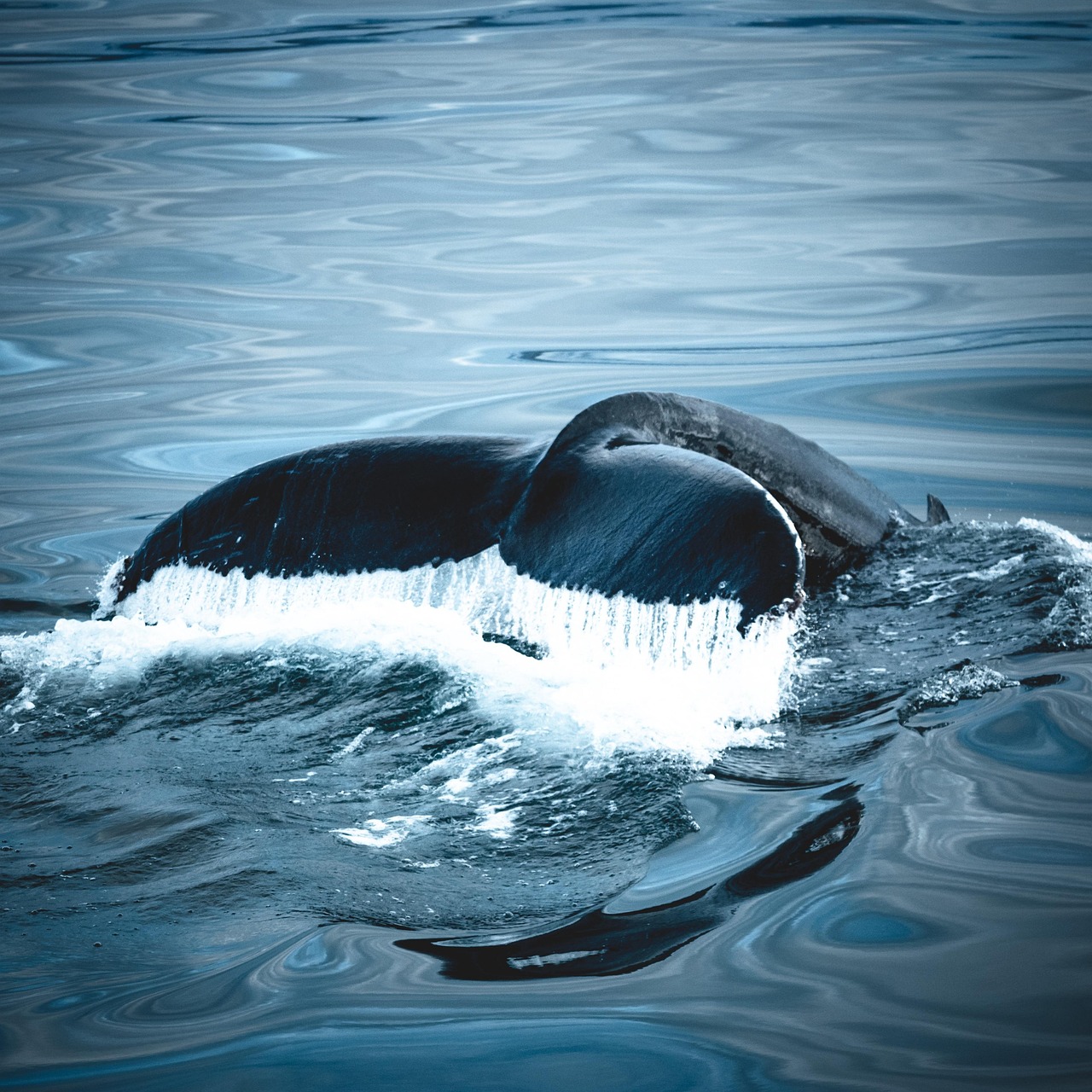
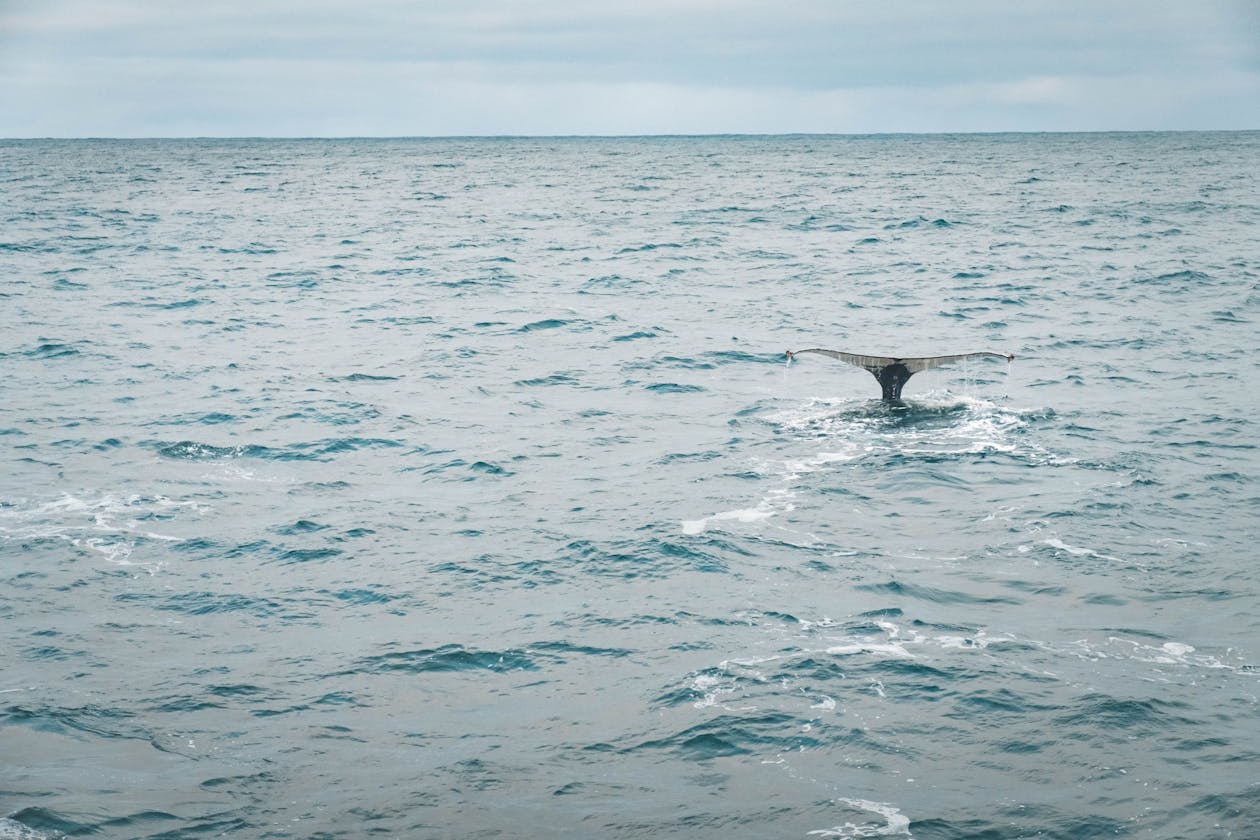
Humpback whales are the stars of the show. They are the largest whales commonly spotted from Reykjavik, growing up to 16 meters long, and they put on the best performances — breaching, tail-slapping, and pec-slapping. They are present from April through October, with peak numbers in summer.
Minke whales are smaller and shyer, but they are the most common species in Icelandic waters year-round. They surface quickly and do not show their tails, so they are harder to photograph. You will usually see a curved back and a small dorsal fin before they disappear again.
White-beaked dolphins travel in pods of 5 to 30 and often approach the boat out of curiosity. They are fast, playful, and love riding the bow wake. Seeing a pod racing alongside the boat is one of those moments that makes the whole trip worth it, even before any whales appear.
Harbour porpoises are the smallest cetaceans you might encounter. They are shy and do not approach boats, so sightings are brief — usually a quick glimpse of a small fin.
Orcas (killer whales) are the rarest sighting from Reykjavik. They do pass through Faxafloi Bay, particularly in winter and spring, but spotting one from a whale watching tour is genuinely special. Do not count on it, but know that it is possible.
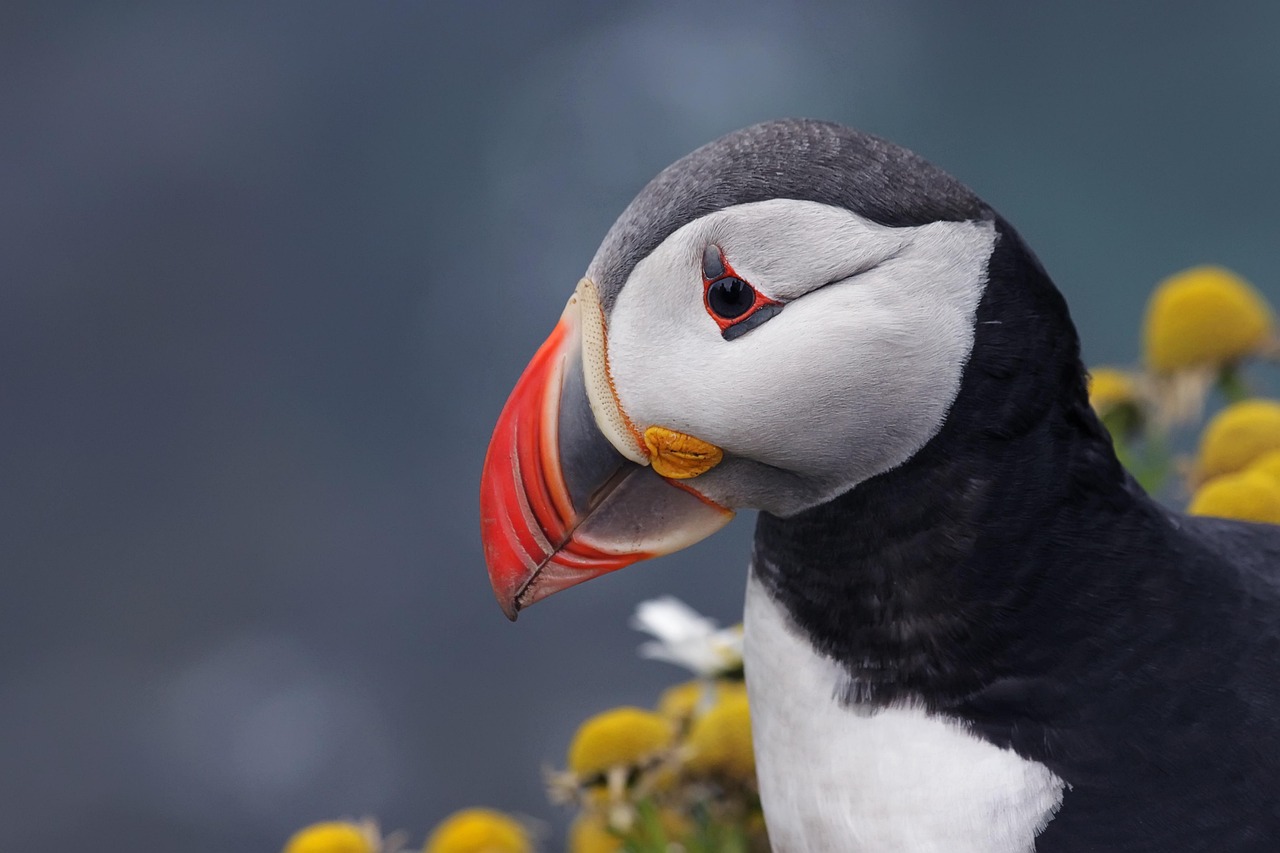
If you book a combo tour during puffin season, you will also see Atlantic puffins nesting on Akurey and Lundey islands. These birds are ridiculously photogenic with their orange beaks and clumsy takeoffs, and the colonies number in the thousands. Even from the boat, they are easy to spot bobbing on the water or flying low overhead.
Reykjavik vs. Husavik: Which Is Better?
You will see Husavik called the “whale watching capital of Iceland” on almost every travel site, and the town does have a slight edge in terms of species variety and sighting consistency. The waters off northern Iceland tend to attract more humpbacks and are one of the better places in the world to spot blue whales.
But here is the thing: Husavik is a six-hour drive north of Reykjavik. Unless you are already planning to drive the full Ring Road or spend several days in northern Iceland, the detour is hard to justify for a marginally better chance at whale sightings.
Reykjavik’s whale watching is excellent on its own terms. The sighting rates are high, the tour infrastructure is polished, and you can walk from your hotel to the harbour in 15 minutes. For most visitors, that convenience alone makes Reykjavik the better choice.
If you do have the time and are driving north anyway, Husavik is worth adding. But do not skip Reykjavik’s whale watching on the assumption that it is somehow second-rate. It is not.
More Iceland Guides
If you have a full day or two in Reykjavik, the Golden Circle is the other must-do day trip from the city — it covers geysers, waterfalls, and tectonic plates in a single loop, and pairs perfectly with a morning whale watching tour. For your evenings, northern lights tours run from September through March and depart from the same harbour area. Between the whales, the Golden Circle, and the northern lights, Reykjavik packs more natural spectacle into a short visit than almost anywhere else. The Blue Lagoon makes a great bookend for your trip — slot it in on the way to or from the airport. And back in town, a Reykjavik food tour covers the surprisingly strong local food scene if you want something low-key after all that open ocean.
This article contains affiliate links. When you book through these links, we may earn a small commission at no extra cost to you. This helps us keep creating free travel guides.