
There is exactly one place on Earth where someone will pour real molten lava in front of you, indoors, while you sit close enough to feel the heat on your face. It is in Reykjavik, of all places, inside a converted fish factory near the old harbour.
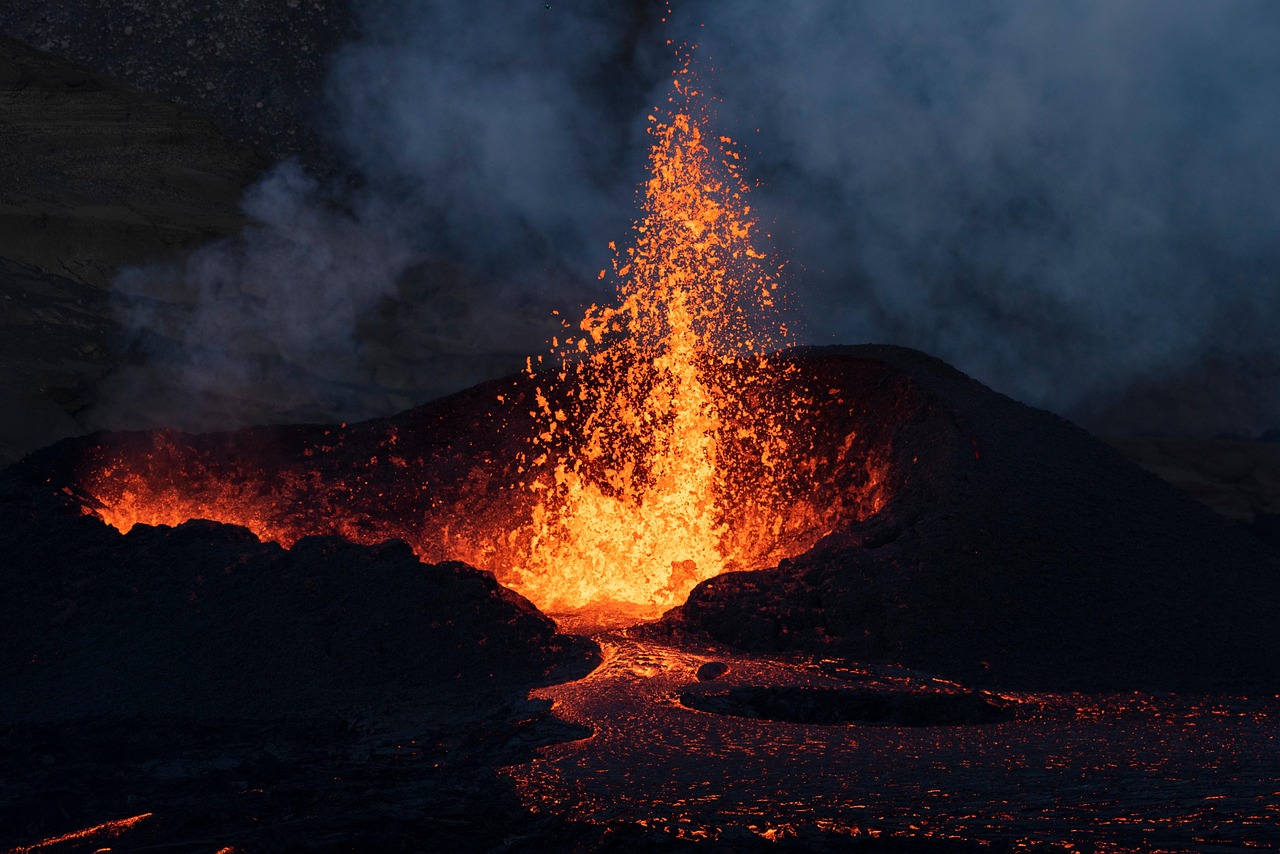
The Lava Show takes volcanic rock, superheats it past 1100°C in a custom furnace, and pours it onto a bed of ice while a geologist narrates the whole thing. The ice explodes into steam, the room temperature spikes, and you sit there in safety goggles thinking “this is either brilliant or completely mad.” It is both.
I went in expecting a glorified science demonstration. What I got was 50 minutes of genuine awe and a piece of cooled lava to take home. Here is everything you need to know about booking it.
Best overall: Reykjavik Lava Show Entry Ticket (GetYourGuide) — $54. Standard admission with free cancellation. The one most people book, and for good reason.
Best for extras: Lava Show with Optional Premium Upgrade (Viator) — $54.50. Same show, but the premium upgrade gets you balcony seats, a cocktail, and a piece of lava to keep.
Best add-on experience: Raufarholshellir Lava Tunnel Tour — $75. Pair it with the Lava Show for the full volcanic double bill. Completely different experience, both worth doing.
- How Tickets Work for the Lava Show
- Official Tickets vs Guided Tour Platforms
- The Best Lava Show Experiences to Book
- 1. Reykjavik Lava Show — Immersive Experience Entry Ticket —
- 2. Lava Show Reykjavik — Admission with Optional Premium Upgrade — .50
- 3. Raufarholshellir Lava Tunnel Tour —
- When to Go
- How to Get There
- Tips That Will Save You Time and Money
- What Actually Happens During the Show
- Reykjavik vs Vik: Which Location Should You Choose?
- Combining the Lava Show with Other Iceland Activities
- While You Are in Iceland
- More Iceland Guides
How Tickets Work for the Lava Show
Booking is straightforward. You can buy tickets directly from lavashow.com, but I would recommend going through GetYourGuide or Viator instead. The price is the same (around $54 USD per person) and you get free cancellation up to 24 hours before, which the official site does not always offer.
There are two ticket types that matter:
Standard admission gets you into the main hall with a ground-level seat. You are maybe five or six metres from where the lava pours. Everyone gets safety goggles. The show runs about 50 minutes and includes a short educational video beforehand, then the live pour, followed by Q&A with the geologist host.
Premium/VIP admission costs a bit more and puts you on a private balcony above the main floor. You get a welcome cocktail (the “Lady Lava” is their house drink), access to a lounge area with private restrooms, and a piece of cooled lava to take home as a souvenir. Groups up to 20 can book the entire balcony. Honestly, if you are going, the premium upgrade is worth it. The view from above is better and the balcony is cooler temperature-wise, which sounds counterintuitive but actually makes the whole thing more comfortable.
Kids aged 5 and up are welcome. Under 5, no. Pregnant visitors and anyone with cardiovascular issues are asked to sit at the back of the hall, which is fair enough given the temperature spikes.
Official Tickets vs Guided Tour Platforms
The Lava Show is not really a “tour” in the traditional sense. Nobody picks you up from a hotel and drives you somewhere. You walk to the venue at Fiskislod 73 (or take their free shuttle, which runs between 11:50 and 15:46 daily from the city centre) and watch the show.
That said, the platform you book through does affect the experience around the edges:
Official website (lavashow.com): Full price, instant confirmation. Sometimes runs promotions. No free cancellation guarantee on all tickets. The direct booking option if you are absolutely certain about your dates.
GetYourGuide / Viator: Same price or very close. Free cancellation up to 24 hours before. Better customer support if something goes wrong. I lean toward these for the flexibility alone. If your flight is delayed or you catch a cold, you are not out $54.
Klook / Headout / Expedia: Also available but less commonly booked. Prices vary slightly. Klook is fine if you already use it for other Iceland activities.
There is no real reason to avoid the third-party platforms here. The show is the same regardless of where you buy.
The Best Lava Show Experiences to Book
I have looked at every available option across the major booking platforms. These are the three I would actually recommend, depending on what you want out of the experience.
1. Reykjavik Lava Show — Immersive Experience Entry Ticket — $54
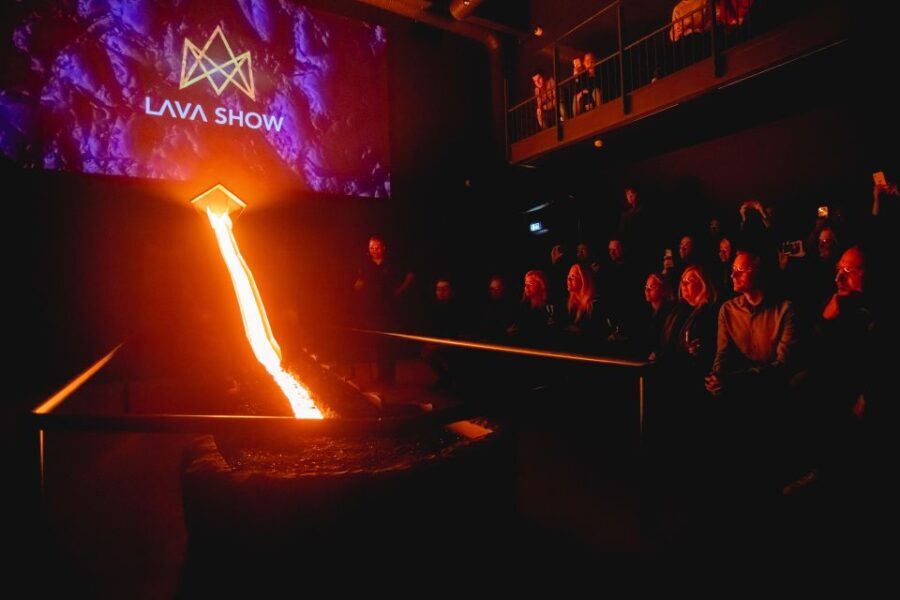
This is the one to book if you want the core experience without extras. You get the full 50-minute show — the introductory video, the live lava pour, the Q&A — and a seat in the main hall. Front-row seats mean you will feel genuine heat on your skin when the lava flows, which is exactly the kind of detail that separates this from watching a YouTube video.
The hosts rotate, but they are all working geologists or geology students, and they are good at making it accessible for everyone. One reviewer nailed it: the guide answered questions in a way even children could follow. At $54, it is not cheap for a 50-minute experience, but there is literally nothing else like it anywhere in the world. That scarcity is the whole value proposition.
2. Lava Show Reykjavik — Admission with Optional Premium Upgrade — $54.50
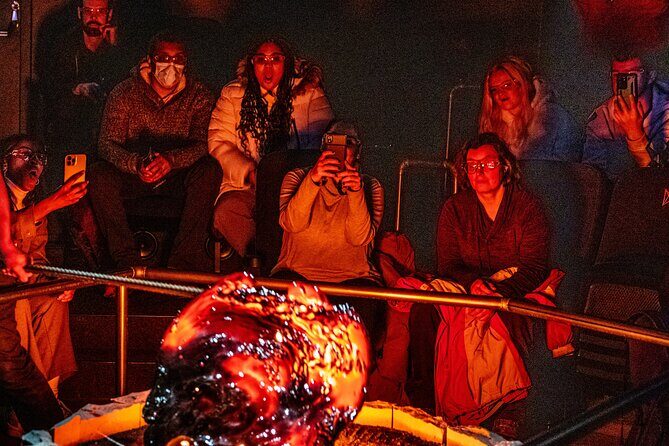
Same show, different wrapper. The base ticket here is essentially identical to the GetYourGuide listing at $54.50. Where it gets interesting is the premium upgrade, which adds balcony seating above the main floor, a welcome cocktail, an extra behind-the-scenes look at the furnace, and a piece of cooled lava in a cloth bag as a souvenir.
The balcony view is genuinely better. You see the lava pour from above, which gives you a perspective the ground-floor seats do not. And the unobstructed sightline means you are not craning your neck around the person in front of you. If you are the type who upgrades to premium economy on flights, this is the same logic. A little more money for a noticeably better experience. Booked through Viator, so you get their standard free cancellation policy.
3. Raufarholshellir Lava Tunnel Tour — $75
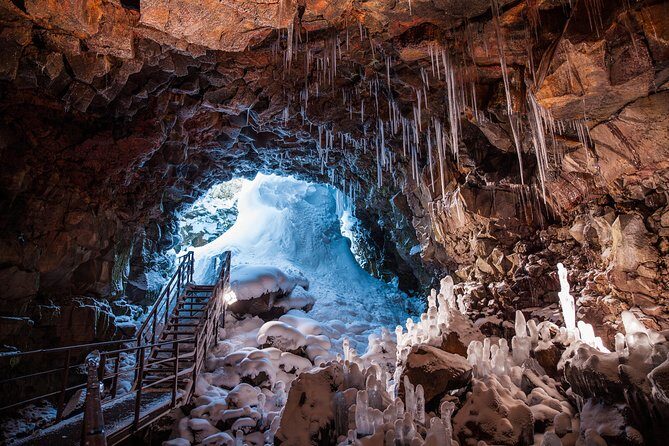
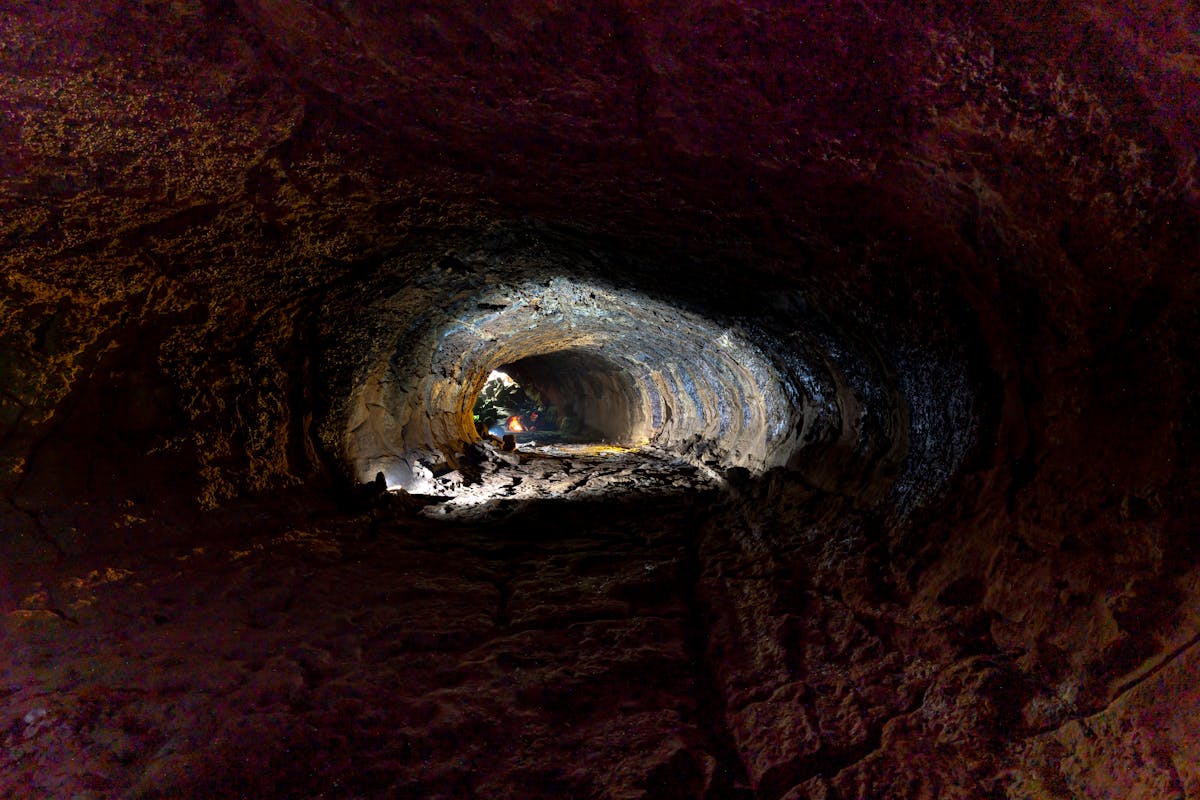
This is a different thing entirely, and I am including it because the two pair so well together. The Raufarholshellir Lava Tunnel is a 5,200-year-old tube formed by an ancient lava flow, about 30 minutes outside Reykjavik. A guide walks you through the tunnel for about an hour, explaining how lava tubes form, pointing out mineral deposits and rock formations, and keeping things lively enough that even teenagers stay interested.
The tunnel is accessible (boardwalks and lighting throughout) and the small group format means you are not shuffling through with 50 other people. At $75 it costs more than the Lava Show itself, but together they give you the full picture: one shows you lava in its molten state, the other shows you what it leaves behind over thousands of years. Different energy, both excellent.
When to Go
The Lava Show runs year-round, which is one of its strengths as a Reykjavik activity. It does not depend on weather, daylight, or season.
That said, timing your visit matters more than you might think:
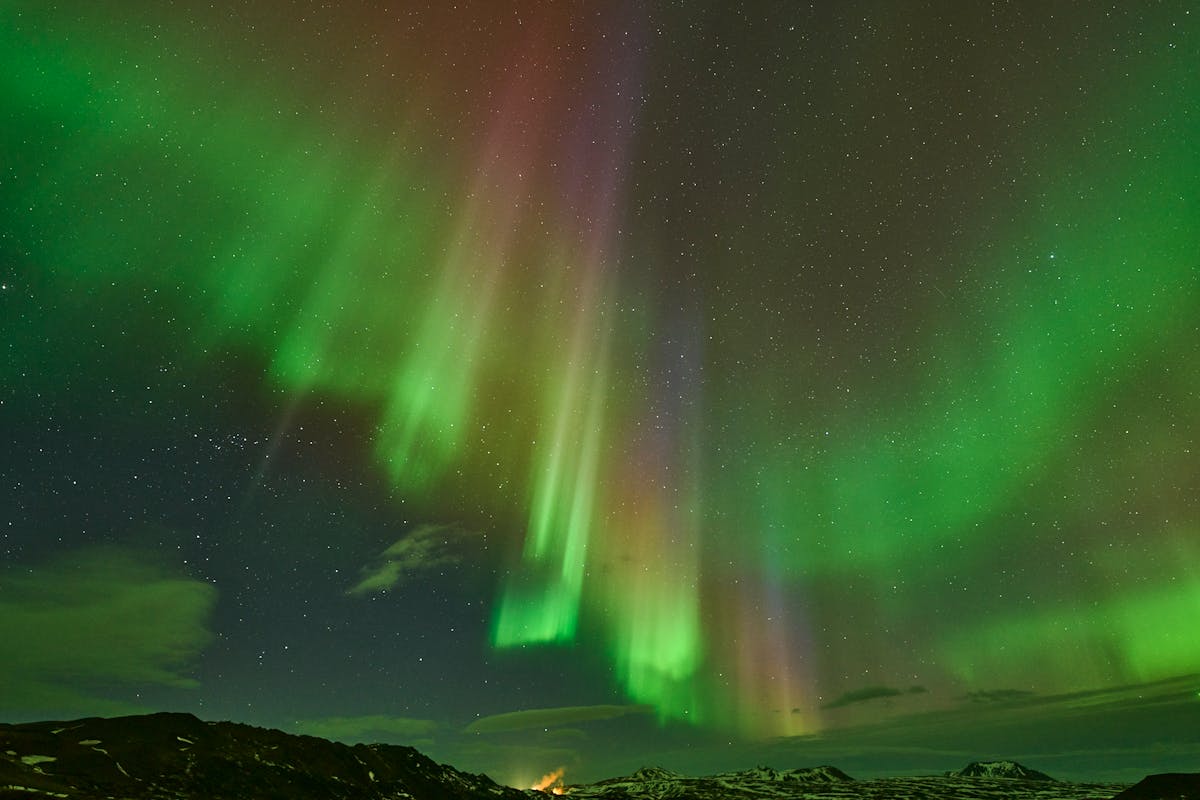
Winter (October-March): This is peak Lava Show season for a good reason. The dark evenings make the glowing lava more dramatic, and if you book an afternoon or evening slot, you walk out into potential northern lights conditions. The free shuttle from the city centre runs daily and is especially useful when the pavements are icy. Downside: show times sell out faster in winter, especially around December and January when tourist numbers spike despite the cold.
Summer (April-September): More availability, easier to book last-minute. The show itself is identical but 24-hour daylight means you lose that atmospheric dark-to-bright contrast when the lava pours. Not a dealbreaker, but worth knowing. Summer is also when most people combine it with a Golden Circle or South Coast day trip.
Best time of day: I would go for an afternoon slot if you are visiting in winter (you get the dark atmosphere without being exhausted from a full day of sightseeing first) or a morning slot in summer (beat the tour bus crowds). The first show of the day tends to be quieter regardless of season.
Arrive 15 minutes early. They are strict about start times. If you miss your slot, you cannot walk into the next one — you need to rebook.
How to Get There
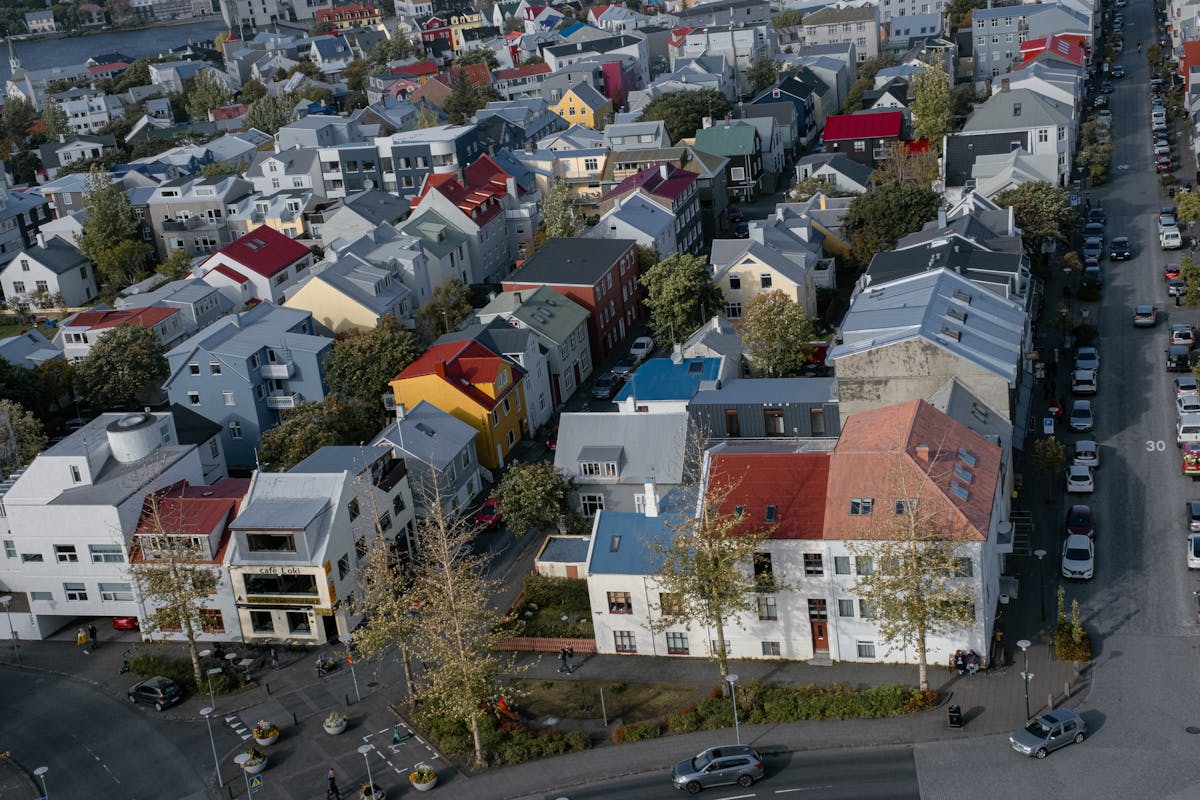
The Reykjavik Lava Show is at Fiskislod 73, 101 Reykjavik, down in the harbour area west of the city centre. Getting there is straightforward:
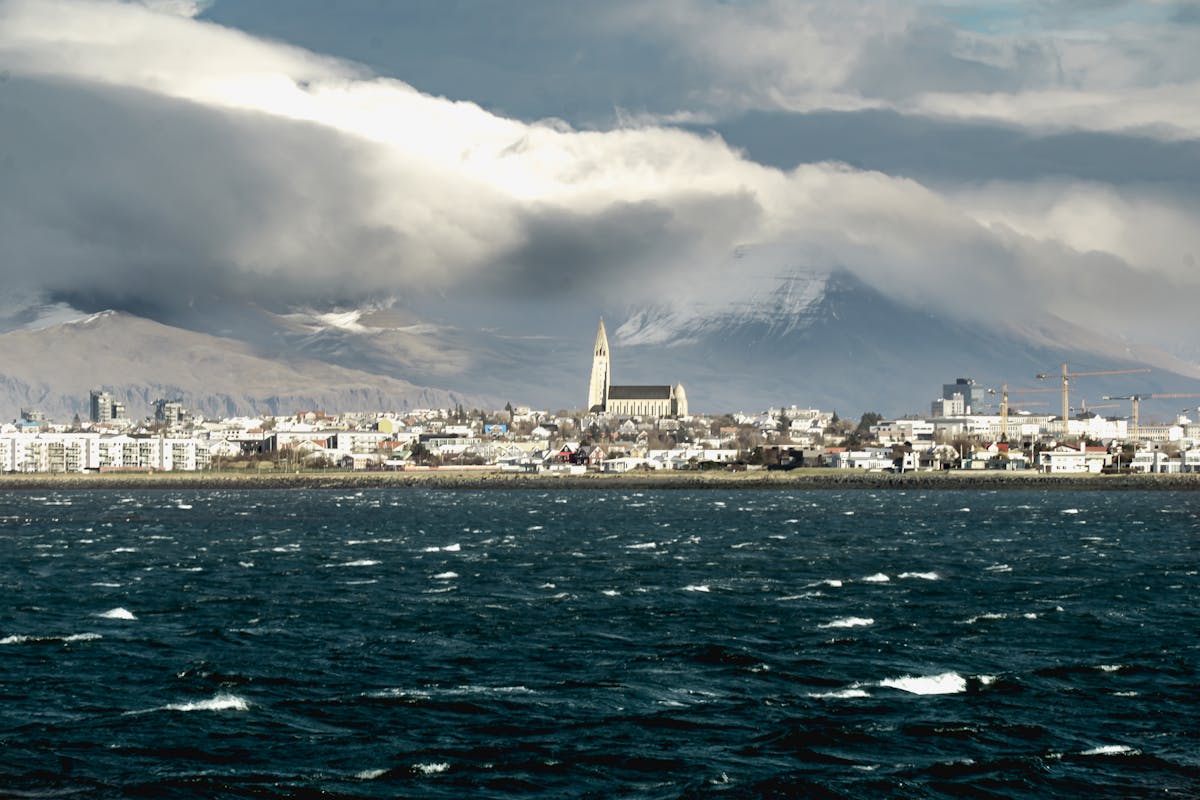
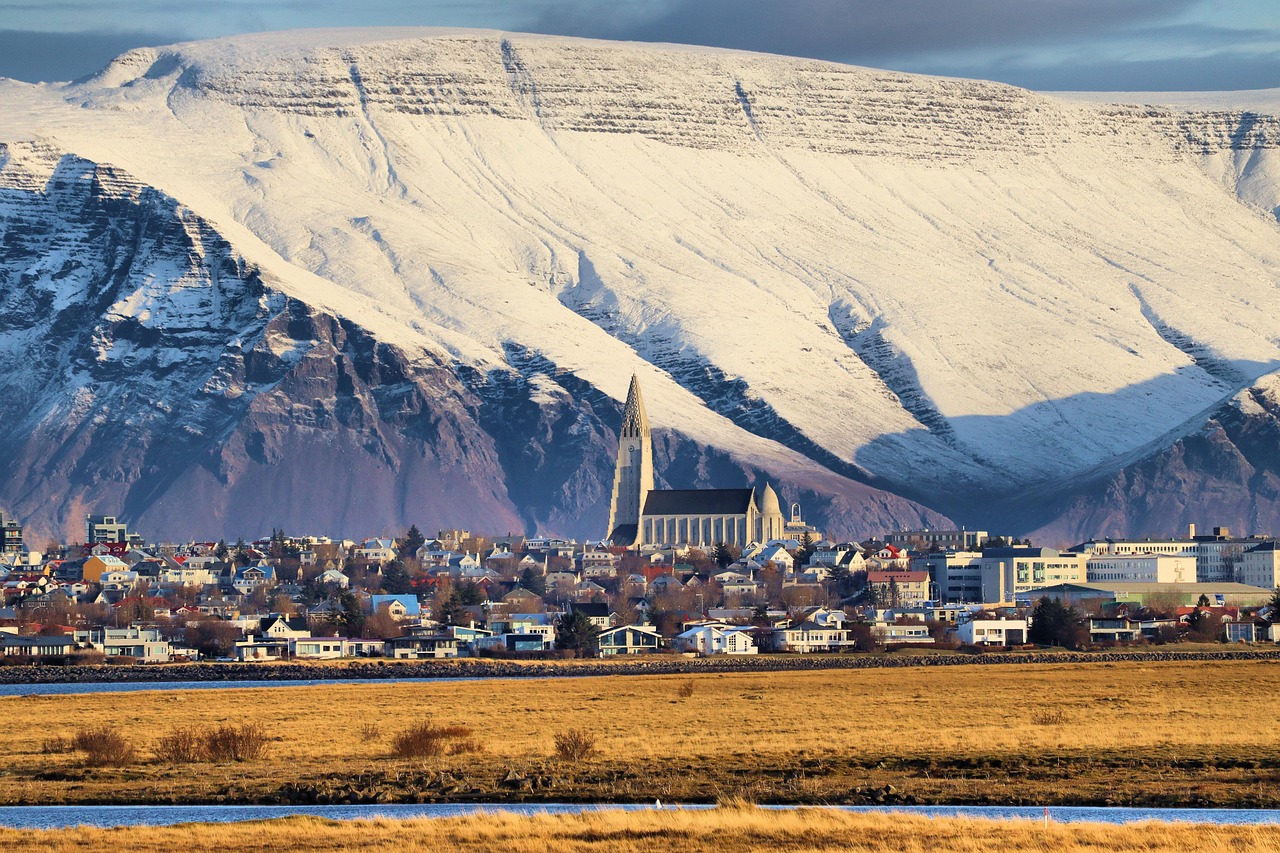
Walking: About 15-20 minutes from Hallgrimskirkja, 10 minutes from the harbour area restaurants. The walk is flat and paved, but can be slippery in winter — wear proper shoes.
Free shuttle: Runs daily from the city centre between 11:50 and 15:46. This is the easiest option if your show is in the early afternoon. Check the pickup point when you book.
Bus: Straeto public bus to the Fiskislod stop. Cheap but less frequent than you would want. The shuttle is better.
Driving: Free parking near the venue. If you have a rental car for your Iceland trip, this is the simplest option.
Tips That Will Save You Time and Money
Book at least 2-3 days ahead in winter. Popular time slots (mid-afternoon) sell out, especially from November through February. Summer is more relaxed, but weekends still fill up.
Go premium if you can afford it. The base ticket is fine, but the balcony view is genuinely superior. If you are only going once, spring for the upgrade.
Bring your phone but skip the tripod. You can take photos and video during the show. The lava photographs well even on a phone — the glow does the work for you. But there is no room for tripods and nobody wants you blocking sightlines.
Safety goggles are mandatory. They provide them. You cannot take them off during the pour. This is not a suggestion — the heat and potential sparks make it a genuine safety requirement.
Do not sit in the front row if you overheat easily. The temperature spike is real. Back rows are cooler and still offer a good view. Pregnant visitors and those with heart conditions are directed to back rows as policy.
The Vik location is the same show in a different town. If you are driving the South Coast (towards Seljalandsfoss, Skogafoss, Vik), the Vik venue at Vikurbraut 5 might work better logistically. Same price, same experience, different setting.
What Actually Happens During the Show
The experience breaks into three parts, and knowing this helps set expectations.
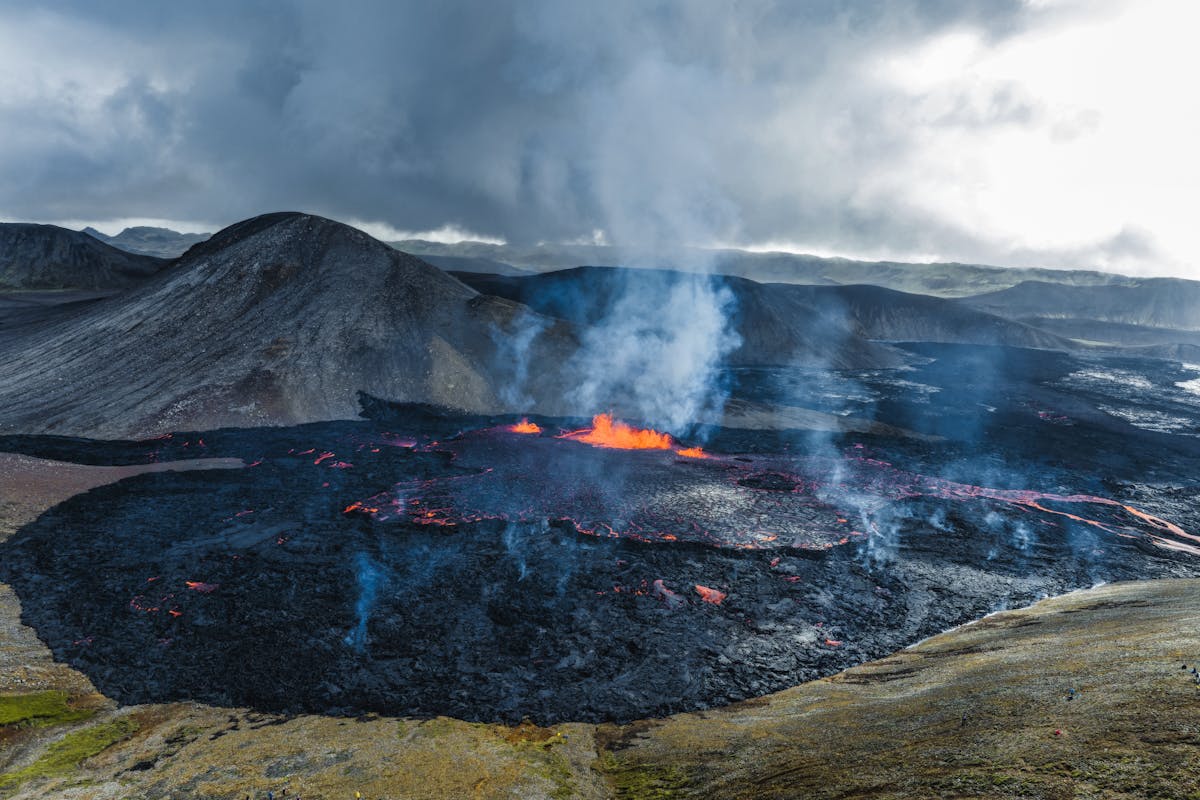
Part one is a short film about Iceland’s volcanic history. It covers the science of why Iceland exists (it sits on the Mid-Atlantic Ridge, where the North American and Eurasian tectonic plates are pulling apart) and how the island’s 30+ volcanic systems have shaped everything from the landscape to the culture. The film is well-made but a few people find it slow. Stick with it — the context makes the live pour much more impressive.
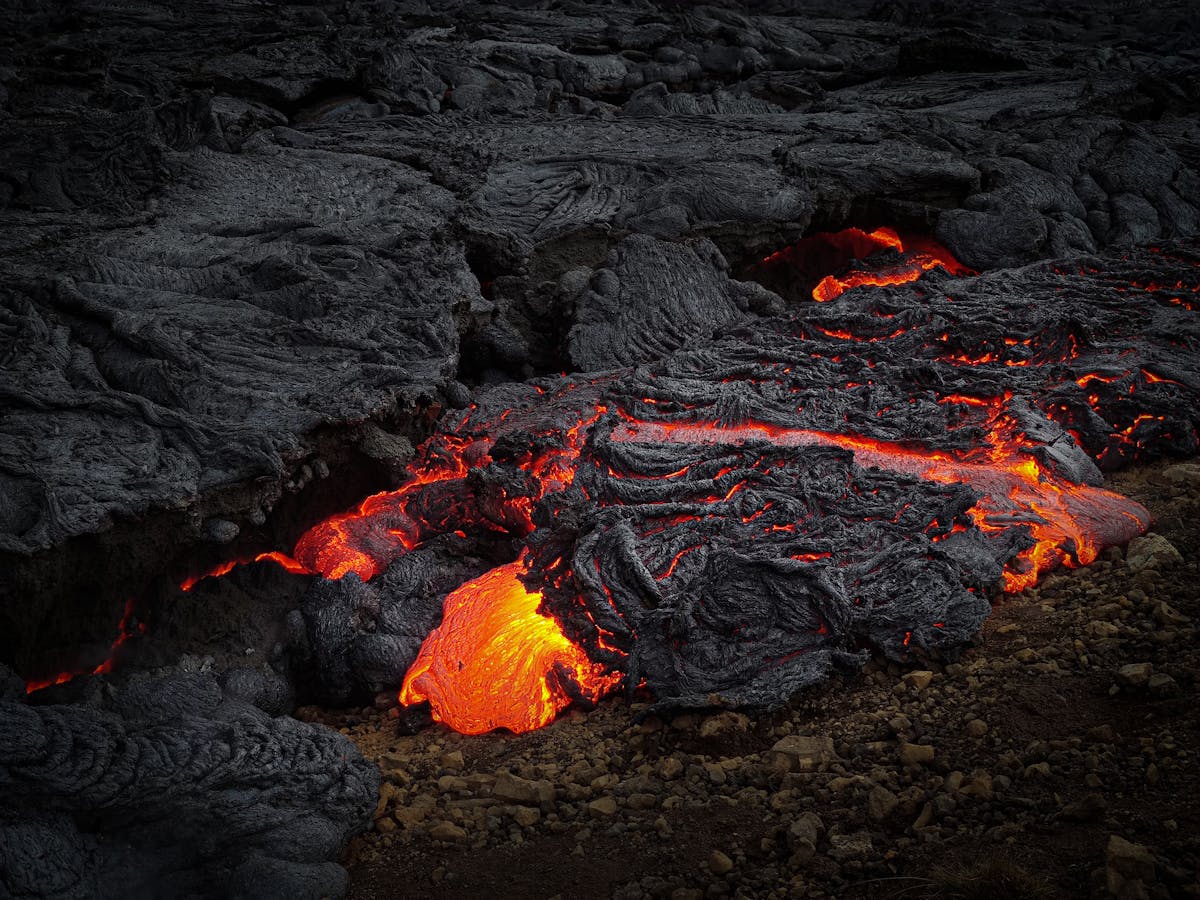
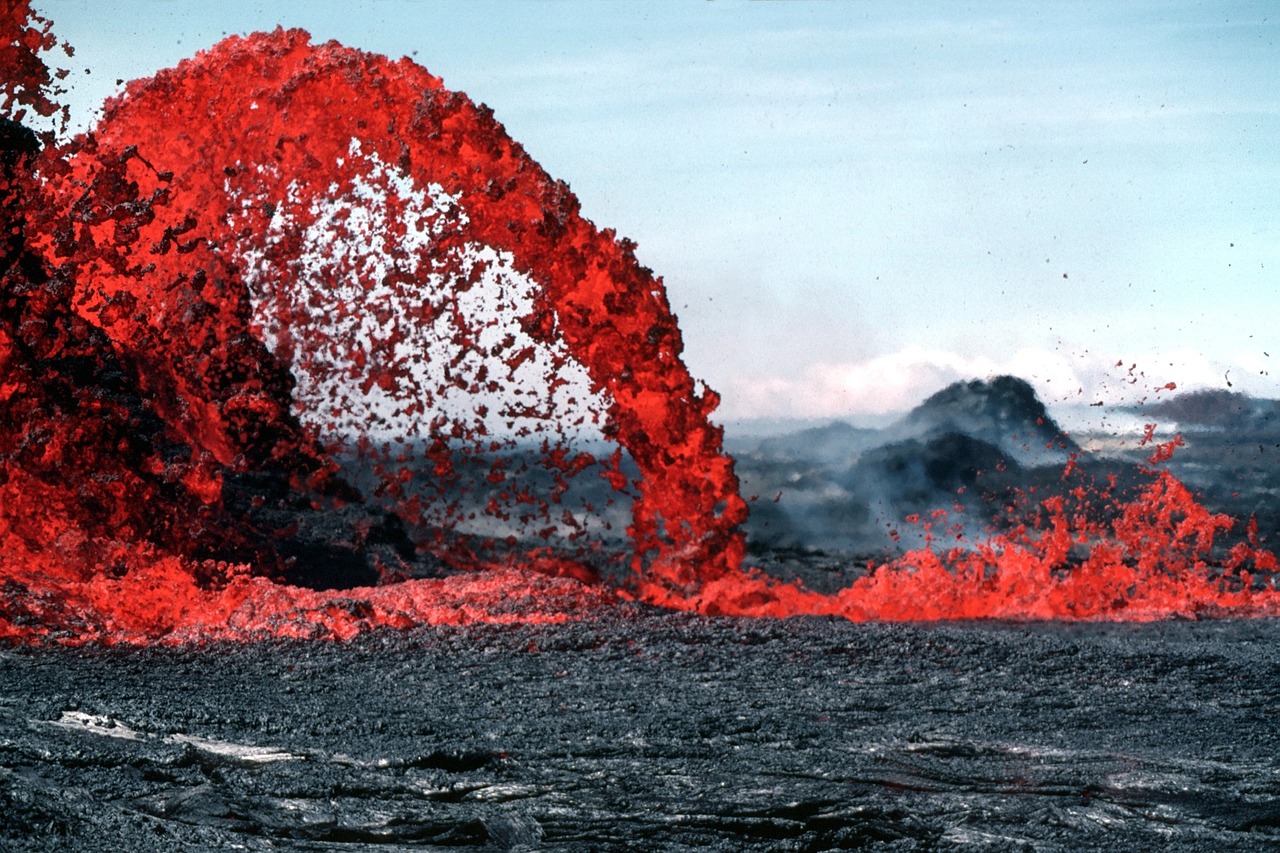
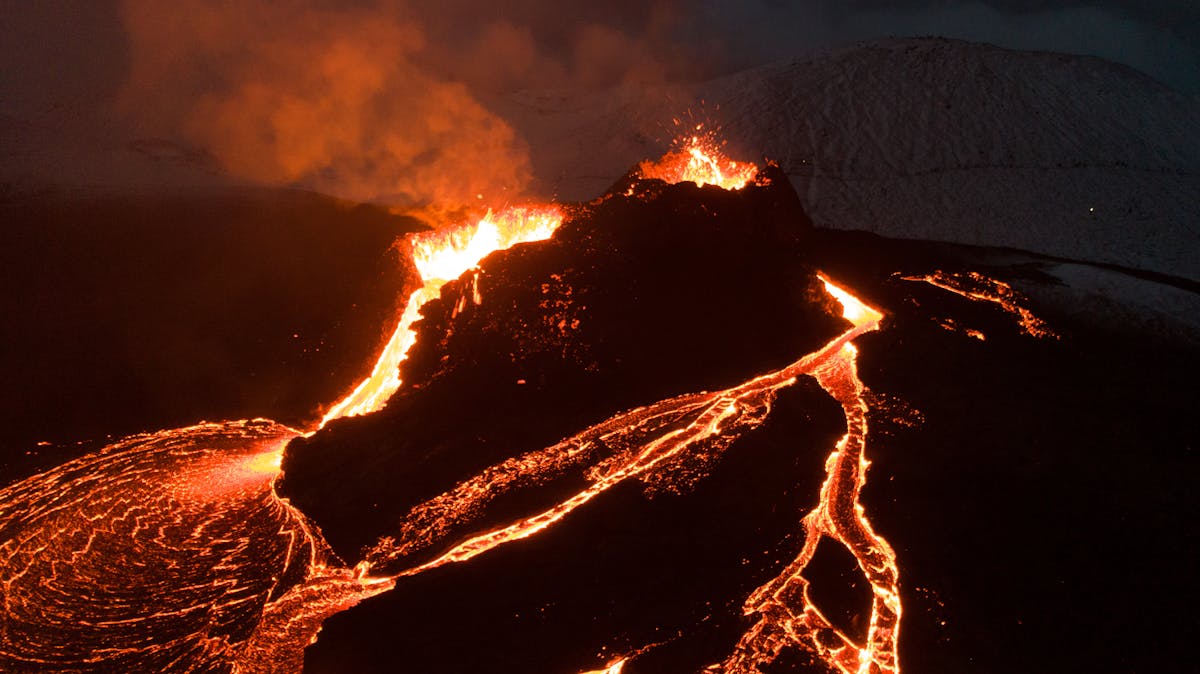
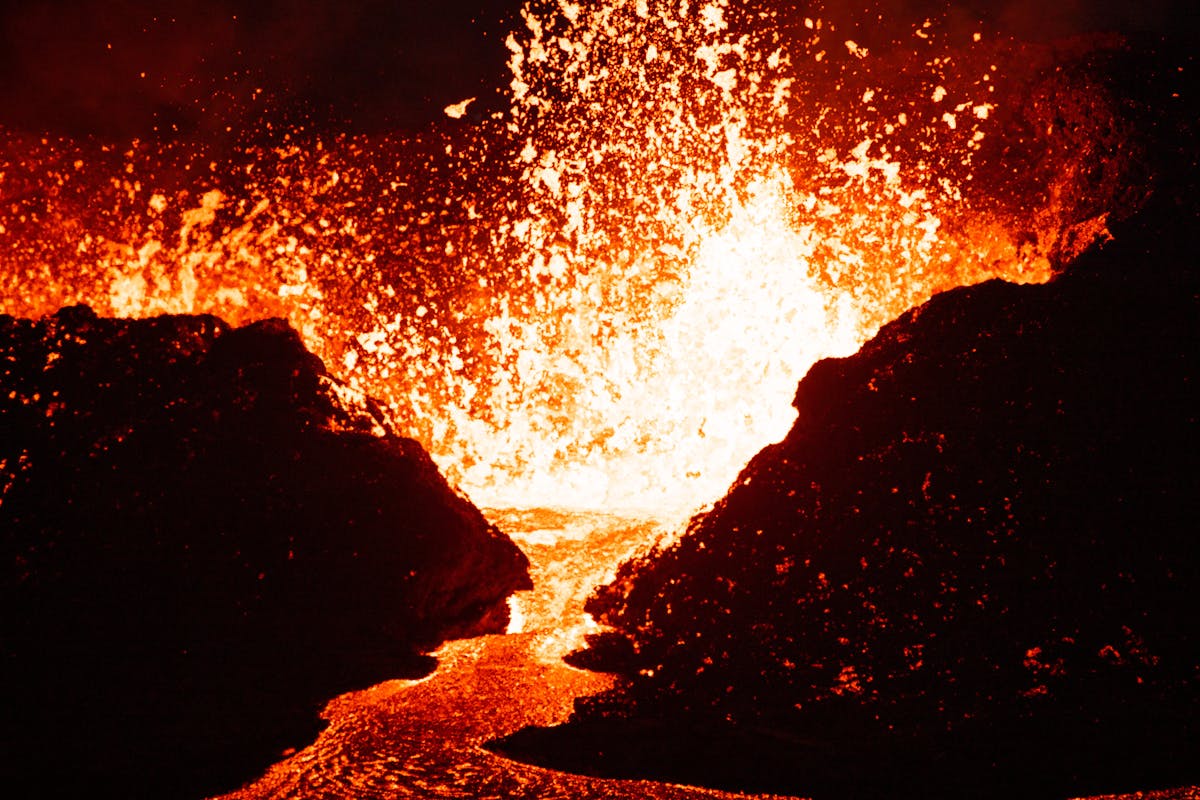
Part two is the main event. A geologist operates the furnace and pours real molten lava — heated above 1100°C, which is the same temperature as volcanic lava in nature — onto a bed of ice. The ice flash-vaporises. The room fills with heat and steam. You hear the lava crackle and pop as it meets the ice. The orange glow lights up the entire space. It lasts maybe 10-15 minutes of actual pouring, but it feels both longer and shorter than that.
Part three is Q&A. The geologist takes questions from the audience and this part is surprisingly good. The hosts are genuine experts, not actors reading scripts, and they clearly enjoy the weird and specific questions people ask. If you get a host doing their master’s thesis on volcanology, which apparently happens often, you are in for an education.
Premium ticket holders get an additional behind-the-scenes look at the furnace itself and the piece of cooled lava as a souvenir. The lava piece comes in a cloth bag and makes a genuinely unusual gift — try explaining to airport security that the black rock in your bag was liquid an hour ago.
Reykjavik vs Vik: Which Location Should You Choose?
The Lava Show runs in two venues — Reykjavik and Vik — and the show itself is identical at both. So the decision comes down to your itinerary.
Choose Reykjavik if: You are spending most of your time in the capital. The venue at Fiskislod 73 is walkable from most hotels, the free shuttle covers the harbour area, and you can easily combine it with other Reykjavik activities in the same day. Most visitors choose this one.
Choose Vik if: You are driving the Ring Road or doing a South Coast day trip. The Vik venue at Vikurbraut 5 sits right in the village, and you can slot it in between Reynisfjara black sand beach and lunch. The Vik location also tends to be slightly less crowded.
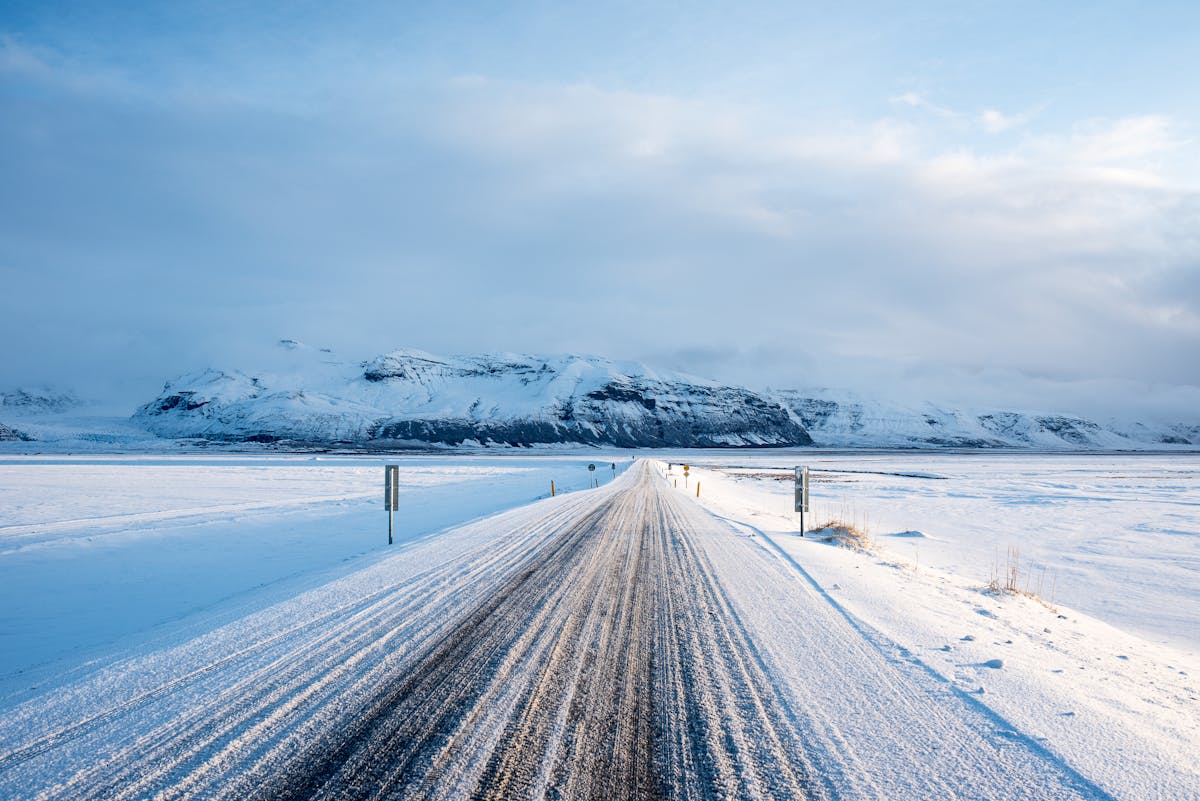
One thing to note: winter driving to Vik can be challenging. Road conditions change fast in Iceland, and the two-hour drive from Reykjavik becomes unpredictable from November through March. If you are not confident on icy roads, the Reykjavik venue eliminates that variable entirely.
Combining the Lava Show with Other Iceland Activities
The Lava Show runs about an hour total, so it fits into a bigger day easily. Here are the combinations that work best:
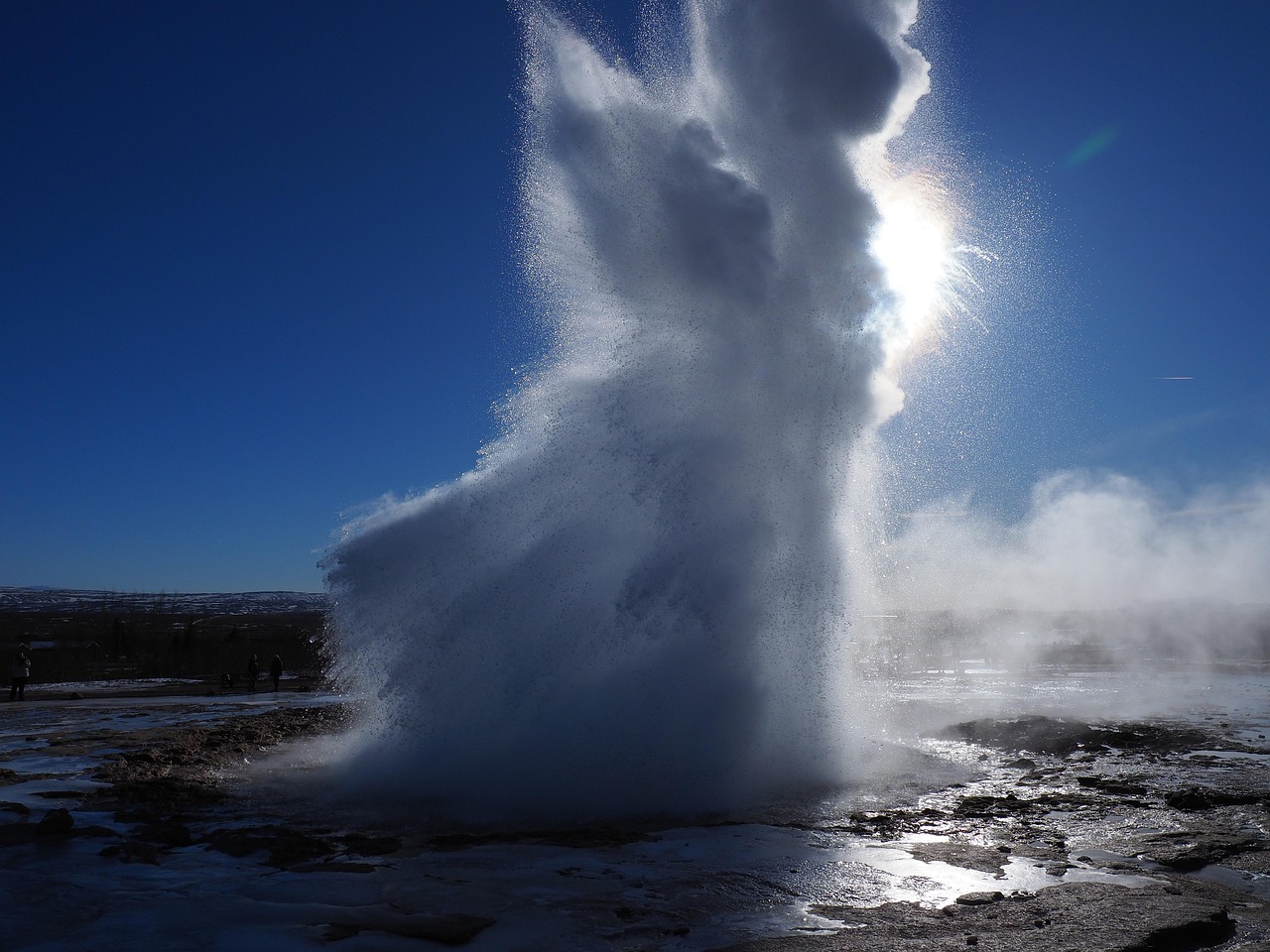
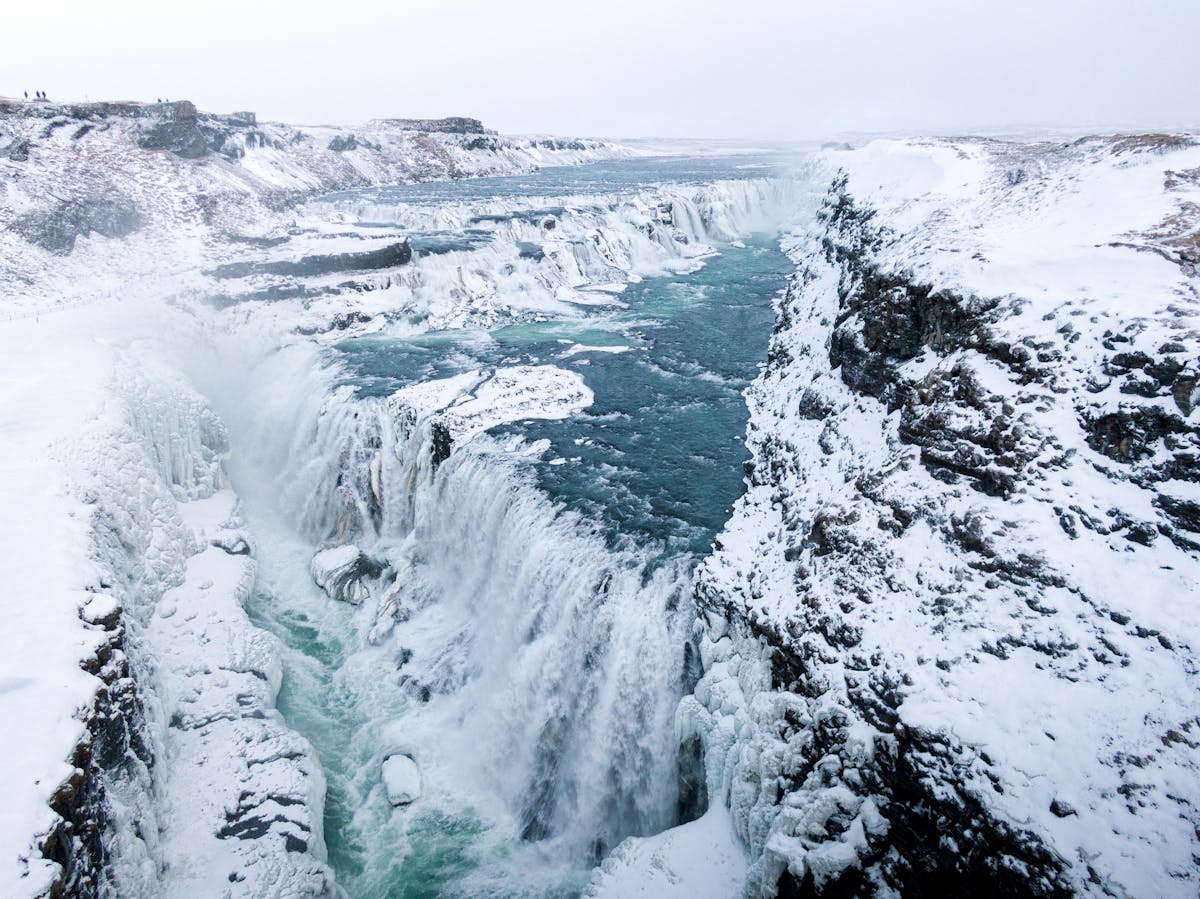
Lava Show + Golden Circle: Do the Golden Circle (Thingvellir, Geysir, Gullfoss) as a morning/afternoon trip and book the Lava Show for the evening. The geological context from the show makes the Golden Circle landscapes make more sense, or vice versa.
Lava Show + Raufarholshellir Lava Tunnel: Morning lava tunnel (30 minutes from Reykjavik), afternoon Lava Show. This is the volcanic double bill, and it works brilliantly. The tunnel shows you solidified lava up close; the show gives you the liquid version.
Lava Show + Whale Watching: Both depart from or near the Reykjavik harbour. Book whale watching for the morning and the Lava Show for the afternoon. You are already in the same neighbourhood.
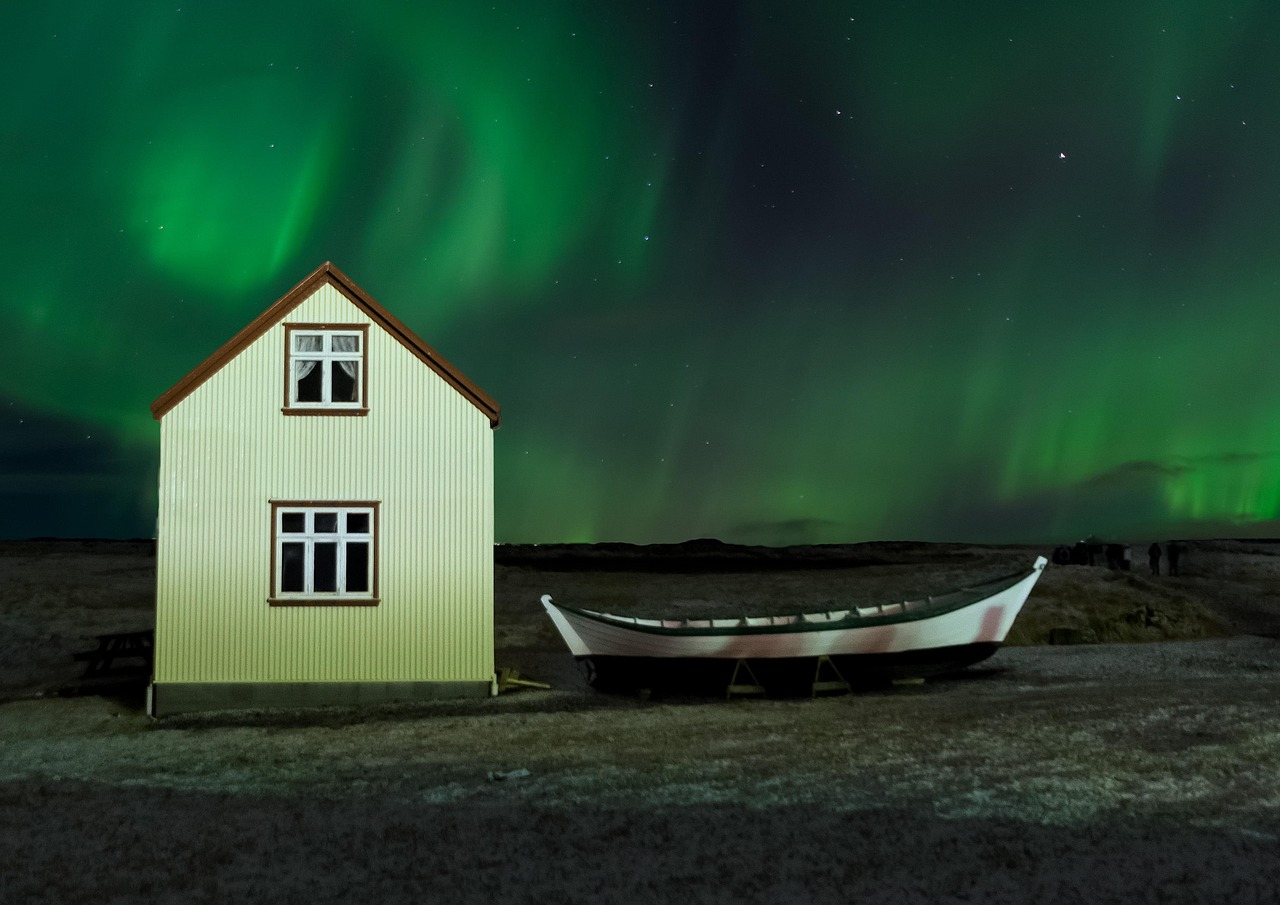
Lava Show + Northern Lights Tour: In winter, book a late afternoon Lava Show and an evening northern lights tour. Two of Iceland’s signature experiences in one night.
While You Are in Iceland
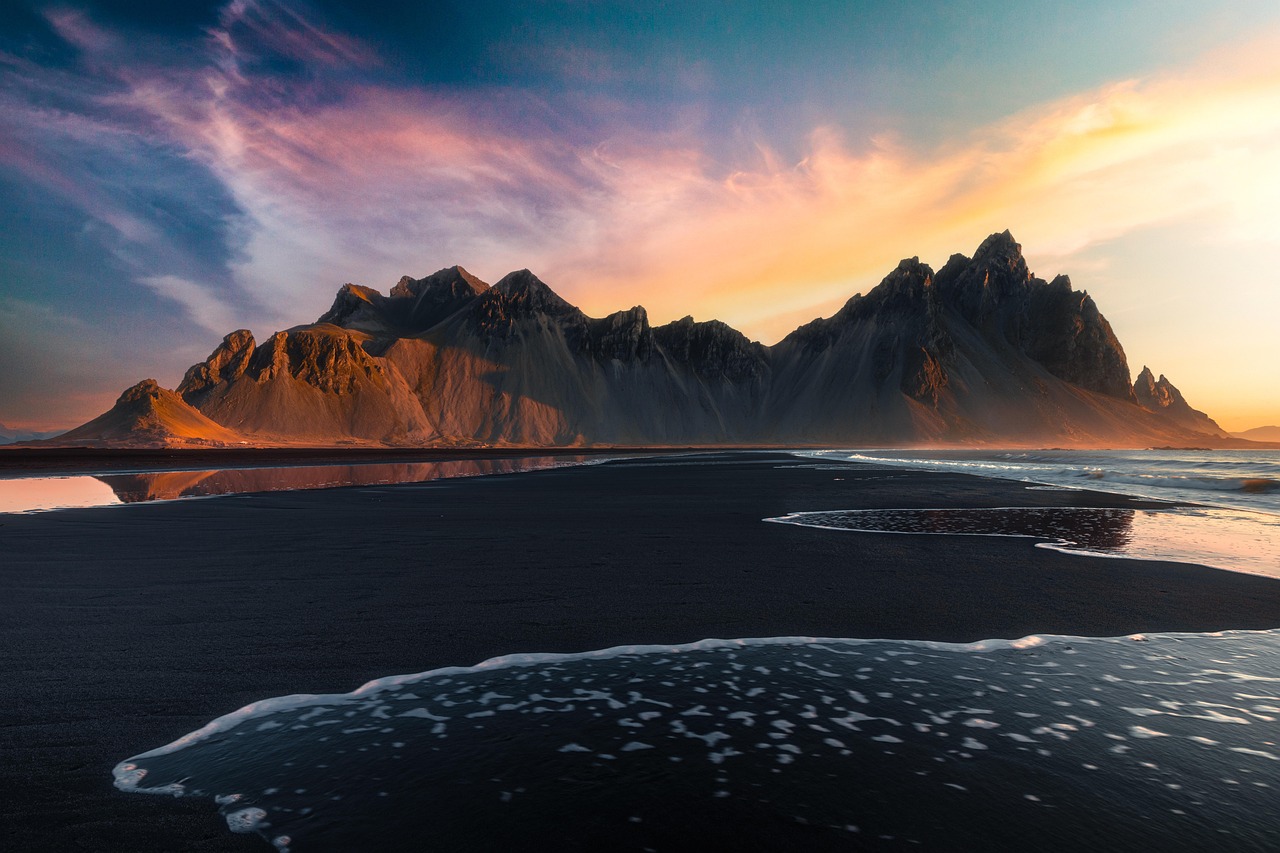
The Lava Show is one of those experiences that works equally well at the start or end of an Iceland trip. At the start, it primes you to notice the volcanic landscape everywhere you go. At the end, it ties everything together. Either way, if you are spending more than a day in Reykjavik, it is worth fitting in. The Raufarholshellir Lava Tunnel makes the obvious pairing if you want to go deeper, literally, into Iceland’s volcanic geology. And if the Lava Show sparks an interest in what is happening beneath the surface, the geothermal areas around Myvatn and the Reykjanes Peninsula are where that curiosity pays off most.
More Iceland Guides
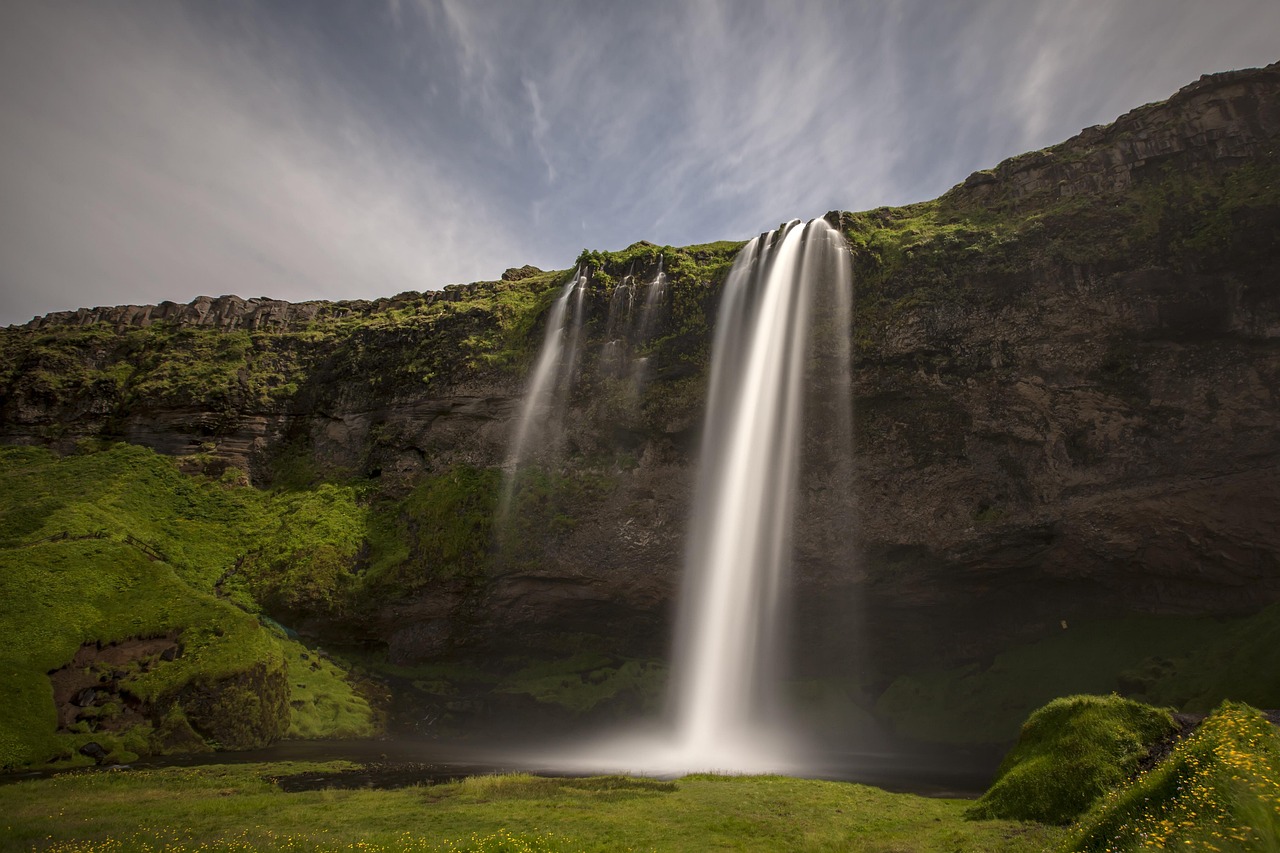
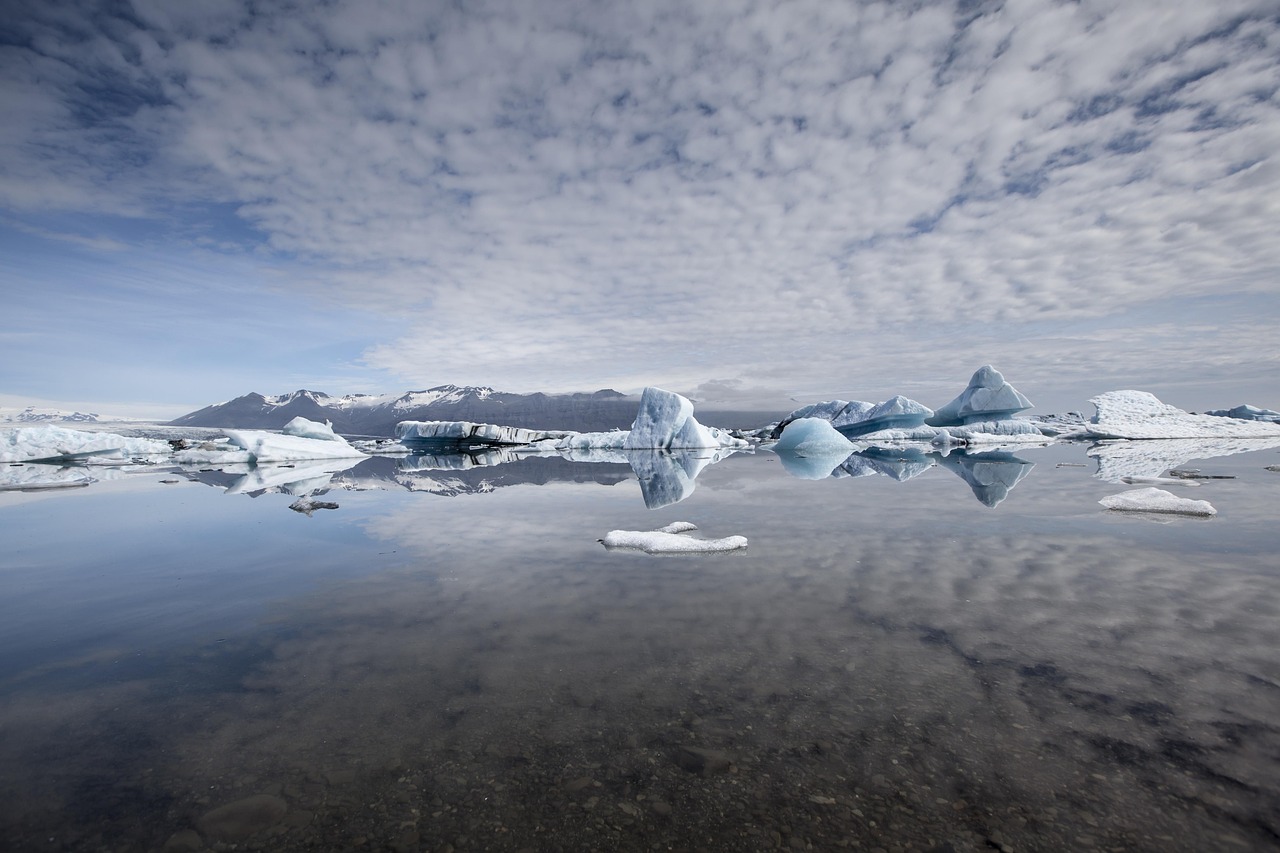
The Lava Show runs about an hour, which leaves most of your day free for other Reykjavik experiences. The Golden Circle is the most popular full-day trip from the city — geysers, waterfalls, and the rift between tectonic plates, all reachable in a single loop. If you prefer coastline over countryside, the South Coast tour takes you past some of the most dramatic waterfalls and black sand beaches in the country. For something closer to the harbour, whale watching runs year-round with strong sighting rates for humpbacks and minke whales. On a food-focused day, a Reykjavik food tour covers everything from fermented shark to craft beer in a few hours. And if you are visiting during the darker months, a Northern Lights tour is the perfect way to end the day — fire underground, then light in the sky.
This article contains affiliate links. If you book through our links, we earn a small commission at no extra cost to you. This helps us keep writing honest travel guides.