
The first time someone handed me a cube of fermented shark on a toothpick in downtown Reykjavik, I did what any reasonable person would do. I held my breath, chewed fast, and chased it with a shot of Brennivin. It tasted like the ocean had an argument with ammonia.
And honestly? I went back for a second piece.
That’s the thing about Icelandic food. It sounds terrifying on paper — rotten shark, singed sheep heads, dried fish that looks like it belongs in a museum. But once you’re actually sitting in a tiny restaurant on Laugavegur with a bowl of lamb soup warming your hands after a freezing afternoon walk, the whole cuisine starts to make a strange kind of sense.
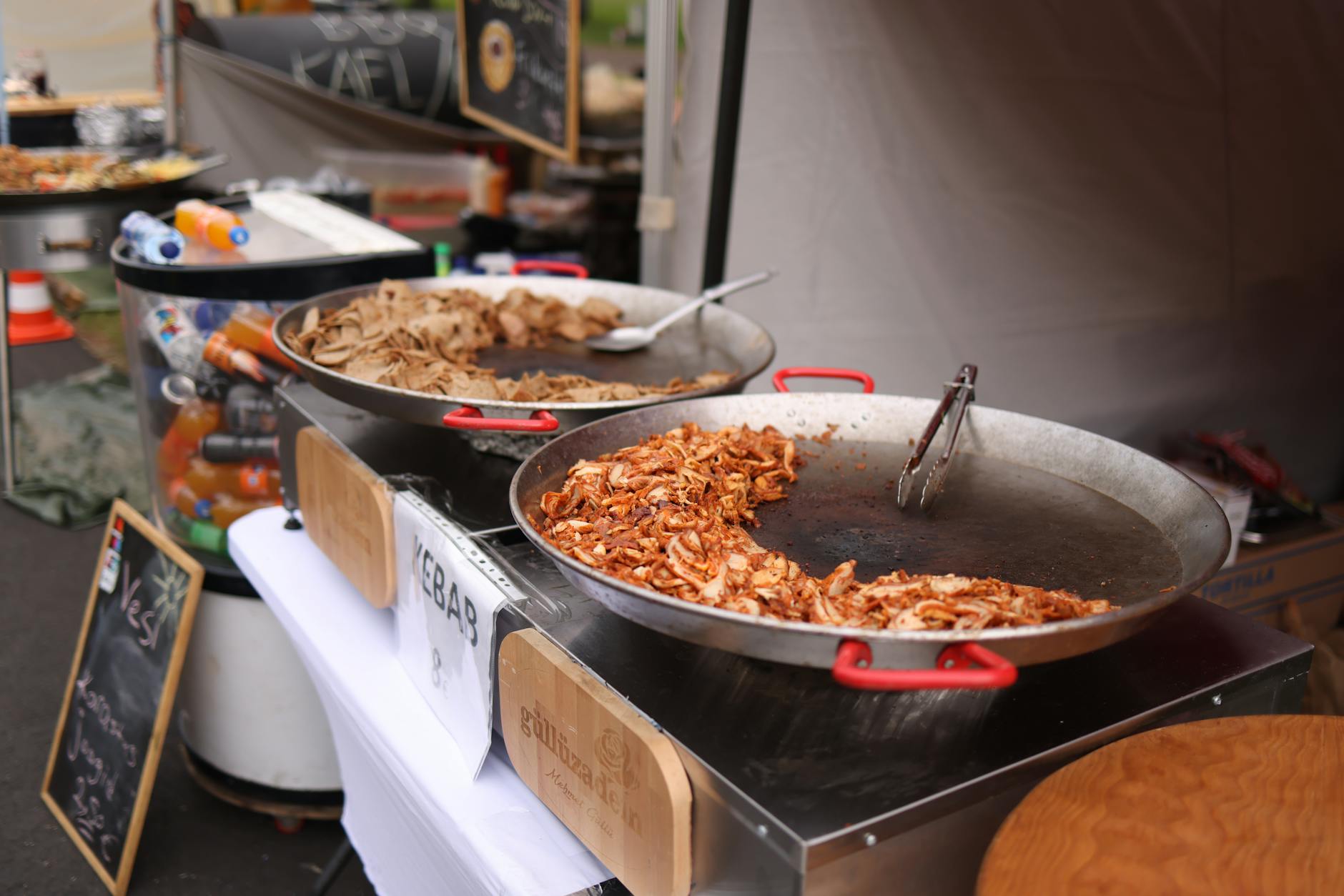
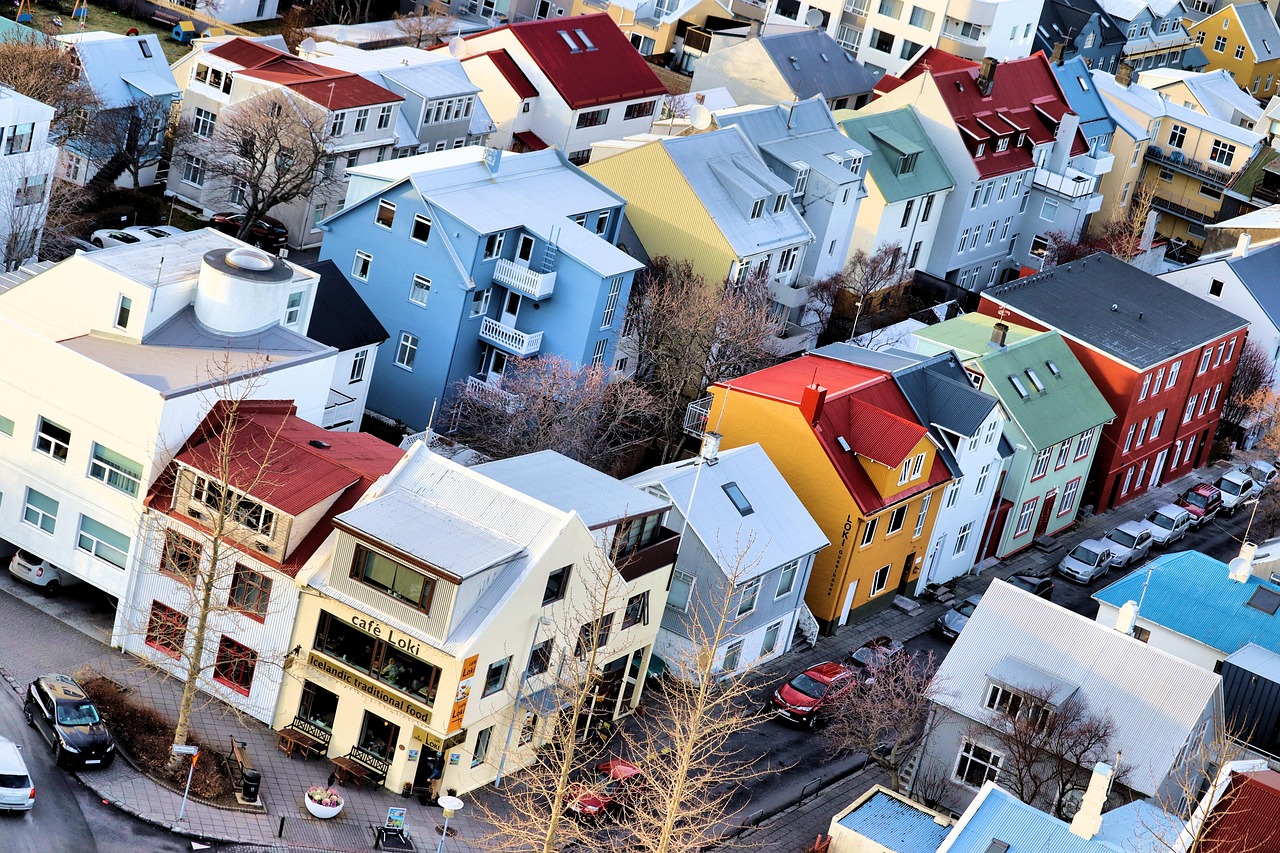
Best overall: Reykjavik Food Walk — $146. The original. Three hours of eating your way through downtown with a local guide who actually knows the stories behind the food.
Best value: Guided Foodie Walking Tour with 6 Tastings — $142. Six proper tastings including Icelandic craft beer. Slightly cheaper and just as filling.
Best for traditionalists: Food Lovers Tour — $152. Focused specifically on old-school Icelandic cuisine — fermented shark, dried fish, skyr, the works.
- What Icelandic Food Actually Tastes Like
- Why a Food Tour Makes Sense Here
- The Best Reykjavik Food Tours to Book
- 1. Reykjavik Food Walk — 6
- 2. Guided Foodie Walking Tour with 6 Tastings — 2
- 3. Reykjavik Food Lovers Tour — 2
- When to Go
- How to Get to the Starting Points
- Tips That’ll Save You Money and Hassle
- What You’ll Actually Eat
- Beyond the Tour: Where to Eat on Your Own
- While You’re in Reykjavik
What Icelandic Food Actually Tastes Like
I need to get this out of the way first, because most food tour articles about Reykjavik spend too long on the shock factor. Yes, there’s fermented shark (hakarl). Yes, there are boiled sheep heads (svid). And yes, your guide will probably make you try both.
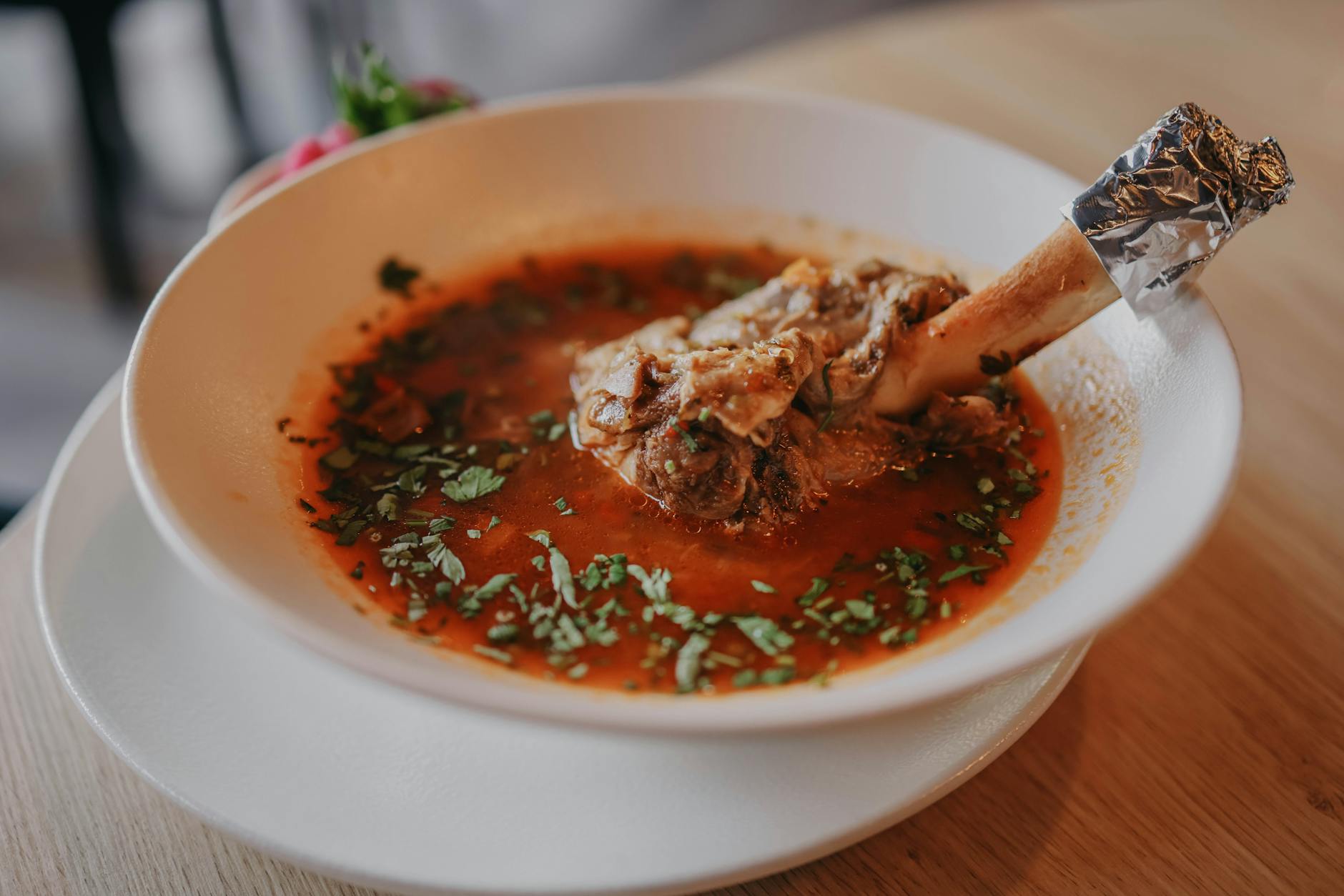
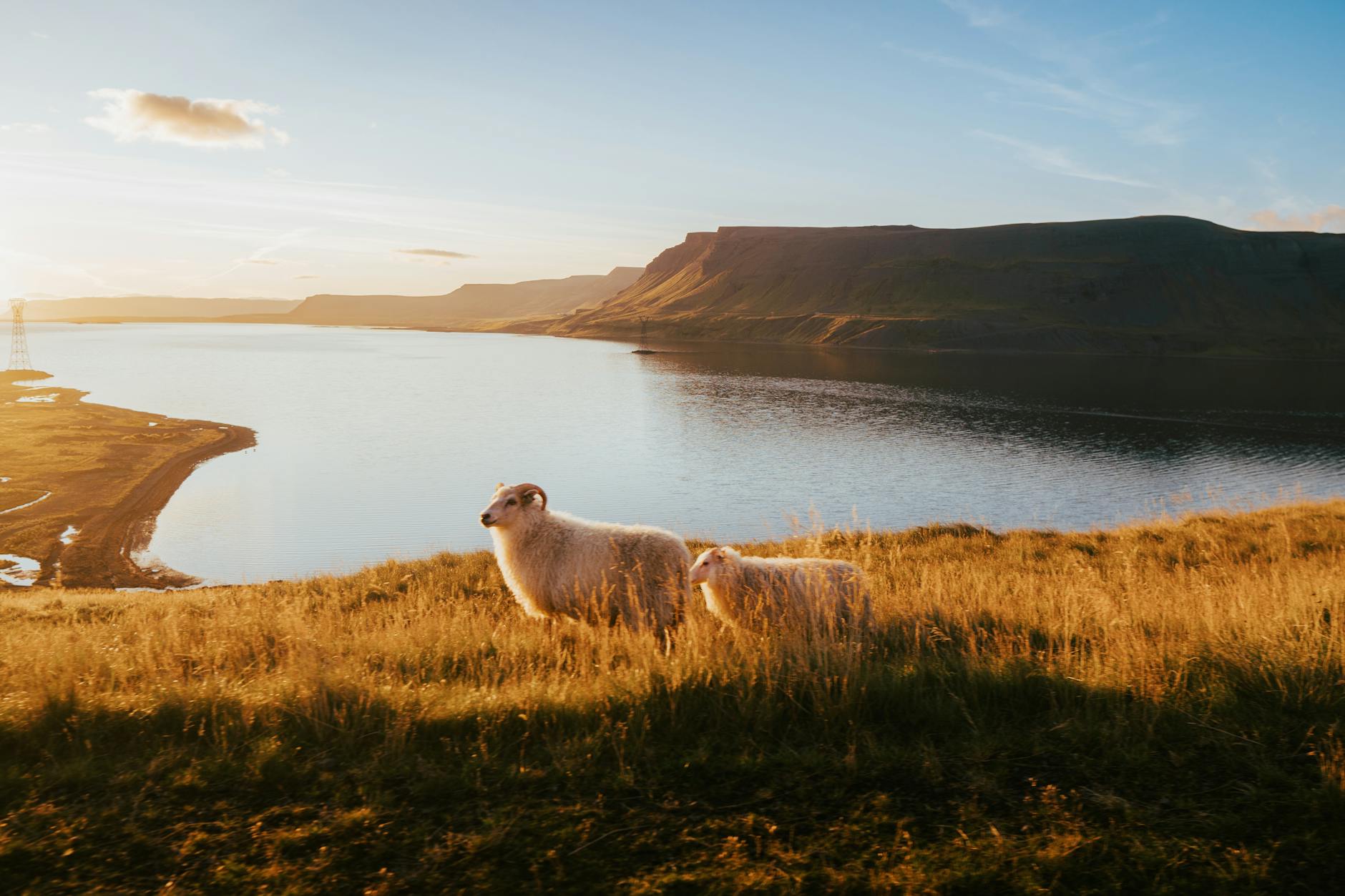
But the backbone of Icelandic cuisine isn’t the weird stuff. It’s lamb. Really, really good lamb. Icelandic sheep roam free across mountain pastures all summer eating wild thyme and grass, and the meat tastes nothing like what you’d get at a supermarket back home. Lamb soup (kjotsupa) is everywhere, and it’s one of those dishes that makes you wonder why the rest of the world hasn’t caught on.
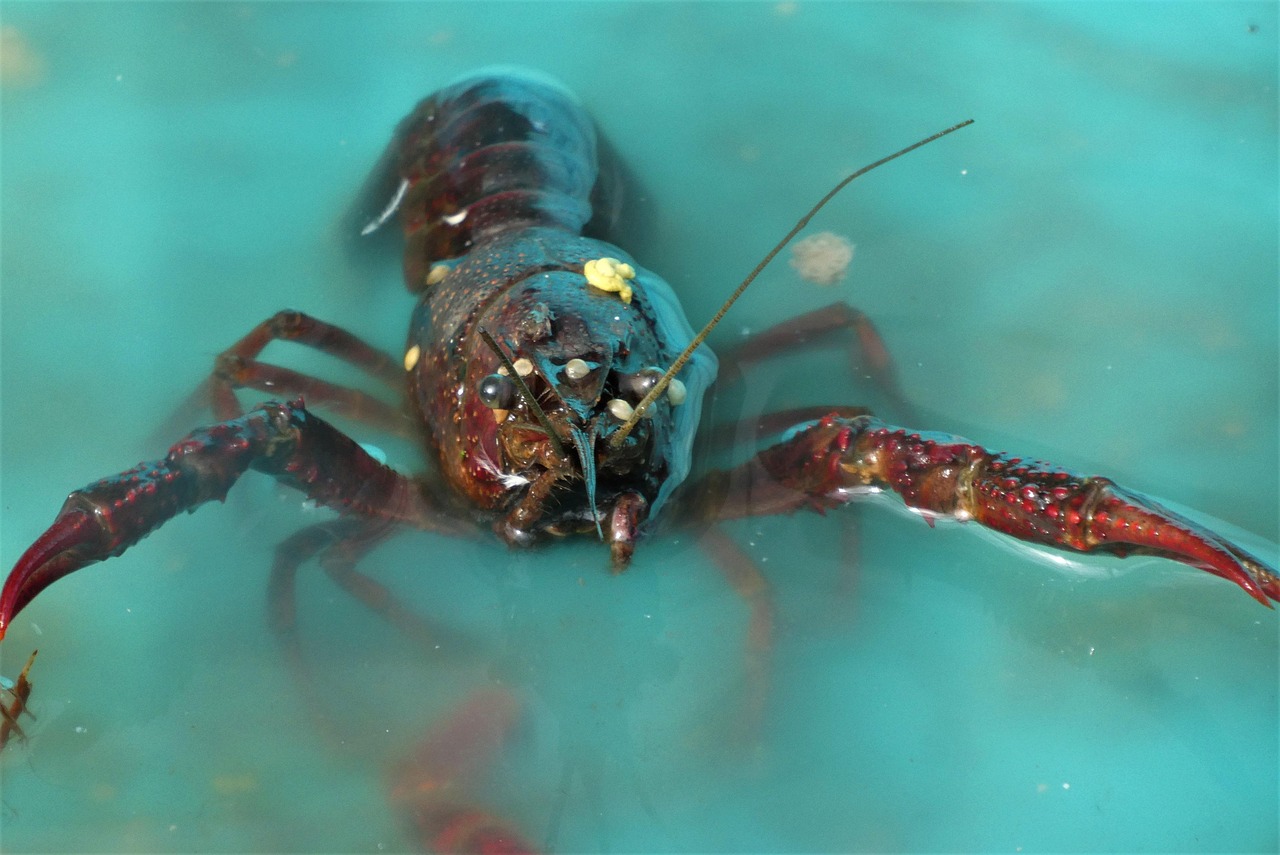
Then there’s the seafood. Iceland sits in some of the richest fishing grounds on the planet, and you’ll notice the difference. The cod is firmer. The Arctic char is sweeter. The langoustine — pulled from Hofn on the southeast coast — is legitimately some of the best shellfish I’ve had anywhere. Every food tour in Reykjavik leans heavily on the fish, and for good reason.
Skyr deserves its own mention. It’s technically a cheese, not a yogurt, though it looks and tastes like the thickest Greek yogurt you’ve ever had. Icelanders eat it plain with cream and wild blueberries, and once you try the real stuff here you’ll never look at the exported versions the same way.
And then there’s the hot dog. Baejarins Beztu Pylsur — the tiny stand by the harbor — has been serving since 1937. The dogs are made from a blend of Icelandic lamb, pork, and beef, topped with raw and crispy fried onion, ketchup, sweet mustard, and remoulade. Order eina med ollu (one with everything). It costs under ISK 700 and it’s genuinely one of the best things you’ll eat in the city.

Why a Food Tour Makes Sense Here
Reykjavik is not a city where you can easily stumble into great local food. The downtown area is packed with tourist-oriented restaurants charging ISK 5,000+ for a mediocre burger, and the places serving traditional Icelandic food don’t always advertise well. Some of the best spots are inside what look like convenience stores or tucked behind nondescript doors.
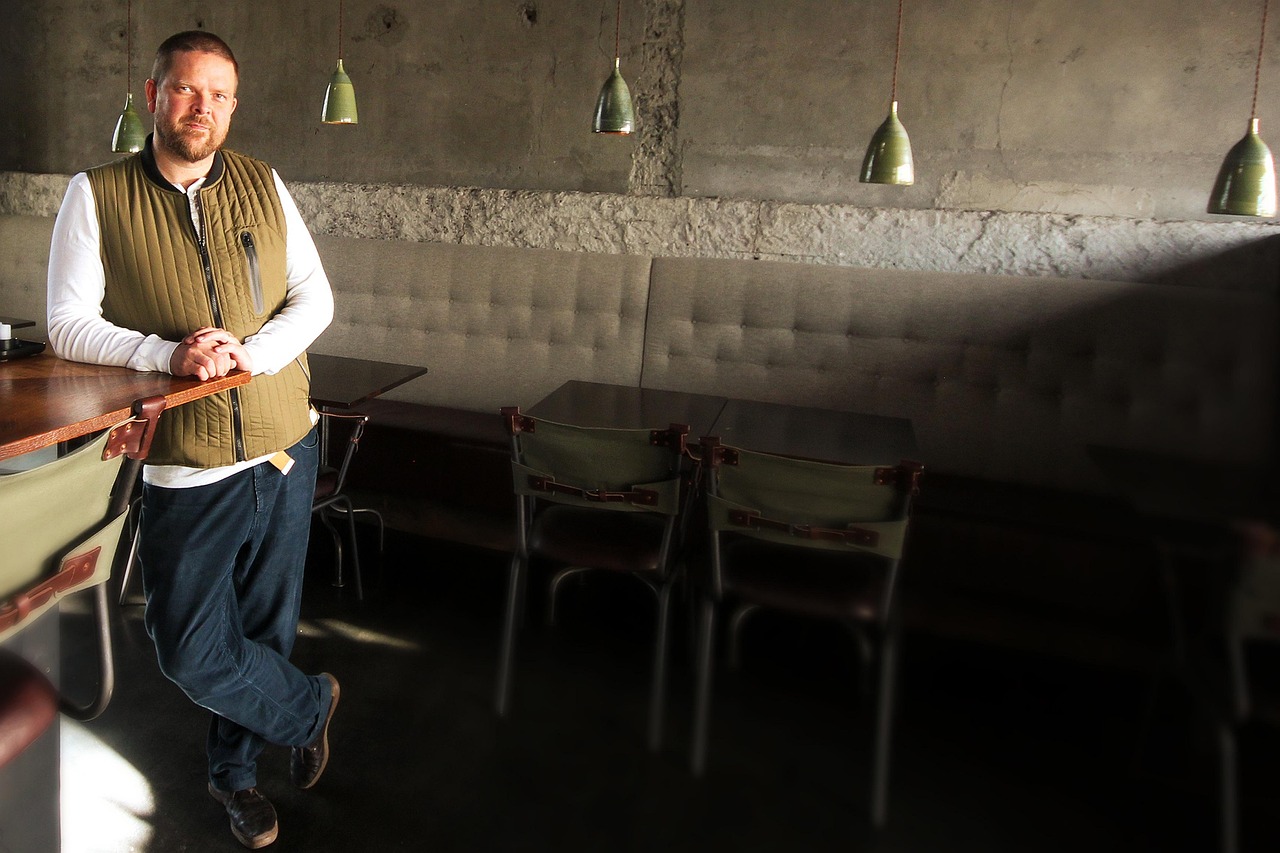
A guided food tour solves this problem completely. Your guide is local, they’ve eaten at every restaurant in the city, and they know which places serve the real thing versus which ones are coasting on tourist traffic. On top of that, they’ll explain the cultural backstory — why Icelanders ferment shark (necessity, not choice), why rye bread gets buried near hot springs to bake underground, why lamb soup is basically the national comfort food.
The other practical reason: Iceland is expensive. A sit-down dinner for one in Reykjavik easily runs ISK 8,000-12,000. A food tour lets you sample 6-8 different dishes across multiple stops for a fixed price, which works out cheaper than trying to replicate the same experience on your own. You’d spend more money and miss half the interesting places.
The Best Reykjavik Food Tours to Book
I’ve picked three tours that cover different angles of the Reykjavik food scene. All three run year-round, stay within the downtown area, and include enough food to replace a full meal. The prices are per person and reflect 2026 rates.
1. Reykjavik Food Walk — $146
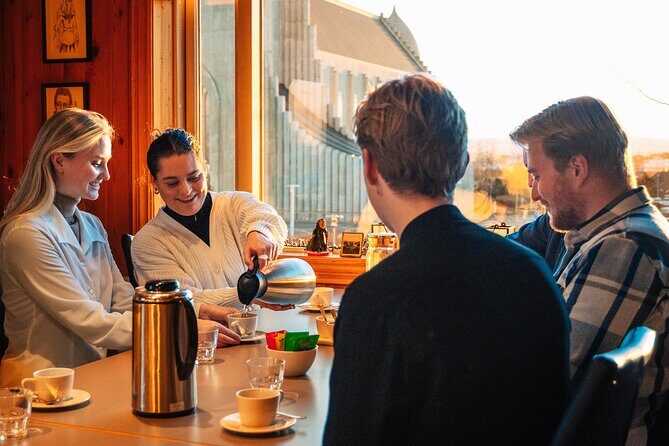
This is the original Reykjavik Food Walk and it’s been the most popular food tour in Iceland for years. Three hours, small groups (usually under 15), and a route that hits six to eight stops across downtown Reykjavik. You’ll try the fermented shark (they make it fun, not gross), lamb soup, fresh fish, local cheese, and Icelandic craft beer or schnapps depending on the stop.
What sets this one apart is the guides. They’re all Reykjavik locals with opinions — not script-readers — and they’ll steer you toward specific dishes at each stop rather than just letting you loose. The pace is relaxed with enough walking between stops to work up an appetite again, and the food portions are generous enough that you won’t need dinner afterward. At $146, it’s not cheap, but nothing in Iceland is. For three hours of eating and stories, it’s fair.
2. Guided Foodie Walking Tour with 6 Tastings — $142
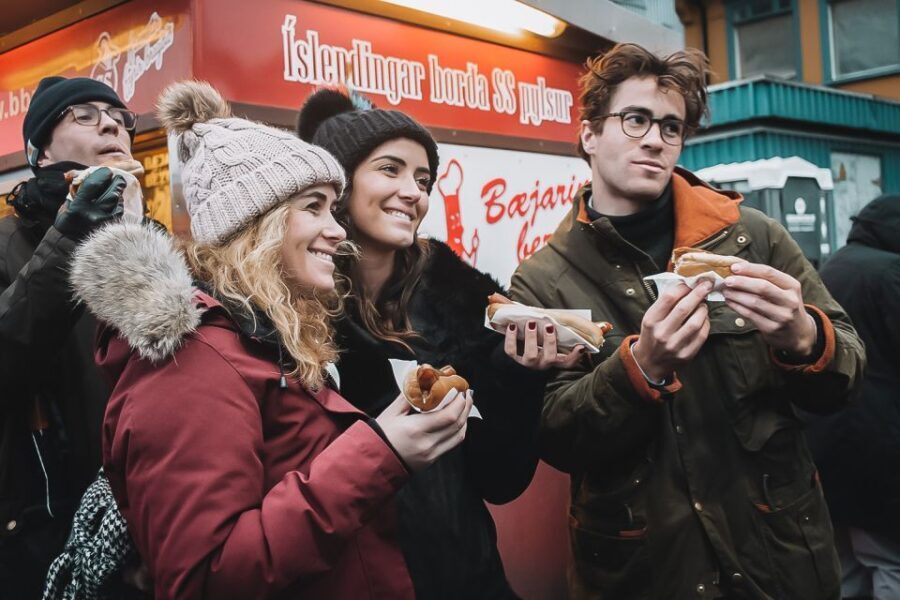
This GetYourGuide-listed walking tour covers six structured tastings across three hours, including Icelandic craft beer at one of the stops. It follows a similar downtown route but emphasizes the artisan food scene — small producers, craft breweries, and family-run spots that don’t cater to the cruise ship crowd.
At $142 it’s the most affordable option on this list, and the six-tasting structure means you’re eating at regular intervals rather than having long stretches of walking between stops. The beer tasting is a genuine highlight — Iceland’s craft beer scene has exploded in the last few years after decades of prohibition-era restrictions, and most visitors have no idea how good the local IPAs and stouts are. If you care about beer at all, this is the one to pick.
3. Reykjavik Food Lovers Tour — $152
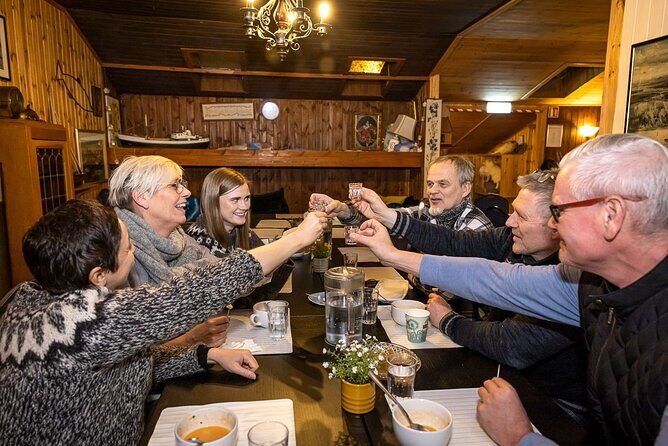
The Food Lovers Tour takes a more traditional approach. Where the other tours mix modern Icelandic cooking with classic dishes, this one goes deep on heritage food — dried fish (hardfiskur), fermented shark, smoked lamb, rye bread baked in geothermal hot springs, and proper skyr with local berries. If you want to understand why Icelanders eat what they eat, this is the right choice.
The guides here are food historians as much as tour leaders, and they connect each dish to Iceland’s survival story — how a small island nation in the North Atlantic preserved food through fermentation and smoking because refrigeration wasn’t an option for most of its history. At $152 it’s the priciest of the three, and the group sizes can occasionally creep larger than ideal. But for sheer depth of food knowledge, nothing else in Reykjavik comes close. Book at least a few days ahead — it fills up faster than you’d expect.
When to Go
Food tours in Reykjavik run year-round, but timing matters more than you’d think.
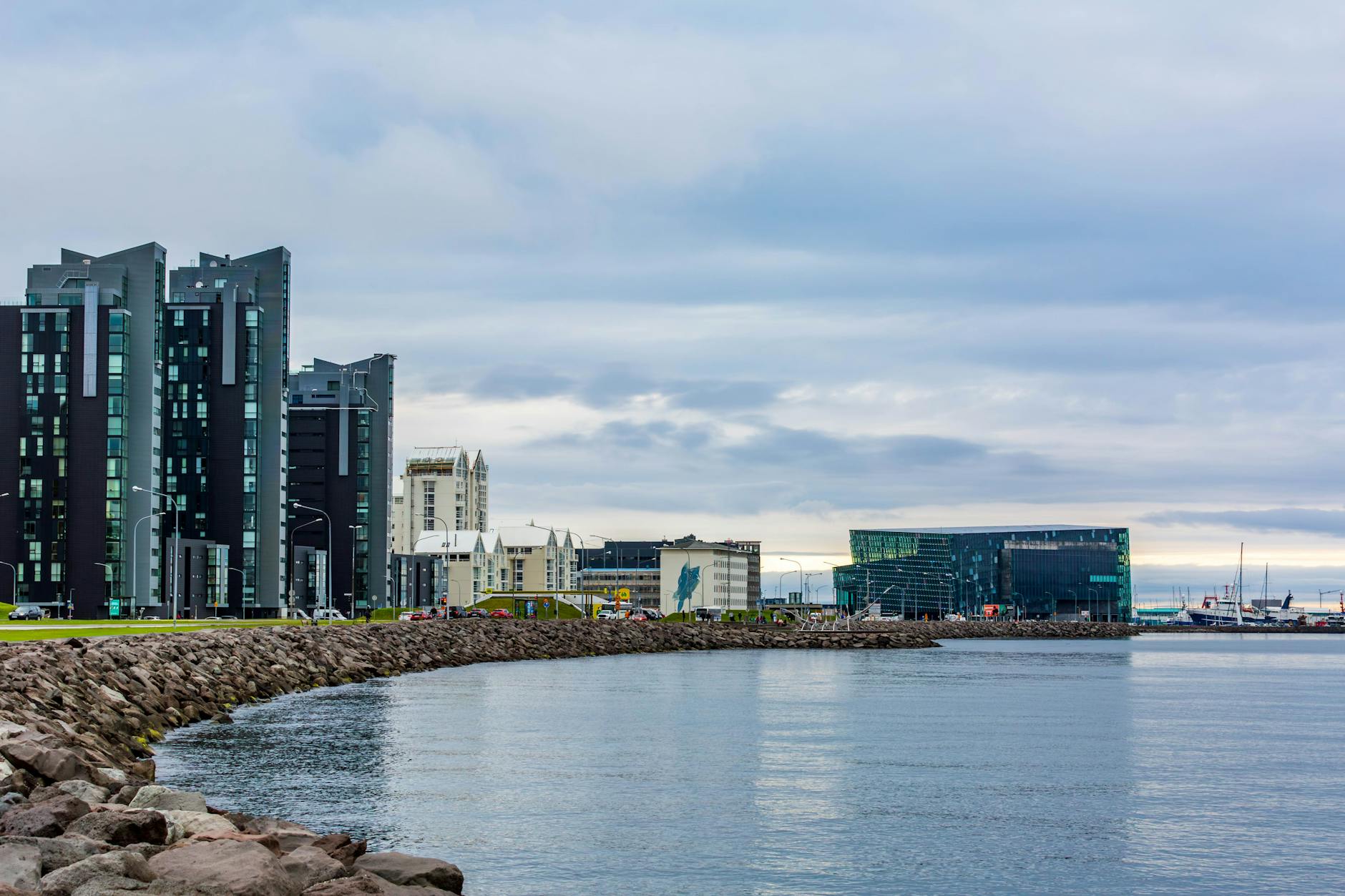
Summer (June-August): The most popular time. Tours run multiple departures daily. The upside is midnight sun — you’ll be walking around in full daylight at 10 PM. The downside is cruise ship passengers flood downtown from about 9 AM to 5 PM, and restaurant stops on the tour can feel rushed when there’s a line out the door. Book the latest afternoon departure if you can.
Winter (November-February): Fewer travelers, cozier atmosphere, and the food feels more appropriate when it’s dark by 3:30 PM and hovering around freezing. Lamb soup and hot cocoa hit differently when there’s sleet blowing sideways outside. Some tours reduce their schedule to one departure per day, so book ahead. Dress warm — you’ll be walking between stops for 15-20 minutes at a stretch in conditions that make you question your vacation choices.

Shoulder season (September-October, March-May): The sweet spot. Prices are slightly lower, crowds thinner, and you still get reasonable daylight hours. September and October are particularly good because the menu often includes seasonal ingredients — wild mushrooms, fresh Arctic char from the autumn runs, and new-season lamb.
How to Get to the Starting Points
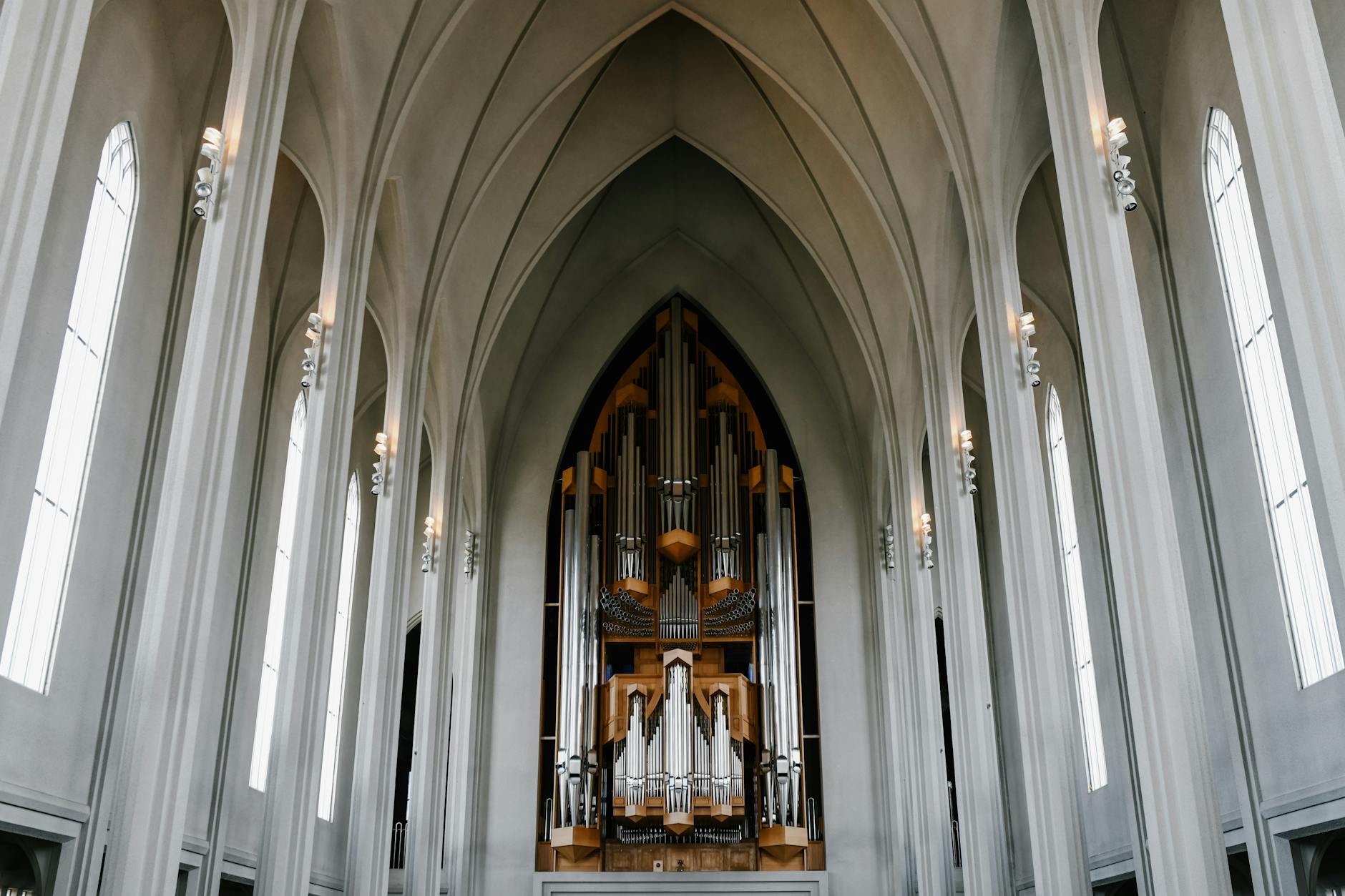
Every food tour on this list starts somewhere in central Reykjavik, usually near Hallgrimskirkja church or along Laugavegur (the main shopping street). If you’re staying anywhere in the 101 Reykjavik postcode area, you can walk to any meeting point in under 15 minutes.
From Keflavik International Airport, it’s about 45-50 minutes by bus (Flybus or Airport Direct, around ISK 3,500 one way) or 40 minutes by rental car. Don’t schedule a food tour the same day you land unless your flight arrives before noon — jet lag and fermented shark are a brutal combination.
There’s no metro or tram in Reykjavik. The city buses (Straeto) exist but are slow and infrequent. For getting around the downtown area, just walk. It’s tiny.
Tips That’ll Save You Money and Hassle
Book 3-5 days ahead in summer. The popular tours cap at 12-15 people and sell out, especially the noon and early afternoon slots. In winter you can sometimes book the day before, but don’t risk it on weekends.
Eat a light breakfast or skip it entirely. Every food tour includes enough food for a full meal spread across the stops. If you eat a big hotel breakfast at 9 AM and then do a noon food tour, you’ll be too full to enjoy half of what’s offered. A coffee and maybe a piece of toast is plenty.
Tell your guide about dietary restrictions immediately. Most tours can accommodate vegetarians with advance notice, and some offer fully vegetarian alternatives. Vegan options are more limited but improving. Celiac or severe allergies need at least 48 hours notice — the stops are pre-arranged and swapping a restaurant last minute isn’t always possible.
Bring cash for the hot dog stand. Baejarins Beztu does accept cards now, but during peak hours the card machine gets temperamental. Have a few thousand ISK in your pocket just in case. You’ll probably want a hot dog outside of the tour anyway.
Tipping isn’t expected but appreciated. Iceland doesn’t have a tipping culture the way the US does. Service charges are included in prices. That said, if your guide was exceptional, ISK 2,000-3,000 per person is a generous gesture they’ll remember.
What You’ll Actually Eat
The exact stops vary by tour and season, but here’s what to expect across most Reykjavik food tours.
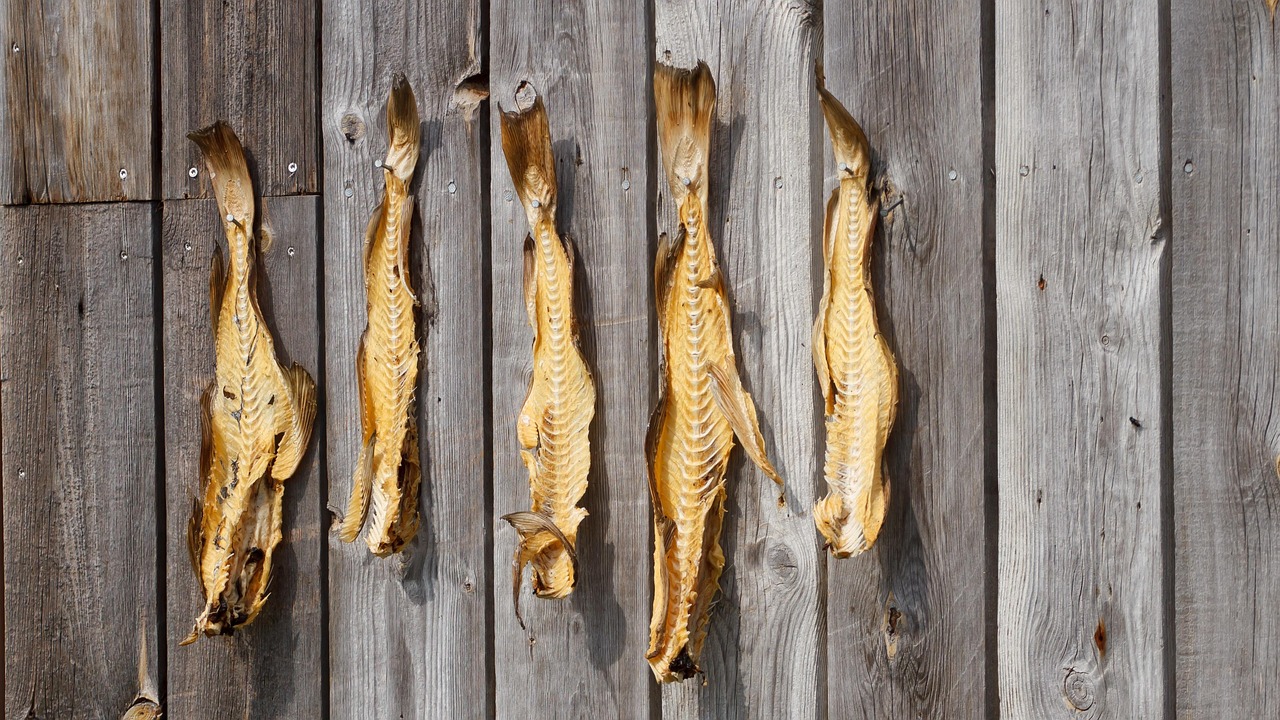
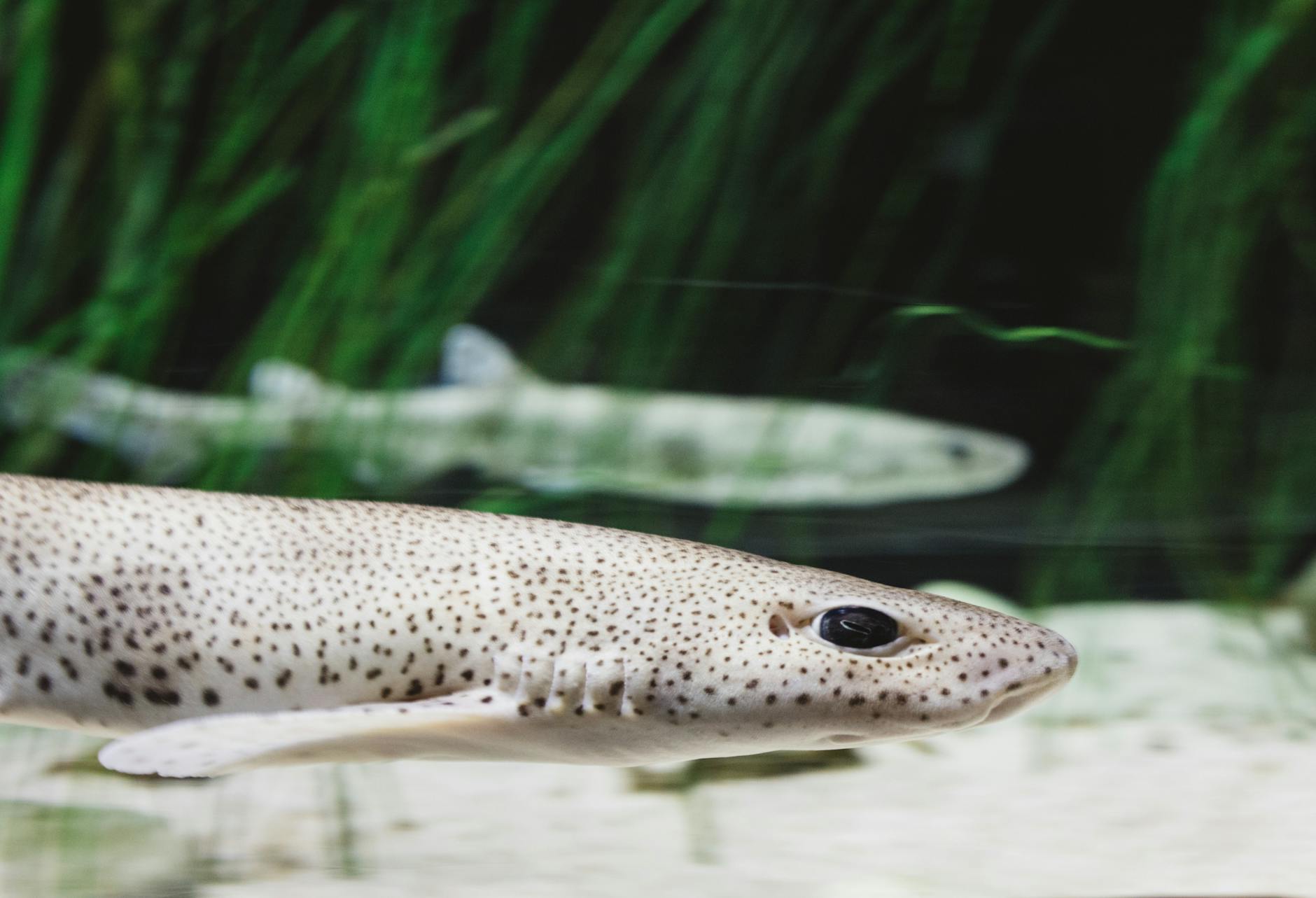
Fermented shark (hakarl): The infamous one. Greenland shark cured for 4-5 months through a fermentation process that removes natural toxins. The smell is stronger than the taste. Your guide will have Brennivin (Icelandic schnapps) ready as a chaser. Some people love it. Most people tolerate it. Nobody forgets it.
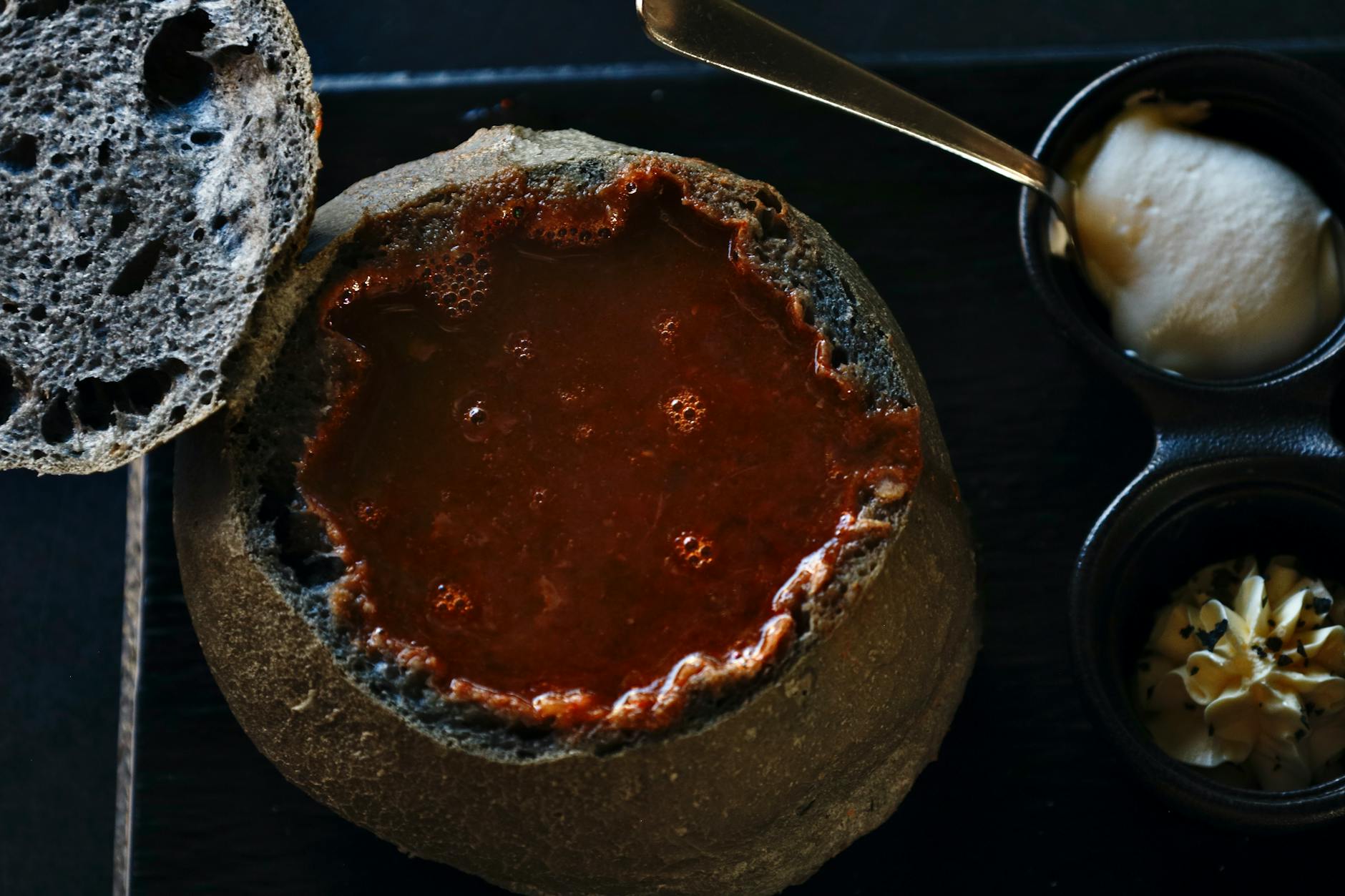
Lamb soup: Slow-cooked with root vegetables — turnips, carrots, potatoes — and seasoned simply. Every family has their own version. It’s comfort food in the purest sense, and in winter it genuinely warms you from the inside out.
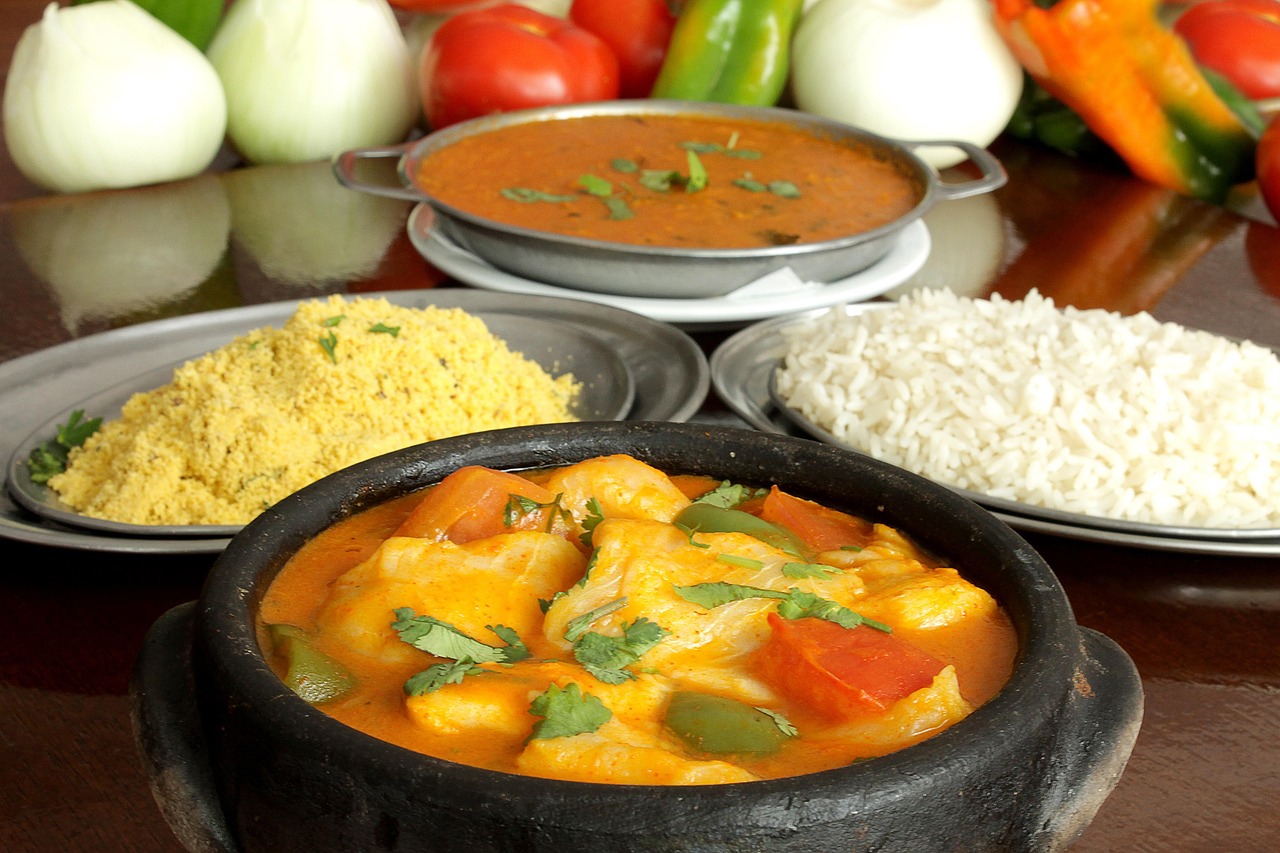
Fresh fish: Cod, Arctic char, haddock, or whatever came in that morning. Usually pan-fried or baked with butter and served simply. Icelanders don’t overcomplicate fish, and they don’t need to.
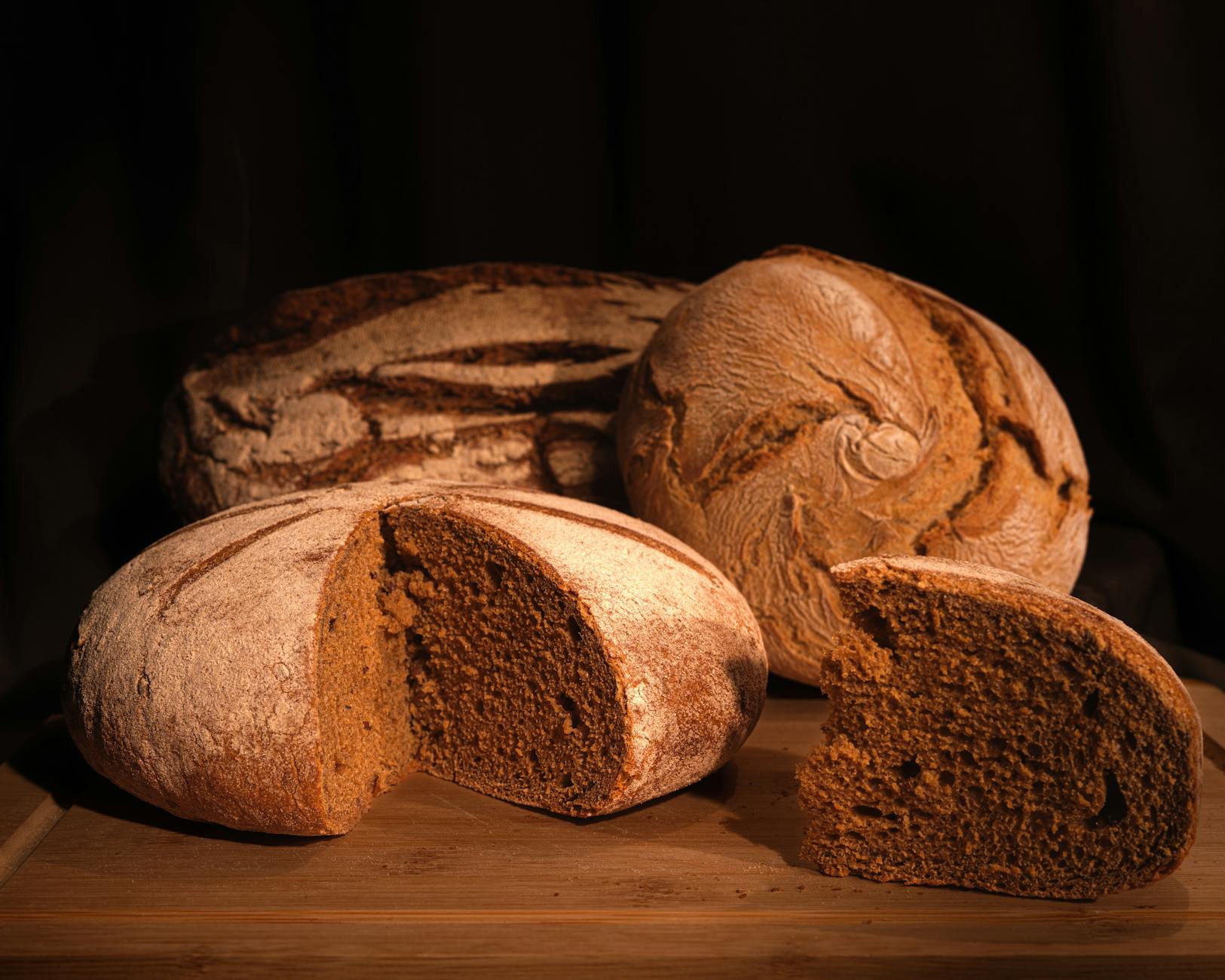
Rye bread: Dense, dark, slightly sweet. The traditional version (hverabraud) is literally baked underground near hot springs, using geothermal heat. It takes about 24 hours. The texture is nothing like regular bread — more like a dense cake. Incredible with butter and smoked trout.
Skyr: The ultra-thick dairy product that’s somewhere between yogurt and fresh cheese. Served with cream, sugar, and wild Icelandic berries. The texture is unlike anything else — almost mousselike when done right. Most food tours end on this note, which is smart because it cleanses the palate after fermented shark.
Icelandic hot dog: Not technically on every tour, but most guides will point you toward Baejarins Beztu and insist you go. The lamb-pork-beef blend with the signature sauce combination is genuinely addictive. I had three over four days and could have done more.
Beyond the Tour: Where to Eat on Your Own
A food tour gives you a strong foundation, but Reykjavik’s restaurant scene goes deeper than any three-hour walk can cover.
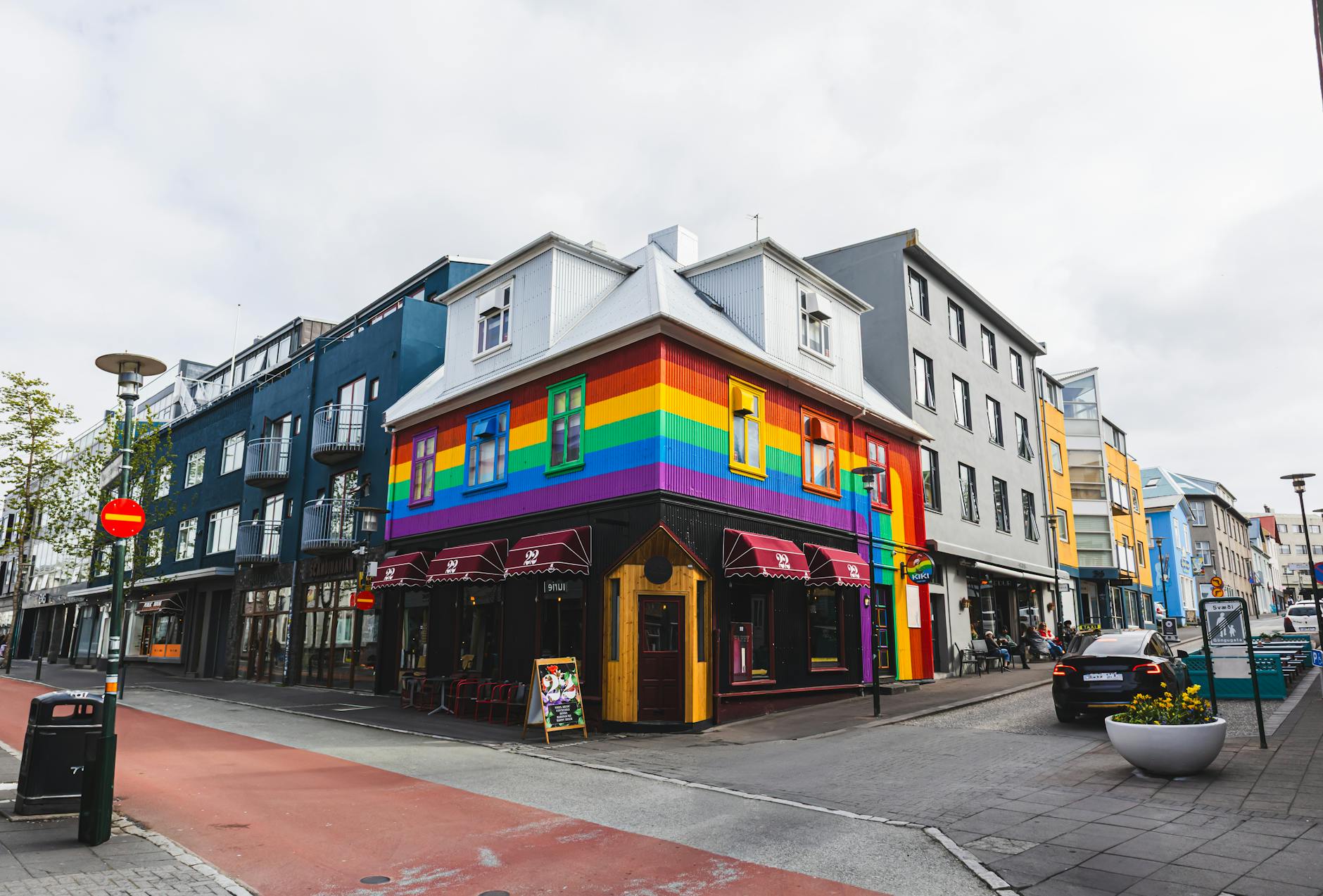
Hlemmur Matholl is a converted bus station turned food hall near the east end of Laugavegur. It’s where locals actually eat lunch. The stalls rotate, but you’ll usually find Vietnamese, Icelandic seafood, burgers, and a solid bakery. Prices are more reasonable than the sit-down restaurants on the main strip.
Grandi Matholl in the old harbor area is the other food hall worth knowing about. It skews more seafood-focused and has harbor views. The fish and chips at one of the stalls there uses the same cod the sit-down restaurants charge three times as much for. If you’re on a budget, the food halls are your best friend in Reykjavik.
For a sit-down splurge, Grillid at the top of the Saga Hotel has panoramic views and modern Icelandic cuisine that’ll set you back ISK 15,000-25,000 per person with wine. It’s expensive even by Reykjavik standards, but the lamb and fish courses are exceptional. Book a window table and go at sunset if you’re visiting in shoulder season.
While You’re in Reykjavik
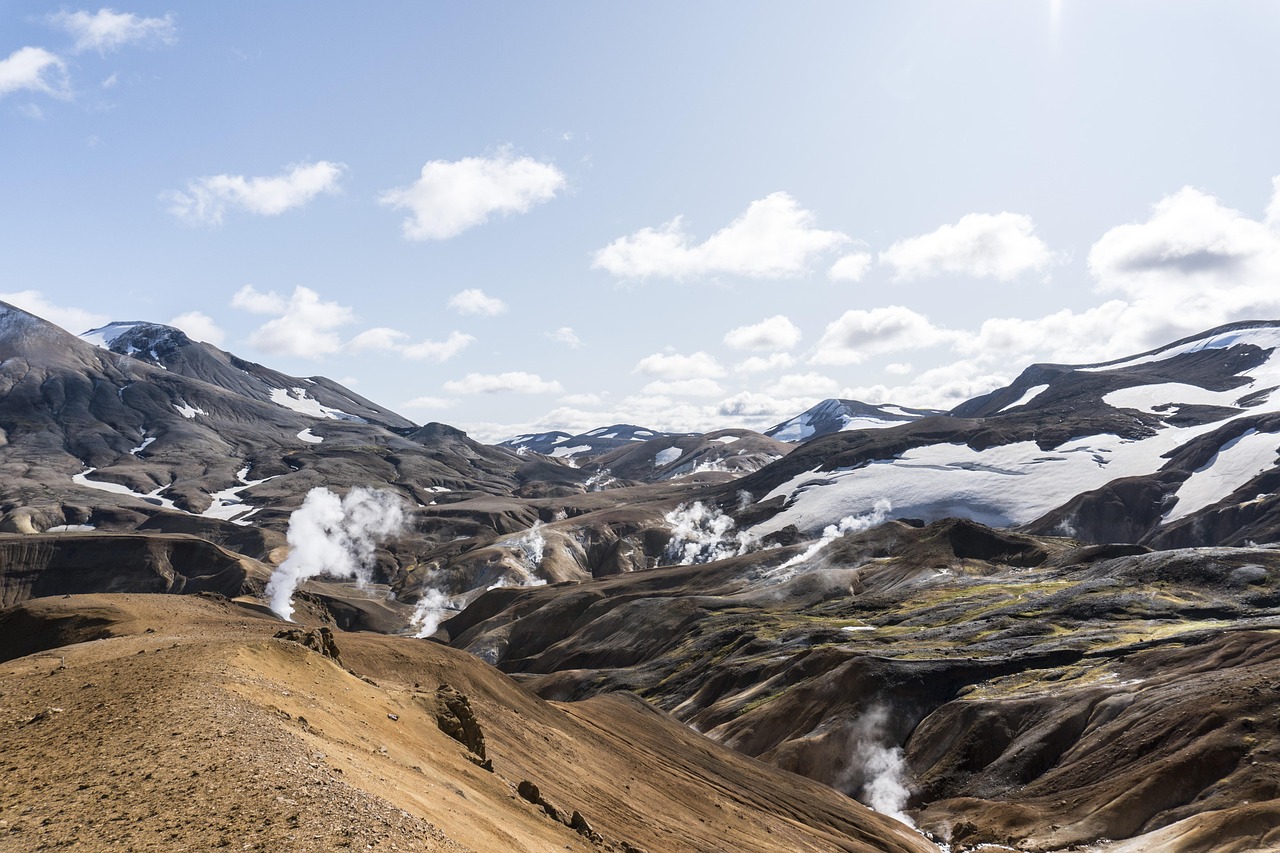
A food tour is a great way to spend half a day, but Reykjavik has plenty to fill the rest of your trip. If you haven’t booked the Golden Circle yet, that’s usually the first full-day excursion people do — Thingvellir, Geysir, and Gullfoss in a single loop. The Blue Lagoon is best saved for your first or last day since it’s on the road between Reykjavik and the airport. And if the weather cooperates, whale watching from the old harbor pairs perfectly with a morning food tour — do the whales first, eat your way through the city after. For something more adventurous, the South Coast takes you past waterfalls and black sand beaches, and snorkeling between tectonic plates at Silfra is the kind of thing you’ll talk about for years.
This article contains affiliate links. If you book a tour through our links, we earn a small commission at no extra cost to you. This helps us keep writing honest, independent travel guides.