
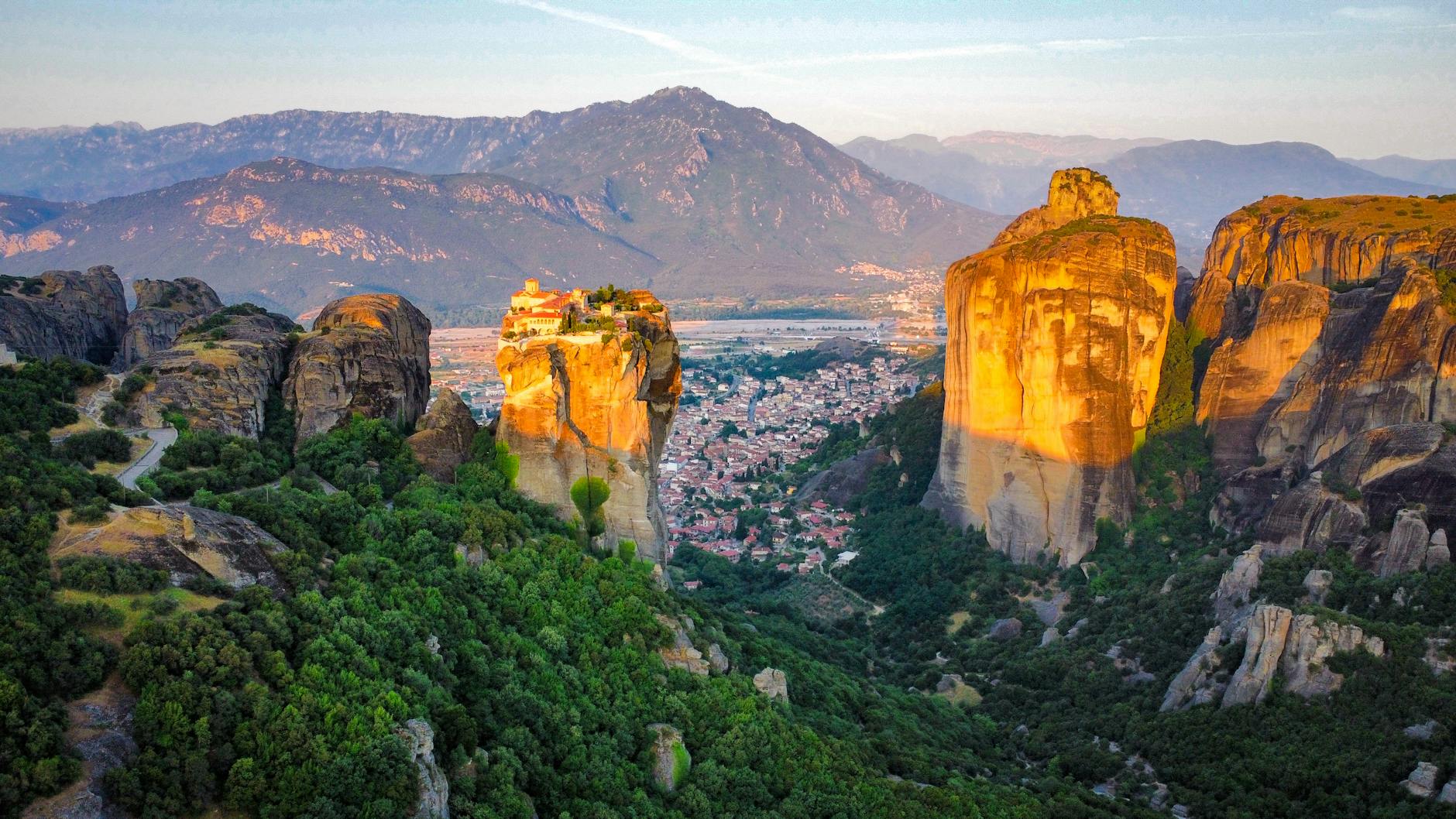
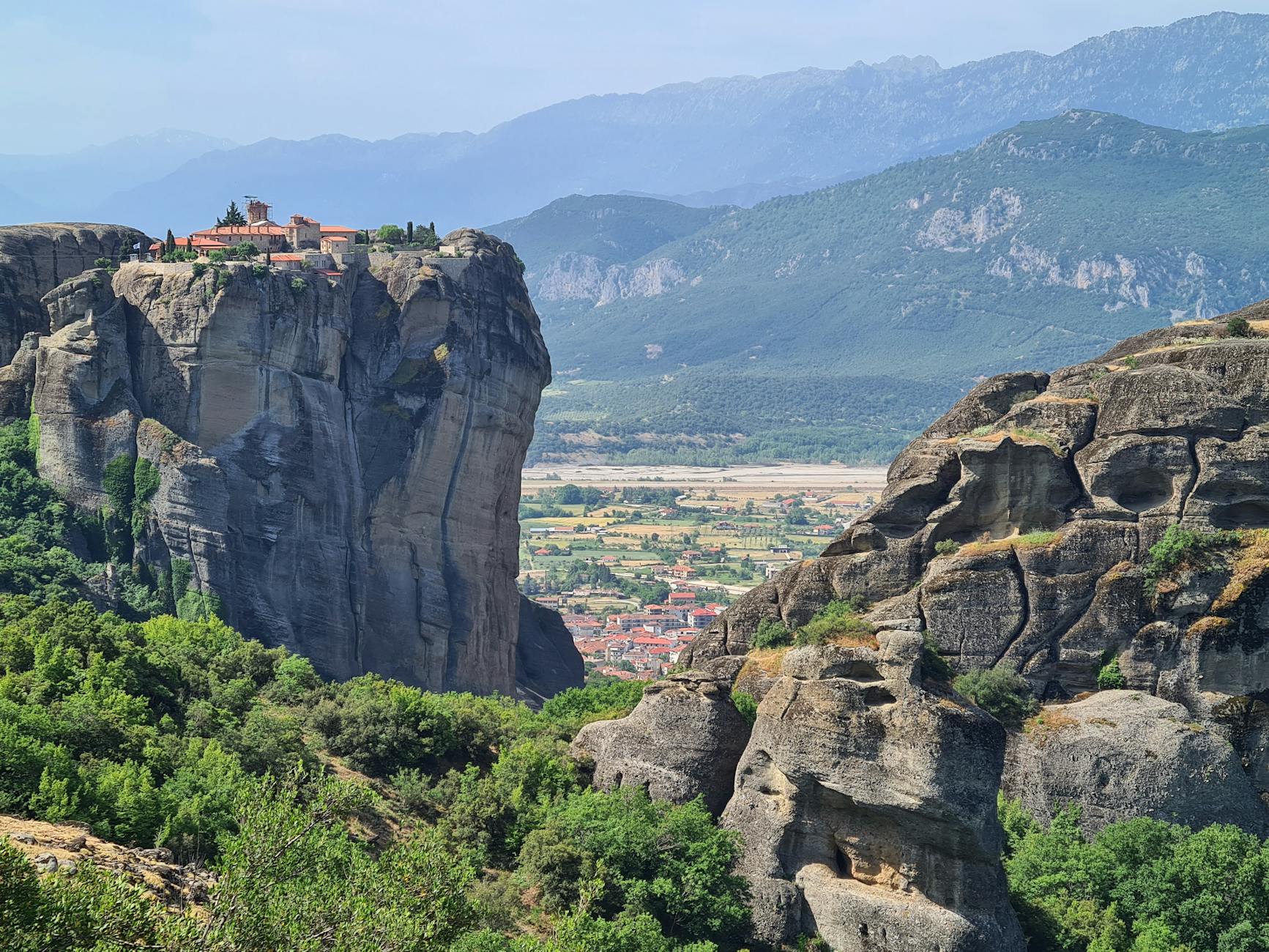
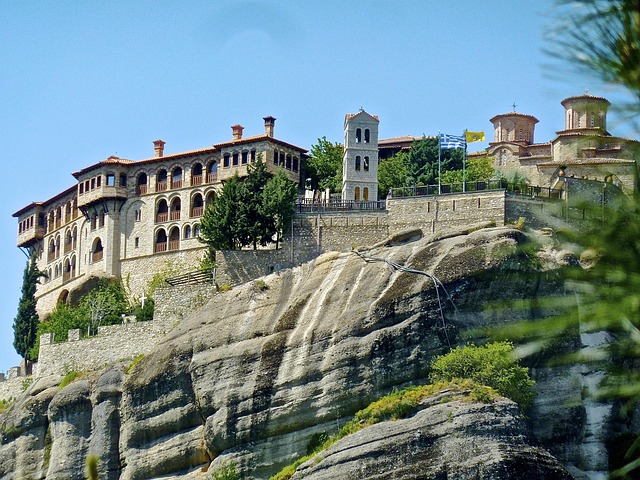
Standing on the observation platform above Meteora for the first time, I understood something that no photo had ever communicated: these rocks are not just tall. They are wrong. They look like they should not exist — towering pillars of sandstone punching straight out of a flat valley floor, with actual buildings sitting on top of them. Not ruins. Working monasteries where monks still live, pray, and — this part got me — haul supplies up in baskets on ropes.
The monks who first climbed these pillars in the 14th century did it without ladders. They used wooden pegs hammered into cracks, retractable ladders, and rope nets. When they wanted to be left alone, they pulled everything up. For centuries, the only way to reach some of these monasteries was dangling in a net while someone cranked a windlass above. When asked how often they replaced the rope, the answer was supposedly “when it breaks.”
Today, stairs replace the nets (thankfully), and the drive from Athens takes about 4.5 hours by road or train. It is a long day, no question. But this is the most dramatic landscape in Greece, and possibly in all of Europe. Here is how to actually make it happen.
Best overall: Meteora Monasteries Day Trip with Caves and Lunch — $87. The most popular option for good reason: caves, monastery visits, lunch included, and a guide who actually knows the history.
Best budget: Meteora Day Trip with Audioguide and Lunch — $60. Saves you nearly $30 and still covers the highlights with an audioguide instead of a live guide.
Best for road lovers: Athens to Meteora with Seaside Stopovers — $83. Breaks up the long drive with coastal stops at Thermopylae — yes, where the 300 Spartans fought.
- Getting from Athens to Meteora
- Day Trip vs Overnight Stay
- The Six Monasteries — Which Ones to Visit
- The Best Meteora Tours from Athens
- 1. Meteora Monasteries Day Trip with Caves and Lunch —
- 2. Athens to Meteora with Seaside Stopovers —
- 3. Meteora Monasteries and Hermit Caves Day Trip by Train —
- 4. Meteora Day Trip with Audioguide and Lunch —
- When to Visit Meteora
- What to Wear and What to Know
- Tips That Will Save You Time
- What You Will Actually See Inside
- More Greece Guides
- More Greece Guides
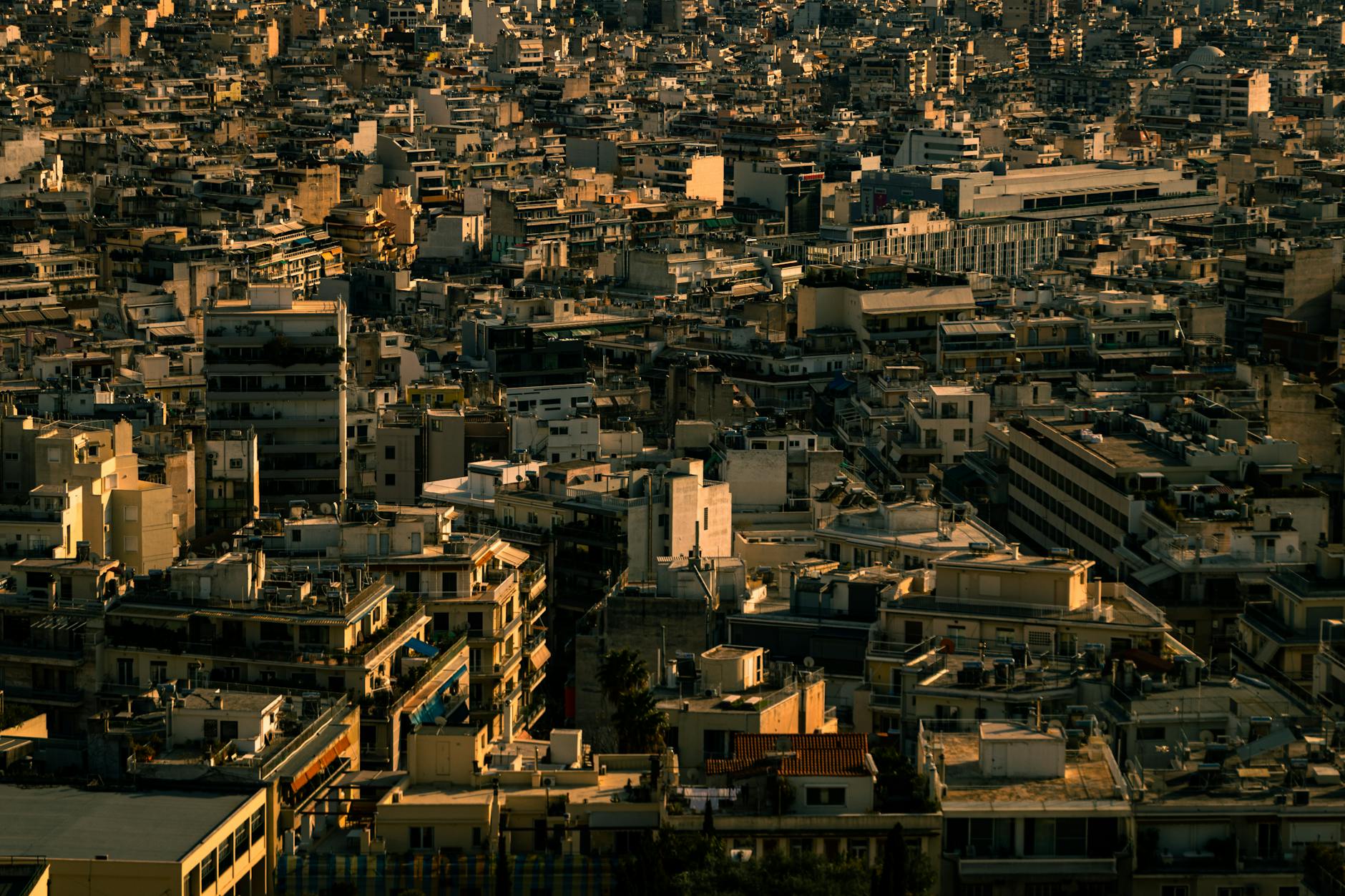
Getting from Athens to Meteora
The distance between Athens and Meteora is roughly 350 kilometers. That is not a quick trip no matter how you do it. You have three real options, and each one involves tradeoffs.
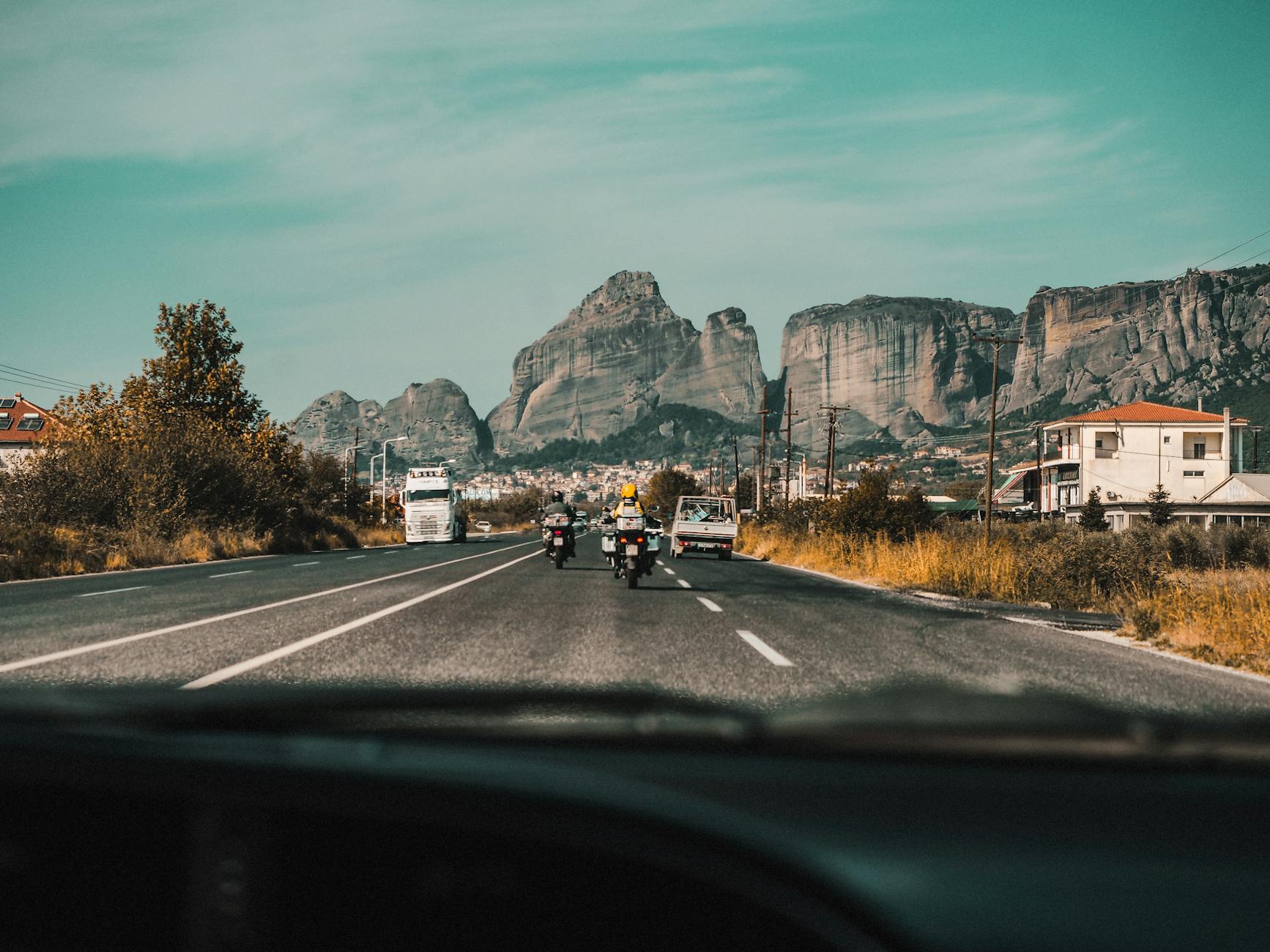
By guided tour bus (most popular): The majority of visitors from Athens take a full-day guided tour. Pickup is usually between 7:00 and 8:00am from central Athens (near Syntagma or Omonia Square), and you get back around 8:00-9:00pm. The bus handles the 4+ hour drive each way, a guide manages the monastery visits, and lunch is typically included. This is the option I recommend for most people because the logistics of Meteora are genuinely complicated — the monasteries close on different days, the roads between them are winding, and parking can be a nightmare in peak season.
By train (scenic but slow): The Athens-Kalambaka train takes about 4 hours and 20 minutes. It leaves from Athens Larissa station and goes directly to Kalambaka, the town at the base of the rocks. Trains run a few times per day, but the schedule means you either need to stay overnight (recommended) or take an extremely early train and a late return. One-way tickets cost around 20-30 euros. The scenery along the route through central Greece is genuinely beautiful — rolling farmland, small mountain villages, and eventually the Meteora rocks rising out of nowhere.
By rental car: About 4 hours via the E75 motorway. Tolls will run you roughly 20-25 euros each way. Driving gives you the most flexibility, especially if you want to spend two days and visit all six monasteries at your own pace. The roads around the monasteries themselves are well-paved but narrow and winding, with tour buses swinging around blind corners. Park early at each monastery — the lots are small.
Day Trip vs Overnight Stay
This is the question everyone asks, and the honest answer depends on what kind of traveler you are.
The day trip reality: A full-day tour from Athens means 8-9 hours of driving round-trip, plus 3-4 hours at Meteora. You will visit 2-3 monasteries, see the main viewpoints, eat lunch, and get back to Athens exhausted but satisfied. You will not see all six monasteries. You will not watch the sunset from the rocks. And you will spend roughly a third of your day looking at Greek highway.
The overnight argument: Staying in Kalambaka or the smaller village of Kastraki puts you at the base of the rocks. You can catch sunrise over the pillars from your hotel balcony, visit monasteries in the quiet morning hours before the Athens buses arrive around 10:30am, and drive the scenic road between all six at your own pace. Hotels in Kalambaka start around 50-60 euros per night.
My take: if you only have one day and will not be anywhere near central Greece again, the day trip is absolutely worth it. The monasteries and rocks are that impressive — even 3-4 hours among them will stay with you. But if your schedule allows it, one night in Kalambaka transforms the experience from “impressive thing I saw” to “one of the best days of the whole trip.”
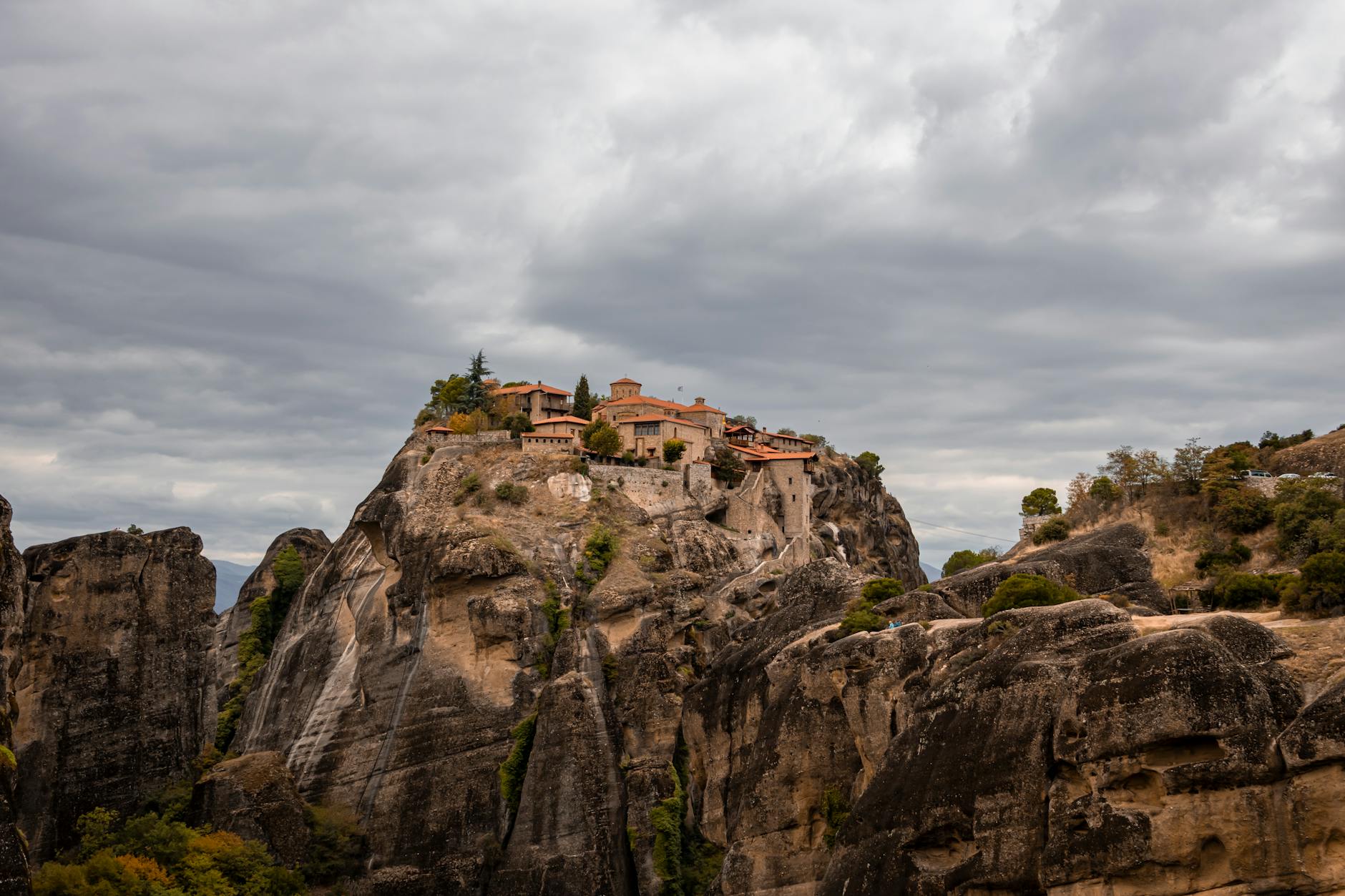
The Six Monasteries — Which Ones to Visit
There were originally 24 monasteries. Today, six remain active and open to visitors. Each charges 3 euros entry, and they close on different days of the week — which means seeing all six in a single day is only possible Monday through Thursday, and even then you need to hustle.
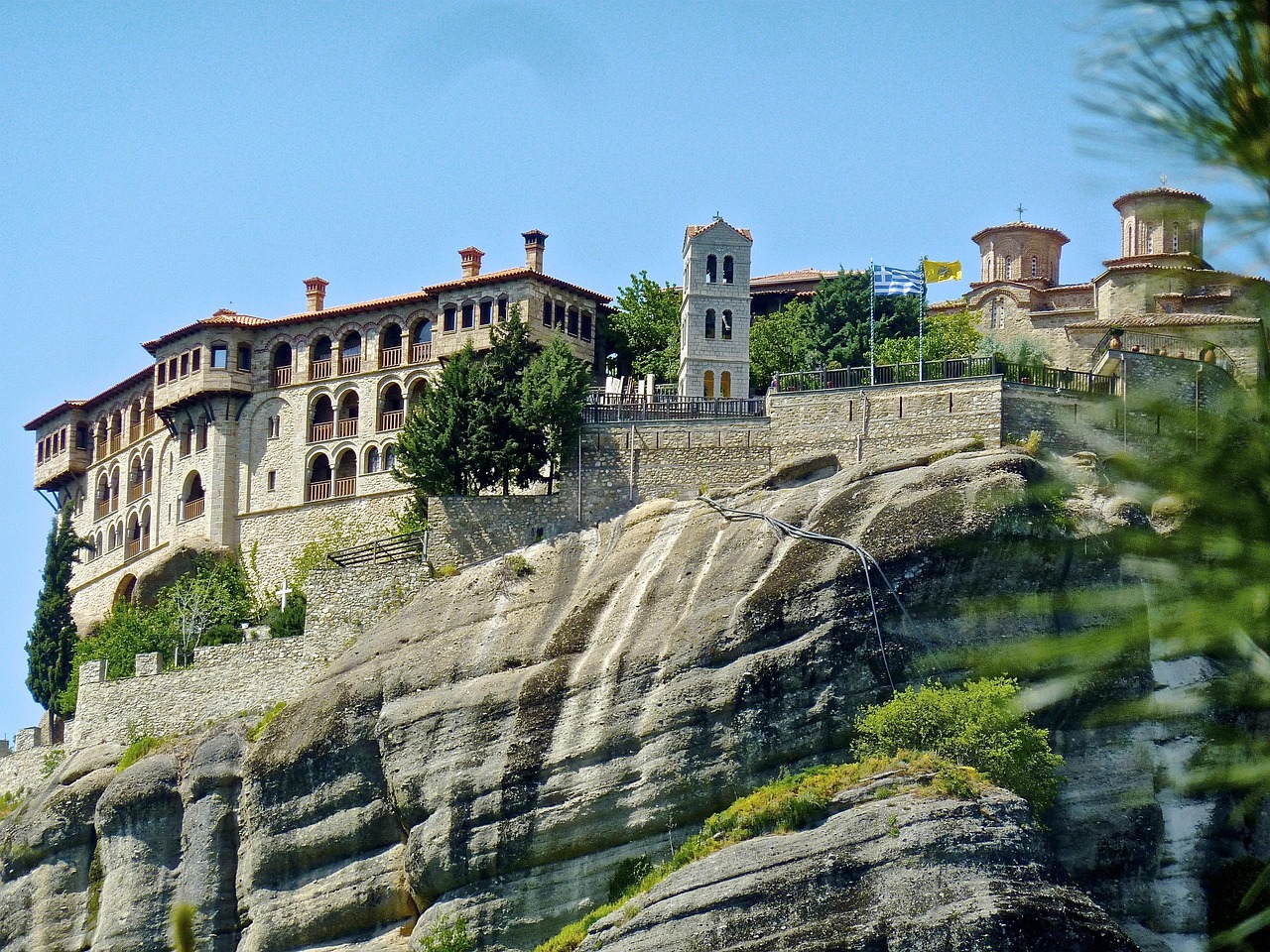
Great Meteoron is the largest and oldest, founded in the 14th century. It has the best museum, the most impressive frescoes, and the longest staircase (around 300 steps carved into the rock). Open daily except Tuesdays in summer. This is the one most day tours visit, and for good reason.
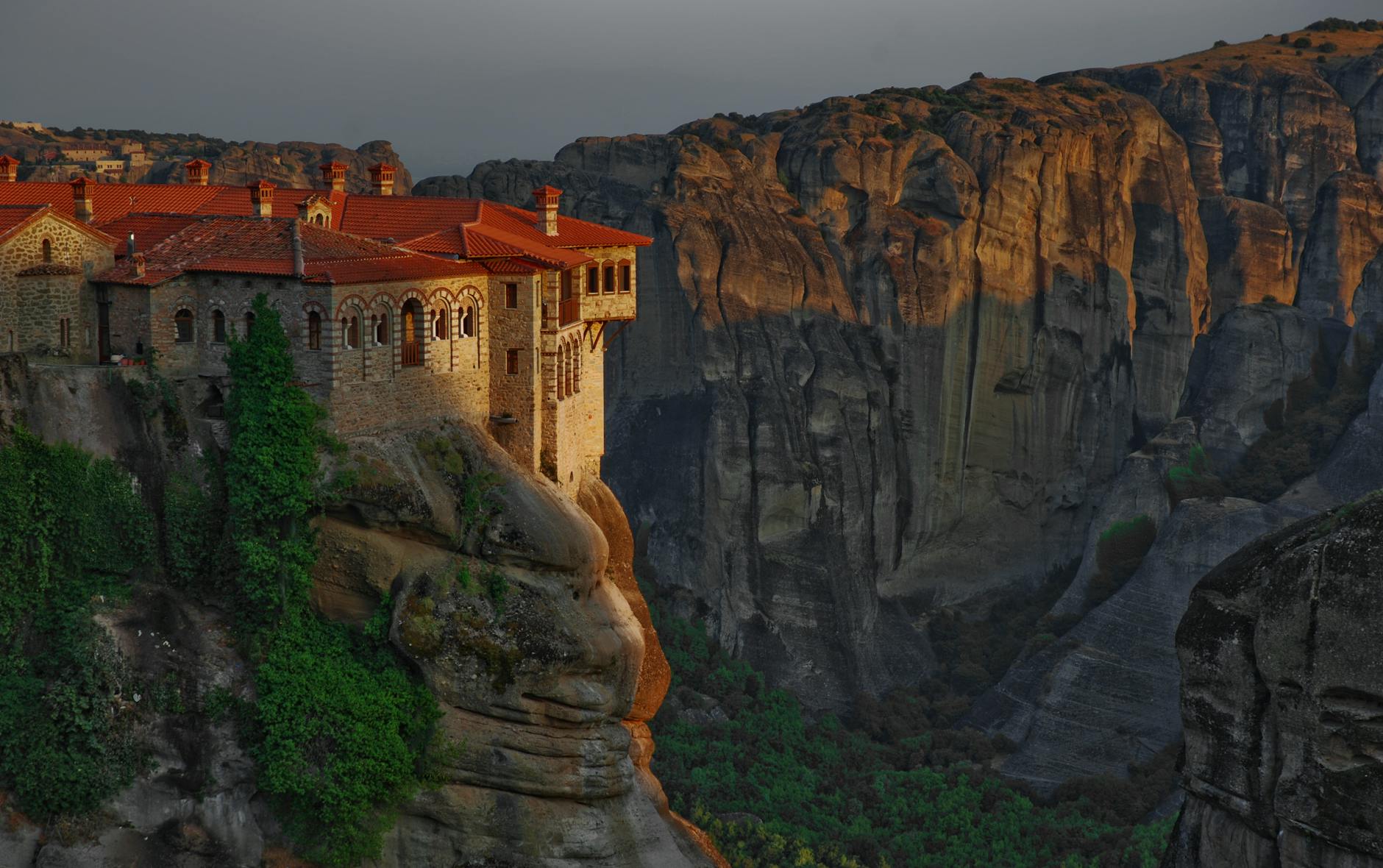
Varlaam is the second largest and arguably the most photogenic from the outside. The approach bridge gives you a dramatic view of the valley below. Inside, the main church has some of the best-preserved wall paintings. Closed Fridays.
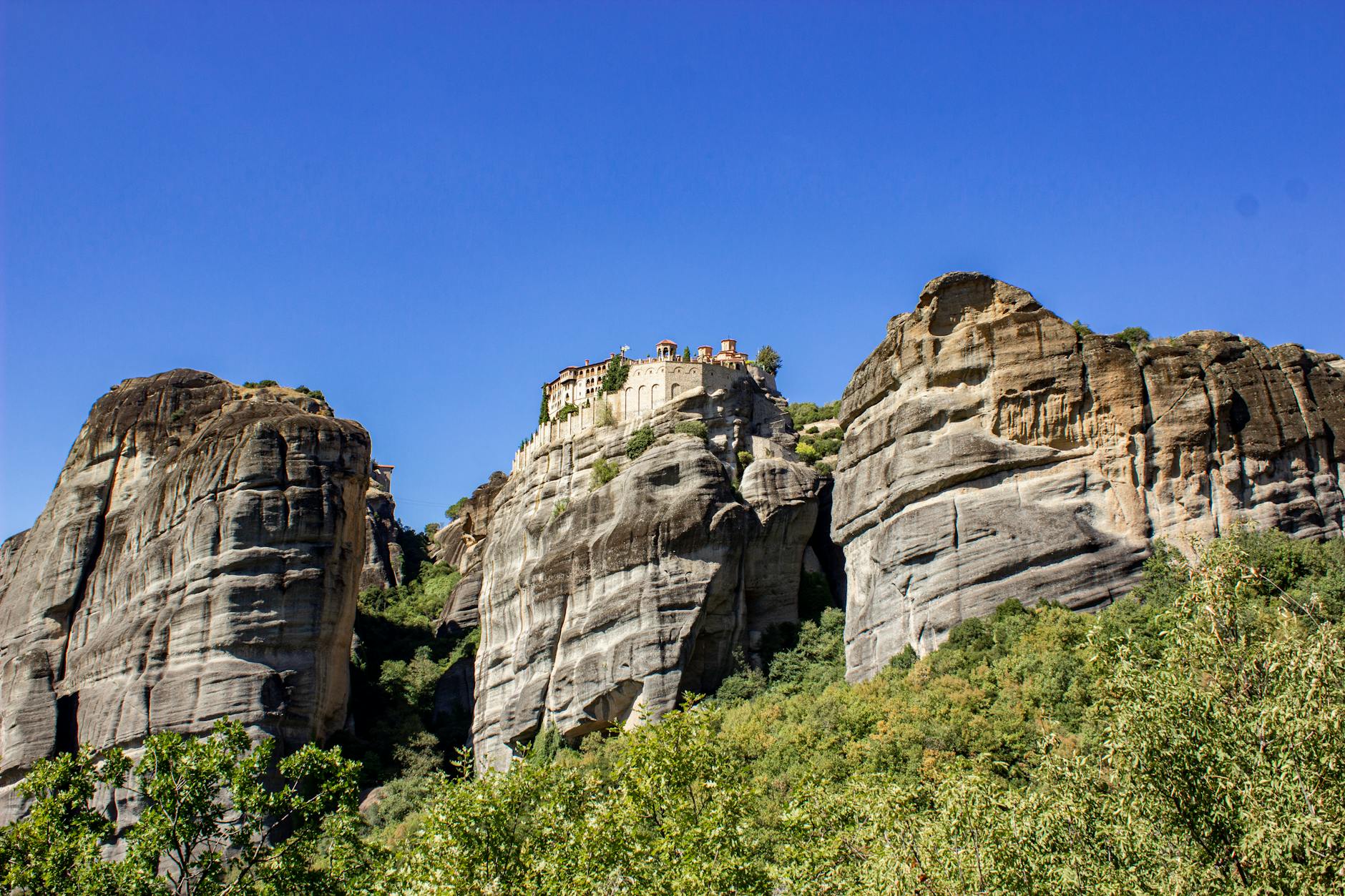
Holy Trinity (Agia Triada) is the one from James Bond — it appeared in For Your Eyes Only. The approach is the most dramatic of all six, with 140 steps cut into a rock tunnel. It gets fewer visitors than Great Meteoron or Varlaam because it requires more climbing, which makes it feel more contemplative. Closed Thursdays.
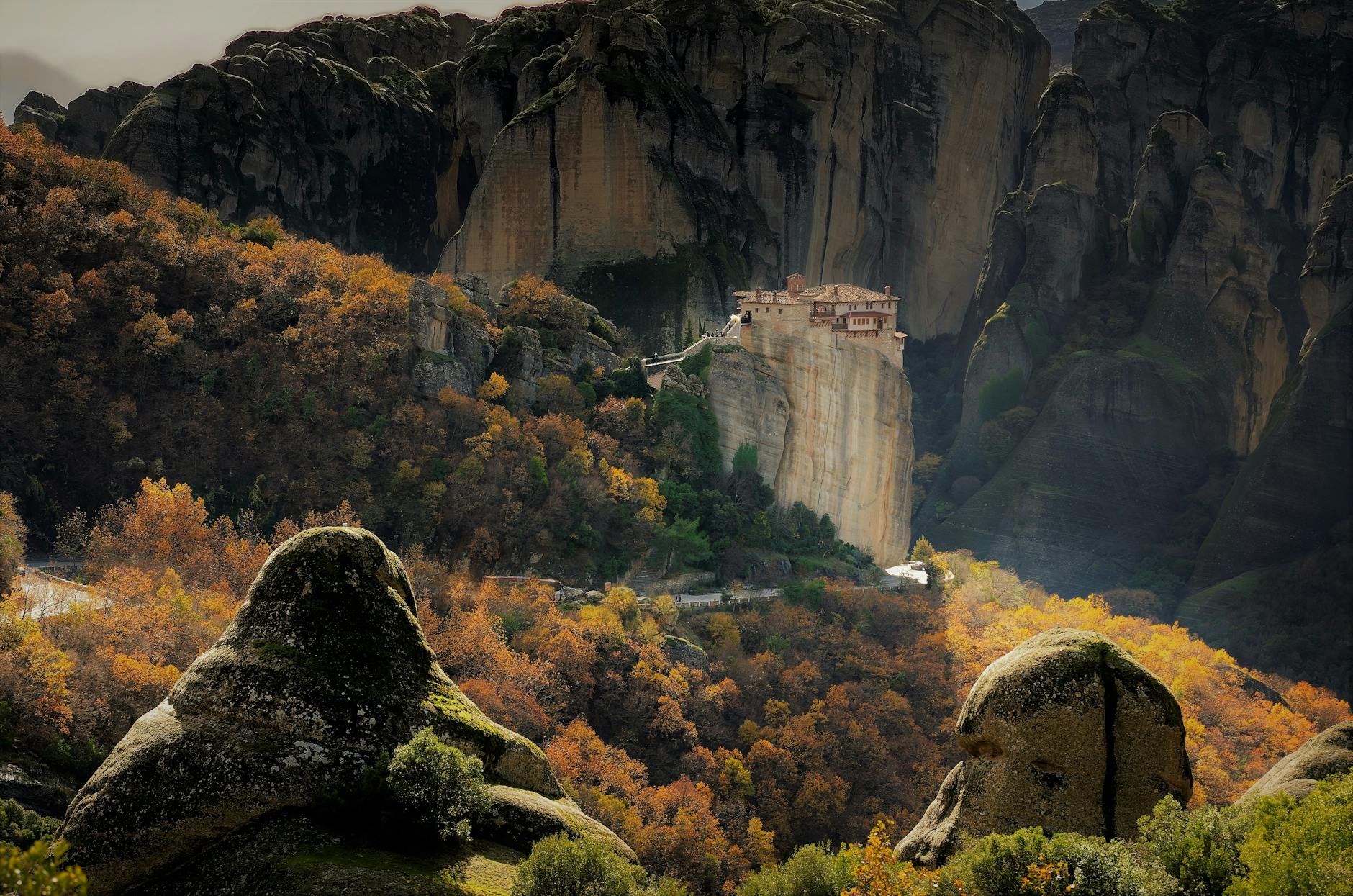
Roussanou is a nunnery perched on a particularly narrow pillar. The exterior is stunning from every angle, and the gardens inside are unexpectedly peaceful. Closed Wednesdays.
St. Stephen is the easiest to access — a short bridge connects it to the road with no stairs at all. Good choice if mobility is a concern. Also a nunnery, with a small museum of religious artifacts. Closed Mondays.
St. Nicholas Anapausas is the smallest and often the quietest. The 16th-century frescoes inside are remarkable for their detail and condition. Closed Fridays (same day as Varlaam).
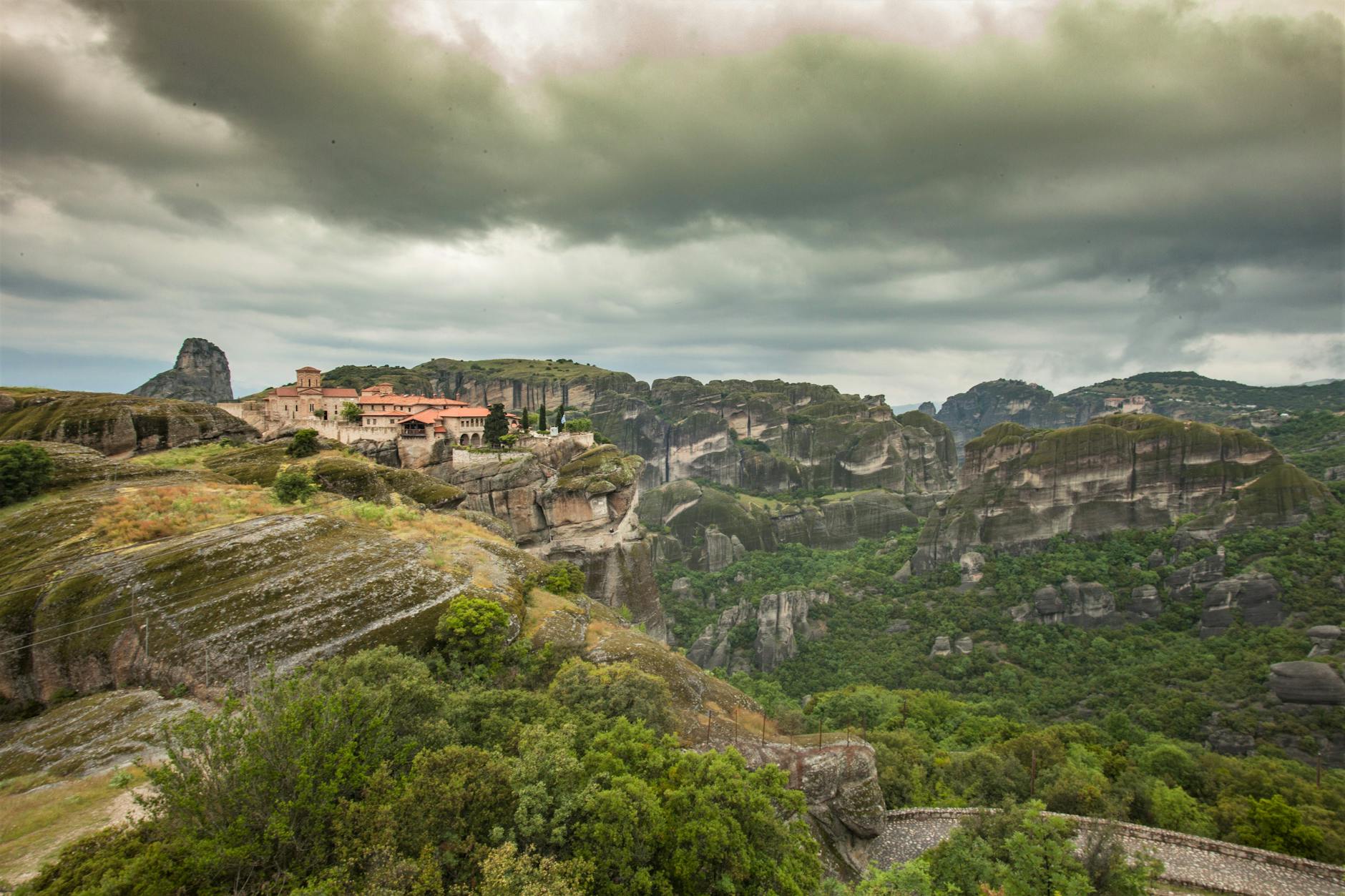
The Best Meteora Tours from Athens
I have gone through the major tour options and narrowed it down to four worth considering. Each one departs from central Athens and handles the full round-trip, so all you need to do is show up.
1. Meteora Monasteries Day Trip with Caves and Lunch — $87
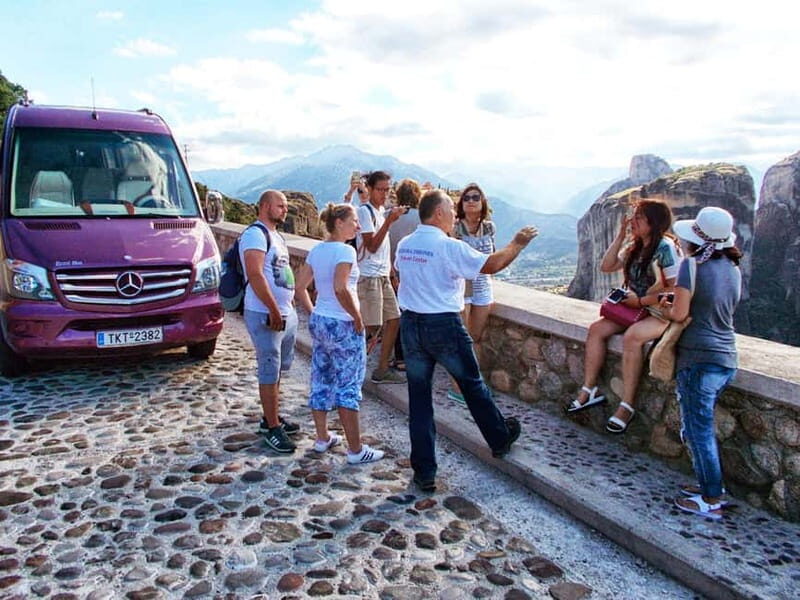
This is the tour that most people end up booking, and there is a reason it has thousands of reviews. The itinerary covers two monasteries plus the hermit caves that most visitors miss entirely — hidden prayer niches carved into the cliff faces where monks lived in near-total isolation. The included Greek lunch is decent, though a few people have mentioned it is more functional than memorable.
The guide Clement gets mentioned by name in review after review, which tells you something about the quality. At $87 per person for a 14-hour fully guided day including lunch, transport, and monastery entries, the value is hard to argue with. This is the one I would pick if I could only choose one.
2. Athens to Meteora with Seaside Stopovers — $83
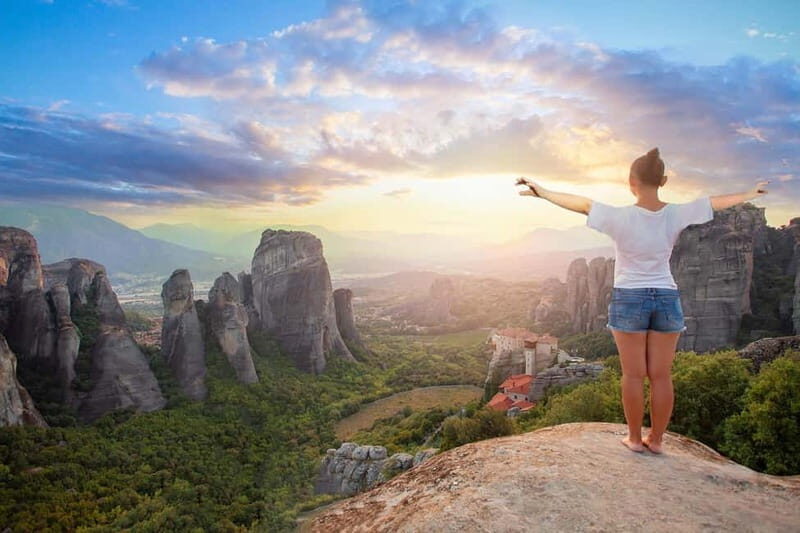
What sets this apart from the other options is the route. Instead of driving straight to Meteora on the motorway, this tour takes a more scenic path with stops along the coast. One of those stops is at Thermopylae — the actual pass where 300 Spartans held off the Persian army. There is a monument and a hot springs area, and the guide ties the history together well.
The Meteora portion covers the same ground: monastery visits, caves, panoramic viewpoints. At $83 it is slightly cheaper than the first option and feels less like a straight shuttle. Nearly 3,000 people have reviewed this tour and the satisfaction rate is high. If the drive itself matters to you — and it should, since you will be on the road for 8+ hours — this is the smarter choice.
3. Meteora Monasteries and Hermit Caves Day Trip by Train — $88
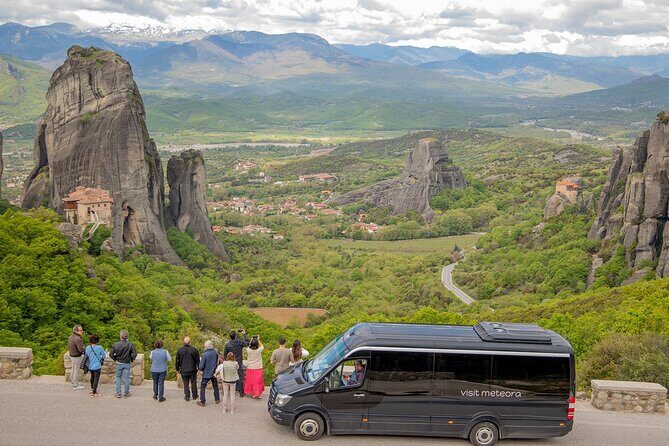
If sitting on a tour bus for 4.5 hours each way sounds miserable, this is the alternative. You take the morning train from Athens to Kalambaka, where a local guide meets you at the station. The train ride itself is part of the experience — central Greece from a train window is rolling farmland, mountains, and small villages that tour buses fly past.
Once in Kalambaka, the tour covers the monasteries and hermit caves with a local guide. Lunch is optional (add-on). The $88 price point is similar to the bus tours, but the train adds about 30-40 minutes to the travel time each way. Over 1,400 reviews back this one up, and the local guide (Maria gets frequent mentions) knows the area at a depth that Athens-based guides sometimes lack.
4. Meteora Day Trip with Audioguide and Lunch — $60
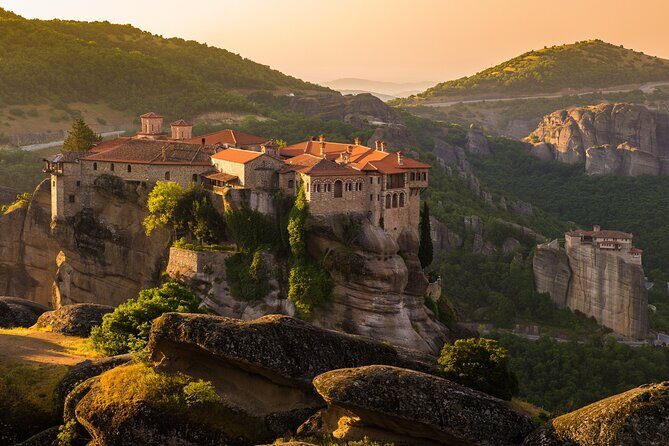
This is the budget pick, and at $60 it undercuts the competition by nearly $30. The tradeoff is straightforward: instead of a live guide, you get a multilingual audioguide. The transport, monastery visits, and lunch are all still included. Some people prefer this — you can go at your own pace within each stop without waiting for the group to finish listening to the guide.
The audioguide covers history and context well enough, and the tour still hits the main monasteries and viewpoints. The lunch is included, which at this price point is a genuine bonus. Reviews consistently praise the organization and the driver. If you are traveling on a budget or simply prefer exploring without a guide talking the whole time, this saves you real money without skipping the experience.
When to Visit Meteora
Summer opening hours (April-October): Most monasteries open at 9:00am and close between 15:00 and 17:00. Great Meteoron closes at 16:00. St. Stephen has a midday break (closes 13:30, reopens 15:30).
Winter opening hours (November-March): Reduced hours across the board, typically 9:00-15:00. Some monasteries may close without notice in bad weather.
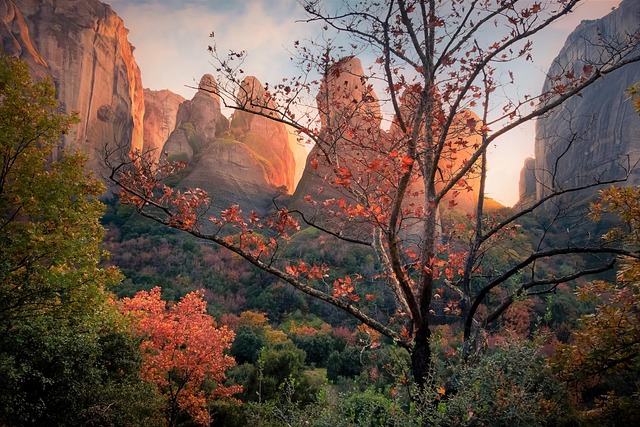
Best months: April through June and September through October. The weather is mild (15-25°C), the crowds are manageable, and all six monasteries are reliably open. May is particularly good — wildflowers carpet the valley floor and the light is phenomenal.
Worst time: August. The temperature regularly hits 35°C+ and climbing 300 stone steps in that heat is genuinely unpleasant. The monasteries are packed with summer tour groups, parking lots overflow, and the experience feels more like a theme park than a sacred site. If August is your only option, go as early in the morning as possible.
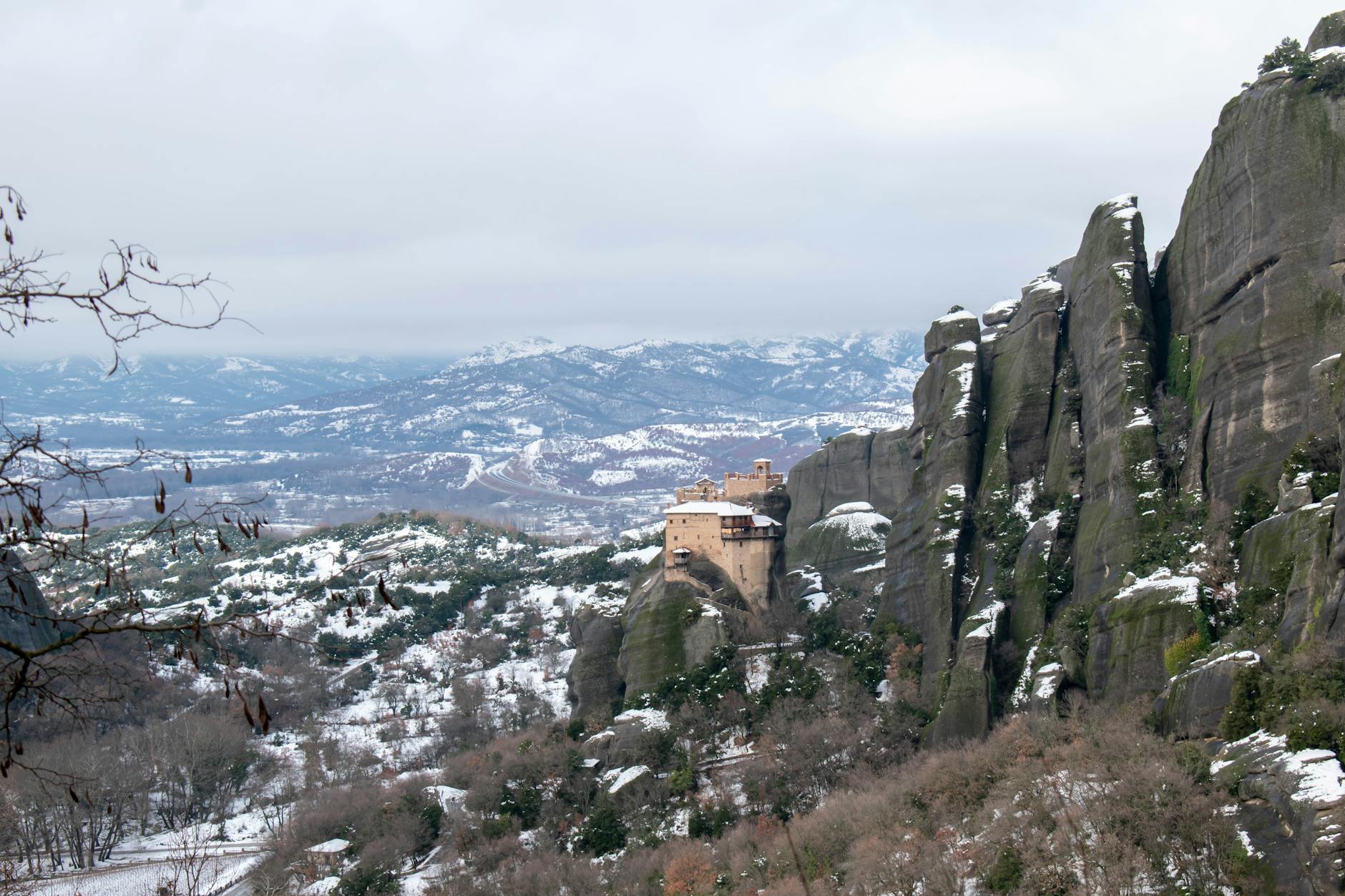
Winter: Meteora in winter is beautiful but unpredictable. Snow dusts the rock pillars, the monasteries are practically empty, and hotel prices drop significantly. The risk is that icy roads, reduced hours, and unexpected closures can disrupt plans. If you do not mind some uncertainty, winter Meteora is magical.
What to Wear and What to Know
The monasteries enforce a dress code, and they are serious about it.
Women: Must wear a long skirt (below the knee) and have shoulders covered. Every monastery entrance has free loaner skirts if you forget or did not know. Wearing one over your shorts or pants is the standard move.
Men: Long trousers required. No shorts. Shoulders should be covered. In practice, enforcement is stricter for women than men, but do not count on being the exception.
Footwear: Comfortable walking shoes with grip. The stone stairs are worn smooth by centuries of use and can be slippery, especially after rain. Sandals are technically allowed but a terrible idea.
Other essentials: Water (there are few shops between monasteries), sunscreen, a small umbrella (weather changes fast in the valley), and cash for the 3 euro entry fees — some monasteries do not accept cards.
Tips That Will Save You Time
Check closure days before you go. Each monastery closes on a different day. The overlap that catches people: both Varlaam and St. Nicholas are closed on Fridays. If you are doing a day trip on a Friday, you can only visit four of the six.
Start with the furthest monastery. Most tours and independent visitors begin at Great Meteoron because it is the most famous. That means it is the most crowded in the morning. If you are driving yourself, start at Holy Trinity or St. Stephen on the far side, then work your way back. By the time you reach Great Meteoron in the afternoon, the morning rush has cleared.
Monastery entry is 3 euros each. All six will cost you 18 euros total. There is no combo ticket or pass. Bring coins and small bills — change is sometimes scarce.
The hermit caves are worth the detour. Many tours include a stop at the old hermit caves (Badovas caves) carved into the cliff walls. These are free to visit and far less crowded than the monasteries. The caves give you a visceral sense of how austere monastic life actually was — some of them are barely large enough to lie down in.
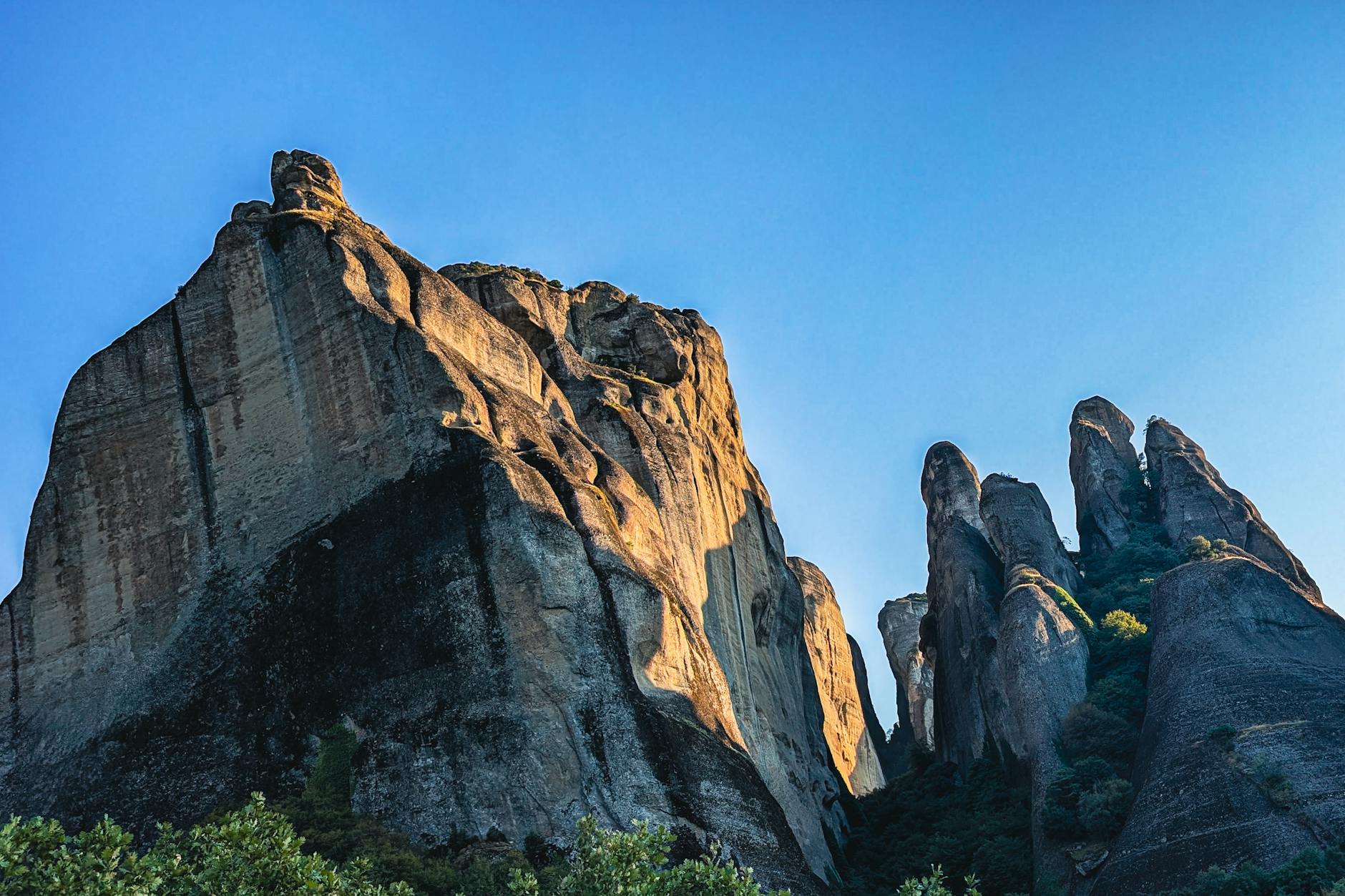
Sunset viewpoints are free. You do not need to be inside a monastery to see the best views. Several roadside platforms and pulloffs along the main route offer jaw-dropping sunset perspectives. The most popular is the viewpoint near Roussanou, but less-known spots exist along the road between Holy Trinity and St. Stephen.
Kastraki over Kalambaka for overnight stays. Both towns sit at the base of the rocks, but Kastraki is smaller, quieter, and has better parking access. It is also slightly closer to the monastery road. Hotels with rock-view balconies start around 50-60 euros.
What You Will Actually See Inside
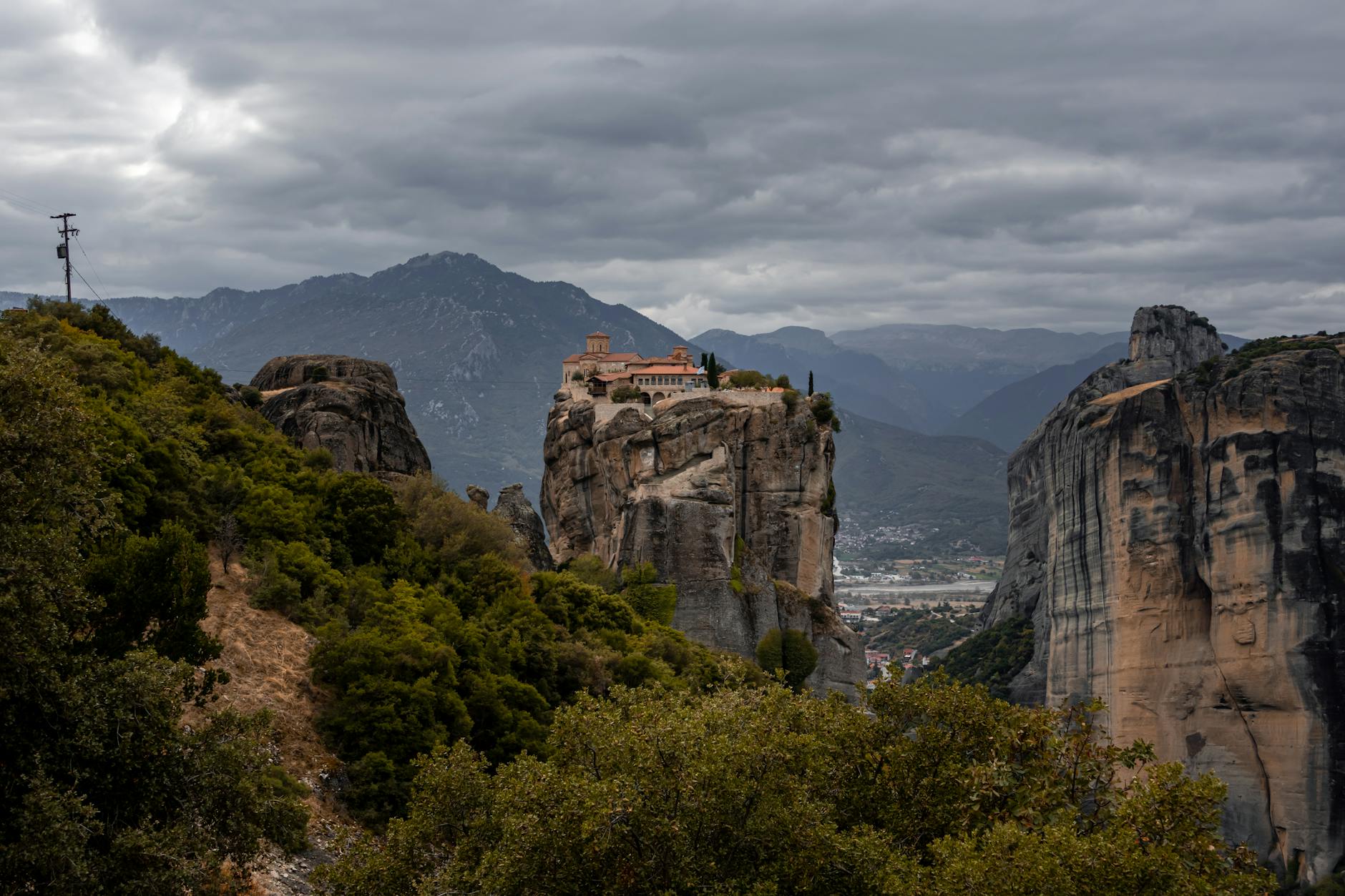
The monasteries themselves are working religious communities, not museums. Monks and nuns still live in four of the six (Great Meteoron and Varlaam are inhabited by monks, Roussanou and St. Stephen by nuns). Visitors are welcome in designated areas only.
Inside, you will find Byzantine-era frescoes covering nearly every surface — walls, ceilings, domes. Many depict scenes of martyrdom with a directness that medieval art is known for. Great Meteoron has the most extensive collection, plus a small museum with manuscripts, icons, and historical artifacts including some from the period of German occupation in WWII.
The views from inside the monasteries — through windows cut into rock, from walkways hanging over the valley — are often more impressive than what you see from outside. Varlaam’s terrace overlooks a 400-meter drop. Holy Trinity’s approach through a rock tunnel opens suddenly to a panorama that catches you off guard no matter how many photos you have seen.
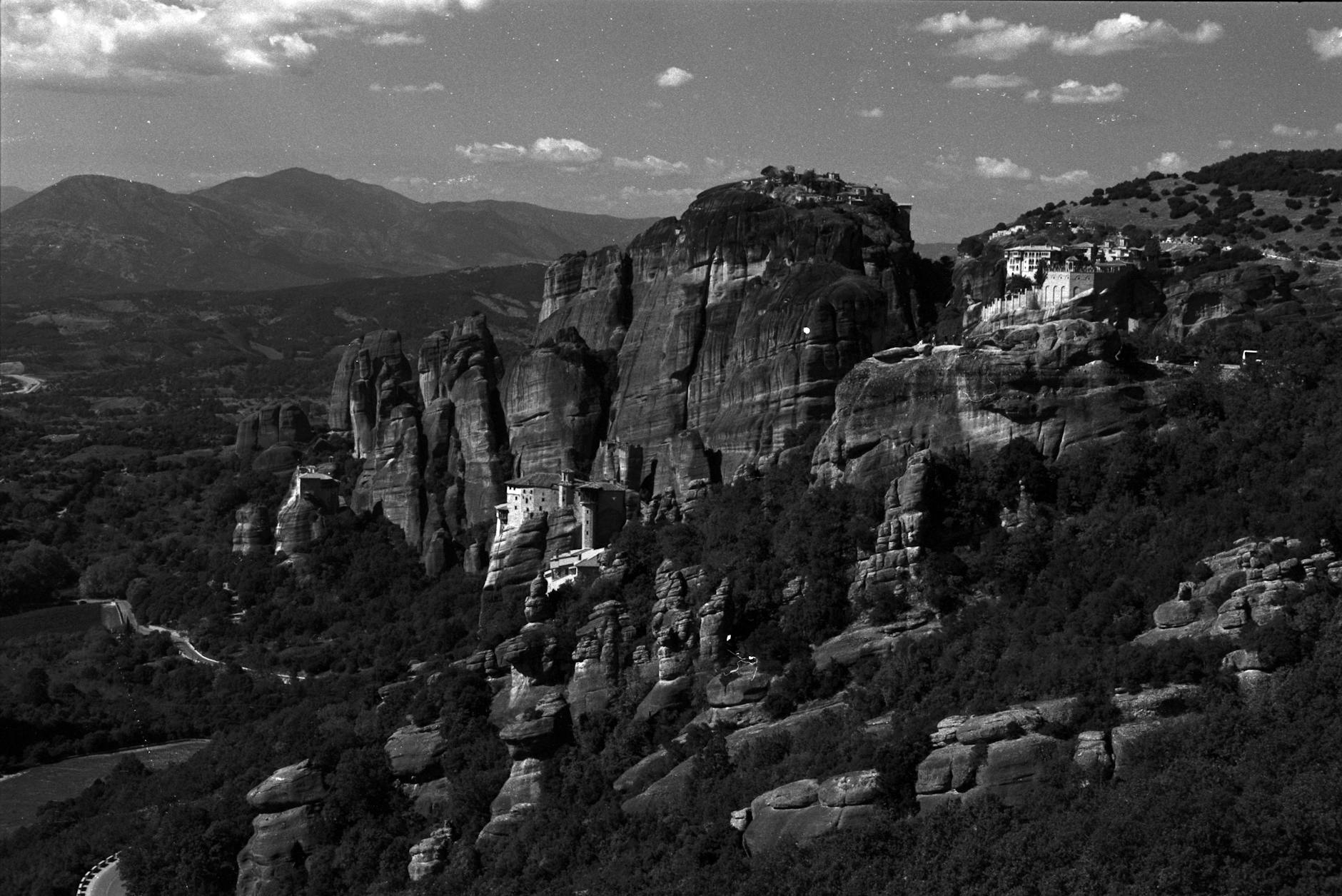
Meteora is also where you learn things that guidebooks rarely mention. The rocks were used as a filming location for the James Bond film For Your Eyes Only. The rock formations inspired the backdrop for the Eyrie in Game of Thrones. And Linkin Park named their 2003 album after this place.
More Greece Guides
If you are spending a few days in Athens before or after Meteora, the Acropolis and Parthenon should be at the top of your list — our guide covers the skip-the-line strategies that save you an hour of standing in the sun. For something completely different, the Santorini caldera cruises are worth the ferry ride if you have a free day. The 4-day Classical Greece tour actually includes Meteora as part of a loop through Epidaurus, Mycenae, Olympia, and Delphi — worth considering if you want to hit all the major sites in one go. And if you are a food person, the Athens food tour is the perfect way to spend an evening after a long day on the road.
This article contains affiliate links. If you book a tour through one of our links, we earn a small commission at no extra cost to you. This helps us keep producing free travel guides.
More Greece Guides
Meteora takes a full day from Athens, so plan your other activities around it. The Acropolis and the Archaeological Museum both fit neatly into a different day, and the hop-on hop-off bus connects them without route planning.
The other major full-day option from Athens is Delphi — ancient oracle versus medieval monasteries. For a shorter outing, Cape Sounion gets you to the Temple of Poseidon and back in half a day.