
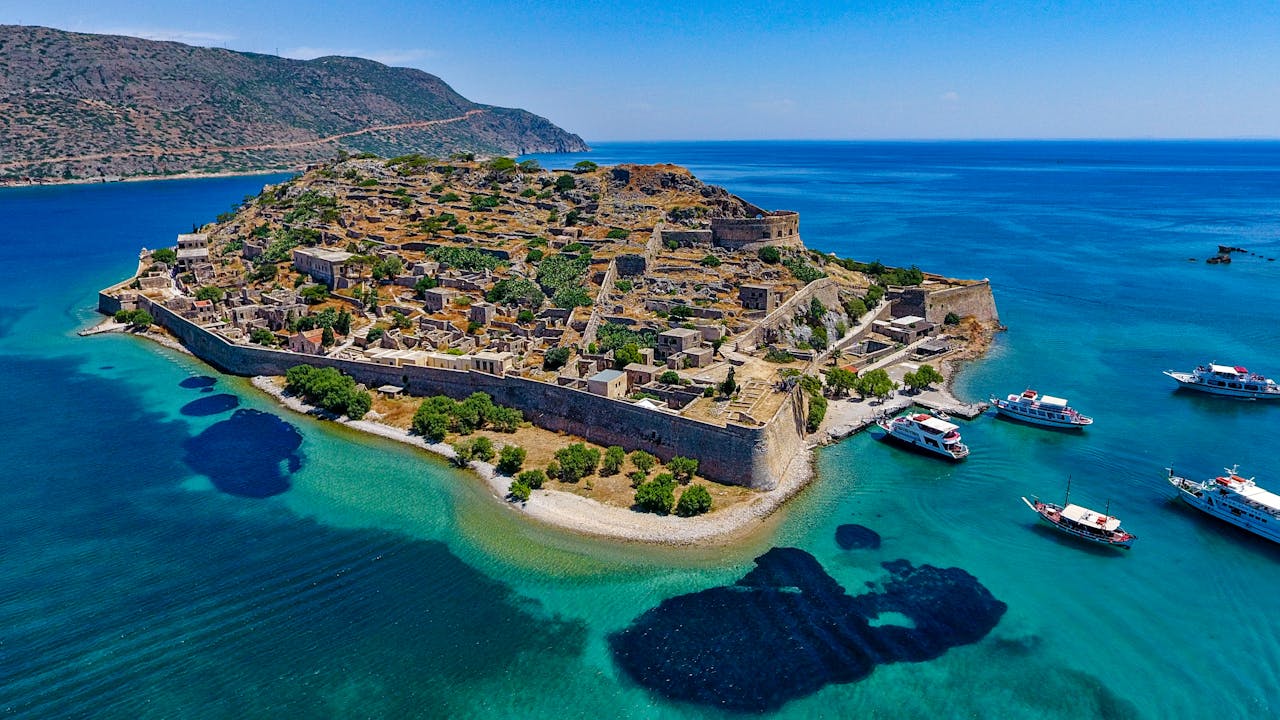
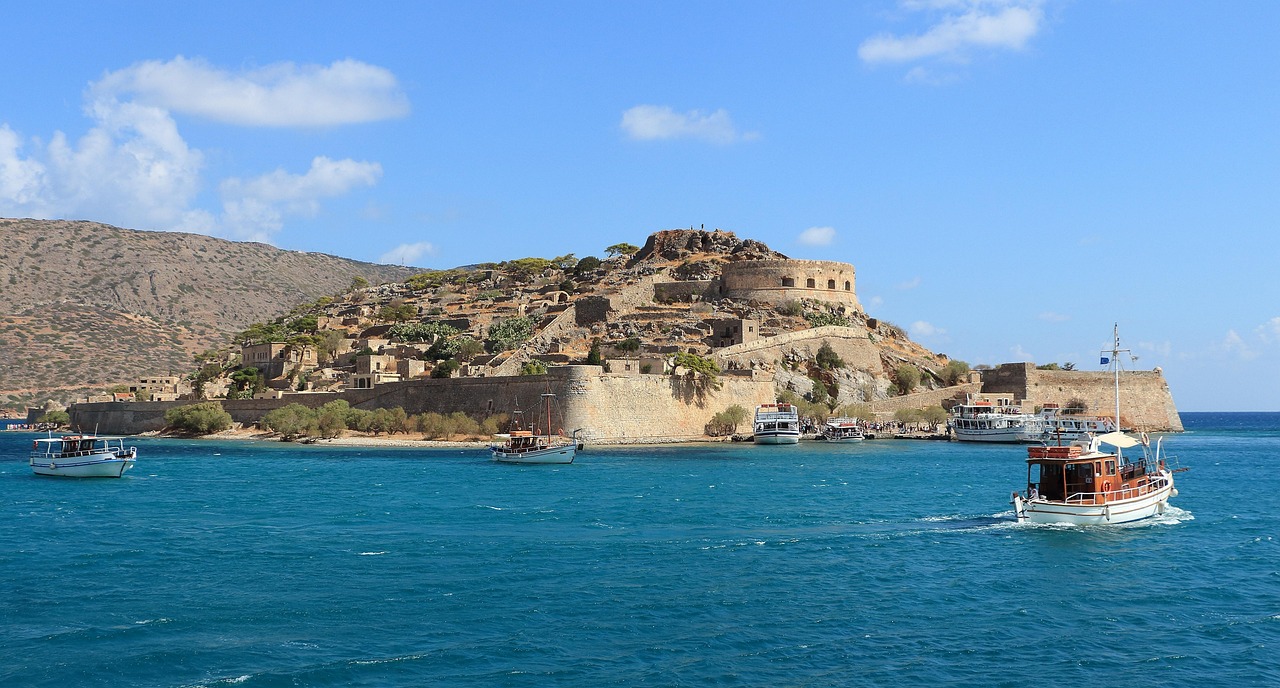
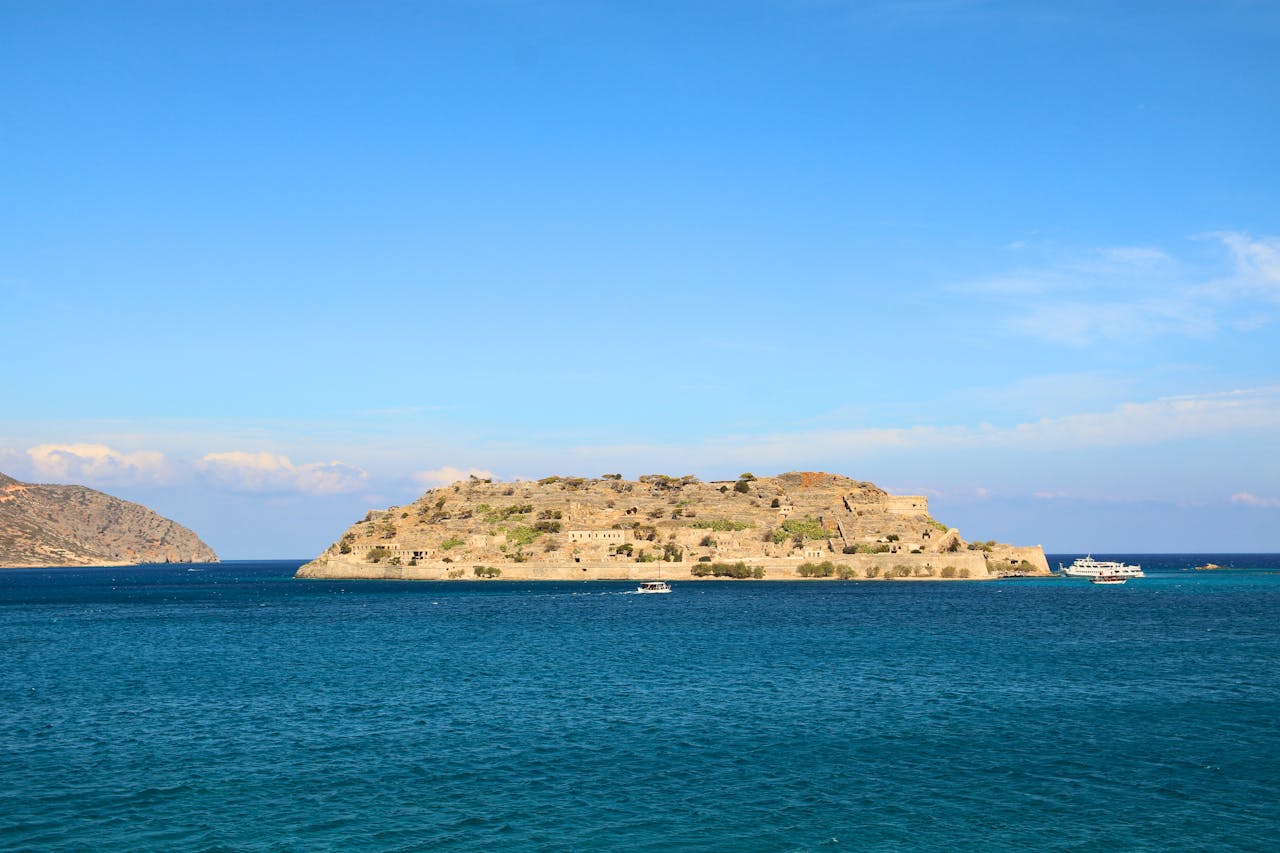
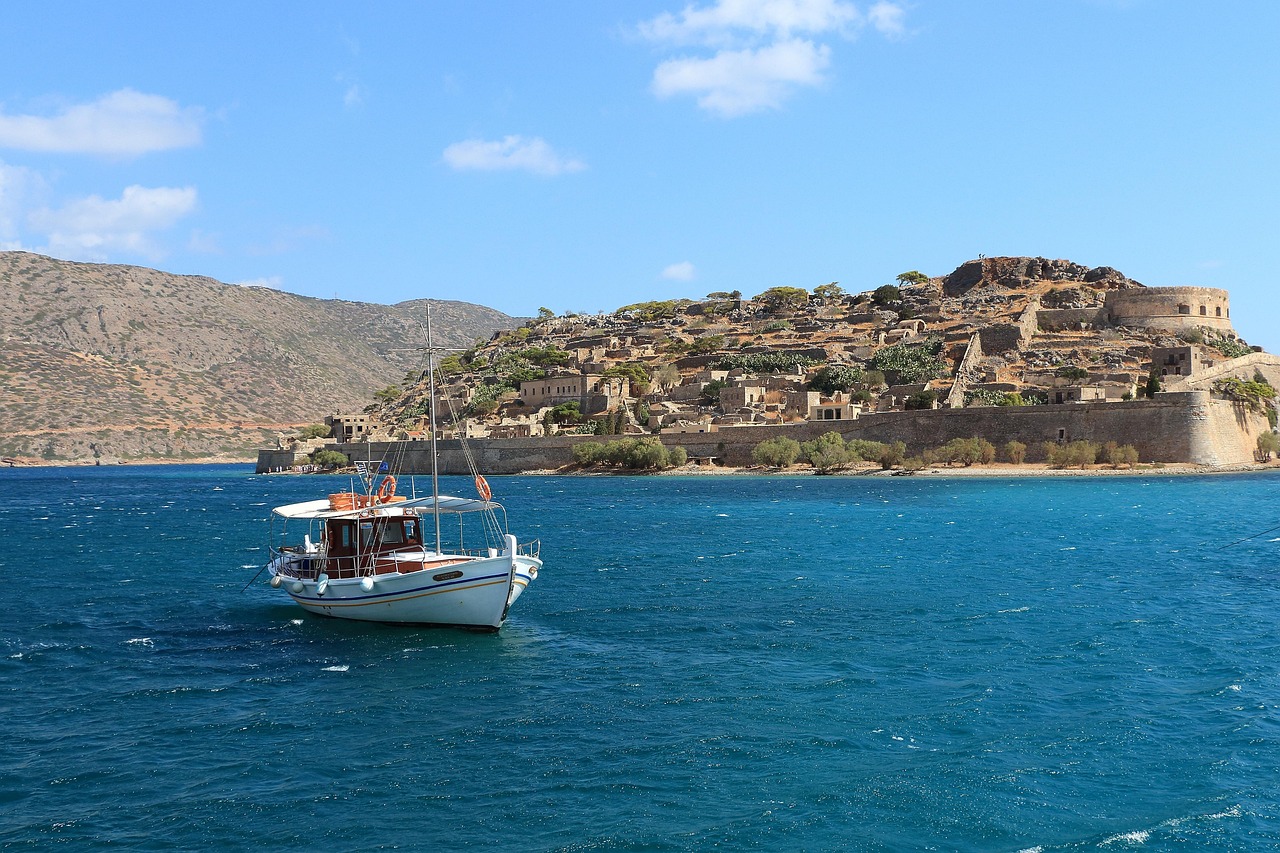
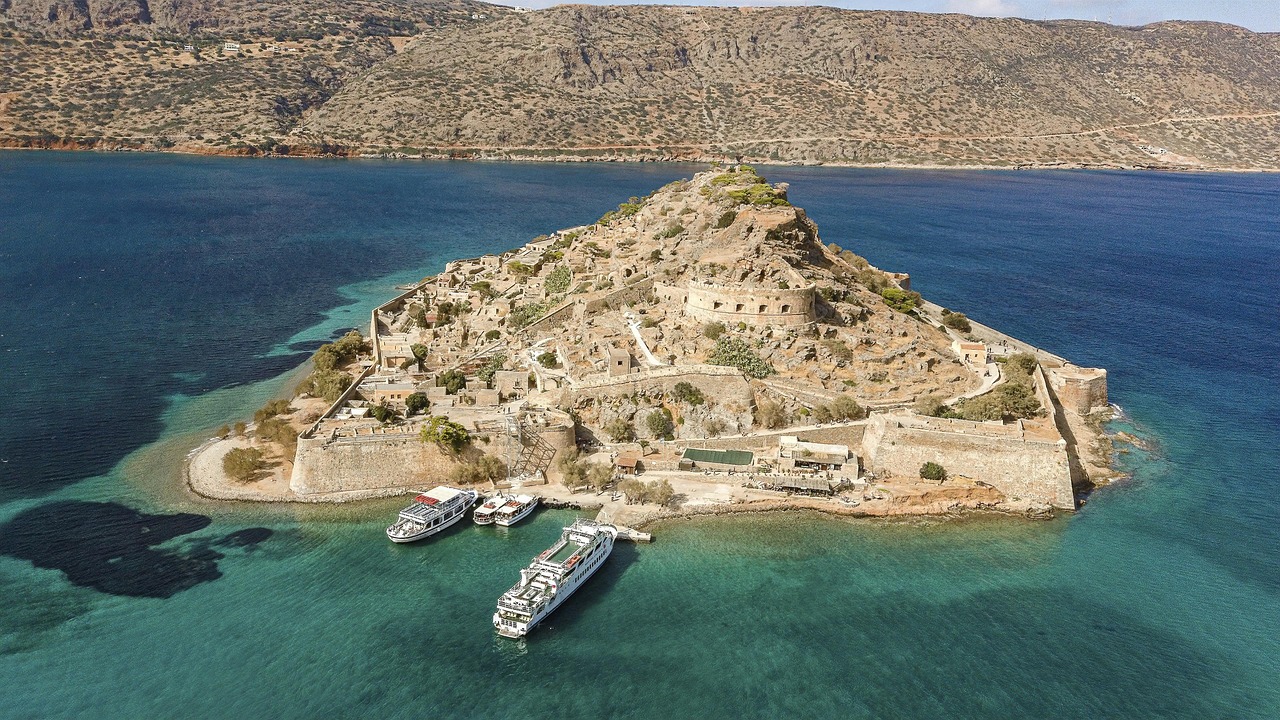
I read a book once that changed where I went on holiday. Victoria Hislop’s The Island made me want to see Spinalonga before I’d even found it on a map. A tiny fortified island in the Gulf of Elounda, off eastern Crete, with a history so layered it almost feels fictional — Venetian fortress, Ottoman stronghold, and from 1903 to 1957, Europe’s last active leper colony.
When I finally stood on the dock at Plaka watching the boat cross that narrow strait, the island looked exactly as heavy as the book made it feel. Low stone walls. Crumbling rooftops. A place where people were sent and, for decades, forgotten.
But Spinalonga isn’t sad. Or not only sad. It’s one of the most compelling places I’ve been in Greece, and the boat ride over takes about ten minutes.
Best overall: Crete: Day Trip to Agios Nikolaos and Spinalonga Island — $44. Full-day tour covering the whole east coast with expert guides. Best if you want to see everything in one go.
Best budget: Agios Nikolaos: Boat Trip to Spinalonga with Swim Stop — $29. Straightforward boat from Agios Nikolaos with a swimming stop. No fluff, no filler.
Best premium: Spinalonga and Kolokytha Catamaran with Meal — $141. A catamaran cruise with lunch and hidden coves. The way to do it if you don’t mind spending more.
- How to Get to Spinalonga (And What the Options Are)
- Independent Visit vs Guided Tour
- The Best Spinalonga Tours to Book
- 1. Crete: Day Trip to Agios Nikolaos and Spinalonga Island —
- 2. Agios Nikolaos: Boat Trip to Spinalonga with Swim Stop —
- 3. Spinalonga and Kolokytha Catamaran with Meal — 1
- When to Visit Spinalonga
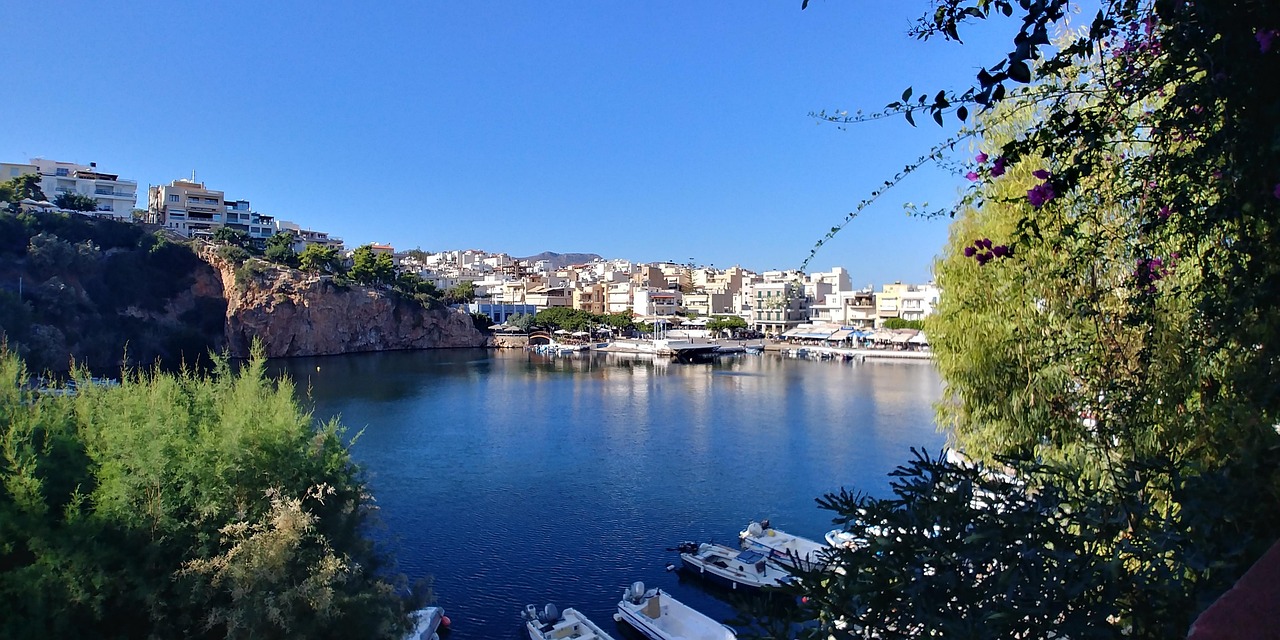
- Getting to Elounda and Agios Nikolaos
- Tips That’ll Save You Time and Money
- What You’ll Actually See on Spinalonga
- The History (Short Version)
- More Crete and Greece Guides
- More Greece Guides
How to Get to Spinalonga (And What the Options Are)
You can’t walk to Spinalonga. It’s an island, so you need a boat, and there’s no public ferry — just tour operators running the route from three departure points along eastern Crete.
From Elounda: The shortest crossing. Boats leave roughly every 30 minutes from the harbour, especially in summer. The ride takes about 15 minutes. This is the easiest option if you have a rental car and can drive yourself to Elounda.
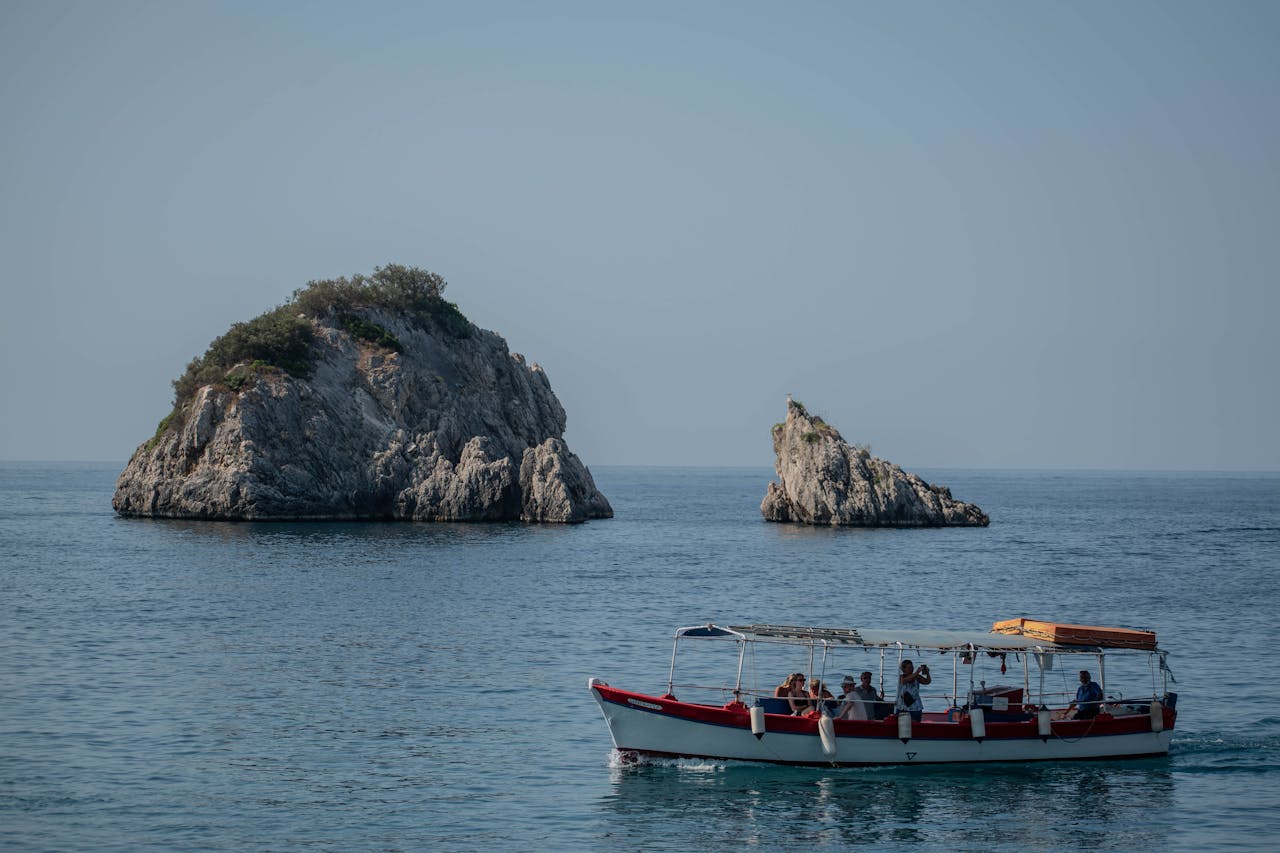
From Plaka: Even shorter — about 7 minutes across. Plaka is a tiny fishing village just north of Elounda. Fewer boats, smaller operators, slightly more authentic feeling. The boats here are smaller too.
From Agios Nikolaos: Longer crossing (about 30-40 minutes) but many tours include Agios Nikolaos as part of a full-day itinerary with a stop for lunch or free time in town.
Entry fee: Spinalonga has its own entrance ticket that costs around 8 EUR per person (last confirmed). Under 25 from the EU get in free. Some guided tours include the entrance fee; others don’t, so check before you book.
Opening hours: The site is generally open from 8:30am to 7pm in summer months (April to October). It closes during winter. The last boats usually return by late afternoon.
Independent Visit vs Guided Tour
Both work, and neither is obviously better — it depends on how you like to travel.
Going independently means driving to Elounda or Plaka and buying a boat ticket on the waterfront. You’ll pay about 10-12 EUR for the return crossing, plus the 8 EUR island entry fee. Total cost: roughly 18-20 EUR per person. You get full control over your time on the island and you can stay as long as the last boat allows.
The downside? There are no information boards or audio guides on Spinalonga. Without a guide, you’re walking through ruins that look interesting but don’t explain themselves. The history is genuinely fascinating — the leper colony, the Venetian-Ottoman wars, the resistance during WWII — but you’ll miss most of it unless you’ve done your homework before arriving.
Going with a guided tour costs more (roughly $29-$141 depending on what’s included) but gets you a guide who knows the island’s history, handles all the logistics, and usually adds stops like swimming at Kolokytha Bay or free time in Agios Nikolaos. Some include lunch. The full-day tours that depart from Heraklion even handle transport from the other side of the island.
My take: book a guided tour. Spinalonga without context is just stone walls and rubble. With someone explaining who lived where and what happened behind each doorway, the whole place comes alive.
The Best Spinalonga Tours to Book
I’ve gone through every Spinalonga tour available on GetYourGuide and Viator. These three stand out, and they cover different budgets, departure points, and styles.
1. Crete: Day Trip to Agios Nikolaos and Spinalonga Island — $44
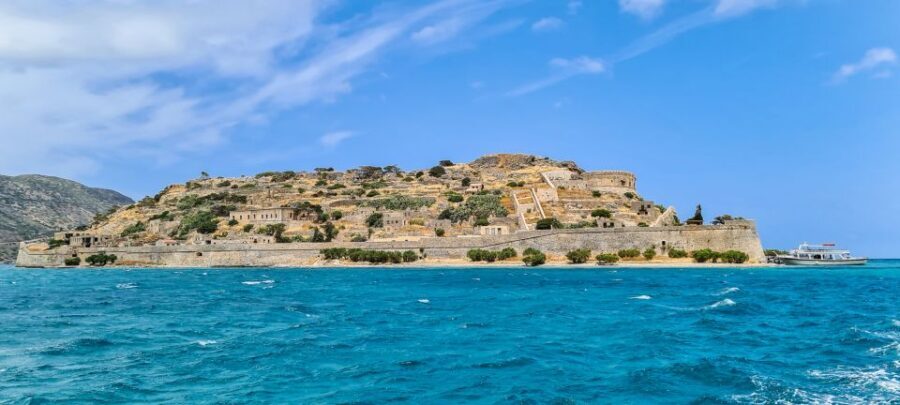
This is the one I’d recommend to most people. It’s a full-day coach tour that picks you up from Heraklion, Hersonissos, or the surrounding resorts, drives you along the northern coast through Elounda, and puts you on a boat to Spinalonga. After the island, you get free time in Agios Nikolaos for lunch by the lake.
At $44 per person for an 8-11 hour day, the value is hard to beat. The guide speaks English and German, and the boat to Spinalonga includes a commentary on the island’s history. One thing to know: the Spinalonga entry fee isn’t included, so bring an extra 8 EUR in cash.
The drive back can feel long with multiple hotel drop-offs, but that’s the trade-off for not having to navigate east Crete yourself.
2. Agios Nikolaos: Boat Trip to Spinalonga with Swim Stop — $29
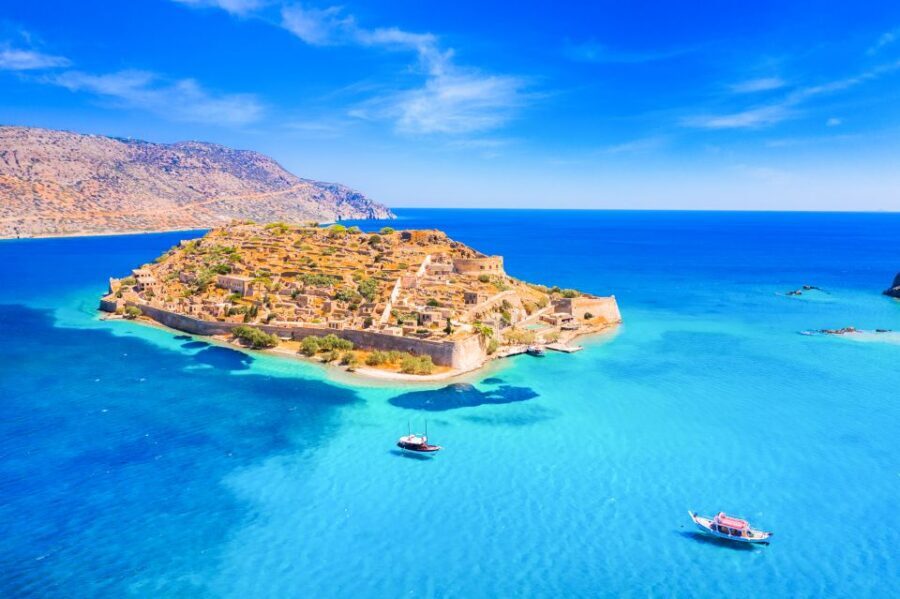
If you’re already in Agios Nikolaos or want to keep things simple, this 4.5-hour boat trip does exactly what you need. You sail from Agios Nikolaos harbour directly to Spinalonga, get about an hour on the island, then stop for a swim in crystal-clear water on the way back.
At $29 per person, it’s the most affordable guided option. The crew are helpful and the boat is comfortable with enough space so you’re not crammed in. Bring water shoes if you can — the swimming spot has sea urchins (they’re beautiful but you don’t want to step on one). The Spinalonga entry is separate at around 8 EUR.
3. Spinalonga and Kolokytha Catamaran with Meal — $141
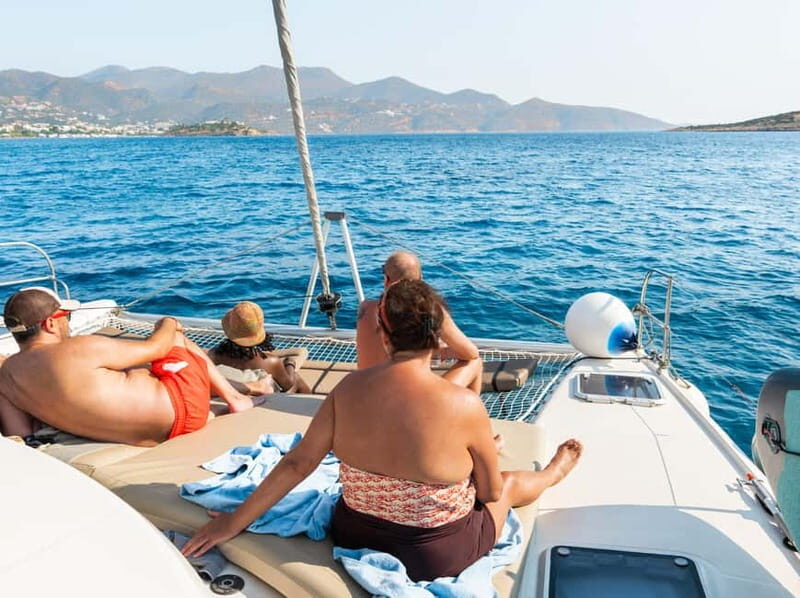
This is the splurge option, and it’s worth it if you want Spinalonga combined with a proper day at sea. You board a catamaran in Agios Nikolaos and cruise to Spinalonga first, with a guide giving an overview of the island’s history. After the island visit, you anchor near Kolokytha — a sheltered bay with absurdly clear water — for swimming and paddleboarding.
Lunch is served on board (simple but good, and plenty of it). The whole thing lasts about 5.5 hours and the crew are genuinely excellent — friendly without being over the top. At $141 per person, this is the most expensive Spinalonga tour available, but the catamaran experience turns a Spinalonga visit into a full sailing day. If you’ve got the budget, this is the one that’ll stick with you.
When to Visit Spinalonga
Spinalonga is open roughly April through October, though the exact opening dates shift slightly each year. It’s closed all winter.
Best time: May, June, and September. Warm enough for swimming stops, cool enough that walking around an exposed island without shade won’t ruin your morning. July and August work too, but the island gets packed after 11am and temperatures above 35C on bare stone aren’t fun.
Best time of day: First boat out. Whatever departure point you choose, aim for the earliest crossing. You’ll have the ruins almost to yourself for the first 30-45 minutes before the cruise groups arrive.
Worst time: Mid-afternoon in high summer. The island has almost no shade, the ruins amplify the heat, and you’ll be sharing every pathway with hundreds of day-trippers.
Getting to Elounda and Agios Nikolaos
Most Spinalonga visitors start from either Elounda or Agios Nikolaos. Here’s how to reach both.
From Heraklion (the airport): It’s about a 65km drive east along the national road, taking roughly 1 hour to Agios Nikolaos and another 10 minutes to Elounda. The road is well-maintained and scenic, winding along the north coast. Rental cars are the most popular option.
By bus: KTEL buses run from Heraklion’s main bus station to Agios Nikolaos multiple times daily (about 1.5 hours, roughly 8 EUR one way). From Agios Nikolaos, local buses run to Elounda, though they’re less frequent — check schedules in advance.
From Rethymno or Chania: It’s a much longer drive (2.5-3.5 hours). If you’re based in western Crete, consider staying overnight in Agios Nikolaos rather than trying to do the whole thing in a day.
Full-day tours from Heraklion: If you don’t want to drive, the full-day Spinalonga tour from Heraklion handles all the transport for you, including hotel pickup.
Tips That’ll Save You Time and Money
Bring cash. The Spinalonga entry fee is payable at the gate, and while some operators accept card, the ticket booth on the island is cash-only. 8 EUR per person, exact change appreciated.
Wear proper shoes. The paths on Spinalonga are uneven stone and gravel. Flip-flops work but you’ll regret it on the steeper sections. If your tour includes a swim stop, bring water shoes in your bag.
Sunscreen and water. There’s no shade on Spinalonga — not one tree, not one awning (the former leper colony residents had it rough in more ways than one). Bring a hat. Bring water. I cannot stress this enough in July and August.
Read The Island before you go. Victoria Hislop’s novel is set on Spinalonga and is based on real events. It’s available at every bookshop in Crete and turns the ruins from “interesting” to “genuinely moving.” The book single-handedly turned Spinalonga from a forgotten ruin into Crete’s second most visited site after Knossos.
Check what’s included. Some tours include the 8 EUR Spinalonga entry fee; others don’t. The cheaper boat-only tours from Agios Nikolaos typically don’t include it. Read the fine print so you’re not caught off guard at the ticket booth.
What You’ll Actually See on Spinalonga
The island is small — you can walk the whole thing in under an hour, though most people take about 90 minutes. Here’s what to look for.
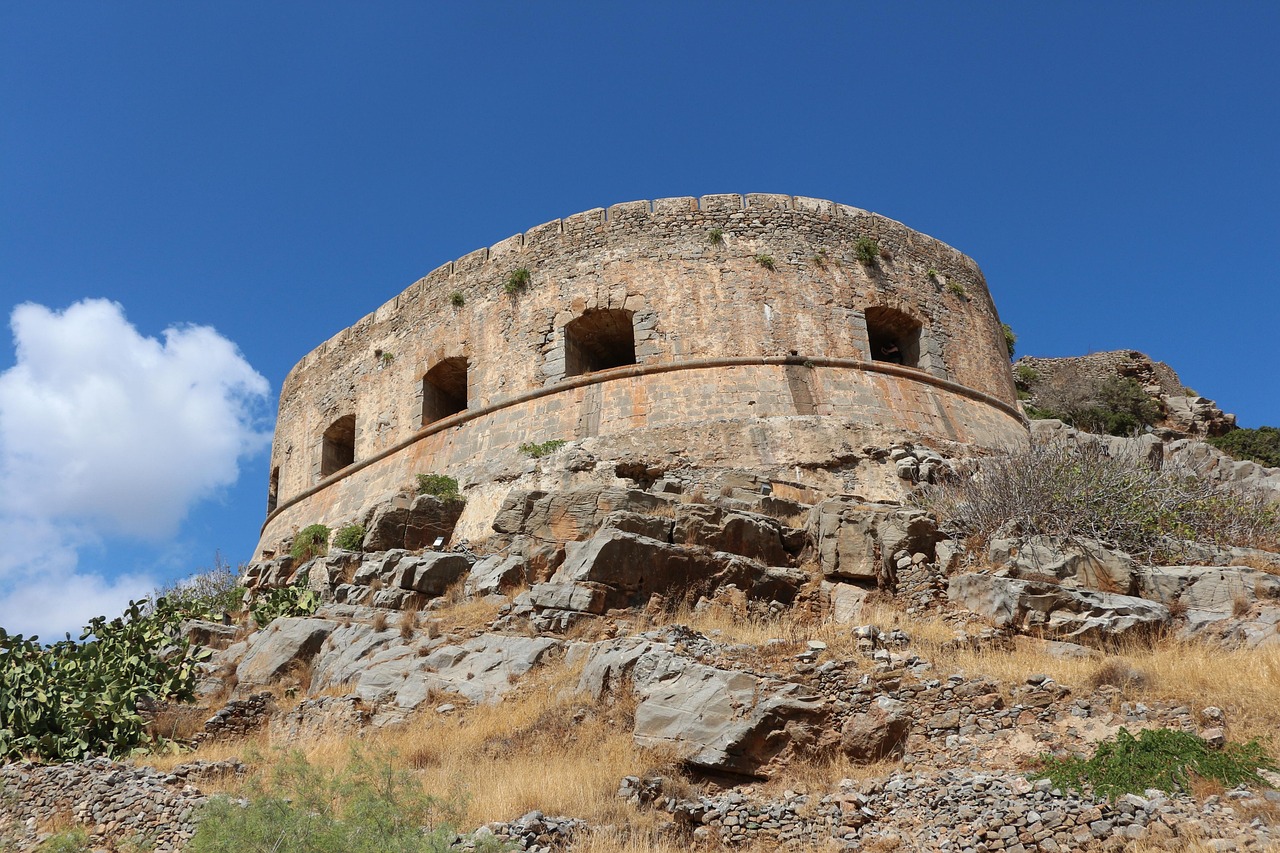
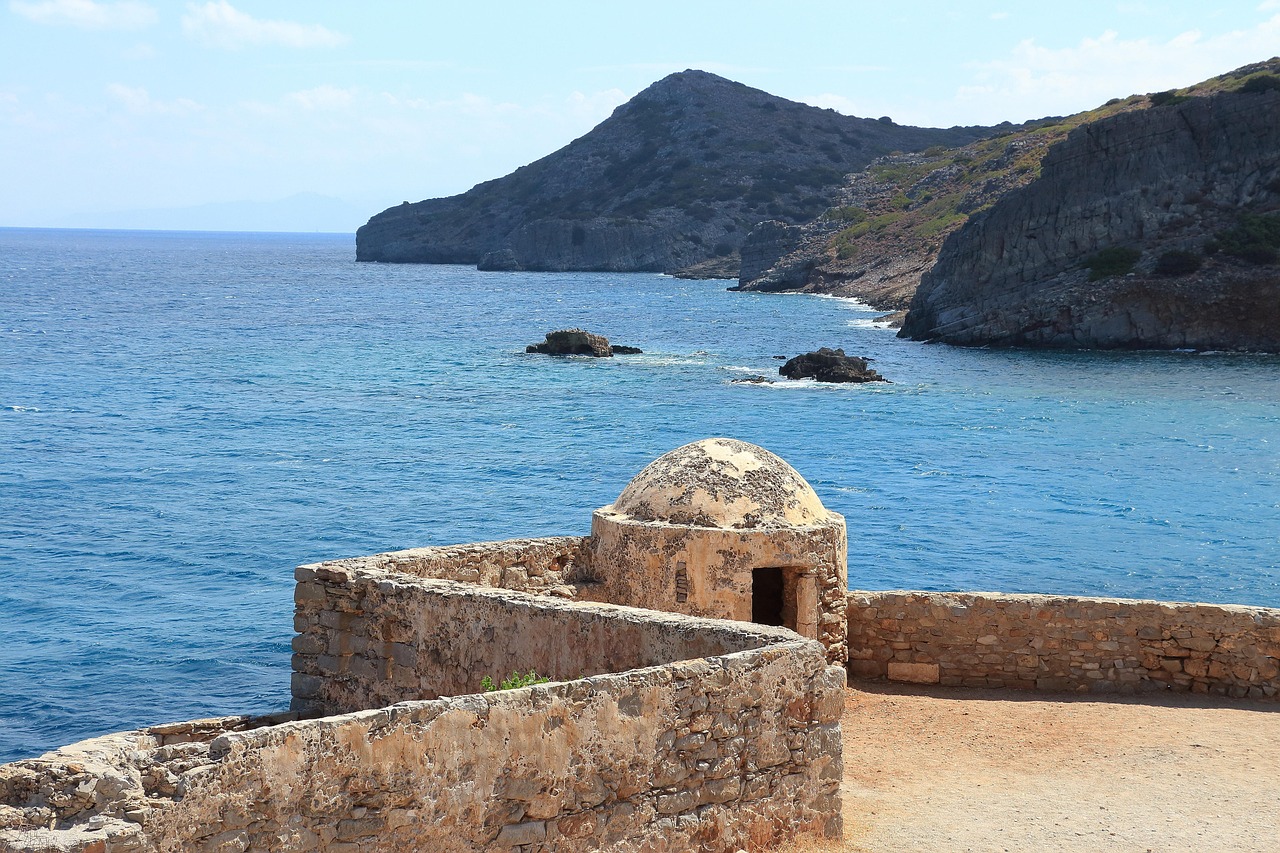
The Venetian Gate (Porta Grande): You enter through the same gate the Venetians built in 1579. It’s a tunnel cut through the massive fortification wall, and it immediately sets the tone. The walls here are about 8 metres thick in places.
The Main Street: Past the gate, a cobbled street runs through the centre of the former settlement. Buildings on both sides are in various states of collapse. Some still have doorways, window frames, even traces of plaster on interior walls. During the leper colony era (1903-1957), this was a functioning village with shops, a barber, and a pharmacy.
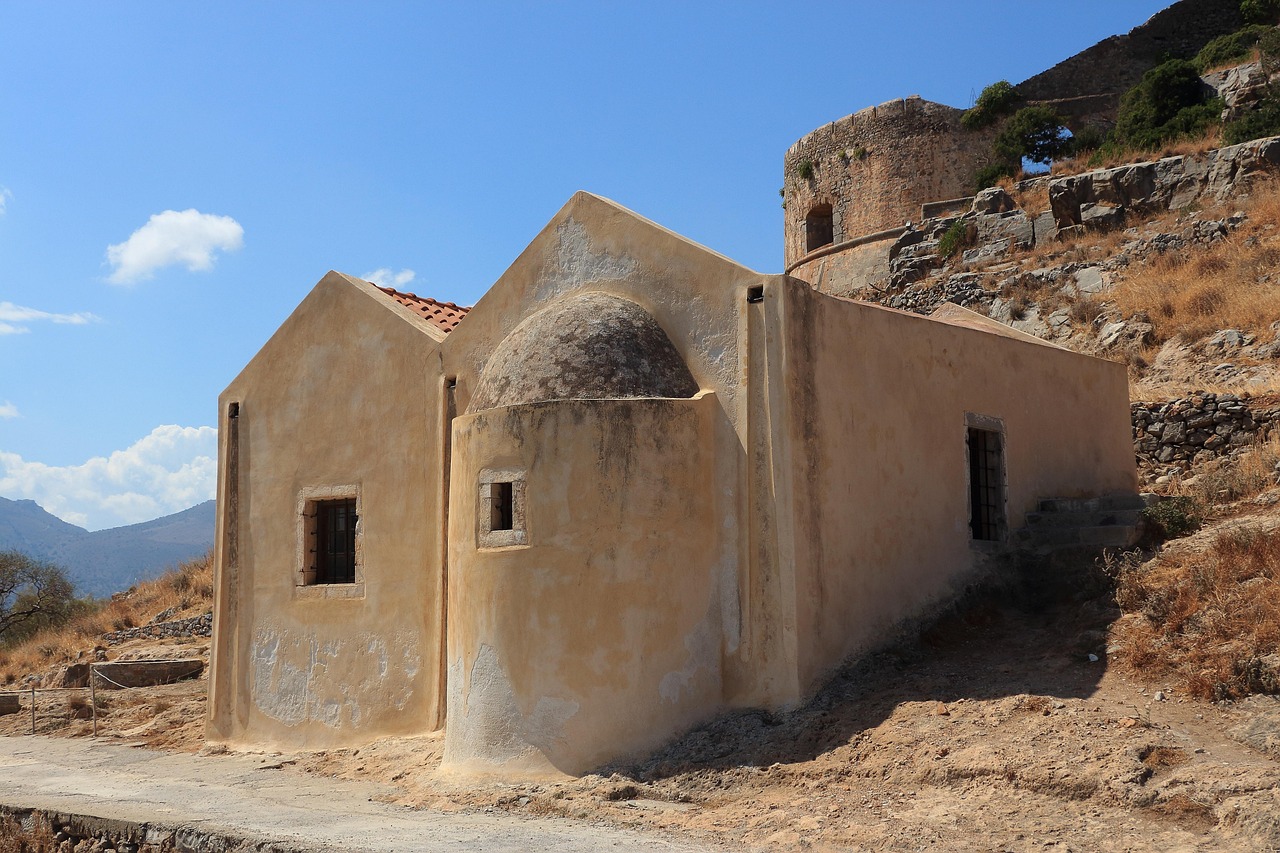
The Church of Agios Georgios: A small white church that served the colony’s residents. It’s been partially restored and is one of the few intact buildings on the island.
The Hospital: Near the top of the island, the former hospital building stands mostly intact. This is where Spinalonga’s history feels heaviest — patients arrived by boat, often not knowing when (or if) they’d leave.
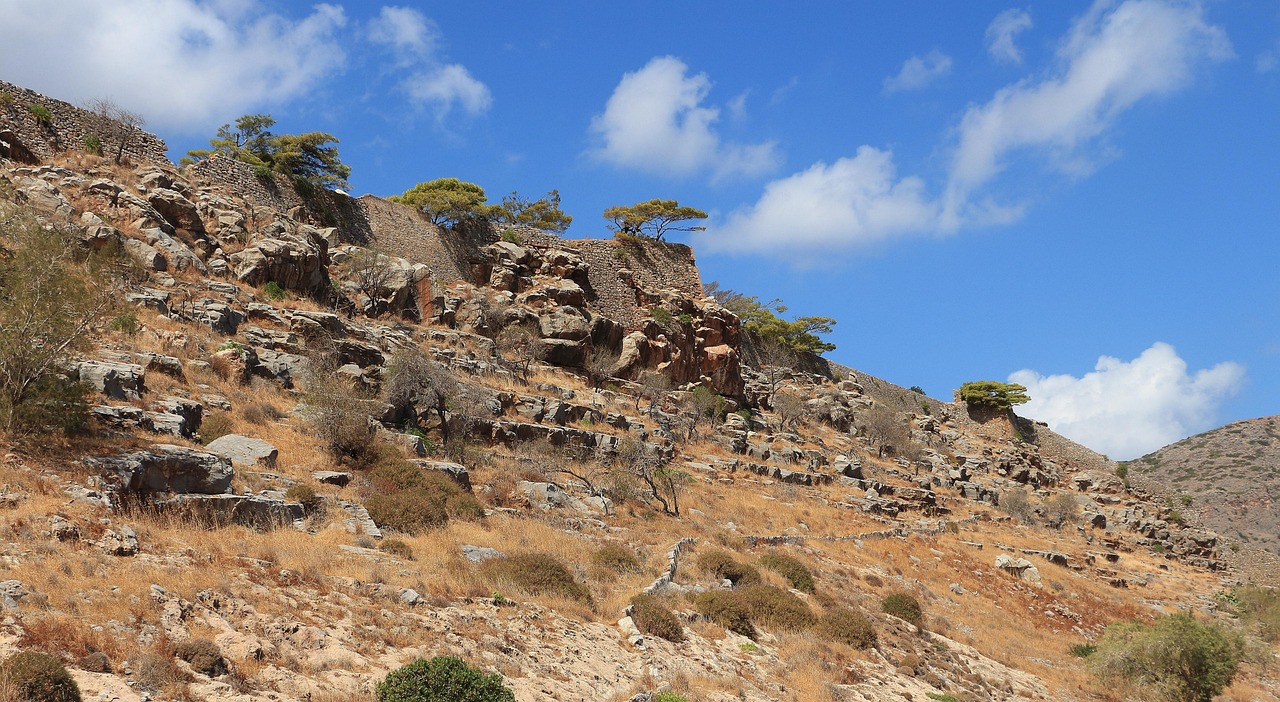
The Venetian Fortifications: The walls that ring the island are the most visually impressive feature. Built to defend against Ottoman invasion, they held out from 1669 (when the rest of Crete fell) until 1715. Walk the perimeter path for views across to Elounda and the Lasithi mountains.
The History (Short Version)
Spinalonga has been used for three very different purposes, and each one left its mark on the stone.
The Venetians built the fortress in 1579 to protect the entrance to the Gulf of Elounda and the valuable salt pans nearby. It was one of the most important defensive positions in the eastern Mediterranean, and when the Ottoman Empire conquered the rest of Crete in 1669, Spinalonga held out for another 46 years — one of the last Venetian strongholds to fall.
After the Ottomans took control in 1715, a small civilian settlement grew on the island. When Crete gained autonomy from the Ottomans in 1898, the new Cretan state had a creative (if harsh) way to encourage the remaining Ottoman residents to leave: they declared the island a leper colony in 1903, and the Ottoman inhabitants left within a year.
The leper colony operated from 1903 until 1957, when the last patients were transferred to a hospital in Athens. At its peak, several hundred people lived on Spinalonga. Despite the grim circumstances, the community was remarkably self-organised — they elected leaders, published a newspaper, and fought for better conditions. The arrival of modern treatments in the 1940s and 50s gradually made the colony unnecessary, and it was officially closed in 1957, making Spinalonga one of the last leper colonies in Europe.
More Crete and Greece Guides
If you’re spending more time in Crete, the Acropolis in Athens is the obvious other must-book if your trip includes the capital. For something closer to Spinalonga, the ancient palace at Meteora makes for one of the most dramatic day trips in mainland Greece. Island-hoppers heading south should look at Santorini’s caldera cruises — a completely different vibe from Spinalonga but equally unforgettable. And if you haven’t explored western Crete yet, the Venetian harbour in Chania and the Athens food scene both deserve their own days. For more Greek islands, Corfu’s boat tours are a favourite for a reason, and Shipwreck Beach in Zakynthos might be the single most photographed spot in the country.
This article contains affiliate links. If you book a tour through our links, we earn a small commission at no extra cost to you. It helps keep this site running — and we only recommend tours we’d actually take ourselves.
More Greece Guides
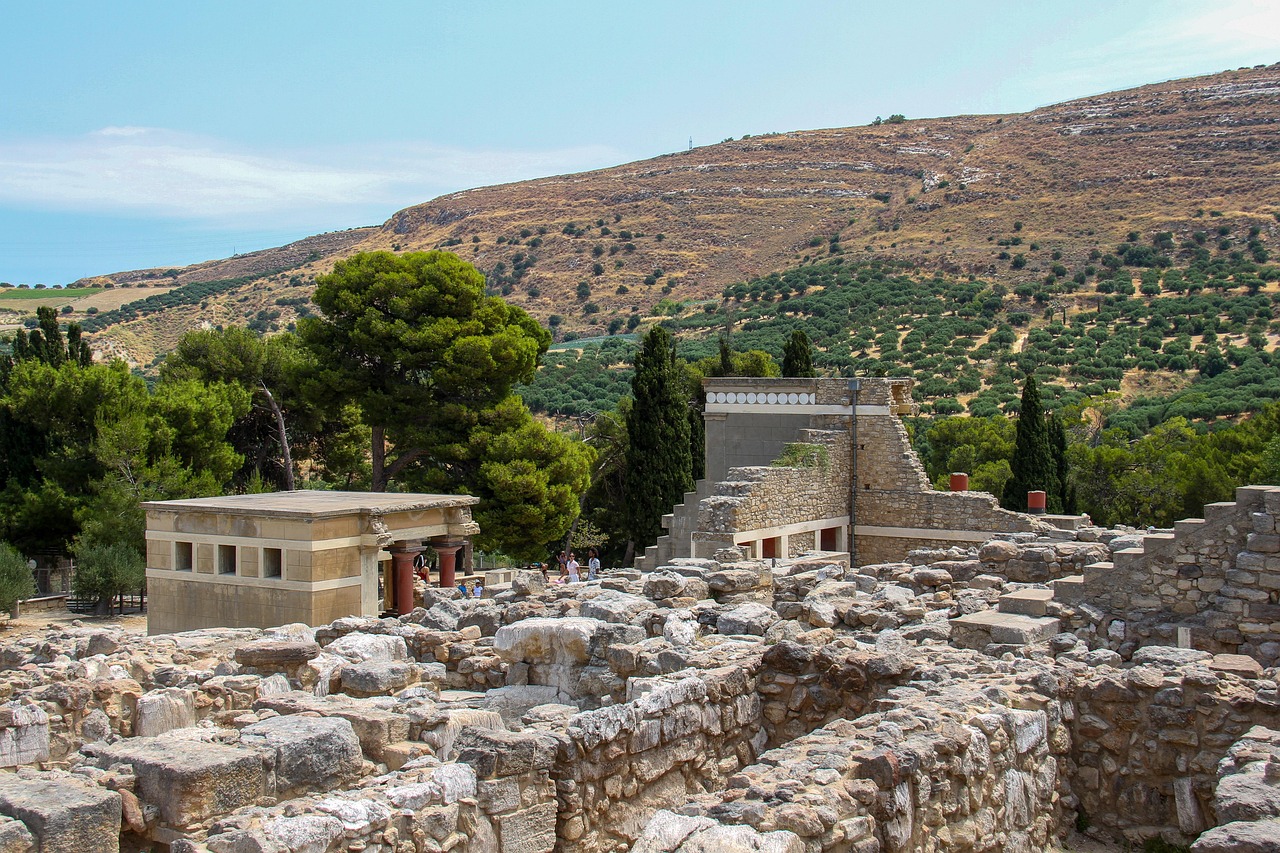
Spinalonga works as a half-day trip from Elounda, which leaves time for other Crete highlights. Knossos Palace near Heraklion is about an hour west and covers a completely different chapter of the island’s history.
The beaches on Crete deserve at least a day too. Balos Beach and Gramvousa on the western end of the island is the most photographed lagoon in Greece, and Samaria Gorge gives you the mountain side of Crete — sixteen kilometres of vertical cliff walls and river crossings.