
Three islands in one day. That was the pitch, and I almost talked myself out of it because “island-hopping cruise” usually means forty minutes on land and five hours on a boat listening to bad music. But the Saronic Islands are different. They sit barely an hour from Athens, close enough that you actually get real time on each one. Hydra has no cars. Aegina has the best pistachios in Greece. Poros has a clock tower that looks like it was designed to sell postcards.
I ended up spending most of my time on Hydra, which was a mistake only because it meant rushing through Aegina. If you do this cruise, pace yourself.
Best overall: Hydra, Poros & Aegina Day Cruise with Lunch — $154. The classic three-island route with hotel pickup, buffet lunch, and live music on board. This is the one most people book and the one I did.
Best for swimming: Agistri, Moni & Aegina Sailing Cruise — $180. Skips Hydra and Poros for the lesser-known swimming islands. Perfect if you want turquoise water over sightseeing.
Best budget: Guided Day Trip to Aegina — $57. One island, all day, with a proper guided tour including temples and swimming stops.
- How the Saronic Islands Day Cruise Works
- Which Islands Will You Visit
- Hydra — The Car-Free Island
- Poros — The Clock Tower Island
- Aegina — The Pistachio Island
- Day Cruise vs Taking the Ferry Yourself
- The Best Saronic Islands Cruises to Book
- 1. Hydra, Poros & Aegina Day Cruise with Lunch — 4
- 2. Agistri, Moni & Aegina Sailing Cruise — 0
- 3. Saronic Islands VIP Day Cruise — 4
- 4. Guided Day Trip to Aegina Island —
- When to Go
- How to Get to Piraeus Port
- Tips That Will Save You Time and Money
- What You Will Actually See
- More Greece Guides
- More Greece Guides
How the Saronic Islands Day Cruise Works
Most Saronic day cruises follow the same basic pattern. You get picked up from your Athens hotel between 6:30 and 7:30 AM (depending on the operator) and taken by bus to Piraeus port, about 20 minutes south of central Athens. The cruise ship departs around 8:00 AM and returns to Piraeus between 7:00 and 8:00 PM.
The standard three-island route visits Hydra first (about 1.5 to 2 hours on the island), then Poros (about 1 hour), and finally Aegina (about 1.5 hours). Lunch is served on board between islands, usually a Greek buffet with salad, moussaka, grilled fish, and bread. Drinks are extra on most cruises — wine and beer typically run about 5 to 8 euros each.
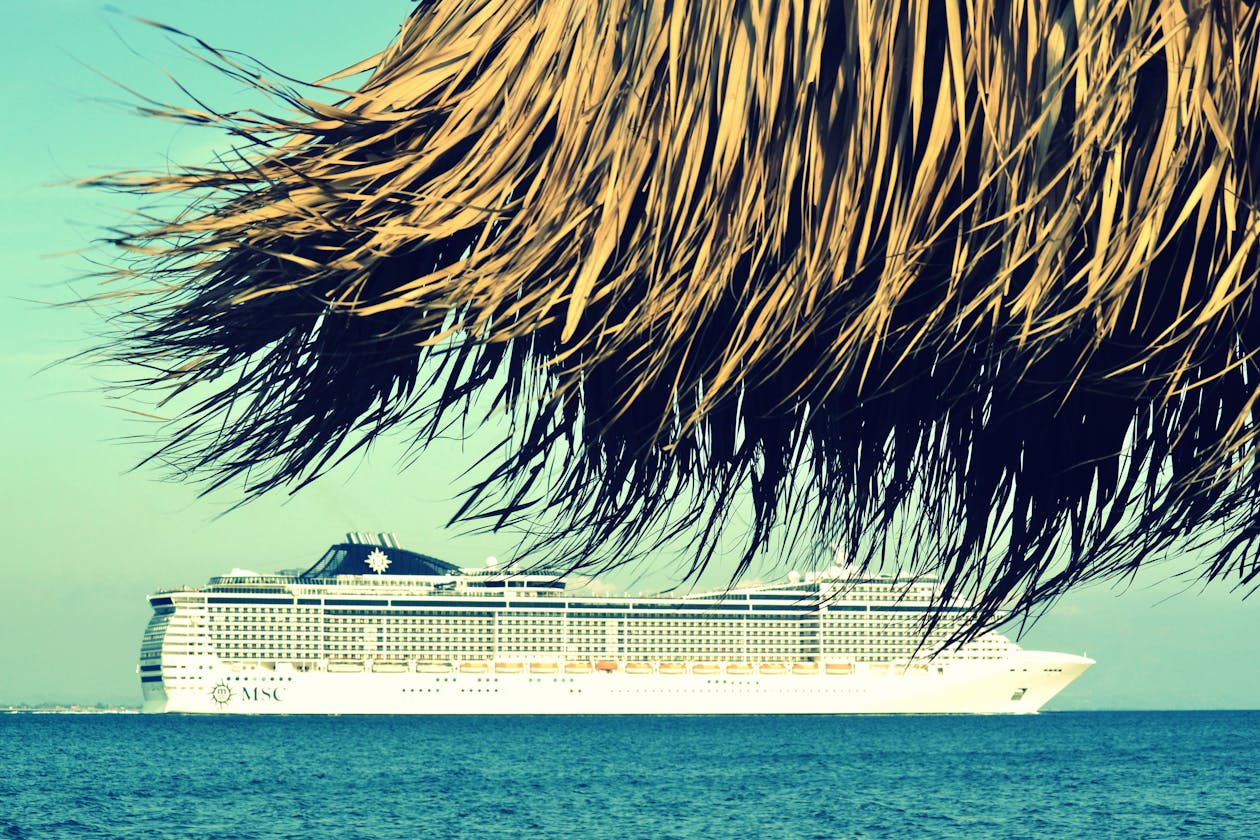
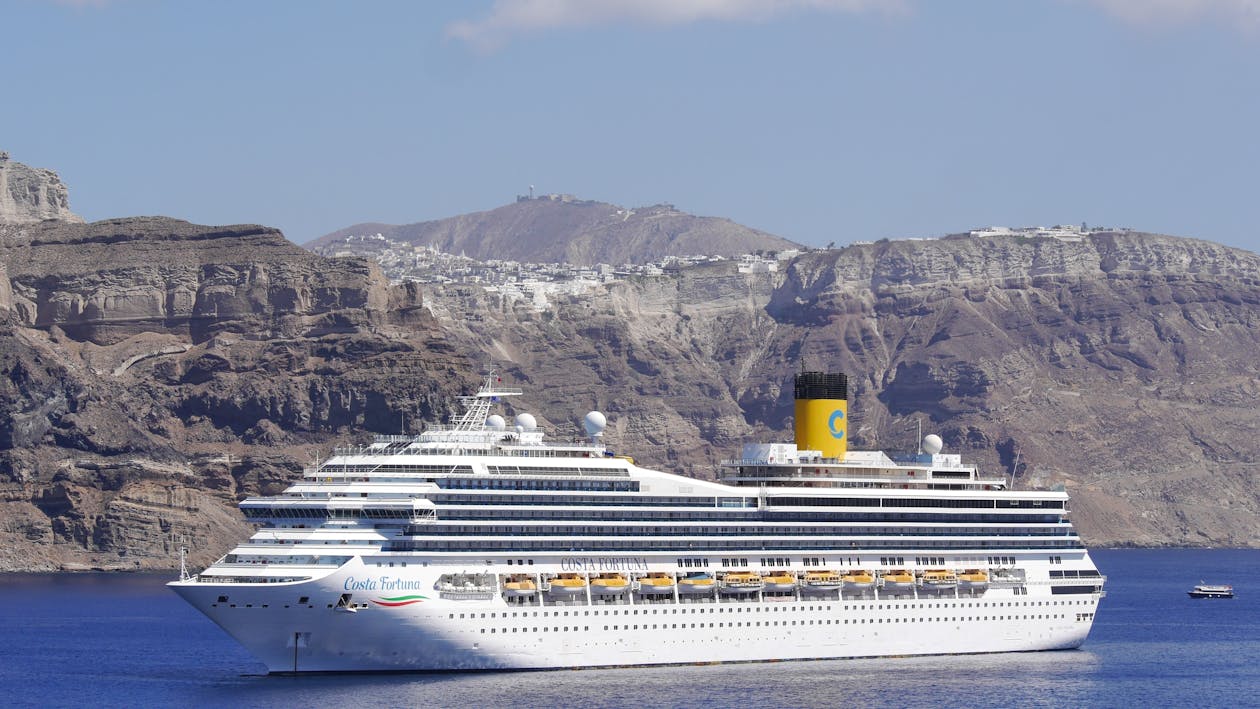
The boats are mid-size cruise vessels, not ferries. They have multiple decks with indoor seating, outdoor sun decks, a bar, and usually live Greek music during the sailing portions. Entertainment varies — some boats have traditional dancing, others keep it low-key.
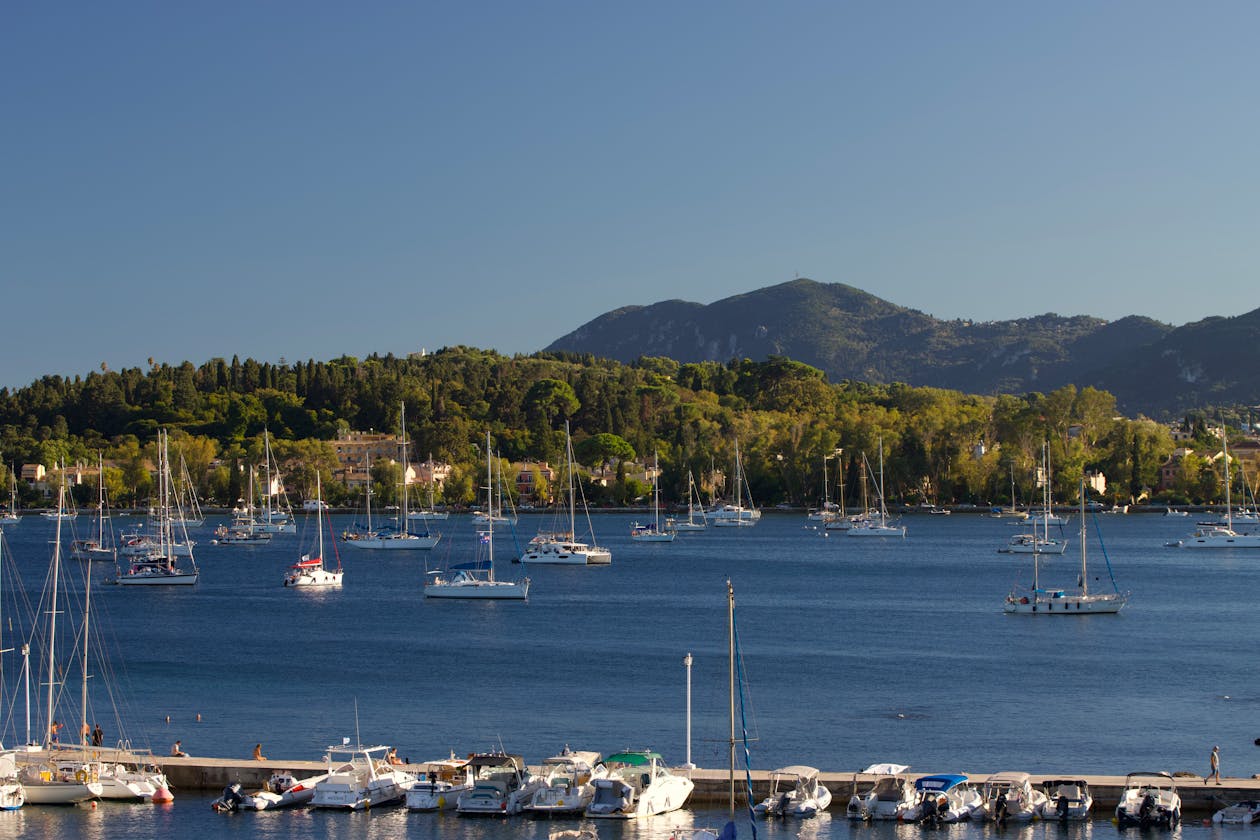
The total cost for a standard cruise including hotel transfer, the cruise itself, and a buffet lunch runs between $150 and $180. VIP upgrades with reserved seating, welcome drinks, and priority boarding cost around $300. Budget alternatives that visit just one island start around $57.
Which Islands Will You Visit
Hydra — The Car-Free Island
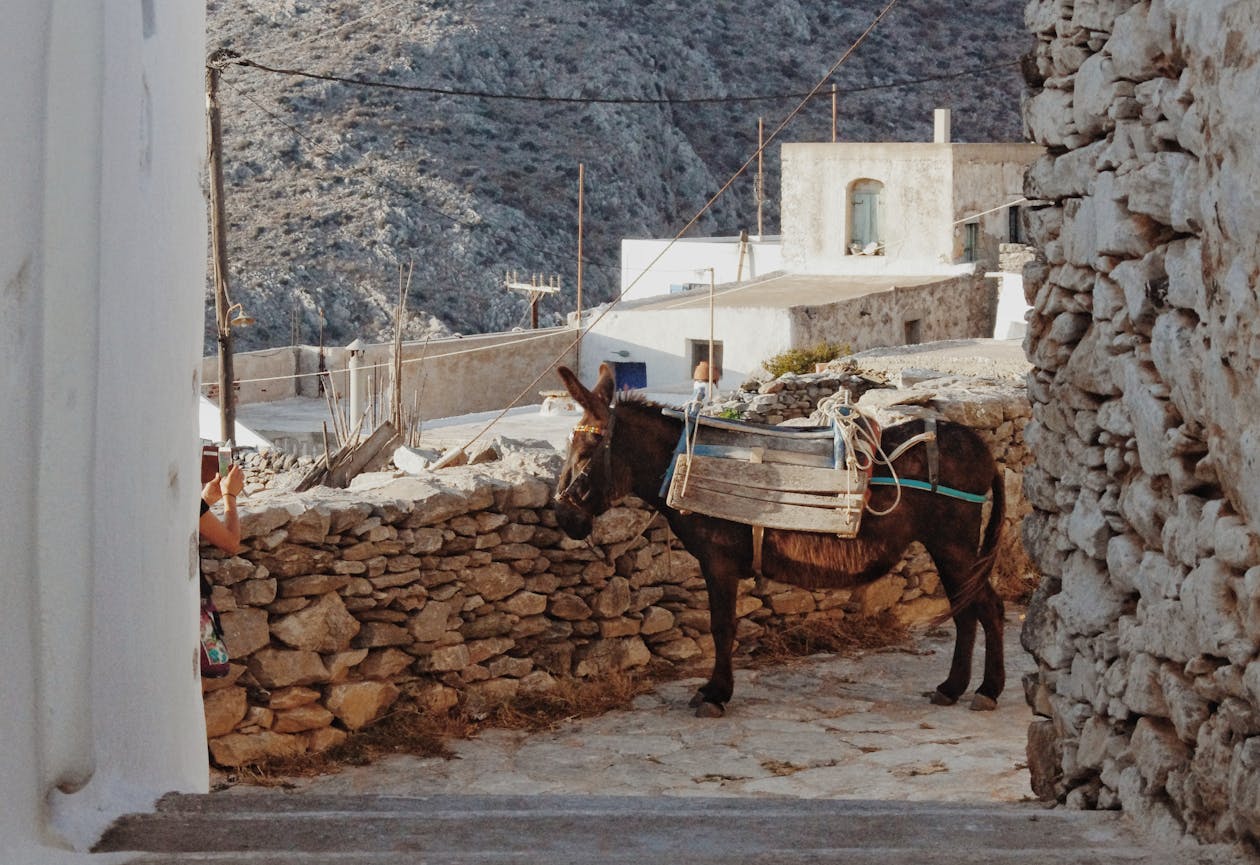
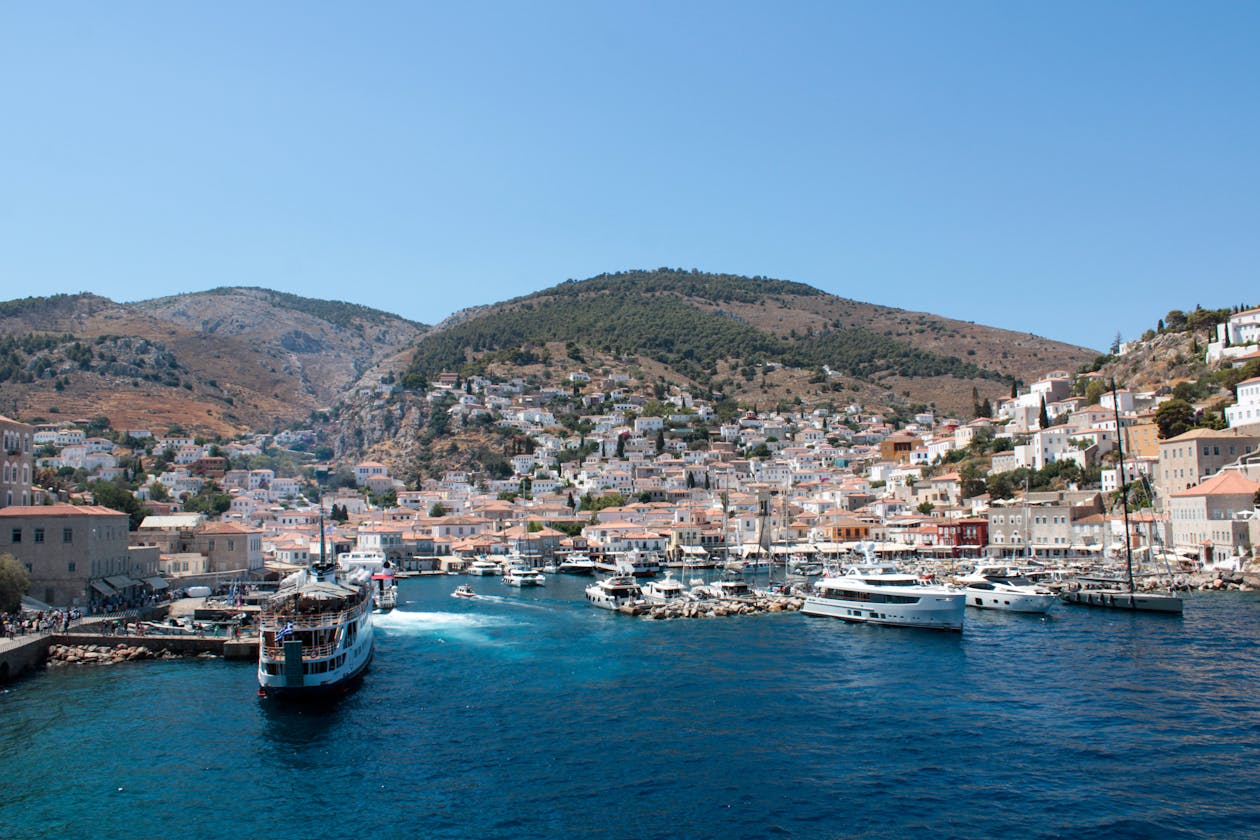
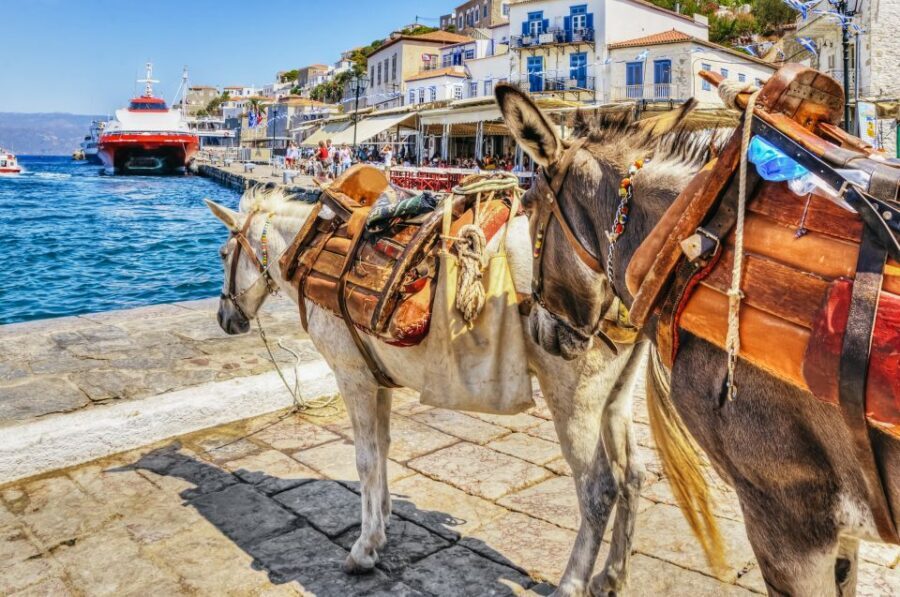
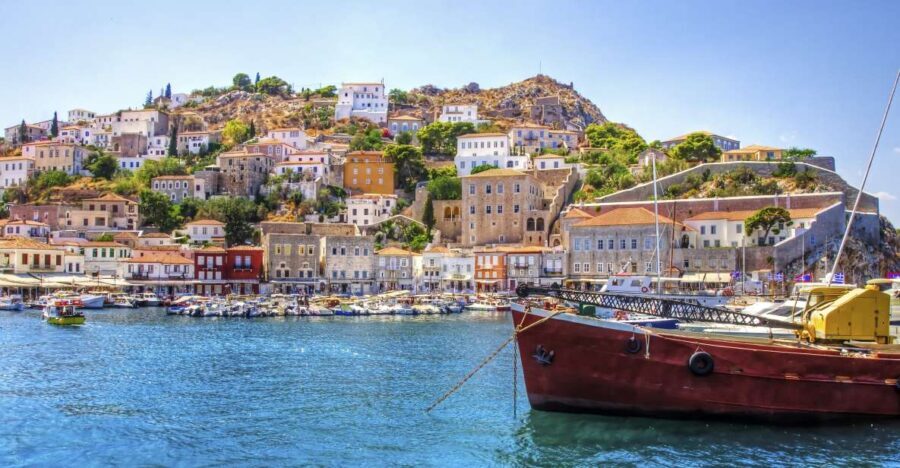
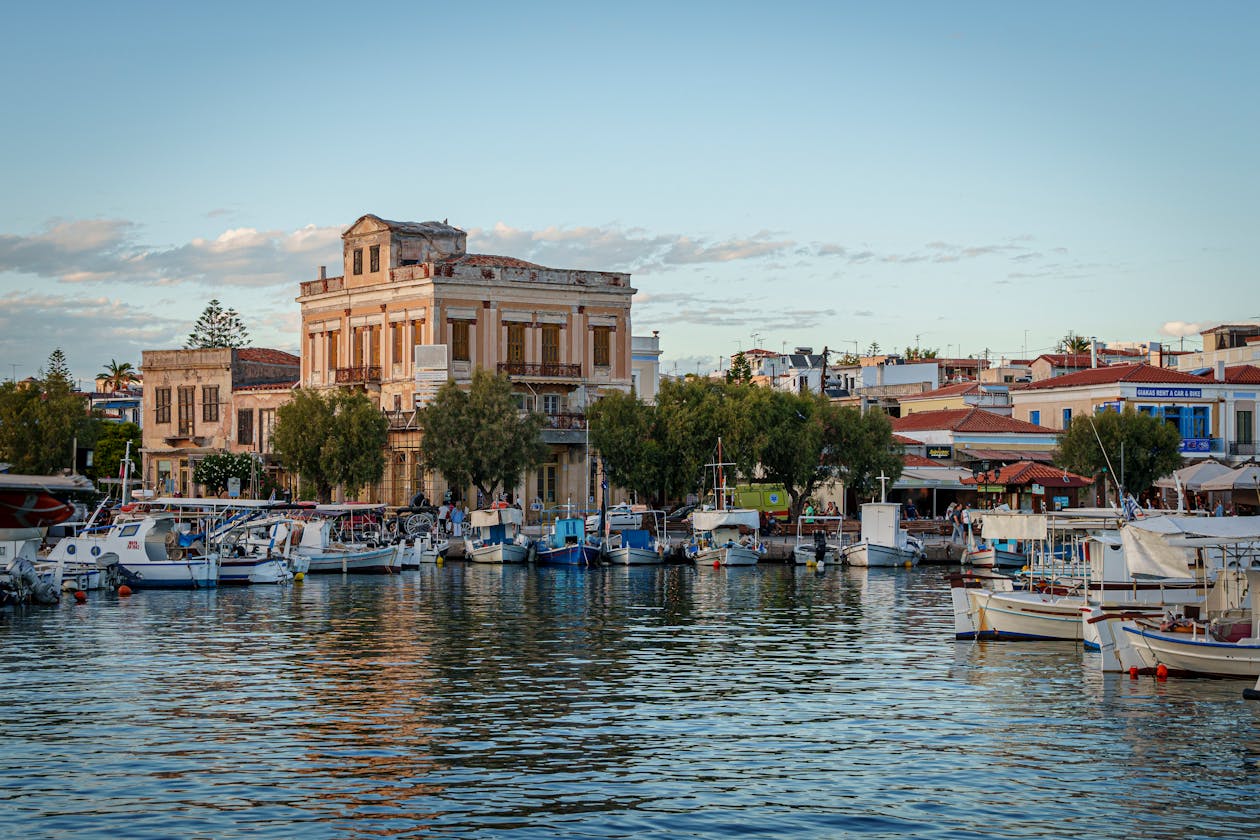
Hydra is the star of the Saronic cruise for most people, and it earns it. No cars, no motorbikes, no bicycles — just stone paths, donkeys, and your own feet. The harbor is one of the most photographed in Greece, a crescent of 18th-century stone mansions built by wealthy shipping captains.
With about two hours on the island, you have enough time to walk the harbor, duck into a couple of art galleries (Hydra has a serious art scene), grab a coffee or an ouzo at one of the waterfront cafes, and maybe swim at Spilia, a rocky swimming spot about a five-minute walk from the port. If you want to reach Kamini or Vlychos, the small beaches west of town, you will need to move fast or take a water taxi.
Poros — The Clock Tower Island
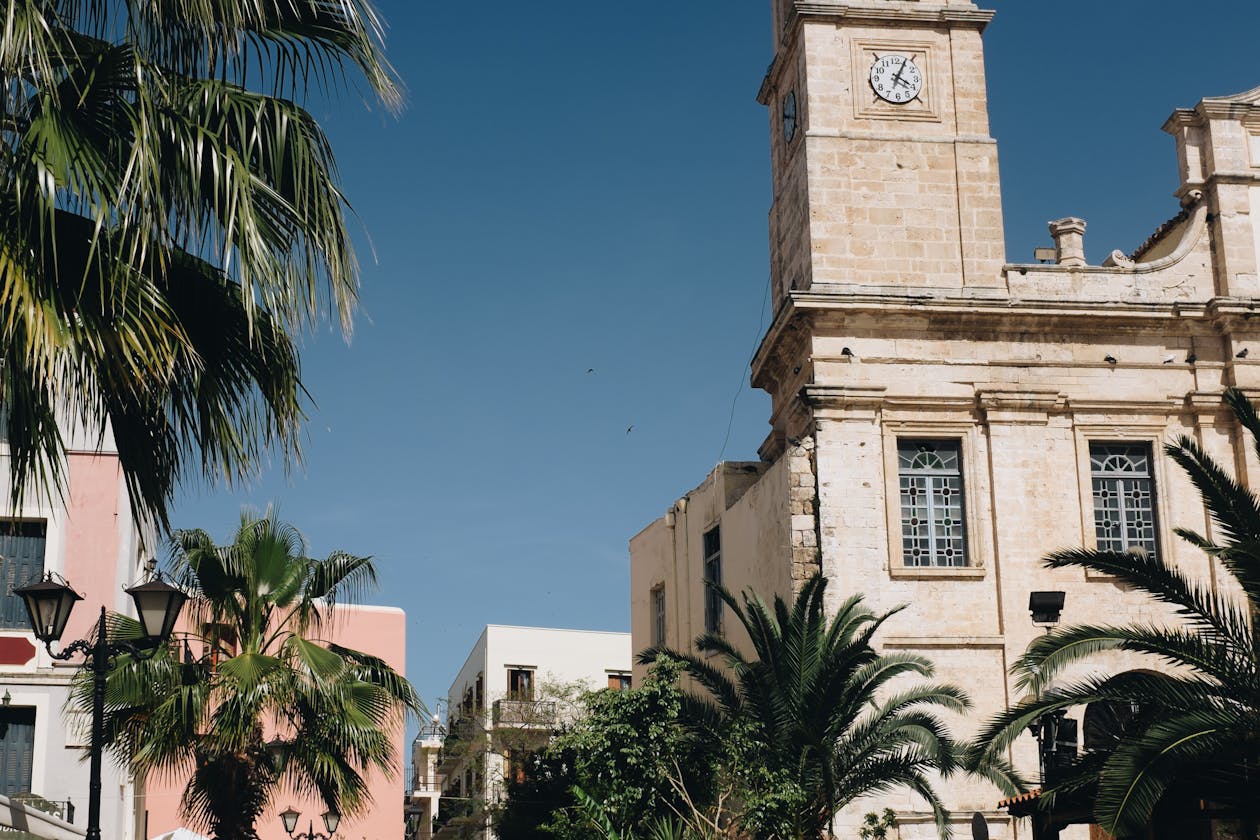
Poros gets the shortest stop on most cruises, usually about an hour, and honestly it is enough for a first visit. The town is compact and easy to walk — a grid of white houses, flower-draped balconies, and a waterfront lined with tavernas. The hilltop clock tower from 1927 is the landmark, and the climb up takes about ten minutes through narrow lanes.
What makes Poros interesting is how close it sits to the Peloponnese mainland. The channel between Poros and Galatas is only 200 meters wide, and the view from the clock tower looking across to the lemon forests of the mainland is genuinely striking. If the cruise gives you enough time, the small Archaeological Museum near the waterfront is worth a quick look.
Aegina — The Pistachio Island
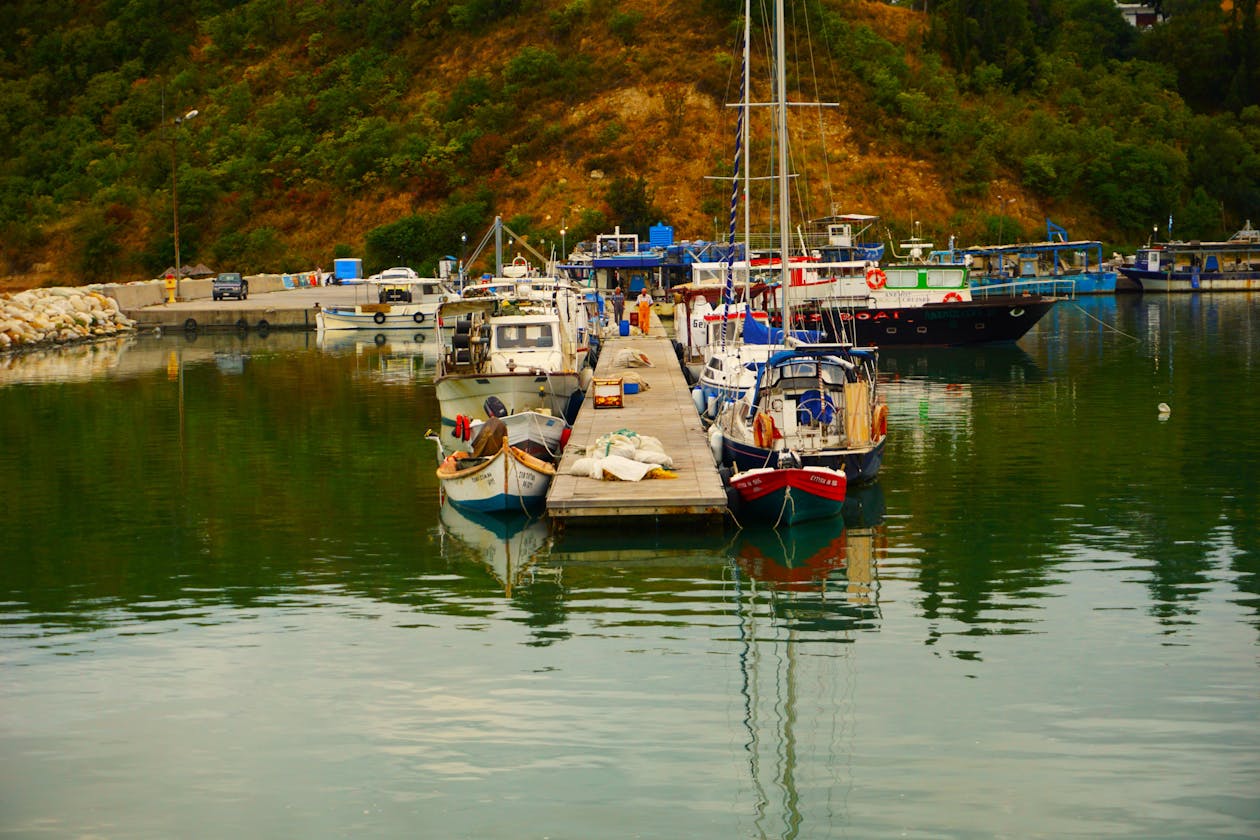
Aegina is the biggest of the three islands and the closest to Athens. It was the first capital of the modern Greek state in 1828, and it still feels more like a working town than a tourist destination — fishing boats in the harbor, kids on bikes, actual grocery stores between the souvenir shops.
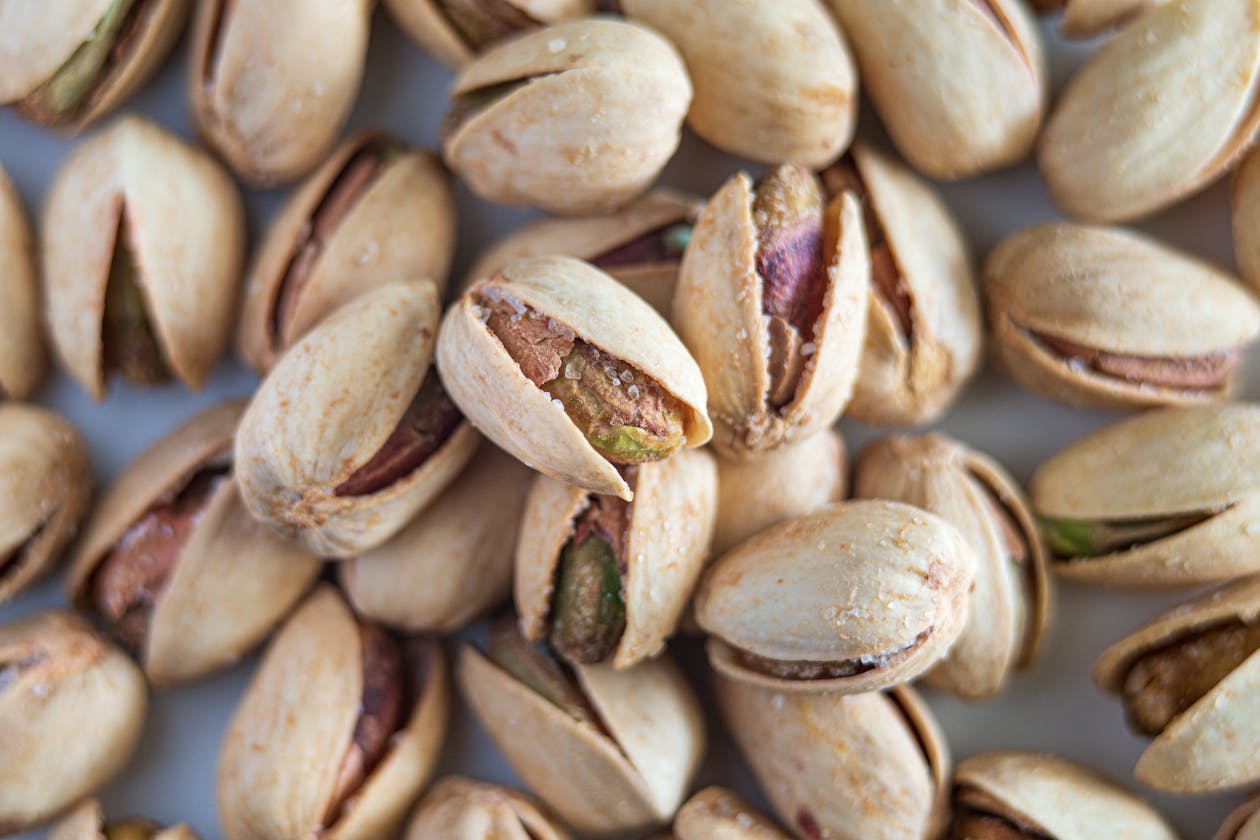
The must-do on Aegina is buying pistachios. The island is Greece’s pistachio capital, and the freshly roasted, lightly salted ones sold along the harbor are the kind of thing that ruins all other pistachios for you. Pistachio brittle, pistachio ice cream, pistachio liqueur — it is everywhere and it is all good.
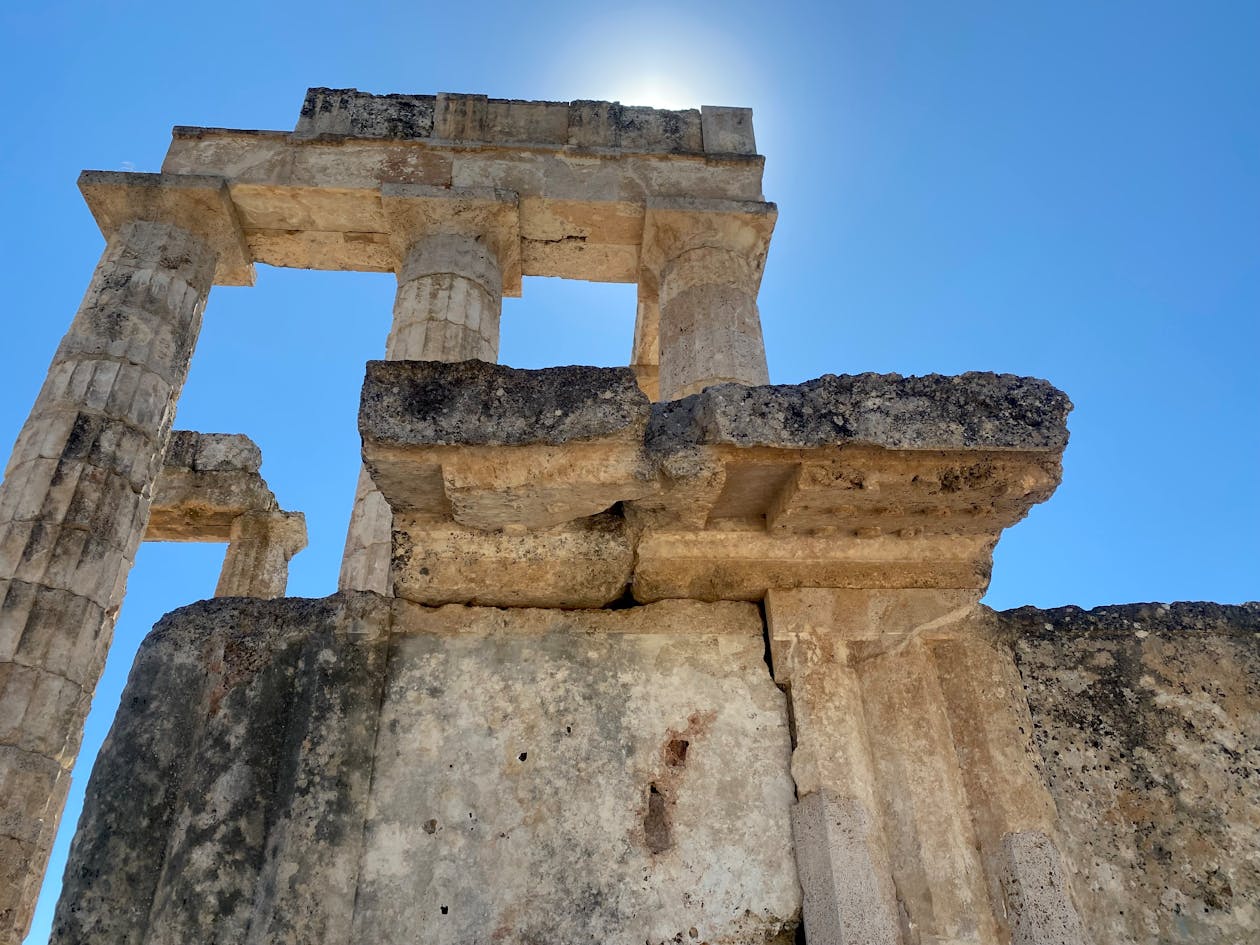
If your cruise gives you 1.5 hours (most do), you can walk the harbor, grab pistachios, and see the single remaining column of the Temple of Apollo near the port. The truly impressive Temple of Aphaia is about 13 km inland and requires a taxi or organized excursion, so save that for a dedicated Aegina day trip.
Day Cruise vs Taking the Ferry Yourself
You can absolutely visit these islands on your own using the regular ferries from Piraeus. A high-speed ferry to Hydra takes about 90 minutes and costs around 30 euros one way. The upside is freedom — you set your own schedule, stay as long as you like, and skip the group experience entirely.
The downside is logistics. Ferrying to all three islands in one day is tight because connections do not always align, and you will spend more total time in transit. You also lose the hotel pickup, the buffet lunch, and the onboard entertainment (whether you consider that last one a plus or minus is up to you).
My take: if you want to see all three islands in a day and prefer not to plan ferry schedules, the organized cruise is clearly the better deal. If you want to spend a full day on just one island — particularly Hydra — the ferry gives you that flexibility. The cruise works as a sampler. The ferry works as a deep dive.
The Best Saronic Islands Cruises to Book
1. Hydra, Poros & Aegina Day Cruise with Lunch — $154
This is the standard Saronic cruise and the one I would recommend to most people. You get all three islands in a single day with hotel pickup from central Athens, a Greek buffet lunch on board, and live music during the sailing portions. The boat is a proper three-deck cruise vessel, not a small catamaran, so there is plenty of space to find your own spot on deck.
At $154 per person for a full 12-hour day including transport, food, and three island stops, the value is strong. The weak spot is the buffet — it is serviceable Greek food but nothing to write home about. Pack a few snacks and you will be fine. The crew on this particular operator gets consistently good feedback for being attentive and remembering passengers’ drink preferences throughout the day.
2. Agistri, Moni & Aegina Sailing Cruise — $180
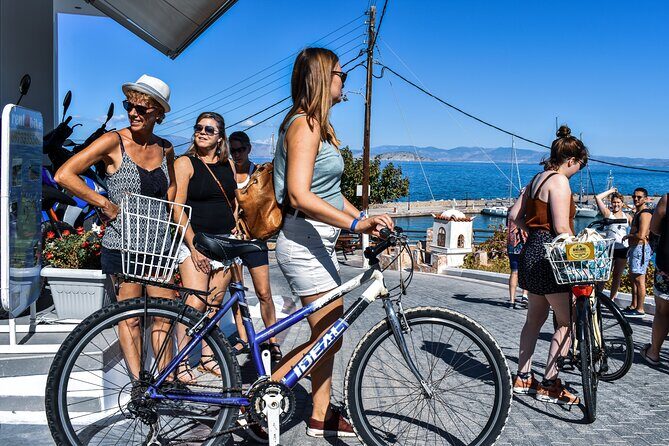
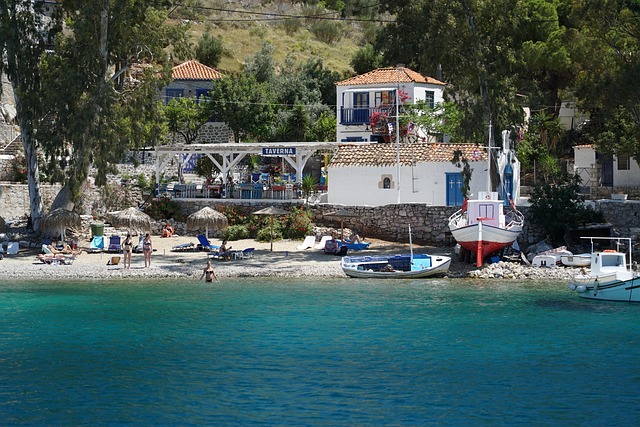
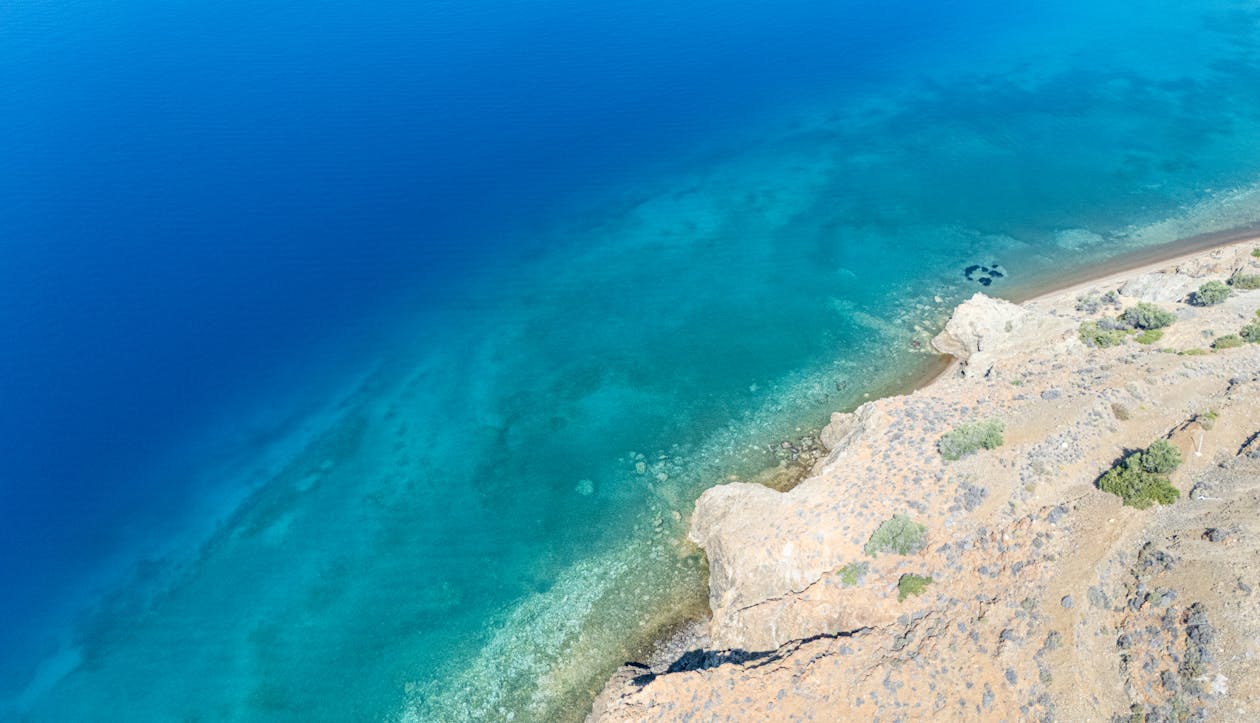
If you have already been to Hydra or simply prefer swimming over sightseeing, this is the alternative route worth considering. Instead of the classic three, you visit Agistri (a small, pine-covered island with some of the clearest water in the Saronic Gulf), Moni (a tiny uninhabited islet where you swim off the boat), and Aegina for the cultural stop.
The big difference is the boat itself — this is a sailing vessel, not a cruise ship. The group is smaller, the experience feels more intimate, and lunch plus drinks are included in the $180 price. The food is a step up from the buffet cruise, and the open bar takes the edge off the price difference. This cruise has near-perfect ratings across thousands of bookings, which is rare for any day trip of this length.
3. Saronic Islands VIP Day Cruise — $304
Same three-island route as the standard cruise — Hydra, Poros, Aegina — but with the comfort dial turned up. The VIP package includes reserved upper-deck seating, a welcome drink, priority boarding, and generally better service throughout the day. At $304 per person, it is roughly double the standard fare.
Is it worth double the price? For couples or travelers who really value comfort on a long day trip, possibly. You avoid the scramble for good seats at 7 AM, the views from the upper deck are noticeably better, and the reserved section means you have a guaranteed spot to return to after each island stop. For groups of friends or anyone on a budget, the standard cruise covers the same islands for half the cost.
4. Guided Day Trip to Aegina Island — $57
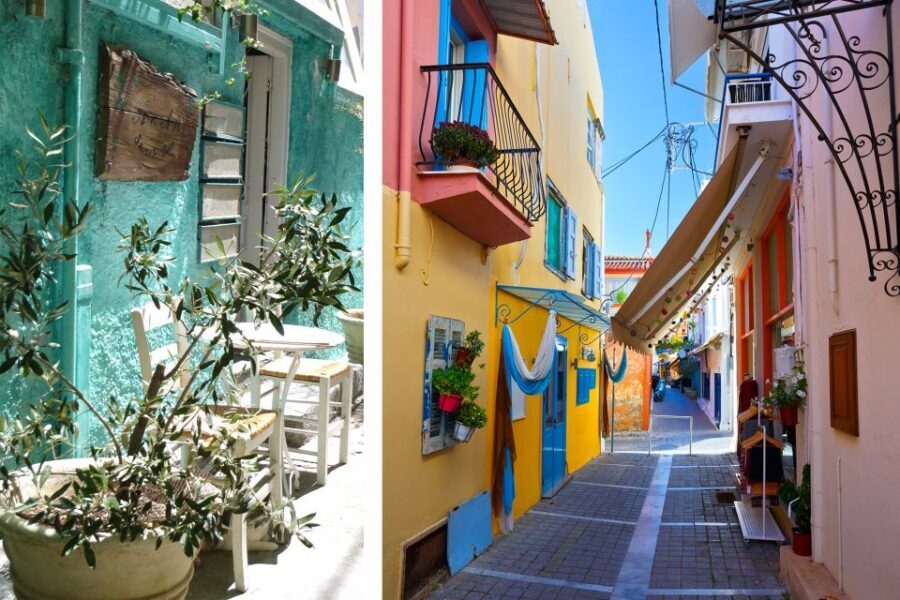
This is the budget-friendly option and honestly one of the smartest ways to do the Saronic Islands if this is your first time in Greece. Instead of trying to see three islands in 12 hours, you spend a full day on Aegina with an expert guide who takes you to the Temple of Aphaia (which most cruise passengers miss entirely), through the medieval ghost village of Paleochora, and to swimming spots that are not on the cruise ship route.
At $57 per person, this is less than half the cost of the standard cruise, and you get a more in-depth experience of a single island. The trade-off is obvious — you do not see Hydra or Poros. But Aegina alone has enough history, food, and swimming to fill a day easily, and you leave actually understanding the island rather than just passing through its harbor. The guides on this trip get excellent marks for their knowledge of Greek history and local culture.
When to Go
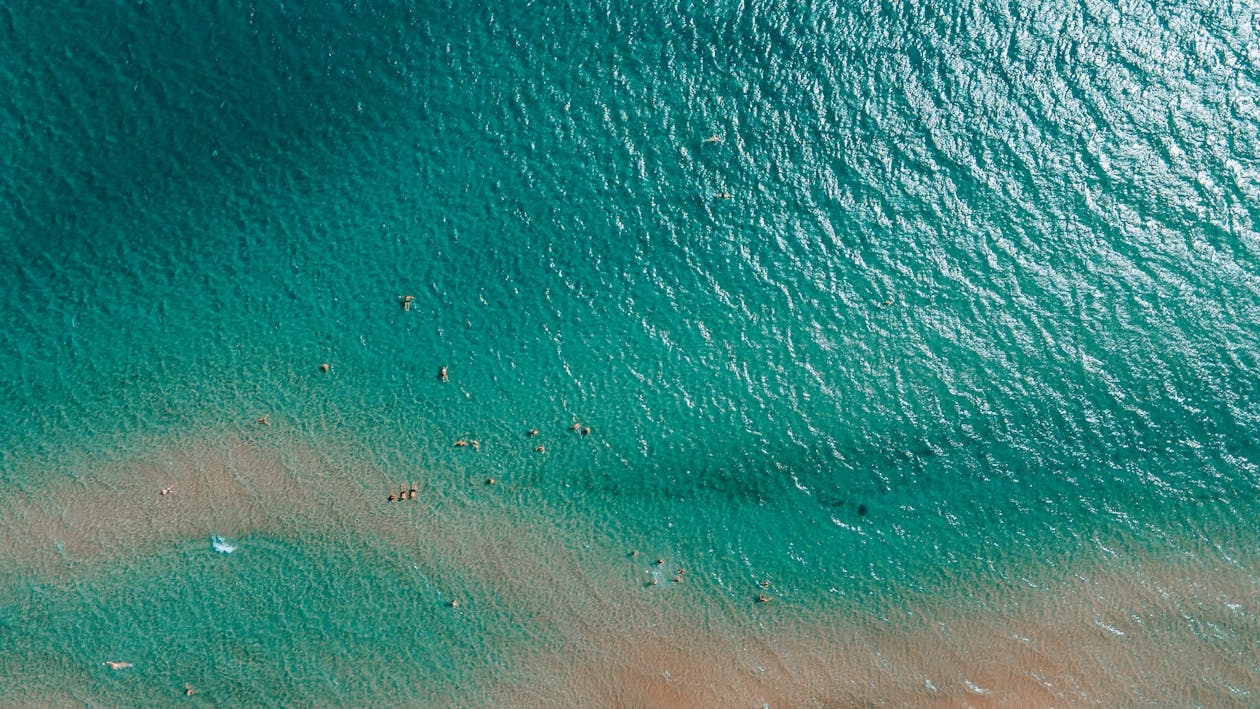
The Saronic Islands day cruise runs year-round, which is unusual for Greek island tours. The peak season is June through September when swimming is genuinely warm and the islands are at their liveliest. July and August are hot and crowded — 35 degrees on the sun deck is not for everyone.
May and October are the sweet spot. The weather is warm enough for comfortable sightseeing (25-28 degrees), the water is swimmable, and the cruise boats are noticeably less full. You will actually get a seat at a waterfront cafe on Hydra in May. In August, good luck.
November through March the cruises still operate, but swimming is off the table and some island restaurants shut down for winter. The upside is dramatically lower prices and the experience of seeing these islands as the locals know them — quiet, uncrowded, and atmospheric in a different way.
How to Get to Piraeus Port
If your cruise includes hotel pickup (most do), this is handled for you. A bus collects you from central Athens hotels between 6:30 and 7:15 AM.
If you are making your own way to Piraeus:
- Metro Line 1 (Green Line) runs directly to Piraeus station. From Syntagma or Monastiraki, the ride takes about 25 minutes and costs 1.20 euros. Get off at the final stop.
- Taxi from central Athens costs 15 to 25 euros depending on traffic and time of day. Allow 30 to 45 minutes during morning rush hour.
- From the airport, take the Metro or X96 bus directly to Piraeus. The metro takes about 70 minutes. The bus takes longer but runs 24/7.
The cruise departure pier is at Trocadero Marina (also called Marina Flisvos) for some operators, or the main Piraeus cruise port for others. Your booking confirmation will specify the exact location. Arrive at least 15 minutes before departure — they will not wait.
Tips That Will Save You Time and Money
- Grab seats on the sun deck immediately after boarding. The best spots on the upper deck go fast, and once the boat is underway you will want a good vantage point for the coastal views. On the standard cruise, there are no assigned seats.
- Bring cash in small denominations. ATMs on Hydra and Poros can be unreliable in peak season, and some smaller shops on the islands do not accept cards. 50 to 80 euros in cash is plenty for drinks, snacks, and souvenirs across all three islands.
- Wear shoes you can walk in. Hydra in particular has cobblestone streets and uphill paths. Flip-flops are fine for the boat but you will want real sandals or sneakers for exploring.
- Pack a swimsuit and a quick-dry towel. Even on the standard cruise, you can swim at Hydra (Spilia beach is a five-minute walk from the port). The alternative cruises include dedicated swim stops.
- Buy pistachios on Aegina, not in Athens. The same bags that cost 8 to 12 euros in Monastiraki shops sell for 4 to 6 euros in Aegina. Buy them fresh and roasted from the harbor vendors.
- Eat a light breakfast before departure. The optional onboard breakfast is basic continental fare. Eat something real at your hotel and save your appetite for the islands.
- Sunscreen and a hat are essential May through October. The sun deck has no shade, and 8 hours of Aegean sun will leave a mark.
What You Will Actually See
The Saronic Gulf has been a shipping lane since the Bronze Age. Ancient Athens imported grain through these waters, pirates hid in the coves of Hydra, and the Greek War of Independence was partly funded by the wealth of Saronic island merchants. Hydra alone supplied over 130 ships to the revolution — which is why the mansions ringing its harbor look like they belong to a much bigger city.
Aegina punches even further above its weight historically. It was one of the first places in Europe to mint coins (the famous “turtle” coins from around 600 BC), served as the first capital of Greece after independence, and the Temple of Aphaia on its eastern ridge is considered one of the three points of the “Sacred Triangle” along with the Parthenon and the Temple of Poseidon at Cape Sounion.
Poros played a smaller role historically but sits on top of the ancient sanctuary of Poseidon, and the narrow strait between the island and the mainland has been a strategic naval position for centuries. The view from the clock tower across to the Peloponnese gives you a feel for why this stretch of water mattered.
More Greece Guides
If you are spending a few days in Athens, a food tour through the central market neighborhoods is one of the best ways to spend a morning, and the Acropolis is obviously non-negotiable. For another great day trip from Athens, the drive down to Cape Sounion and the Temple of Poseidon pairs perfectly with the Saronic cruise — you can see the cape from the boat on clear days. If you want something completely different, Meteora is a full-day trip but the monasteries perched on those rock pillars are unlike anything else in Greece. And if you are heading to the islands for longer, our guides to Santorini caldera cruises and Corfu boat tours cover the booking process the same way.
This article contains affiliate links. If you book through our links, we earn a small commission at no extra cost to you. This helps us keep writing honest, independent travel guides.
More Greece Guides
The Saronic cruise departs from Piraeus, so it pairs naturally with a day exploring Athens on either side. The Acropolis and Archaeological Museum are both worth a morning before or after your island day.
For a different kind of day trip from Athens, Cape Sounion follows the coast south to the Temple of Poseidon. And if ancient history is the goal, Delphi and Epidaurus and Mycenae are both full-day options that take you deep into mainland Greece.