
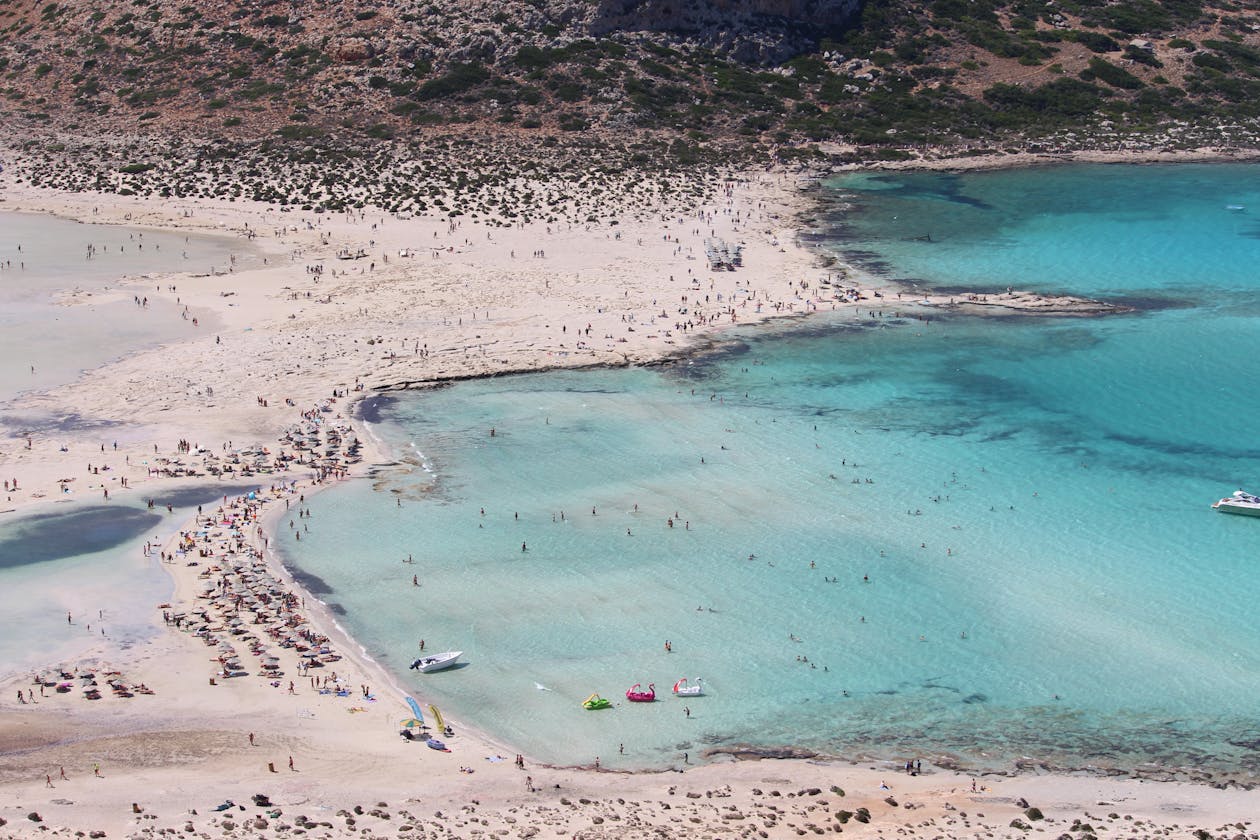
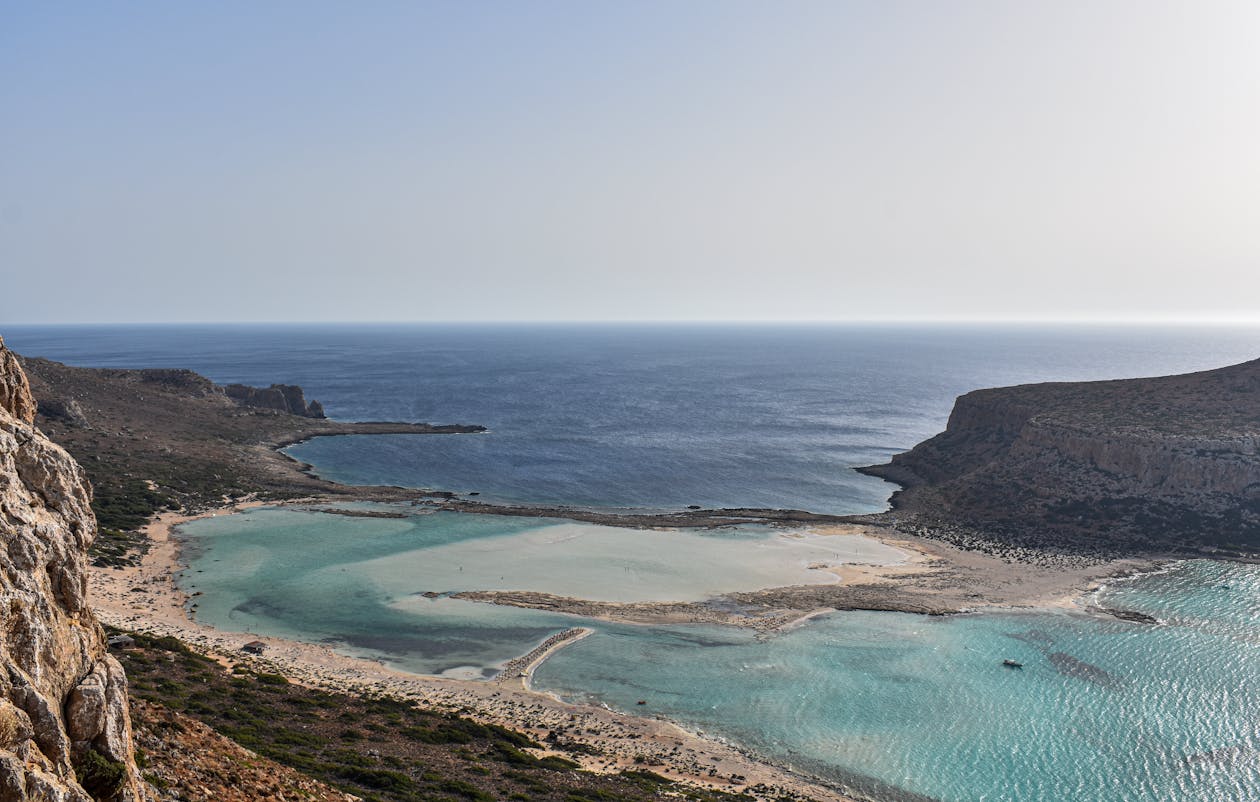
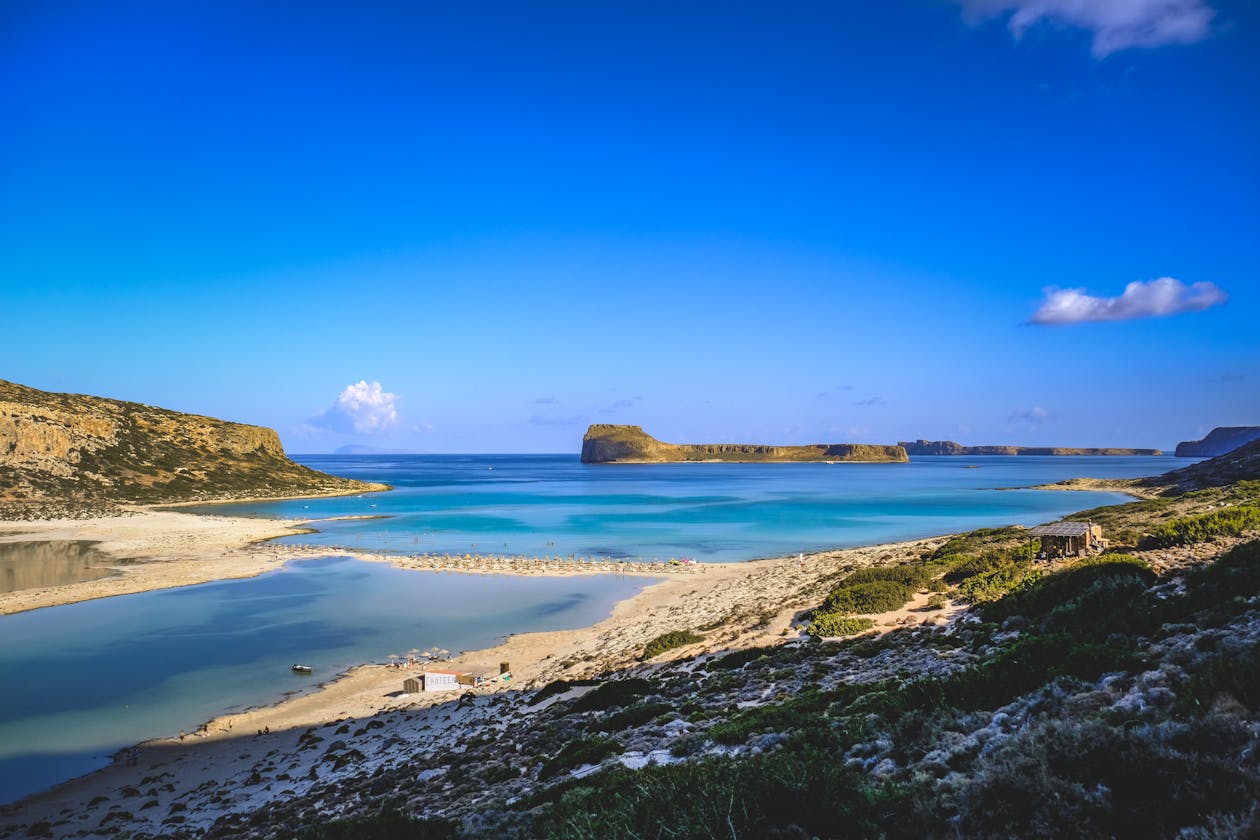
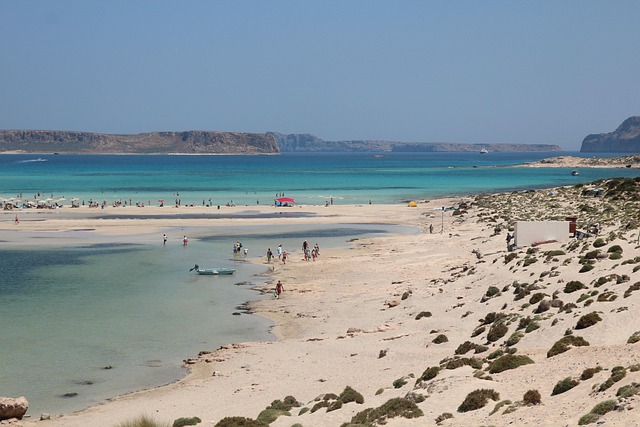
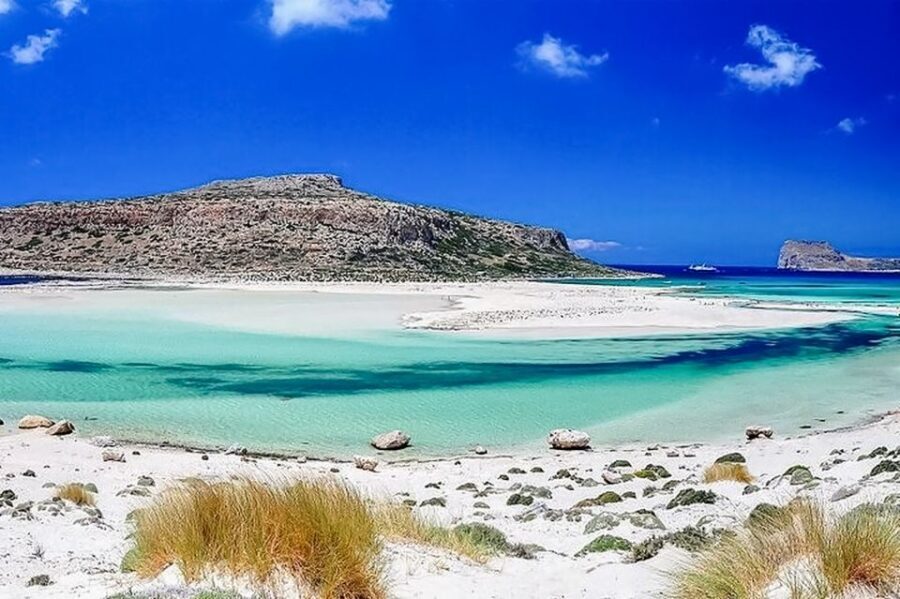
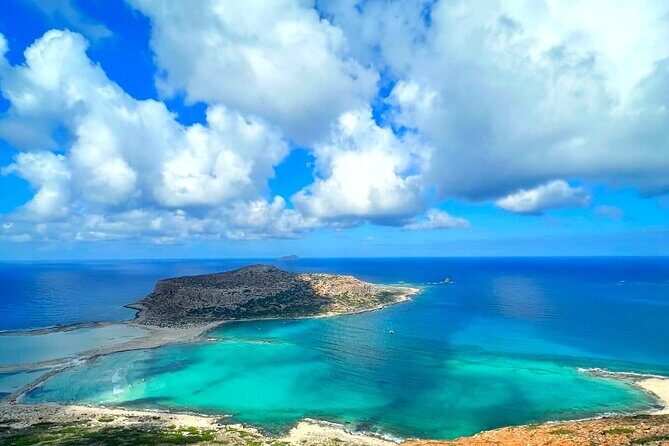
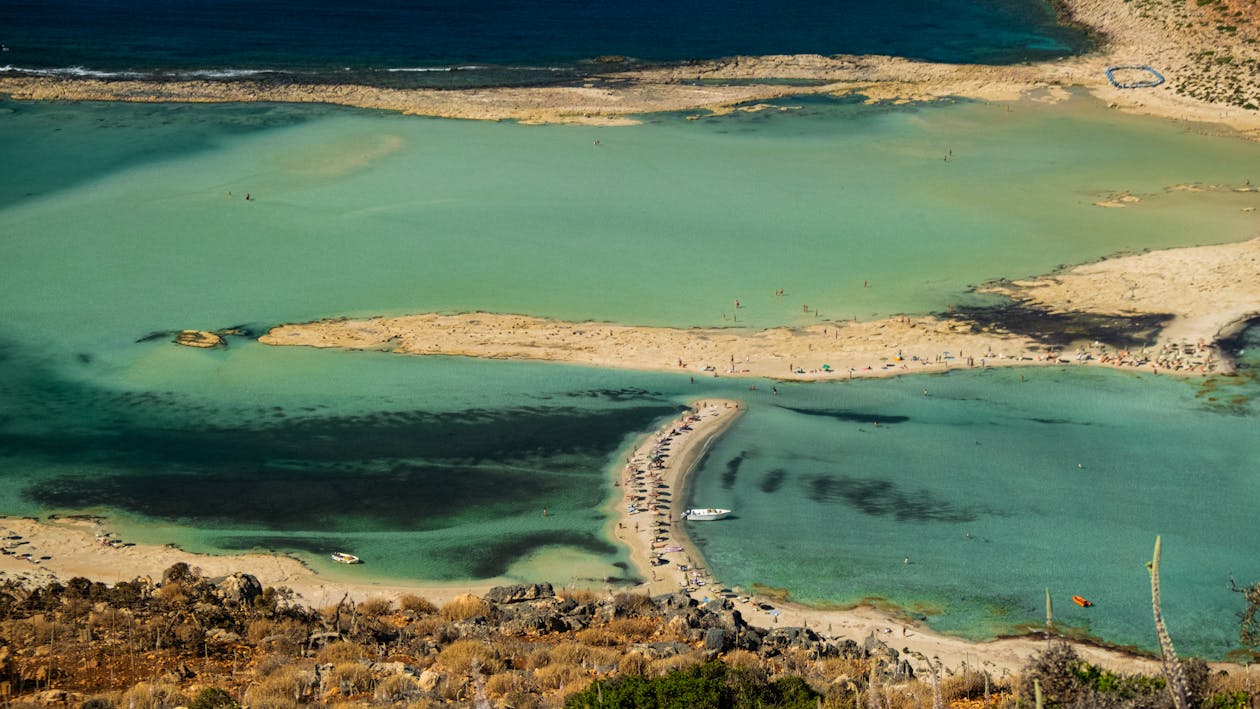
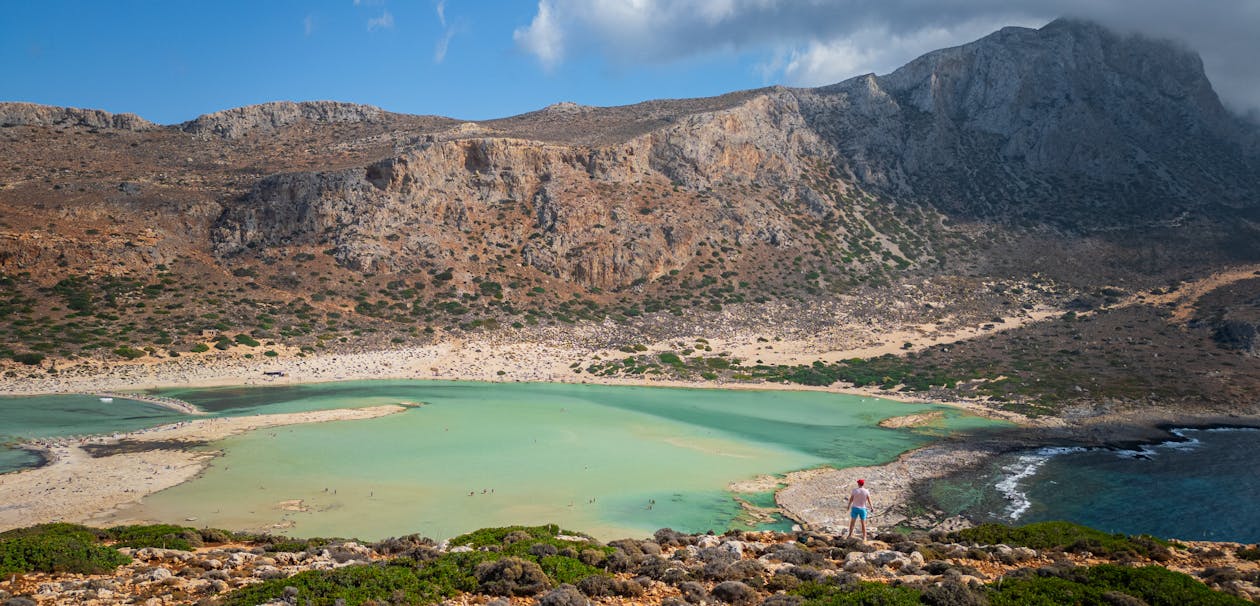
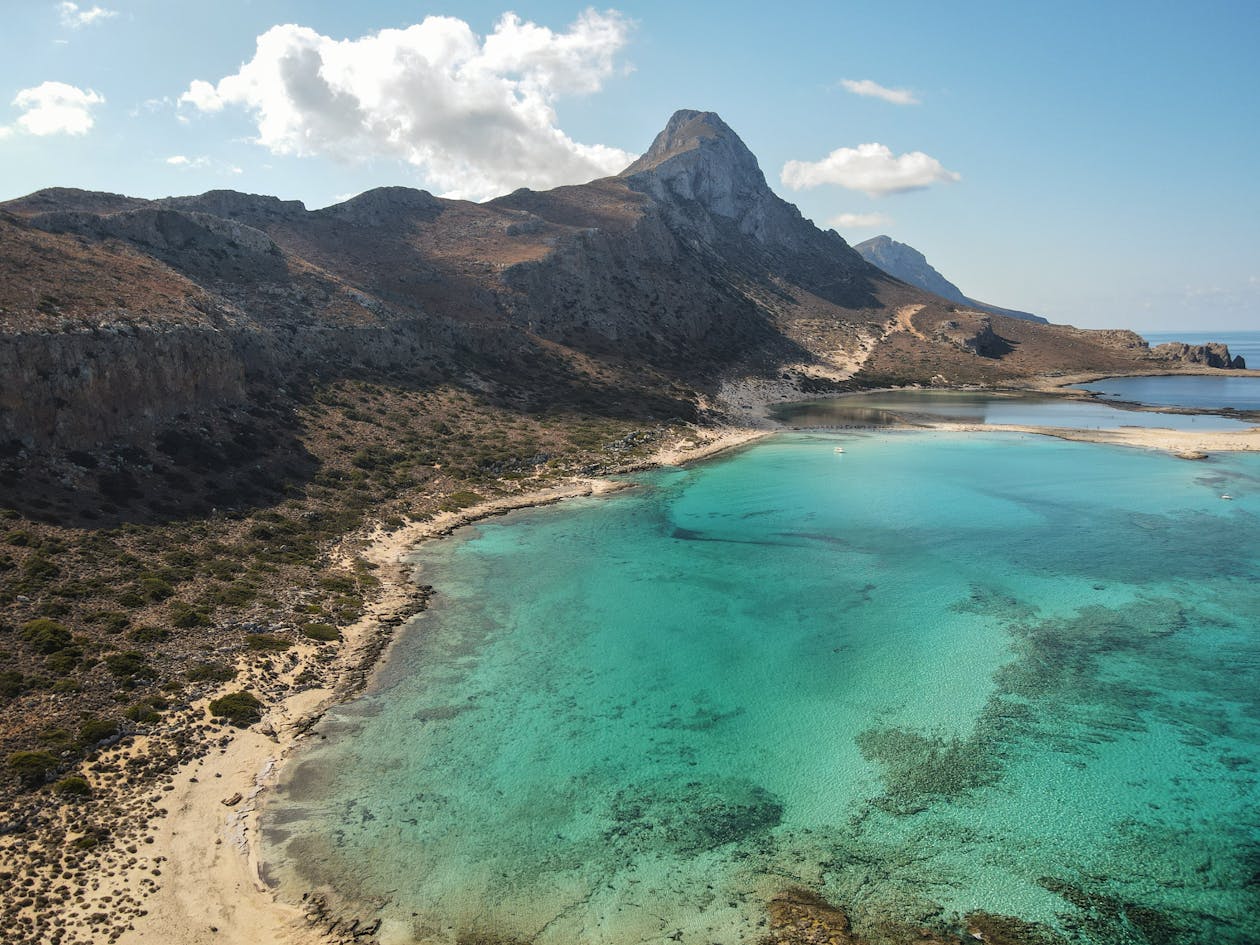
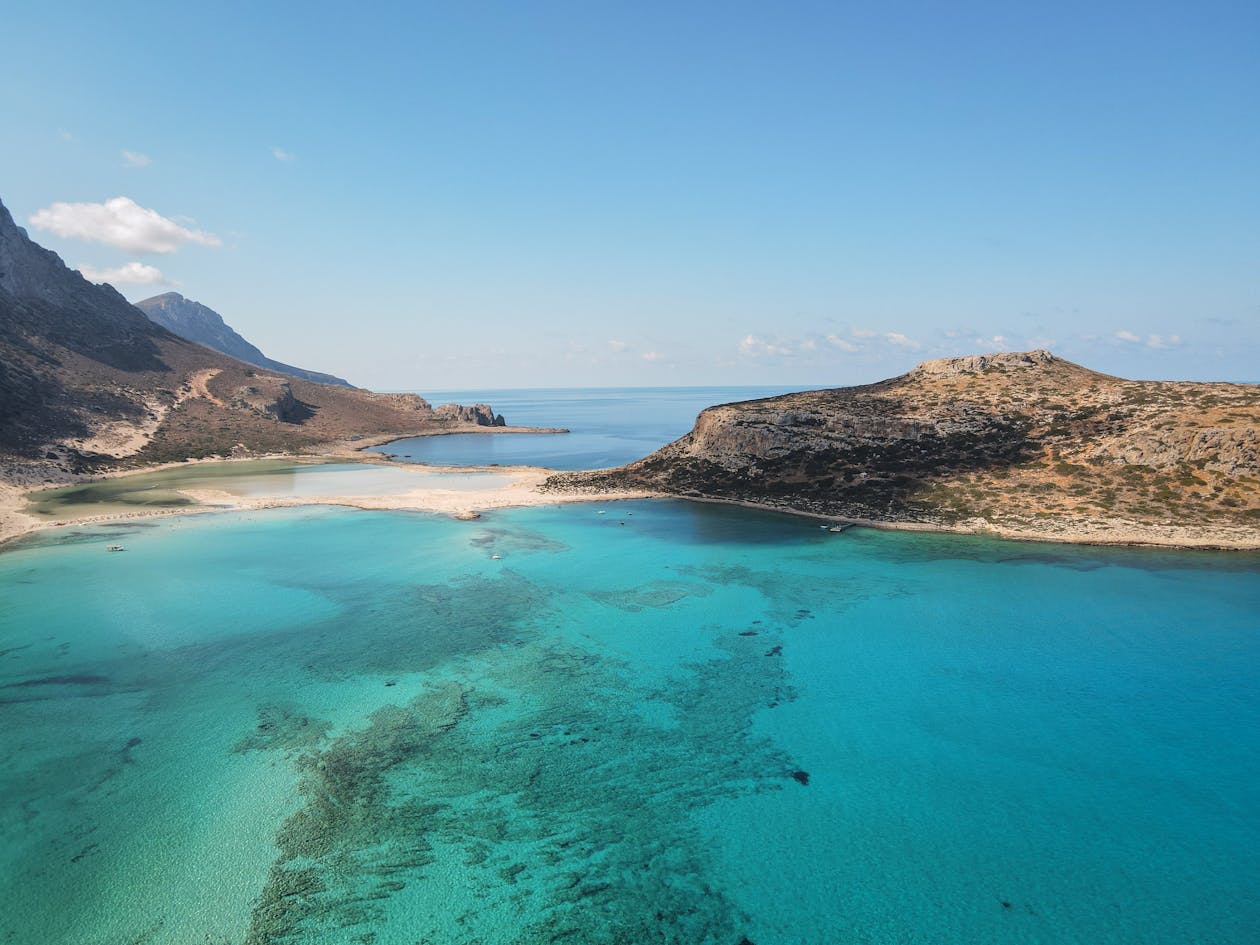
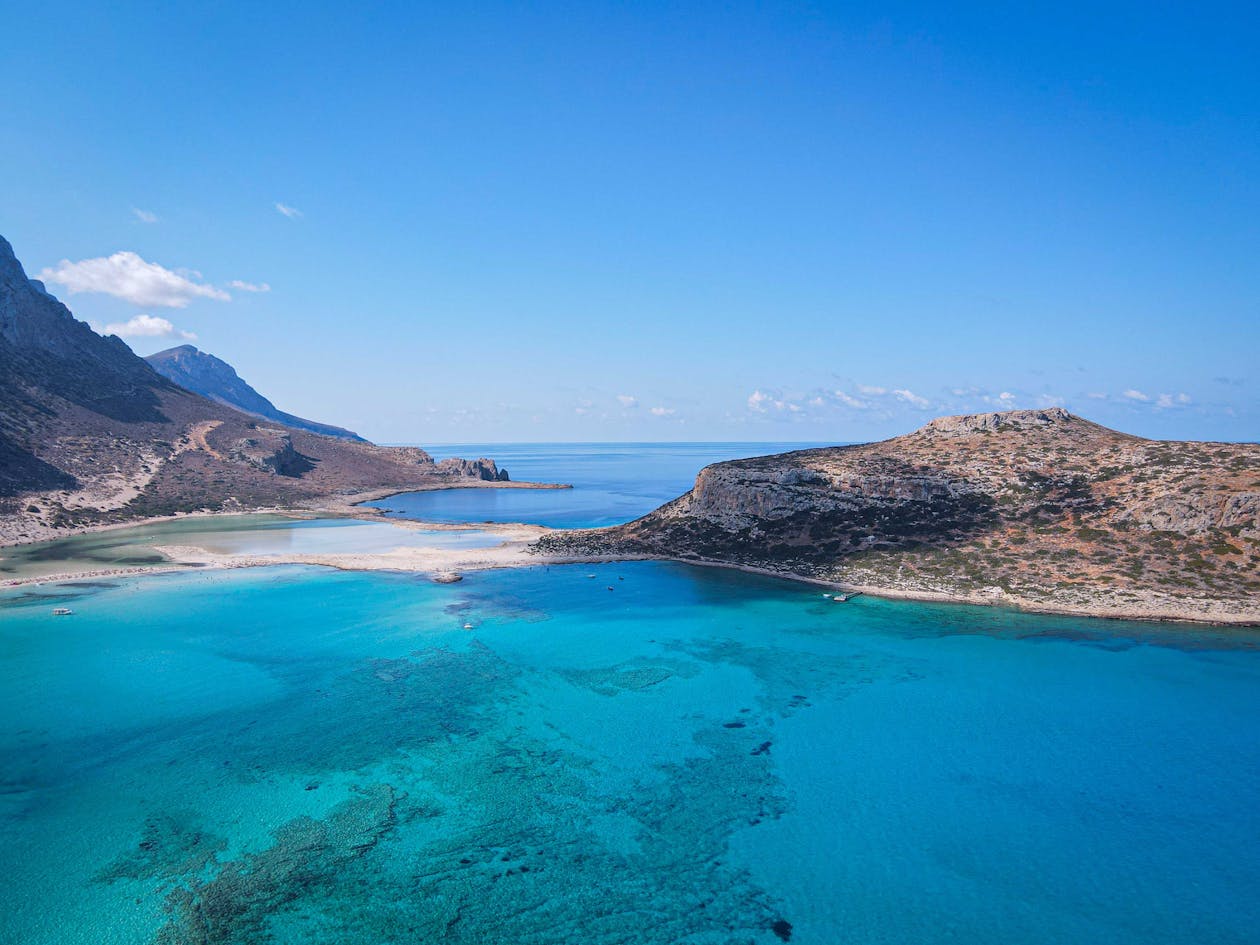
The water at Balos doesn’t behave like normal water. I’m not being dramatic. You hike down from the parking lot, round the last bend in the trail, and suddenly the lagoon is below you in three distinct shades of blue that shouldn’t exist outside of a photo filter. Aquamarine near the shore, deep turquoise where the sand drops off, and almost white where the sandbar meets the shallow end. I actually stopped walking and just stared for a good thirty seconds.
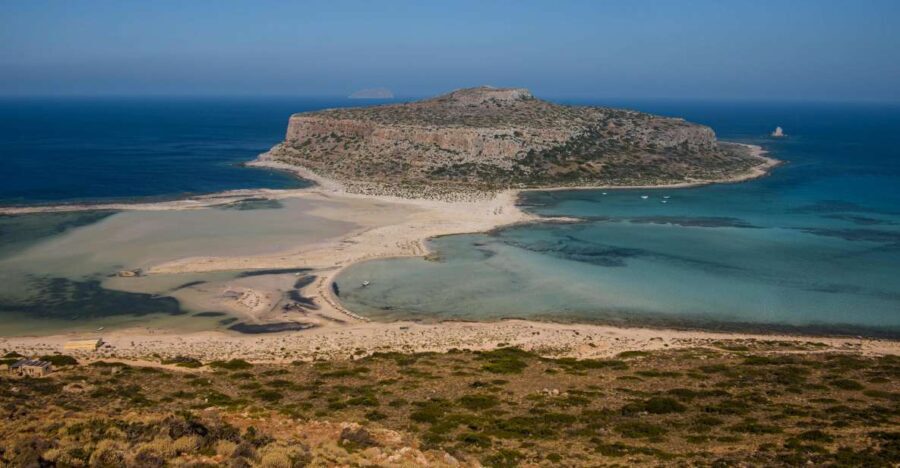
And then there’s Gramvousa sitting out there on the horizon — a rugged chunk of rock topped with a crumbling Venetian fortress from 1579, surrounded by water so clear you can count the pebbles on the seabed from the boat. Most people come for Balos and treat Gramvousa as a bonus stop. I’d argue the fortress alone is worth the boat ride.
The pink sand is real, by the way. It comes from thousands of crushed shells mixed into the white sand, and it’s most visible along the waterline early in the morning before the crowds shuffle through. Balos is western Crete’s headline act, and this guide covers every way to get there, what you’ll actually find when you arrive, and which tours are worth booking.
Best overall: Gramvousa & Balos Cruise with Hotel Pickup — $46. Full day with hotel pickup, boat cruise, and time at both Gramvousa and Balos. The easiest option if you don’t want to rent a car.
Best budget: Bus Transfer from Chania to Kissamos Port — $23. Just the bus ride to the port. You buy your boat ticket separately, which keeps costs low.
Best premium: Luxury Catamaran Sailing Cruise — $236. Small group on a catamaran with lunch and drinks. Anchors at quieter spots the big ferries skip entirely.
- How to Get to Balos Beach and Gramvousa
- Driving to Balos vs Taking the Boat
- The Best Balos Beach and Gramvousa Tours
- 1. Gramvousa & Balos Cruise with Hotel Pickup —
- 2. Bus Transfer from Chania/Kalyves —
- 3. Luxury Catamaran Sailing Cruise from Kissamos — 6
- 4. Balos & Falassarna Jeep Tour with Lunch — 0
- When to Visit Balos Beach
- What You’ll Actually Find at Balos and Gramvousa
- Tips That Will Save You Time and Hassle
- Getting to Kissamos
- History of the Gramvousa Fortress
- While You’re in Western Crete
- More Greece Guides
How to Get to Balos Beach and Gramvousa
There are three ways to reach Balos, and the right one depends on how much effort you’re willing to put in.
Option 1: Drive yourself. From Chania, it’s about 55 kilometers to the Balos parking lot on the Gramvousa peninsula. The last 8-9 kilometers are unpaved dirt road — bumpy, narrow, and lined with goats who genuinely do not care that you exist. A standard rental car handles it fine if you go slowly (20-25 km/h). Parking costs around 1 euro. From the lot, it’s a 20-minute downhill hike to the beach on a rocky trail with no shade. Bring proper shoes, water, and a hat. Coming back uphill in the afternoon heat is the hard part.
Option 2: Take the boat from Kissamos. This is how most people do it. Ferries leave Kissamos port in the morning (usually around 10:00-10:15) and return mid-afternoon. The boat stops at Gramvousa first for about an hour, then continues to Balos for 2-3 hours. Round trip costs around 28-30 euros if you buy tickets at the port, though tour operators sometimes include the boat ticket in a package deal. The Cretan Daily Cruises ferry is the biggest operator.
Option 3: Book a guided tour. Most tours from Chania or Rethymno include bus transfer to Kissamos, the boat cruise, and guide commentary. You pay more but skip the logistics entirely. This makes sense if you’re staying in Chania, Rethymno, or even Heraklion and don’t have a car.
Driving to Balos vs Taking the Boat
Honest comparison, since every guide seems to pick one side.
Driving pros: You arrive early (before the boats), you get the lagoon almost to yourself for a couple of hours, you set your own schedule, and you can stop at the viewpoint above Balos for the famous aerial photo everyone puts on Instagram. The drive through the Gramvousa peninsula at dawn, with nothing but goats and scrubland and the sea turning pink on the horizon, is genuinely one of the prettiest drives in Crete.
Driving cons: That dirt road shakes your fillings loose. Coming back up the hiking trail in 35-degree heat is no joke, especially with kids. No shade on the trail whatsoever. And you miss Gramvousa entirely unless you have your own boat.
Boat pros: You see Gramvousa and its fortress, no hiking required (the boat drops you right at the beach), and the cruise along the coastline is beautiful. Much less physical effort.
Boat cons: You arrive when 200-400 other people arrive on the same boat. Your time at Balos is fixed (usually 2-3 hours). July and August ferries are crowded. And the small boats that shuttle you from the ferry to the Balos shoreline charge a few extra euros.
My take: if you’re reasonably fit and have a car, drive and arrive by 8:00 AM. You’ll have paradise mostly to yourself. If you don’t have a car, or if climbing back uphill in the heat sounds miserable, take the boat.
The Best Balos Beach and Gramvousa Tours
I’ve gone through the options and narrowed it down to four that actually stand out. Each one takes a different approach, so pick based on your budget and what kind of day you want.
1. Gramvousa & Balos Cruise with Hotel Pickup — $46
This is the one I’d tell most people to book. At $46 for a full 16-hour day that includes hotel pickup, you’re basically paying for the convenience of not thinking about logistics. The bus collects you from your accommodation in the Chania or Kissamos area, drops you at the port, and the boat handles the rest. You get about an hour on Gramvousa and a solid chunk of time at Balos.
The pickup coverage is the selling point. If you’re in central Chania without a car, this solves the biggest headache — getting to Kissamos port, which is 40 kilometers west. The full review covers the pickup zones and timing details, but the short version is they’ll grab you around 7:30-8:00 AM and have you back by evening.
2. Bus Transfer from Chania/Kalyves — $23
If you want the Balos experience without the tour price, this bus transfer is the smart play. At $23, you’re only paying for the ride from Chania to Kissamos port and back. The boat ticket you buy separately at the port (around 28-30 euros), which means your entire day costs roughly 50-55 euros. That’s half what a fully guided option runs.
The trade-off is obvious — no guide commentary, no hand-holding. But honestly, Balos and Gramvousa don’t need a guide. The lagoon speaks for itself, and the Gramvousa fortress has information boards. If you’re a confident traveler who just needs the transport sorted, this is the most cost-effective way to get there from Chania.
3. Luxury Catamaran Sailing Cruise from Kissamos — $236
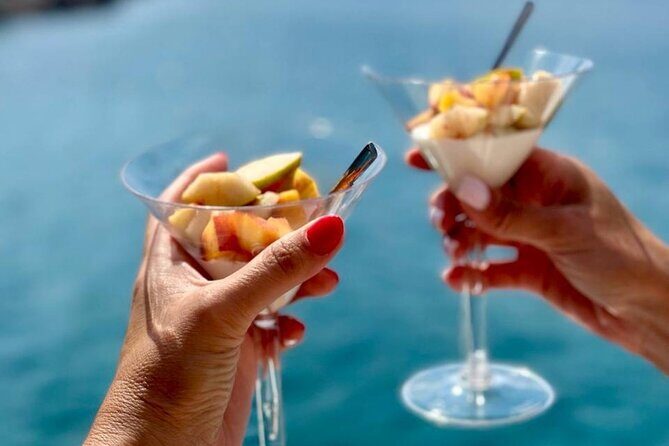
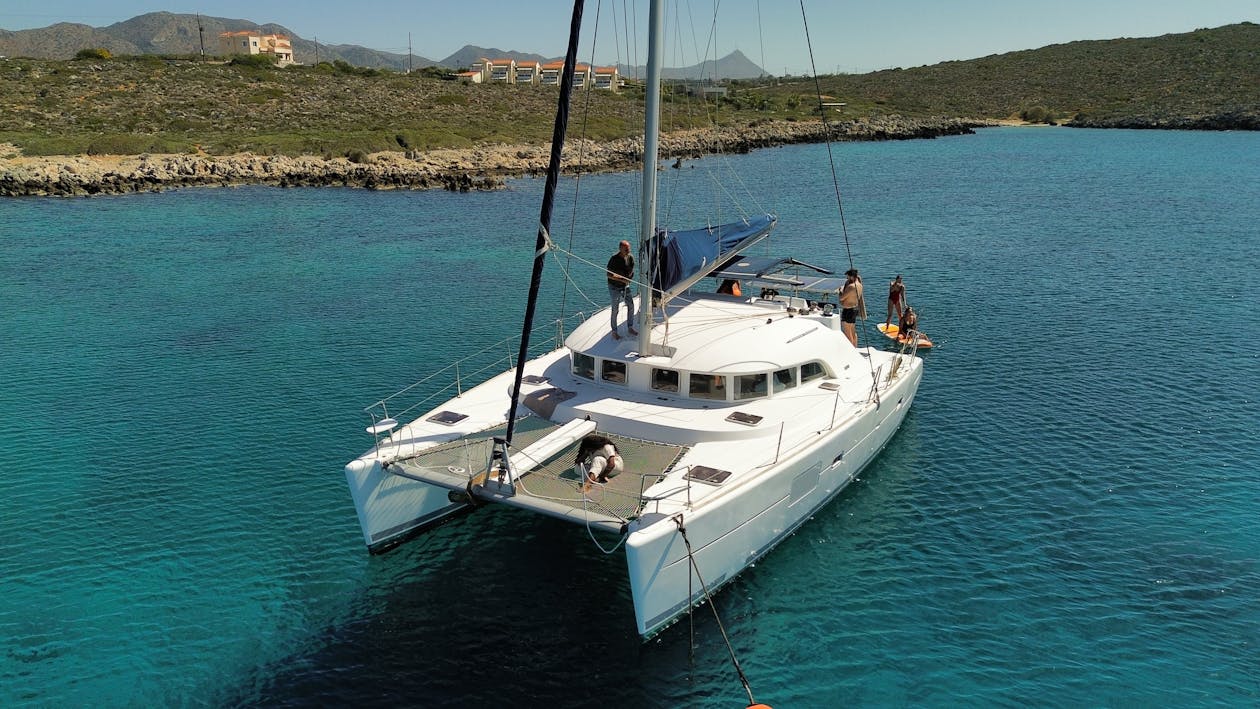
This is the option for people who want to do Balos properly. The $236 price tag stings, but here’s what you actually get: a 7.5-hour day on a catamaran capped at 12 passengers, with a full lunch and drinks included. You anchor at swimming spots the ferries can’t reach, sail into sea caves, and approach Balos from angles you’ll never see from the big boats.
The small group size changes everything. Instead of jostling with hundreds of people for a spot on the sand, you’re stepping off a catamaran into water that hasn’t been churned up by ferry propellers. The catamaran cruise review has details on what lunch includes and the exact route, but the big draw is the sailing itself. If you’ve ever wanted to see western Crete’s coastline from the water, this is the way.
4. Balos & Falassarna Jeep Tour with Lunch — $200
Here’s the one everyone overlooks. Instead of taking a boat, this $200 jeep tour drives you across the peninsula to Balos via the famous dirt road (in a proper 4×4, so the bumps are part of the fun rather than something you’re wincing through in a rental hatchback). But the real kicker is the second stop: Falassarna Beach, which consistently ranks among Greece’s best beaches and gets a fraction of Balos’s crowds.
The 7-8 hour day includes loungers and a full lunch, and you arrive at Balos from the land side. That means you get the famous viewpoint overlooking the lagoon before hiking down — the photo everyone wants. If you’ve already seen Gramvousa or you’d rather spend your time on two incredible beaches instead of one beach and a fortress, this is the smarter combination for a beach day.
When to Visit Balos Beach
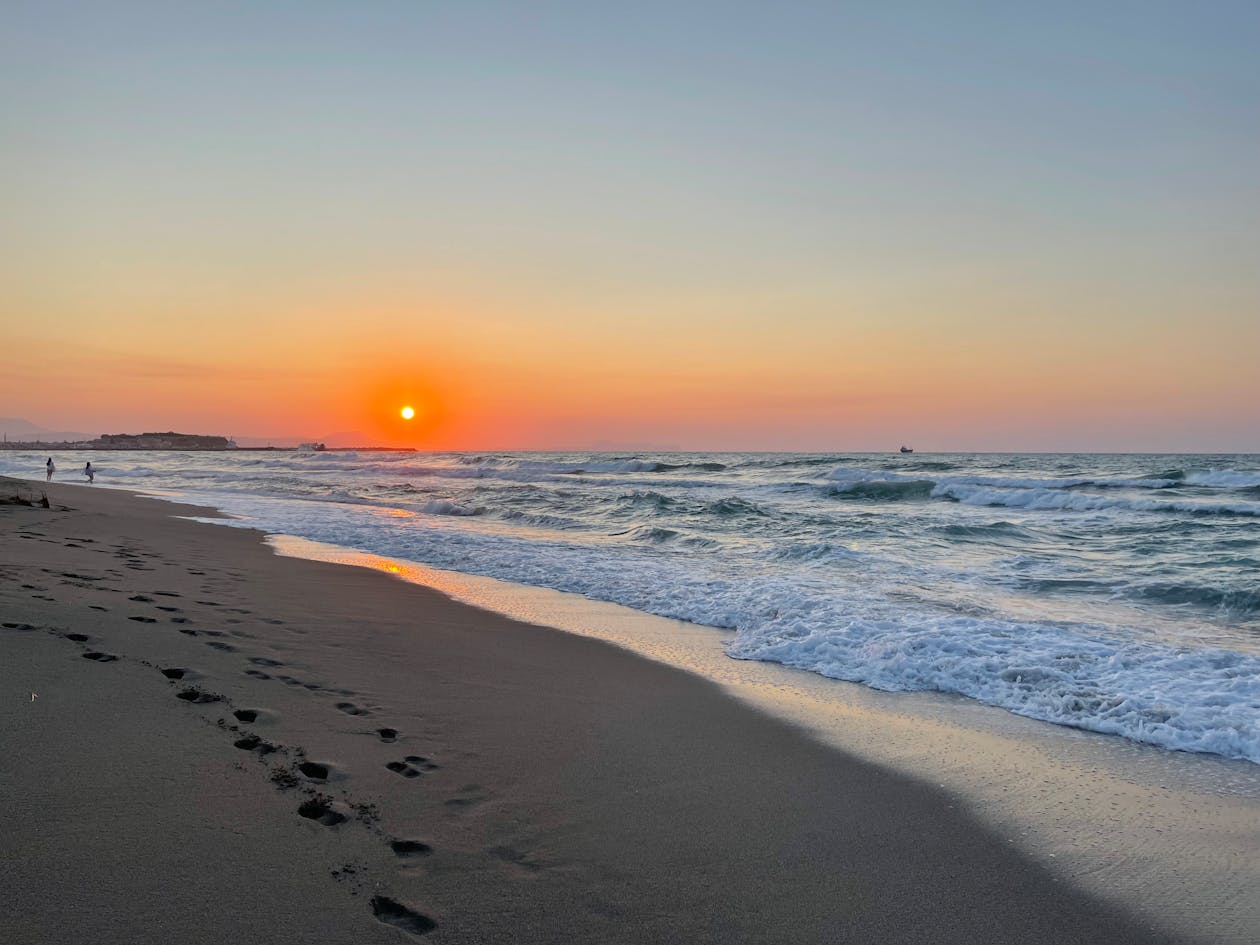
Best months: May, June, and September. The water is warm enough to swim, the weather is reliable, and the crowds haven’t peaked. October works too but afternoons can get windy, and some boat operators start reducing schedules.
Peak season reality check: July and August are hot (35-40 degrees is normal), the ferries are packed to capacity, and there’s barely room to lay a towel at Balos by midday. If you’re visiting in peak summer, either drive and arrive before 9:00 AM, or accept that you’ll be sharing the lagoon with several hundred other people.
Time of day matters more than time of year. If you’re driving, leave Chania by 6:30 AM and you’ll have Balos largely to yourself until the first boat arrives around 11:30. The morning light is also the best for photos — the water colors are more intense when the sun is lower.
Boat schedules: The main ferries from Kissamos depart around 10:00-10:15 AM daily from late April through October. Return is usually around 4:30-5:00 PM. Check with Cretan Daily Cruises or your tour operator for exact times, as schedules shift slightly each season.
What You’ll Actually Find at Balos and Gramvousa
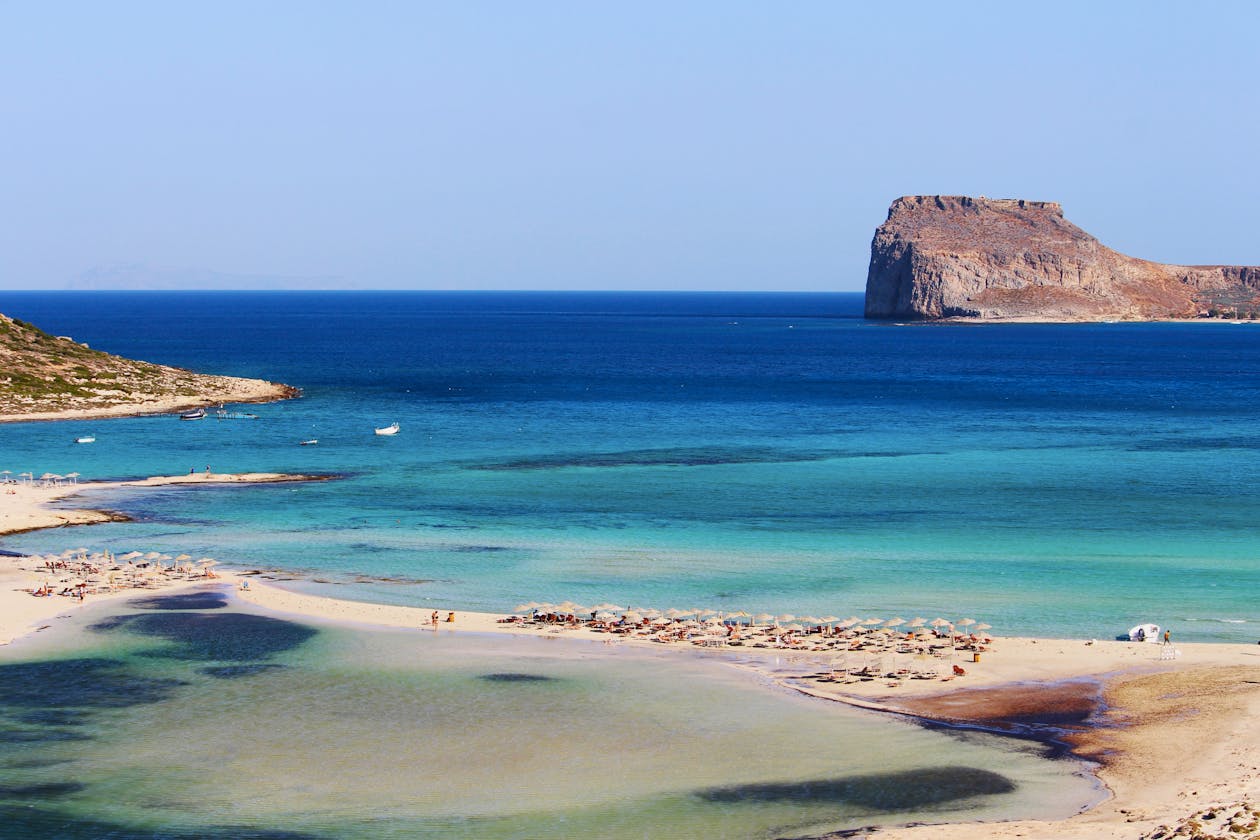
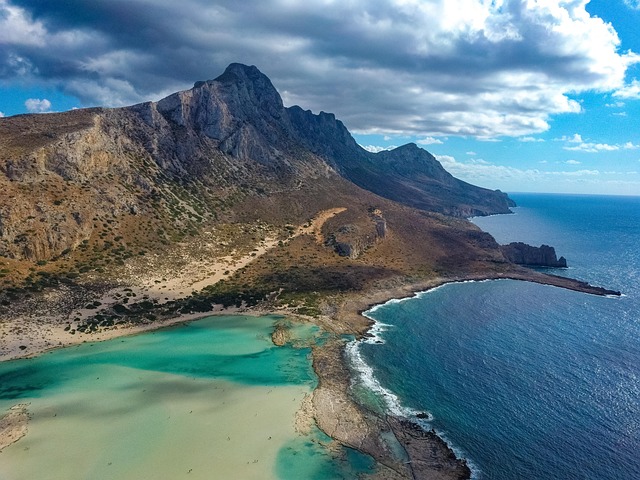
At Balos: The lagoon itself is the star. It’s formed by a narrow strip of sand connecting the Gramvousa peninsula to a small island called Tigani (which means “frying pan” in Greek — apt, given the midday sun). The water is extraordinarily shallow in the lagoon — often just ankle-deep for the first 50-100 meters. This is why the colors are so intense; you’re looking at turquoise water over white and pink sand with almost no depth to darken it.
There are no permanent structures on Balos Beach. No restaurants, no bars, no changing rooms. During the tourist season, a few vendors sell drinks, snacks, and rent sunbeds, but facilities are minimal. Bring your own water (at least 1.5 liters per person), sunscreen, and food. The hiking trail from the parking lot has zero shade, and the beach itself offers very little natural cover.
At Gramvousa: The Venetian fortress sits at the top of the island, about a 15-20 minute uphill hike from where the boats dock. The path is steep, rocky, and completely exposed to the sun. The fortress itself is partially ruined but the walls, cannon emplacements, and cisterns are intact enough to explore. The views from the top — Balos in one direction, the open Cretan Sea in the other — are spectacular.
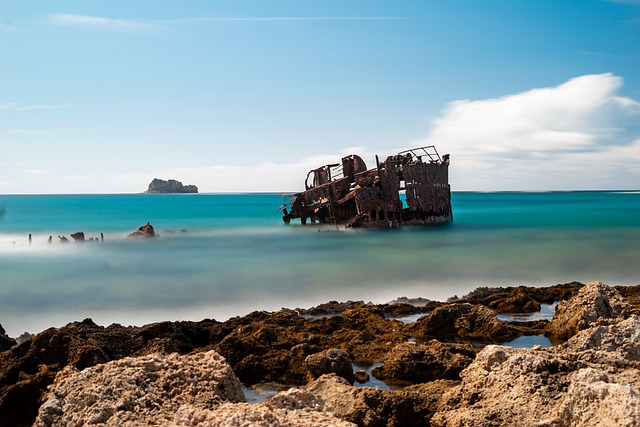
Below the fortress, there’s a small pebble beach where the boats dock. The water here is clear and the swimming is good, with less competition for space than at Balos. You’ll also spot the rusting hulk of a ship called the Dimitrios, which ran aground in the 1980s and has become an accidental landmark.
Tips That Will Save You Time and Hassle
Water shoes are not optional. The beach at Balos is beautiful but the seabed has rocks and shell fragments, especially on the northern end closer to Gramvousa. Walking barefoot is uncomfortable. Cheap aqua shoes solve this completely.
Bring more water than you think you need. There’s almost nowhere to buy water at Balos itself (one small vendor, no guarantee of supply), and the hike back to the parking lot in afternoon heat will drain you. Two liters per person minimum.
The goats are everywhere and they mean it. On the drive out to the Gramvousa peninsula, herds of wild goats cross the dirt road constantly. They don’t move for cars. They also hang around the Balos viewpoint and the parking lot. They’re harmless but will investigate any food left unattended.
Arrive early if driving. The parking lot fills up by 10:00-11:00 AM in peak season. Getting there by 8:00 means you park easily, hike down in cooler temperatures, and have the lagoon to yourself for two glorious hours before the ferries show up.
The hike back up is the hard part. Going down to Balos takes about 20 minutes. Coming back up takes 30-40 minutes and gains about 150 meters of elevation with no shade. Start your return before the peak afternoon heat if possible.
Don’t skip Gramvousa if you’re on the boat. Some people stay on the beach at Balos and skip the Gramvousa stop. The fortress hike is steep but the views from the top are some of the best in all of Crete, and the small beach below the fort has clearer, calmer water than Balos.
Getting to Kissamos
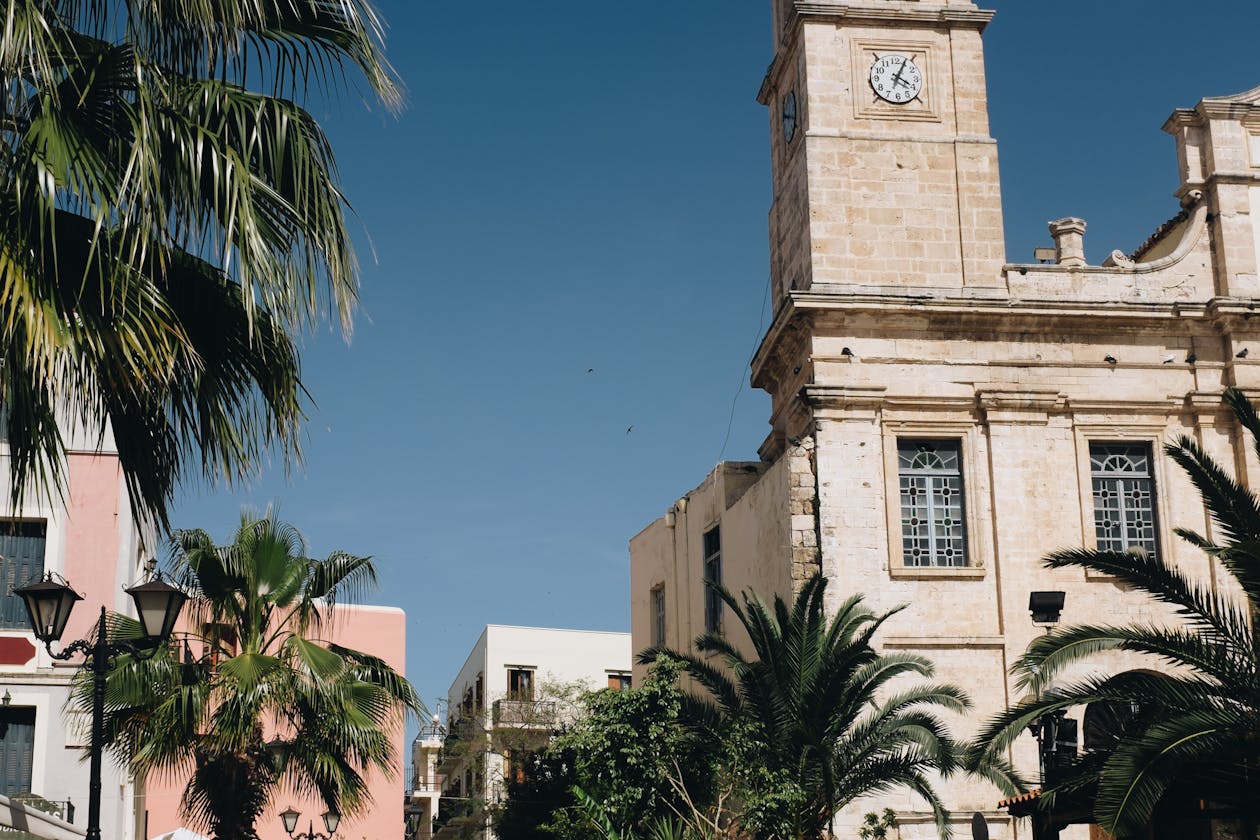
Kissamos (sometimes called Kastelli) is the gateway town for Balos. It sits about 36 kilometers west of Chania on the northern coast.
From Chania: Public KTEL buses run from Chania’s main bus station to Kissamos several times daily. The ride takes about 45-50 minutes and costs around 5-6 euros one way. Most tour operators offer pickup from Chania hotels, which is easier but locks you into their schedule.
From Rethymno: It’s about 95 kilometers to Kissamos, roughly 1.5 hours by car along the national road through Chania. There are direct tour buses from Rethymno as well, though the day is longer (expect 10-12 hours total).
From Heraklion: This is a serious trek — 160 kilometers each way, around 2.5 hours of driving. Full-day tours from Heraklion exist but you’ll spend more time on the bus than at the beach. If Balos is a priority, consider basing yourself in Chania for a night or two.
Renting a car: If you’re planning to drive to Balos, pick up your rental in Chania rather than Kissamos. Chania has more options and better rates. A compact car handles the dirt road fine — you don’t need a 4×4, despite what some blogs claim. Just go slow.
History of the Gramvousa Fortress
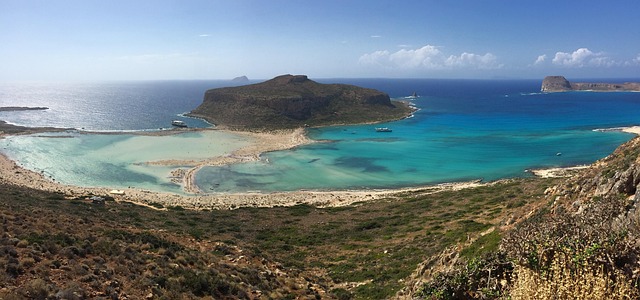
The Venetians built the fortress on Gramvousa in 1579, and its position made it nearly impossible to attack. Sitting 137 meters above sea level on sheer cliff faces, it was one of the three fortresses (along with Spinalonga and Souda) that Venice held even after the rest of Crete fell to the Ottoman Empire in 1669.
The Ottomans eventually took it in 1692 through starvation rather than assault — the garrison simply ran out of supplies. In 1825, Greek rebels captured the fortress during the Greek War of Independence and used it as a base for the next few years. The fortress changed hands several times before the island was eventually abandoned.
What remains today are thick outer walls, a series of vaulted rooms, water cisterns, and the foundations of a small church. The stonework is weathered but substantial. Walking through the ruins with the sea stretching out in every direction gives you a real sense of how isolated and strategic this outpost was.
While You’re in Western Crete
Balos is the obvious western Crete highlight, but the whole region deserves more than a single day. Falassarna Beach, about 15 kilometers south of the Balos turnoff, has a long stretch of golden sand with better swimming conditions than Balos and a fraction of the crowds — the jeep tour combining both beaches is a solid full-day option. Elafonisi, further south on the western tip, is Crete’s other famous pink-sand beach and makes for a great second beach day.
Chania’s old Venetian harbor is one of the most photographed spots in Crete and well worth an evening stroll, especially around sunset when the lighthouse at the harbor entrance catches the golden light. The food scene in Chania’s backstreets is excellent — skip the waterfront tourist restaurants and head a block or two inland for better mezze at half the price.
If the Gramvousa fortress sparked your interest, the Venetian fortifications at Firkas on Chania’s waterfront and the much larger Fortezza in Rethymno are both easy day trips. For something completely different, the Samaria Gorge — Europe’s longest gorge walk at 16 kilometers — starts in the White Mountains south of Chania and finishes at the coastal village of Agia Roumeli.
Some links in this article are affiliate links. If you book through them, we earn a small commission at no extra cost to you. This supports the site and helps us keep writing these guides.
More Greece Guides
Balos sits at the far western end of Crete, so it usually takes a dedicated day. On other days, the eastern side of the island offers Spinalonga Island — a boat ride from Elounda to an abandoned leper colony turned open-air museum — and Knossos Palace near Heraklion, where Europe’s oldest civilization built something extraordinary 4,000 years ago.
For another full-day Crete adventure, Samaria Gorge is the longest gorge in Europe and hikes point-to-point from the White Mountains down to a coastal village. A different kind of spectacular from the lagoon at Balos, but equally worth a day.