
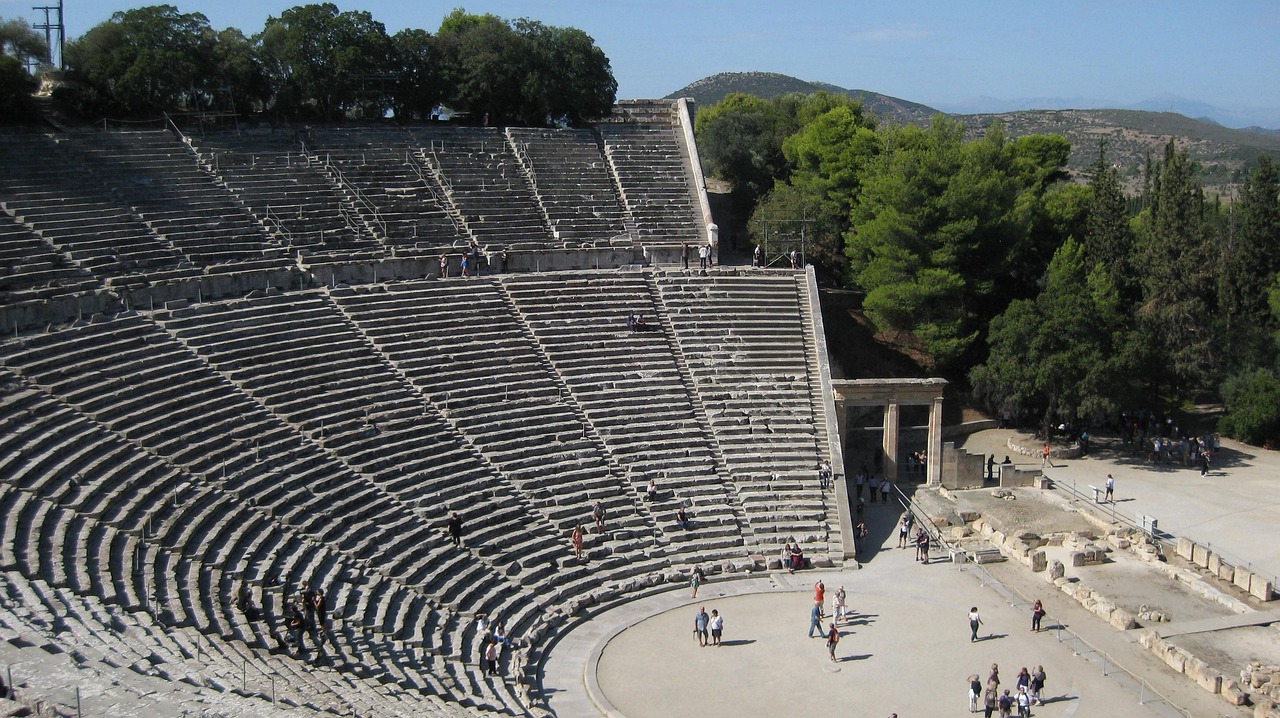
Drop a coin on the stone floor at the centre of the Theatre of Epidaurus. Someone sitting in the very last row, 55 rows up and roughly 60 metres away, will hear it land. That acoustic trick has baffled engineers for centuries, and it still works exactly as it did when the theatre was built around 340 BC. Pair that with the Lion Gate at Mycenae — a 3,250-year-old entrance carved with two headless lions that once guarded the richest palace in Bronze Age Greece — and you have a day trip from Athens that covers roughly 3,000 years of history in under 10 hours.
Both sites sit in the Argolis region of the Peloponnese, about 120 km southwest of Athens. You can technically drive there yourself, but most visitors book a guided day tour because the logistics are simpler, parking at both sites is a pain in high season, and a good guide turns a pile of old stones into something you actually remember. Most tours also stop in Nafplio, the first capital of modern Greece, which is worth the detour on its own.
- Best budget group tour: Mycenae, Epidaurus & Nafplio Full-Day VR Audio Guided Tour — from around $35 per person with VR headsets included
- Best private tour: Mycenae, Epidaurus, Nafplio Full Day Private Tour — from around $229 per person, flexible schedule and personal guide
- Most complete route: Ancient Corinth, Mycenae, Epidaurus, Nafplio Private Tour — adds Ancient Corinth to the itinerary for around $266 per person
- What You Will Actually See (And Why It Matters)
- Epidaurus: The Theatre That Should Not Work
- Mycenae: Where the Trojan War Started
- Nafplio: The Beautiful Bonus Stop
- The Best Tours to Book
- 1. Mycenae, Epidaurus & Nafplio Full-Day VR Audio Guided Tour
- 2. Mycenae, Epidaurus, Nafplio Full Day Private Tour
- 3. Ancient Corinth, Mycenae, Epidaurus & Nafplio Private Tour
- Practical Stuff You Should Know
- When to Go
- What to Bring
- Group Tour vs. Private Tour
- Driving Yourself?
- Making the Most of Your Day
- More Greece Guides
What You Will Actually See (And Why It Matters)
Epidaurus: The Theatre That Should Not Work
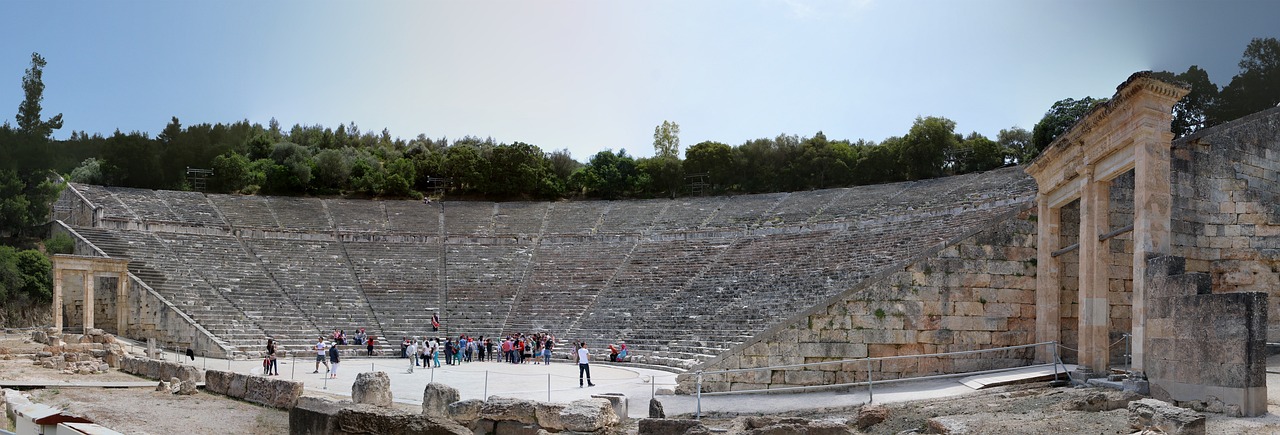
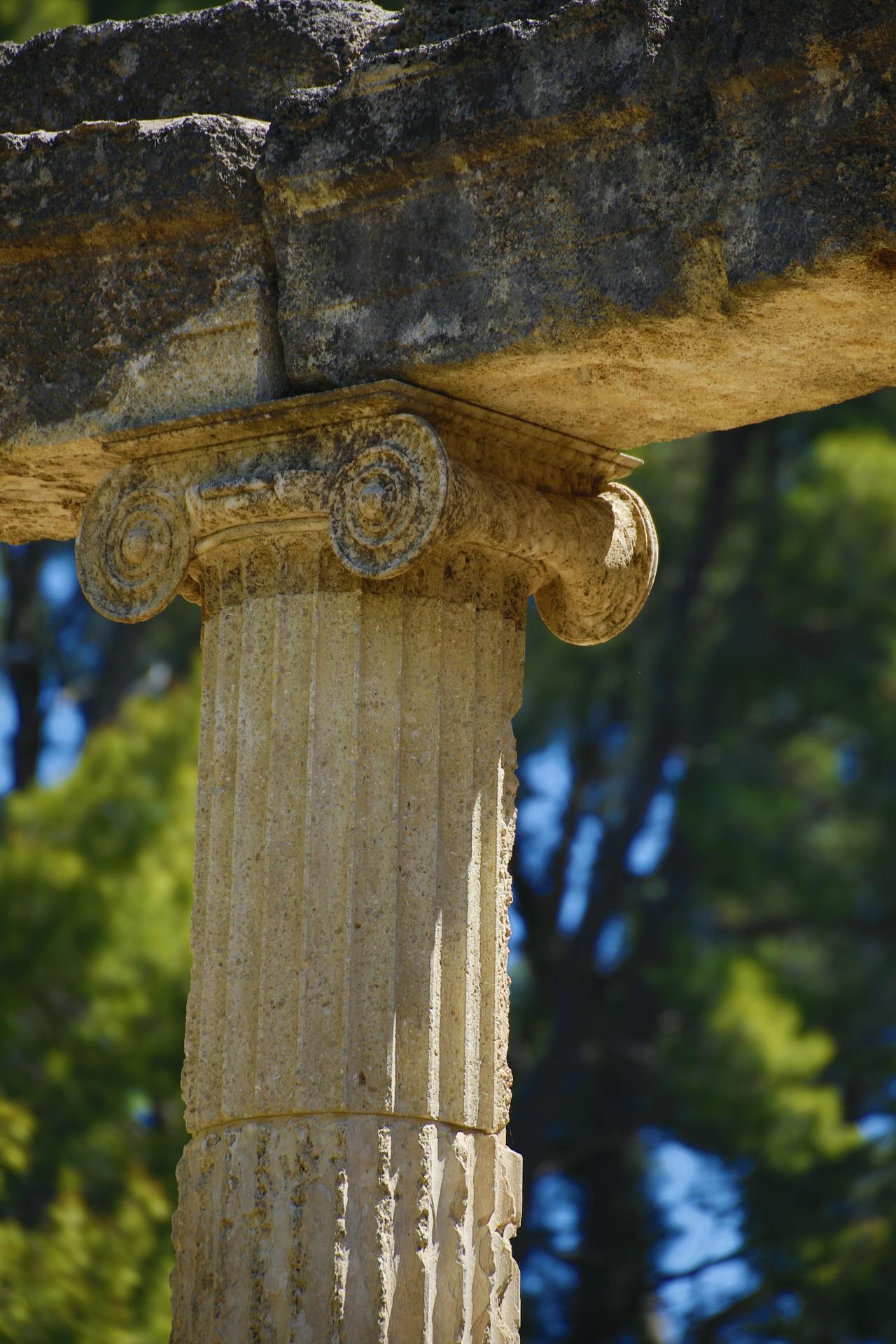
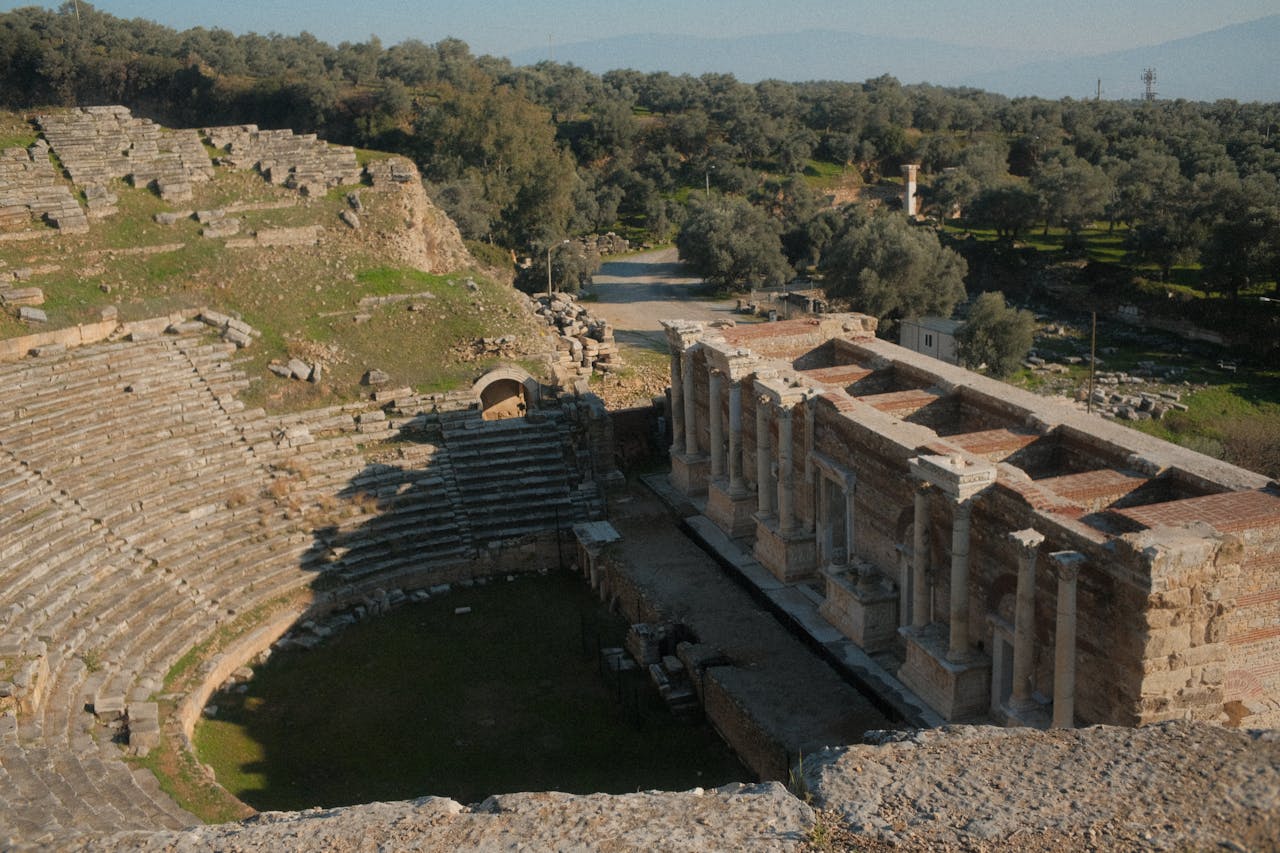
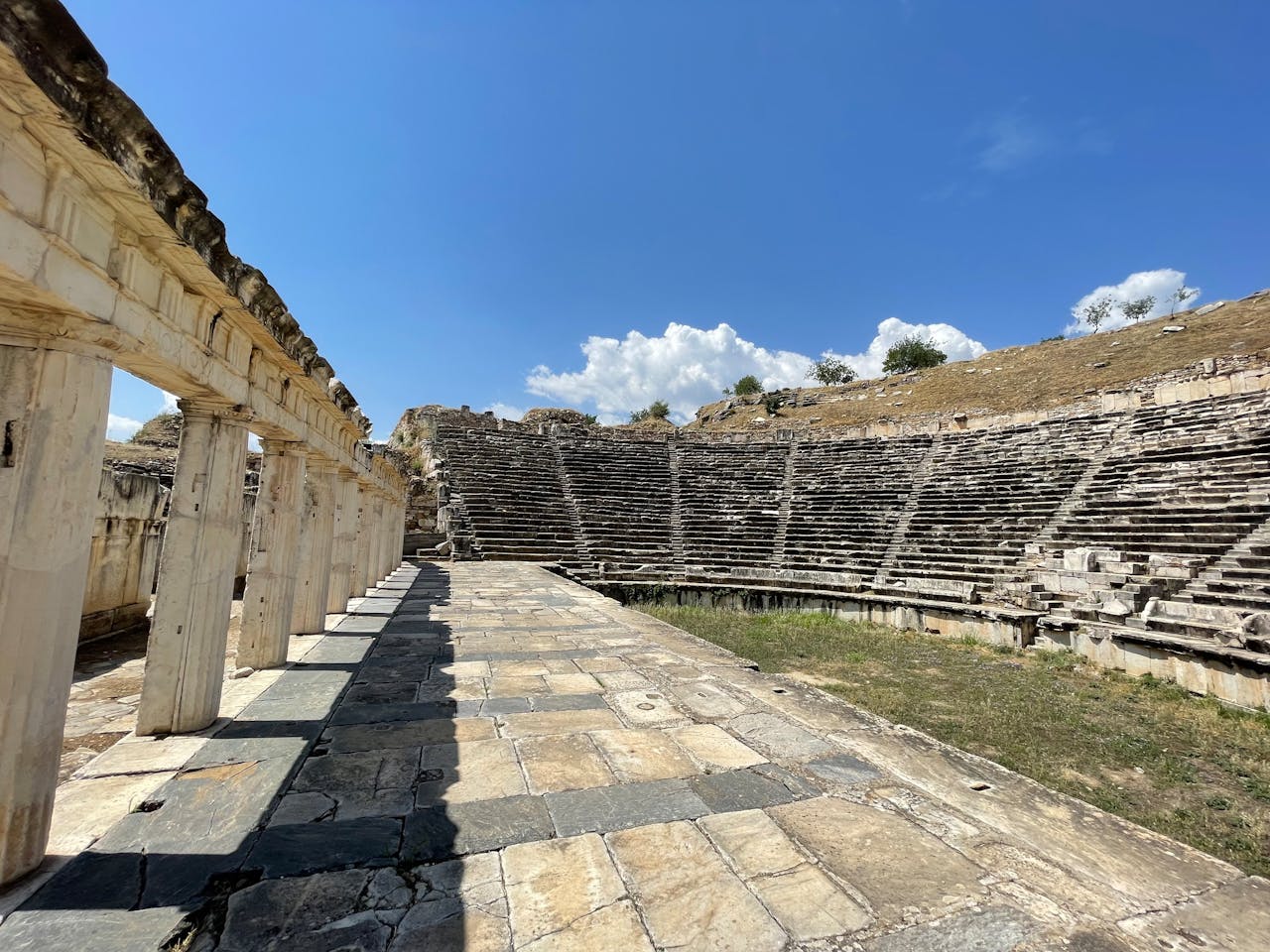
The Theatre of Epidaurus is the best-preserved ancient Greek theatre in existence. It seats about 14,000 people and the acoustics are almost supernatural. Researchers at the Georgia Institute of Technology eventually figured out that the limestone seats act as a natural acoustic filter, suppressing low-frequency background noise while amplifying the higher frequencies of human speech. But knowing the science does not make it any less impressive when you are standing there.
The theatre is part of the larger Sanctuary of Asklepios, which was basically the Mayo Clinic of the ancient world. People from across the Mediterranean came here to be healed, and the treatments ranged from herbal medicine to sleeping in a dormitory where sacred snakes would slither over you. The archaeological museum on site has some of the surgical instruments they used, and they look surprisingly modern.
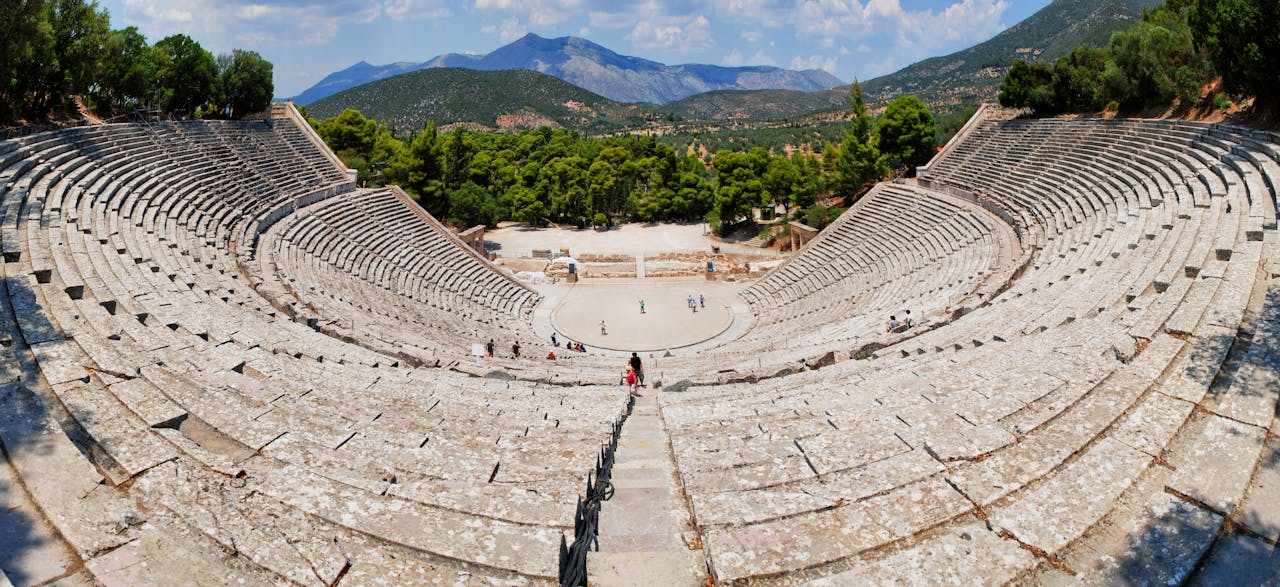
Tickets to the Epidaurus archaeological site cost around 12 euros (6 euros reduced). But if you are on a guided tour, entrance is usually included in the price.
Mycenae: Where the Trojan War Started
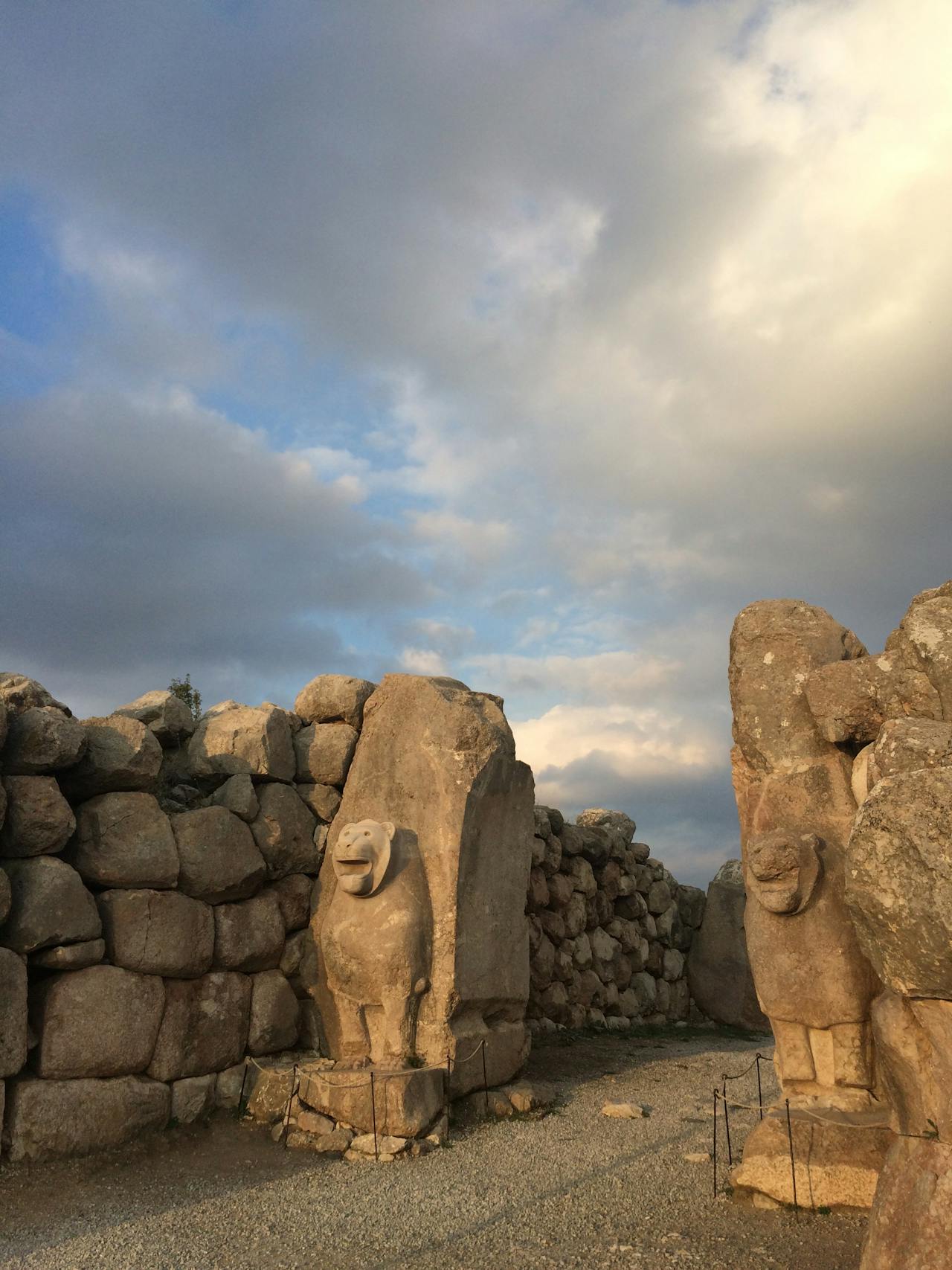
Mycenae was the seat of King Agamemnon — the one who sailed a thousand ships to Troy, if you trust Homer. Whether Agamemnon was real or not, the wealth was definitely real. When Heinrich Schliemann excavated the royal tombs in 1876, he found a gold funeral mask so elaborate that he reportedly sent word to the King of Greece claiming to have seen the face of Agamemnon. The mask is now in the National Archaeological Museum in Athens (not at Mycenae), and scholars think it actually predates the Trojan War period by a few centuries. But it remains stunning.
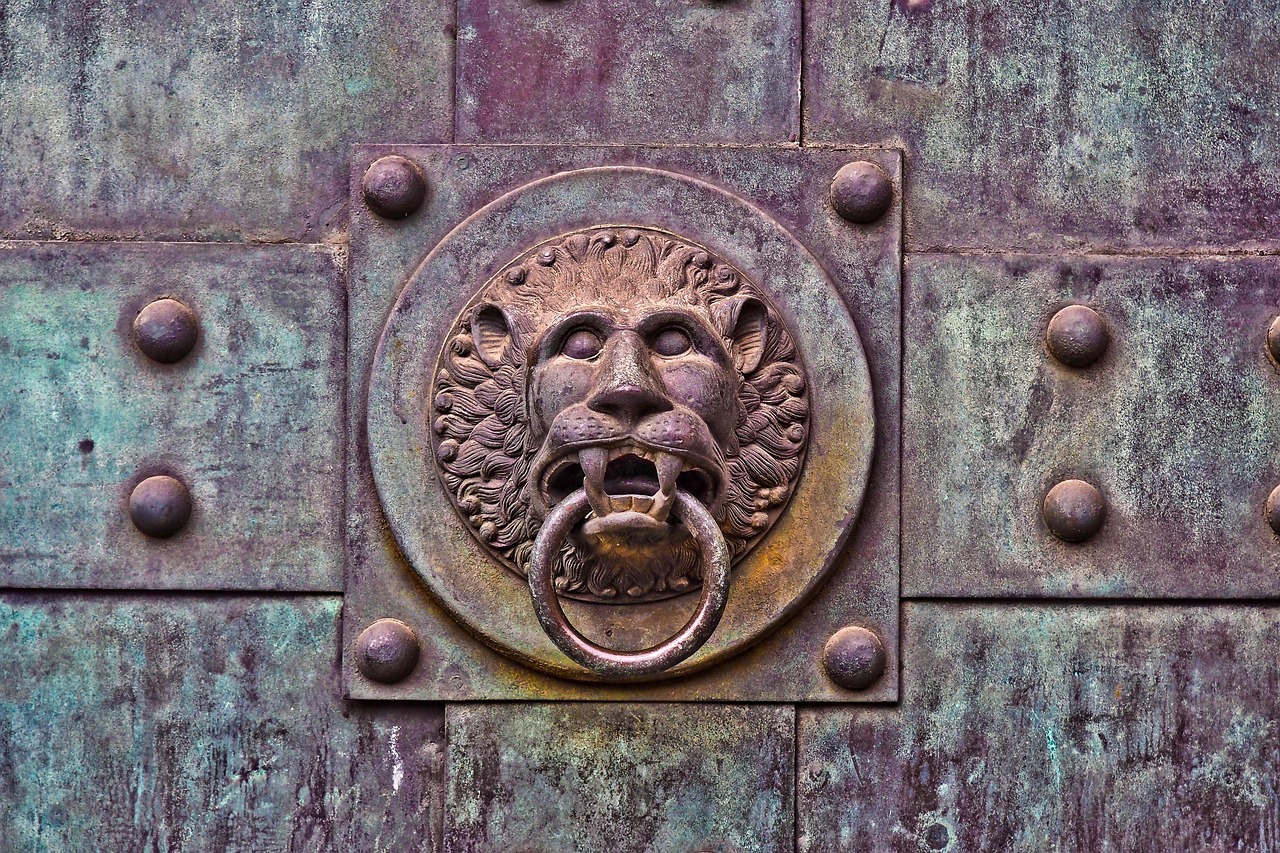
What you will actually see on site: the Lion Gate, the royal grave circle where Schliemann found the gold, the massive Cyclopean walls (so called because later Greeks thought only the Cyclops could have moved stones that big), and the Treasury of Atreus — a beehive-shaped tomb with a doorway that stands 5.4 metres tall. The whole site sits on a hilltop with views over the Argive Plain that make the strategic importance of the location immediately obvious.
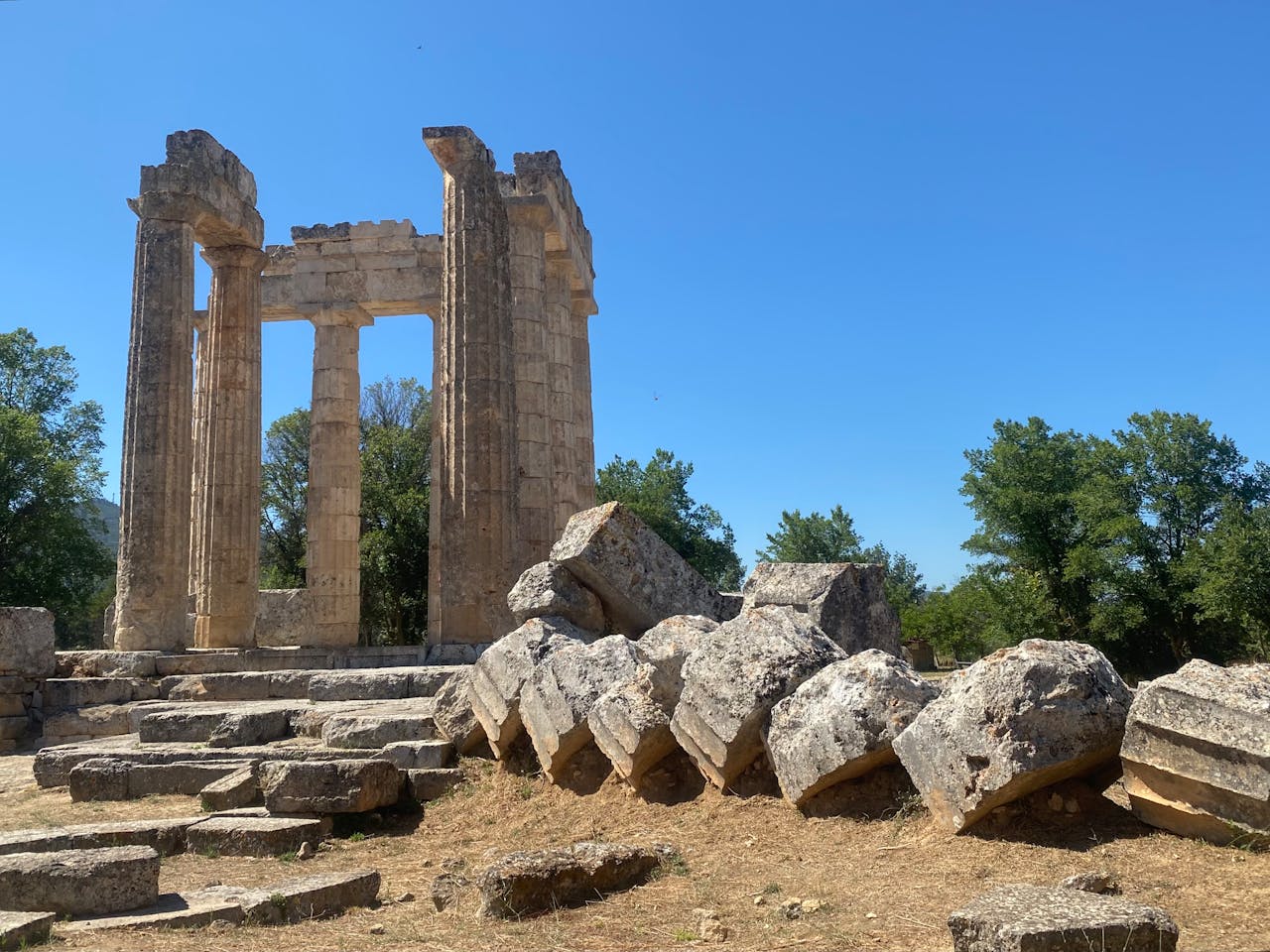
Entrance to Mycenae is around 12 euros. The small on-site museum is included and worth the 20 minutes.
Nafplio: The Beautiful Bonus Stop

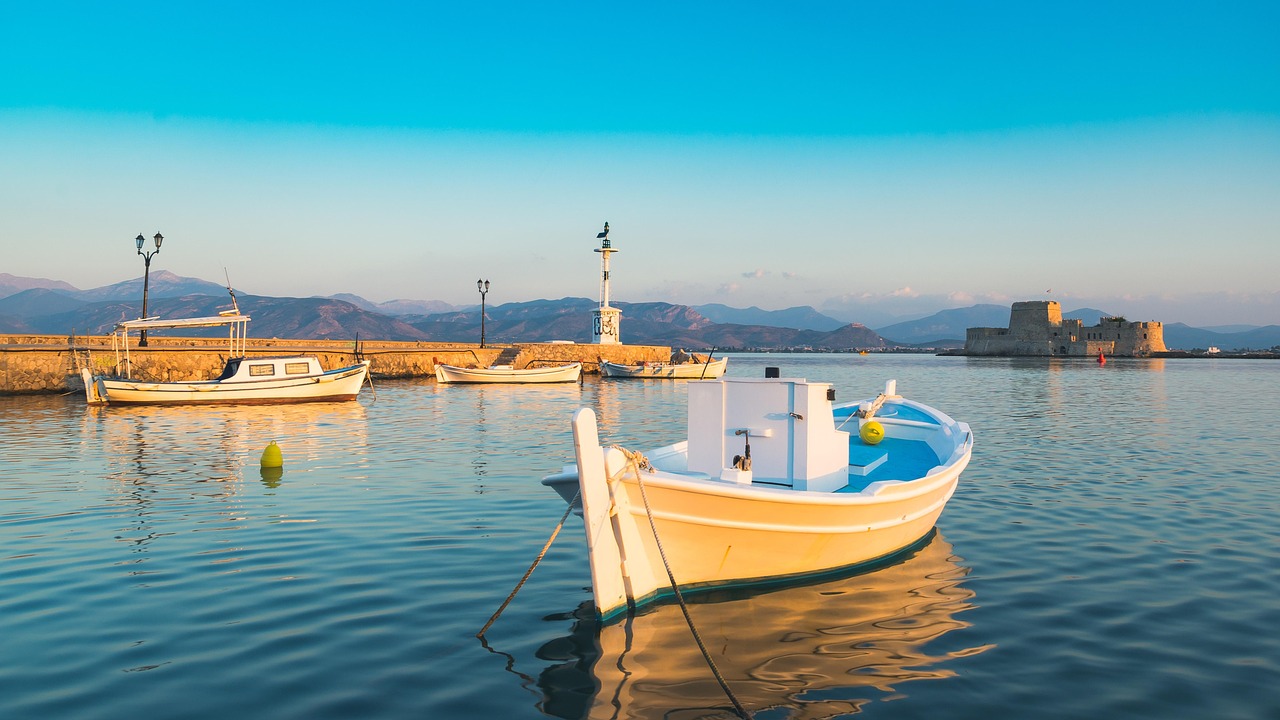
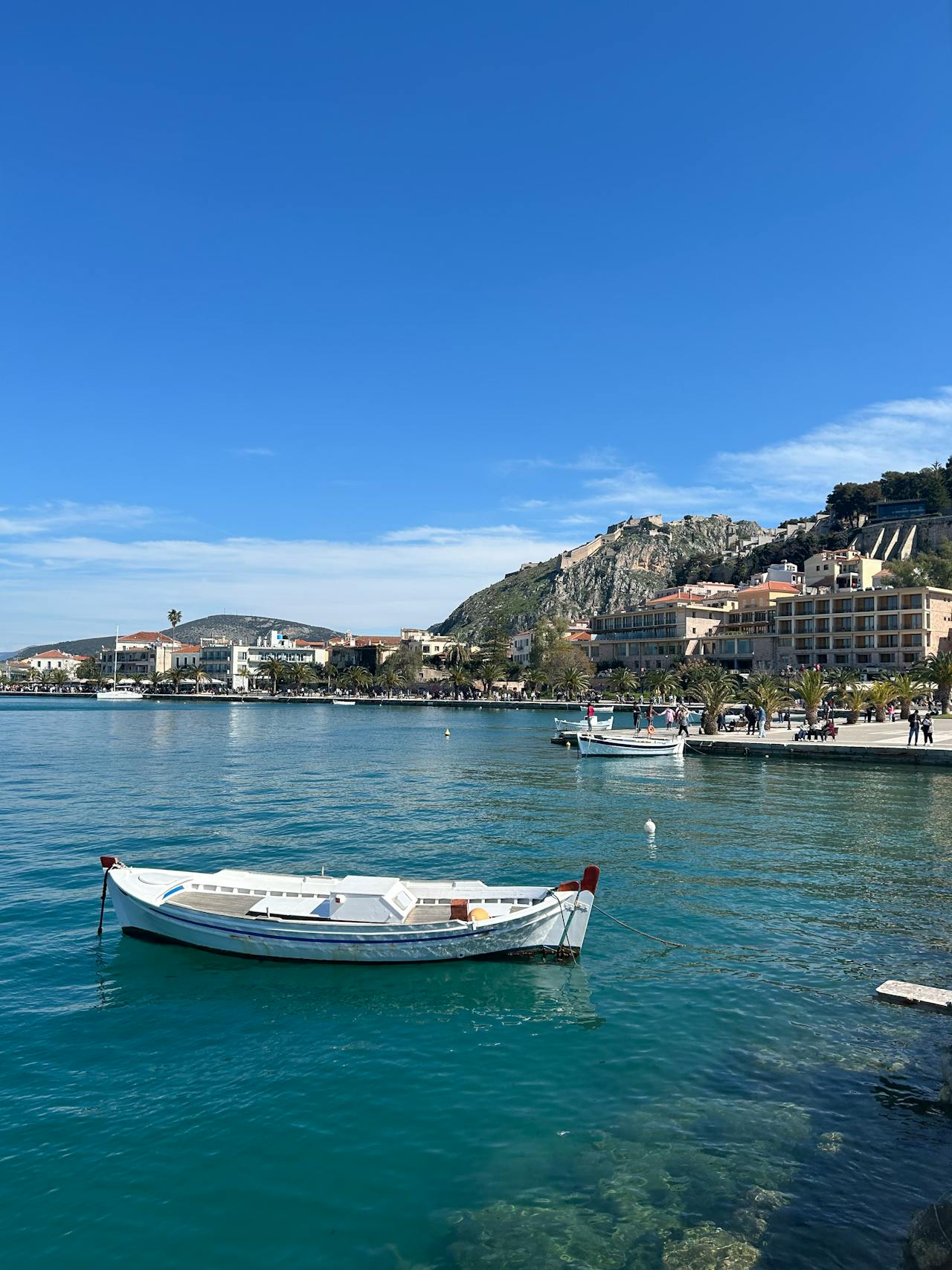
Most tours include a stop in Nafplio, and do not skip it. This is a proper Venetian-era port town with narrow alleys, bougainvillea-covered balconies, and two fortresses (Palamidi and Bourtzi, the one sitting on the tiny island in the harbour). The old town is compact enough to explore in about an hour, but the kind of place where you will want longer. Good ice cream shops along the waterfront, too.
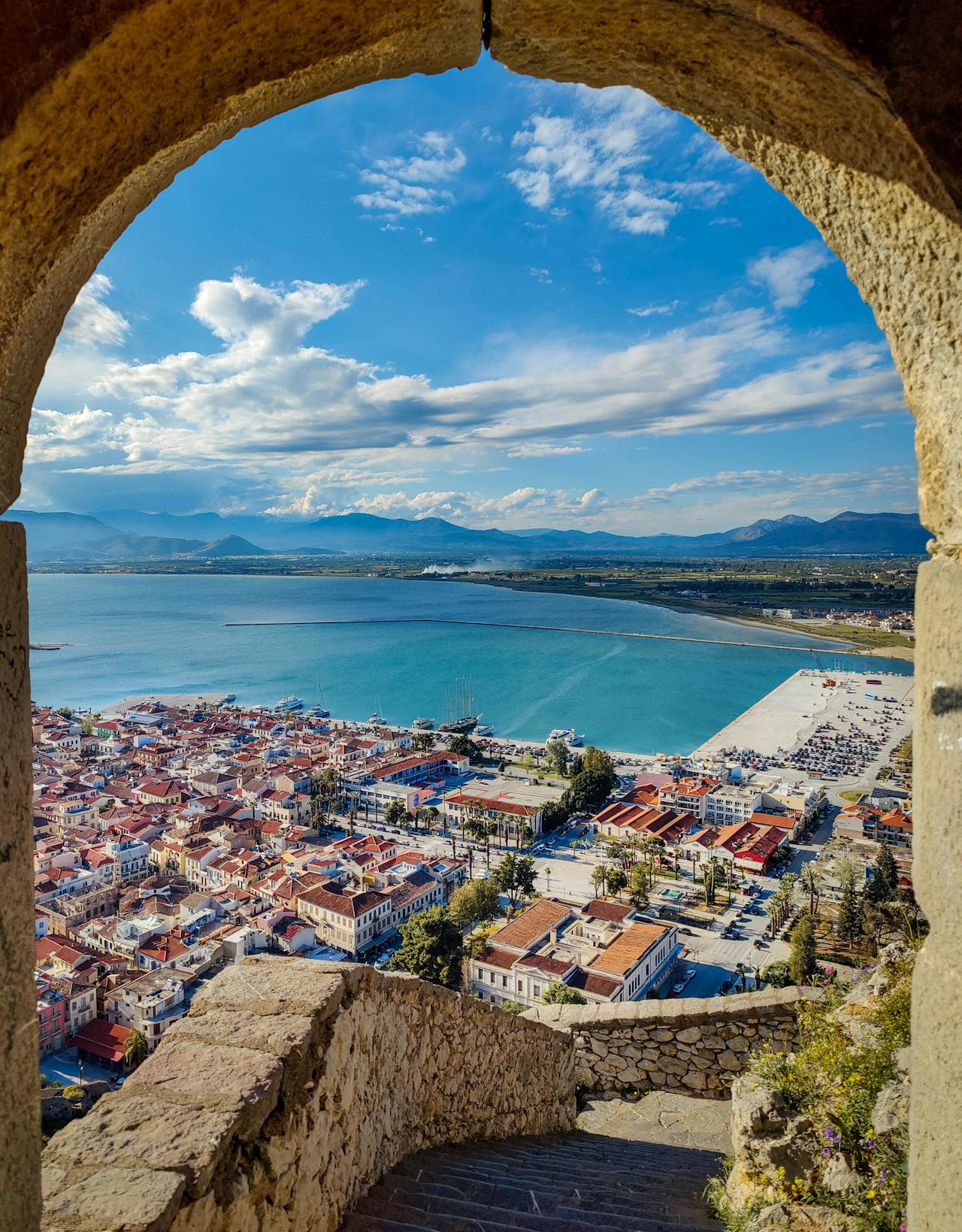
Fair warning: some tours only give you 30-40 minutes in Nafplio, which is enough for a quick walk and a coffee but not much else. If spending more time there matters to you, a private tour lets you control the schedule.
The Best Tours to Book
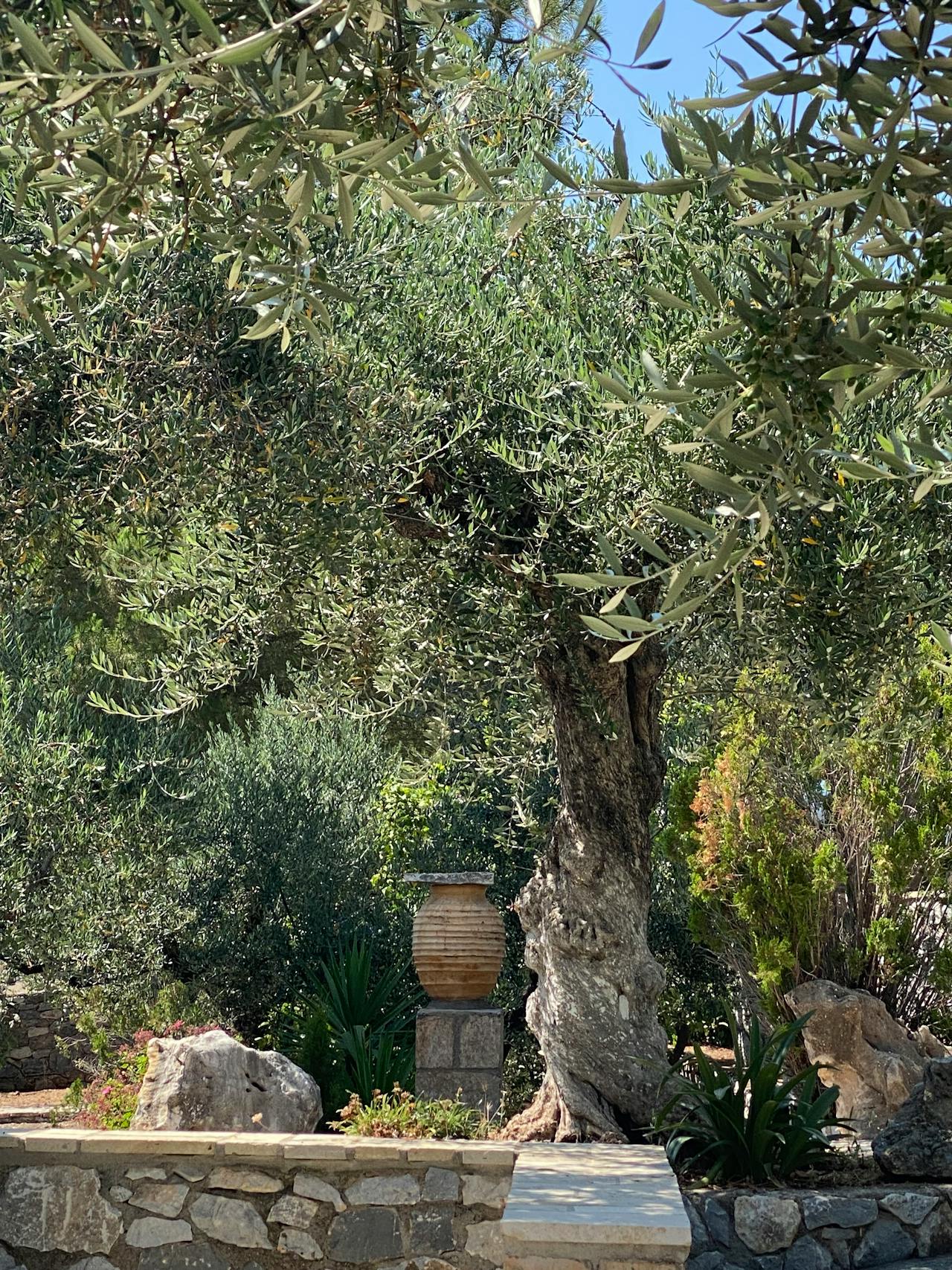
These recommendations come from our database of tour reviews. All three depart from Athens and cover Epidaurus and Mycenae as their main stops.
1. Mycenae, Epidaurus & Nafplio Full-Day VR Audio Guided Tour
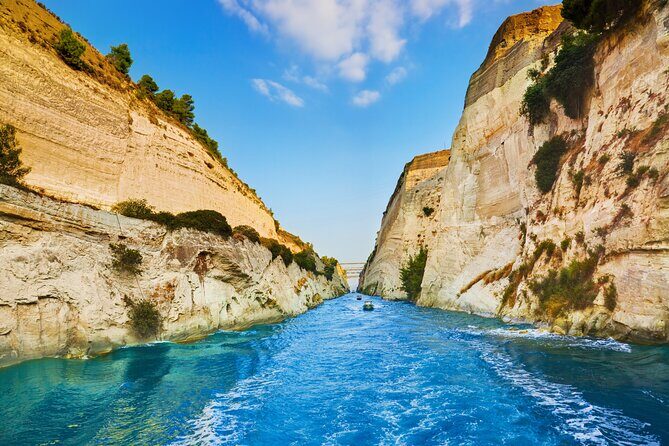
Duration: About 10 hours
Price: From around $35 per person
This is the budget pick. You get a full-day trip covering all three sites with the added novelty of VR headsets that reconstruct the ancient sites digitally. The VR element sounds gimmicky but actually works well at Mycenae, where the ruins require more imagination than Epidaurus. It is a group tour, so expect a coach and a fixed schedule. Pickup from central Athens hotels is included.
The main trade-off is flexibility. You are on someone else’s timetable, and the Nafplio stop tends to be shorter than on private tours. But at this price point, it is hard to argue.
2. Mycenae, Epidaurus, Nafplio Full Day Private Tour
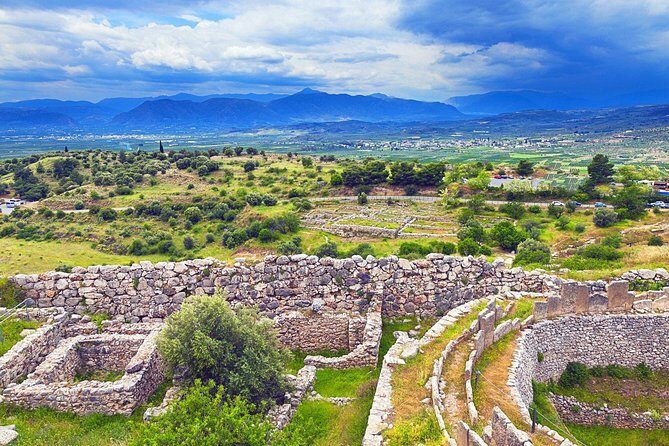
Duration: 8-9 hours
Price: From around $229 per person
The step-up option. Private vehicle, licensed guide, and a schedule that bends to your interests. Want to spend an extra 30 minutes at Mycenae and cut Nafplio short? Done. Want to stop at a roadside taverna for lunch instead of a tourist restaurant? Your driver will know the best ones.
The guide quality on this tour is consistently strong. Having someone who actually studied archaeology explain the significance of what you are looking at transforms the experience compared to reading information boards or using an audio guide.
3. Ancient Corinth, Mycenae, Epidaurus & Nafplio Private Tour
Duration: 9-10 hours
Price: From around $266 per person
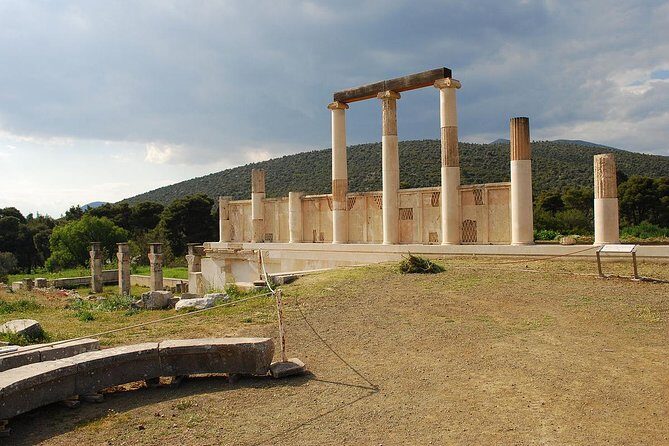
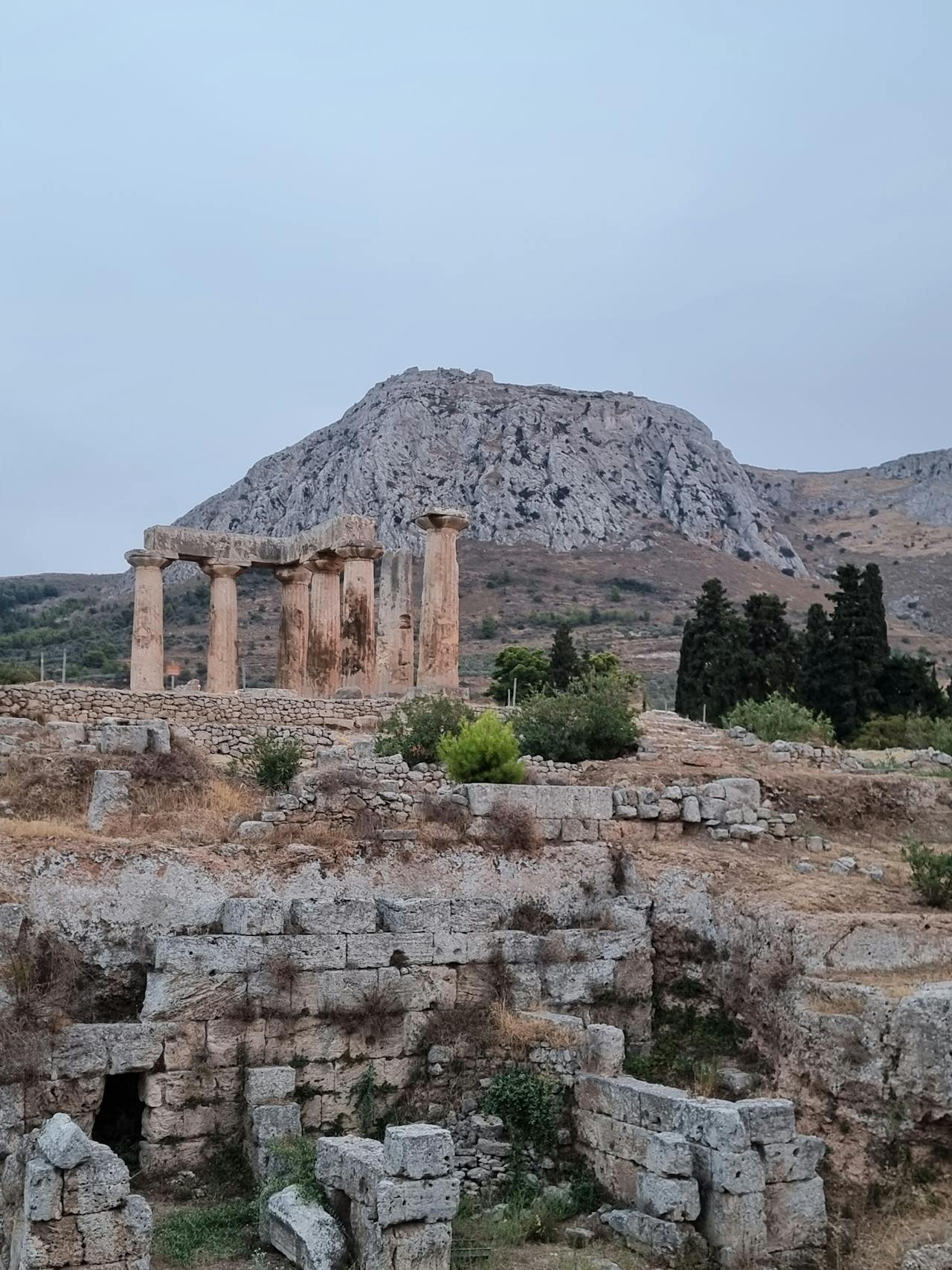
Same concept as the private tour above, but with Ancient Corinth added to the itinerary. That extra stop adds the Temple of Apollo, the Roman agora, and a view of the Corinth Canal (which, at 6.4 km long and carved through solid rock, is an engineering spectacle in its own right). The downside is that fitting four major sites into one day means slightly less time at each. You will want to start early.
This is the one to pick if you are only visiting Athens once and want to squeeze maximum ancient history into a single day. If you are already planning a separate trip to Corinth or Delphi, the standard Epidaurus-Mycenae-Nafplio itinerary is enough.
Practical Stuff You Should Know
When to Go
April through June and September through October are the sweet spot. Both sites are almost entirely outdoors with minimal shade, and July-August temperatures regularly hit 35-38 degrees Celsius in the Argolis. Morning departures (7:00-8:00 AM) are standard and worth the early alarm, because you will reach the sites before the worst of the heat and the biggest tour groups.
The Athens and Epidaurus Festival runs from June through August, with performances in the ancient theatre itself. If your timing lines up, attending a show in a 2,300-year-old theatre is one of those rare travel experiences that actually lives up to the hype. Book tickets separately through the Greek Festival website.
What to Bring
Comfortable walking shoes are non-negotiable. The paths at Mycenae are steep, rocky, and uneven. Epidaurus is flatter but still rough underfoot. Sun protection, plenty of water, and a hat. There are small shops at both sites but prices are marked up. Pack lunch or snacks if you are on a budget tour — the restaurant stops on group tours tend to be mediocre and overpriced.
Group Tour vs. Private Tour
The price difference is significant. Group tours start around $35-90 per person. Private tours run $229-266+ per person. For the extra money, you get:
- Flexible timing at each site (huge advantage at Mycenae, where some people want 20 minutes and others want 90)
- A guide who adjusts to your knowledge level and interests
- Hotel pickup and drop-off instead of meeting at a central point
- No waiting for stragglers at each stop
- Better lunch options — private drivers know the local spots
For couples and small groups, the per-person cost of a private tour can actually get close to group tour prices once you split it.
Driving Yourself?
It is doable but not ideal. The drive from Athens to the Peloponnese crosses either the Corinth Canal bridge or goes through the Isthmus. The highway is decent, but parking at Epidaurus fills up quickly in summer and the lot at Mycenae is small. You will also miss the commentary that turns these ruins into stories. Rental cars in Athens start around 30-40 euros per day, plus tolls, plus fuel, plus site entrance fees. A group tour at $35 is honestly better value unless you want to stay overnight in Nafplio (which, to be fair, is a great idea if you have the time).
Making the Most of Your Day
Start at Mycenae if possible. The site is on a hilltop with no shade, so getting there early in the morning (before 10 AM) makes a real difference. Epidaurus has more tree cover and is slightly more bearable in the heat. Most tours structure the day this way already, but if you are booking a private tour, confirm the order.
At Mycenae, do not just do the Lion Gate and leave. Walk up to the peak of the citadel for the view over the Argive Plain. Visit the Tomb of Clytemnestra and the Treasury of Atreus (the beehive tomb), which are both outside the main walls and sometimes overlooked by visitors in a rush.
At Epidaurus, do the coin-drop test. Stand at the top of the theatre, have someone drop a coin on the orchestra floor, and listen. Then sit in the middle rows and have someone speak at normal volume from the centre. The effect is better in person than any description can convey.
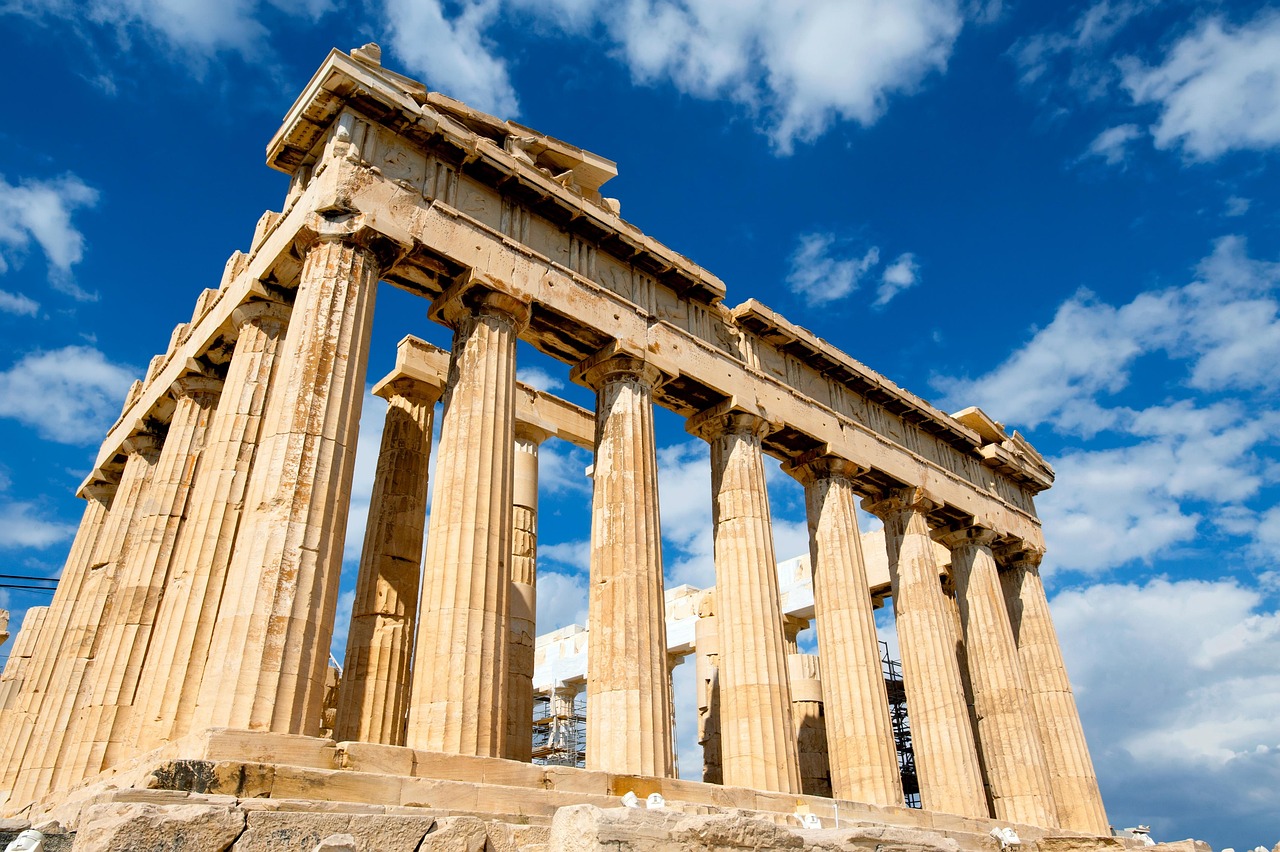
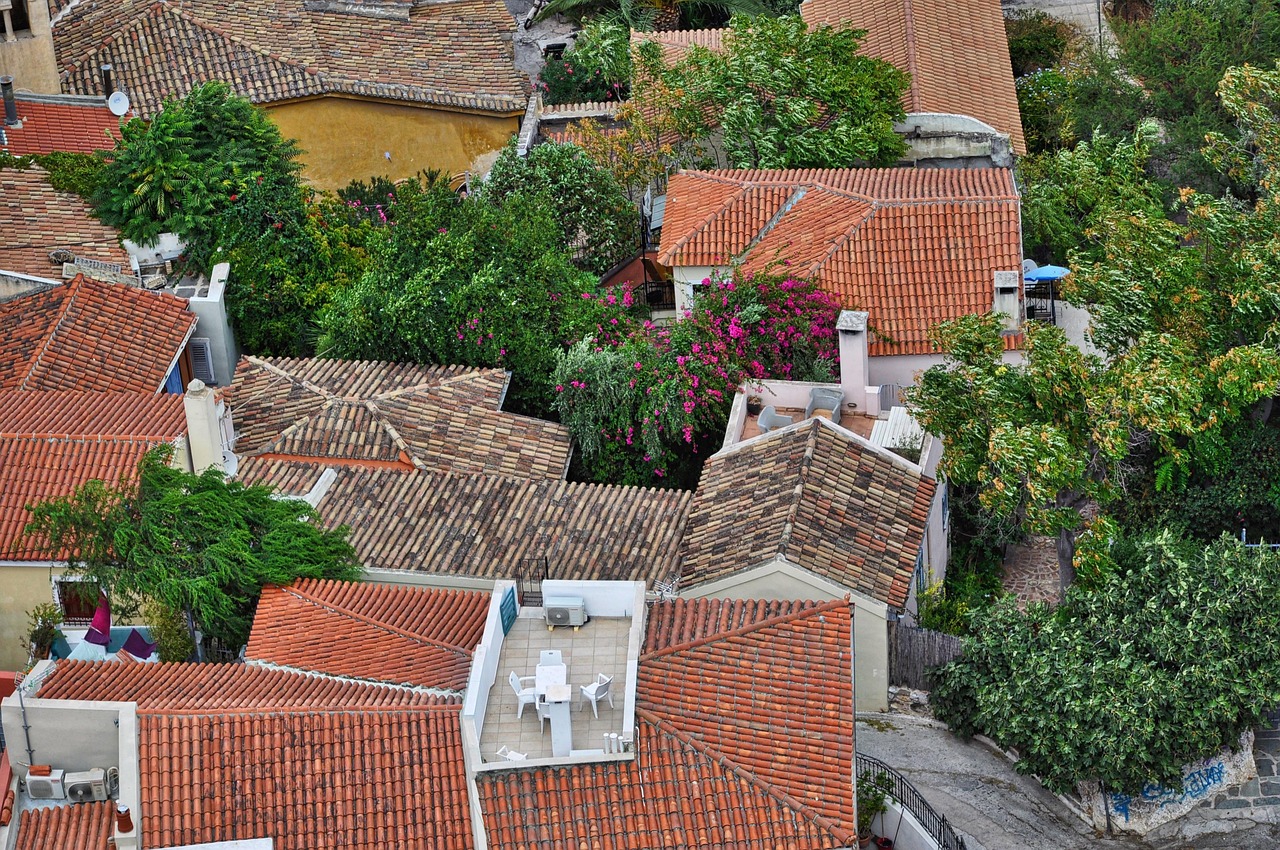
A day trip to Epidaurus and Mycenae pairs naturally with other Athens-based excursions. If you are spending a few days in the city, consider getting Acropolis tickets for another day, or booking a day trip to Meteora if you want to see the famous clifftop monasteries. Food tours in Athens are another solid option for a half-day, and Cape Sounion at sunset is one of those trips that photographs better than almost anything else in the Attica region. The Peloponnese has enough to fill a week, but even a single day at Epidaurus and Mycenae gives you a taste of something most Athens visitors miss entirely.
More Greece Guides
Many tours combine Epidaurus and Mycenae with a stop at the Corinth Canal, which puts you close to Ancient Corinth — worth a separate half-day trip if the canal view makes you curious about the city that once controlled both seas.
Back in Athens, the Archaeological Museum displays artifacts from both sites, including gold death masks from the grave circles. The hop-on hop-off bus stops at the museum and the Acropolis on the same route.
If ancient history is your focus, Delphi is the other unmissable day trip from Athens — different era, different landscape, but the same sense of standing somewhere that shaped an entire civilization.