
Nobody lives on Delos. Not a single person. The entire island is an open-air archaeological museum floating in the Aegean, and the Greek government banned permanent habitation decades ago. It sits just 30 minutes by boat from Mykonos — the party island, the one with the beach clubs and the overpriced cocktails — and yet most visitors have no idea it exists.
I first heard about Delos from a Greek taxi driver in Athens who, when I told him I was headed to Mykonos, said something like: “You are going to the island next to the important one.” He was not wrong.
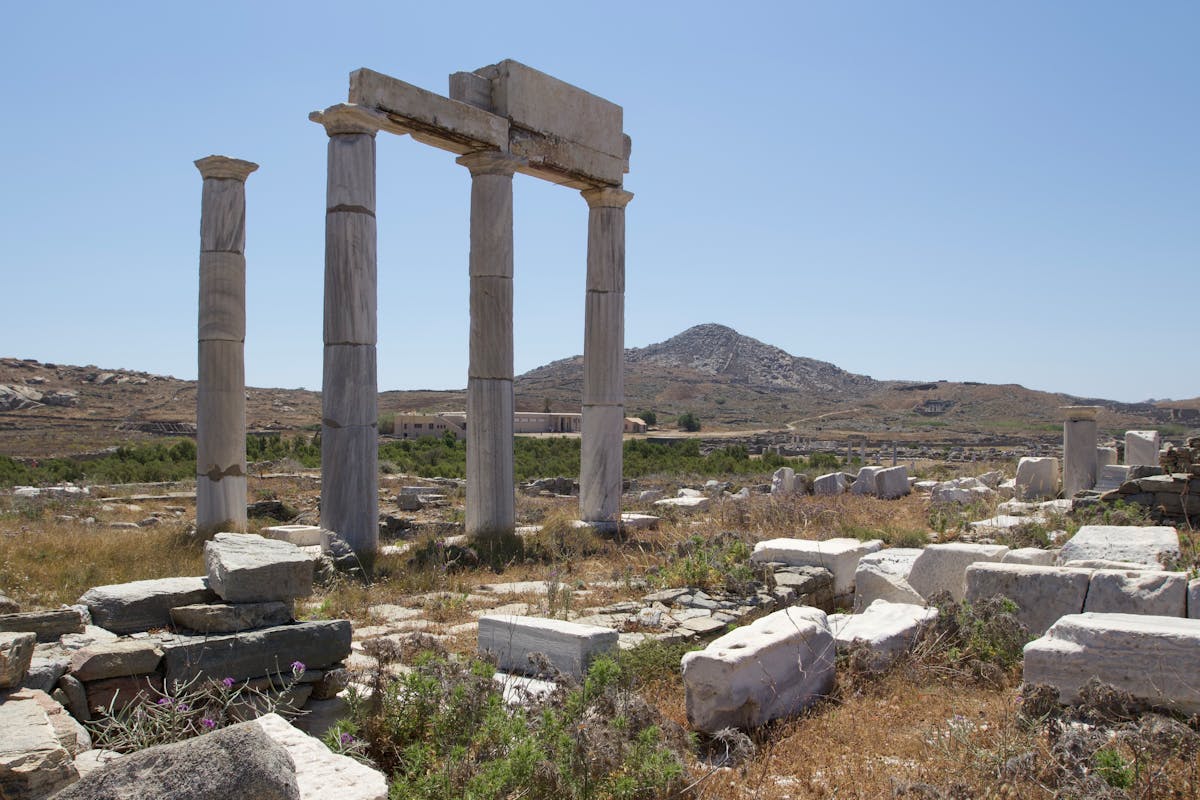
Delos was the birthplace of Apollo and Artemis in Greek mythology, one of the most sacred places in the ancient world. At its peak, something like 30,000 people lived here. Temples, markets, theatres, houses with mosaic floors that would make a Roman blush. And then everyone left. Today it is just you, the ruins, the lizards, and the Aegean wind.
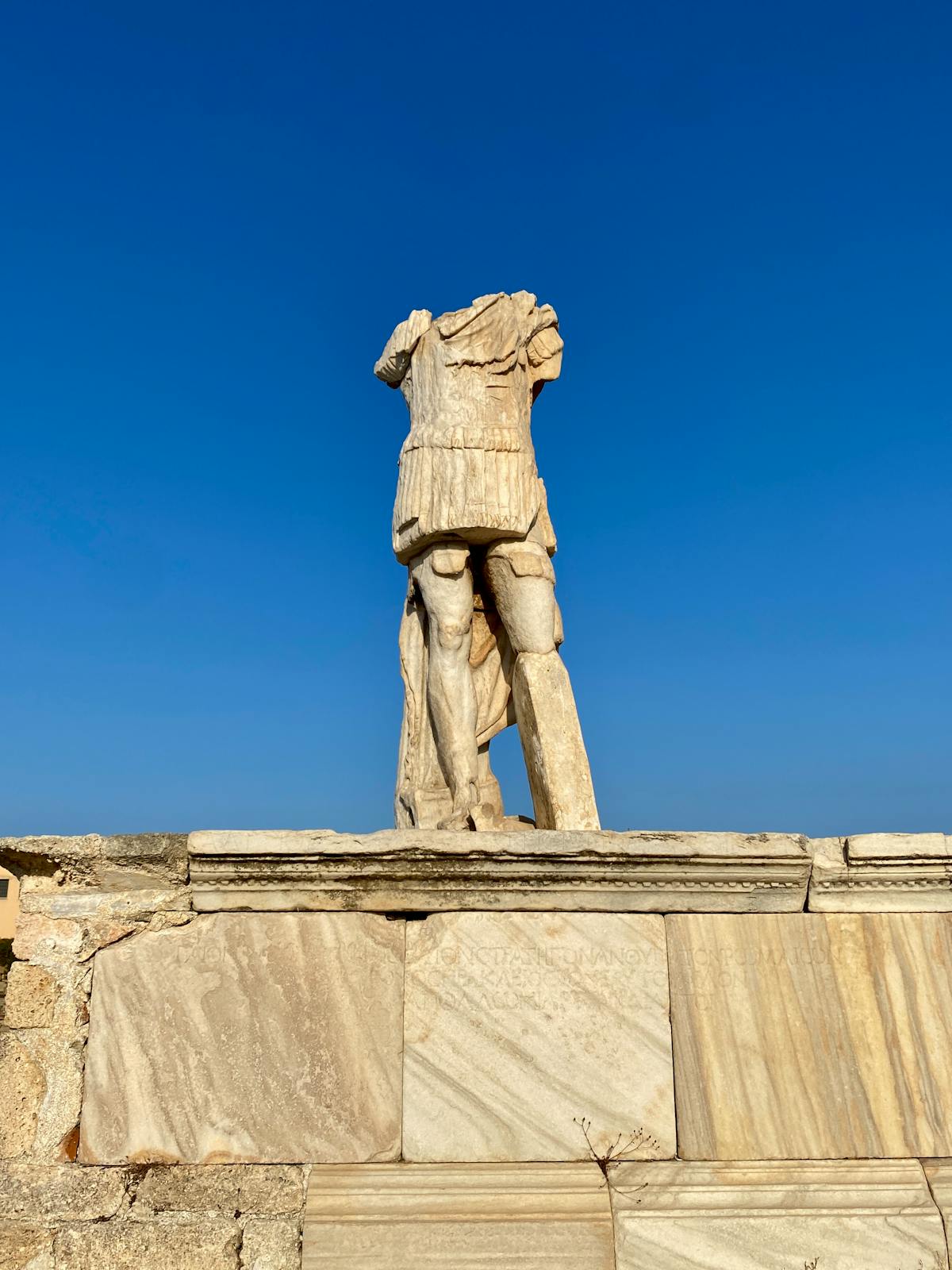
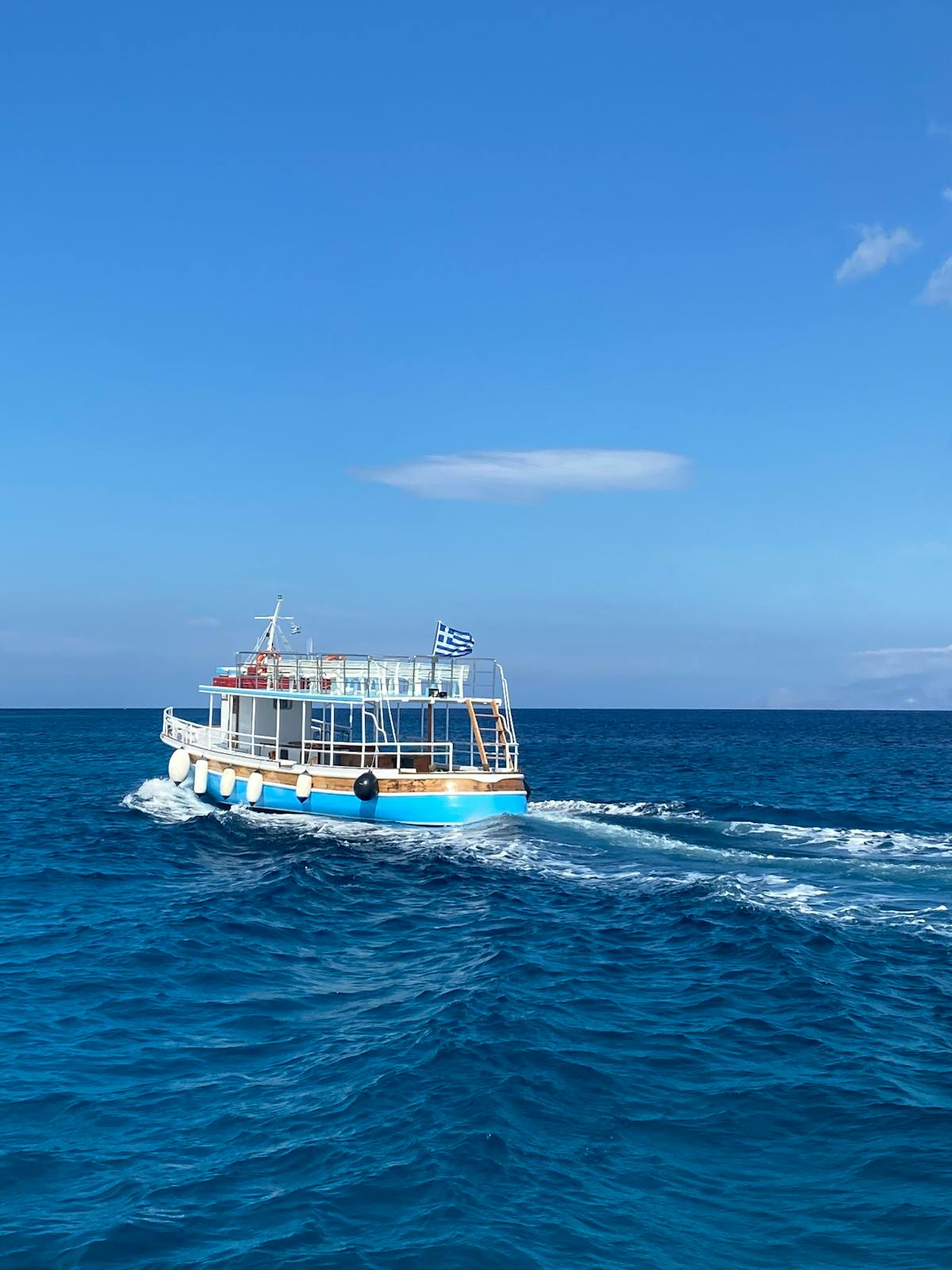
Best overall: Ancient Delos Tour from Mykonos — ~$55. Guided half-day with boat transfer and licensed archaeologist. The one most people book, and for good reason.
Best for early birds: Morning Delos Guided Tour — ~$60. Beats the midday crowds and the worst of the heat. You will actually enjoy the ruins instead of melting on them.
Best budget option: Delos Roundtrip Boat Transfer — ~$25. Just the ferry, no guide. Bring your own sunscreen and a podcast about Greek mythology.
- How the Delos Ferry and Tour System Works
- Self-Guided vs Guided Tour — Which One?
- The 3 Best Delos Tours to Book
- 1. Ancient Delos Tour from Mykonos — ~
- 2. Morning Delos Guided Tour — ~
- 3. Delos Roundtrip Boat Transfer — ~
- When to Visit Delos
- How to Get to the Delos Ferry
- Tips That Will Save You Time (and Sunburn)
- What You Will Actually See on Delos
- While You Are in Greece
- More Greece Guides
How the Delos Ferry and Tour System Works
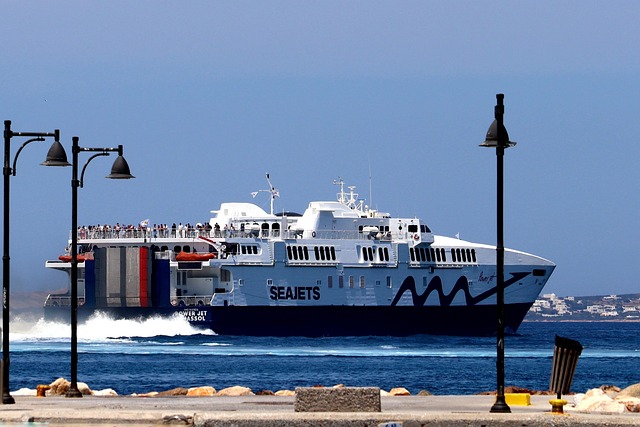
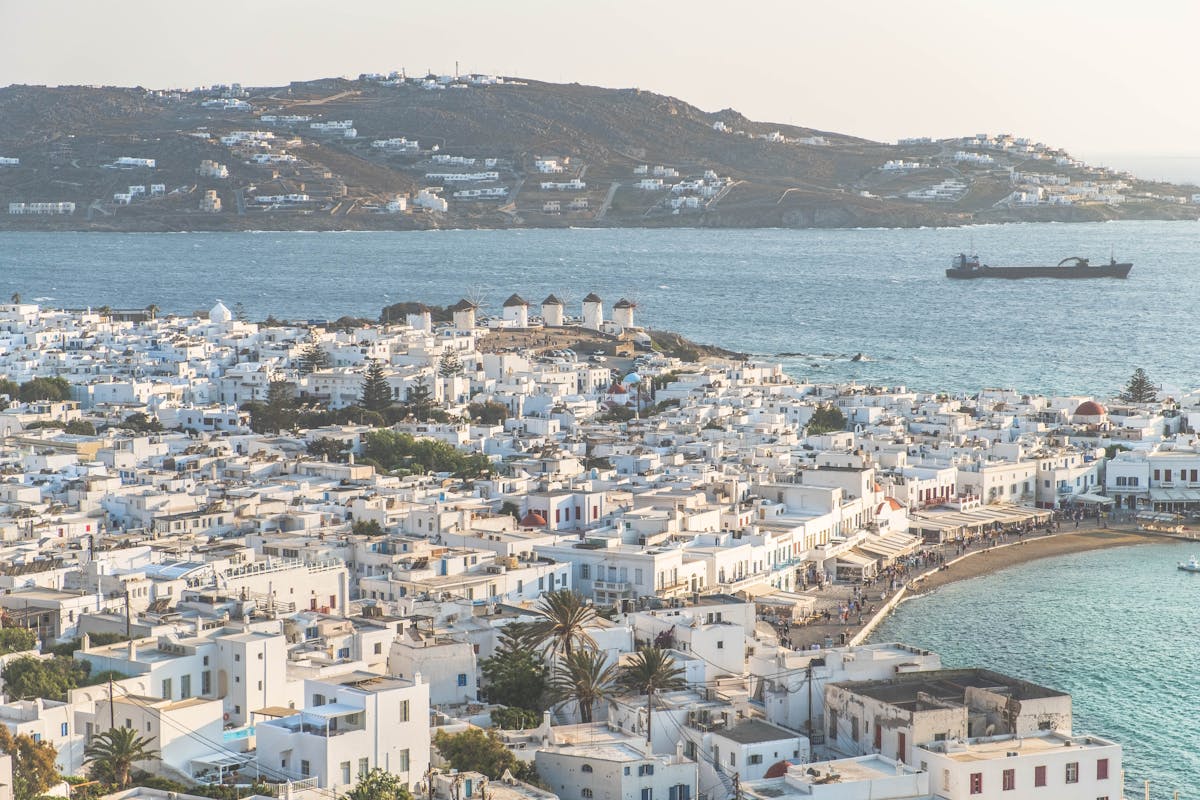
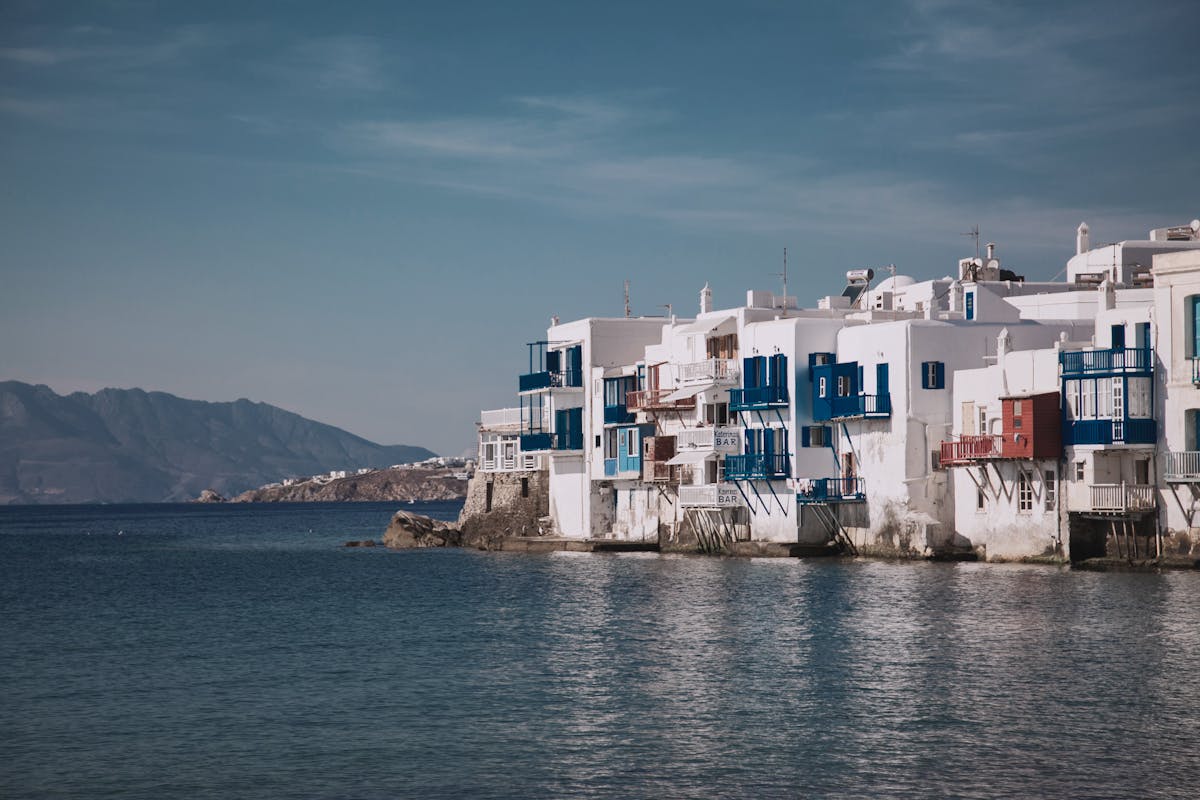
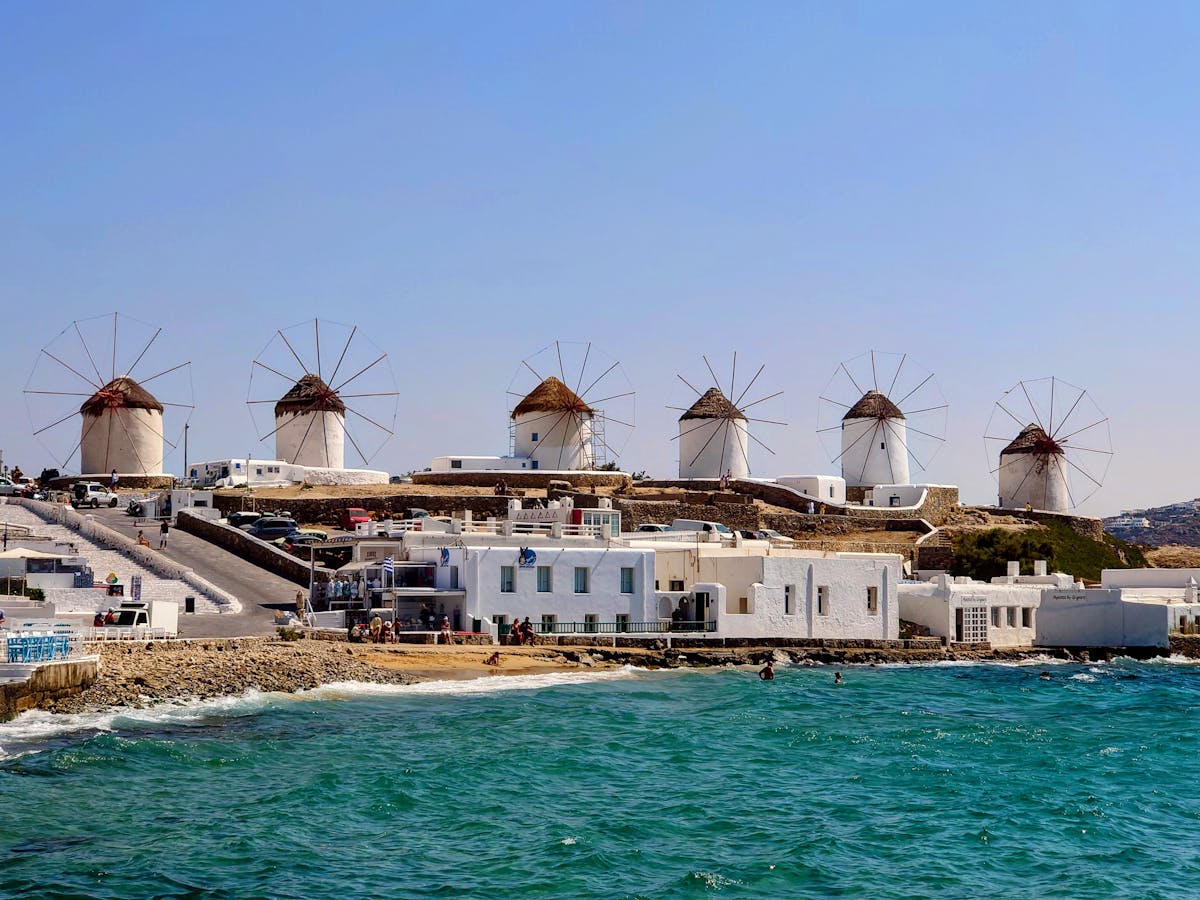
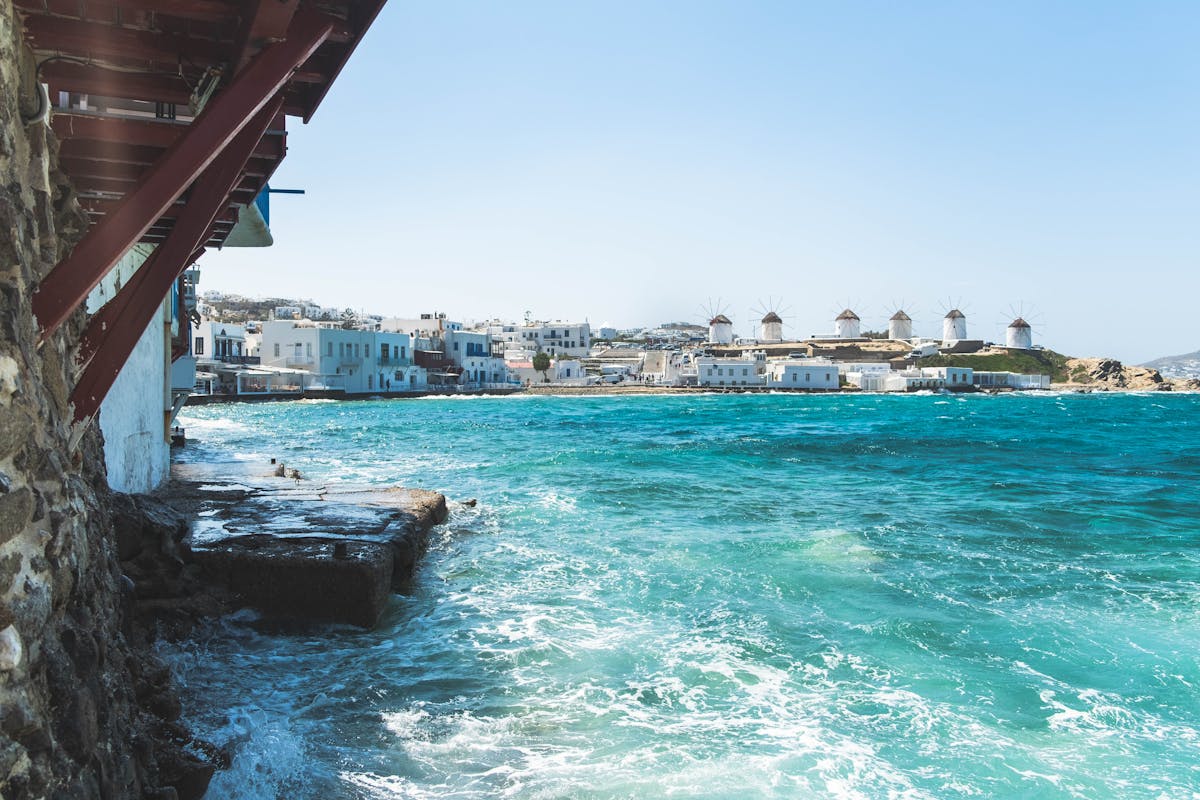
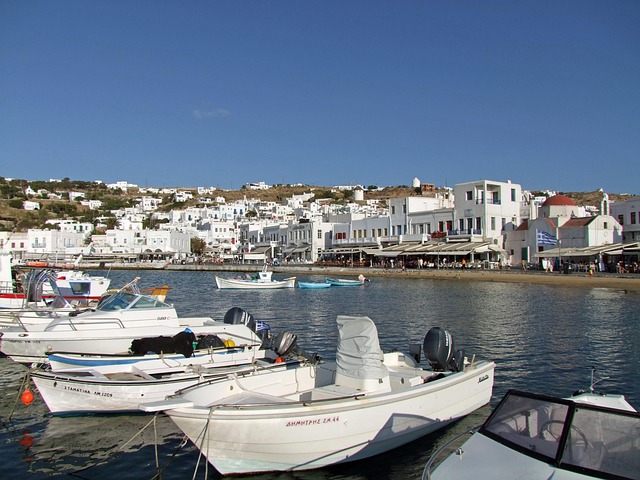
Getting to Delos is straightforward but inflexible. Boats depart from the Old Port in Mykonos Town (not from Ornos, not from the new port — the old one, near the waterfront restaurants). The crossing takes about 25-30 minutes depending on sea conditions.
The official ferry schedule typically runs like this: departures at 9:00, 10:00, 11:00, and sometimes 12:00 from Mykonos. Return boats leave Delos at 12:00, 13:30, 15:00, and sometimes 17:00. But — and this matters — the schedule changes depending on the season, the day of the week, and apparently the mood of Poseidon. Always double-check the day before.
Site entry is separate from the boat. The ferry ticket gets you to the island. Once there, you pay an admission fee to the archaeological site (currently around EUR 12 for adults). EU students get in free, and under-25 EU citizens get a reduced rate. First Sundays of certain months are free, but honestly, the island is small enough that the crowds on free days actually make a difference.
The site is open roughly from 8:00 to 20:00 in peak season (April-October) but closes earlier in the shoulder months. It is completely closed from November through March most years, and also closed every Monday year-round. So do not plan your Mykonos trip around a Monday Delos visit — you will end up at a beach bar instead.
One thing that catches people off guard: the last return boat does not wait. If you miss it, you are stranded on an uninhabited island with no hotels, no restaurants, and no way home until the next morning. The boat captains are strict about departure times. Set an alarm on your phone for 30 minutes before the last return, and start walking back to the dock when it goes off. I have heard stories of people getting so absorbed in the ruins that they nearly missed the last ferry. Do not be that person.
Ticket prices at a glance:
Return ferry: EUR 20-25 (varies by operator)
Archaeological site entry: EUR 12 (adults), EUR 6 (reduced), free (under 25 EU, students)
Guided tour (all-inclusive): EUR 50-65 depending on operator and group size
You can buy ferry-only tickets at the port kiosks the morning of, but availability is not guaranteed in peak season. For guided tours, online booking 2-3 days ahead is strongly recommended. Cancellation policies vary — most allow free cancellation up to 24 hours before departure.
Self-Guided vs Guided Tour — Which One?
This is the big decision, and honestly, it depends on how much you care about what you are looking at.
Self-guided (boat transfer only): You take the ferry over, wander the ruins at your own pace, read the signs (which are decent but sparse), and catch a boat back. Budget-friendly at around EUR 20-25 for the return ferry plus the site entry fee. You will see everything, but you will not understand most of it. The ruins are extensive, and without context, a lot of it just looks like old stone walls in the sun.
Guided tour: A licensed archaeologist walks you through the key sites, explains the mythology and the history, tells you which building was the brothel (yes, there was one), and makes the Terrace of the Lions mean something more than cool stone animals. These run EUR 50-65 typically, with the boat transfer included.
My honest take? If you have studied classics, read Mary Renault, or are genuinely enthusiastic about ancient Greece, go self-guided. You will want to linger and photograph things without a group schedule. Everyone else should get a guide. The difference between “that is a nice wall” and “that is where they stored the treasury of the Delian League” is worth the extra money.
There is a third option too: some tours combine Delos with a swimming stop at Rhenia, the island right next door. Rhenia is also uninhabited but for different reasons — it was historically used as a burial ground (the Athenians declared that nobody could be born or die on sacred Delos, so the dead were shipped to Rhenia). Today it has beautiful beaches and crystal-clear water. If you want archaeology AND a swim, look for combo tours. They typically cost EUR 70-90 and last a full day. The downside is less time on the actual ruins, since you are splitting the day between two stops.
For families with kids: The guided tour is the way to go. Kids get bored quickly on archaeological sites (understandably), but a good guide can make it an adventure — pointing out the ancient toilets, the marketplace where people haggled, and the mosaics of mythical creatures. The self-guided option usually leads to a lot of “can we go back to the boat now?” after about 40 minutes.
The 3 Best Delos Tours to Book
1. Ancient Delos Tour from Mykonos — ~$55
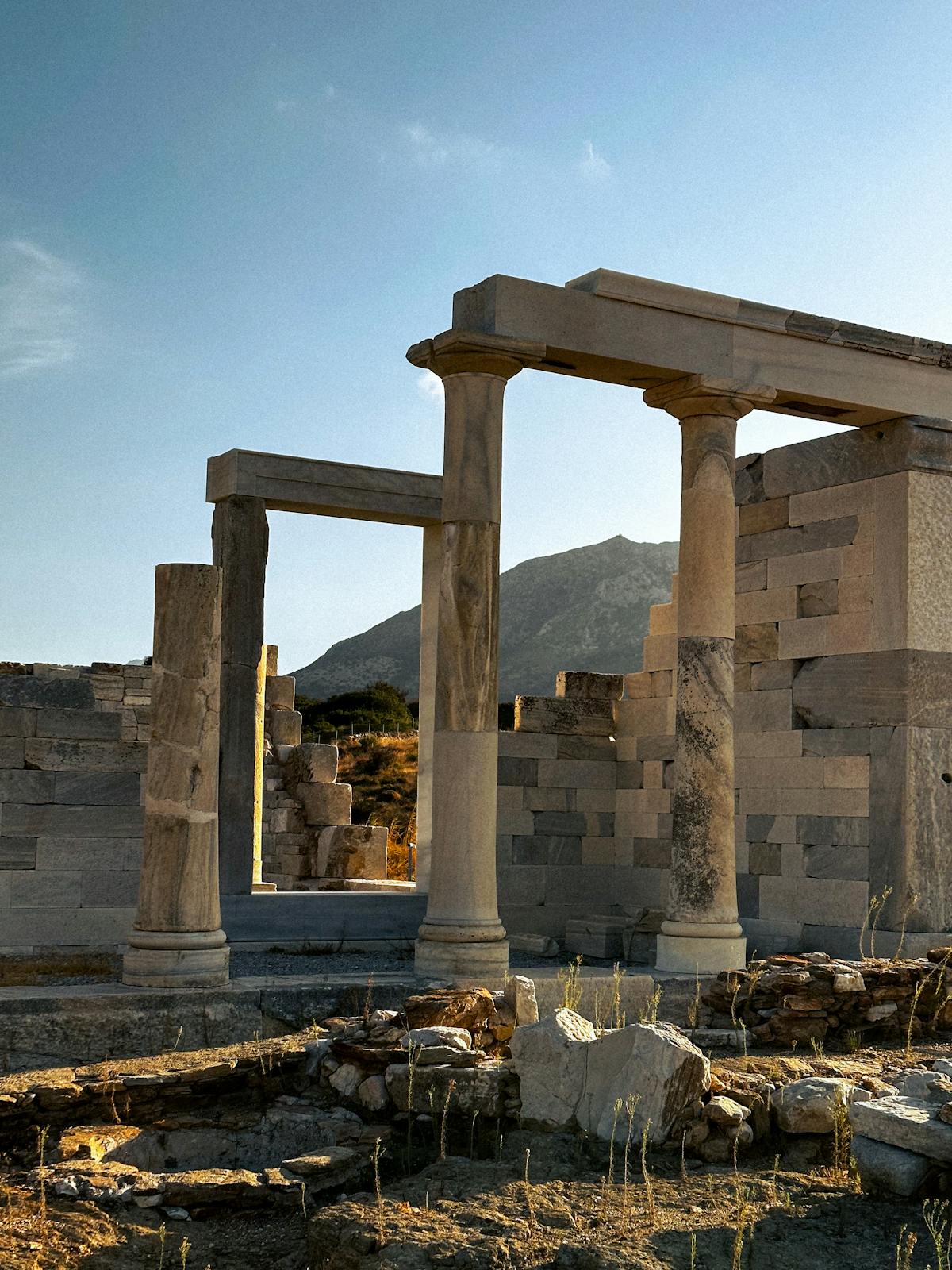
This is the standard Delos guided tour that most visitors end up on, and it is the standard for a reason. You get boat transfer from the Old Port, a licensed archaeologist guide who actually knows what they are talking about, and roughly 3 hours on the island. The guide covers all the major sites: the Terrace of the Lions, the Sacred Lake, the House of Dionysus with its floor mosaics, the Theatre Quarter, and the Temple of Apollo.
What I like about this one is the pace. Three hours on Delos is about right for most people — long enough to see everything important, short enough that you do not run out of water or start hallucinating from the heat. There is zero shade on this island, so tour duration matters more than you would think.
2. Morning Delos Guided Tour — ~$60
Same concept as the standard tour, but this one catches the earliest boat out. And that matters. By 11:00 on a July day, Delos feels like standing in a pizza oven with a nice view. The morning departure means you are exploring the ruins before the worst of the heat, the light is better for photos, and you beat the bulk of the cruise ship passengers who tend to arrive on the later boats.
The guides on this morning Delos tour are licensed by the Greek Ministry of Culture, which is not just a rubber stamp — it means they have actually studied archaeology and can answer the weird questions. Cost is a few euros more than the standard, but for the better timing alone it is worth the premium. You will be back in Mykonos by early afternoon with time for lunch and a swim.
3. Delos Roundtrip Boat Transfer — ~$25
If you do not want a guide and you are comfortable exploring on your own, this is the budget play. You get a return boat ticket and nothing else — no guide, no skip-the-line, just transportation. The site admission fee (EUR 12) is separate and you pay at the entrance when you arrive.
The upside is flexibility. You can spend as long as you want on the island (within the ferry schedule) and wander wherever catches your eye. The downside is that Delos is genuinely confusing without context. Many of the ruins are not well-signed, and the island museum is small. If you go this route, download the Delos archaeological site guide from the Greek Ministry of Culture website beforehand. It is free and decent.
When to Visit Delos
Best months: April, May, and October. The weather is warm but not punishing, the crowds are manageable, and the light is gorgeous for photos. June works too if you can handle a bit more heat.
Peak season (July-August): Hot. Really hot. Delos has essentially no trees and no shade structures. Temperatures regularly hit 35C+, and you are walking on exposed stone and dirt paths with the sun reflecting off white marble. If you go in high summer, take the earliest boat, bring at least 2 litres of water per person, wear a hat, and accept that you will be uncomfortable by midday. The tiny cafe near the site entrance sells water but charges island prices.
Shoulder season (March, November): Ferries run less frequently, some days not at all. The site may have reduced hours. But if you can go, the island in quiet season is extraordinary — just you and a few others walking through ruins that once held 30,000 people.
Closed: December through February (usually) and every Monday year-round. Also closed on certain national holidays. Always check before you plan.
How to Get to the Delos Ferry
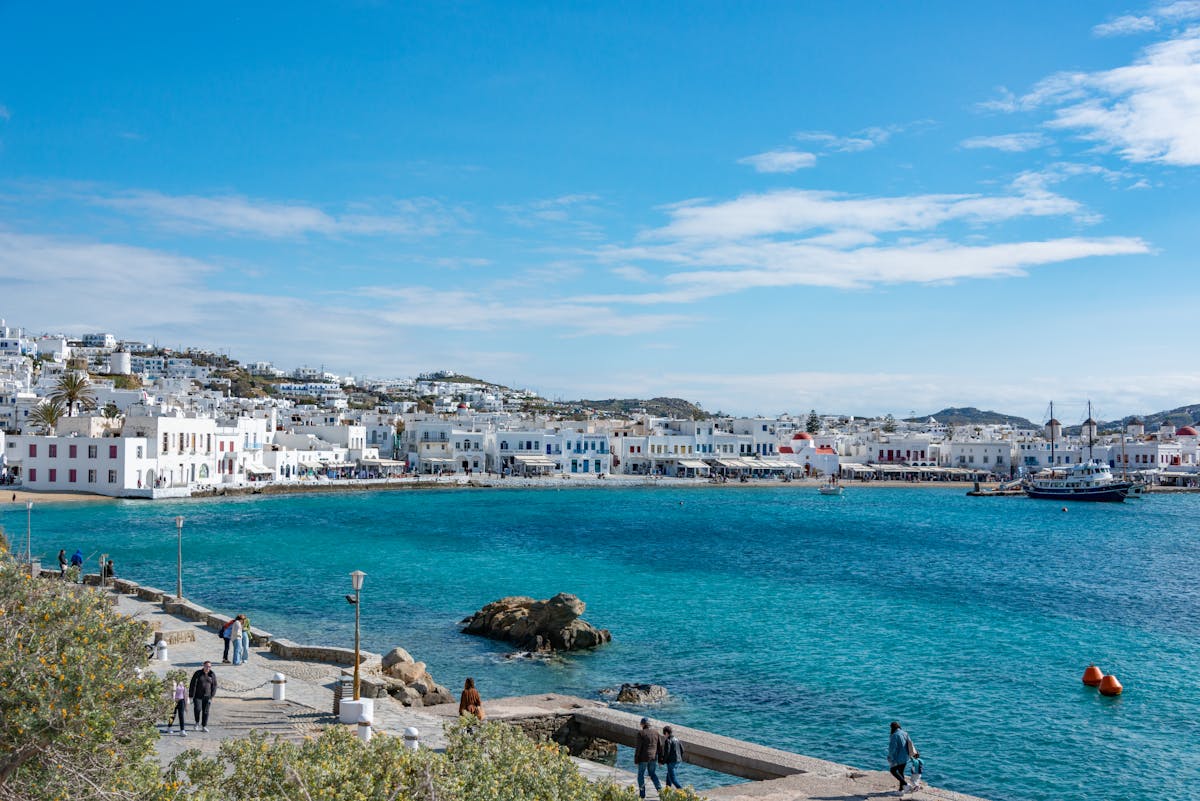
All Delos boats leave from the Old Port in Mykonos Town (Chora). If you are staying in Mykonos Town, it is a 5-10 minute walk from most hotels. If you are staying at a beach resort (Ornos, Platis Gialos, Paradise Beach), you will need a taxi or bus to town first — budget 20-30 minutes.
There is no vehicle access on Delos, so do not worry about bringing a car. The island is small enough to walk from end to end in about 45 minutes, though you will want much longer to actually see things.
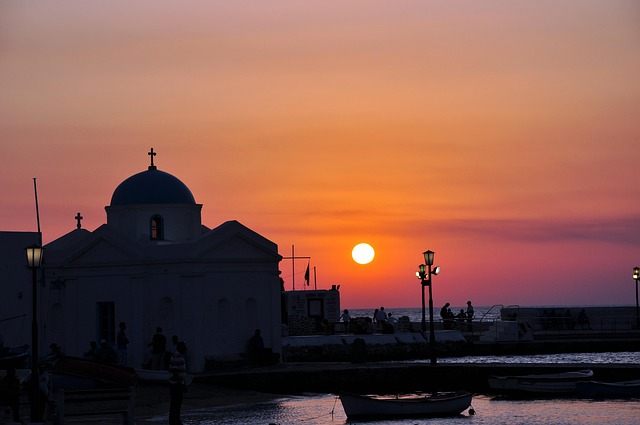
Practical tip: The Old Port can be confusing because multiple tour operators have kiosks there, and they will all try to sell you tickets. If you have pre-booked through GetYourGuide or Viator, look for the specific meeting point listed on your confirmation email. It is usually near the small church at the port entrance, but it varies by operator.
If you are arriving from the airport or the new port (where large ferries dock), a taxi to the Old Port costs around EUR 10-15. Buses also run to Mykonos Town from most beach areas — the bus station is a 3-minute walk from the Old Port. In peak season, grab a taxi early. The queue at the airport taxi stand in the morning can stretch to 20-30 minutes.
One more logistical note: some hotels in Mykonos Town will store your bags if you are doing Delos on your check-out day. Ask at reception. It beats dragging luggage to the port and trying to find somewhere to leave it while you explore ancient ruins for four hours.
Tips That Will Save You Time (and Sunburn)
Book your tour at least 2-3 days ahead in summer. The morning departures sell out, especially in July and August. Showing up at the port hoping to buy a spot rarely works during peak season.
Bring more water than you think you need. There is one small refreshment stand near the museum, and the prices are steep. Two litres per person is the minimum for a 3-hour visit. Three if you are going self-guided and staying longer.
Wear proper shoes. The paths across Delos are uneven stone, gravel, and ancient marble. Sandals technically work, but you will regret them on the hillside paths. Lightweight hiking shoes or solid trainers are ideal.
Sunscreen and a hat are not optional. I have said it already, but it bears repeating: there is no shade on Delos. None. The ancient Greeks apparently did not believe in trees on sacred islands.
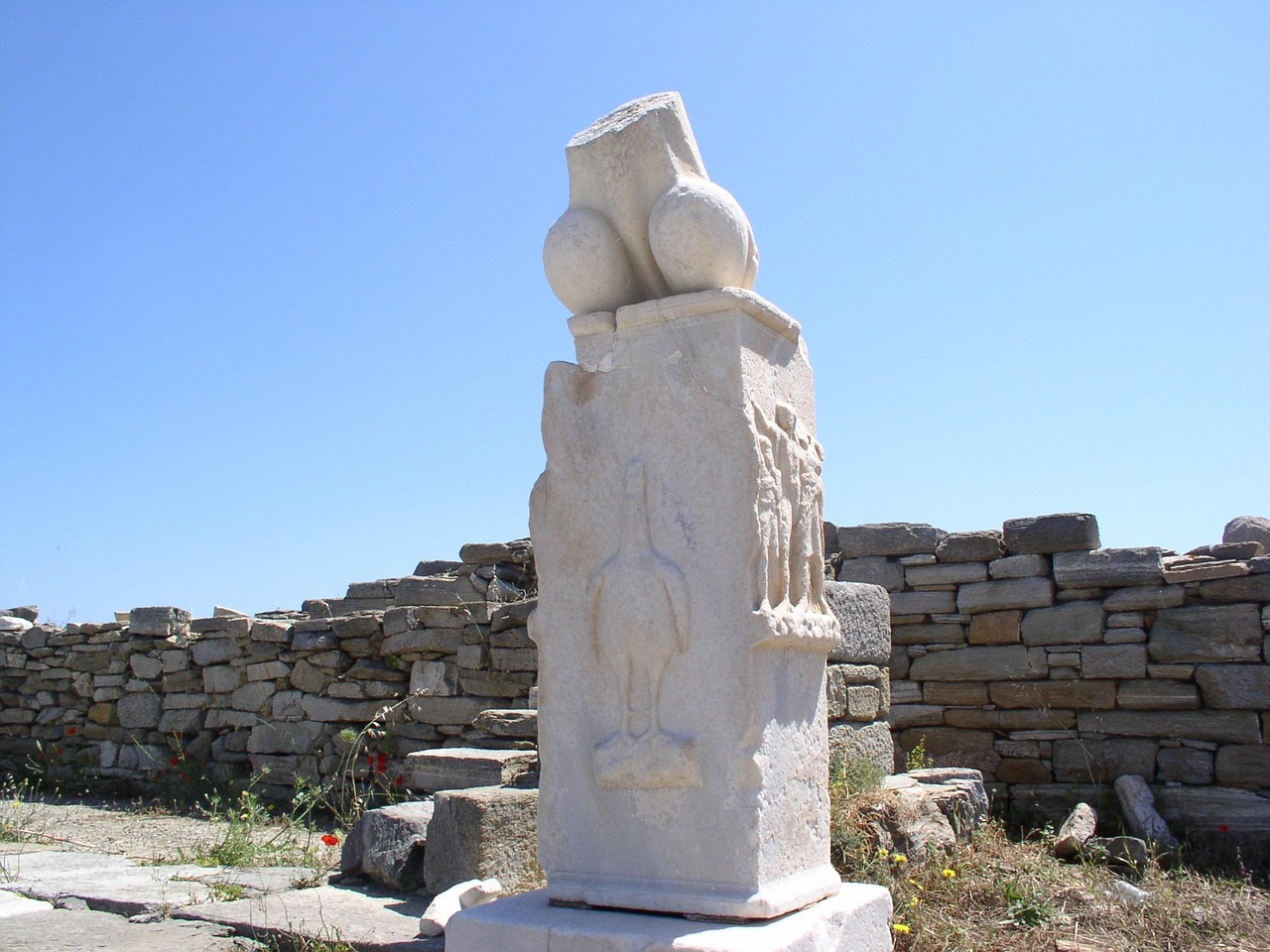
The museum is worth 20 minutes. Most tour groups skip it or rush through. The small on-site museum has some of the original mosaics and statuary that were too fragile to leave exposed. The marble phallus collection is… educational.
Do not rely on your phone for directions. Cell signal on Delos is patchy. Download any maps or guides before you leave Mykonos.
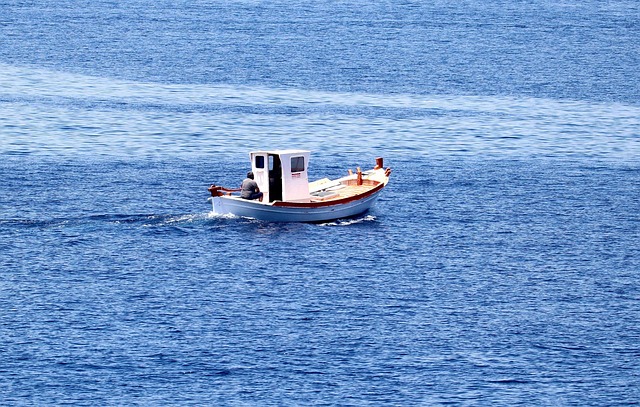
Sea conditions matter. The Aegean can get rough, especially in the afternoon when the meltemi wind picks up during summer. If you are prone to seasickness, take medication before the crossing, not during. The boats are open-deck ferries, not enclosed cruise ships, and they bounce around in chop.
There are no ATMs on Delos. The small cafe and the museum gift shop may accept cards, but do not count on it. Bring cash for snacks and water. The site entrance fee can usually be paid by card, but again — have cash as backup.
Photography tip: The best light on Delos is early morning (golden, directional, dramatic shadows through the columns) and late afternoon (warm, softer, great for the Terrace of the Lions). Midday light is harsh and flat. If you are serious about photography, take the earliest tour and bring a polarizing filter for the marble against blue sky.
What You Will Actually See on Delos
The Terrace of the Lions is what everyone comes for. Five marble lions (originally nine) crouched along a processional way, guarding the Sacred Lake where Apollo was supposedly born. They have been sitting there since the 7th century BC. The originals are in the museum now and the ones outside are replicas, but the effect is still striking.
The Sacred Lake itself is dry — it was drained in 1925 to prevent malaria. There is a palm tree where the lake used to be, marking the mythological birthplace of Apollo. It looks a bit sad, honestly, but the symbolism carries weight once you know the story.
The House of Dionysus has one of the most photographed floor mosaics in Greece: Dionysus riding a panther, made from tiny colored stones that are still sharp after two millennia. The Theatre Quarter is where the wealthy residents lived — some houses had indoor plumbing and courtyard gardens. The theatre itself held 5,500 people, which gives you an idea of how important this little island was.
Walk up Mount Kynthos (113 meters — not exactly Everest) for a panoramic view of the surrounding Cyclades. On a clear day you can see Naxos, Paros, Syros, and Tinos. The path is steep and rocky, so good shoes matter here. Budget 20-25 minutes for the climb, and try to go in the morning before the stone gets scorching hot.
The Agora of the Competaliasts is the first thing you see when you walk off the boat — a marketplace where ancient merchants traded goods from across the Mediterranean. The name comes from the Roman festival of Compitalia, because by the time this area was built, Roman traders had moved in alongside the Greeks. Look for the carved stone altars and the column bases that mark where shop fronts once stood.
Down by the harbour area, the ancient warehouses (called stoai) give you a sense of how commercial this place was. Delos was not just a religious center. For centuries it was one of the busiest trading ports in the eastern Mediterranean, handling grain, olive oil, slaves, and luxury goods. The wealth that flowed through here funded the temples you see higher up the hill.
The Sanctuary of the Foreign Gods is often overlooked by tour groups in a hurry, but it is fascinating. Temples to Isis, Serapis, and other Egyptian and Syrian deities sit alongside Greek shrines — proof that Delos was genuinely cosmopolitan. People came from everywhere and they brought their gods with them.
One more thing worth knowing: the entire island is a UNESCO World Heritage Site and one of the most important archaeological sites in the Mediterranean. The French School of Archaeology at Athens has been excavating here since 1873, and they still have not uncovered everything. New discoveries happen regularly. What you see above ground is maybe half of what is down there.
While You Are in Greece
If you are island-hopping through the Cyclades, a Santorini caldera cruise pairs well with a Delos day trip — completely different vibe, but equally worthwhile. For anyone basing themselves in Athens before or after Mykonos, the Acropolis is the obvious tick, and a day trip to Delphi gives you another dose of ancient sanctuary energy without the sea crossing. The Cape Sounion sunset tour is worth it if you have a free evening in Athens — the Temple of Poseidon at golden hour is genuinely dramatic. And if you are heading to the Dodecanese, Lindos in Rhodes has a similar archaeological punch in a very different setting.
This article contains affiliate links. If you book through our links, we earn a small commission at no extra cost to you. This helps us keep writing honest, ad-free travel guides.
More Greece Guides
The Delos tour is a half-day from Mykonos, which leaves afternoons free. If you are island-hopping, the Santorini caldera cruise and a Santorini wine tour are natural next stops — the ferry between the two runs multiple times daily.
For the best boat tours across the rest of Greece, the Zakynthos Shipwreck Beach trip and the Corfu boat tours to the Blue Caves rank alongside Delos as the top water-based days in the country.