
The sommelier held up a glass of Assyrtiko and asked me to smell it before tasting. I expected the usual “notes of citrus” speech. Instead she said, “This is what volcanic soil tastes like.” She wasn’t wrong. There’s a minerality to Santorini wine that you don’t find anywhere else in Greece — or really anywhere else, period. The vines here grow in a style called kouloura, wound into low basket shapes close to the ground to protect them from the Aegean winds. They’ve been doing this for 3,500 years.
Santorini isn’t the first place most people think of for a wine tour. Everyone comes for the caldera views, the blue domes, the Instagram sunsets. But the island’s winemaking tradition is older than most European civilizations, and the wines — particularly the dry whites made from the Assyrtiko grape — have been quietly winning over wine critics who usually can’t stop talking about Burgundy.
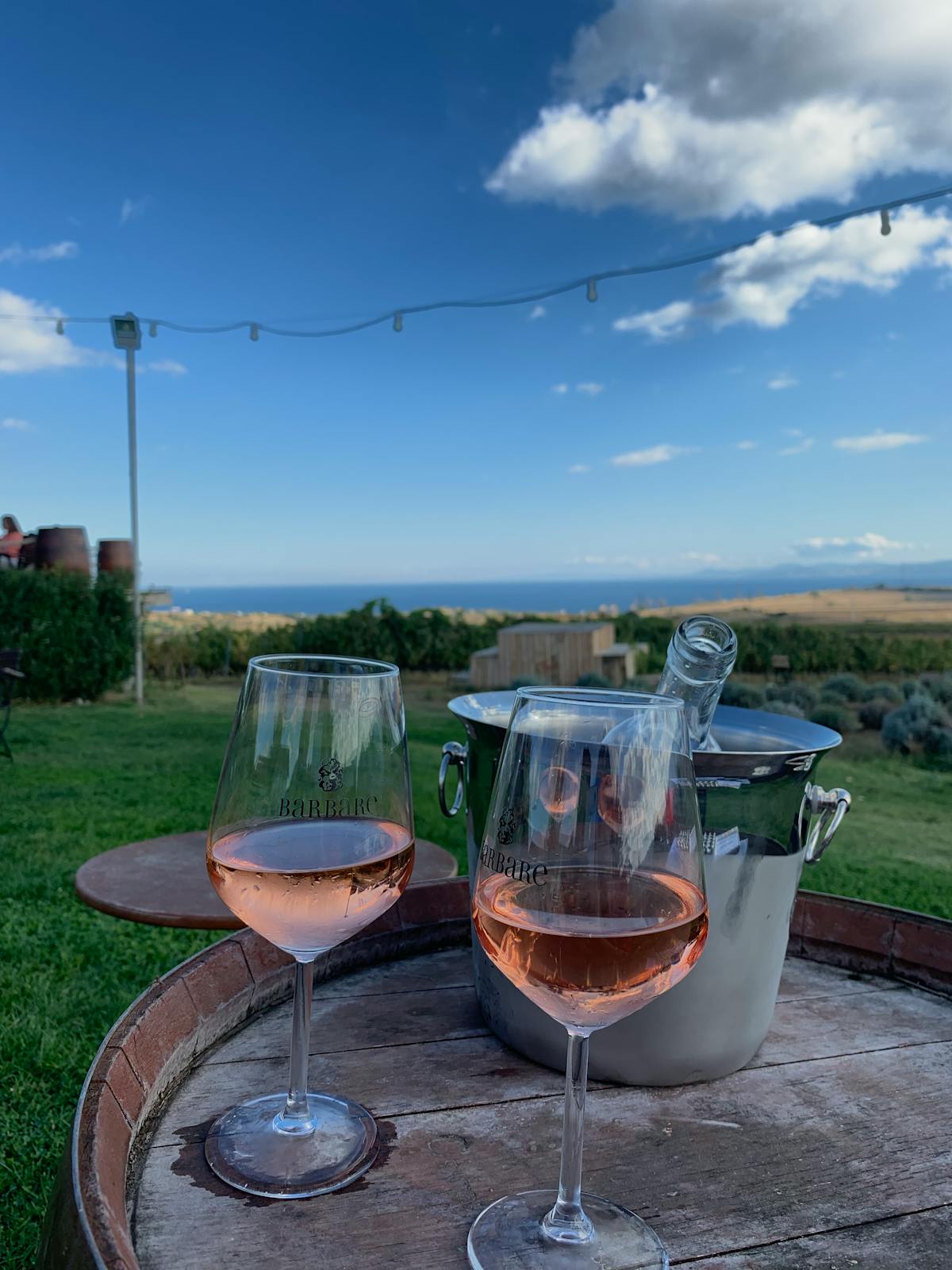
I spent a full day doing back-to-back winery visits, which turned out to be one tasting too many (lesson learned: pace yourself). But by the second winery I understood why people fly to this island specifically for the wine. The combination of volcanic terroir, old-vine Assyrtiko, and sunset views from the tasting terrace is hard to replicate.
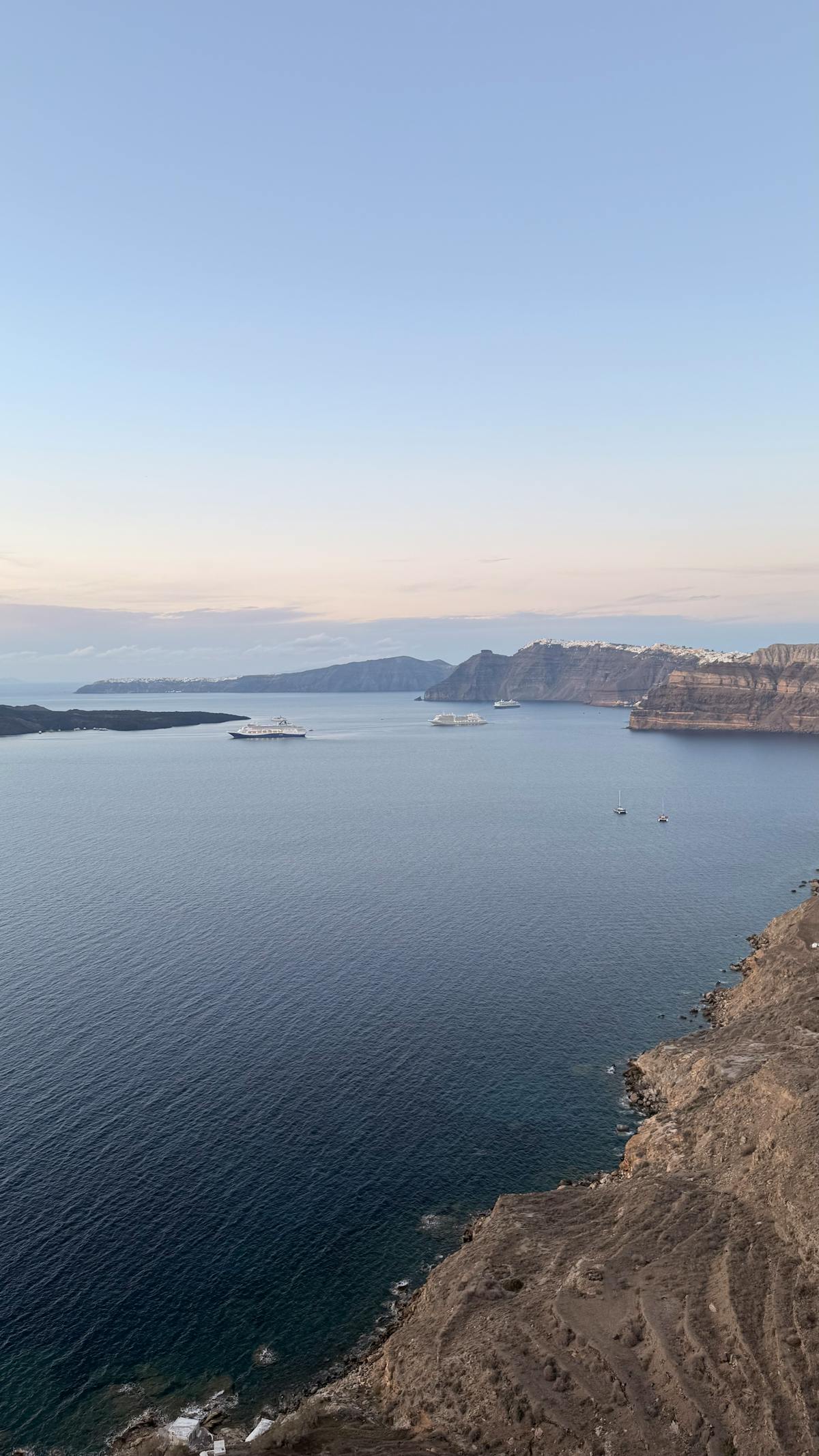
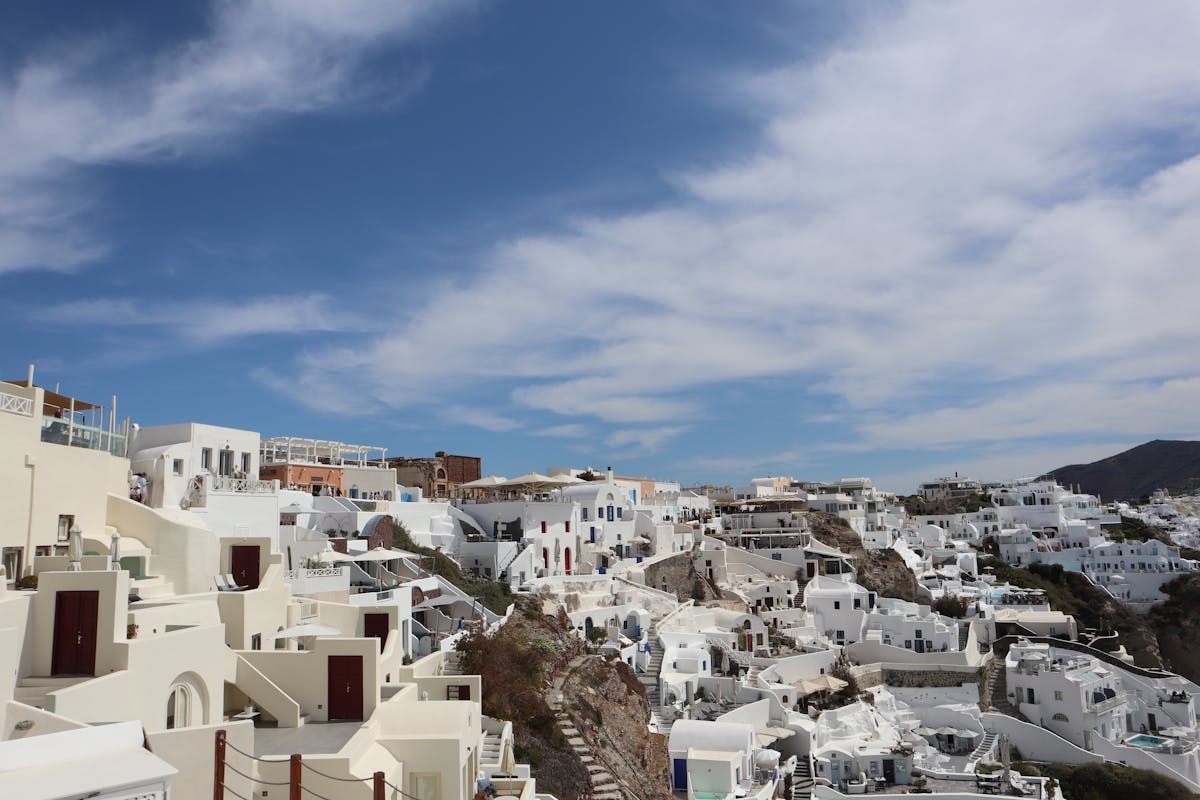
Best overall: Santorini Wine Adventure with 12 Tastings — $181. Three wineries, twelve wines, tapas at every stop, and a sunset finish. The most popular Santorini wine tour for a reason.
Best for sunset chasers: Sunset Wine Tour with Santo Winery Views — $206. Timed specifically for golden hour at Santo Wines, where the terrace overlooks the caldera.
Best for small groups: 3-Winery Tour with Oia Sunset — $181. More intimate feel, plus the guide takes you to a quieter sunset spot away from the Oia crowds.
- What Makes Santorini Wine Different
- Wine Tour vs. Doing It Yourself
- The Best Santorini Wine Tours to Book
- 1. Santorini Wine Adventure with 12 Wine Tastings, Tapas and Sunset — 1
- 2. Santorini Sunset Wine Tour with Santo Winery Views — 6
- 3. Santorini 3-Winery Tour with 12 Wine Tastings and Oia Sunset — 1
- When to Go Wine Tasting in Santorini
- What to Expect on a Santorini Wine Tour
- The Wineries You’ll Actually Visit
- How to Get to the Wineries
- Tips That’ll Save You Time and Money
- What You’ll Taste: A Quick Guide to Santorini Wines
- More Santorini and Greece Guides
- More Greece Guides
What Makes Santorini Wine Different
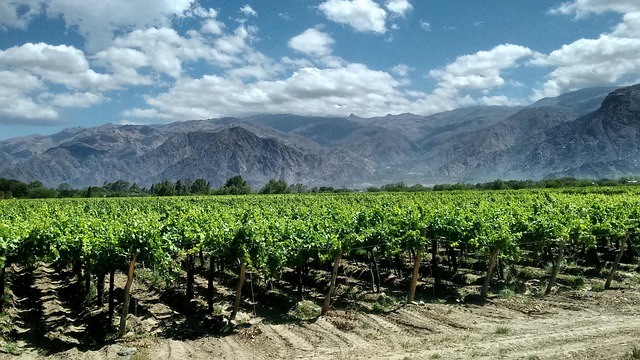
You won’t see neat rows of trellised vines anywhere on Santorini. The island’s winemakers train their grapevines into a shape called kouloura — low, circular baskets that sit almost flat against the volcanic soil. The technique protects the grapes from the relentless meltemi winds that blast across the Aegean from July through September, and the basket shape traps morning dew to compensate for the near-total lack of rainfall.
The soil itself is the other piece. Santorini is a caldera — the remains of a catastrophic volcanic eruption around 1600 BCE that buried the Minoan settlement of Akrotiri. The ground is pumice and volcanic ash rather than conventional earth. This means the phylloxera pest that wiped out vineyards across Europe in the 1800s never gained a foothold here. Some Santorini vines are genuinely 200+ years old, still producing fruit, ungrafted onto American rootstock.
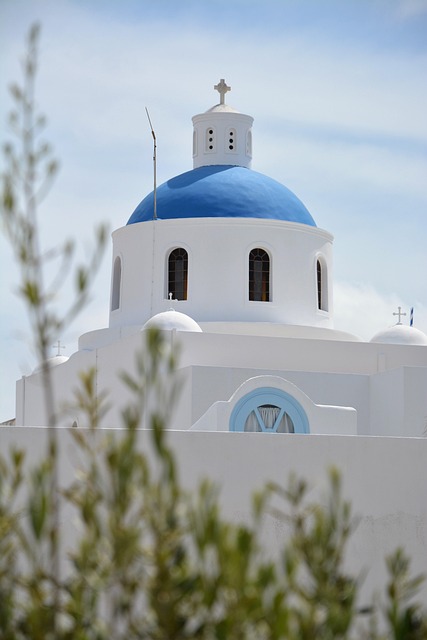
The star grape is Assyrtiko — a white variety that produces bone-dry, high-acid wines with that distinctive mineral backbone. You’ll also encounter Athiri and Aidani (blended into white wines for a softer finish), and Mandilaria and Mavrotragano for the reds. But let’s be honest: you’re here for Assyrtiko. And for Vinsanto — the island’s famous sweet wine made from sun-dried grapes, which has nothing to do with the Italian Vin Santo despite sounding identical.
Wine Tour vs. Doing It Yourself
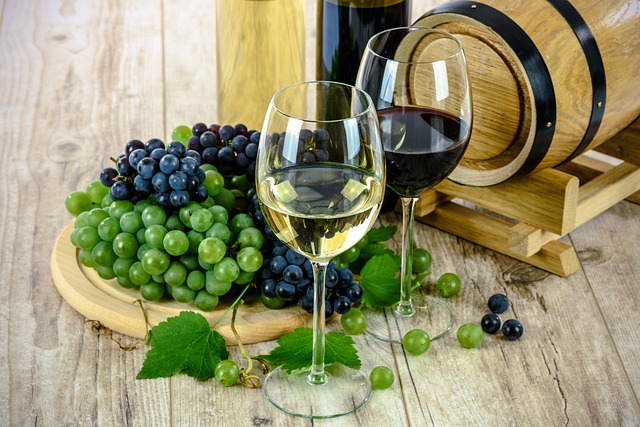
Here’s the honest breakdown. You can absolutely visit Santorini’s wineries on your own. Santo Wines, Venetsanos, and Gavalas all accept walk-ins, and Megalochori is home to several smaller producers you can stumble into. A tasting at most places runs between 15 and 25 euros for 6-8 wines, sometimes with a small food pairing included.
So why book a tour? Three reasons.
First, the roads. Santorini’s roads are narrow, winding, and packed with ATV rentals driven by people who got their license that morning. Driving between wineries after three tastings is not something I’d recommend. Second, the logistics. Wineries close at different times, some require reservations, and the popular sunset spots fill up fast. A guide handles all of this. Third — and this surprised me — the education. A good guide doesn’t just drive you between wineries. They explain the kouloura technique, the volcanic soil, why Assyrtiko tastes different from every other Greek white, and which wines are worth buying to take home. The context makes the tasting twice as good.
That said, if you’re comfortable driving and you want to set your own pace, the DIY route works fine. Just don’t try to hit more than two wineries in an afternoon. Three is the maximum for a guided tour, and that’s with a professional managing the timing.
The Best Santorini Wine Tours to Book
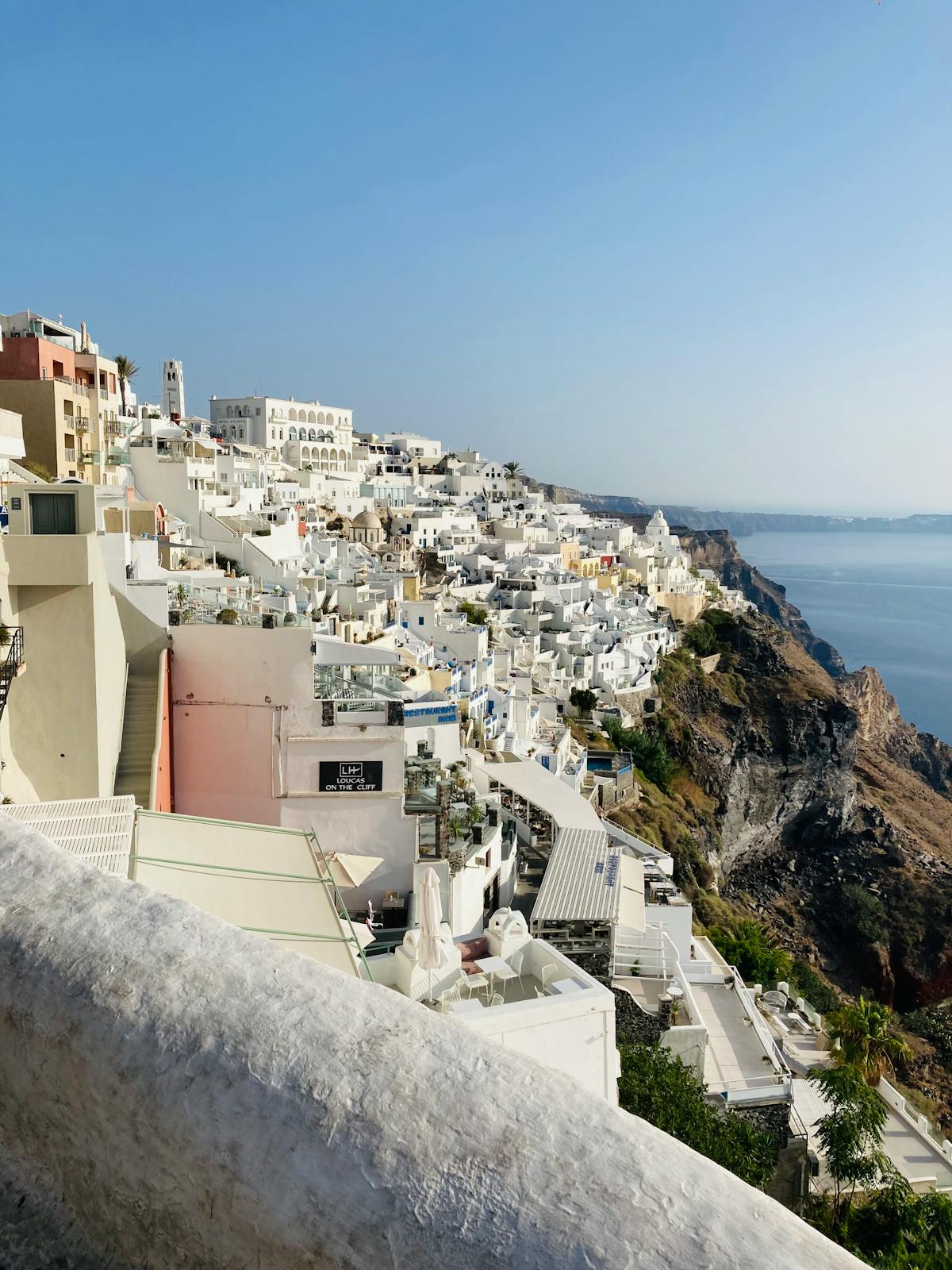
I went through every wine tour available on Santorini — looked at the visitor feedback, compared what each one includes, and narrowed it down to the three that consistently deliver. All three visit multiple wineries, include tastings and food, and time the route to catch sunset.
1. Santorini Wine Adventure with 12 Wine Tastings, Tapas and Sunset — $181
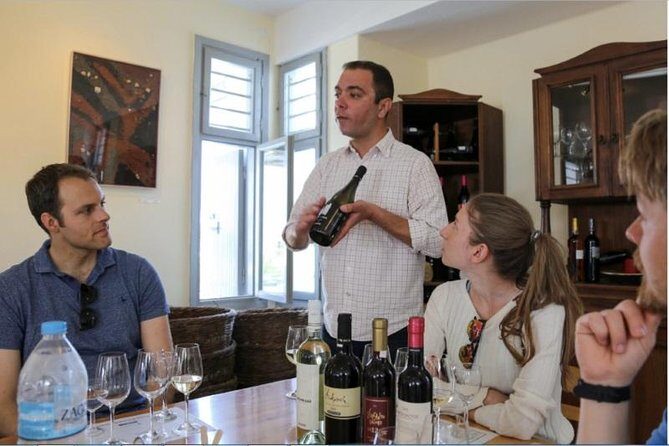
This is the one most people end up booking, and for good reason. Four hours, three wineries, twelve wine tastings, and tapas at every stop. The route is well-planned — you start at a smaller, quieter estate where the guide can explain the kouloura growing method without competing with crowds, then build toward the bigger-name wineries as the afternoon unfolds.
What sets this apart from the other options is the tapas pairing at each stop. Most Santorini wine tours include a small nibble or two. This one treats the food as part of the experience — local cheeses, cured meats, tomatokeftedes (tomato fritters made from Santorini cherry tomatoes), and dips that pair with whatever you’re tasting. By the end you’ve had a full meal across three locations.
The sunset finale is timed well. The guide knows exactly when to leave the second winery to catch golden hour at the third. If you only book one wine experience on Santorini, this is the safe pick — it does everything right and nothing feels rushed.
2. Santorini Sunset Wine Tour with Santo Winery Views — $206
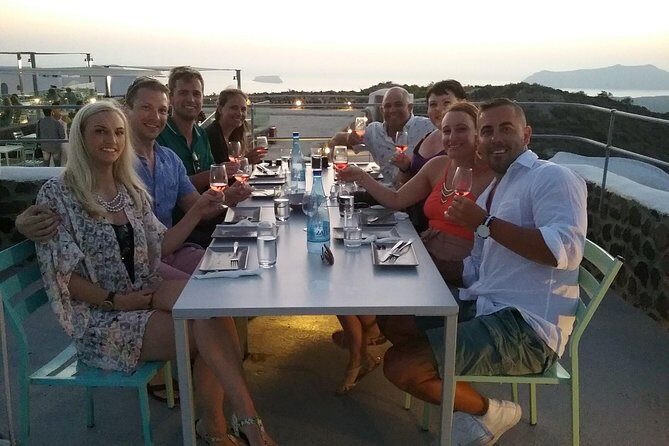
If the sunset is the non-negotiable part of your Santorini wine experience, this is the tour built around it. The entire itinerary is structured to land you at Santo Wines — the island’s most famous winery — with a glass in hand right as the sun drops below the caldera rim.
Santo Wines sits on the highest point of the caldera in Pyrgos, and the terrace there is genuinely one of the best viewpoints on the island. The catch? It’s also the most crowded winery on Santorini. Going as part of this tour means the guide has reserved your spots and you don’t have to jostle for a table. The other two wineries on the route are smaller, more intimate, and that’s where the actual education happens.
At $206 it’s the most expensive option of the three, but you’re paying for the guaranteed Santo Wines sunset experience plus the two other wineries. If you tried to do Santo Wines on your own at sunset, you’d likely wait 30+ minutes for a table.
3. Santorini 3-Winery Tour with 12 Wine Tastings and Oia Sunset — $181
This is the quieter, more personal alternative. Same format — three wineries, twelve tastings, sunset — but the group sizes tend to be smaller, and the guide wraps up the winery visits with a sunset detour to a spot near Oia that isn’t overrun with selfie sticks.
The 4.5-hour duration gives a little more breathing room than the standard 4-hour tours. You’re not being rushed from one tasting room to the next. The visitor feedback consistently mentions the guides by name — George, Elena, Nikos — which tells you it’s a team of regulars who actually know what they’re talking about, not seasonal hires reading a script.
At the same $181 price point as the Wine Adventure tour above, this comes down to personal preference: do you want the classic three-winery-plus-food combo (#1), or the slightly longer, more intimate version with an Oia sunset (#3)? You won’t go wrong either way.
When to Go Wine Tasting in Santorini
The wine tour season on Santorini runs roughly from April through October, matching the island’s tourist season. But not all months are created equal.
Best months: September and early October. The harvest is happening, which means the vineyards are at their most active and photogenic. Temperatures have dropped from the brutal July-August peak (regularly 35+ Celsius) to a more comfortable 25-28 range. The summer crowds have thinned, and the sunset light is spectacular. If I had to pick one month for a Santorini wine trip, it would be late September every time.
Good months: April, May, June. Spring on Santorini is underrated. The vines are green, the island isn’t yet overrun, and prices for tours and hotels are significantly lower than peak season. The downside: you won’t see the harvest, and a few smaller wineries may not be fully open yet.
Avoid: July and August (if possible). It’s hot. Really hot. Standing on a winery terrace at 3 PM in August sounds romantic until you’re drenched in sweat and the wine is warming in your glass faster than you can drink it. The tours still run, but the experience is better in the shoulder months.
Most wine tours offer both morning and sunset departures. The sunset tours are more popular (and sell out faster), but the morning tours have their own appeal — cooler temperatures, fewer people at the wineries, and a different quality of light. If you’re on Santorini for more than two days, consider doing a morning tasting one day and a caldera cruise the other.
What to Expect on a Santorini Wine Tour
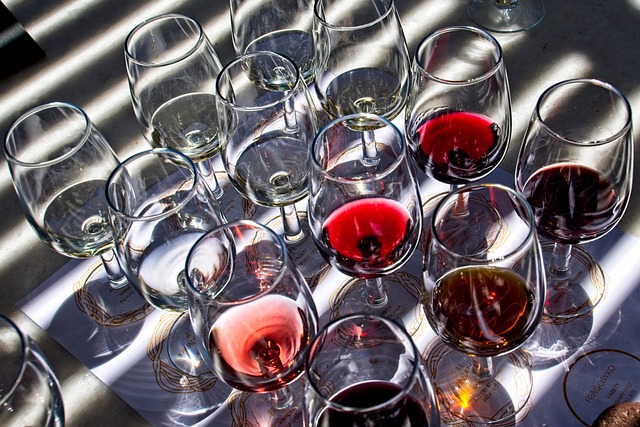
Most Santorini wine tours follow a similar format. Here’s what a typical afternoon looks like.
Your guide picks you up from your hotel (or a central meeting point in Fira) around 3:30-4:00 PM for a sunset tour. The first stop is usually a smaller, family-run winery — places like Gavalas or Hatzidakis — where you get the history lesson. The guide walks you through the vineyard, shows you the kouloura vine baskets up close, and explains the volcanic soil. Then you sit down for a tasting of 4-6 wines with small bites.
The second winery is often mid-range — Boutari, Sigalas, or similar. By this point you’ve got the basics down and can focus more on tasting. The food pairings get a bit more substantial here, sometimes including local specialties like fava (yellow split pea puree), white eggplant, and tomatokeftedes.
The third stop is timed for sunset. Santo Wines and Venetsanos are the two most common choices — both sit on the caldera rim with views that make you forget you’ve been drinking for three hours. The final tasting usually includes Vinsanto, the sweet wine that Santorini is historically most famous for. It’s made from sun-dried Assyrtiko grapes and it tastes like honeyed apricots with a long, mineral finish.
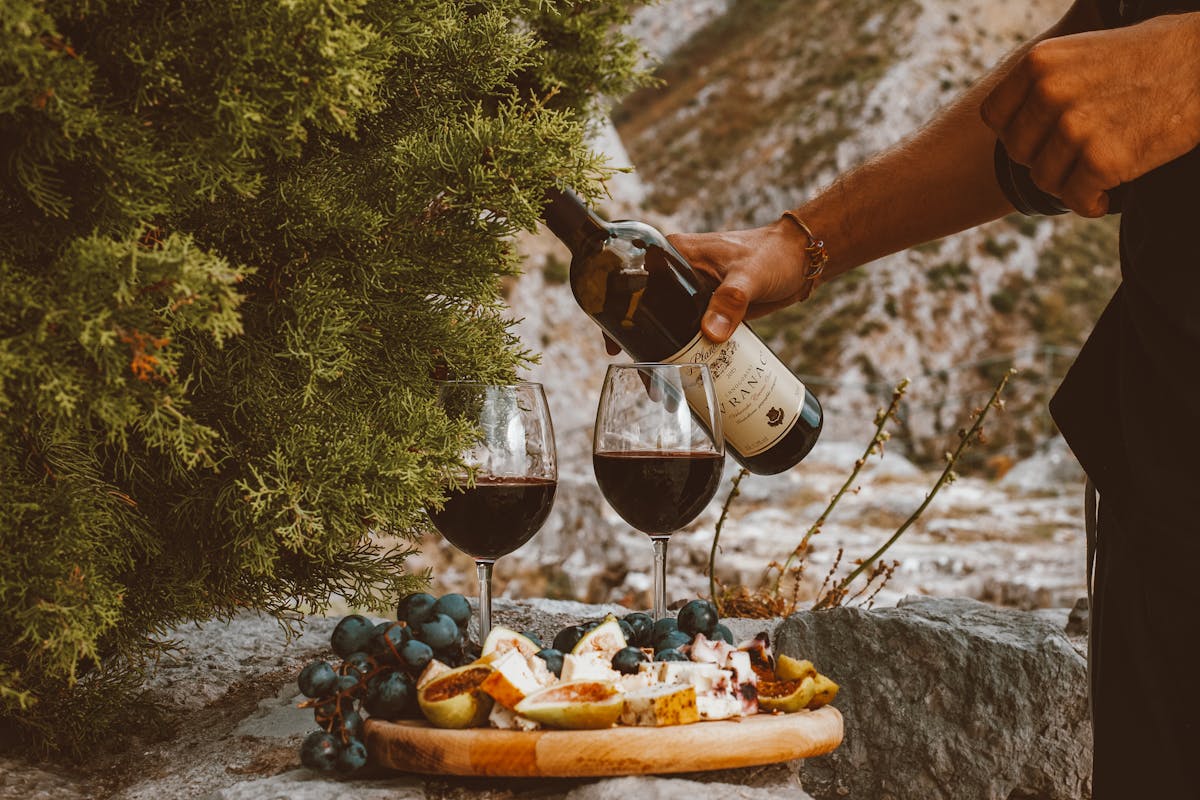
Total time from pickup to drop-off is 4-4.5 hours. You’ll taste between 10 and 14 wines across the three stops. Designated drivers, non-drinkers, and anyone who simply prefers to sip water can ask the guide for non-alcoholic alternatives — most wineries carry local juices.
The Wineries You’ll Actually Visit
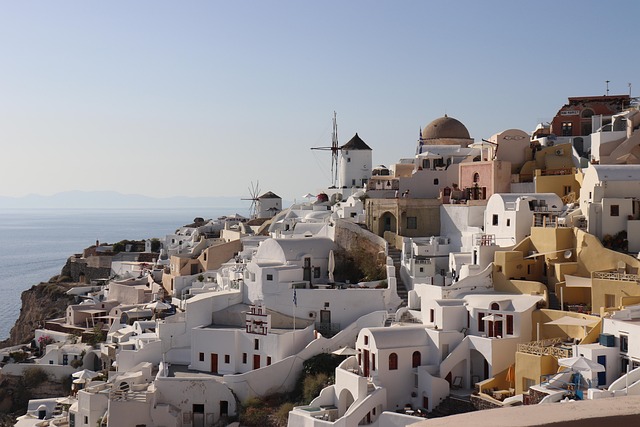
Santorini has about 15 active wineries, but the wine tours cycle through a core group. Which three you visit depends on the tour operator and sometimes the day of the week (some wineries close on certain days).
Santo Wines (Pyrgos) is the big one — the terrace with the caldera view that everyone photographs. The wine is solid (their barrel-aged Assyrtiko is the one to try), but the real draw is the setting. Arrive independently and you’ll wait for a table. Arrive with a tour and it’s pre-arranged.
Venetsanos Winery is Santo’s quieter neighbor on the caldera rim. Smaller, more modern, with a focus on single-vineyard wines. The terrace here is actually better for photos — less crowded, slightly different angle on the caldera. Their Mandilaria rose is surprisingly good.
Gavalas Winery (Megalochori) is the family-run contrast. It’s been in the same family since the 1880s. No terrace views, no Instagram angles — just honest, well-made wine in a traditional setting. The Katsano (from the rare Katsano grape) is something you won’t find outside Santorini.
Sigalas Winery (Oia) focuses on high-quality production and has been winning awards internationally. Their single-vineyard Assyrtiko is considered one of the best on the island by anyone who takes Greek wine seriously.
Boutari Winery (Megalochori) is part of the larger Boutari group but the Santorini estate is worth a visit for the underground cave tasting room. Cool in summer (literally and figuratively).
How to Get to the Wineries
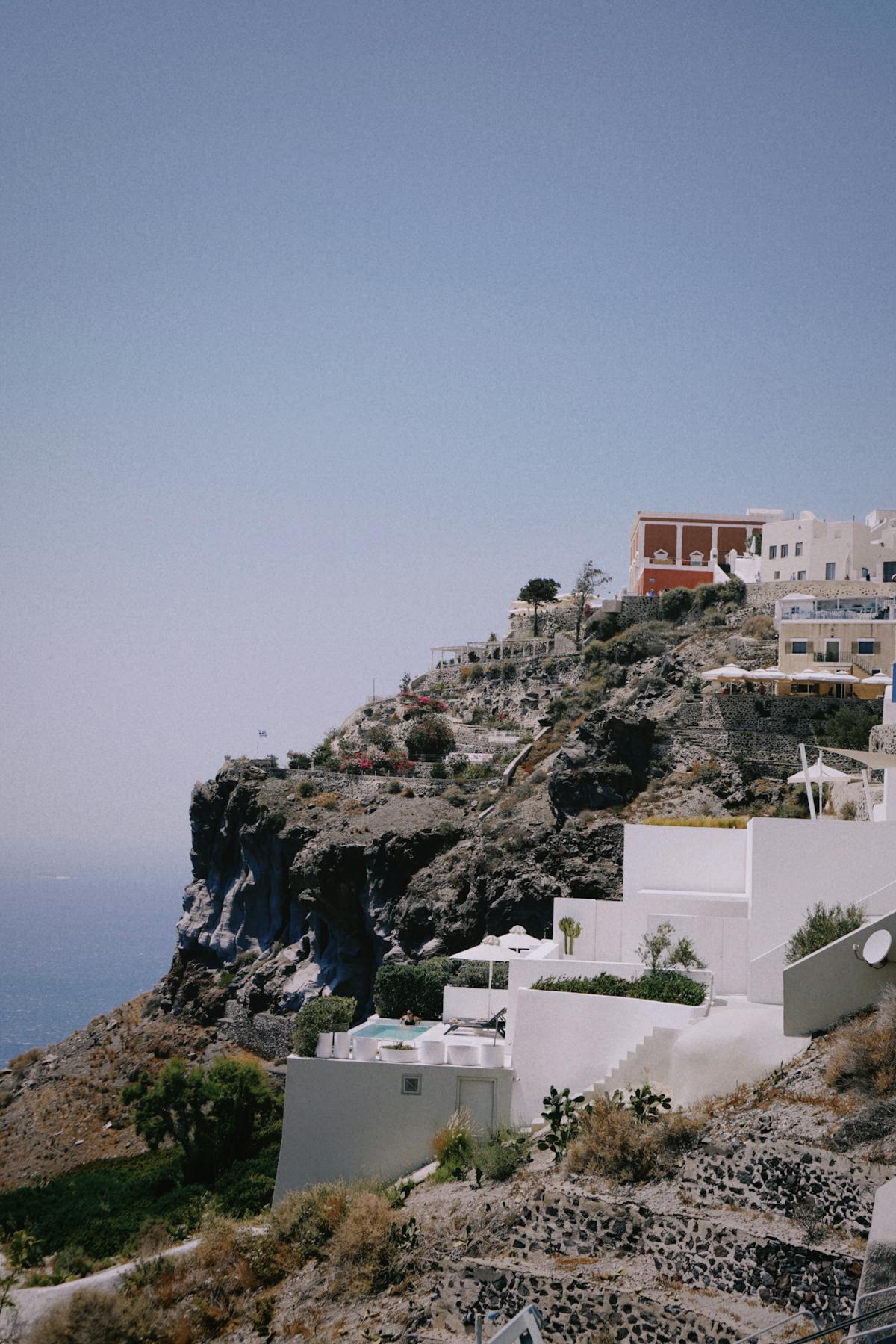
If you’re on a guided tour, this is handled for you — hotel pickup and drop-off is standard.
Going solo? The wineries are spread across the southern half of the island, mostly between Pyrgos, Megalochori, and the caldera rim. Renting a car is the practical option. ATV/quad bike rentals are everywhere but I’d skip them for a winery day — the combination of open vehicles, narrow roads with bus traffic, and wine tastings is a bad idea.
From Fira, Santo Wines is about 15 minutes by car. Gavalas in Megalochori is 10 minutes. Venetsanos is between the two. Sigalas near Oia is further north — about 25 minutes from Fira.
Taxis exist but they’re expensive and unreliable in peak season (July-August you can wait 30+ minutes for a pickup). If you’re determined to go independent without driving, the local bus (KTEL) connects Fira to Pyrgos and Megalochori, but service is infrequent and the last bus back doesn’t wait for your sunset tasting to finish.
Tips That’ll Save You Time and Money
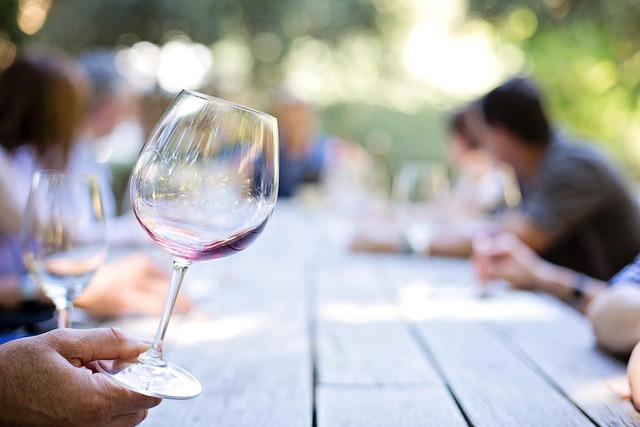
Book sunset tours early. The popular ones (especially the Wine Adventure and the Santo Winery sunset tour) sell out 3-5 days ahead during peak season. If you’re visiting in July or August, book before you arrive.
Eat before you go. The tapas and food pairings are generous, but they’re not a full meal. Have a late lunch so you’re not hungry, but leave room for the fritters and cheese.
Bring a sweater for sunset. Sounds counterintuitive on a Greek island, but the caldera rim gets windy as the sun drops. I watched a table of travelers shivering in sundresses while the locals had jackets on. The wind is real.
Buy wine at the winery, not the airport. The Santorini airport wine shop marks everything up by 40-60%. If you find an Assyrtiko you love, buy a bottle at the winery and pack it in your checked luggage. Most wineries will box it for travel.
Don’t skip the Vinsanto. A lot of people hear “sweet wine” and mentally check out. Santorini’s Vinsanto is nothing like the cheap sweet wines you might be imagining. It’s complex, nutty, and genuinely interesting — one of Greece’s most distinctive wines.
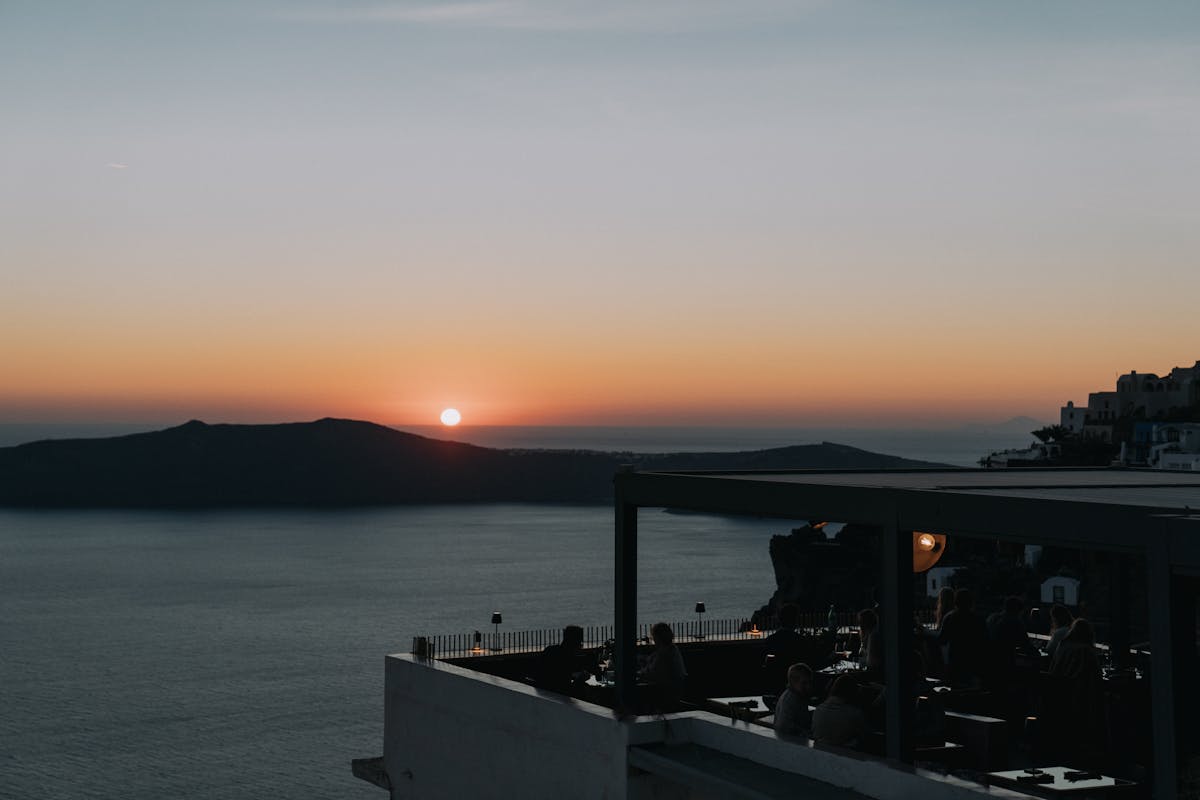
Morning tours are the insider move. Everyone wants the sunset slot. The morning departures (usually 10-11 AM) visit the same wineries with a fraction of the crowds. The light is different — softer, less dramatic than sunset — but you can actually hear the guide without competing with 50 other groups.
Don’t wear white. Between the red wine tastings and the volcanic dust, white clothing has a survival rate of approximately zero on a Santorini wine tour.
What You’ll Taste: A Quick Guide to Santorini Wines
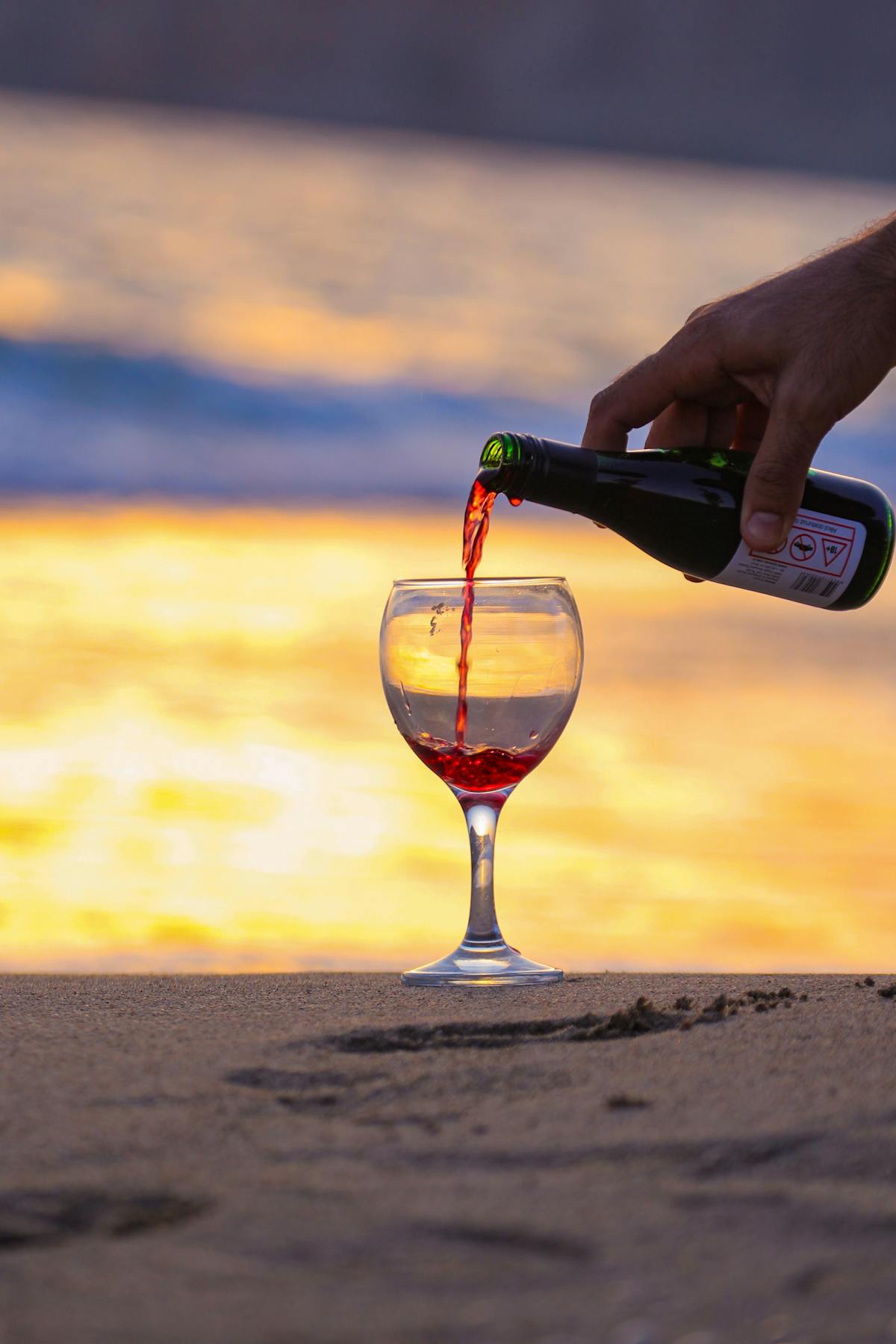
Assyrtiko — The flagship. Dry, high acid, mineral-driven white wine. Think citrus, stone fruit, and a chalky finish that comes directly from the volcanic soil. Most wineries produce several versions: a young, fresh bottling and an oak-aged reserve. Try both.
Nykteri — Traditionally harvested at night (nykteri means “of the night”) to preserve freshness. In practice it’s an oak-aged Assyrtiko or Assyrtiko blend that’s rounder and more complex than the standard bottling. Sigalas and Santo both make excellent versions.
Vinsanto — Sweet wine from sun-dried grapes, aged in oak barrels for years. The best versions have honeyed apricot, dried fig, and coffee notes. A glass at the end of a tasting is the traditional Santorini way to close out the evening. Don’t confuse it with Italian Vin Santo — different grape, different process, different island.
Mandilaria — The main red grape. Light-bodied, bright, best served slightly chilled. Most producers use it for rose rather than a straight red, and honestly the roses are better. Venetsanos makes a good one.
Mavrotragano — Santorini’s dark horse. A rare red grape that was nearly extinct until a few producers brought it back. Full-bodied, spicy, genuinely interesting. Sigalas and Hatzidakis are the producers to look for.
More Santorini and Greece Guides
Santorini packs a lot into a small island. If you’re spending more than two days (and you should), a caldera cruise is the obvious pairing with a wine tour — one day on the water, one day in the vineyards. For the rest of your Greece trip, our Athens food tour guide covers the same booking-strategy approach for the capital, and the Athens hop-on hop-off guide is useful if you’re flying in and out through Athens. Over on the islands, our Corfu boat tour guide and Rhodes/Lindos guide cover the logistics if your itinerary includes island-hopping.
This article contains affiliate links. If you book a tour through one of our links, we earn a small commission at no extra cost to you. This helps us keep writing these guides.
More Greece Guides
A wine tour fills a Santorini afternoon perfectly, especially after a morning on the water. The caldera cruise covers the volcanic hot springs and Oia views from sea level, and by the time you are back at the port, the late afternoon light is exactly when the wineries are at their best.
Beyond Santorini, Greece’s island boat tours are some of the best days you can have. The Lindos tour in Rhodes mixes ancient ruins with coastal scenery, and the Kos island cruise runs three-island loops for a fraction of what Santorini charges.