
Marie Antoinette played in the Mirror Room as a six-year-old. Mozart performed for Empress Maria Theresa in the Great Gallery when he was just six himself. Napoleon set up his war room in the very same halls a few decades later. And here I was, standing in the ticket line at Schönbrunn Palace, realizing I’d bought the wrong pass.
Turns out there are multiple ticket types, combination deals, skip-the-line options through third parties, and an entirely separate booking system for the palace concerts — and none of this is obvious until you’re already there, watching other visitors breeze past you with pre-printed tickets.
So here’s the guide I wish I’d had: everything you need to know about getting Schönbrunn Palace tickets, which ones are actually worth it, and how to avoid the mistakes that cost me an extra hour on my first visit.
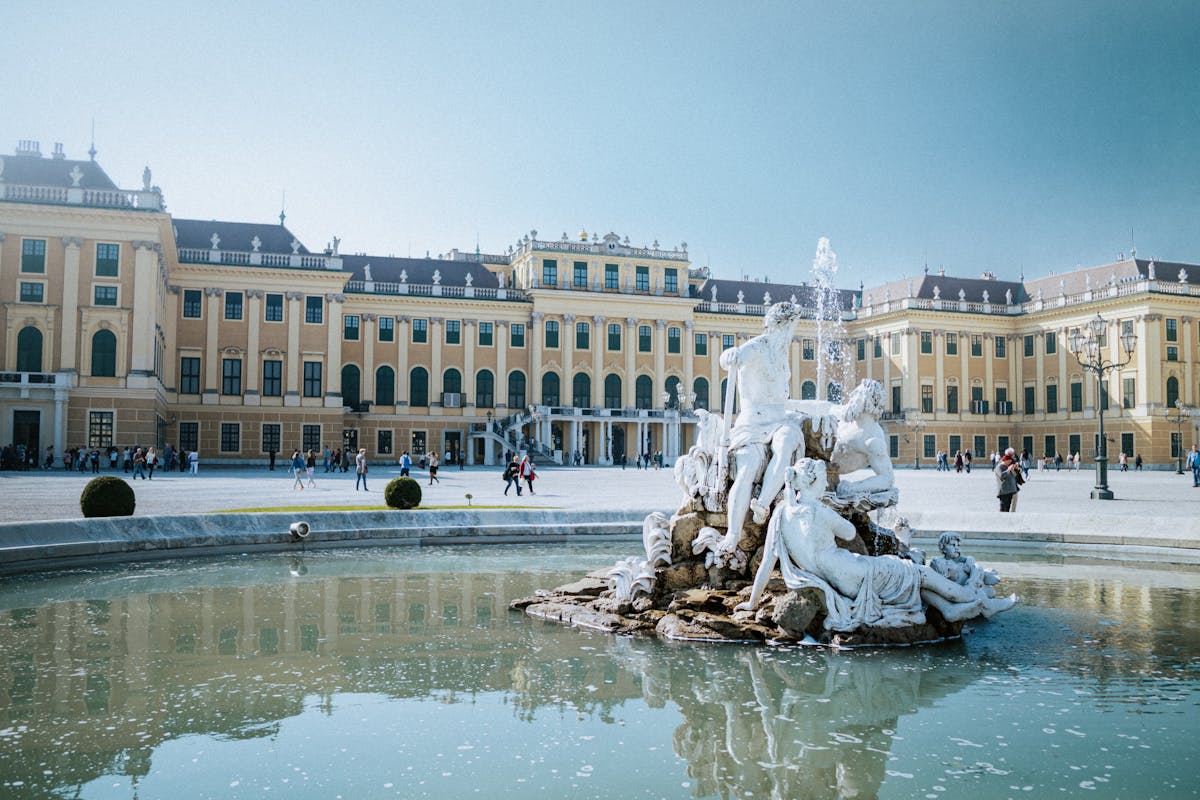
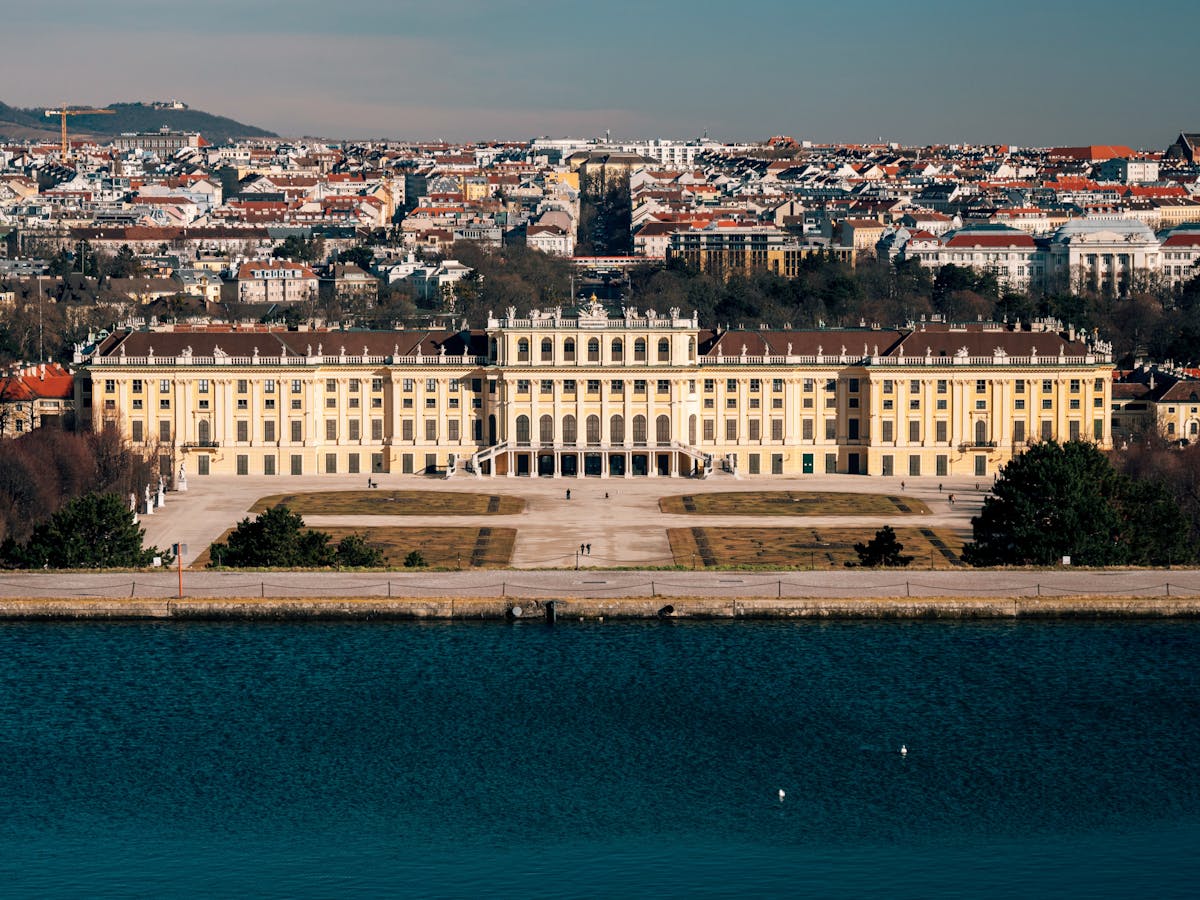
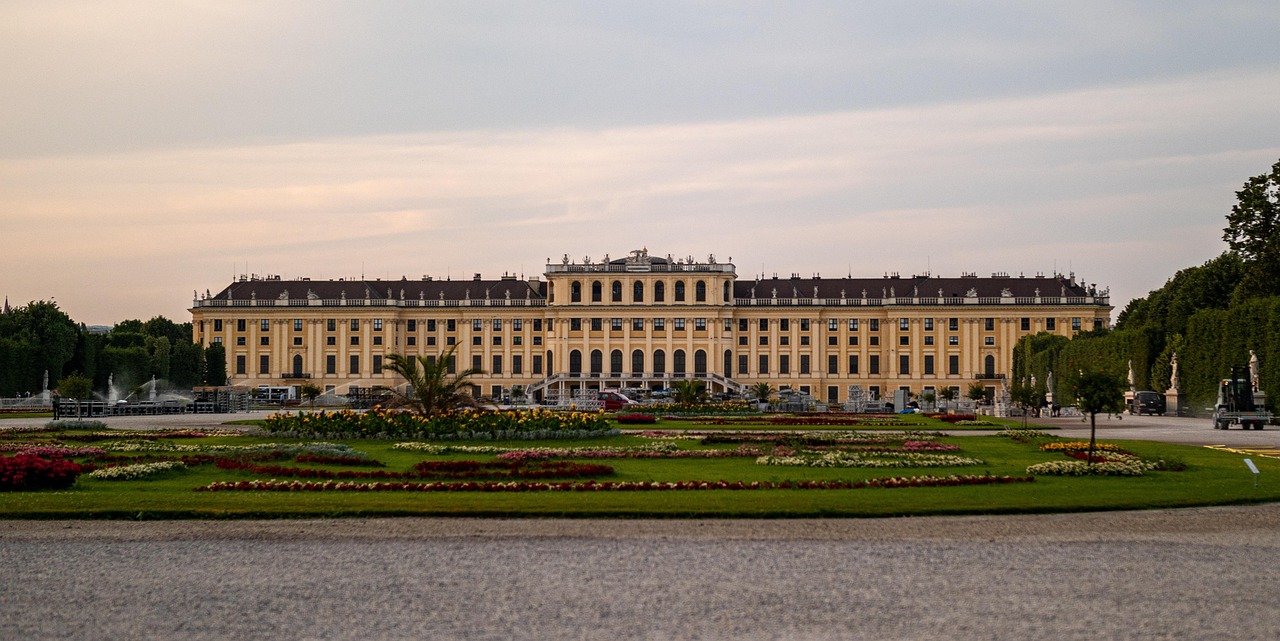
Best overall: Schönbrunn Palace & Gardens Skip-the-Line Tour — $63. The most popular option for a reason. A guided 2-hour walkthrough covering the state rooms and gardens without the ticket queue.
Best for atmosphere: Exclusive After-Hours Ticket — $42. 40 minutes inside the palace after everyone else has left. Smaller groups and a completely different feel.
Best splurge: Evening Tour, Dinner & Concert — $167. An after-hours palace tour followed by a traditional dinner and a classical concert in the Orangery. A full evening.
- How the Schönbrunn Palace Ticket System Works
- Official Tickets vs Guided Tours — Which Is Right for You?
- The Best Schönbrunn Palace Tours to Book
- 1. Schönbrunn Palace & Gardens Skip-the-Line Tour —
- 2. Skip-the-Line Schönbrunn Palace and Gardens Guided Tour (Viator) —
- 3. Exclusive After-Hours Palace Tour —
- 4. Evening Tour, Dinner & Concert — 7
- When to Visit Schönbrunn Palace
- How to Get to Schönbrunn Palace
- Tips That Will Save You Time at Schönbrunn
- What You Will Actually See Inside Schönbrunn
- More Vienna Guides
How the Schönbrunn Palace Ticket System Works
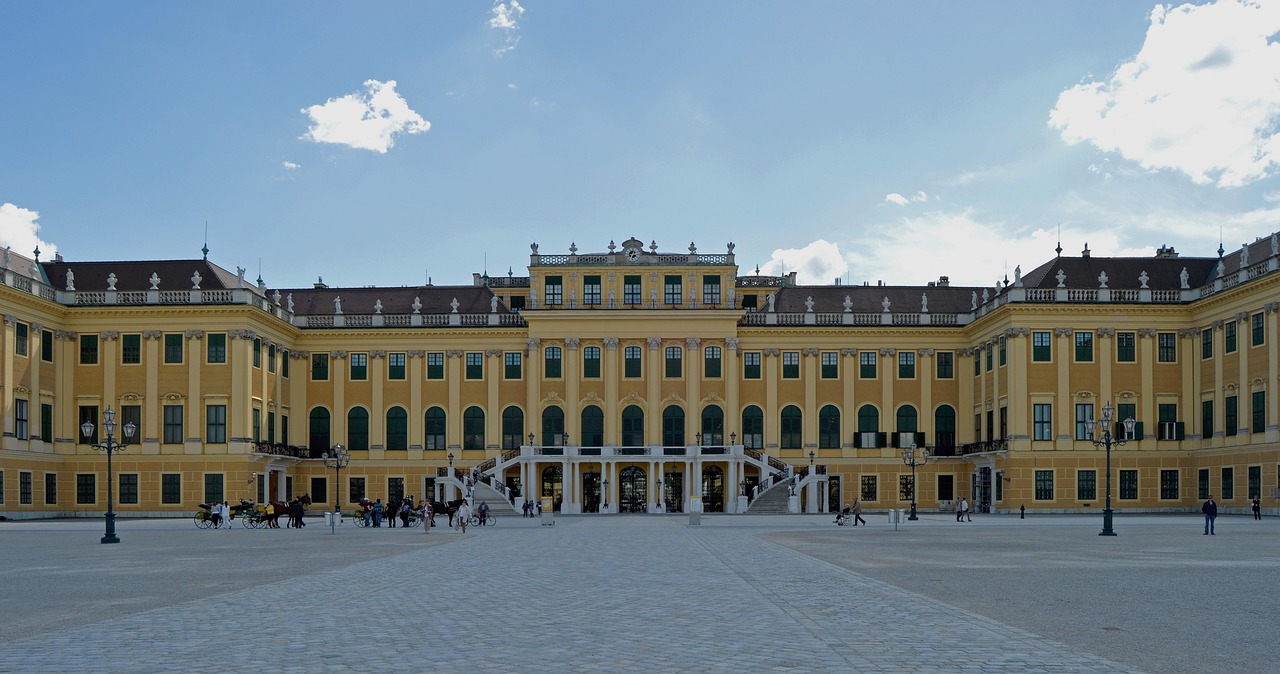
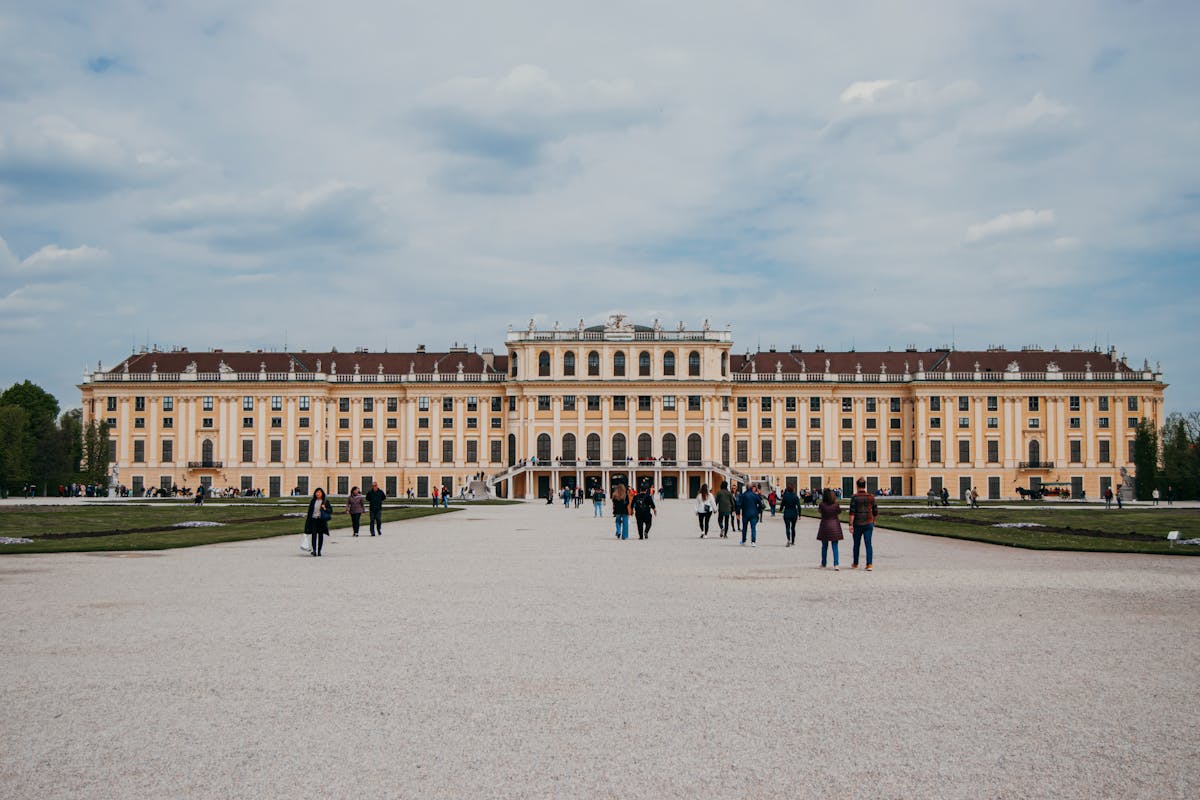
Schönbrunn runs its own ticketing through the official site at schoenbrunn.at, and the options are more layered than you might expect. The basic Imperial Tour covers 22 rooms with an audio guide and takes about 30-40 minutes. The Grand Tour expands that to 40 rooms and about 50-60 minutes. Both are self-guided with the audio device.
Then there is the Palace Ticket, which combines the Grand Tour with the palace’s furniture collection and the Crown Prince Garden. And finally, various combination tickets bundle the palace with the Gloriette, the maze, the Privy Garden, and the zoo — the oldest operating zoo in the world, which is worth knowing about if you are traveling with kids.
Prices for the basic Imperial Tour start around EUR 24 for adults. The Grand Tour runs EUR 28. The full Sisi Ticket (which adds the Hofburg Imperial Apartments and the Imperial Furniture Collection downtown) is EUR 46. Children under 6 are free, and there are discounts for students and seniors.
The catch? Official tickets are timed entries. In peak season (June through September), morning slots sell out days in advance. If you show up without a reservation, you might be looking at a 2-3 hour wait for the next available slot, or worse, no slots at all that day.
Official Tickets vs Guided Tours — Which Is Right for You?
The official audio-guided tour is fine. It is well-produced, available in a dozen languages, and moves at your own pace. But “fine” is about as enthusiastic as I can get. You walk through a fixed route of rooms, hold a device to your ear, and read plaques. It covers the facts. What it does not cover is the context — the gossip, the political drama, the absurd excess that makes the Habsburgs one of history’s most fascinating families.
A guided tour with an actual person changes the experience. A good guide will tell you why Maria Theresa rearranged the entire east wing after her husband died, why the “Millions Room” has rosewood paneling that cost more than most palaces, and what it actually felt like to be a child in a building with 1,441 rooms and no central heating. Those are the stories that stick.
The other advantage is practical: guided tours almost always include skip-the-line access. In summer, when the general ticket queue can stretch across the courtyard, this alone is worth the price difference. You walk straight to a side entrance, skip the security bottleneck, and start your tour while everyone else is still standing outside.
My take? If you are already familiar with Habsburg history and just want to see the rooms, go official. If you want the experience to actually mean something — or if you are visiting in peak season and do not want to waste time in line — book a guided tour.
The Best Schönbrunn Palace Tours to Book
I have gone through the full range of options available and picked four that cover different budgets, styles, and levels of access. Each one includes skip-the-line entry, which at Schönbrunn is not a luxury — it is a necessity from May through October.
1. Schönbrunn Palace & Gardens Skip-the-Line Tour — $63
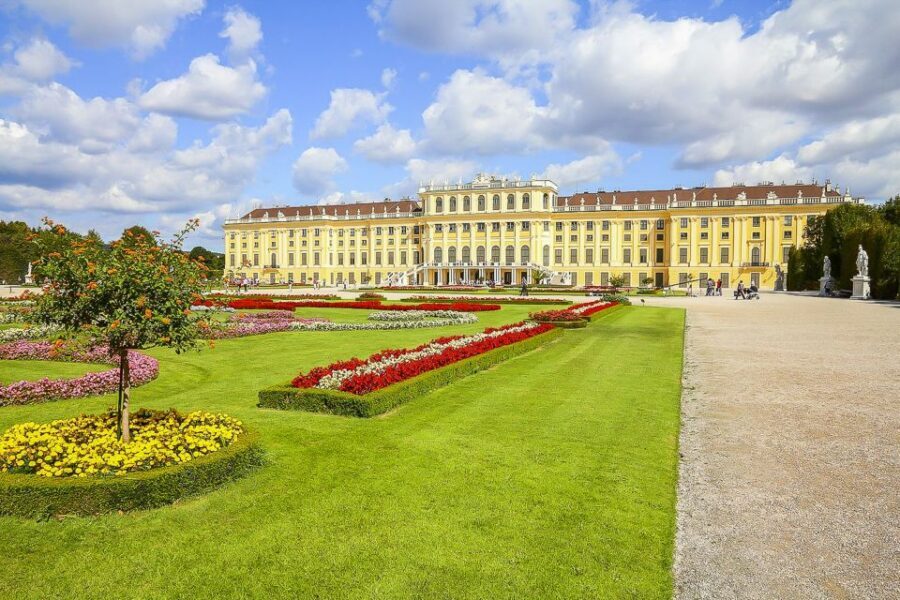
This is the one most people end up booking, and I think it has earned that spot. Two hours covers the palace interior and the formal gardens, with a guide who can actually answer your questions instead of an audio device that cannot. The skip-the-line access is the real draw during busy months — while other visitors queue in the courtyard, you walk straight in through a side entrance.
At $63 per person for a 2-hour guided experience with priority access, it sits right in the sweet spot. Not the cheapest way to see the palace, but far better value than the basic audio tour once you factor in the time you save skipping the line. The guides are licensed Vienna tour professionals who know the palace inside out, and they cover rooms and details that the audio guide glosses over.
2. Skip-the-Line Schönbrunn Palace and Gardens Guided Tour (Viator) — $65
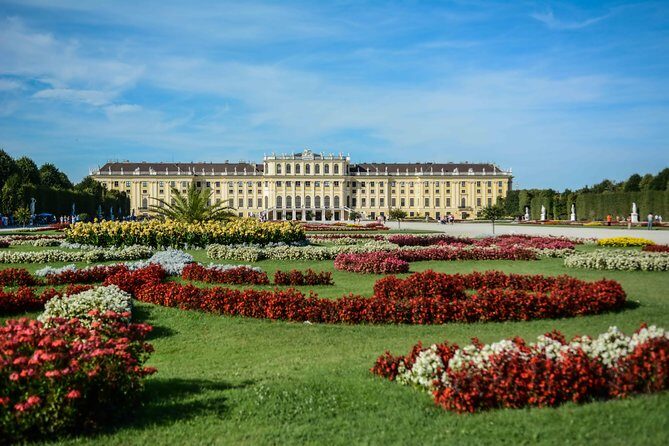
This is Viator’s equivalent of the top pick above — a 2-hour guided tour with skip-the-line entry covering the palace state rooms and gardens. The key difference is the operator and the platform. If you already use Viator for your other bookings or prefer their cancellation policy, this is the same caliber of experience at a similar price point.
At $65 per person, it is just a couple of dollars more. The guides are equally well-reviewed, and one visitor I spoke with specifically mentioned how their guide brought the children’s wing to life — explaining what daily routines looked like for the 16 Habsburg children who grew up within these walls, including the future Marie Antoinette. The full review on our site has more detail on what to expect.
3. Exclusive After-Hours Palace Tour — $42
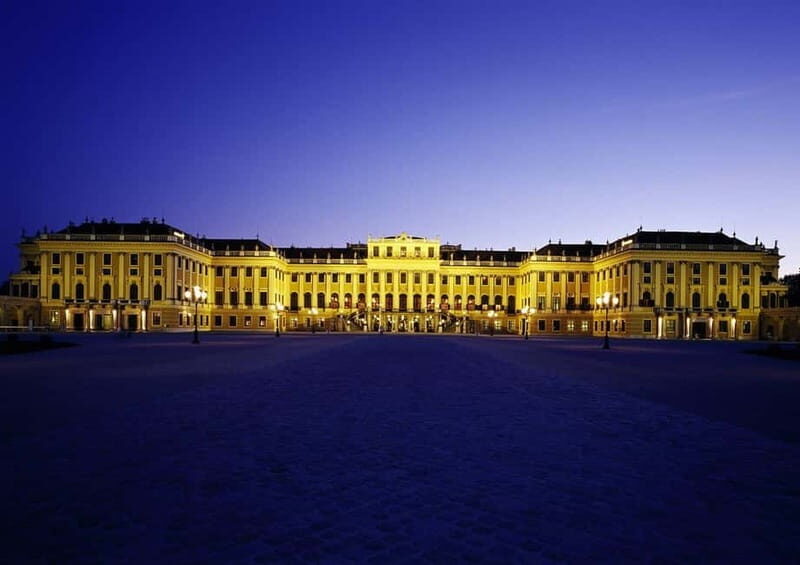
This is my personal favorite option, and the one I recommend if you care more about atmosphere than checking off every room. After the palace closes to regular visitors, a small group gets access to the Grand Gallery, private apartments, and ceremonial halls with an audio guide. Forty minutes sounds short, but without hundreds of other people shuffling through, it feels like twice that.
At $42 per person, it is actually the most affordable option on this list. The catch is limited availability — there is typically one session per evening, and it books up fast in summer. If you can get a spot, take it. The rooms look completely different in the late afternoon light with empty corridors, and the Grand Gallery without crowds is one of those rare moments where you genuinely feel the weight of the place.
4. Evening Tour, Dinner & Concert — $167
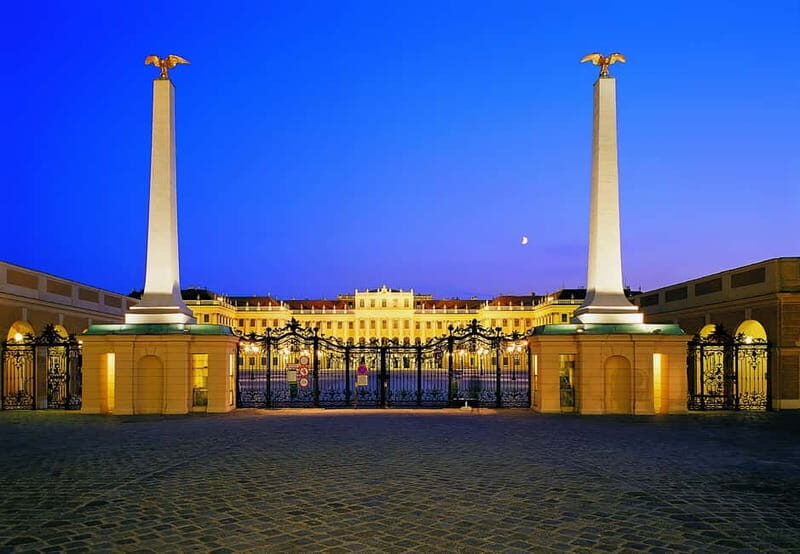
This is the big-night-out option, and it works best if you treat it as your main evening activity rather than trying to squeeze it in between other plans. The package starts with an after-hours palace tour, moves to a traditional Viennese dinner in the palace restaurant, and finishes with a Mozart and Strauss concert in the Orangery. Total time: about 6 hours.
At $167 per person, it is the most expensive option here, but you are getting three experiences bundled together. Bought separately, the concert alone runs around $42-$66 depending on seating, dinner would be another $40-60, and the after-hours tour is $42. The bundle saves money and logistics. If classical music in Vienna is on your list anyway — and frankly it should be — this is a smart way to combine it with the palace visit. Check our detailed review for more on the food and seating options.
When to Visit Schönbrunn Palace
The palace is open daily year-round, but hours shift with the seasons. From April through October, expect doors open at 9:00am with the last entry around 5:00pm. In winter (November through March), hours shrink — last entry moves to 4:00pm. The gardens keep different hours entirely and are open much earlier (from 6:30am), which matters if you want to walk the grounds before tackling the interiors.
Best months: April, May, September, and October. Warm enough to enjoy the gardens, but not peak-season crowded. June through August brings the biggest crowds and the worst queues — morning slots can sell out before noon.
Best time of day: First thing in the morning or after 3pm. The mid-morning slot (10am-1pm) is when most tour buses arrive and when the palace rooms are at their most packed. If you have flexibility, booking a late afternoon entry and then walking the gardens in the golden hour afterward is the ideal sequence.
Worst time: Weekend mornings in July and August. If that is your only option, book skip-the-line without question — the general queue can stretch to 90 minutes or longer.
How to Get to Schönbrunn Palace
Schönbrunn is well-connected by public transit, which is one of the things that makes it so easy to fit into a Vienna trip. The U4 metro line stops at Schönbrunn station, which puts you at the main gate in a 5-minute walk. From the city center (Stephansplatz), the ride takes about 15 minutes with one transfer at Karlsplatz.
Alternatively, tram lines 10 and 60 stop near the palace, and the 58A bus runs right past the Hietzing entrance on the west side. If you are coming from the Belvedere or Naschmarkt area, tram 10 is the most direct route.
Do not bother driving. Parking near the palace is limited and expensive, and the surrounding streets are narrow residential zones. Vienna’s public transport is among the best in Europe — a 24-hour ticket costs just EUR 8 and covers unlimited rides on the U-Bahn, trams, and buses. It is faster, cheaper, and less stressful than any other option.
Tips That Will Save You Time at Schönbrunn
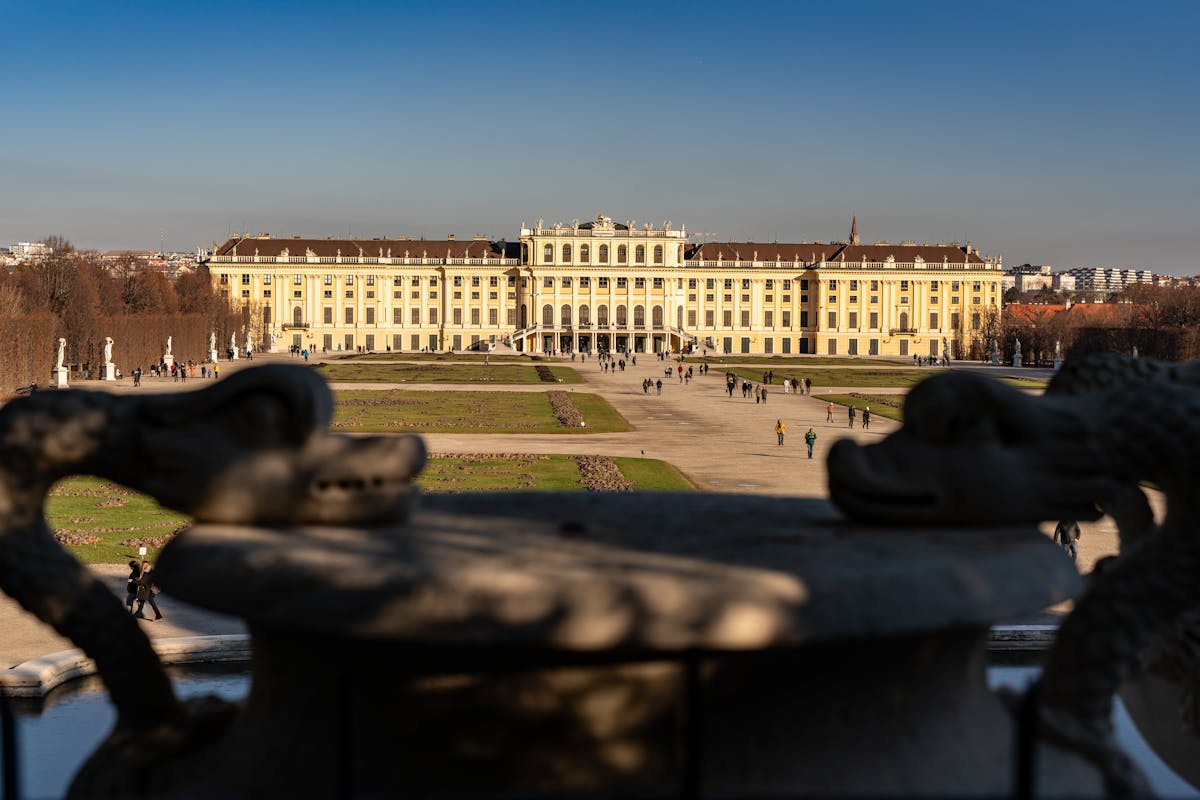
Book your time slot at least 2-3 days ahead in summer. This is the single most important piece of advice. Walk-up availability dries up fast, and you cannot change your time slot once booked through the official site. Third-party tours are more flexible with rescheduling.
Wear comfortable shoes. The palace itself involves about 45 minutes of standing and walking on hard marble floors. The gardens add another 1-3 hours of walking if you plan to reach the Gloriette. Total distance from the entrance gate to the Gloriette and back is roughly 3 kilometers.
Photography is allowed in most rooms. The rules changed a few years ago — you can now take photos without flash in the state rooms. Tripods and selfie sticks are still banned.
The children’s museum is a hidden highlight. If you are visiting with kids, the Schönbrunn Children’s Museum lets them dress in period costumes and learn about daily life for Habsburg children. It is genuinely well done and not just a tourist trap add-on.
Bring water and snacks. The palace cafe is fine but overpriced, and if you are doing the gardens you will be outside for a while. There is a water fountain near the maze entrance.
The maze is worth the extra fee. It is small but surprisingly fun — takes about 15 minutes and provides a mental break between the palace and the long walk to the Gloriette.
What You Will Actually See Inside Schönbrunn
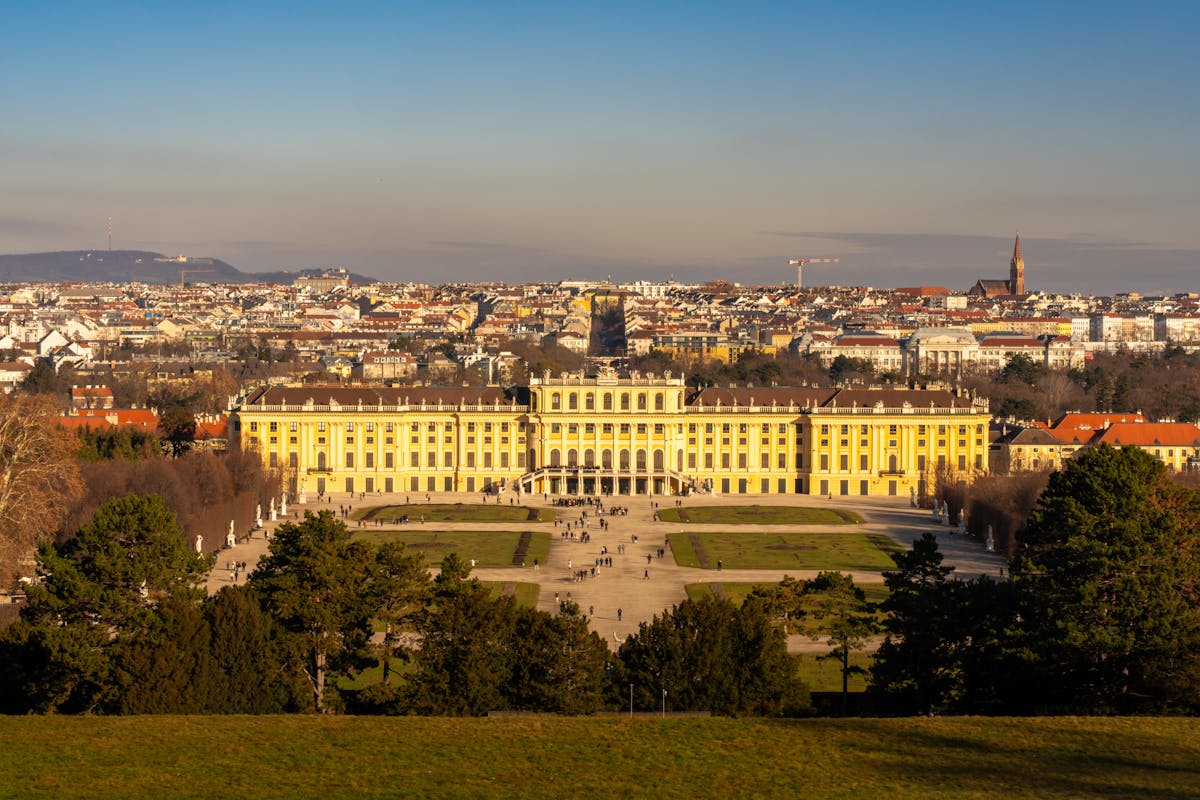
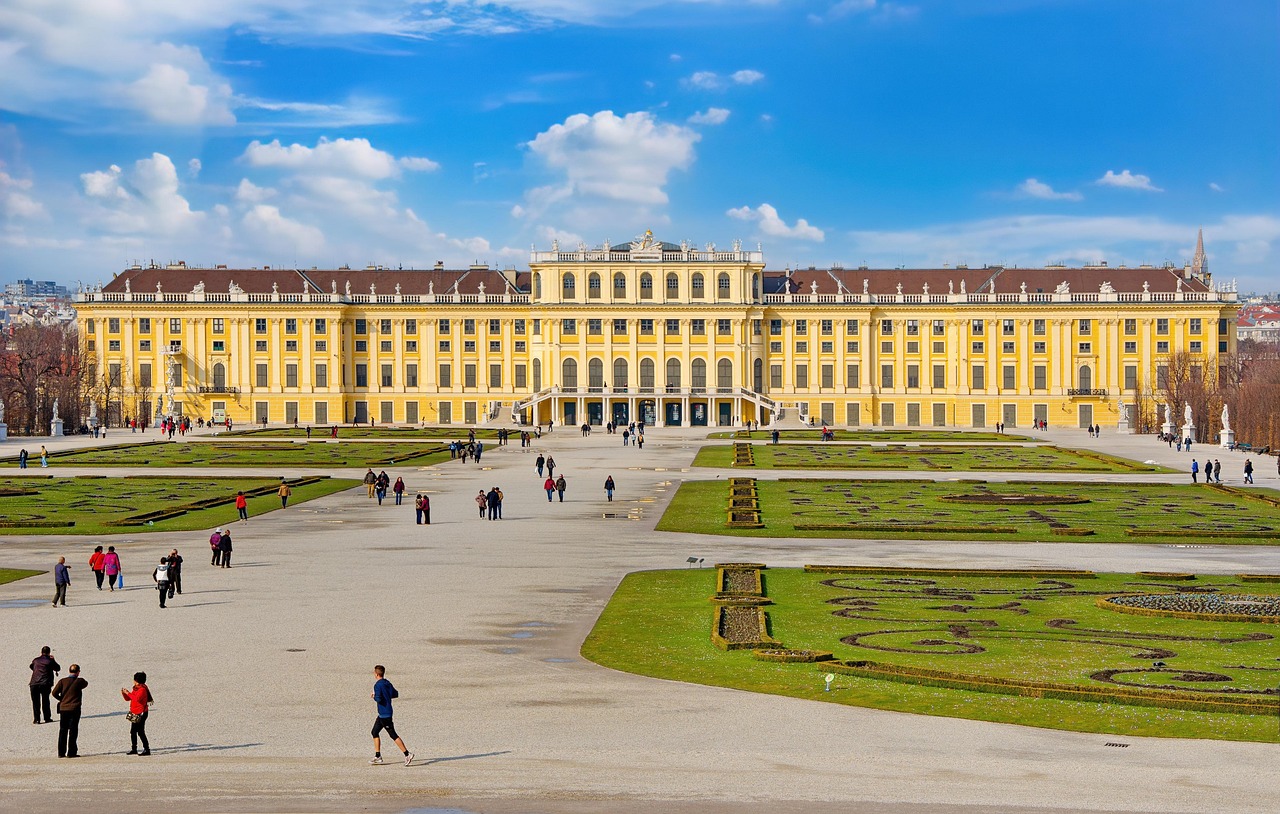
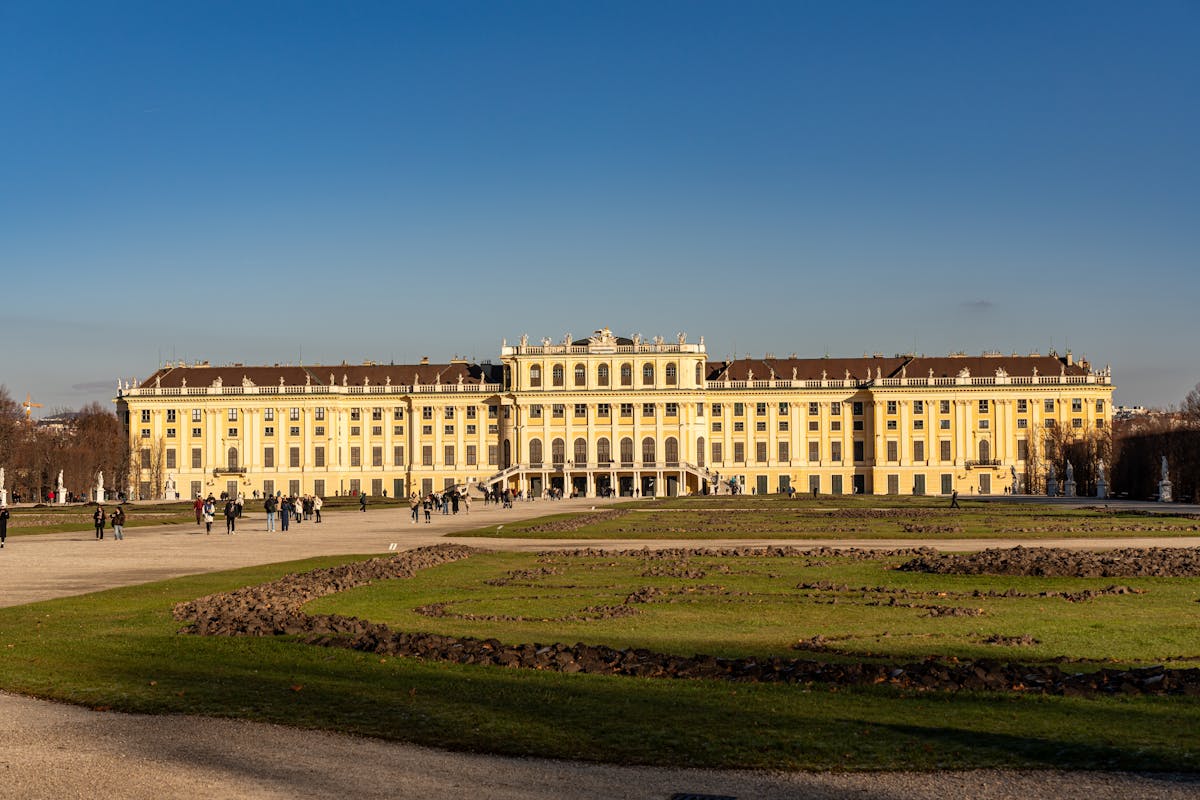
Schönbrunn has 1,441 rooms in total. You will see either 22 (Imperial Tour) or 40 (Grand Tour), depending on your ticket. The building served as the Habsburg summer residence from the mid-1700s until the dynasty fell in 1918, and it carries the weight of two centuries of imperial living in every corridor.
The Great Gallery is the showstopper — a 43-meter-long hall with ceiling frescoes, crystal chandeliers, and white-and-gold stucco that was used for state banquets and balls. This is where the Congress of Vienna held its formal dances in 1815, redrawing the map of Europe between waltzes.
The Millions Room is smaller but arguably more impressive. The walls are covered with Indo-Persian miniatures set into rosewood paneling, and the whole thing cost the equivalent of a small castle to decorate. It was Maria Theresa’s private conference room, and it looks exactly like what you would imagine an empress’s idea of “casual” to be.
The Mirror Room is where six-year-old Mozart gave his famous performance for the empress in 1762. The story goes that he slipped on the polished floor, and when young Marie Antoinette helped him up, he declared he would marry her. Neither of those things ended up happening, but it is a good story and the room itself — all mirrors and gilt — is genuinely beautiful.
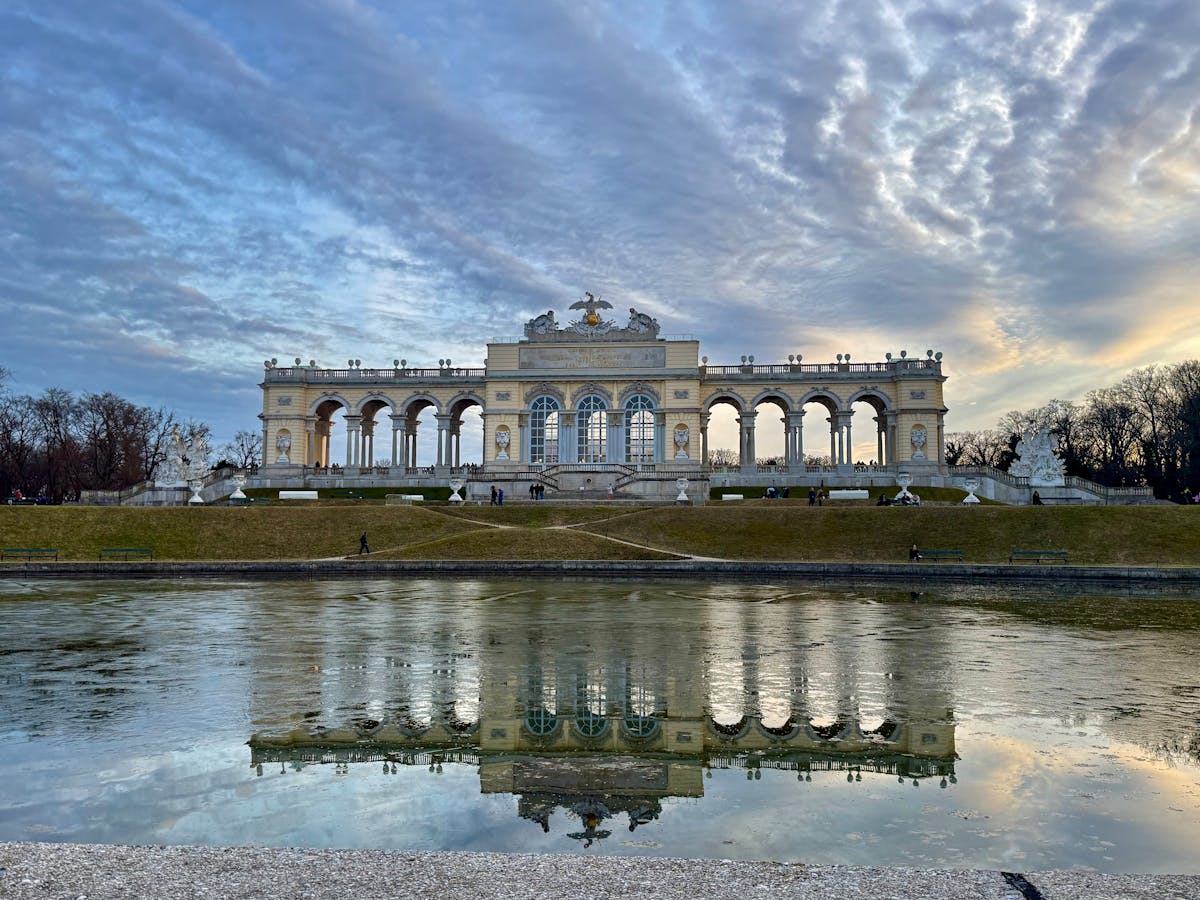
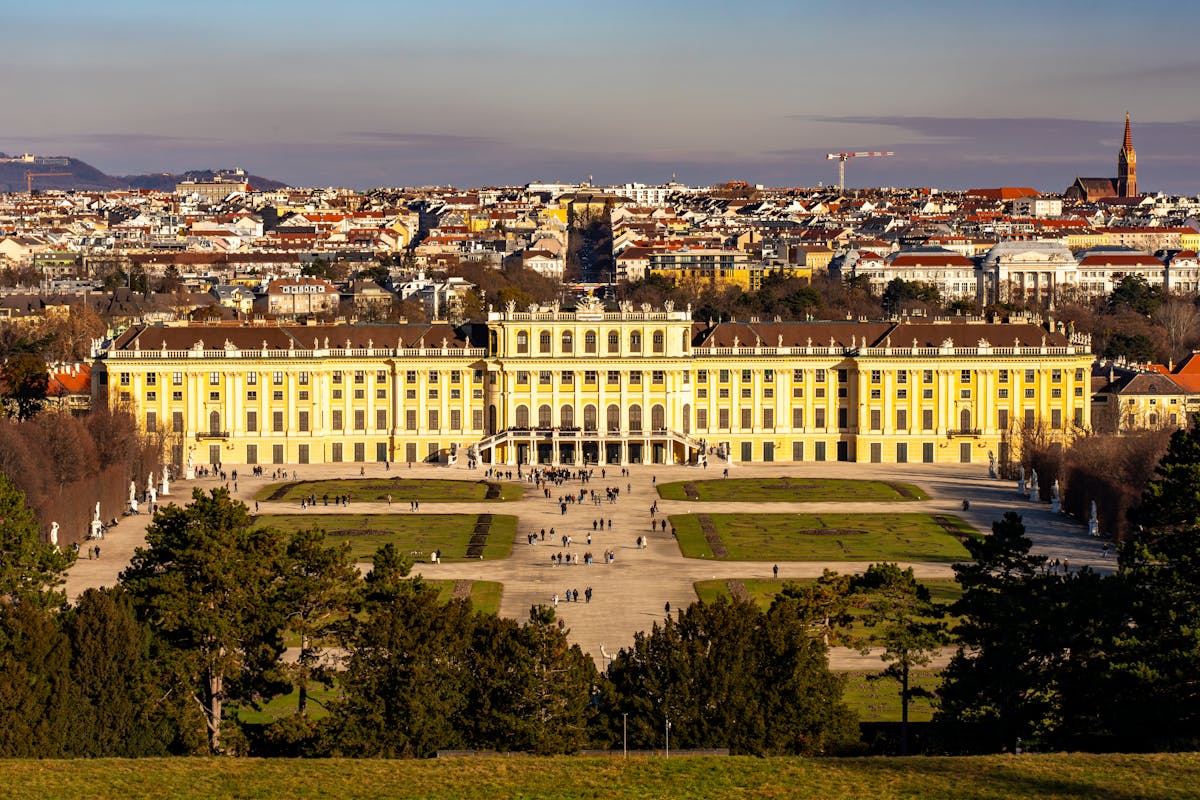
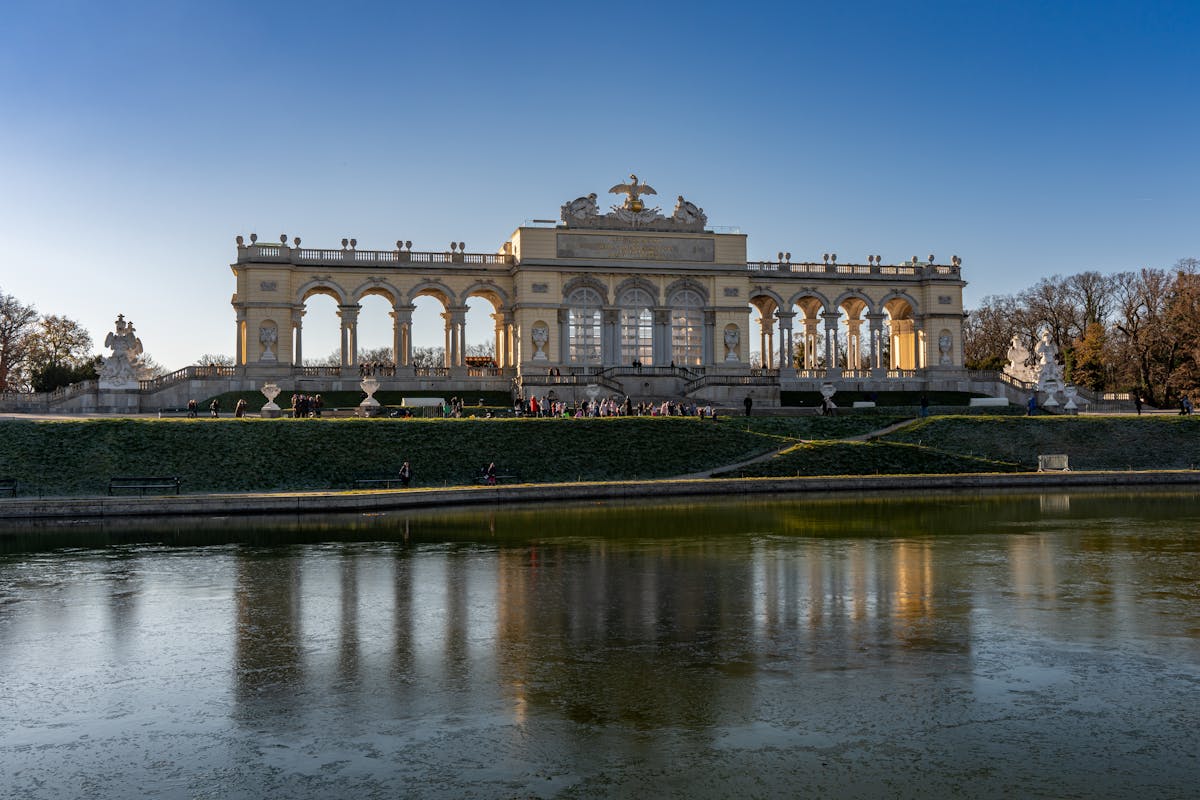
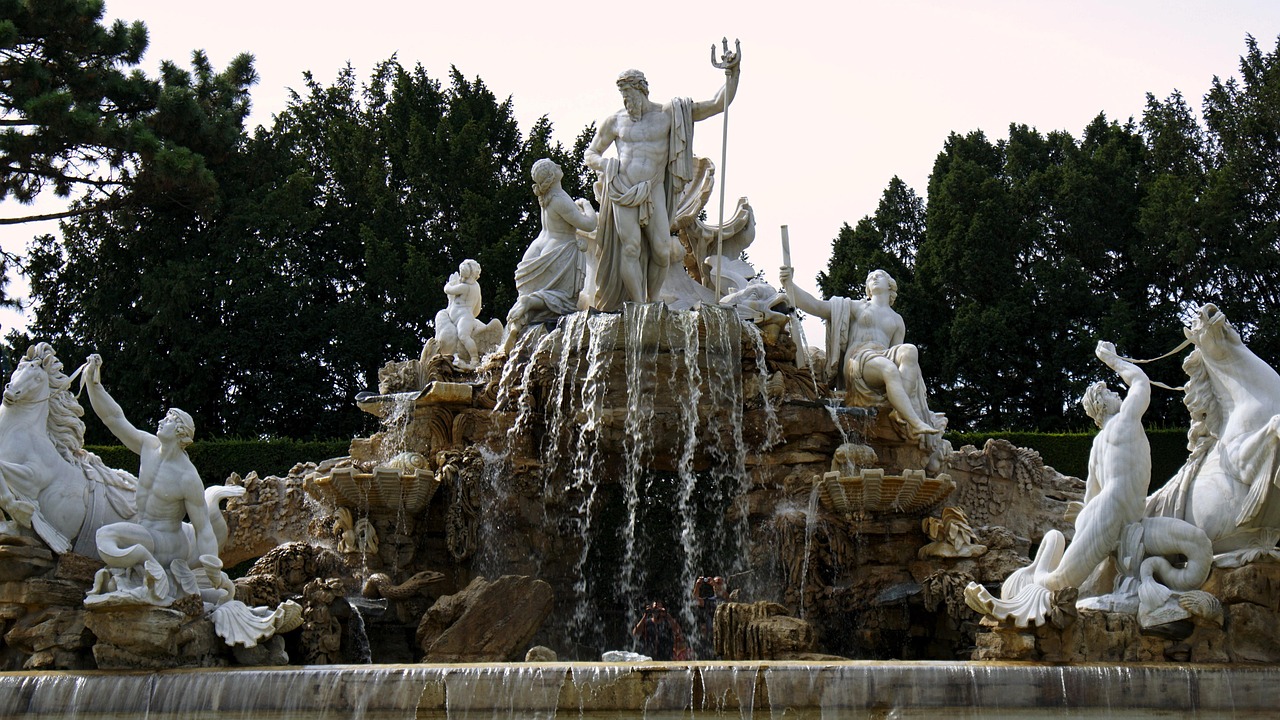
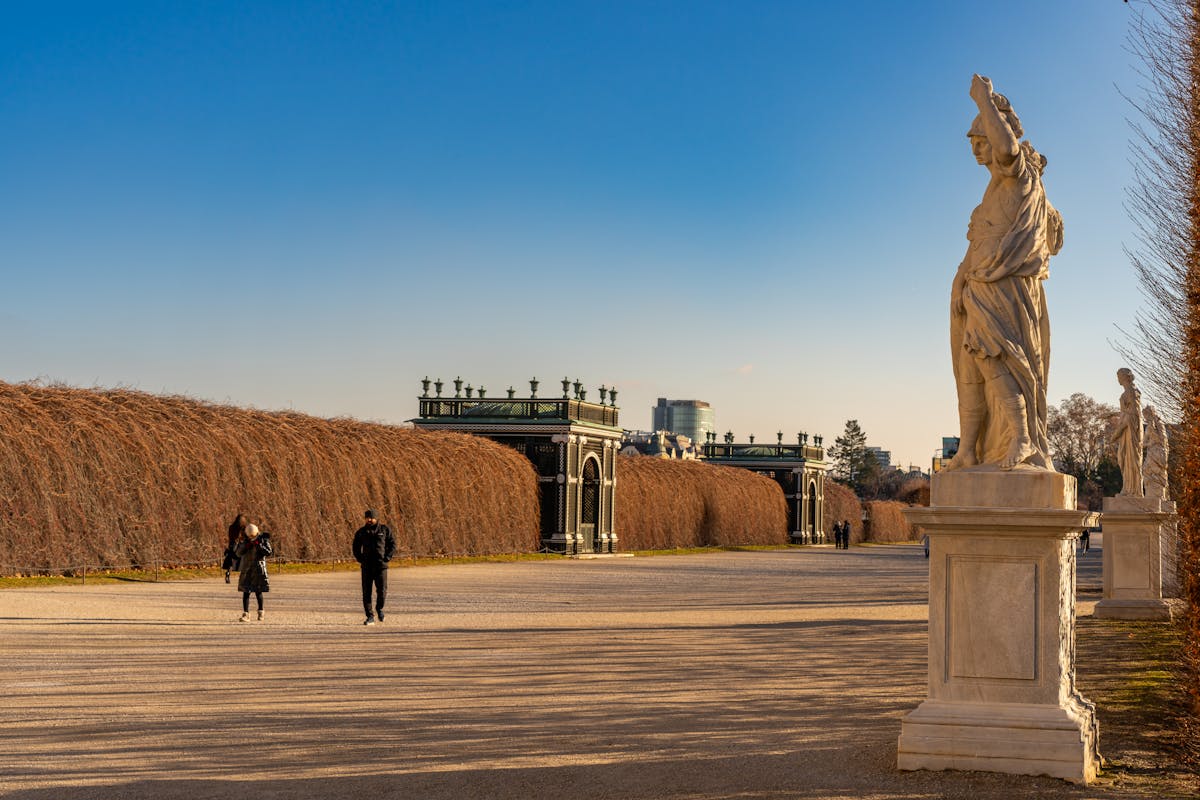
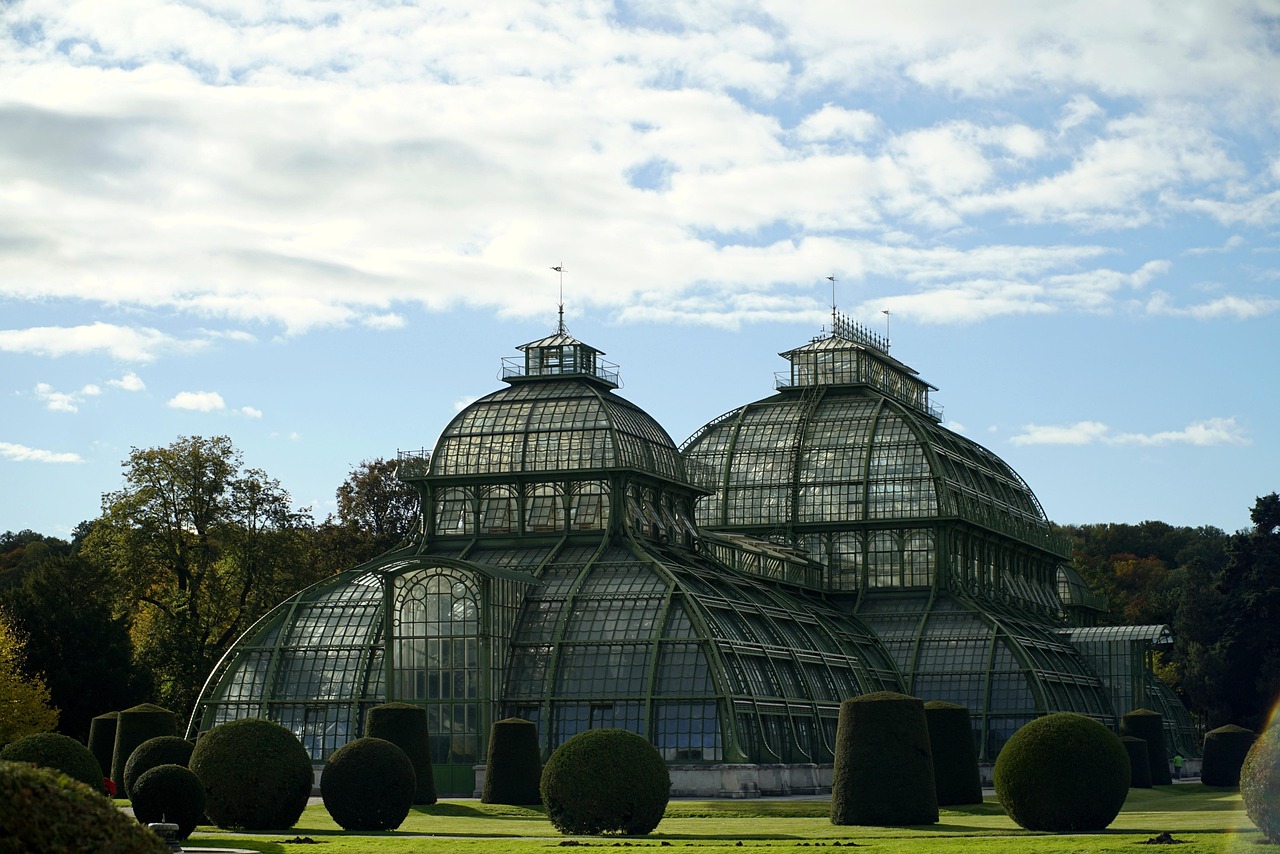
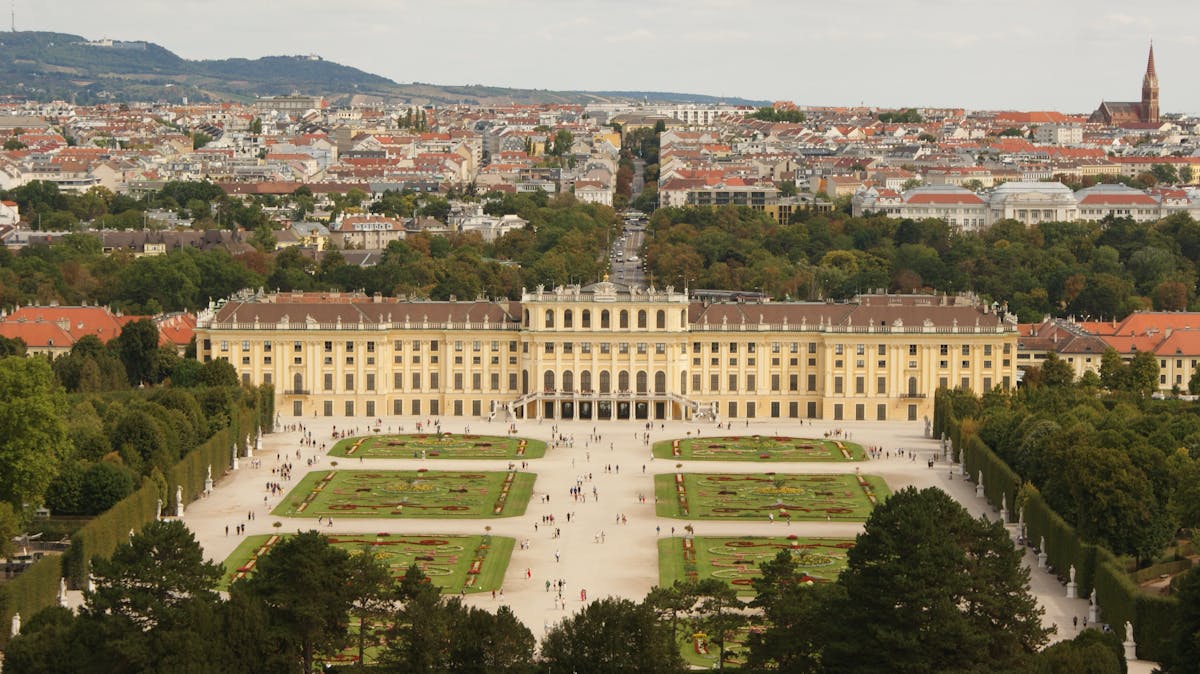
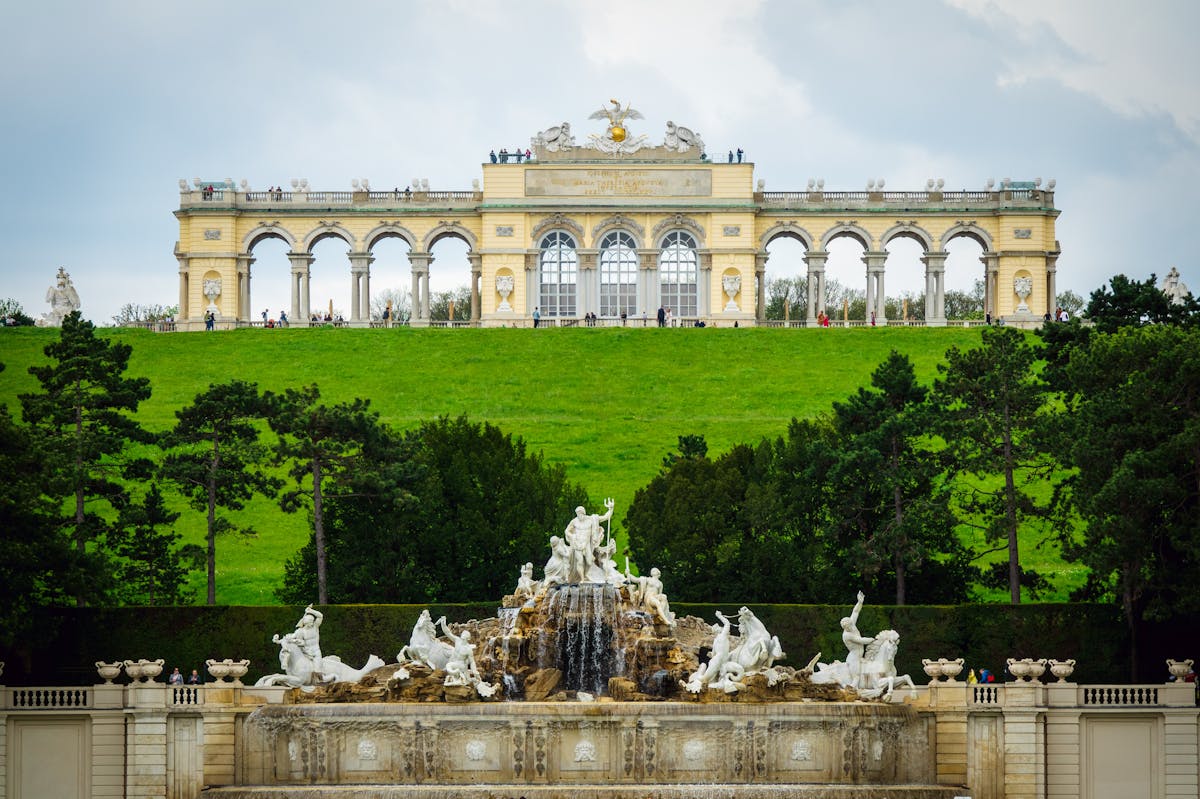
Beyond the palace interior, the gardens are a full experience on their own. The Great Parterre leads your eye from the back of the palace straight up the hill to the Gloriette. Along the way you pass the Neptune Fountain, the Roman Ruins folly (fake ruins built in 1778 because the Habsburgs thought ancient ruins were romantic), and the hedge maze. The Privy Garden and the Orangery require separate tickets but are included in some combination passes.
More Vienna Guides
Vienna has enough imperial architecture to fill a week, but if your time is limited, the two landmarks that pair best with Schonbrunn are the Belvedere Palace — a 20-minute tram ride away with Klimt’s The Kiss and arguably better gardens — and the Hofburg and Sisi Museum in the city center, where the Habsburgs lived during winter. The Spanish Riding School performs inside the Hofburg complex and morning exercise sessions are one of the city’s hidden highlights.
For getting around, a walking tour through the Innere Stadt covers the ground between these landmarks with proper context, while the hop-on hop-off bus is useful if you want to connect the dots without wearing out your shoes. Evenings in Vienna practically demand classical concert tickets — performances run every night across a dozen venues. A Danube cruise is the alternative if you prefer the water to a concert hall, and a food tour through the Naschmarkt is a perfect lunch stop on your way back downtown from Schonbrunn.
If you have an extra day, Hallstatt is the most popular day trip from Vienna. For a broader Austria itinerary, the Salzburg salt mines, Sound of Music tour, and Eagle’s Nest are each a full day from Salzburg.
This article contains affiliate links. When you book through these links, we may earn a small commission at no extra cost to you. This helps us keep creating free travel guides.