
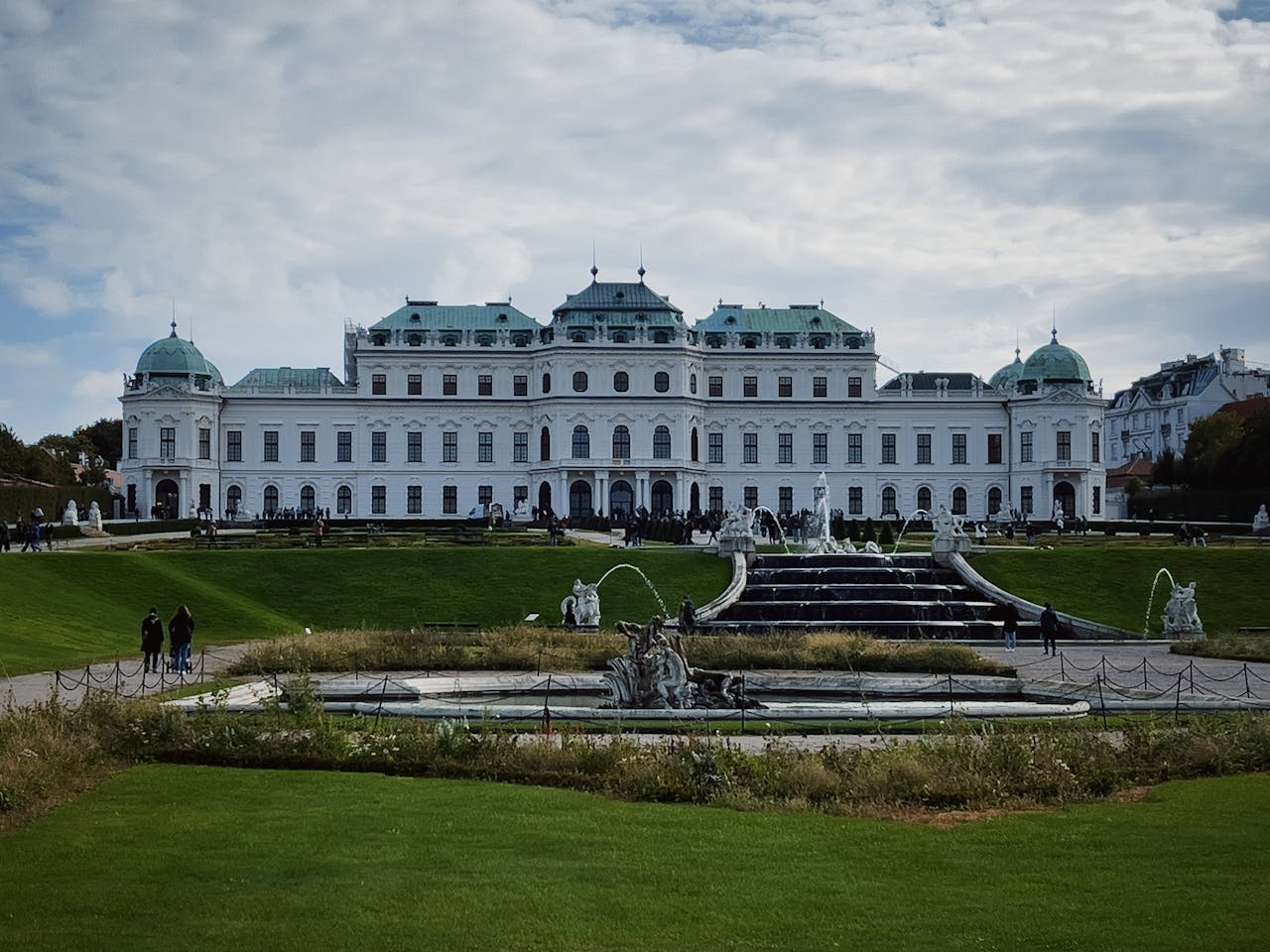
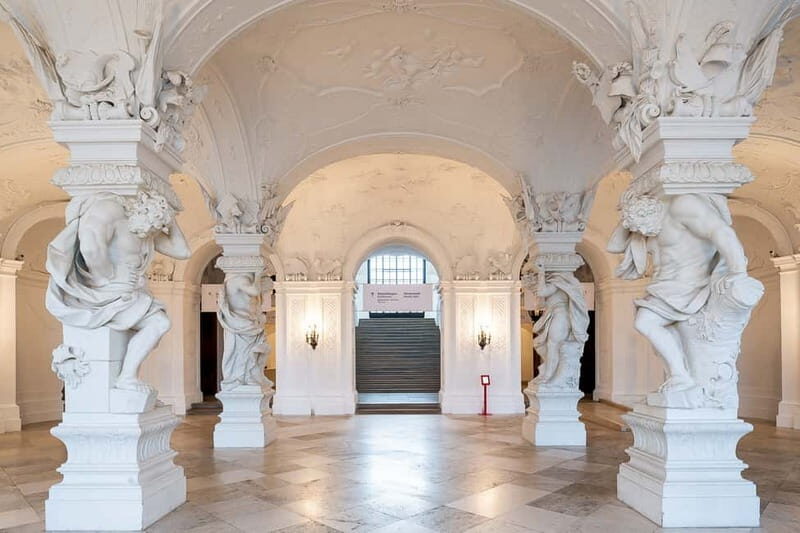
The first thing that caught me off guard about the Upper Belvedere wasn’t Klimt’s The Kiss. It was the building itself. I walked through the Sala Terrena on a Tuesday morning expecting a standard museum lobby and instead found myself standing in a white Baroque hall with sculpted pillars and a stucco ceiling that looked like it belonged in a cathedral. The grand staircase alone is worth the entry fee.
But here’s the practical problem: the Belvedere uses a timed entry system, and during peak season those slots fill up days in advance. I learned this the hard way on my first visit, when I showed up without a ticket and spent forty minutes in a queue only to be told the next available slot was three hours later.
This guide covers everything I wish I’d known before that first trip — how the official ticket system works, what the different ticket types actually get you, and the three best tours worth booking if you want someone to explain why a gold-leafed painting of two people kissing became the most famous artwork in Austria.
Best overall: Upper Belvedere Entry Ticket — Standard admission. The most booked option for good reason. Timed entry, self-paced, all the Klimt you can handle.
Best guided experience: Skip-the-Line Guided Tour — $50. Two hours with an official guide who knows exactly where to stand in front of The Kiss for the best angle.
Best budget option: Upper Belvedere via Viator — $24. Same palace, same art, slightly lower price point with a different booking platform.
- How the Belvedere Ticket System Works
- Ticket types and what they include
- Free and discounted entry
- Official Tickets vs Guided Tours
- The Best Belvedere Palace Tours to Book
- 1. Upper Belvedere Entry Ticket
- 2. Skip-the-Line Guided Tour —
- 3. Upper Belvedere via Viator —
- When to Visit the Belvedere
- How to Get to the Belvedere
- Tips That Will Save You Time
- What You’ll Actually See Inside
- While You’re in Vienna
How the Belvedere Ticket System Works
The Belvedere operates on a timed entry slot system. When you buy a ticket — whether online or at the counter — you select a specific entry time. You can stay as long as you want once you’re inside, but you must arrive during your assigned window or risk being turned away.
This is the single most important thing to understand about visiting: they will not let you in if you miss your time slot. I’ve seen visitors arguing at the entrance after arriving twenty minutes late. The staff are friendly but firm about it.
Buying online in advance is the move here, for two reasons. First, you lock in the time slot you actually want instead of whatever’s left when you show up. Second, you skip the ticket office queue entirely — just scan the QR code on your phone and walk straight in through the Sala Terrena.
Ticket types and what they include
The Belvedere has a few different configurations depending on which buildings you want to visit:
Upper Belvedere — This is the main event for most visitors. Houses the permanent collection including Klimt’s The Kiss, Schiele’s works, medieval altar panels, and the Marble Hall where the Austrian State Treaty was signed in 1955. Most people spend 1.5 to 2 hours here.
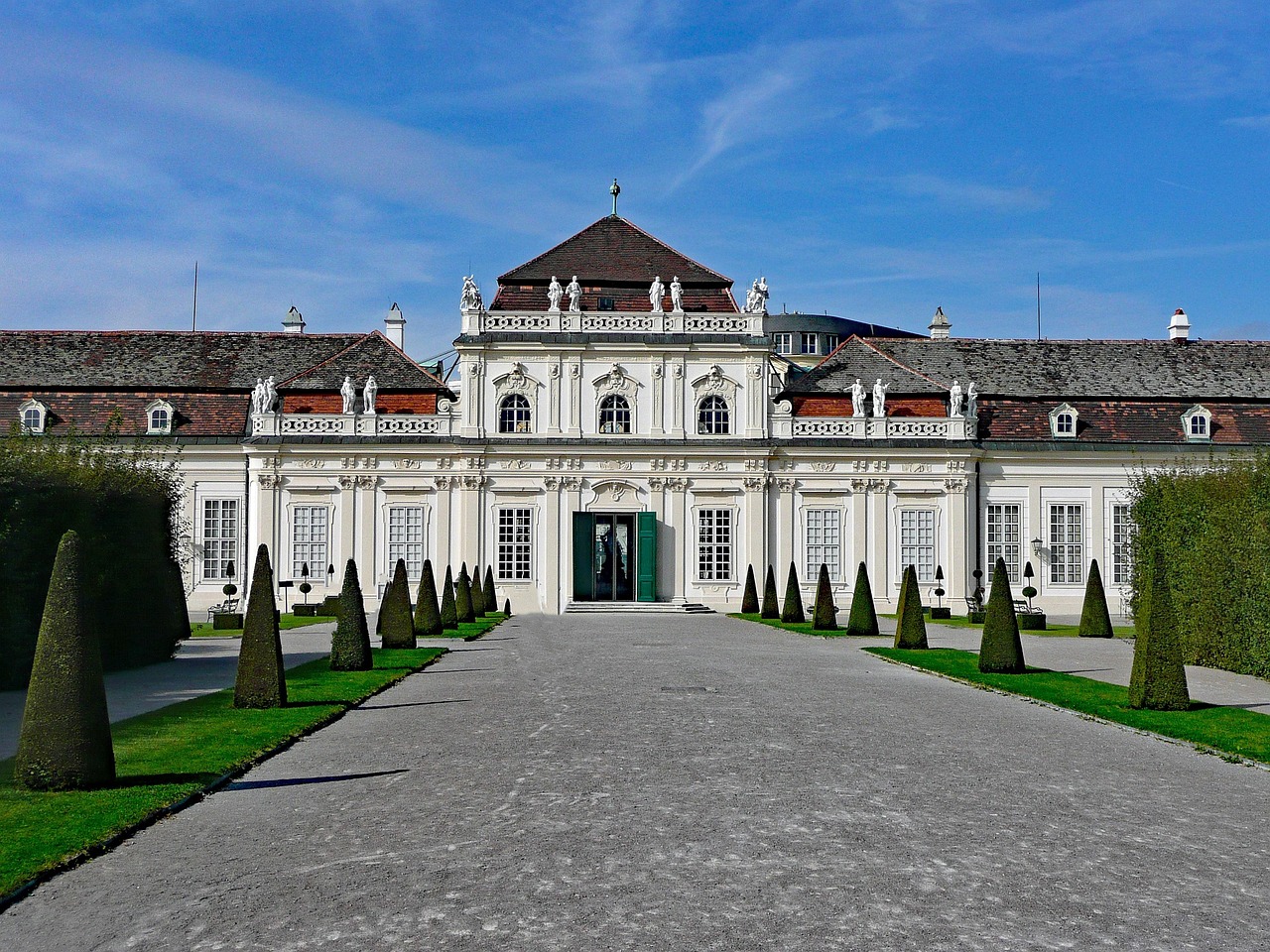
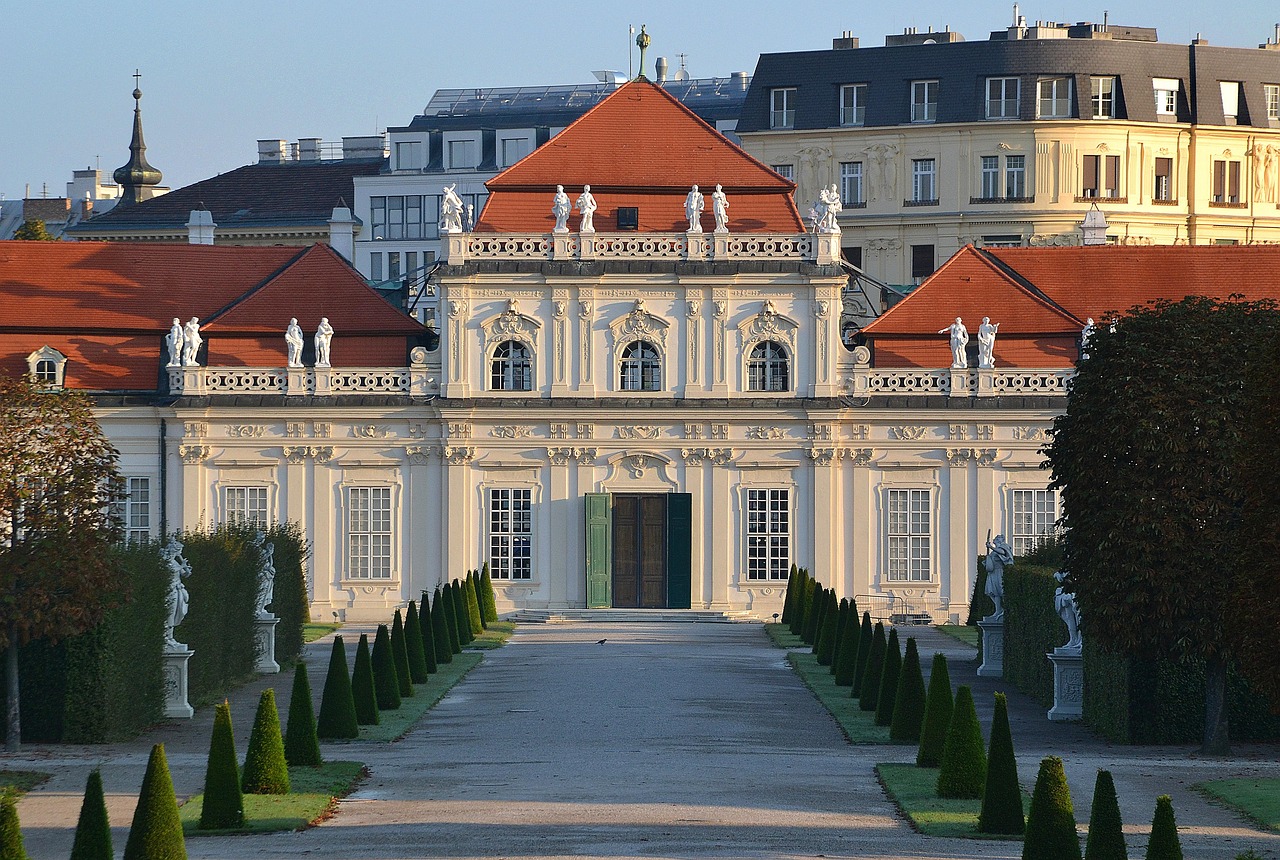
Lower Belvedere — Hosts rotating temporary exhibitions. The Orangery and Palace Stables are also part of this ticket. Worth it if there’s an exhibition that interests you, but not essential for a first visit.
Belvedere 21 — The contemporary art museum on the grounds. A completely different vibe from the baroque palace. Dedicated modern art fans will enjoy it; most first-timers skip it.
Combination tickets covering multiple venues are available and save you a few euros if you genuinely plan to visit more than one building. But for most visitors, the Upper Belvedere alone is the right call.
Free and discounted entry
Under 19: Free admission to the permanent collection at the Upper Belvedere. This is one of the better family deals in Vienna — most major museums charge for kids over 6.
Vienna Pass holders: The Belvedere is included on the Vienna Pass, which also covers the Schonbrunn Palace and most other major attractions. If you’re hitting three or more sites in a day, the pass starts making financial sense.
First Sundays: Some months offer free entry on the first Sunday, but expect significantly longer queues. The timed slot system helps manage it, but the available windows fill up fast.
Official Tickets vs Guided Tours
This comes down to a straightforward question: do you care about context, or do you just want to see the art?
Standard tickets give you full access to the permanent collection at your own pace. The Belvedere has room descriptions and information panels throughout, plus each room contains a copy of its Salomon Kleiner engraving from the 1730s showing what the space originally looked like. If you’re comfortable exploring museums independently and reading the wall text, you’ll be fine on your own.
Guided tours add about double the cost but give you something you can’t get from a wall panel — the stories behind the art. A good guide will explain why Klimt used actual gold leaf in The Kiss, how Egon Schiele’s work scandalized Viennese society, and why the Marble Hall’s ceiling paintings are designed to trick your eyes into seeing galleries that don’t exist. The best guides also know exactly where to position you in front of the most popular paintings to avoid the crowd clustered around the center.
My honest take: if this is your first visit and you have any interest in art history, the guided tour is worth the extra money. You’ll understand what you’re looking at instead of just photographing it. If you’re returning or you’re the type who reads every museum plaque anyway, save the money and go self-guided.
The Best Belvedere Palace Tours to Book
I’ve narrowed this down to three options that cover different budgets and styles. All three include the Upper Belvedere and its permanent collection — the difference is how much guidance and context you get along the way.
1. Upper Belvedere Entry Ticket
This is the most popular Belvedere ticket on the market and the one I’d recommend to most visitors. It’s straightforward: pick your time slot, scan your QR code at the entrance, and explore at your own pace. No guide, no group, no fixed route.
The permanent collection covers everything from medieval religious art through Vienna Secession and into contemporary works. But let’s be honest — most people are here for Klimt, and the Vienna 1900 galleries deliver. The Kiss, Judith, and several lesser-known Klimt pieces are all in the same wing, alongside works by Schiele and Rodin.
At standard admission pricing, this is the best value way into the Upper Belvedere. The booking system is smooth, the QR code works without printing, and the timed entry means you’re never fighting through a mob at the entrance.
2. Skip-the-Line Guided Tour — $50
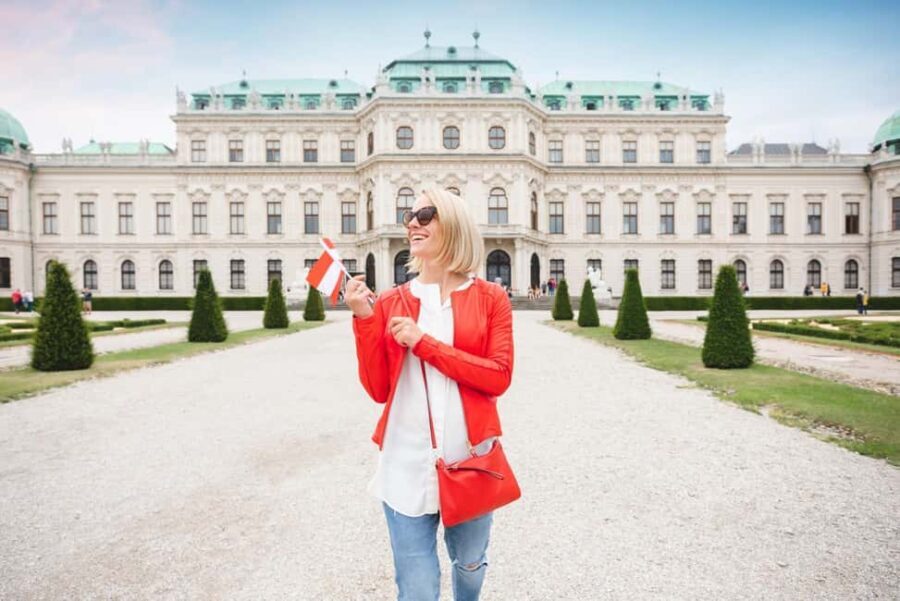
If you want to actually understand what you’re looking at, this is the tour I’d pick. Two hours with an official Belvedere guide who covers the palace architecture, the gardens, and the major works in the permanent collection. The guides are proper art historians — the kind who can explain Klimt’s gold technique, connect Schiele’s brushwork to the broader Vienna Secession movement, and tell you why Prince Eugene chose to build his summer palace on this exact hillside.
At $50 per person it costs roughly double the standard entry, but the two-hour format gives you enough time to go deep on the highlights without dragging through rooms that don’t interest you. Small group size means you can actually ask questions, and the skip-the-line access is genuine — you walk past the ticket queue entirely.
This consistently gets outstanding feedback from visitors, and after taking it myself I can see why. The guide I had spent fifteen minutes on The Kiss alone, pointing out details in the gold leaf and floral patterns that I’d walked right past on my previous self-guided visit.
3. Upper Belvedere via Viator — $24
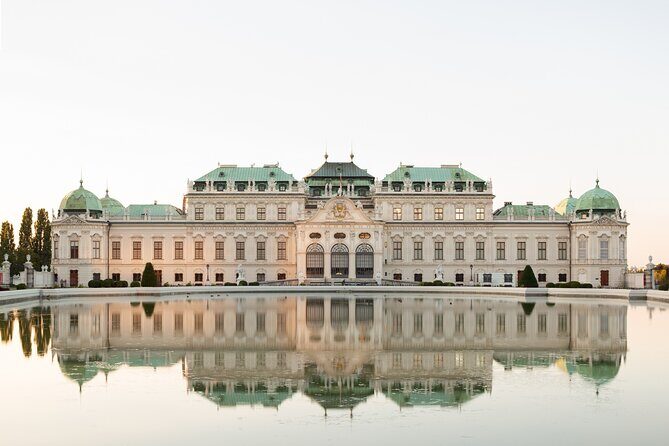
This is essentially the same self-guided experience as option one, booked through Viator instead of GetYourGuide. You get timed entry to the Upper Belvedere, access to Klimt’s The Kiss and the full permanent collection, and the same QR code scanning at the entrance.
At $24 per person, it’s the most affordable way into the Upper Belvedere through a third-party platform. The booking process is clean, cancellation policies are flexible, and the ticket confirmation comes through instantly. Budget travelers and those who already know what they want to see should start here.
One thing to note: Viator lists the duration as 1 to 2 hours, but there’s no time limit once you’re inside. I’ve spent over three hours in the Upper Belvedere on a quiet weekday without anyone asking me to leave. Take your time.
When to Visit the Belvedere
Opening hours: The Upper Belvedere is open daily from 10am to 6pm, with extended hours on Fridays until 9pm. The Lower Belvedere keeps the same schedule. These hours apply year-round, including most holidays.
Best time to visit: Weekday mornings right when the doors open at 10am. The first hour is noticeably calmer, especially in the Klimt galleries which get progressively more packed as tour groups arrive around 11am. Friday evenings after 6pm are the real hidden gem — the crowds thin out dramatically and you’ll have rooms nearly to yourself.
Worst time to visit: Saturday and Sunday mid-morning through early afternoon. Summer weekends in July and August can mean every time slot is booked by noon. If you’re visiting during peak season, book your slot at least two to three days ahead.
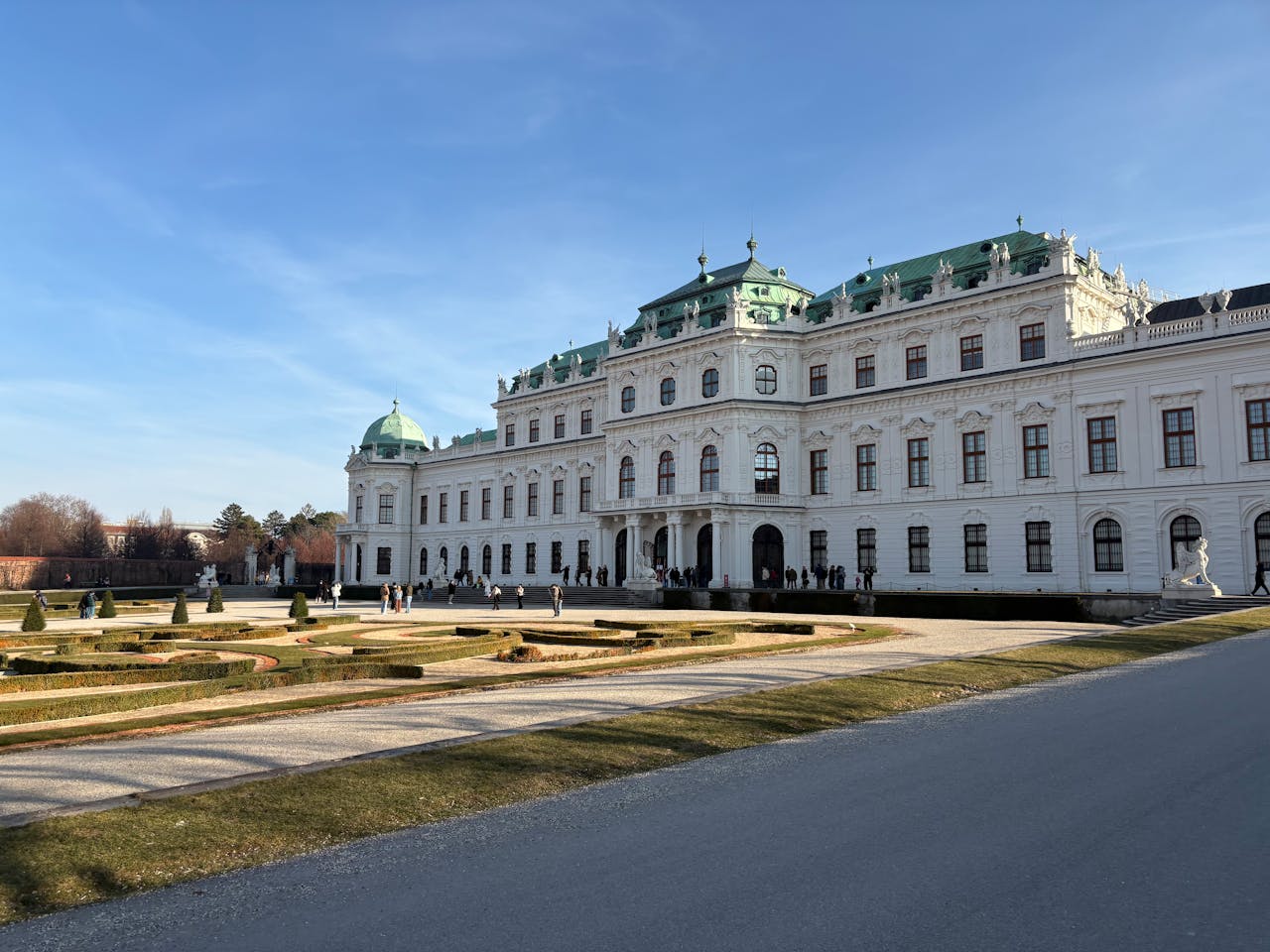
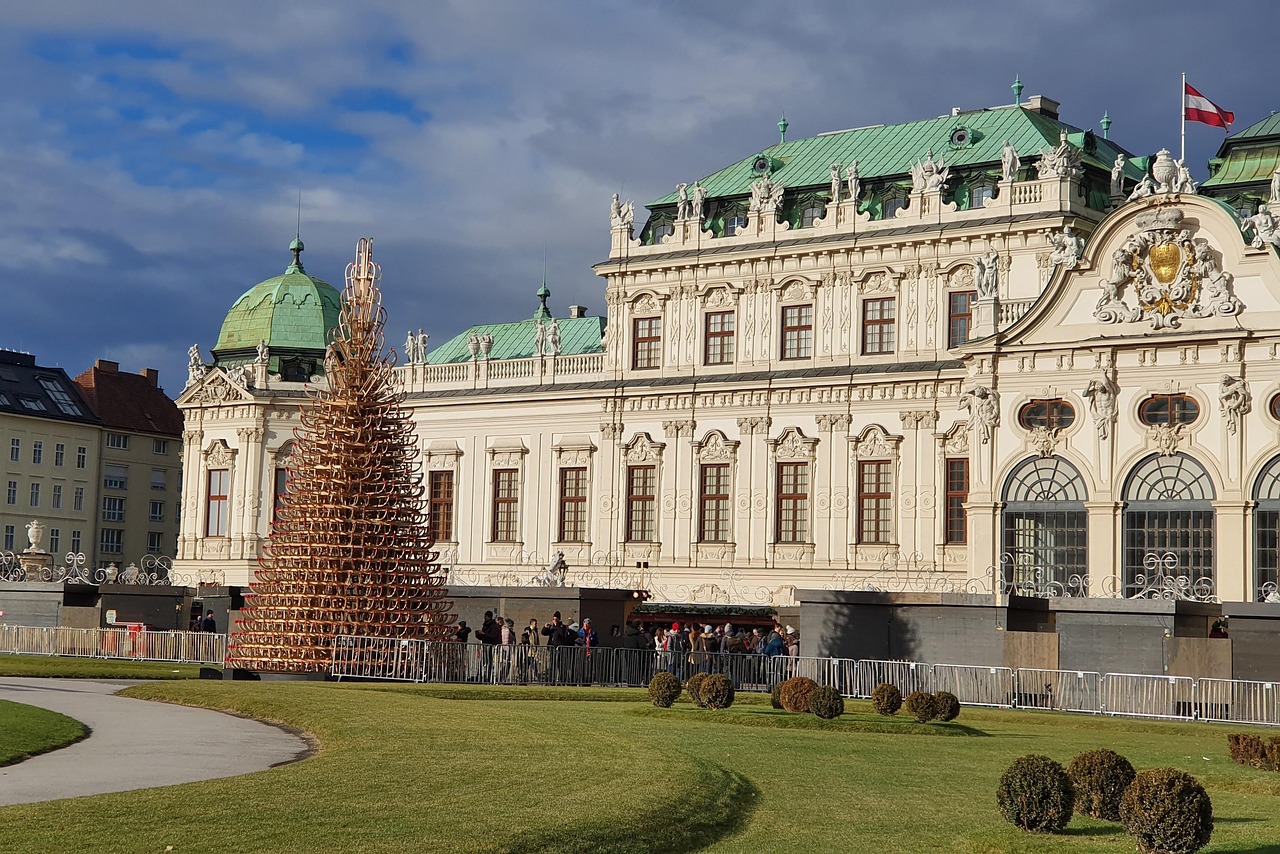
Seasonal considerations: The gardens are at their best from May through September, with the fountains running and the formal beds in full bloom. Winter visits have their own appeal — the Christmas market in the palace courtyard runs through December, and the bare trees open up better views of the palace facades.
How to Get to the Belvedere
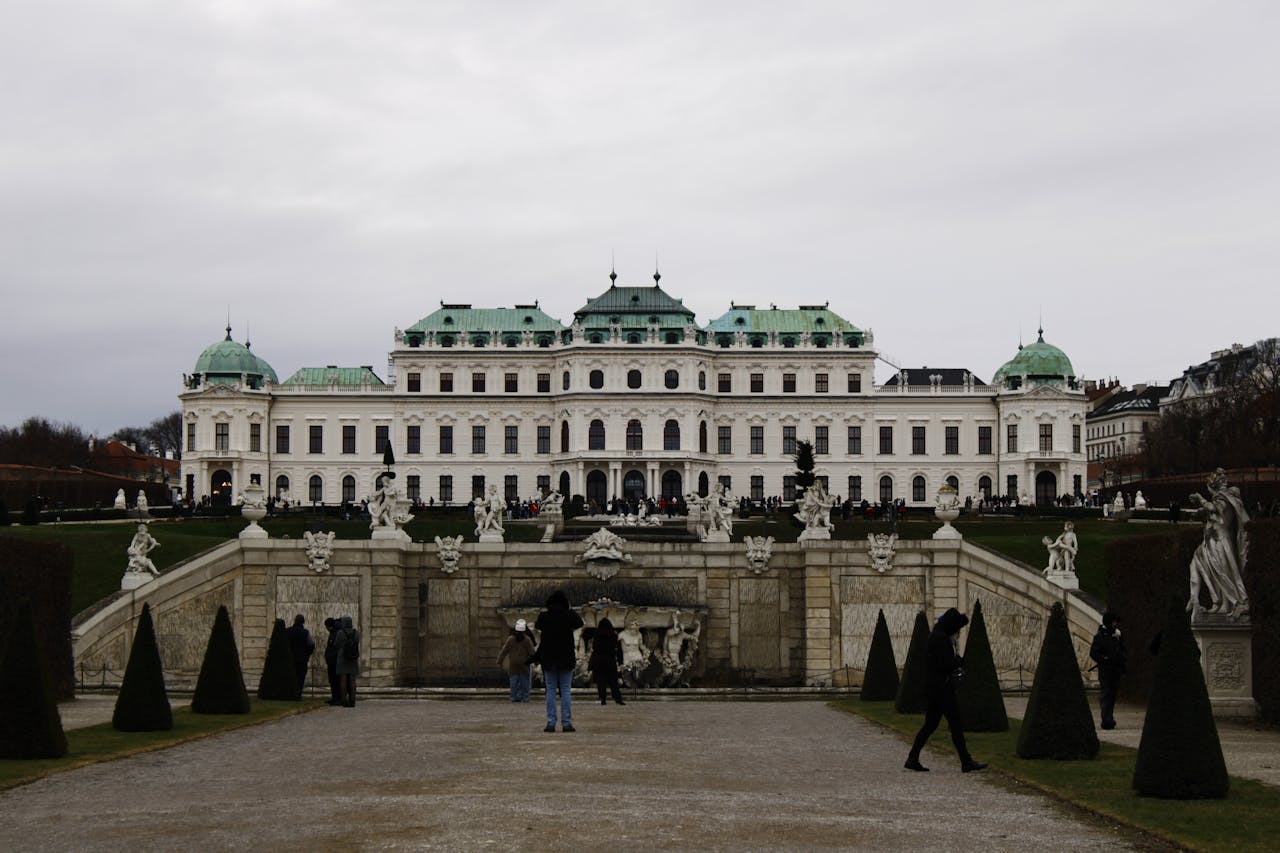
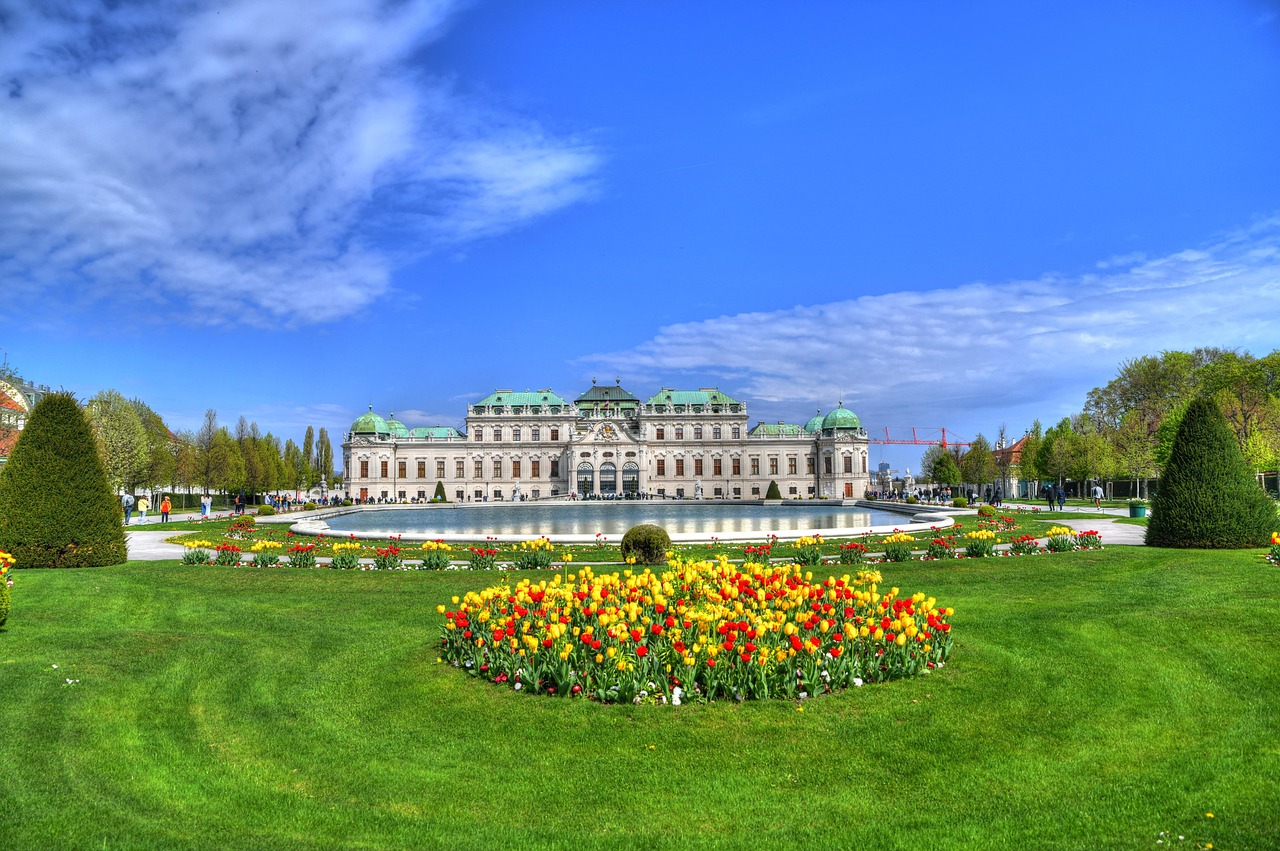
The Upper Belvedere sits on a hillside in Vienna’s 3rd district, about a twenty-minute walk southeast from the city center. Getting there is straightforward regardless of how you travel.
By tram: Tram D or line 18 to Quartier Belvedere stop. This drops you right at the main gate. The D tram runs from the Ringstrasse, making it easy to combine with a visit to the Musikverein or Konzerthaus on the same day.
By train: Wien Hauptbahnhof (Vienna Central Station) is a ten-minute walk from the Lower Belvedere. If you’re arriving by rail from Salzburg, the salt mines, or Hallstatt, you can detour to the Belvedere before even checking into your hotel.
By U-Bahn: Line U1 to Sudtiroler Platz, then a seven-minute walk uphill through Schweizergarten park. The walk is pleasant and the park itself is a nice warm-up for the Belvedere gardens.
On foot: From Stephansplatz in the city center, it’s about 25 minutes through the Innere Stadt. The walk takes you through some of Vienna’s best residential streets and past Cafe Goldegg, a traditional Jugendstil coffeehouse from 1910 that makes an excellent pre-museum stop.
Tips That Will Save You Time
Book your time slot online, ideally two or three days ahead. This is non-negotiable during summer and holidays. Even in the shoulder season I’ve seen midday slots sell out by late morning.
Arrive five to ten minutes before your slot. There’s a brief queue to scan tickets even with pre-booked entry. Arriving exactly on time means you’ll eat into your visit waiting in line.
Start on the ground floor and work up. Most visitors rush straight to the Klimt galleries on the upper floor. If you start with the medieval and Baroque collections downstairs, you’ll have the Vienna 1900 rooms more to yourself by the time you reach them.
Don’t skip the Marble Hall. It sits between the galleries and many visitors walk through it without stopping. The ceiling paintings use an illusionist technique to create false galleries and niches that look three-dimensional. Stand in the center and look up — the effect is remarkable. This room is also where Austria signed its independence treaty in 1955.
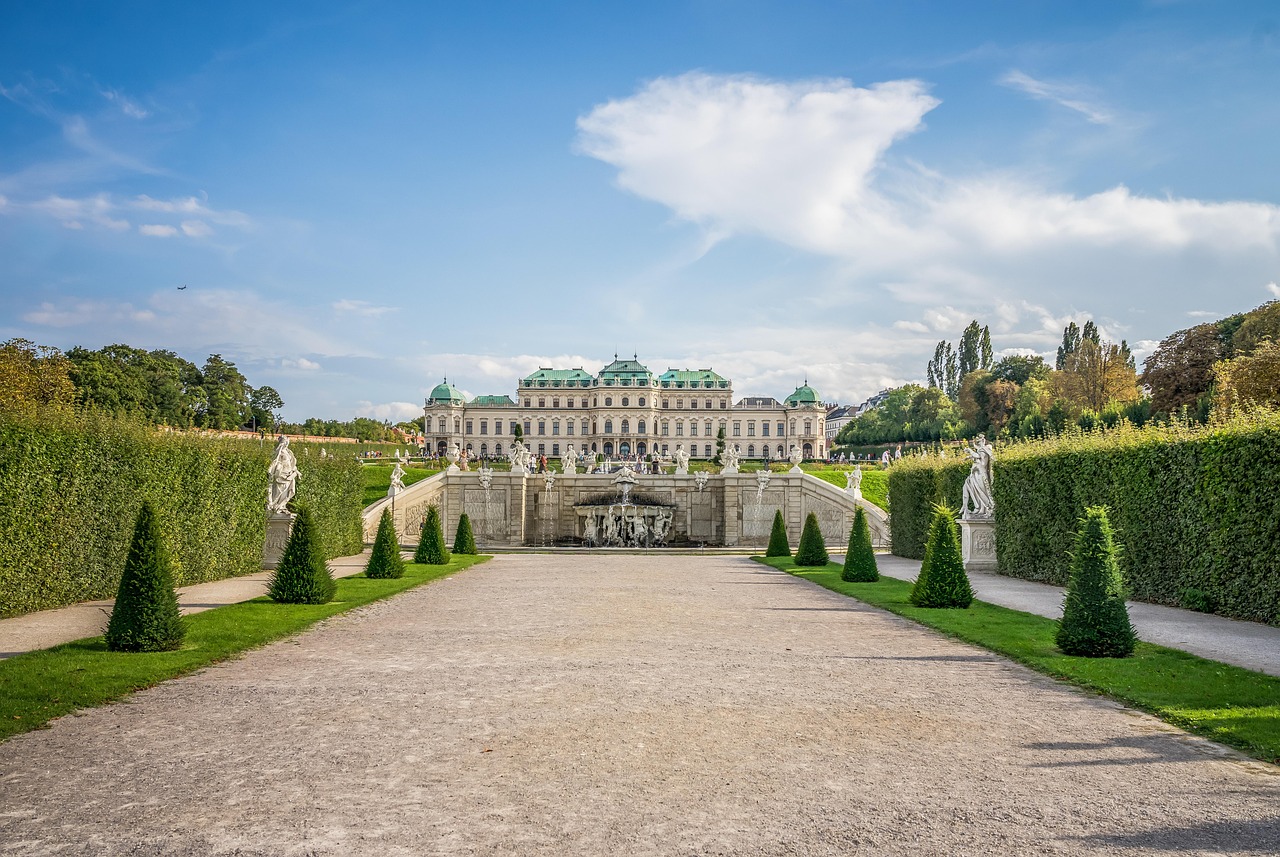
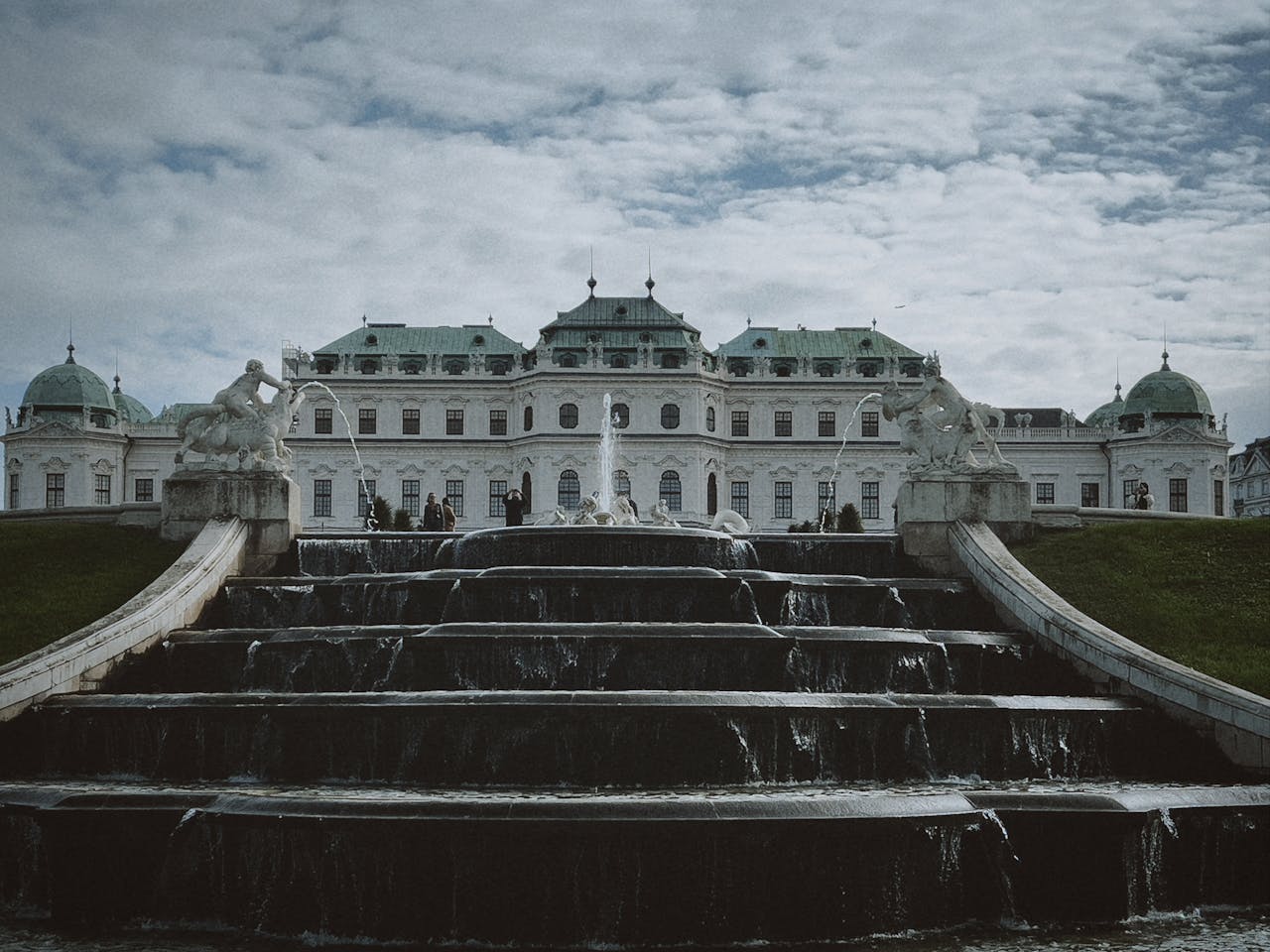
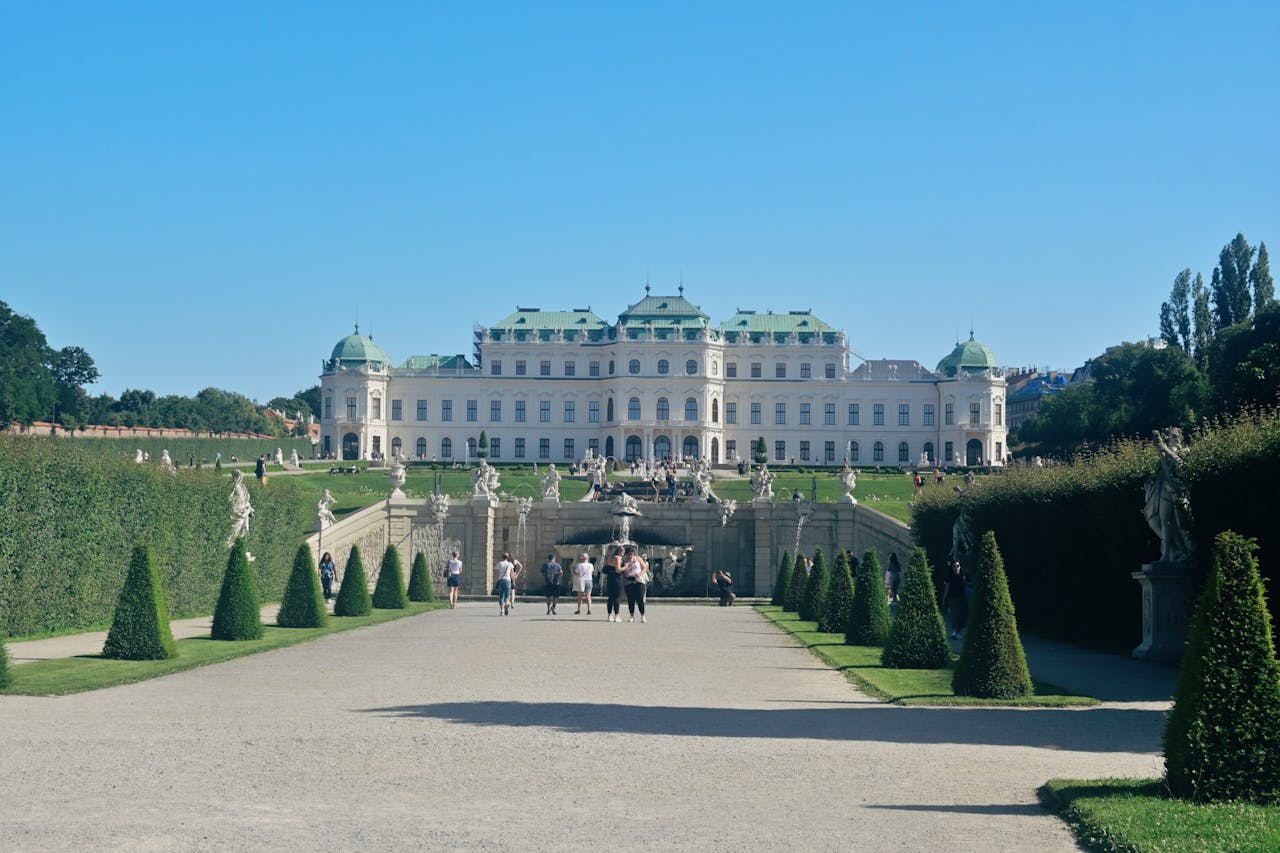
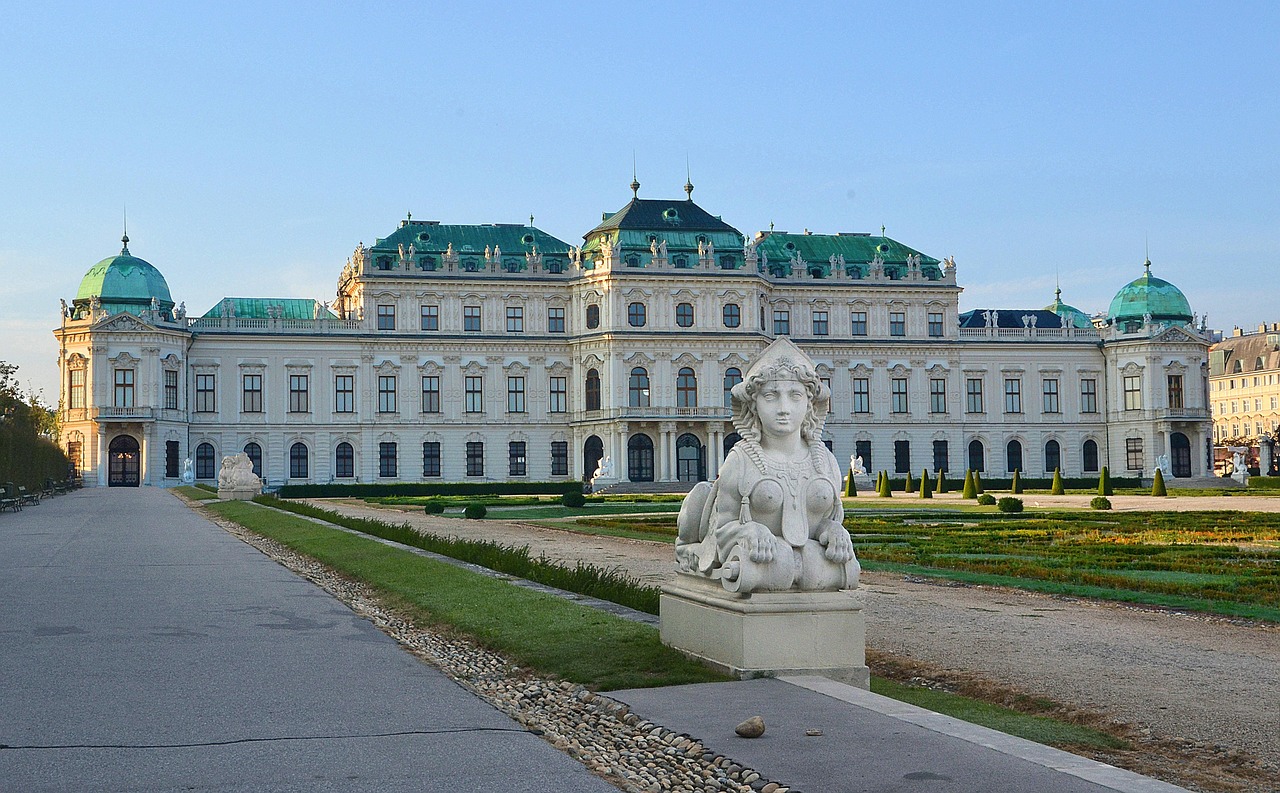
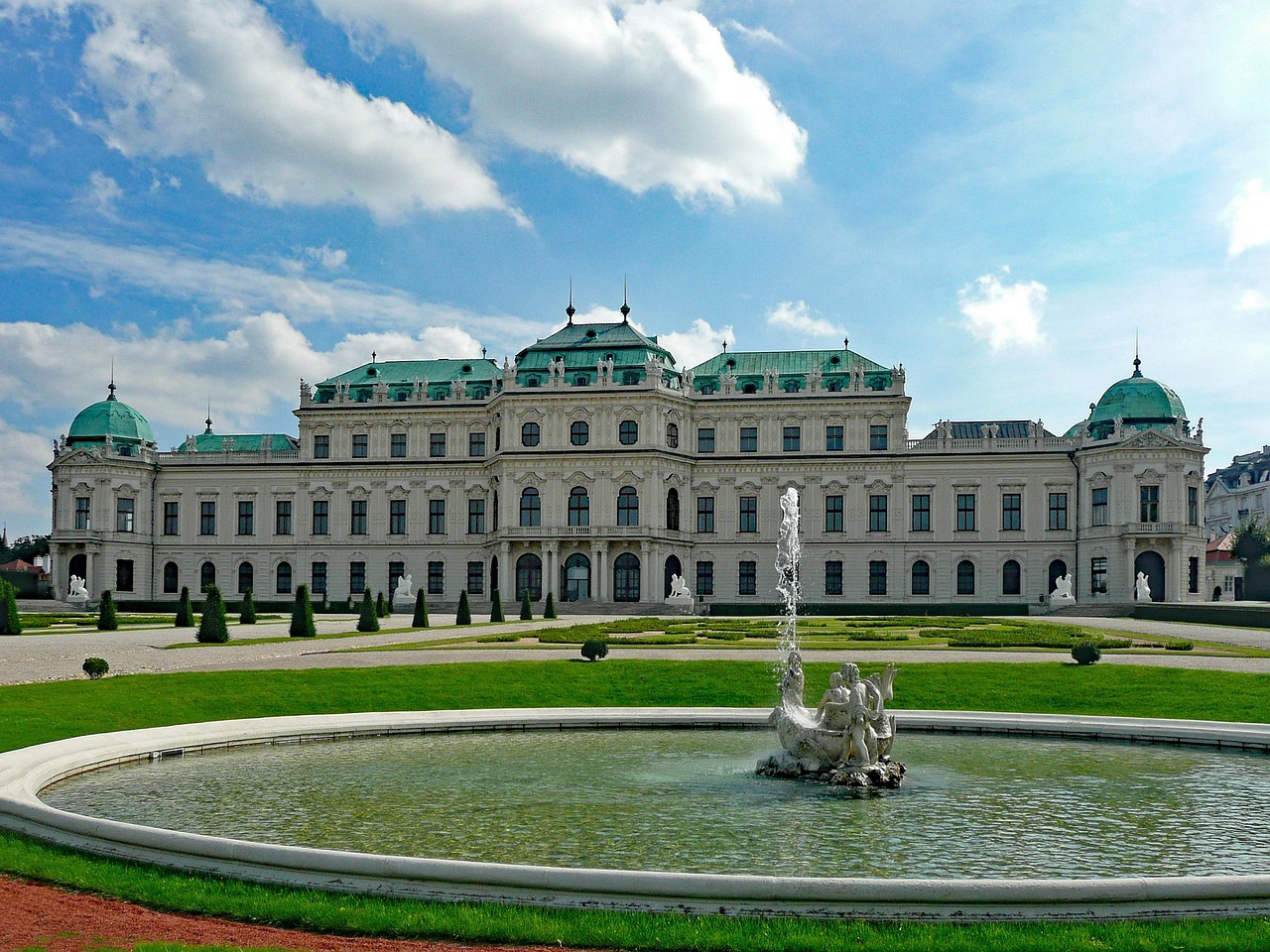
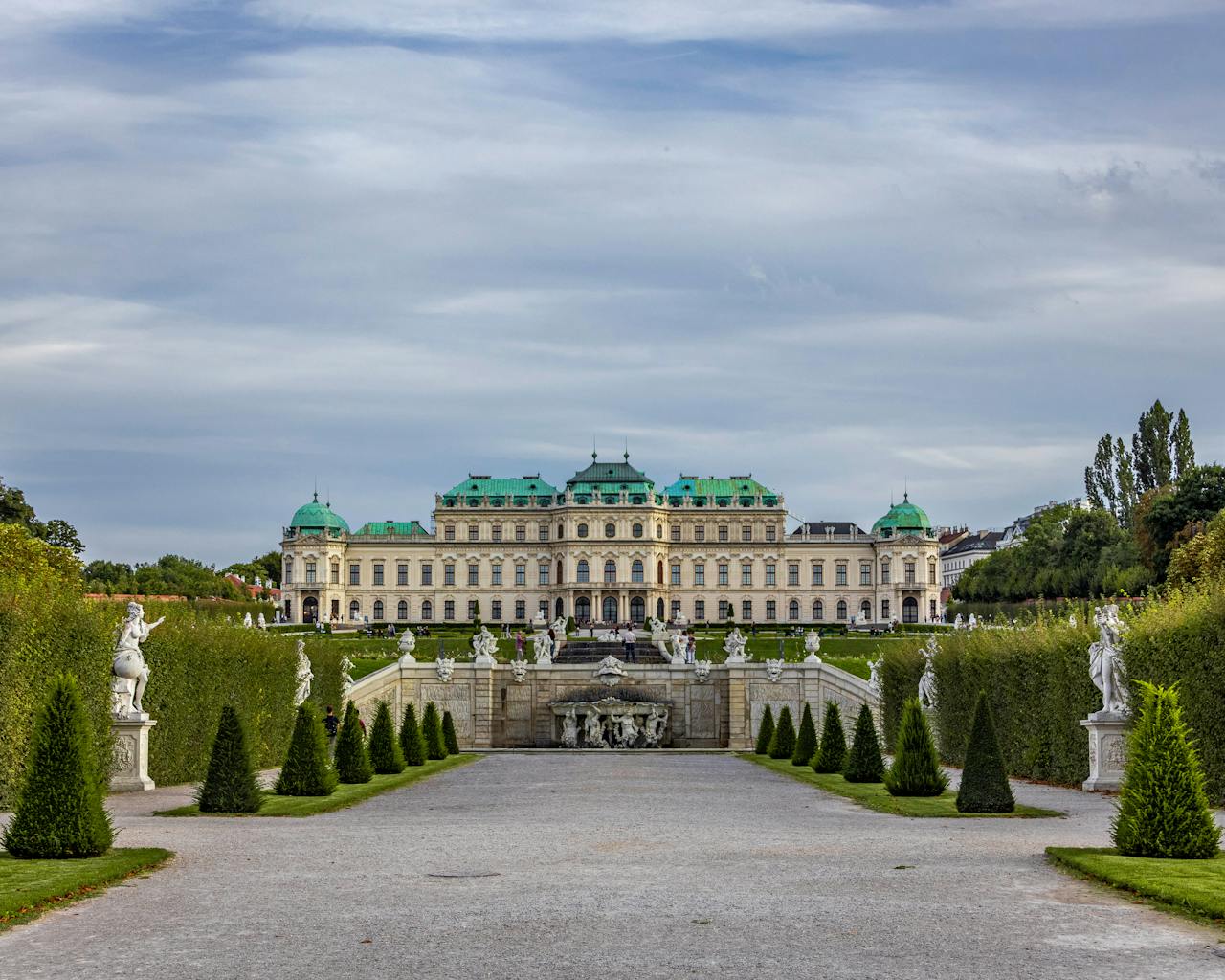
The gardens are free. You don’t need a ticket to explore the formal gardens between the Upper and Lower Belvedere. The cascading fountains and sphinx statues are worth thirty minutes of wandering even if you don’t go inside either palace.
Combine with Schonbrunn on a two-palace day. The Belvedere typically takes 1.5 to 2.5 hours depending on your pace. That leaves plenty of time for Schonbrunn Palace in the afternoon — they’re about thirty minutes apart by tram. Just make sure you’ve booked timed slots for both.
What You’ll Actually See Inside
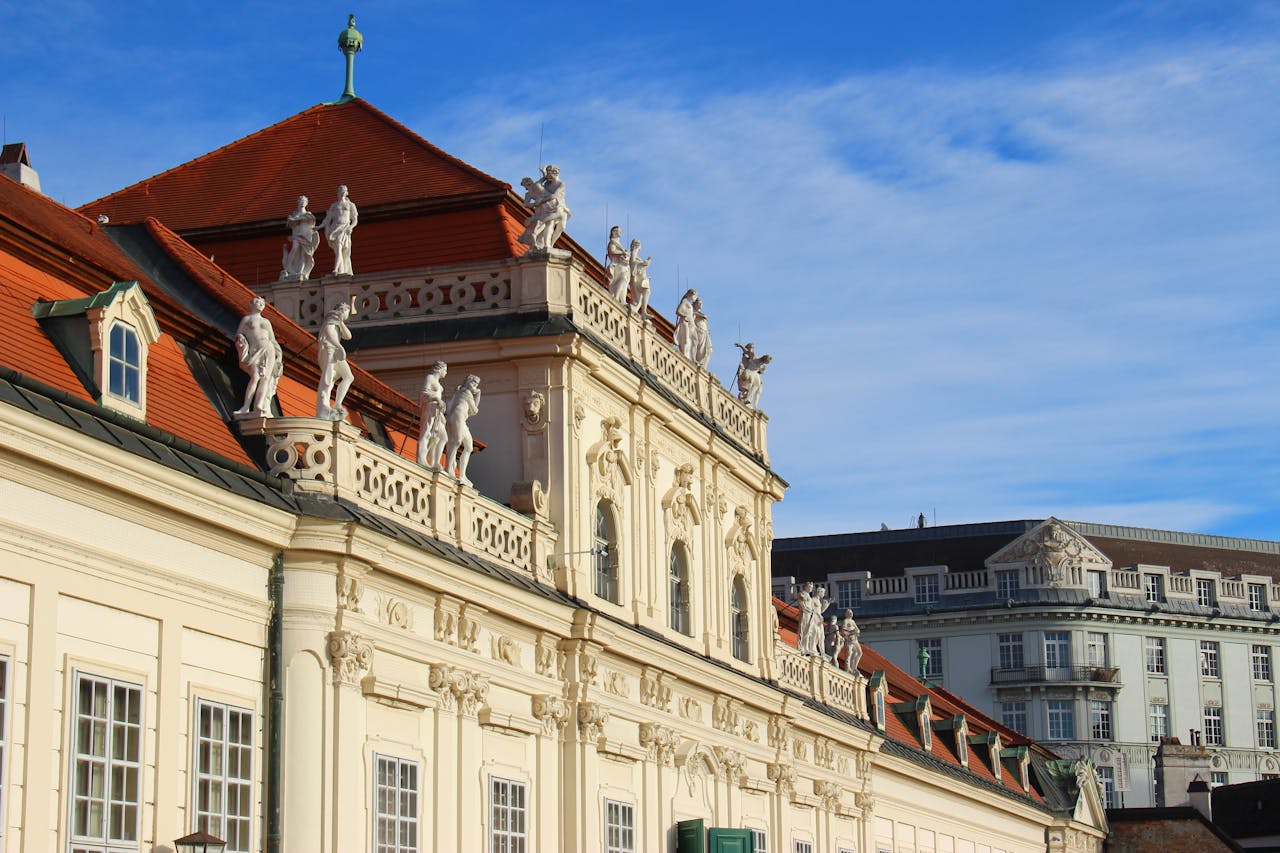
The Upper Belvedere houses one of the most important art collections in Central Europe, spread across several themed galleries that take you chronologically from the Middle Ages to contemporary work.
The medieval and Renaissance galleries on the ground floor hold some genuinely remarkable Gothic altar panels. They’re easy to rush past on the way to Klimt, but the craftsmanship in these pieces — gold leaf, intricate wood carving, vivid tempera painting — is extraordinary up close.
The Baroque and Neoclassical rooms include Franz Xaver Messerschmidt’s “character heads” — a series of wildly expressive busts that look nothing like anything else from the 1770s. They’re bizarre, fascinating, and one of the most photographed collections in the palace after Klimt.
The Vienna 1900 galleries are what most visitors come for, and they deliver. Klimt’s The Kiss hangs in a dedicated space, flanked by Judith and several landscape paintings that show a completely different side of his work. The surrounding rooms feature Egon Schiele, Oskar Kokoschka, and Auguste Rodin, placing Klimt in the broader context of the Vienna Secession movement that reshaped European art at the turn of the twentieth century.
The Marble Hall sits at the heart of the upper floor. Its ceiling frescoes use trompe l’oeil techniques to create the illusion of additional galleries and architectural features that don’t actually exist. The windows offer the best views down through the gardens toward the Lower Belvedere and across the Vienna skyline.
A small palace chapel is visible through glass panels along the Klimt gallery route. It’s easily missed but worth a glance — the decorative program is intimate and personal compared to the grand public rooms.
While You’re in Vienna
If the Belvedere is your introduction to Vienna’s palace circuit, there is plenty more worth your time. Schonbrunn Palace is a direct tram ride away, bigger in scale, with grounds that could fill half a day. The Hofburg and Sisi Museum in the city center shows where the Habsburgs actually lived during winter, and the Spanish Riding School inside the Hofburg performs with Lipizzaner stallions in a Baroque hall that is worth seeing for the architecture alone. Evenings practically demand classical concert tickets — the Musikverein and Konzerthaus both run programs most nights.
For getting oriented, a walking tour covers the old town backstreets, while the hop-on hop-off bus hits the further landmarks. A Danube cruise makes a good evening alternative, and a food tour through the Naschmarkt handles both lunch and local culture.
Day trips include Hallstatt from Vienna, or from Salzburg the salt mines, Sound of Music tour, and Eagle’s Nest.