
The brass elevator doors closed, and for 41 seconds I stood inside a mountain. Not a metaphor. The shaft cuts straight through 124 meters of solid Alpine rock, built in 1938 by 3,000 workers in just 13 months, and it deposits you into a building that sits at 1,834 meters above sea level with views stretching across six countries on a clear day. The engineering alone would be worth the trip. The history makes it complicated.
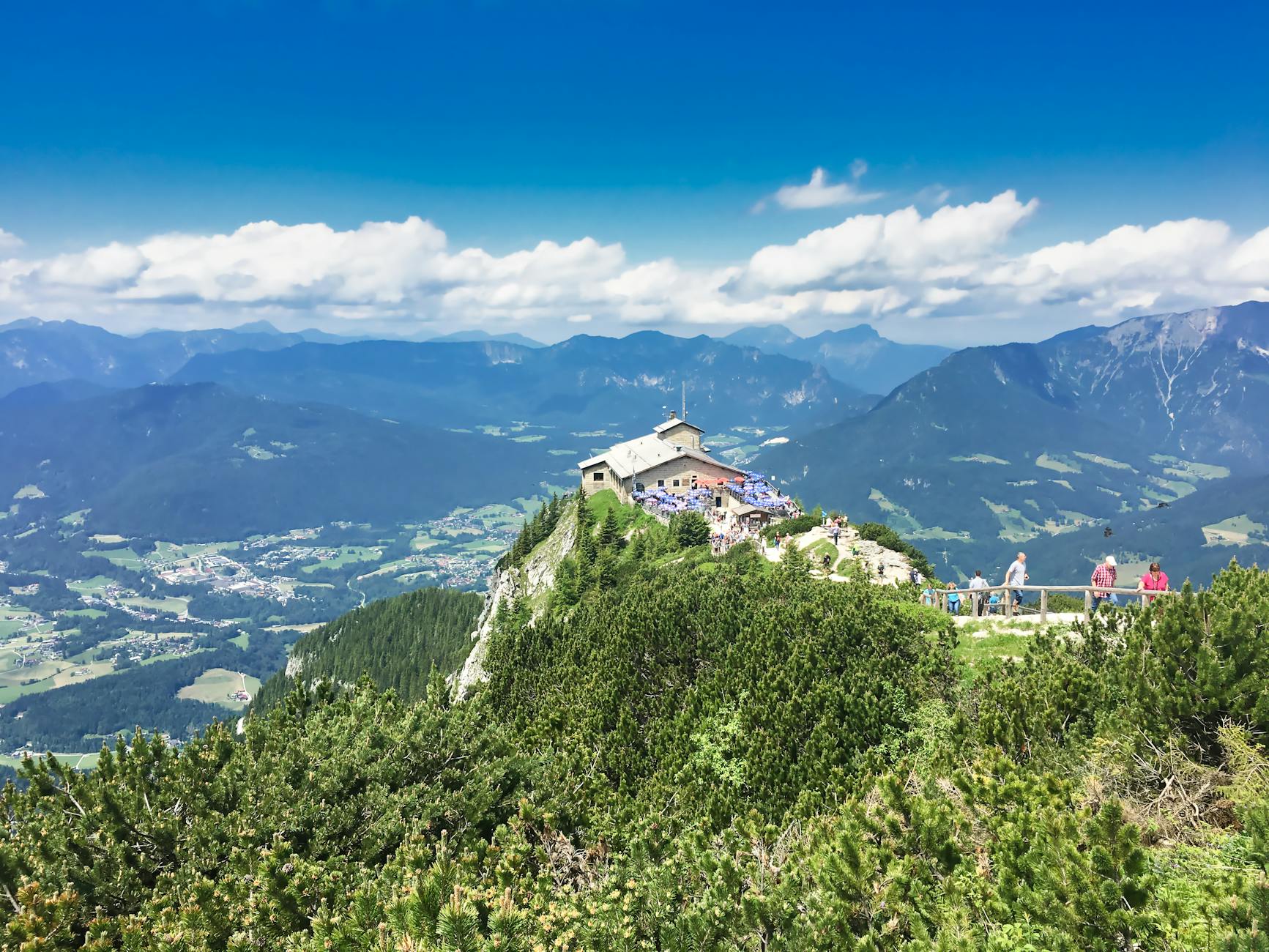
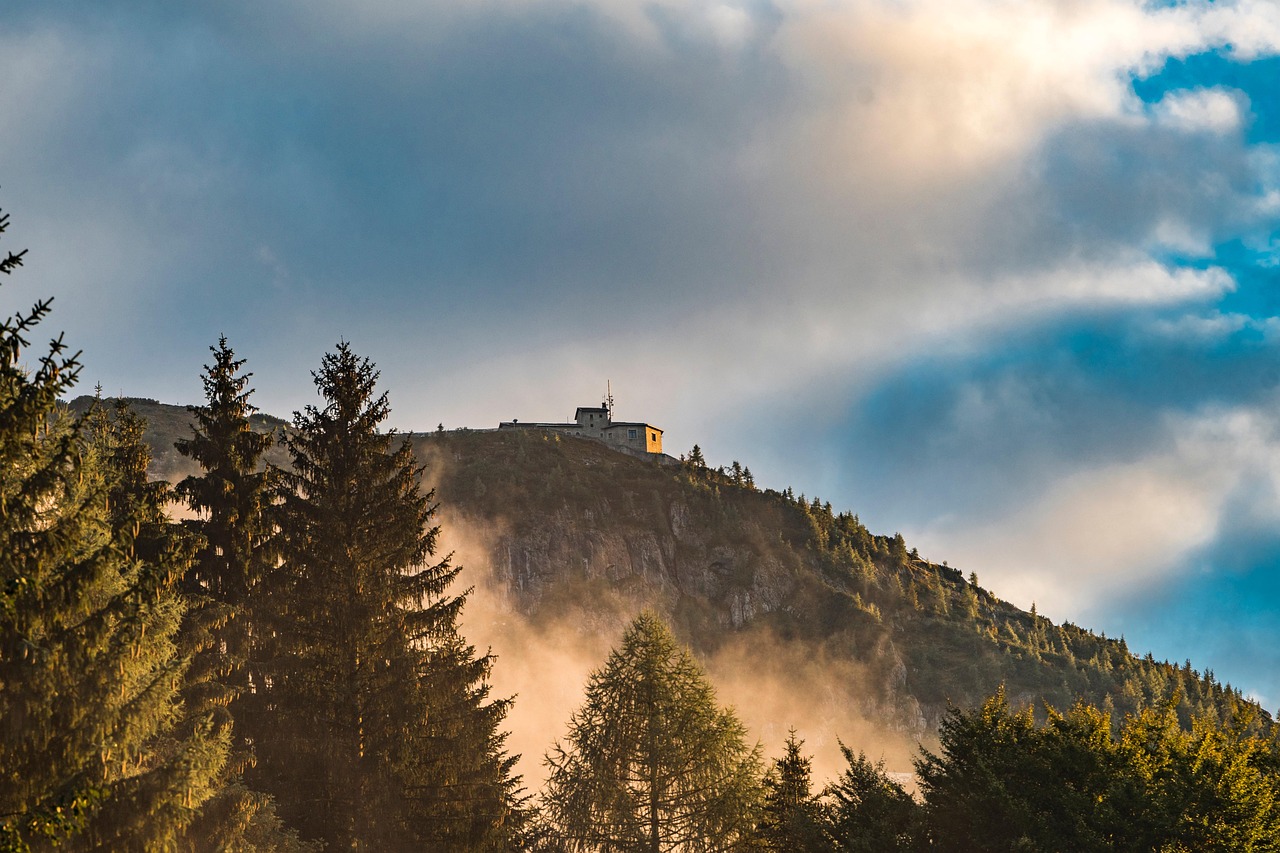
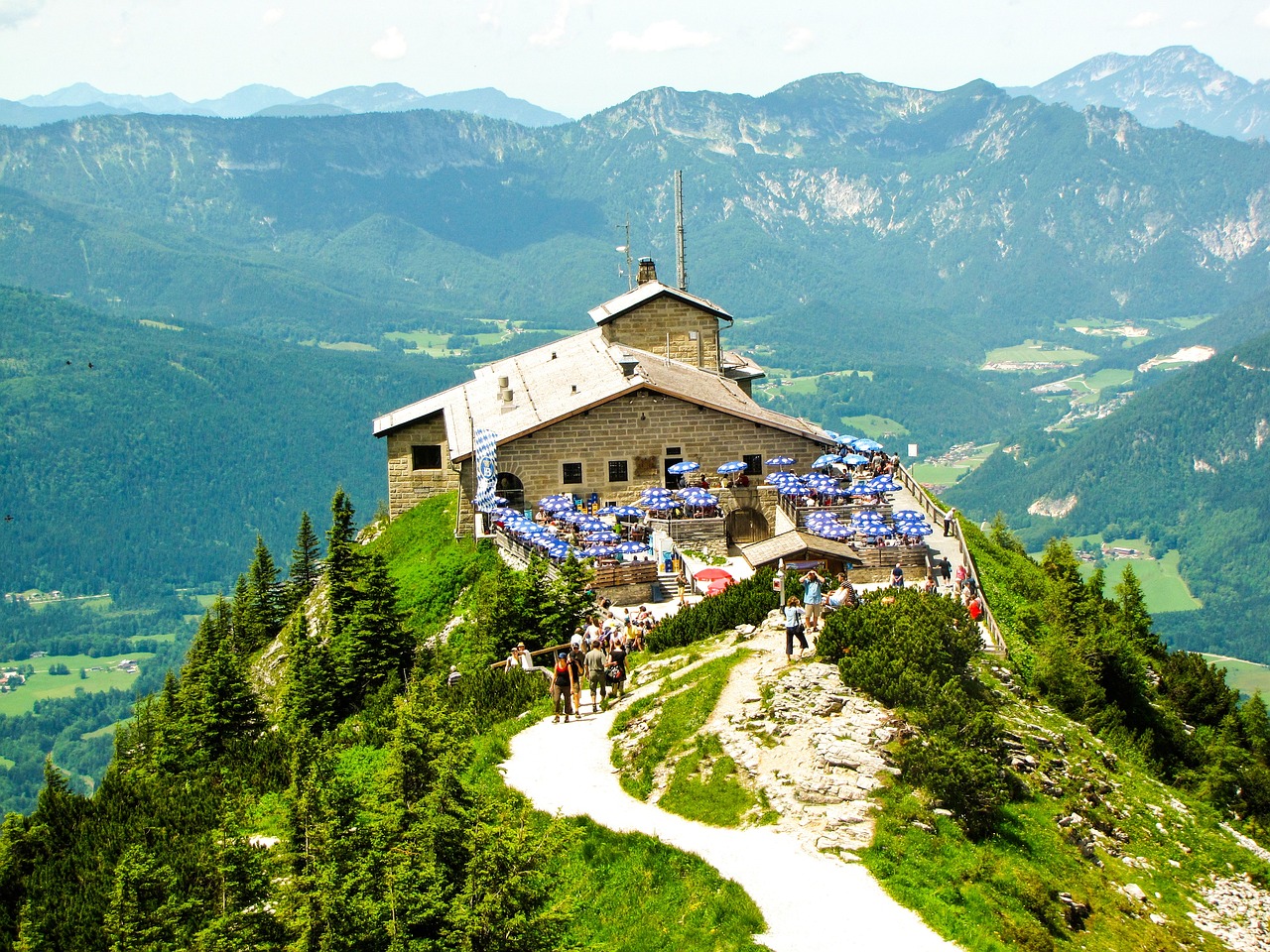
Hitler’s Eagle’s Nest — the Kehlsteinhaus — was a 50th birthday present from Martin Bormann to the dictator in 1939. The strange thing is that Hitler apparently didn’t much like it. He was afraid of heights and visited fewer than 14 times. Today it’s a restaurant and beer garden run by a charitable trust, and the building itself is largely unchanged from 1938. The brass-lined elevator, the marble fireplace (a gift from Mussolini), the octagonal room — all original.
Getting there from Salzburg takes about 45 minutes by road. You cross the German border almost immediately — Berchtesgaden is technically in Bavaria, not Austria. That catches some people off guard, especially when their phone switches to German roaming charges.
Best overall: Skip-the-Line Eagle’s Nest Tour from Salzburg — $127. Half-day, handled transport, skip the Kehlstein bus queue. The one most people should book.
Best for hikers: Eagle’s Nest Hiking Tour — $241. You walk up the mountain instead of taking the bus. Physically demanding but genuinely rewarding.
Best premium: Alpine Majesty: Eagle’s Nest, Salt Mine & Berchtesgaden — $457. Private full-day combining Eagle’s Nest with the salt mines. If you only have one day.
- How the Eagle’s Nest Visit Actually Works
- Going Independently vs. Taking a Tour
- The Best Eagle’s Nest Tours from Salzburg
- 1. Skip-the-Line: Eagle’s Nest in Berchtesgaden Tour from Salzburg — 7
- 2. Eagle’s Nest Hiking Tour — 1
- 3. Alpine Majesty: Eagle’s Nest, Salt Mine & Berchtesgaden — 7
- When to Visit Eagle’s Nest
- How to Get There from Salzburg
- Tips That Will Save You Time
- What You’ll Actually See at the Top
- Beyond Eagle’s Nest: Berchtesgadener Land
- More Austria Guides
How the Eagle’s Nest Visit Actually Works
The Eagle’s Nest isn’t like most attractions where you just walk up and buy a ticket. There’s a specific access system, and understanding it saves you a lot of frustration.
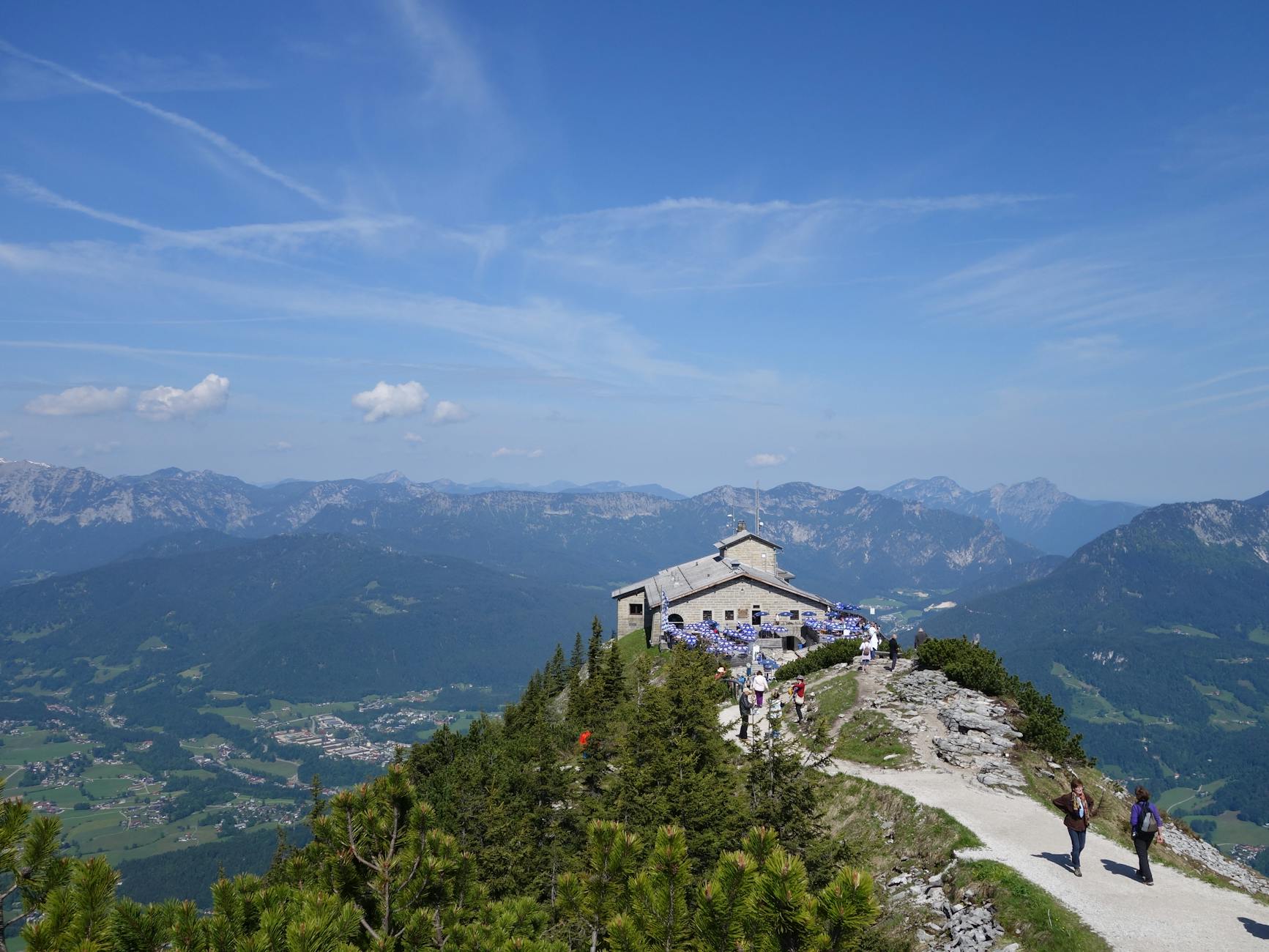
You can’t drive to the top. Private vehicles stop at the Kehlsteinhaus bus station in Obersalzberg (about 5 minutes above Berchtesgaden town). From there, you take a special RVO bus that climbs the steep, narrow Kehlsteinstrasse — a 6.5 km mountain road with five tunnels and no oncoming traffic (the road is one-way with timed intervals). The bus ride takes about 20 minutes and deposits you at the summit parking area, where you walk through a 124-meter tunnel into the mountain to reach the famous brass elevator.
The bus ticket costs around EUR 21.50 for adults (round trip) and includes the elevator ride. Children under 6 ride free. There’s no separate entry fee for the building itself — once you’re up there, you can wander freely, eat at the restaurant, sit on the terrace, and explore the area for as long as you want.
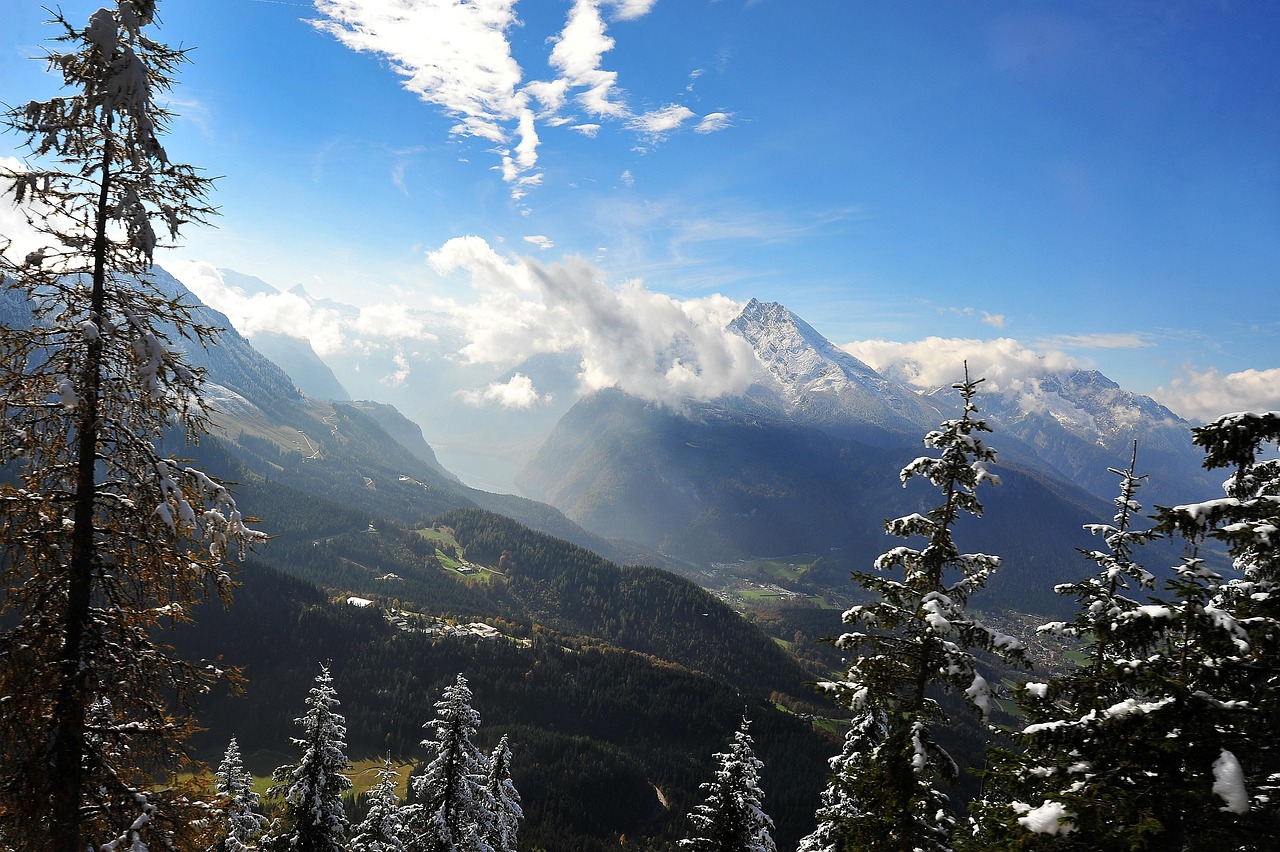
The season is short. Eagle’s Nest opens mid-May and closes in late October, weather permitting. Snow can close it earlier or delay the opening. The road simply isn’t safe in winter conditions. The Dokumentation Obersalzberg (the history museum lower down the mountain) is open year-round, but the Kehlsteinhaus itself is strictly seasonal.
Bus departure times run roughly every 25 minutes from 8:00 AM, with the last bus up at about 4:00 PM (last bus down at 4:50 PM). In peak summer — July and August — the morning buses fill up fast. I’ve heard of people waiting over an hour for a bus at 10 AM on a Saturday in August.
Going Independently vs. Taking a Tour
You absolutely can do this on your own from Salzburg. The 840 bus runs from Salzburg Hauptbahnhof to Berchtesgaden (about 50 minutes), and from Berchtesgaden you catch the 838 bus to the Kehlstein bus station. It’s doable but requires three separate vehicles in each direction: Salzburg bus, Berchtesgaden local bus, Kehlstein mountain bus.
The case for a tour is mostly about logistics and time. A guided half-day tour handles the border crossing, the parking, the Kehlstein bus queue (some tours have skip-the-line access), and gives you a guide who can explain the history while you’re up there. You’re back in Salzburg by early afternoon with your day still ahead of you.
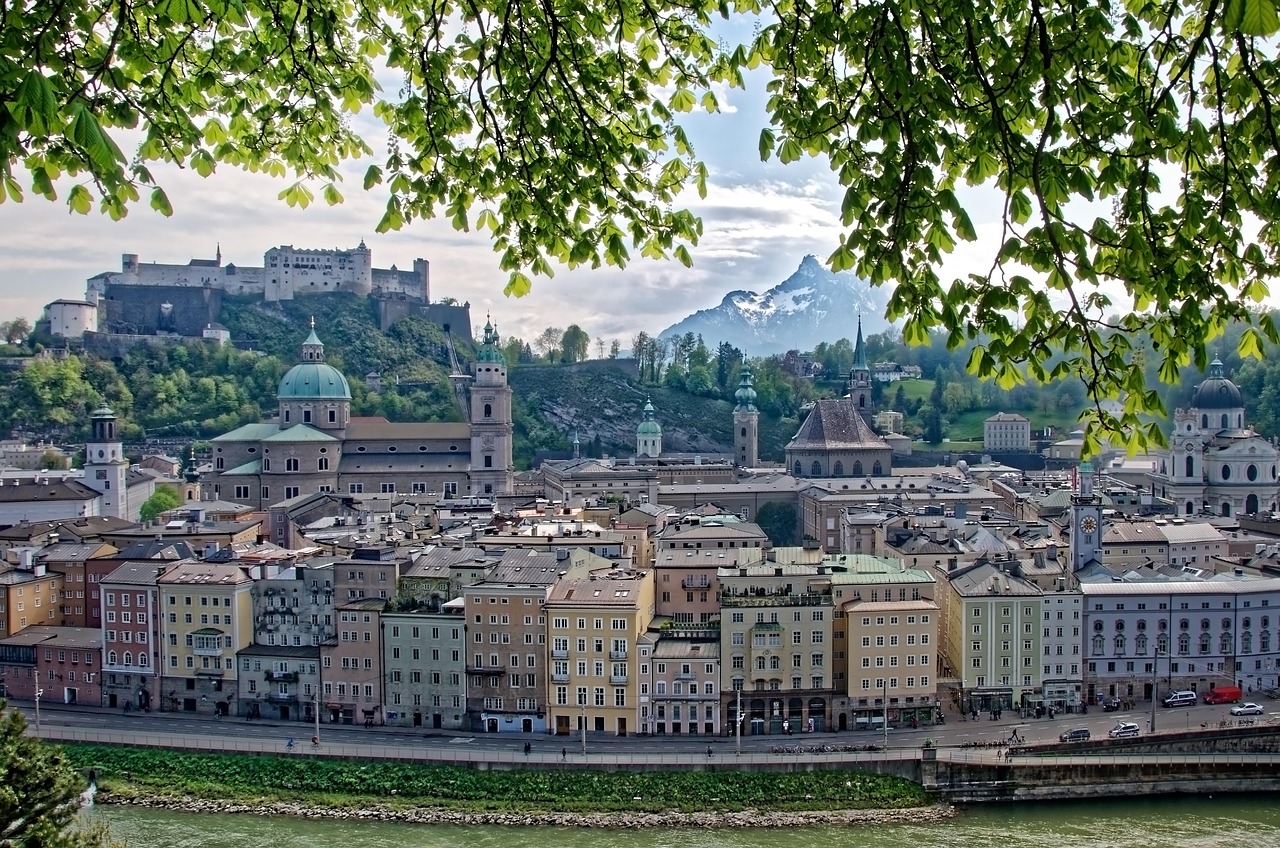
Going independently is cheaper — maybe EUR 30-35 total for bus fares plus the Kehlstein bus ticket. But you’ll spend more time on logistics, and you lose the historical context that makes the visit meaningful. Without understanding what happened at Obersalzberg, the Eagle’s Nest is just a building with a view. With the context, it’s something else entirely.
My take: if you’re a confident traveler comfortable with German bus schedules and you don’t mind spending 2+ hours on transit, go independent. Everyone else should book a tour. The half-day option leaves your afternoon free for the Salzburg salt mines or the old town.
The Best Eagle’s Nest Tours from Salzburg
1. Skip-the-Line: Eagle’s Nest in Berchtesgaden Tour from Salzburg — $127
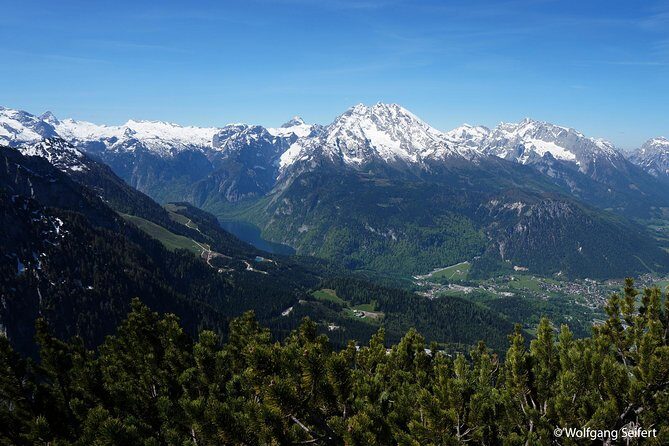
This is the tour most Salzburg visitors should book, and the massive number of people who’ve taken it speaks for itself. Run by Salzburg Panorama Tours, it’s a 4.5-hour half-day that picks you up in central Salzburg, drives you across the border to Berchtesgaden, and gets you up to the Eagle’s Nest with skip-the-line access to the Kehlstein bus.
The guide covers the full WWII history of the Obersalzberg complex — not just the building at the top but the entire Nazi party headquarters that once spread across this mountainside. At $127, it’s priced in line with similar half-day tours in the region and includes all transport. You get about 90 minutes at the summit plus a stop in Berchtesgaden town on the way back.
One thing to know: the tour only runs when the Kehlstein road is open and the weather cooperates. They make the call about 15 minutes before the 8:45 AM departure. If it’s cancelled, they’ll offer you an alternative tour for the day — not ideal if Eagle’s Nest was your whole reason for being in Salzburg, so build in a backup day if you can.
2. Eagle’s Nest Hiking Tour — $241
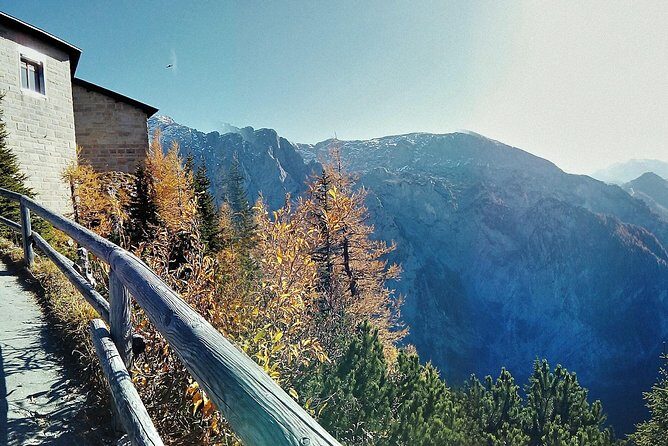
This is the one for people who want to earn the view. Instead of taking the bus and elevator, you hike up through the Obersalzberg with a guide from Monkey Business Tours who knows the WWII history inside and out. The trail passes bunker ruins, former SS barracks sites, and viewpoints that the bus travelers never see.
At $241 it’s nearly double the standard tour price, but the experience is fundamentally different. This is a 5-6 hour commitment and it’s all uphill — the guide keeps a steady pace with switchbacks on gravel and paved paths. You need decent fitness and good footwear. The reward is arriving at the summit having walked the same route that construction workers used in the 1930s, with the entire history laid out beneath your feet.
The guide, Claudio, gets mentioned by name in nearly every review for a reason. He brings maps, historical photos, and stories that turn the mountain into a living museum. If you’re the type who’d rather hike a mountain than ride a bus up it, this is your tour.
3. Alpine Majesty: Eagle’s Nest, Salt Mine & Berchtesgaden — $457
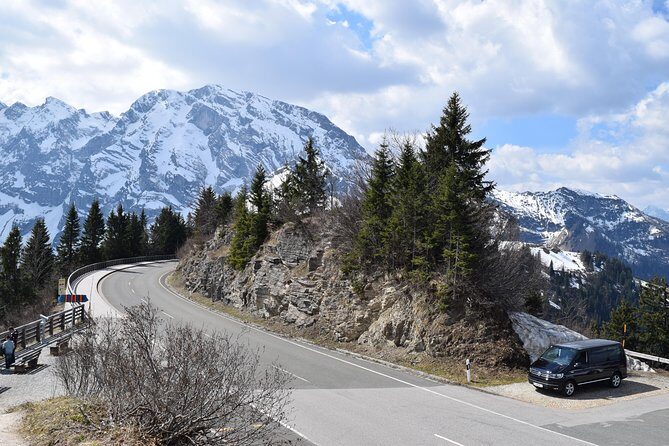
If you want to see the Eagle’s Nest and the Berchtesgaden salt mines in a single day without the stress of public transport timetables, this private 8-hour tour is the way to do it. Run by MCM Tours, it’s a father-son operation that covers the full Bavarian Alps experience: Eagle’s Nest, the 500-year-old salt mines with their underground slides, and the lakeside villages in between.
At $457 per person, this is the premium option and it’s priced accordingly. What you get is a private vehicle, a flexible schedule, and guides who grew up in these mountains and can point out the exact peaks from the Sound of Music filming locations as you drive past them. The salt mines are a particular hit with kids — there are slides built into the underground tunnels, and the underground lake crossing by raft is genuinely atmospheric.
One risk: the Eagle’s Nest closes when there’s snow above the tree line, which can happen even in late May or early October. If it’s closed on your day, the guides offer alternative stops — but book this tour in July or August if you want the best odds.
When to Visit Eagle’s Nest
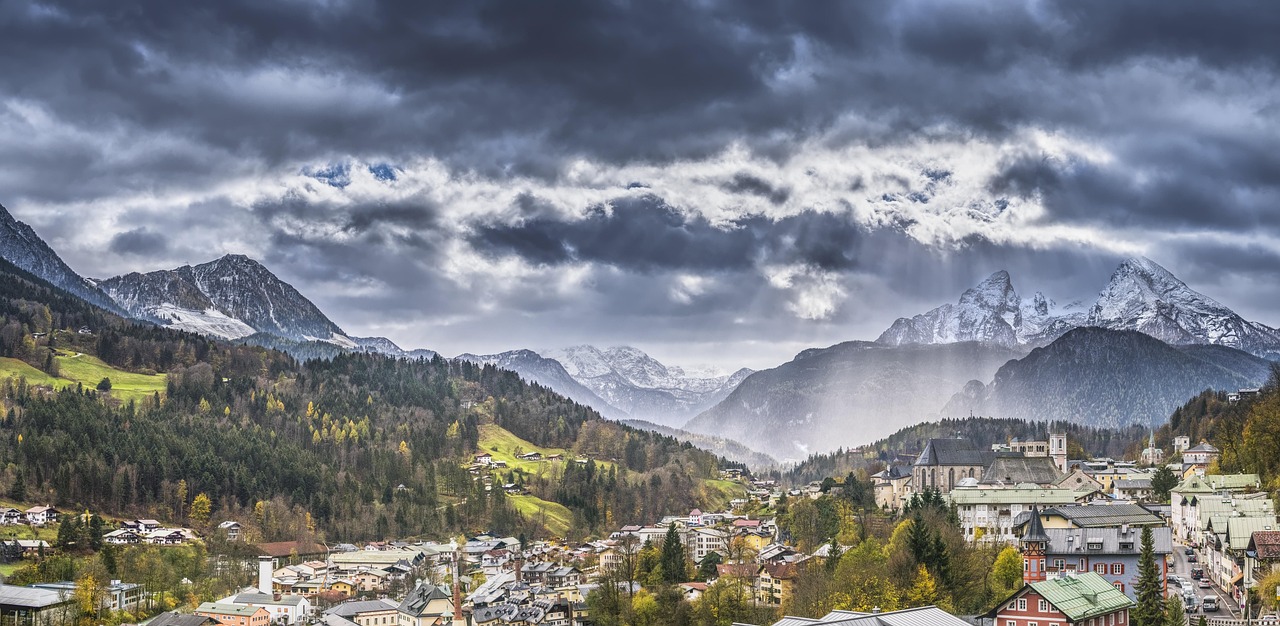
Best months: June and September. June has the longest days and wildflowers on the mountain, and the summer crowds haven’t peaked yet. September brings autumn colors, fewer tour buses, and crisp visibility that makes the six-country panorama actually possible.
Worst time: mid-July to mid-August. The Kehlstein bus queue can stretch past an hour, the restaurant terrace is standing room only, and the road operates at capacity. If August is your only option, be at the bus station by 8:00 AM sharp.
Opening hours: the Kehlsteinhaus typically opens mid-May through late October, from around 9:00 AM to 5:00 PM. The Kehlstein buses run 8:00 AM to 4:00 PM (last return 4:50 PM). Everything depends on weather and road conditions — check the official Kehlsteinhaus website before your visit.
Weather warning: temperatures at 1,834 meters can be 10-15 degrees Celsius colder than Salzburg city. Bring a jacket even in July. I’ve seen people in shorts and sandals shivering at the summit while the valley below bakes at 30 degrees.
How to Get There from Salzburg
By tour bus (easiest): all three tours listed above include pickup from central Salzburg, usually near Mirabellplatz. Door to summit, handled for you.
By public bus (cheapest): take the RVO 840 bus from Salzburg Hauptbahnhof to Berchtesgaden ZOB (about 50 minutes, runs every 30-60 minutes). Transfer to the 838 bus to Obersalzberg/Kehlstein bus station (about 15 minutes). Then buy your Kehlstein bus ticket (EUR 21.50 round trip) for the mountain bus. Total one-way transit time: about 1.5 hours if connections align.
By car: drive the B305 from Salzburg through Marktschellenberg to Berchtesgaden (about 30 minutes without traffic). Park at the Kehlstein bus station — there’s a large car park that fills up by mid-morning in summer. Arrive before 9 AM. You still take the Kehlstein bus from here; no private vehicles are allowed on the mountain road.
Border crossing note: Berchtesgaden is in Germany, not Austria. EU/Schengen citizens won’t notice, but non-EU visitors should carry their passport. Phone roaming may switch to German networks — check your mobile plan.
Tips That Will Save You Time
Book the first bus up. The 8:00 AM Kehlstein bus has the shortest queue. By 10:00 AM on a summer day, you could be waiting 45 minutes or more. Tour groups with skip-the-line access start arriving around 9:30.
Bring cash. The restaurant and beer garden at the summit accept cards, but the bus ticket office at Obersalzberg sometimes has card reader issues. Euros, not Austrian currency (though Austria uses euros too, so this is mainly a mental note).
Wear layers. You’ll go from warm valley temperatures to Alpine cold in 20 minutes. A packable rain jacket doubles as a wind layer.
Don’t skip the Documentation Center. The Dokumentation Obersalzberg sits below the Kehlstein bus station and covers the full history of the Nazi party’s presence in the area. It gives the Eagle’s Nest visit real weight. Allow 60-90 minutes and visit it either before or after your summit trip.
Check the weather twice. Berchtesgaden valley can be sunny while the summit is fogged in, and vice versa. The Kehlsteinhaus webcam shows real-time conditions at the top. Don’t cancel based on valley weather alone.
Allow time for Berchtesgaden town. Most tours include a stop here, and it deserves more than a pass-through. The town center is compact and walkable, with traditional Bavarian architecture, good bakeries, and a surprisingly strong coffee scene for a mountain village.
What You’ll Actually See at the Top
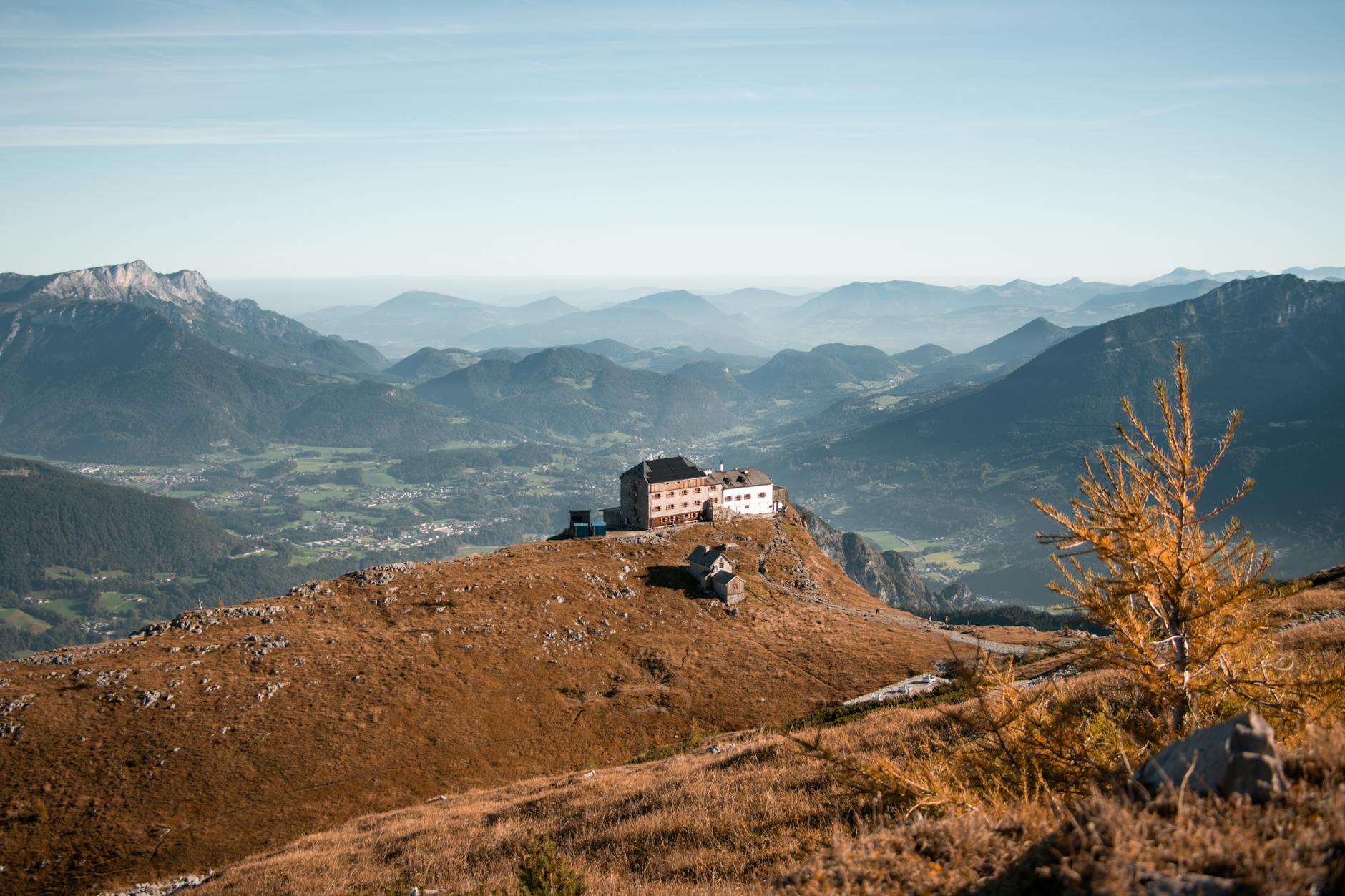
The Eagle’s Nest experience starts in the tunnel. You walk 124 meters into the mountain through a granite-lined passage — the temperature drops, the light changes, and you emerge into a domed waiting room with the brass elevator at the far end. The elevator itself is original 1938 engineering: brass walls, Venetian mirrors, green leather seats. It carries about 15 people at a time and takes 41 seconds to climb the final 124 meters to the summit.
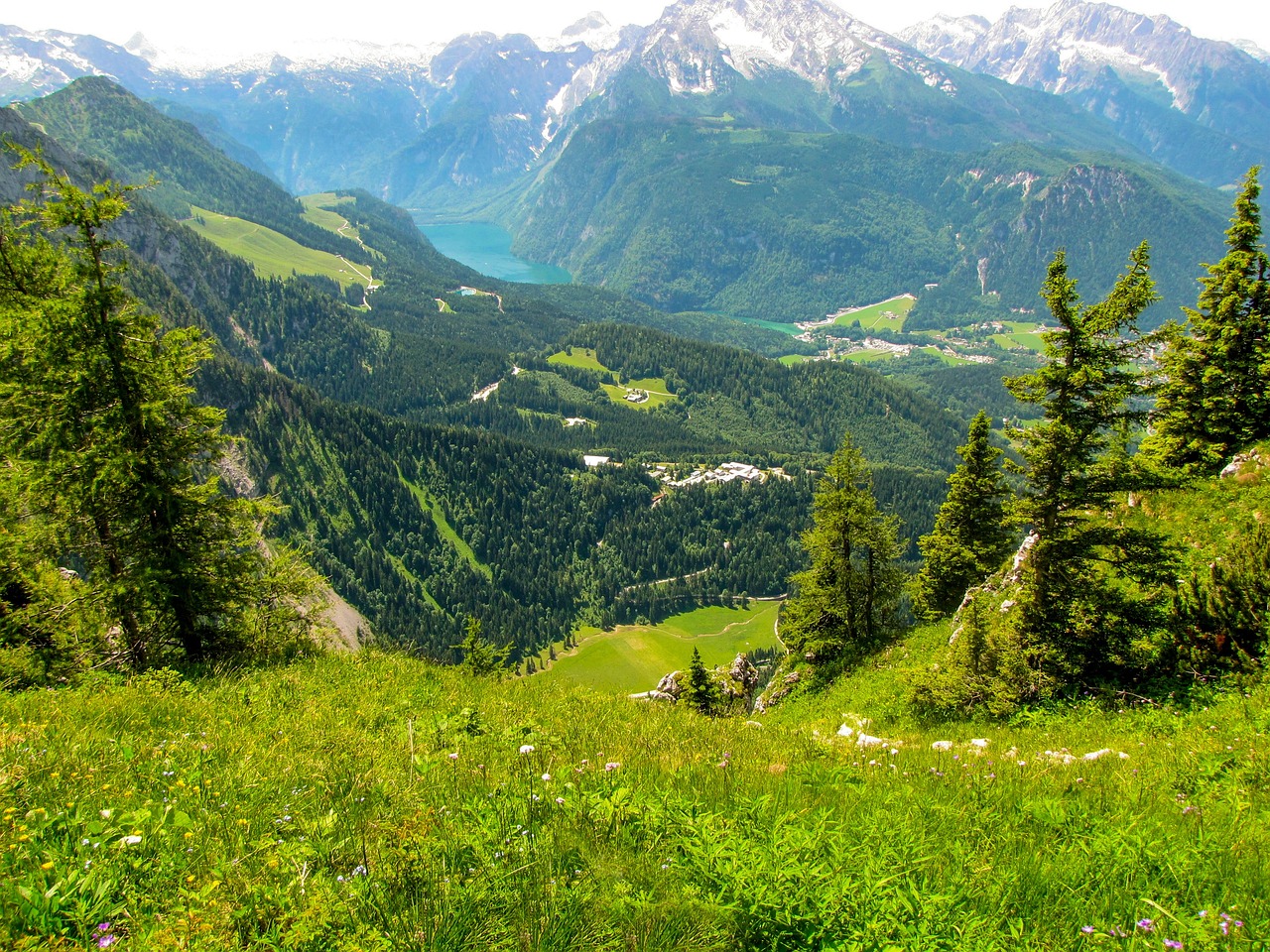
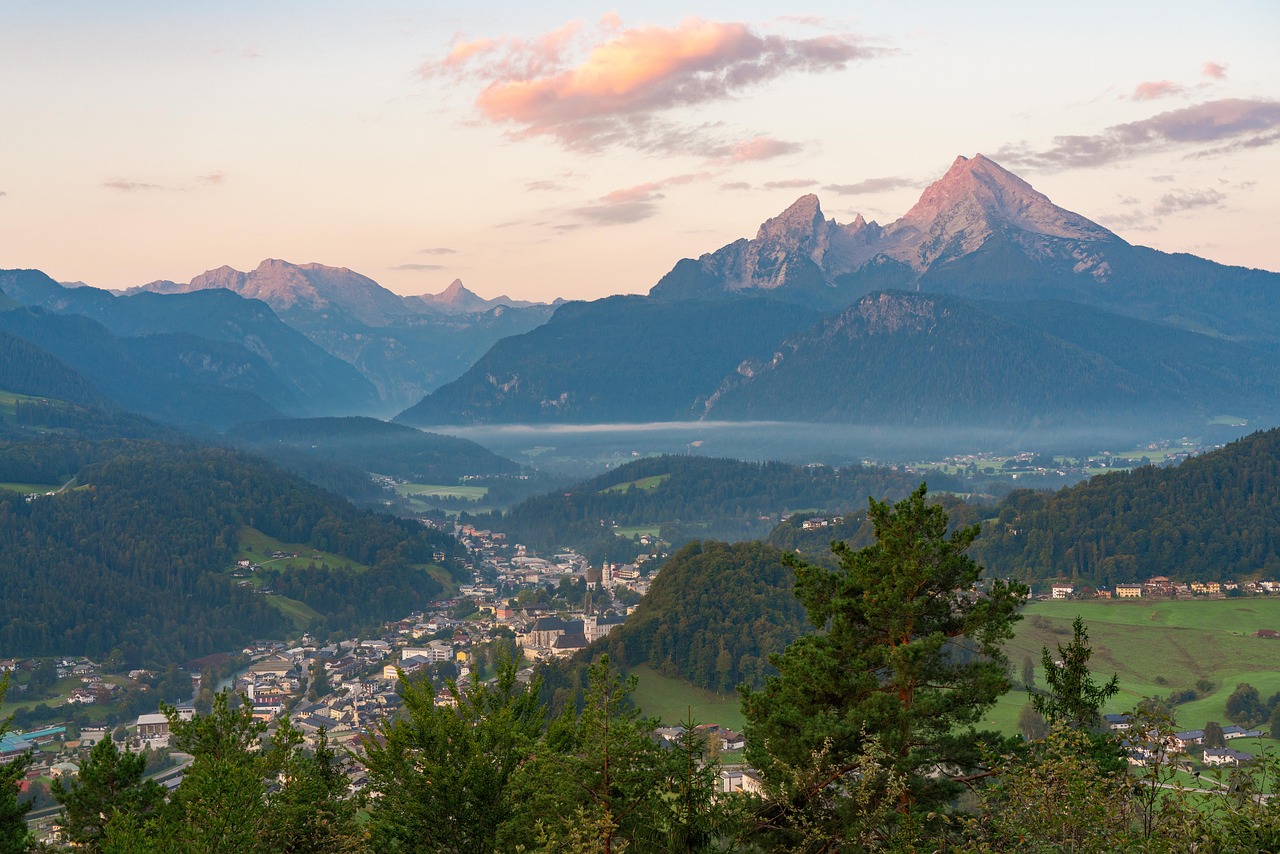
At the top, the building is surprisingly modest. One main octagonal room with a red marble fireplace (Mussolini’s gift), a restaurant, and the terrace that wraps around the outside. The terrace is the real draw. On clear days you can see the Grossglockner (Austria’s highest peak), the Dachstein glacier, parts of the Zugspitze range, and deep into the Salzburg Alps. Six countries are theoretically visible: Germany, Austria, Italy, Switzerland, Czech Republic, and Slovenia.
The history is what sets this apart from other Alpine viewpoints. The Obersalzberg wasn’t just Hitler’s retreat — it was the Nazi party’s second seat of government. Bormann requisitioned the entire mountainside in 1933, displacing local families and building a massive compound of chalets, barracks, bunkers, and the Kehlsteinhaus at the very top. The Allies bombed most of it in April 1945 and demolished what remained, but the Eagle’s Nest survived intact because it had no military value. It was always a prestige project, not a command center.
Today the building walks a careful line between historical preservation and not becoming a shrine. There are no Nazi symbols displayed, no memorabilia for sale. The Dokumentation Center below handles the education; the Kehlsteinhaus itself lets the architecture and the view speak.
Beyond Eagle’s Nest: Berchtesgadener Land
If you have more than a half-day, the region around Berchtesgaden is one of the most scenic corners of the Alps and deserves longer than most visitors give it.
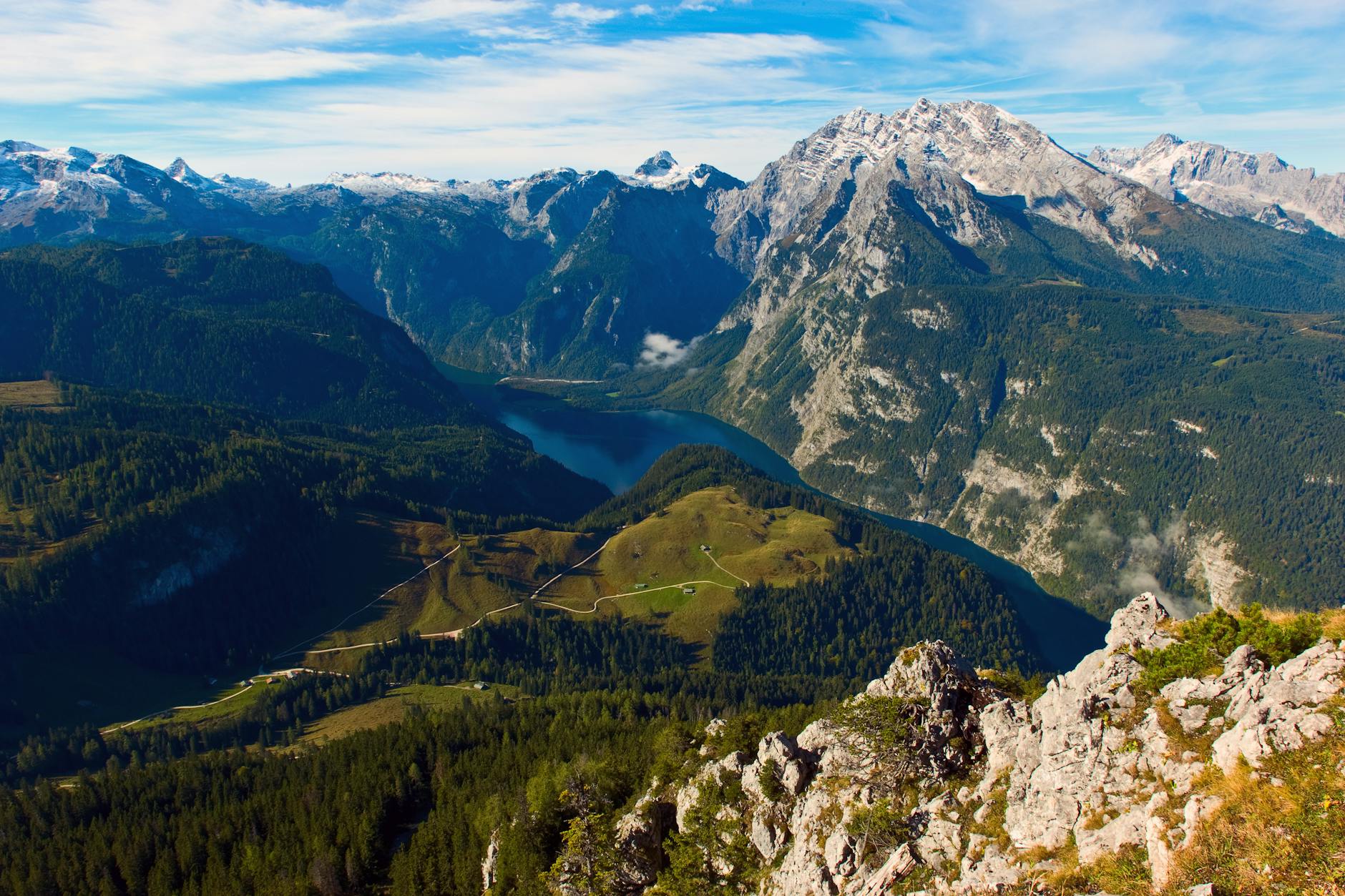
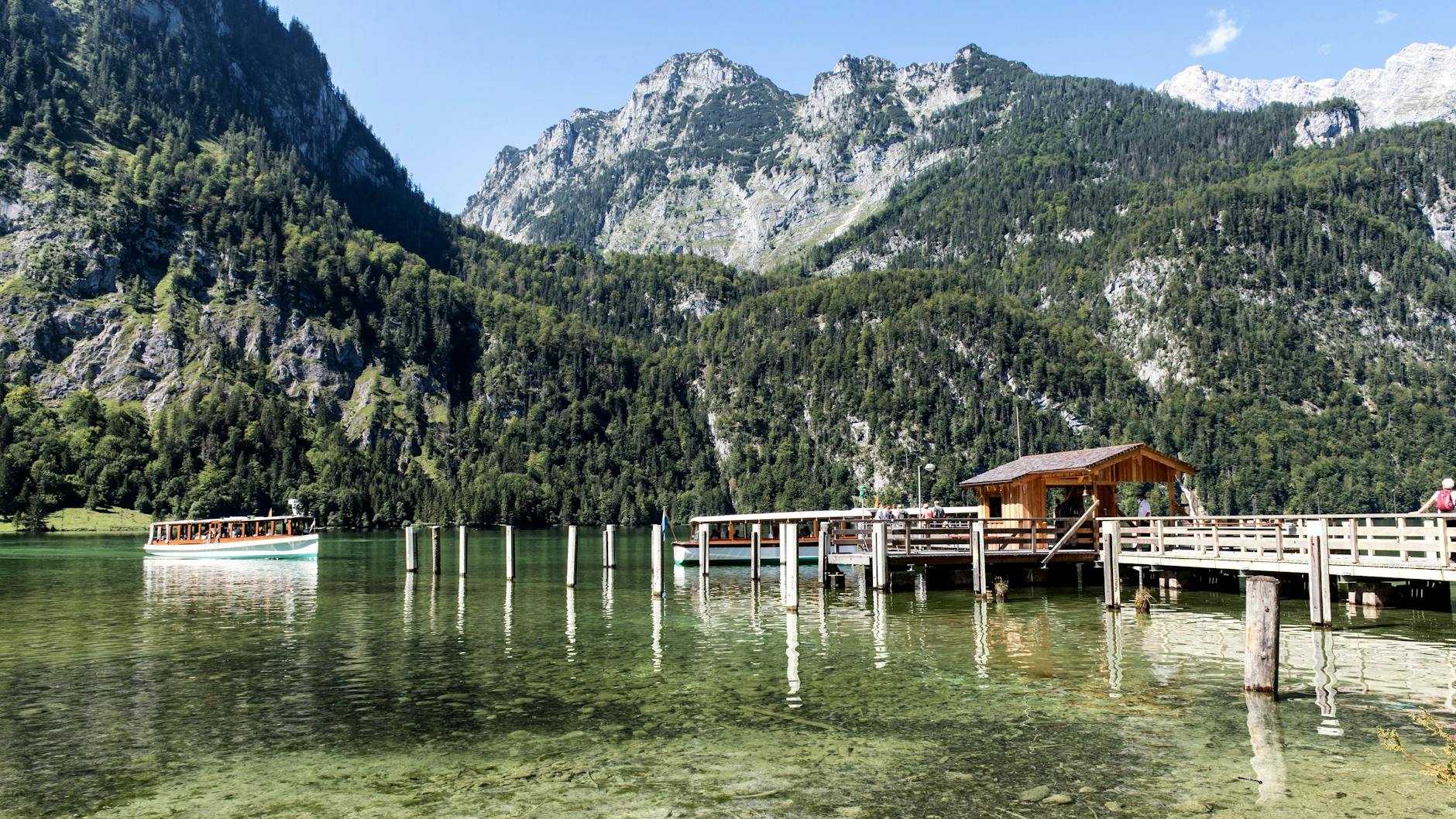
Konigssee is the obvious second stop — a fjord-like lake with electric boats that glide silently to the pilgrimage church of St. Bartholomew. The boat ride takes about 35 minutes each way and costs around EUR 20.50 for adults. The lake is impossibly green and the mountains drop straight into the water on both sides.
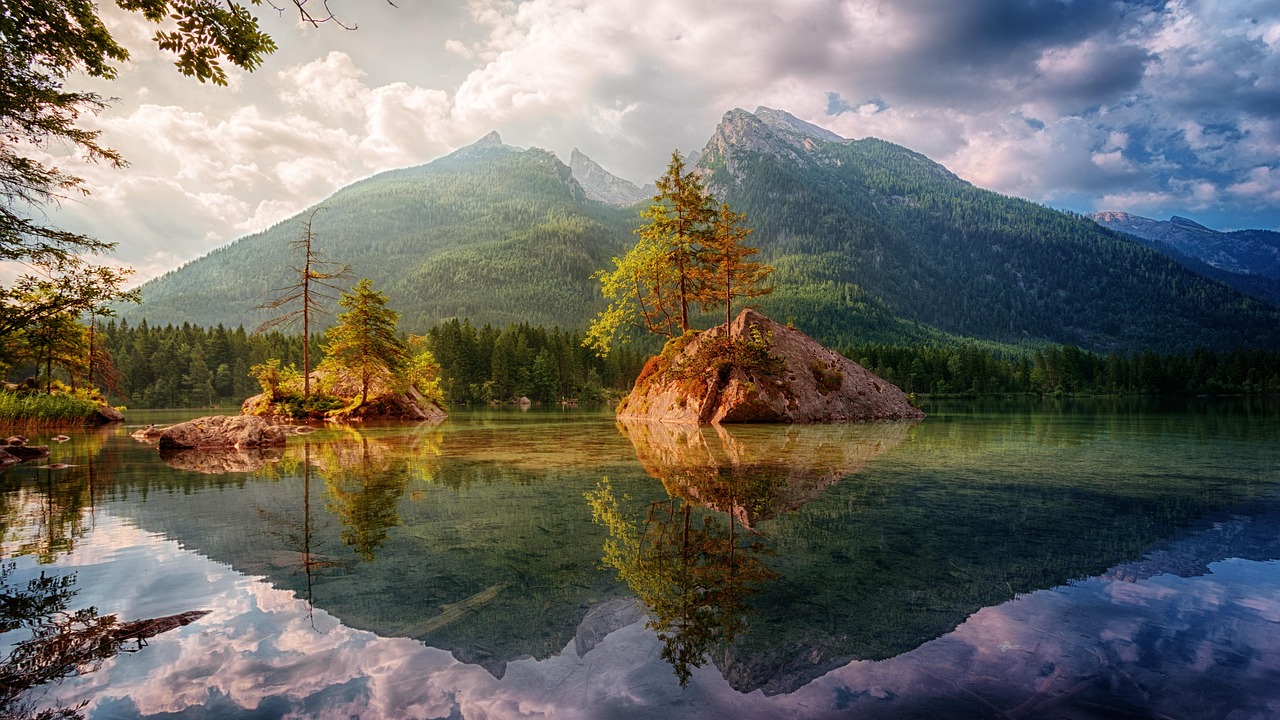
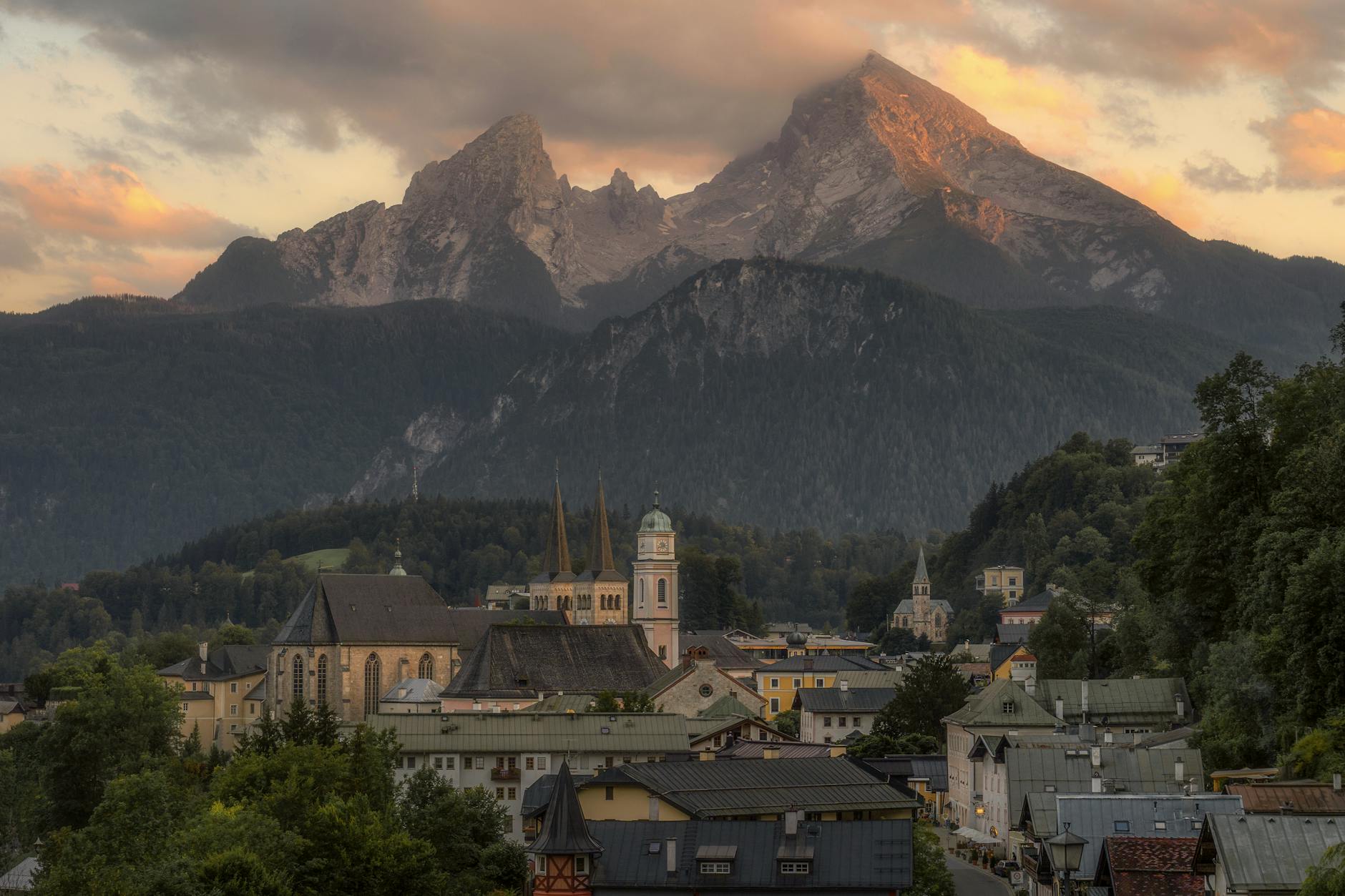
Ramsau and Hintersee are a photographer’s dream — the parish church of St. Sebastian with the river and mountains behind it is one of the most photographed scenes in Bavaria. Hintersee lake is smaller and quieter than Konigssee, with crystal-clear water and a loop trail around the shore.
The Berchtesgaden salt mines have been operating for over 500 years and offer underground tours with slides, a raft crossing on a subterranean lake, and enough spectacle to keep kids genuinely excited. Our guide to the Salzburg salt mines covers the booking details.
More Austria Guides
If you are spending a few days in Salzburg, the Eagle’s Nest pairs well with the Salzburg salt mines — you can do one in the morning and the other in the afternoon if you start early. The Sound of Music tour is the other classic Salzburg day trip, passing through some of the same Alpine scenery you will see on the drive to Berchtesgaden. Hallstatt is also reachable from Salzburg and offers a different kind of Alpine beauty — lakeside rather than summit.
If your Austria trip extends east to Vienna, there is enough to fill several days. Schonbrunn Palace and the Belvedere are the two essential palace visits, while the Hofburg and Sisi Museum and Spanish Riding School sit in the same city-center complex. A walking tour is the best starting point, the hop-on hop-off bus covers the wider landmarks, and classical concerts fill the evenings. A Danube cruise is a relaxed evening alternative, and a food tour through the Naschmarkt handles both lunch and culture.