
The iron gate still reads “Arbeit Macht Frei.” Beyond it lies one of the most important historical sites in the world — and one that demands more than a casual walk-through. Auschwitz-Birkenau is not a typical day trip. It’s a place where over 1.1 million people were murdered during the Holocaust, and visiting it properly requires preparation, respect, and ideally a guide who can help you understand what you’re actually seeing.
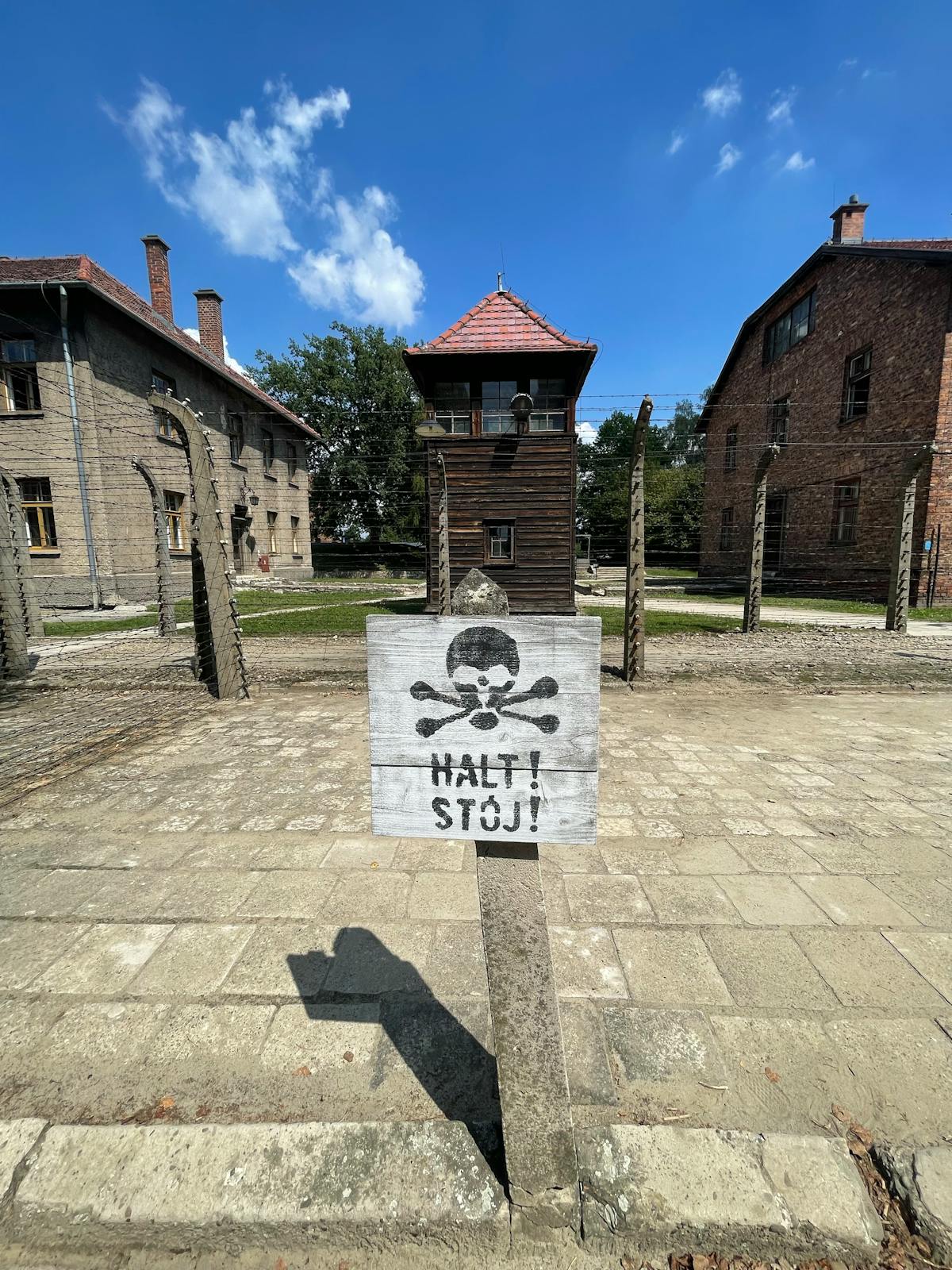
Most visitors arrive from Krakow, about 70 kilometers to the east. You can drive yourself, catch a public bus, or — what the vast majority of people do — book a guided tour with round-trip transport included. This guide covers all of those options, along with the tours that are actually worth booking and the practical details that will make the visit less stressful to organize.
One thing worth saying upfront: a guided tour is not optional here, it’s essential. Not because the museum requires it (though during peak months you do need a timed reservation), but because the site is enormous and the physical remains alone don’t tell you much without context. A good guide turns a confusing sprawl of brick buildings and empty fields into something you’ll carry with you for the rest of your life.
- Auschwitz-Birkenau Guided Tour & Hotel Pickup — From $21/person. Full-day with hotel pickup, licensed guide, both camps. The most popular option and hard to beat at this price.
- Auschwitz Guided Tour with Optional Hotel Pickup — From $69/person. Smaller group, more flexible timing. Good if you want a less crowded experience.
- Auschwitz-Birkenau & Salt Mine Combo — From $54/person. Covers both Auschwitz and the Wieliczka Salt Mine in one long day. Efficient if your time in Krakow is limited.
- What You Need to Know Before Going
- Getting There from Krakow
- When to Visit
- Best Auschwitz Tours from Krakow
- 1. Auschwitz-Birkenau Guided Tour & Hotel Pickup
- 2. Auschwitz Guided Tour with Optional Hotel Pickup
- 3. Auschwitz-Birkenau Guided Tour with Pickup & Lunch
- 4. Auschwitz-Birkenau and Wieliczka Salt Mine Combo
- 5. Auschwitz-Birkenau Guided Tour with Pickup
- What to Expect During the Visit
- Visiting on Your Own vs. with a Guide
- Practical Tips
- Where to Stay in Krakow
What You Need to Know Before Going
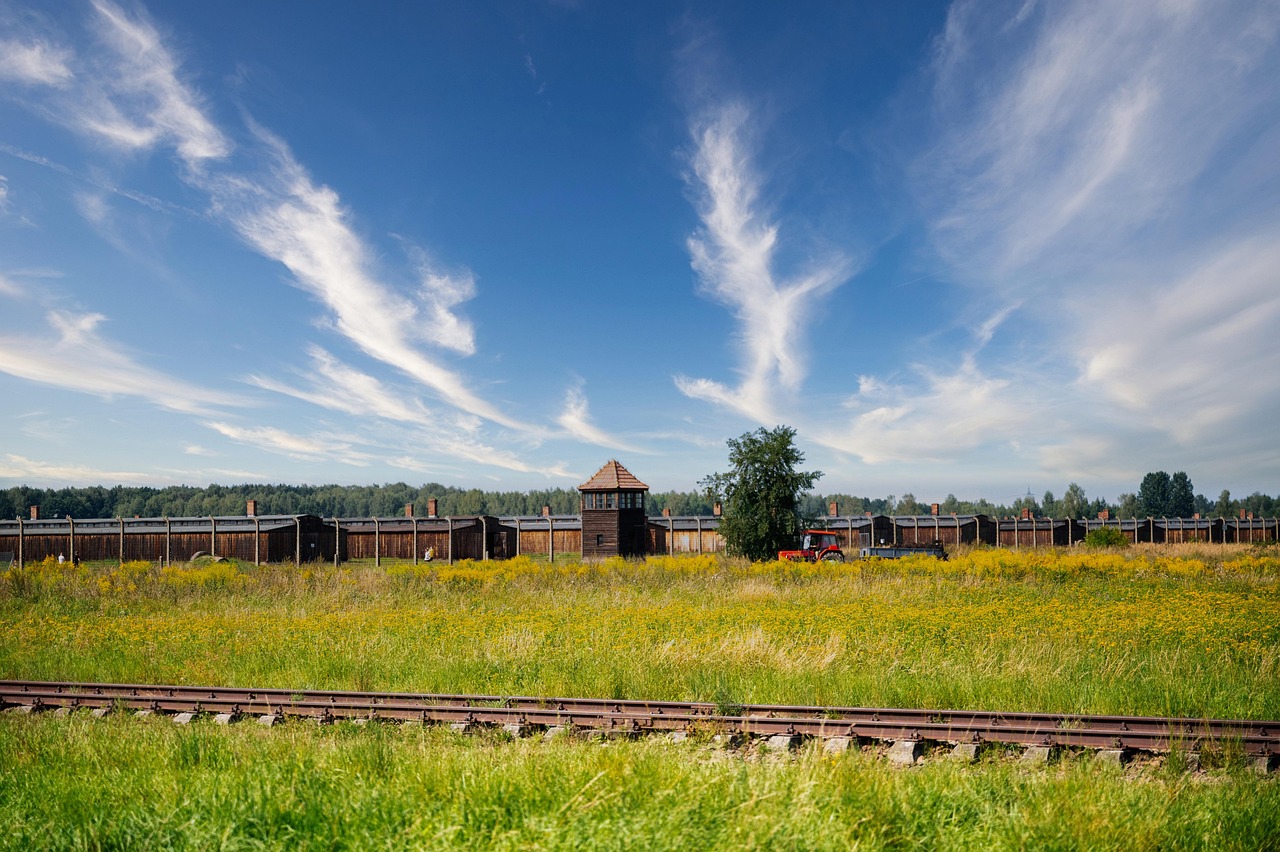
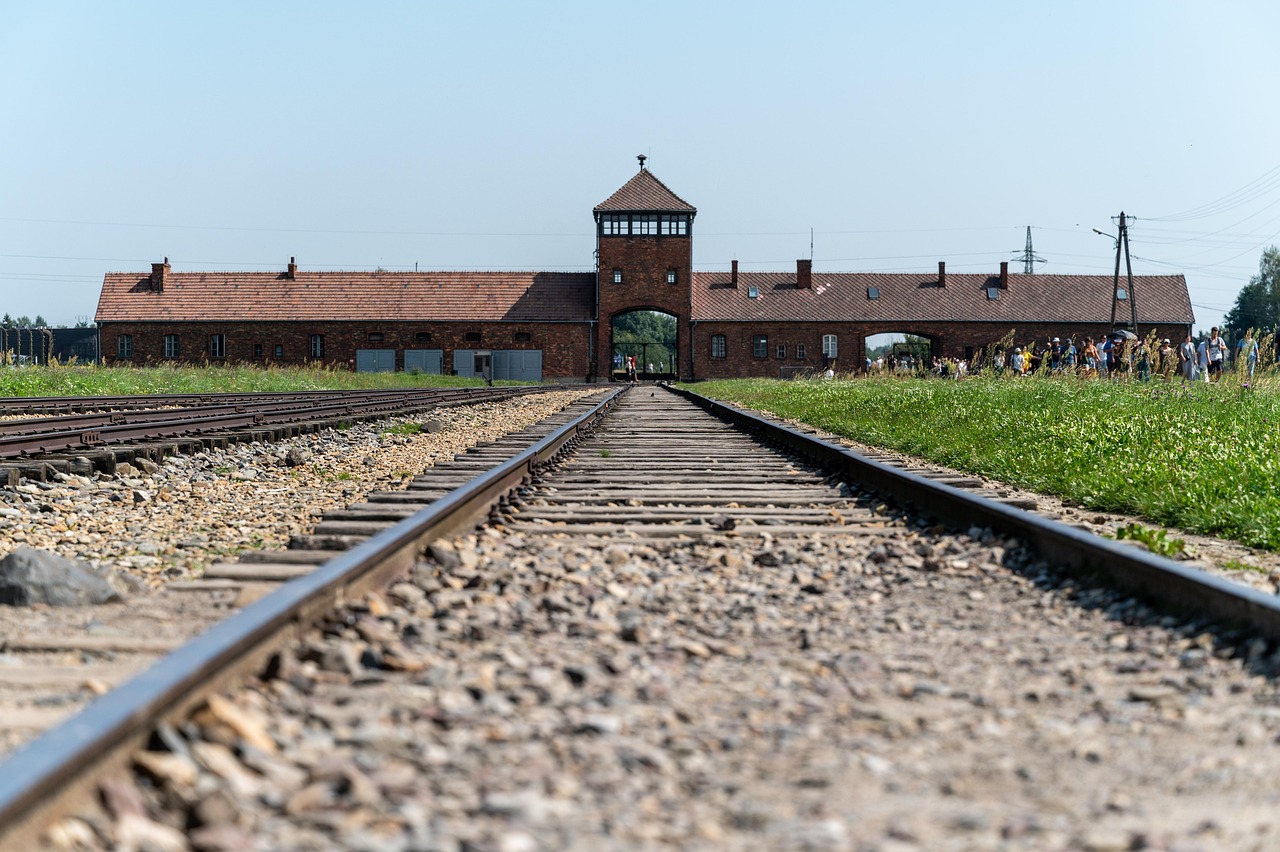
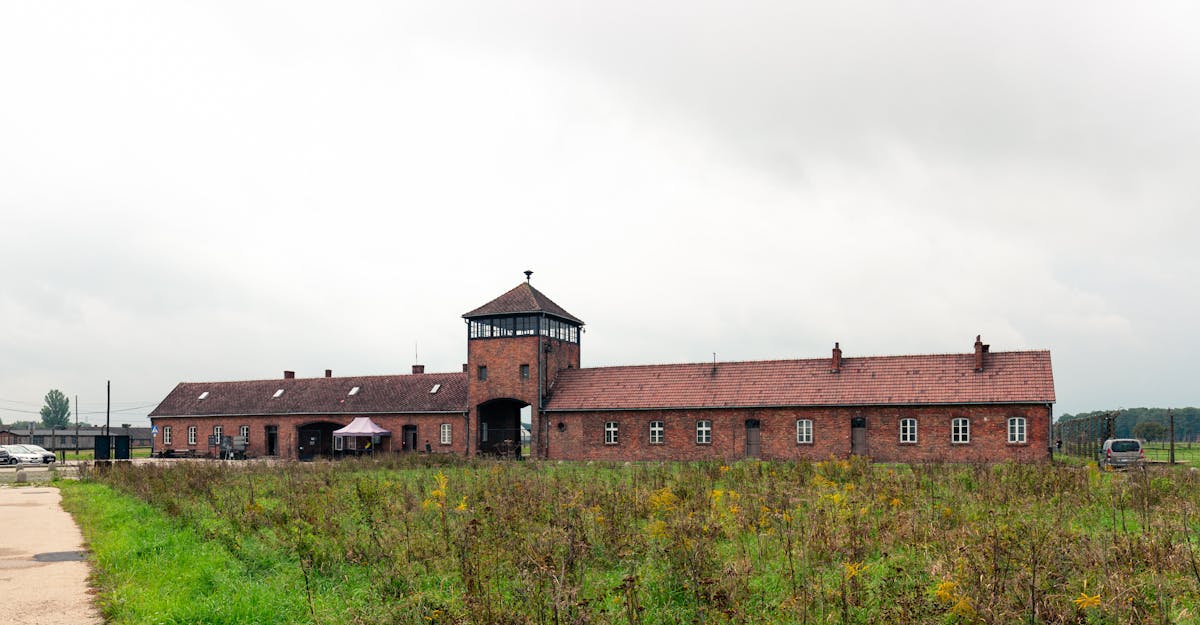
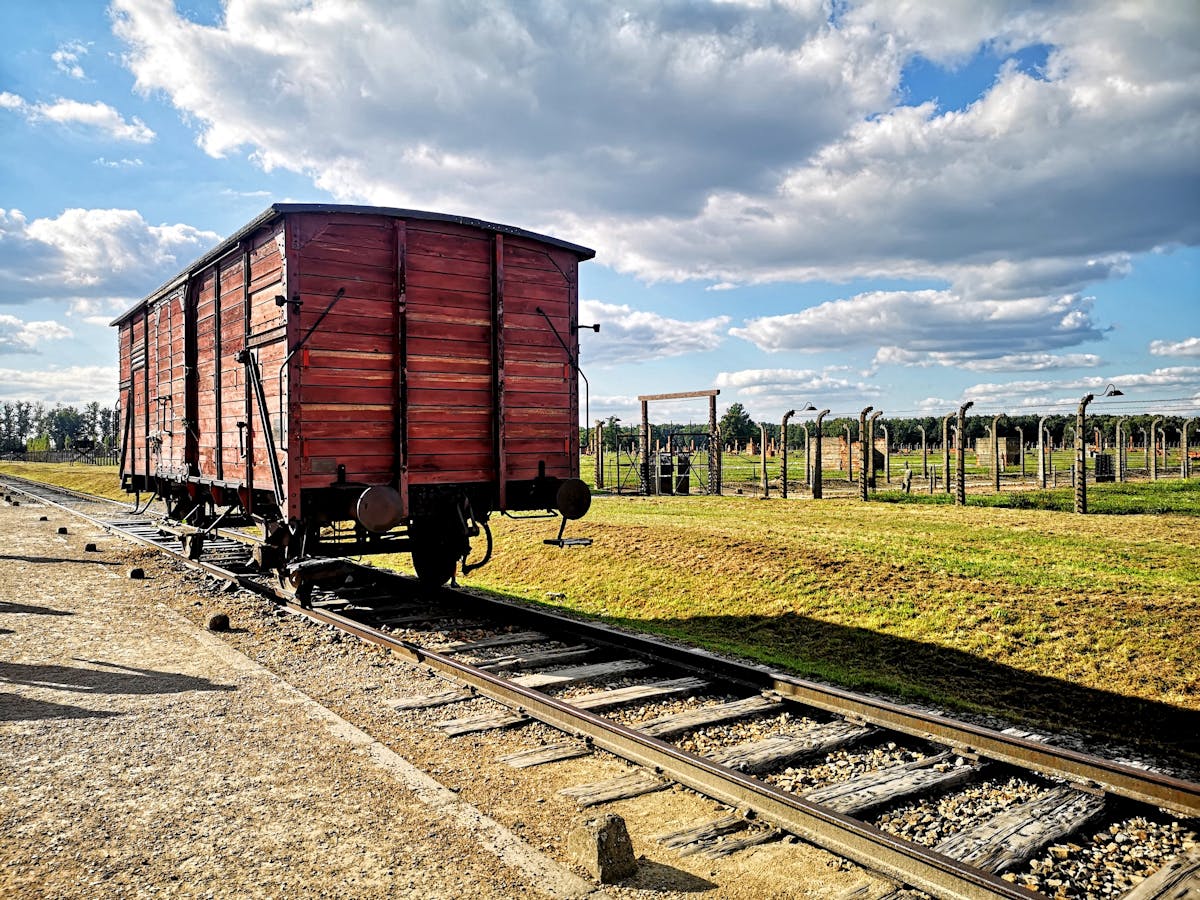
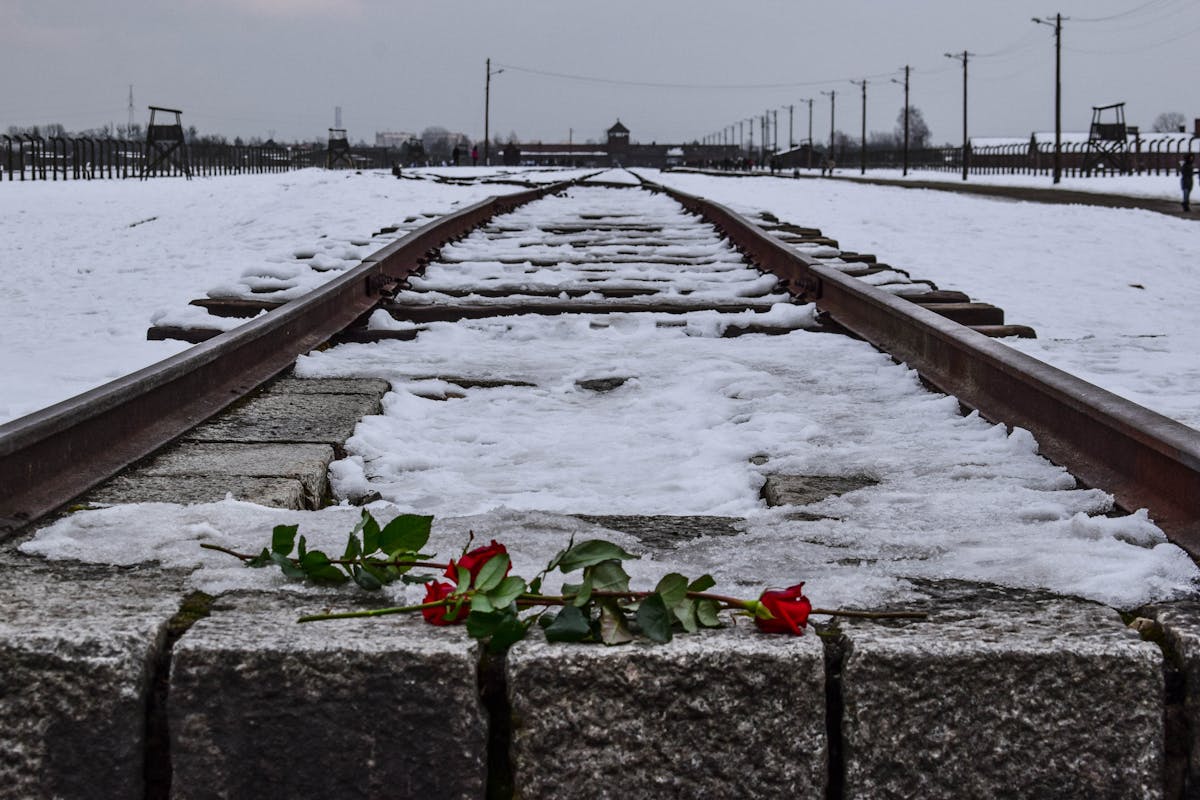
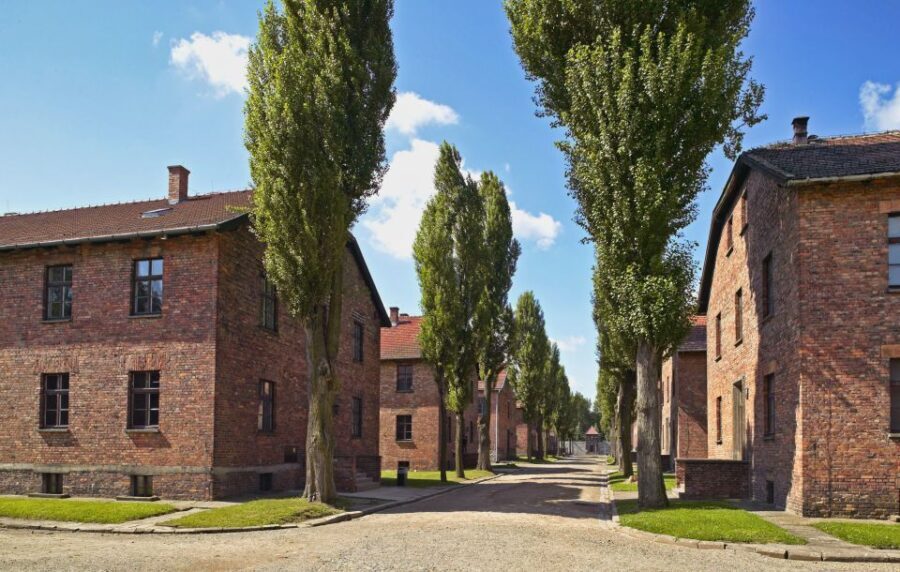
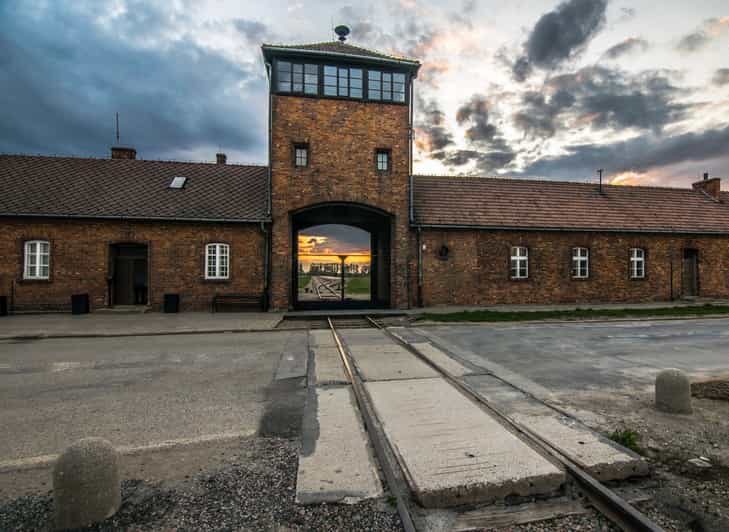
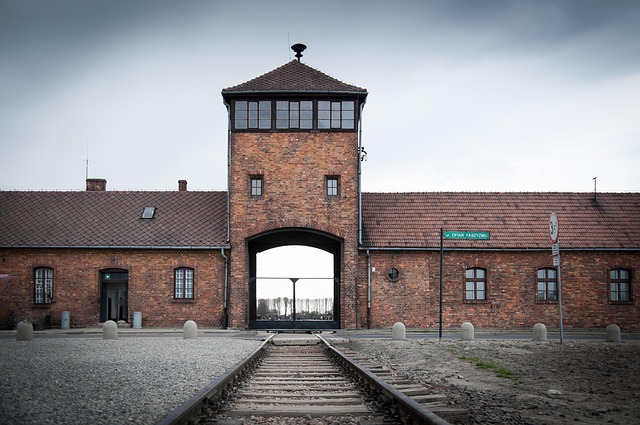
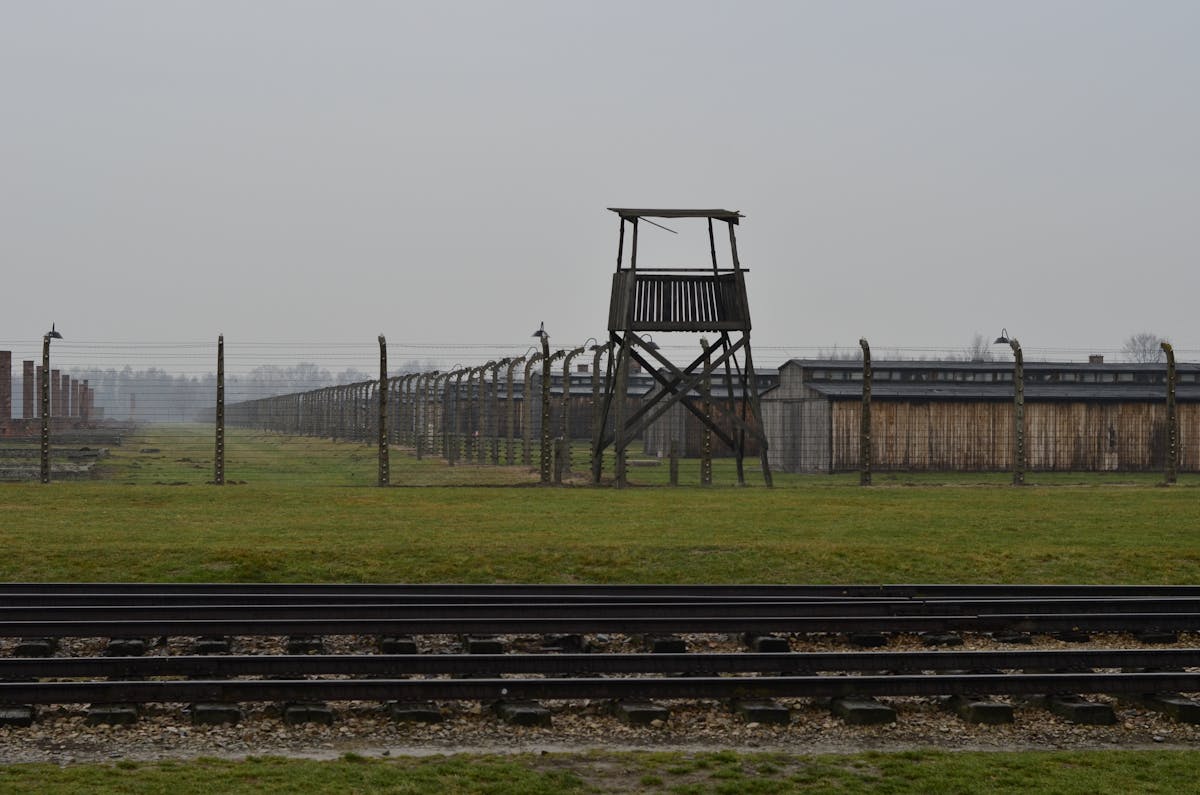
Auschwitz-Birkenau is actually two separate sites about 3 kilometers apart. Auschwitz I is the original camp — the brick buildings, the infamous gate, the gas chamber that still stands. Birkenau (Auschwitz II) is the far larger extermination camp with the railway tracks, the selection ramp, and the ruins of the gas chambers that the SS tried to destroy before the Soviet army arrived in January 1945.
A standard guided tour covers both sites. You’ll spend roughly 2 hours at Auschwitz I walking through the exhibition blocks, then take a short shuttle bus to Birkenau where you’ll spend another 1-1.5 hours. The entire experience takes 3.5-4 hours of actual site time, plus travel from Krakow.
Some practical things that catch people off guard:
– Bags larger than 30x20x10 cm are not allowed inside. Leave large backpacks at your hotel or use the on-site luggage storage (free but sometimes has a queue).
– There’s no dress code per se, but shorts and flip-flops feel wrong here. Wear comfortable walking shoes — you’ll cover 4-5 km on foot.
– Photography is allowed in most areas, but not with flash, selfie sticks, or in certain exhibition rooms. Your guide will tell you where.
– The on-site cafeteria is basic. Most guided tours from Krakow include a lunch stop on the way back, or you can bring a sandwich.
Getting There from Krakow
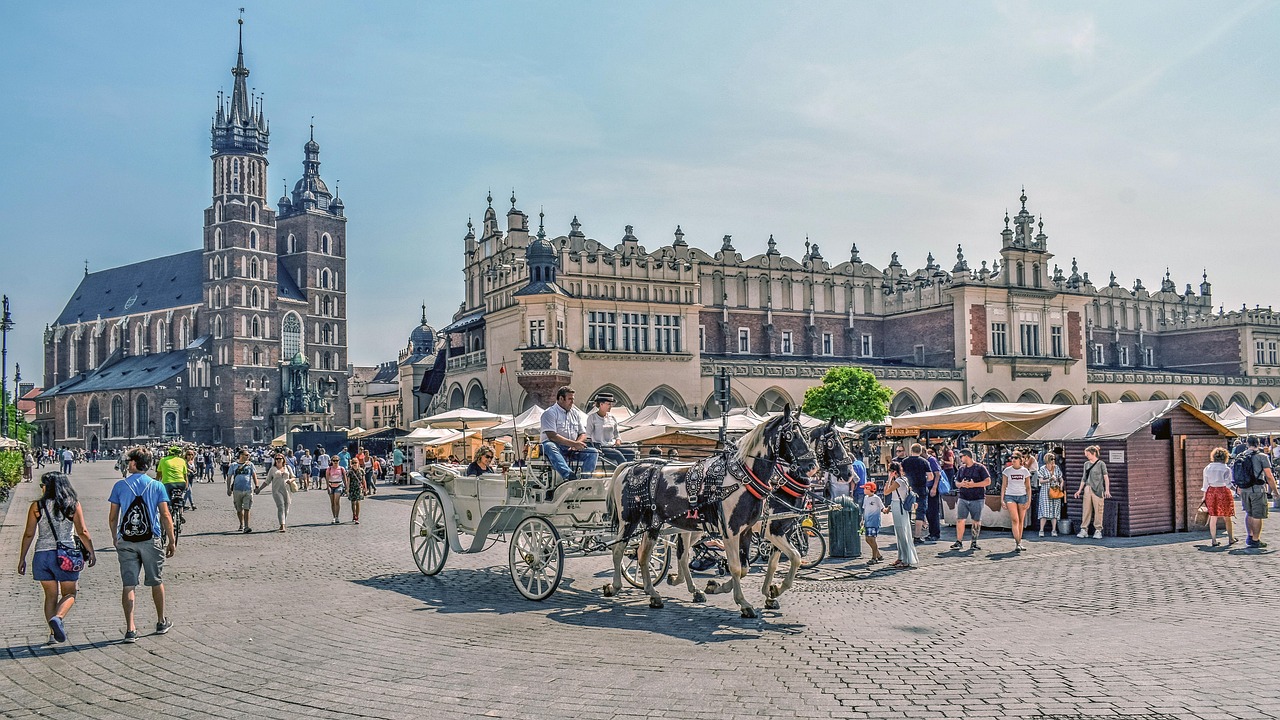
By guided tour (recommended): The vast majority of visitors book a package that includes pickup from their Krakow hotel or a central meeting point, air-conditioned transport, a licensed museum guide, entry tickets, and drop-off back in Krakow. These run daily and typically cost between $21 and $70 per person depending on group size. The drive takes about 1 hour 15 minutes each way.
By public bus: Lajkonik buses run from Krakow’s main bus station (Dworzec MDA) to Oswiecim roughly every hour. The journey takes about 1.5 hours and costs around 15 PLN one way. From Oswiecim bus station, it’s a 20-minute walk or short local bus to the museum entrance. This is cheaper but you’ll need to arrange your own timed entry ticket through the museum’s official website.
By car: The drive takes about 1 hour via the A4 motorway and then Route 44. Parking at the museum costs 10 PLN. Same rule applies — you’ll need to book your own timed entry ticket in advance, especially during summer when slots fill up weeks ahead.
By train: Possible but not great. Trains from Krakow Glowny to Oswiecim take 1.5-2 hours with a change at Trzebinia. The train station in Oswiecim is about 2 km from the museum. Most people find the bus faster and more direct.
When to Visit
The museum is open year-round except January 1, December 25, and Easter Sunday. Hours vary by season — from 7:30 AM to as late as 7 PM in summer, closing as early as 2 PM in December.
Summer (June through August) is the busiest period. The grounds can feel uncomfortably crowded, with large tour groups queuing at every exhibition block. If you visit during this time, book a morning tour (7:30 or 8:00 AM start) to beat the worst of it.
Spring and autumn are the sweet spot. April-May and September-October bring manageable crowds, decent weather, and the full emotional weight of the place without feeling like you’re in a theme park queue.
Winter visits are underrated. Yes, it’s cold — often below freezing — but the empty fields of Birkenau in snow have a desolation that hits differently. Bring layers and warm boots.
Best Auschwitz Tours from Krakow
Here are the guided tours we recommend, ranked by overall value and traveler satisfaction.
1. Auschwitz-Birkenau Guided Tour & Hotel Pickup
From $21/person | 7-10 hours | Hotel pickup included
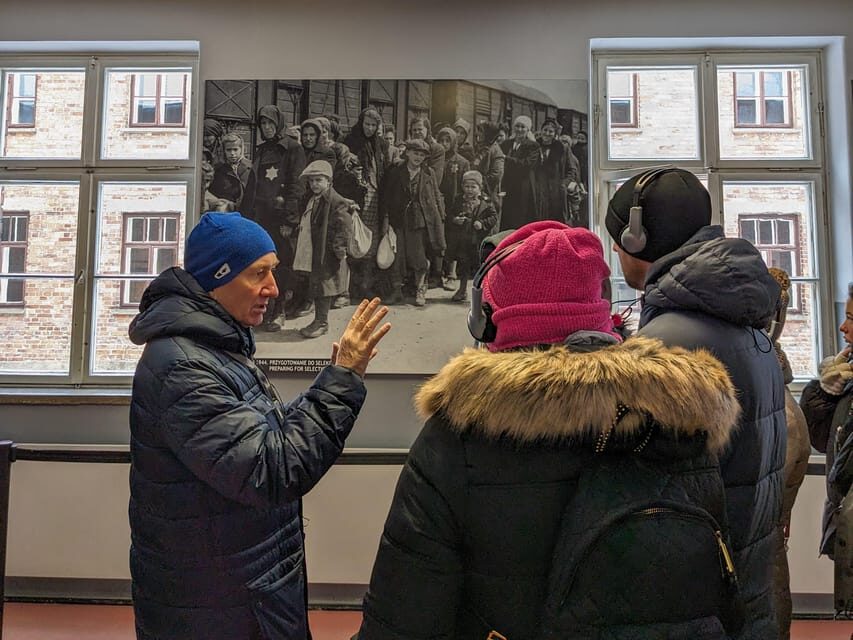
This is the tour that tens of thousands of visitors book, and the price is remarkably low for what you get. Hotel pickup in Krakow, air-conditioned transport, skip-the-line entry, a licensed English-speaking guide for both Auschwitz I and Birkenau, and return transport. The 7-10 hour window includes travel time; you’ll spend roughly 3.5-4 hours at the memorial itself.
The guides are licensed by the Auschwitz-Birkenau Museum, which means they’ve passed a rigorous certification. This isn’t someone reading from a script — these are specialists who know the history deeply and present it with the gravity it deserves.
2. Auschwitz Guided Tour with Optional Hotel Pickup
From $69/person | 3.5-7 hours | Optional hotel pickup
If you’re willing to pay more for a smaller group or more flexible timing, this is worth considering. The higher price gets you a less crowded experience — which, at a place like Auschwitz, genuinely matters. Standing in a gas chamber with 40 other people feels very different than standing there with 15.
The tour covers the same ground as the budget option: both camps, licensed guide, transport. The main difference is group size and the option to choose your departure time rather than being locked into an early morning slot.
3. Auschwitz-Birkenau Guided Tour with Pickup & Lunch
From $21/person | 7-10 hours | Hotel pickup + lunch
Same price as the top pick but with lunch included — typically a hot meal at a restaurant between the memorial visit and the drive back to Krakow. This is a small detail that makes a real difference. After 3-4 hours walking through Auschwitz, you’ll be emotionally and physically drained. Sitting down for a proper meal before the drive back is genuinely welcome.
Everything else is identical: licensed guide, both camps, hotel pickup and drop-off. If two tours cost the same and one feeds you, the choice is obvious.
4. Auschwitz-Birkenau and Wieliczka Salt Mine Combo
From $54/person | 11 hours | Hotel pickup included
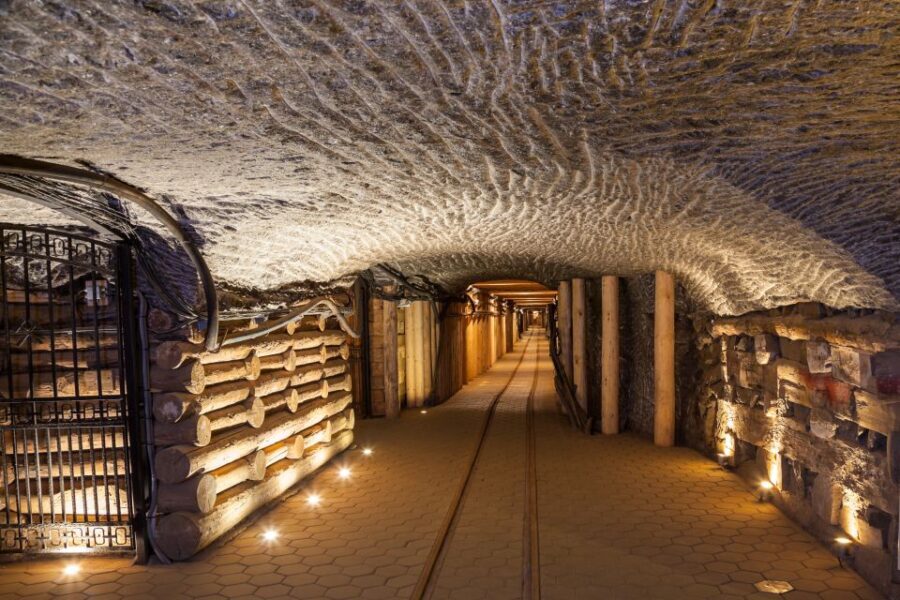
This is the marathon option. You’ll visit Auschwitz-Birkenau in the morning, then head to the Wieliczka Salt Mine in the afternoon. It’s a long day — 11 hours from pickup to drop-off — but if you only have two or three days in Krakow, it lets you check off both major excursions in one go.
Fair warning: the emotional whiplash is real. Going from the horrors of Auschwitz to the underground chapels and salt sculptures of Wieliczka in the same day is jarring. Some people prefer to spread these across two days. But if time is tight, this tour is well-organized and the guides for both sites are excellent.
5. Auschwitz-Birkenau Guided Tour with Pickup
From $21/person | 7-10 hours | Hotel pickup included
Very similar to the first tour on this list — same price, same duration, same inclusions. The difference comes down to specific operator and exact pickup logistics. Both are solid. If the top pick is sold out for your date, this is functionally the same experience.
What to Expect During the Visit
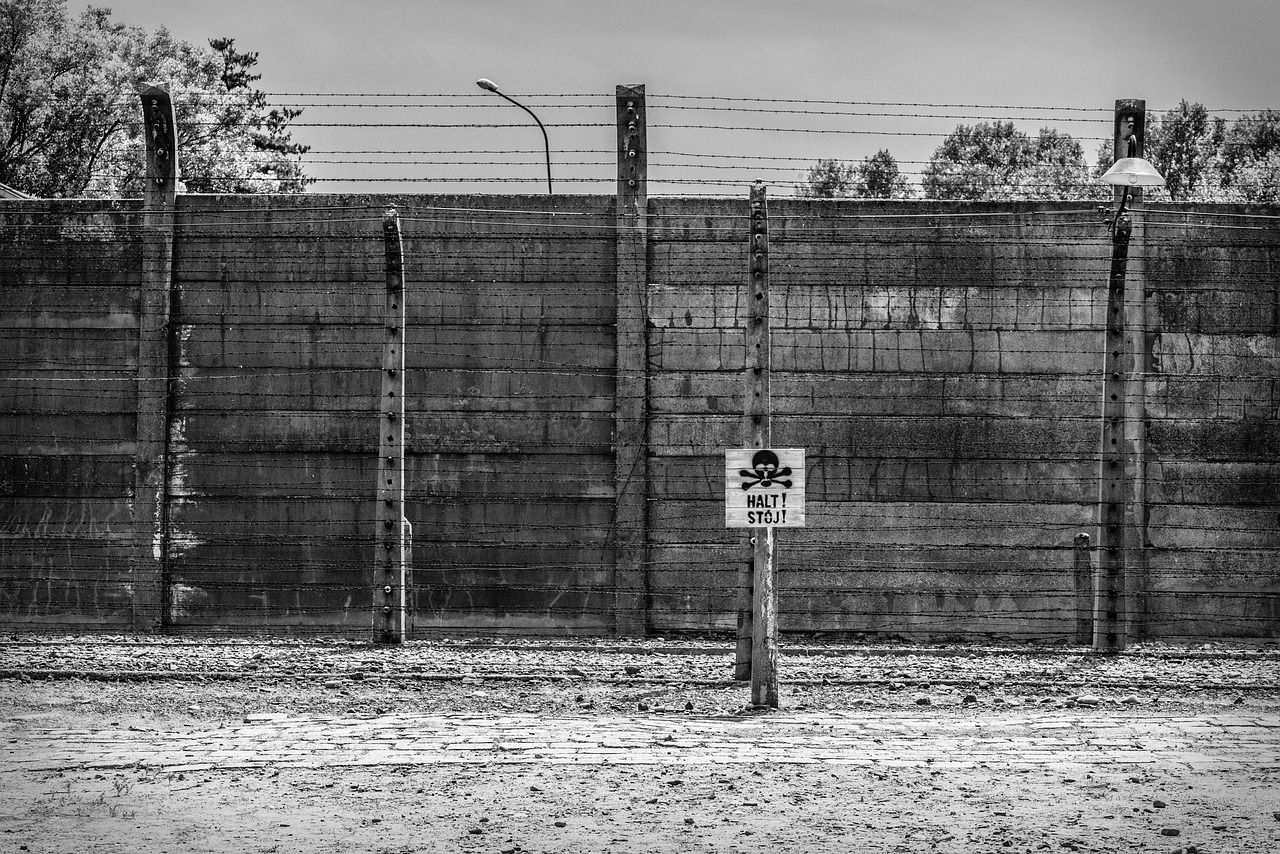
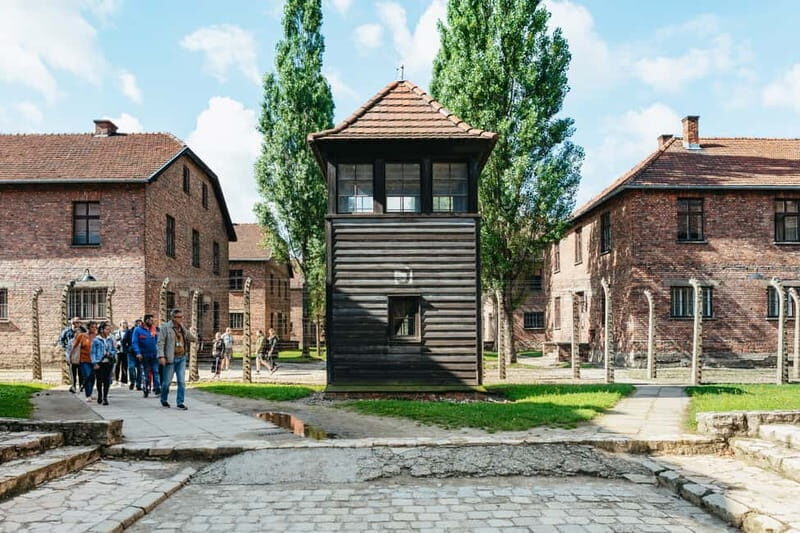
At Auschwitz I, you’ll walk through the original camp compound. The brick barracks have been converted into exhibition spaces. Some rooms contain personal belongings confiscated from prisoners — suitcases with names and addresses written on them, children’s shoes, human hair. These rooms are difficult to look at and impossible to forget.
Block 11 was the camp’s internal prison — prisoners who broke rules were tortured and executed here. The courtyard between Blocks 10 and 11 is where the SS carried out mass shootings against the “Death Wall.” Your guide will explain what happened in each space.
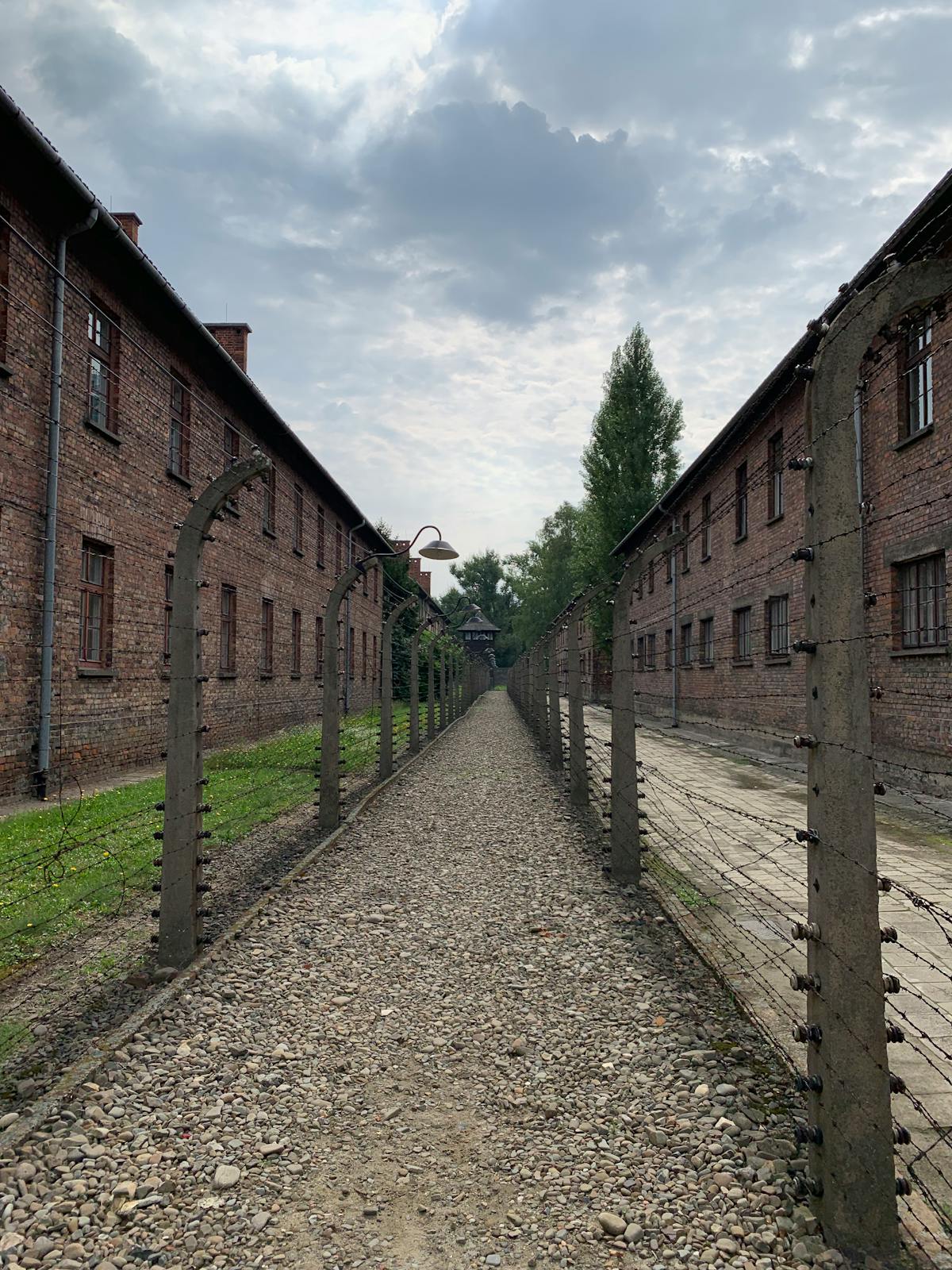
You’ll also enter Gas Chamber I — the only gas chamber at Auschwitz that the SS didn’t destroy. Walking through it is one of the most confronting moments of the visit. The room is dark, the ceiling is low, and the scratch marks on the walls are exactly what you think they are.
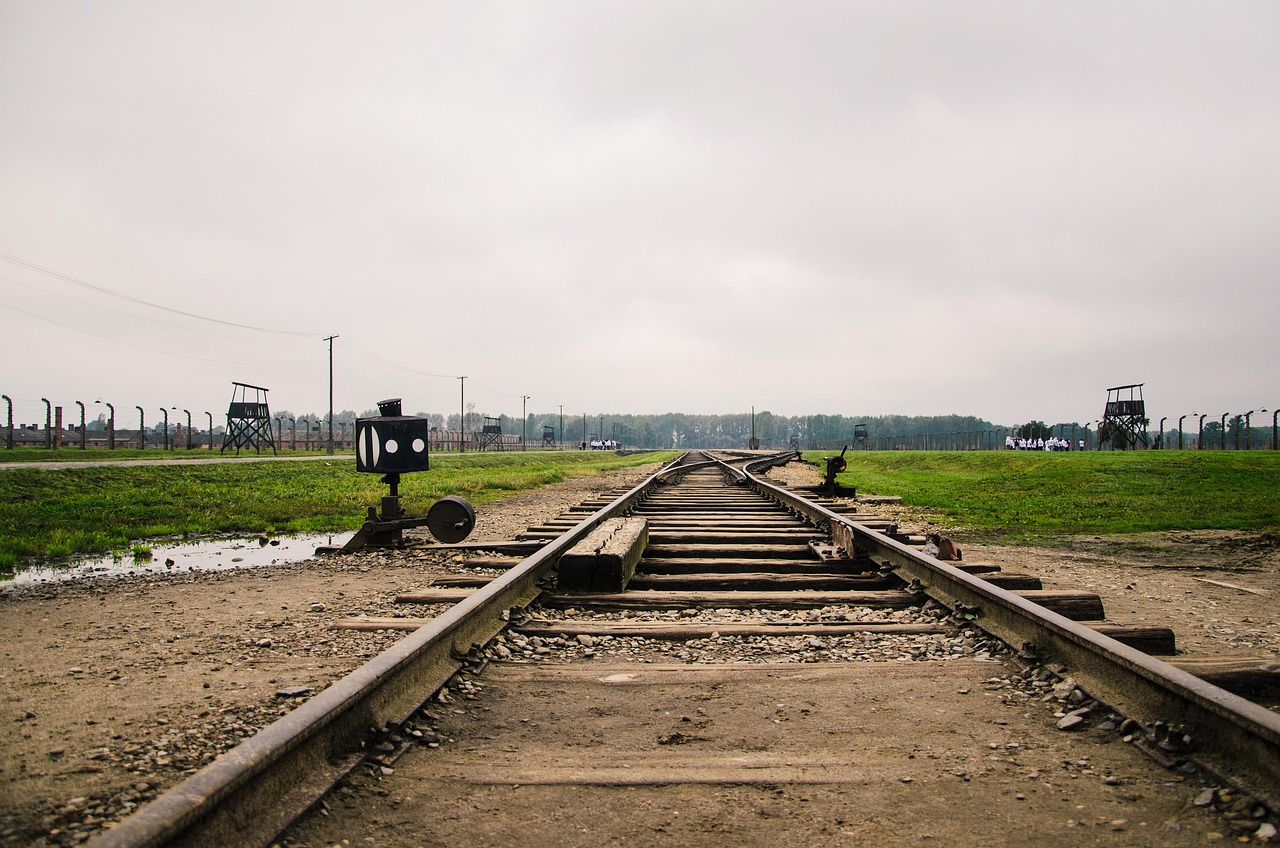
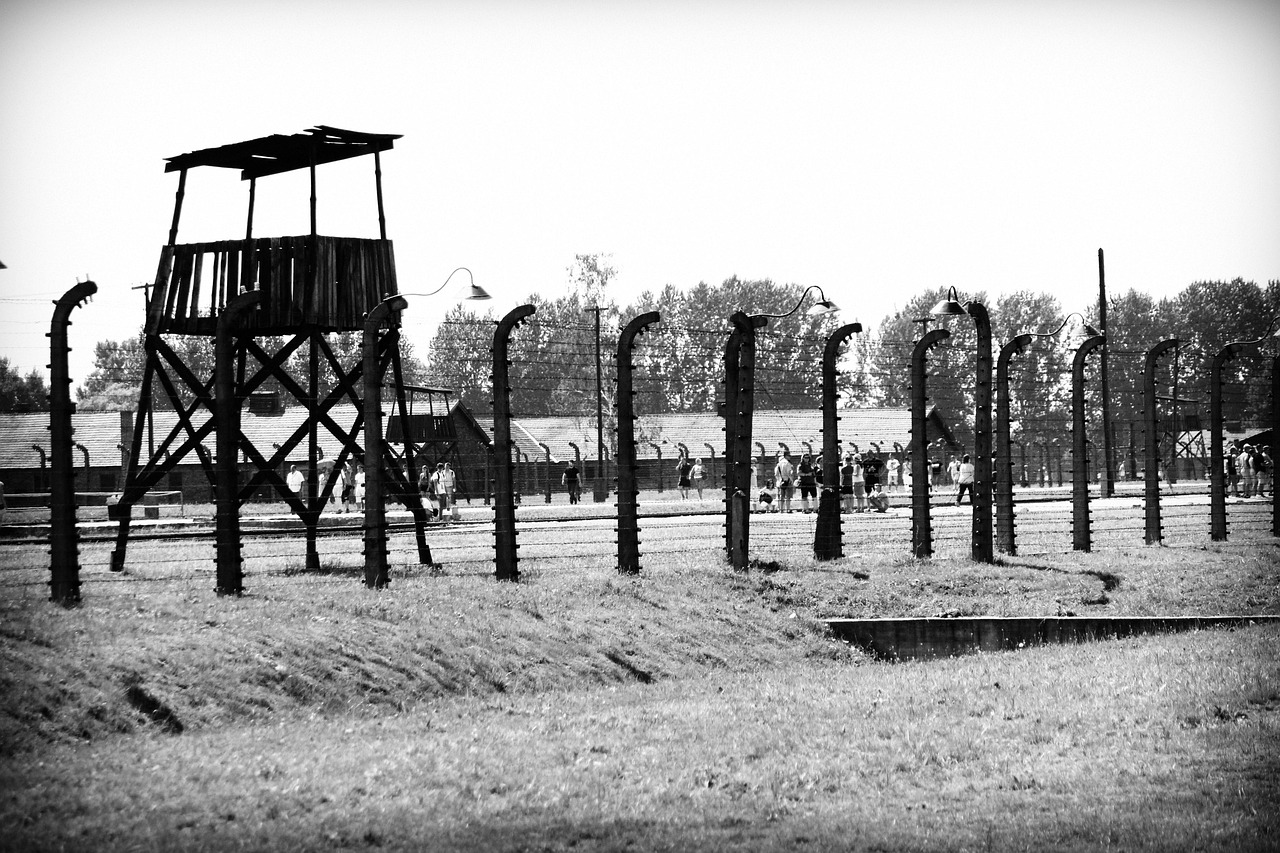
At Birkenau, the scale shifts. This was a purpose-built extermination camp stretching across a vast area. The railway tracks run straight through the entrance tower to the selection platform where SS doctors decided who would live and who would die within minutes of arrival. The ruins of the four gas chamber/crematorium complexes are at the far end of the tracks.
Visiting on Your Own vs. with a Guide
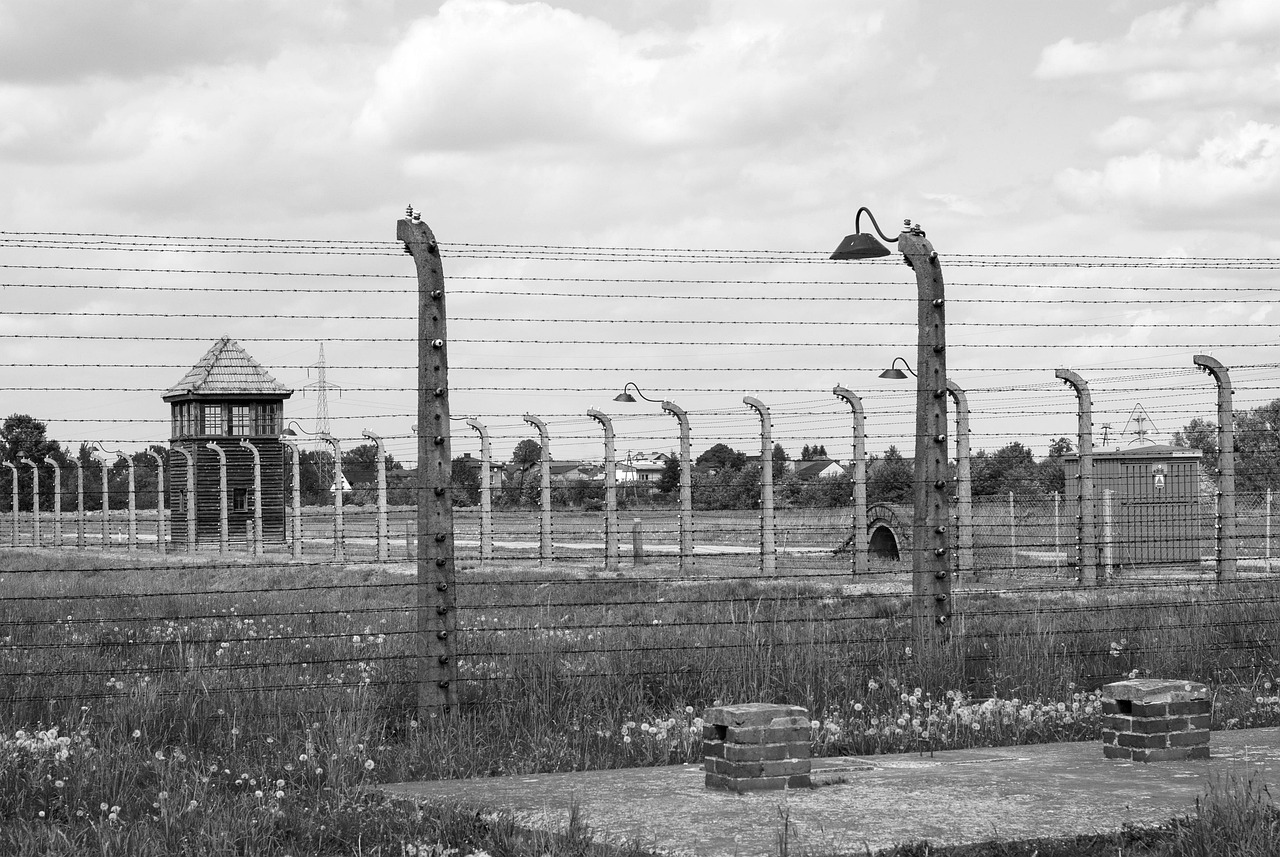
You can visit without a guide during certain hours (typically early morning and late afternoon), and admission to the grounds is free. But here’s the thing: without a guide, you’re essentially walking through buildings and fields with minimal signage. The exhibitions in Auschwitz I help, but Birkenau in particular is almost incomprehensible without someone explaining what each ruin was.
The guided tours are not optional extras or tourist fluff. They’re the difference between understanding what happened here and just taking photos of buildings. The guides — all licensed by the museum — are historians who can answer questions about specific blocks, specific transports, specific individuals. They’ve spent years studying this place.
If you absolutely want to go independently, book your free timed ticket through the official museum website (visit.auschwitz.org) well in advance. Summer slots book out 2-3 weeks ahead. But genuinely, spend the $21 and join a guided tour. You won’t regret it.
Practical Tips
Book early in peak season. July and August tours sell out days or even weeks ahead. If you’re visiting in summer, book your tour before you arrive in Krakow.
Wear layers. Even in summer, some of the underground exhibitions and the gas chamber are cold. In winter, the wind at Birkenau cuts right through you.
Bring water but eat before you go. There’s a small cafe at the visitor center, but options are limited. Most guided tours include a lunch stop on the return drive.
Leave yourself time to process. Don’t schedule anything demanding for the evening after your visit. Many visitors return to Krakow feeling quiet and heavy. A walk through Kazimierz, Krakow’s historic Jewish quarter, can be a meaningful way to reflect.
Children under 14. The museum recommends that children under 14 do not visit. It’s not a strict rule, but the exhibitions include graphic images and deeply disturbing artifacts. Use your judgment, but this isn’t a place for young kids.
Where to Stay in Krakow
Most Auschwitz tours offer hotel pickup anywhere in central Krakow, so your exact location doesn’t matter much. That said, staying in or near the Old Town puts you close to the main meeting points and makes early morning pickups easier.
If you’re spending multiple days in Krakow (and you should — it’s one of Europe’s most rewarding cities), the Kazimierz neighborhood is a great base. It’s the old Jewish quarter, now full of restaurants, bars, and galleries, and it adds meaningful context to your Auschwitz visit. The area around Schindler’s Factory museum in the Podgorze district is another good option — quieter, more local, and historically significant.
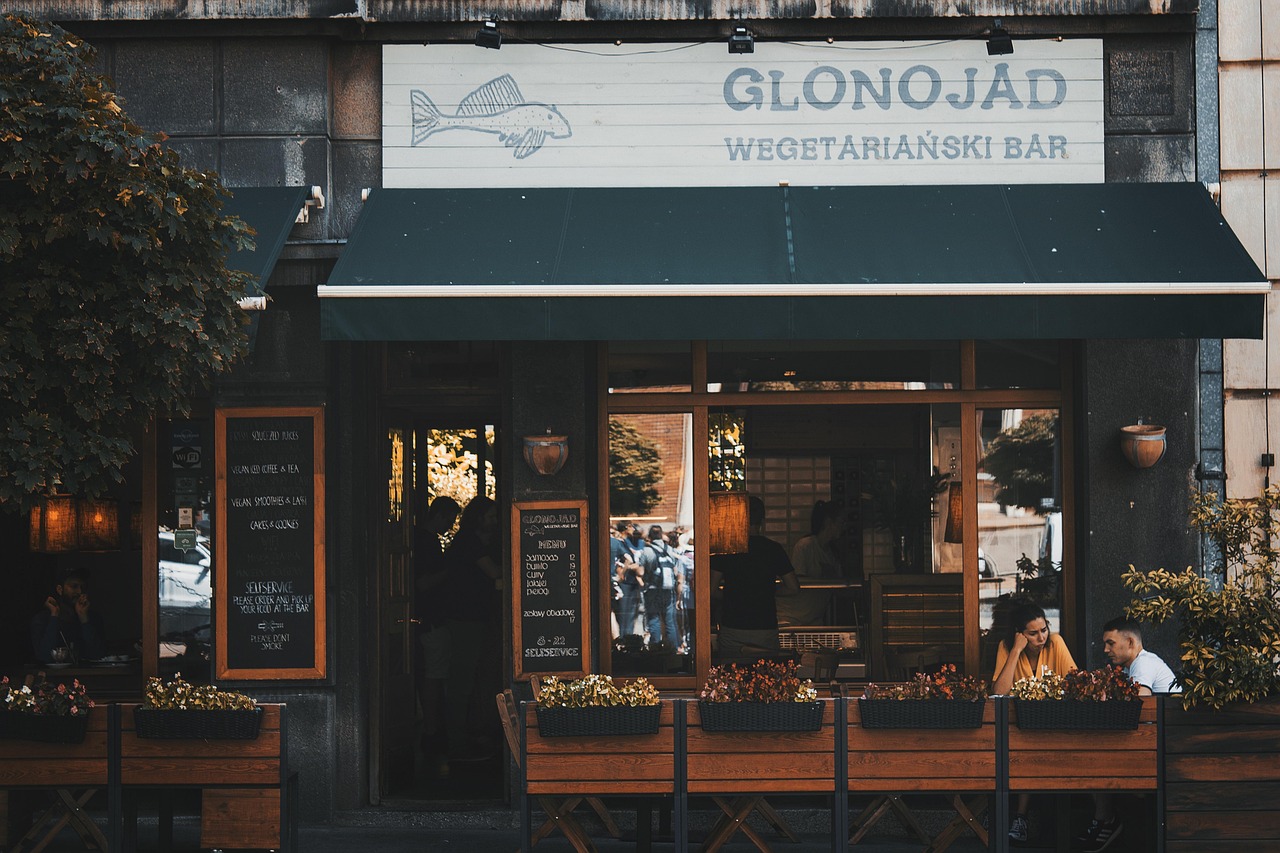
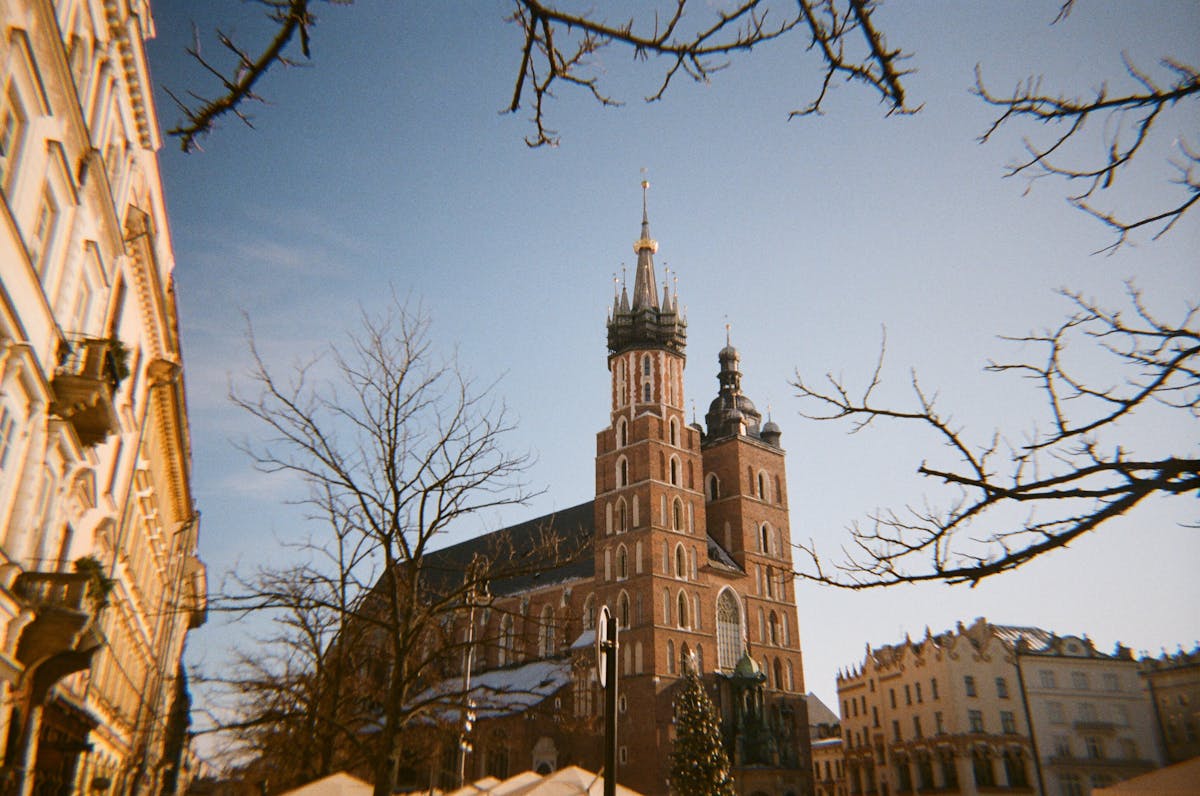
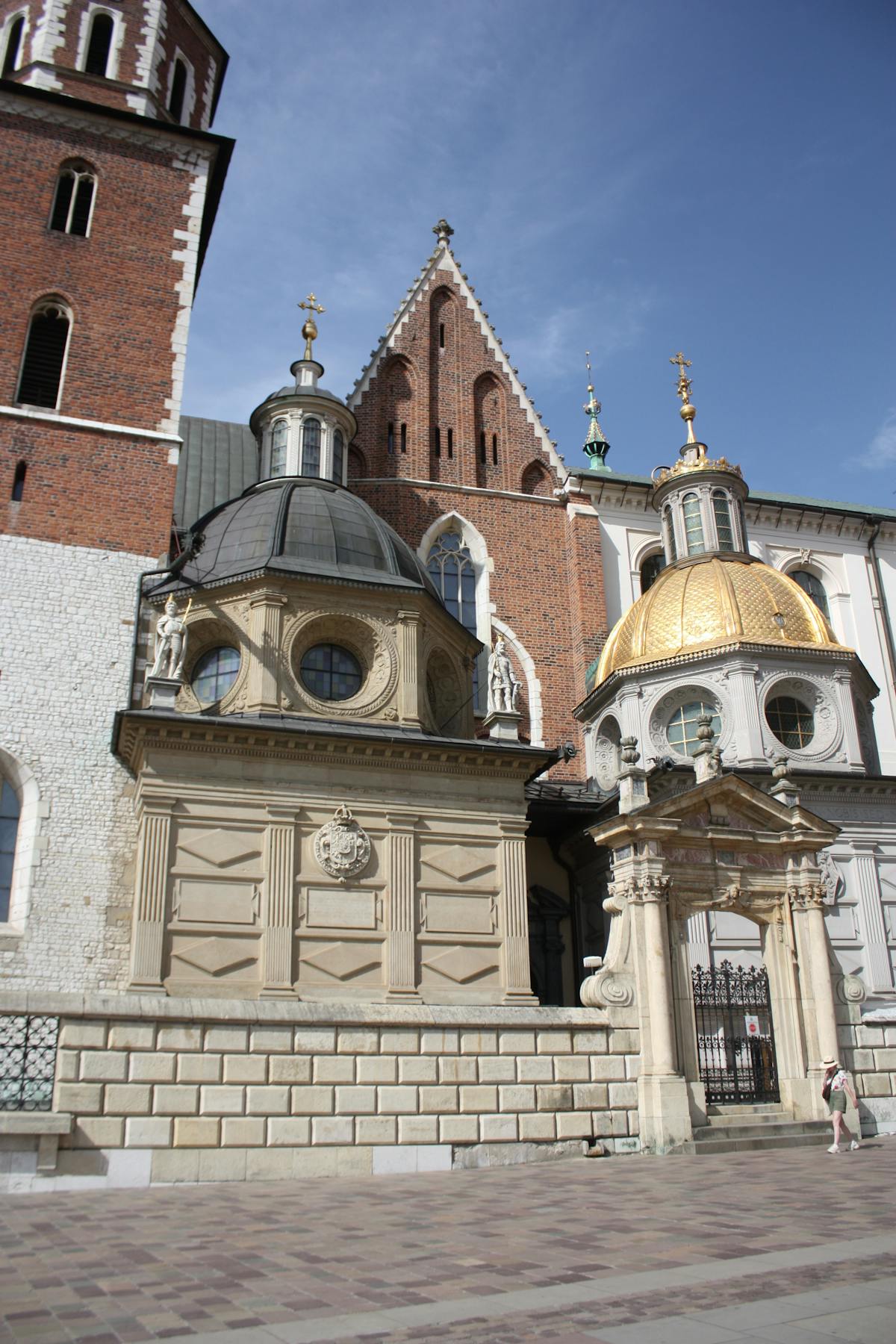
Krakow is one of those cities that gives you a lot to work with beyond the Auschwitz visit. Schindler’s Factory museum, located in the actual building where Oskar Schindler’s enamel works operated during the war, covers the German occupation of Krakow in detail and pairs powerfully with an Auschwitz visit — though I’d leave a day between the two to let each one sink in. Wawel Castle, sitting on a limestone hill above the Vistula, holds centuries of Polish history within its walls, and the ticketing system takes a bit of planning since each exhibition requires its own entry. For something gentler after a heavy day, a Vistula River cruise past the castle and the fire-breathing dragon statue is one of the best ways to decompress — the evening departures with floodlit views are worth timing your visit around. And if you have an extra day, Zakopane is a two-hour bus ride into the Tatra Mountains, with thermal baths, highland food, and scenery that feels like a different country entirely. Krakow earns every extra day you can give it.