
The museum at Lipowa 4 doesn’t start with Oskar Schindler. It starts with a photograph of a family sitting down to Friday dinner in 1938 Krakow, candles lit, bread on the table, completely unaware of what’s about to happen to their city. By the time you reach the room with Schindler’s actual desk, you’ve walked through five years of occupation, seen the ghetto walls go up, watched a neighborhood disappear. The famous list of 1,200 names is just one chapter in a much longer story.
I went expecting a movie tie-in museum. What I got was the most thorough telling of wartime Krakow I’ve encountered anywhere, and one of the best history museums in Europe.
Getting tickets is the hard part. The museum caps daily visitors with strict time slots, and same-day availability is basically nonexistent during peak season. I’ll walk you through every option, from official bookings to guided tours with skip-the-line access, so you don’t end up staring at a “sold out” screen the night before your visit.
Best overall: Schindler’s Factory Entry Ticket & Guided Tour — $25. Ninety-minute guided tour with skip-the-line entry included. The guide adds layers of context the exhibits alone don’t give you.
Best for independence: Schindler’s Factory Skip-the-Line Ticket — $25. Just the ticket, no guide. Walk through at your own pace and spend as long as you want in each room.
Best deep dive: Schindler’s Factory & Ghetto Guided Tour — $57. Three hours covering the factory, the ghetto, and the Plaszow camp area. This is the full picture.
- How the Official Ticket System Works
- Official Tickets vs. Guided Tours
- The Best Schindler’s Factory Tours to Book
- 1. Schindler’s Factory Entry Ticket & Guided Tour —
- 2. Schindler’s Factory Skip-the-Line Ticket —
- 3. Schindler’s Factory Tour with Entrance Ticket —
- 4. Schindler’s Factory & Ghetto Guided Tour —
- When to Visit
- How to Get There
- Tips That Will Save You Time
- What You’ll Actually See Inside
- More Krakow History Guides
How the Official Ticket System Works
The museum operates through a timed entry system. You book a specific time slot, show up at that time, and enter with your assigned group. Miss your slot and they won’t let you in. No exceptions, no flexibility, no “I was five minutes late because the tram was slow.”
Official tickets are sold through bilety.mhk.pl, the Museum of Krakow’s booking platform. Standard admission is 32 PLN (roughly $8 USD), with reduced tickets at 28 PLN for students and seniors. Those are good prices for what you get, but the catch is availability.
Mondays are free. Which means Mondays are absolute chaos. Opening hours on Mondays are shorter too — 10am to 2pm instead of the usual 9am to 7pm (Tuesday through Sunday). The museum is closed on the first Tuesday of each month.
Here’s what you need to know about timing:
- Book at least one week ahead — two weeks in summer. Same-day tickets are almost never available.
- Time slots fill unevenly. Morning slots (9am-11am) sell out first. Early afternoon is usually the last to go.
- Last entry is 90 minutes before closing. For a Tuesday-Sunday visit, that means 5:30pm is the latest you can enter.
- Budget at least two hours inside. The museum has 45 rooms across three floors. Rushing through defeats the purpose.
Family tickets and group rates are available for larger parties. Children under 4 enter free.
Official Tickets vs. Guided Tours
This is the real decision. A standard ticket gets you into the museum, and the exhibits are well-designed with plenty of English-language displays. You can absolutely do it on your own and get a lot out of it.
But here’s the thing — the museum covers the entire Nazi occupation of Krakow, not just Schindler’s story. Without a guide, you might not connect the dots between the photographs, the propaganda posters, the reconstructed rooms, and the broader history of what happened in Podgorze. A good guide turns forty-five separate rooms into one continuous narrative.
Go with a guide if:
- This is your first serious WWII museum visit
- You want context beyond what the exhibit panels provide
- You have limited time and want to hit the most important rooms
- You plan to visit Auschwitz later and want the Krakow story first
Go self-guided if:
- You read slowly and like to absorb everything at your own pace
- You already know the basics of Krakow’s wartime history
- You prefer quiet museum experiences without group dynamics
- Budget is tight and the official 32 PLN ticket suits you
Most of the guided options include skip-the-line entry, which is genuinely useful. The regular entry queue can stretch to 30-40 minutes on busy days, and since your time slot is fixed, arriving late because of a queue is a real risk. Skip-the-line removes that stress entirely.
The Best Schindler’s Factory Tours to Book
I went through every major tour option available for this museum. These are the ones worth your money, ranked by overall value and the quality of the experience.
1. Schindler’s Factory Entry Ticket & Guided Tour — $25

This is the one I recommend to most people. Ninety minutes with a knowledgeable English-speaking guide, skip-the-line entry included, and a price that’s hard to argue with. At $25 per person, it costs roughly three times what the official ticket costs, but the guide makes up for it ten times over.
The tour focuses on the museum’s most powerful rooms — the 1939 railway station recreation, the ghetto section, Schindler’s office with his original desk, and the final rooms covering liberation. Your guide fills the gaps between exhibit panels with personal stories and historical details that aren’t on display. The group size stays manageable, and guides consistently get praised by name in visitor feedback.
Run by Discover Cracow, one of the most established tour operators in the city. This is the most booked Schindler’s Factory tour on any platform, and it holds that position for good reason.
2. Schindler’s Factory Skip-the-Line Ticket — $25
Same price as the guided tour, but you trade the guide for complete freedom. You get skip-the-line entry (which is the real value here) and then explore the museum entirely at your own pace. Want to spend twenty minutes in front of the propaganda poster collection? Go ahead. Want to sit in the reconstructed apartment and just think? No one’s tapping their watch.
The museum’s exhibit design is strong enough to stand on its own. English-language panels are thorough, and the layout walks you through the occupation chronologically. You won’t miss the big picture. The duration is listed as 90 minutes to 2 hours, but some visitors spend three hours inside when they aren’t bound to a tour group.
Operated by Krakowbooking. A straightforward, reliable option with consistently strong visitor feedback.
3. Schindler’s Factory Tour with Entrance Ticket — $49
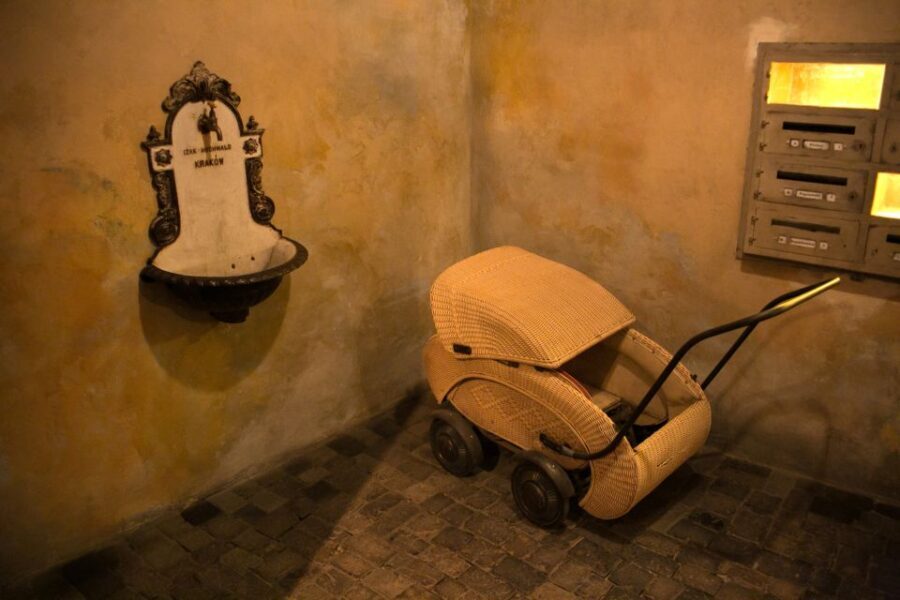
This is the solid backup option. Same format as the top pick — ninety-minute guided tour with skip-the-line entry — but run by excursions.city at a higher price point of $49. The extra cost gets you a slightly more personal experience with smaller group sizes.
Where this one shines is the depth of historical context. Guides from this operator tend to spend more time on the pre-war Jewish community in Krakow and less on the Schindler-specific story, which some visitors actually prefer. If you already know the Spielberg film by heart and want the broader Krakow occupation narrative, this tour delivers that.
A strong choice if the $25 tour is sold out for your dates, or if you want a more intimate group experience.
4. Schindler’s Factory & Ghetto Guided Tour — $57
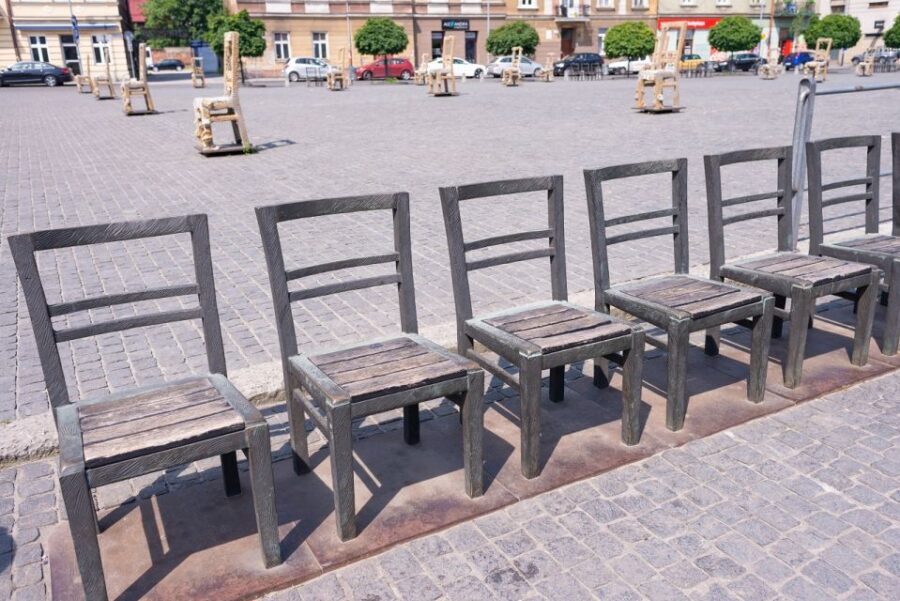
This is the full experience. At $57 and three hours, it goes well beyond the museum itself. You start with the Krakow Ghetto area, walking past the remaining fragments of the ghetto wall and through Plac Bohaterow Getta (Ghetto Heroes Square) with its haunting empty chair memorial. Then you visit the Plaszow concentration camp grounds, where almost nothing remains except the landscape and a few monuments. Finally, you enter the factory museum with skip-the-line access.
The outdoor portions of this tour are what set it apart. Standing in the actual locations where the ghetto stood, seeing the ordinary apartment buildings that were walled off and turned into a prison, hearing what happened on specific street corners — it’s a fundamentally different experience from reading about it inside a museum. By the time you walk into the factory, you have the full context.
Run by excursions.city. This is the tour I’d pick if I had the time and could only do one WWII-related experience in Krakow. It covers more ground than any other option and connects the pieces in a way that individual visits can’t.
When to Visit
The museum is open Tuesday through Sunday from 9am to 7pm, with last entry at 5:30pm. Mondays are open 10am to 2pm with free entry (and massive crowds). It’s closed on the first Tuesday of each month.
Best time to go: Early afternoon on a weekday, ideally Tuesday through Thursday. The morning rush clears out by 1pm, and you’ll have more space in the smaller rooms. Late autumn and winter are quieter overall, though the museum stays popular year-round.
Worst time to go: Monday mornings (free day chaos), Saturday mornings in July and August, and any holiday weekend. If these are your only options, book a skip-the-line tour and arrive early.
Plan to spend at least two hours inside, more if you’re a slow reader or deeply interested in the subject. The museum is 45 rooms across three floors, and some rooms have enough detail to hold you for ten or fifteen minutes. Rushing through in under ninety minutes means you’re skipping significant sections.
How to Get There
The museum sits at Lipowa 4 in the Podgorze district, on the south bank of the Vistula River. It’s not in the tourist center, which is part of its power — you’re visiting the actual factory building where it all happened.
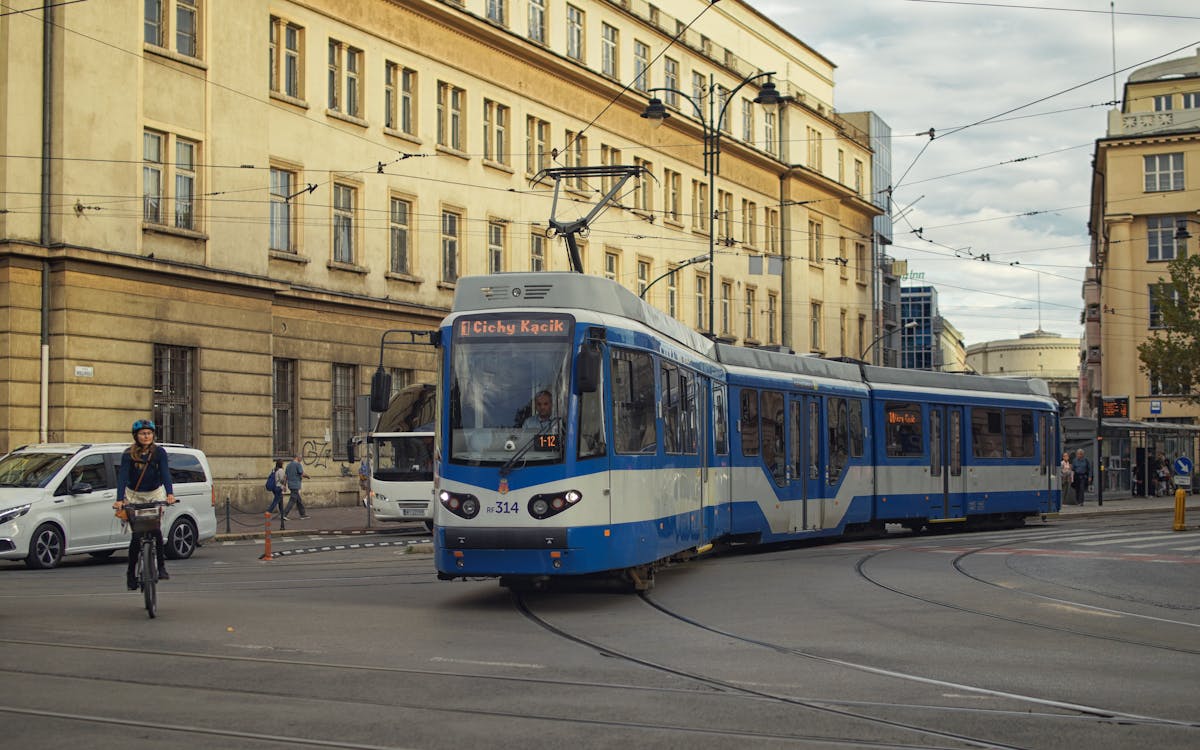
By tram: Lines 3, 20, 24, and 50 from the Old Town area. Get off at the Plac Bohaterow Getta stop, then walk about nine minutes. The ride from the Main Market Square area takes roughly ten minutes.
By train: There’s a commuter train from Krakow Glowny (the main station) to Zablocie station, which takes three minutes. From there, the factory is a five-minute walk. This is the fastest option if you’re coming from the train station area.
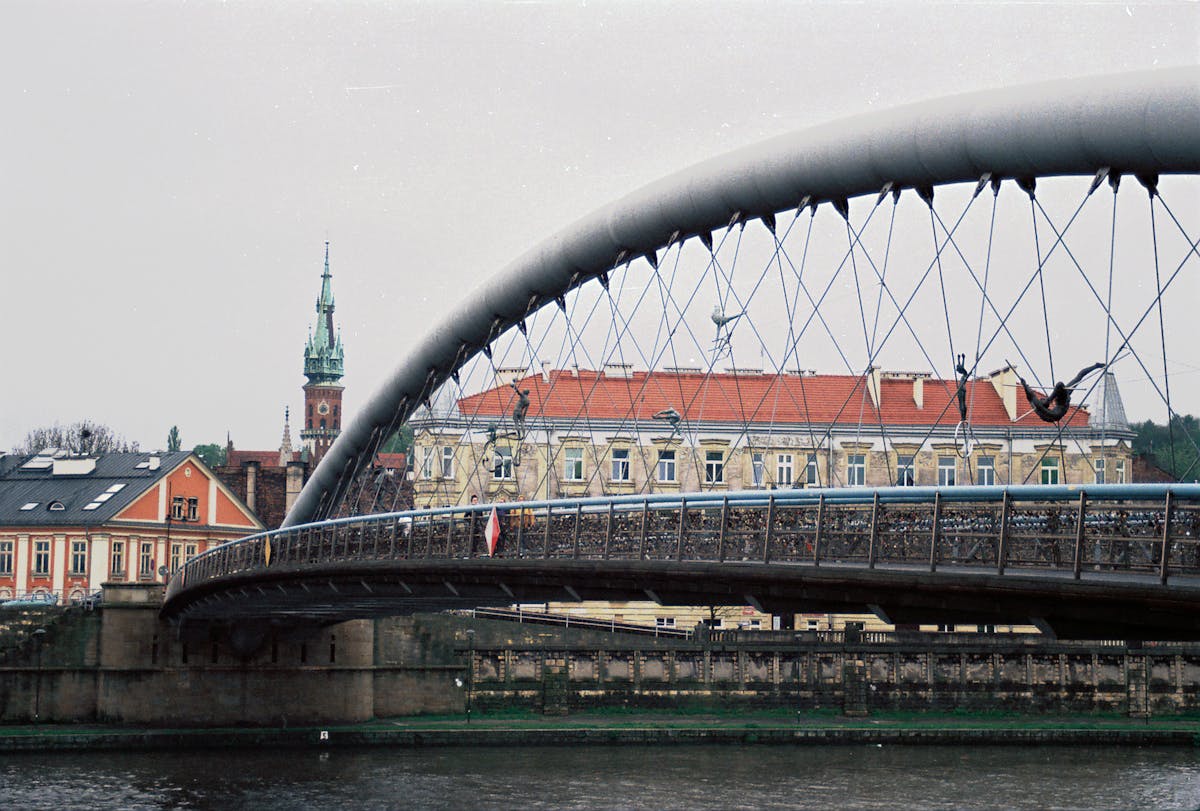
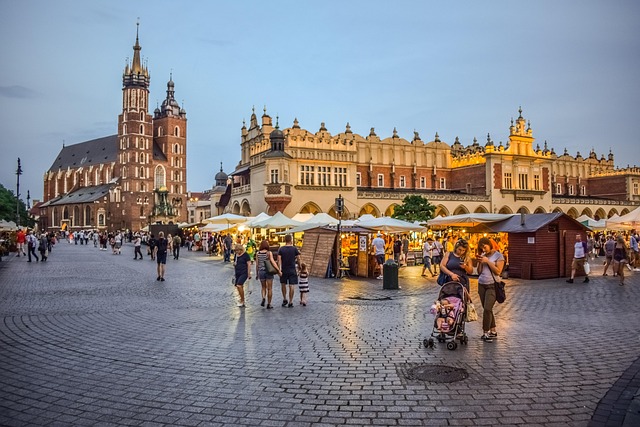
On foot: About 30 minutes from the Main Market Square through Kazimierz and across the Bernatka footbridge. This is actually the walk I’d recommend if weather allows — you pass through the old Jewish quarter and cross into Podgorze, which gives you a sense of the geography that matters for understanding the history.
By taxi: A direct ride from Old Town costs around 20-25 PLN ($5-6 USD). Ask to be dropped at Lipowa 4 — drivers know it. Bolt and Uber both work reliably in Krakow.
Parking is limited around the museum. If you’re driving, use one of the paid lots on Kacik or Zablocie streets and walk the last few minutes.
Tips That Will Save You Time
- Arrive ten minutes early. Not fifteen, not thirty — ten. The museum is strict about time slots, and arriving too early means standing around in a hallway. Too late means you might not get in.
- Wear comfortable shoes. There’s limited seating inside and you’ll be on your feet for two hours minimum. The floors are hard.
- Photography is allowed but no flash and no tripods. Most rooms are dimly lit, so your phone camera is fine, but don’t expect great photos. Focus on looking, not shooting.
- Small bags only. There’s a cloakroom for larger luggage, but the museum is cramped in places and a big backpack will be annoying for everyone.
- It’s not recommended for young children. The content is heavy and the exhibit is long. Most guided tours suggest a minimum age of around 12-14.
- The gift shop and cafe are decent. The bookshop has some genuinely good titles on wartime Krakow that you won’t easily find elsewhere. Worth ten minutes after your visit.
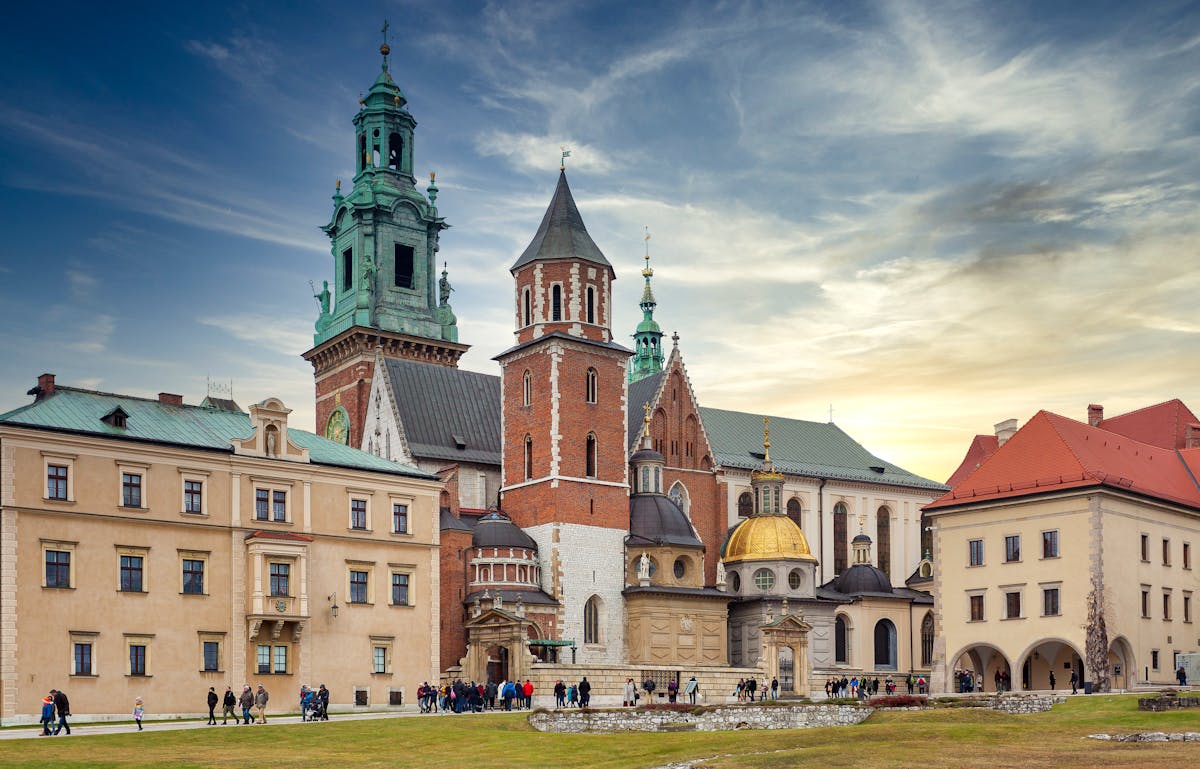
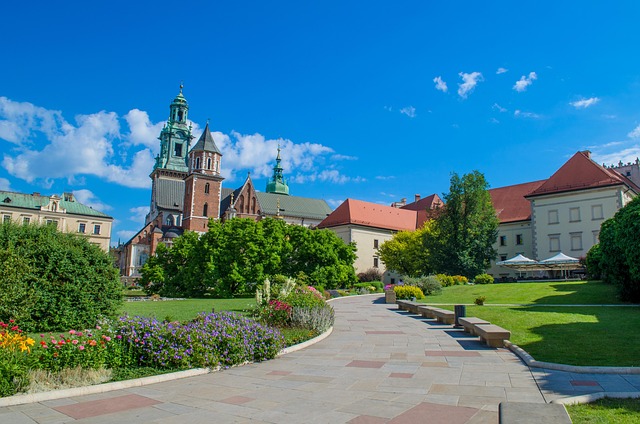
- Combine with Kazimierz, not Wawel. Walking through the old Jewish quarter before visiting the factory creates a natural narrative arc. Save Wawel Castle for a different day — it’s a completely different kind of experience and mixing them dilutes both.
What You’ll Actually See Inside
The museum occupies the administrative building of what was once Oskar Schindler’s enamelware factory. It’s been converted into a permanent exhibition called “Krakow Under Nazi Occupation 1939-1945,” and that subtitle tells you what the museum is really about. This isn’t a Schindler shrine — it’s a city’s war story.
The 45 rooms are spread across three floors and cover the entire arc of the occupation chronologically:
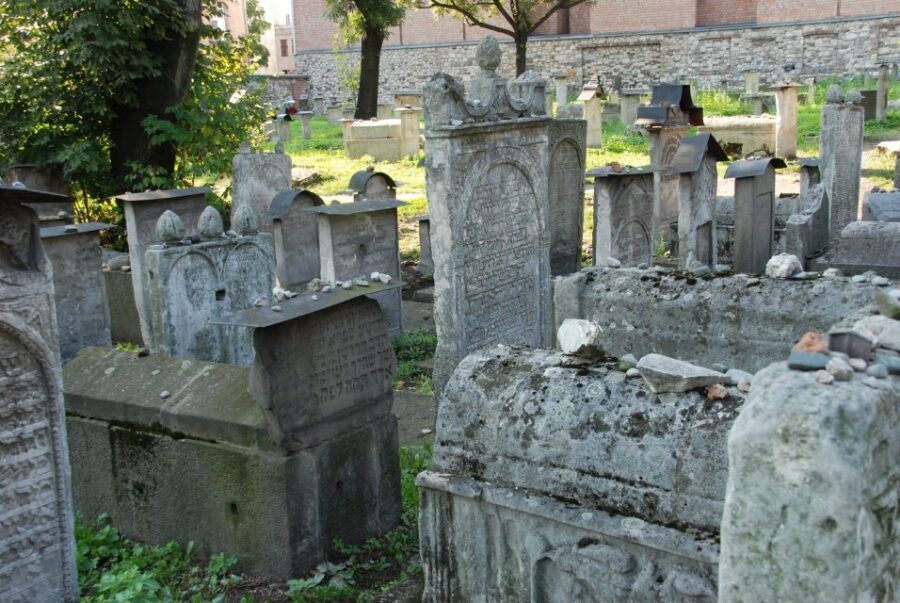
Pre-war Krakow — Photographs and artifacts from the city’s thriving pre-war life, including its large Jewish community. These rooms are deceptively peaceful and make what comes next hit harder.
The invasion and early occupation — How the Nazis transformed Krakow into the capital of the General Government, the forced relocation of Jewish families, and the beginning of systematic persecution. A recreated 1939 railway station waiting room is one of the most talked-about installations.
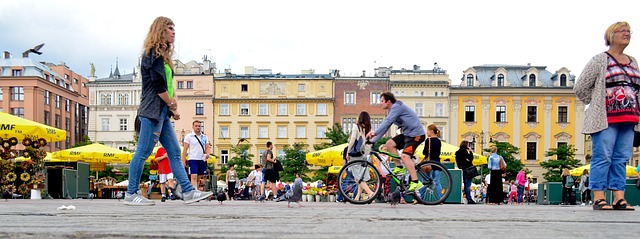
The Krakow Ghetto — The creation, daily life inside, and liquidation of the ghetto in Podgorze. Period photographs, personal belongings, and first-hand accounts. This is where the museum’s strength really shows — it tells individual stories, not just aggregate statistics.
Schindler’s factory and the list — The rooms covering Schindler himself, including his desk, his relationship with Amon Goeth, and the famous list of workers he saved from deportation. A vintage tram installation takes you through this section.
Resistance and liberation — The Polish underground, the final months of occupation, and the Soviet arrival. The museum doesn’t shy away from the complexity of what “liberation” meant for Krakow.
The exhibits make heavy use of multimedia — film footage, audio recordings, interactive displays, and full-scale reconstructions. It’s immersive in a way that static displays can’t achieve.
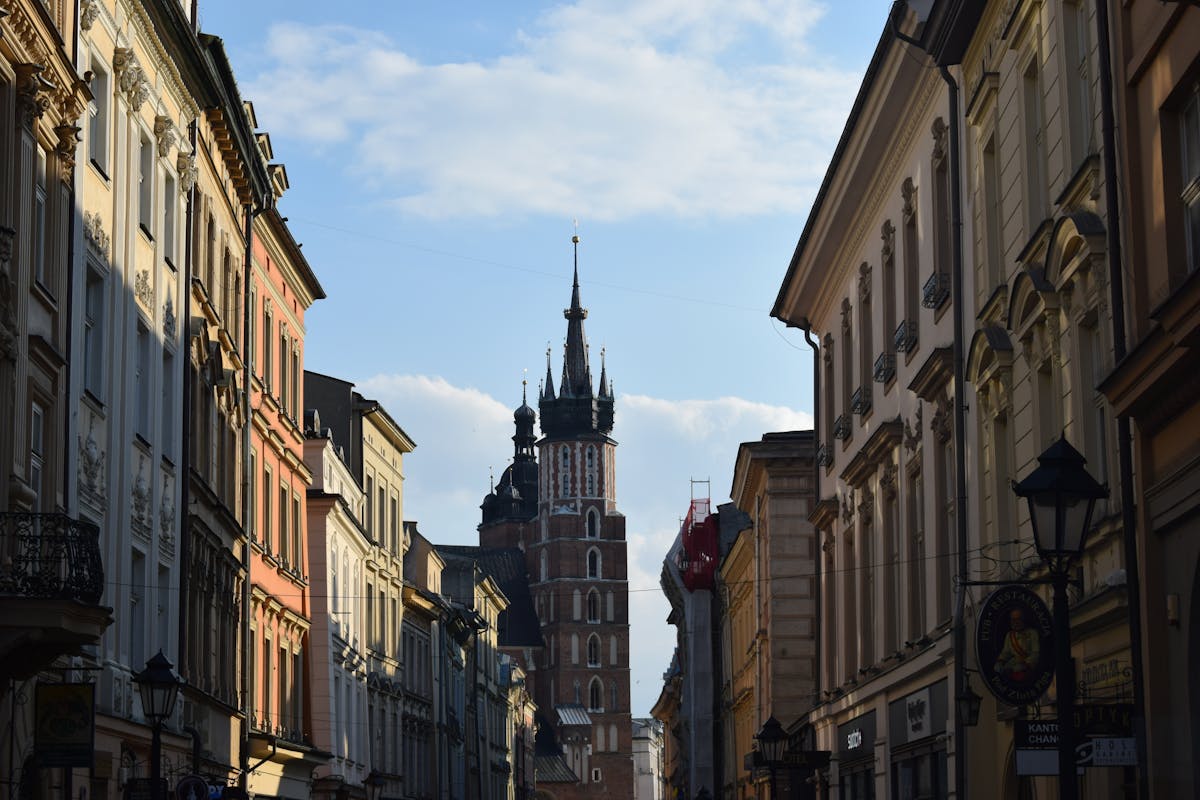
More Krakow History Guides
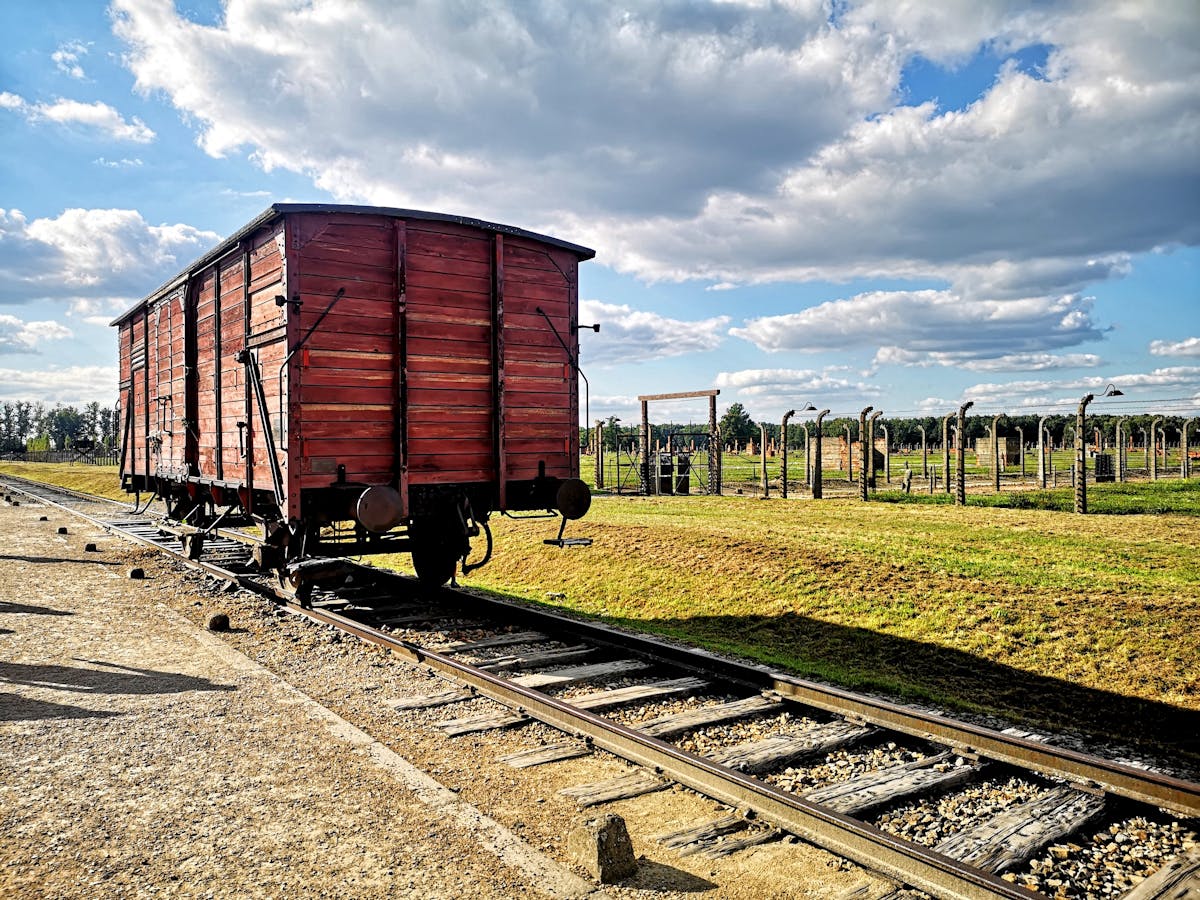
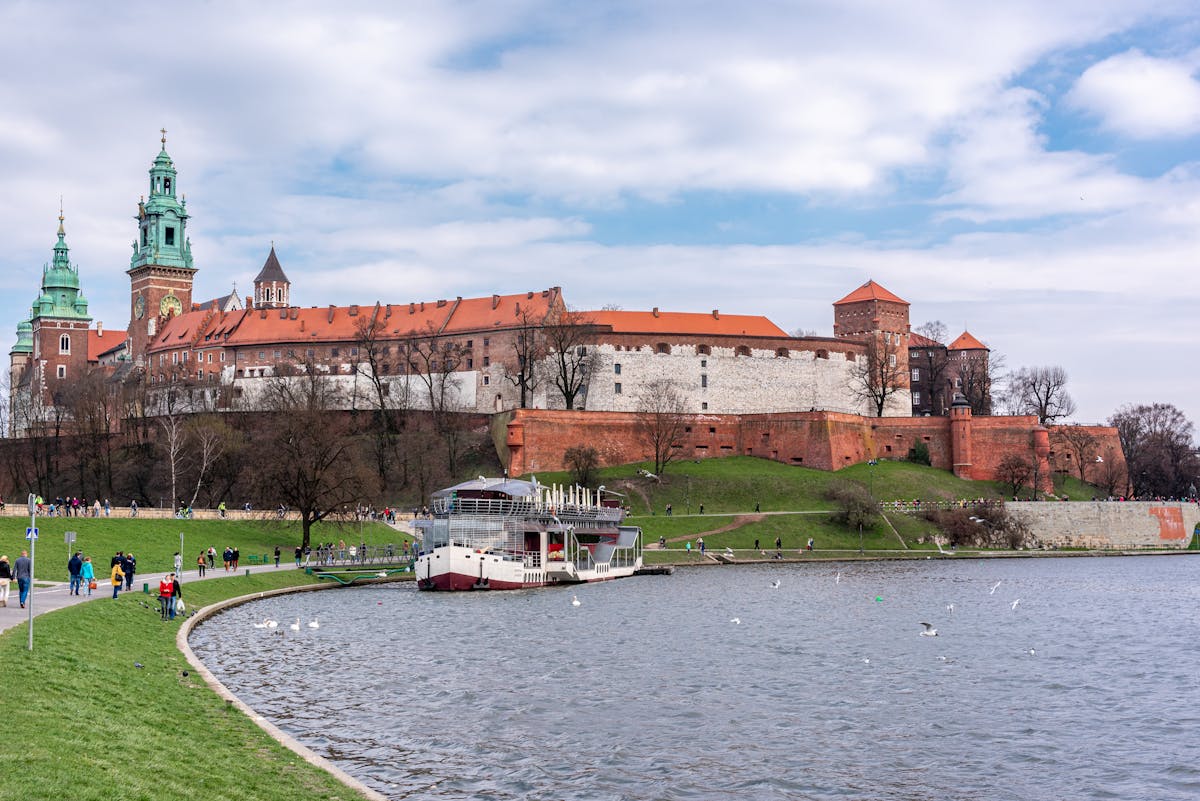
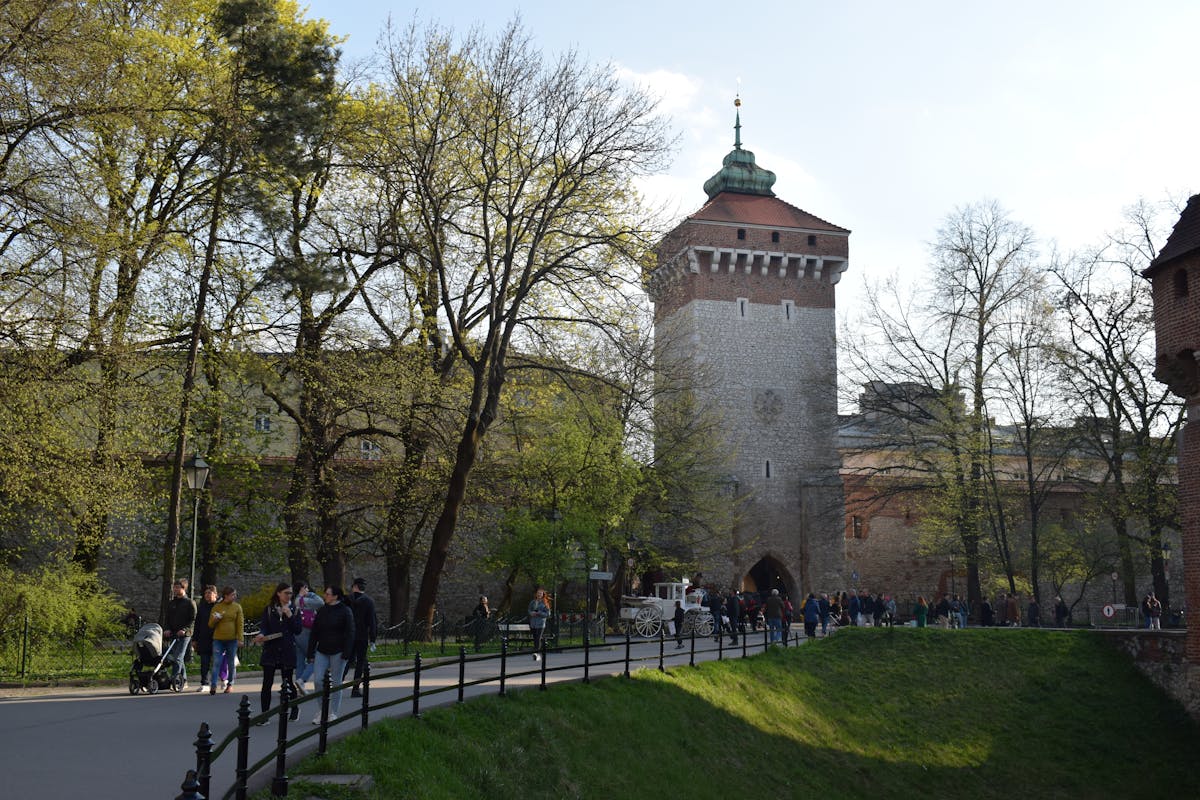
If the factory has left you wanting to go deeper into Krakow’s wartime history, Auschwitz-Birkenau is the obvious next step — though I’d leave at least a day between the two visits to process what you’ve seen. Our guide covers transport options and the booking process, which is surprisingly similar to the factory’s timed entry system. For something lighter but still historically rich, Zakopane is a mountain town south of Krakow that makes for a completely different kind of day trip — wooden churches, alpine hiking, and smoked cheese that’s worth the drive alone. Wawel Castle deserves its own half-day if you haven’t already explored it — the ticketing system is a bit quirky with separate entries for each exhibition, so reading up beforehand saves you time at the gates. If you want a breather after all that history, a Vistula River cruise lets you see the castle and the Podgorze riverbank from the water, and the departure points are a short walk from the factory.
This article contains affiliate links. When you book through these links, we may earn a small commission at no extra cost to you. This helps us keep producing free travel guides.