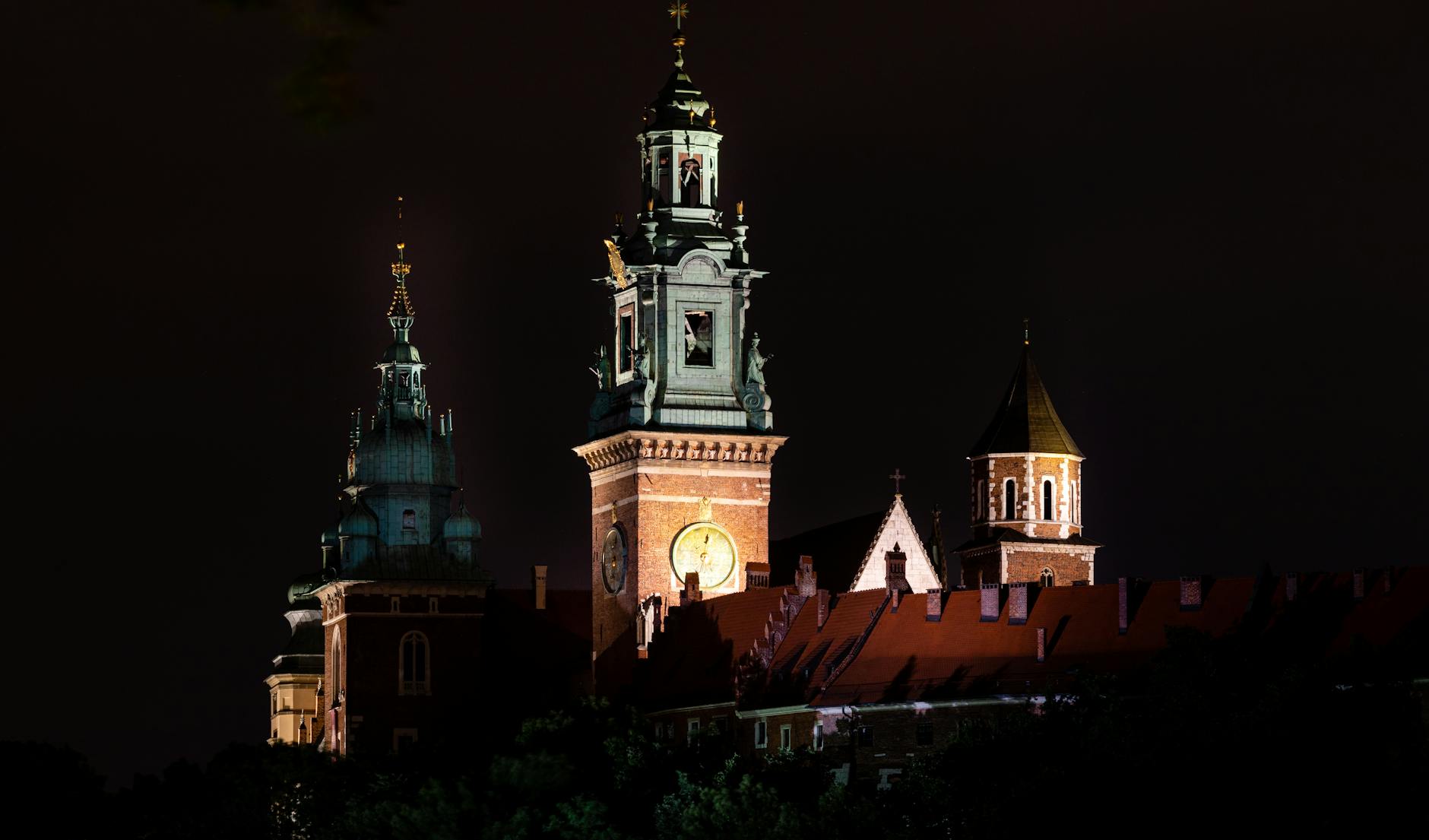
The first time I walked through the gates of Wawel Castle, I had no idea you needed separate tickets for each exhibition. I thought one pass covered everything. It does not. I ended up seeing the courtyard (free, and gorgeous) and the Dragon’s Den (a separate ticket from a machine), but completely missed the State Rooms because they were sold out by 11 a.m.
That experience taught me something useful: Wawel is not a single-ticket attraction. It is a complex of museums, a cathedral, a cave, and a hilltop with free grounds — each with its own booking system, hours, and capacity limits. Getting it right takes a little planning, but once you understand the structure, the whole thing is straightforward.
Here is everything I wish I had known before my first visit.
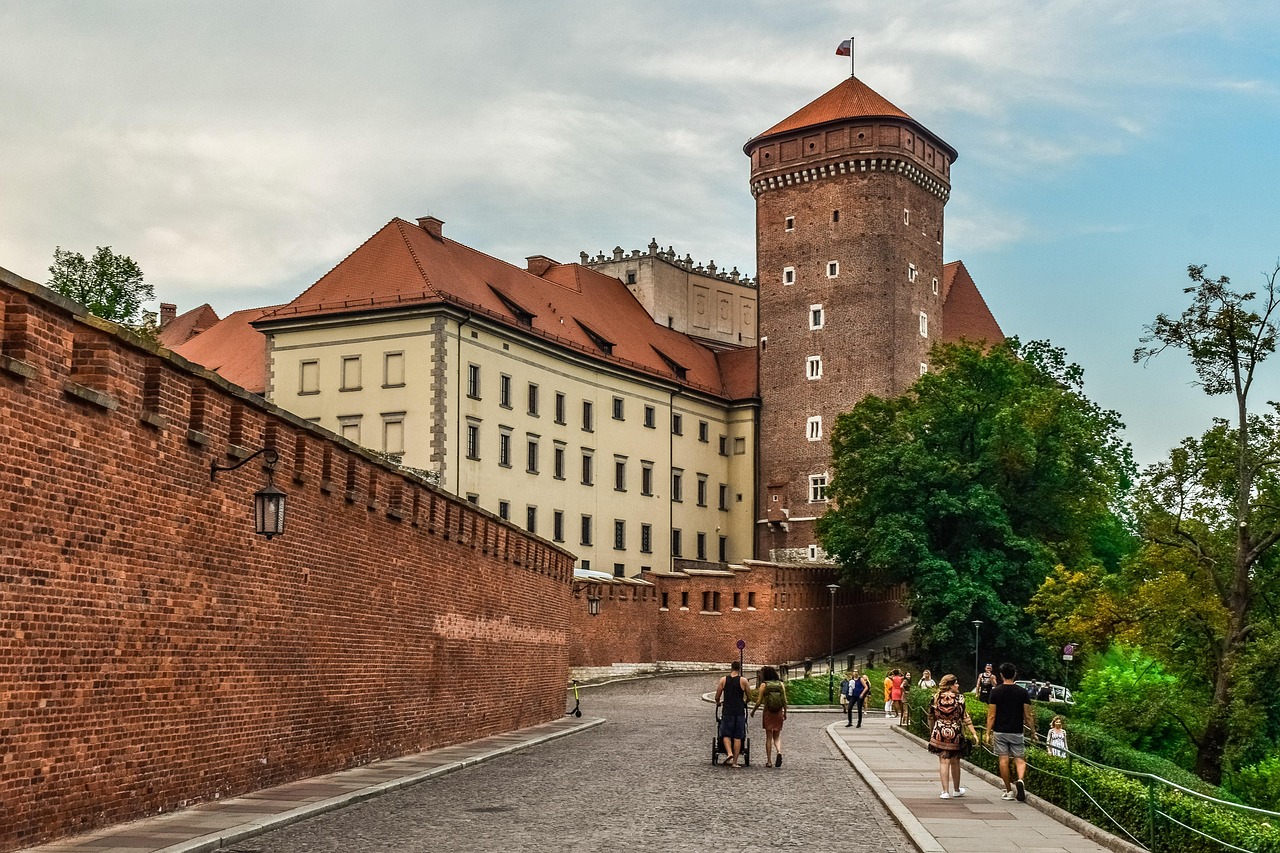
Best overall: Wawel Castle & Cathedral Guided Tour — $57. Two-hour guided tour that covers both the castle and cathedral with skip-the-line entry. The guide handles all the ticketing logistics so you do not have to.
Best budget: Old Town & Wawel Castle Walking Tour — $27. A 2.5-hour walking tour that pairs the castle exterior with a full Old Town route. Great if you want context without the museum entry cost.
Best premium: Skip-the-Line Private Castle Tour — $154. Private guide, skip every queue, and go at your own pace through the State Rooms. Worth it if you hate crowds.
- How the Official Ticket System Works
- Official Tickets vs Guided Tours
- The Best Wawel Castle Tours to Book
- 1. Wawel Castle & Cathedral Guided Tour —
- 2. Old Town Krakow & Wawel Castle Walking Tour —
- 3. Skip-the-Line Private Castle Tour — 4
- When to Visit
- How to Get There
- Tips That Will Save You Time
- What You Will Actually See Inside
- More Krakow Guides
How the Official Ticket System Works
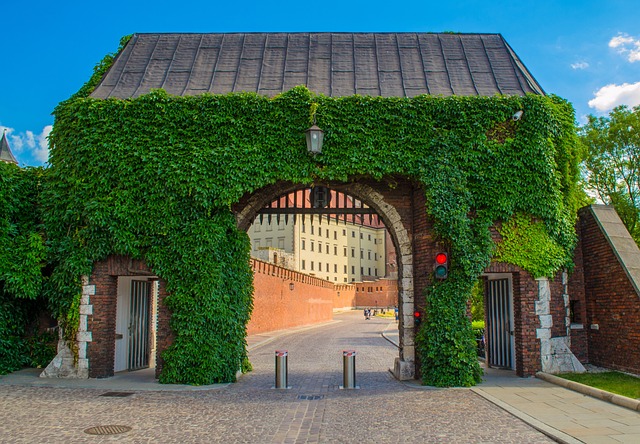
Wawel does not sell one all-access ticket. Instead, each exhibition inside the castle requires its own timed-entry ticket. The main ones are:
Royal State Rooms — 49 zl (about $12). This is the most popular exhibition and sells out first. You will see Renaissance halls, Flemish tapestries, and the famous Hall of Heads with 30 carved wooden faces staring down from the ceiling. The time slots fill up fast in summer, especially mornings between 10 and noon.
Crown Treasury and Armoury — 35 zl (about $9). Home to the Szczerbiec, the coronation sword used for centuries of Polish kings. You will also see winged hussar armor, medieval weapons, and royal regalia. This one is usually easier to get than the State Rooms, and you can see everything in about 45 minutes.
Dragon’s Den (Smocza Jama) — 12 zl (about $3). This is the limestone cave beneath the castle where legend says the Wawel Dragon lived. You descend a spiral staircase, walk through a short cave passage, and exit at the riverside where a bronze dragon statue breathes actual fire every few minutes. Kids love it. Buy the ticket from the machine at the cave entrance — it is not available online.
Wawel Cathedral — Separate ticket, not included with any castle pass. The cathedral is where Polish kings were crowned and buried. You will need to buy this at the cathedral entrance or online through the cathedral website.
Sandomierska Tower — Seasonal access only. Panoramic views of Krakow from the top.
All tickets can be purchased online through the official Wawel website. I strongly recommend booking online at least a few days ahead, especially for the State Rooms. The on-site ticket offices near the Herbowa Gate do sell same-day tickets, but availability is limited and the queue can stretch for 30 minutes or more during summer.
Free entry: Mondays are free for certain exhibitions, but free tickets are limited and usually gone by 10 a.m. If you want to take advantage of this, arrive before the gates open and head straight to the ticket office. Be warned though — Mondays are easily the most crowded day because of the free entry policy.
Opening hours: April through October, the exhibitions are open 9:30 a.m. to 5 p.m. (Mondays close at 1 p.m.). November through March, closing time moves to 4 p.m. The castle grounds themselves are open from 6 a.m. until late evening year-round and are completely free to walk.
Official Tickets vs Guided Tours
This is the question everyone wrestles with, and the honest answer depends on how much you care about the stories behind what you are looking at.
Going on your own makes sense if you are on a tight budget, prefer to move at your own speed, and do not mind reading the information panels yourself. You will save money, but you will also miss a lot of context. The State Rooms, for example, are spectacular to look at but fairly light on English signage. Without someone explaining the significance of the tapestries or the carved heads, you are essentially walking through beautiful rooms without understanding why they matter.
A guided tour is worth it for most people, particularly first-time visitors. A good guide turns the castle from a collection of old rooms into a story about Poland itself — the coronations, the wars, the occupations, the fires that nearly destroyed everything. The guides also handle all the ticketing, which removes the single biggest headache of visiting Wawel.
The trade-off is flexibility. On a guided tour, you move with the group and spend the time the guide allocates at each stop. If you want to linger in the Treasury for an extra 20 minutes examining the coronation sword, a tour will not give you that freedom.
My recommendation: take a guided tour for your first visit to get the full story, then come back on your own if you want to spend more time in specific exhibitions.
The Best Wawel Castle Tours to Book
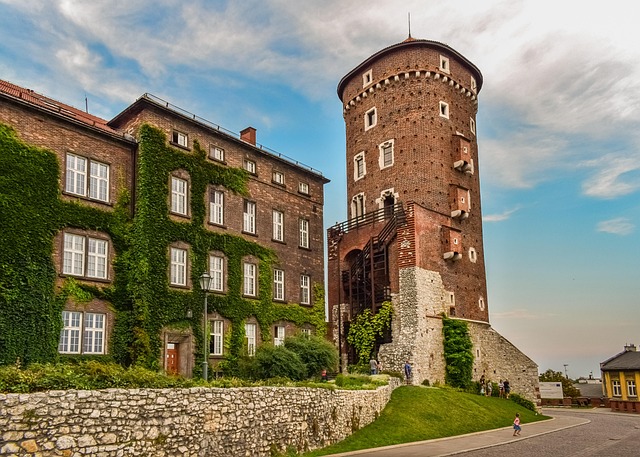
I have looked at every Wawel Castle tour available on GetYourGuide and Viator. These are the three I would actually recommend, each for a different type of visitor.
1. Wawel Castle & Cathedral Guided Tour — $57
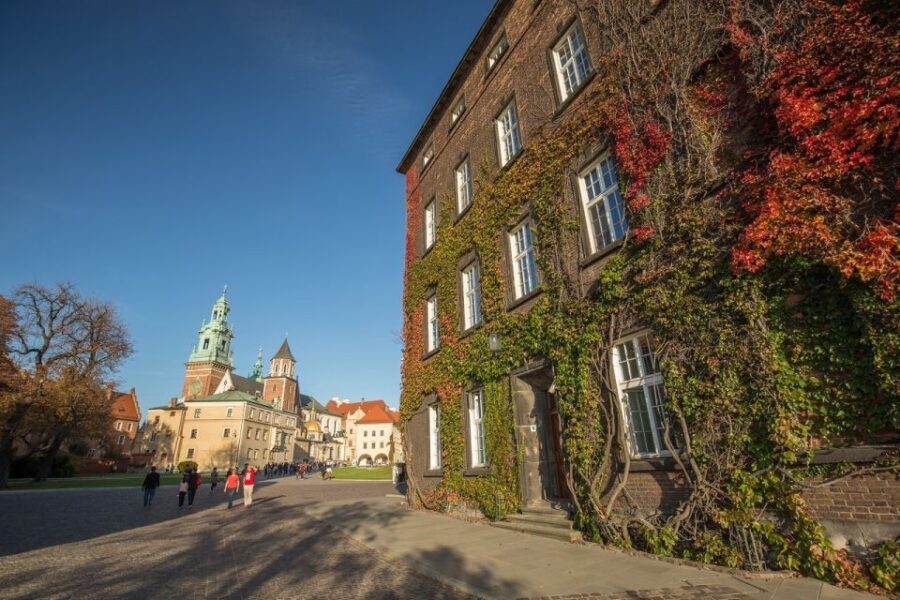
This is the one I recommend for most visitors. Two hours with a guide who covers both the castle State Rooms and the Cathedral in a single loop. The $57 price includes all entry tickets, so you are not dealing with the separate booking system at all.
What makes this stand out is the cathedral portion. Most people do not realize the cathedral is technically separate from the castle, with its own tickets and its own entrance. This tour rolls both together, and the guides are genuinely passionate about the history — one reviewer described their guide as someone who really brought the place to life, and that matches my experience too. It is the most booked Wawel tour on the market for good reason.
The group sizes are small enough that you can actually hear the guide, and the two-hour pace feels right — long enough to absorb the key highlights without dragging.
2. Old Town Krakow & Wawel Castle Walking Tour — $27

If you want Wawel in context rather than in isolation, this 2.5-hour walking tour is the smart choice. At $27 it covers far more ground than a castle-only tour, starting in the Old Town and working south to Wawel Hill. You will not go inside the exhibitions (no museum entry is included), but you will get the full exterior tour with historical context from a local guide.
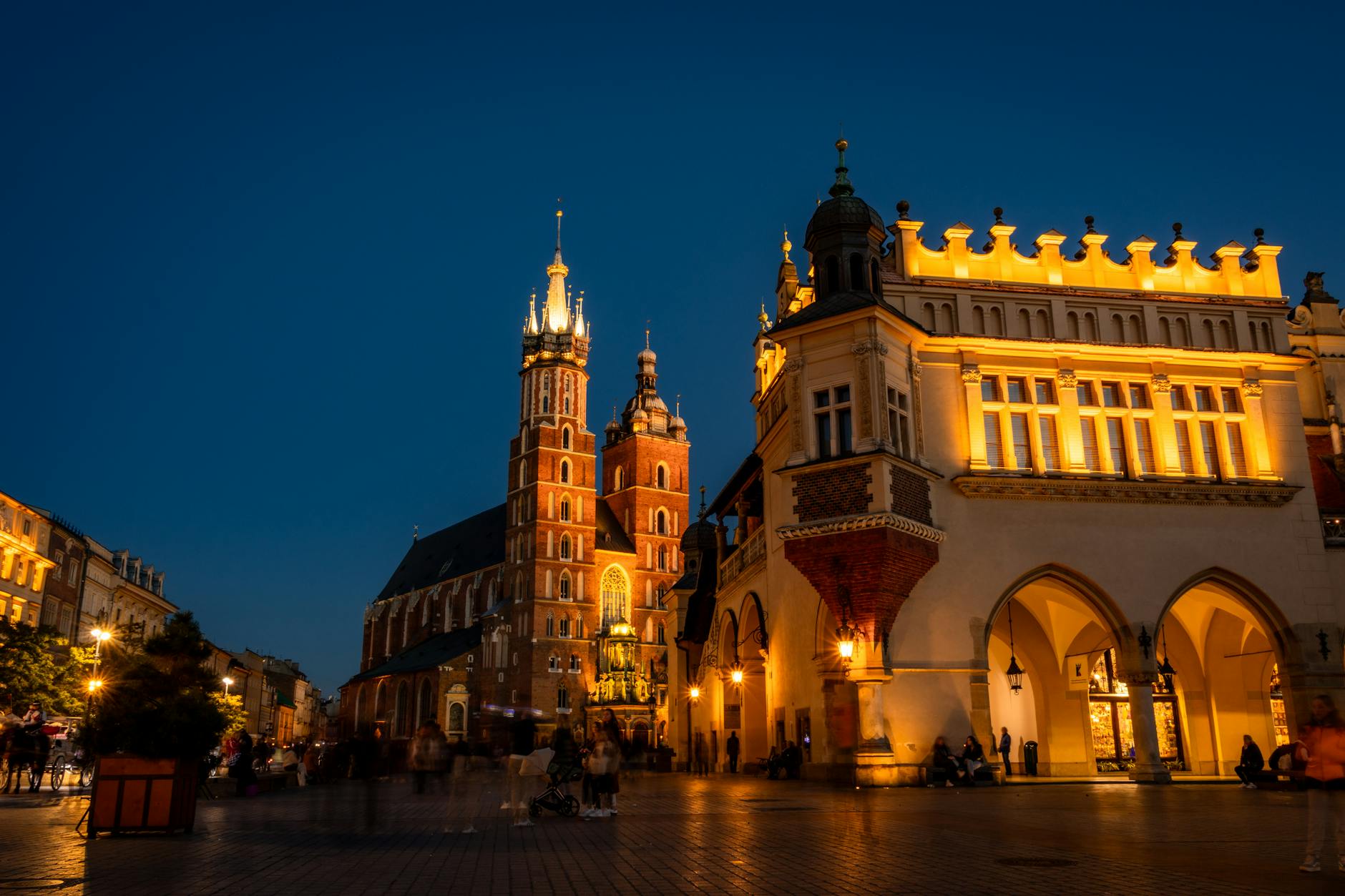
This works especially well for people who want a general Krakow orientation on their first day. The guides cover the Main Market Square, the cloth hall, the university quarter, and then walk you down to Wawel with the full backstory of the hill and its significance to Polish history. If you then want to go inside the State Rooms or Treasury afterward, you can grab tickets for a later time slot on the same day.
The price point makes this an easy recommendation for budget travelers. You get a professional guide, a solid overview of Krakow, and enough Wawel knowledge to decide which exhibitions are worth your money.
3. Skip-the-Line Private Castle Tour — $154
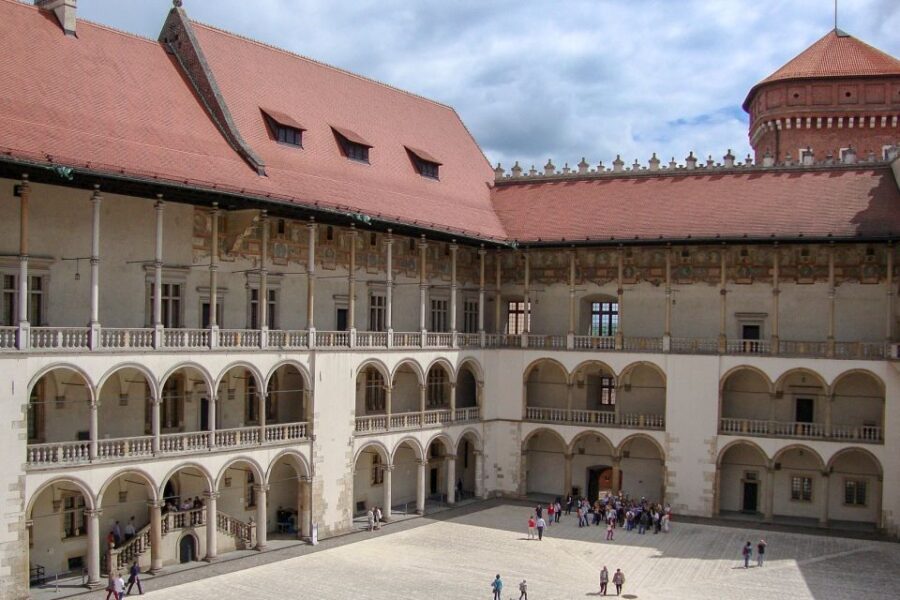
At $154 per person, this is not cheap, but it solves every pain point of visiting Wawel. You skip every queue. You go at your own pace. Your guide adjusts the tour to what interests you most — more time in the Treasury if you love medieval weapons, more time in the State Rooms if Renaissance art is your thing.
The private format also means you can ask questions without holding up a group, and the guide can share stories they might skip on a standard tour. The 2-4 hour time frame is flexible, which is rare for castle tours here. If you are visiting Krakow for a special occasion, or you simply value your time more than the price difference, this is the one to book. It is also the best option for families with young children who might not keep pace with a group tour.
One practical note: book this at least a week ahead in summer. The skip-the-line access depends on the guide securing reserved entry slots, and those fill up.
When to Visit
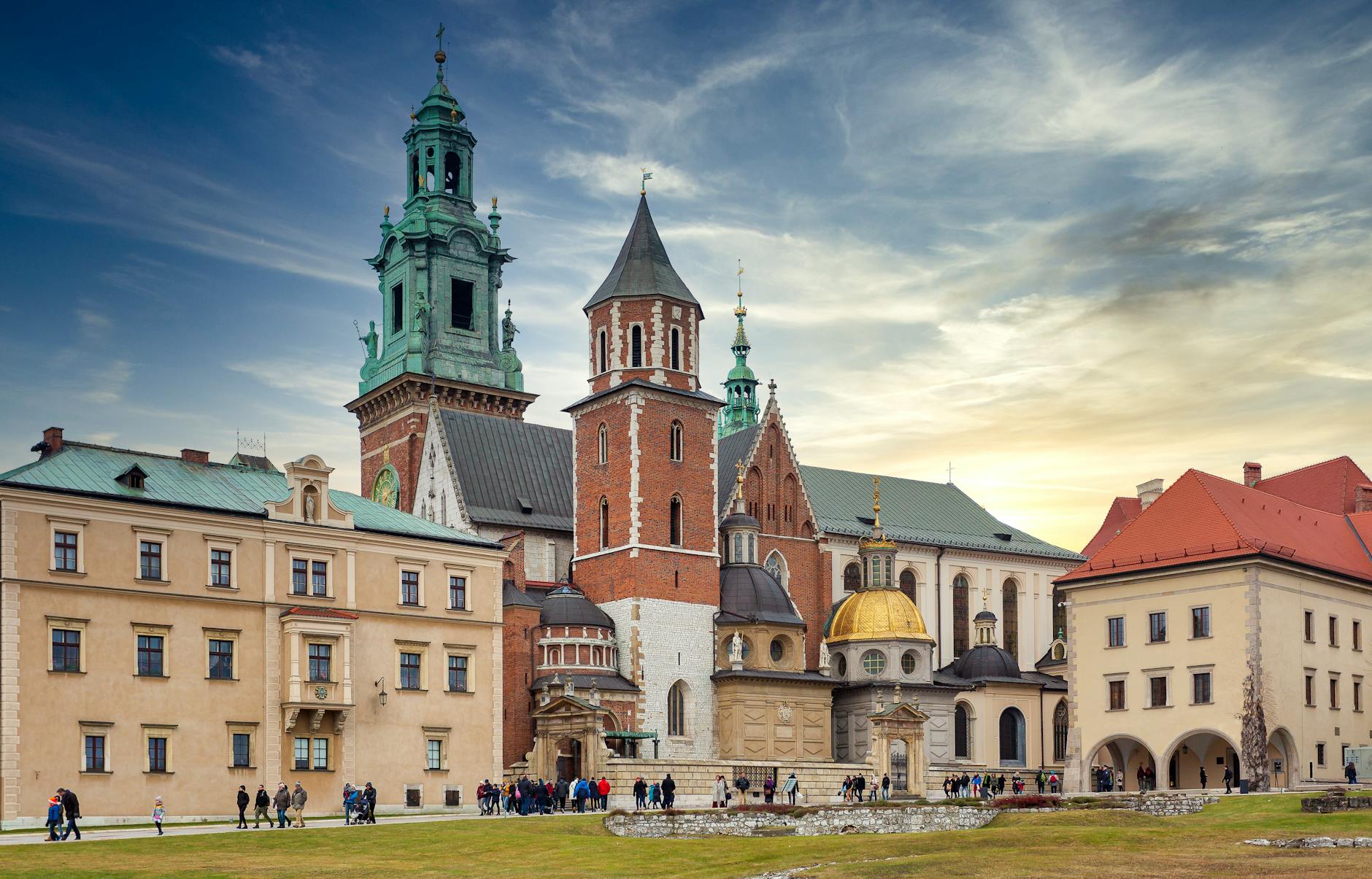
Wawel is open year-round, but your experience will vary dramatically depending on when you go.
Best months: May, June, and September. Weather is warm enough to enjoy the outdoor spaces, the gardens are open, and the summer peak crowds (July-August) have either not arrived or already thinned out. The Dragon’s Den is open during these months too, which closes for winter.
Worst time: Monday mornings in July and August. Free entry draws enormous crowds, and everything is sold out by mid-morning. If you are visiting on a Monday, either commit to arriving before the gates open or skip the free entry and go in the afternoon when it calms down.
Best time of day: Early morning (arrive at 9:15, be at the ticket office when it opens at 9:30) or late afternoon (3-4 p.m. entry). Midday from 11 a.m. to 2 p.m. is consistently the busiest window.
Winter visits: The castle is far quieter from November to March, and you can often get same-day tickets even for the State Rooms. The trade-off is shorter hours (closing at 4 p.m.), the Dragon’s Den being closed, and cold weather making the outdoor areas less enjoyable.
How to Get There

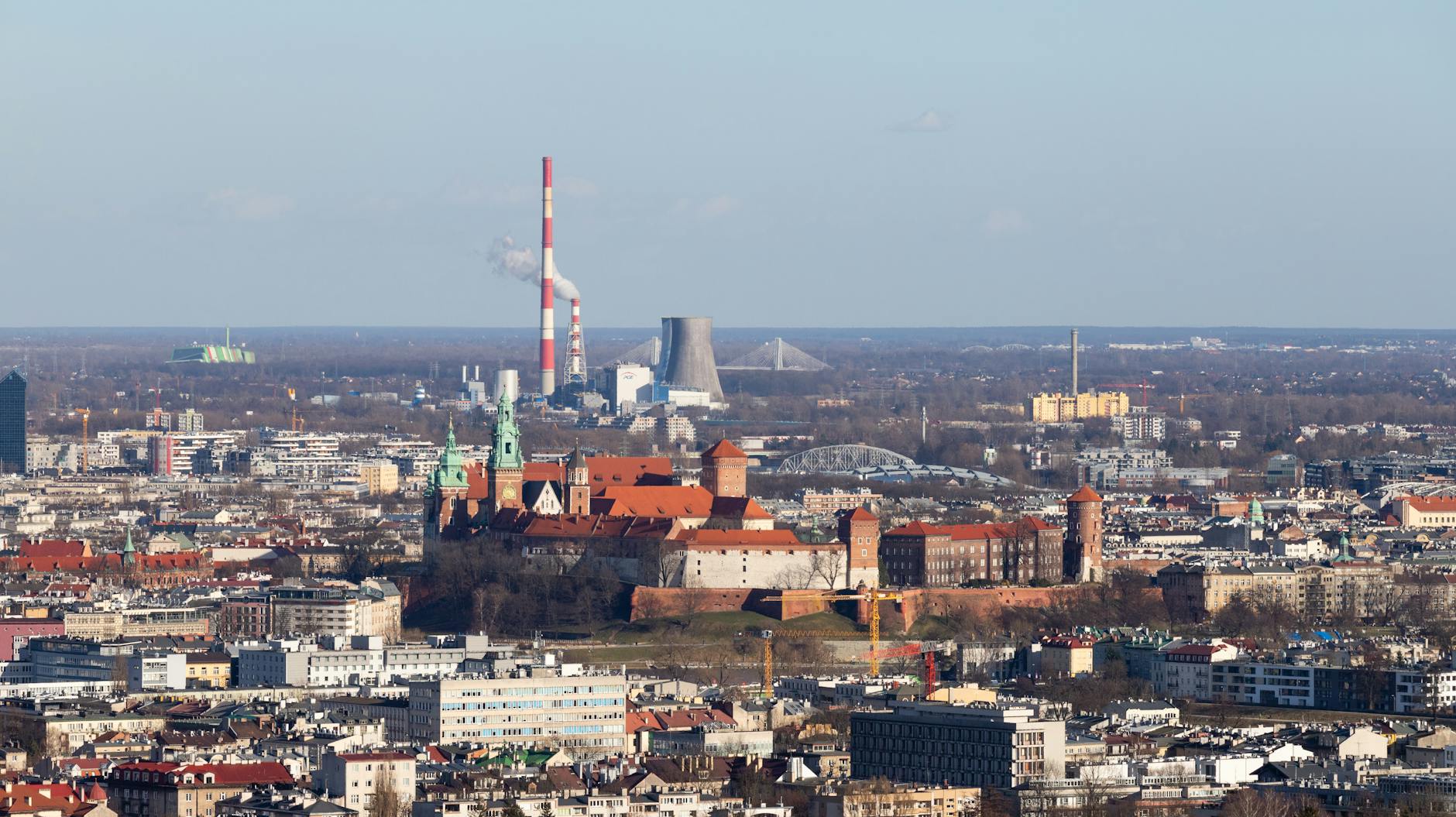
Wawel Hill sits at the southern end of Krakow’s Old Town, right on the bend of the Vistula River. Getting there is simple from almost anywhere in the city center.
On foot from the Main Market Square: Walk south along Grodzka Street or Kanonicza Street. It takes about 10-15 minutes and both routes are packed with beautiful architecture, so it does not feel like a commute. Kanonicza is quieter and arguably prettier, with Renaissance facades and the former residence of Pope John Paul II.
By tram: Lines 6, 8, 10, and 13 stop at the Wawel stop, which puts you at the foot of the hill. Lines 18, 22, and 52 stop at Stradom, about a 5-minute walk. A single tram ticket costs 5 zl.
By car: There is no parking on Wawel Hill. The closest option is the underground car park at Plac na Groblach, a short walk from the base of the hill. Street parking in the area is metered and fills up fast.
The hill itself: The walk up is gentle, not steep. It takes about 5 minutes from the base to the courtyard. Accessible for most people, though the castle interiors have stairs and not all sections are wheelchair-friendly.
Tips That Will Save You Time
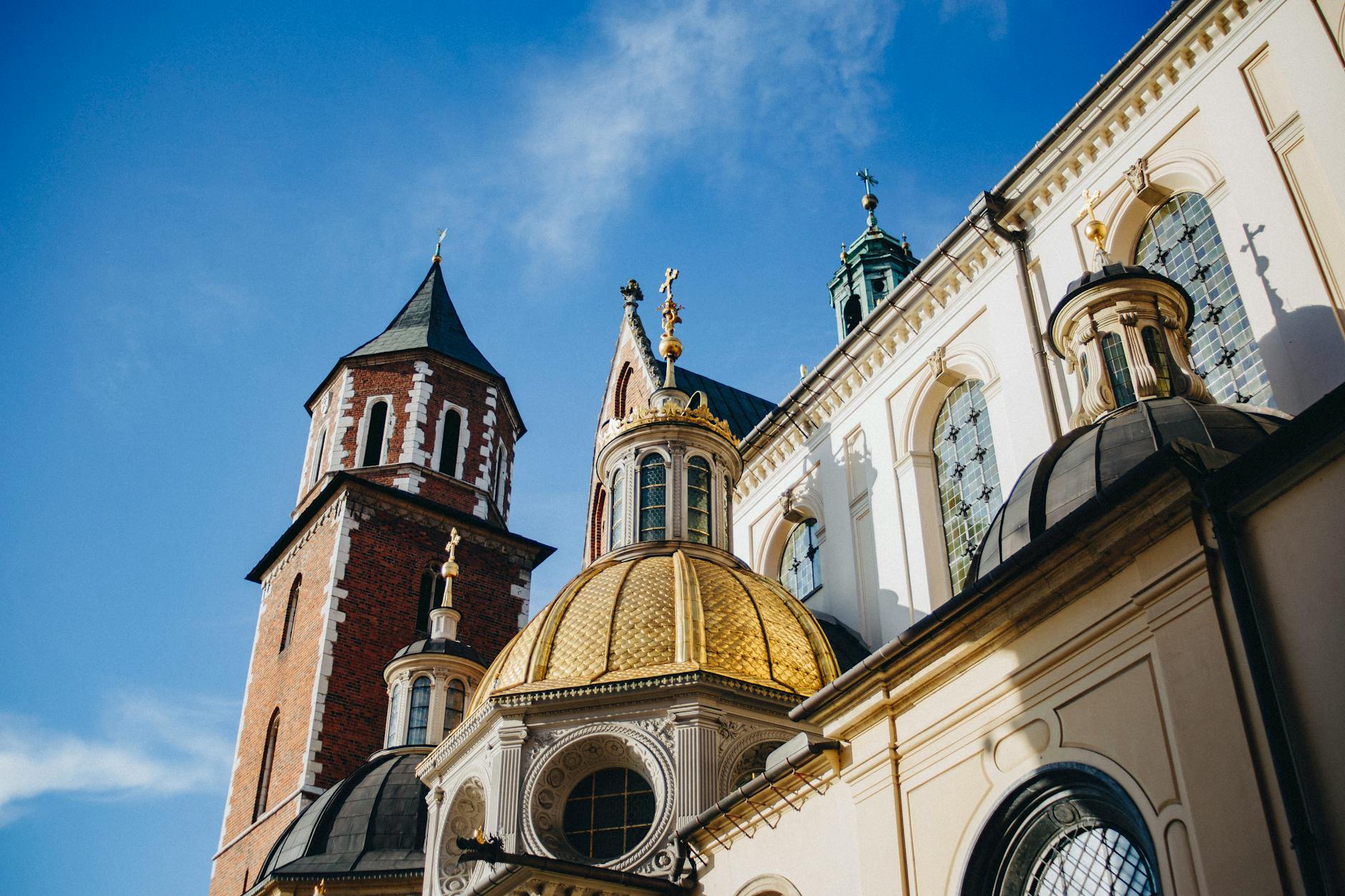
Book State Rooms tickets first. They sell out before everything else. If you are booking on your own, this should be the first ticket you secure.
Visit the Dragon’s Den last. The cave exits at the bottom of the hill by the river, so if you visit it early, you will need to climb back up. Save it for your final stop and walk along the Vistula afterward instead.
Wednesday and Thursday are the calmest days. Weekend crowds are heavy, Mondays are packed with free-entry seekers, and Tuesday is the first day after Monday closures. Midweek is the sweet spot.
Photography is allowed without flash. No tripods, but phone and camera photos are fine throughout. The Hall of Heads is the most photographed room in the State Rooms for good reason.
No large bags allowed inside the exhibitions. Anything bigger than carry-on size (55x35x20 cm) must be left at the cloakroom. Same for strollers — courtyard is fine, but they cannot go into the museums.
The grounds are free and open early. The castle courtyard opens at 6 a.m. and is free to walk year-round. If you want photographs without a single other person in the frame, 7 a.m. on a weekday morning is your window.
Bring cash for the Dragon’s Den. The ticket machine at the cave entrance accepts coins and small bills. It is only 12 zl but you cannot buy it online or with a card at the machine.
What You Will Actually See Inside
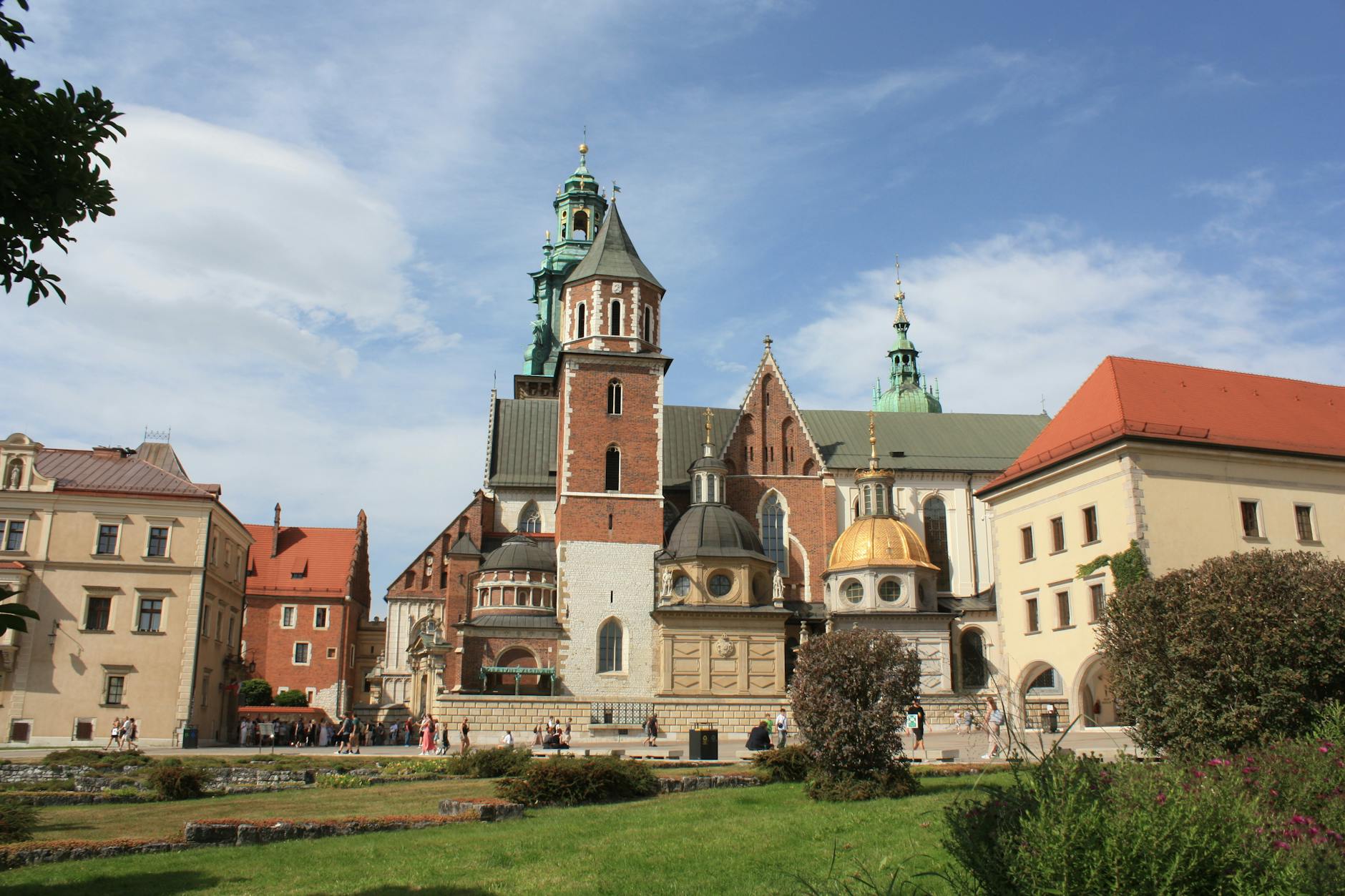
Wawel is not just one building. The hilltop complex contains several distinct sites, each worth different amounts of your time depending on your interests.
The Royal State Rooms are the crown jewel. Renaissance halls filled with period furniture, Italian paintings, and the extraordinary collection of Flemish tapestries commissioned by King Sigismund Augustus in the 16th century. The Hall of Heads is the standout — a ceiling covered in 30 carved wooden heads that once held 194 faces before fire and theft reduced the collection. The rooms are not enormous, so the timed-entry system keeps visitor density manageable.
The Crown Treasury and Armoury is smaller but packed with artifacts that tell Poland’s military and royal history. The Szczerbiec coronation sword is the centerpiece — it was used to crown Polish kings from 1320 onward and is one of the few surviving medieval coronation swords in Europe. The winged hussar armor is another highlight, and the entire exhibition takes about 45 minutes at a comfortable pace.
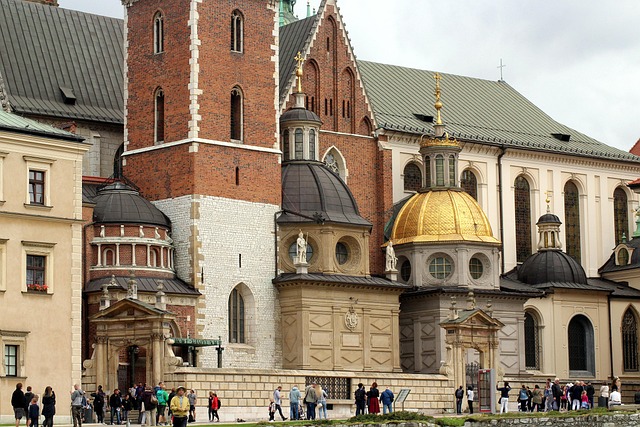
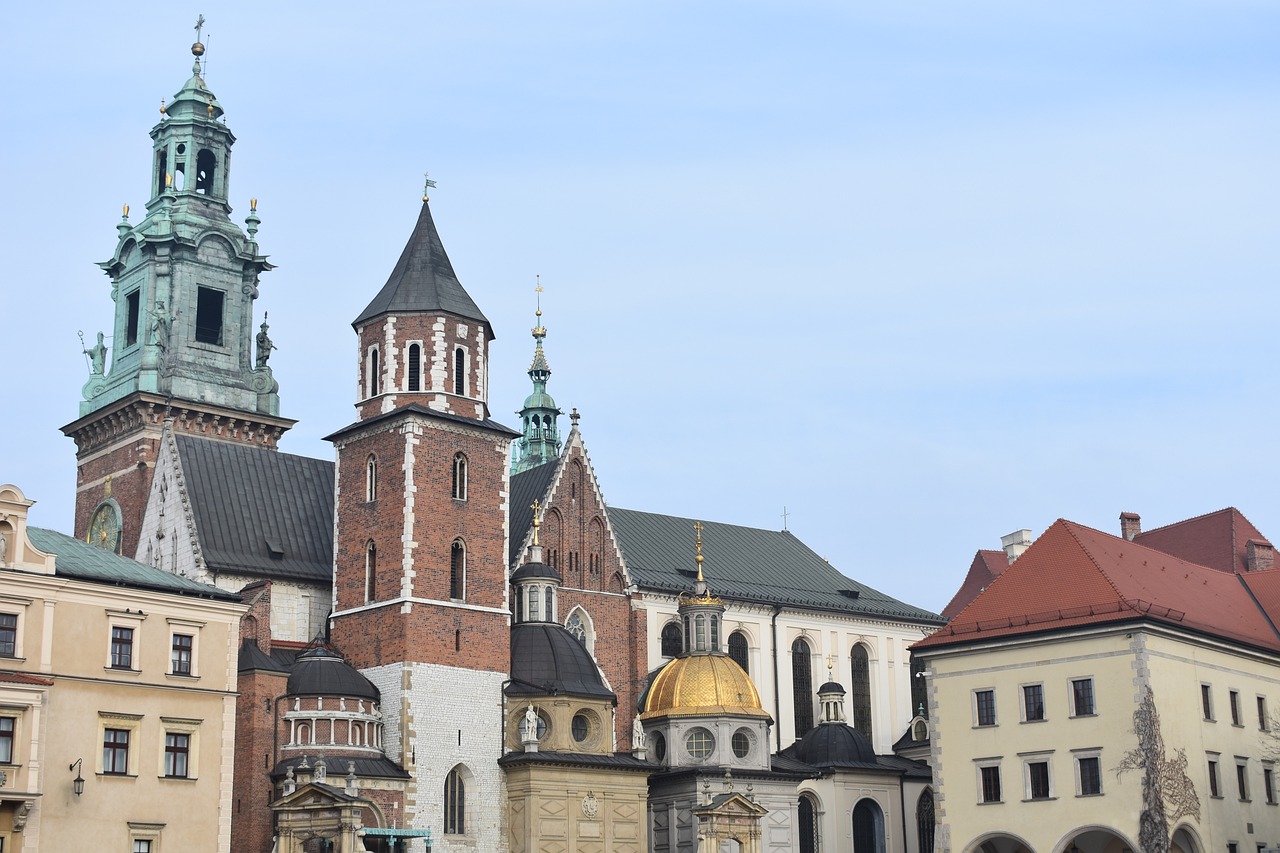
Wawel Cathedral is where Polish kings were crowned and buried for 500 years. Casimir the Great, Jadwiga, Sigismund the Old, and more recent national heroes like Jozef Pilsudski all rest here. The cathedral itself is an architectural collision of Romanesque, Gothic, Renaissance, and Baroque styles layered on top of each other over centuries. The royal crypts below are atmospheric and surprisingly accessible. The Sigismund Bell in the tower is Poland’s most famous bell, and climbing up to see it gives you solid views over Krakow.
The Dragon’s Den is the crowd-pleaser, especially with families. You descend 135 steps through a narrow spiral staircase into a limestone cave that runs beneath the hill. The cave itself is short — maybe 5 minutes of walking — but the atmosphere is genuinely cool (literally and figuratively). You exit at the riverside and are greeted by a bronze dragon statue that shoots real fire from its mouth every few minutes. It is kitschy and everyone loves it.
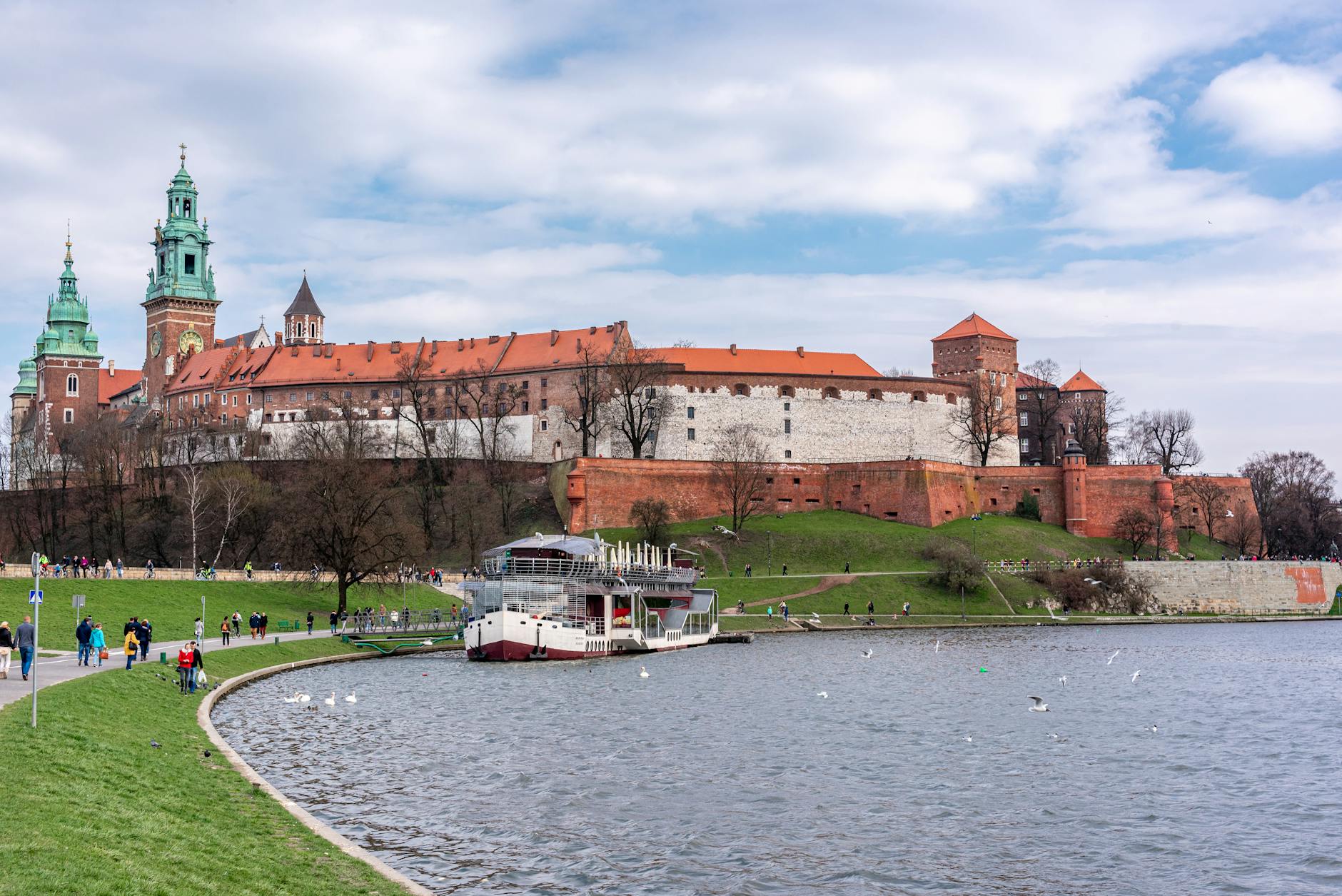
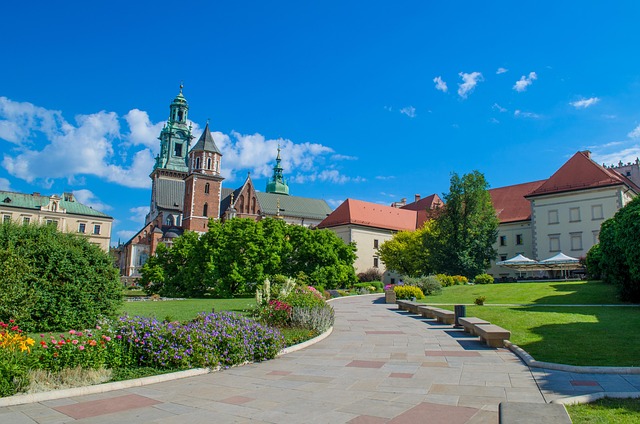
The Courtyard and Grounds cost nothing and are worth at least 30 minutes of your time. The arcaded Renaissance courtyard is one of the finest in Central Europe, and the views from the ramparts over the Vistula are excellent. In spring and summer, the Royal Gardens add another peaceful corner to explore.
More Krakow Guides
Krakow is the kind of city where one day never feels like enough. If you are combining Wawel with other day trips, the Auschwitz day trip guide covers the logistics of getting from Krakow to Oswiecim and back, including which tours handle transport and which leave you to figure out the buses. For something completely different after a morning of castle history, Zakopane is a two-hour drive south into the Tatra Mountains and makes for a refreshing contrast to city sightseeing. Right at the foot of Wawel Hill, you can hop on a Vistula River cruise that shows you the castle from the water — the views back toward the hill at sunset are genuinely beautiful. And if World War II history is something you want to explore further, the Schindler’s Factory museum in the Podgorze district is a powerful companion to the Auschwitz experience and easy to fit into the same trip.