
The first time I heard a string quartet inside the Klementinum Mirror Chapel, I genuinely forgot I was in a room with fifty other travelers. The ceiling is covered in gilded stucco and mirrors, the acoustics bounce sound around in ways that feel physically impossible for a space that small, and the four musicians were close enough that I could see the calluses on their fingertips. It lasted an hour. I wanted three.
Prague does classical music differently than Vienna or Salzburg. Those cities are polished, expensive, and a bit stiff about the whole thing. Prague is cheaper, weirder, and more accessible. You can hear world-class performances at the Rudolfinum for under $30, catch Vivaldi in a candlelit Baroque church for the price of a decent dinner, or stumble into a free organ recital at a cathedral you walked past on the way to lunch.
But here is the thing: figuring out which concerts are worth your money and which are tourist traps marketed to people who don’t know the difference takes some homework. That is what this guide is for.
Best overall: Mirror Chapel Concert — $34. Intimate room, incredible acoustics, Vivaldi and Mozart performed up close. The venue alone is worth the ticket.
Best budget: Lobkowicz Palace Midday Concert — $28. A lunchtime concert inside Prague Castle grounds. Combines music with history — Beethoven’s original manuscripts are on display in the same building.
Best atmosphere: Spanish Synagogue Concert — $50. The Moorish Revival interior is jaw-dropping, and the program blends classical with Jewish musical traditions.
- How Classical Concert Tickets Work in Prague
- Tourist Concerts vs. Philharmonic: Which Should You Book?
- The Best Classical Concert Experiences to Book
- 1. Classical Concert at the Mirror Chapel —
- 2. Midday Concert at Lobkowicz Palace —
- 3. Classical Concert in the Spanish Synagogue —
- When to Go
- How to Get to the Main Venues
- Tips That Will Save You Time and Money
- What You’ll Actually Hear
- The Venues Worth Knowing About
- While You’re in Prague
How Classical Concert Tickets Work in Prague
Prague’s classical music scene splits into two completely separate worlds, and knowing the difference will save you both money and disappointment.
The tourist circuit: These are the candlelit church concerts you’ll see advertised on every lamppost in Old Town. Companies like Bohemian Concerts and Prague Classical Concerts run nightly performances in gorgeous venues — the Mirror Chapel, St. Nicholas Church, the Spanish Synagogue, St. Giles’ Church. Programs are almost always Vivaldi’s Four Seasons, Mozart, and Dvorak. Tickets run CZK 700-1,200 ($30-$50) and sell through their own websites or through GetYourGuide and Viator. No dress code, no pressure, just show up 15 minutes early and enjoy.
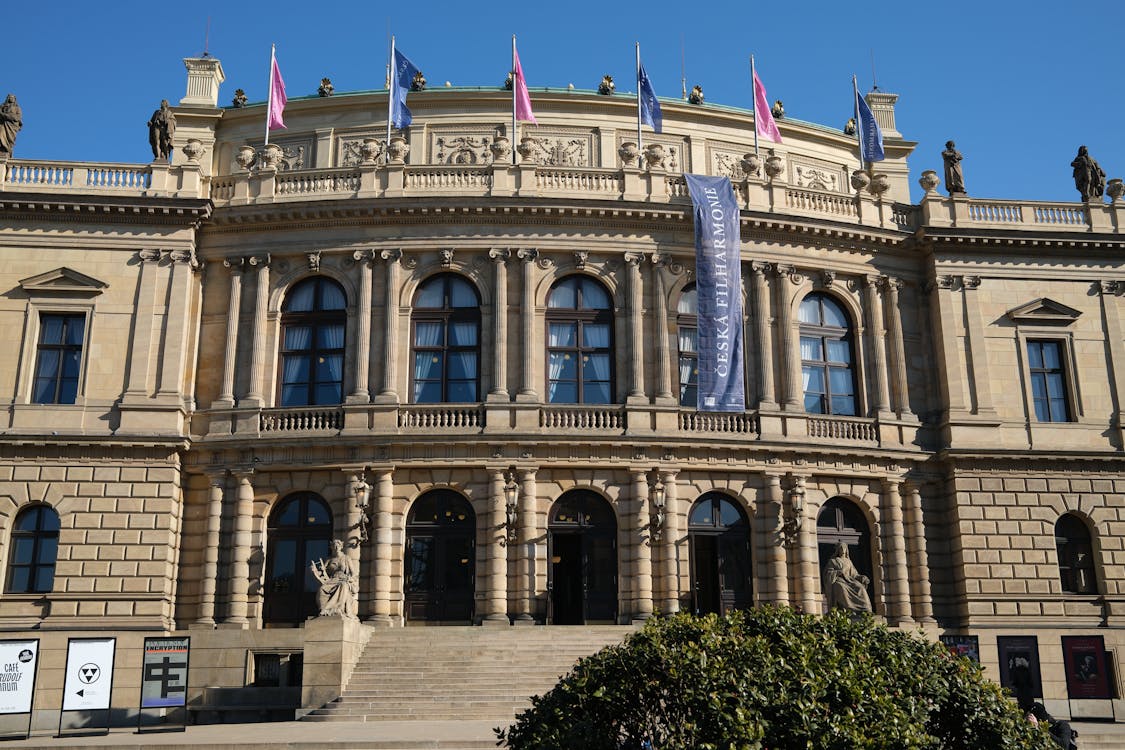
The real concert scene: The Czech Philharmonic at the Rudolfinum, the Prague Symphony at the Municipal House (Smetana Hall), and opera at the Estates Theatre or the National Theatre. These are proper symphony orchestras playing full programs — the same caliber you’d hear in Berlin or Amsterdam. Tickets are shockingly affordable: CZK 250-1,500 ($10-$65) depending on the seat and performance. You buy these through the venue websites directly (ceskafilharmonie.cz, obecnidum.cz, narodni-divadlo.cz). The season runs September through June.
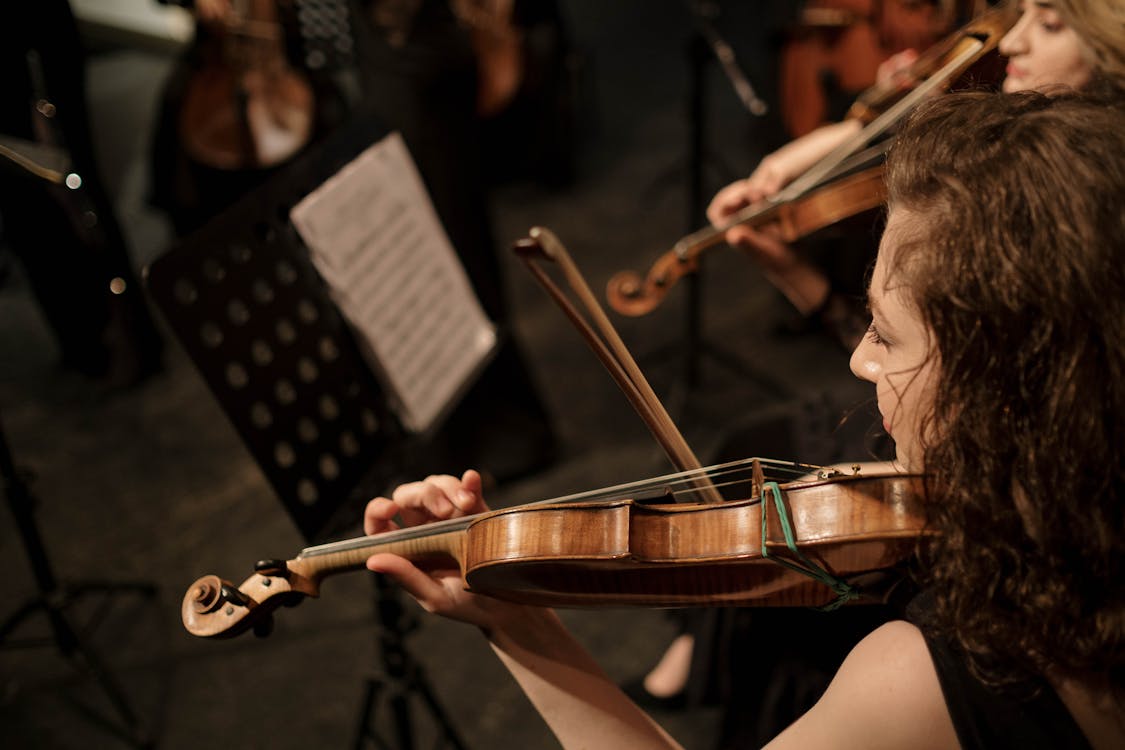
Both are worth doing, honestly. The tourist concerts are beautiful experiences in stunning rooms. But if you care about the music itself — the complexity of the program, the skill of the performers, the depth of the repertoire — the Rudolfinum or Smetana Hall will blow you away for less money.
Tourist Concerts vs. Philharmonic: Which Should You Book?
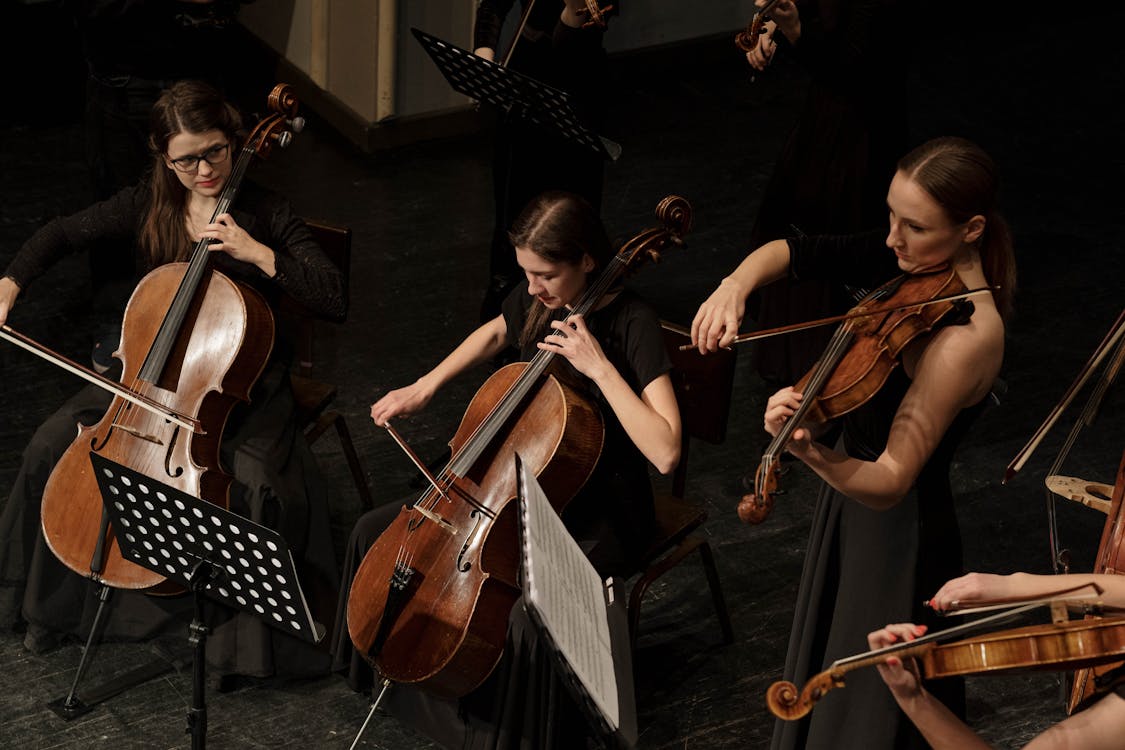
Book a tourist concert if: You want a one-hour, hassle-free experience in a gorgeous setting. You don’t need to plan ahead — tickets are almost always available same-day. The venues are in the heart of Old Town, making it easy to slot into an evening. And the candlelit atmosphere genuinely adds something you won’t get at a formal concert hall.
Book the Philharmonic or a symphony performance if: You actually listen to classical music at home, you want a full-length program (not a greatest-hits compilation), or you want to hear the Czech Philharmonic — one of the oldest and most respected orchestras in the world. You’ll need to book weeks or months ahead for popular performances, especially during the Prague Spring Festival in May and June.
The honest downside of the tourist concerts is that some of the performers are conservatory students, not professionals, and it can show. The programs are repetitive — if you attend two different church concerts in one trip, you’ll likely hear the same Vivaldi piece both times. But for a first-time visitor spending one evening, that doesn’t matter. The setting carries the experience.
The Best Classical Concert Experiences to Book
I’ve picked three concerts that cover different price points, venues, and vibes. All of them are well-reviewed, well-run, and available to book online ahead of your trip — which I’d strongly recommend, because the best seats go to the people who plan ahead.
1. Classical Concert at the Mirror Chapel — $34
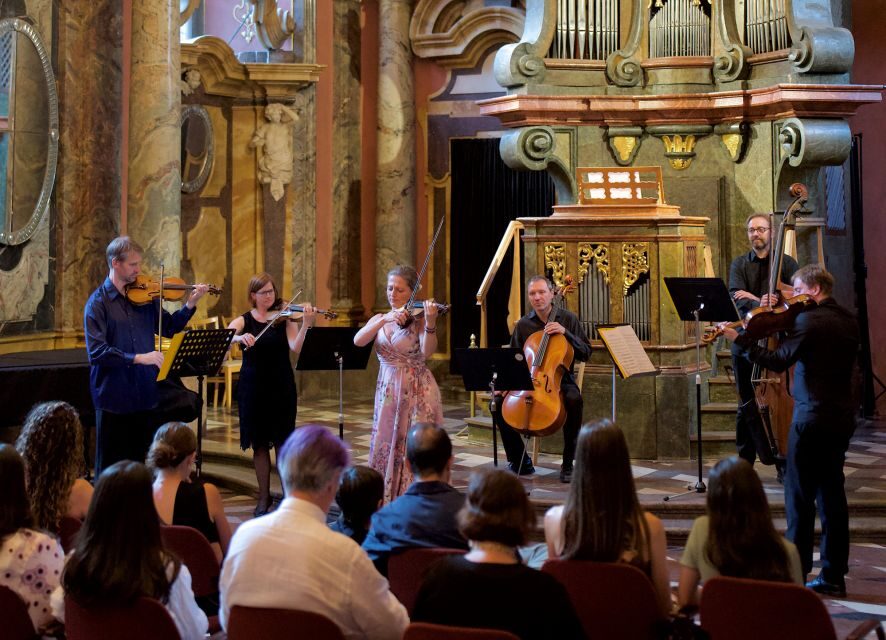
This is the one I’d book if I could only pick one. The Mirror Chapel at the Klementinum is a Baroque room lined with gilded mirrors and ceiling frescoes that catch the candlelight in ways that feel almost theatrical. It seats roughly 100 people, which means you’re sitting close — close enough that the music feels personal rather than performative.
The program rotates through the classics: Vivaldi, Mozart, Dvorak, Beethoven. At $34 for an hour-long performance, it’s the best value-to-experience ratio on this list. The room is the star, but the musicians are good — this isn’t a sleepy matinee. Get there early because seating is first-come, first-served, and the front rows fill fast.
2. Midday Concert at Lobkowicz Palace — $28
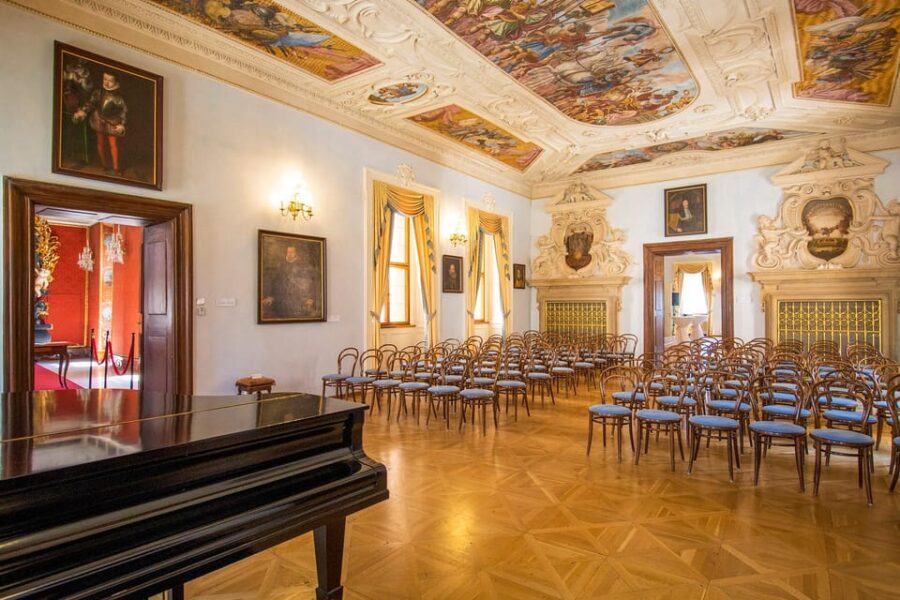
This is the smart pick if you’re already planning to visit Prague Castle. The Lobkowicz Palace concert runs at midday (usually 13:00), inside a palace that the Lobkowicz family reclaimed after the fall of communism. They’ve turned it into a museum and concert venue, and the music programming reflects their personal collection — including original Beethoven and Mozart manuscripts that are displayed in the building.
At $28, this is the cheapest option and the most unusual. It’s not a church concert. It’s not a candlelit tourist production. It’s a lunchtime recital in a noble family’s private palace, played by professional chamber musicians. The vibe is more intimate and less “show” than the evening concerts. Perfect for people who want the music without the theatrical packaging.
3. Classical Concert in the Spanish Synagogue — $50
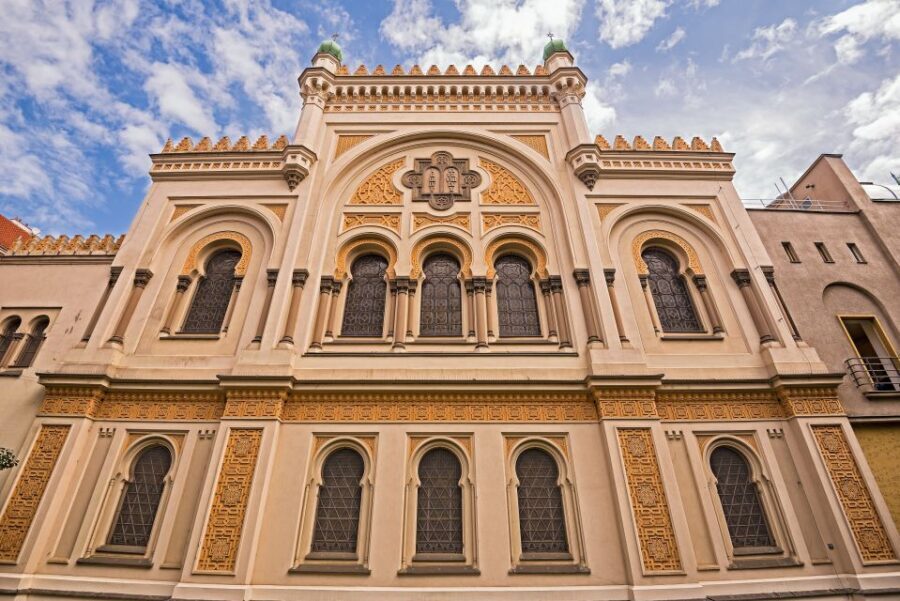
The most expensive option on this list, and the one where you’re paying as much for the venue as for the music. The Spanish Synagogue is a 19th-century Moorish Revival building in the Jewish Quarter — golden geometric patterns cover every surface, from the walls to the dome ceiling. It’s genuinely stunning, and most visitors only see it during the day as part of a walking tour.
The concert program mixes classical repertoire with Jewish musical traditions, which makes it different from every other concert on this list. You’ll hear pieces you won’t hear at the Mirror Chapel or Lobkowicz. At $50 it’s not cheap, but if the building and the cultural context matter to you, this is the one. The synagogue sits right in the middle of Josefov, so it pairs naturally with an afternoon exploring the old Jewish cemetery and surrounding museums.
When to Go
Tourist concerts (the church/chapel variety) run year-round, though the schedule thins out a bit from January through March when fewer visitors are in town. Peak season is May through October, with multiple performances every evening. Most start at either 17:00 or 19:00 — the earlier slot is convenient if you want to grab dinner afterward, and the later slot tends to feel a bit more atmospheric with the evening light.
The Prague Spring International Music Festival (mid-May to early June) is the big event on the classical calendar. It’s been running since 1946 and attracts world-class orchestras and soloists. Tickets for headline performances sell out months in advance, but smaller concerts and fringe events pop up all over the city. If your trip overlaps with the festival, plan early.
Czech Philharmonic season: September through June at the Rudolfinum. Thursday and Friday evenings are the main subscription concerts. Check ceskafilharmonie.cz for the program — some concerts sell out weeks ahead, others have seats available the day before.
One thing worth knowing: Sunday matinee performances are common and often cheaper than evening shows. The Estates Theatre (where Mozart conducted the premiere of Don Giovanni in 1787) has regular afternoon slots that are less crowded than weekend evenings.
How to Get to the Main Venues
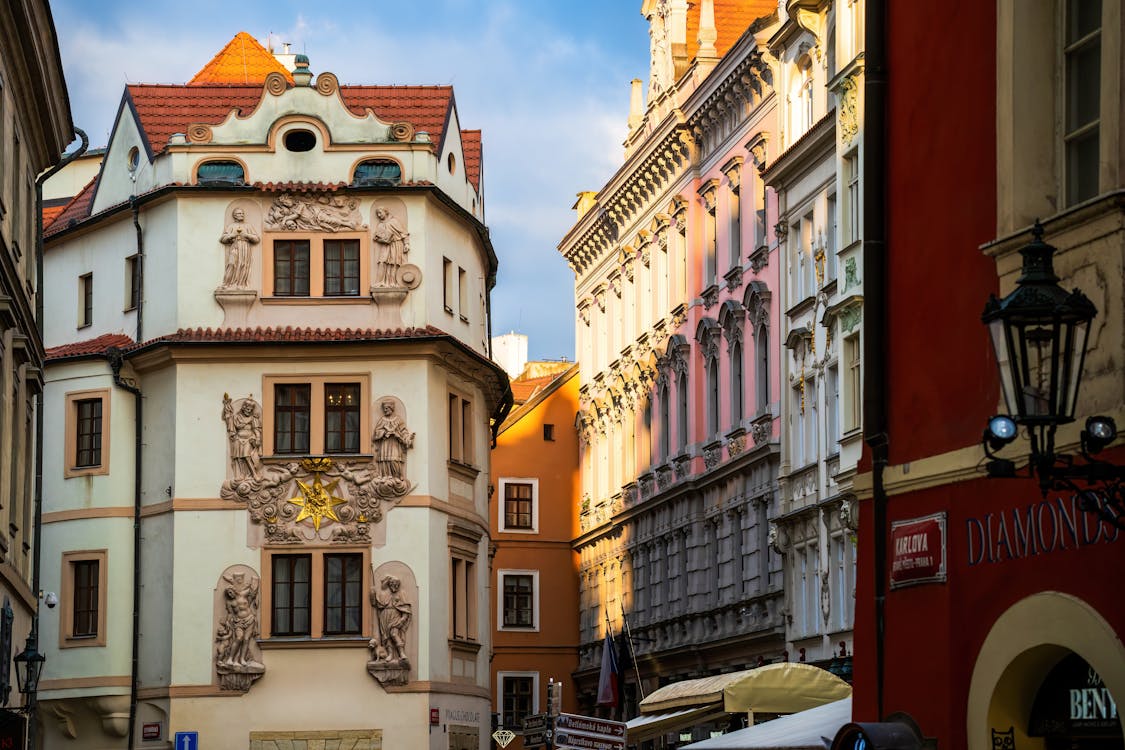
Mirror Chapel (Klementinum): Karlova 1, Old Town. Two minutes from Charles Bridge, right on the main tourist walking route. Metro to Staromestska (Green Line), then a 5-minute walk south. You can’t miss the Klementinum complex — it’s the second largest building in Prague after the Castle.
St. Nicholas Church (Mala Strana): Malostranske namesti. Take the tram to Malostranska, or walk across Charles Bridge from Old Town (about 10 minutes). The green dome is visible from half the city. Don’t confuse it with the other St. Nicholas Church on Old Town Square — they’re different buildings.
Rudolfinum: Alsovo nabrezi 12, on the riverbank near the Jan Palach Square tram stop. Metro Staromestska, then a 3-minute walk north along the river. The building is impossible to miss.
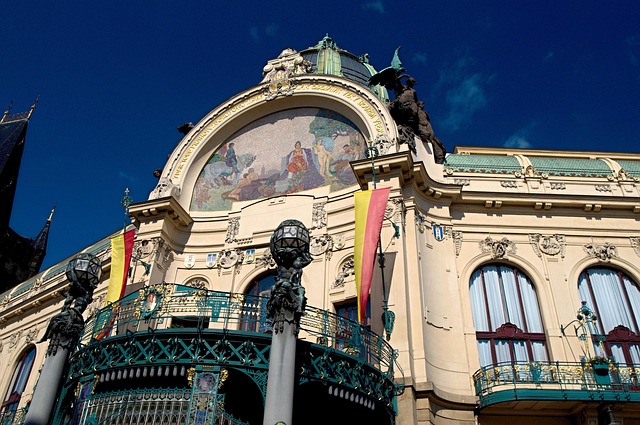
Municipal House (Smetana Hall): Namesti Republiky 5, next to the Powder Tower. Metro Namesti Republiky (Yellow Line) drops you right outside. The Art Nouveau facade with the large mosaic above the entrance is a landmark in itself.
Lobkowicz Palace: Inside the Prague Castle complex. Take tram 22 to Prazsky hrad, or walk up from Malostranska metro. The palace is at the eastern end of the castle grounds — you’ll pass through the main castle courtyards to reach it.
Spanish Synagogue: Vezenska 1, Josefov (Jewish Quarter). Metro Staromestska, 5-minute walk east. It’s part of the Jewish Museum circuit but operates independently for concerts.
Tips That Will Save You Time and Money
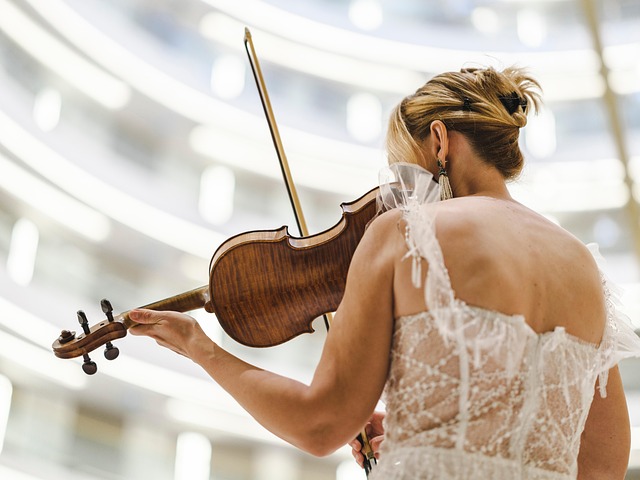
Book online, not from street sellers. The guys in period costumes handing out flyers on Charles Bridge are selling the same tickets you can get online, sometimes with a markup. Booking through GetYourGuide or the venue website gives you a confirmed reservation and skip-the-line entry at some venues.
Seating is usually first-come, first-served. Church and chapel concerts don’t have assigned seats. Arrive 15-20 minutes before showtime if you want a front-row spot. The difference between row 1 and row 8 in a 100-person chapel is significant.
No dress code for tourist concerts. You can show up in jeans and sneakers. The Rudolfinum and Estates Theatre are slightly more formal — smart casual is fine, but don’t wear shorts and flip-flops.
Check for combo deals. Lobkowicz Palace offers a concert + museum combo ticket. Some Klementinum concerts include a guided tour of the historic library (which is worth seeing on its own). These combos save a few euros and fill an afternoon nicely.
Avoid the 22:00 concerts. Some venues run late-night shows that are essentially the same program as the 19:00 performance, played by tired musicians to a half-empty room. Stick with the earlier time slots.
The Estates Theatre is special. Even if you’re not an opera fan, seeing a performance in the theater where Mozart premiered Don Giovanni is a singular experience. The building hasn’t changed much since 1783. Check narodni-divadlo.cz for the current schedule — they alternate between opera, ballet, and drama.
What You’ll Actually Hear
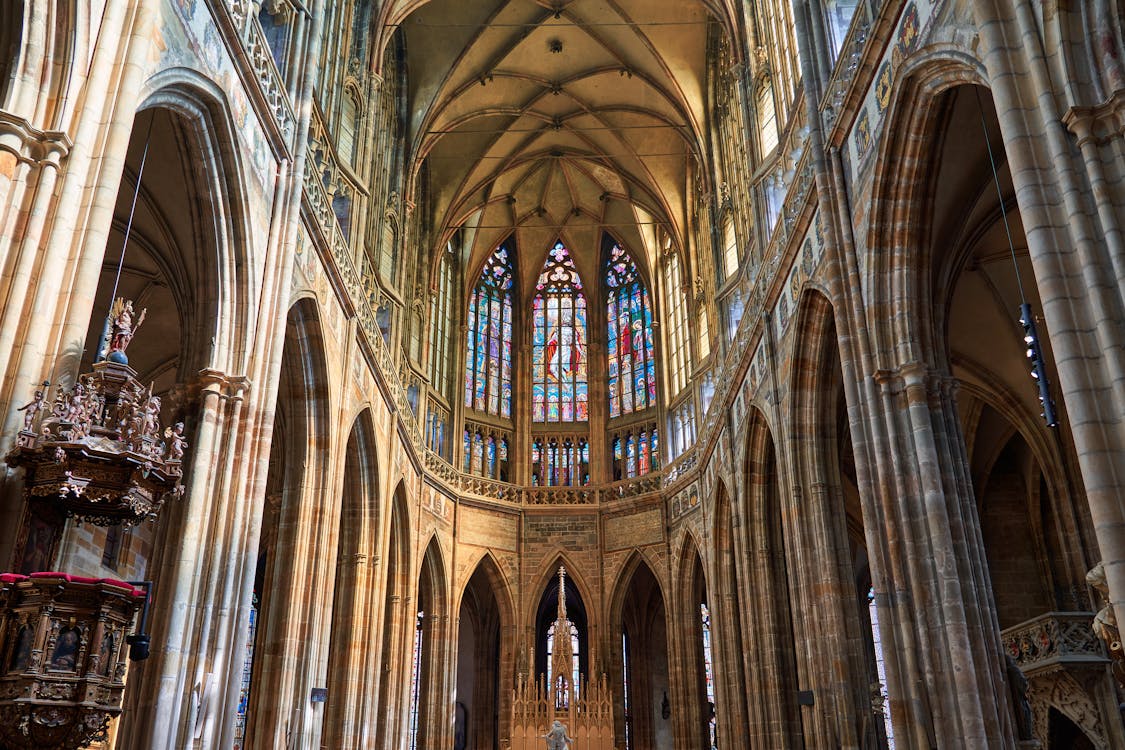
Prague’s concert scene leans heavily on a few composers, and that’s not a bad thing — it’s their local heritage.
Antonin Dvorak is everywhere. His New World Symphony, Slavonic Dances, and chamber works show up on nearly every program. The man was born 30 km north of Prague and the city treats him the way Vienna treats Mozart. The Rudolfinum’s main hall is named after him.
Bedrich Smetana is the other hometown hero. Ma Vlast (My Homeland) — especially the Vltava movement — is practically the city’s anthem. If you’ve taken a Vltava cruise and then heard the Vltava movement performed live, the piece hits completely differently. You’ll recognize the melody of the river.
Mozart spent significant time in Prague and premiered Don Giovanni at the Estates Theatre in 1787. He famously said the Praguers understood him better than the Viennese. His operas and piano concertos are staples at the formal venues.
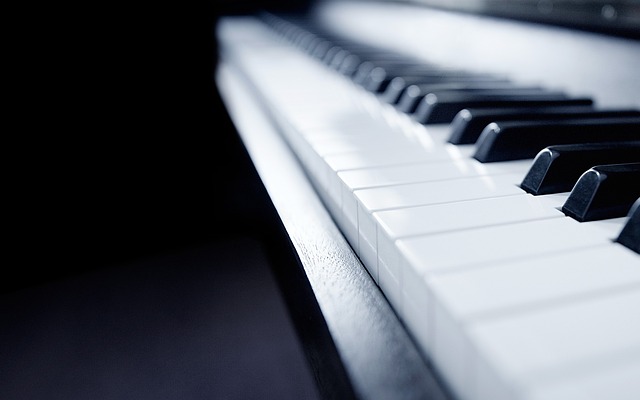
Vivaldi dominates the tourist concert circuit. The Four Seasons is the crowd-pleaser, and it works brilliantly in small Baroque spaces. You’ll hear it performed so often in Prague that you’ll start recognizing which movement is playing from the first bar.
At the Rudolfinum and Municipal House, programs are more adventurous. You’ll hear Janacek, Martinu, and contemporary Czech composers alongside the international repertoire. The Czech Philharmonic doesn’t play Four Seasons on repeat — they do Mahler, Bruckner, Shostakovich, and commissions from living composers.
The Venues Worth Knowing About
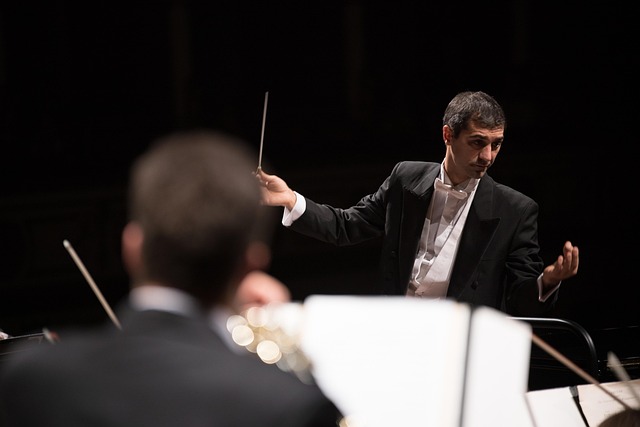
Rudolfinum (Dvorak Hall): The top venue in Prague, full stop. The Czech Philharmonic’s home base since 1896. The hall seats 1,100 and has acoustics that consistently rank among the best in Europe. If you see one concert, see it here.
Municipal House (Smetana Hall): Art Nouveau perfection. The hall is visually more impressive than the Rudolfinum — the painted ceiling and decorative details are absurd — but the acoustics are slightly less refined. Home to the Prague Symphony Orchestra (FOK). The opening concert of the Prague Spring Festival happens here every year.
Estates Theatre: The oldest continuously operating theater in Prague. Small, ornate, and dripping with history. Opera and ballet in the same room where Mozart conducted. Tickets are surprisingly reasonable.
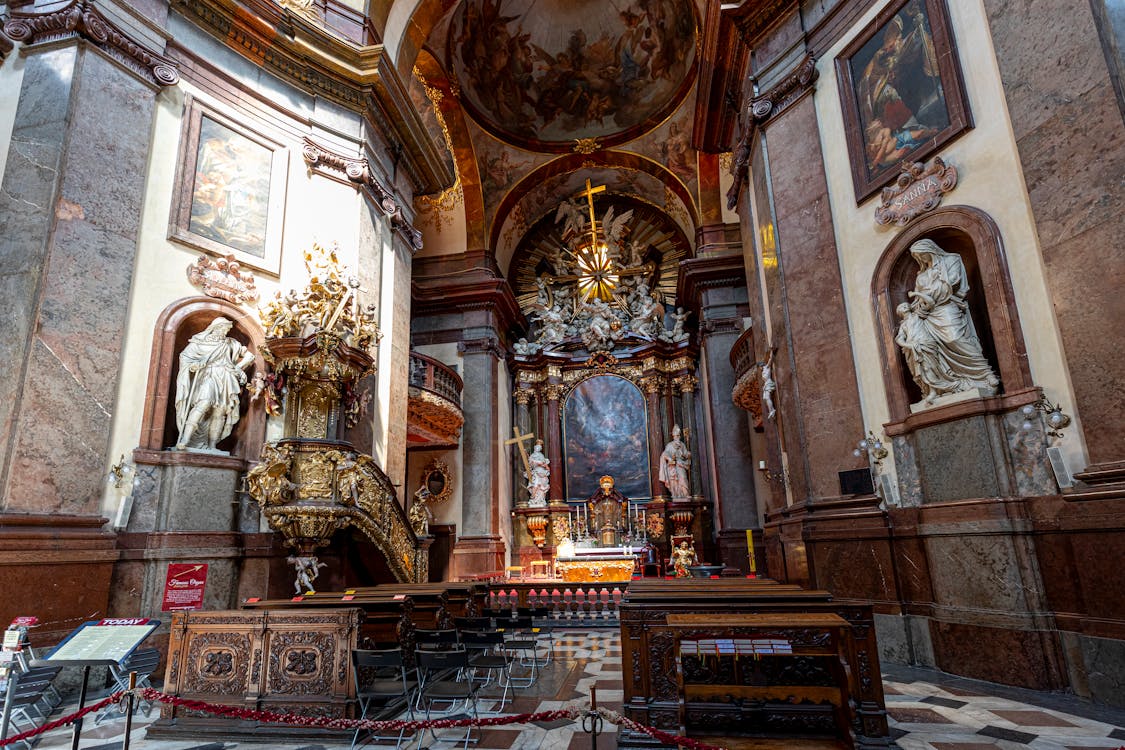
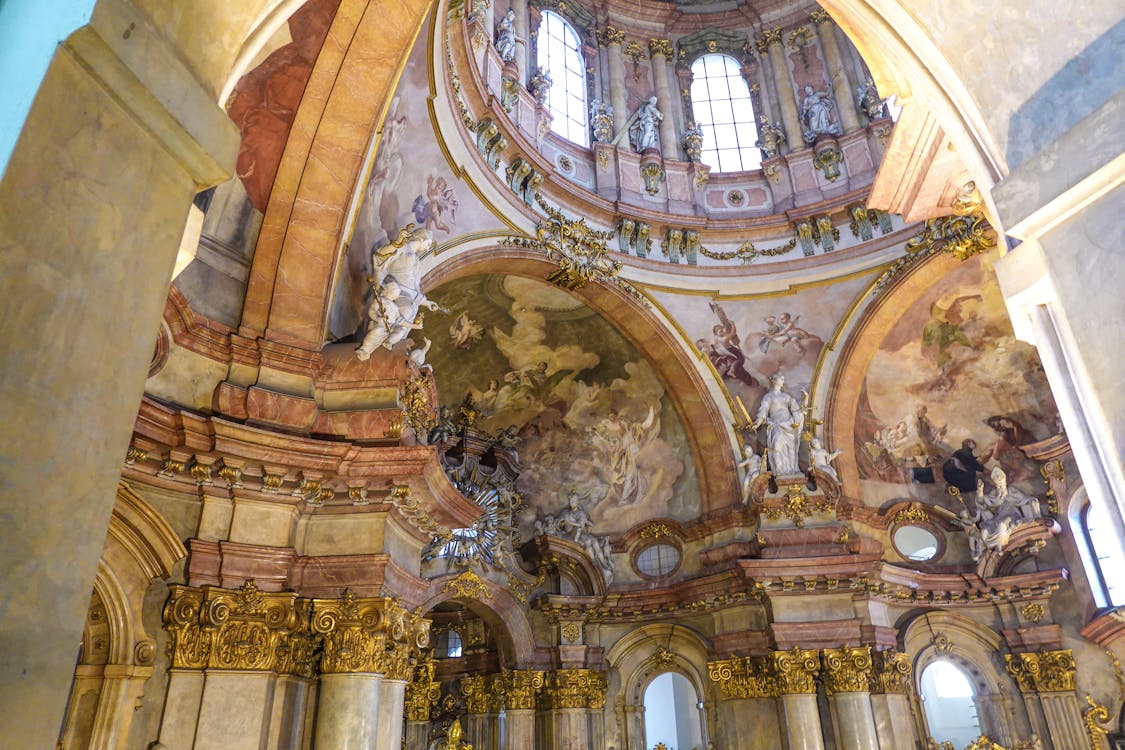
St. Nicholas Church (Mala Strana): The most popular tourist concert venue. The massive Baroque interior with its painted dome and crystal chandeliers creates an atmosphere you won’t forget. Concerts run almost nightly from spring through fall. Seating is on wooden pews, so comfort is not the selling point.
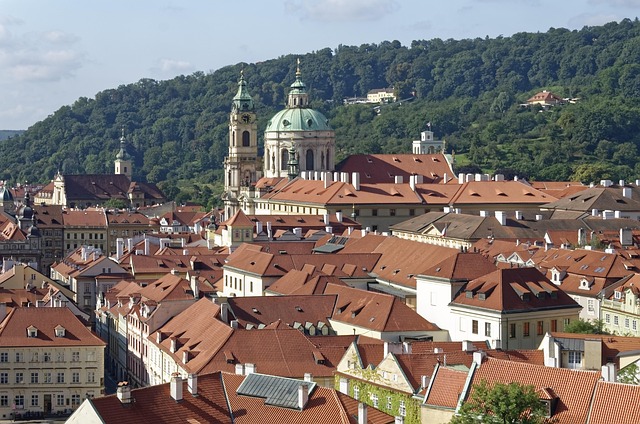
Mirror Chapel (Klementinum): Tiny, gilded, and intensely atmospheric. The mirrors multiply the candlelight and make the room feel larger than it is. First-come seating means the experience varies dramatically — front row is transformative, back row is fine but less immersive.
Spanish Synagogue: The most visually striking venue on this list. The Moorish patterns covering every surface create a setting unlike any church or concert hall. Programs lean into the Jewish musical heritage of the neighborhood, which makes this concert feel like it belongs specifically here and nowhere else.
While You’re in Prague
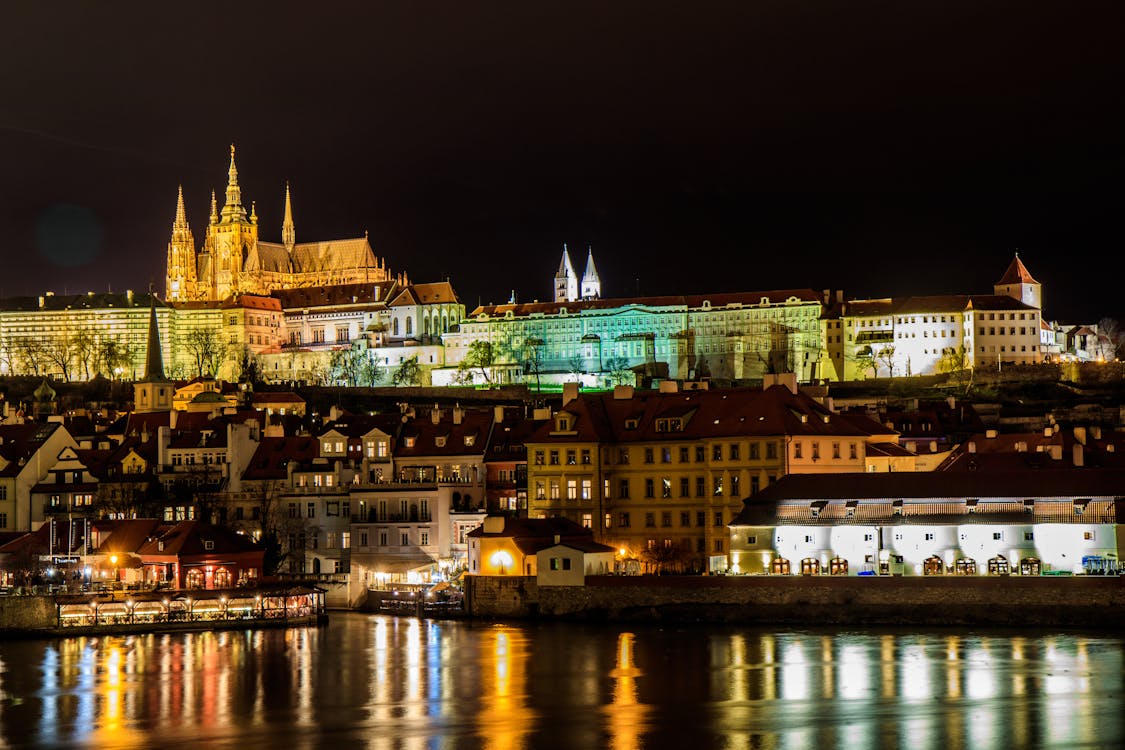
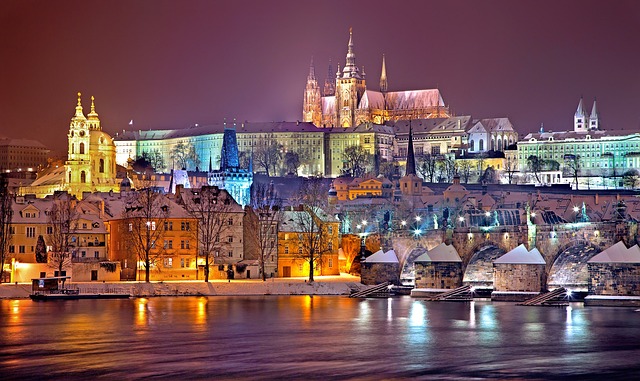
A concert pairs well with almost anything else in Prague. If you’re spending a few days, an evening at the Mirror Chapel or Spanish Synagogue slots perfectly after a day of sightseeing. The walking tours cover the same Old Town streets where most concert venues sit, so you’ll already know the neighborhood. For something completely different, a Vltava evening cruise with the city lit up on both banks makes an excellent alternative night out — or do both if you have the time. And if the history of the Jewish Quarter caught your attention at the Spanish Synagogue concert, our Jewish Quarter guide covers everything from the Old Cemetery to the synagogue museums. Prague is one of those cities that rewards you for staying an extra day or two — there’s always one more concert, one more church, one more side street worth wandering down.
For a daytime experience that carries the same emotional weight as a great concert, our Terezin day trip guide covers the visit to the former concentration camp outside Prague, where art and music were acts of resistance during the occupation. It pairs powerfully with the Spanish Synagogue concert especially. On the lighter side, a Prague pub crawl is the polar opposite of an evening concert but equally Prague, and the medieval dinner experience gives you another theatrical evening with a five-course feast, sword fights, and unlimited Czech beer in a vaulted stone cellar.
This article contains affiliate links. If you book a tour through our links, we earn a small commission at no extra cost to you. It’s how we keep this site running.