
The guide stopped us in front of a wall covered in children’s drawings. Butterflies, flowers, houses with smoking chimneys. Normal things that kids draw everywhere. Then she told us that of the roughly 15,000 children who passed through the Terezin ghetto, fewer than 1,500 survived the war.
That’s the moment a Terezin tour stops being a history lesson and becomes something you carry home with you.
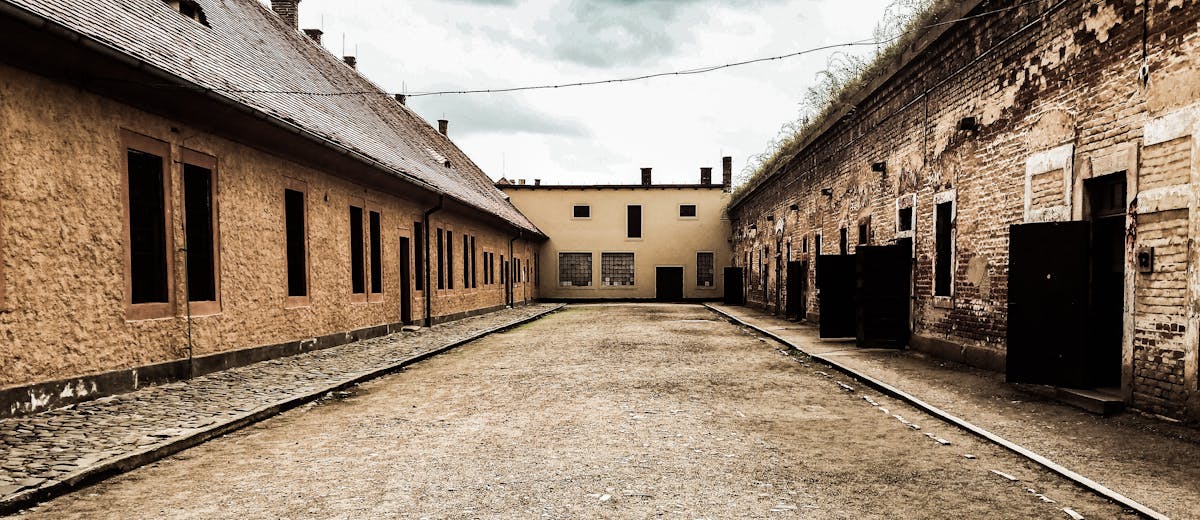
Terezin sits about 60 kilometers north of Prague, a drive that takes just over an hour. During World War II, the Nazis transformed this 18th-century garrison town into a hybrid concentration camp and ghetto. They called it Theresienstadt. What makes Terezin different from other Holocaust sites is the propaganda layer — the Nazis actually invited the Red Cross to inspect it, staging an elaborate deception to hide the reality of what was happening. Shops, a cafe, even a children’s opera were part of the facade. Behind it, around 33,000 people died here from disease, starvation, and executions, and tens of thousands more were deported to Auschwitz.
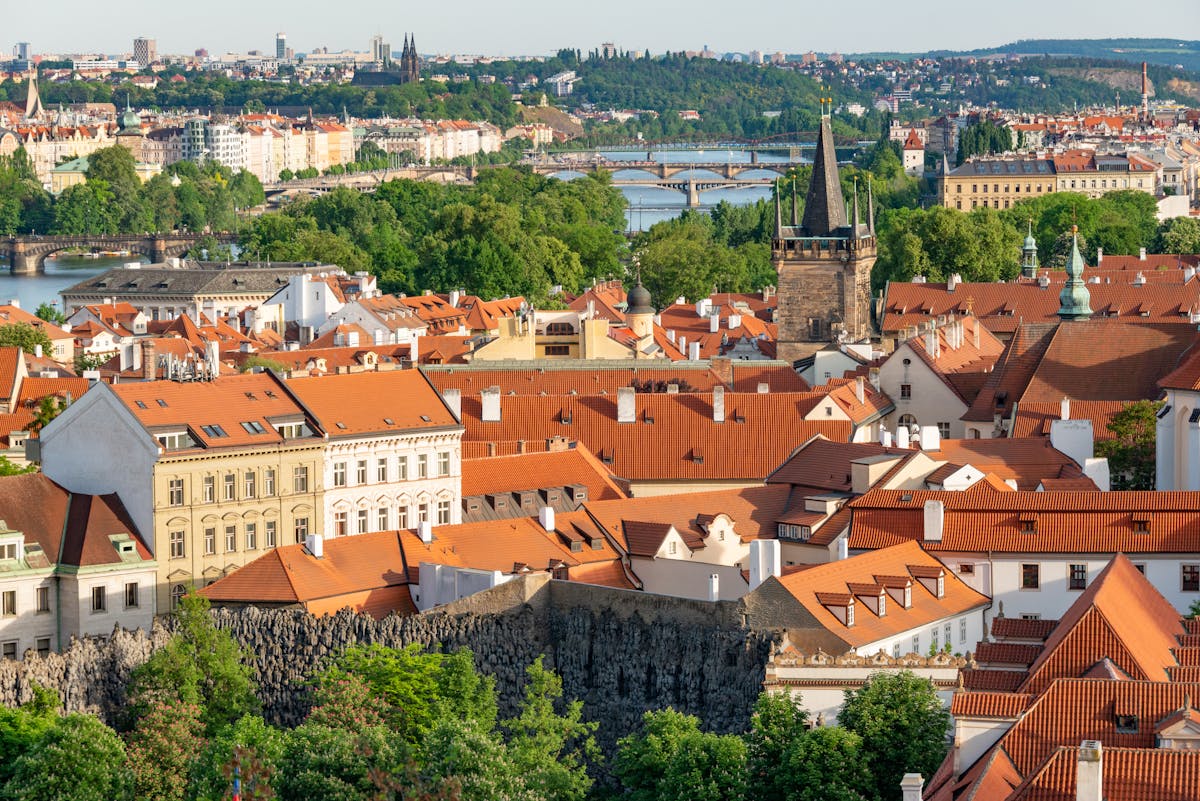
You can visit independently, but a guided tour from Prague is the better choice for most people. Guides provide context that the exhibits alone cannot, and the logistics of getting there and navigating the two main sites — the Small Fortress and the Ghetto Museum — are much simpler when someone else handles them.

Best overall: From Prague: Terezin Guided Tour w/ Audio — $69. The most popular option for a reason. Includes bus transport, an expert local guide at the site, and audio guide supplements. Thorough five-hour experience.
Best value: From Prague: Tour of Terezin Concentration Camp — $66. Slightly shorter format but covers all the essential ground. Good guides and well-organized pickup from central Prague.
Best for depth: Terezin Day Tour from Prague — $79. The longest option at six hours, which means more time inside the memorial sites and less rushing through exhibits.
- What Terezin Actually Is (And Why It Matters)
- Guided Tour vs Going on Your Own
- The Best Terezin Tours to Book
- 1. From Prague: Terezin Guided Tour w/ Audio —
- 2. From Prague: Tour of Terezin Concentration Camp —
- 3. Terezin Day Tour from Prague —
- When to Visit Terezin
- How to Get There
- Tips That Will Save You Time
- What You Will Actually See Inside
- Preparing Yourself for the Visit
- More Prague Guides
What Terezin Actually Is (And Why It Matters)
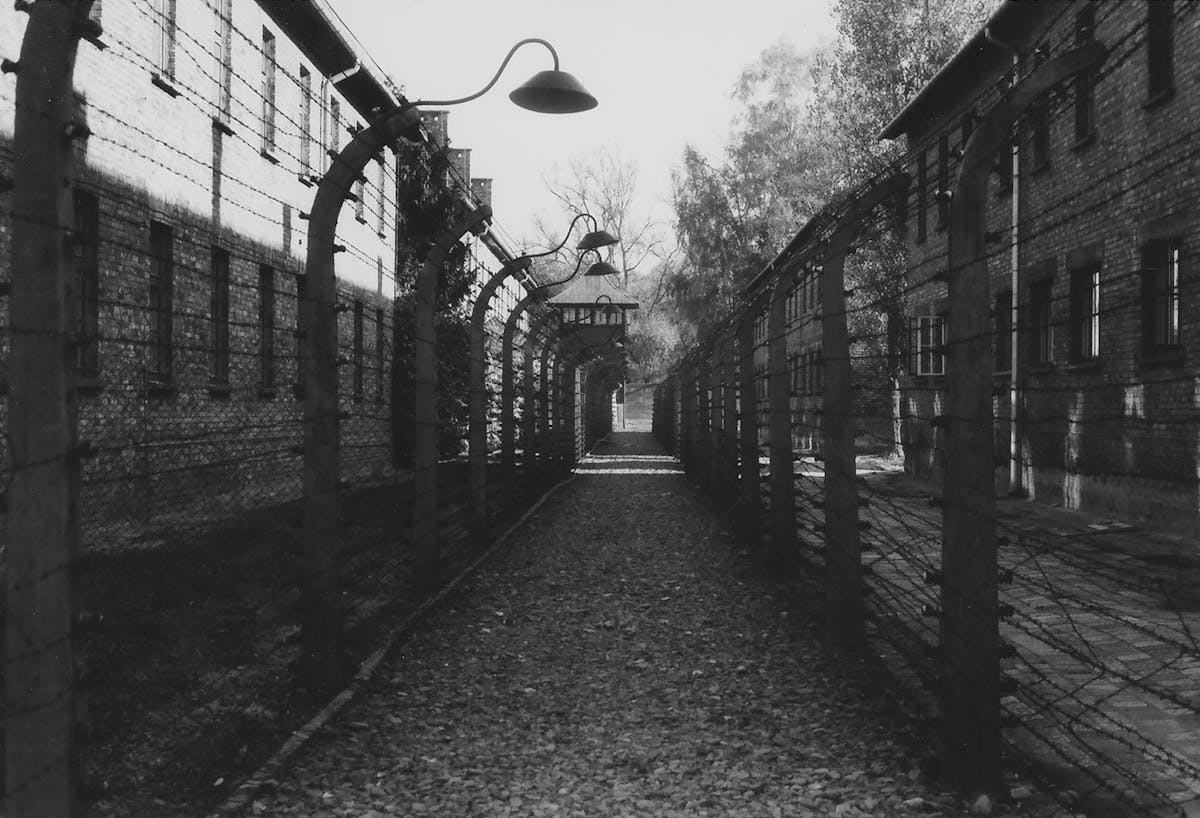
Most visitors arrive expecting a concentration camp like Auschwitz — barracks, watchtowers, fences. Terezin is different, and understanding that difference before you go will make your visit far more meaningful.
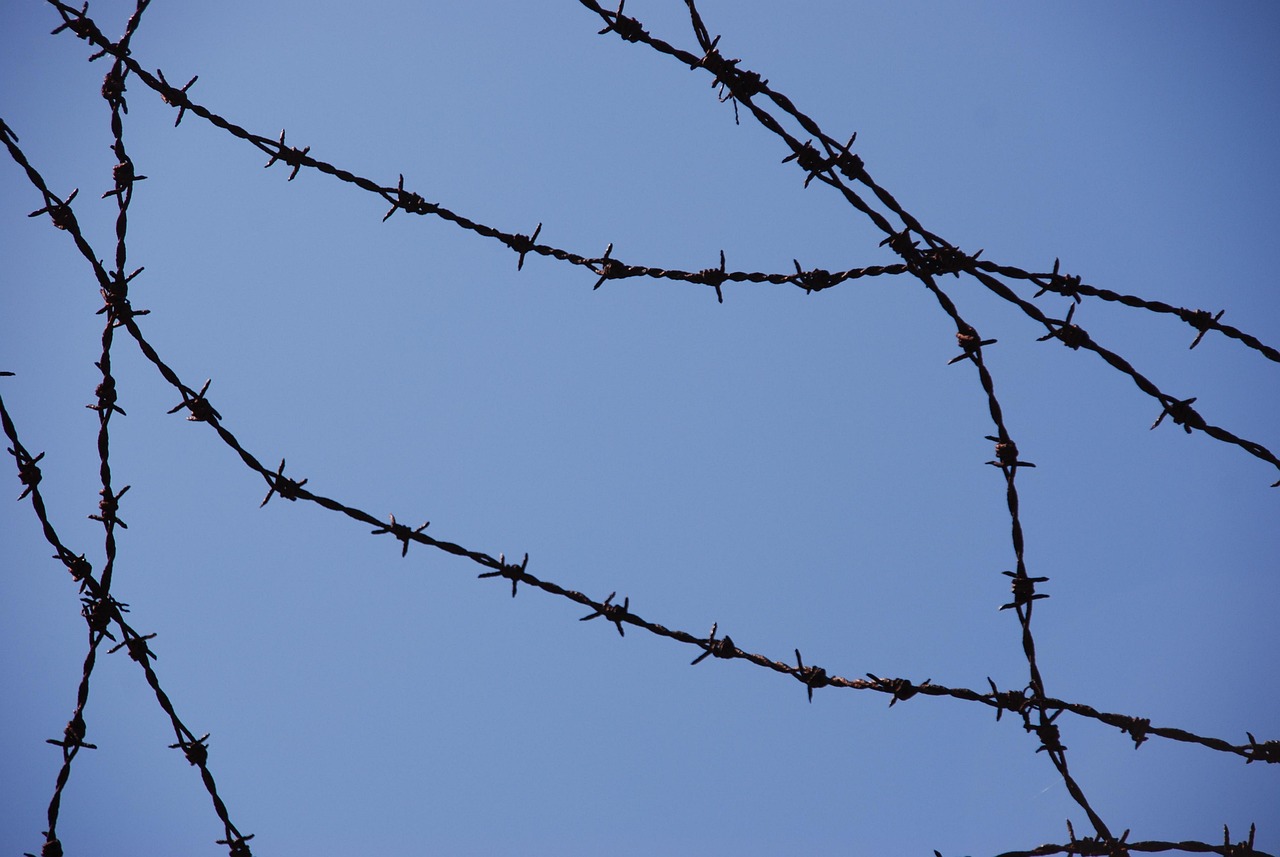
Terezin is actually two sites. The Small Fortress served as a Gestapo prison — this is where political prisoners, resistance fighters, and others deemed enemies of the Reich were held, tortured, and killed. The conditions were brutal. Mass graves outside the fortress walls hold thousands of victims.
The Ghetto, in the main town itself, is where the Nazis concentrated Jewish families from across Czechoslovakia and later from Germany, Austria, Denmark, and the Netherlands. At its peak, the ghetto held over 50,000 people in a space designed for 7,000. The Ghetto Museum, housed in a former school, displays original documents, artwork created by prisoners, and the children’s drawings that have become some of the most powerful artifacts of the Holocaust.
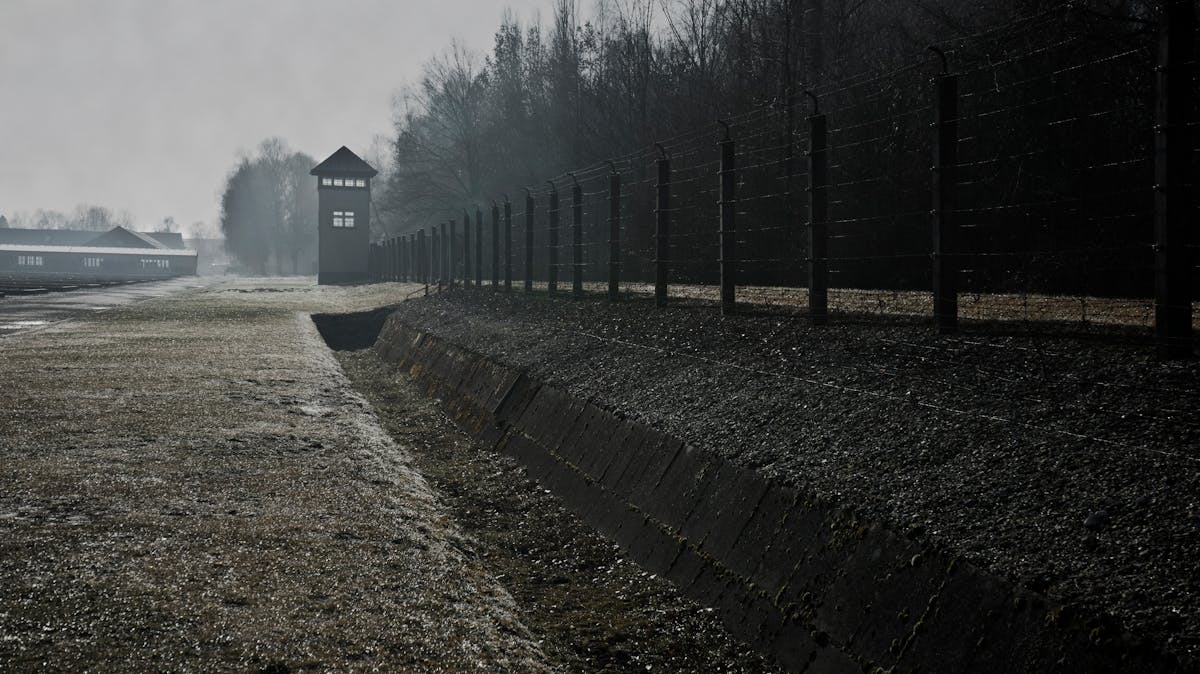
There is also the Magdeburg Barracks, which recreates living conditions and houses exhibits on the cultural life that prisoners maintained under impossible circumstances — theater, music, lectures, art. The fact that people created beauty while surrounded by death is something that stays with you.
Guided Tour vs Going on Your Own
You can technically get to Terezin by public bus from Prague’s Nadrazi Holesovice station. Buses run roughly every hour, cost about 100 CZK each way, and take around an hour. From the Terezin bus stop, the Ghetto Museum is a short walk and the Small Fortress is about a 20-minute walk further.
So why pay for a guided tour?
Context is everything here. Terezin’s story is complex. The propaganda camp, the Red Cross deception, the children’s art, the transports to Auschwitz — without a guide connecting these threads, you are walking through rooms of exhibits in a language that may not be your own, piecing it together yourself. Every tour I have looked at includes a dedicated local guide who has studied this history deeply. The difference between reading a placard and hearing a guide explain what a room was used for, who lived there, and what happened to them is enormous.
Logistically, guided tours also handle the biggest headache: transport. A return bus ticket, waiting at stations, walking between sites — that all adds up to a lot of planning for a half-day trip. A guided tour gives you a bus with air conditioning, a driver who knows the way, and a schedule that ensures you see both main sites without rushing or getting stranded.
If you are a confident independent traveler with strong reading Czech skills, going alone is doable. For everyone else, a guided tour is worth the money.
The Best Terezin Tours to Book
I have narrowed it down to three options. All include return transport from Prague, entry fees, and a local guide at the site.
1. From Prague: Terezin Guided Tour w/ Audio — $69
This is the one I would recommend to most people. The format works well: you get a live guide for the main sites, and an audio guide fills in additional context as you walk through the exhibits at your own pace. The five-hour duration means you spend roughly 3.5 hours actually at Terezin, which is enough to see the Small Fortress and the Ghetto Museum without feeling rushed.
The tour is run by Get Prague Guide, and the guides consistently get singled out for praise. Transport is by comfortable bus with heating and AC, which matters in Czech winters. At $69 per person, it strikes the right balance between cost and depth.
2. From Prague: Tour of Terezin Concentration Camp — $66
If you want essentially the same experience for three dollars less, this tour from Premiant City Tour covers the same two main sites. It is also a five-hour half-day format with bus transport from central Prague, entry fees included, and a dedicated guide at Terezin.
The main difference is the guide style. Where the first tour supplements with audio, this one relies entirely on the live guide. Some visitors prefer that — you get more interaction, more opportunity to ask questions, and no fiddling with audio devices. At $66, this is the most affordable option among the well-reviewed tours and a perfectly solid choice.
3. Terezin Day Tour from Prague — $79
This is the longest option at six hours, and that extra hour makes a noticeable difference. You get more time in the Ghetto Museum, which houses the children’s drawings, the reconstructed dormitories, and the documentary film about the Red Cross propaganda visit. Rushing through that museum would be a mistake, and this tour ensures you do not have to.
The tour is operated by Cedok through Viator and includes the same logistical package: bus transport, entry fees, and expert guiding. At $79 per person, it is the most expensive option on this list, but if Terezin is a priority for your trip rather than a quick half-day addition, the extra time and depth are worth paying for.
When to Visit Terezin
The Terezin Memorial is open year-round, though hours vary by season.
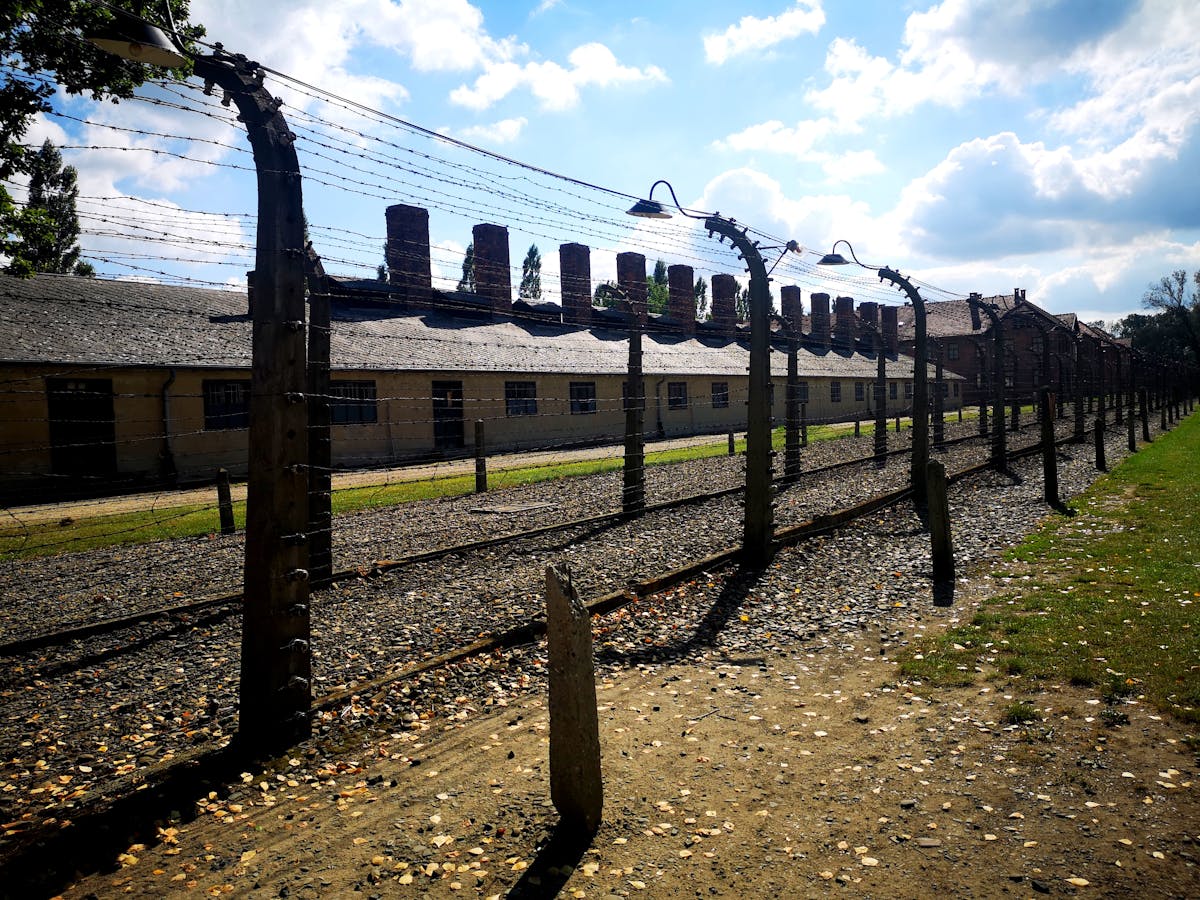
April through October is the main season. The Small Fortress and Ghetto Museum are open daily from 8:00 AM to 6:00 PM. This is when most tours operate, and the longer daylight hours mean better conditions for walking between the outdoor sites.
November through March, hours shorten to 8:00 AM to 4:30 PM. Tours still run, but check availability — some operators reduce departures in winter. The upside of a winter visit is that you will have fewer visitors around you, which matters at a place like this. The stillness of Terezin in winter, with snow on the ground and hardly anyone else around, adds something to the experience that a crowded summer visit cannot match.
Avoid visiting on Czech public holidays when the memorial may be closed or have reduced hours. Christmas Day, New Year’s Day, and Easter Monday are the main ones to watch.
The best day of the week is Tuesday through Thursday. Weekends see higher visitor numbers, especially in summer, and Monday can be tricky as some individual exhibits within the complex close for maintenance.
How to Get There
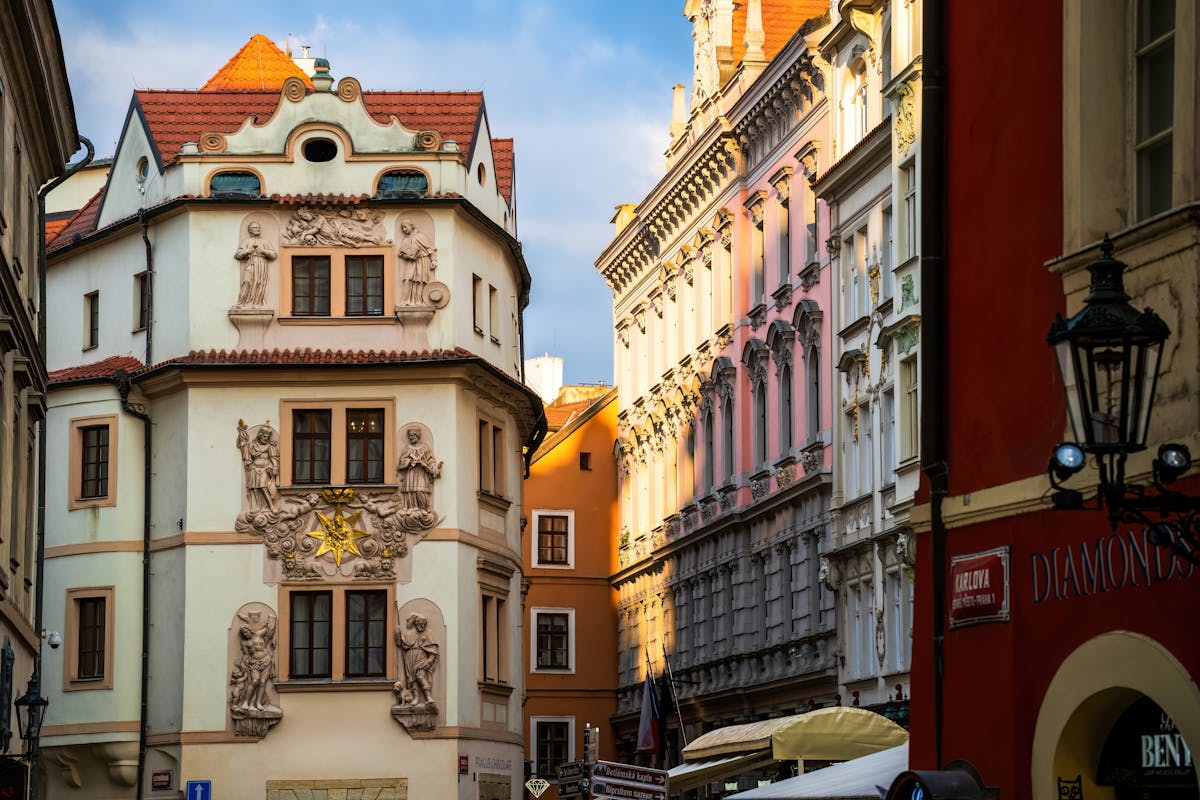
By guided tour bus (recommended): All three tours above include comfortable bus transport with pickup points near Prague’s Old Town. Most depart between 9:00 and 10:00 AM and return by 2:00 to 4:00 PM. You will be picked up from a clearly marked meeting point and dropped back at the same spot.
By public bus: Buses to Terezin depart from Prague’s Nadrazi Holesovice (Metro Line C, red line, Nadrazi Holesovice stop). Look for buses heading to Litomerice — Terezin is a stop along the way. The ride takes about an hour and costs roughly 100 CZK each way. Buses run roughly every 60 to 90 minutes.
By car: Take the D8 highway north from Prague toward Dresden. Exit at Lovosice and follow signs to Terezin. The drive takes about 50 minutes without traffic. Free parking is available near both the Small Fortress and the town center.
By train: There is no direct train to Terezin. The nearest station is Bohusovice nad Ohri, about a 20-minute walk from the memorial. Trains from Prague’s main station (Praha hlavni nadrazi) take roughly an hour and run several times daily, but the walk from the station and the limited connections make this the least convenient option.
Tips That Will Save You Time

Wear comfortable shoes. You will walk a lot. The Small Fortress alone covers a large area, and the walk between the fortress and the Ghetto Museum is about 20 minutes on foot. Cobblestones and uneven surfaces are common.
Bring water and a snack. There is a small cafe near the memorial entrance, but options are limited. On a hot summer day, you will be glad you packed water. On a cold winter day, a thermos of tea works wonders.
Dress for the weather. Much of the Small Fortress tour is outdoors. In winter, bring layers, a warm coat, and a hat. In summer, sunscreen and a hat are essential — there is very little shade in the fortress complex.
The combined ticket is the best value. A combined entry ticket covers the Small Fortress, Ghetto Museum, and Magdeburg Barracks for 260 CZK (about $11). Individual tickets exist but the combined ticket saves money if you plan to see more than one site. Guided tours typically include all entry fees.
Allow at least three hours on site. Even with a guide, you want time to stand quietly in some of the rooms, read the plaques at your own pace, and sit with what you are seeing. Rushing through Terezin would be disrespectful to the history and unsatisfying for you.
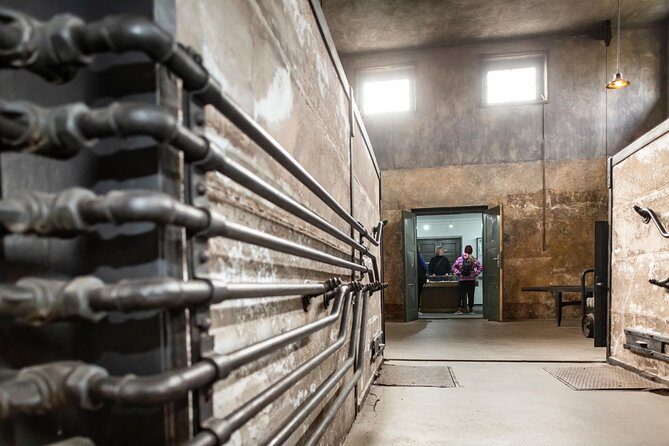
Photography is allowed in most areas but use discretion. This is a memorial site, not a tourist attraction. The children’s drawings, the crematorium, the execution grounds — these are places where a moment of silence means more than a photograph.
The memorial bookshop near the entrance has excellent books on Terezin’s history, including collections of the children’s artwork and first-person accounts from survivors. If you want to understand the full story beyond what a five-hour tour can cover, this is where to start.
What You Will Actually See Inside
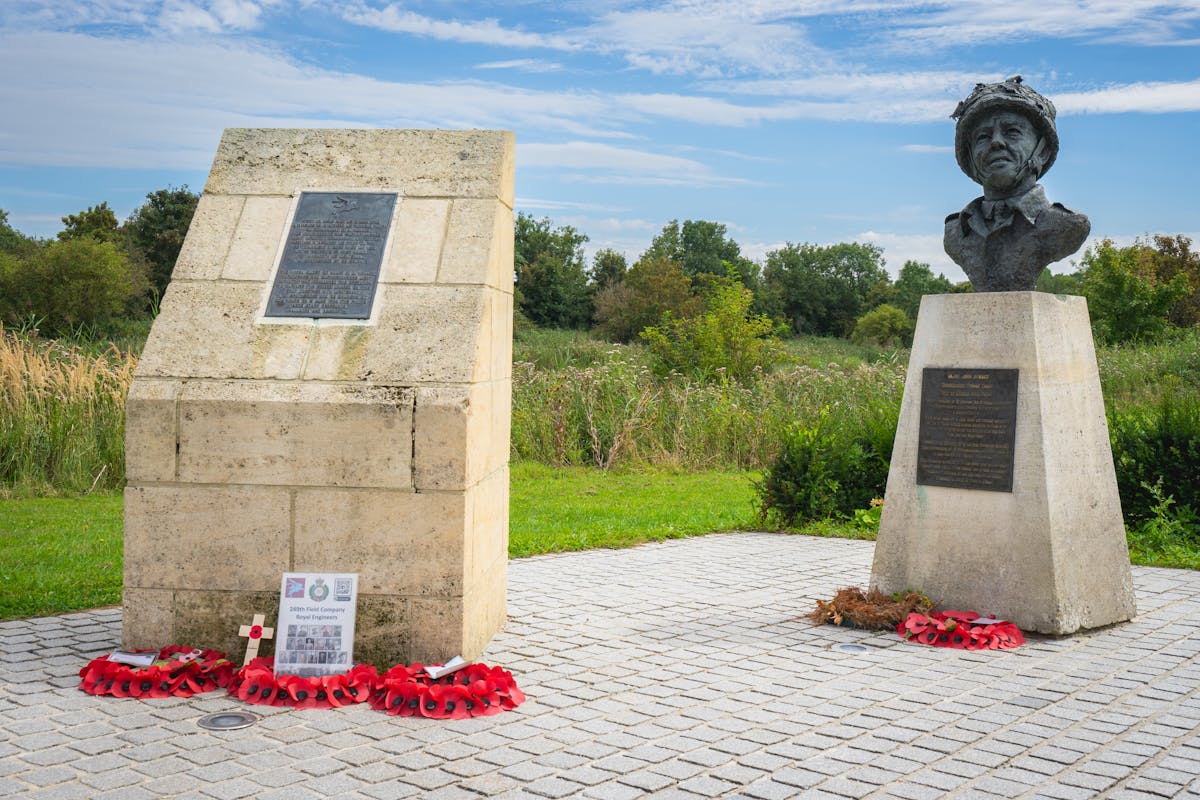
The Small Fortress tour takes you through the prisoners’ cells, interrogation rooms, courtyards, workshops, and execution grounds. The fortress was built by Emperor Joseph II in the 1780s, and its thick walls and underground tunnels already feel oppressive before you learn what the Nazis did inside them. Above the main gate, the infamous phrase “Arbeit Macht Frei” was inscribed — the same cynical lie used at Auschwitz.
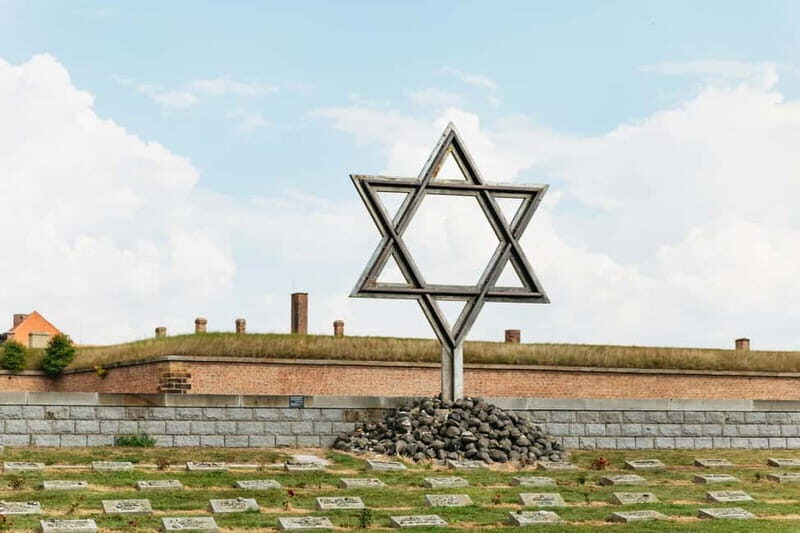
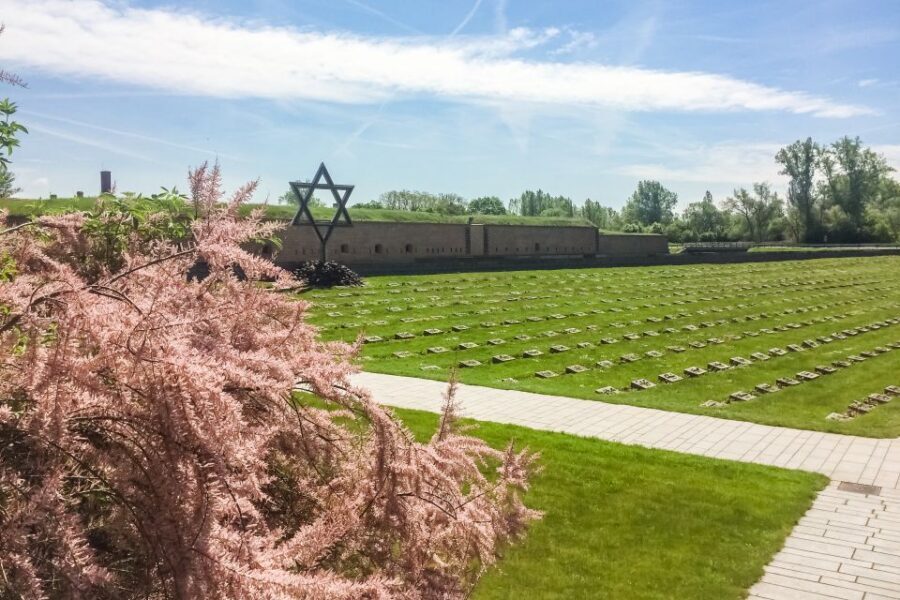
The National Cemetery sits just outside the fortress walls. Rows of simple markers stretch across a green lawn, each representing victims who died here or were found in mass graves after liberation. It is a quiet, open space, and many visitors spend time here before moving on.
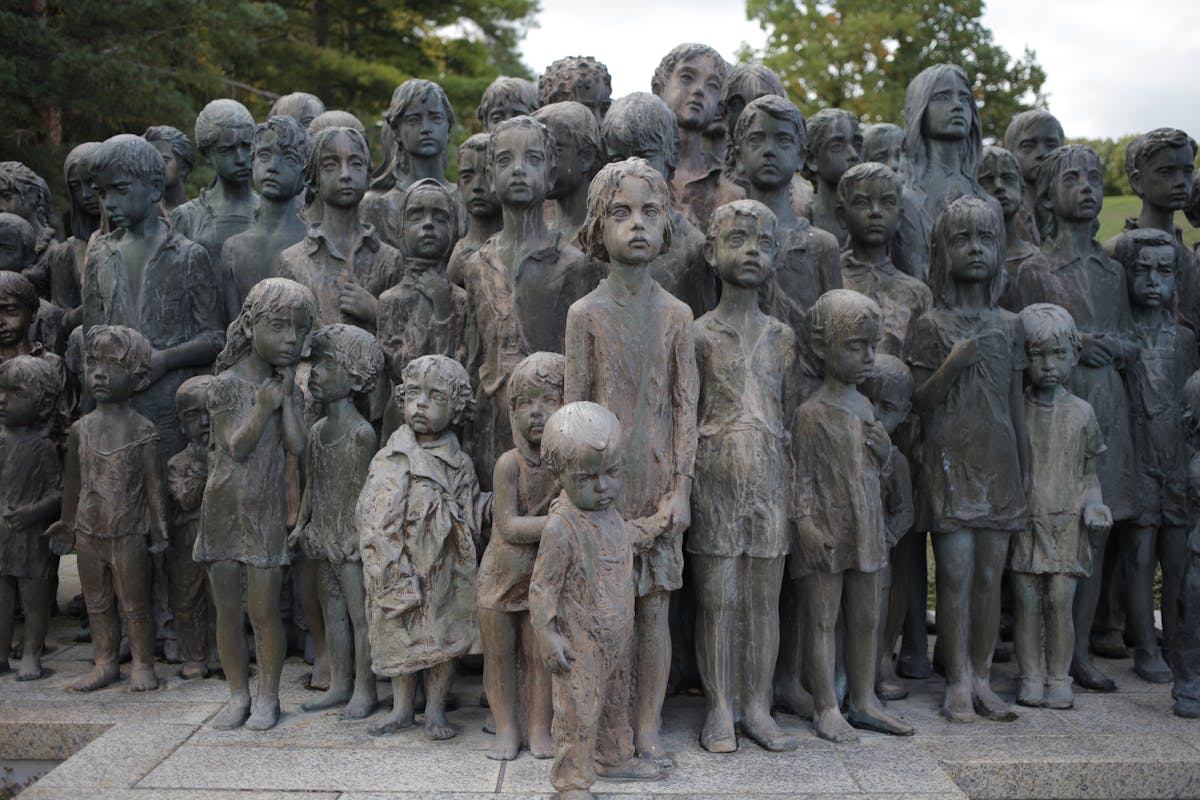
The Ghetto Museum is where the story of the civilian prisoners unfolds. This is where you will see the children’s drawings — butterflies, trees, houses — created during art classes secretly organized by Friedl Dicker-Brandeis, an artist who was later killed at Auschwitz. The museum also covers the propaganda film the Nazis produced to convince the world that Terezin was a comfortable settlement, complete with staged shops and cultural events. Watching the footage alongside the real conditions documented in the exhibits is deeply unsettling.
The Magdeburg Barracks reconstructs the living quarters and documents the extraordinary cultural life that prisoners maintained. Composers wrote music here. Poets wrote poems. Artists drew what they saw around them, at enormous personal risk. A children’s opera called Brundibar was performed 55 times in the ghetto. This resilience in the face of systematic dehumanization is one of the most powerful aspects of a Terezin visit.
Preparing Yourself for the Visit
I want to be straightforward about this: Terezin is not a fun day trip. It is important, it is moving, and it is something I believe everyone visiting Prague should consider — but it is heavy. Plan your day accordingly.
Many people schedule Terezin for the morning and leave the afternoon free for something lighter — a walk along the river, a long lunch, a quiet evening at a restaurant. That is good planning. Do not stack another museum or a heavy sightseeing day on top of Terezin.
If you are visiting with children, consider their age and readiness. The memorial does not shy away from showing what happened. Older teenagers often find the visit profoundly educational, but younger children may find some of the imagery and descriptions distressing.
Reading a little about Terezin before you go will deepen your understanding enormously. The difference between arriving with some knowledge and arriving cold is the difference between a meaningful experience and a confusing one.
More Prague Guides
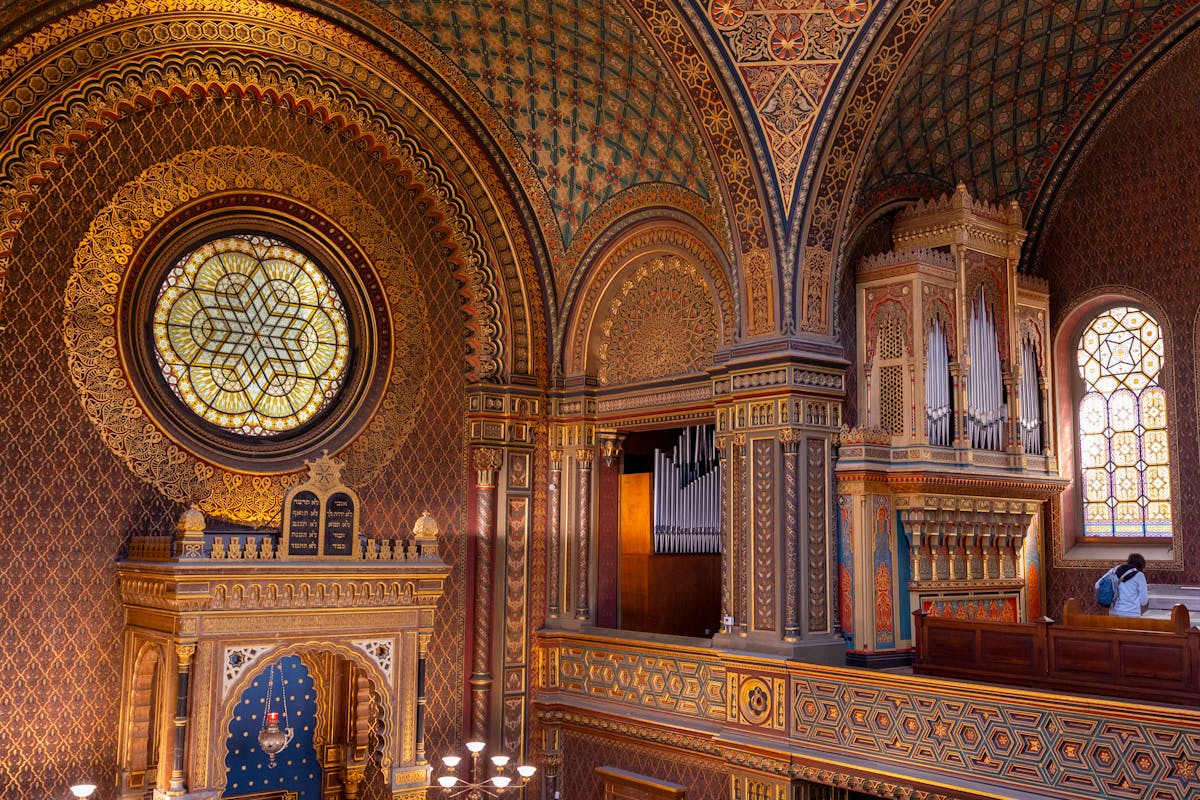
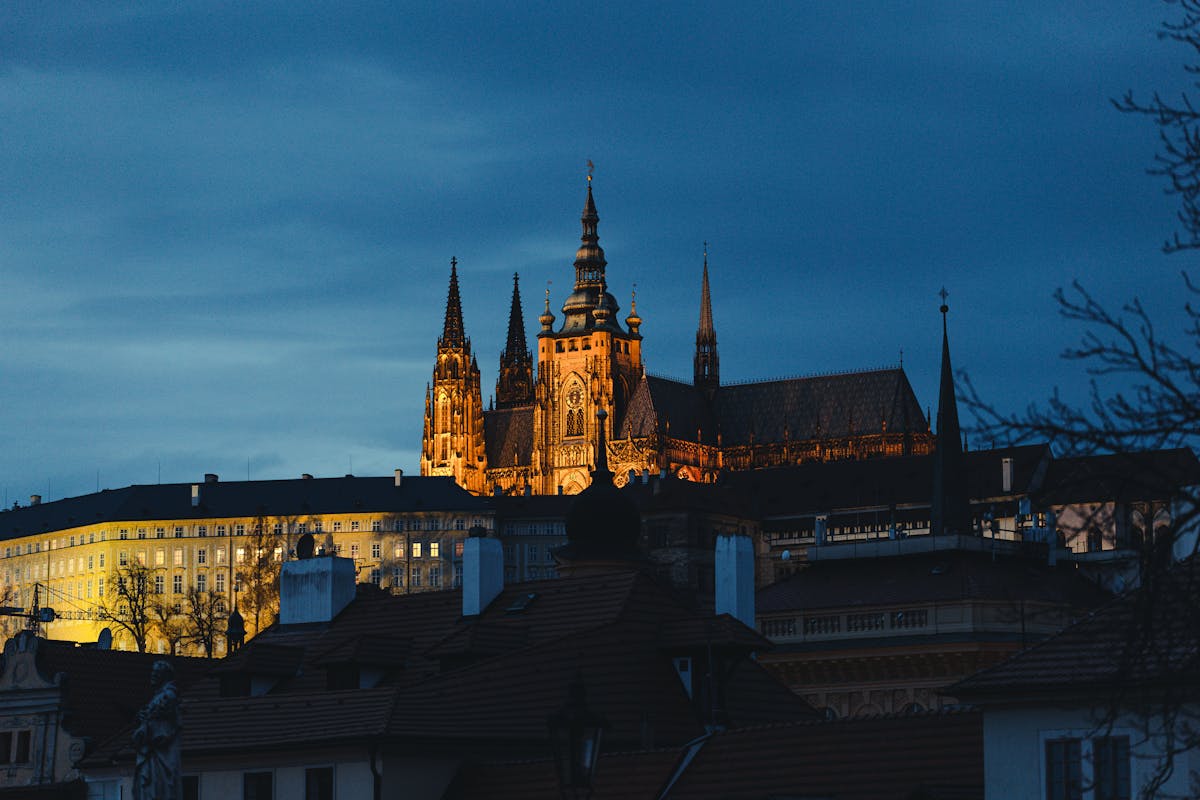
If you are spending a few days in Prague, the Jewish Quarter is the natural companion to a Terezin visit — the Old Jewish Cemetery and the synagogues tell the story of Jewish life in Prague before the war, and seeing them before or after Terezin adds a layer of understanding that neither site provides alone. For a complete change of pace, Prague Castle is the kind of place that reminds you how much history this city holds beyond the 20th century. A walking tour of Prague is the best way to get your bearings, and if you want an evening that feels like the exact opposite of a day at Terezin, a Vltava River cruise at sunset is the way to end the day. For something unexpected, the medieval dinner experience is oddly charming, and the classical concerts in Prague’s historic churches are among the best live music experiences in Europe.
Terezin is not an easy place to visit. But it is a necessary one. The children who drew those butterflies deserve to be remembered, and the people who kept creating art and music under impossible conditions deserve to have their resilience witnessed. A few hours of discomfort on your part is a small price for keeping that memory alive.
If you need to decompress after a heavy day at the memorial, Prague has one of the best beer scenes in Europe. Our pub crawl guide covers everything from relaxed guided tastings at historic brewpubs to full-on nightlife crawls through the Old Town cellars, and sometimes a cold Czech lager in a centuries-old pub is exactly what you need after a day like this.