
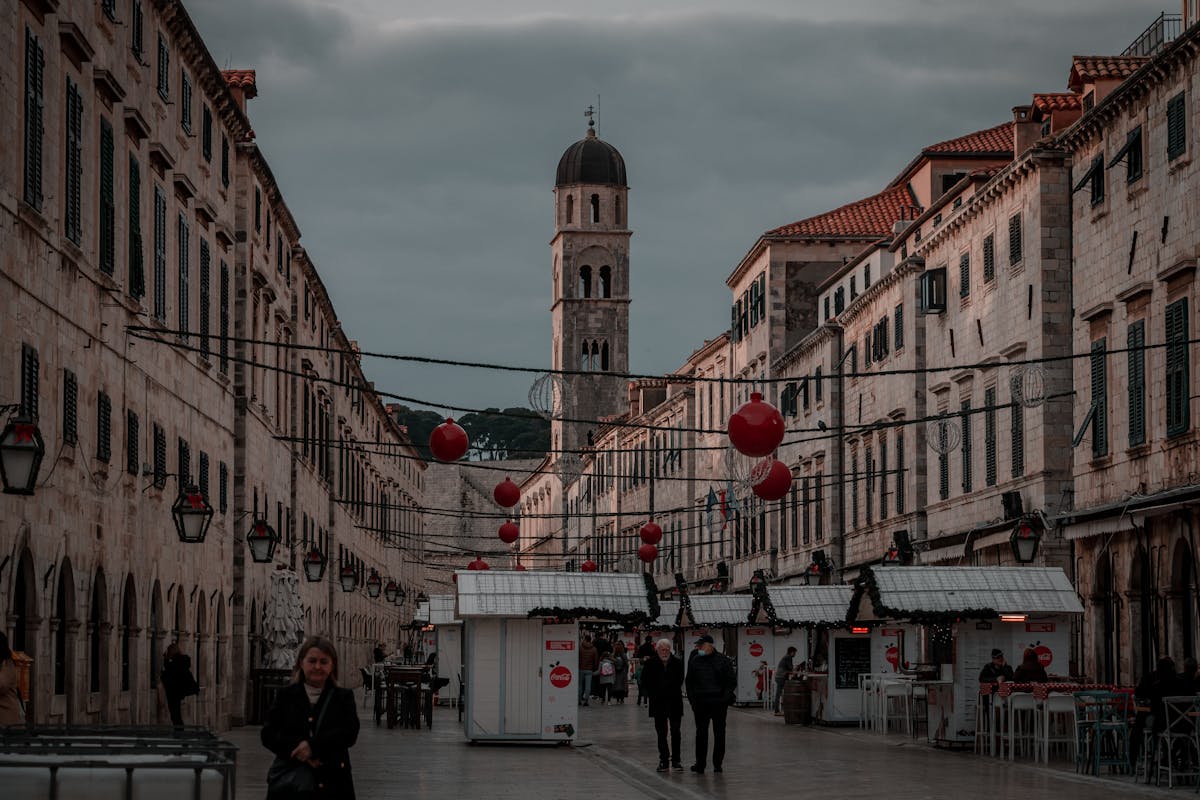
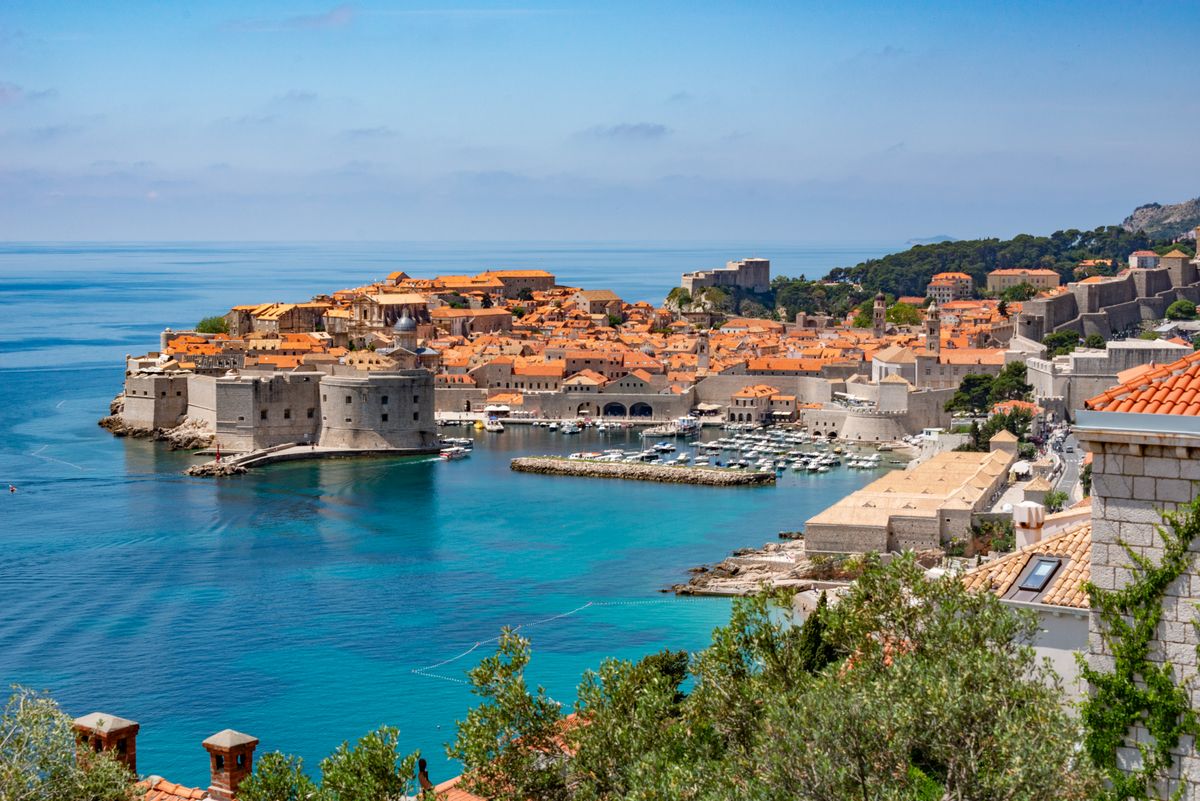
Dubrovnik’s old town is one of the most perfectly preserved medieval cities in the Mediterranean — a compact fortress of limestone streets, baroque churches, and terracotta rooftops enclosed by walls that have stood for over 600 years. Walking through it without a guide is lovely. Walking through it with someone who knows what happened behind every door, inside every palace, and atop every fortress tower is an entirely different experience.
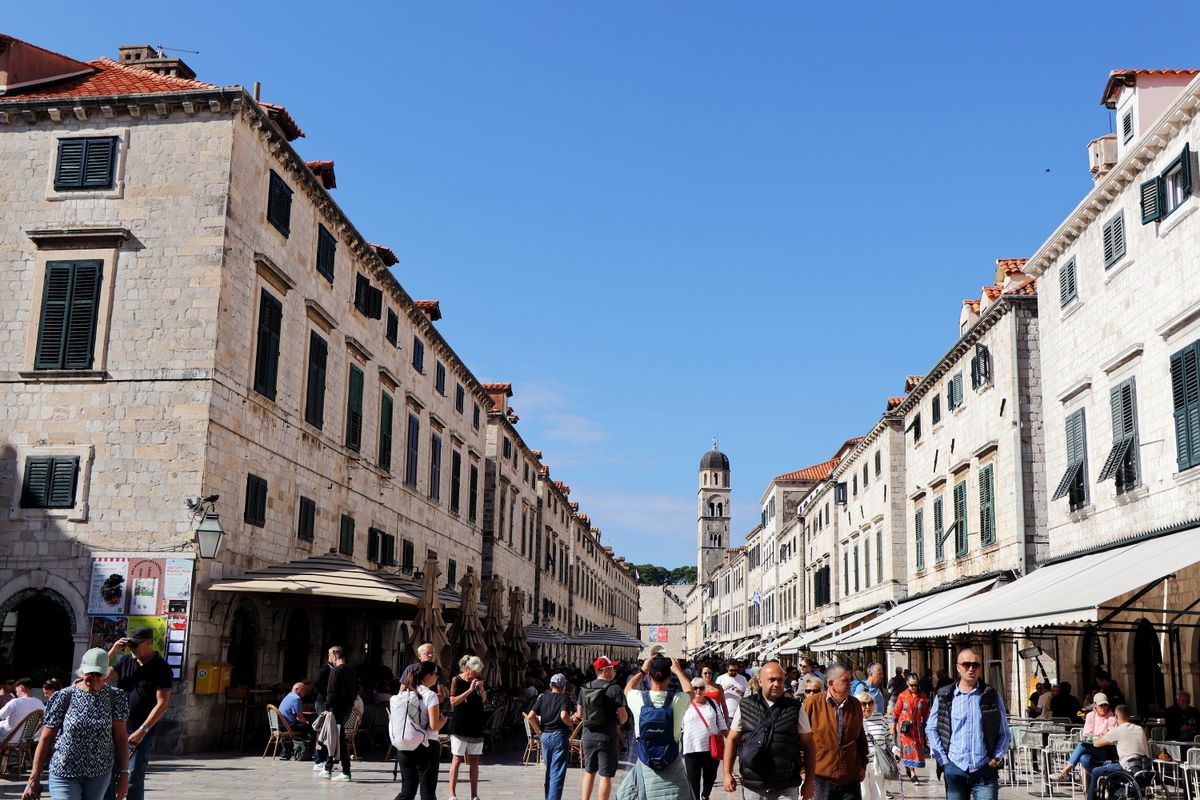
The city has 1,400 years of documented history, and every stone has a story. The Republic of Ragusa operated one of the most sophisticated diplomatic networks in medieval Europe. It abolished slavery in 1416 — nearly 450 years before the United States. It established one of the world’s first quarantine systems during the plague. And it managed to maintain independence for over four centuries while surrounded by empires that wanted to swallow it whole.

A good walking tour guide brings all of this to life. I’ve compared the best old town walking tours in Dubrovnik — from budget history walks to food-focused crawls through the city’s best restaurants. Here are the top picks, plus the key landmarks you’ll encounter and the remarkable history that makes Dubrovnik far more than just a pretty backdrop.
Short on time? Here’s what to book:
Most popular: Dubrovnik Discovery Old Town Walking Tour — €24. The most reviewed walking tour in Dubrovnik. 90 minutes covering all major landmarks with a guide who mixes history, humour, and local secrets.
Best for foodies: Dubrovnik Food & Drink Walking Tour — €175. Three hours eating and drinking through the old town’s best spots. Five tastings, wine pairings, and a local guide who knows where the cruise-ship-free restaurants hide.
Best at golden hour: City Walls Early Morning or Sunset Walking Tour — €29. Timed for the golden light — walk the walls when most travelers have left and the city glows amber. Includes wall admission.
- What to Know Before Booking
- The old town is tiny — and that’s a good thing
- Morning vs afternoon vs sunset
- Most tours are 1.5-2 hours
- The food scene has transformed
- The Best Old Town Walking Tours in Dubrovnik
- 1. Dubrovnik Discovery Old Town Walking Tour — €24
- 2. Dubrovnik Old Town Walking Tour — €23
- 3. Dubrovnik History Walking Tour — €24
- 4. Dubrovnik Food & Drink Walking Tour — €175
- 5. City Walls Early Morning or Sunset Walking Tour — €29
- The Republic of Ragusa: Europe’s Forgotten City-State
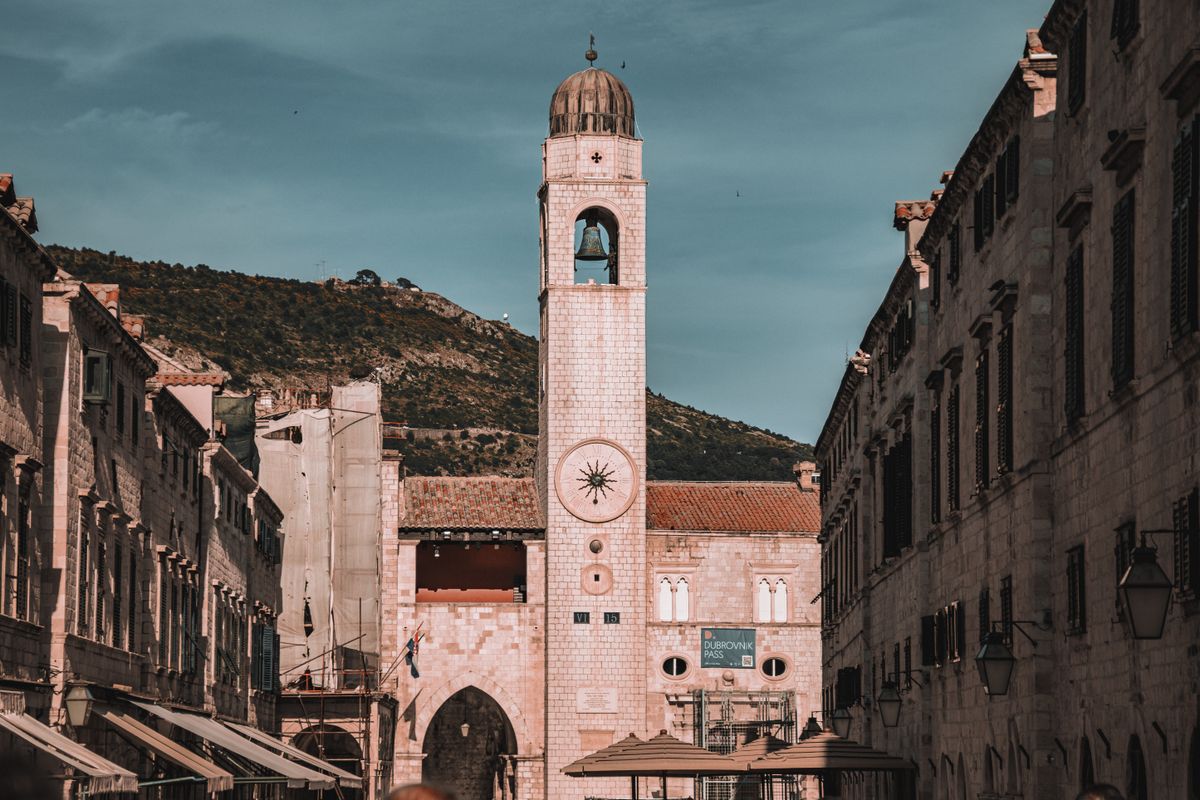
- Key Landmarks You’ll See on the Walk
- When to Go
- Frequently Asked Questions
- Which walking tour is best for first-time visitors?
- Is the food tour worth the premium price?
- Can I do a walking tour and the city walls in the same day?
- Are tours wheelchair accessible?
- Should I book in advance?
What to Know Before Booking

The old town is tiny — and that’s a good thing
The entire walled city is about 300 metres by 120 metres. A walking tour covers the whole thing with minimal effort — no buses, no long transfers, just gentle strolling between landmarks. The downside of its compact size is that it gets crowded, especially when cruise ships dock. Book morning tours (before 10 AM) or late afternoon (after 4 PM) to avoid the worst crowds.
Morning vs afternoon vs sunset
Morning tours offer cooler temperatures and fewer crowds. Afternoon tours have warmer light for photos but more people. Sunset tours on the city walls are magical — the limestone glows amber and the Adriatic turns gold. For the best experience, do a morning old town walk and a separate evening walls tour.
Most tours are 1.5-2 hours
Dubrovnik walking tours are efficient — the compact old town means you cover all major landmarks in 90 minutes. Food tours run longer (3 hours) because of the tasting stops. All tours are at a comfortable pace with frequent stops for storytelling and photos.
The food scene has transformed
Dubrovnik’s restaurant scene has improved enormously. Beyond the tourist traps on the Stradun, there are excellent konobas (traditional taverns) and innovative restaurants hidden in the back streets. A food tour is the fastest way to discover them — and to avoid paying €30 for a mediocre pizza on the main drag. For more restaurant recommendations, check our guide to eating in Dubrovnik without getting ripped off.
The Best Old Town Walking Tours in Dubrovnik
1. Dubrovnik Discovery Old Town Walking Tour — €24
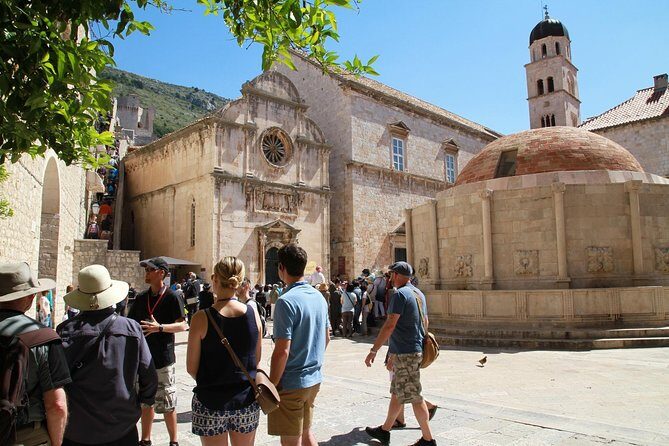
The most reviewed walking tour in Dubrovnik, and the reviews are deserved. In 90 minutes, your guide takes you through the Pile Gate, down the Stradun, past the Rector’s Palace, the Cathedral, the Dominican Monastery, the Sponza Palace, and into the quieter back streets where most travelers never venture. The commentary blends Ragusan history with modern stories — how the city survived the 1991 siege, which buildings were rebuilt, and where the best hidden bars are.
Guides are hand-picked locals who grew up in or near the old town. Their personal connection to the city adds a dimension that generic audioguides can’t match. Many have family stories from the siege — hearing about the war from someone who lived through it, standing in front of buildings that were shelled, makes the history viscerally real.
Duration: 1.5 hours | Meeting point: Pile Gate
2. Dubrovnik Old Town Walking Tour — €23
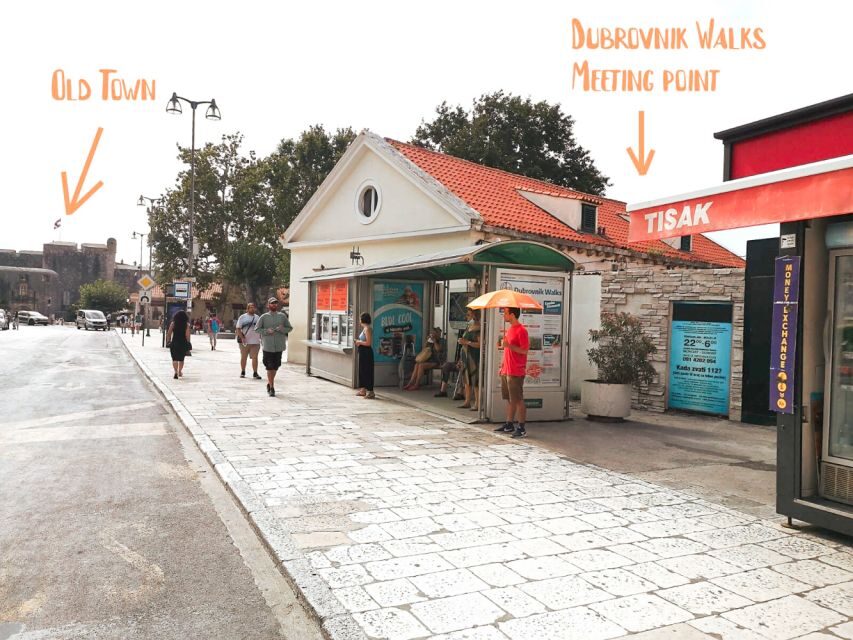
Another excellent option with an even higher review count. The format is similar — a guided walk through the old town’s major landmarks with historical commentary — but this tour tends to attract slightly larger groups, which means more competitive pricing. The guide covers the same key sites: Pile Gate, the Stradun, Onofrio’s Fountain, the Franciscan Pharmacy (the third oldest in Europe), the Rector’s Palace, and the Cathedral.
The guides are well-trained and enthusiastic, with a knack for making medieval trade disputes and Renaissance architecture genuinely entertaining. Tips for the best restaurants, the quietest swimming spots, and the ideal time to walk the city walls are woven naturally into the commentary. At €23, it’s the cheapest quality walking tour in the city.
Duration: 1.5 hours | Meeting point: Old town
3. Dubrovnik History Walking Tour — €24
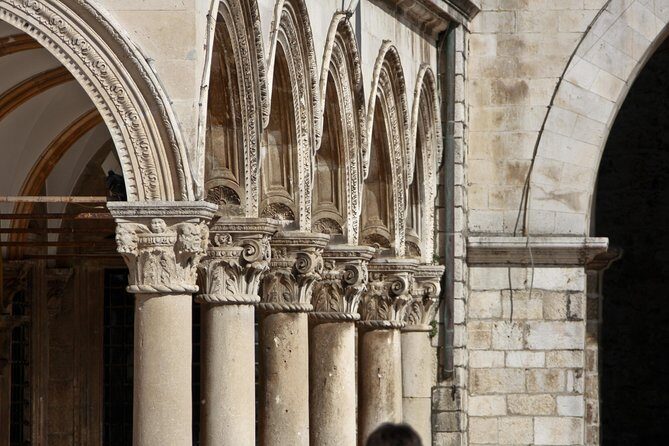
The history-focused option for visitors who want real depth. While the discovery tours mix history with modern tips, this tour goes deeper into the Republic of Ragusa — its diplomatic strategies, its quarantine innovations, its abolition of slavery in 1416, and its relationships with Venice, the Ottoman Empire, and the Papacy. The guide is closer to a historian than an entertainer.
The route covers the same key landmarks but with extended commentary at each stop. The Rector’s Palace gets particular attention — this was the seat of Ragusan government, where the elected rector served a one-month term and was literally locked inside the palace for the duration. The system was designed to prevent any individual from accumulating too much power — a democratic innovation centuries ahead of its time.
Duration: 1.5 hours | Meeting point: Old town
4. Dubrovnik Food & Drink Walking Tour — €175
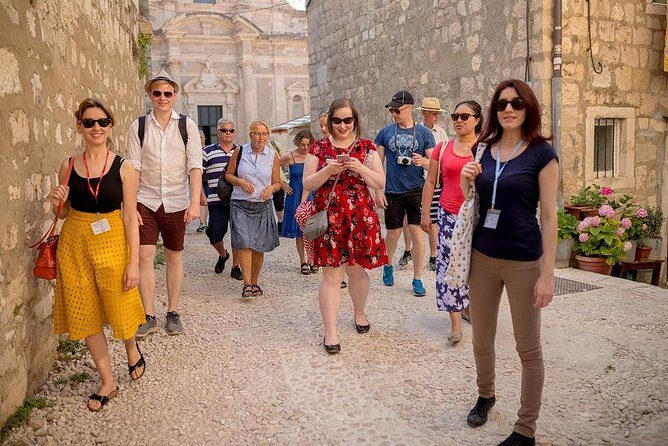
Three hours eating and drinking through Dubrovnik’s old town with a local guide who knows where the kitchen doors are that travelers never find. Five generous tastings at different venues — fresh oysters from Ston, local cheeses with Croatian olive oil, traditional peka (meat slow-cooked under a bell), and local wine from Peljesac vineyards.
The price is premium, but it includes all food and drink tastings at five venues — you’d spend a similar amount eating at two of these restaurants independently, and you wouldn’t know they existed without the guide. The tour also weaves food into Dubrovnik’s history — how the spice trade shaped the city’s cuisine, why oyster farming in Ston predates the Republic of Ragusa, and which local wines are worth seeking out. It’s a culinary education disguised as a very pleasant afternoon.
Duration: 3 hours | Meeting point: Old town
5. City Walls Early Morning or Sunset Walking Tour — €29
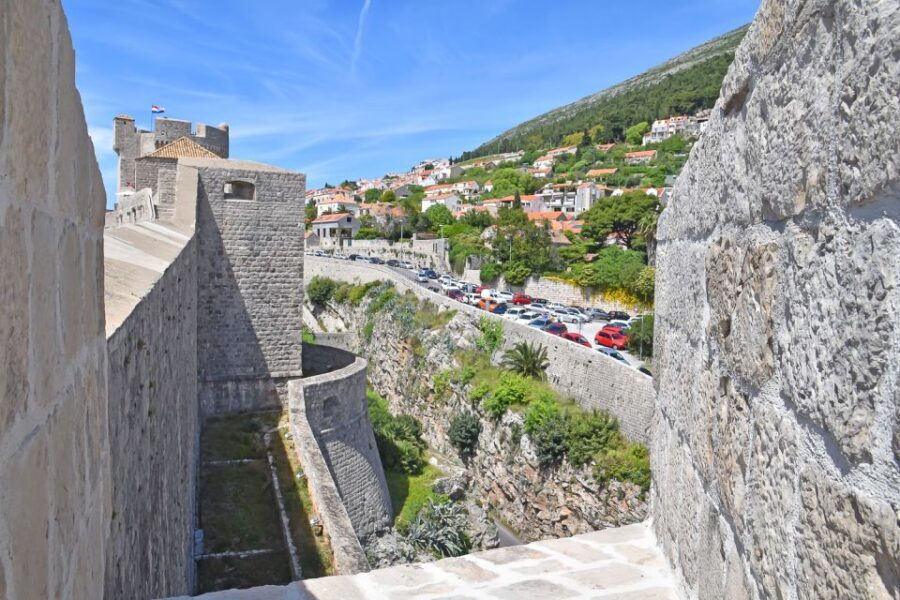
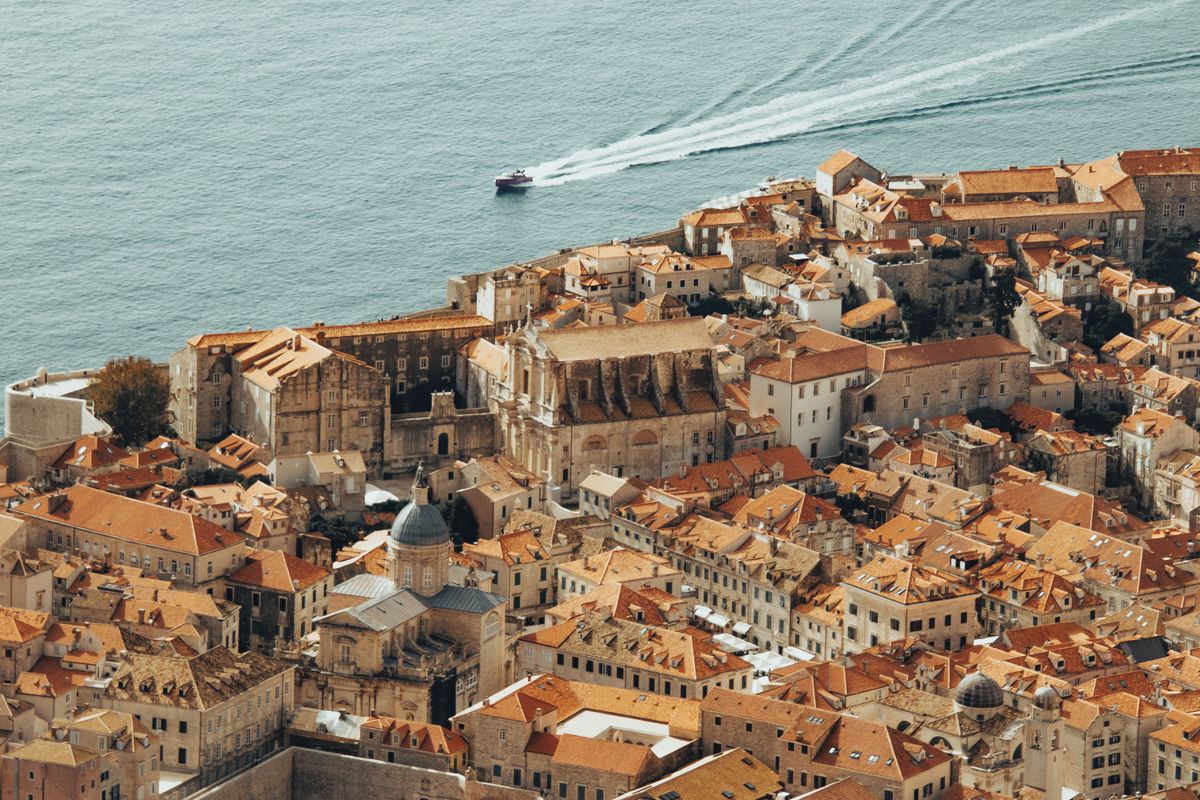
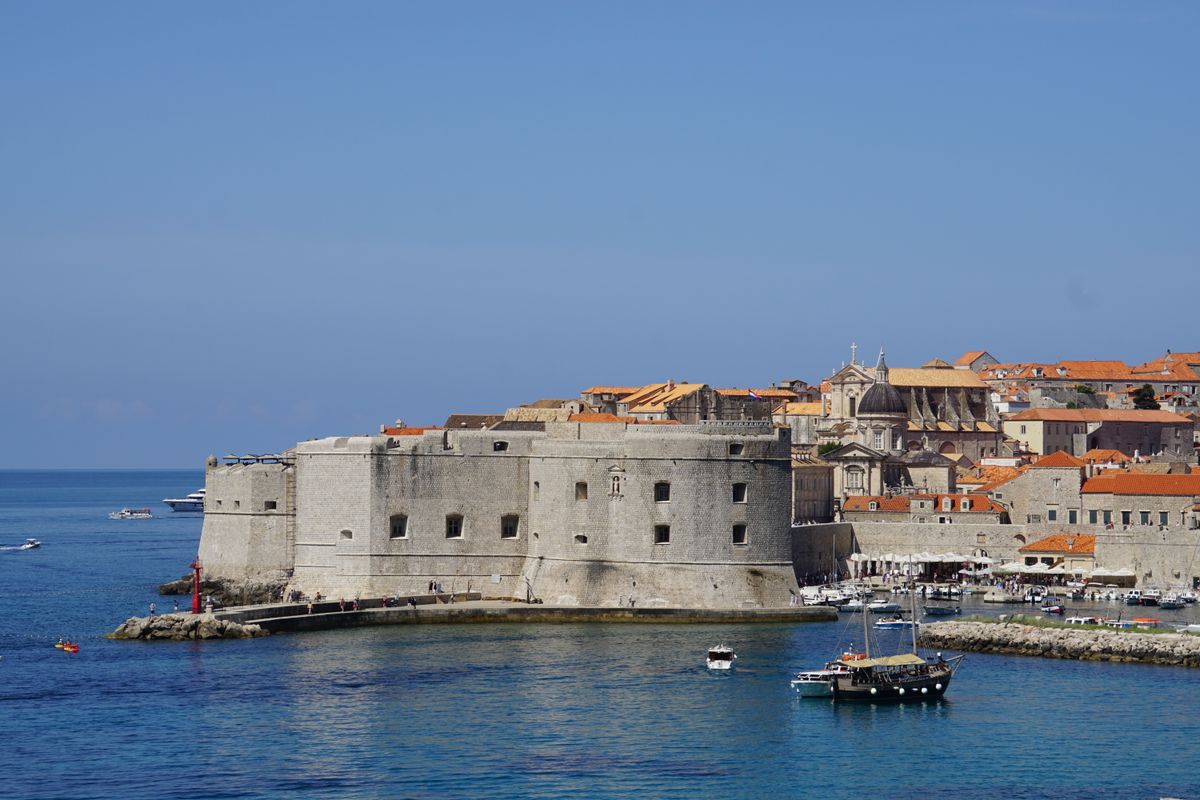
A different kind of walking tour — this one takes you along the top of Dubrovnik’s famous city walls, timed for either early morning or sunset. The walls stretch 1,940 metres around the entire old town, reaching heights of 25 metres, and walking them gives you a bird’s-eye perspective over every church dome, every rooftop terrace, and every hidden courtyard below.
The timing is everything. At sunrise, the old town is empty and the light is soft. At sunset, the limestone walls glow amber and the Adriatic turns gold and pink. Your guide points out architectural details visible only from above — the different roof tile colours indicating war damage repair, the layout of the medieval water system, and the fortification engineering that kept this city independent for centuries. Wall admission (€35 normally) is included in the tour price, making the total cost exceptional value.
Duration: 1.5 hours + wall access | Meeting point: Near Pile Gate

The Republic of Ragusa: Europe’s Forgotten City-State

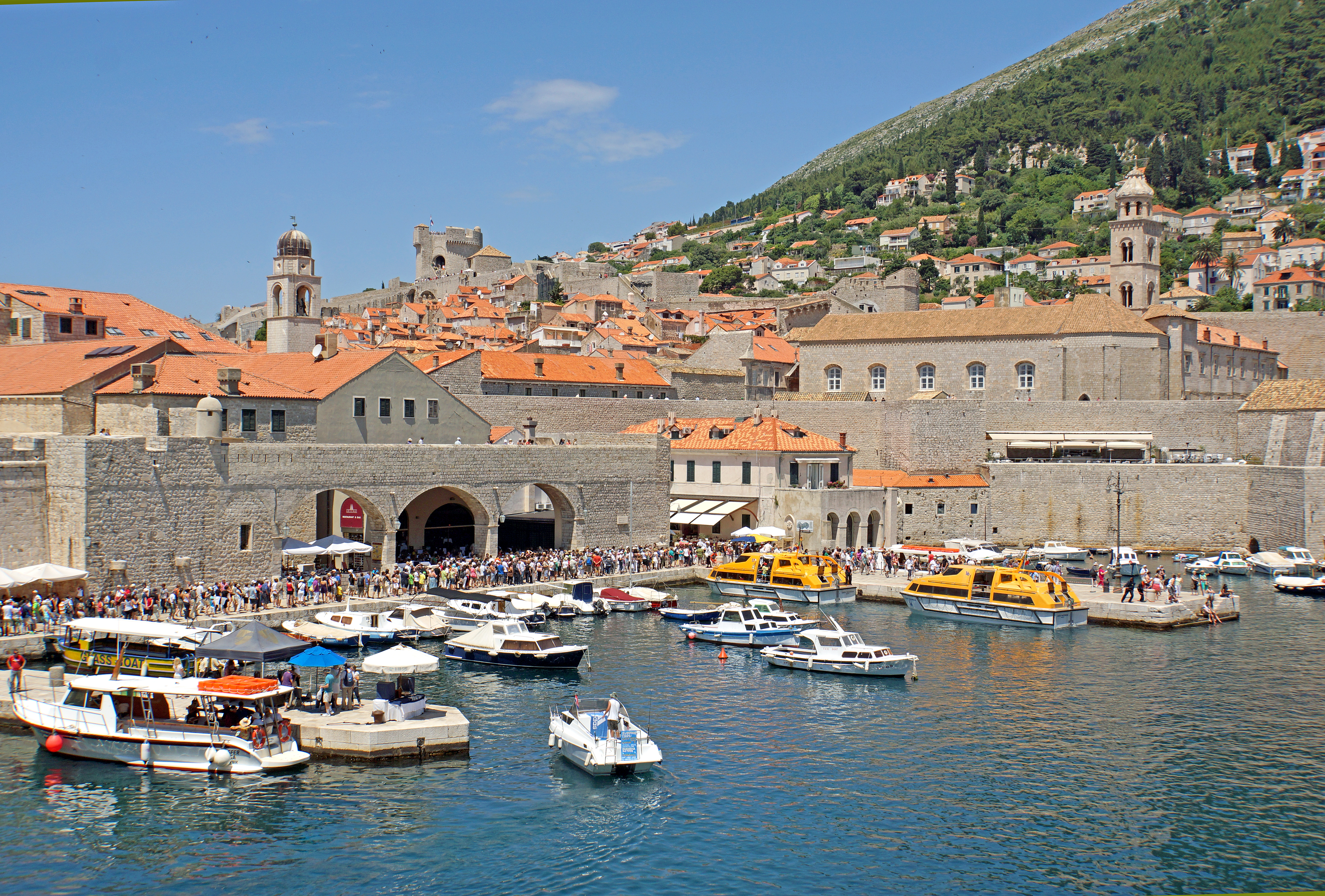
Most visitors know Dubrovnik as a Game of Thrones location or a cruise ship port. The real story is far more remarkable. The Republic of Ragusa was an independent city-state from 1358 to 1808 that punched so far above its weight that historians still debate how it was possible.
At its peak, Ragusa had a population of around 30,000 and controlled a strip of coastline barely 120 kilometres long. Yet its merchant fleet rivalled Venice’s, its diplomatic network spanned Europe and the Ottoman Empire, and its cultural output included some of the finest Renaissance literature in the Slavic world. The republic’s motto was Libertas (Freedom), carved above the Pile Gate — and they meant it. Ragusa abolished the slave trade in 1416. It established one of the world’s first organised quarantine systems (the word “quarantine” itself comes from the 40-day isolation period practiced in Dubrovnik). And it managed to maintain independence through an extraordinary combination of tribute payments, strategic neutrality, and sheer diplomatic brilliance.
The 1667 earthquake destroyed most of the medieval city and killed an estimated 5,000 people — including the rector and most of the government. The city was rebuilt in the baroque style that defines it today, funded by the republic’s considerable reserves. Napoleon ended Ragusan independence in 1808, and the city passed through Austrian, Yugoslav, and finally Croatian hands. But the spirit of Libertas endures — you’ll see it on flags, plaques, and in the proud way locals talk about their city’s unique history.
The 1991-92 siege during the Croatian War of Independence was the most recent chapter. Yugoslav forces shelled the old town for seven months, damaging 68% of buildings within the walls. The international outcry was enormous — Dubrovnik is a UNESCO World Heritage Site, and the deliberate targeting of a protected cultural monument shocked the world. The restoration that followed was meticulous, using traditional materials and techniques to repair damage while preserving the city’s authenticity. Walking the old town today, the scars are mostly invisible unless your guide points them out.
Key Landmarks You’ll See on the Walk

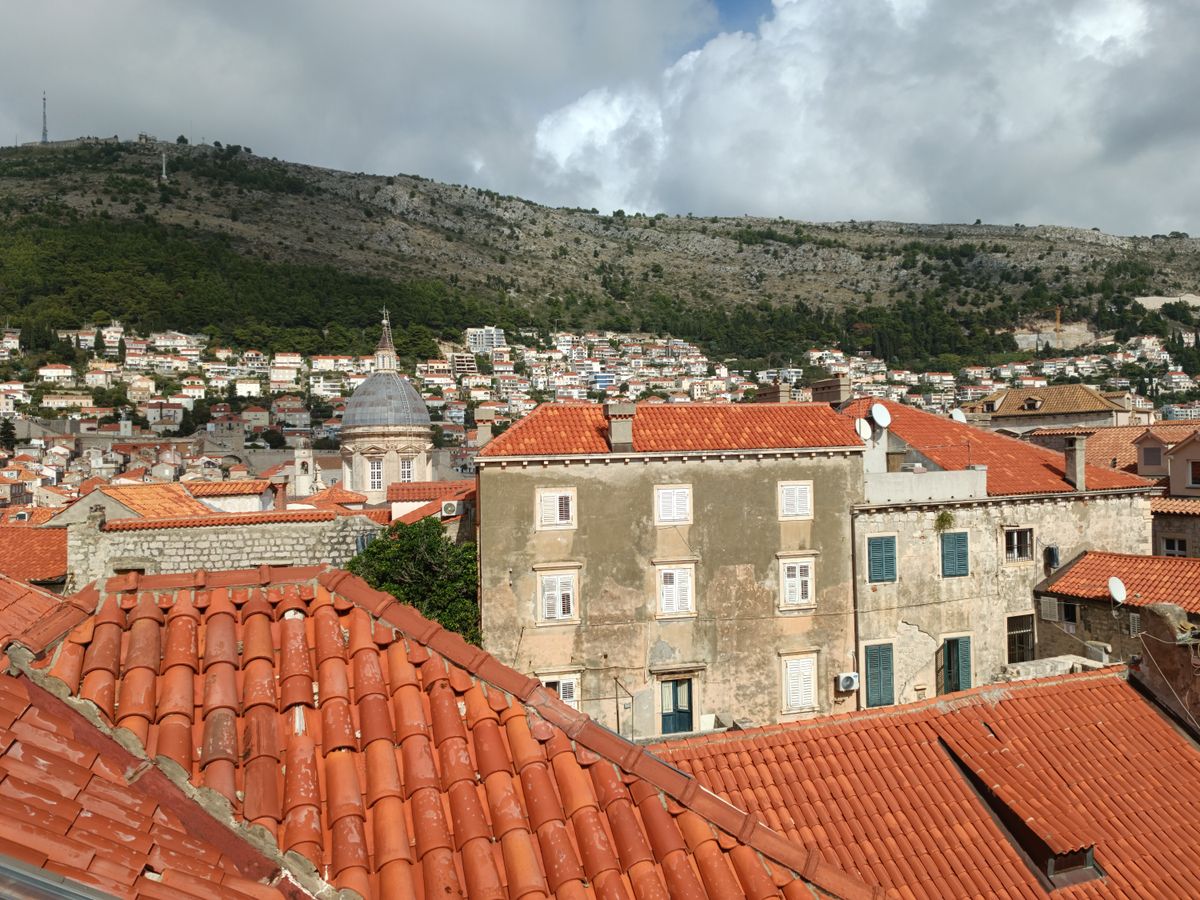
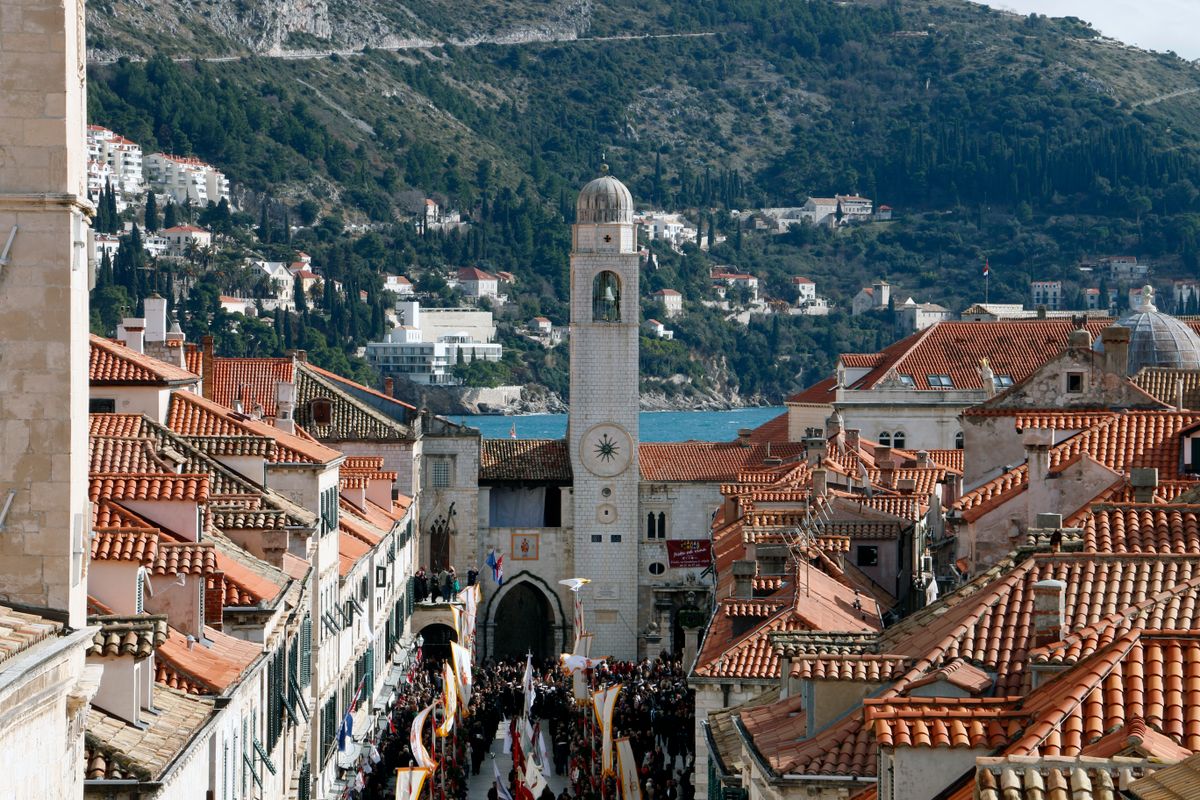
Pile Gate: The main entrance to the old town, complete with a drawbridge and a statue of St. Blaise (the city’s patron saint). Above the gate is carved Libertas — the republic’s motto. Your walk starts here.
Onofrio’s Fountain: A large 15th-century fountain just inside the gate, built as part of the city’s water supply system. It originally had ornate carvings on each of its 16 faces; most were destroyed in the 1667 earthquake.
Franciscan Monastery and Pharmacy: The monastery contains the third oldest functioning pharmacy in Europe, operating continuously since 1317. The cloisters are a haven of peace — Romanesque columns around a garden courtyard that feels miles from the crowded Stradun outside.
Rector’s Palace: The seat of Ragusan government, where the elected rector was locked inside for his one-month term. The blend of Gothic and Renaissance architecture reflects the building’s multiple reconstructions after fires and earthquakes. Now a museum with an excellent collection.
The Cathedral: Built after the 1667 earthquake on the site of an earlier cathedral funded by Richard the Lionheart. According to legend, Richard was shipwrecked on the nearby island of Lokrum while returning from the Crusades and made a grateful donation for a cathedral in thanks for his survival.

When to Go
Best months: May, June, September, and October. Warm weather, manageable crowds, and pleasant temperatures for walking. The old town’s limestone streets radiate heat in summer, so spring and autumn are noticeably more comfortable.
Peak season: July and August. Extremely crowded when cruise ships dock (up to 8,000 passengers per day), and temperatures regularly exceed 35 degrees. If visiting in peak summer, book the earliest morning tour available and explore independently in the late evening when the crowds thin.
Off-season: November through March. Many restaurants close, but the old town is atmospheric and almost empty. Winter walking tours still run and offer an intimate experience impossible in summer. Dress warmly — the bura wind off the mountains can be biting.
Check the cruise ship schedule. Dubrovnik publishes its cruise ship docking schedule online. Days with multiple ships (sometimes 3-4) flood the old town. Days with no ships are dramatically quieter. Plan your walking tour for a ship-free day if possible. Our guide to Dubrovnik beyond the cruise ship crowds has more tips on timing your visit.

Frequently Asked Questions
Which walking tour is best for first-time visitors?
The Dubrovnik Discovery tour (€24) or the Old Town Walking Tour (€23). Both cover all major landmarks and give you a solid orientation of the city. Do this on your first morning, then explore independently for the rest of your trip.
Is the food tour worth the premium price?
If food and wine matter to you, absolutely. The €175 includes five generous tastings at venues you’d struggle to find independently. You’d spend €80-100 eating at two of these restaurants anyway. The guide’s expertise and the hidden venues justify the rest.
Can I do a walking tour and the city walls in the same day?
Yes, and many visitors do. A morning walking tour (1.5 hours) plus a late afternoon walls walk (1.5-2 hours) makes for a perfect Dubrovnik day with a long lunch and a swim in between. For our full Dubrovnik itinerary ideas, check our separate guide.
Are tours wheelchair accessible?
The Stradun (main street) is flat and accessible. However, the side streets involve steep stairs and uneven cobblestones that are difficult for wheelchairs. The city walls are not wheelchair accessible. Discuss accessibility needs with the tour operator before booking.
Should I book in advance?
In summer (June-September), yes — popular morning slots fill up. In the off-season, you can usually book the day before. The food tour should always be booked in advance as group sizes are small and it sells out regularly.
A walking tour is the foundation for experiencing Dubrovnik — once you know the city’s story, everything else becomes richer. For a themed perspective, the Game of Thrones walking tour shows you the same streets through the lens of King’s Landing. On the water, the Elaphiti Islands give you a day of swimming and island-hopping with Ragusan history woven in. And for a complete change of scenery, a day trip to Mostar takes you across the border into Ottoman Bosnia — a cultural shift that begins the moment you cross the frontier. For a broader view of what the city has to offer, our complete Dubrovnik guide covers everything from the best beaches to the restaurants worth your money.