
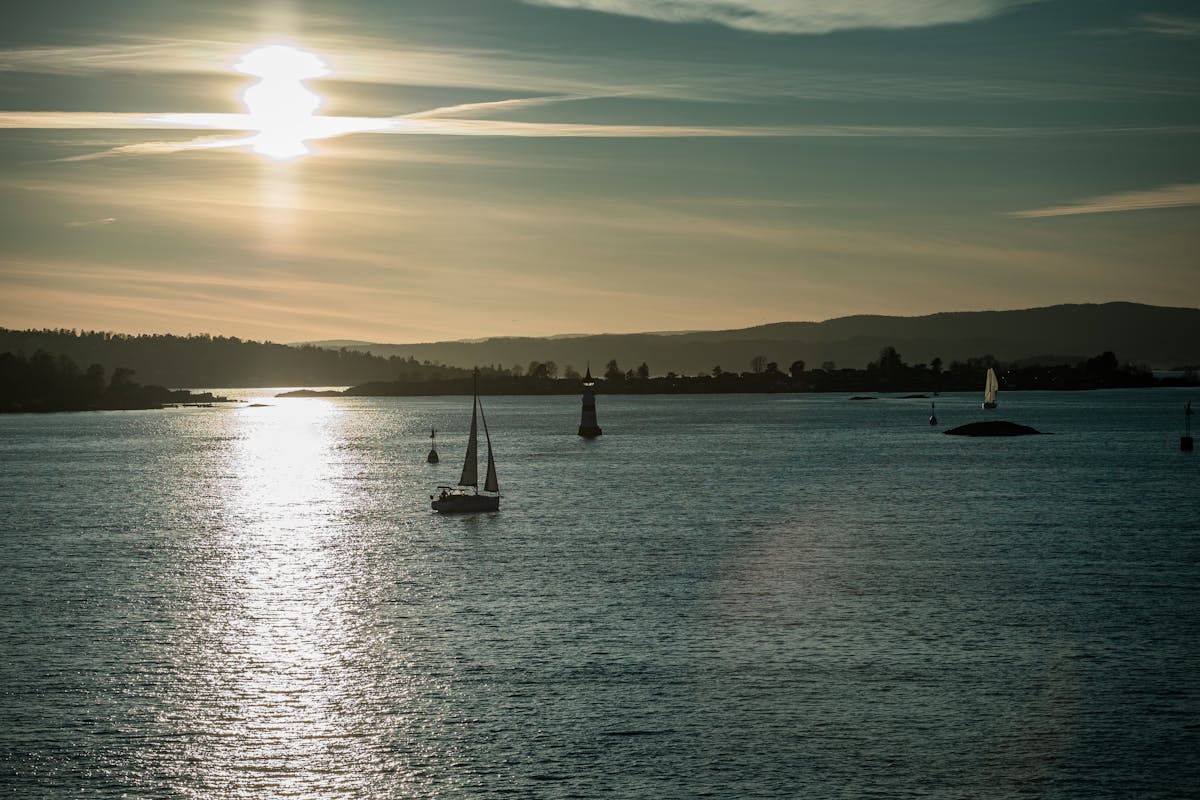
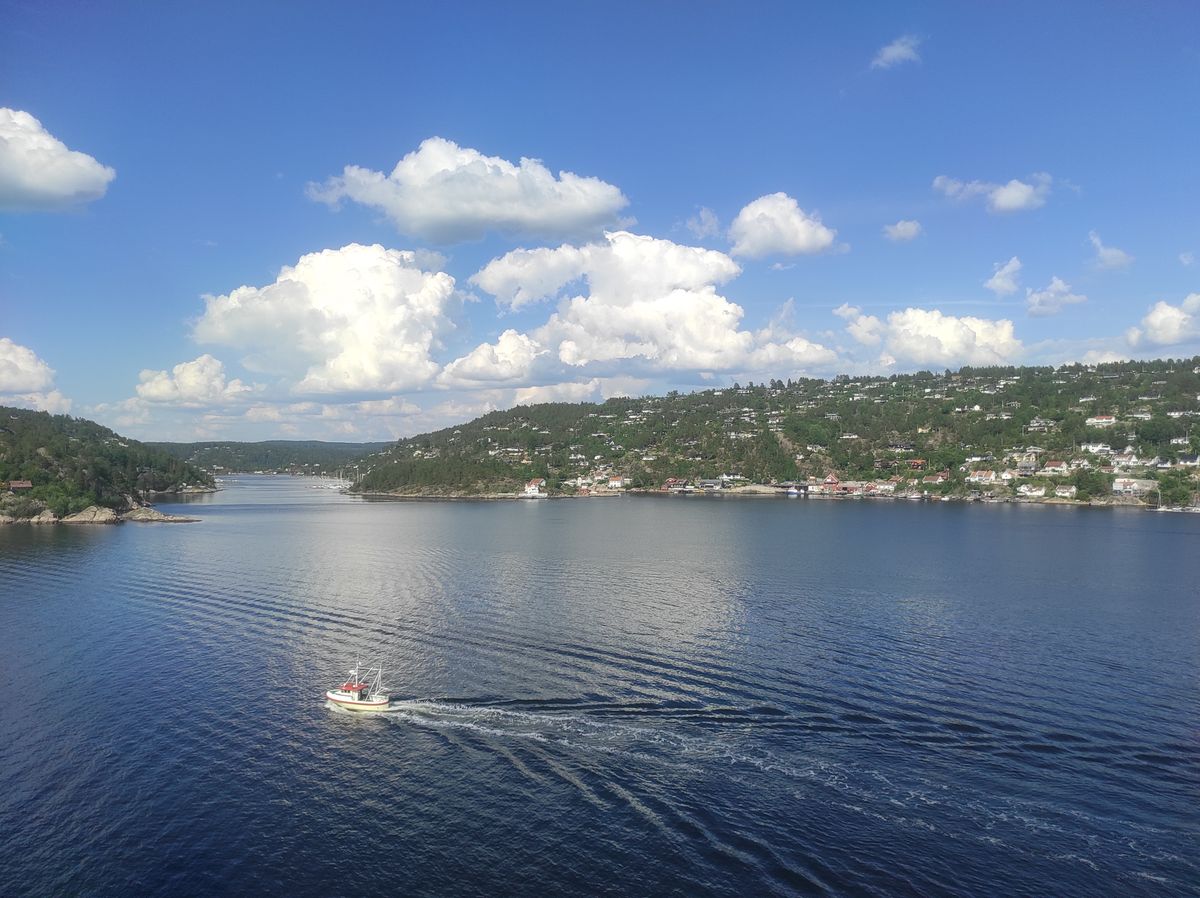
The Oslofjord is not the dramatic, cliff-walled waterway you might picture when you hear “Norwegian fjord” — and that’s exactly what makes it interesting. At 100 kilometres long and up to 24 kilometres wide, the Oslofjord is a broad, island-dotted inlet that feels more like an inland sea than a canyon. Its shores are lined with summer cottages, lighthouses, medieval fortresses, and tiny fishing villages, and its sheltered waters have been the gateway to Norway’s capital for over a thousand years.
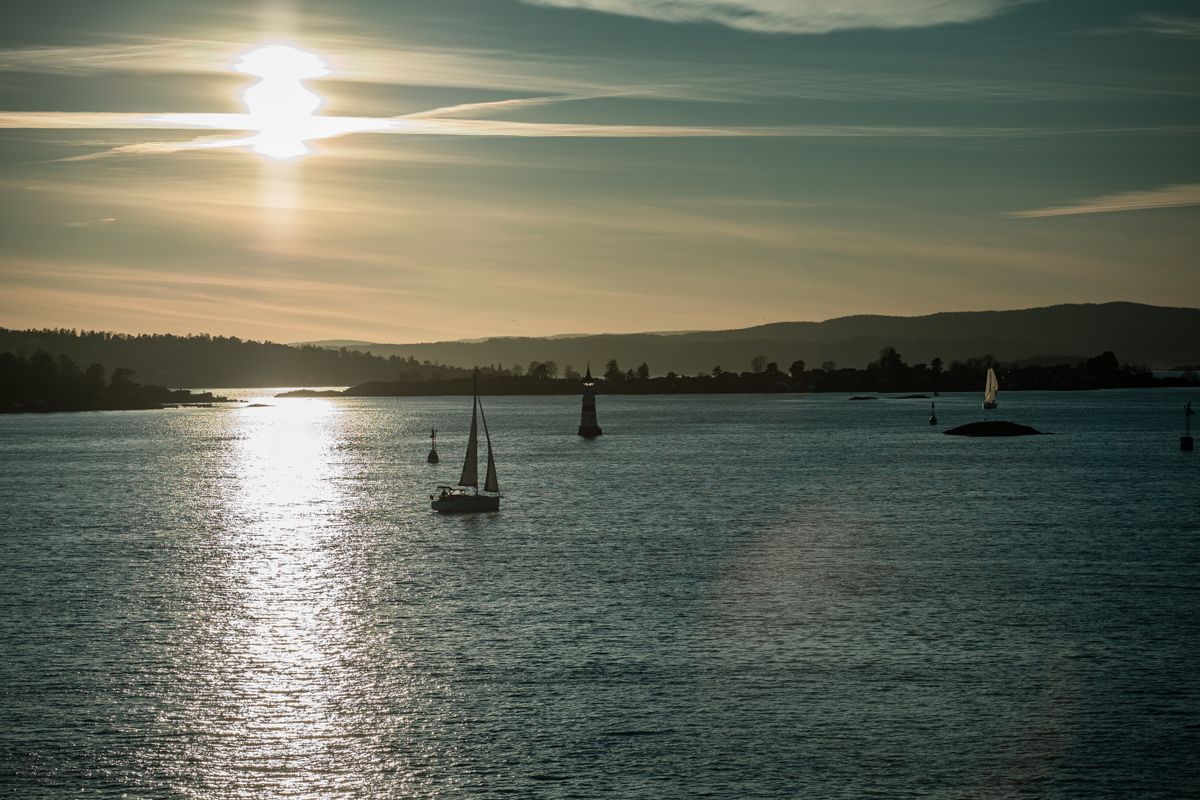
A cruise on the Oslofjord is the best way to see Oslo from a perspective most visitors miss. The city’s harbour, the Opera House, the fortress of Akershus, and the distant Holmenkollen ski jump are all visible from the water, and the further you sail from the city centre, the more the fjord reveals — secluded islands where Osloites spend their summers, historic lighthouses still in operation, and the narrows at Drobak where one of the most remarkable events of World War II took place.

I’ve compared the best Oslo fjord cruises, from classic tall-ship sailings to ultra-modern electric boats and sunset shrimp buffets. Here are the top picks, plus the history of the Oslofjord from Viking longships to the dramatic sinking that changed the course of World War II.
Short on time? Here’s what to book:
Most popular: Oslo Fjord Sightseeing by Sailing Ship — €39. Two-hour cruise on a tall ship. The most reviewed fjord cruise in Oslo — wind in the sails, panoramic views, and excellent value.
Best evening: Fjord Evening Cruise with Shrimp Buffet — €88. Three hours sailing the fjord at sunset with an all-you-can-eat Norwegian shrimp buffet. The most memorable dining experience in Oslo.
Best eco-friendly: 100% Electric Oslofjord Sightseeing Cruise — €40. Silent, zero-emission electric boat. You hear the water, the seabirds, and absolutely nothing else. A uniquely peaceful way to see the fjord.
- What to Know Before Booking
- These are gentle, scenic cruises — not adventure tours
- Evening cruises are special
- Electric boats are the future — and the present
- Dress in layers even in summer
- The Best Oslo Fjord Cruises
- 1. Oslo Fjord Sightseeing Cruise by Sailing Ship — €39
- 2. Scenic Fjord Cruise with Audio Guide — €44
- 3. 100% Electric Oslofjord Sightseeing Cruise — €40
- 4. Fjord Evening Cruise with Shrimp Buffet — €88
- 5. Guided Fjord Cruise on Premium Silent Boat — €53
- The Oslofjord in History: From Longships to the Blucher
- What You’ll See on the Cruise
- When to Go
- Frequently Asked Questions
- Can I get seasick on the Oslofjord?
- Are the cruises suitable for children?
- Do I need to book in advance?
- Is the shrimp buffet worth the price?
- Which cruise is best for photography?
What to Know Before Booking
These are gentle, scenic cruises — not adventure tours
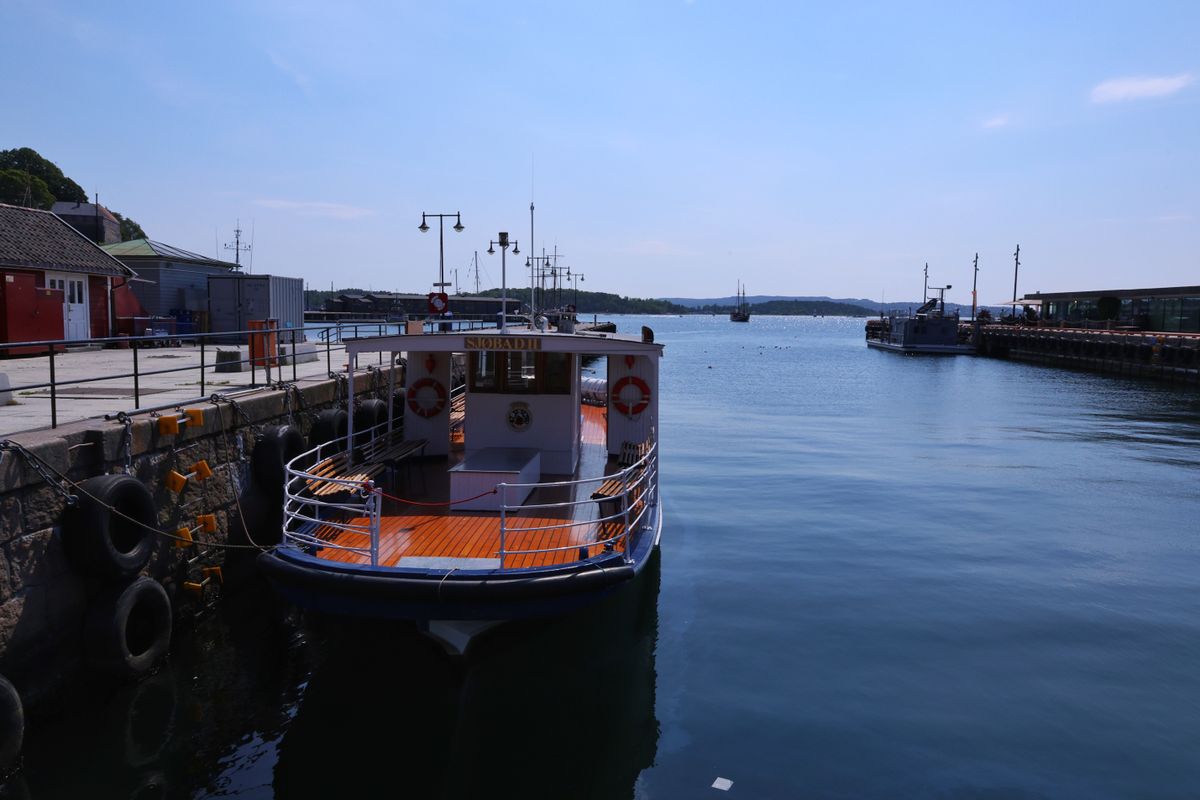
Oslo fjord cruises are relaxed sightseeing experiences. You sit on deck, enjoy the views, and listen to commentary (live or audio guide). The water is calm, the boats are stable, and seasickness is rare. It’s the opposite of the adrenaline-fuelled speedboat tours in Croatia or the choppy Northern Lights chases in Tromso. Bring a coffee, settle in, and enjoy two hours of Scandinavian scenery.
Evening cruises are special
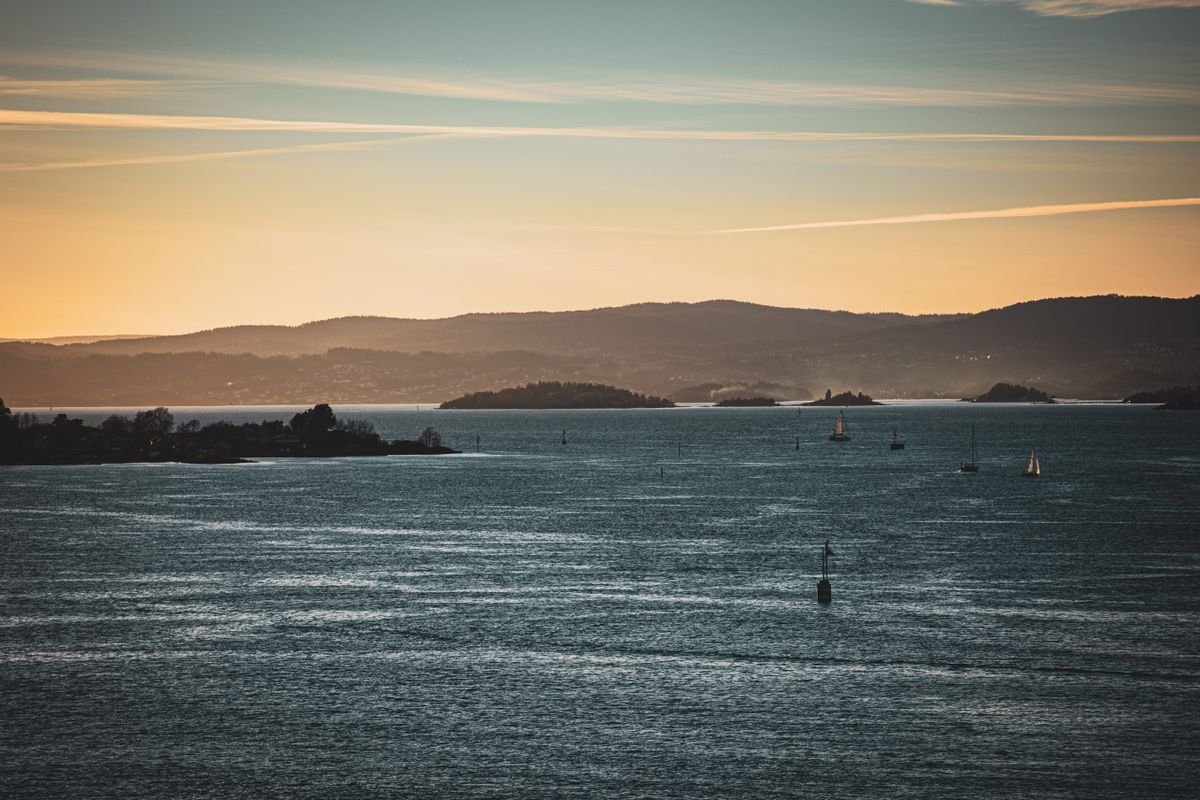
Oslo sits at 59 degrees north, which means summer evenings have extraordinarily long golden light. In June, the sun doesn’t set until nearly 11 PM. An evening fjord cruise in midsummer catches three or four hours of golden-hour light, with the city skyline and island silhouettes turning amber and pink. The shrimp buffet evening cruise capitalises on this magnificently — Norwegian prawns eaten on deck while the fjord glows.
Electric boats are the future — and the present
Oslo leads the world in electric maritime transport. Several fjord cruises now use 100% electric boats, which are completely silent. The difference is startling — without engine noise, you hear the water lapping against the hull, the calls of seabirds, and the wind in the rigging. It makes the fjord feel genuinely wild despite being minutes from a capital city.
Dress in layers even in summer
The water is always cooler than the city. Even on warm July days (20-25 degrees in Oslo), the breeze on the fjord drops the temperature noticeably. A light jacket or fleece for a 2-hour cruise is sufficient. Winter cruises require serious warm layers.
The Best Oslo Fjord Cruises
1. Oslo Fjord Sightseeing Cruise by Sailing Ship — €39
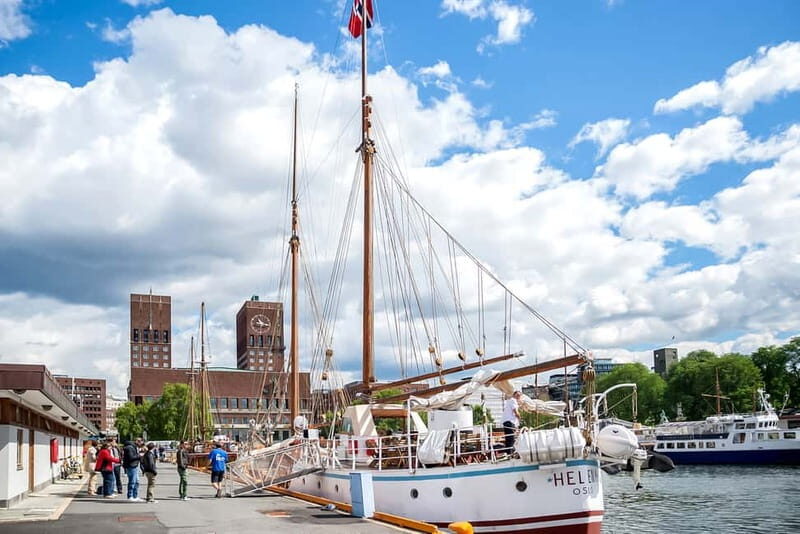
The most reviewed fjord cruise in Oslo, and the romance factor is undeniable. A traditional wooden sailing ship takes you on a two-hour circuit of the inner Oslofjord, passing the Akershus Fortress, the Opera House, the islands of Hovedoya and Gressholmen, and the narrow passages between skerries that Oslo’s sailors have navigated for centuries.
On sunny days, the crew raises the sails — watching the canvas catch the wind while the Oslo skyline recedes behind you creates a moment of genuine escape from the modern city. The commentary covers the landmarks, the islands, and the fjord’s history as a Viking-era trading route. At €39 for two hours on the water, this is one of the best-value experiences in an expensive city.
Duration: 2 hours | Departure: Oslo harbour
2. Scenic Fjord Cruise with Audio Guide — €44
A modern-boat alternative with multilingual audio commentary. The 90-minute cruise covers the same inner fjord landmarks — fortresses, islands, the Opera House — with an audio guide available in 10+ languages. The shorter duration and audio format suit visitors who want the scenic highlights without committing to a full two hours.
The boat is contemporary and comfortable with indoor and outdoor seating, a cafe on board, and large windows for views even in bad weather. The route passes close to several of the fjord’s islands, giving you a good look at the summer cottages and boathouses that define Oslo’s relationship with the water. At €44, it’s slightly more than the sailing ship but offers comfort, flexibility, and brevity.
Duration: 1.5 hours | Departure: Oslo harbour
3. 100% Electric Oslofjord Sightseeing Cruise — €40
Oslo’s most innovative fjord experience. This cruise runs on a 100% electric boat — zero emissions, zero engine noise, zero vibration. The silence is the selling point. Without the rumble of a diesel engine, you experience the fjord as it would have sounded a thousand years ago: water against the hull, wind in the trees on passing islands, the occasional splash of a diving seabird.
The environmental angle isn’t just marketing. Oslo is a global leader in electric maritime transport, and this cruise is a showcase for how sustainable tourism can work without sacrificing experience. The boat is modern, comfortable, and designed with large panoramic windows. Audio commentary covers the sights. At €40, it costs the same as conventional cruises — making the electric option a no-brainer for environmentally conscious travellers.
Duration: 2 hours | Departure: Oslo harbour
4. Fjord Evening Cruise with Shrimp Buffet — €88
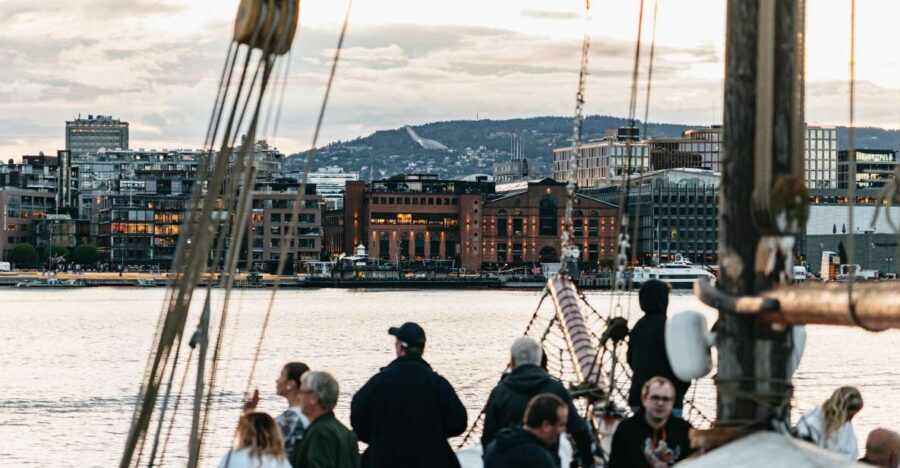
The evening event. A three-hour cruise timed for sunset (departure times vary with the season), with an all-you-can-eat Norwegian shrimp buffet served on deck. The shrimp are fresh, cold-water prawns from the Norwegian coast — sweet, delicate, and completely different from the warm-water prawns most people are used to. They’re served with bread, aioli, lemon, and Norwegian beer or wine.
The cruise route follows the fjord south from Oslo, passing islands and lighthouses as the sun drops toward the horizon. In midsummer, the light lasts until nearly midnight — three hours of golden-hour sailing with unlimited shrimp. It’s simultaneously a dinner, a cruise, and the best sunset experience in Oslo. At €88 including the buffet and drinks, it’s actually good value for a three-hour dinner experience in one of Europe’s most expensive cities.
Duration: 3 hours | Departure: Oslo harbour, evening
5. Guided Fjord Cruise on Premium Silent Boat — €53
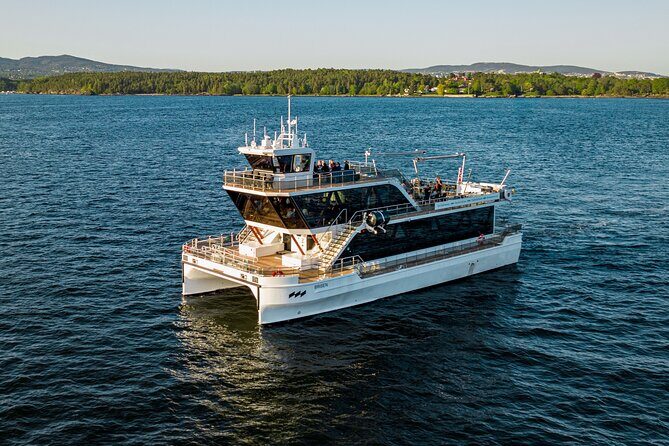
A premium hybrid of the electric cruise and the guided experience. This boat combines silent electric propulsion with a live English-speaking guide who provides real-time commentary as you sail. The boat is smaller than the large sightseeing vessels, which means closer access to narrow channels between islands and a more intimate atmosphere.
The guide’s knowledge adds genuine depth to what you’re seeing — explaining the history of each island, the fortress, the lighthouses, and the role of the fjord in Oslo’s development from a Viking trading post to a modern capital. The smaller group size means you can ask questions, and the guide tailors the commentary to what’s happening on the water (wildlife sightings, approaching boats, weather changes). At €53, the premium over the self-guided options buys you a human connection to the fjord.
Duration: 2 hours | Departure: Oslo harbour

The Oslofjord in History: From Longships to the Blucher
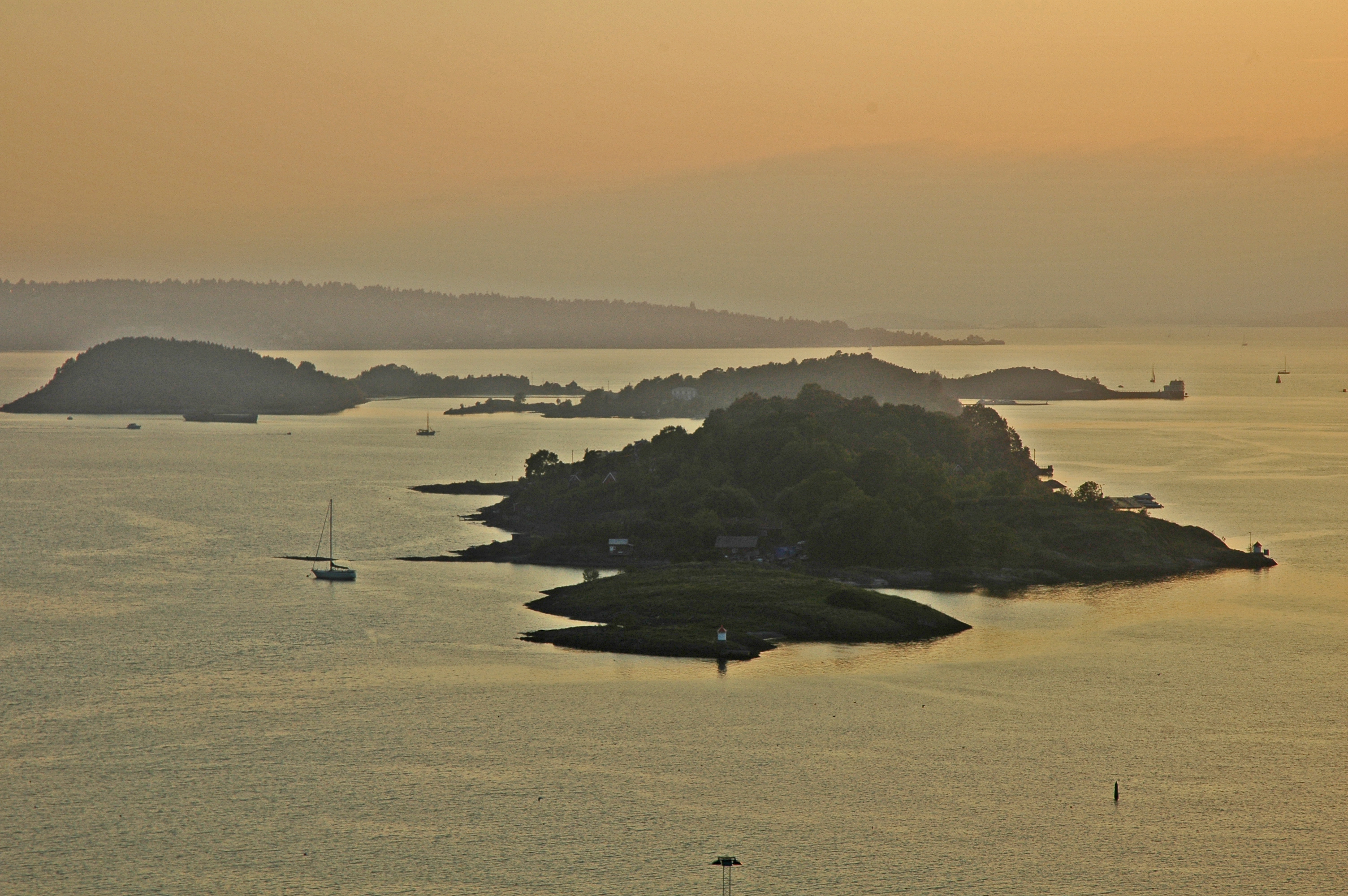
The Oslofjord has been the highway to Norway’s heart for at least 6,000 years. Stone Age settlements dot its shores. Viking longships sailed its waters from the 8th century onwards, and the three best-preserved Viking ships ever discovered — the Oseberg, Gokstad, and Tune ships — were all found buried along the fjord’s shores, now on display at the Viking Ship Museum in Oslo.
The Vikings used the Oslofjord as their main route to the North Sea and beyond. When Harald Hardrada assembled his fleet for the invasion of England in 1066, the longships gathered in the Oslofjord before sailing south — a journey that ended with Harald’s death at the Battle of Stamford Bridge and, indirectly, the Norman Conquest of England two weeks later. The fjord was the staging ground for one of the most consequential military expeditions in European history.

But the Oslofjord’s most dramatic moment came on April 9, 1940. Nazi Germany launched Operation Weserubung — the invasion of Norway — sending a naval task force up the Oslofjord to capture Oslo. The flagship of the assault group was the heavy cruiser Blucher, a brand-new warship on its first operational mission. As the fleet approached the Drobak Narrows — the narrowest point of the fjord, about 35 kilometres south of Oslo — the ancient Oscarsborg Fortress opened fire.
The fortress was manned largely by retired soldiers and teenage recruits, using torpedo launchers from 1901 and guns that were decades old. Against all expectations, they hit the Blucher with two torpedoes and sustained cannon fire. The cruiser capsized and sank within two hours, taking over 800 German soldiers and crew to the bottom. The sinking delayed the German capture of Oslo by crucial hours, giving the Norwegian royal family, government, and the country’s gold reserves time to escape north. The Norwegian king’s flight — and his subsequent refusal to surrender — kept Norway in the war as an allied nation.
The wreck of the Blucher still lies on the fjord floor at 64 metres depth. Oil from its tanks occasionally surfaces, creating rainbow slicks that remind passing boats of the morning when a medieval fortress sank a modern warship and changed the course of Norway’s war.
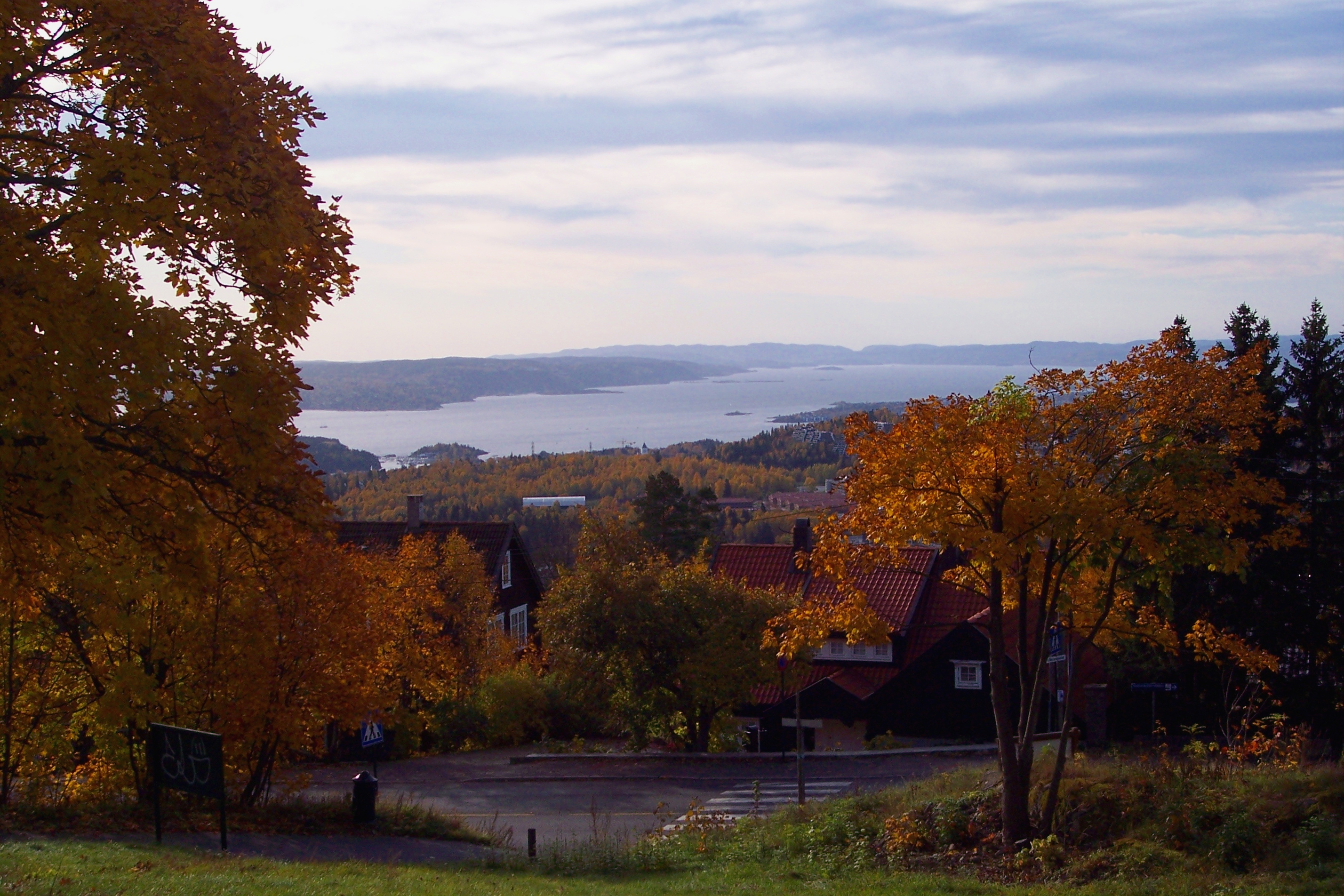

What You’ll See on the Cruise
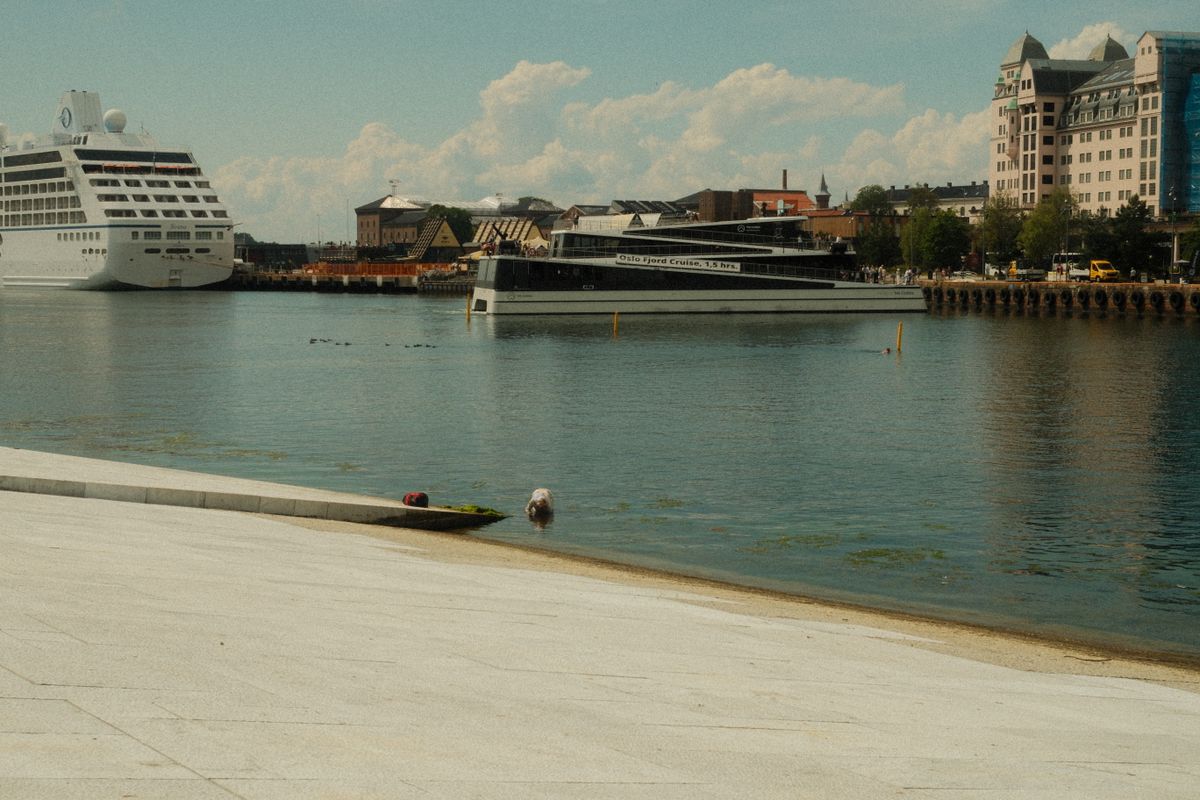
The Opera House: Oslo’s iconic angled-marble building sits directly on the waterfront and looks spectacular from the water. The sloping roof design — which visitors can walk up — resembles an iceberg rising from the fjord.
Akershus Fortress: A medieval castle and fortress that has guarded Oslo’s harbour since 1299. It’s been besieged multiple times but never successfully captured. From the water, its commanding position over the harbour entrance is obvious.
Hovedoya Island: The closest island to the city centre, with the ruins of a 12th-century Cistercian monastery and popular summer beaches. Many cruises pass close enough to see the ruins among the trees.
Gressholmen: A nature reserve island with a tiny beach and the remains of Norway’s first civilian airport (seaplanes operated from here in the 1930s). The island is car-free and feels remarkably wild for being minutes from downtown Oslo.
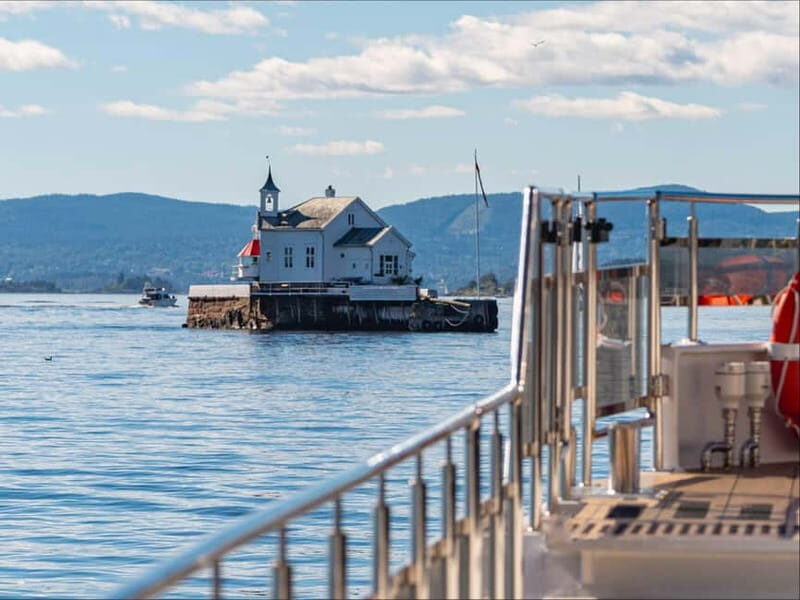
The Dyna Lighthouse: A classic red-painted Norwegian lighthouse perched on a rock in the middle of the fjord. It’s one of the most photographed landmarks on any Oslo cruise and looks particularly stunning at sunset.


When to Go

Best months: May through September for warm weather and long daylight. June and July offer the longest evenings — the sun barely sets, and the light on the fjord is extraordinary.
The shrimp buffet cruise: Runs primarily in summer (May-September). Book the latest departure available for the best sunset light. In June, a 7 PM departure gives you golden light until past 10 PM.
Shoulder season: April and October. Cooler but still pleasant for a cruise with a jacket. Fewer travelers and a different, more atmospheric quality to the light.
Winter: Some cruises run year-round. Winter Oslofjord is stark and beautiful — dark water, snow on the islands, and the city lights reflecting off the surface. Wrap up warm and embrace the Scandinavian moodiness.

Frequently Asked Questions
Can I get seasick on the Oslofjord?
Very unlikely. The Oslofjord is sheltered and calm — more like a wide bay than open sea. The cruises stay in the inner fjord where wave height is minimal. Even sensitive stomachs are usually fine.
Are the cruises suitable for children?
Yes, all listed cruises welcome children. The sailing ship is particularly exciting for kids. Most operators offer reduced child fares. The evening shrimp cruise is better suited to adults — children may find three hours on a boat in the evening too long.
Do I need to book in advance?
In summer (June-August), book at least a few days ahead — the sailing ship and shrimp buffet cruises are particularly popular. In shoulder and off-season, same-day booking is usually possible.
Is the shrimp buffet worth the price?
In Oslo terms, absolutely. A restaurant dinner in Oslo easily costs €50-70 per person for basic fare. The shrimp buffet cruise gives you a three-hour dining experience on the fjord with unlimited premium Norwegian shrimp, bread, and accompaniments for €88. In any other city this would be expensive; in Oslo, it’s a bargain.
Which cruise is best for photography?
The evening sailing ship cruise in summer offers the best light and the most photogenic subject (a tall ship on a golden fjord). The electric silent boat offers the steadiest platform for photos (no engine vibration). For the Opera House and city skyline shots, any morning cruise catches soft front-lighting on the waterfront.
The Oslofjord is Norway’s gentle introduction to fjord life. For the dramatic western fjords, the Flam Railway from Bergen delivers cliff-walled canyons and waterfalls on a completely different scale. For more fjord cruising closer to Bergen, a Bergen fjord cruise takes you deeper into the Sognefjord system. And for Norway’s other headline experience, the Northern Lights in Tromso is the winter equivalent — equally unforgettable, entirely different.