
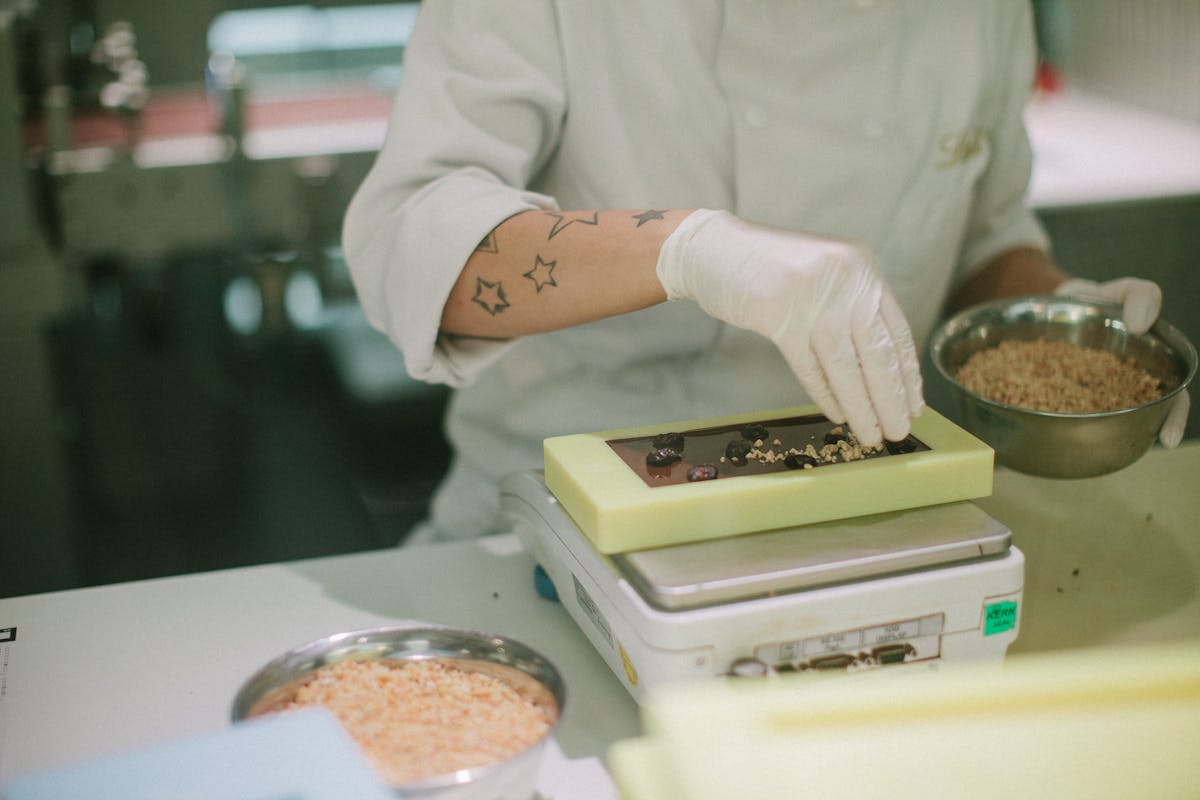
I was standing inside a chocolate shop on Rue au Beurre, watching a woman behind the counter hand-paint a tray of pralines with a tiny brush, when it hit me: this was not a souvenir shop. This was a working atelier.
Brussels takes its chocolate seriously. Not in the self-conscious, museum-plaque way, but in the way a city takes its bread or its beer — it is simply part of daily life. And the best way to understand that is not by buying a box at the airport. It is by booking a proper chocolate tour.
I have done five different chocolate experiences in Brussels over the past couple of years, from walking tours to hands-on workshops to museum visits. Here is what I learned about picking the right one.
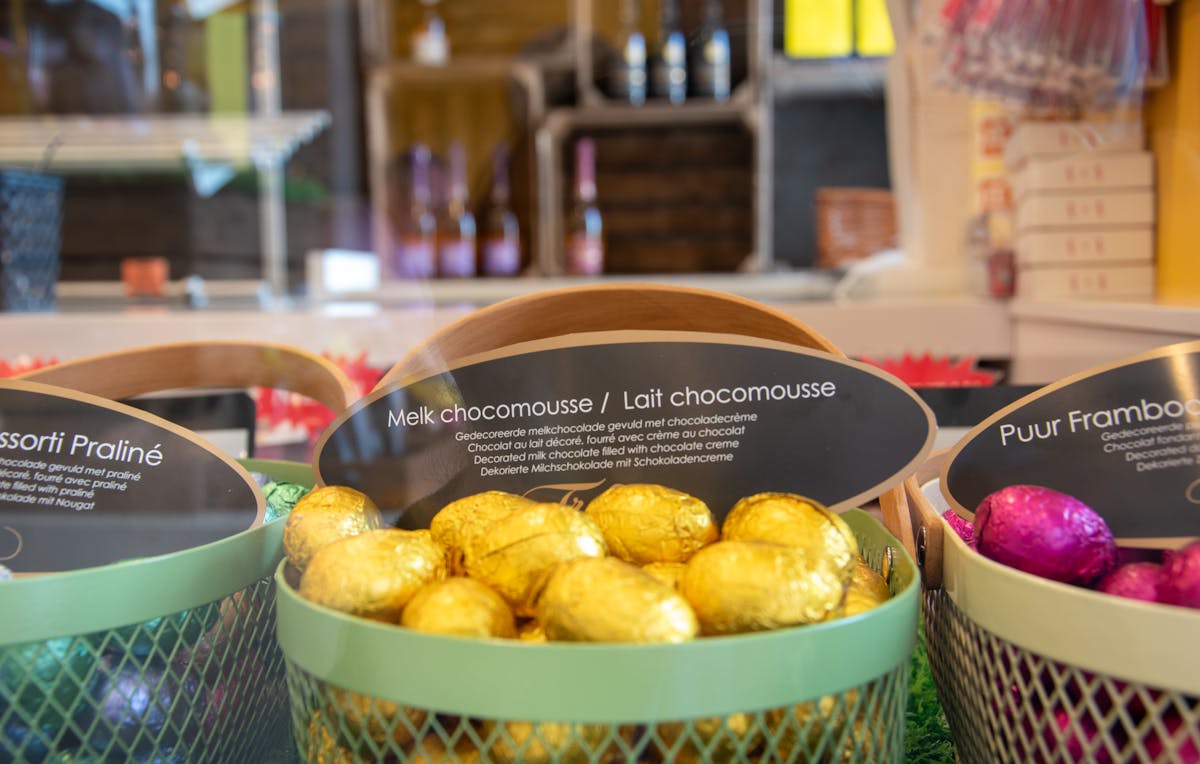
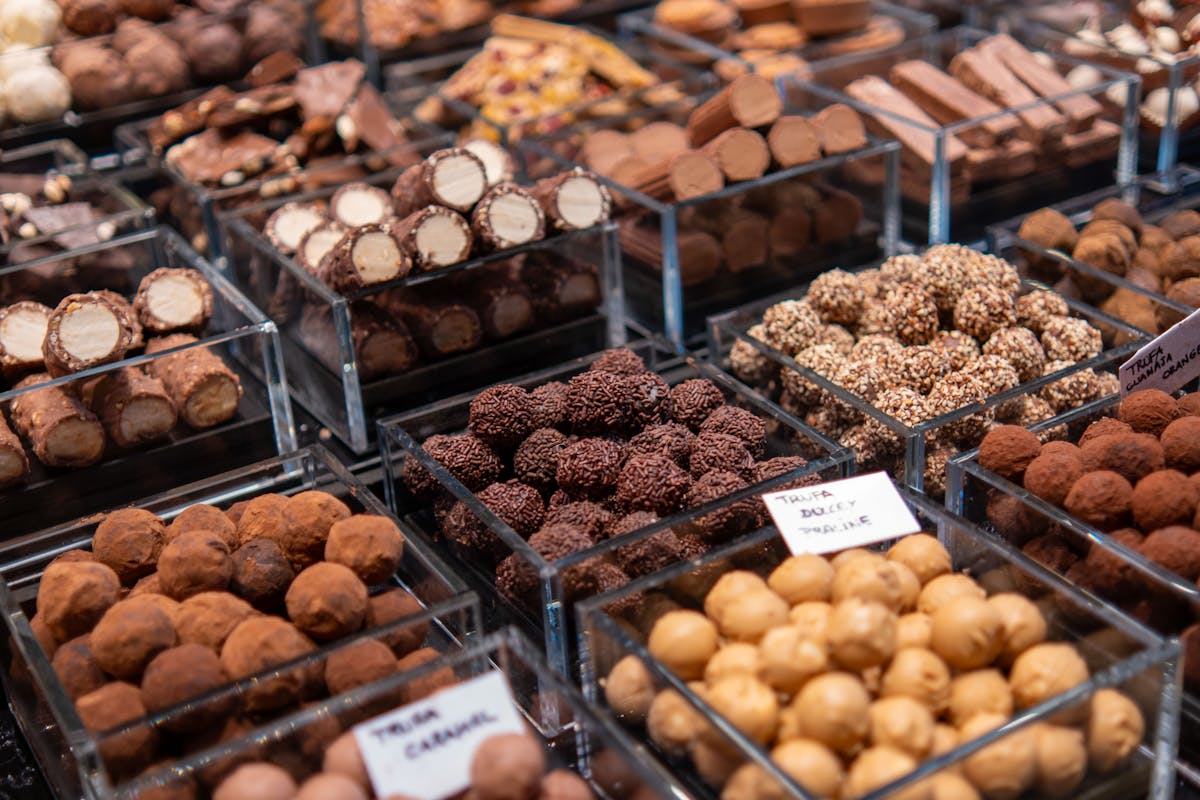
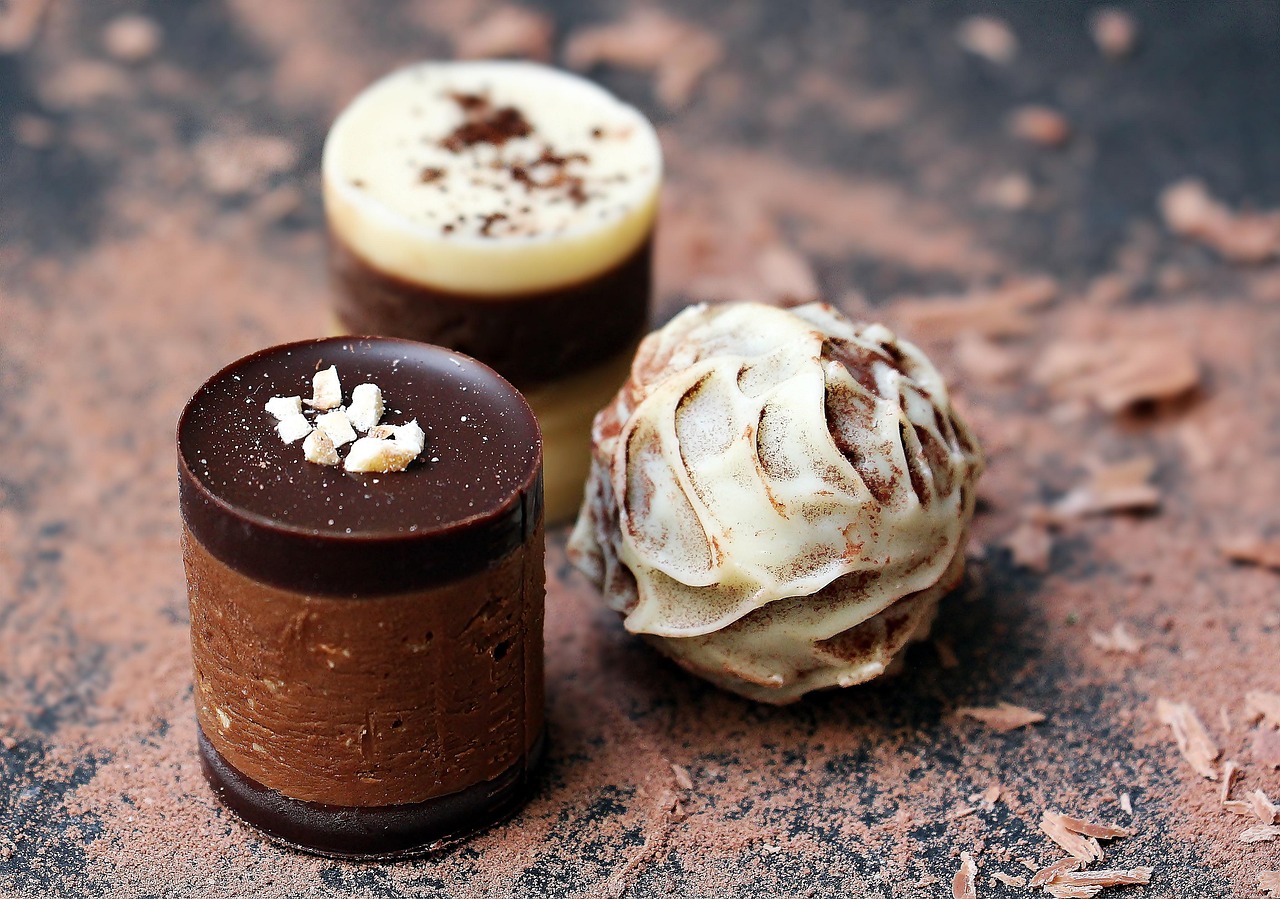
Best overall: Hungry Mary’s Beer and Chocolate Tour — €120. The one that combines both of Belgium’s greatest exports with a local guide who knows every back alley.
Best budget: Choco-Story Museum with Tasting — €18. Self-paced museum visit that ends with a live chocolate-making demo and free samples.
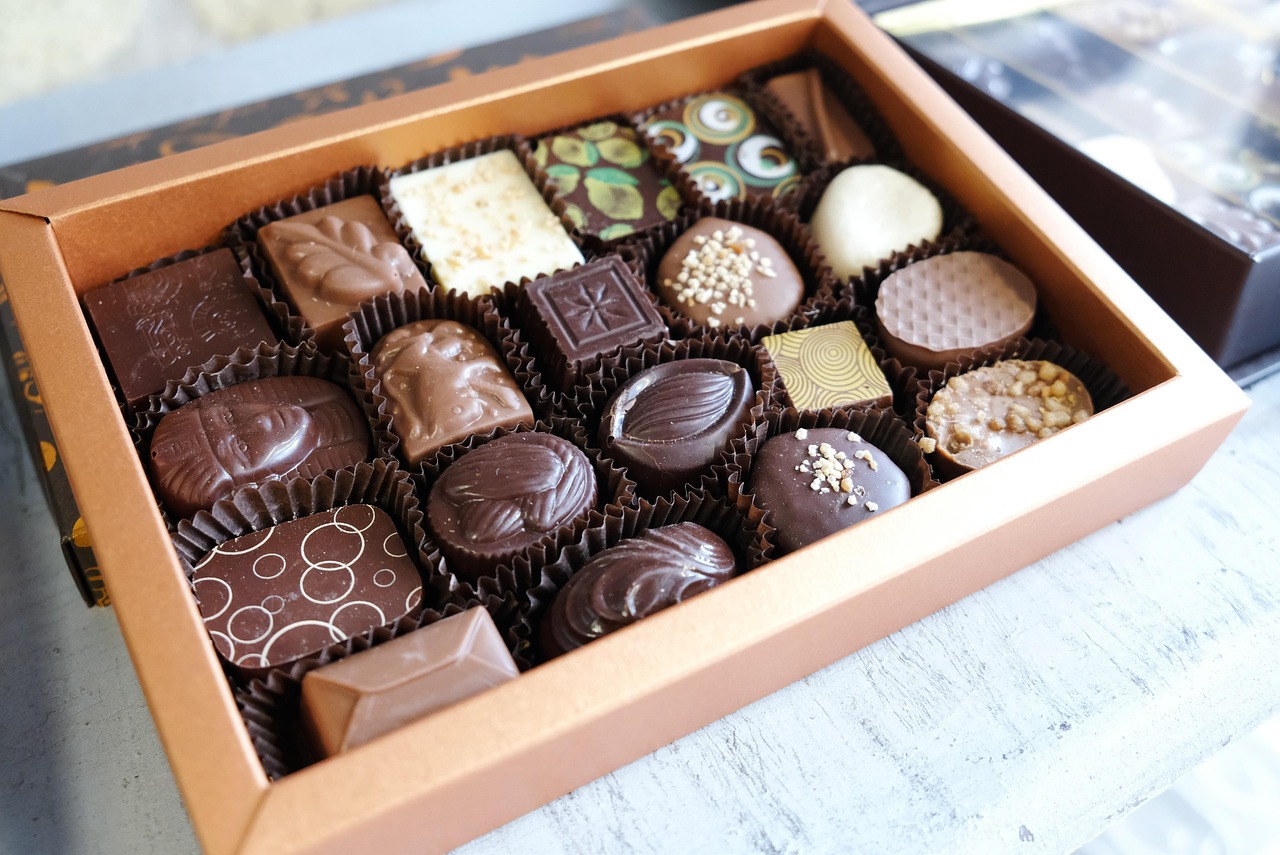
Best hands-on: Belgian Chocolate Making Workshop — €82. You make your own pralines from scratch and take them home in a box.
- How the Belgian Chocolate Scene Actually Works
- Walking Tours vs Workshops vs Museums
- The Best Chocolate Tours to Book in Brussels
- 1. Choco-Story Brussels: Chocolate Museum with Tasting — €18
- 2. Hungry Mary’s Beer and Chocolate Tour — €120
- 3. Belgian Chocolate Making Workshop — €82
- 4. Chocolate Museum Visit with Workshop — €53
- 5. Historical Tour with Chocolate and Waffle Tasting — €47
- When to Book Your Chocolate Tour
- How to Get to the Chocolate District
- Tips That Will Save You Time and Money
- A Brief History of Belgian Chocolate
- What You Will Actually Taste
- More Belgium Guides
How the Belgian Chocolate Scene Actually Works
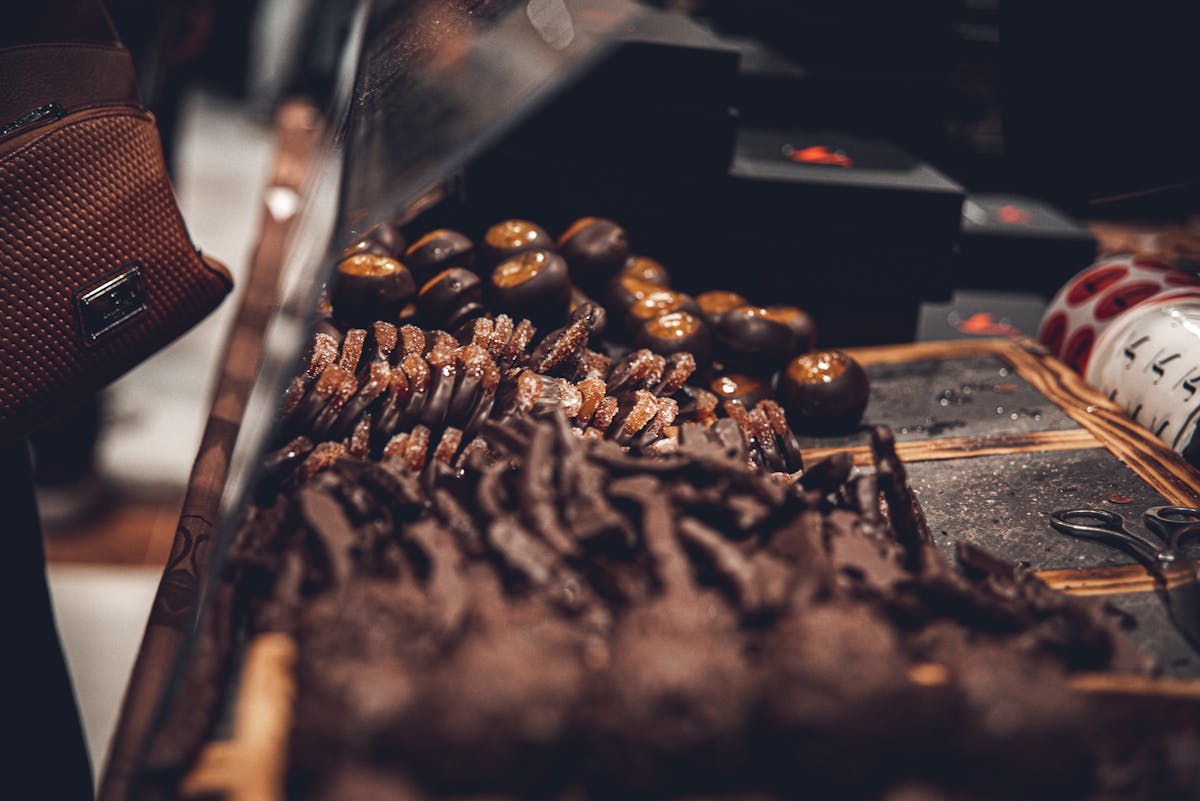
Brussels has over 2,000 chocolate shops. That number sounds made up, but walk from the Grand Place to the Sablon neighbourhood and you will pass at least thirty of them in under a kilometre. The concentration is staggering.
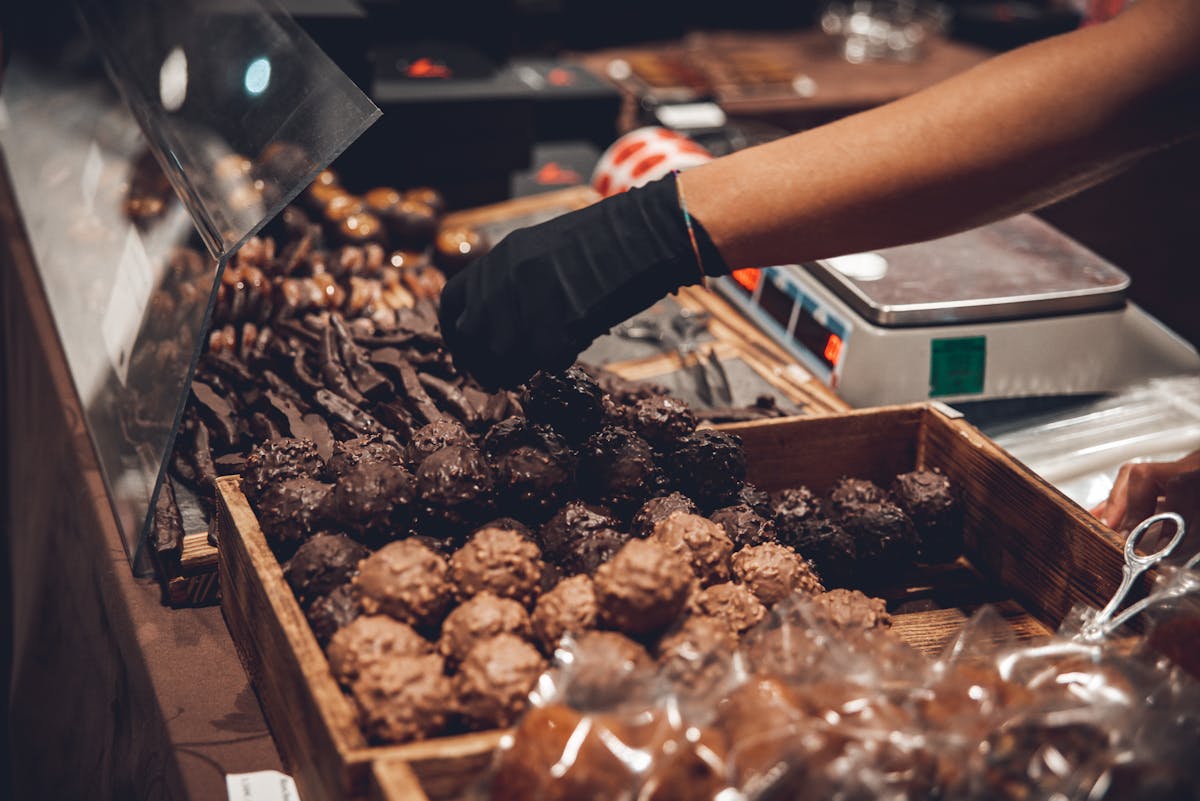
The industry is split into two tiers. On one side you have the big houses — Neuhaus, Leonidas, Godiva, Pierre Marcolini, Mary Chocolatier — with their polished boutiques and boxed assortments. On the other, you have small-batch artisans working out of narrow shopfronts, making everything on-site, often right behind the counter where you can watch.
Both are worth visiting. But the small artisans are where the tours really shine, because they take you behind the scenes to places you would never find on your own.
You can book chocolate experiences in Brussels three ways: guided walking tours that take you through the old town with tasting stops, museum visits that cover the history plus a live demo, or hands-on workshops where you make pralines yourself. The walking tours run about two to three hours. Workshops are usually around an hour. Museum visits are self-paced, so figure about ninety minutes.
Prices range from €18 for a basic museum entry with tasting up to €120 for a full-day walking tour with beer pairings. There is no single “best” option — it depends on whether you want to learn, taste, or make.
Walking Tours vs Workshops vs Museums
Walking tours are the best all-around option for first-time visitors. You get context — the guide explains why Belgian chocolate is different, takes you to shops you would walk past otherwise, and you taste a range of styles. The downside is the pace: groups move slowly, and if you get a large group (some run up to twenty people), the tasting portions are smaller.
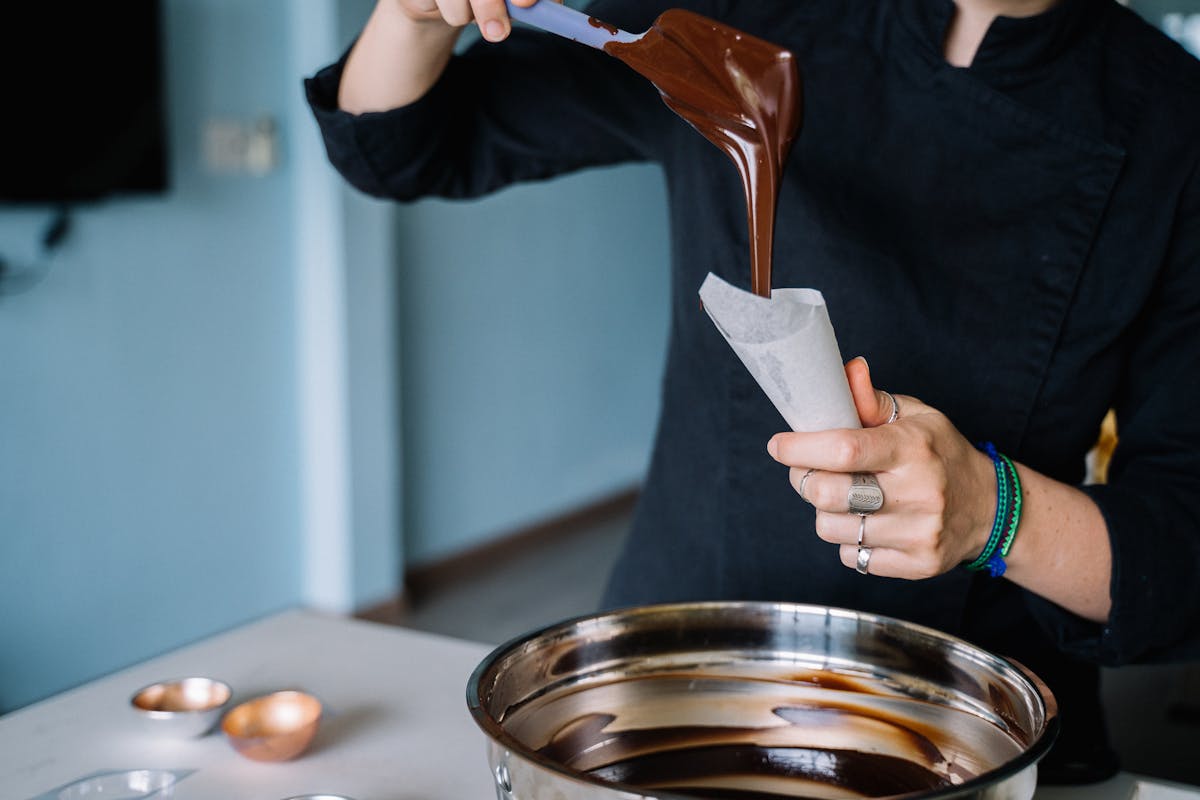
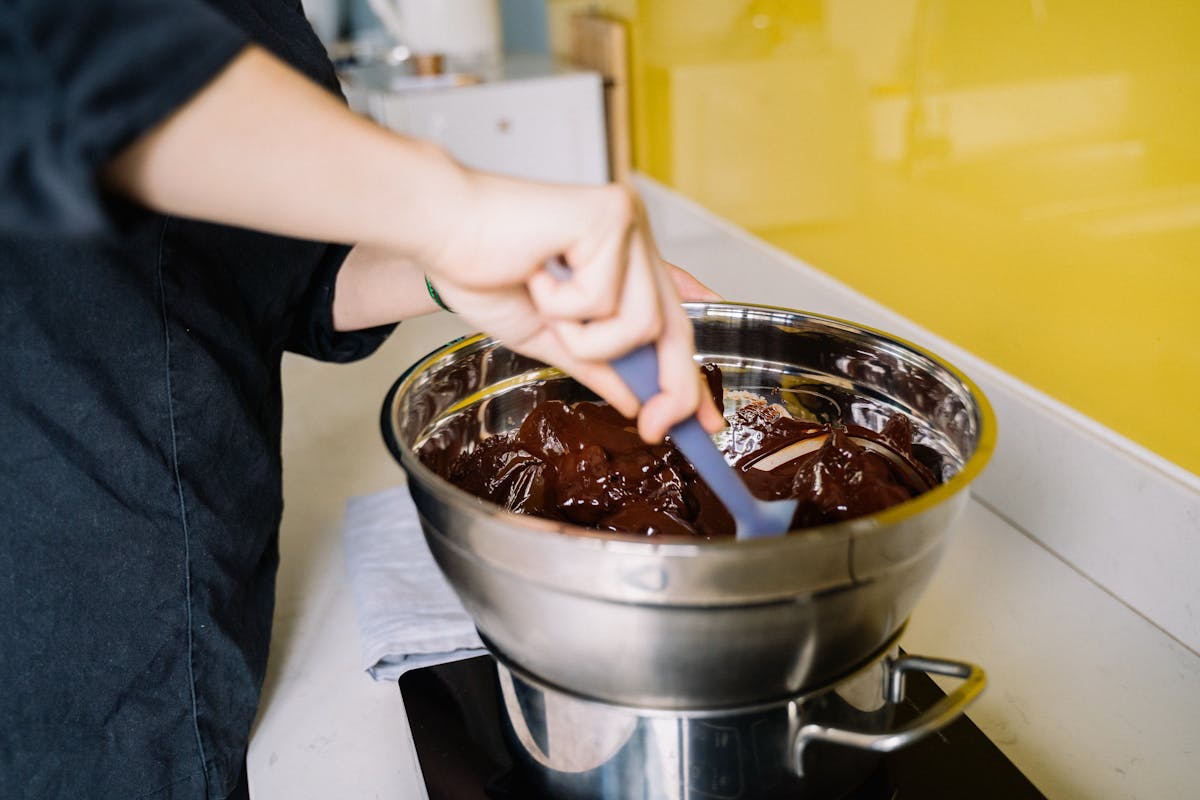
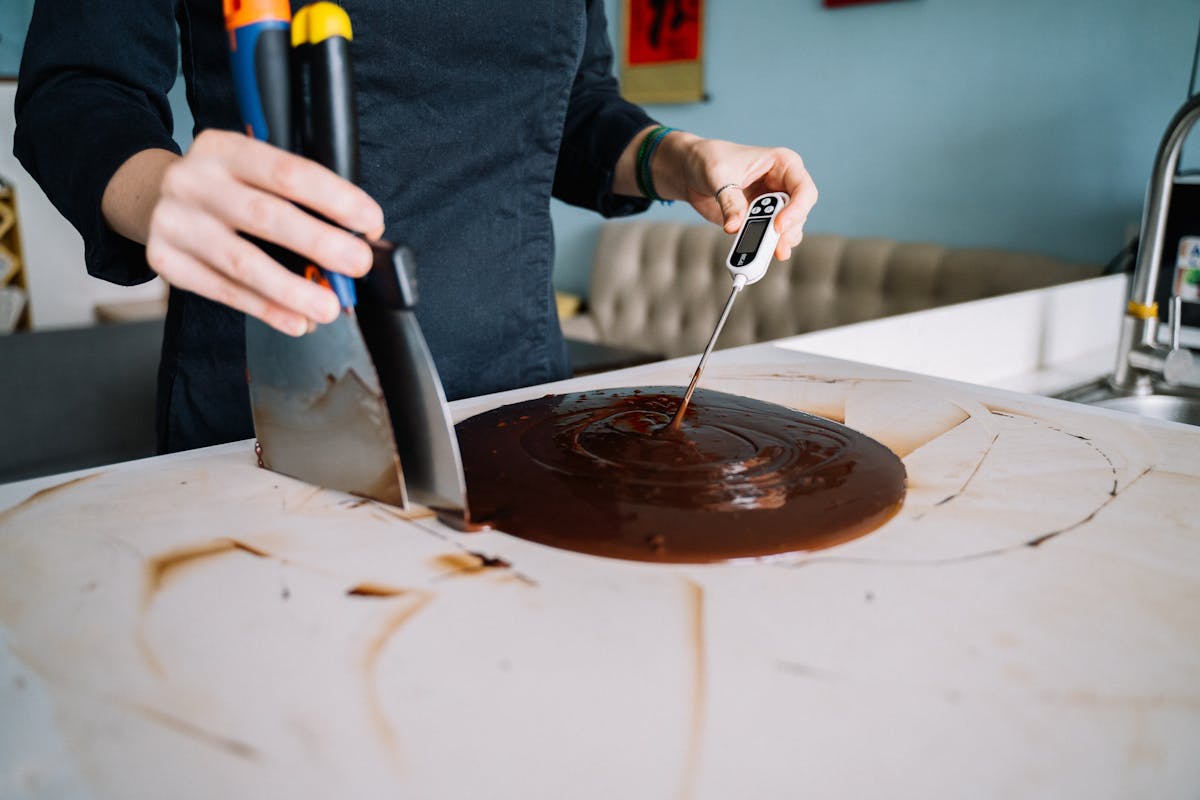
Workshops are better if you already know you love chocolate and want to get physical with it. You learn tempering, filling molds, and decorating. Most workshops let you take home a box of pralines you made yourself. The downside is you do not see the city — it is all indoors, usually in a dedicated classroom space.
Museums are the budget play. For under twenty euros, Choco-Story Brussels gives you a full walkthrough of chocolate history from Mesoamerica to modern Belgium, plus a live demo at the end. You will not get the same depth as a guided tour, but for the price it is solid value.
My honest recommendation: if you have time for only one, do a walking tour. If you have a full day in Brussels and want to go deep, do a walking tour in the morning and a workshop in the afternoon. And if you are on a tight budget or have kids, the museum is genuinely good — do not skip it just because it is cheap.
The Best Chocolate Tours to Book in Brussels
I have narrowed this down to the five best options currently available. They are ranked by a combination of quality, value, and the sheer volume of positive feedback they have received.
1. Choco-Story Brussels: Chocolate Museum with Tasting — €18
This is the most popular chocolate experience in Brussels by a wide margin, and for good reason. At €18 it is the cheapest way to get a proper chocolate education, and the museum itself is surprisingly well done. The exhibits cover the full journey from cacao bean to finished praline, with genuine artefacts and not just information panels.
The real highlight is the live demonstration at the end, where a chocolatier makes fresh pralines right in front of you and hands them out. The tasting alone almost justifies the entry price. This is also the most family-friendly option — kids can watch the demo without getting bored.
It is self-paced, so you can spend twenty minutes or two hours. I would budget about ninety minutes to see everything properly without rushing.
2. Hungry Mary’s Beer and Chocolate Tour — €120
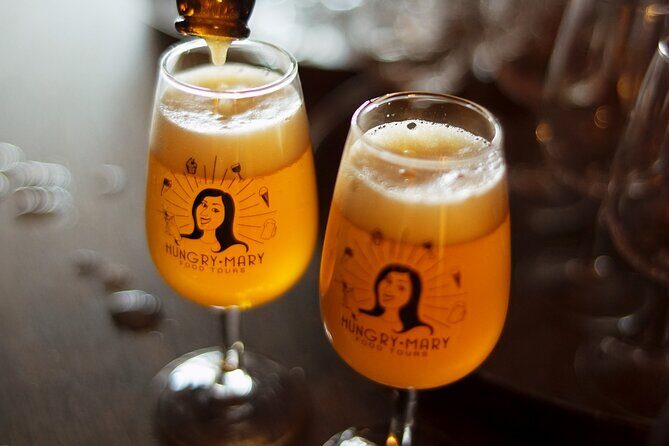
If you want the full experience, this is it. Hungry Mary’s tour combines craft beer tastings with chocolate stops over about three hours of walking through the old town. The guides are locals who clearly love what they do, and the pairing element — matching specific beers with specific chocolates — is something you will not get on any other tour.
At €120, it is the priciest option on this list. But you get multiple beer tastings, multiple chocolate tastings, a waffle, and a walking tour of the historic centre all in one. That is actually decent value when you break it down. The group sizes are also smaller than the museum tours, which means better access and more conversation with the guide.
Book this if you want to impress someone, or if you genuinely want to understand how beer and chocolate interact. The pairing logic is fascinating once you hear it explained by someone who knows what they are talking about.
3. Belgian Chocolate Making Workshop — €82
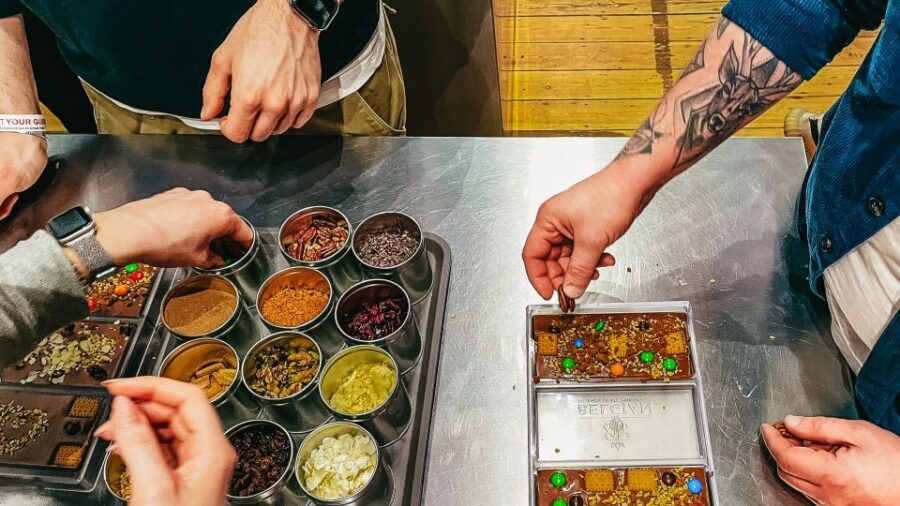
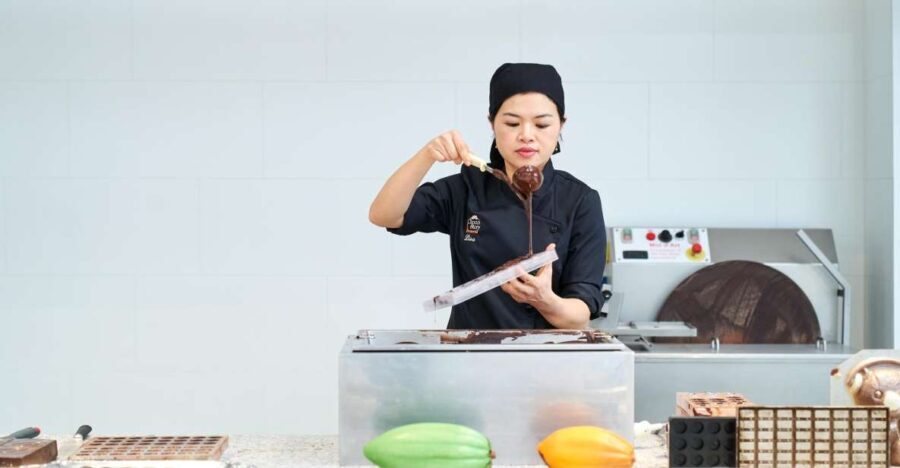
This is the hands-on option. For €82, you spend about an hour in a dedicated chocolate workshop space learning the basics of tempering, molding, and decorating Belgian pralines. You work with real Belgian couverture chocolate (not the cheap stuff), and you take home a box of everything you make.
The instructor walks you through each step in small groups, so you actually learn something rather than just following along blindly. It is genuinely fun even if you have no cooking experience at all. And the pralines you make are legitimately good — better than most of what you will find in tourist shops.
Best for couples, families with older kids, or anyone who prefers doing over watching. Not the best for people who just want to taste finished products — the walking tours are better for that.
4. Chocolate Museum Visit with Workshop — €53

If you are torn between the museum and a workshop, this combo option splits the difference nicely. At €53, you get the full Choco-Story museum experience plus a hands-on workshop session where you make your own chocolates.
The museum portion covers history and production just like the basic ticket, but the workshop add-on means you leave with actual skills and a box of your own pralines. It is about thirty euros more than the basic museum entry, but that extra cost buys you a completely different kind of experience.
This is the smartest option for families or anyone who wants value without going all-in on the premium walking tour. You get education, entertainment, and a tangible souvenir in one visit.
5. Historical Tour with Chocolate and Waffle Tasting — €47
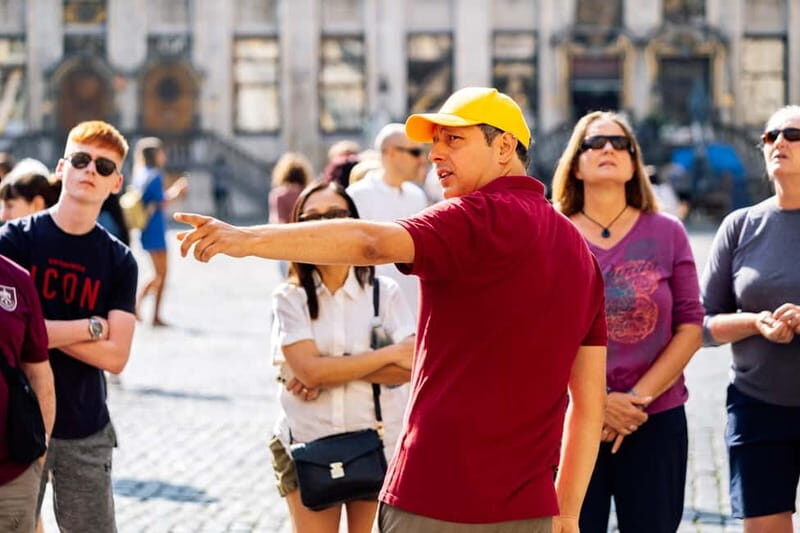
This walking tour is the best option if you are new to Brussels and want to combine sightseeing with food. At €47, you get a guided walk through the historic centre — Grand Place, Manneken Pis, Galeries Royales Saint-Hubert — with chocolate and waffle tasting stops built in.
It is not as chocolate-focused as the other options. But if you only have half a day in Brussels and want to see the sights and taste good chocolate, this kills two birds efficiently. The guides are knowledgeable about Brussels history and know exactly which shops to stop at for the best samples.
Think of this as a city tour with chocolate benefits rather than a pure chocolate experience. At forty-seven euros, it is well priced for what you get.
When to Book Your Chocolate Tour
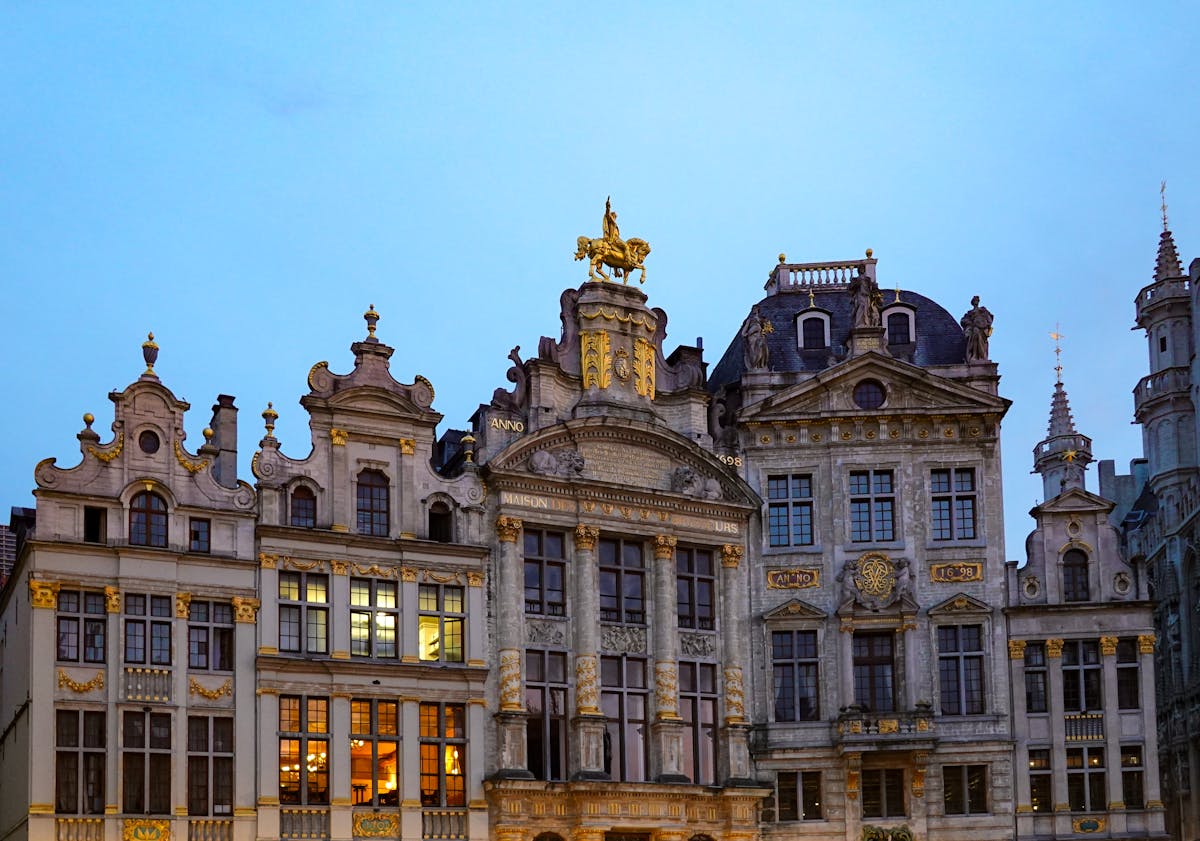
Best time of year: October through March. The cooler temperatures mean your chocolate samples are not melting in your hand as you walk between shops. Summer tours still run, but the heat makes outdoor tastings less pleasant. Spring and autumn strike a good balance.
Best time of day: Morning tours (usually starting around 10 or 11am) tend to have smaller groups and the shops are less crowded. Afternoon tours work too, but the most popular shops get busy after 2pm, especially on weekends.
When to avoid: Belgian school holidays and major public holidays pack the city centre. The two weeks around Christmas and New Year are especially busy — lovely atmosphere, but the chocolate shops are heaving and tour group sizes swell. Easter weekend is similar.
How far in advance to book: For the museum, a day or two is usually fine. For workshops and walking tours, book at least a week ahead during spring and summer. The best guides get snapped up quickly. In winter, you can often book two or three days in advance without issues.
How to Get to the Chocolate District
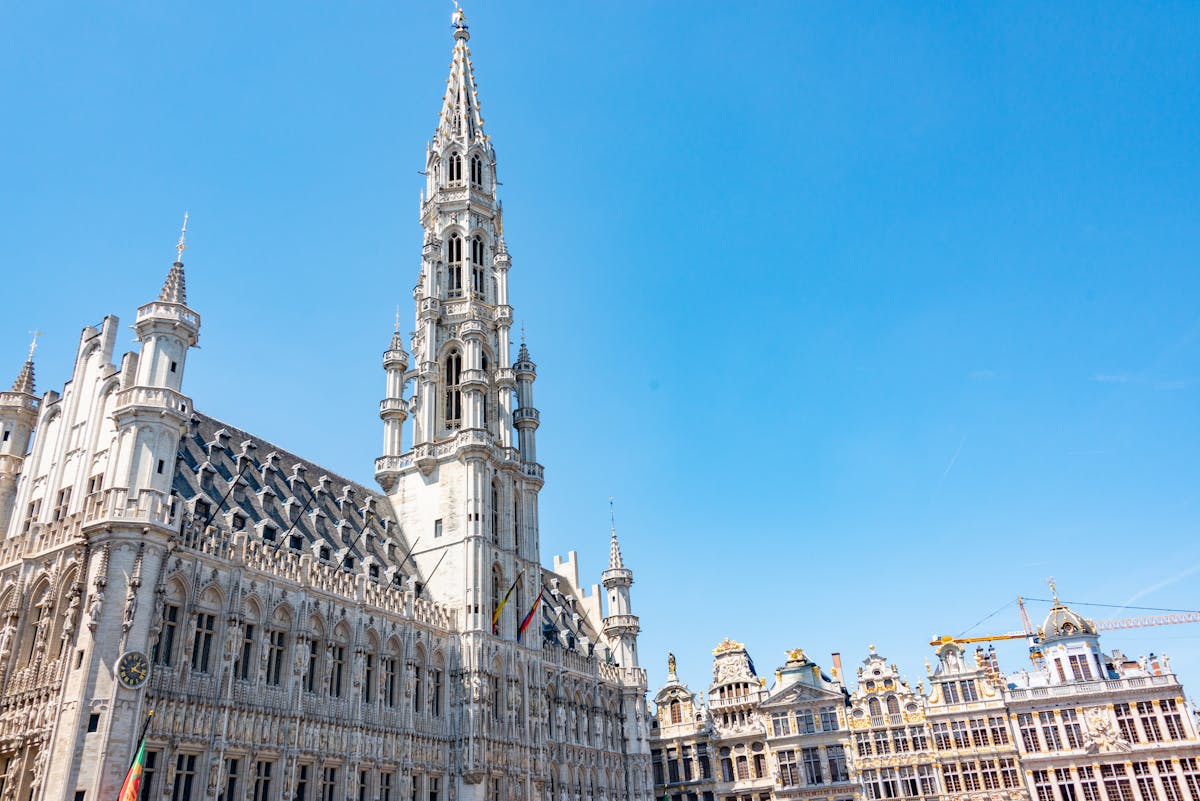
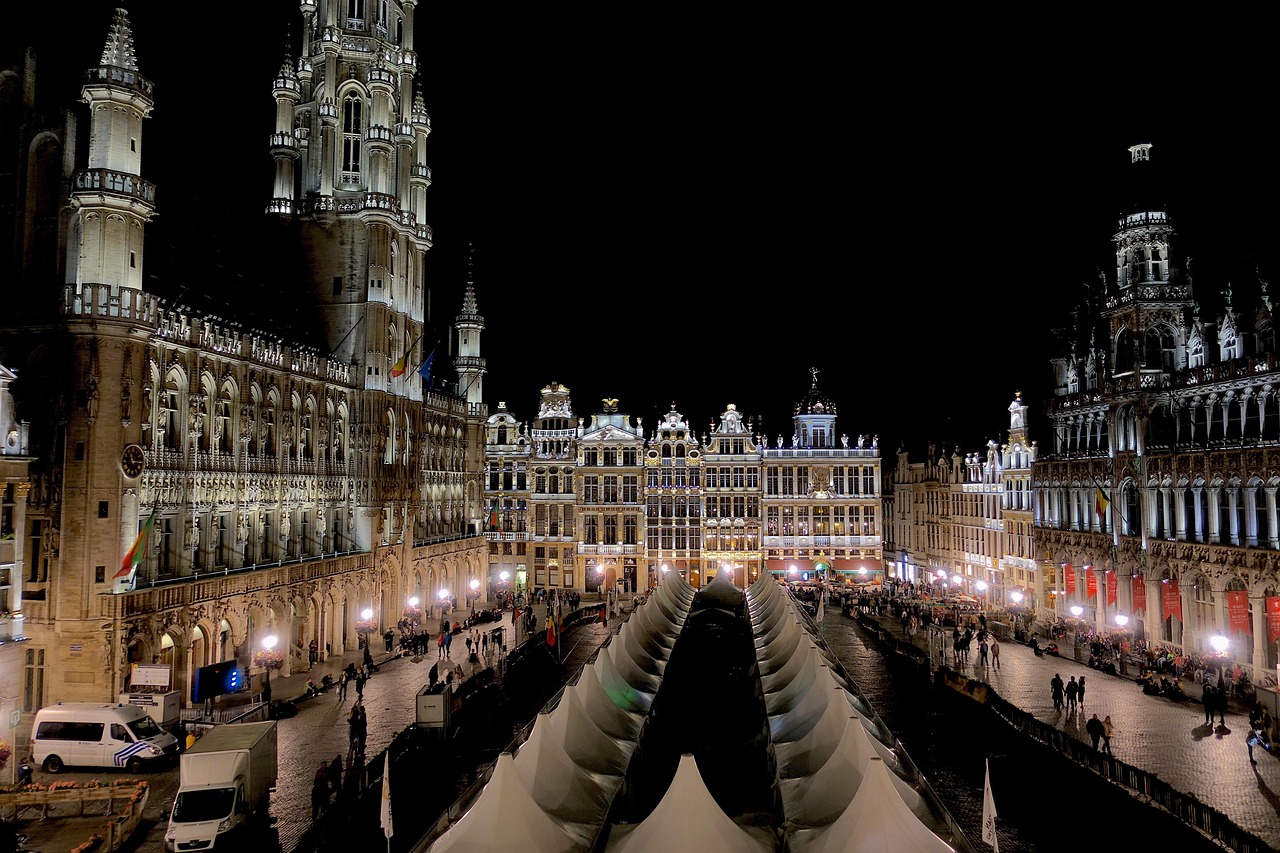
Most chocolate tours start in or near the Grand Place area. Getting there is straightforward:
Metro: Take lines 1 or 5 to Gare Centrale. The Grand Place is a three-minute walk from the station exit. This is the fastest option from anywhere in the city.
Tram: Lines 3 and 4 stop at Bourse, which puts you right on the edge of the chocolate district. The tram is useful if you are coming from the Sablon or the EU quarter.
On foot: From Bruxelles-Midi (where the Eurostar arrives), it is about a twenty-minute walk through the city centre. The route takes you past some excellent chocolate shops along the way — Frederic Blondeel on Quai du Commerce is worth a detour if you are walking from Midi.
The chocolate quarter itself runs roughly from the Grand Place along Rue au Beurre and Rue de l’Etuve, through the Galeries Royales Saint-Hubert, and up to Place du Grand Sablon. That strip has the highest concentration of chocolatiers in the world. Your tour will likely hit three or four of the big names along this route.
Tips That Will Save You Time and Money
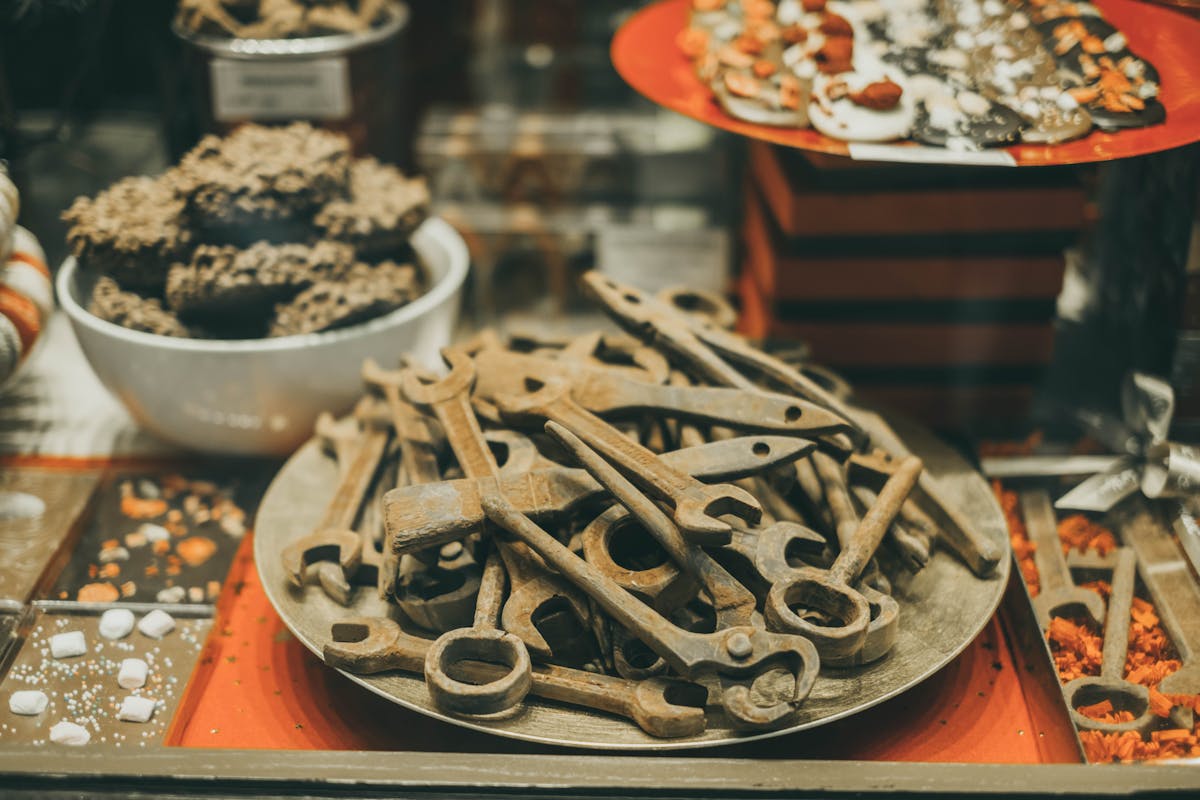
Do not eat a big meal beforehand. This seems obvious, but I made this mistake on my first chocolate tour. Between the praline samples, the waffle stop, and the hot chocolate at the end, you will consume more than you expect. A light breakfast or a small lunch is enough.
Bring a small insulated bag in summer. If you are buying chocolate to take home (and you will), the heat between June and August will turn your purchases into a flat brown puddle by the time you reach your hotel. Most shops will give you an insulated bag for free if you ask, but bringing your own is safer.
Skip the airport chocolate shops. I know this is tempting when you are short on time, but the markup at Brussels Airport is roughly double what you will pay in the city. Even the Neuhaus shop at the airport charges more than the Neuhaus shop on the Grand Sablon. Buy in town.
Ask about cocoa percentage. Belgian law requires all chocolate labeled as Belgian to contain at least 35% cocoa butter. But the best artisans work with 60-80% cocoa for their dark varieties. Asking about percentages is a good way to separate the real craftspeople from the tourist-oriented shops.
Book workshops for the afternoon. Your hands will be covered in chocolate for about an hour. If you do this in the morning, you will spend the rest of the day with sticky fingers and chocolate under your fingernails. Afternoon sessions mean you can head straight to dinner or your hotel afterward to clean up properly.
A Brief History of Belgian Chocolate
Belgium’s chocolate story starts, oddly enough, in the Americas. When Spain conquered the Aztec Empire in the early 1500s, they brought cacao beans back to Europe. Since Belgium was part of the Spanish Netherlands at the time, it was one of the first places in Europe to encounter chocolate. By the 1600s, Brussels had its first chocolate houses — not shops, but drinking salons where the wealthy sipped hot chocolate from porcelain cups.
But the moment that changed everything came in 1912. Jean Neuhaus, a Swiss-born confectioner working in the Galeries Royales Saint-Hubert, invented the Belgian praline. Not the French praliné (which is a paste of caramelized nuts and chocolate) but a chocolate shell filled with soft cream, ganache, or nut paste. He created the “ballotin” — the characteristic Belgian chocolate box — a few years later. That invention turned chocolate from a drink into a gift, and Belgium into the global capital of bonbon-making.
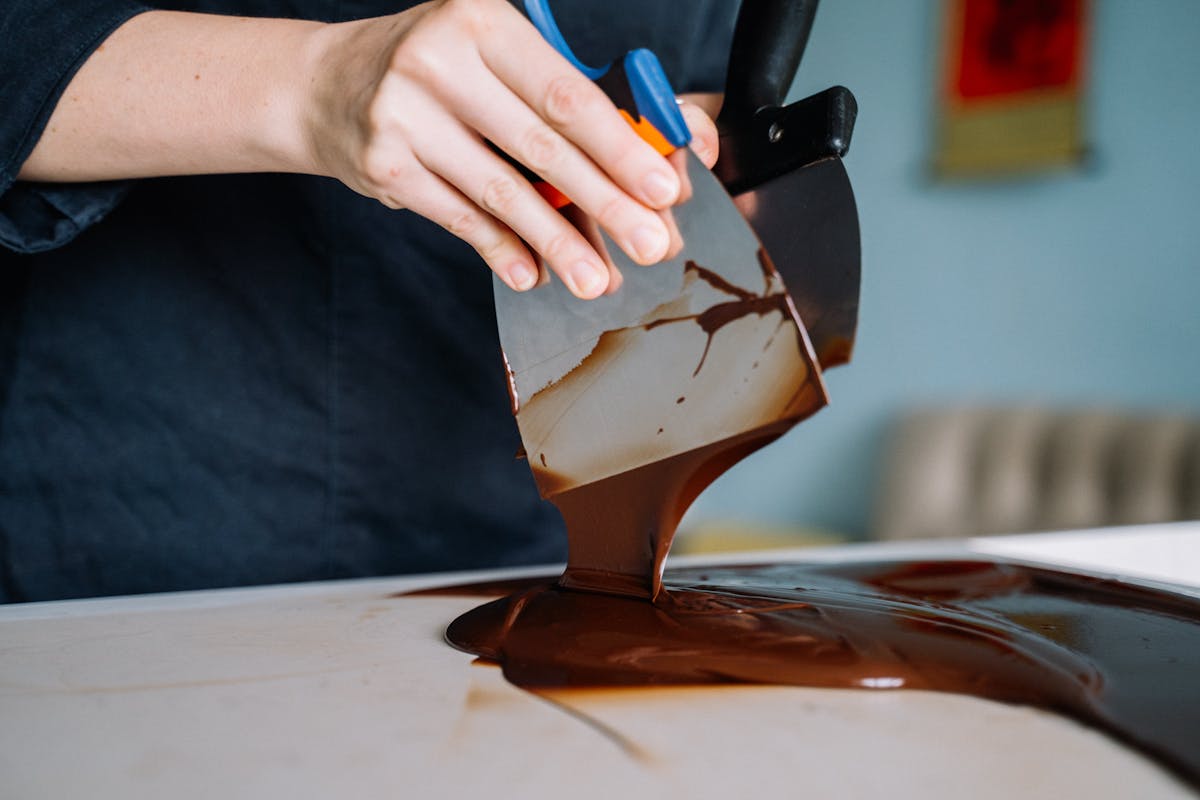
The 1930s brought another leap: the couverture technique. Belgian chocolatiers worked out how to use higher proportions of cocoa butter to create smoother, glossier chocolate that was easier to mold into shells. In 1964, the Belgian government passed a royal decree requiring that any chocolate labeled “Belgian” must contain a minimum of 35% cocoa butter — no palm oil substitutes, no vegetable fat fillers. That law still holds today and is one of the strictest chocolate quality standards in the world.
Today, Belgium produces over 220,000 tonnes of chocolate per year and exports to 140 countries. Brussels alone has an estimated 2,000 chocolate shops, employing around 30,000 people in the industry nationwide. And the techniques developed by Neuhaus and the generations that followed — particularly the praline, the couverture method, and the emphasis on cocoa butter content — are still what set Belgian chocolate apart from Swiss, French, or American chocolate.
You do not need to know any of this to enjoy a chocolate tour. But hearing the story while standing in the Galeries Royales, a few metres from where Neuhaus made his first praline, does add something to the experience.
What You Will Actually Taste
Most tours cover four to six tasting stops, and the variety is broader than you might expect. Here is what a typical tour includes:
Classic pralines — the filled chocolate shells that Belgium is famous for. You will try ganache (chocolate cream), praliné (nut paste), caramel, and fruit-flavoured varieties. The good tours explain how shell thickness and filling ratio affect the taste.
Single-origin bars — many artisan chocolatiers in Brussels now work with beans from specific countries or even specific farms. Tasting Madagascar next to Ecuador next to Venezuelan chocolate is genuinely eye-opening. They taste completely different.
Hot chocolate — not the powdered stuff. Real Belgian hot chocolate is made from shaved couverture melted into hot milk. Thick, rich, and a world away from anything you have had at home. Some tours include this; if yours does not, go to Maison Dandoy afterward and order one.
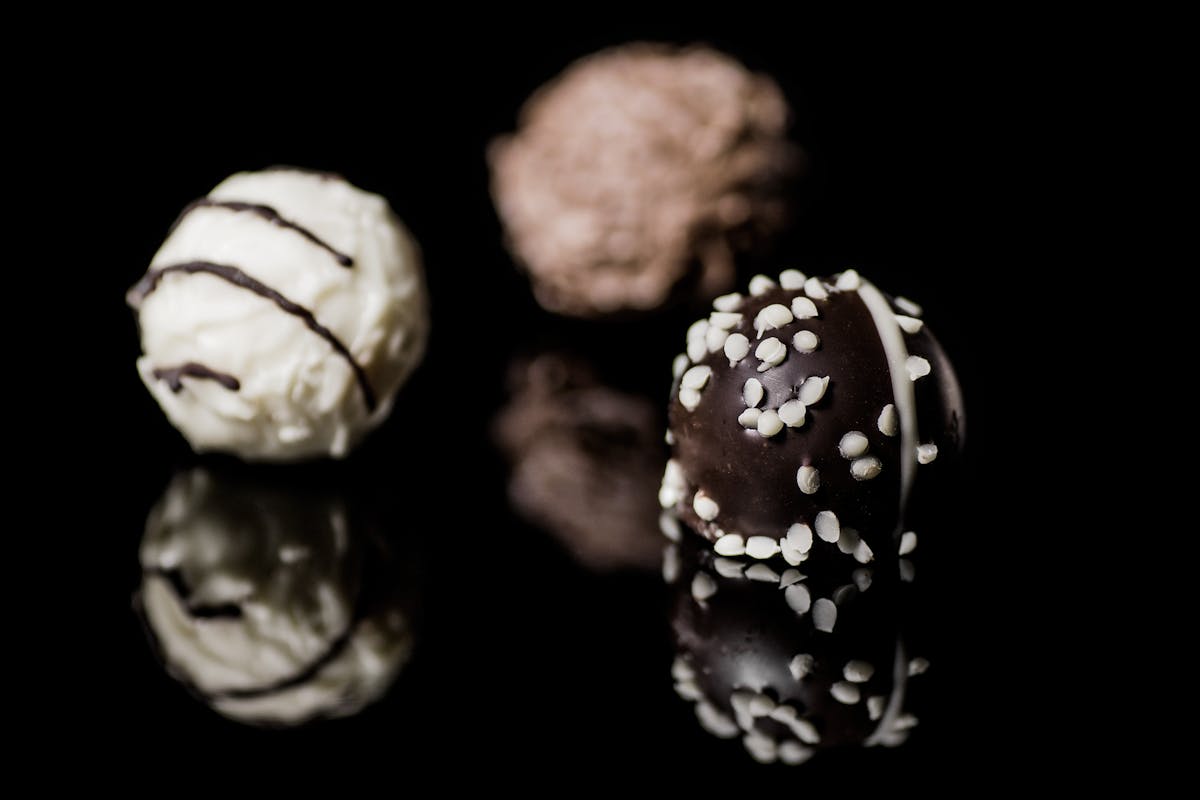
Truffles — soft ganache centres rolled in cocoa powder or dipped in tempered chocolate. Belgian truffles are less sweet than French ones, with a stronger cocoa flavour.
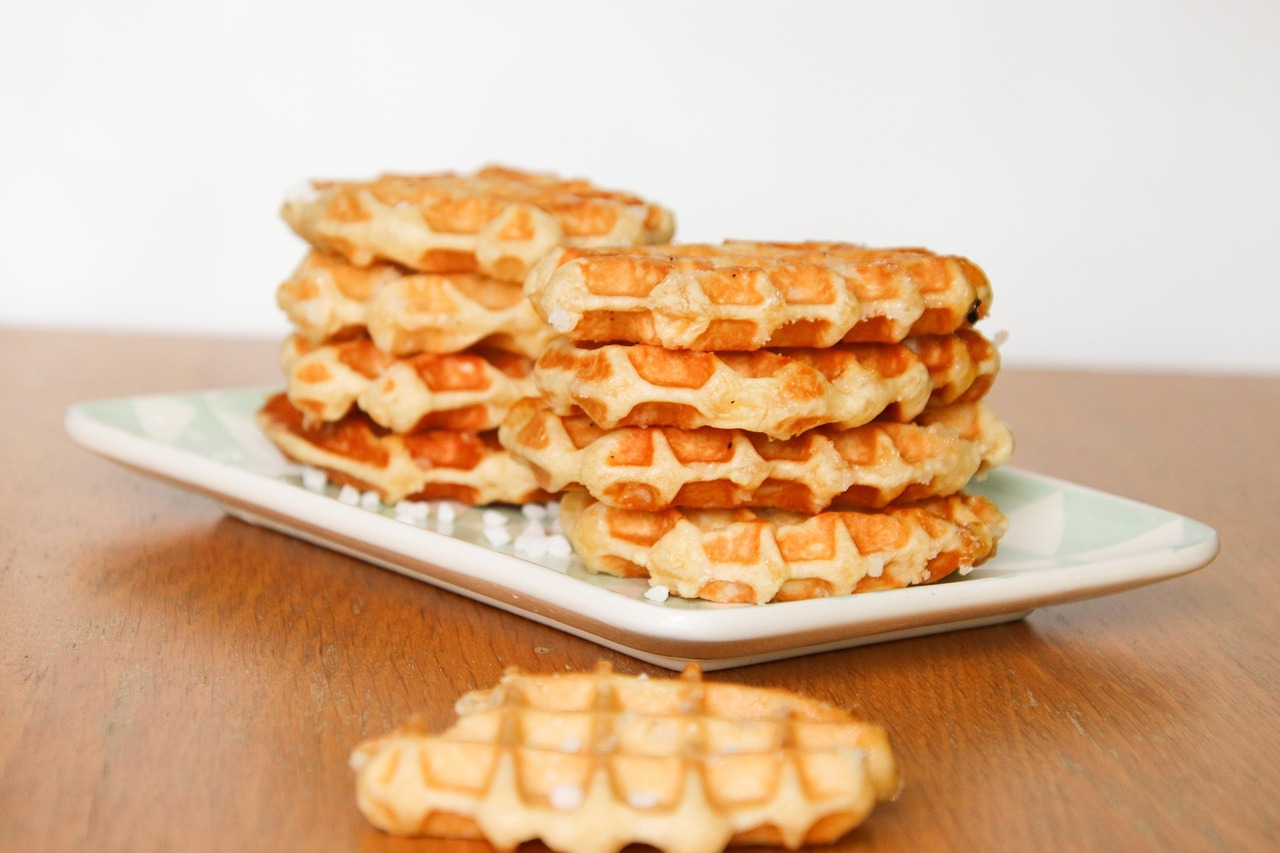
Belgian waffles — not strictly chocolate, but most tours include at least one waffle stop. The Liege waffle (dense, chewy, coated in caramelized sugar) is the one to try, especially when topped with melted chocolate.
More Belgium Guides
If you are spending more than a day or two in Belgium, Brussels makes an excellent base for day trips. Bruges is just an hour away by train and has its own incredible chocolate scene — the concentration of shops along the Markt square rivals Brussels itself. Ghent is even closer at thirty minutes, and its food culture leans more toward craft beer and regional specialties, making it a perfect complement to a chocolate-heavy Brussels itinerary. Both are easy half-day or full-day trips that do not require a car.
This article contains affiliate links. If you book a tour through our links, we earn a small commission at no extra cost to you. This helps us keep creating free travel guides.