
The first thing that surprised me about Copenhagen’s canal system wasn’t the colorful houses or the old sailing boats. It was how quiet everything got the moment we pulled away from the dock. One second you’re standing in the middle of Nyhavn with a hundred other people jostling for the same photo, and the next you’re gliding past 17th-century warehouses with nothing but the hum of an electric motor and a guide pointing out where Hans Christian Andersen used to sit and stare out his window.
That shift — from tourist chaos to floating calm — is what makes a canal cruise here worth doing, and why it’s become the single most popular activity in the city.
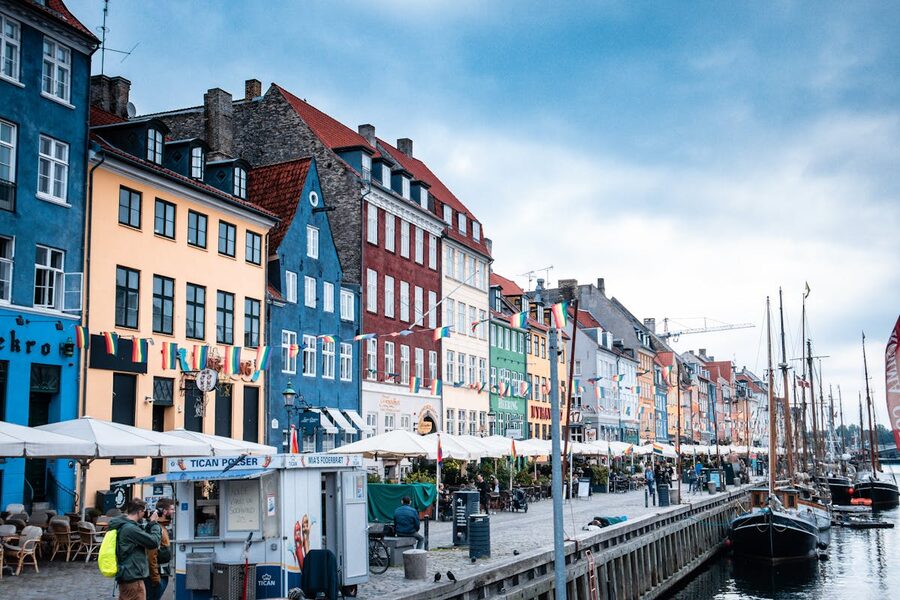
But booking one is where things get confusing. There are at least a dozen operators running canal tours in Copenhagen, prices range from $26 to over $100, boat sizes vary from 12-person electric vessels to open-top barges holding 60+, and the routes are not all the same. Some loop through Christianshavn. Others stick to the inner harbor. A few include stops where you actually get off the boat.
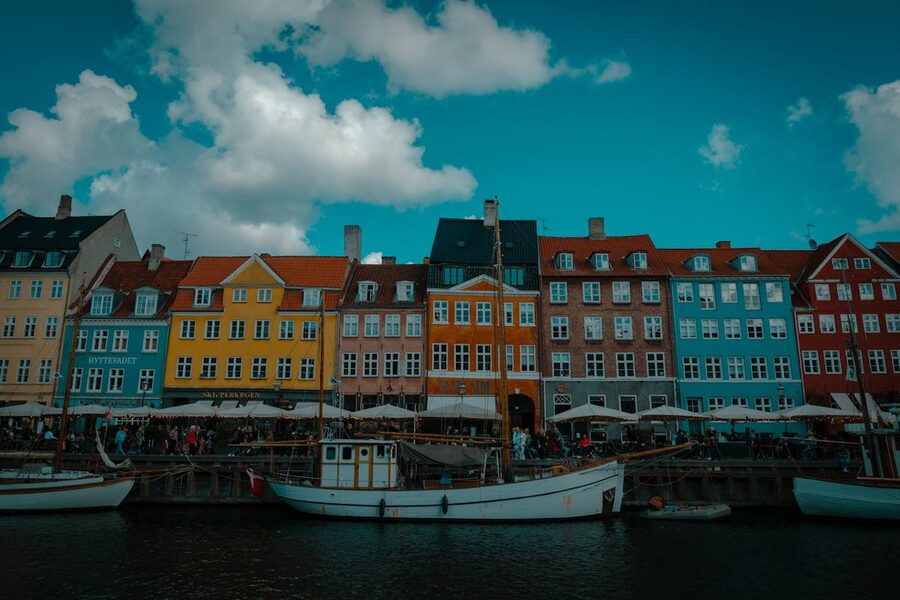
I’ve taken four different canal tours in Copenhagen across three trips. Some were fantastic, one was forgettable, and one was genuinely special. This guide breaks down how the system works, which tours are actually worth your money, and how to avoid the mistakes I made the first time around.
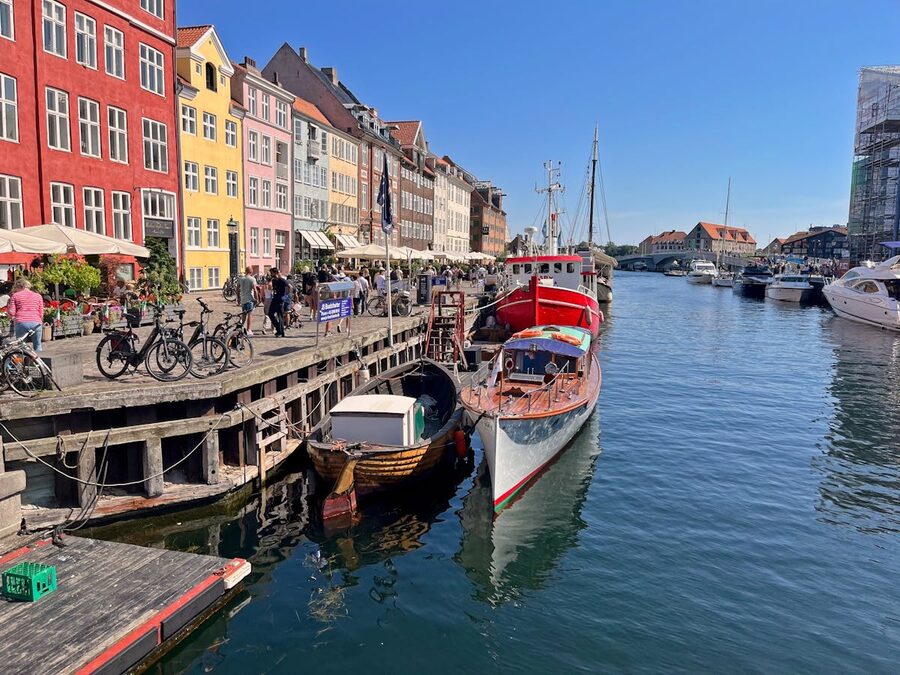
Best overall: Guided Canal Tour by Electric Boat — $41. Small electric boat, heated seats, blankets in winter, and guides who actually know the backstreets of Copenhagen history.
Best budget: Canal Cruise with Guide — $26. The standard one-hour loop with live commentary. No frills, solid route, lowest price you’ll find for a guided tour.
Best premium: Social Sailing Canal Tour — $106. Three hours on a small private boat with drinks, a stop at an island only reachable by water, and a captain who runs it like a friend showing you around.
- How Copenhagen’s Canal Cruise System Works
- Standard Cruise vs. Electric Boat vs. Private Tour
- The Best Canal Cruises to Book
- 1. Copenhagen: Guided Canal Tour by Electric Boat —
- 2. Copenhagen: Canal Cruise with Guide —
- 3. Copenhagen: Electric Boat Canal Tour with Guide —
- 4. Social Sailing — Copenhagen Canal Tour, Captain’s Favorite — 6
- 5. Copenhagen Sightseeing Classic Canal Tour With Live Guide —
- When to Take a Canal Cruise
- How to Get to the Departure Points
- Tips That Will Save You Time and Money
- What You’ll See from the Water
- A Short History of Copenhagen’s Canals
- Beyond the Standard Canal Loop
- While You’re in Copenhagen
How Copenhagen’s Canal Cruise System Works
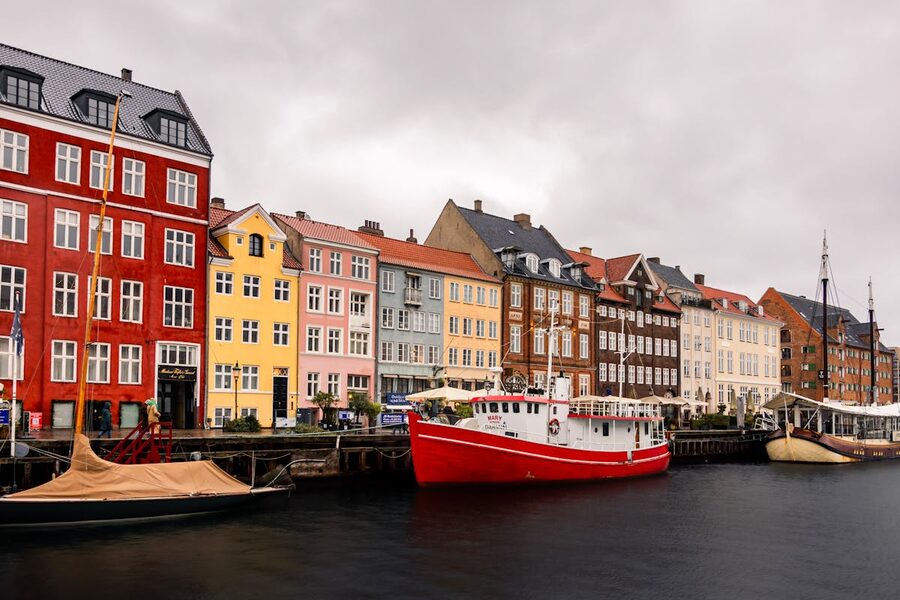
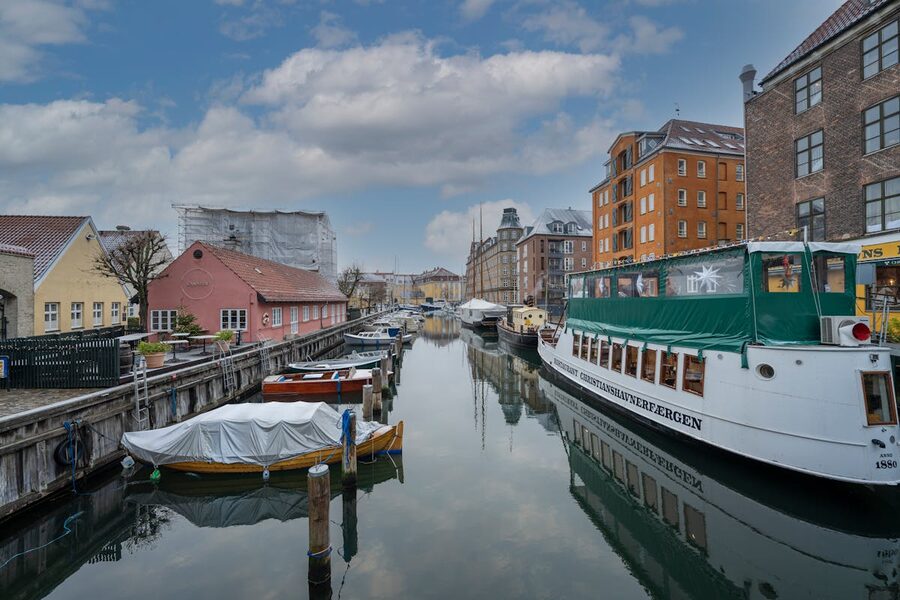
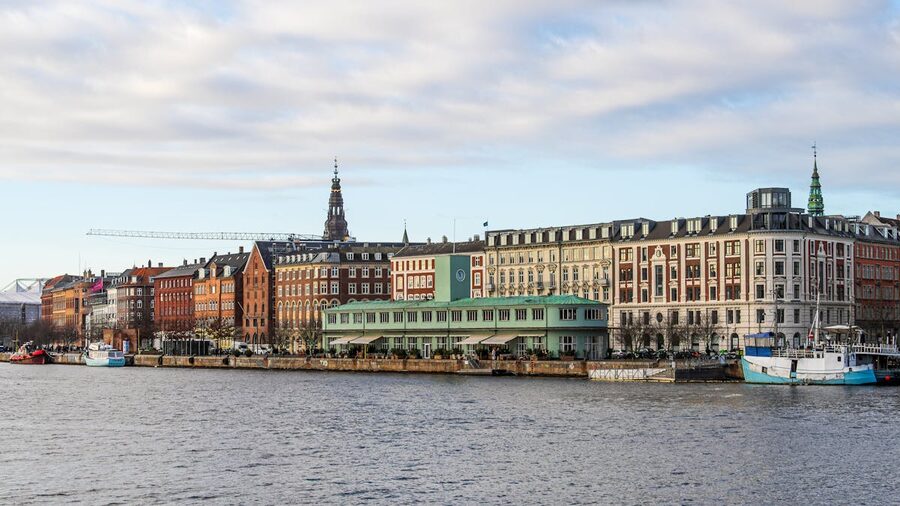
Copenhagen’s canal network is relatively compact. The main tourist routes cover a loop that starts at Nyhavn, heads south through the inner harbor past Christiansborg Palace (the Danish parliament building, sitting on its own island), continues into the Christianshavn canal district, passes the Opera House and the Royal Danish Playhouse, and then loops back to Nyhavn. The whole thing takes about 60 minutes at a gentle pace.
There are two main departure points: Nyhavn (the famous one with the colored houses) and Ved Stranden (a quieter dock near Christiansborg). Most travelers default to Nyhavn because that’s where they already are, but Ved Stranden is less crowded and the boats are often the same.
Ticket types break down like this:
- Standard guided cruise (1 hour): $26-35. Open-top or semi-covered boats with 40-60 passengers and a live guide. This is what 80% of visitors book. Runs every 20-30 minutes in peak season.
- Small-group electric boat (1 hour): $28-41. Smaller vessels carrying 12-20 people with heated seats and blankets in colder months. Quieter, more personal, and the guides tend to be better because they’re not shouting over engine noise.
- Private/social sailing (2-3 hours): $80-110. Small boats with a captain, drinks included, and stops along the way. More of an experience than a sightseeing tour.
- Hop-on hop-off boat pass: $35-50. Multiple stops around the harbor with unlimited boarding for 24-48 hours. Good if you want to use the boats as transport between attractions, but the commentary is weaker than dedicated cruise tours.
Booking online vs. at the dock: You can buy tickets at the waterfront booths, but I’d strongly recommend booking online in advance. The popular time slots — especially morning and late afternoon — sell out by mid-morning in summer. Online booking also lets you pick your exact departure time instead of waiting for the next available boat, which can mean standing around for 30-45 minutes during peak season. Every tour listed below can be booked online with free cancellation up to 24 hours before.
Standard Cruise vs. Electric Boat vs. Private Tour
This is the decision that actually matters, and it depends on what kind of traveler you are.
The standard cruise is the workhorse. Large boats, frequent departures, live guides, and you see all the major landmarks. The downside: you’re packed in with 50+ other people, engine noise can drown out the guide, and the experience feels more like public transit than something special. If you just want to check the box and see the main sights from the water for the lowest price, this is fine. But it won’t be a highlight of your trip.
Electric boat tours are the sweet spot. Smaller groups (usually 12-20 people), no engine noise, heated seats in winter, and guides who can actually have a conversation with passengers instead of shouting through a microphone. The extra $5-15 over the standard cruise buys you a noticeably better experience. If you’re visiting between October and March, the heated seats and blankets on the electric boats make a real difference — the open-top standard boats get cold fast when you’re sitting still on the water for an hour.
Private/social sailing tours are a different category entirely. Three hours instead of one, drinks onboard, a stop at a harbor island, and a captain who treats it like hosting friends rather than herding travelers. At $100+, it costs four times the budget option. Worth it? If you’ve got the budget and want a genuine experience rather than just sightseeing, absolutely. If you’re watching every krone, the electric boat gets you 80% of the experience for a third of the price.
The Best Canal Cruises to Book
1. Copenhagen: Guided Canal Tour by Electric Boat — $41
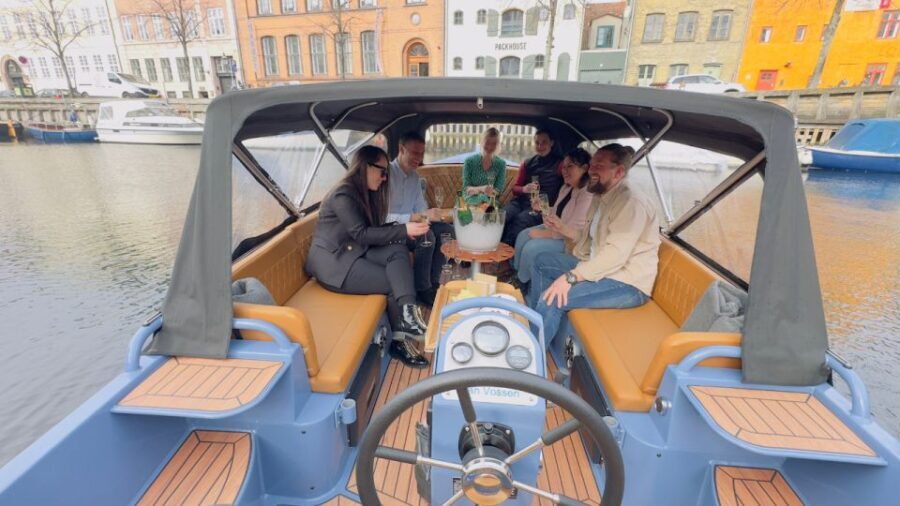
This is the one I’d book again without thinking twice. The guided electric boat tour runs on small vessels with heated seats and blankets during the colder months — which in Copenhagen means roughly eight months of the year. The guides are local, knowledgeable, and because the boats hold fewer people, they can actually answer your questions instead of reading from a script.
The route covers the full Nyhavn-Christianshavn-Opera House loop, but the smaller boat means you get closer to the buildings and under bridges that the larger tour boats skip entirely. At $41, it’s roughly $15 more than the basic cruise and worth every cent. The lack of engine noise alone changes the experience — you hear the city, the water, the guide’s stories about which building caught fire in 1728 and which one a famous author died in.
2. Copenhagen: Canal Cruise with Guide — $26
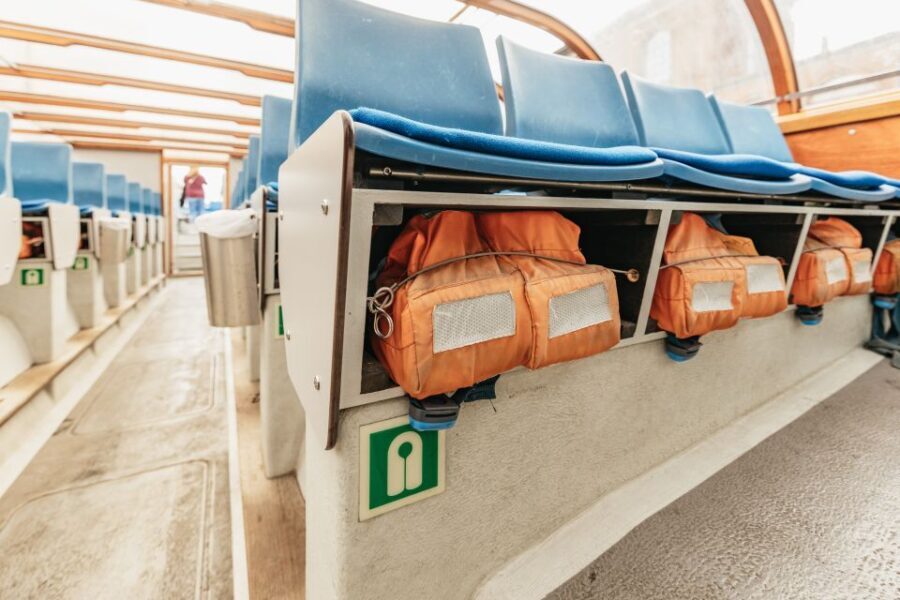
If budget matters — and in Copenhagen, where a coffee costs $7, it usually does — the guided canal cruise is the sensible pick. At $26, it’s the cheapest guided option that still covers the full loop with a live English-speaking guide. The boats are bigger (open-top, 40-60 passengers), the commentary is solid if occasionally rushed, and you hit all the major landmarks: Nyhavn, Christiansborg Palace, the Opera House, the Little Mermaid, and the Christianshavn canal district.
The trade-off is atmosphere. You’re on a larger boat with more passengers, the guide needs to project over engine noise, and the experience feels more structured. But for first-time visitors who want to orient themselves to the city from the water without spending a lot, it’s a reliable choice. Departures run frequently from both Nyhavn and Ved Stranden.
3. Copenhagen: Electric Boat Canal Tour with Guide — $28
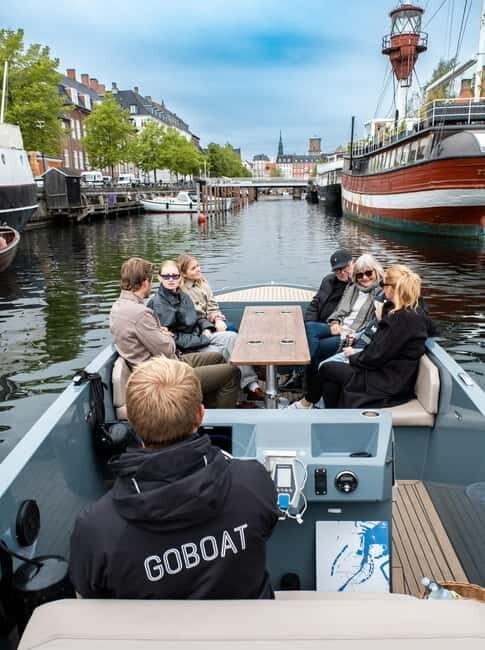
This is the sleeper pick. At $28 — just $2 more than the basic cruise — the electric boat tour gives you the small-boat experience at nearly the same price as the big barge. The boats hold about 16 passengers, run on electric motors (so it’s whisper-quiet on the water), and in winter they provide heated seats, blankets, and hot drinks. That last detail alone makes this the obvious choice between November and March.
The one-hour route covers the standard loop. Guides are enthusiastic and personal — on a boat this size, they’re essentially having a conversation with 16 people rather than lecturing 60. If the $41 electric boat tour above is sold out or stretching your budget, this one delivers a very similar feel for $13 less.
4. Social Sailing — Copenhagen Canal Tour, Captain’s Favorite — $106

This is the one I almost didn’t book because of the price. At $106, the Social Sailing tour costs four times the budget cruise. But it’s also three hours instead of one, the boat is small enough that it feels like a private charter, and the route goes places the standard tours cannot reach — including a stop at a harbor island that’s only accessible by boat, where the city’s history as a naval fortress comes alive in ways no waterfront plaque can match.
Drinks are available onboard (beer, glogg in winter, hot chocolate), the captain runs it like you’re friends visiting for the afternoon, and there’s a restroom break during the island stop. If you’re celebrating something, traveling with a small group, or simply want the best canal experience Copenhagen offers, this is it. But be honest with your budget first — the $28 or $41 electric boat tours are excellent, and nobody should feel pressured to spend $106 to enjoy the canals.
5. Copenhagen Sightseeing Classic Canal Tour With Live Guide — $33
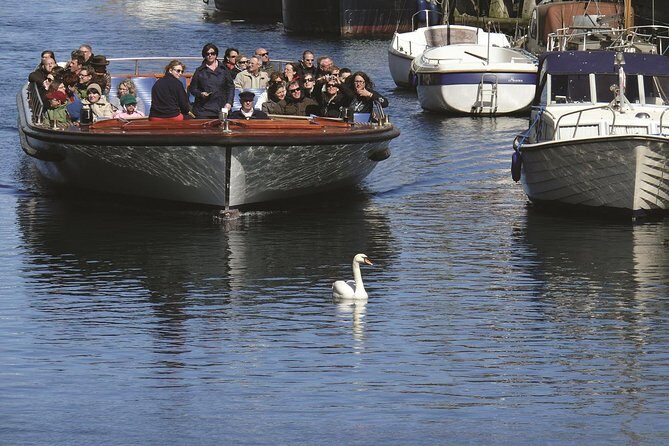
The Classic Canal Tour sits between the budget and mid-range options. At $33, you get a one-hour guided loop on a larger open-top boat with live commentary in English. The route hits every major landmark and the guides are generally entertaining, though the experience depends a lot on which guide you draw — some are brilliant storytellers, others are running on autopilot.
The main draw here over the $26 option is the operator’s reputation and slightly better-maintained boats. If the cheaper option is sold out for your preferred time slot, this is a solid backup that covers the same ground. Don’t overthink the $7 difference — both tours show you the same canals and landmarks.
When to Take a Canal Cruise
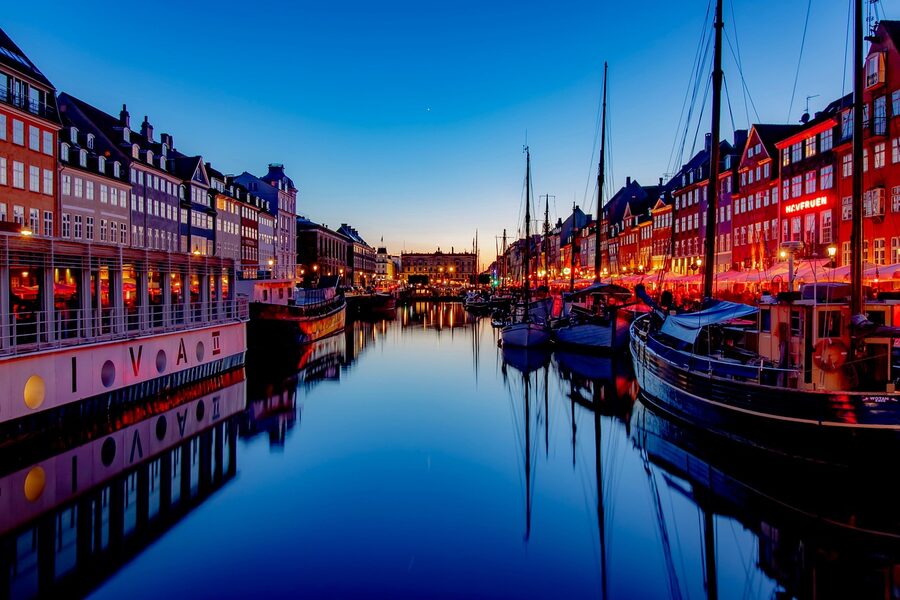
Best months: May through September. The weather cooperates, the daylight stretches past 9pm, and the canal-side restaurants are in full swing. June and July are peak season — book at least a week in advance or you’ll be stuck with midday departures when the light is harsh and the boats are packed.
Shoulder season (April, October): Fewer crowds, cooler temperatures, and you’ll want a jacket. The electric boat tours with heated seats shine during these months. Prices occasionally drop by a few dollars, though not dramatically.
Winter (November-March): Copenhagen’s canals don’t freeze over like Amsterdam’s, so tours run year-round. Winter cruises have a different charm — fairy lights along Nyhavn, steam rising off the water, and far fewer passengers on each boat. The Social Sailing tour includes glogg (Danish mulled wine) during winter months, which goes a long way toward keeping you warm. Just dress for it: thermal layers, a hat, and gloves even on the heated boats.
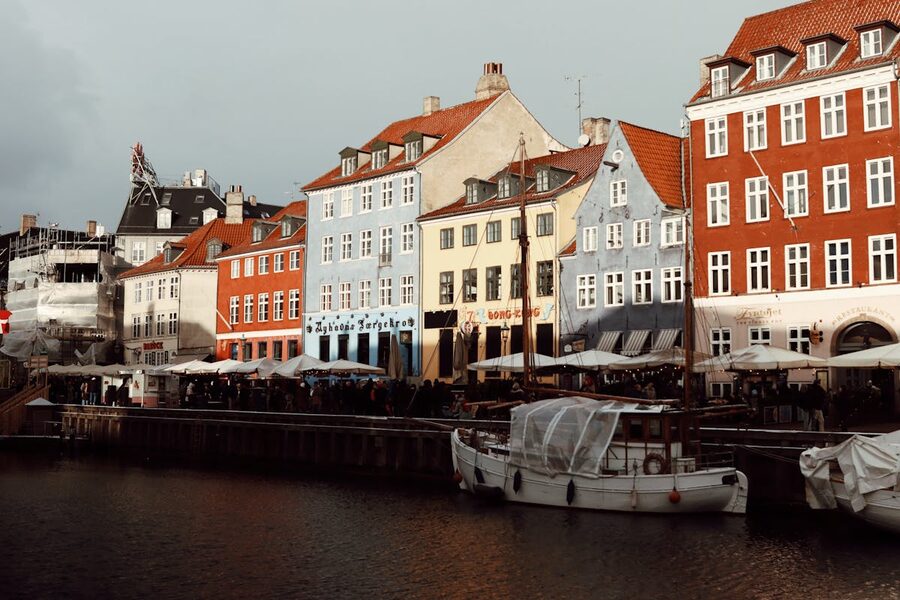
Best time of day: Late afternoon, ideally 2-3 hours before sunset. The light is softer, the morning rush is over, and you get the golden-hour effect on the waterfront buildings without the midday glare. Morning departures (9-10am) are also good — quieter canals, fewer boats creating wakes, and the light hits the Nyhavn colored facades at the best angle for photography.
Avoid the 11am-2pm window if you can. That’s when the cruise ship crowds descend on Nyhavn and every departure is at capacity.
How to Get to the Departure Points
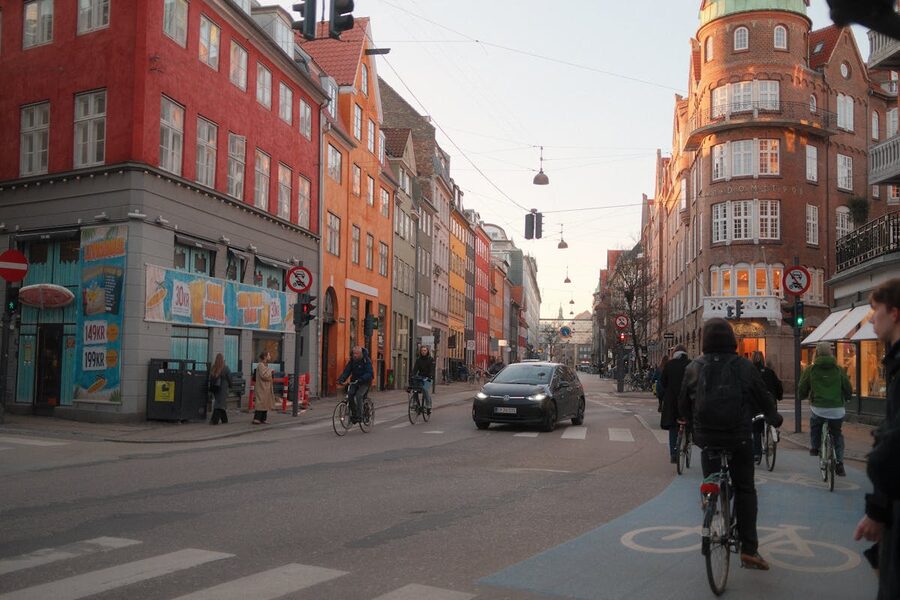
To Nyhavn: The nearest metro station is Kongens Nytorv (M1 and M2 lines), which drops you at the head of the canal — about a 2-minute walk to the ticket booths. From Copenhagen Central Station (Kobenhavn H), it’s a 15-minute walk or one metro stop to Kongens Nytorv. If you’re cycling, there’s bike parking along the canal near the departure docks.
To Ved Stranden: This dock is near Christiansborg Palace, about 5 minutes on foot from Gammel Strand metro station. It’s slightly less obvious than Nyhavn, but the walk from the city center is pleasant and you’ll pass some of Copenhagen’s oldest streets on the way.
From Tivoli/Central Station area: Either walk east through Stroeget (the main pedestrian shopping street, about 15 minutes) or take the metro one stop from Kobenhavn H to Kongens Nytorv. The walk is more interesting — Stroeget is one of the longest pedestrian streets in Europe and you’ll pass through the old town along the way.
From the cruise port: Copenhagen’s cruise terminal (Langelinie) is about 3km from Nyhavn. A taxi takes 10 minutes, or you can walk south along the waterfront past the Little Mermaid statue and Kastellet (the star-shaped fortress). The walk takes 30-35 minutes and is genuinely scenic — several of the canal tour routes pass the same stretch, so you’ll recognize landmarks from two angles.
Tips That Will Save You Time and Money
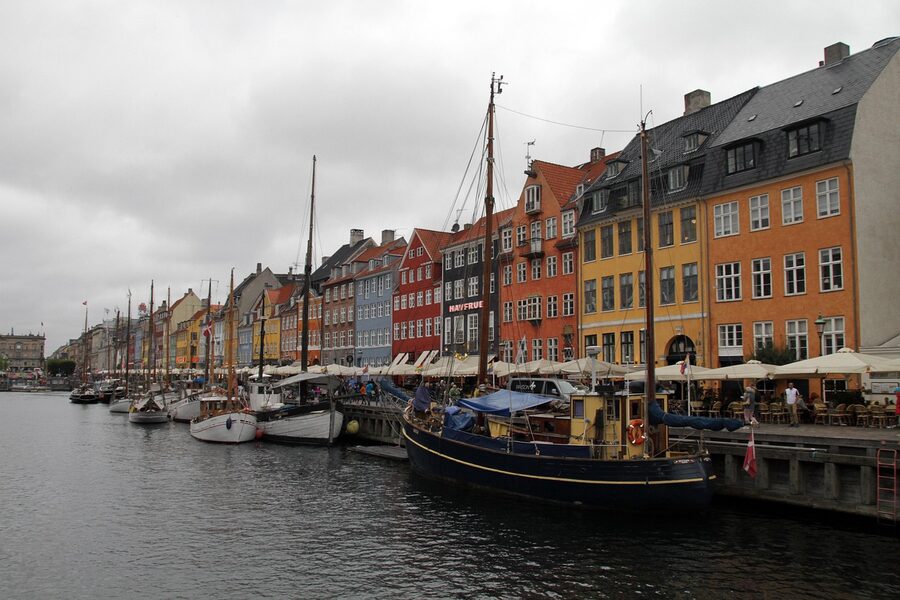
- Book online, always. Walk-up tickets are available, but popular time slots disappear by mid-morning in summer. Online booking lets you pick your exact departure and usually includes free cancellation up to 24 hours before.
- Arrive 10-15 minutes early. Boarding starts before the listed departure time. Late arrivals get the worst seats — and on a canal boat, the back rows see the least and hear the guide the worst.
- Sit toward the front on one-hour tours. The guide stands at the bow. Passengers in the last three rows often can’t hear clearly, especially on the larger boats with engine noise.
- Layer up even in summer. The water temperature drops the air by several degrees, and the wind picks up once you’re moving. A light jacket or sweater is worth bringing even in July.
- Don’t eat a big lunch beforehand. Sounds odd, but the gentle rocking on a full stomach catches some people off guard, especially on windier days. A light snack is fine.
- Combine with a walking tour of the old town. Several of the Copenhagen walking tours end at or near Nyhavn, making it easy to step off a walking tour and onto a canal boat without backtracking. The architecture walking tour is a particularly good pairing — you’ll see buildings from street level first, then from the water.
- The Copenhagen Card includes some canal tours. If you’re planning to visit multiple museums and attractions, check whether your Copenhagen sightseeing pass includes a canal cruise before booking separately. The hop-on hop-off combo includes both bus and boat access.
- Rain doesn’t cancel tours. Most boats have some cover or will provide ponchos. A light rain actually empties the canals of other boats and gives you better photo opportunities with fewer obstructions.
What You’ll See from the Water
The canal loop passes through several centuries of Copenhagen’s history, and a good guide will connect the dots between what you’re looking at and why it matters.
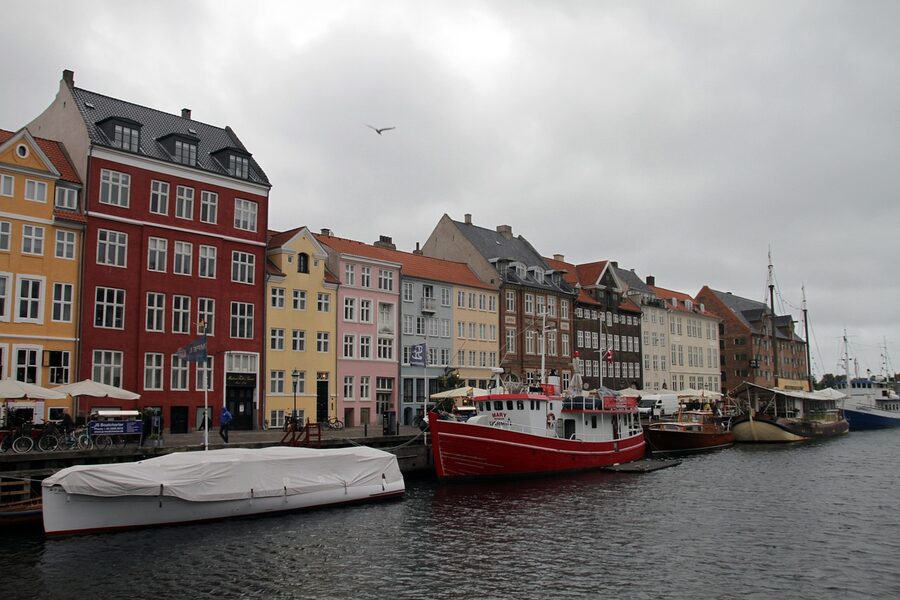
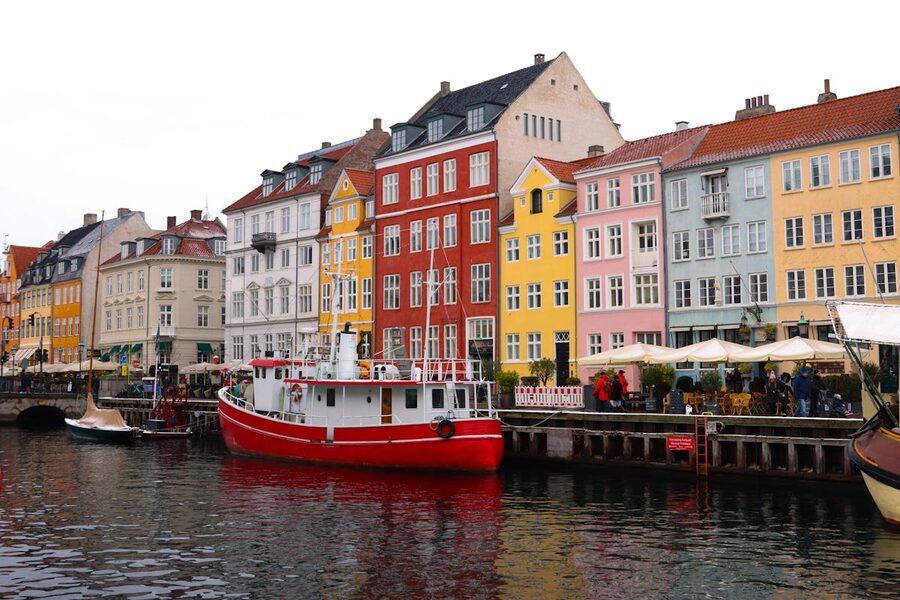
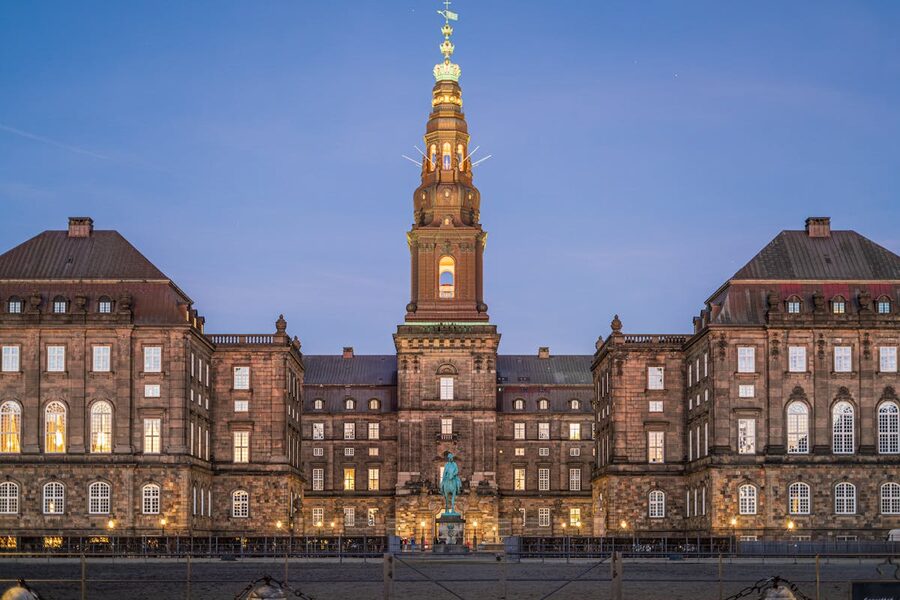
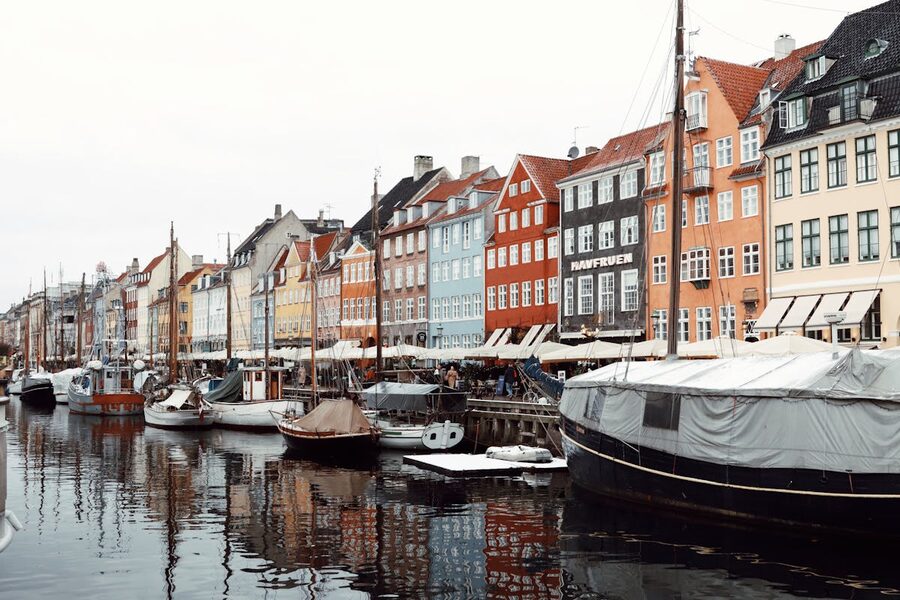
Nyhavn (starting point): The canal was dug in the 1670s on the orders of King Christian V as a commercial port connecting the harbor to Kongens Nytorv, the main square. Merchant ships unloaded goods here for two hundred years. By the 19th century it had degenerated into a rough sailors’ quarter — bars, tattoo parlors, and boarding houses. Hans Christian Andersen lived at three different addresses on this street (numbers 18, 20, and 67), writing some of his most famous stories while looking out at the masts and rigging below. The colored facades you see today were part of a 1970s restoration project that turned the harbor into what it is now.
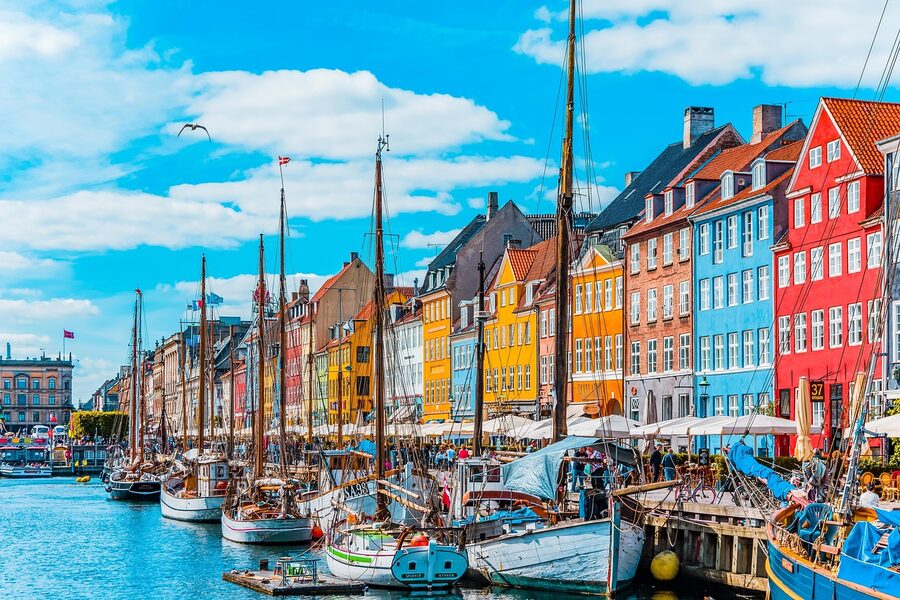
Christiansborg Palace: The parliament building sits on Slotsholmen island, which means the canal wraps around it on three sides. This is the sixth building on the site — the previous five burned down or were demolished. The current version dates to the early 1900s. It’s one of the few buildings in the world that houses all three branches of government (parliament, supreme court, and prime minister’s office) under one roof. The tower is the tallest in Copenhagen and free to visit — but from the canal, you see the whole building in context with its island setting in a way the street view can’t match.
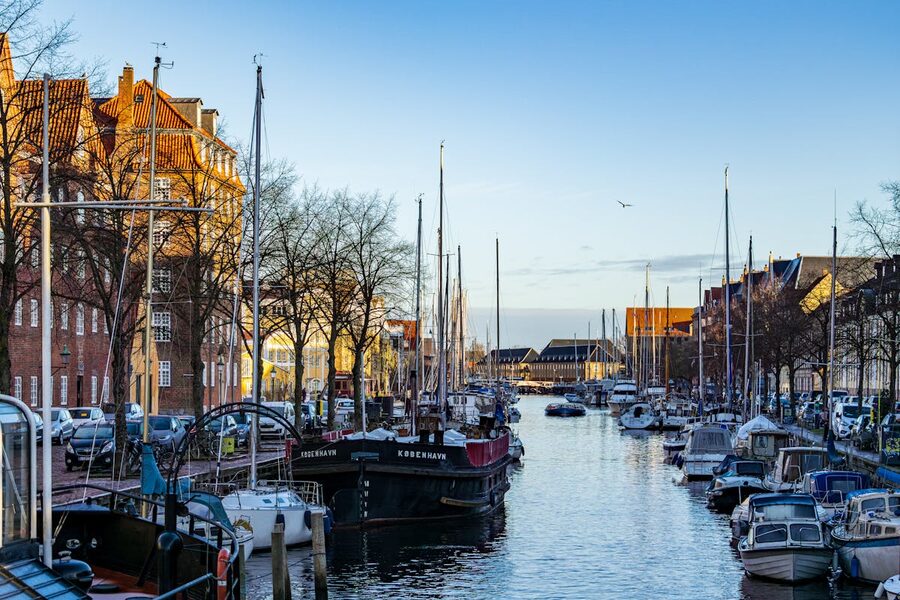
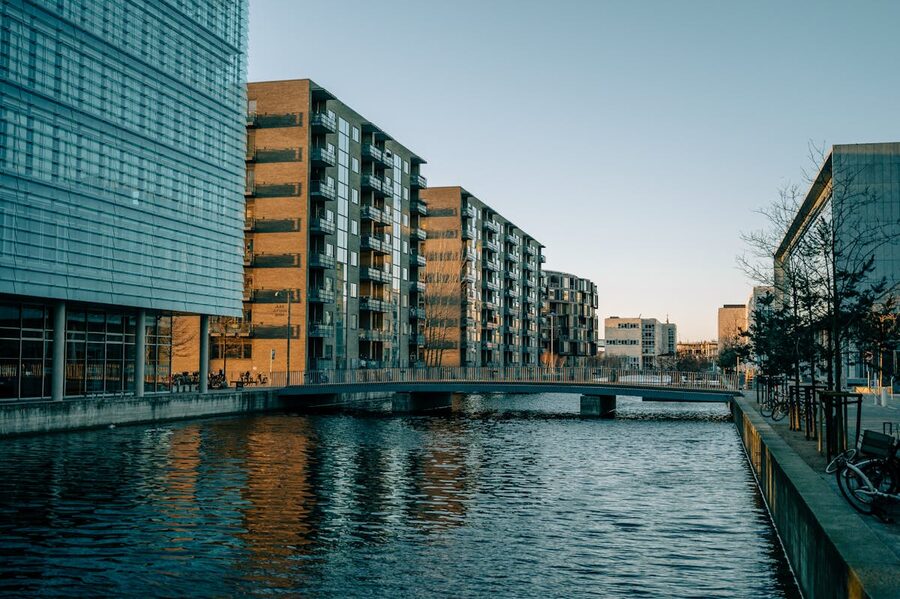
Christianshavn: Christian IV built this district in the early 1600s as a merchant’s quarter, modeled on Amsterdam’s canal system. The canals here are narrower and quieter than the inner harbor — the electric boats fit perfectly, while larger barges sometimes have to slow down at the tighter turns. Look for the Church of Our Saviour, with its external spiral staircase winding up the spire. You can climb that staircase (it’s open to visitors), but seeing it from the water gives you the full spiral perspective that you miss when you’re actually on the steps.
The Little Mermaid: Most canal routes pass by the famous bronze statue, though at a distance. She sits on a rock at the Langelinie promenade, facing the harbor. From the boat, she’s small — deliberately so, at only 1.25 meters tall. The guide will tell you she was commissioned in 1913 by the brewer Carl Jacobsen (of Carlsberg fame) after he fell for a ballet performance of the Andersen fairy tale. She’s been decapitated twice, lost an arm once, and been painted, draped, and relocated as protest art more times than anyone has kept count. The canal view is honestly the best way to see her — from the shore, you fight through a crowd just to discover she’s smaller than expected.
The Opera House and Royal Playhouse: These two modern buildings sit directly on the waterfront and are designed to be appreciated from the canal. The Opera House in particular — donated by the Maersk shipping magnate — is striking from water level, where you can see how the roof cantilevers out over the harbor like a floating lid. Most guides have opinions about the architecture, and they are not always flattering.
A Short History of Copenhagen’s Canals
Copenhagen’s relationship with water goes back to its founding. The name itself — Kobenhavn — translates roughly to “merchant’s harbor.” The original settlement grew around a natural harbor on the Oresund strait, and canals were dug as the city expanded to move goods, defend borders, and drain marshland.
Nyhavn was commissioned by King Christian V in 1671 as a gateway for commercial shipping. For two centuries it served as Copenhagen’s main trading port — cargo ships from the Baltic, the North Sea, and beyond docked here to unload timber, salt, fish, and grain. The townhouses lining the canal were built by wealthy merchants who wanted to live close to their businesses. The great Copenhagen fire of 1728 destroyed roughly a third of the city, including many of the original Nyhavn buildings, and the reconstructed versions — the ones standing today — date largely from the late 18th century.
Christian IV, a century before Nyhavn was built, had already started the Christianshavn canal district in the 1610s as a defensive and commercial expansion across the harbor. He modeled it directly on Dutch canal engineering, which makes sense — Denmark and the Netherlands were trading partners, and Amsterdam’s canal ring was the gold standard of urban waterway design. Christianshavn’s canals are tighter and more residential than Nyhavn’s commercial waterway, and walking (or floating) through the district today, that Dutch influence is still obvious in the building proportions, the bridge designs, and the way the houses sit right on the water.
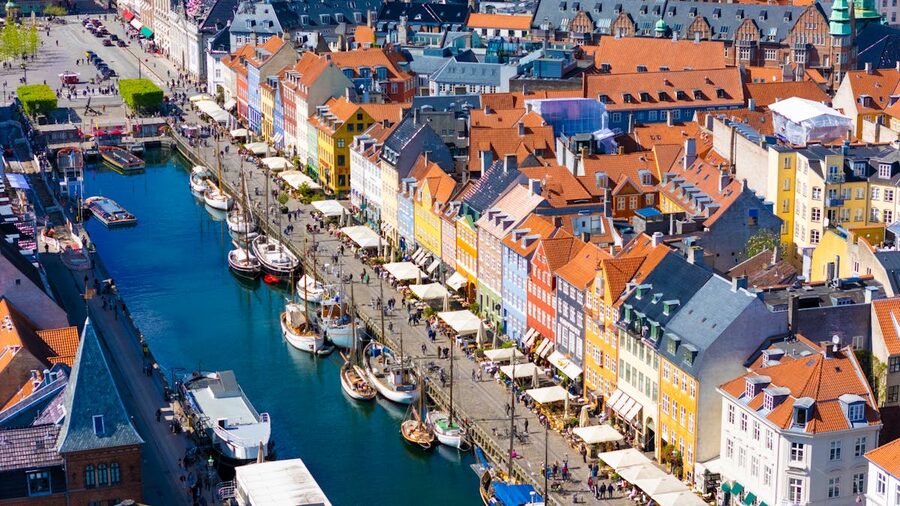
By the 20th century, the commercial shipping had moved to larger ports and Nyhavn had become a rough waterfront district — cheap bars, tattoo shops, and boarding houses. The transformation to the tourist destination you see today began in the 1960s-70s, when the city pedestrianized the area and restored the facades. The canal cruise industry grew alongside that restoration, and today it’s the single most popular paid tourist activity in Copenhagen.
Beyond the Standard Canal Loop
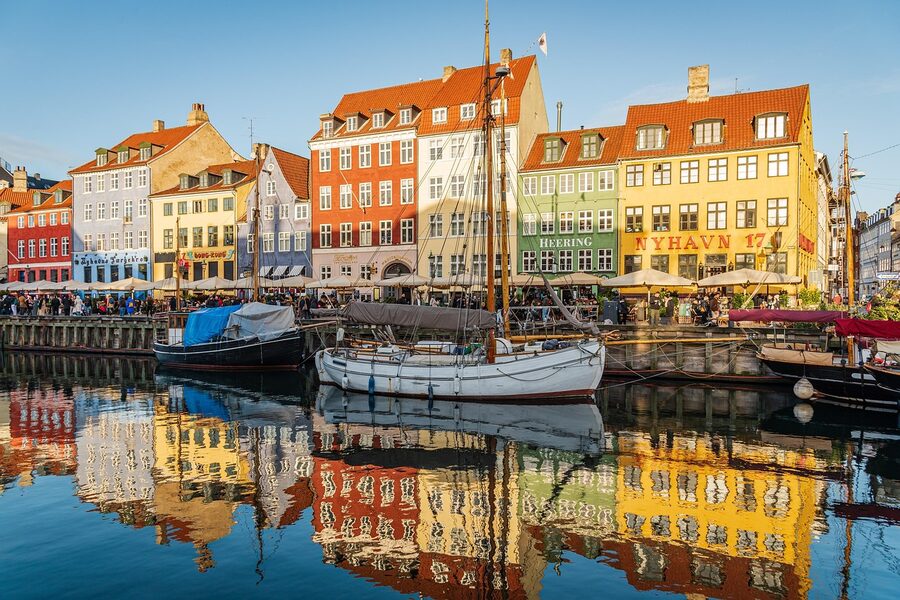
If you’ve done the one-hour canal loop and want more time on the water, there are a few options worth knowing about.
The hop-on hop-off boat pass lets you use the canal boats as actual transport between attractions. Stop at the Little Mermaid, visit Kastellet, hop back on the boat to Christianshavn for lunch, then take it back to Nyhavn. The commentary is thinner than dedicated cruise tours, but the flexibility is useful if you’re spending a full day exploring the waterfront areas.
Self-drive boats are another option that’s been growing in Copenhagen. Companies like GoBoat rent small electric boats (no license required) that hold 8 people. You drive yourself through the canals at low speed, bring your own food and drinks, and go wherever you want within the harbor system. It’s a completely different experience from a guided tour — more social, less educational, and genuinely fun if you’ve got a group of friends. Expect to pay around $60-80 per hour for the boat (split between passengers, so it’s actually reasonable per person).
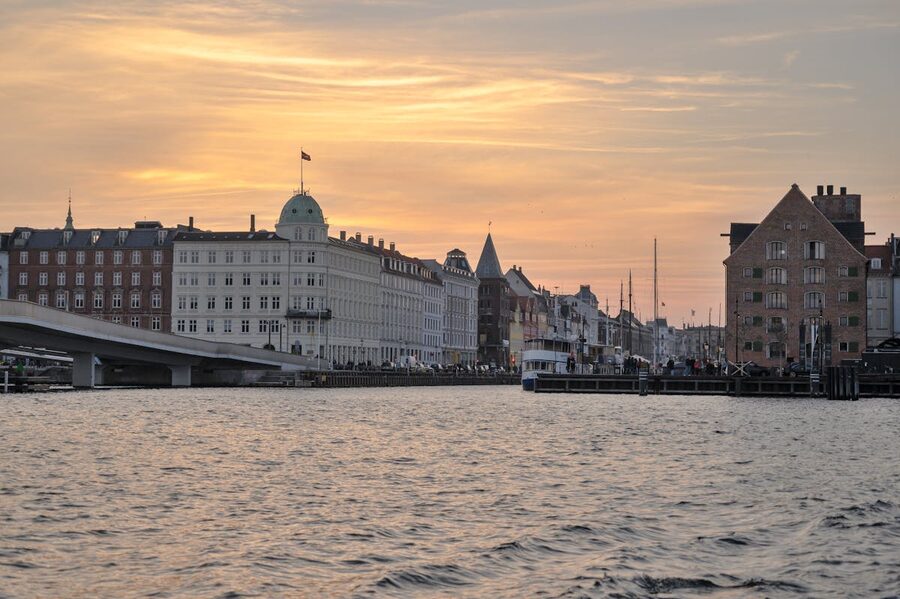
For kayakers, Copenhagen Harbor is open to paddling and several rental outfits operate along the canals. It’s the slowest way to see the waterfront, but also the most intimate. Just be aware that the canal boats have right of way and some of the narrower channels in Christianshavn can get tight when a tour boat passes.
While You’re in Copenhagen
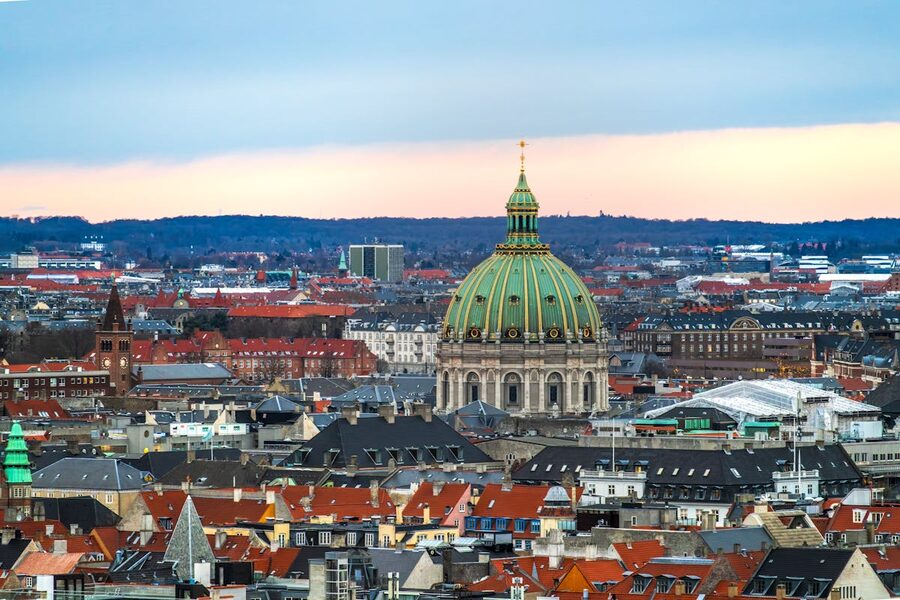
Copenhagen packs a lot into a small footprint, and a canal cruise pairs well with almost everything else in the city. If architecture is your thing, the Old Town and Nyhavn architecture walking tour covers the same streets from ground level that you’ll see from the water — doing both gives you the full picture. The hygge and happiness culture tour is a lighter option that gets into the Danish lifestyle side of things, including why Copenhageners actually enjoy cycling in the rain. For day trips, the Kronborg and Frederiksborg Castle tour covers two of Denmark’s most impressive castles, with Kronborg being the one Shakespeare used as the setting for Hamlet. And if the canal cruise leaves you wanting more time on the water, the Copenhagen craft beer walk covers the city center pubs that the canal-side bars wish they could compete with.
This article contains affiliate links to tour operators. If you book through these links, we earn a small commission at no extra cost to you. We only recommend tours we’ve personally vetted and believe are worth your time.