
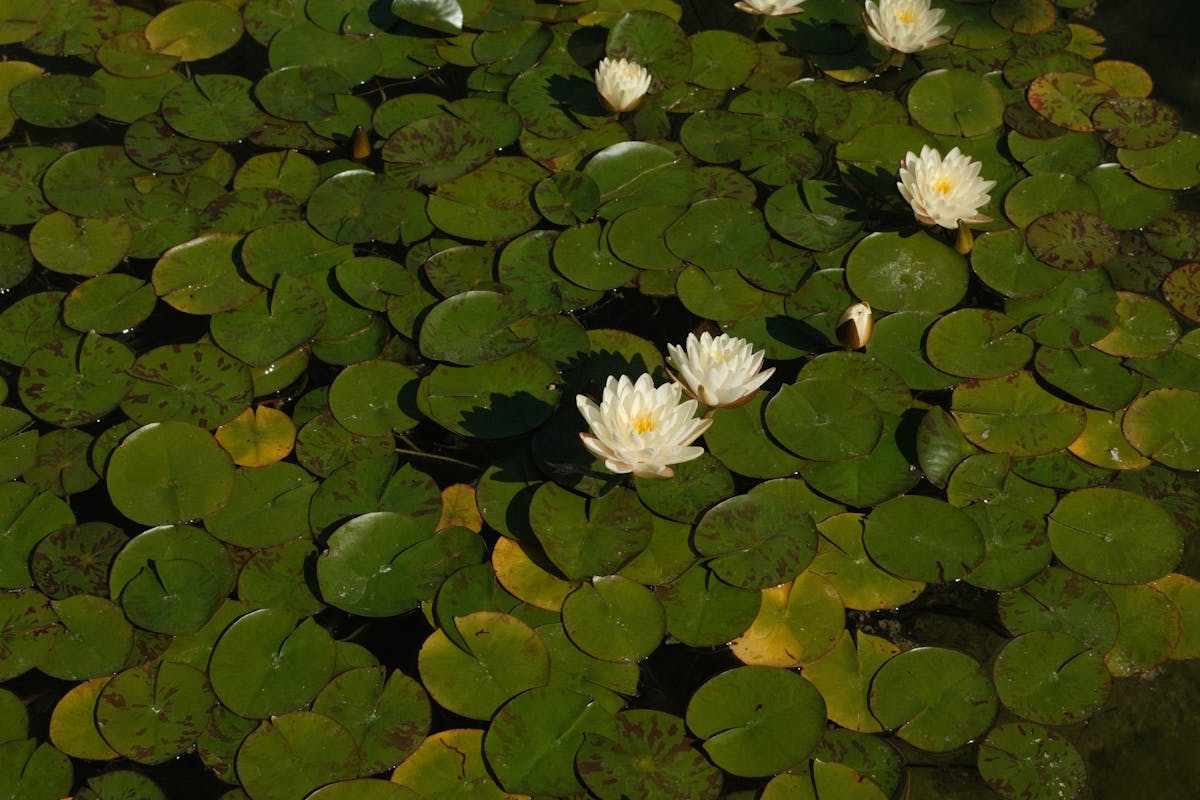
Monet spent twelve years painting while going blind. He refused surgery because he was terrified it would change the way he saw colour. When he finally gave in and had the cataracts removed in 1923, he looked at his recent canvases and was shocked — everything had a yellowish cast he’d never noticed. The man literally couldn’t see what he was creating, and those paintings are now among the most visited works of art in Paris.
The eight Water Lilies panels hanging inside the Orangerie are Monet’s final gift to France. He donated them on November 12, 1918 — the day after the Armistice. His own small act of celebration after four years of war. He died in 1926, five months before the museum opened to the public. He never saw them installed.
Getting inside isn’t complicated, but the ticketing has a few quirks that catch people off guard. This guide covers every way to book, what the tickets actually include, and which tours are worth it if you want more than a self-guided walk through.
Best overall: GYG Reserved Entrance Ticket — $12. Skip-the-line, cheapest option, exactly what most people need.
Best for art lovers: Semi-Private Water Lilies Tour — $144. Small group, expert guide, you’ll actually understand what you’re looking at.
Best combo: Orsay + Orangerie + Seine Cruise — $103. Full day of Impressionism plus the river.
- How the Official Ticket System Works
- Official Tickets vs Guided Tours
- The Best Orangerie Tours to Book
- 1. Reserved Entrance Ticket —
- 2. Semi-Private Water Lilies Tour (6 People Max) — 4
- 3. Flexible Ticket with Audio Guide —
- 4. Orangerie + Seine River Cruise —
- 5. Orsay + Orangerie + Seine Cruise Combo — 3
- When to Visit
- How to Get There
- Tips That Will Save You Time
- What You’ll Actually See Inside
- The Monet-Giverny Connection
- Combining the Orangerie with Other Paris Museums
- Planning the Rest of Your Paris Trip
How the Official Ticket System Works
The official Orangerie website (musee-orangerie.fr) sells timed-entry tickets at 13 euros for adults. Under-18s get in free regardless of nationality, and EU residents aged 18-25 also enter free. First Sunday of every month is free for everyone — but it gets packed, and honestly the experience is worse because you can’t properly absorb the Water Lilies rooms when you’re shoulder-to-shoulder with a hundred other people.
Tickets go on sale a few weeks in advance. You pick a date and a time slot, and they take it seriously — show up late and you might get turned away if capacity is maxed. The museum is small enough that they actually enforce this, unlike the Louvre where time slots are more of a suggestion.
The Paris Museum Pass covers the Orangerie, which is worth knowing if you’re also hitting the Louvre, Orsay, and a few others. The 2-day pass runs about 65 euros, the 4-day about 85 euros. Do the maths based on your itinerary — it pays for itself fast if you’re hitting three or more museums.
One thing the official site doesn’t mention clearly: there’s no audio guide included with the standard ticket. You’ll need to rent one separately at the museum (around 5 euros) or book through a third-party that bundles one in.
Official Tickets vs Guided Tours
Here’s the honest breakdown. The Orangerie is a small museum — two oval rooms of Water Lilies upstairs, the Walter-Guillaume collection downstairs. You can walk through the whole thing in 45 minutes if you’re quick, or an hour and a half if you read everything and sit with the paintings for a while.
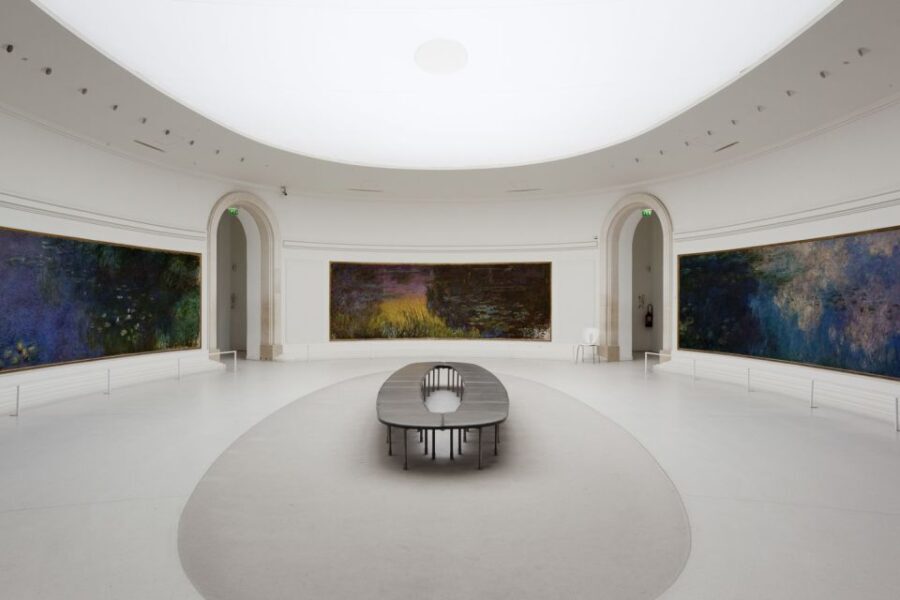
Go with just a ticket if: You’ve done some reading about Monet and Impressionism already, you prefer to move at your own pace, and you’re not the type who wants someone explaining things. The information panels inside are decent, and frankly the Water Lilies rooms are designed to be an immersive experience — just standing in the centre of those curved walls with the light coming down from above is the whole point.
Go with a guided tour if: You want to know why Monet painted this way, what was happening in his life during those final years at Giverny, and how the Walter-Guillaume collection connects to the larger Impressionist movement. A good guide turns a 45-minute visit into a 2-hour deep dive. The semi-private tours (6 people max) are noticeably better than the large group options.
The price gap is significant. A standard ticket is 12-13 euros. A guided tour runs $130-160. But if art history is your thing and you’re only going to be in Paris once, the guided experience is genuinely worth it. I’ve heard from people who did both — ticket first, then came back with a guide — and said it felt like visiting two completely different museums.
The Best Orangerie Tours to Book
1. Reserved Entrance Ticket — $12
This is the one most people should buy. It’s the cheapest way in, it skips the ticket line, and it gives you full access to both the Water Lilies rooms and the Walter-Guillaume collection downstairs. At $12 per person, it’s one of the best-value museum tickets in Paris. The reviews from thousands of visitors back this up — people consistently say the skip-the-line access works as advertised. One visitor summed it up well: the architecture highlights the works, and the museum won’t tire you out because it’s just the right size.
The only downside is no audio guide included. You’re on your own for context, which is fine if you’ve read up on Monet beforehand. Budget about 60-90 minutes inside.
2. Semi-Private Water Lilies Tour (6 People Max) — $144
If you’re going to spend the money on a guided tour, this is the one to pick. Six people maximum, a specialist art guide, and about two hours inside the museum. The feedback is overwhelmingly positive — visitors describe it as feeling like a private tour. The guides cover Monet’s later life, his deteriorating eyesight, how he collaborated with architect Camille Lefevre on the oval room design, and the connection between the Water Lilies and the Walter-Guillaume Impressionist collection downstairs.
At $144 per person, it’s obviously not cheap. But for anyone with a genuine interest in art — not just ticking off a Paris checklist — this two-hour deep dive transforms what could be a quick walk-through into something you’ll remember for years. The small group size makes all the difference.
3. Flexible Ticket with Audio Guide — $27
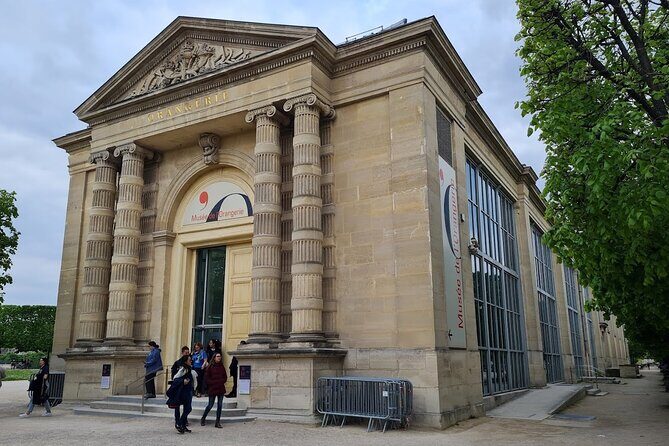
The middle ground between a bare ticket and a full guided tour. You get skip-the-line entry plus an audio guide that walks you through both the Water Lilies and the downstairs collection. At $27 per person, the audio guide roughly doubles your ticket cost, but it adds a lot of context — particularly for the Walter-Guillaume works by Renoir, Cezanne, Matisse, and Picasso that most visitors skip entirely because they came for Monet and don’t know what else is there.
Fair warning: a few recent reviews mention confusion about whether the audio guide was actually included or not. Worth double-checking at the desk when you arrive. Still, when it works, it’s good value for the extra context.
4. Orangerie + Seine River Cruise — $45
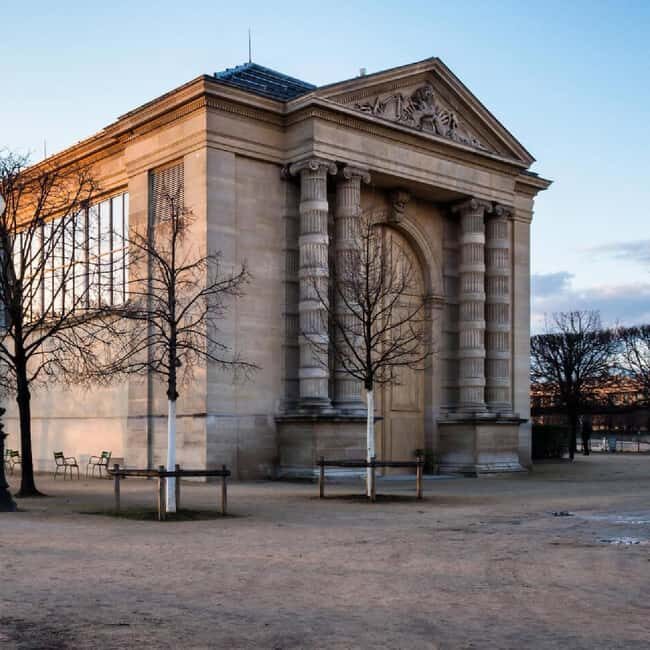
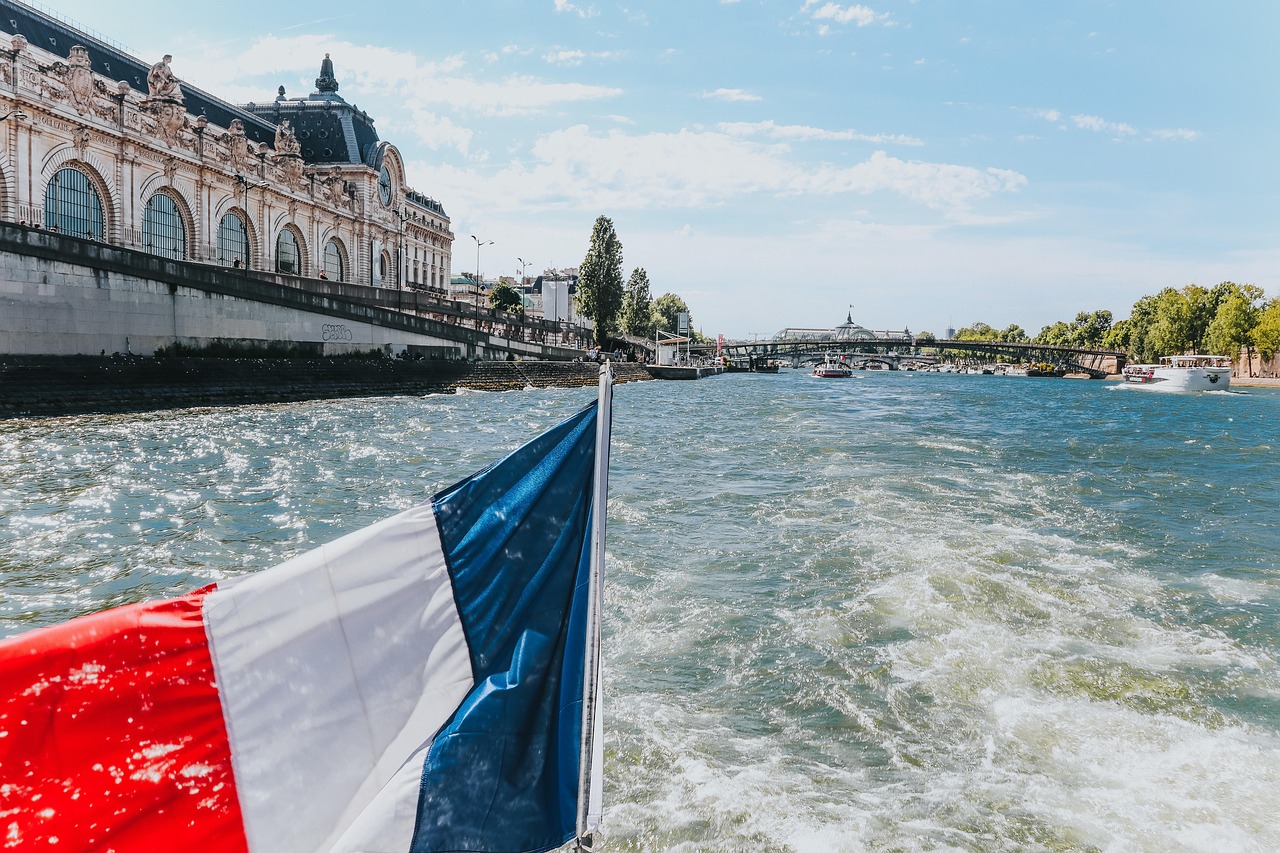
A smart combo if you’re planning to do both anyway. You get reserved entry to the Orangerie plus a Seine River cruise, and at $45 per person you’re saving a bit versus buying them separately. The Orangerie literally faces the Seine, so the logistics work perfectly — visit the museum, walk out, and the cruise departure is minutes away.
The honest feedback: the museum access works fine, but a few visitors noted the audio guide wasn’t included despite the listing suggesting it would be. The cruise itself is the standard Bateaux-Mouches type — nothing fancy, but you get all the major landmarks from the water. Book the museum for the morning and the cruise for late afternoon when the light is best.
5. Orsay + Orangerie + Seine Cruise Combo — $103
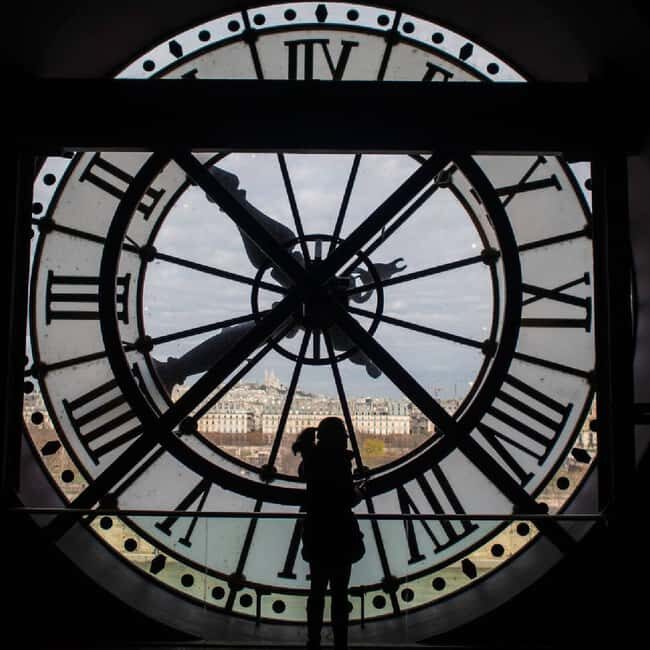
The ultimate Impressionism day trip in Paris. You get reserved access to both the Orsay and the Orangerie, plus a Seine River cruise — all for $103 per person. The Orsay holds the world’s largest collection of Impressionist works (Monet, Renoir, Degas, Van Gogh — the full roster), and the Orangerie is Monet’s grand finale. Together they tell the complete story.
The catch worth knowing: you need to book Orangerie time slots separately, and if you don’t do it early enough, the slots you want might be gone. A few visitors got caught by this and had to wait in the regular line. My advice: book the combo, then immediately reserve your Orangerie time slot. Start at the Orsay in the morning (it’s bigger and needs more time), walk to the Orangerie after lunch, then finish with the sunset cruise.
When to Visit
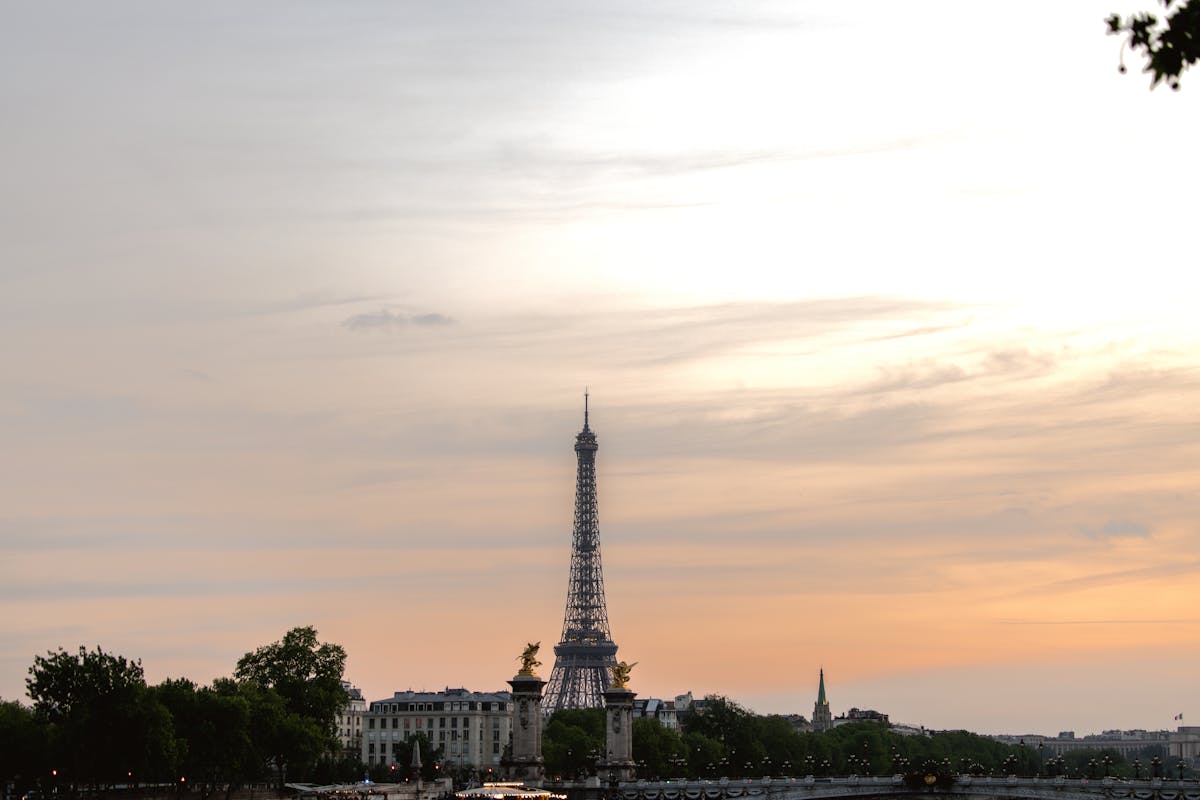
The Orangerie is open every day except Tuesdays, from 9am to 6pm (last entry at 5:15pm). It’s also closed on May 1, July 14 mornings, and December 25.
Best time to go: First thing in the morning, right at 9am. The Water Lilies rooms are almost spiritual when there’s only a handful of people in them. By 11am the tour groups arrive and the atmosphere changes completely. If mornings don’t work, try after 4pm — the late-afternoon crowd thins out and you’ll get closer to that meditative experience Monet intended.
Worst time: Midday on weekends, especially during school holidays. The museum is small, so it feels crowded faster than the Louvre or Orsay. Free first Sundays are genuinely unpleasant — save those for larger museums that absorb crowds better.
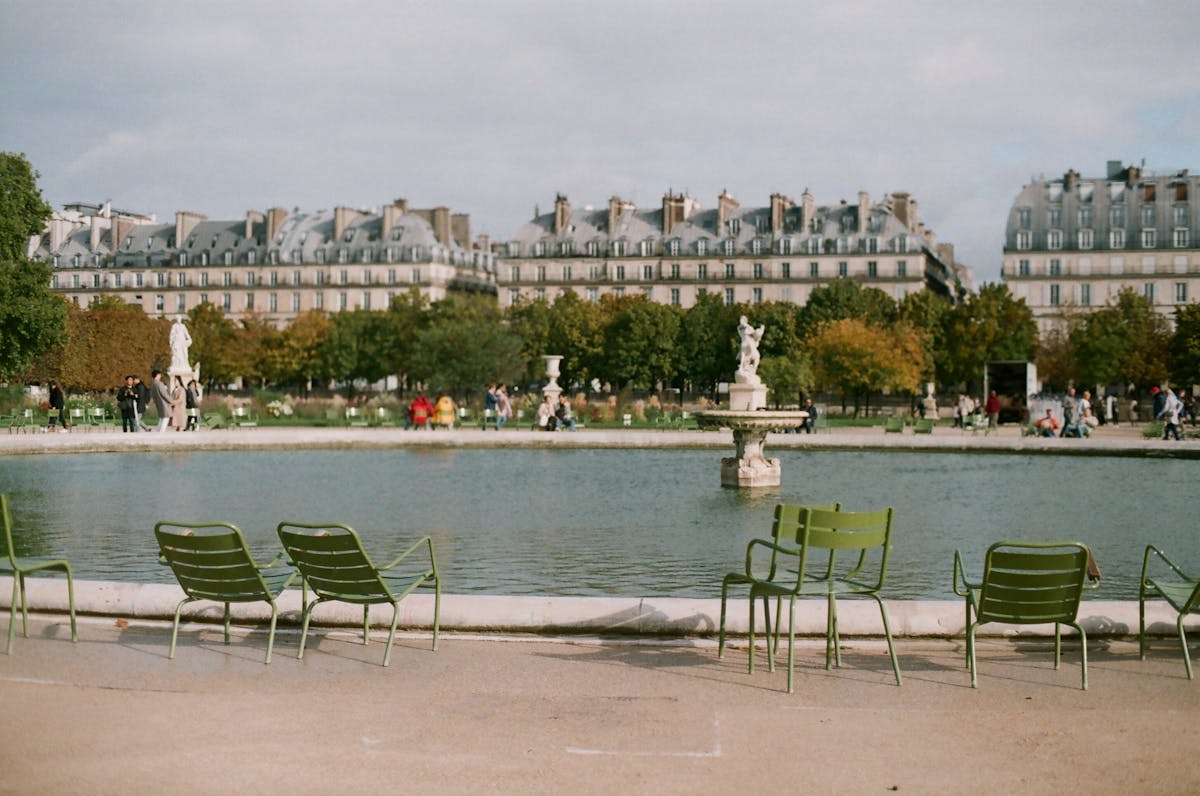
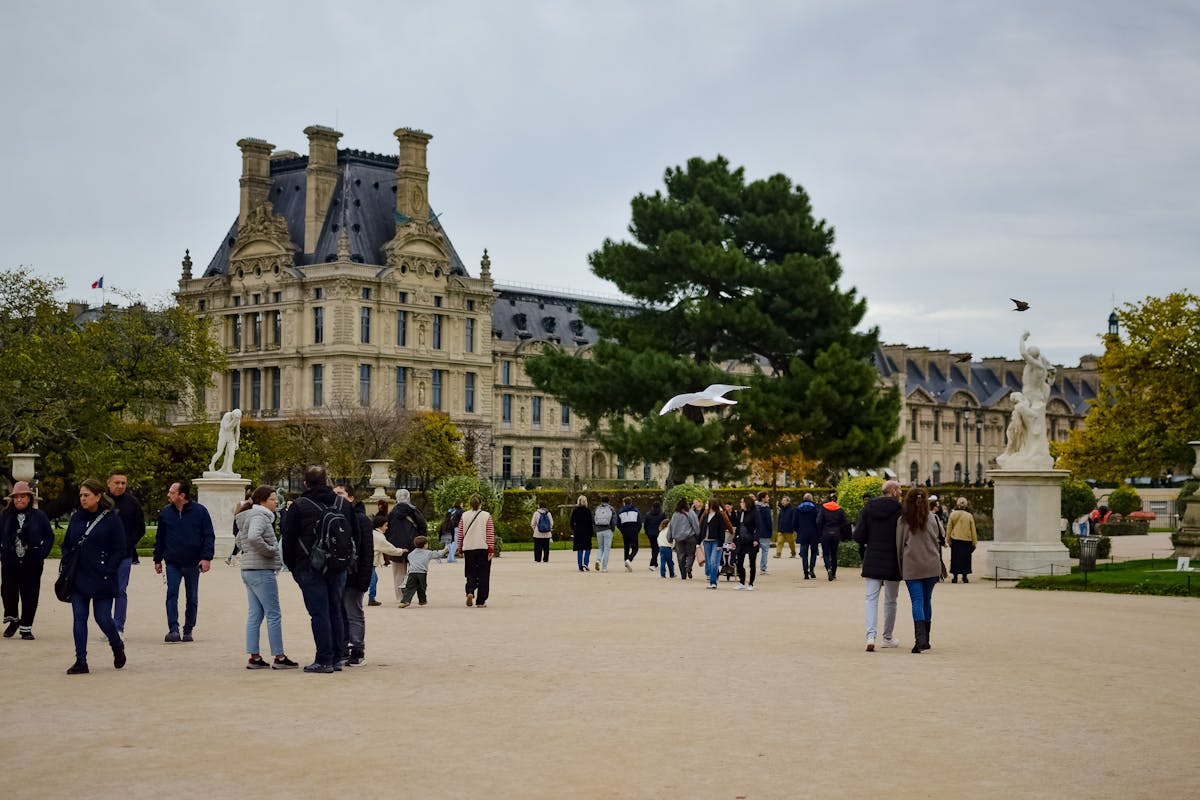
Best season: September and October. The summer travelers have thinned, the Tuileries Garden outside is shifting into autumn colours, and you can actually get a bench in the Water Lilies room without waiting. Spring is also lovely — the garden is in full bloom and Giverny day trips become an option.
How to Get There
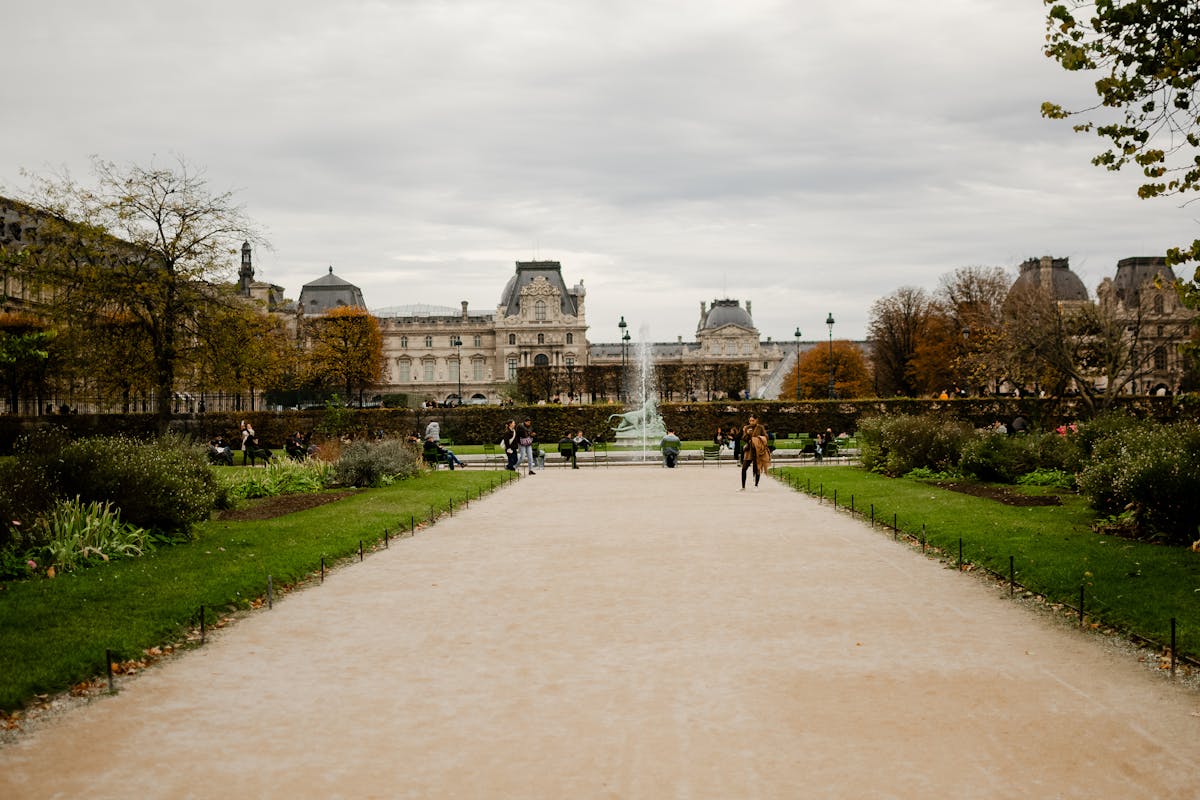
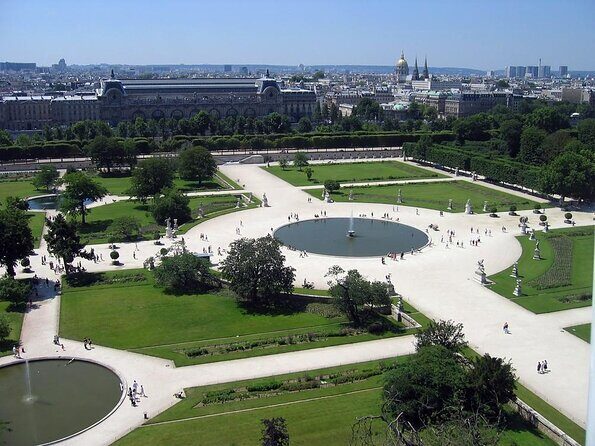
The Orangerie sits in the Tuileries Garden at the Place de la Concorde end — the opposite end from the Louvre.
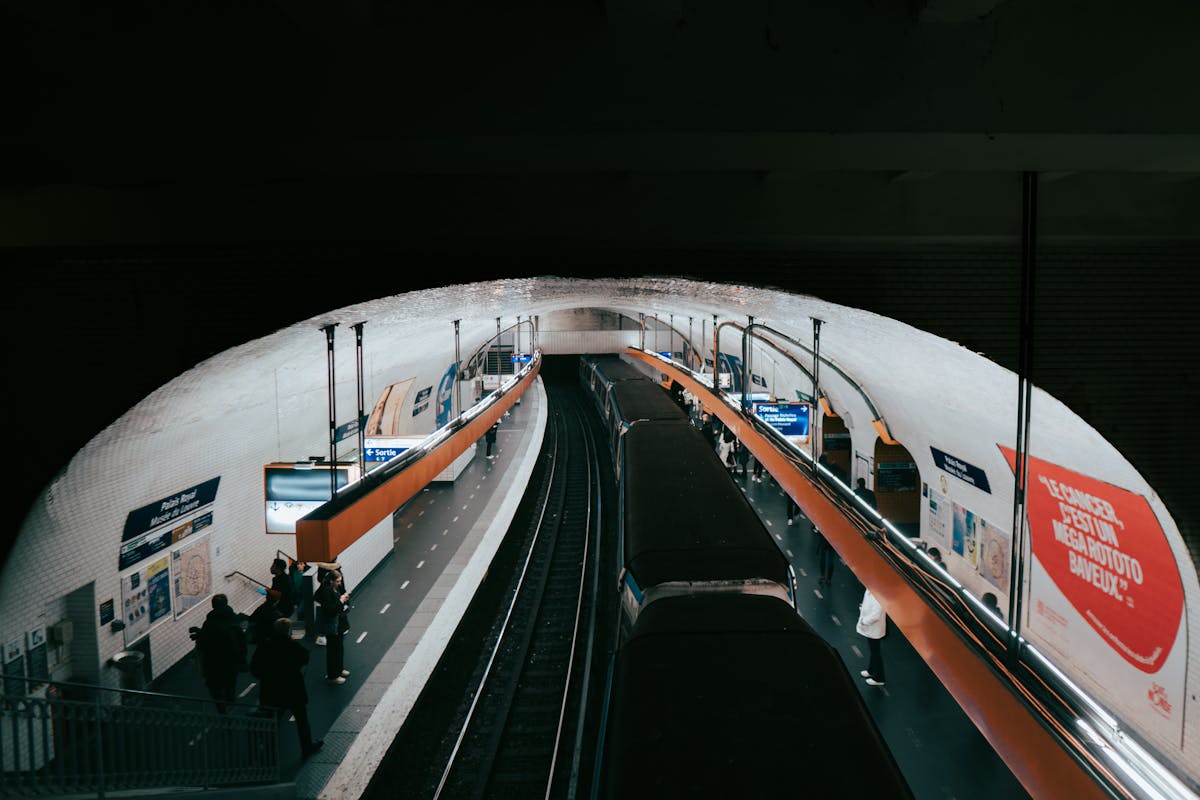
Metro: The closest station is Concorde (Lines 1, 8, and 12). Exit toward the Tuileries Garden and the Orangerie is about a 3-minute walk. You’ll see it on your left as you enter the garden from the Concorde side.
Walking from other landmarks:
- From the Louvre: 12-15 minutes through the Tuileries Garden. A pleasant walk past fountains, sculptures, and those iconic green metal chairs.
- From the Orsay Museum: Cross the Passerelle Leopold-Sedar-Senghor footbridge over the Seine. About 10 minutes.
- From the Eiffel Tower: 25-30 minutes on foot along the Seine, or take Metro Line 8 from Ecole Militaire to Concorde.
Bus: Lines 24, 42, 52, 72, 73, 84, and 94 all stop near Place de la Concorde.
Don’t bother with taxis or ride-shares unless you’re coming from far out. The area around Concorde is often gridlocked, and you’ll spend more time sitting in traffic than walking would take.
Tips That Will Save You Time
Book your time slot early. The Orangerie is small and they limit capacity. Popular morning slots on weekends sell out days in advance, especially in summer. Book at least a week ahead during peak season.
Arrive 10 minutes before your slot. There’s a short security check at the entrance. Nothing dramatic — quicker than most Paris museums — but you don’t want to eat into your visit time.
Start with the Water Lilies upstairs, then go downstairs. Most people do the same thing, so if you can, linger upstairs after the initial wave moves down. The rooms clear out and you’ll get that quiet moment with the paintings that makes the whole visit worth it.
The Walter-Guillaume collection is genuinely great. Don’t skip it. Renoir, Cezanne, Matisse, Picasso, Modigliani, and Rousseau — it’s a concentrated collection that most visitors rush past because they came for the Water Lilies. Give it at least 30 minutes.
There’s no cafe inside. The museum is too small for one. But the Tuileries Garden has several food kiosks and the area around Concorde has plenty of options. The Seine dinner cruises depart from not far away if you want to make an evening of it.
Photography is allowed (no flash), and honestly the natural light from the frosted glass ceiling makes for excellent photos. The curved walls of the Water Lilies rooms photograph beautifully if you use a wide-angle lens.

What You’ll Actually See Inside
The building itself is part of the art. It was originally built in 1852 as a literal orangery — a greenhouse where they kept orange trees during the Paris winters. The Tuileries Palace (now destroyed) needed somewhere warm for its citrus collection, and this long, low building with its glass-topped roof was the answer.
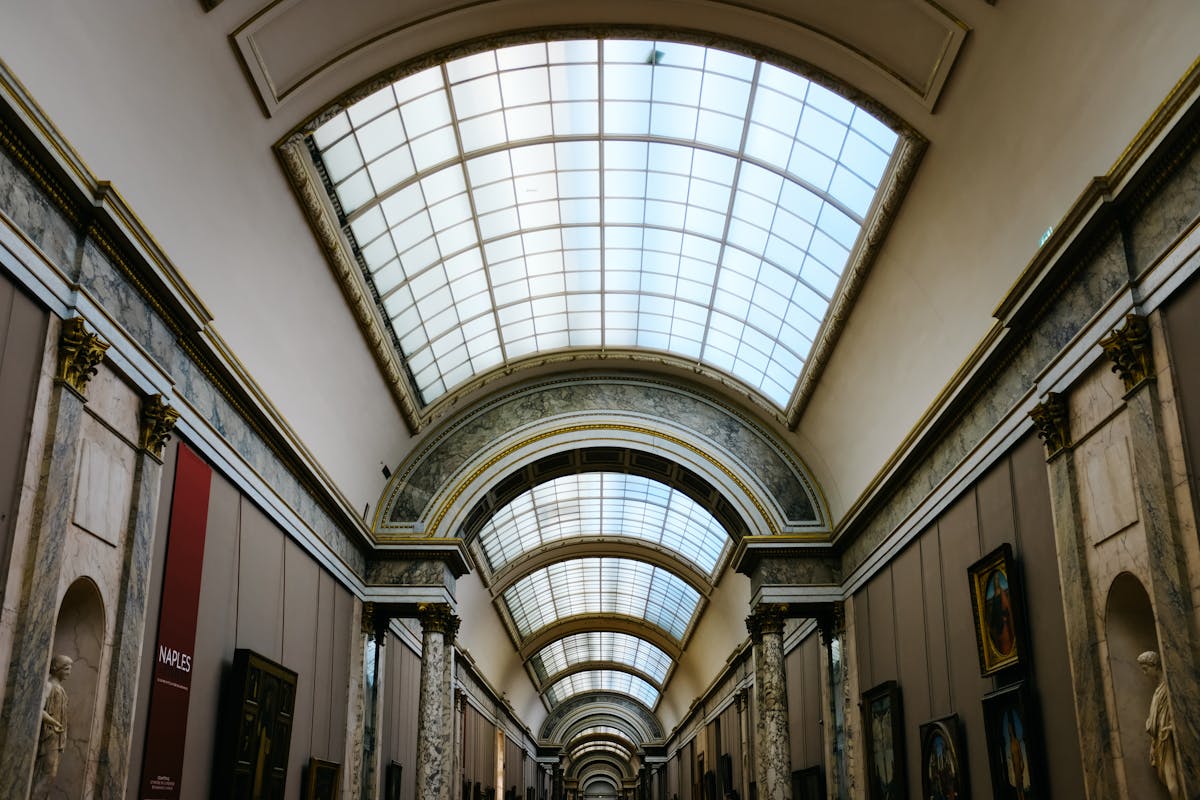
Monet worked with architect Camille Lefevre to transform the space specifically for his Water Lilies. The two oval rooms were his idea — he wanted visitors to feel surrounded by water and light, as if they’d stepped inside one of his paintings. The natural daylight comes through frosted glass panels in the ceiling, which means the paintings look different at every hour of the day. Morning light is cool and blue. Afternoon light warms everything up. This was intentional — Monet was obsessed with how light changes perception, and he built that obsession into the architecture.
The eight Water Lilies panels are massive — each one spans several metres. They wrap around the curved walls in two rooms, and when you stand in the centre, the effect is genuinely immersive. There are benches positioned for sitting and absorbing it. Use them. Rushing through these rooms misses the point entirely.
Downstairs, the Walter-Guillaume collection is a concentrated hit of early 20th-century art. Paul Guillaume was one of the most important art dealers in Paris in the 1920s, and his collection ended up here. You’ll find Renoir’s voluptuous nudes, Cezanne’s still lifes, Matisse’s bold colours, Picasso’s early work, Modigliani’s elongated portraits, and Henri Rousseau’s dreamlike jungle scenes. It’s a smaller collection than the Orsay’s, but the quality per square metre is extraordinary.
The Monet-Giverny Connection
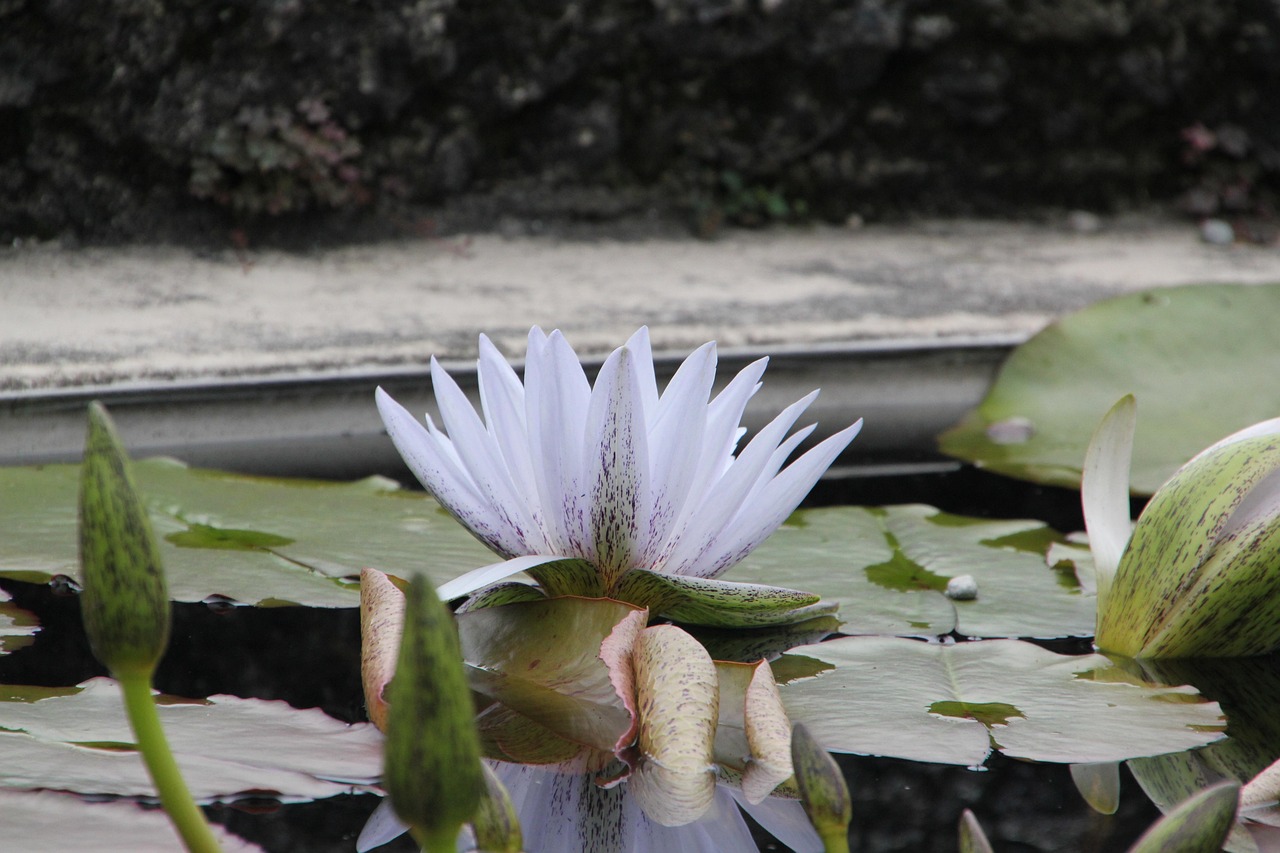
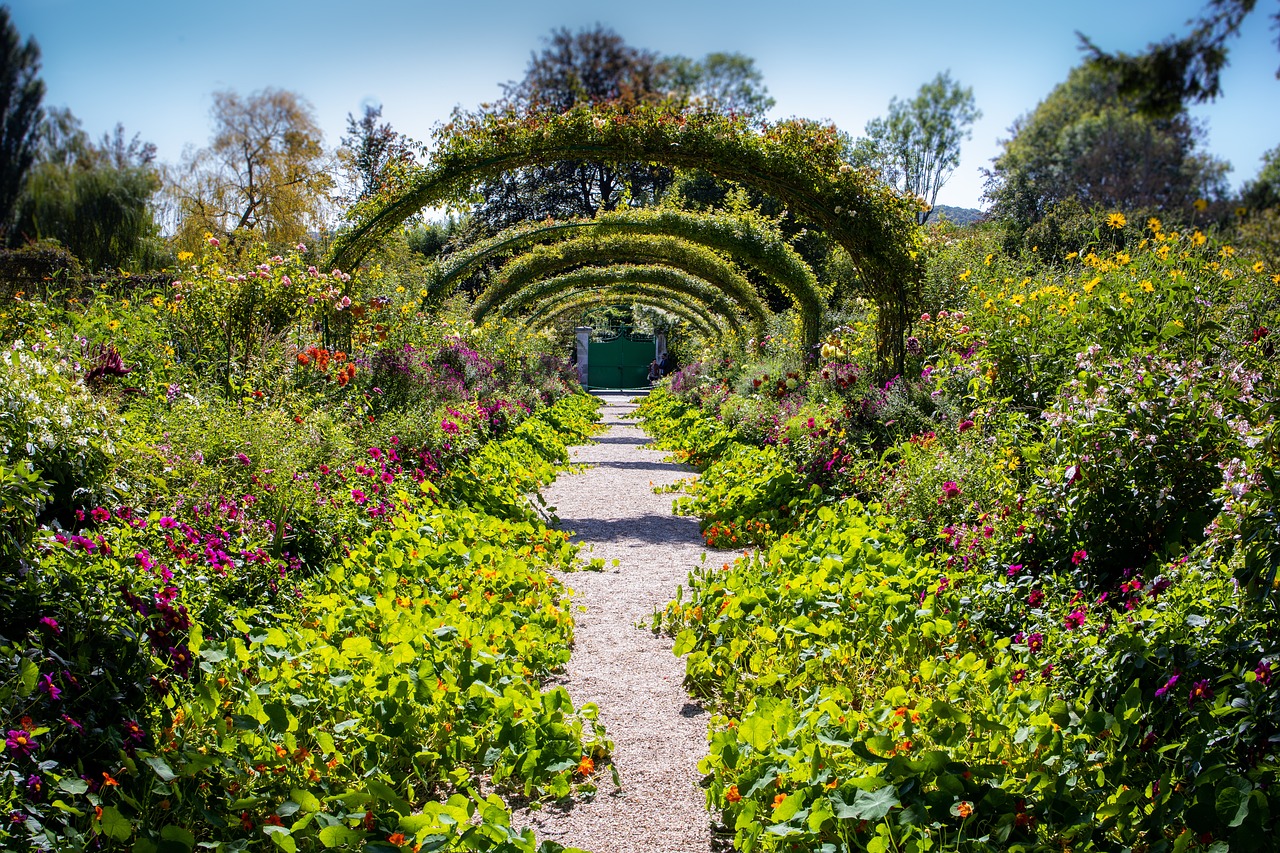
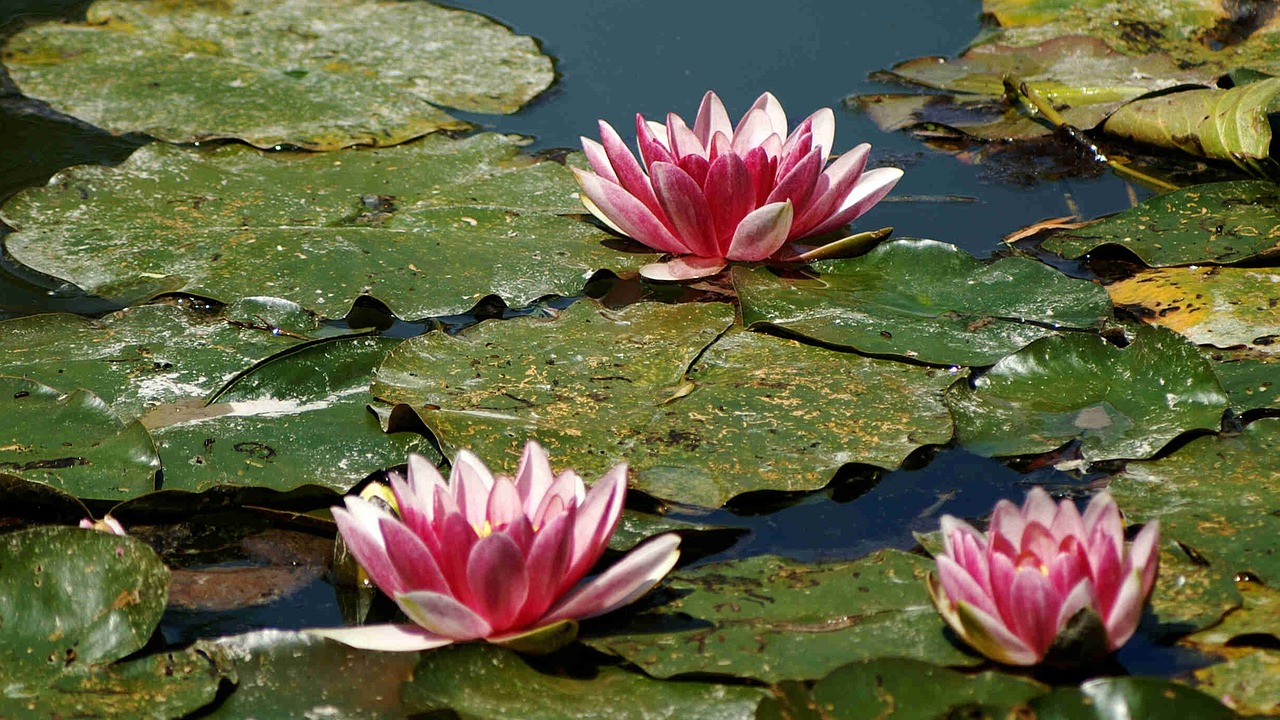
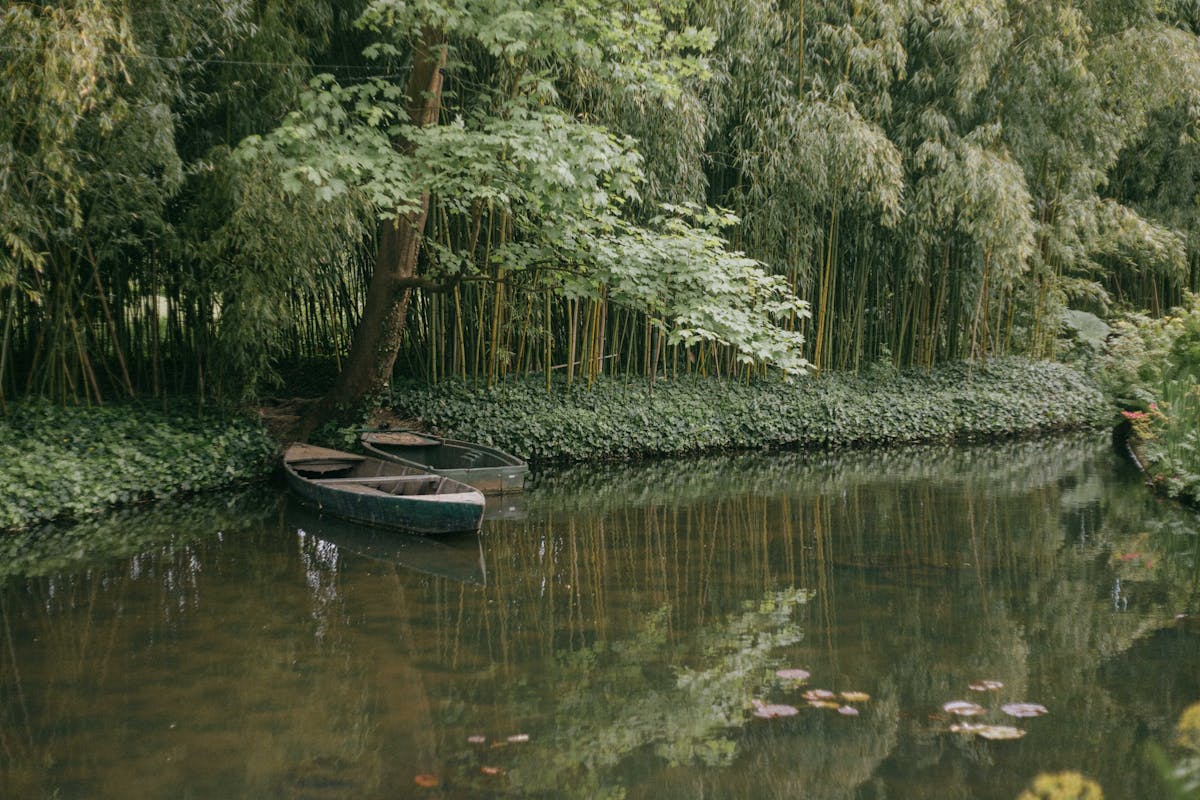
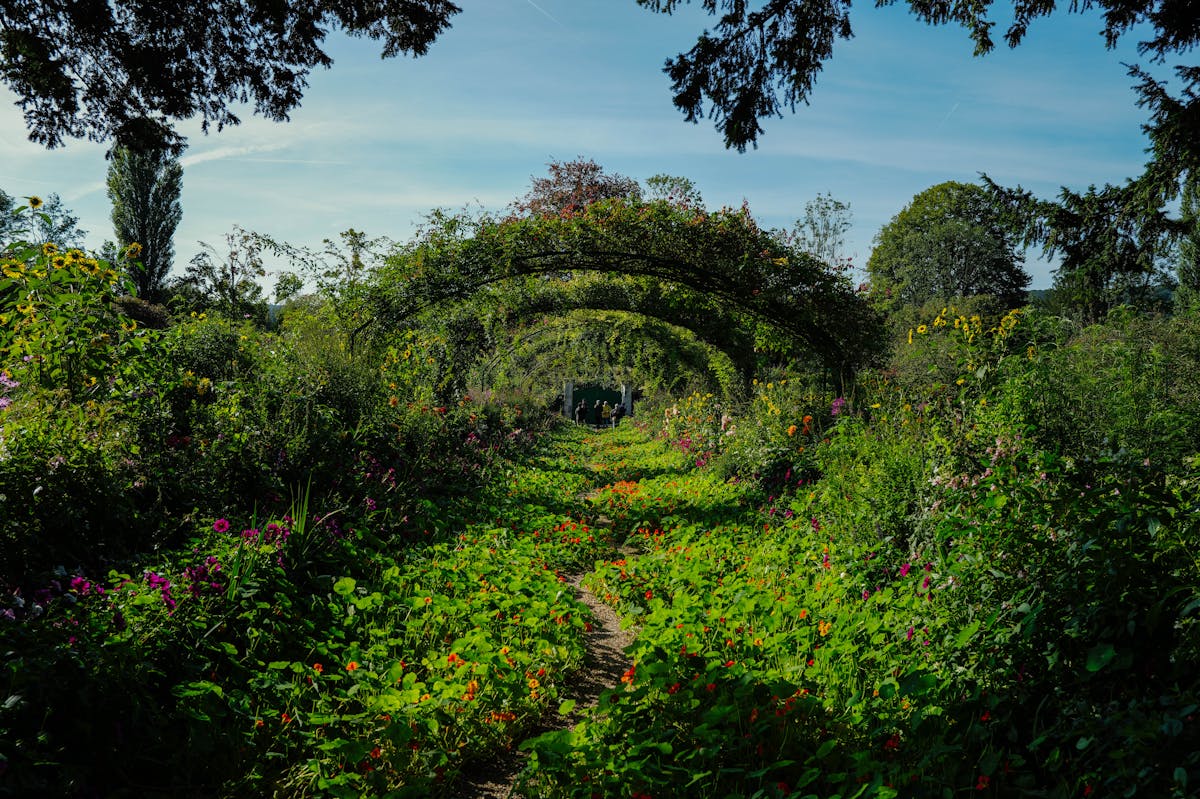
You can’t fully appreciate the Water Lilies without understanding Giverny. Monet moved there in 1883 and spent the next four decades turning his property into a living canvas. The water garden — with its Japanese bridge, weeping willows, and lily pond — was designed from the start as a subject to paint. He employed six gardeners full-time just to maintain it.
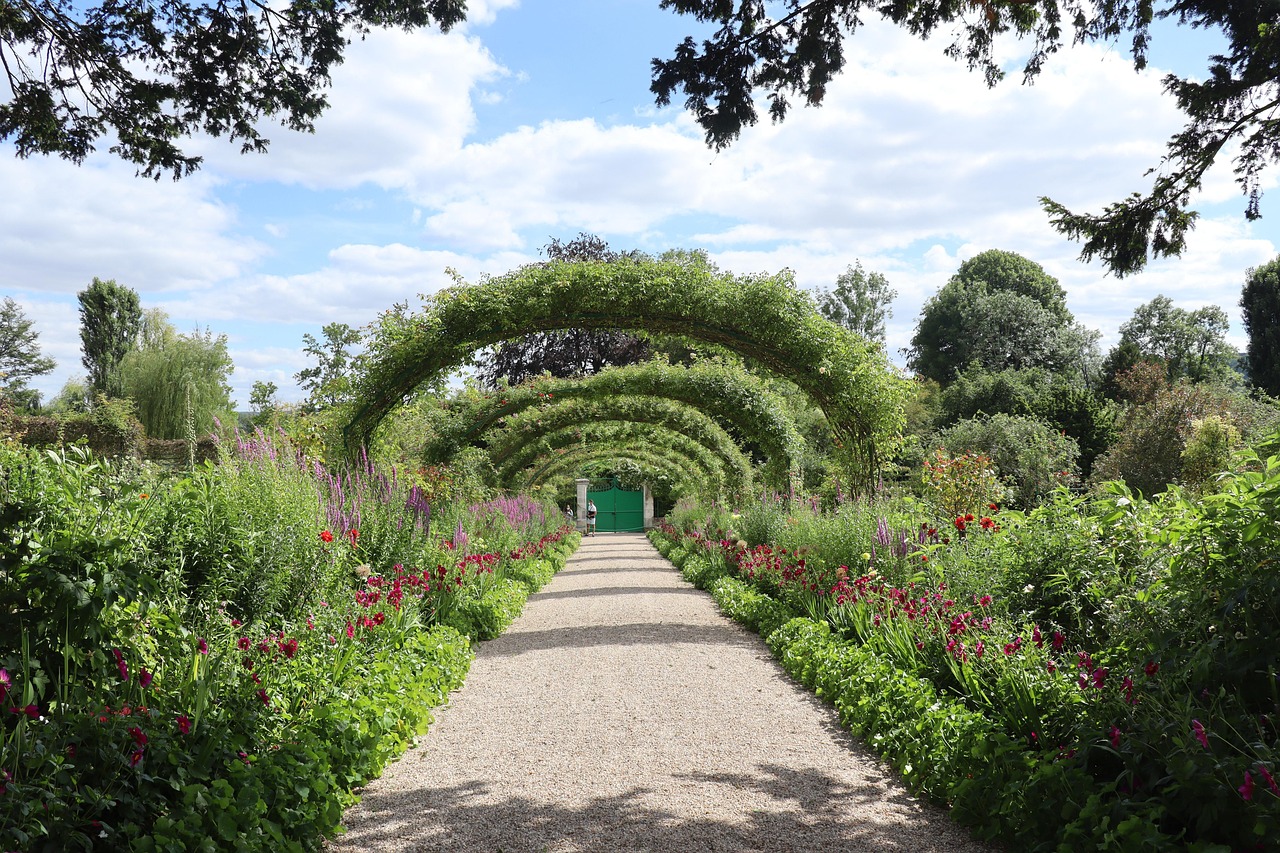
The final twelve years of his life (1914-1926) were devoted almost entirely to the Water Lilies series. He worked in a specially built studio at Giverny that was large enough to hold the enormous canvases. And he did all of this while his cataracts progressively robbed him of his sight. Some of the later paintings have a reddish-brown warmth to them that art historians now attribute to the cataracts filtering his colour perception. After his eye surgery in 1923, he went back and repainted or destroyed several works once he saw what they actually looked like.
Giverny is about 75 km from Paris and makes an excellent half-day trip. Seeing the garden first, then visiting the Orangerie, gives you the full Monet experience — the source material and the finished masterpiece. Several of our Giverny tours include transport from central Paris.
Combining the Orangerie with Other Paris Museums
The Orangerie is perfectly positioned for a museum day. Here’s how I’d plan it depending on how much you want to fit in:
Half day (Orangerie + Orsay): Start at the Orangerie at 9am, spend 60-90 minutes, then cross the Passerelle footbridge to the Orsay. The Orsay needs 2-3 hours minimum. You’ll see the full arc of Impressionism in one morning — Monet’s grand finale at the Orangerie, then the full movement at the Orsay.
Full day (add the Louvre): Afternoon at the Louvre, which is a 15-minute walk through the Tuileries from the Orangerie. The Louvre is its own beast — you won’t see everything in an afternoon, but you can hit the highlights.
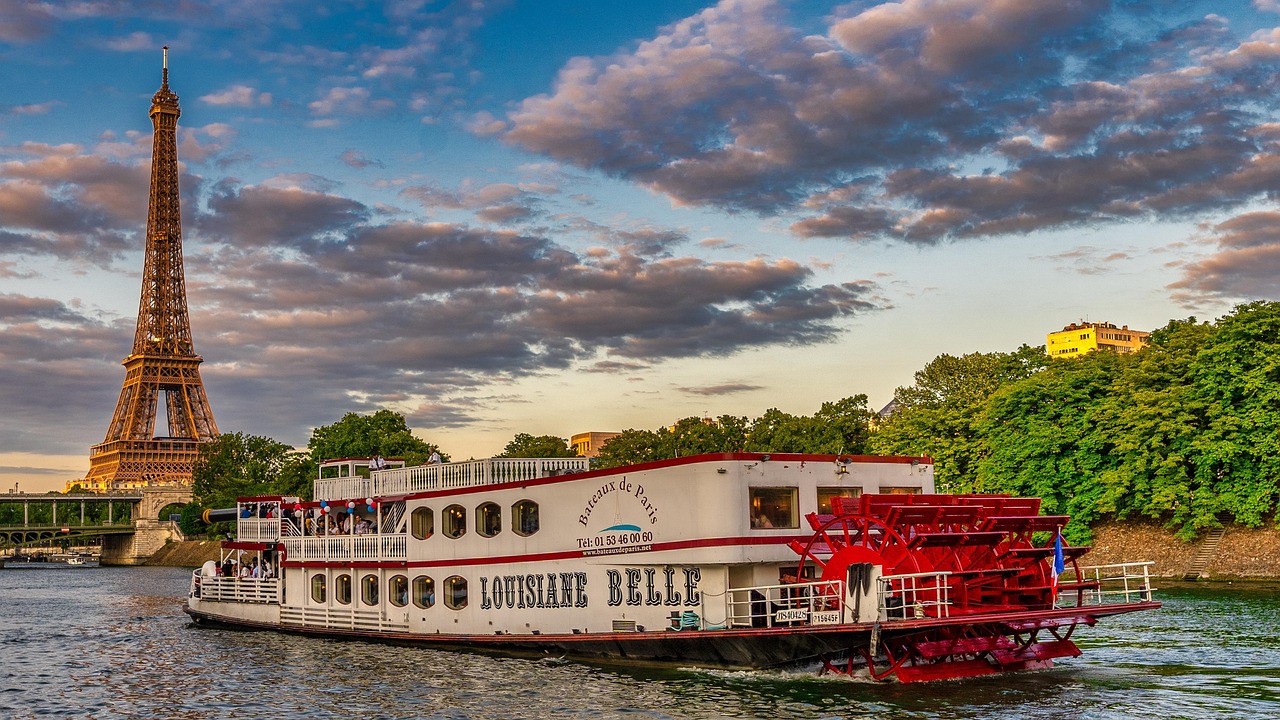
Art + Seine: Museum in the morning, Seine River cruise in the afternoon. The cruise piers are close to the Orangerie, and you get to see all the landmarks from the water while resting your museum legs. For something more special, a Seine dinner cruise turns it into an evening.
Planning the Rest of Your Paris Trip
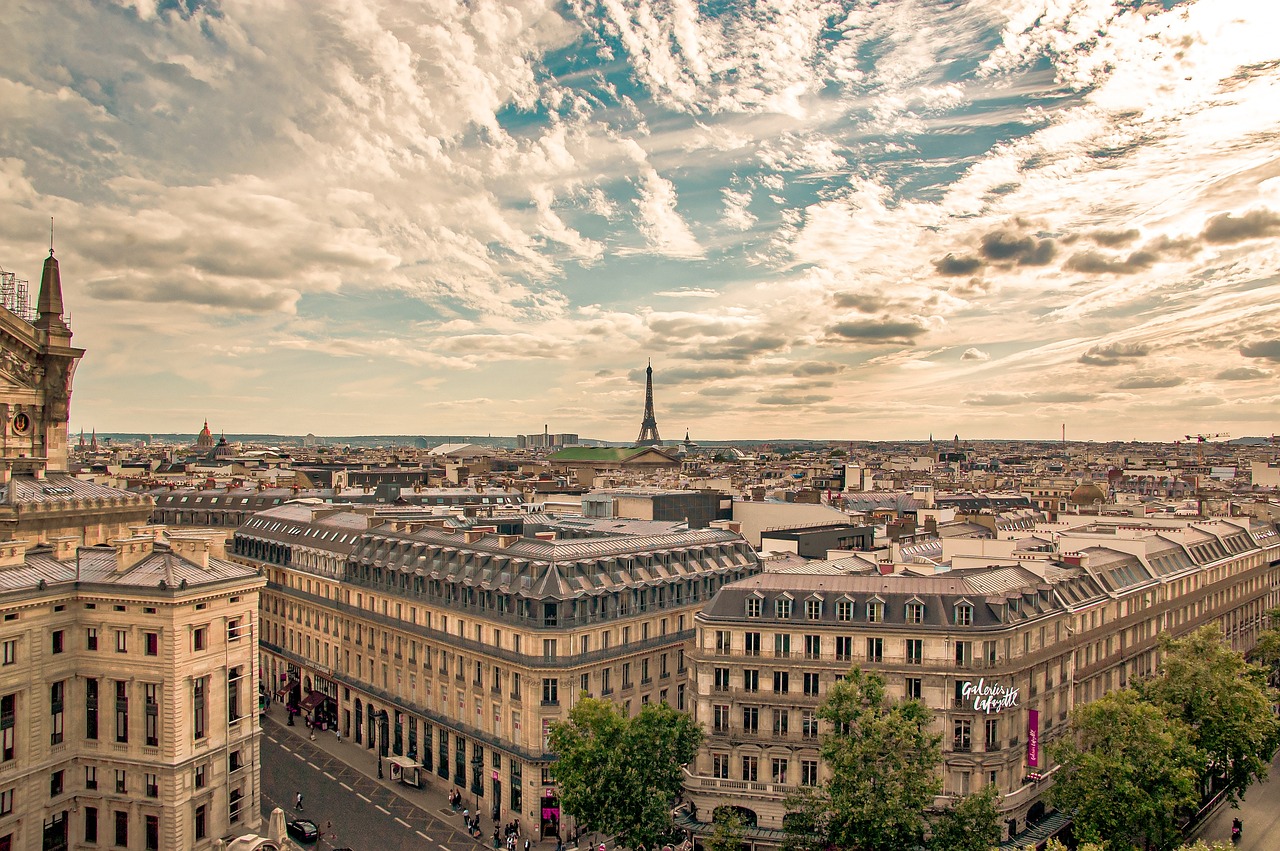
The Orangerie fits naturally into a broader Paris itinerary. The Orsay and Louvre are both walking distance, and our guides cover the same skip-the-line strategies. If Montmartre is on your list, that’s where many of the Impressionists actually lived and worked — the neighbourhood gives context to everything you’ll see in the museums. For a break from art, the Eiffel Tower and Arc de Triomphe are both nearby, and a Seine dinner cruise is the best way to end a Paris evening. If Monet’s story caught your attention, don’t miss a day trip to Giverny — walking through the garden he painted for 40 years puts everything at the Orangerie into focus.
This article contains affiliate links. When you book through our links, we earn a small commission at no extra cost to you. This helps us keep creating free travel guides.