
I spent three days in Paris last spring trying to visit six museums. I bought individual tickets to every single one. By the end of day two, I had spent over 100 euros on entry fees alone and wasted probably 90 minutes total standing in ticket lines. On the train home, I did the math on a Museum Pass and realized I could have saved nearly 40 euros and skipped every single ticket queue.
That stung. So I went back two months later, Museum Pass in hand, and the difference was immediate. Walk up, flash the pass, walk in. No fumbling with card payments, no waiting for receipt printers, no ticket windows. Just museums.
Here is everything I wish I had known before my first trip: what the pass covers, how much it actually saves you, and when it is not worth the money.
Short on time? Here are my top picks:
Best value: The 4-day Museum Pass at €77 — gives you enough time to visit 6-8 museums at a sane pace without rushing. The sweet spot for most visitors.
Best for museum addicts: The 6-day Museum Pass at €92 — works out to about €15/day and covers everything from the Louvre to Versailles to the smaller places nobody else visits.
Best if you want more than museums: Paris Pass Plus — $211. Adds the Eiffel Tower, river cruises, and bus tours to the museum access. Pricier but covers transport too.
- What the Paris Museum Pass Actually Covers
- The Pricing: 2-Day, 4-Day, and 6-Day Options
- Let’s Do the Math: When the Pass Saves You Money
- Scenario 1: “The 2-Day Rush” — 4 Museums in 2 Days
- Scenario 2: “The 3-Day Explorer” — 8 Museums Across 4 Days
- Scenario 3: “Just the Louvre” — 1 Museum
- The Break-Even Point
- What the Museum Pass Does NOT Include
- How to Buy the Paris Museum Pass
- How Activation Works (Read This Carefully)
- The Best Museum Pass Tour Packages
- 1. Paris Museum Pass: 2, 4, or 6 Days — 9
- 2. Paris Pass Plus: Louvre, Eiffel Tower & 90+ More — 1
- 3. Museum Pass + Seine River Cruise Combo — 1
- When to Visit Paris Museums
- How to Get to the Major Museums
- Tips That Will Save You Time and Money
- What You’ll Actually See: A Quick Guide to Each Major Museum
- A Brief History of the Paris Museum Pass
- More Paris Guides
What the Paris Museum Pass Actually Covers
The Paris Museum Pass gives you skip-the-line access to over 60 museums and monuments across Paris and the surrounding Ile-de-France region. That number is not an exaggeration — it genuinely covers most of the major cultural sites in the city and several outside it.
The big ones that most visitors care about:
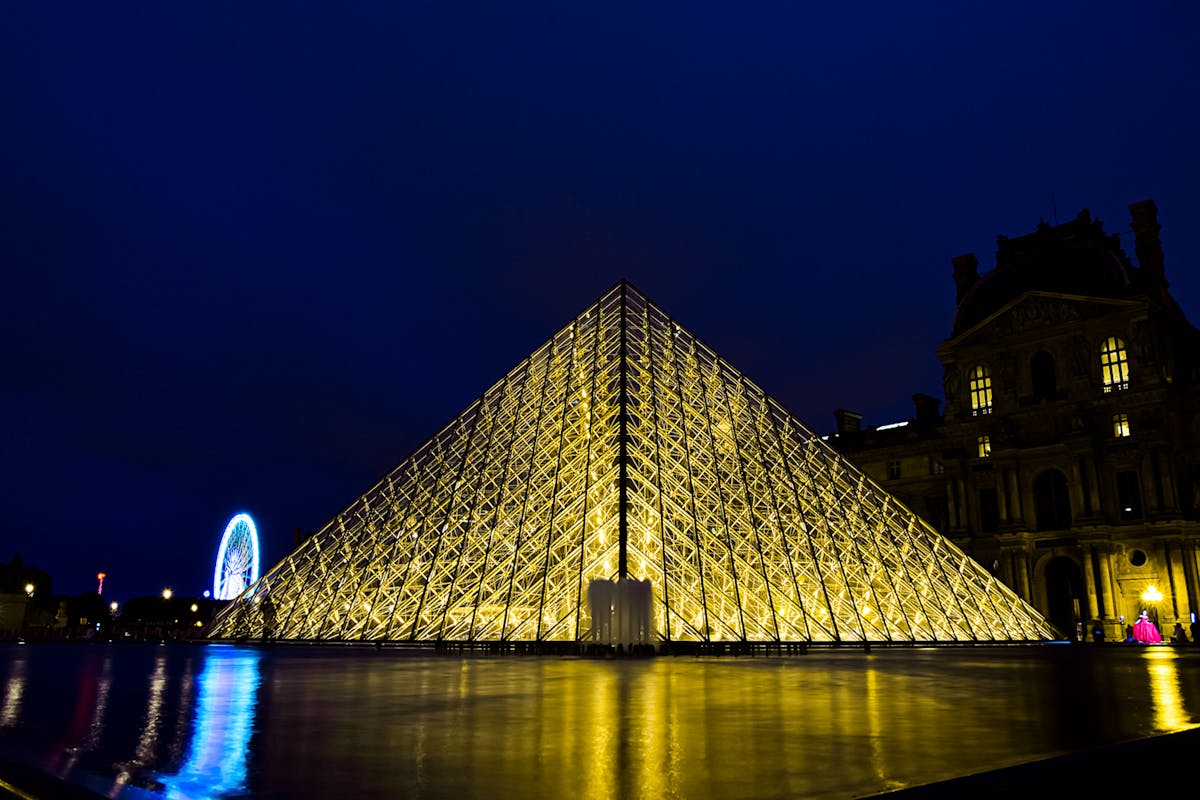
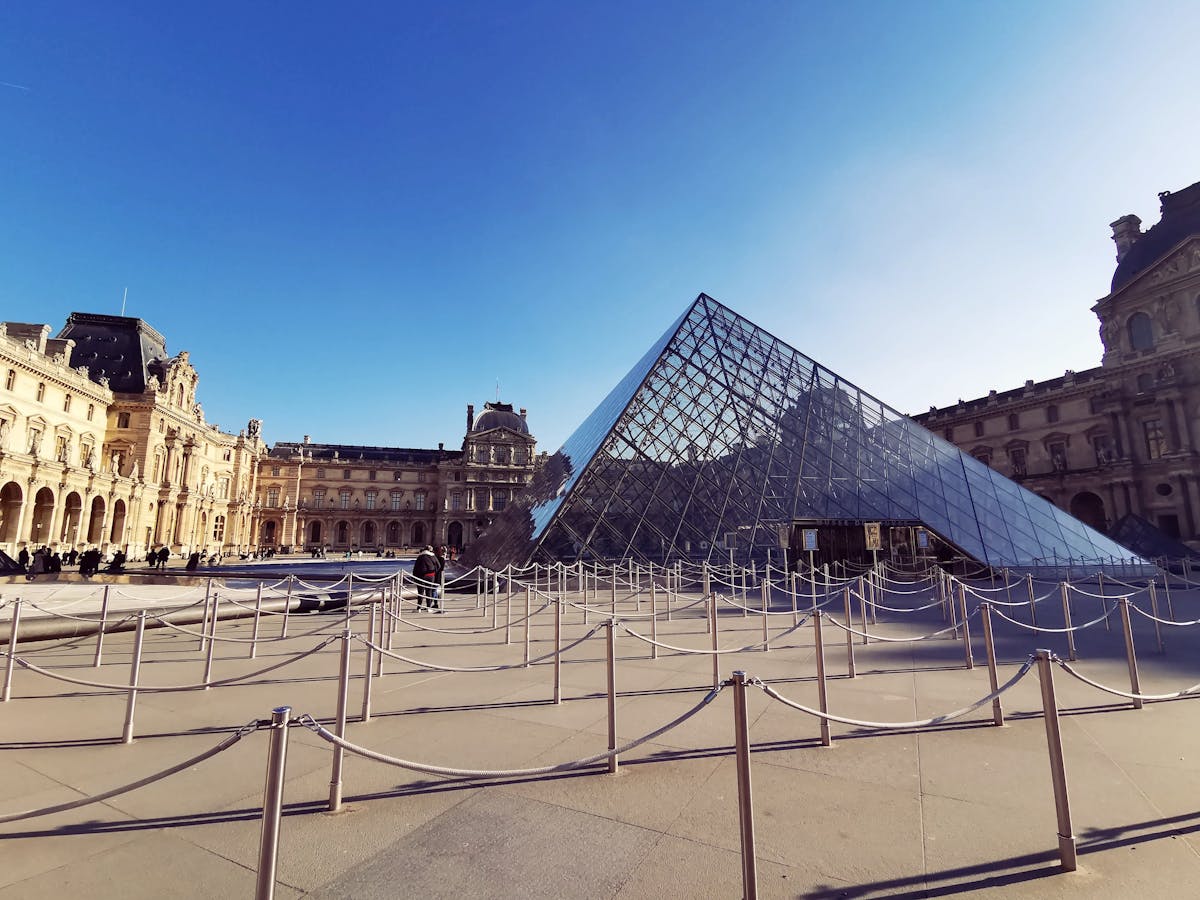
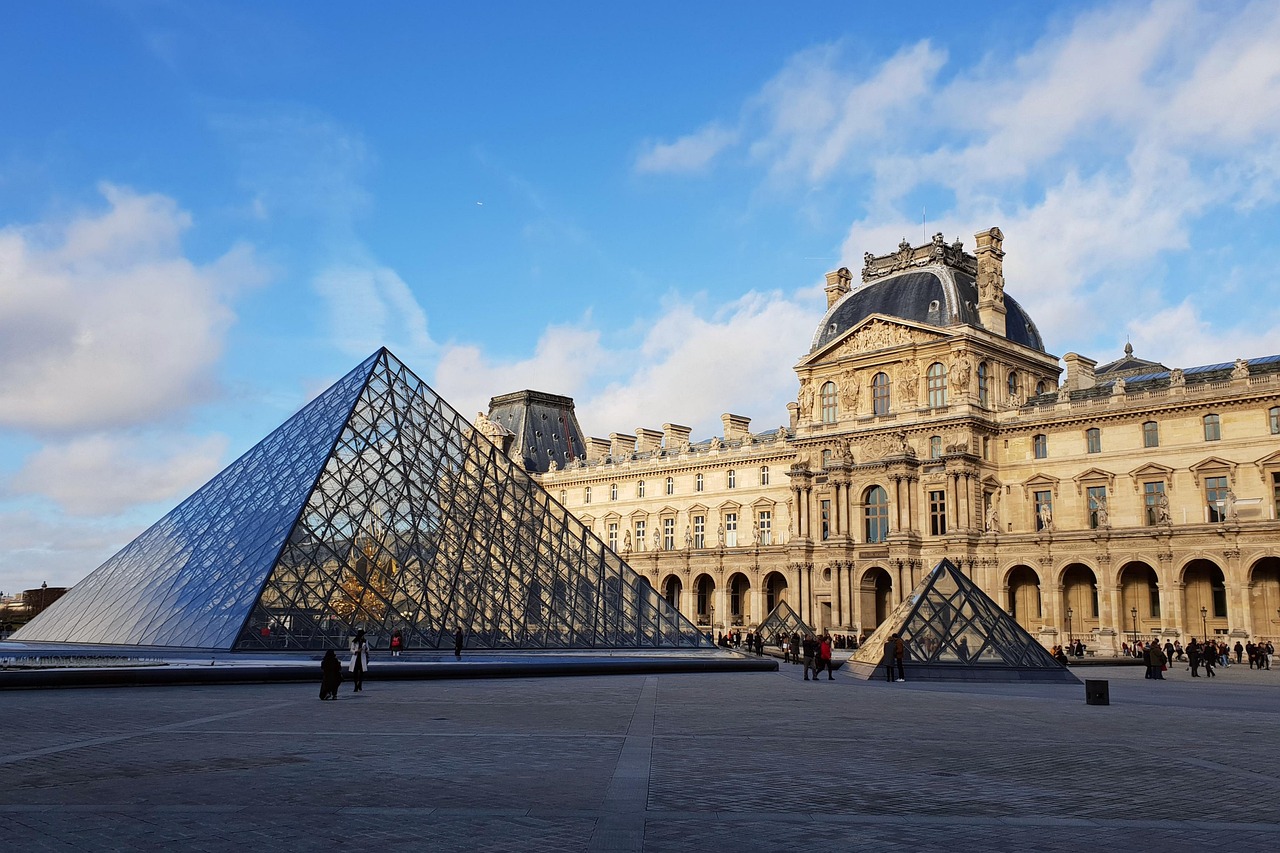
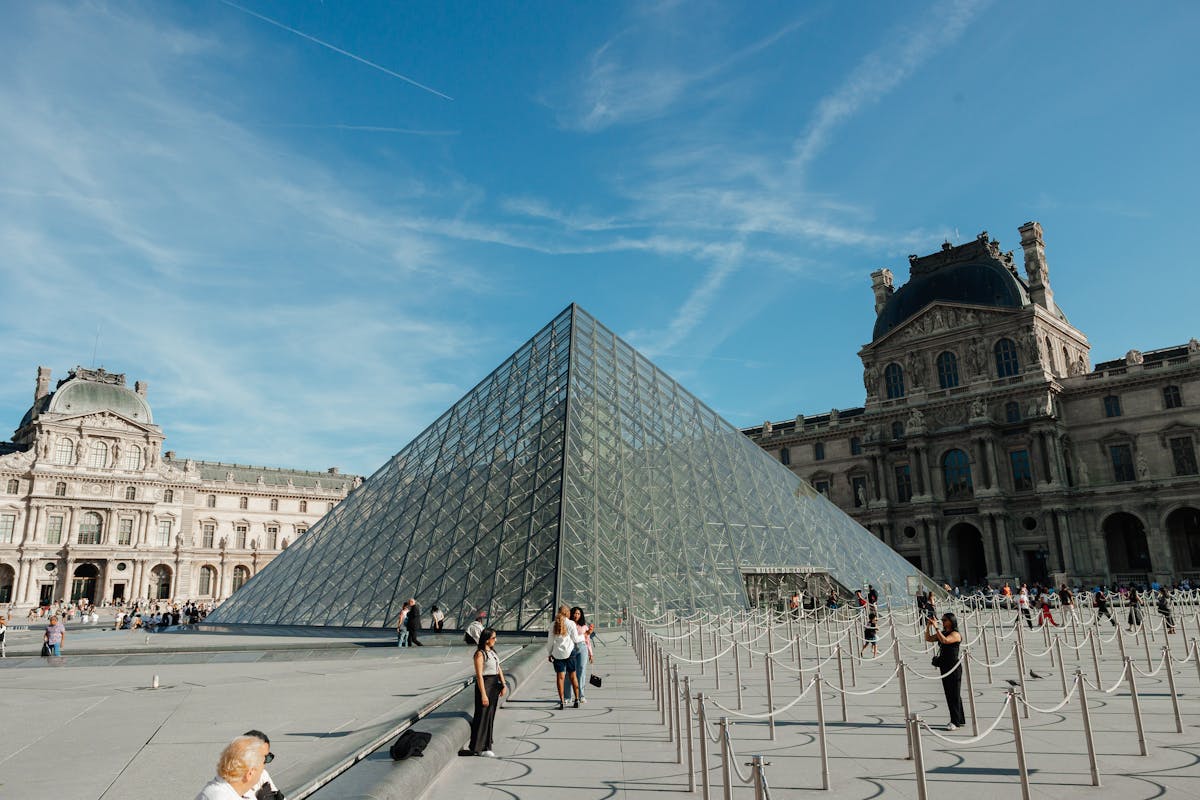
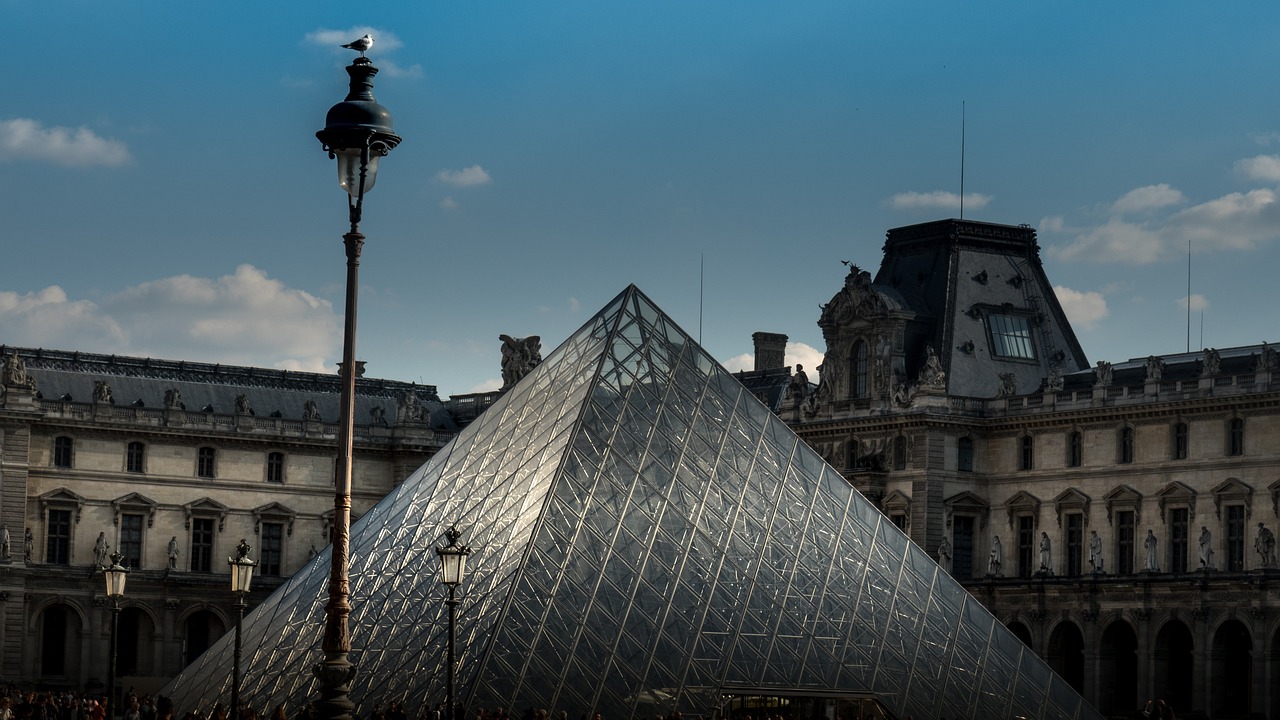
- The Louvre — €22 at the door. The world’s largest art museum with the Mona Lisa, Venus de Milo, and roughly 35,000 other works. You could spend a week here and still not see everything.
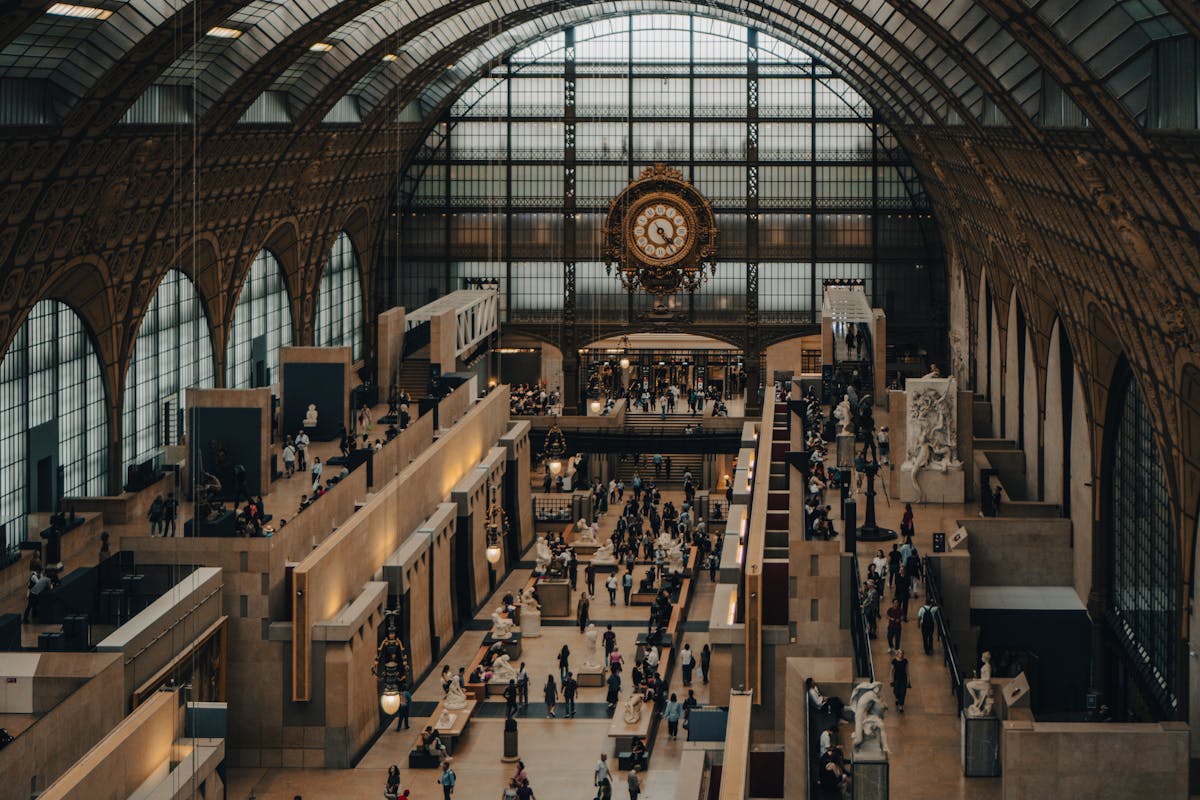
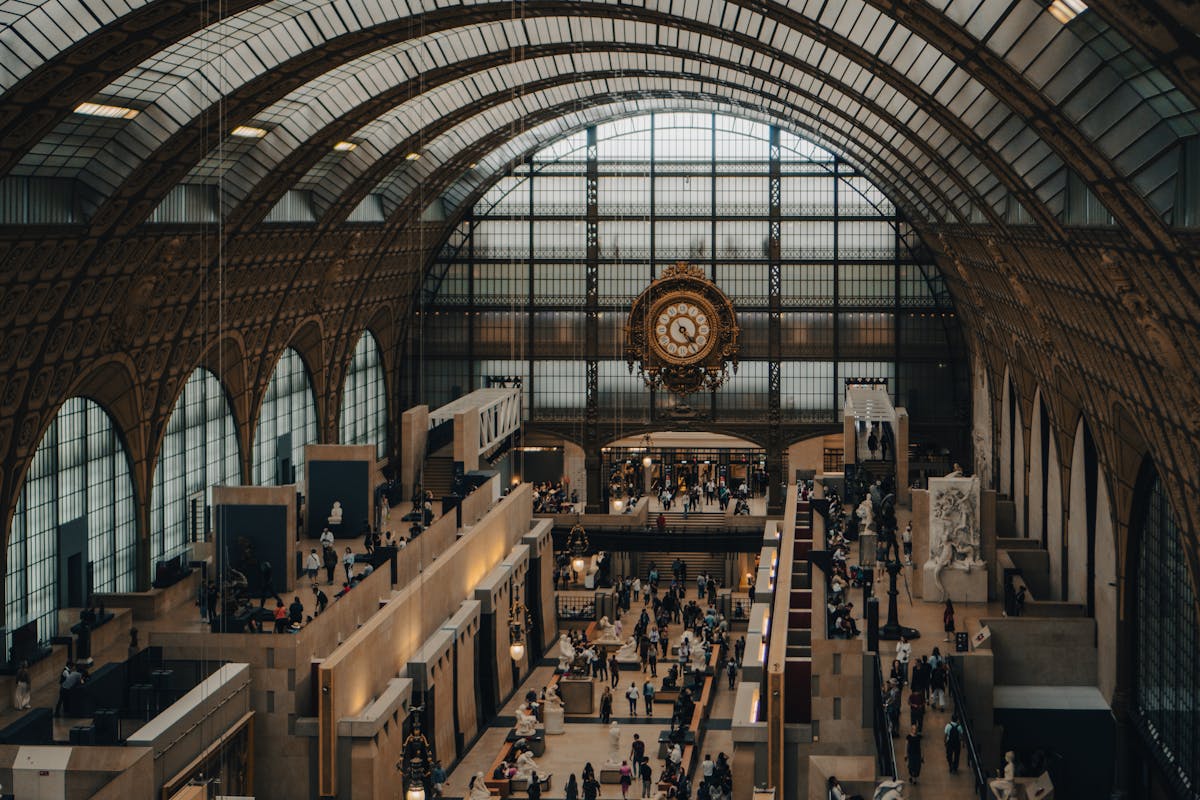
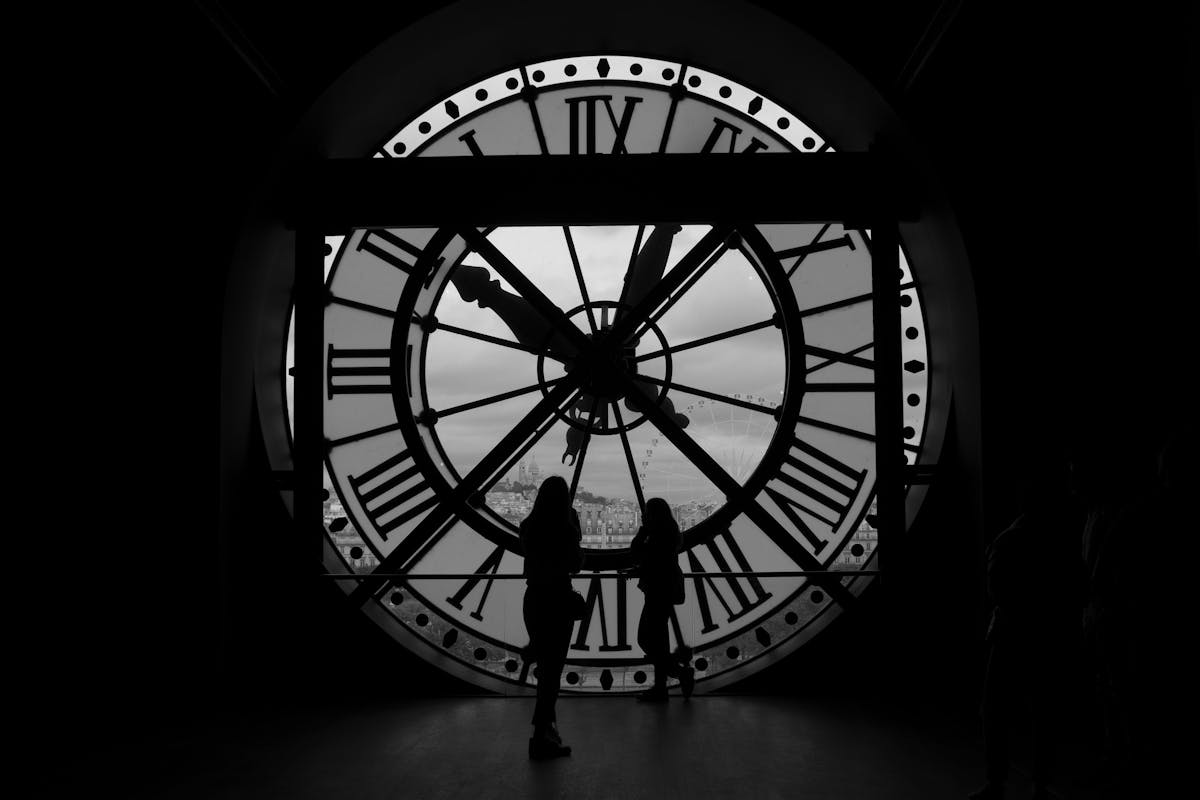
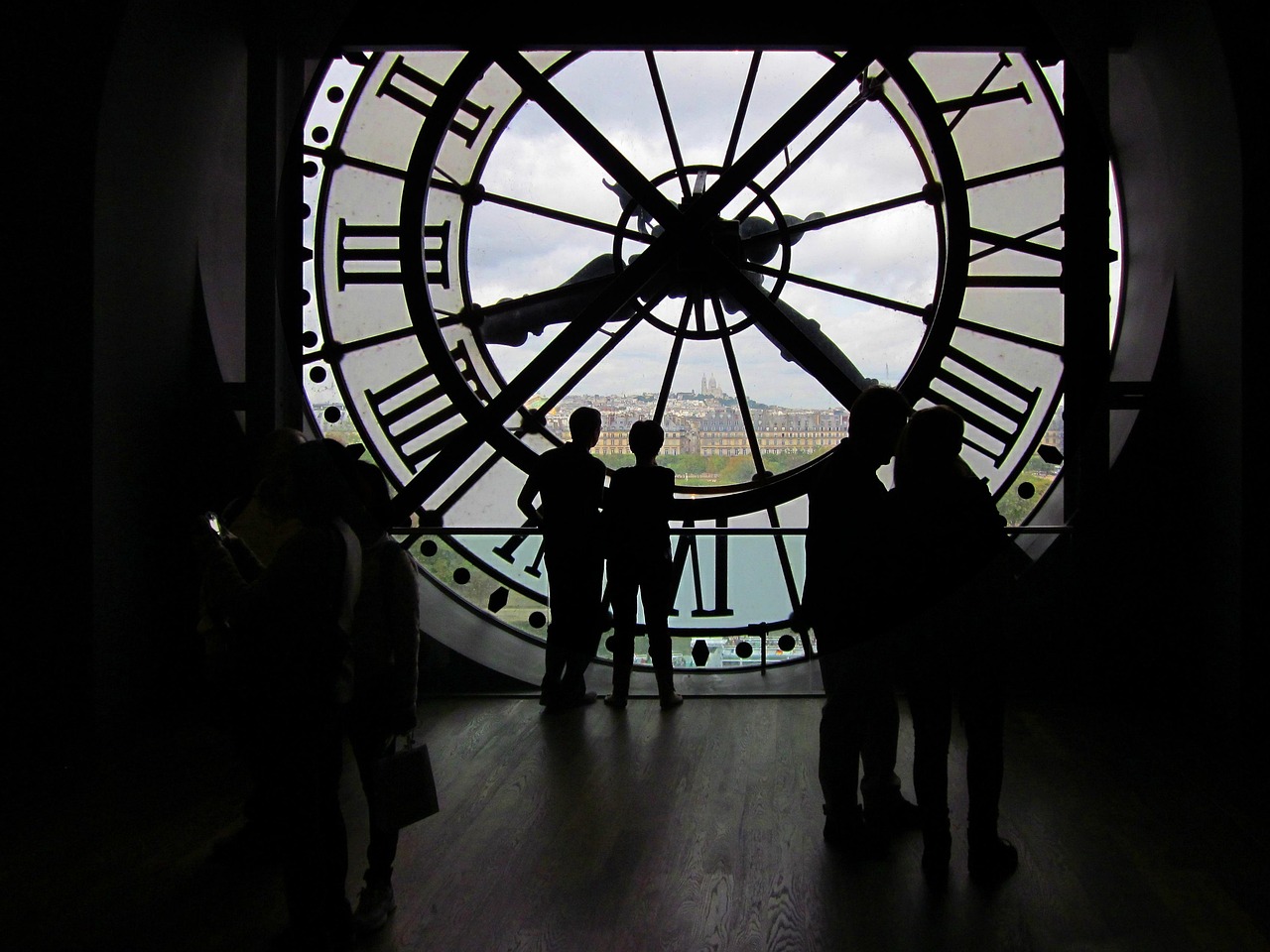
- Musee d’Orsay — €16. The best Impressionist collection on Earth. Monet, Renoir, Degas, Van Gogh, Cezanne, all under one converted railway station roof.
- Musee de l’Orangerie — €12.50. Monet’s Water Lilies murals in two oval rooms designed specifically for them. Smaller museum, but the impact is enormous.
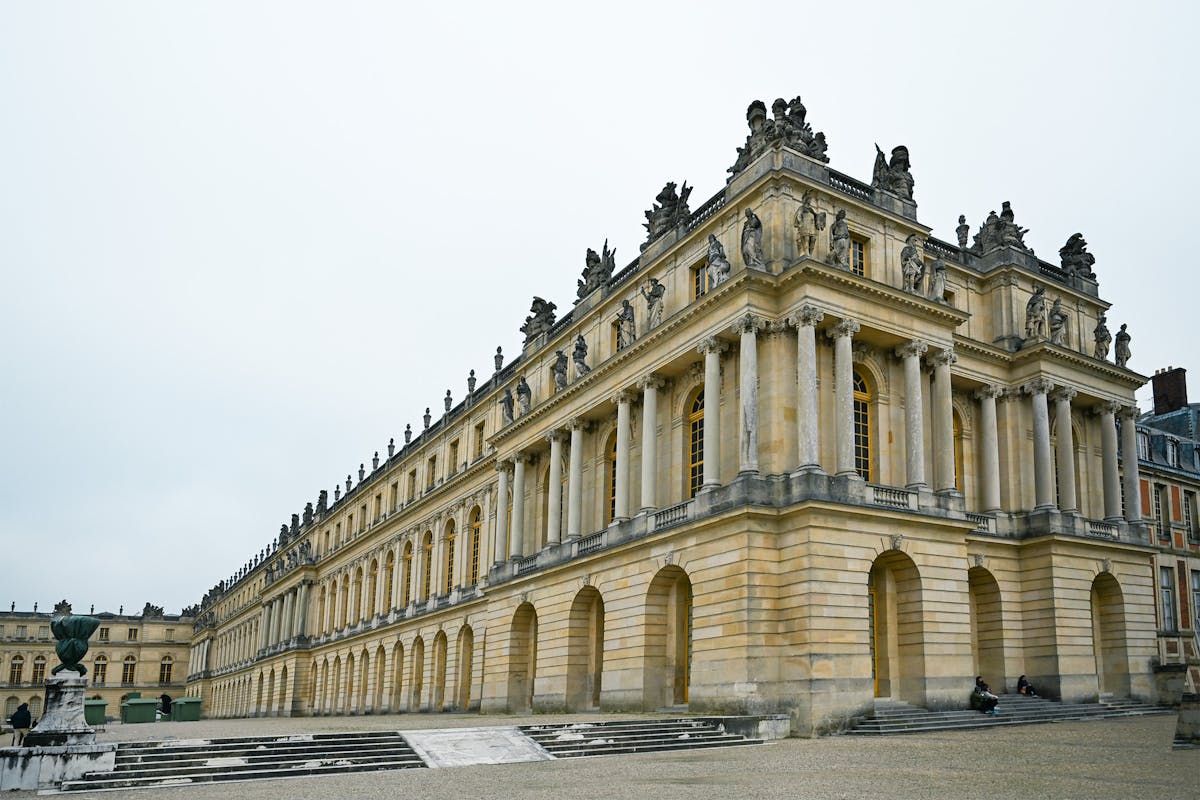
- Palace of Versailles — €21. Hall of Mirrors, Marie Antoinette’s estate, the gardens. A full day trip from Paris.
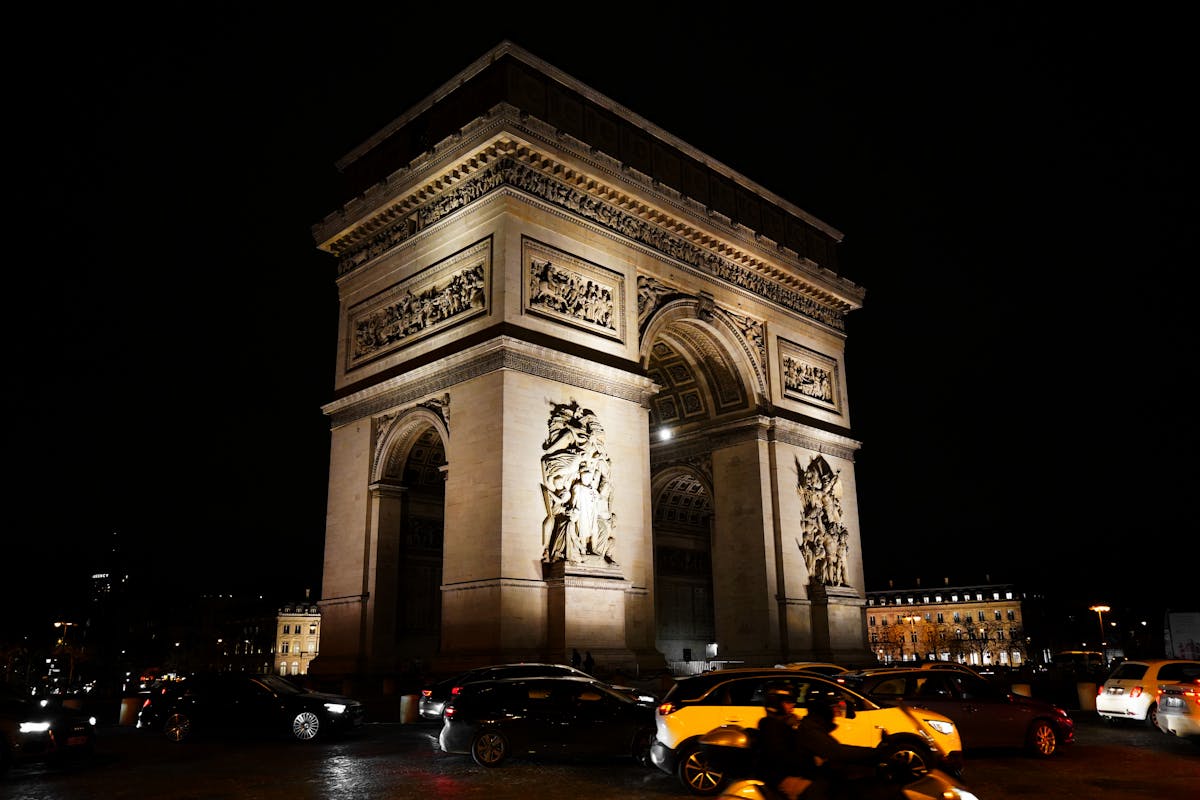
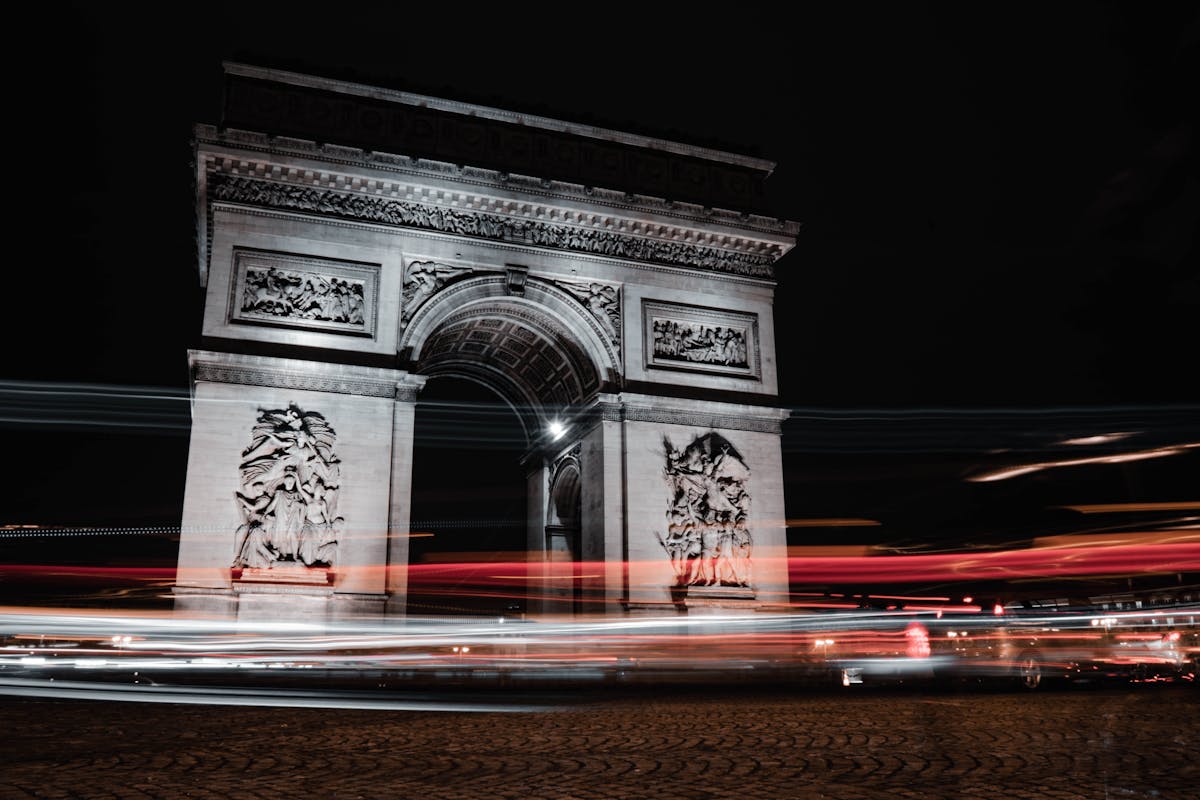
- Arc de Triomphe — €16. Climb 284 steps for panoramic views down the Champs-Elysees.
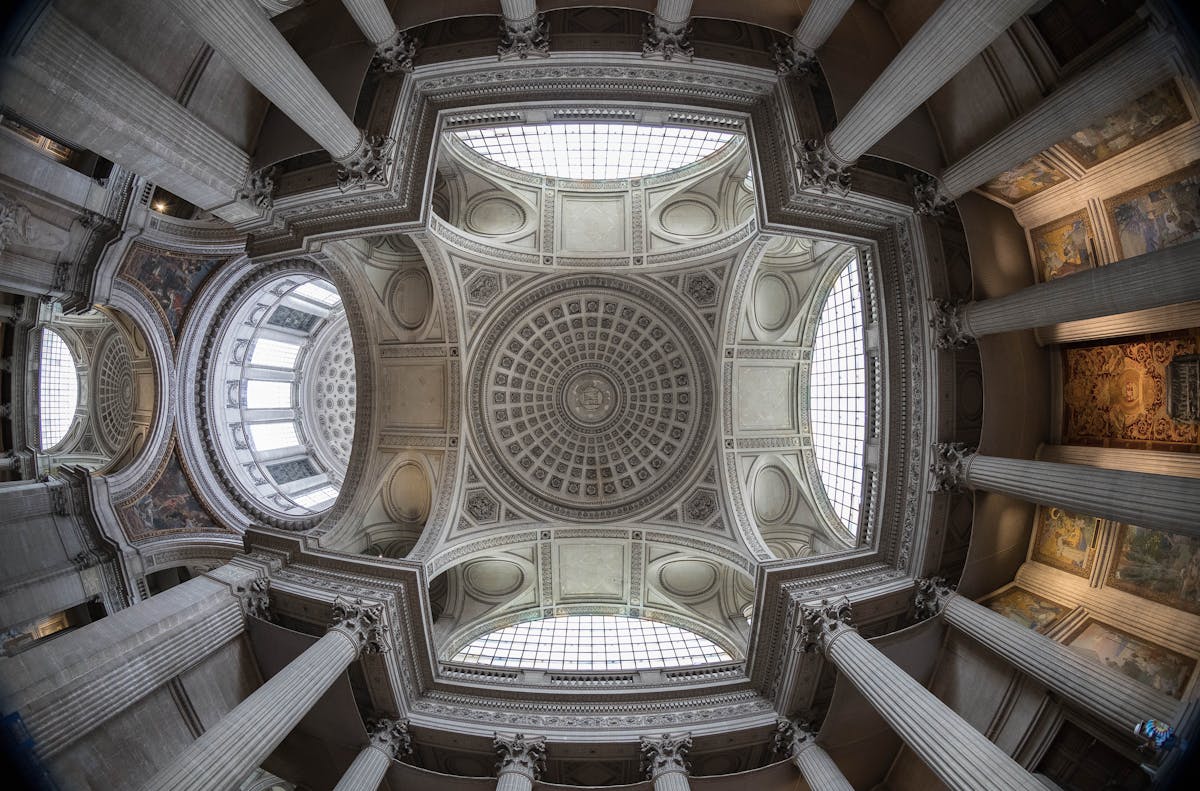
- The Pantheon — €11.50. Final resting place of Voltaire, Rousseau, Victor Hugo, Marie Curie, and Alexandre Dumas.
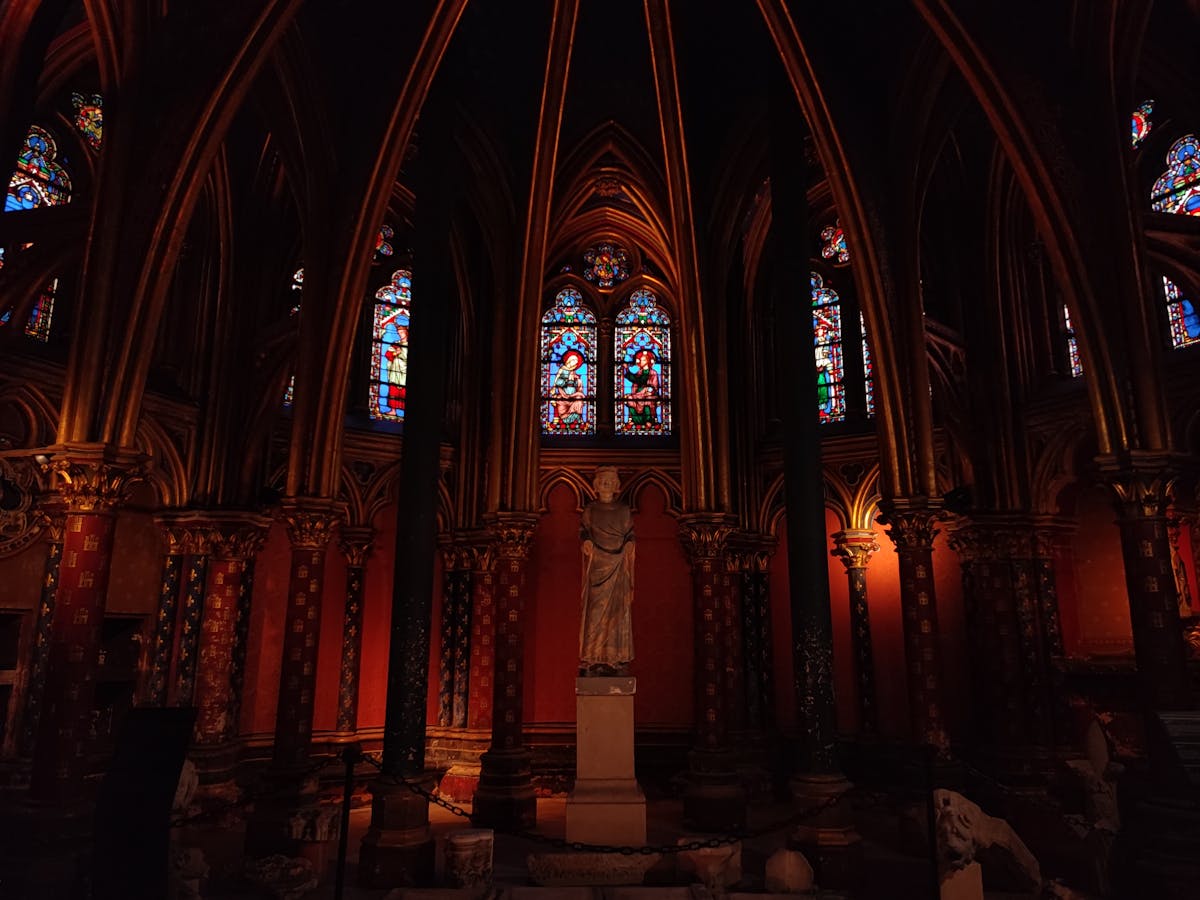
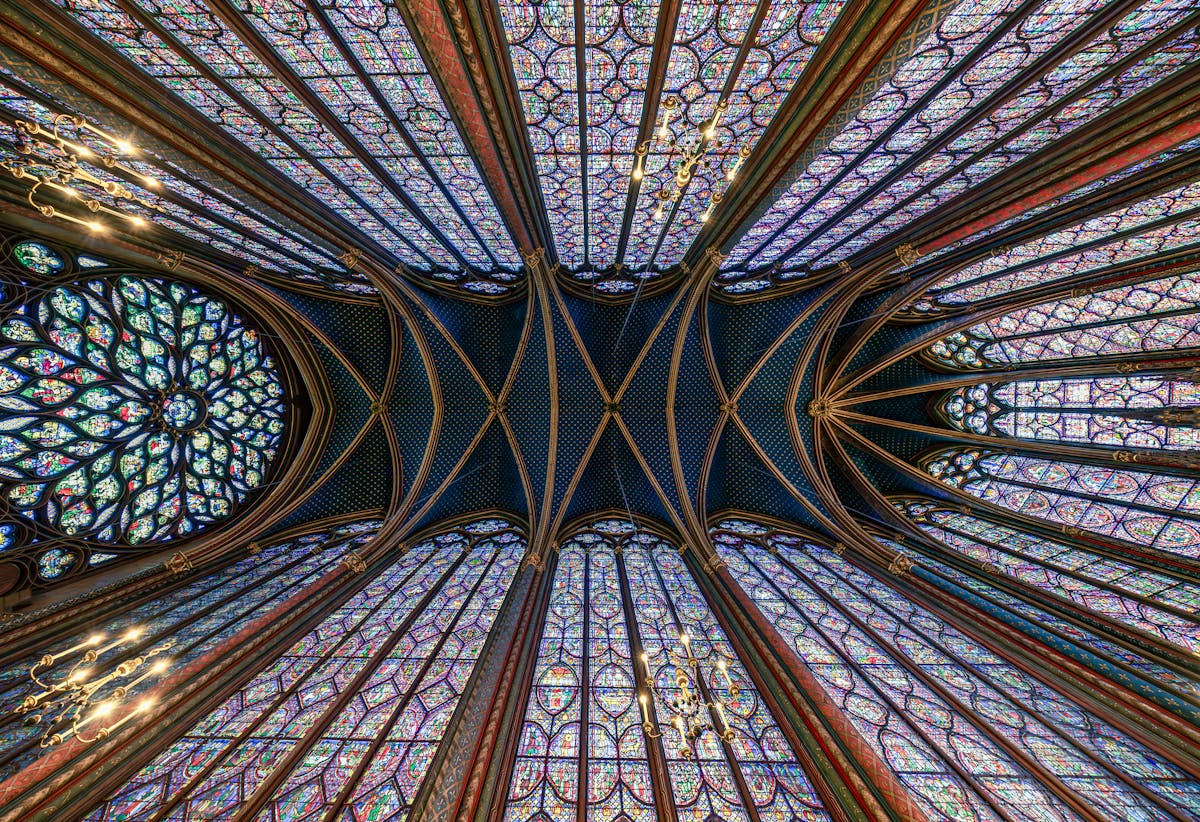
- Sainte-Chapelle — €13. Thirteen hundred biblical scenes across fifteen stained glass windows, most original from the 1240s. Possibly the most beautiful interior in Paris.
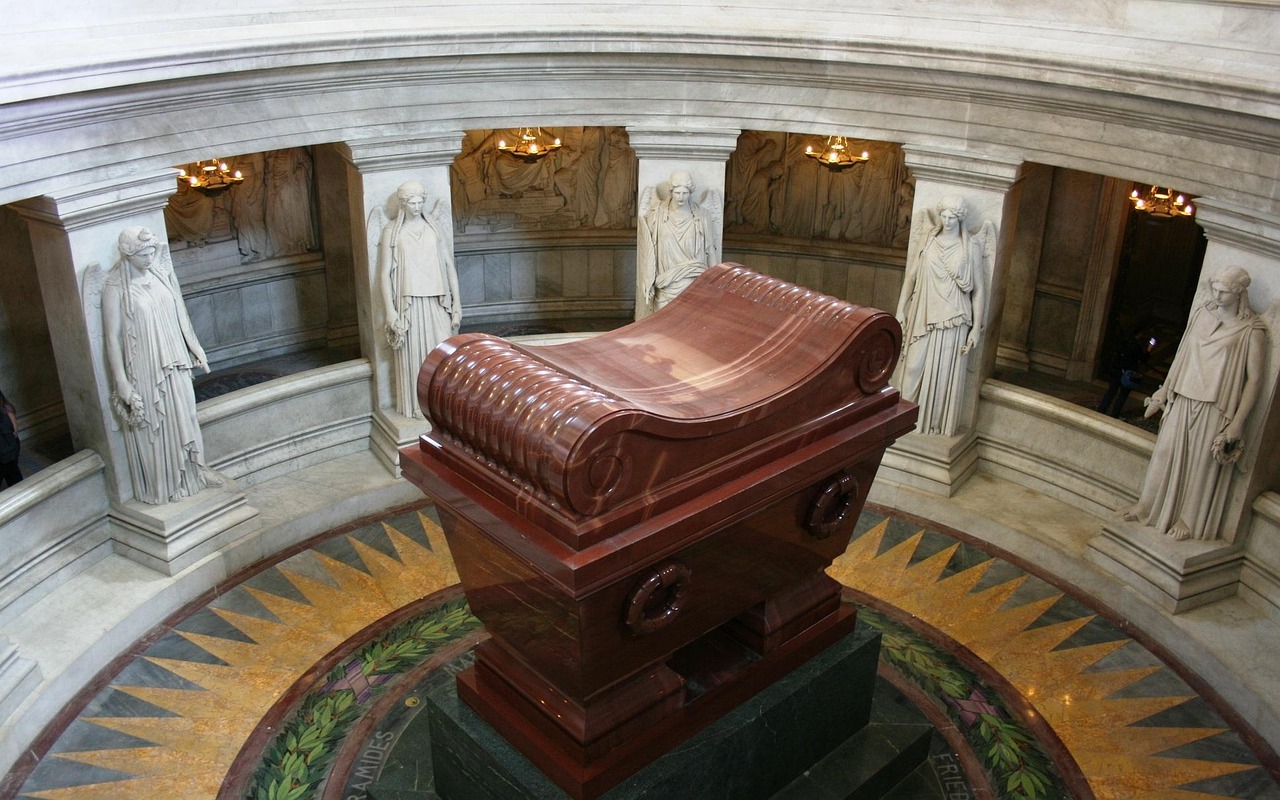
- Les Invalides — €15. Napoleon’s tomb plus one of the most detailed military history museums in Europe.
Beyond the big names, the pass also covers the Musee Rodin, Musee Picasso, Centre Pompidou, Musee du quai Branly, Conciergerie, the Archaeological Crypt under Notre-Dame, and dozens of smaller museums that most travelers never get around to. The full list runs to about 60 attractions.
The Pricing: 2-Day, 4-Day, and 6-Day Options
The Museum Pass comes in three durations. The days are consecutive calendar days, not 24-hour periods — so if you activate it at 3pm on a Tuesday, that Tuesday counts as day one whether you visit one museum or five.
- 2-day pass: €62
- 4-day pass: €77
- 6-day pass: €92
Notice the pricing curve. Going from 2 days to 4 days costs only €15 extra. Going from 4 to 6 days costs another €15. The 4-day and 6-day passes are significantly better value per day.
Per-day breakdown:
- 2-day: €31/day
- 4-day: €19.25/day
- 6-day: €15.33/day
At €15 per day on the 6-day pass, you are paying less than the cost of a single museum entry for unlimited access to 60+ sites. That is genuinely good value if you plan to use it.
Let’s Do the Math: When the Pass Saves You Money
This is the part that matters. The pass is not always worth it. It depends entirely on how many museums you plan to visit and how many days you have. Let me walk through three real scenarios.
Scenario 1: “The 2-Day Rush” — 4 Museums in 2 Days
You have a tight schedule. You want to hit the major highlights and move on.
| Museum | Individual Ticket |
|---|---|
| Louvre | €22 |
| Musee d’Orsay | €16 |
| Arc de Triomphe | €16 |
| Sainte-Chapelle | €13 |
| Total individual tickets | €67 |
2-day pass cost: €62. You save €5.
Honestly? Five euros is not a huge saving. But the real value here is skipping four separate ticket queues. At the Louvre especially, the ticket line can eat 20-30 minutes in peak season. If your time is worth anything, the pass pays for itself in saved minutes even when the raw math is close to break-even.
Scenario 2: “The 3-Day Explorer” — 8 Museums Across 4 Days
This is the sweet spot. You have a few days in Paris, you want to see the highlights plus a couple of deeper cuts, and you are not trying to sprint through everything.
| Museum | Individual Ticket |
|---|---|
| Louvre | €22 |
| Musee d’Orsay | €16 |
| Musee de l’Orangerie | €12.50 |
| Palace of Versailles | €21 |
| Arc de Triomphe | €16 |
| Sainte-Chapelle | €13 |
| Pantheon | €11.50 |
| Les Invalides | €15 |
| Total individual tickets | €127 |
4-day pass cost: €77. You save €50.
Fifty euros is real money. That is two nice lunches or a Seine river cruise. And again, you are also saving roughly 15-20 minutes per museum in ticket queues — across eight museums, that is over two hours of your trip reclaimed.
Scenario 3: “Just the Louvre” — 1 Museum
If you are only planning to visit one or two museums, skip the pass. The Louvre is €22. The 2-day pass is €62. You would need to visit at least three museums in two days before the pass even breaks even. One museum? Buy the individual ticket.
The Break-Even Point
For the 2-day pass (€62): You need at least 3-4 museums to break even, depending on which ones. The Louvre (€22) + Orsay (€16) + Versailles (€21) = €59, so three big museums is almost exactly break-even. Add a fourth and you are saving money.
For the 4-day pass (€77): Same math — 4 museums gets you there. But with four days, you have more time to stack in bonus visits to smaller museums you would not have bothered with otherwise. The Musee Rodin garden alone is worth an hour.
For the 6-day pass (€92): At €15/day, you break even after about 5 museums. But with six days, most visitors end up visiting 10+, making this by far the best value option if you have the time.
What the Museum Pass Does NOT Include
This catches people off guard, so I want to be clear about what you still need separate tickets for:
- The Eiffel Tower — The biggest one. Not covered. You will need a separate ticket (around €29 for the summit). This surprises a lot of first-time visitors.
- The Catacombs — Despite being a Paris monument, they operate on a separate ticketing system. €29 for entry.
- Temporary exhibitions — The pass covers permanent collections only. If a museum is hosting a special exhibition, you often need a separate ticket for that section.
- Palace of Versailles gardens (Grandes Eaux) — The palace itself is covered, but the Musical Fountains Show in the gardens during summer weekends requires a separate €10 ticket.
- Guided tours — The pass gets you in the door, but any guided tour within a museum costs extra.
- The Opera Garnier — Self-guided visits are covered by the pass, but performances obviously are not.
If the Eiffel Tower is your top priority, look at the Paris Pass Plus instead, which bundles the Eiffel Tower, a river cruise, and hop-on hop-off bus with broader attraction access. It costs more, but it includes things the Museum Pass does not.
How to Buy the Paris Museum Pass
You have a few options:
Online (recommended): Buy from the official Paris Museum Pass website or through GetYourGuide. You get a voucher that you exchange for the physical pass at one of several collection points in Paris. Buying online means you lock in your pass before arriving — useful in peak season when physical collection points can sell out of certain durations.
In Paris: You can buy the pass at most major museums (the Louvre has a dedicated Museum Pass desk), at tourist offices, and at some tobacco shops. The downside is you might queue to buy the pass and then queue again to enter the museum. Buying online eliminates that first queue.
Collection points: If you buy online, common pickup locations include the tourism office near the Opera, the BHV Marais department store, and counters at major airports. Some online sellers now offer direct mobile passes that scan at museum entrances without needing a physical card — check when you buy.
How Activation Works (Read This Carefully)
The pass does not activate when you buy it. It activates the first time you use it at any museum. You write your name and the activation date on the back, and the consecutive days start counting from that moment.
Key things to know:
- Days are calendar days, not 24-hour periods. Activating at 4pm means you lose that day’s evening only. Activate first thing in the morning.
- The pass allows one entry per attraction. You cannot use it to enter the Louvre twice. The one exception is some attractions that re-admit with a same-day ticket — but with the pass, plan on one visit each.
- You can return to the Louvre with the pass if you leave and come back the same day — the Louvre specifically allows this because it is so big. But this is museum-specific, not a general pass rule.
- The pass is personal and non-transferable. Your name goes on it. Some museums check ID, most do not, but don’t risk it.
The Best Museum Pass Tour Packages
If you want someone else to handle the logistics — or you want the pass bundled with extras like a river cruise or guided tour — these are the top options available through tour operators. The standalone Museum Pass itself is the most popular, but the combo packages can make sense depending on your plans.
1. Paris Museum Pass: 2, 4, or 6 Days — $129
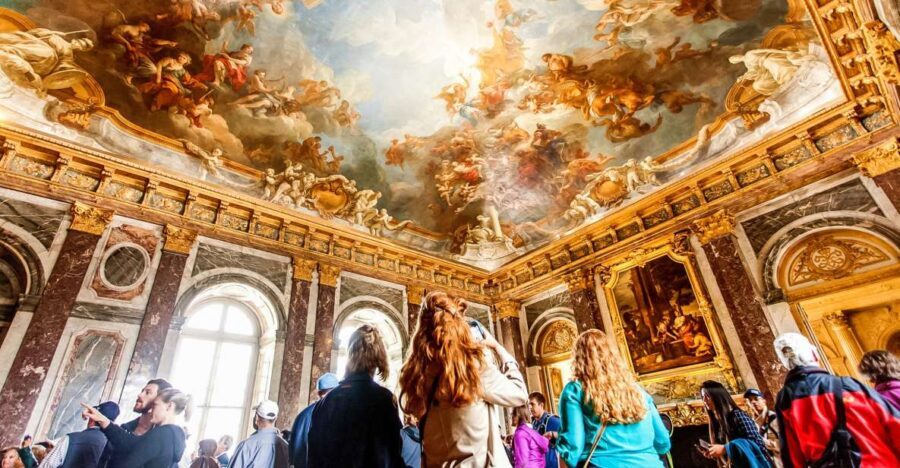
This is the standard Museum Pass in its purest form. Over four thousand travelers have booked this through GetYourGuide, and it is by far the most popular option. You pick your duration (2, 4, or 6 days), collect the pass in Paris, and activate it at your first museum. No tours, no guided experiences, no extras — just unlimited skip-the-line museum access.
The $129 starting price reflects the 2-day option through GYG (their markup on the official €62 includes the booking platform fee). If you are comfortable buying directly from the official site, you will save a few euros. But GYG offers free cancellation up to 24 hours before, which the official site does not always match.
2. Paris Pass Plus: Louvre, Eiffel Tower & 90+ More — $211
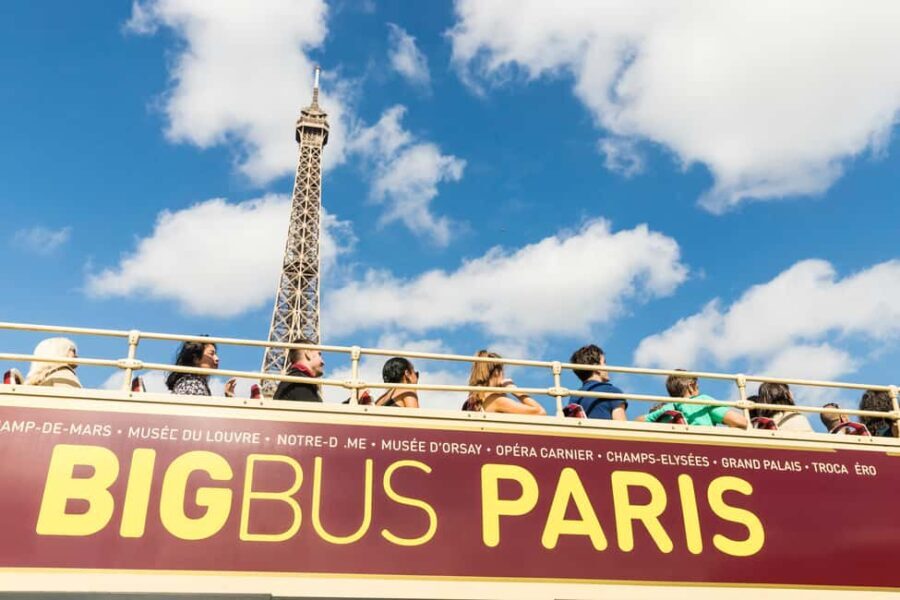
The Paris Pass Plus is the “everything” option. It goes beyond museums to include the Eiffel Tower (the Museum Pass does not cover it), a Seine river cruise, hop-on hop-off bus, and access to over 90 attractions total. It is run by Go City, not the official Museum Pass organization, so the terms and coverage are different.
At $211 it is significantly more expensive, but if you were already planning to buy an Eiffel Tower ticket ($29-50 depending on the level), a river cruise ($15-20), and a Museum Pass ($62-92), the math can work out. The ratings are not as strong as the standalone Museum Pass — some buyers find the attraction access confusing or the reservation process clunky. But for first-time visitors who want a single pass for everything, it covers a lot of ground.
3. Museum Pass + Seine River Cruise Combo — $141
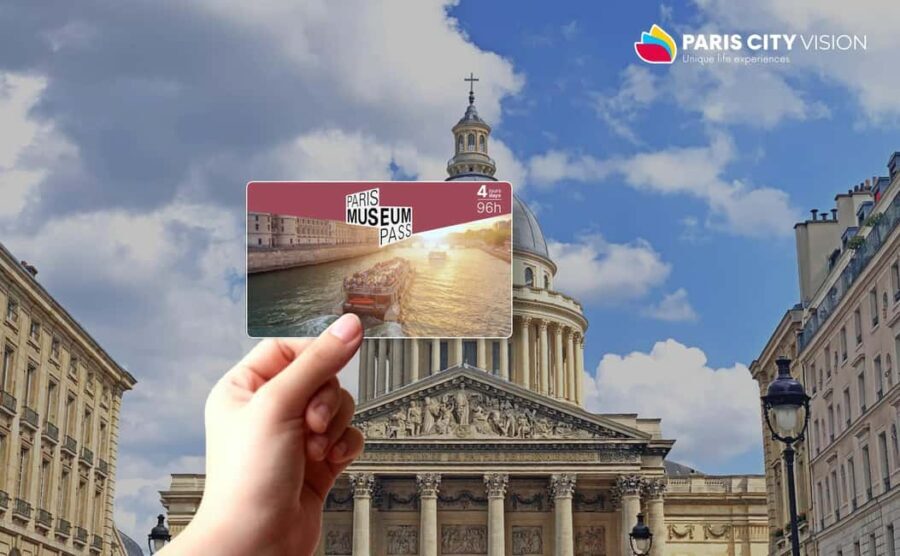
This bundles the standard Museum Pass with a one-hour Seine River cruise. It is a nice add-on if you were going to do a cruise anyway — the cruise alone usually costs €15-18 if you buy it separately, so you are essentially getting it at a small discount.
The cruise runs multiple times per day from the Pont Neuf area, and you can use it any day during your pass validity period. It is not a dinner cruise or anything fancy — just a standard sightseeing boat that goes past the Eiffel Tower, Notre-Dame, Musee d’Orsay, and back. At $141 for the combo, the markup over the standalone pass plus a separate cruise ticket is minimal.
When to Visit Paris Museums
Timing matters more than most people realize, and it can be the difference between a pleasant visit and a miserable one.
Best months: Late October through March (excluding Christmas/New Year week). The crowds drop off dramatically after the summer crush. November is particularly good — the weather is crisp but not brutal, and you can actually stand in front of a painting without someone elbowing you.
Worst months: July and August. Paris is packed with travelers, temperatures can hit 35C, and popular museums like the Louvre and Orsay have lines that snake around the block even with the Museum Pass. If you must visit in summer, go early morning or late afternoon.
Best days: Tuesday through Thursday. Most Paris museums are closed on either Monday or Tuesday — the Louvre closes Tuesdays, the Orsay closes Mondays. Plan your schedule around closures. Wednesdays are often the quietest day overall.
Free first Sundays: On the first Sunday of each month, many Paris museums offer free entry. This sounds great in theory. In practice, the queues are enormous and the museums are packed wall to wall. I would genuinely recommend avoiding museums on free Sundays unless you enjoy being in a crowd that moves at the speed of cold honey. France has offered free museum Sundays since the Revolution — the philosophy that culture should be accessible to everyone dates back to 1793, when the new Republic opened the Louvre’s royal collection to the public for the first time.
Late openings: The Louvre stays open until 9:45pm on Wednesdays and Fridays. The Orsay is open until 9:45pm on Thursdays. These evening slots are the best-kept secret in Paris museum-going — by 6pm, most of the day-trippers have left and you get the galleries practically to yourself.
How to Get to the Major Museums
Most of the big museums are clustered along the Seine, which makes route planning fairly simple.
The Louvre: Metro lines 1 and 7, station Palais Royal-Musee du Louvre. Exit directly into the underground shopping mall beneath the pyramid. This is actually the fastest entrance — you bypass the outdoor queue entirely.
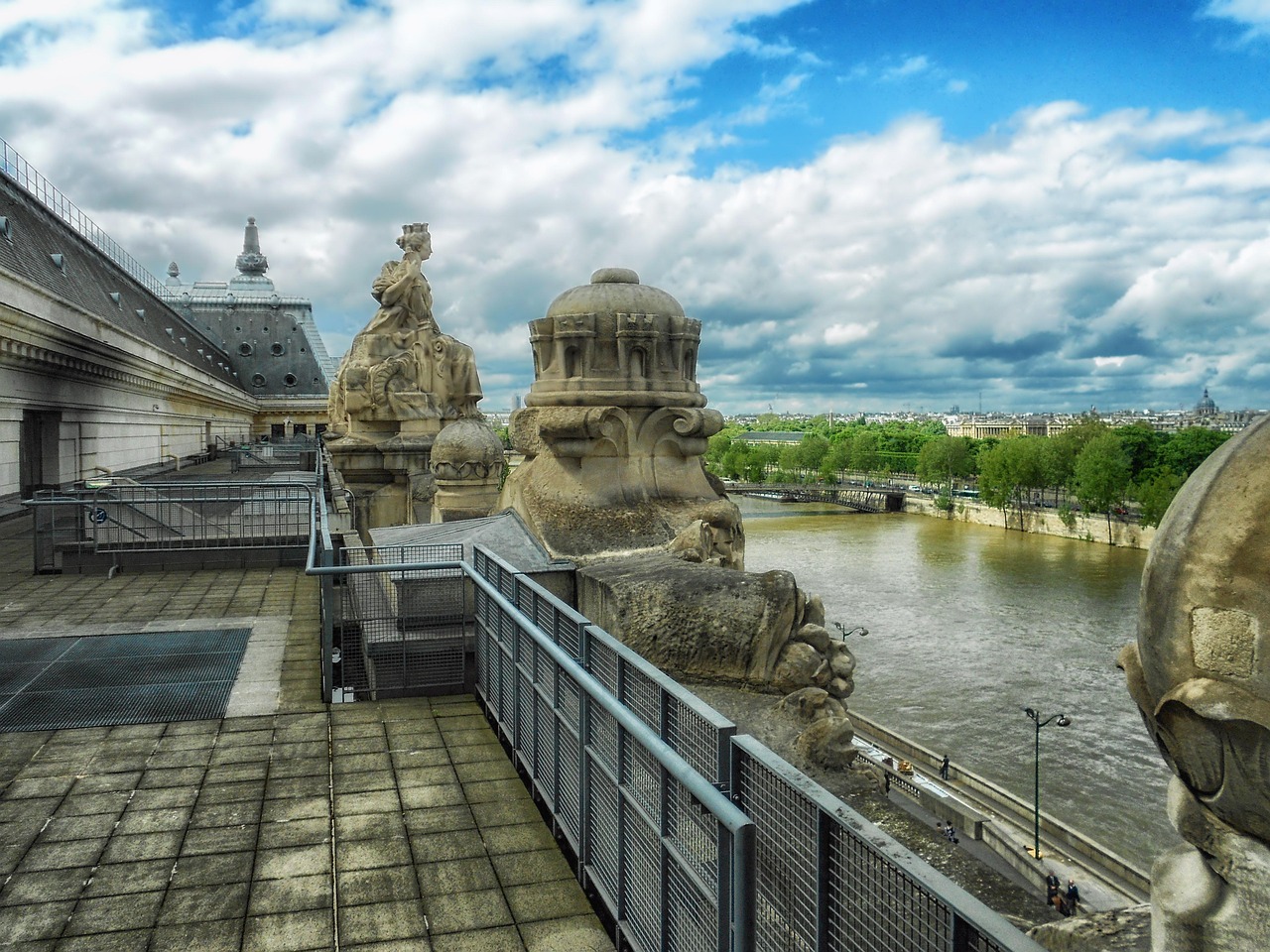
Musee d’Orsay: RER C, station Musee d’Orsay. Or Metro line 12, station Solferino (5-minute walk). The Orsay is directly across the river from the Tuileries Garden, so if you are coming from the Louvre, it is a pleasant 15-minute walk along the Seine.
Versailles: RER C from central Paris to Versailles Rive Gauche. About 40 minutes each way. The palace is a 10-minute walk from the station. Note that Versailles transport is not covered by the Museum Pass — you need a separate train ticket (about €7 round trip with a Navigo pass, or €4 each way).
Sainte-Chapelle: Metro line 4, station Cite. It is on the Ile de la Cite, the same island as Notre-Dame. Walk-in queue can be brutal in summer — arriving before 9:30am or after 4pm makes a huge difference.
Arc de Triomphe: Metro lines 1, 2, and 6, station Charles de Gaulle-Etoile. Take the underground tunnel from the station to the base of the Arc. Do not try to cross the roundabout on foot.
Tips That Will Save You Time and Money
- Activate your pass first thing in the morning. Since it counts calendar days, activating at 8:30am versus 3pm costs you nothing extra but gives you a full first day.
- Start with Versailles or the Louvre. These are the most expensive individual tickets (€21 and €22), so hitting them first means the pass is already half paid for by lunchtime on day one.
- Stack expensive museums on day one. Front-load the priciest museums. If you hit Louvre + Orsay + Arc de Triomphe on day one, you have already exceeded the cost of the 2-day pass and everything else is gravy.
- Keep the pass handy. You will flash it dozens of times. A lanyard or front pocket beats digging through a bag at every entrance.
- Check closure days before planning. The Louvre is closed Tuesdays. The Orsay and Orangerie are closed Mondays. Versailles is closed Mondays. The Pantheon and Arc de Triomphe are open daily. Plan your itinerary around these closures so you don’t waste a pass day.
- The pass does not eliminate all queues. Security lines still exist at every museum, and the Louvre security line can be 20-30 minutes regardless of your ticket. The pass skips the ticket queue, not the security queue.
- Pair nearby museums. The Orsay and Orangerie are a 5-minute walk apart — do both in one afternoon. Sainte-Chapelle and the Conciergerie are literally next door to each other. The Louvre and the Tuileries Garden (free) make a natural morning-to-lunch combination.
- Under 18? Skip the pass entirely. Most French national museums are free for visitors under 18 (all EU residents under 26 get free entry to national museums too). If you are traveling with teenagers, they may not need any tickets at all.
What You’ll Actually See: A Quick Guide to Each Major Museum
Here is a very brief rundown of the big names covered by the pass, so you can decide which ones matter to you.
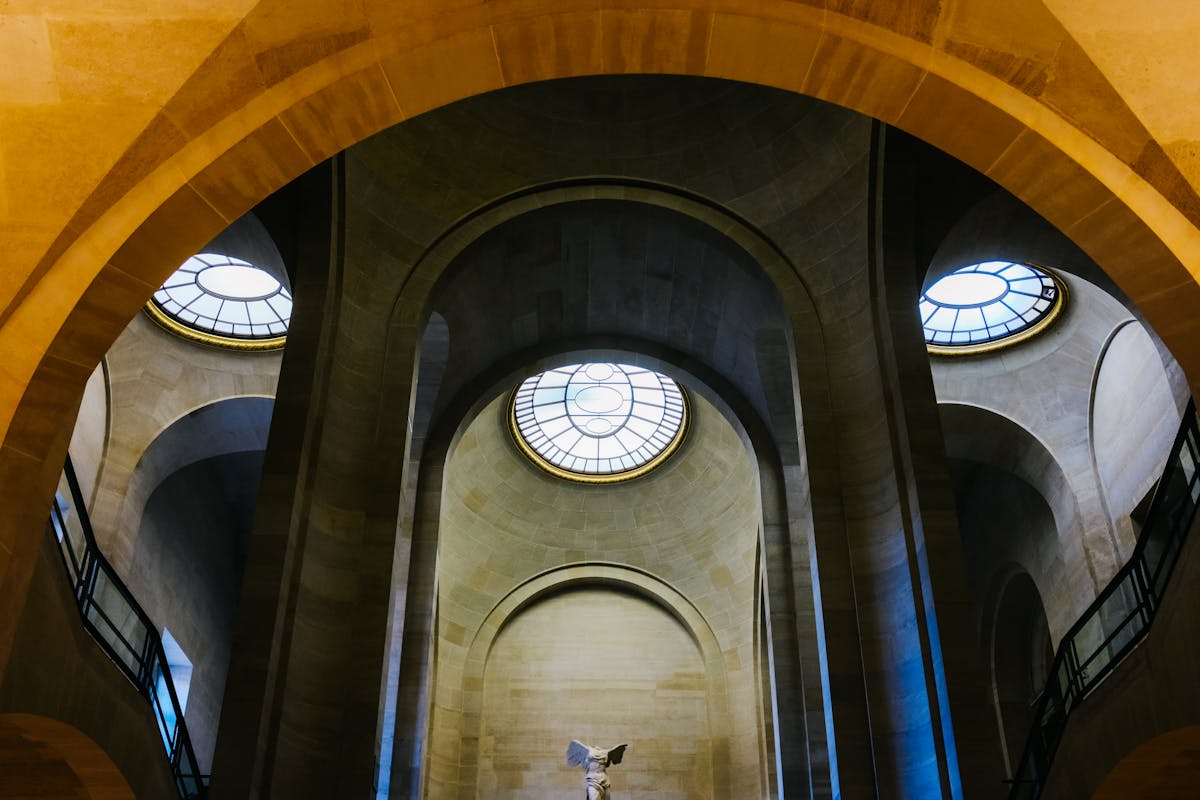
The Louvre — 35,000 works across 72,735 square meters. The Mona Lisa gets all the attention (and the biggest crowd), but the Winged Victory of Samothrace and the Venus de Milo are both more impressive in person. Budget a minimum of 3 hours, ideally half a day. The Museum Pass lets you leave and come back the same day, which is the smartest way to do it — morning visit, lunch break, afternoon return.
Musee d’Orsay — The world’s finest Impressionist collection, housed in a former railway station. The fifth-floor galleries with the Monets and Renoirs are the main draw, but don’t skip the ground floor sculptures. Two to three hours is about right.
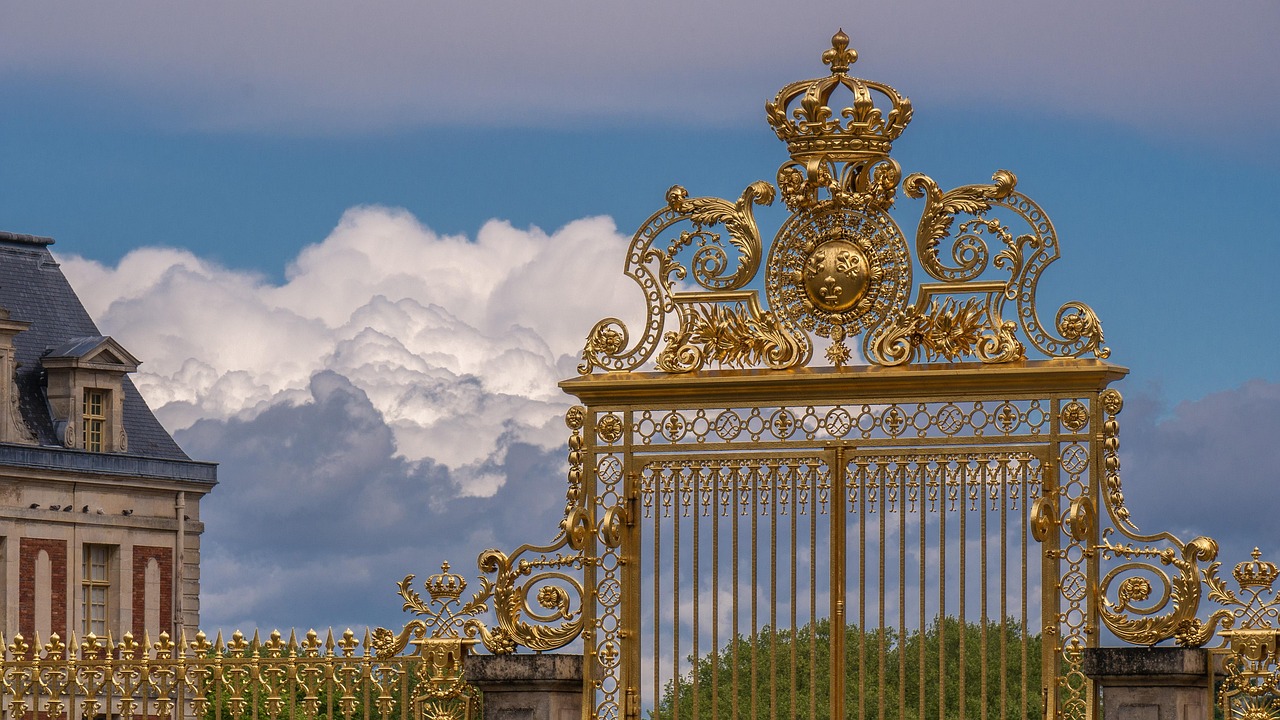
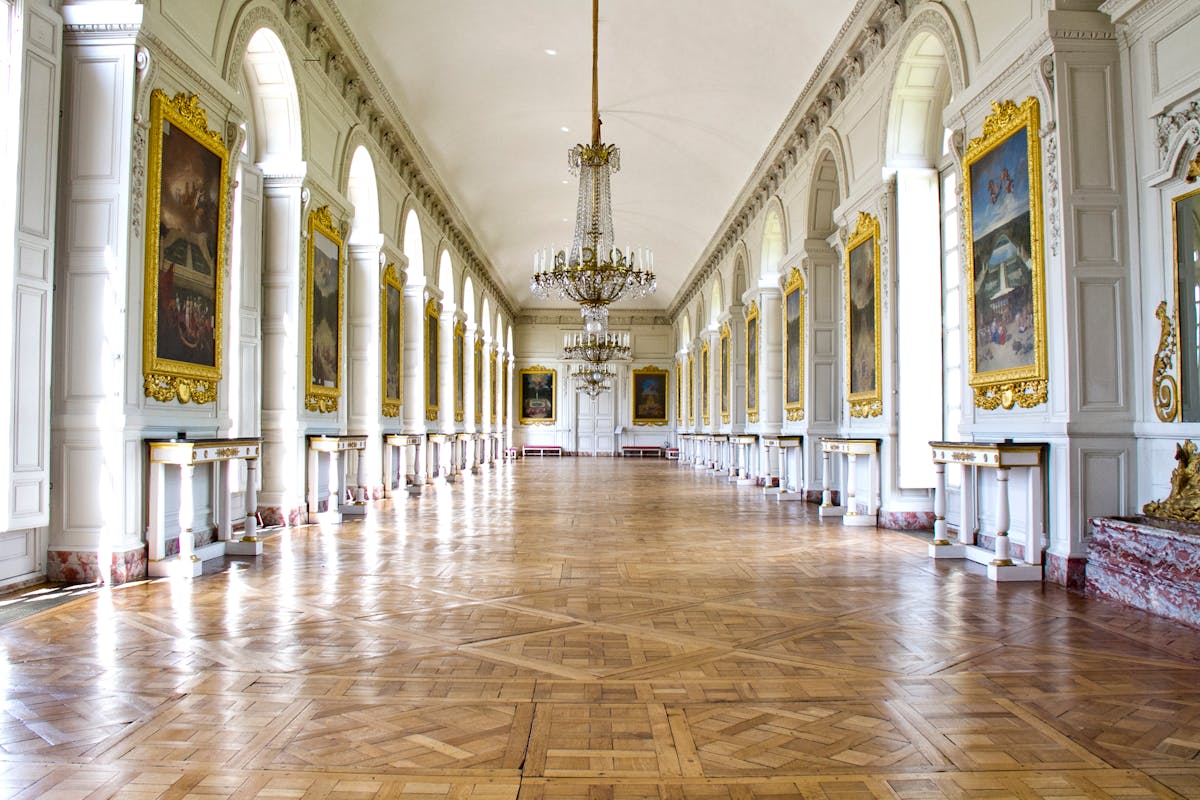
Palace of Versailles — The Hall of Mirrors is the highlight, but the entire palace is staggering in its scale and excess. Marie Antoinette’s estate and the gardens deserve their own afternoon. Budget a full day. The Museum Pass covers the palace and the Trianon estates — the only extras are the Musical Fountains and Musical Gardens shows on selected dates.
Sainte-Chapelle — A Gothic chapel built in the 1240s to house relics from the Crucifixion. The upper chapel is floor-to-ceiling stained glass and it hits you like a wall of color when you walk in. Thirty minutes to an hour is enough, but sunny afternoons produce the best light.
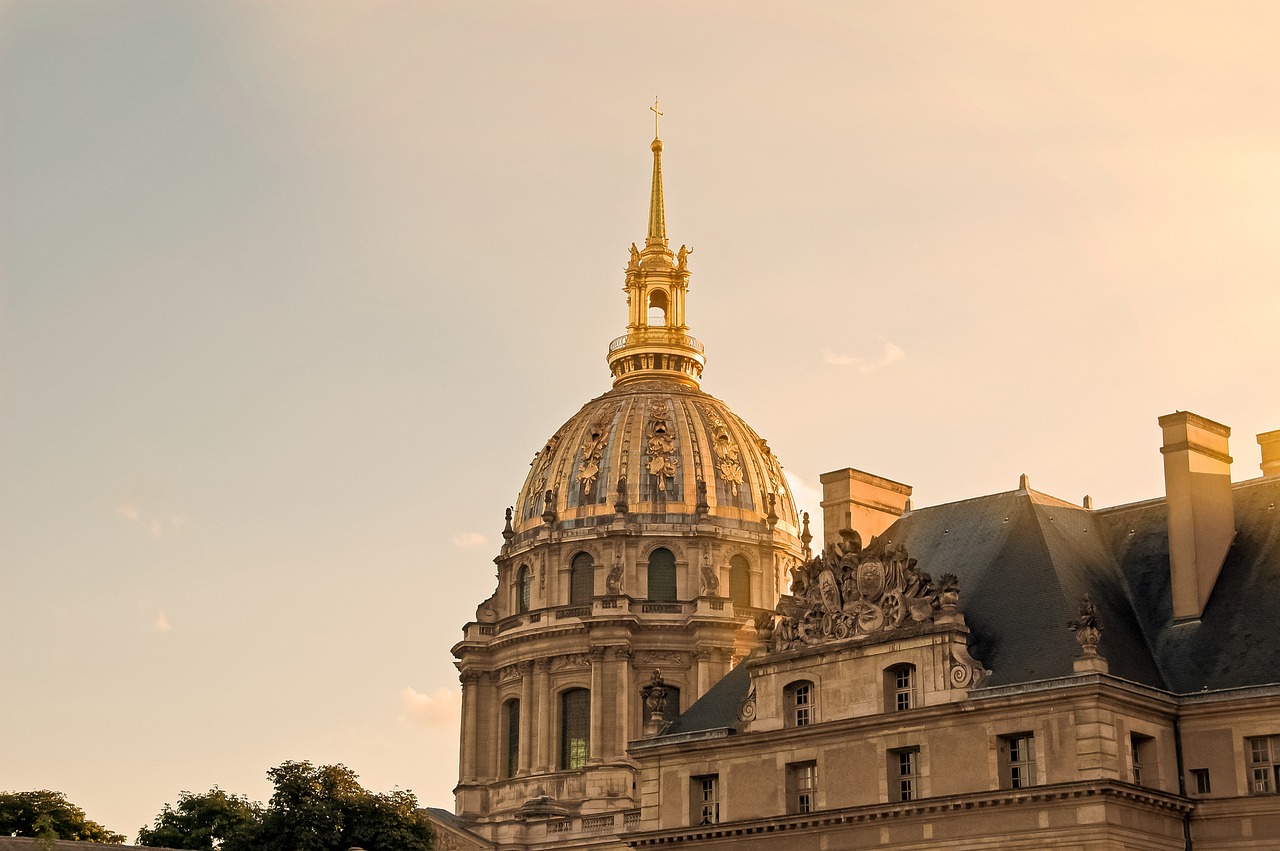
Les Invalides — Napoleon’s tomb sits beneath the golden dome in a massive red marble sarcophagus. The Army Museum that surrounds it covers French military history from the Middle Ages through World War II. If you have any interest in history, allow 2-3 hours.
Arc de Triomphe — 284 steps to the rooftop terrace, which has the best panoramic view in Paris. You can see down the Champs-Elysees, across to the Eiffel Tower, and out to La Defense. Thirty to forty-five minutes including the climb.
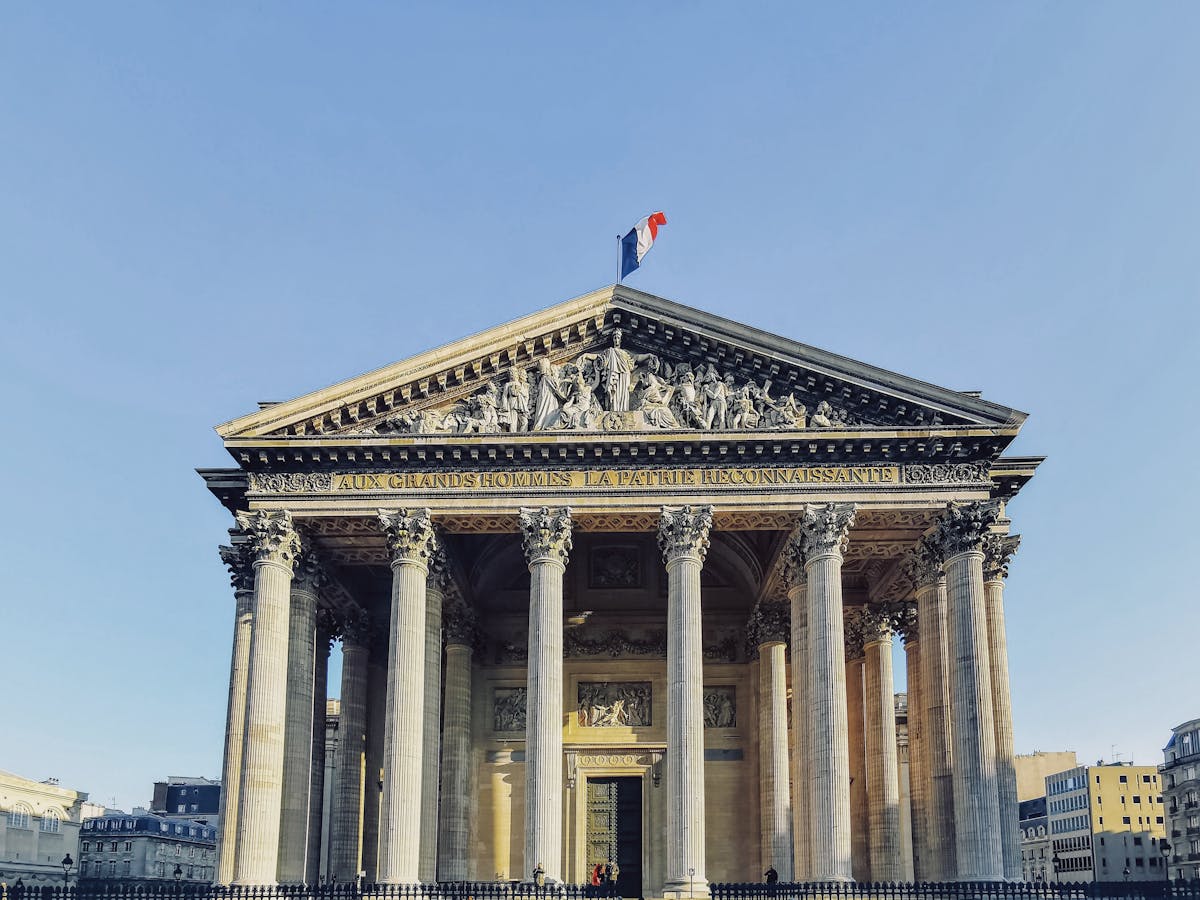
The Pantheon — The final resting place of Voltaire, Rousseau, Victor Hugo, Marie Curie, and Alexandre Dumas, among others. Foucault’s pendulum still hangs from the dome. It is quieter than most of the other big museums, which makes it a welcome break from the crowds. One hour is plenty.
Musee de l’Orangerie — Two oval rooms containing Monet’s Water Lilies murals, painted specifically for this space. The lower level has a strong collection of early modern art. Smaller museum, but the Lilies rooms are worth the visit on their own. One hour.
A Brief History of the Paris Museum Pass
The Paris Museum Pass was introduced in 1999 with a specific goal: to encourage travelers to visit museums beyond the Louvre. Before the pass existed, most visitors went to the Louvre and maybe the Orsay, then skipped everything else. The pass created an economic incentive to explore — once you have paid a flat fee, every additional museum visit feels free.
The strategy worked. Smaller museums like the Musee de Cluny (medieval art), the Musee des Arts et Metiers (science and technology), and the Musee Guimet (Asian art) saw significant increases in visitor numbers after the pass launched. France has more museums per capita than any other country in the world, and the government has long believed that cultural access should be as broad as possible.
That philosophy goes back further than you might think. When the French Revolution toppled the monarchy in 1789, one of the new Republic’s first cultural acts was to open the Louvre — which had been a royal palace — to the public in 1793. It was a radical idea at the time: that art belonging to the crown should belong to the people. Free first Sundays at French national museums are a direct continuation of this philosophy, and the Museum Pass extends the same logic to travelers.
More Paris Guides
If you are spending a few days in Paris with a Museum Pass, you will likely want individual guides for the bigger museums. Our Louvre ticket guide covers the best entrance strategies and time slots, and the Orsay guide breaks down which floors to prioritize if you only have two hours. Versailles deserves its own day trip plan — our guide covers the train, the best route through the palace, and whether the Trianon estates are worth the extra walking. For something smaller and less crowded, Sainte-Chapelle and the Pantheon are both underrated and walkable from Notre-Dame. And if you want the best rooftop view in Paris, our Arc de Triomphe guide explains exactly how to time your visit for sunset. Don’t forget Les Invalides if you’re into military history, and the Orangerie for Monet’s Water Lilies — both make excellent half-day visits that pair well with a Seine-side walk. Palais Garnier rounds out the pass with one of the most photographed interiors in the city.
This article contains affiliate links. If you buy a Museum Pass or book a tour through our links, we earn a small commission at no extra cost to you. This helps us keep writing honest, practical travel guides.