
The building looks like someone poured molten gold into the shape of a wine glass and let it harden on the banks of the Garonne. That’s not me being dramatic — the architects at XTU literally designed the Cite du Vin to resemble wine swirling inside a glass. When I first saw it from across the river, I thought it was still under construction. Turns out that’s just what finished looks like when you’re trying to make a museum feel like liquid.
Bordeaux’s wine museum opened in 2016, but the city’s relationship with wine goes back roughly two thousand years. The Romans planted the first vines here in the 1st century AD. And it was an English king’s taste for red Bordeaux — what they called “claret” — that turned this river port into the wine capital of the world.
Getting tickets right is the difference between walking straight in and standing in a queue that wraps around the building. Here’s everything you need to know.
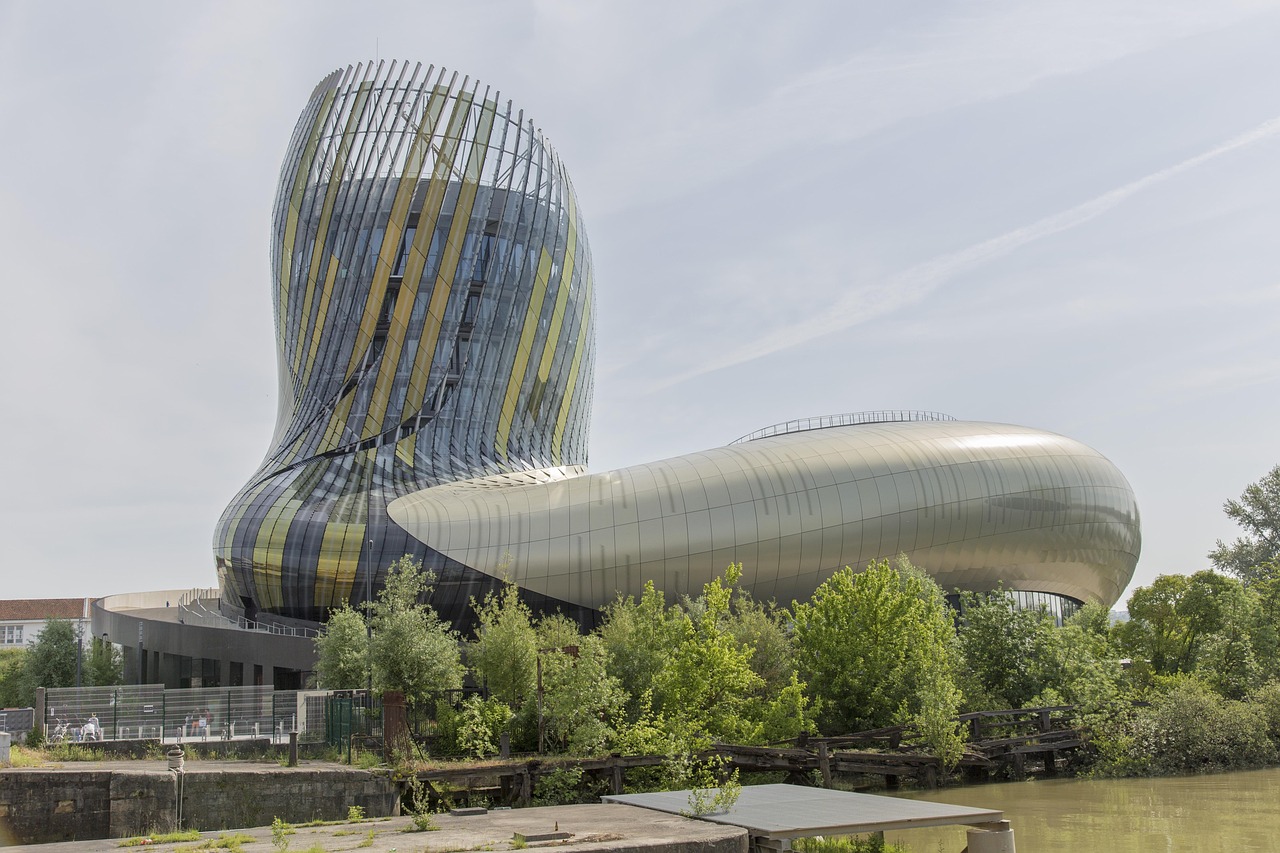

Best overall: Cite du Vin Entry Ticket and Wine Tasting — $27. Skip-the-line access plus a glass of wine at the top-floor belvedere with panoramic views over the city. The obvious choice for most visitors.
Best wine experience: Afternoon Saint-Emilion Wine Tasting Trip — $112. If you want the real thing — actual vineyards, actual cellars, actual winemakers — this half-day trip to Saint-Emilion is hard to beat.
Best budget addition: Garonne River Cruise with Wine and Canele — $22. Pair it with your Cite du Vin visit for the full Bordeaux wine experience on the cheap.
- How the Cite du Vin Ticket System Works
- Official Tickets vs. Guided Tours — Which One Makes Sense?
- The 5 Best Bordeaux Wine Tours to Book
- 1. Bordeaux: Cite du Vin Entry Ticket and Wine Tasting —
- 2. Bordeaux: River Garonne Cruise with Glass of Wine and Canele —
- 3. From Bordeaux: Afternoon Saint-Emilion Wine Tasting Trip — 2
- 4. Medoc or Saint-Emilion Wine Tasting and Chateau from Bordeaux — 5
- 5. Saint-Emilion Day Trip with Sightseeing Tour and Wine Tastings from Bordeaux — 0
- When to Visit the Cite du Vin
- How to Get to the Cite du Vin
- A Wine History That Shapes Everything You’ll See Inside
- Tips That Will Save You Time (and Money)
- What You’ll Actually See Inside
- While You’re in Bordeaux
How the Cite du Vin Ticket System Works
The Cite du Vin sells tickets both at the door and online, but the online route saves you a significant amount of time — particularly between May and September when the museum sees its heaviest foot traffic. The standard adult ticket costs around EUR 22 (roughly $24-27 depending on exchange rates) and includes full access to the permanent exhibition plus one tasting at the Belvedere on the 8th floor.
There are several ticket types to be aware of:
Standard ticket (EUR 22): Permanent exhibition access plus one wine tasting at the Belvedere. This is what 90% of visitors buy. You get a companion guide device included — it’s like a large smartphone that responds to the interactive exhibits as you walk through.
Temporary exhibition add-on (EUR 27): Same as above but also grants entry to whatever rotating exhibition is on display. Worth it if the current show interests you, but don’t feel pressured — the permanent collection alone takes 2-3 hours if you’re thorough.
Kids under 6: Free. Kids aged 6-17 pay a reduced rate of about EUR 17.
Bordeaux City Pass holders: The Cite du Vin is included in the Bordeaux Metropole City Pass (24h, 48h, or 72h versions). If you’re planning to visit several museums and use the tram, the City Pass often pays for itself within a day.
Online tickets are technically timed entries, but in practice the museum doesn’t enforce time slots strictly outside of peak summer weekends. That said, booking a morning slot (10:00 or 10:30) gives you the best experience — fewer people at the interactive stations and shorter waits for the tasting at the Belvedere.
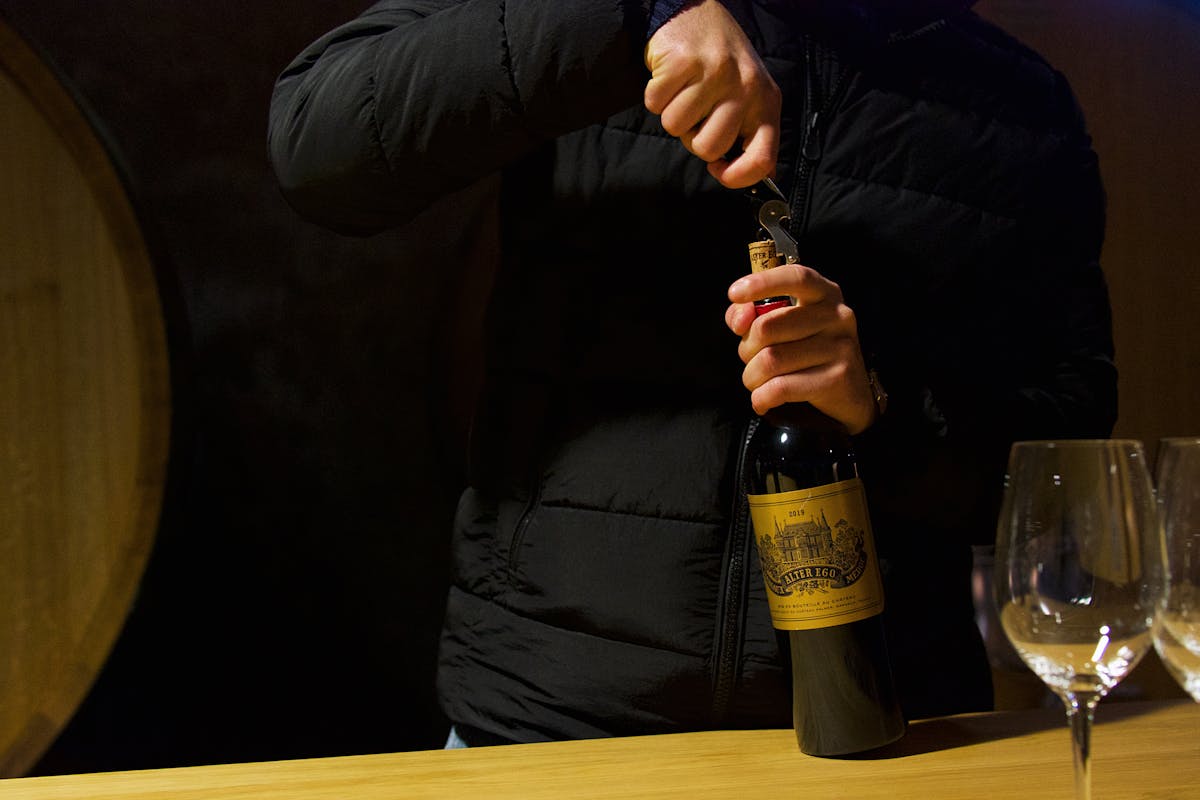
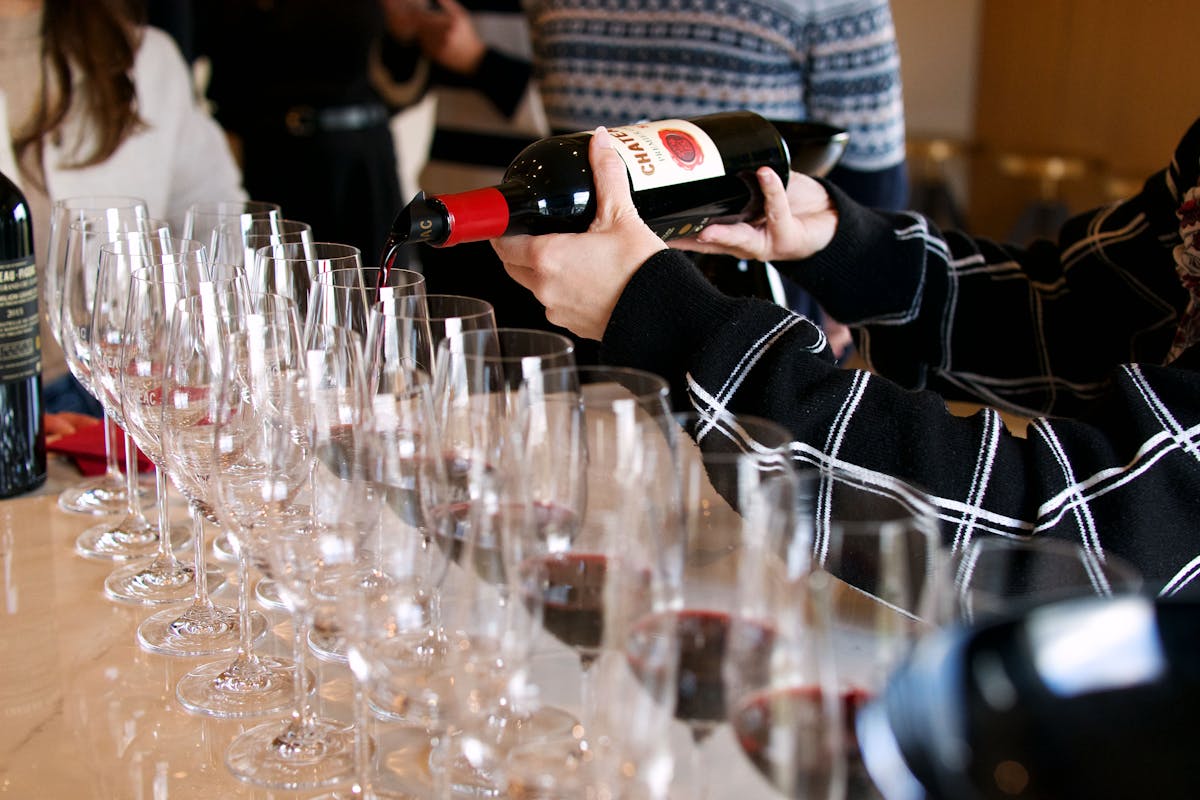
One thing that caught me off guard: the wine tasting at the top isn’t a pour-your-own situation. You pick from a selection of wines displayed on a screen, hand your voucher to the bar staff, and they pour you a single glass. The selection changes regularly and usually includes something local alongside international options. Go for the Bordeaux — you’re literally standing above the Garonne with the vineyards somewhere on the horizon.
Official Tickets vs. Guided Tours — Which One Makes Sense?
This is where most people overthink things. The Cite du Vin is designed as a self-guided experience. The companion device they hand you at the door is genuinely well-made — it tracks your position in the exhibition and plays relevant audio/video content automatically. You don’t need a human guide to get the most out of the permanent collection.
So why would anyone book a guided tour?
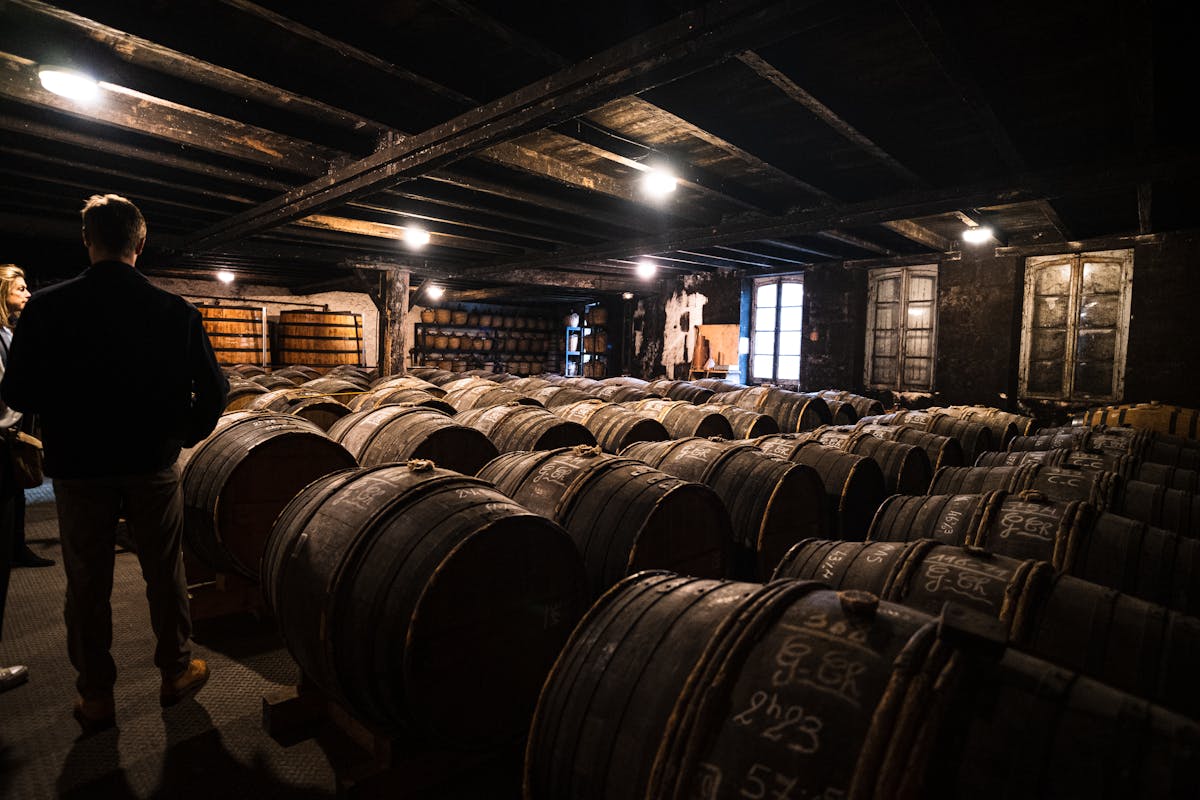
Honestly, the tours that include the Cite du Vin as part of a bigger package are the ones worth considering. A standalone guided visit to just the museum isn’t dramatically better than going solo. But combining your Cite du Vin ticket with a wine tour through the actual Bordeaux countryside — now you’re talking.
The museum teaches you the theory. The countryside shows you the practice. Watching a winemaker explain malolactic fermentation in the same cellar where it’s happening hits differently than reading about it on a screen, no matter how fancy the screen is.
For families with kids, the self-guided route is almost always the better call. Kids can move at their own pace, skip the sections that bore them, and spend extra time at the stations they enjoy. The sensory rooms (where you smell different wine aromas) tend to be a hit with under-12s who find the idea of sniffing things deeply entertaining.
The 5 Best Bordeaux Wine Tours to Book
I’ve pulled these from our database of thousands of verified tour reviews. Every tour listed here has been booked and rated by real travelers — I’m ranking them based on what actually works, not what looks good on a brochure. The first option is your Cite du Vin ticket, and the rest are tours that pair perfectly with a museum visit to give you the complete Bordeaux wine picture.
1. Bordeaux: Cite du Vin Entry Ticket and Wine Tasting — $27
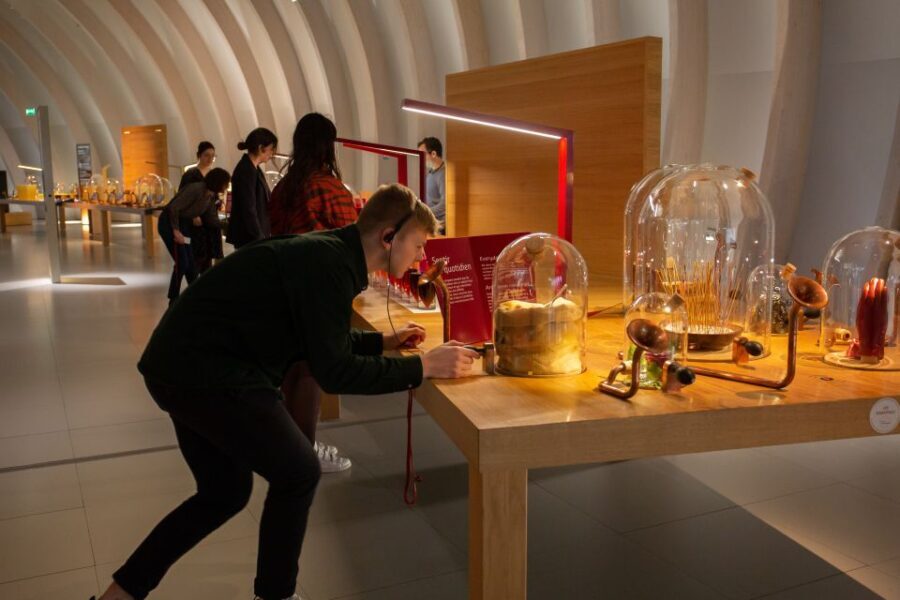
This is the entry ticket most visitors should start with. At $27 you get skip-the-line access (which matters — the regular queue can stretch past 30 minutes on summer mornings), the full permanent exhibition, and a glass of wine at the 8th-floor Belvedere with views stretching across the Garonne and the Bordeaux skyline.
The permanent exhibition covers wine culture across 20 different themed areas. Some are genuinely interesting — the section on terroir and how soil composition changes wine flavor is surprisingly hands-on. Others feel a bit theme-park-ish. But with close to 4,000 verified reviews and strong ratings, this is the safe bet. Most visitors spend 2-3 hours inside, though wine obsessives could easily double that.
2. Bordeaux: River Garonne Cruise with Glass of Wine and Canele — $22
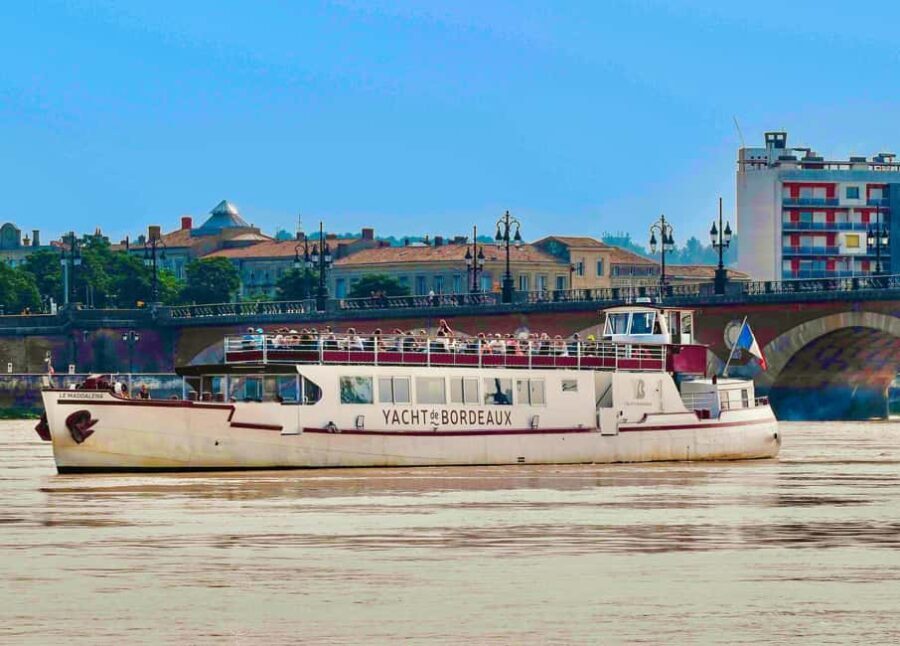
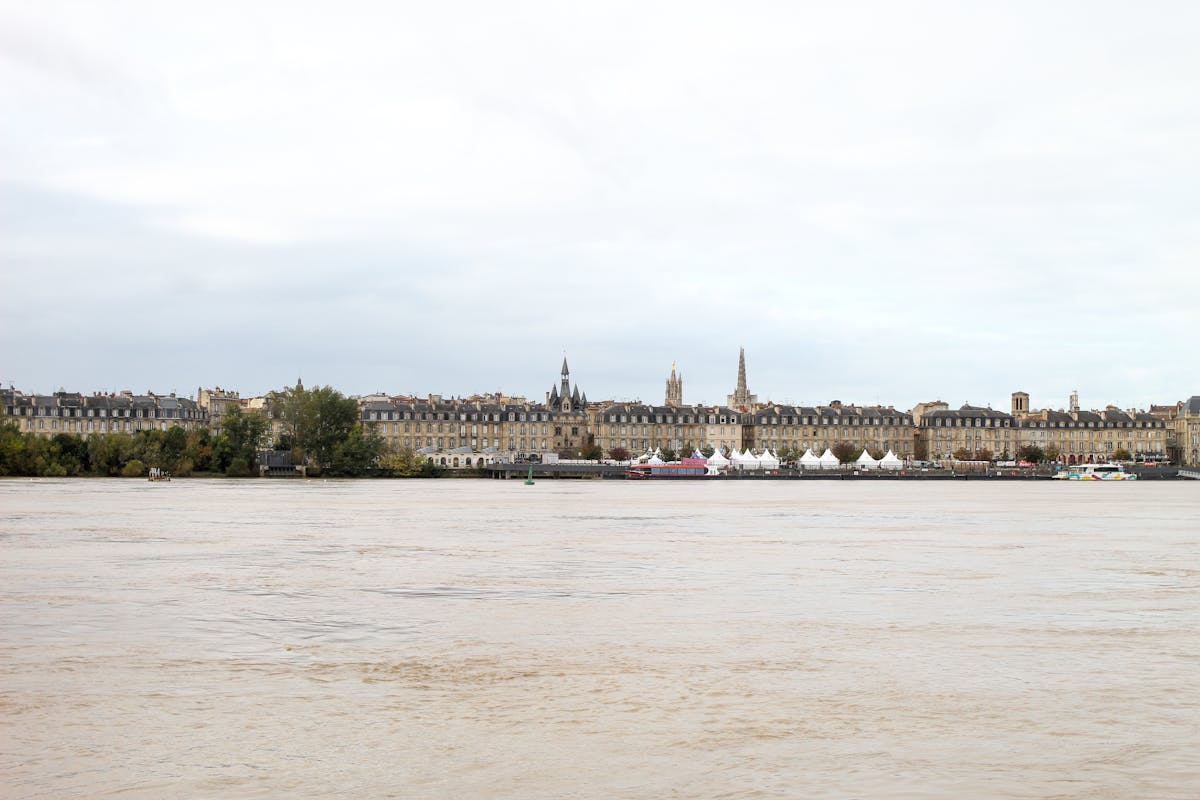
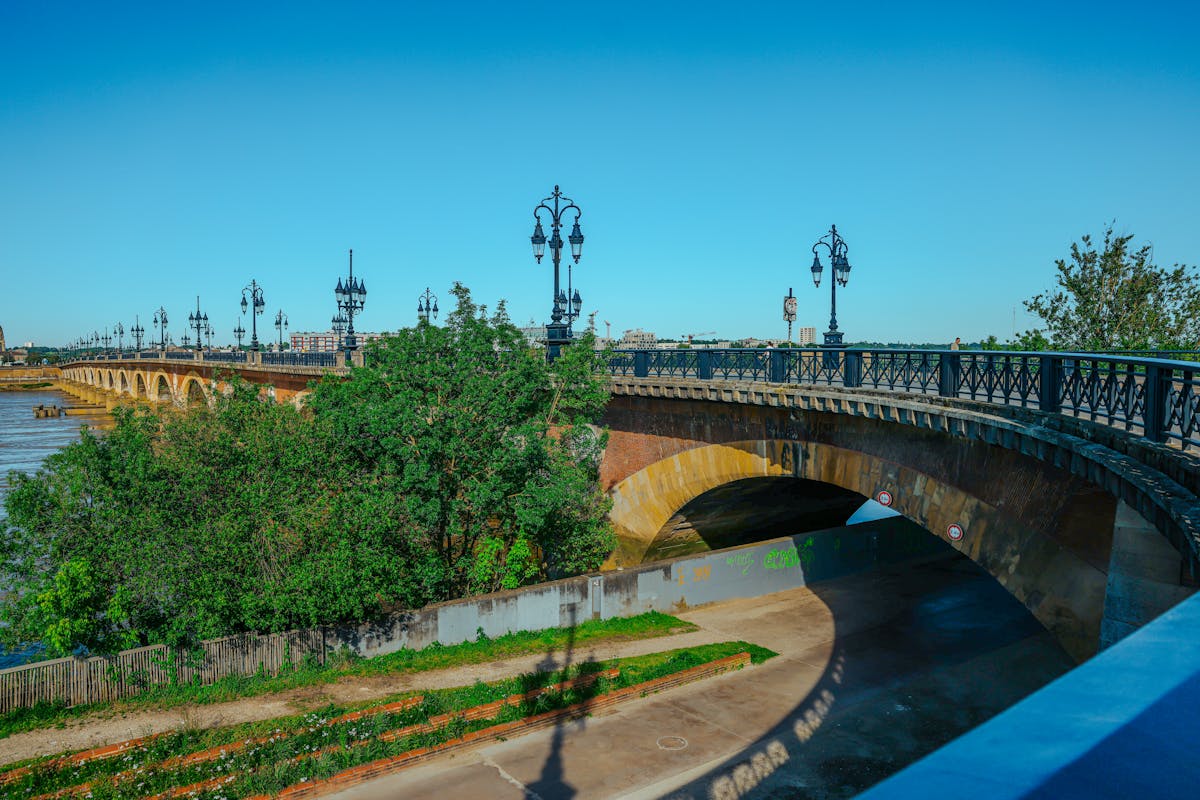
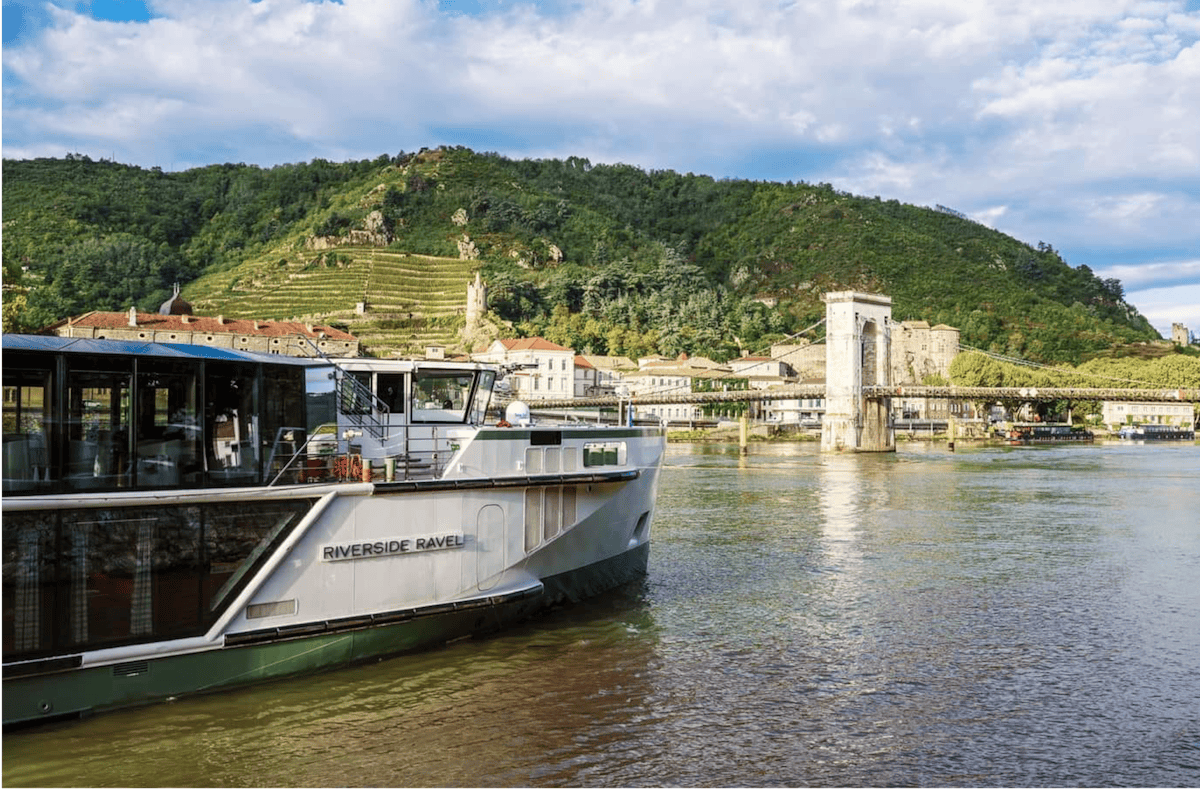
At $22, this is the best value add-on to a Cite du Vin visit. The 90-minute cruise along the Garonne comes with a glass of regional wine and a canele — that caramelized Bordeaux pastry that’s basically the city’s edible mascot. The route passes the major waterfront landmarks including Place de la Bourse, Pont de Pierre, and (fittingly) the Cite du Vin itself.
Over 3,600 travelers have rated this one, and the live commentary adds useful context about Bordeaux’s relationship with the river and its wine trade history. The port area was where English merchants loaded barrels of claret onto ships for 300 years straight. Not a bad way to spend an afternoon for less than the price of a decent bottle of Bordeaux.
3. From Bordeaux: Afternoon Saint-Emilion Wine Tasting Trip — $112
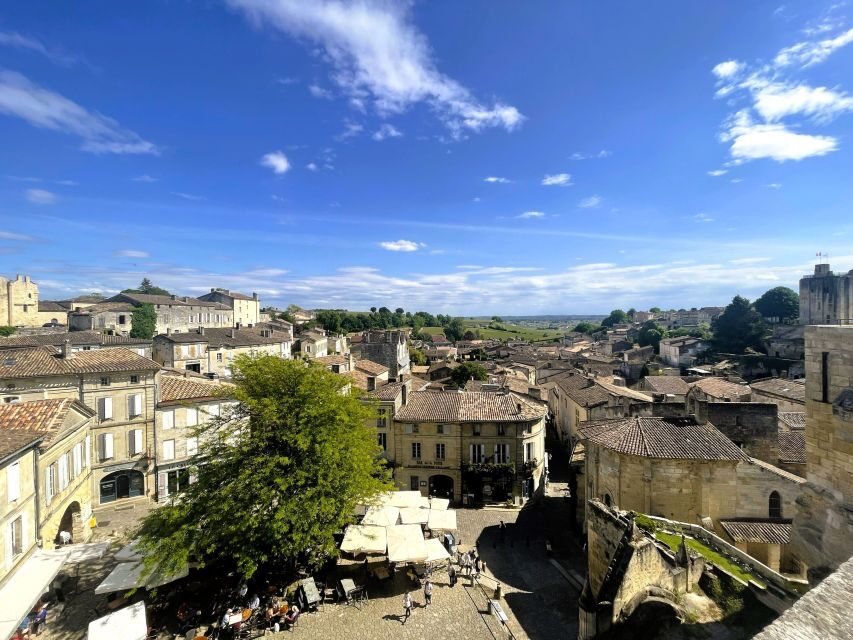
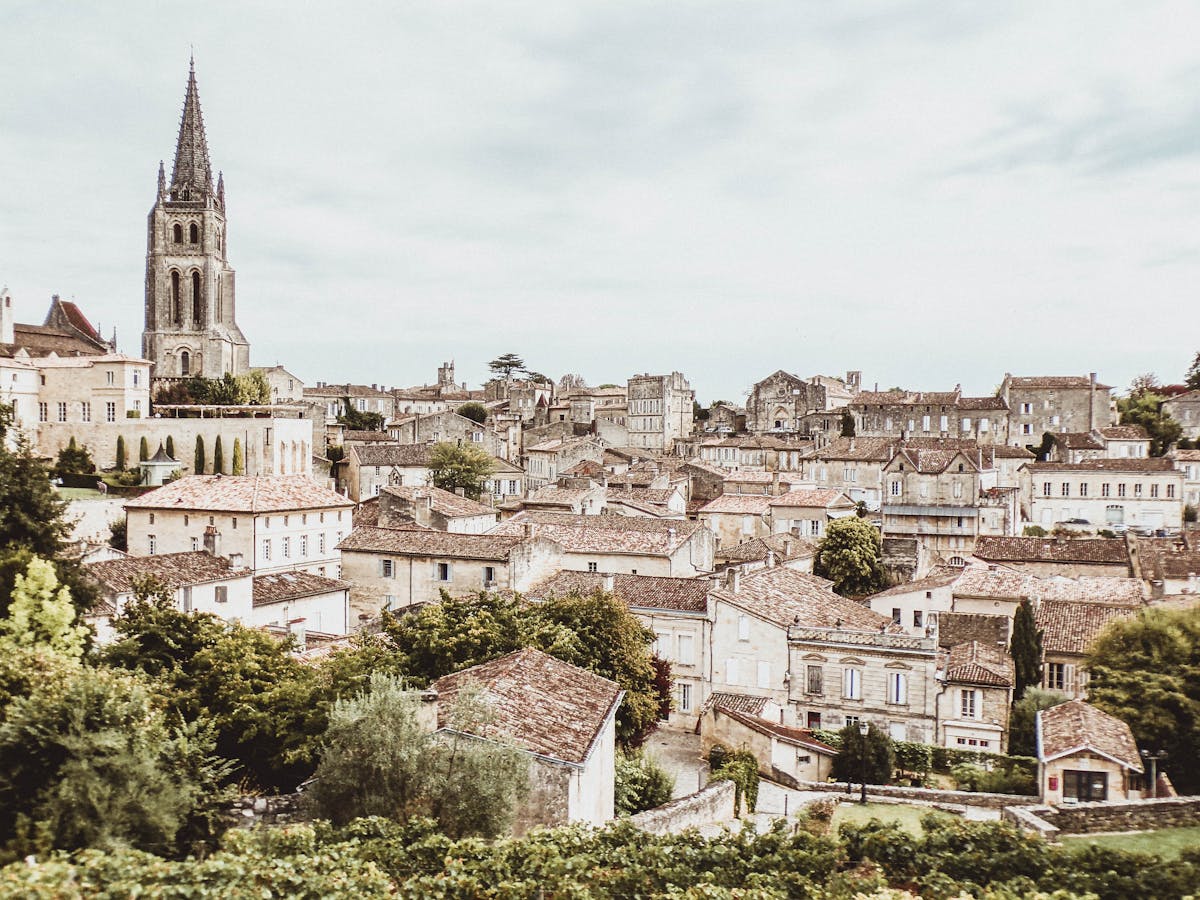
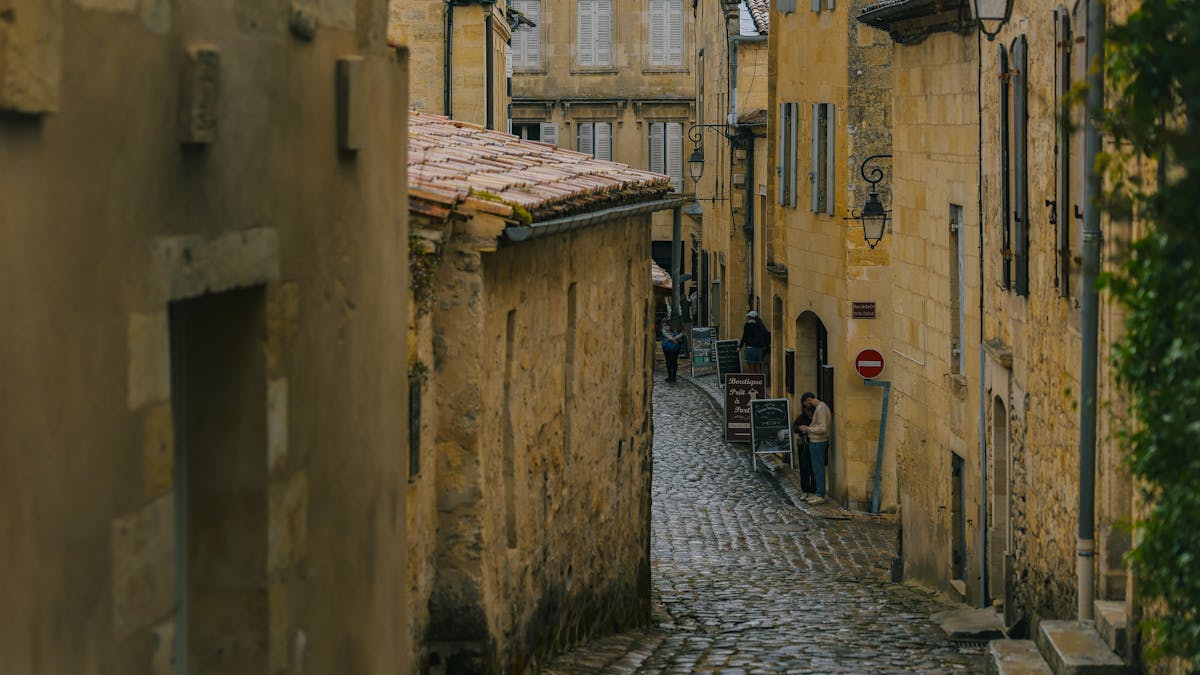
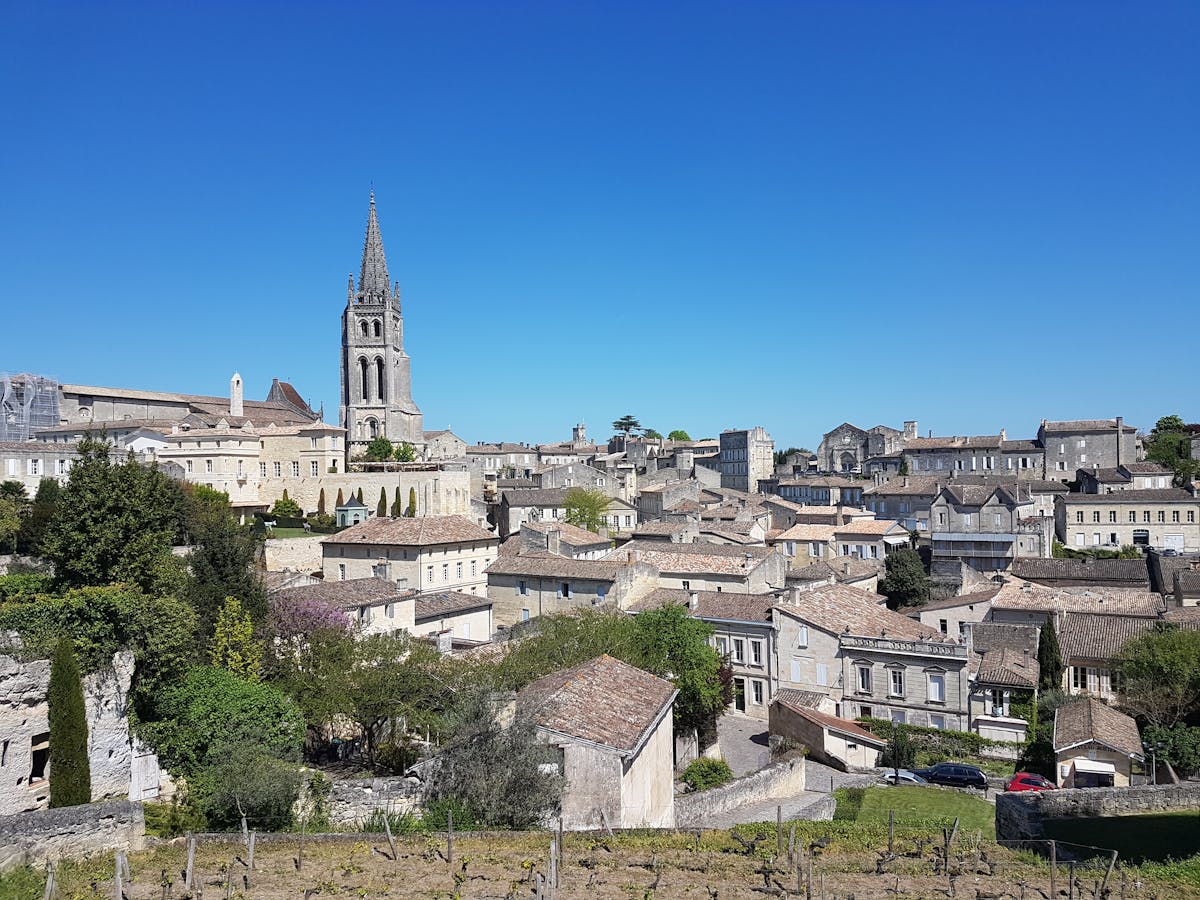
If the Cite du Vin teaches you about wine in theory, this tour takes you to where the magic actually happens. The half-day afternoon trip to Saint-Emilion includes guided tastings at local wineries plus time to wander through one of the most photogenic wine villages in France.
At $112 it’s a step up in price but you’re getting transport, a knowledgeable guide, and wine tastings that would cost you at least that much if you organized them independently. Saint-Emilion is about 40 minutes east of Bordeaux and nearly impossible to reach without a car, so the included transport alone has value. The 1,500+ reviews speak to consistent quality — though fair warning, one reviewer noted this is more of a cultural tour with some wine than a pure drinking expedition. Manage expectations and you’ll have a great time.
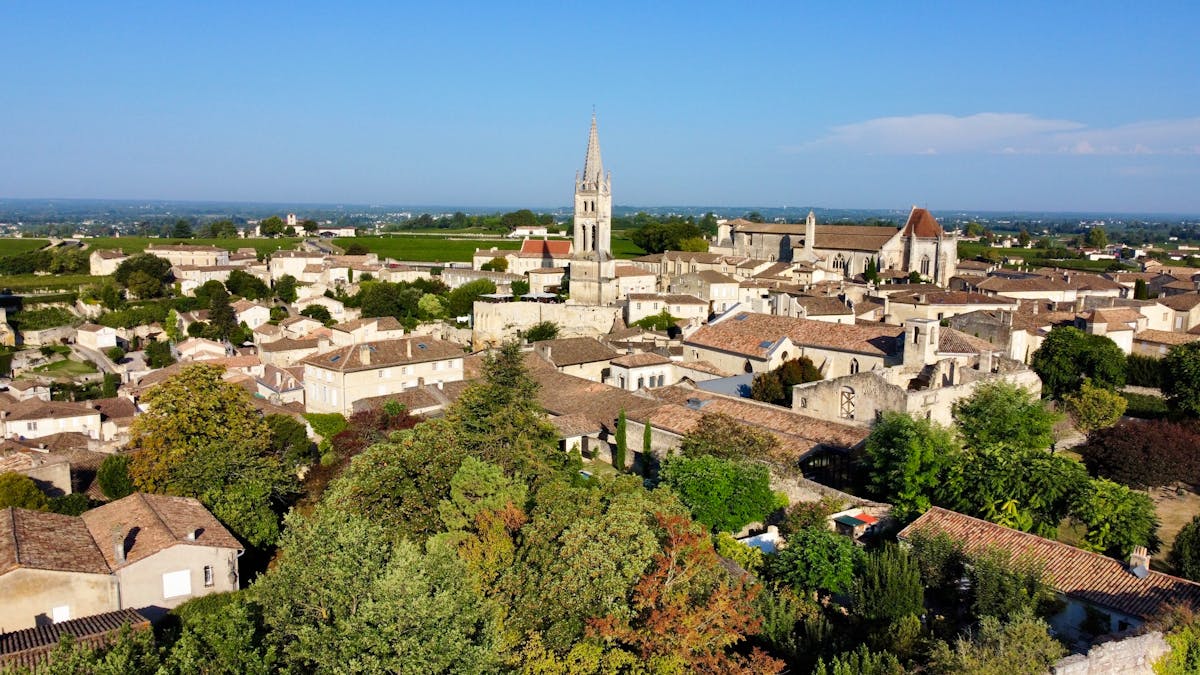
4. Medoc or Saint-Emilion Wine Tasting and Chateau from Bordeaux — $115
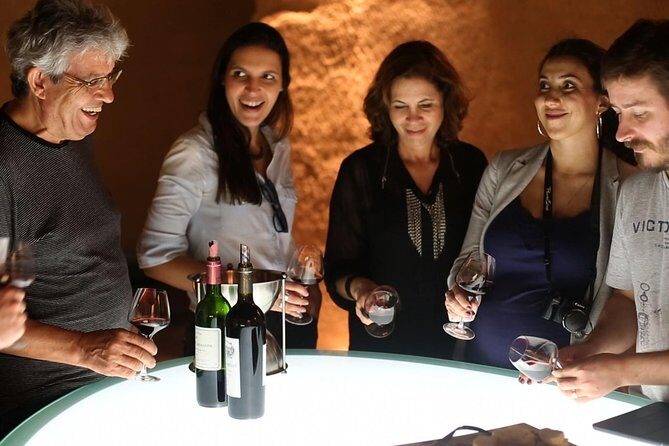
This one gives you a choice: Medoc (left bank, Cabernet Sauvignon territory) or Saint-Emilion (right bank, Merlot country). It’s a clever format because it means you can book this tour twice on different days and get completely different experiences. The small-group setup — max 8 people in most cases — means you actually get to talk to the winemakers instead of being herded through a tasting line.
The 4.5-hour duration hits a sweet spot. Long enough to visit two chateaux with proper tastings and a gourmet pairing, short enough that you’re back in Bordeaux for dinner. At $115, it’s nearly identical in price to the Saint-Emilion afternoon trip but includes more structured tastings and chateau visits. The perfect 5.0 rating across 1,400+ reviews is almost suspicious, but having read through the feedback, the guides genuinely seem to know their stuff — multiple reviewers mention learning about left bank vs right bank soil differences in a way that actually stuck.
5. Saint-Emilion Day Trip with Sightseeing Tour and Wine Tastings from Bordeaux — $250
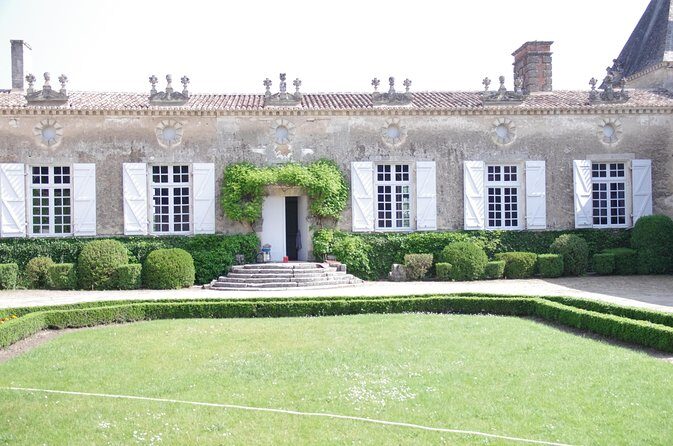
This is the premium option for anyone who wants to go deep. The full-day, 8-hour tour covers both Saint-Emilion and Pomerol — two of Bordeaux’s most prestigious wine appellations — with guided visits to three chateaux and tastings at each. The UNESCO-listed village of Saint-Emilion gets proper exploration time, not just a drive-through photo stop.
At $250 it’s the most expensive option on this list, but you’re getting an entire day’s worth of structured wine education, transport, and access to estates that don’t normally welcome walk-ins. The 1,100+ reviewers give it a perfect 5.0, and multiple people describe it as the highlight of their Bordeaux trip. If you can only do one full-day excursion from the city, this is the one I’d pick. Just make sure you schedule it for a different day than your Cite du Vin visit — trying to do both in one day is a recipe for wine fatigue.
When to Visit the Cite du Vin
The museum is open daily from 10:00 to 18:00 most of the year, with extended hours until 19:00 during summer (roughly April through October). It’s closed on Mondays from January through March, and shut entirely on December 25 and January 1.
Best time to visit: Weekday mornings, especially Tuesday through Thursday. Arrive for the 10:00 opening and you’ll have the interactive exhibits mostly to yourself for the first hour. By noon, school groups and cruise ship passengers start filtering in and the noise level goes up considerably.
Worst time: Saturday and Sunday afternoons in July and August. The queue for the Belvedere tasting can hit 20+ minutes, and the ground-floor exhibits get genuinely cramped. If summer weekends are your only option, book the earliest time slot available.
Shoulder season sweet spot: Late September through October. The summer crowds have thinned, the weather is still pleasant enough for the Belvedere terrace, and you’ll coincide with harvest season in the surrounding vineyards — which makes any day trips to Saint-Emilion or Medoc feel more alive.
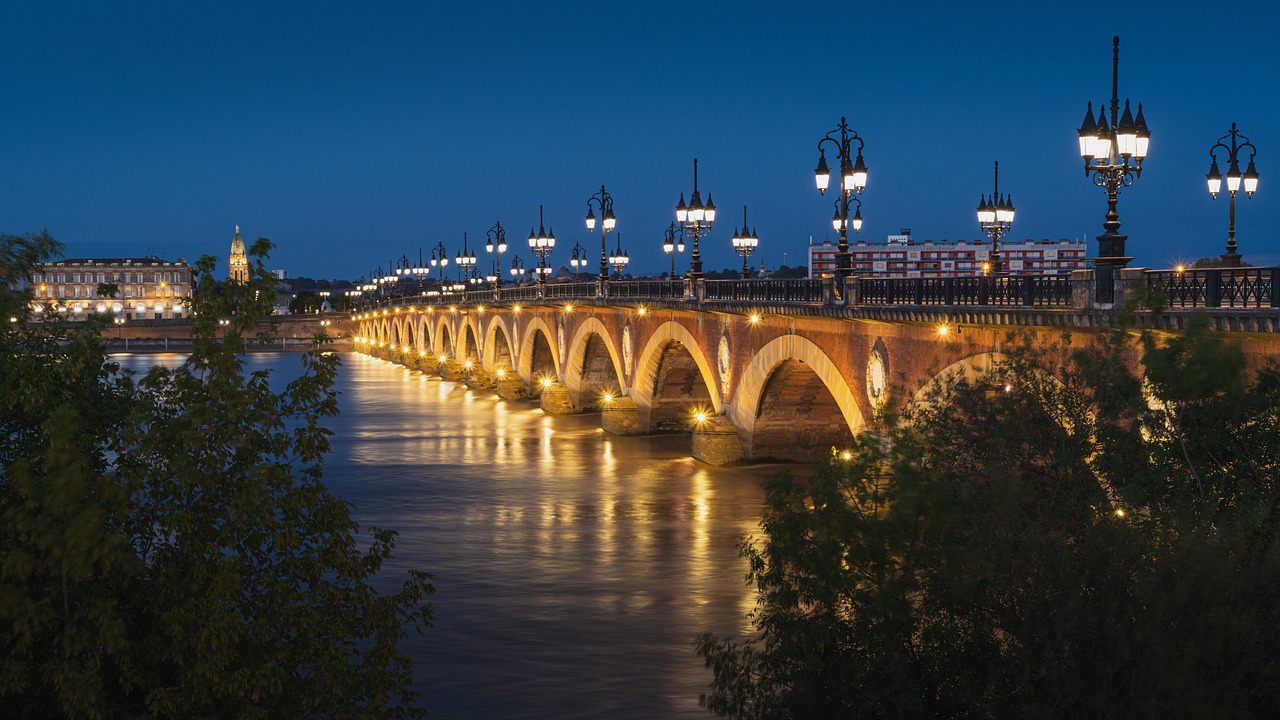
One more thing: try to save the Belvedere tasting for the end of your visit, not the beginning. The panoramic views are the best reward after spending 2-3 hours learning about wine below. Plus the late afternoon light hitting the Garonne from the 8th floor is genuinely beautiful — golden hour up there with a glass of Saint-Emilion in hand is hard to argue with.
How to Get to the Cite du Vin
The museum sits on the north end of Bordeaux’s waterfront, at 134 Quai de Bacalan. It’s slightly outside the historic city center but well connected by tram.
By tram: Take Line B to the “La Cite du Vin” stop. From the city center (Place de la Comedie), it’s about 15 minutes. Trams run every 4-7 minutes during the day. A single ticket costs EUR 1.70 and is valid for one hour of travel.
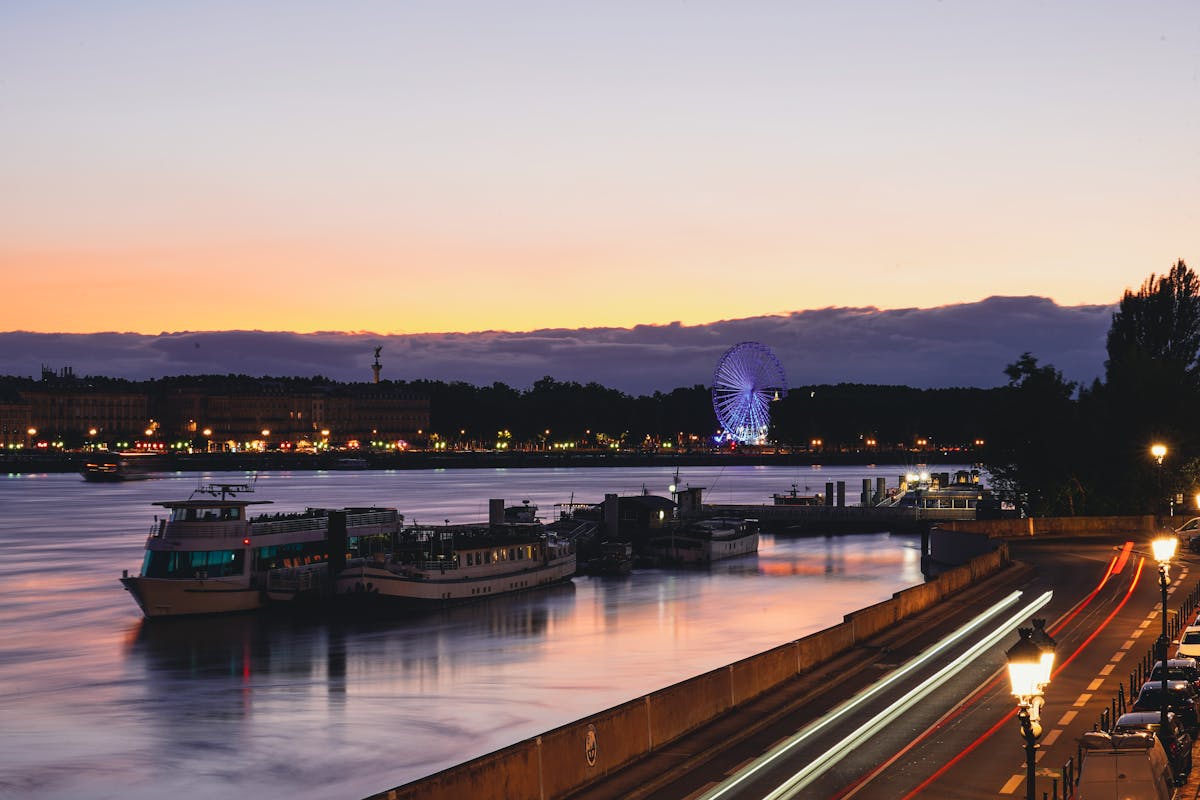
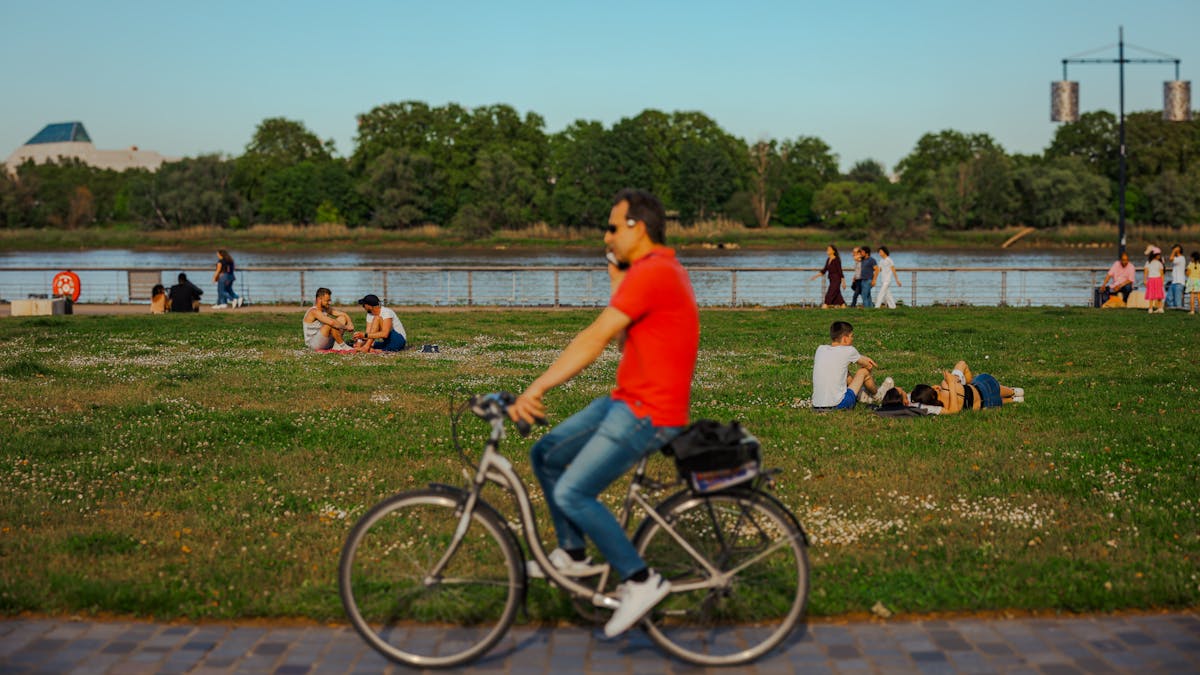
On foot: Walking from the historic center takes 25-30 minutes along the Garonne riverfront, which is actually one of the nicest urban walks in France. The quays have been beautifully renovated — you’ll pass the Miroir d’Eau, Place de la Bourse, and the old merchant docks. On a decent day, I’d skip the tram and walk there along the water.
By car: There’s a paid parking garage underneath the museum. Expect to pay around EUR 2/hour. During peak times it fills up, so arrive early or consider the tram instead.
By river shuttle: BatCub water buses connect various points along the Garonne, including a stop near the Cite du Vin. It’s a scenic option if you’re coming from the other side of the river, and uses the same ticket as the tram.
A Wine History That Shapes Everything You’ll See Inside
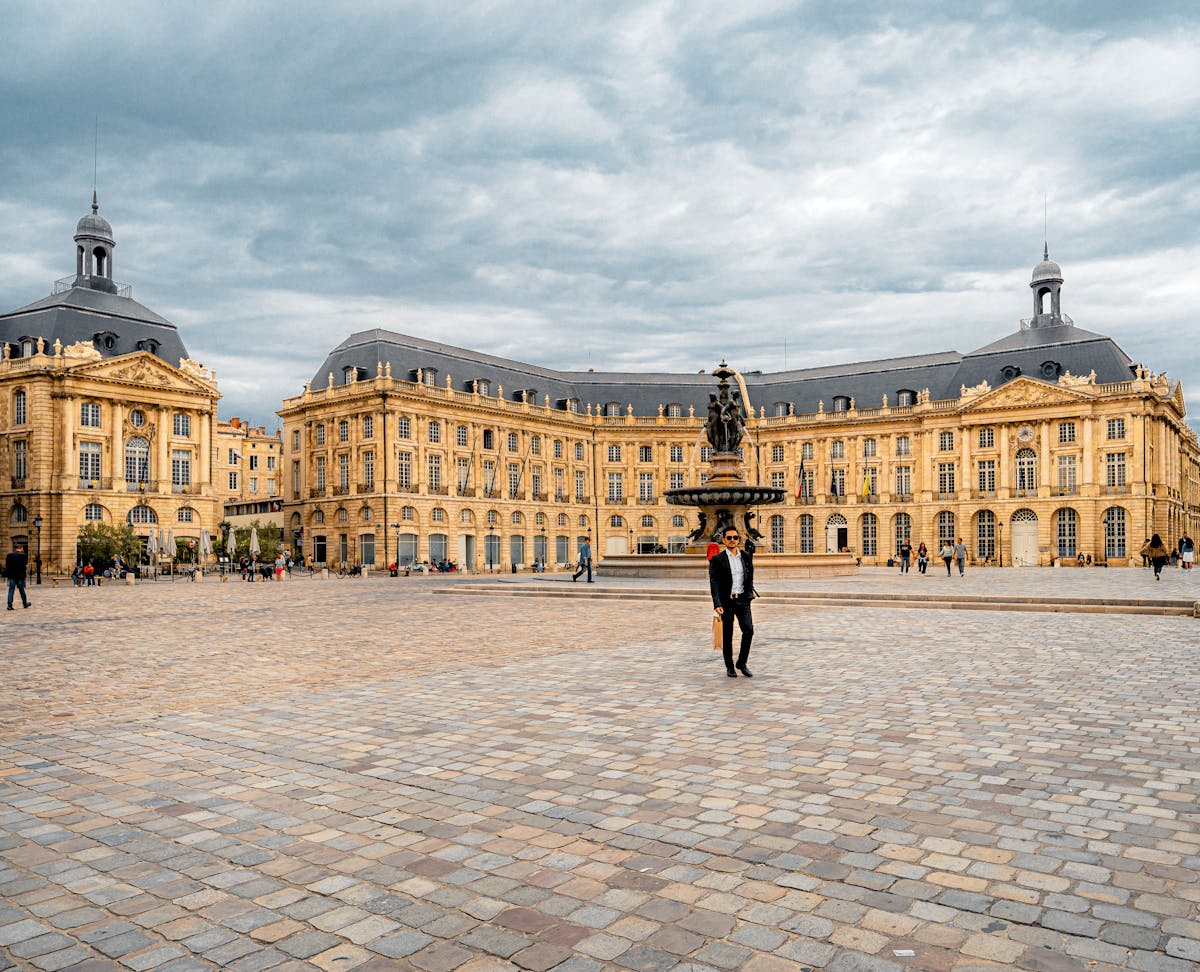
The Cite du Vin doesn’t make full sense unless you know at least the broad strokes of how Bordeaux became Bordeaux. The museum covers all of this, but walking in with some context means you’ll notice details instead of just pressing buttons.
The Romans started it. They planted the first vineyards here almost 2,000 years ago, recognizing that the mild Atlantic climate and gravelly soil along the Garonne created ideal growing conditions. But the Romans planted vineyards everywhere they went — what made Bordeaux different was what happened in 1152.
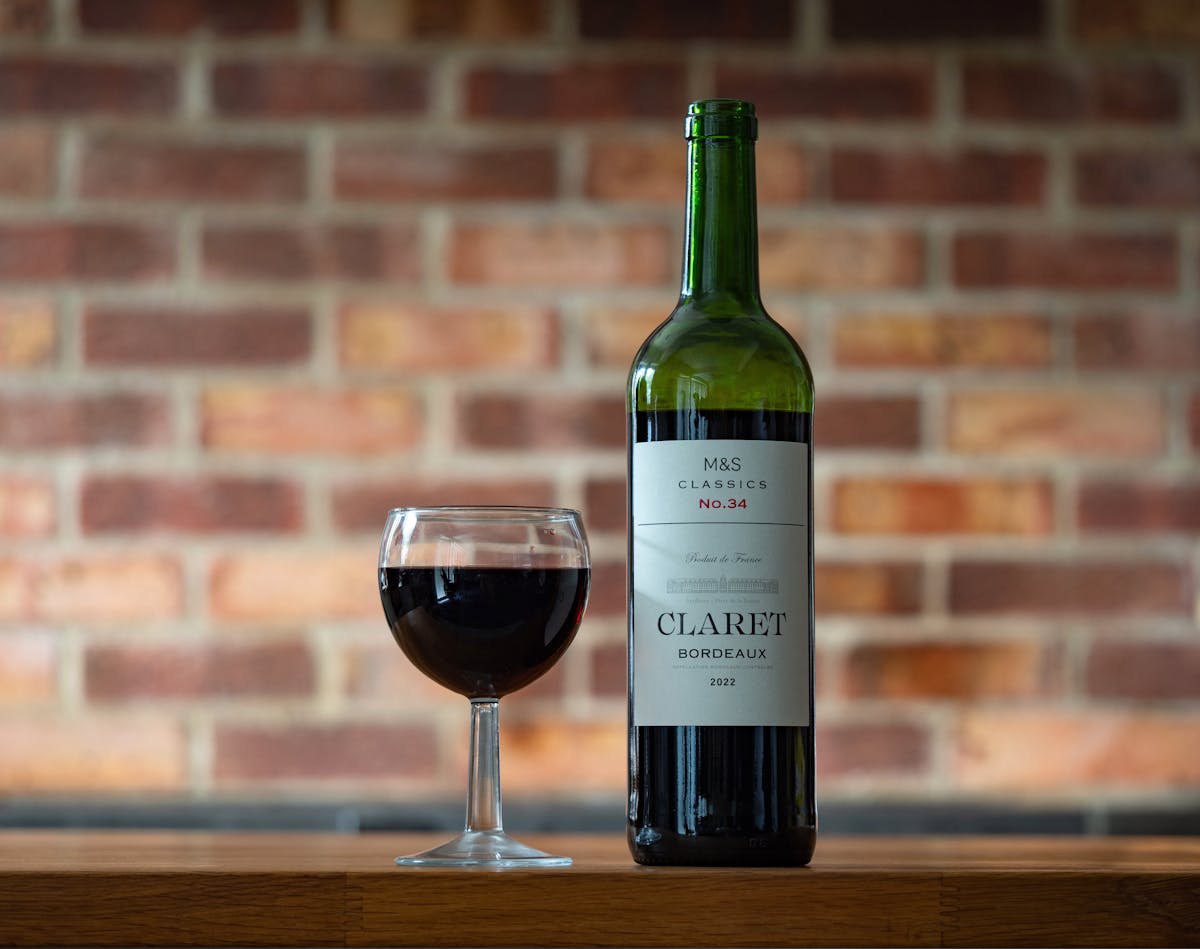
That year, Eleanor of Aquitaine married Henry Plantagenet, who became Henry II of England. Suddenly Bordeaux was English territory. For the next 300 years, English merchants shipped staggering quantities of Bordeaux red wine — which they called “claret” — back to London. The trade relationship created a commercial wine industry that still defines the region. When you hear someone at the Cite du Vin mention the “English connection,” this is what they’re talking about.
Then came 1855, and one of the most enduring pieces of wine bureaucracy ever created. Napoleon III wanted to showcase French wines at the Paris Exposition, so he commissioned officials to rank Bordeaux’s best chateaux into five tiers — Premier Cru (first growth) down to Cinquieme Cru (fifth growth). The classification was supposed to be a one-time thing. Instead, it became permanent. The same ranking is still used today, 170 years later, with exactly one change ever made: Chateau Mouton Rothschild was promoted from Second to First Growth in 1973, after decades of lobbying by Baron Philippe de Rothschild.
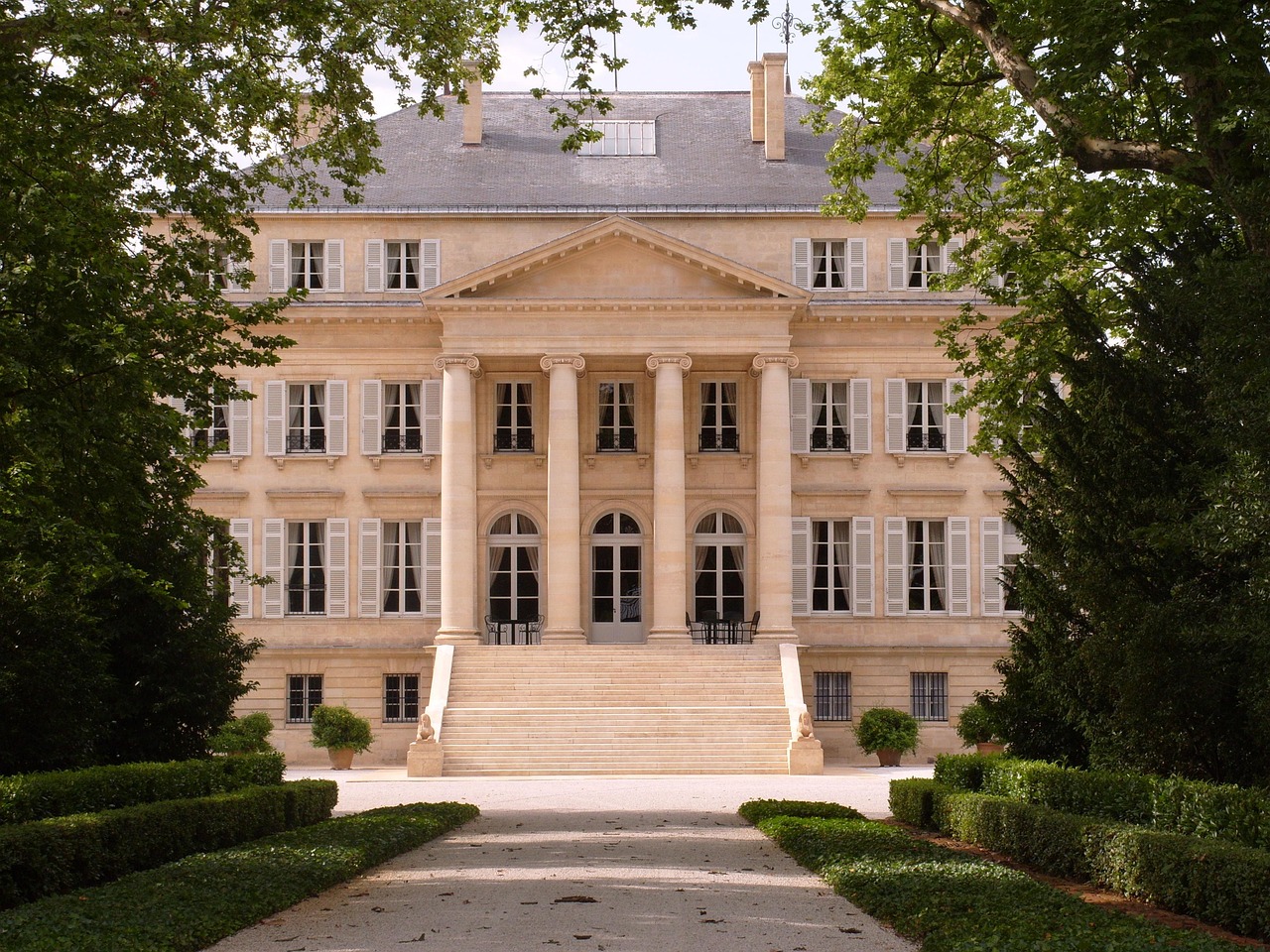
The museum has an excellent section on this, including the politics behind the classifications and why certain estates got snubbed. But the story that hit me hardest was phylloxera.
In the 1870s, a microscopic insect from North America — phylloxera — arrived in European vineyards and proceeded to destroy roughly 90% of the continent’s vines over the next two decades. Bordeaux was devastated. Entire estates went bankrupt. The solution, when it finally came, was almost comically simple: graft European grape varieties onto American rootstock, which was naturally resistant to the insect. Some of the early grafting experiments happened right here in the Bordeaux region. Today, virtually every vineyard in Europe grows on American roots. The museum covers this in a way that makes you realize how close the entire French wine industry came to permanent collapse.
Tips That Will Save You Time (and Money)
Book online, even if it’s last-minute. The skip-the-line benefit of online tickets is real. During peak season, the walk-up queue can take 30-45 minutes while pre-booked visitors walk straight to the entrance.
The companion guide is available in 8 languages. English, French, Spanish, German, Italian, Portuguese, Chinese, and Japanese. You don’t need to worry about language barriers — the device handles everything.
Don’t rush the ground floor. Most visitors beeline for the top-floor Belvedere. The permanent exhibition on the ground and first floors is where the real substance lives. Budget at least 90 minutes for the main exhibition before heading upstairs.
The gift shop is genuinely good. Unlike most museum shops, the Cite du Vin’s shop stocks actual Bordeaux wines at reasonable prices. If you want to bring a bottle home, buying here is often cheaper than the tourist shops in the city center — and the staff can help you pick something based on what you tasted upstairs.
Combine with a river cruise for the full experience. The Garonne River cruise departs from the waterfront nearby. Do the museum in the morning, grab lunch at one of the Bacalan restaurants, then cruise in the afternoon. That’s a solid day without setting foot on a tour bus.
The Latitude20 wine bar on the ground floor is worth a stop. Even if you don’t visit the museum, Latitude20 lets you sample wines from around the world by the glass, organized by wine-growing region. Prices start around EUR 3-5 per tasting. It’s a good option if someone in your group isn’t interested in the full museum experience.
What You’ll Actually See Inside
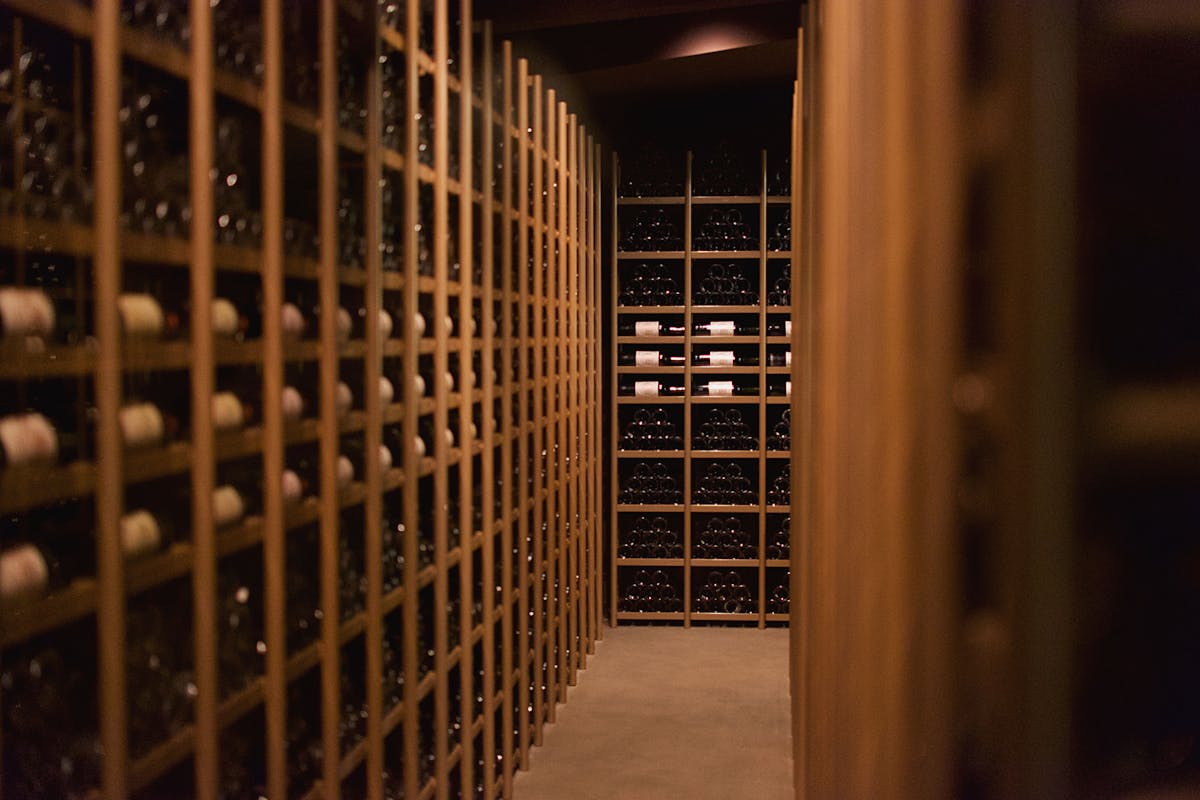
The permanent exhibition — which the Cite du Vin calls “The Permanent Tour” — spans about 3,000 square meters across two floors. It’s organized into 19 themed modules, each covering a different aspect of wine culture. The approach is immersive rather than traditional: you won’t find many glass display cases or wall-mounted plaques.
The standout sections include:
Wine and Voyage: A large-scale installation that traces global wine trade routes. The English claret trade, South American missions, Australian frontier winemaking — it’s all here, presented through projected maps and recorded voices. This is where the Bordeaux-England connection really comes alive.
Terroir Table: An interactive table where you can explore how soil, climate, and altitude affect wine character. Sounds dry on paper but the hands-on format makes it stick. I spent 20 minutes here without realizing it.
The Buffet of the Five Senses: The most popular section with families. You smell, touch, see, hear, and taste different wine-related sensations. Kids love the smell stations. Adults tend to appreciate the color analysis section, where you learn why wine looks the way it does in a glass.
Wine and Music: A room dedicated to the connection between wine and artistic expression. Includes film clips, music, and art references spanning centuries. Either fascinating or skippable depending on your interests — I’m being honest.
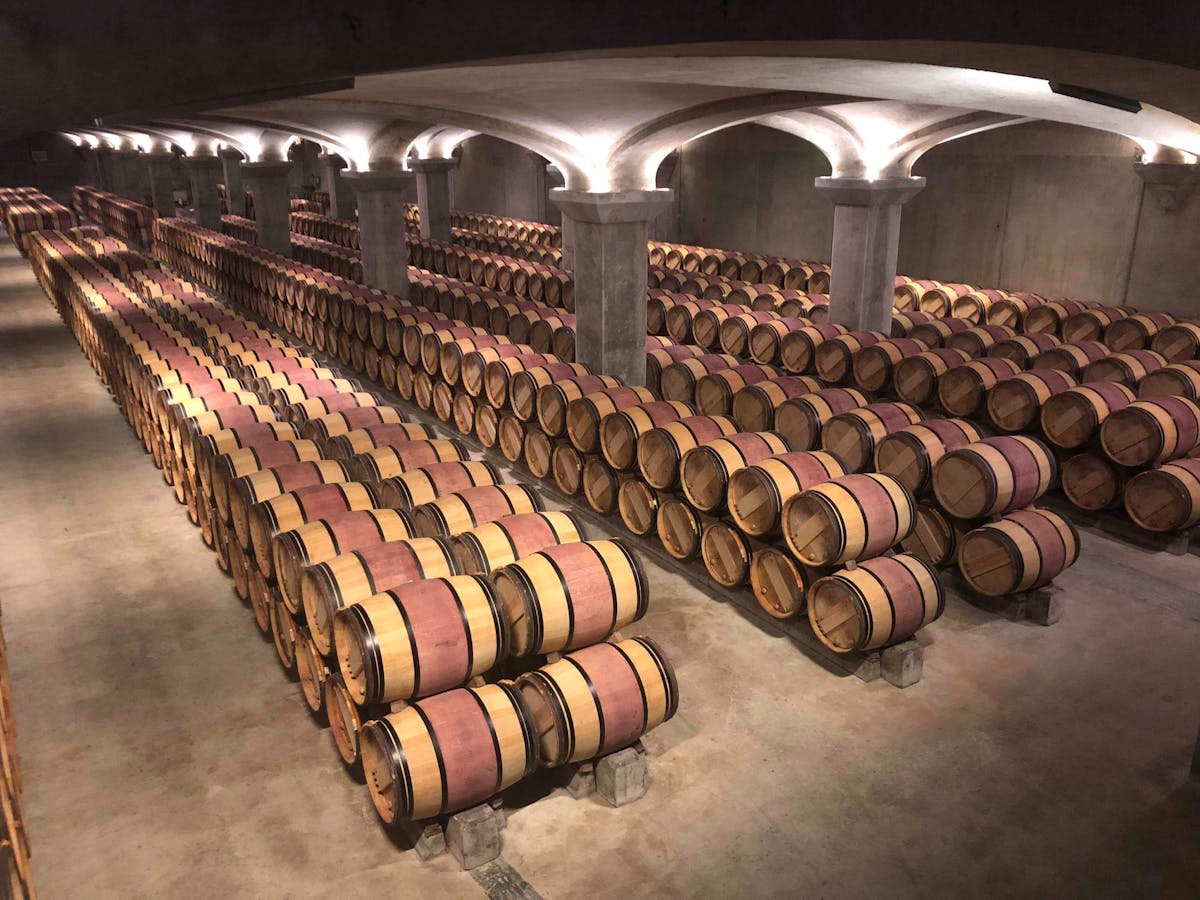
The Belvedere on the 8th floor is the finale. Floor-to-ceiling windows give you a 360-degree view over Bordeaux and the Garonne. Your ticket includes one tasting — you choose from a rotating selection of wines from around the world. The Bordeaux options change every few months but there’s always something from the region available. Pick that. You’re standing above the vineyards that made it.
While You’re in Bordeaux
A Cite du Vin visit fills about half a day, which leaves plenty of time to explore the rest of what Bordeaux does well. If wine is your thing, the half-day wine tours through the Bordeaux countryside pair naturally with the museum — learn the theory in the morning, taste the practice in the afternoon. Saint-Emilion is the most popular day-trip destination and deserves its own full day if you can swing it. And for a completely different perspective on the city, the Garonne river cruise passes right by the Cite du Vin building — book the afternoon departure and watch that golden swirl catch the light from the water.
This article contains affiliate links. When you book through our links, we may earn a small commission at no extra cost to you. This helps us keep producing detailed travel guides.