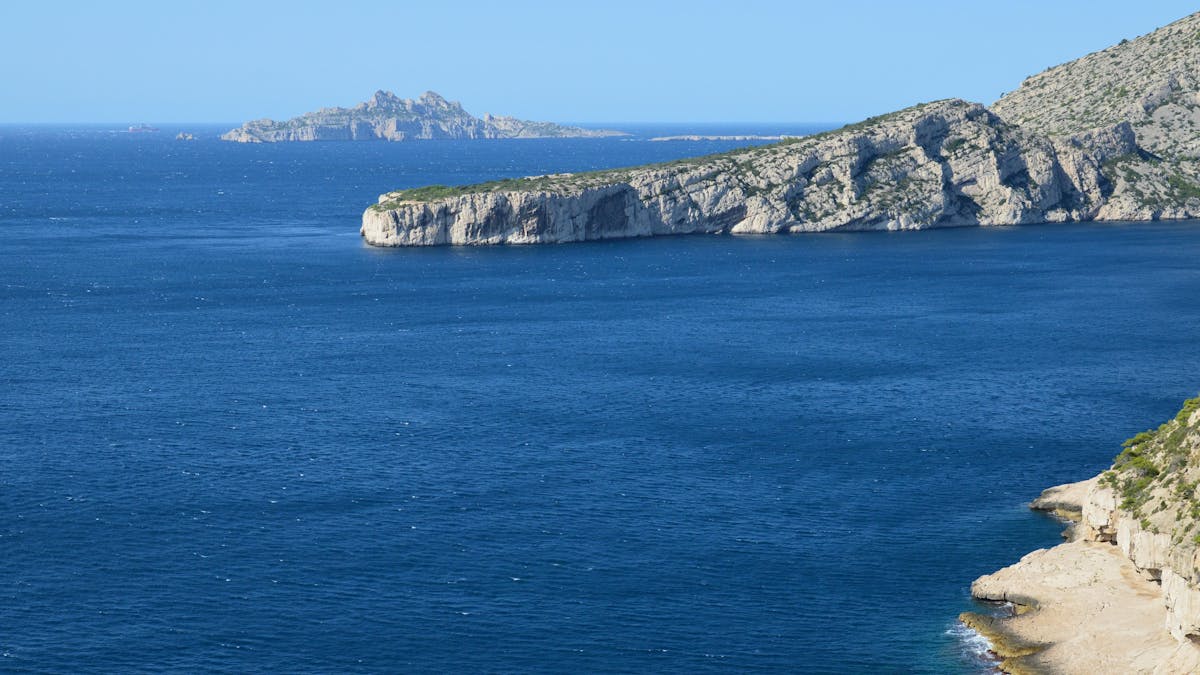
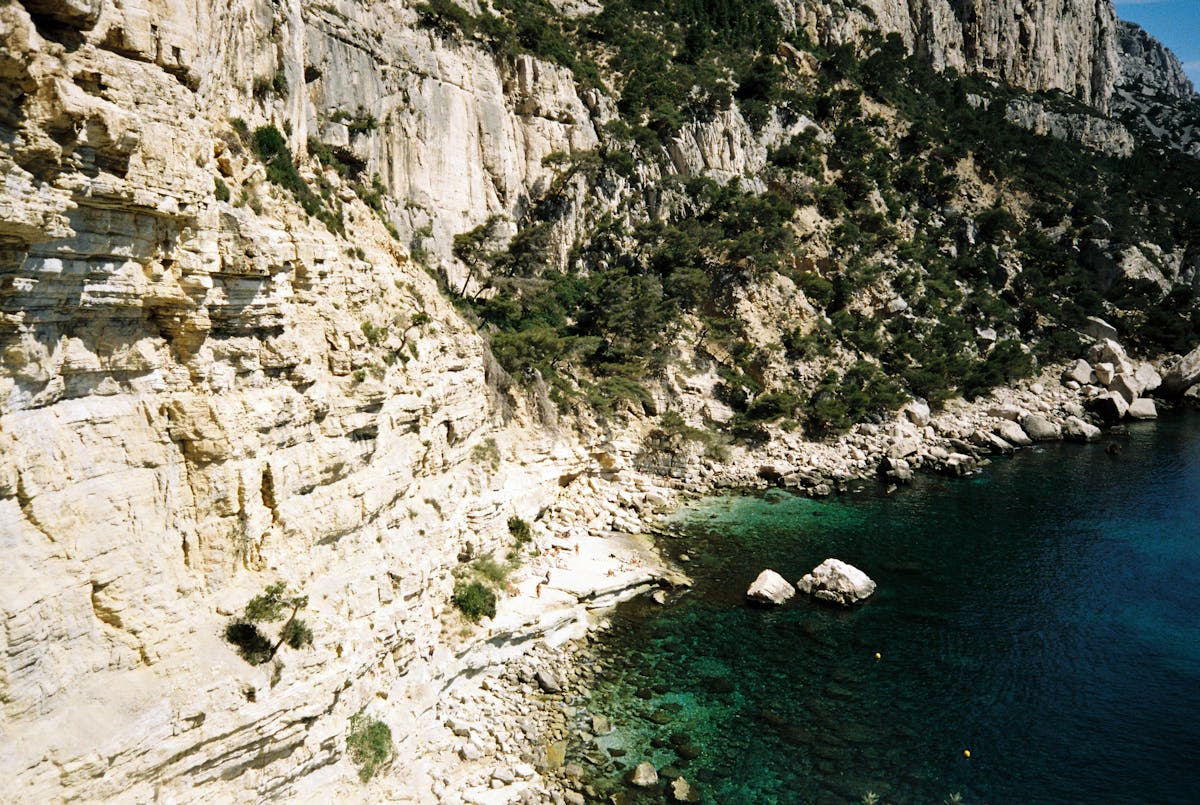
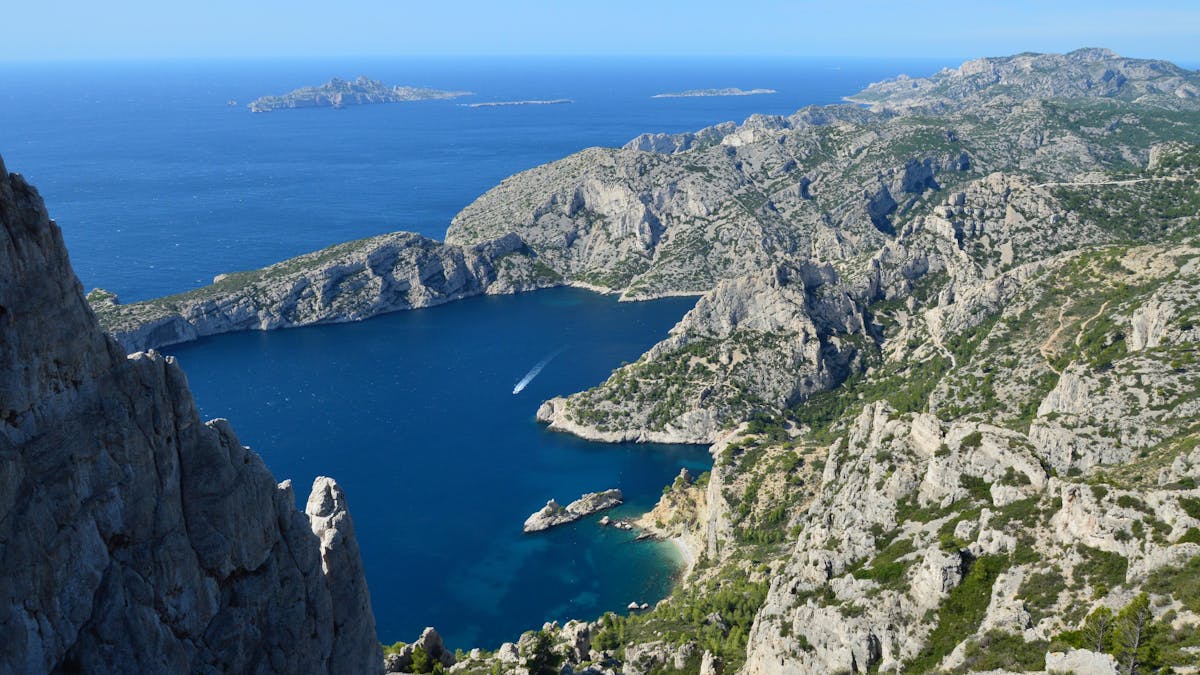
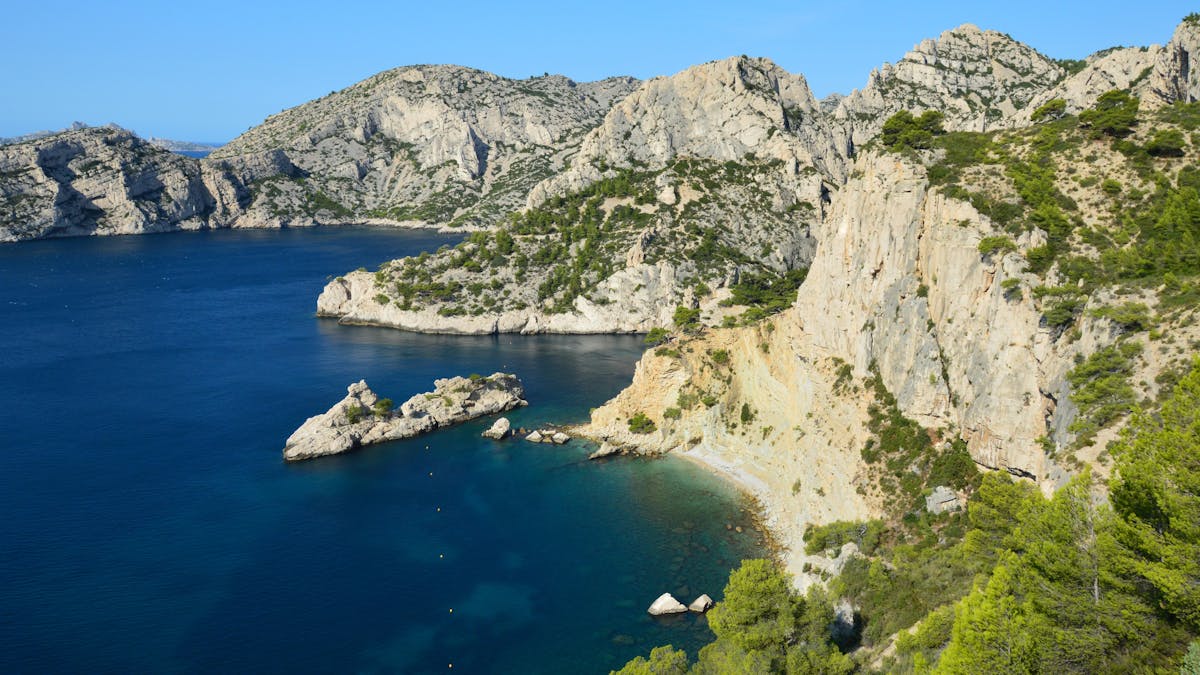
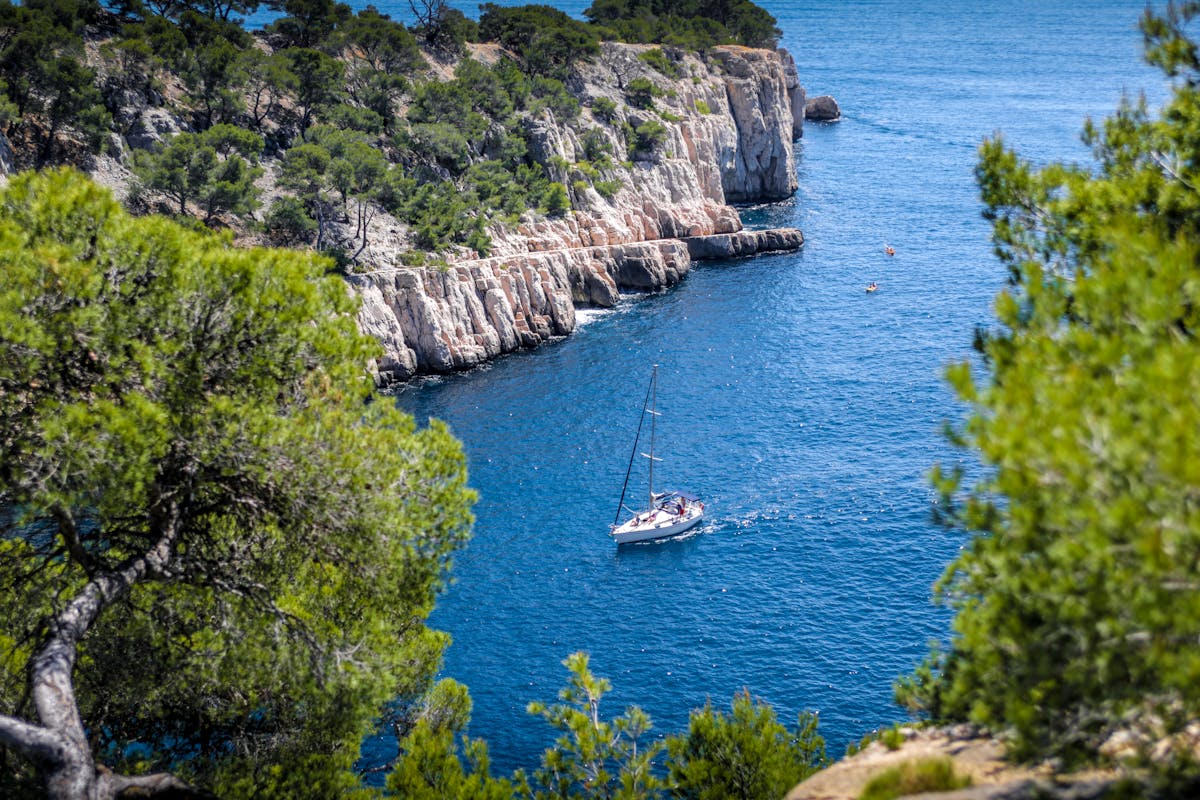
The Calanques caught me completely off guard. I’d seen the photos — everyone has — those impossible turquoise inlets squeezed between white limestone cliffs. But photos don’t prepare you for the scale of it. Twenty kilometres of coastline between Marseille and Cassis, carved into shapes that look like someone took a chisel to the Mediterranean shore and just kept going.
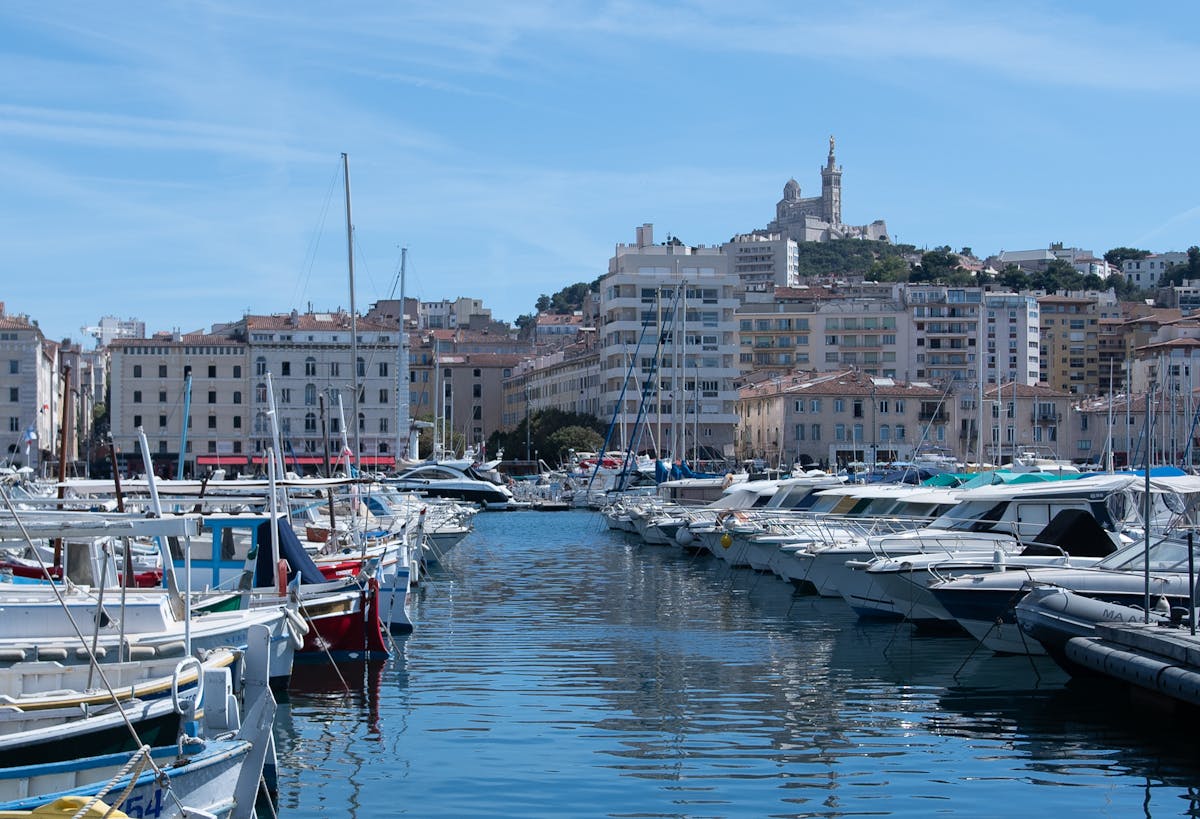
What makes the Calanques genuinely unusual isn’t just the colour of the water (though that alone is worth the trip). It’s that this coastline sits right next to France’s second-largest city. You can eat breakfast at the Vieux-Port in Marseille and be swimming in a cove that feels like the edge of civilisation by 10am. That contrast — urban grit meeting raw, untouched nature — is what makes this place different from every other pretty stretch of Mediterranean coast.
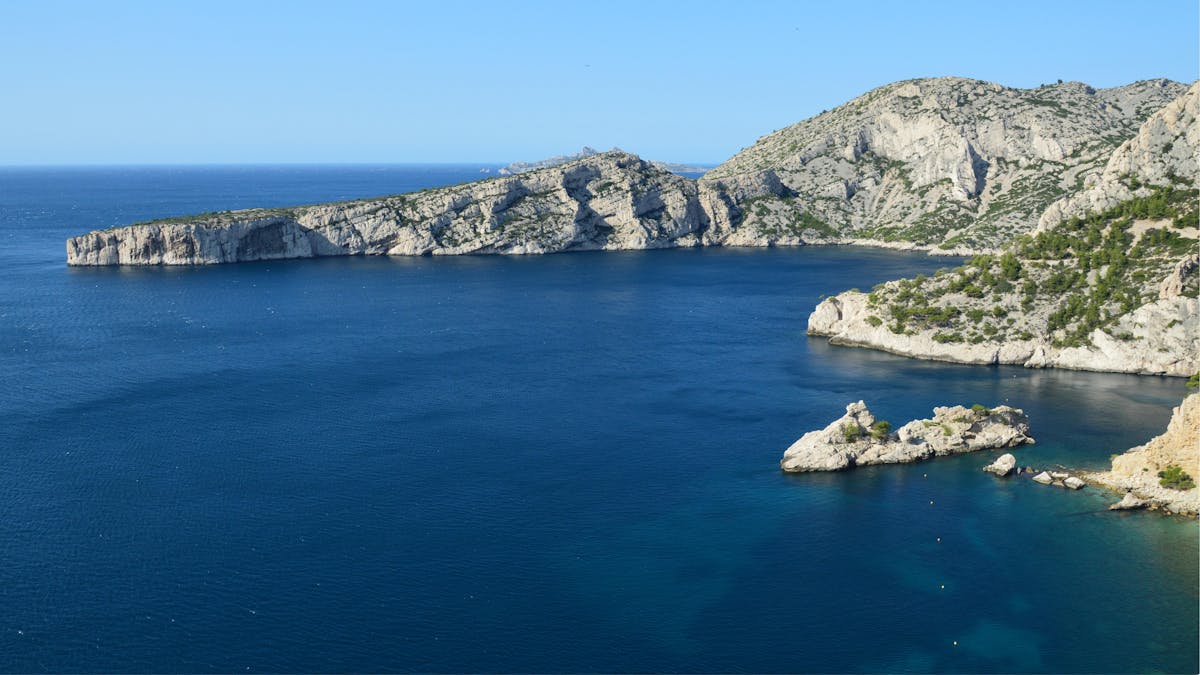
But here’s the thing: you can’t just show up and wing it. The Calanques became a National Park in 2012 — the first in Europe to include a major city within its borders — and access is controlled, especially in summer. On high fire-risk days, the park closes entirely. No exceptions. During peak season, shuttle buses replace private cars for the most popular inlets, and some trails require advance registration.
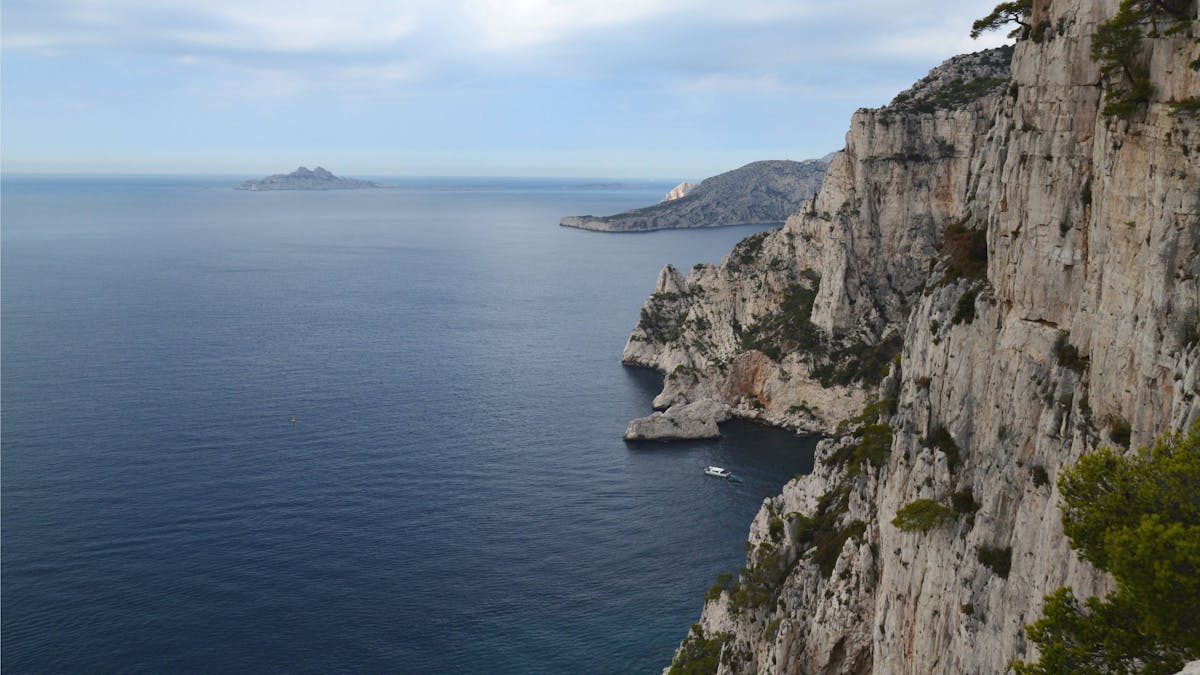
So booking a tour isn’t just convenient — for most visitors, it’s the smartest way to actually see the Calanques without dealing with access restrictions, parking headaches, or getting lost on unmarked trails. I’ll break down the best options below, whether you want to see it from a boat, from a kayak, or on foot.
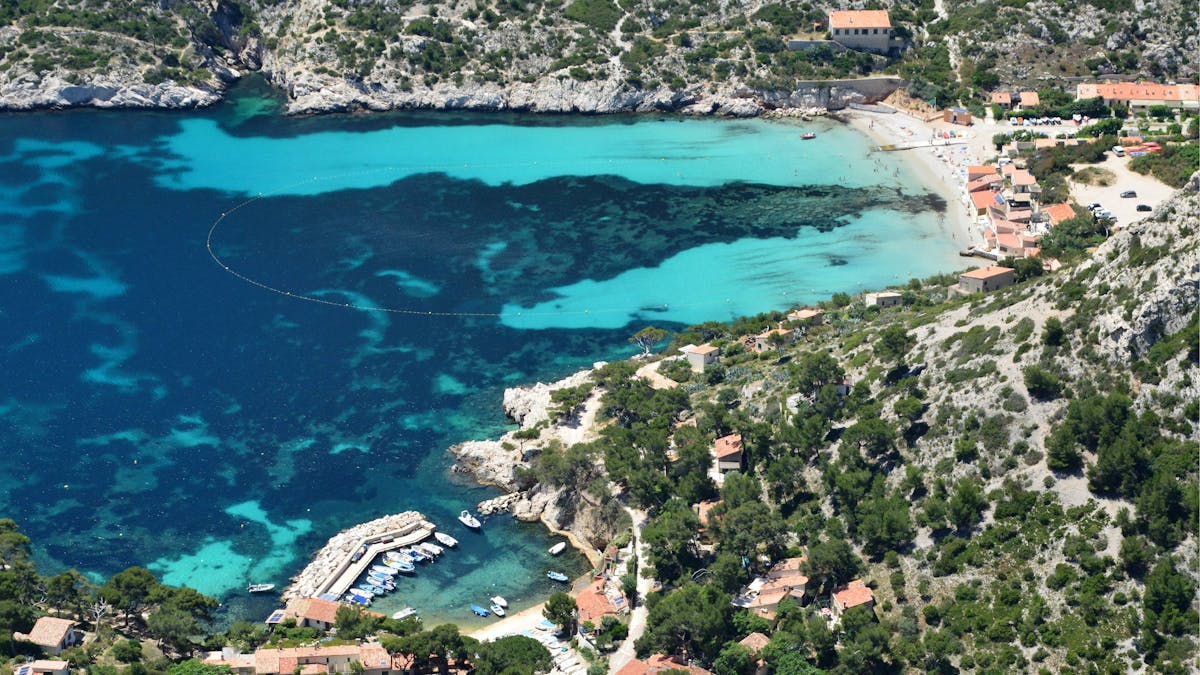
Short on time? Here are my top picks:
Best overall: Iconic Calanques Boat Tour with Swimming — $93 for 3 hours. The most popular option for good reason. You cruise past the major calanques and get swim stops in the turquoise water. Over 1,000 reviews, 4.7 rating.
Best for active travelers: Cote Bleue Calanques Half-Day Kayak Tour — $64 for 3 hours. Paddle through sea caves and into inlets that boats can’t reach. You’ll earn those views.
Best on a budget: Calanques National Park Guided Hike with Picnic — $41 for 5 hours. A proper hike down to the inlets with a packed lunch. 4.9 rating — the highest of any Calanques tour.
- How the Calanques Were Made (And Why They Look Like Nothing Else)
- Three Ways to See the Calanques
- The 5 Best Calanques Tours to Book
- 1. Iconic Calanques Boat Tour with Swimming —
- 2. Cote Bleue Calanques Half-Day Kayak Tour —
- 3. Calanques National Park Guided Hike with Picnic —
- 4. Calanques National Park Guided Hike —
- 5. Calanques Sailing Day Trip with Lunch and Wine — 9
- When to Visit the Calanques
- Getting to the Calanques from Marseille
- What to Bring
- Comparing All Five Tours at a Glance
- Beyond the Calanques: What Else to Do Near Marseille
- Practical Tips That Actually Help
How the Calanques Were Made (And Why They Look Like Nothing Else)
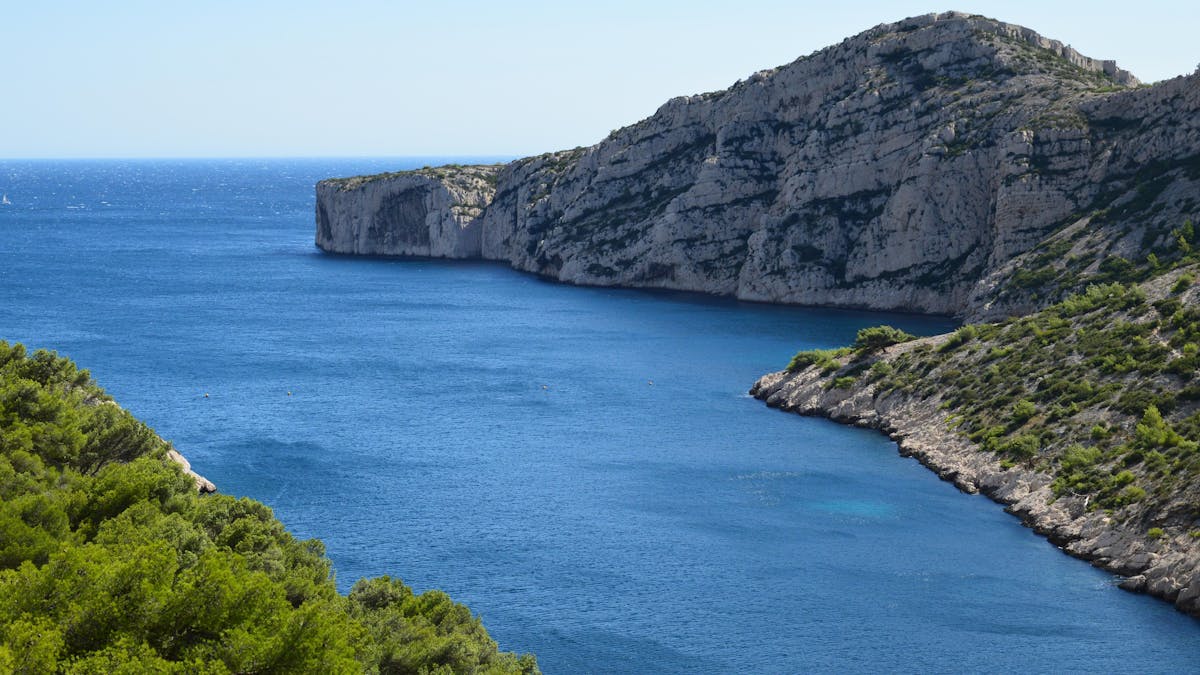
Here’s where the Calanques get properly interesting. These aren’t just pretty coves. They’re drowned river valleys — carved by freshwater rivers during the Ice Age, when sea levels were about 120 metres lower than today. The rivers cut deep V-shaped gorges through the soft limestone, and when the Mediterranean rose back up over thousands of years, it flooded those gorges. The result is these narrow, steep-walled inlets with absurdly clear water.
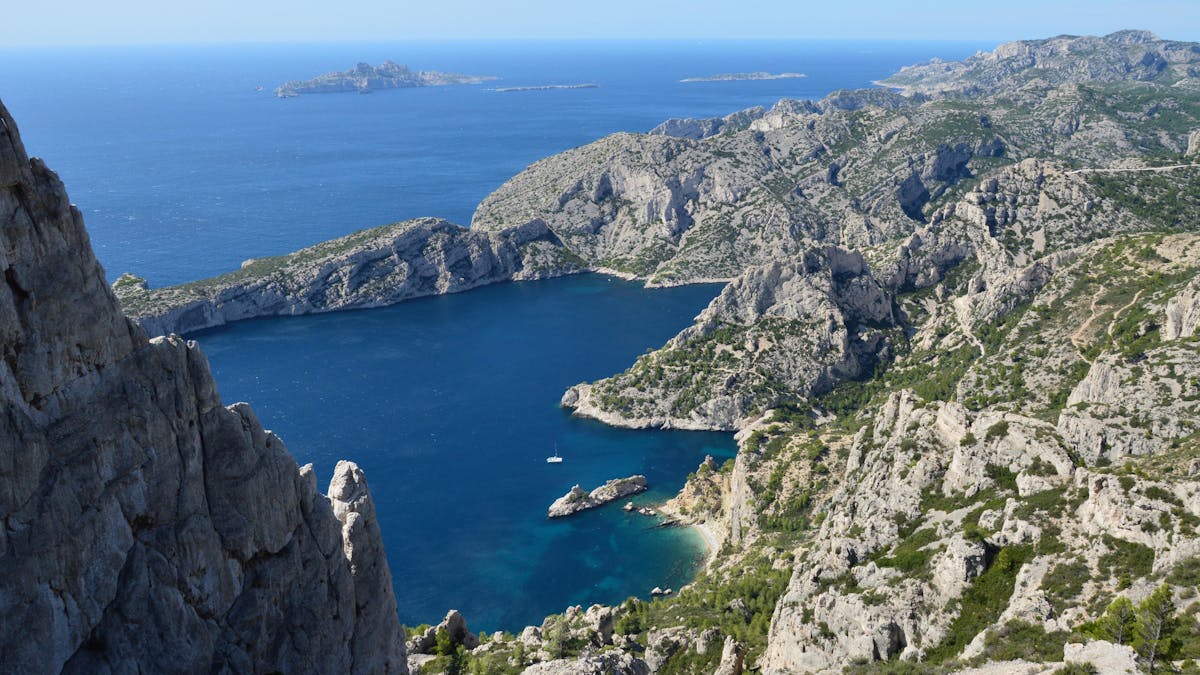
The limestone itself is the key. It’s porous, which means rainwater filters through it rather than running off the surface. That’s why the water in the Calanques is so clear — there’s almost no sediment washing into the sea. And the white rock reflects sunlight back up through the water, which creates that impossible turquoise colour that looks photoshopped in every picture.
But the most remarkable thing about this coastline is what’s hidden beneath it. In 1985, a diver named Henri Cosquer found the entrance to a cave 37 metres underwater, near Calanque de Morgiou. What he discovered inside rewrote the history of prehistoric art in southern France. The cave walls were covered in paintings — horses, bison, and seals — dating back 27,000 years. It’s the only known cave anywhere in the world with depictions of marine animals from the Ice Age.
The original cave entrance is permanently underwater now — sea levels have risen 120 metres since those paintings were made. Cosquer had to swim through a 175-metre-long underwater tunnel just to reach the dry chamber. For years, only trained cave divers could see it. Then in 2022, Marseille opened a full-scale replica museum called the Cosquer Mediterranee, built inside the Villa Mediterranee building near the Mucem. If you’re in Marseille anyway, it’s worth a visit — the replica includes every painting and engraving, reproduced at exact scale.
And then there’s Marcel Pagnol. The beloved French filmmaker grew up in the hills above the Calanques, and his autobiographical novels and films — My Father’s Glory, My Mother’s Castle — describe these limestone cliffs and the wild garrigue scrubland that fills the valleys between them. If you’ve read Pagnol or seen the films, hiking through the Calanques feels like walking into his childhood. The pine trees, the thyme-scented air, the cicadas — it’s all still there, exactly as he described it a century ago.
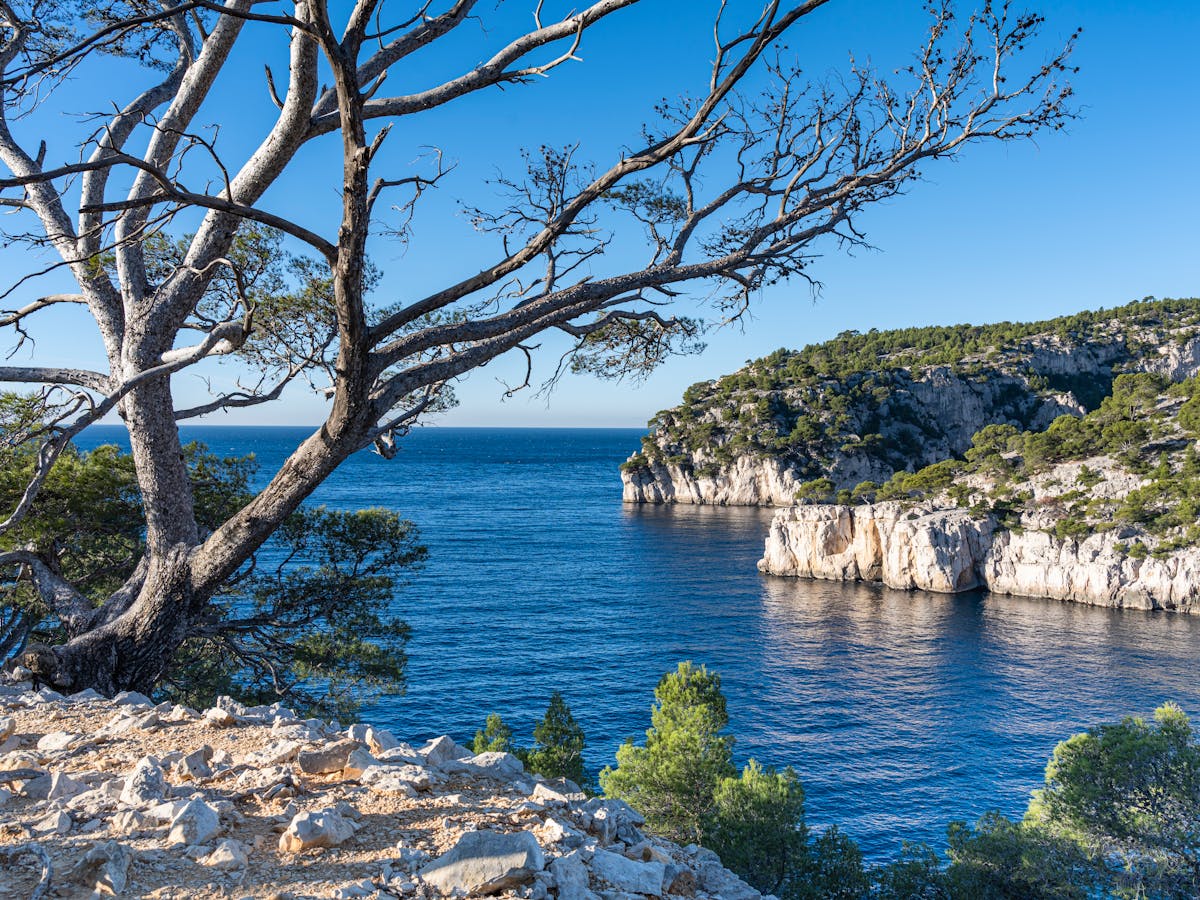
Three Ways to See the Calanques
You’ve got three options, and each one shows you a completely different side of this coastline. I’d honestly recommend doing at least two if you have the time.
By boat — the most popular choice and the best way to see the full coastline in a few hours. You’ll cruise past calanques that are inaccessible by land, with swimming stops in the clear water. The downside: you’re seeing the cliffs from below, so you miss the hiking trails and the panoramic views from the ridgeline.
By kayak — the most intimate experience. You can paddle into sea caves, slip through narrow passages, and reach tiny beaches that even the boats can’t access. But it’s physical work, especially if there’s any wind, and you’ll only cover a fraction of the coastline.
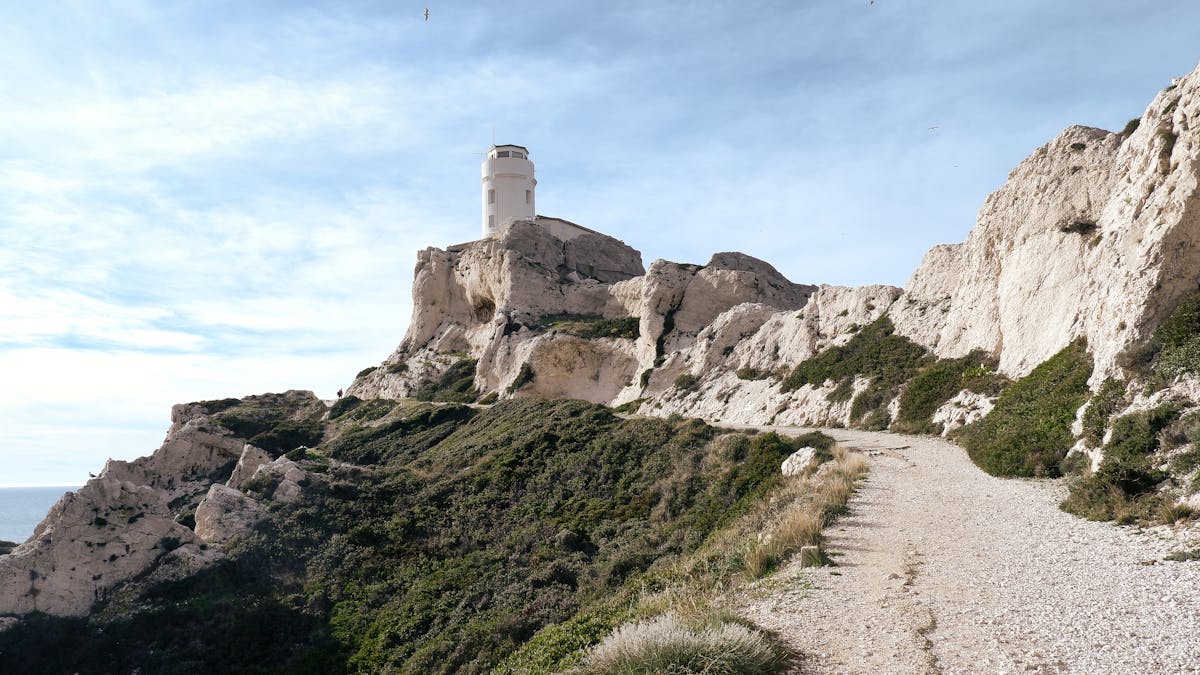
On foot — the cheapest option and the most rewarding if you like hiking. The trails run along the clifftops and drop down to several of the major calanques. The views are spectacular, but the hikes are steep, rocky, and exposed to the sun. Bring more water than you think you need.
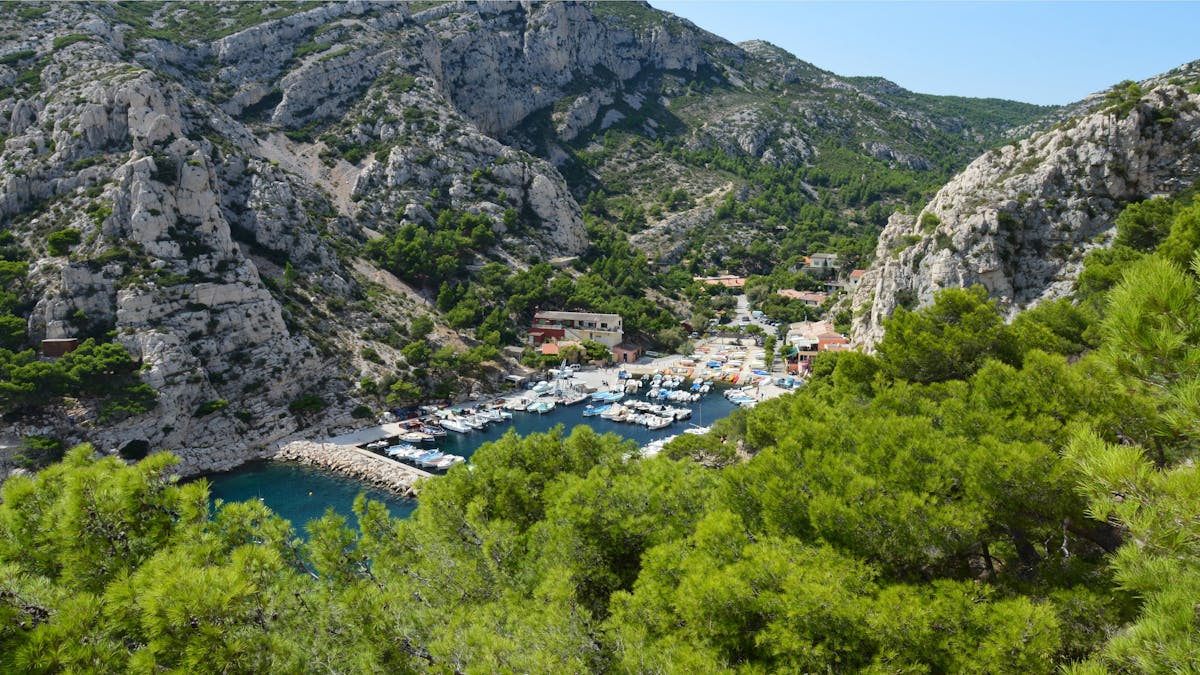
The 5 Best Calanques Tours to Book
I’ve gone through every Calanques tour on the major booking platforms. These five cover the full range — boats, kayaks, hiking, and sailing — and they all have strong track records with hundreds of verified reviews.
1. Iconic Calanques Boat Tour with Swimming — $93
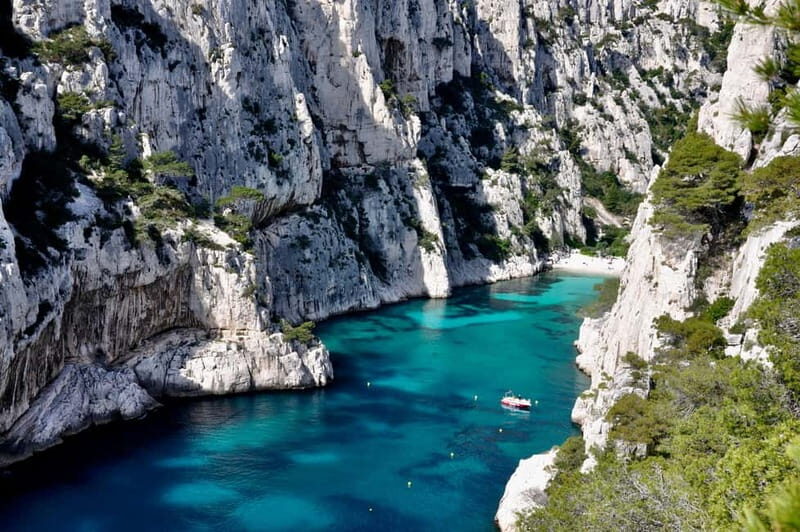
This is the one most people book, and for good reason. $93 per person for a 3-hour cruise that takes you past the major calanques between Marseille and Cassis, with multiple swimming stops in the clear water. The boat is big enough to be comfortable but small enough to get close to the cliff faces.
What makes it work: the route covers Calanque de Sormiou, En-Vau, Port-Pin, and Port-Miou — the greatest hits, essentially. The swim stops are in sheltered water where you can actually appreciate just how clear the Mediterranean gets when there’s no sand or sediment. Over 1,000 reviews with a 4.7 rating, which tells you it’s consistently delivering. Departs from the Vieux-Port in Marseille, so no transfer needed.
The catch: it’s popular. In July and August, boats fill up fast, and you’ll be sharing the deck with 30+ other passengers. Book at least a week ahead in summer.
2. Cote Bleue Calanques Half-Day Kayak Tour — $64
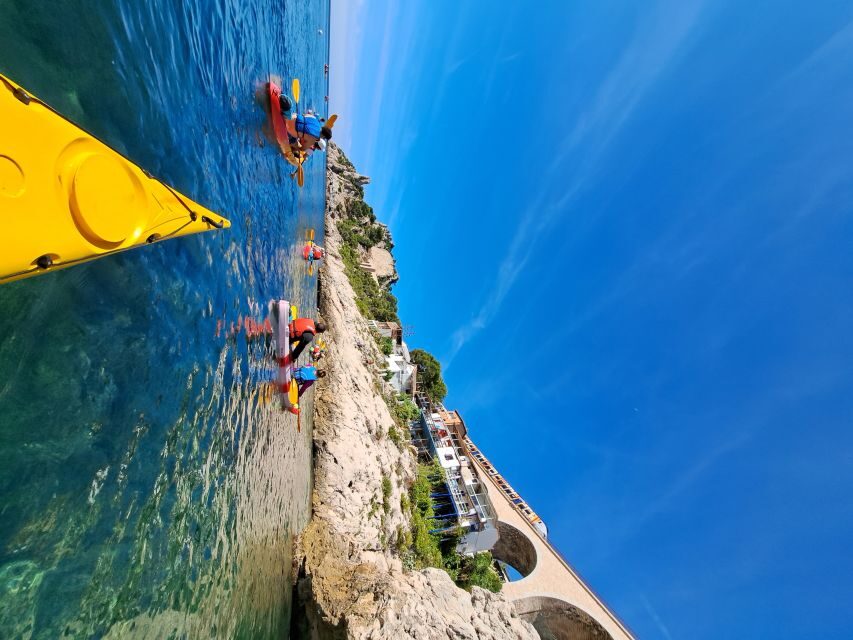
If you want to actually earn your Calanques experience, this is the one. $64 per person for a 3-hour guided kayak tour along the Cote Bleue — the lesser-known stretch of calanques northwest of Marseille. It’s less famous than the Cassis side, but honestly? The kayaking is better here because the caves are more accessible and the water is just as clear.
The guides know where all the sea caves are, and some of them are genuinely impressive — you paddle through rock arches and into chambers where the water glows turquoise from the light filtering through. You don’t need to be an experienced kayaker; the guides pair beginners with more confident paddlers and keep the group together.
877 reviews, 4.7 rating. The Cote Bleue gets less boat traffic than the Cassis calanques, so the water feels calmer and more private. If you’re reasonably fit and don’t mind three hours of paddling, this is better value than the boat tour.
3. Calanques National Park Guided Hike with Picnic — $41
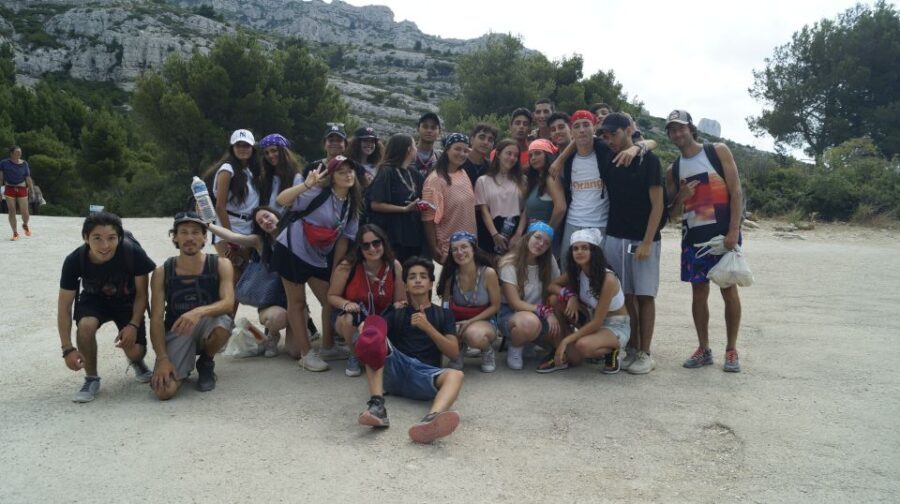
The highest-rated Calanques tour on any platform — 4.9 out of 5 from 516 reviews — and it only costs $41 per person. Five hours of hiking through the national park with a local guide, including a picnic lunch eaten at one of the calanques. This is the tour that nature lovers and hikers should book without hesitation.
The route changes depending on conditions and which trails are open (remember, the park restricts access on high fire-risk days), but you’ll typically hike down to Calanque de Sugiton or Morgiou — the ones with the most dramatic cliff scenery. The guide knows the terrain intimately and will explain the geology, the plants (the garrigue scrubland smells incredible — wild thyme, rosemary, and pine), and the park’s conservation challenges.
The picnic is a proper Provencal spread, not a sad sandwich. And eating it on a rock ledge overlooking the Mediterranean while your feet dangle above turquoise water is one of those travel moments that actually lives up to the hype.
Fair warning: these trails are steep, rocky, and exposed. Wear proper shoes — trainers at minimum, hiking boots ideally. And bring at least 2 litres of water per person. The guides will tell you this, but people still show up in sandals.
4. Calanques National Park Guided Hike — $41
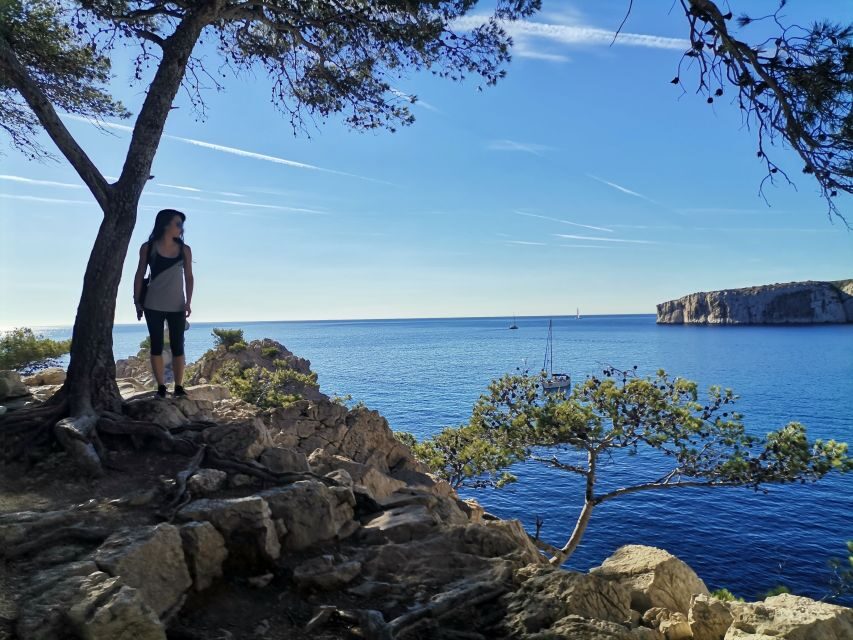
Same price as the picnic hike — $41 — but a slightly different format. This is a 4-5 hour guided hike that focuses purely on the walking and the scenery, without the lunch stop. It’s a good fit if you want to do a morning hike and then have the afternoon free for exploring Marseille, visiting the Cosquer museum, or catching an afternoon boat tour.
489 reviews, 4.8 rating. The guides are local hikers who genuinely love this landscape, and they’ll take you on routes that solo hikers often miss or can’t find. The trails in the Calanques are not always well-marked — there are multiple dead-end paths that lead to cliff edges — so having someone who knows the way is worth the EUR 38 even if you’re an experienced hiker.
The route typically covers the ridgeline trails with panoramic views before dropping down to one of the calanques for a swim stop. Bring swimwear — you’ll want to get in the water when you see it from above.
5. Calanques Sailing Day Trip with Lunch and Wine — $159
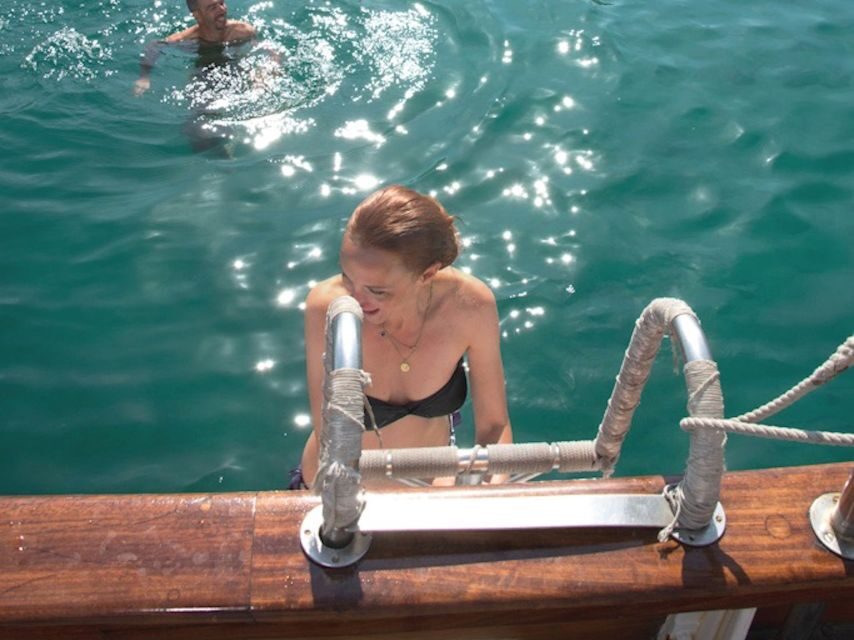
The premium option: $159 per person for a full 7-hour sailing day in the Calanques, including lunch prepared on board and Provencal wine. This isn’t a packed tour boat — it’s a sailboat with a small group, and the pace is completely different. You actually sail, rather than motoring from spot to spot.
411 reviews, 4.8 rating. The route covers the stretch between Marseille and Cassis, with multiple swimming stops and time to just sit on deck and take in the scenery. Lunch is fresh Mediterranean food — expect fish, salads, bread, cheese, and enough rose to make the afternoon very pleasant. The captain chooses the stops based on wind and weather, so every trip is slightly different.
This is the tour I’d book for a special occasion or if you’ve already done the standard boat tour and want something slower and more indulgent. It’s also the best option if you get seasick easily — sailboats are more stable than the motorised tour boats, and the pace is gentler.
When to Visit the Calanques
This matters more than you’d think. The Calanques National Park has strict seasonal access rules that can completely derail your plans if you don’t check before you go.
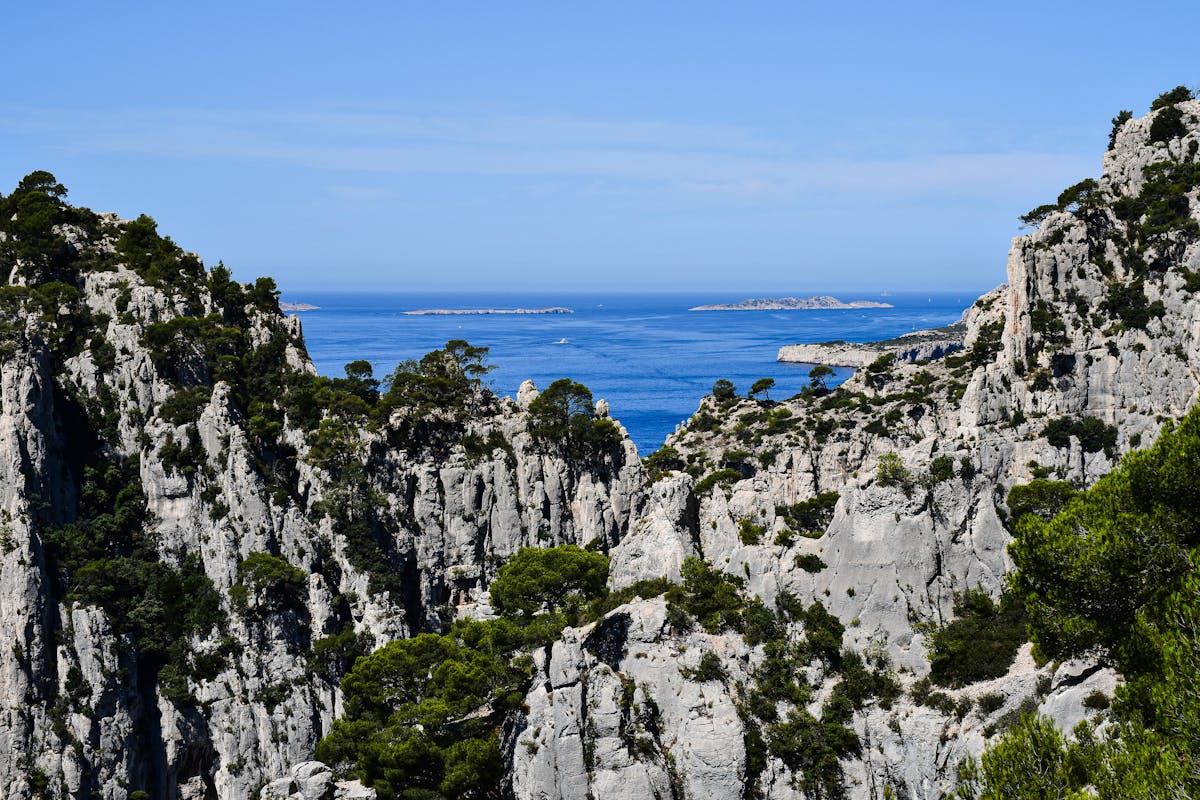
Best months: May, June, September, early October. The water is warm enough for swimming from late May onwards (it peaks around 23-24 degrees C in August), the trails are open, and the crowds haven’t reached full summer intensity. September is my pick — the summer visitors have gone, the water is at its warmest after months of sun, and the light is softer and better for photos.
Summer (July-August): Hot, crowded, and restricted. The park closes hiking trails on days when the fire risk is high — and in a typical Provencal summer, that’s often. The Mistral wind can spring up without warning and close boat tours too. On the busiest days, road access to Calanque de Sormiou and Morgiou is banned entirely, replaced by shuttle buses that fill up fast.
If you absolutely must visit in high summer, book a morning boat tour and don’t plan on hiking unless you’ve checked the prefectural fire risk map the night before. The French government website provides daily access updates for every section of the park.
Winter (November-March): Cold water, short days, but the trails are empty and the light is beautiful. Hiking is great — the temperatures are comfortable for walking, and you’ll have the paths almost to yourself. Swimming is only for the brave (water drops to around 13 degrees C in February), but the boat tours still run on calm days.
Getting to the Calanques from Marseille
Most tours depart from the Vieux-Port in central Marseille, which makes logistics simple. But if you’re heading to the calanques independently, here’s what you need to know.
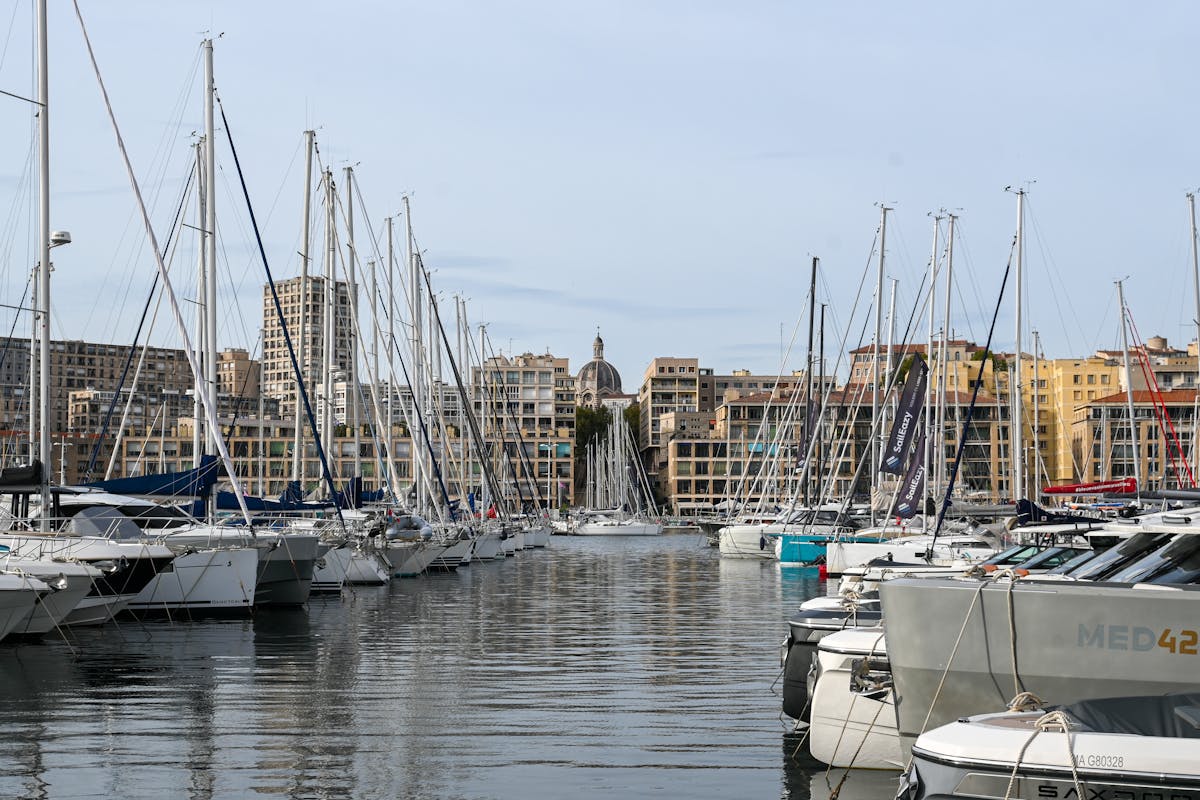
By boat tour (easiest): Just show up at the Vieux-Port 15 minutes before departure. All five tours listed above either start here or include a meeting point nearby. No driving, no parking, no stress.
By car: Possible but frustrating. The roads to Sormiou and Morgiou are narrow, steep, and closed to private vehicles on summer weekends and whenever the fire risk is high. If you do drive, arrive before 8am or don’t bother. The small car parks fill up fast and there’s no overflow parking — you’ll get turned away at the barrier.
By bus: RTM bus 23 runs from Marseille to Luminy (near Calanque de Sugiton), and bus 22 to Sormiou. Both are cheap — standard Marseille bus fare — but the service is infrequent and the last bus back can be uncomfortably early.
From Cassis: The eastern calanques (Port-Miou, Port-Pin, En-Vau) are actually easier to reach from the town of Cassis than from Marseille. There’s a well-marked trail from Cassis to Port-Miou (flat, easy, 20 minutes), and from there you can continue to Port-Pin (another 20 minutes, slightly hillier) and En-Vau (a proper hike — steep descent with chains to hold onto). Cassis also runs its own boat tours to the three calanques from the harbour.
What to Bring
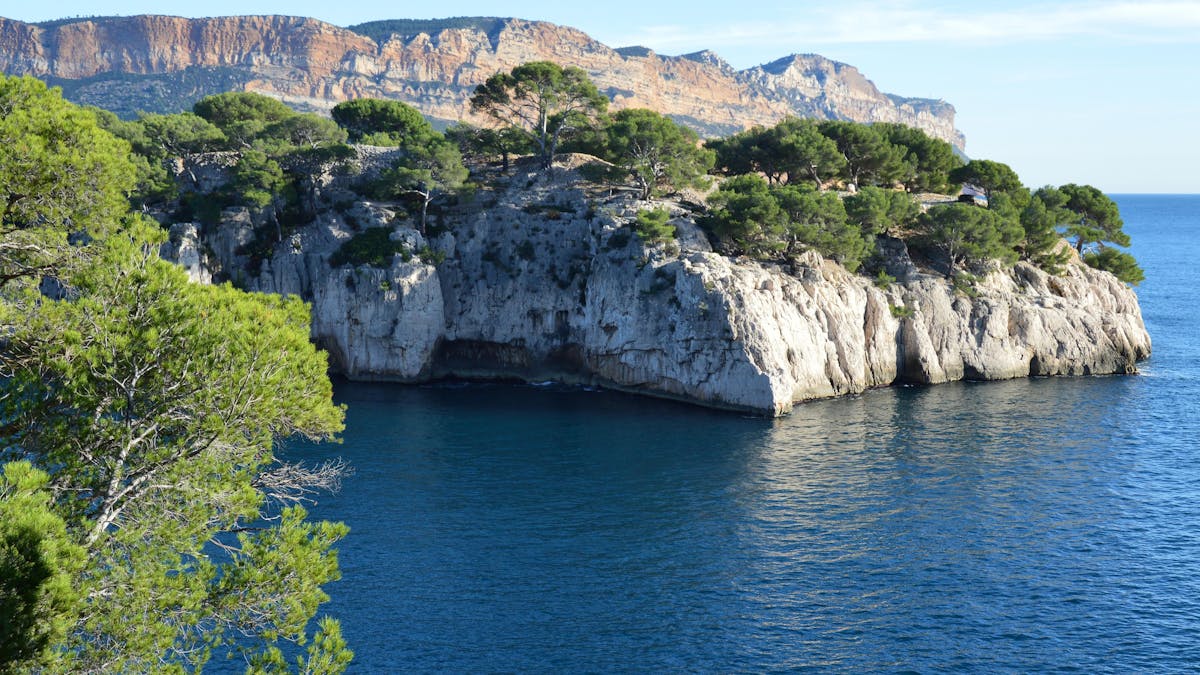
The Calanques punish people who come unprepared. There is no shade on most trails, no shops inside the national park, and no easy way out if you run out of water halfway along a clifftop path.
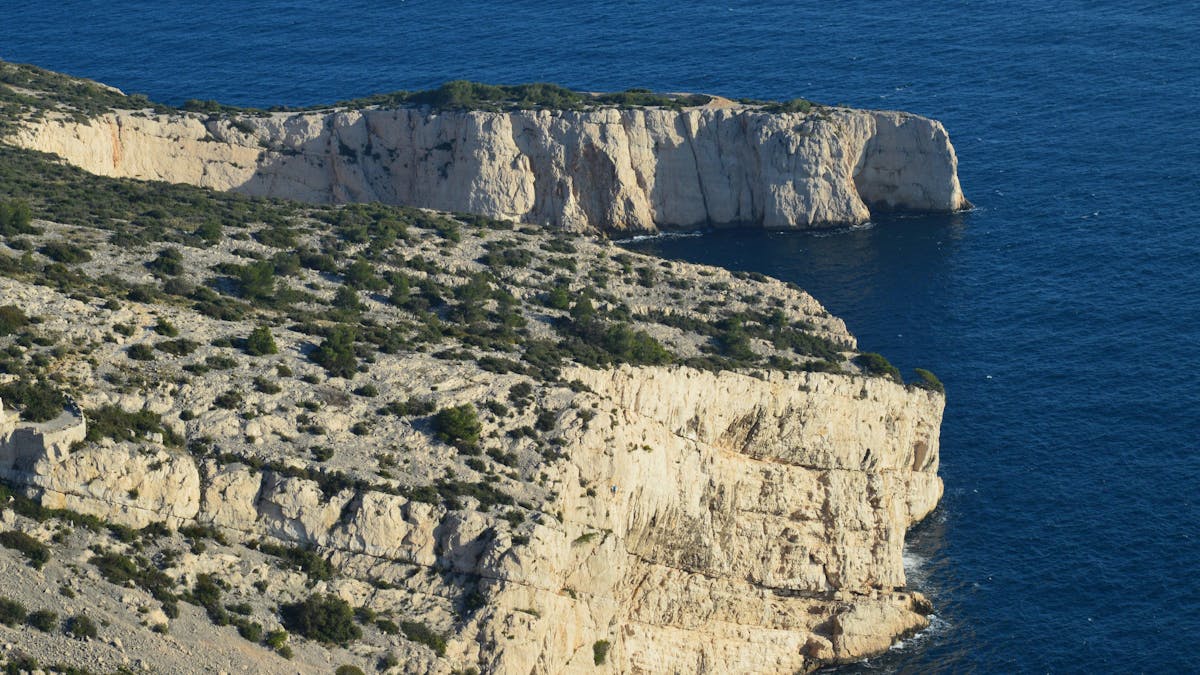
For boat tours: Sunscreen (the reflection off the water doubles your UV exposure), a hat, swimwear, a towel, and a waterproof pouch for your phone. Most boats don’t have much shade, so a light long-sleeve shirt is smart. Bring snacks — three hours on the water is longer than it sounds.
For kayaking: Everything above plus water shoes or sandals with a back strap (you will get your feet wet at launch), at least 1.5 litres of water, and sunglasses with a strap. The glare off the water is intense. Wear clothes you don’t mind getting soaked.
For hiking: Proper footwear is non-negotiable. The trails are loose limestone rubble on steep terrain — sandals and fashion trainers are a genuinely bad idea. Bring at least 2 litres of water per person (3 in summer), sun protection, and swimwear if you plan to swim when you reach the bottom. A hat with a brim rather than a cap — your ears and neck will thank you.
General rules: No fires, no smoking, no collecting plants or rocks, and pack out every piece of rubbish. The park rangers enforce these rules strictly, and fines are steep. This is a national park, and they take conservation seriously. Dogs are not allowed on the beaches between April and September.
Comparing All Five Tours at a Glance
| Tour | Price | Duration | Type | Rating | Best For |
|---|---|---|---|---|---|
| Iconic Boat Tour | $93 | 3 hours | Boat | 4.7 | First-timers, families |
| Kayak Tour | $64 | 3 hours | Kayak | 4.7 | Active travelers, couples |
| Hike + Picnic | $41 | 5 hours | Hiking | 4.9 | Nature lovers, budget travelers |
| Guided Hike | $41 | 4-5 hours | Hiking | 4.8 | Hikers, morning visitors |
| Sailing Day Trip | $159 | 7 hours | Sailing | 4.8 | Special occasions, foodies |
Beyond the Calanques: What Else to Do Near Marseille
If you’ve got more than a day in the area, the Calanques are just the beginning. Marseille and the surrounding region have enough to keep you busy for a week.
Cassis: The little port town at the eastern end of the Calanques is worth a half-day on its own. The harbour is lined with pastel-coloured buildings, the local white wine (Cassis AOC) is excellent, and you can walk to Port-Miou in 20 minutes. It’s tourist-friendly without being touristy, if that makes sense.
The Cosquer Museum: If the underwater cave story hooked you, the replica museum in Marseille is genuinely impressive. They’ve recreated the cave chambers at full scale, and you descend in small vehicles that simulate the underwater approach Cosquer himself took. Tickets are around EUR 16 and sell out in summer — book ahead.
Gorges du Verdon: About 90 minutes inland from Marseille, the Verdon Gorge is France’s answer to the Grand Canyon. The turquoise river at the bottom is fed by alpine meltwater, and you can kayak, swim, or drive the breathtaking Route des Cretes along the rim. We’ve written a full guide — how to visit the Gorges du Verdon — if you’re heading that direction.
Carcassonne: If medieval history is your thing, the fortress city of Carcassonne is about 3 hours from Marseille and makes a fantastic day trip or overnight stay. Fifty-two towers, three kilometres of double walls, and a bloody history involving the Cathars and the Albigensian Crusade. Our guide to getting Carcassonne Castle tickets covers everything you need to know.
Practical Tips That Actually Help
A few things I wish someone had told me before my first Calanques trip.
Check access before you go. The Calanques National Park website (calanques-parcnational.fr) publishes daily access conditions. In summer, entire sections can be closed at 6am for the whole day based on fire risk. Check the night before and have a backup plan.
Book tours at least 3-4 days ahead in summer. The popular boat tours sell out, especially for morning departures. If you’re flexible on dates, aim for a weekday — Saturday and Sunday departures fill up first.
The afternoon light is better for photos. Morning tours depart into the sun (the coast faces south), so the cliffs are backlit. Afternoon departures put the sun behind you, lighting up the cliff faces and making the water colour pop. Something to consider when choosing your time slot.
Seasickness is real. The sea between Marseille and Cassis can get choppy when the Mistral blows. If you’re prone to seasickness, take medication before boarding — not after. The kayak and hiking tours don’t have this problem.
The Calanques are not a beach holiday. There are no sun loungers, no beach bars, and no lifeguards. This is wild coastline, and the access is steep and rocky. That’s what makes it special, but adjust your expectations accordingly. If you want a beach day, Marseille has proper beaches with facilities — the Prado beaches are sandy, safe, and easy to reach.