
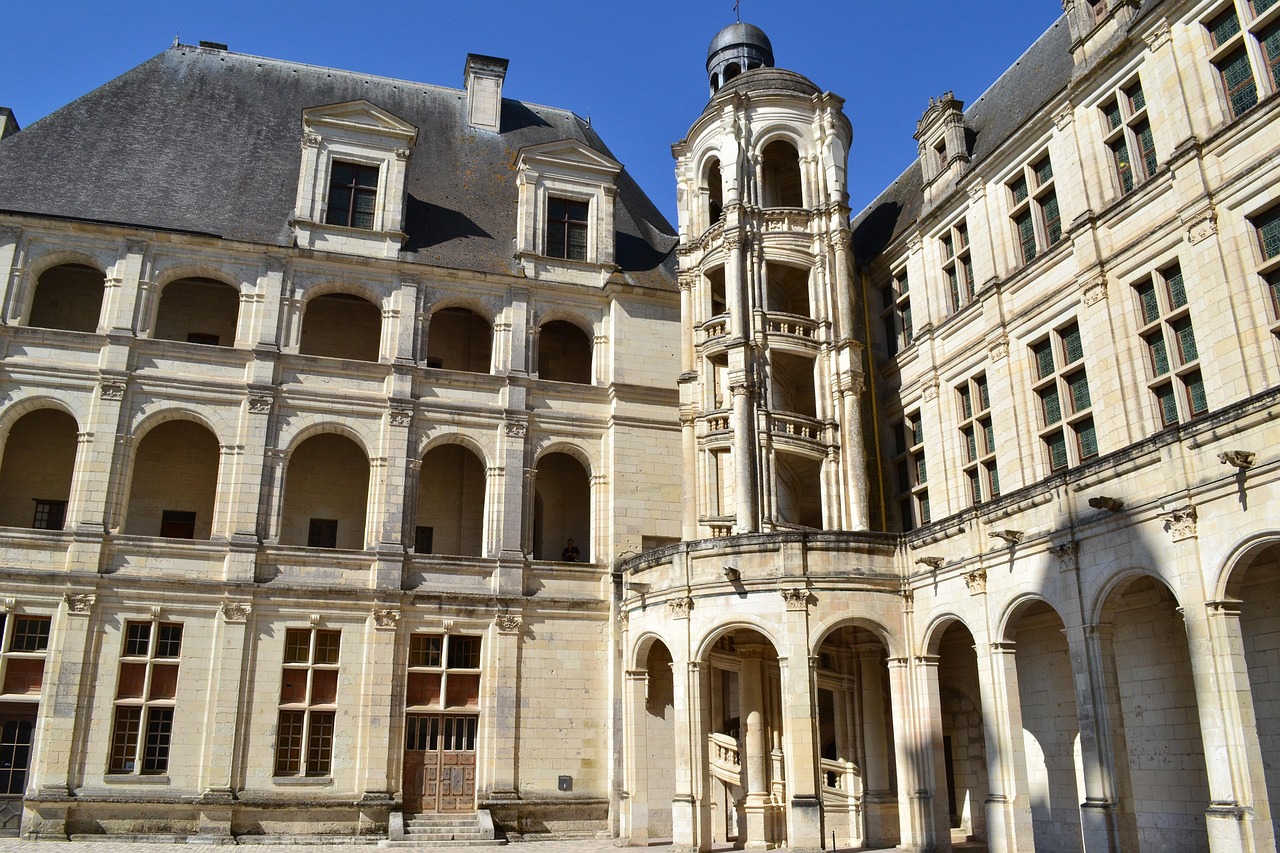
Two people can walk the same staircase at the same time and never cross paths. That’s the party trick of Chateau de Chambord — a double-helix staircase right at the centre of the building, two spirals intertwined like strands of DNA, designed so that one person goes up while another comes down and they never meet. Leonardo da Vinci probably drew it up before he died in 1519. Francois I then spent the next 28 years turning the sketch into the most extravagant hunting lodge ever built.
I say “hunting lodge” because that’s technically what Chambord is. A 440-room, 282-fireplace, 84-staircase hunting lodge. Francois I spent exactly 72 days here in his entire life. The place was never even finished while he was alive.
Getting tickets is straightforward, but there are a few tricks that will save you money, time, and the frustration of showing up on a packed summer afternoon with no plan. Here’s everything I know about visiting.
Short on time? Here are my top picks:
Best for flexibility: Chambord Entry Ticket — $24. Skip-the-line direct entry, explore at your own pace, no group schedule to follow.
Best full-day experience: Loire Valley Castles Day Trip with Wine Tasting — $150. Chambord plus Chenonceau plus wine — the most popular combo for good reason.
Best small group: Loire Valley Wine & Castles Small-Group Trip — $296. Max 8 people, personal attention, and the wine tasting is actually good.
- How the Ticket System Works
- Official Tickets vs. Guided Tours — Which Makes Sense?
- The 5 Best Chambord Tours to Book
- 1. Chambord: Entry Ticket to the Castle —
- 2. Loire Valley Castles Day Trip from Paris with Wine Tasting — 0
- 3. Loire Valley Castles Trip with Chenonceau & Chambord from Paris — 1
- 4. Loire Valley Day Tour: Chambord & Chenonceau + Lunch at a Private Castle — 4
- 5. Loire Valley Wine & Castles Small-Group Day Trip from Paris — 6
- When to Visit Chambord
- How to Get to Chambord
- Tips That Will Save You Time
- What You’ll Actually See Inside
- The Wild History of Chambord
- Combining Chambord with Other Loire Valley Castles
- More France Guides
How the Ticket System Works
Chambord sells tickets both online and at the door. The official website (chambord.org) is where you want to go if you’re buying direct. Online tickets cost the same as walk-up tickets, but you skip the queue at the entrance — and during July and August, that queue can stretch 30-40 minutes on bad days.
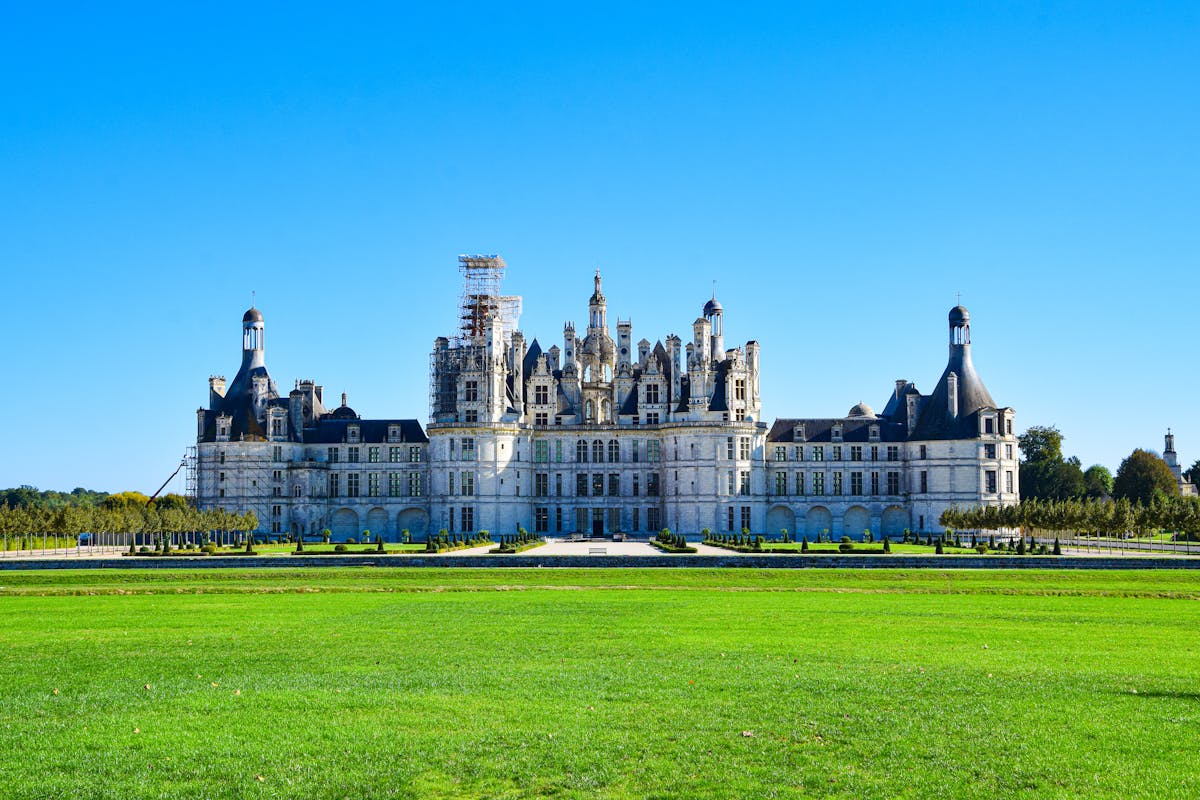
Standard admission is EUR 16 for adults. That gets you into the entire chateau including all the furnished rooms, the double-helix staircase, and the rooftop terraces. The grounds and gardens are free to walk around — you don’t need a ticket for that.
Reduced tickets are EUR 14 for ages 18-25 (EU residents), groups of 20+, and a few other categories. Under-18s get in free regardless of nationality. And here’s something most people miss: on the first Sunday of every month from November through March, entry is free for everyone. The chateau is much quieter in winter anyway, so this is genuinely worth planning around if your dates are flexible.
There’s also a “Domaine Pass” for EUR 20 that includes the chateau entry plus the French formal gardens, the equestrian show (when running), and the small museum. If you’re spending a full day, it’s worth the extra few euros. The equestrian show alone runs twice daily and features horses performing in period costume — it’s surprisingly good even if you’re not a horse person.
Audio guides cost EUR 6 extra and are available in 12 languages. I’d recommend them — the rooms are beautiful but mostly empty (the chateau was stripped bare during the Revolution), so without context you’re essentially walking through spectacular empty rooms. The audio guide fills in the stories.
Online tickets can be booked up to several months in advance. There’s no strict release window like some major attractions. You pick a date, not a time slot, so you can arrive whenever the chateau is open.
Official Tickets vs. Guided Tours — Which Makes Sense?
This depends entirely on where you’re coming from and how much you care about the history.
If you’re driving or already in the Loire Valley: Buy direct tickets online. Chambord is in the middle of countryside with ample free parking. You don’t need a tour to get there. Give yourself 2-3 hours inside, then drive to Chenonceau (45 minutes) or Cheverny (20 minutes) the same day.
If you’re coming from Paris without a car: This is where guided day tours earn their money. Chambord is about 2.5 hours from Paris by car and there’s no direct train. You’d need to take a TGV to Blois (1h40), then a local bus or taxi to Chambord — doable, but it eats up your day for just one castle. A guided tour bundles transport, hits 2-3 castles, and usually includes wine tasting or lunch. The cost premium over doing it independently is surprisingly small once you factor in train tickets and taxis.
If you care about history: The guided tours that include Chambord typically spend 1.5-2 hours at the chateau, with the guide covering the major highlights — the staircase, Francois I’s apartments, the rooftop. You won’t get the depth of a dedicated Chambord guide, but most visitors find it plenty. The real value is the context: why Francois I built this absurd place, how it connects to the wider Loire Valley story, and the quirky details you’d walk right past on your own.
My honest take: if this is your only day in the Loire, take a guided tour from Paris. If you have two or more days, stay in Blois or Amboise and visit independently.
The 5 Best Chambord Tours to Book
I’ve pulled these from thousands of visitor reviews in our database, ranked by the combination of review volume, ratings, and value. Here’s what’s actually worth booking.
1. Chambord: Entry Ticket to the Castle — $24
This is the straightforward option — a skip-the-line entry ticket that gets you into the chateau without faffing around in the queue. You’re on your own once inside, which is actually the best way to experience Chambord if you have any sense of curiosity. The place rewards wandering. Take the left staircase up, follow the circuit through the state apartments, then climb to the rooftop and just stand there for a while. The full review covers what visitors found most worthwhile, and the consensus is clear: go early morning or late afternoon.
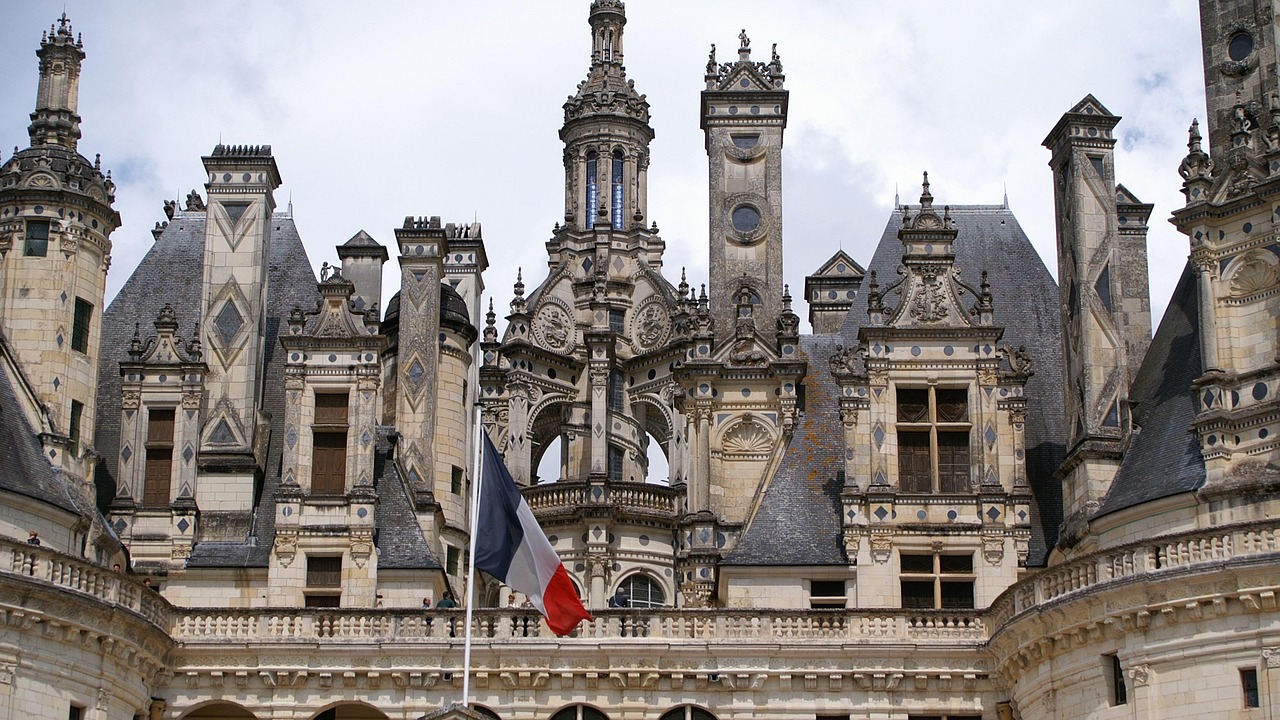
At $24, this is the cheapest way to see the interior. The “hunting lodge that ate a small city” — that’s what it feels like when you’re standing in the rooftop forest of towers and chimneys. Pure Francois I excess.
2. Loire Valley Castles Day Trip from Paris with Wine Tasting — $150
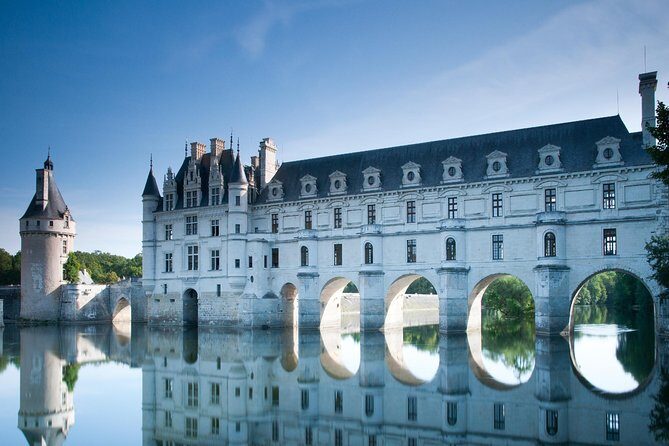
The most popular Loire Valley day trip from Paris, and the popularity is deserved. You get Chambord, Chenonceau, a smaller castle or chateau (varies by season), and a wine tasting at a local estate. The bus is comfortable, the logistics are handled, and you’re back in Paris by evening. The downside — and every honest review mentions this — is that it’s a long day. 13 hours door-to-door. You’re on the bus at 6:45am and back around 8pm. But you’ll see things that would take two full days to replicate independently.
The guide quality varies. Some visitors rave about their guide; others found them merely adequate. At $150 including wine tasting, it’s hard to complain about the value. Our full review breaks down what to expect hour by hour.
3. Loire Valley Castles Trip with Chenonceau & Chambord from Paris — $161
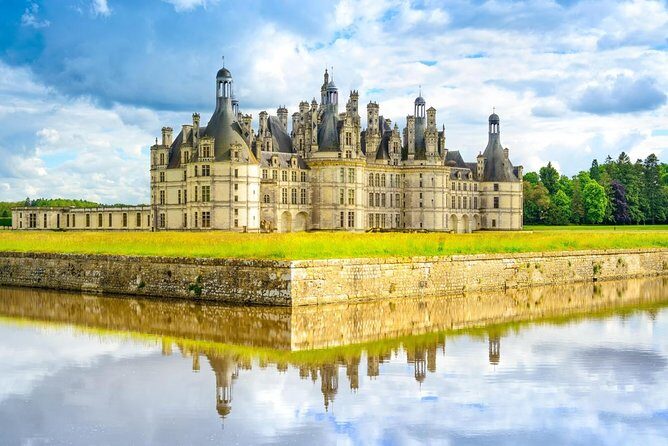
Similar concept to the tour above, but a different operator and slightly different vibe. This one leans more into the castle visits themselves rather than wine — you get more time at both Chambord and Chenonceau, which matters if you’re a history person rather than a wine person. Some visitors found the pace more relaxed, though the coach seating can be tight on full days.
At $161, it’s priced nearly the same as the wine-tasting version, so the choice comes down to priorities. Want wine? Pick option 2. Want more castle time? This is the one. The review data from hundreds of visitors shows solid satisfaction, though the guide’s English accent can be challenging for non-native speakers.
4. Loire Valley Day Tour: Chambord & Chenonceau + Lunch at a Private Castle — $284
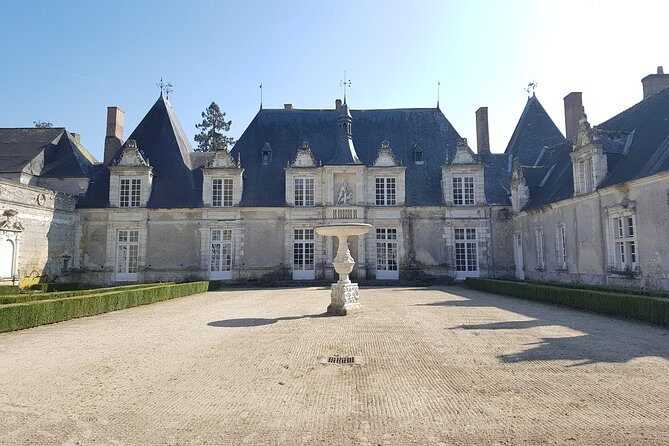
This is the upgrade. Everything about this tour is a step above the standard group trips: smaller group, more personal guide attention, and the lunch at a private chateau that you genuinely cannot access on your own. The food is proper French country cooking served in a 16th-century dining room, and it’s one of those experiences that turns a good day into a memorable one. The guides here get consistently excellent reviews — passionate, knowledgeable, the kind of person who makes you care about Renaissance architecture even if you didn’t think you would.
The price jump from $150 to $284 is steep, but what you’re paying for is the difference between a tour and an experience. If you can stretch the budget, our visitors overwhelmingly recommend it.
5. Loire Valley Wine & Castles Small-Group Day Trip from Paris — $296
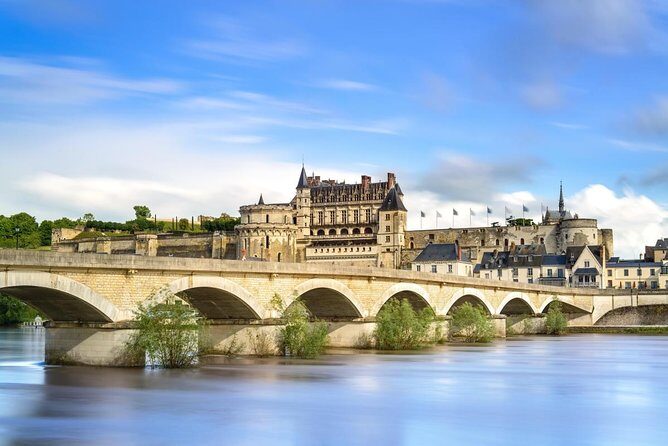
The premium option for people who don’t want to be one of 50 bodies shuffling off a coach. Maximum 8 people per trip, a dedicated guide who adjusts the itinerary based on the group’s interests, and a wine tasting that’s actually educational rather than just “here, drink this.” You visit Chambord and at least one other major chateau, with the specifics depending on season and group preference. December trips get the castles decorated for Christmas, which visitors describe as genuinely magical.
At $296, it’s the most expensive option here, but also the one with the highest satisfaction rate. Small groups mean you actually have a conversation with the guide rather than straining to hear through a headset. If you’re celebrating something or just want the best possible day out, this is the one to book.
When to Visit Chambord
The chateau is open year-round except January 1, the first Monday of February, and December 25. Hours shift seasonally:
- April to October: 9:00am to 6:00pm (last entry at 5:30pm)
- November to March: 9:00am to 5:00pm (last entry at 4:30pm)
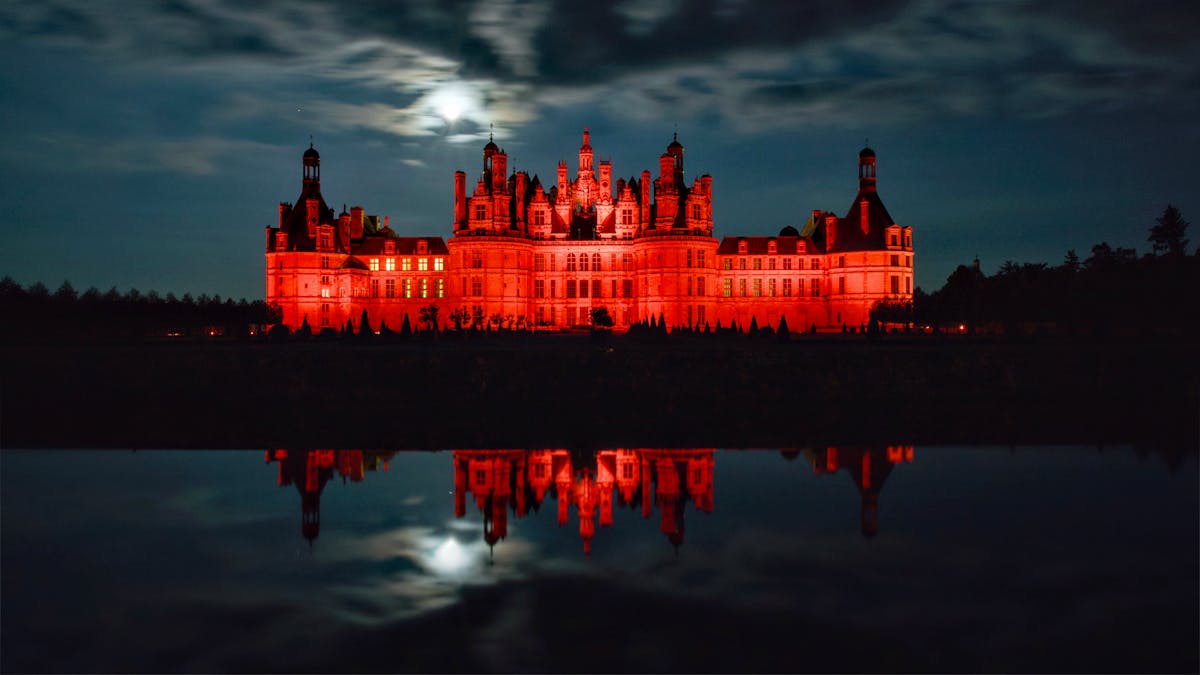
The best time to arrive is either first thing in the morning (9am sharp) or after 3pm. The midday rush from tour buses is brutal in summer — the main courtyard and staircase area get genuinely packed between 11am and 2pm. Morning visitors get the place almost to themselves for the first hour.
Seasonal tips: Spring (April-May) is ideal. The gardens are in bloom, the weather is mild enough for rooftop lingering, and the summer crowds haven’t arrived yet. Autumn brings spectacular foliage and the wild boar rutting season on the estate. Winter is cold (the chateau has no heating — 282 fireplaces and none of them lit) but atmospheric. Christmas decorations go up in December.
September is the sweet spot if you can manage it. Summer weather, school-year crowds. Evenings in summer sometimes include light shows on the chateau facade, which are worth staying for if they’re running during your visit.
How to Get to Chambord
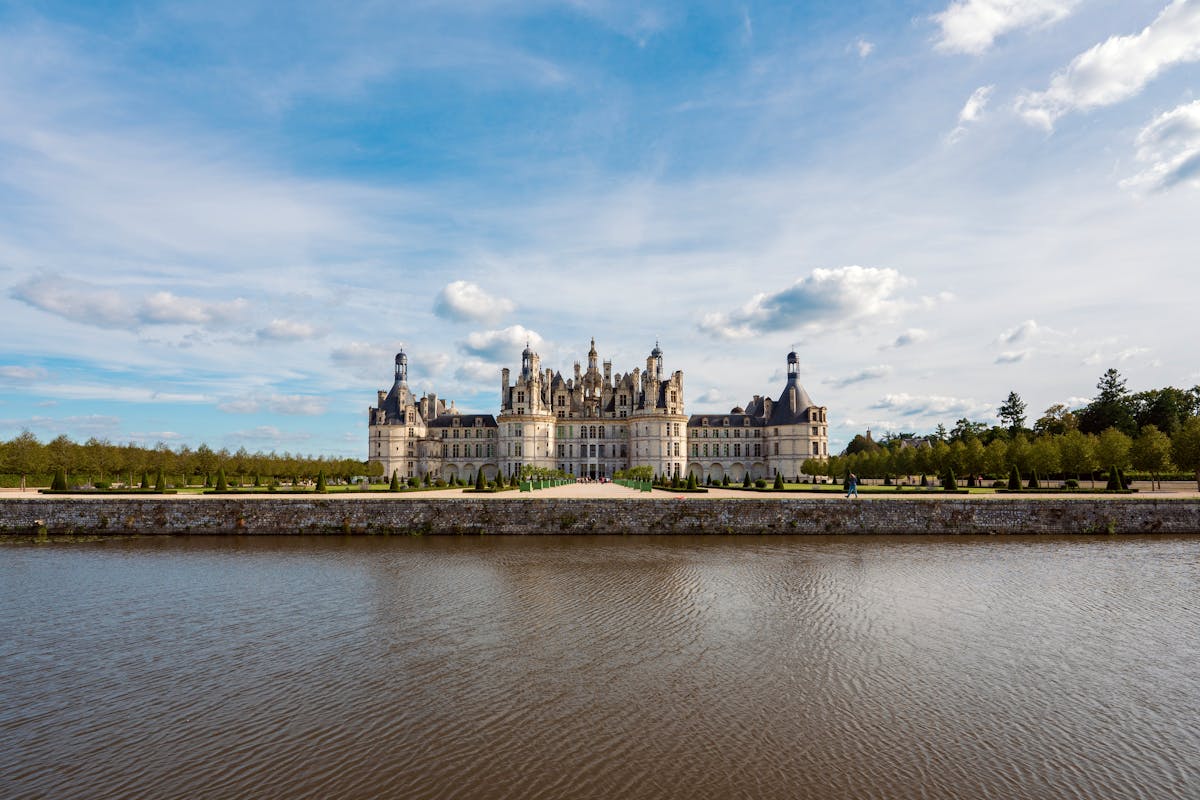
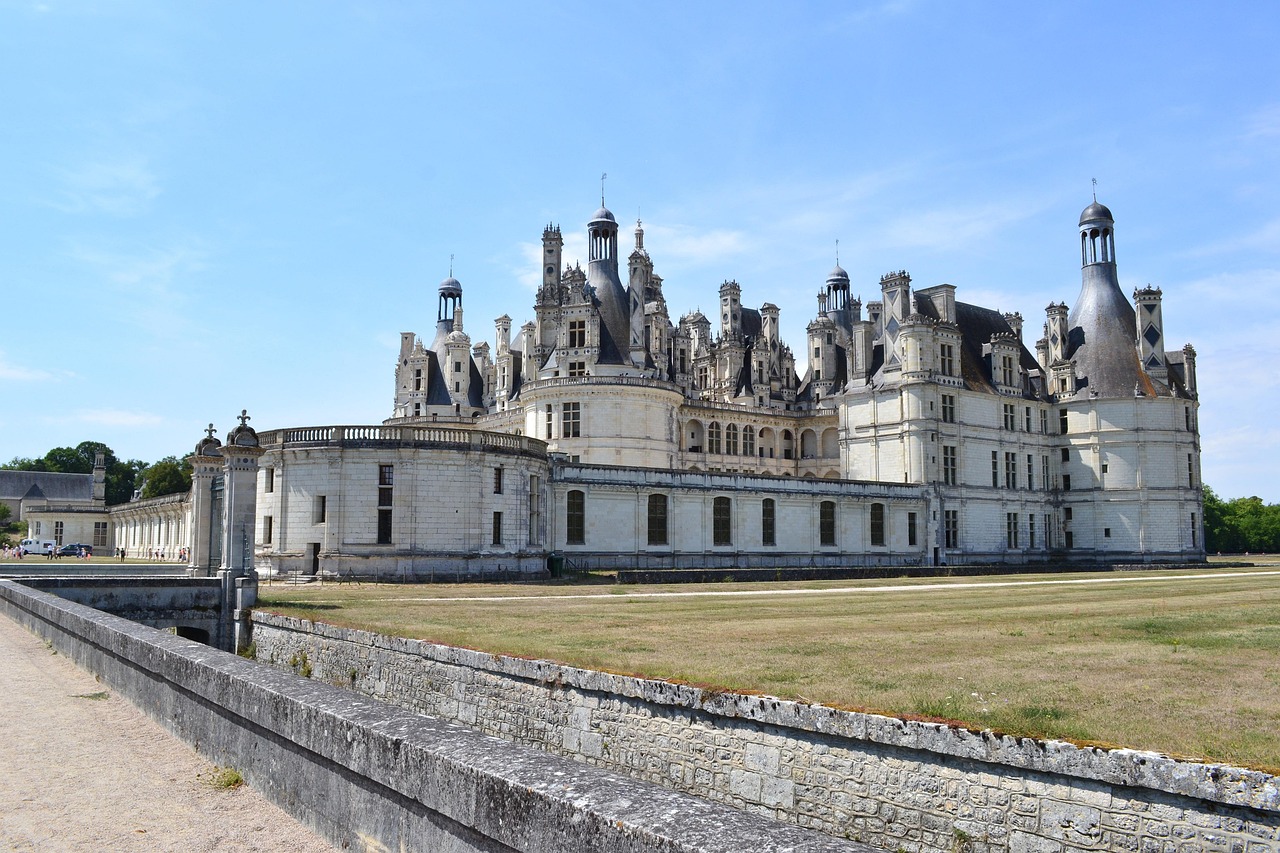
Chambord sits 15 kilometres east of Blois in the Loir-et-Cher department. It’s surrounded by forest and farmland — there’s no town attached to it, just the chateau, its grounds, and a handful of restaurants and gift shops.
From Paris by car: About 2 hours via the A10 motorway. Free parking at the chateau. This is the easiest option by far.
From Paris by train + bus: Take the TGV from Paris Austerlitz to Blois-Chambord station (about 1 hour 40 minutes). From Blois, the navette (shuttle bus) runs to Chambord during tourist season, taking about 40 minutes. Off-season, you’ll need a taxi (EUR 30-40 one way) or a rental car from Blois station.
From Blois: 20 minutes by car. Blois itself has a fine royal chateau worth half a day, so basing yourself there for a Loire Valley trip makes logistical sense.
From Tours or Amboise: About 45-50 minutes by car. Both towns are popular bases for exploring the Loire. Several guided tours depart from Tours and Amboise, which saves you the hassle of driving.
Tips That Will Save You Time
Buy tickets online the day before. Not because they sell out (they rarely do) but because the skip-the-line benefit is real. Walking past 40 people in a queue on a hot July day feels like a small victory.
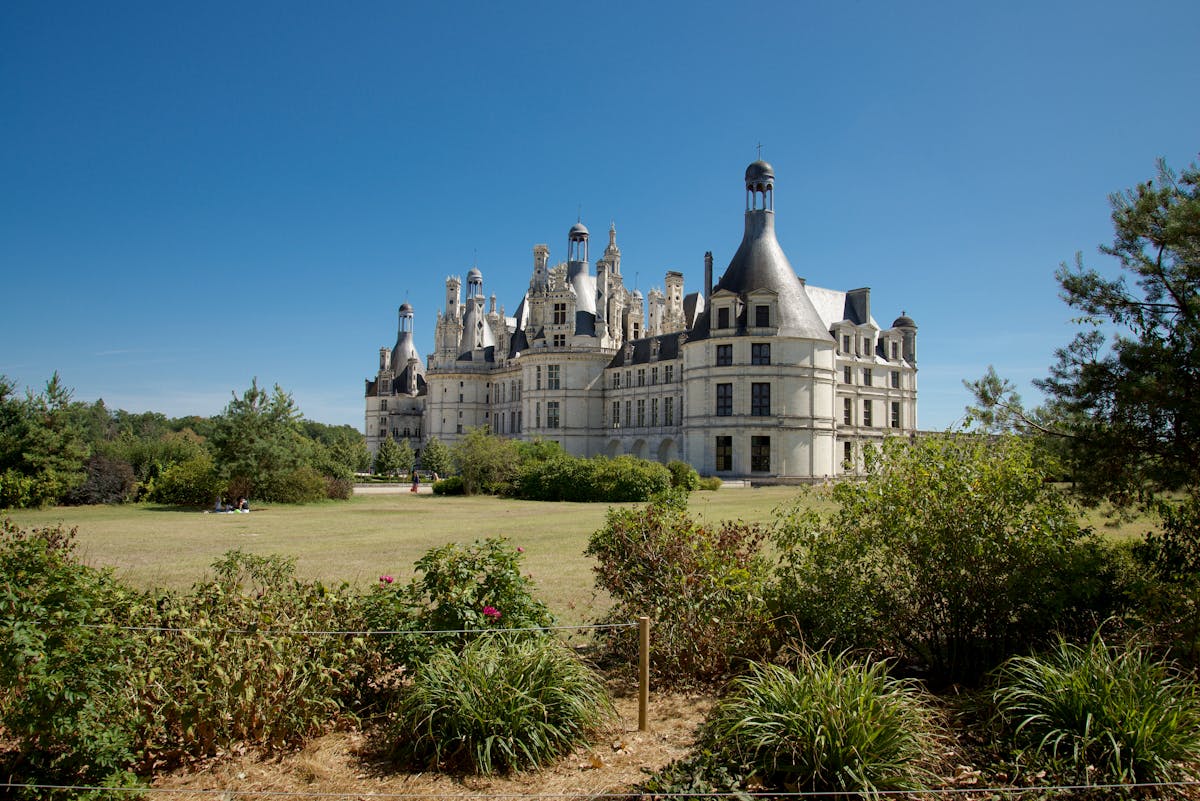
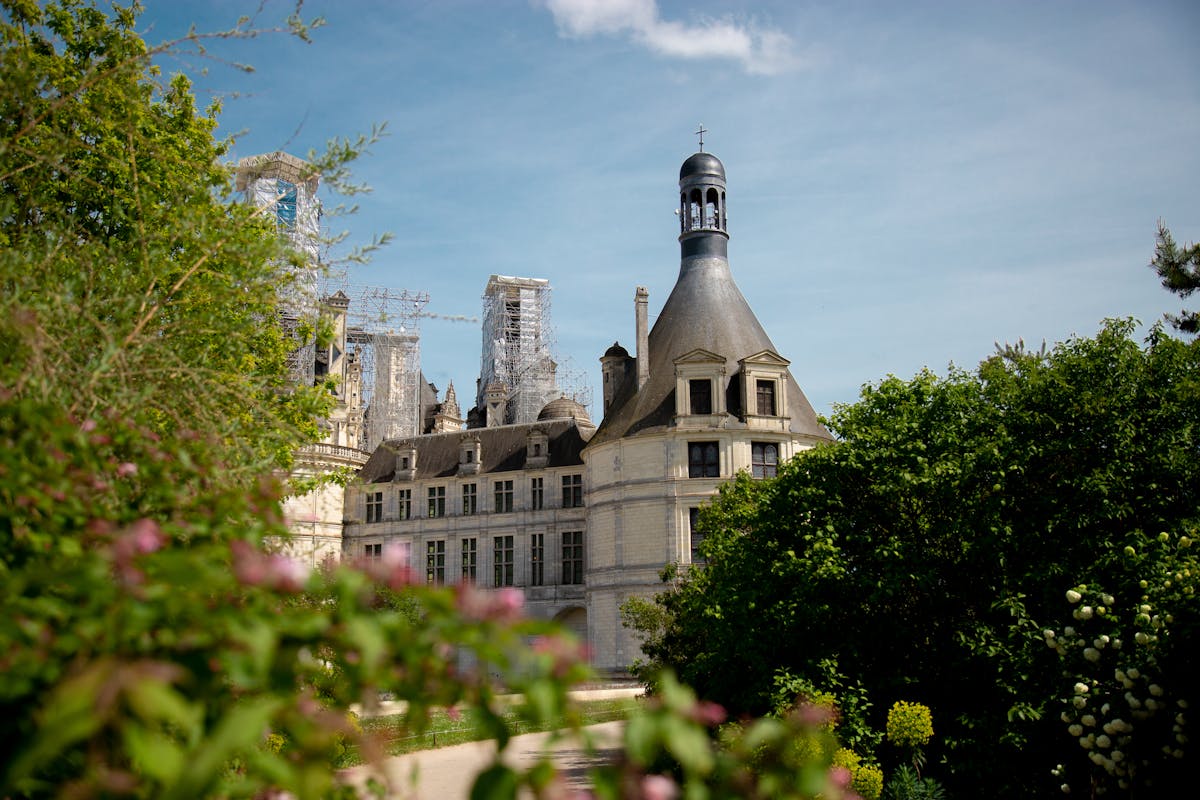
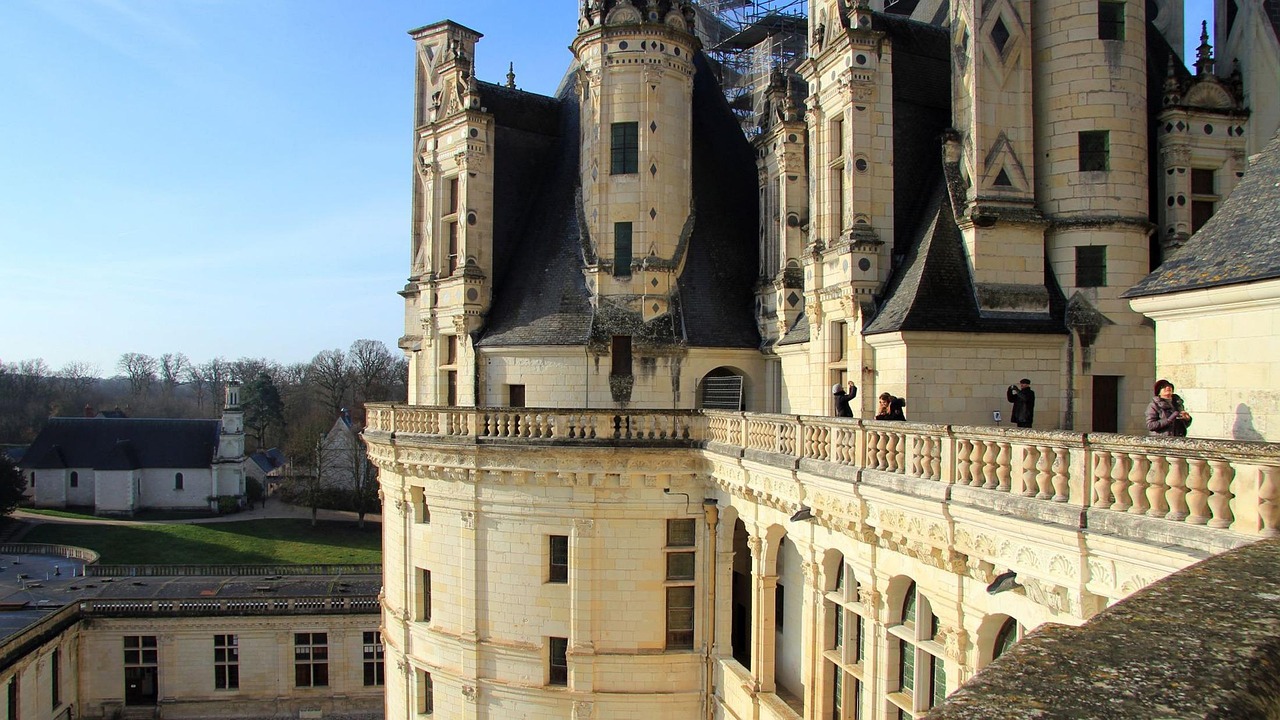
Start with the rooftop. Most visitors follow the suggested circuit: ground floor, first floor, staircase, second floor, then rooftop. Go straight to the rooftop instead. It’s where the “wow” moment is, and by going early you beat the crowds who are still working their way up. The rooftop terrace is Chambord’s real masterpiece — towers, chimneys, dormer windows, and ornamental lanterns spread across a skyline that one French historian described as looking like an entire city’s worth of rooftops placed on a single building.
Wear comfortable shoes. The chateau has 84 staircases and the floors are stone. You’ll walk more than you expect. In winter, bring a warm layer — the interior is genuinely cold.
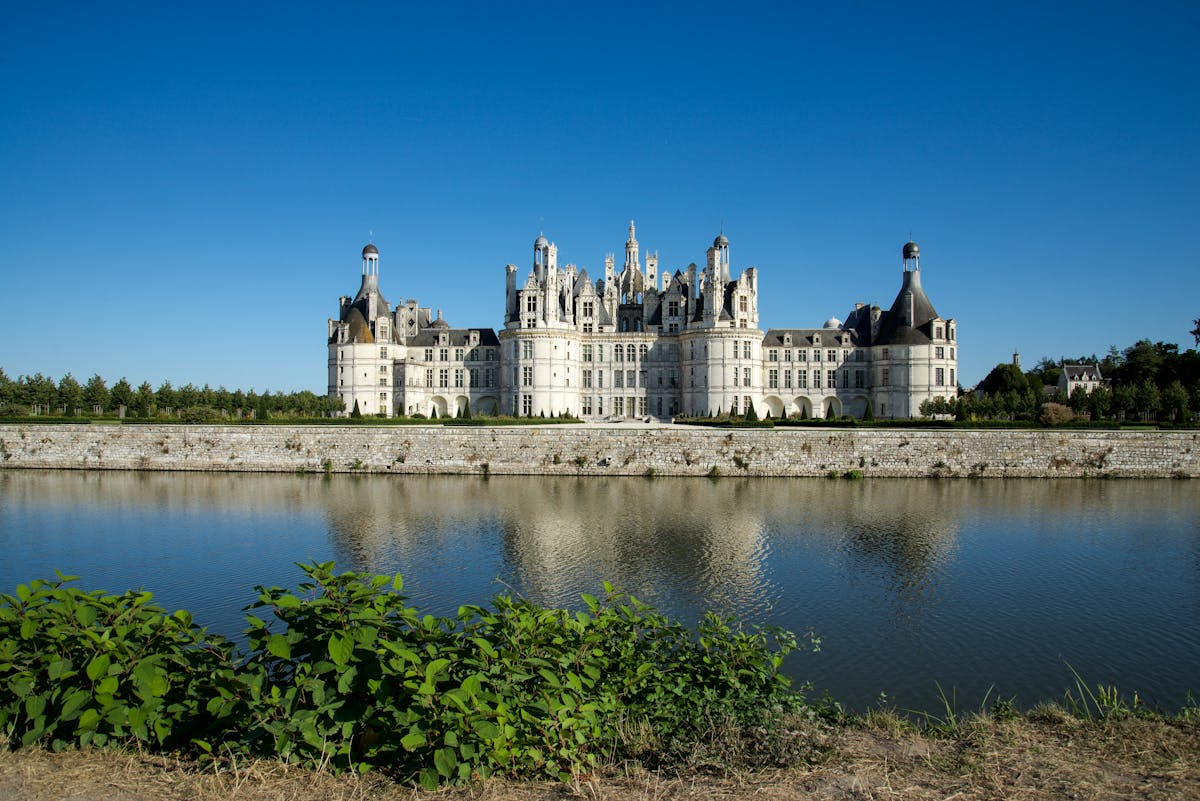
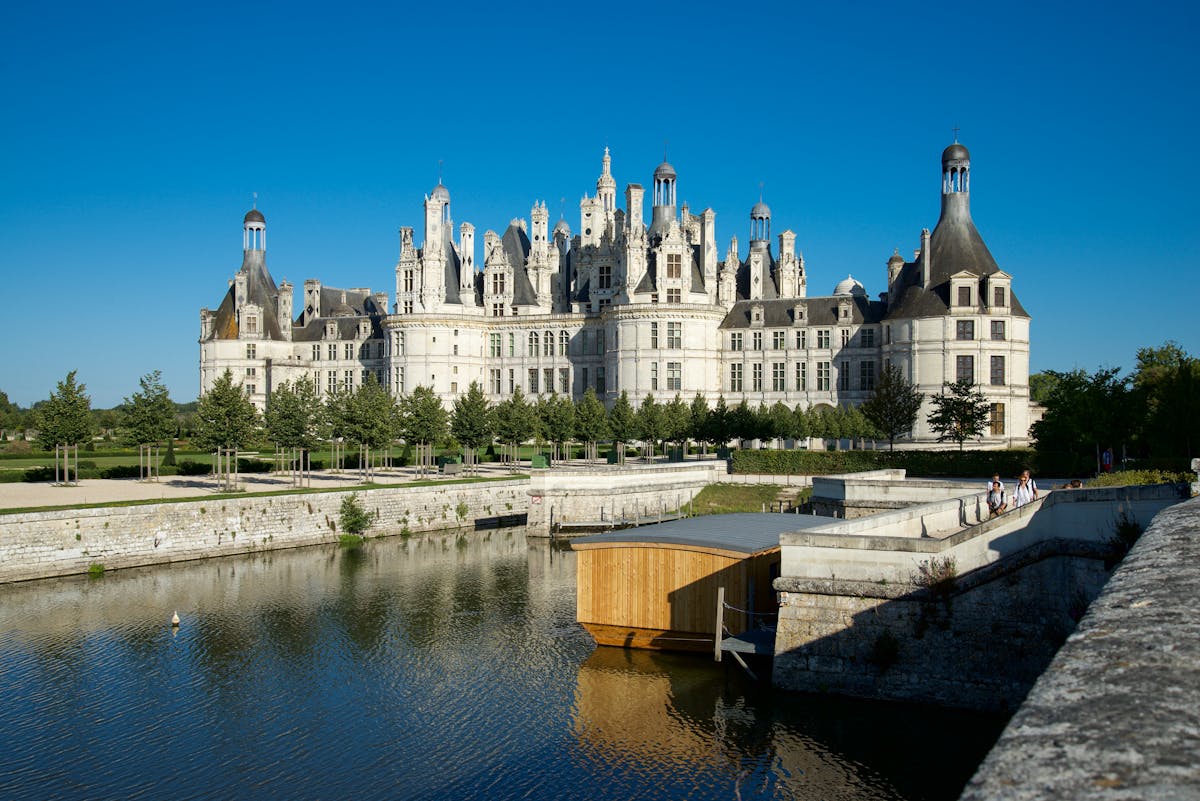
The grounds deserve time. The 5,440-hectare estate (the same size as inner Paris) is enclosed by a 32-kilometre wall, the longest in France. You can rent bikes, take a horse-drawn carriage, or walk the trails. Wild boar and red deer live on the estate, and you’ll sometimes see them from the walking paths, especially early morning. The boat hire on the canal in front of the chateau is also pleasant in warm weather.
Bring food if you’re on a budget. The on-site restaurants are fine but predictable and tourist-priced. Picnicking on the grounds is a better option — grab supplies in Blois before you come.
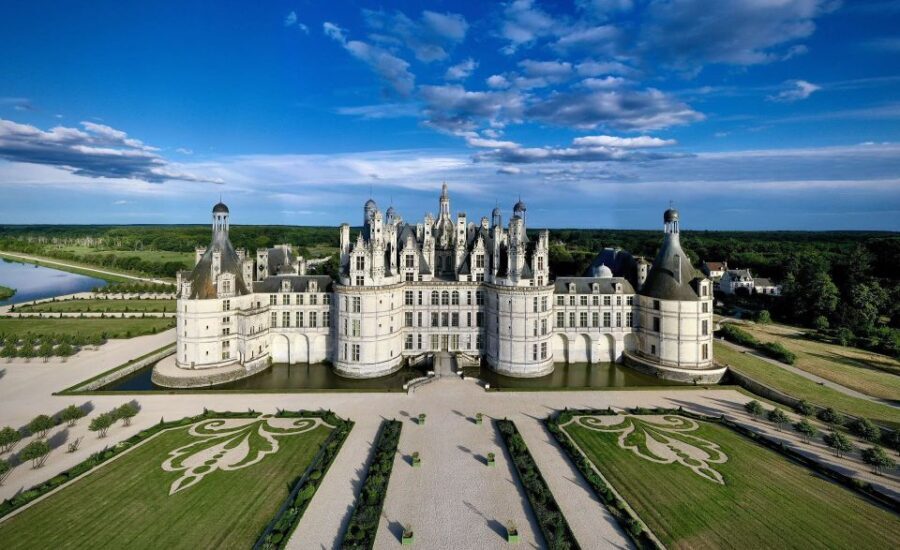
Don’t skip the French formal gardens. They were restored in 2017 and they’re gorgeous. Six and a half hectares of period-accurate planting around the chateau’s north facade. The Domaine Pass includes them, or you can buy a separate garden ticket.
What You’ll Actually See Inside
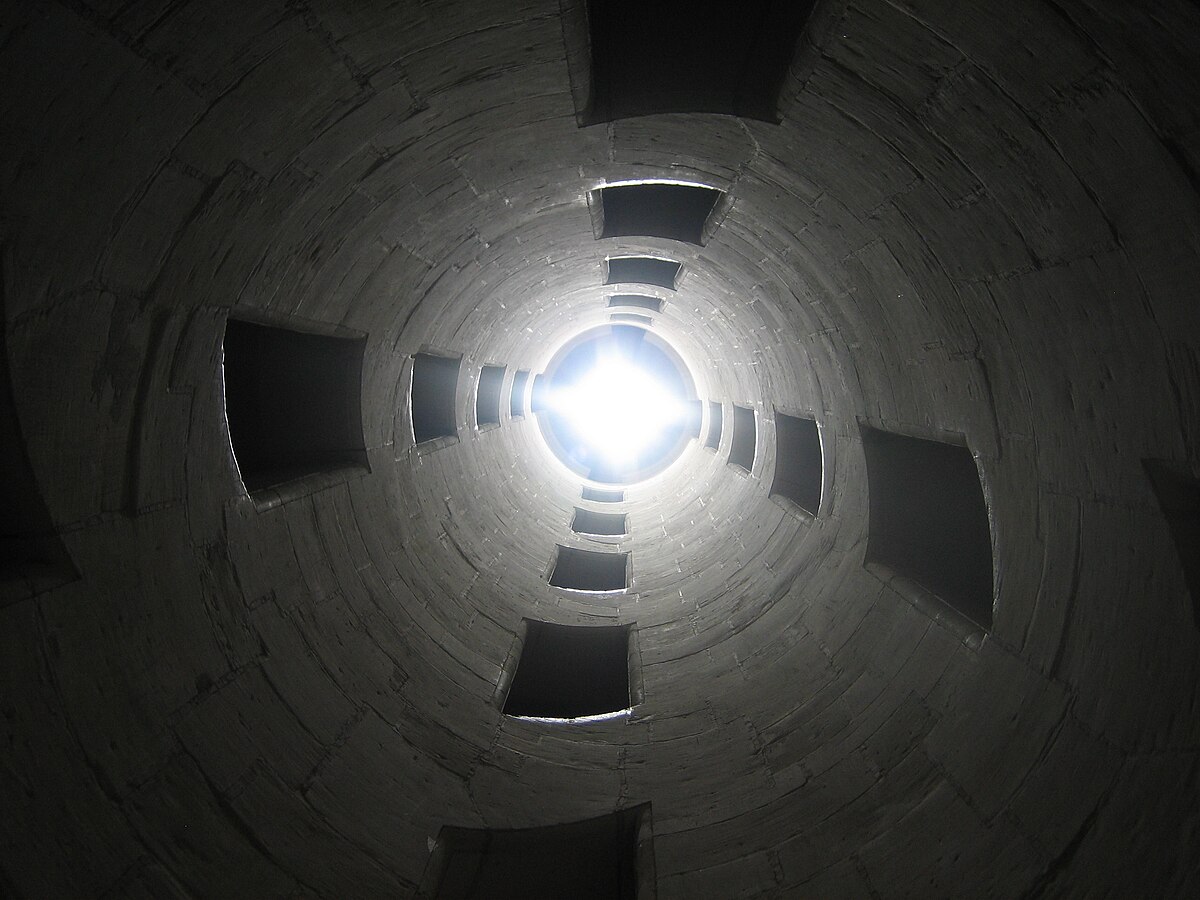
The star of the show is the double-helix staircase. Two intertwined spiral staircases rise through the centre of the keep, connected by openings that let you see the other spiral as you climb. Two people ascending on different spirals can watch each other through the gaps but never actually meet on the stairs. Leonardo da Vinci is widely credited with the design concept — he was living in nearby Amboise as a guest of Francois I when the chateau was being planned, and the staircase’s engineering is consistent with his notebooks.
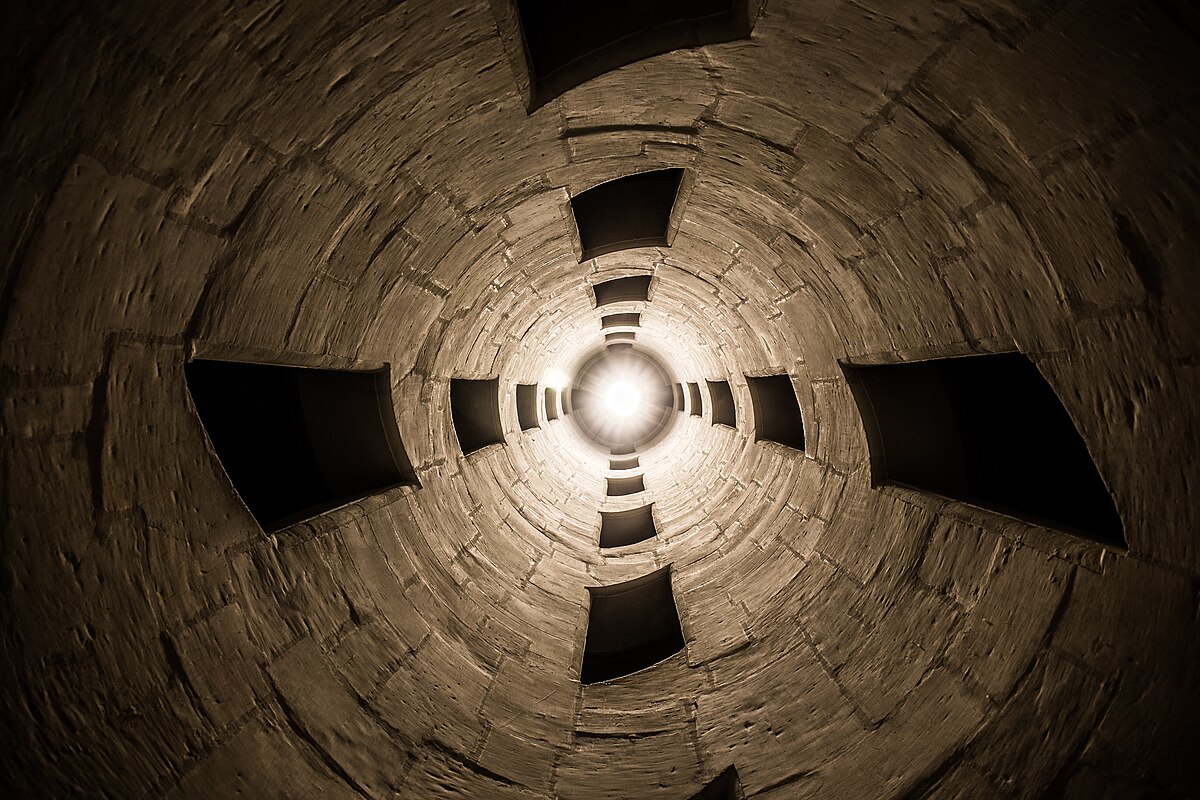
The staircase alone justifies the visit. Stand at the base and look straight up through the centre — the view looks remarkably like an X-ray photograph of DNA, which shouldn’t be surprising given the helix geometry.
Beyond the staircase, the chateau’s 440 rooms are arranged in a Greek cross pattern around the central keep. Most are unfurnished, but a handful have been restored with period furniture and tapestries:
Francois I’s apartments are on the first floor, with carved salamander emblems (his personal symbol) appearing obsessively on every surface. The king’s chamber has the only remaining original coffered ceiling.
The second floor houses rotating exhibitions and the chapel, which was never completed in Francois I’s lifetime. The space is striking for its size — it occupies two full floors of the north wing.
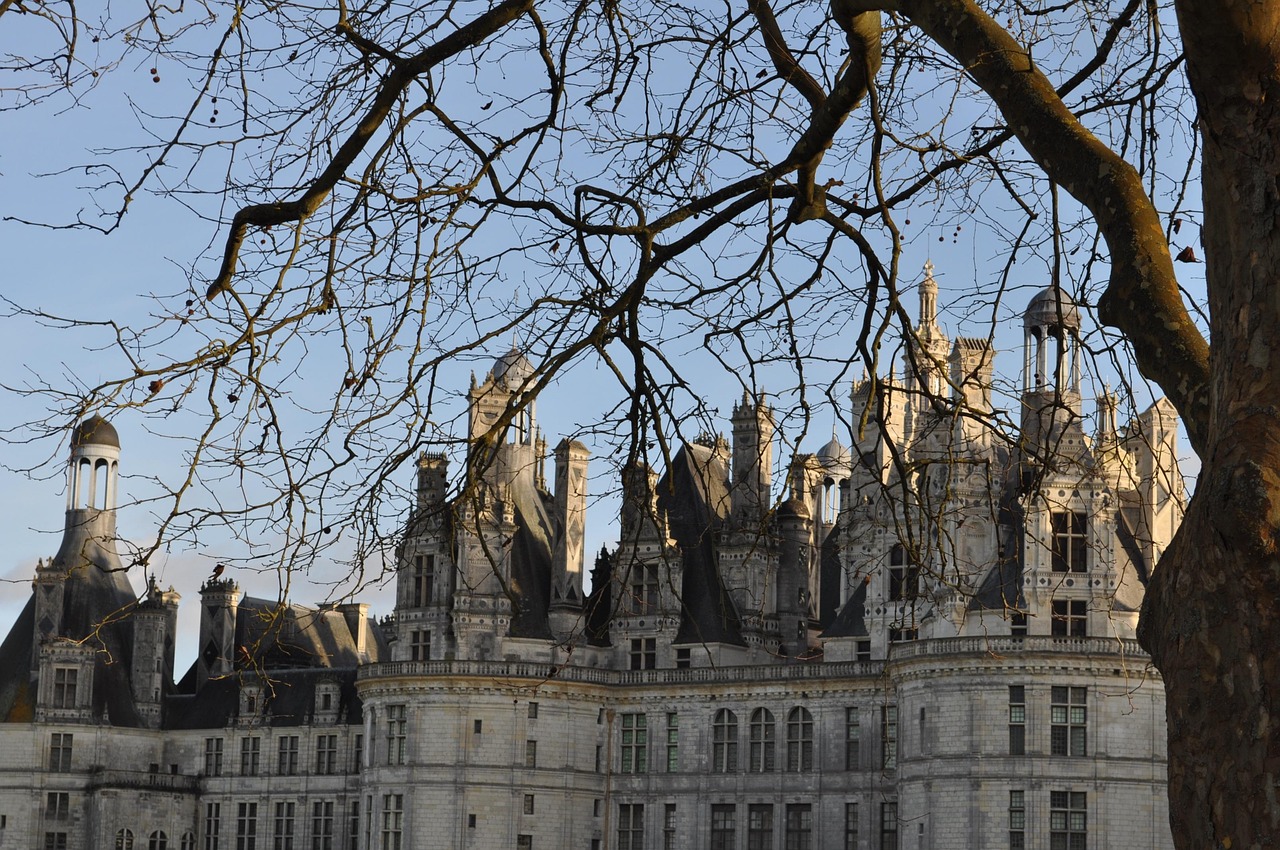
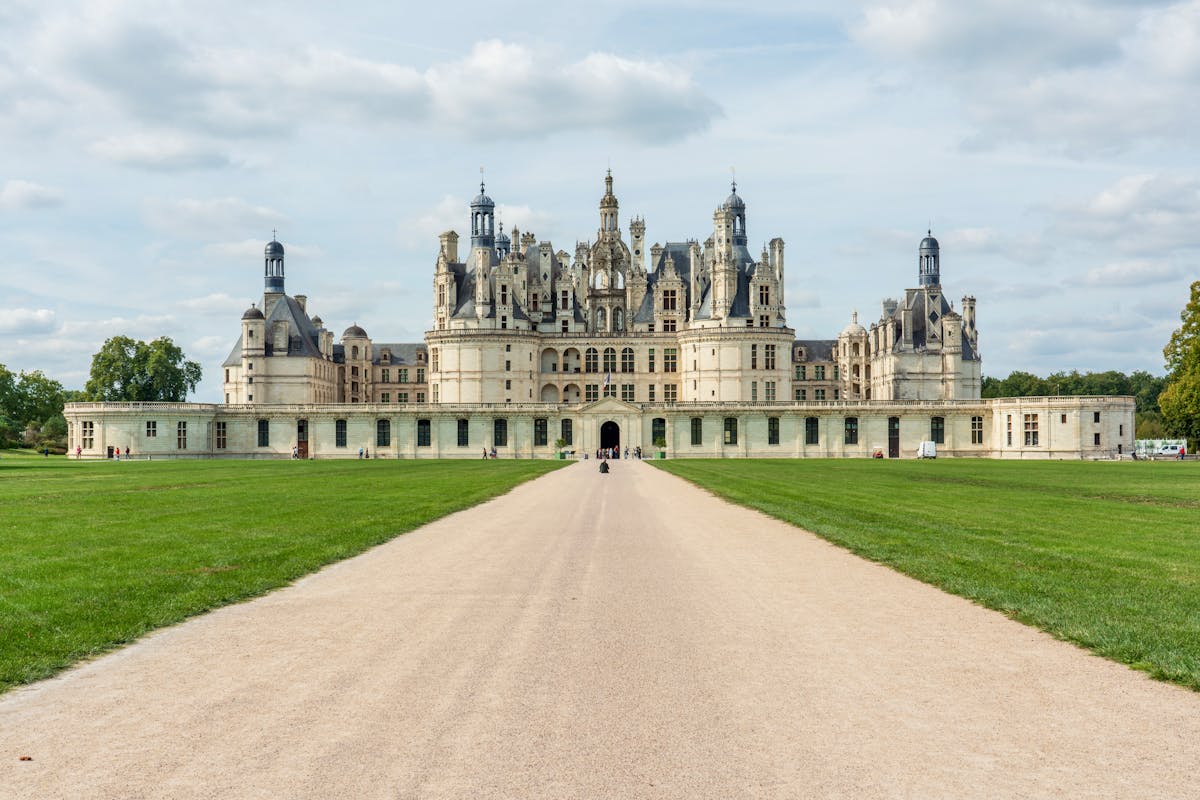
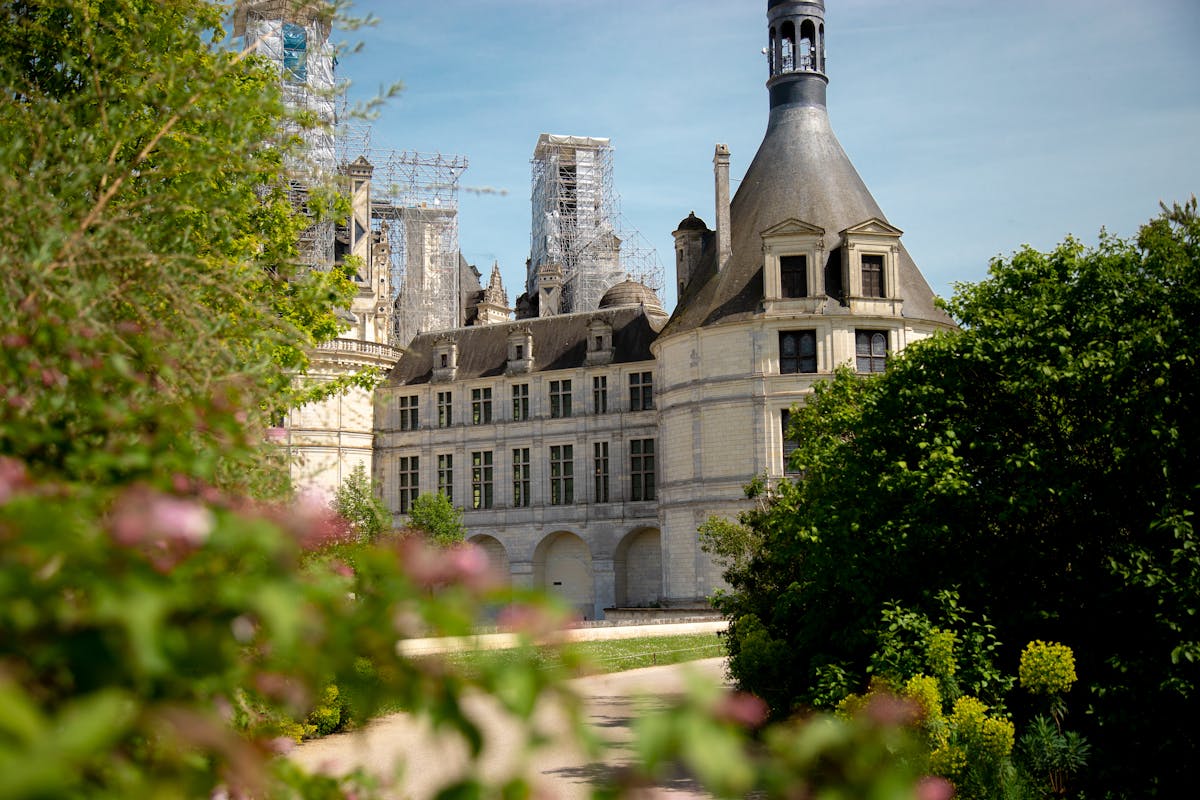
The rooftop terraces are the emotional climax of the visit. Francois I used them as an outdoor promenade to watch hunting parties return across the estate. The skyline of ornamental towers, chimneys, and dormer windows is unlike anything else in architecture. Each tower is slightly different from its neighbours in a way that feels playful rather than symmetrical. The king wanted a rooftop city, and that’s essentially what he got.
The Wild History of Chambord
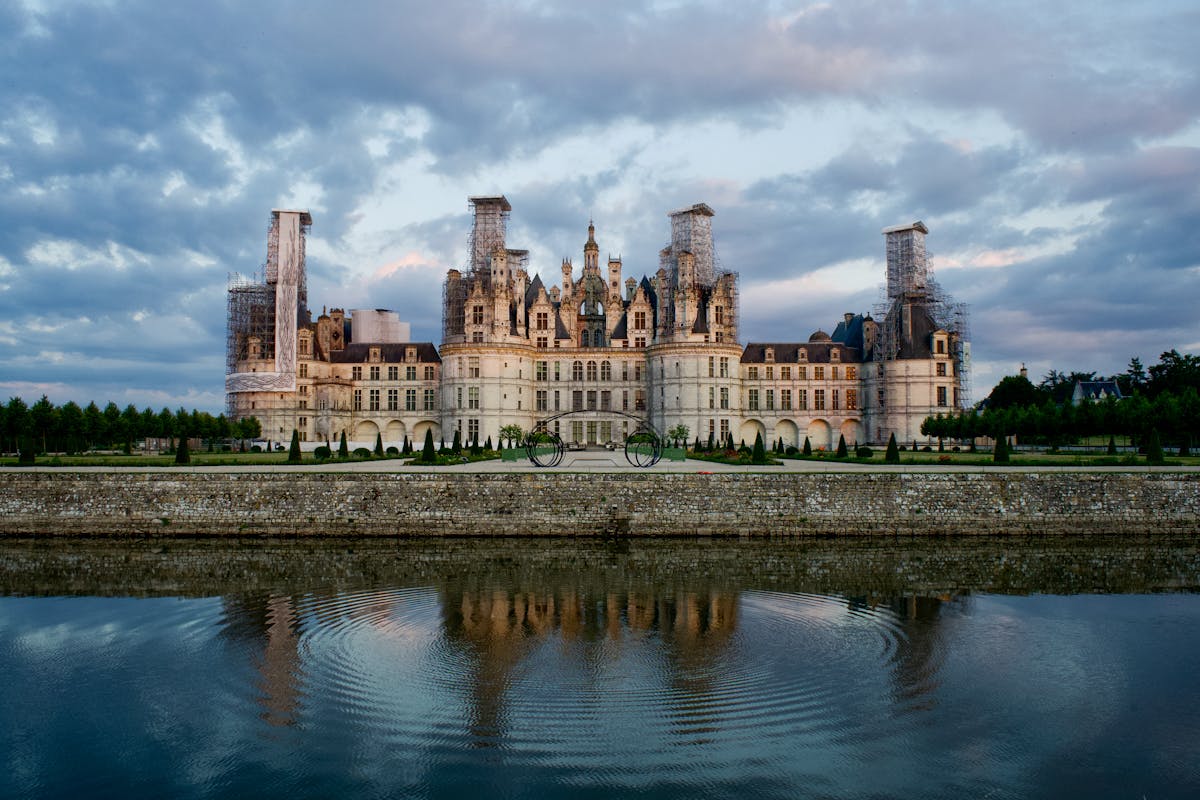
Chambord’s history reads like historical fiction. Francois I started construction in 1519, the year Leonardo da Vinci died in Amboise, 15 kilometres away. The project consumed 1,800 workers and took nearly three decades. Over 220,000 tonnes of stone were used. The king visited his creation just 72 times.
After Francois I died in 1547, the chateau passed through various royal hands, each adding their own touches but none matching the original ambition. Louis XIV stayed 9 times and commissioned Moliere to perform the premiere of “Le Bourgeois Gentilhomme” in the chateau in 1670. That was probably the most exciting cultural moment in Chambord’s entire history.
During the French Revolution, the chateau was looted. Every piece of furniture, every wall hanging, every fixture was stripped out and sold. The building survived only because it was too big and too remote to demolish efficiently. Some revolutionaries proposed tearing it down for the stone, but the logistics defeated them.
The most remarkable chapter came during World War II. When Germany invaded France in 1940, curators at the Louvre had already been quietly moving masterpieces out of Paris. The Mona Lisa, along with thousands of other works, was secretly transported to Chambord. The chateau’s remote location and massive storage capacity made it an ideal vault. German troops later occupied the building but apparently never discovered the hidden art collection. The Mona Lisa survived the war in a Loire Valley hunting lodge — one of history’s stranger twists.
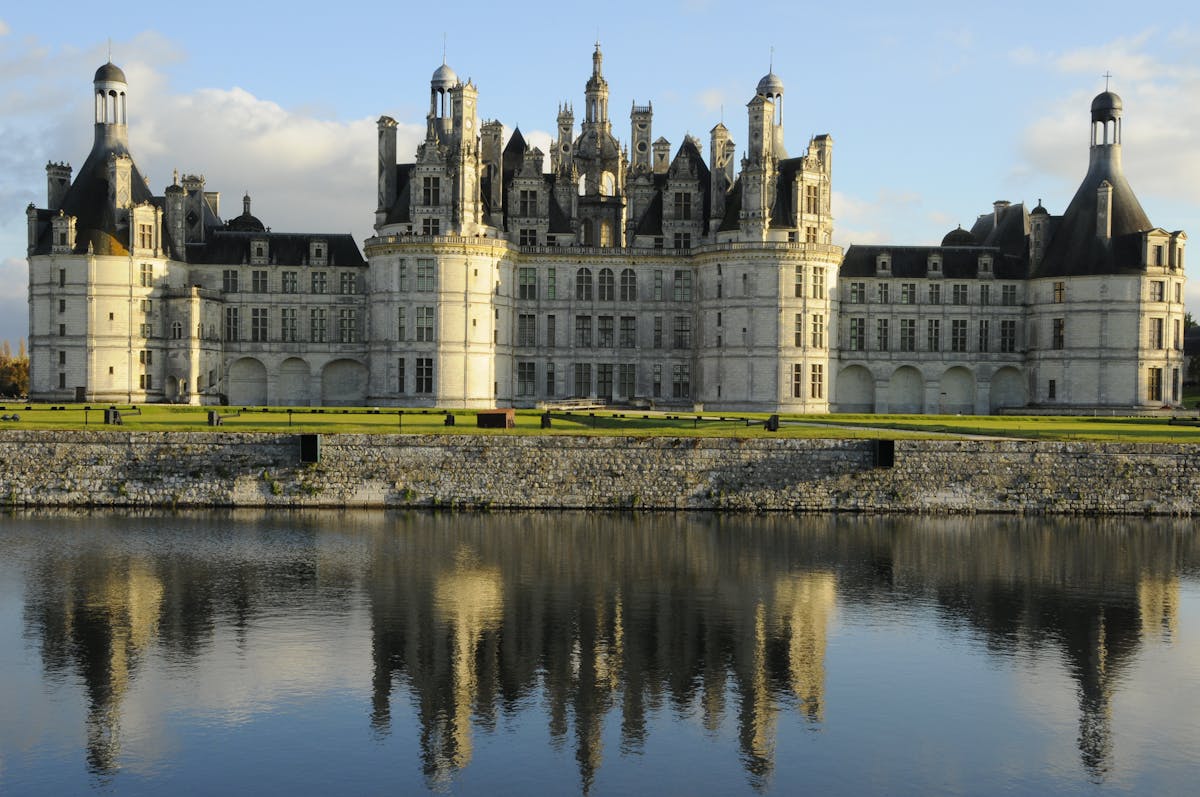
Today the estate covers 5,440 hectares enclosed by that 32-kilometre wall. It remains a working hunting reserve. Wild boar and red deer roam the forests. The French government manages the chateau as a national monument, and about 800,000 people visit each year — making it one of the most-visited chateaux in France after Versailles.
Combining Chambord with Other Loire Valley Castles
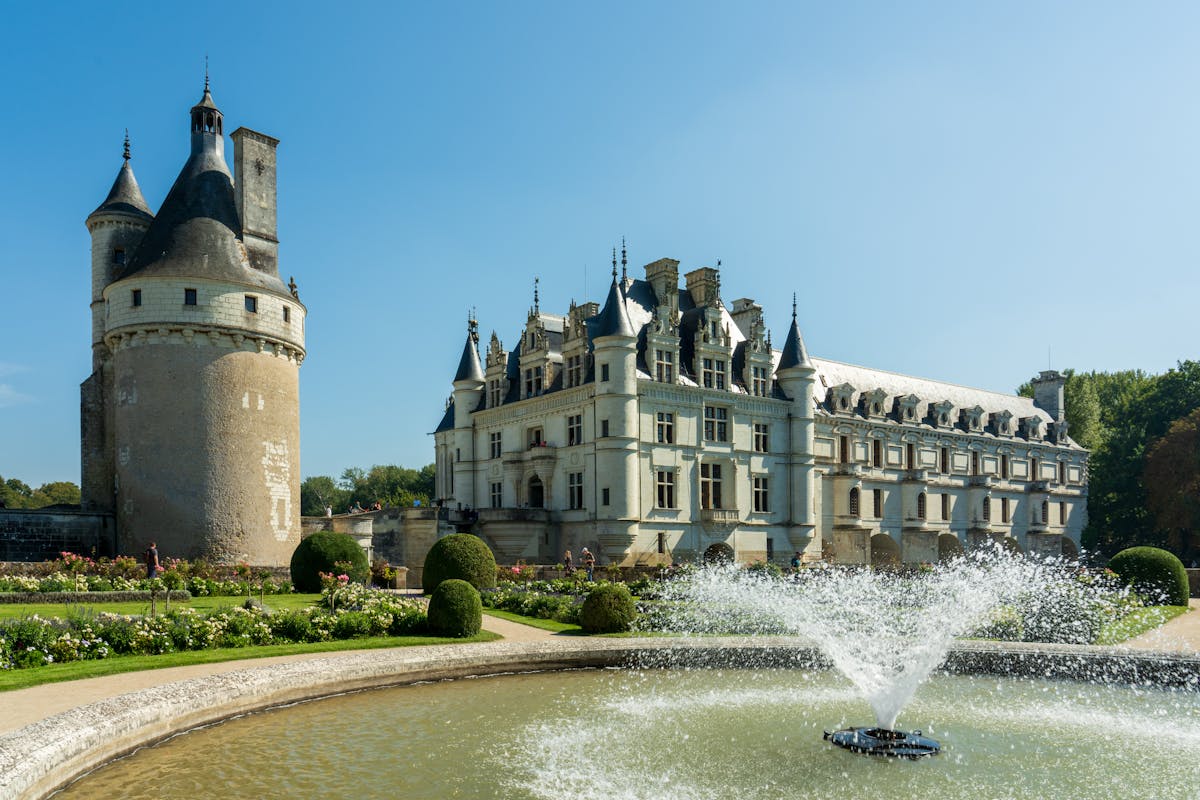
The Loire Valley has more chateaux than you could visit in a month. But if you’re doing a day trip, the classic combination is Chambord plus Chenonceau. They’re about 45 minutes apart by car, and they’re opposite in character — Chambord is all masculine ambition and architectural excess, while Chenonceau is elegant and feminine, built across the River Cher by a succession of powerful women.
Other strong pairings from Chambord:
Cheverny (20 minutes south) — Smaller, still furnished, and the inspiration for Captain Haddock’s Marlinspike Hall in the Tintin comics. If you’re travelling with kids who’ve read Tintin, this will be the highlight of their trip.
Blois (15 minutes west) — The royal Chateau de Blois is a history lesson in four wings, each built in a different architectural style spanning 400 years. It’s where Henri III had the Duke of Guise assassinated in 1588 — you can stand in the room where it happened.
Amboise (35 minutes south) — Leonardo da Vinci’s final home, Clos Luce, is here, along with the royal Chateau d’Amboise where he’s buried. This is the natural companion if you’re interested in the French crown’s building obsession across different eras.
If you’re doing the Loire Valley as a day trip from Paris, most guided tours will handle the combinations for you. The popular routes hit either Chambord + Chenonceau or Chambord + Chenonceau + a third castle, usually with a wine stop.
More France Guides
If Chambord is on your list, you’re probably planning around the Loire Valley — and there’s a lot more worth booking. Our Loire Valley tour guide from Paris covers the best full-day trips including the ones that bundle Chambord with Chenonceau and wine tastings. For the other end of the royal spectrum, Versailles tickets are a whole different game — timed entry, massive crowds, and a few workarounds that make the experience dramatically better. Both are doable from Paris in a single day, though I wouldn’t attempt both on the same trip unless you have very good shoes and even better stamina.
This article contains affiliate links. When you book through our links, we earn a small commission at no extra cost to you. This helps us keep producing free travel guides. All opinions are our own and all tour recommendations are based on verified visitor reviews.