
The Jurade of Saint-Emilion has been deciding which wines deserve the label since 1199. That’s over 800 years of people arguing about Merlot — and they’re still at it.
I figured a wine region with that kind of track record would be straightforward to visit. Pick a tour, show up, drink. But Saint-Emilion sits about 45 minutes east of Bordeaux, and getting there without a car means either a slow regional train or booking an organised tour that handles transport for you. Most first-time visitors don’t realise this until they’re already in Bordeaux, staring at the SNCF timetable and wondering where the afternoon went.
The good news: the tours running from Bordeaux are actually excellent. The region’s UNESCO-listed vineyards, underground limestone caves, and medieval streets make it one of those rare day trips where the journey itself feels like part of the experience.
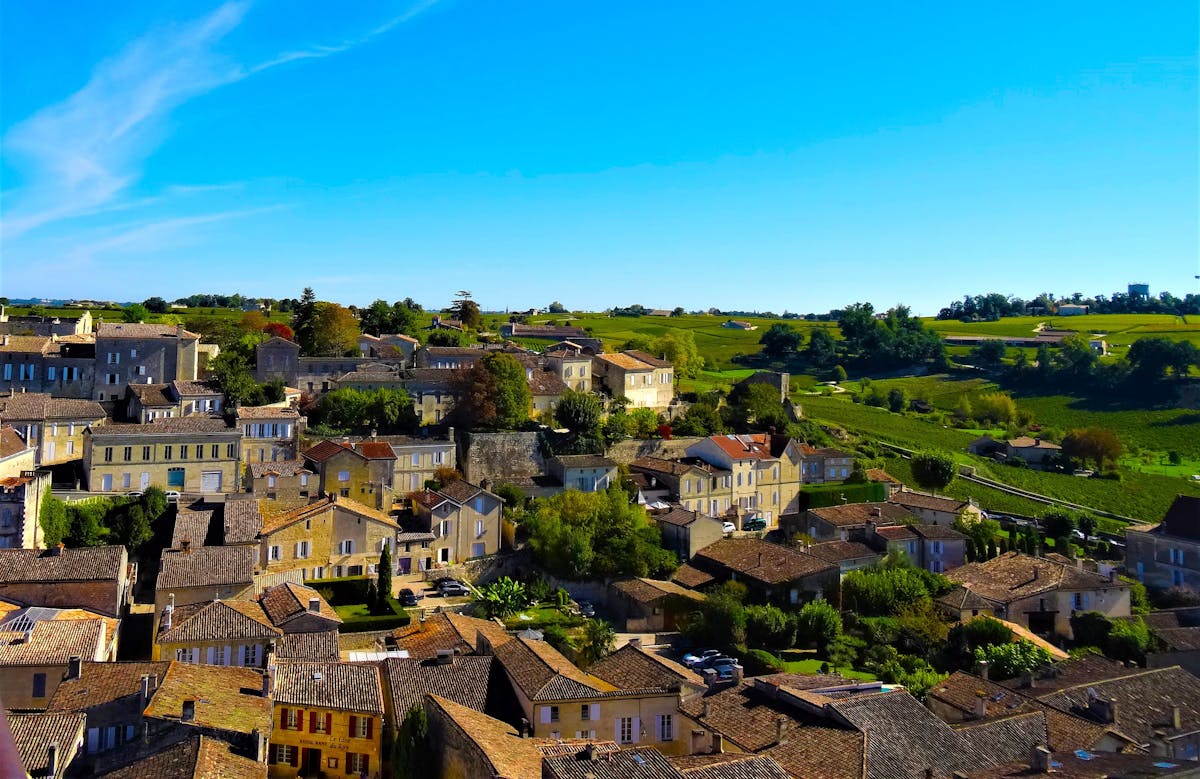
Here’s everything you need to know to book a Saint-Emilion wine tour — prices, timing, what to expect, and which tours are actually worth the money.
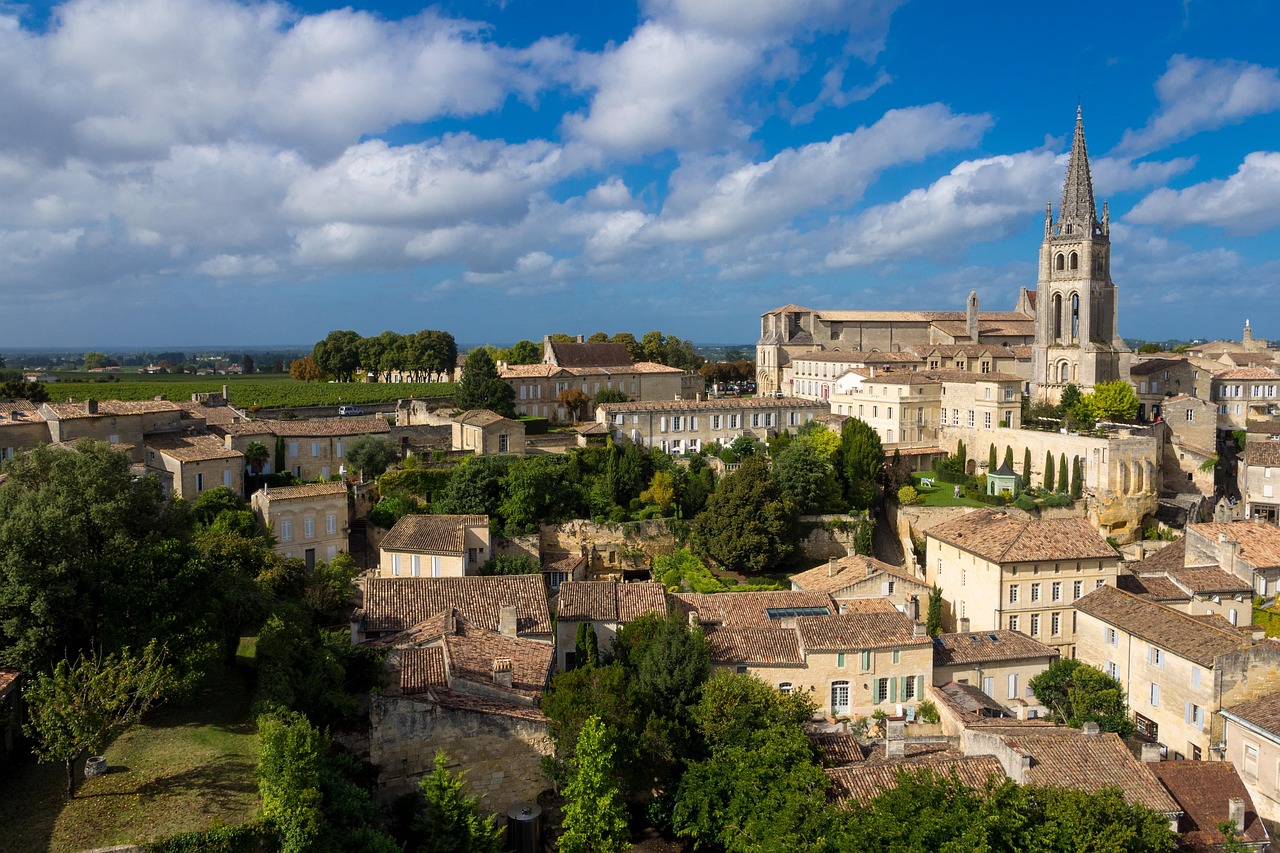
Short on time? Here are my top picks:
Best overall: Afternoon Saint-Emilion Wine Tasting Trip — $112. Half-day with village walking tour and tastings at two estates. The guide Axel gets consistently great feedback.
Best budget: Grand Cru Classe Winery Visit and Tasting — $23. Just one hour at a classified estate, but at this price you can’t complain. You taste three wines and walk through the vineyards.
Best full day: Saint-Emilion Day Trip with Sightseeing & Tastings — $250. Eight hours covering three chateaux in Saint-Emilion and Pomerol. Serious wine education for the price.
- A Quick History of Saint-Emilion (And Why It Matters for Your Visit)
- How to Get from Bordeaux to Saint-Emilion
- Official Visits vs Guided Tours — What Actually Makes Sense
- The Best Saint-Emilion Wine Tours to Book
- 1. From Bordeaux: Afternoon Saint-Emilion Wine Tasting Trip — 2
- 2. Medoc or Saint-Emilion Wine Tasting and Chateau from Bordeaux — 5
- 3. Saint-Emilion Day Trip with Sightseeing Tour & Wine Tastings — 0
- 4. Saint-Emilion: Grand Cru Classe Winery Visit and Tasting —
- 5. Saint-Emilion Half-Day Trip with Wine Tasting & Winery Visit — 3
- When to Visit Saint-Emilion
- What You’ll Actually See and Taste
- Practical Tips That’ll Save You Time and Money
- Combining Saint-Emilion with Other Bordeaux Wine Regions
- Planning the Rest of Your Bordeaux Trip
A Quick History of Saint-Emilion (And Why It Matters for Your Visit)
You can skip this section if you only care about the wine, but honestly, the history is half the reason Saint-Emilion is worth visiting over, say, the Medoc.
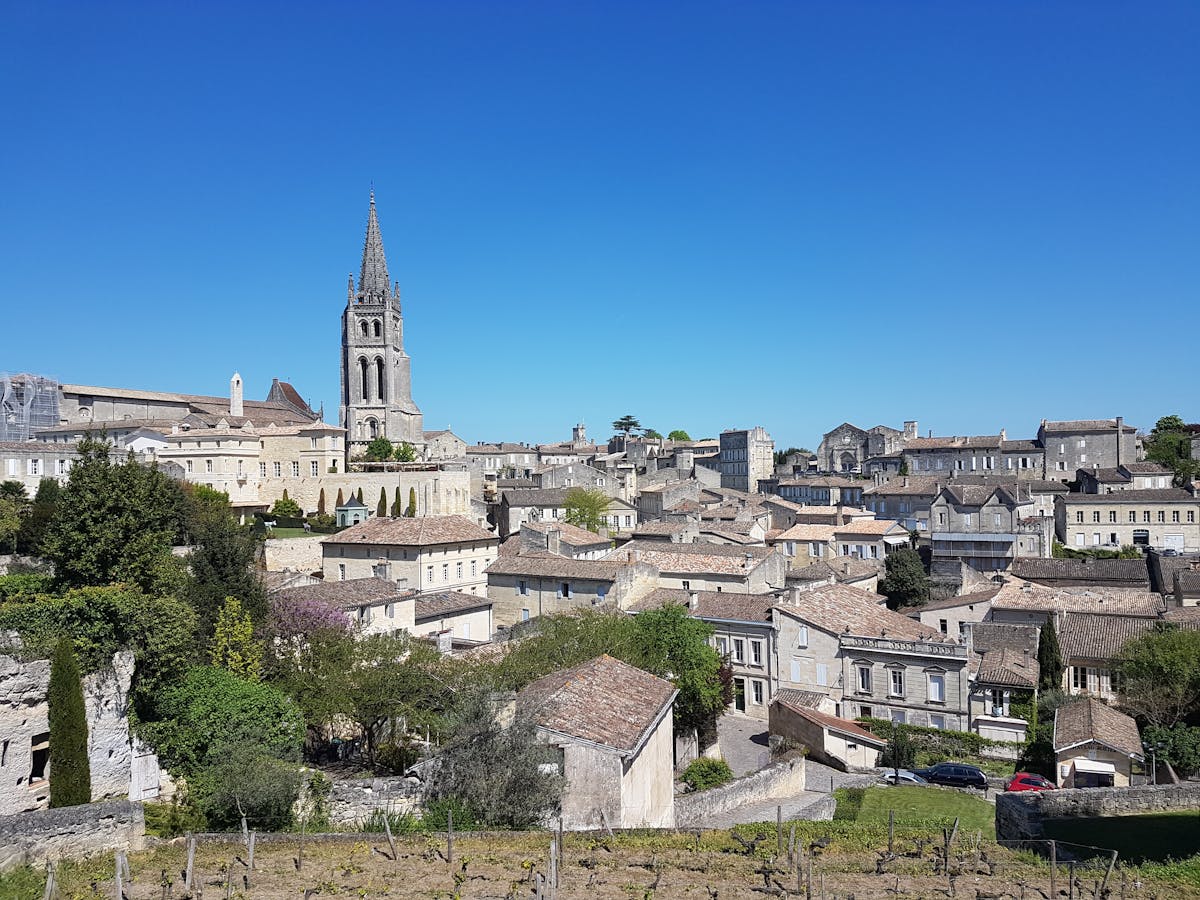
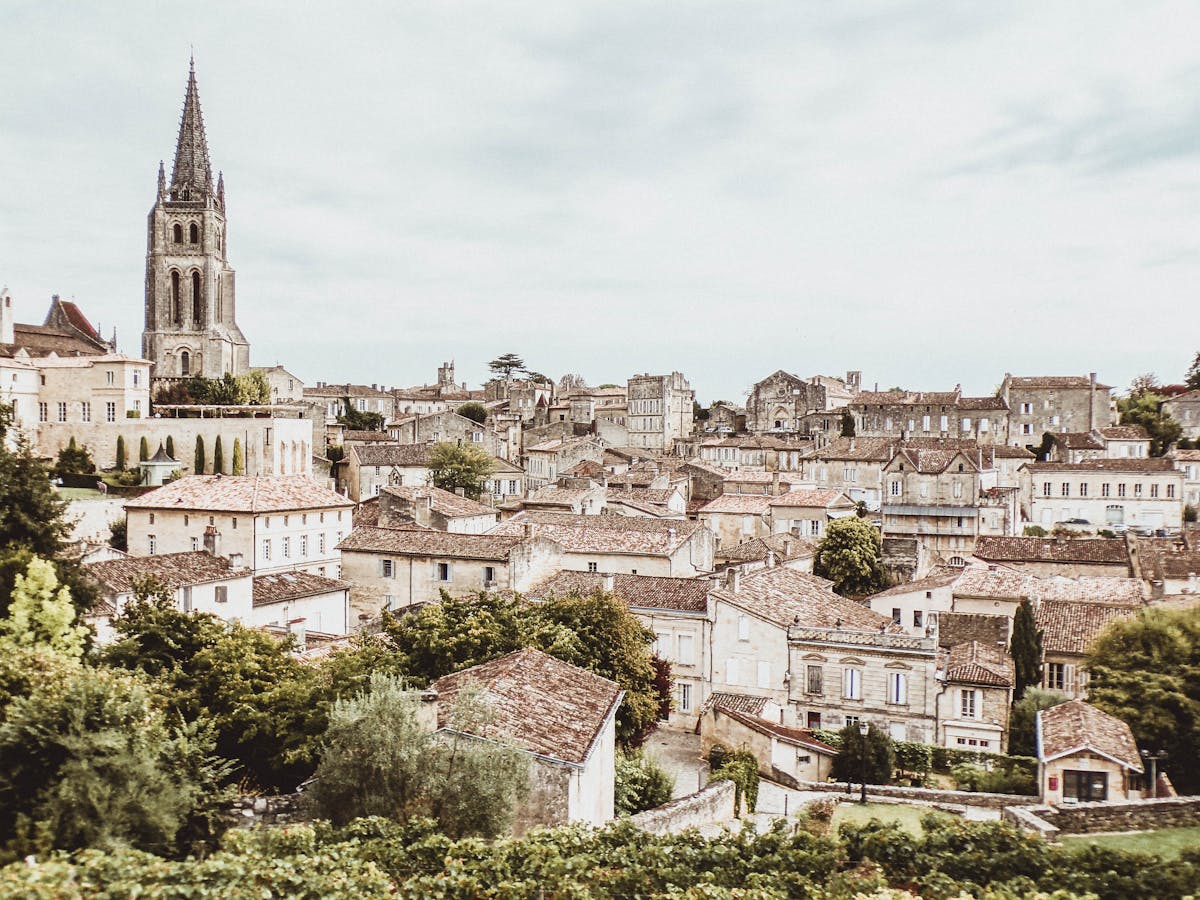
The town is named after an 8th-century Breton monk called Emilion who settled in a cave carved into the limestone plateau. His underground hermitage is still there — you can visit it — and the monolithic church that was eventually carved out of the rock above him is the largest underground church in Europe. One single piece of limestone, hollowed out over centuries. When you stand inside, it’s genuinely difficult to believe someone looked at solid rock and thought “I’ll make a cathedral out of this.”
Wine production here goes back to the Romans. The 2nd century AD. But the real power play happened in 1199, when King John of England — yes, the one from the Robin Hood stories — established the Jurade, a wine council with authority over Saint-Emilion’s wine classification. That council still governs classifications today. The ceremonial processions through the village happen twice a year, and they’re not just for travelers. The local winemakers take it dead seriously.
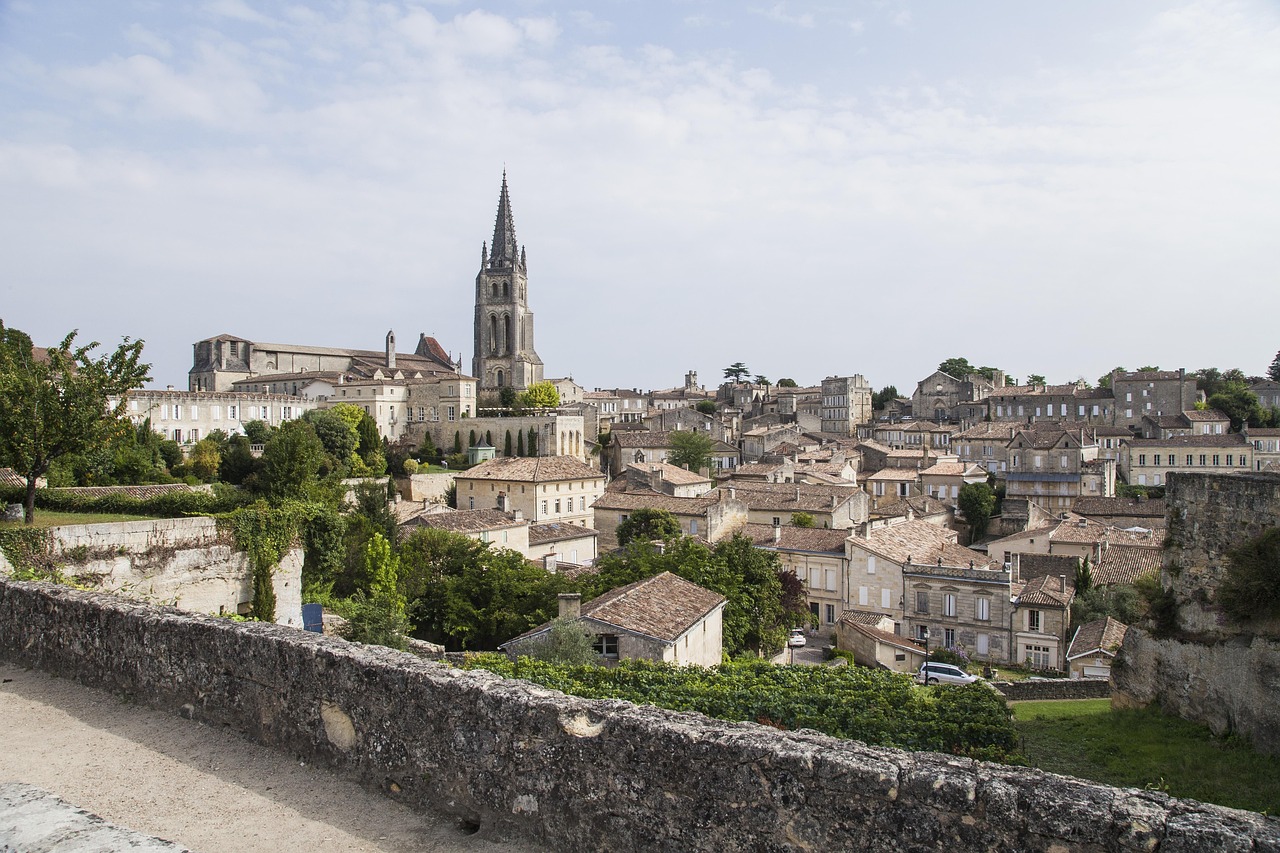
In 1999, UNESCO made the entire jurisdiction a World Heritage Site — not just the town, but the vineyards, the surrounding villages, all of it. It was the first wine-producing landscape in the world to get that designation. The Medoc, for all its first growths and Rothschilds, doesn’t have it. Saint-Emilion does.
And during the French Revolution, the underground galleries beneath the town served as hiding places for royalists and priests. The maze of tunnels connecting the wine caves turned out to be useful for more than storing bottles. Some of those passages are still off-limits to visitors, but certain tour operators can get you into sections that the general public doesn’t see.
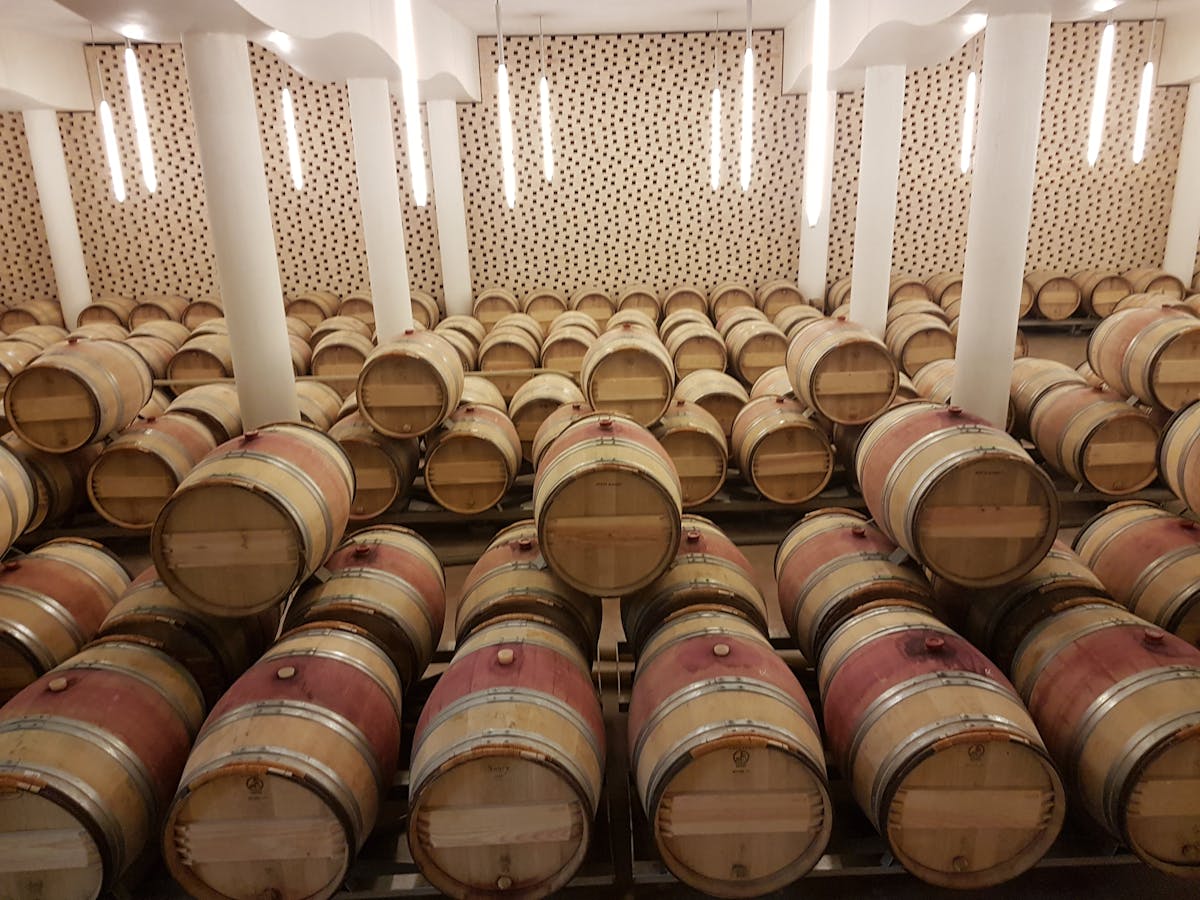
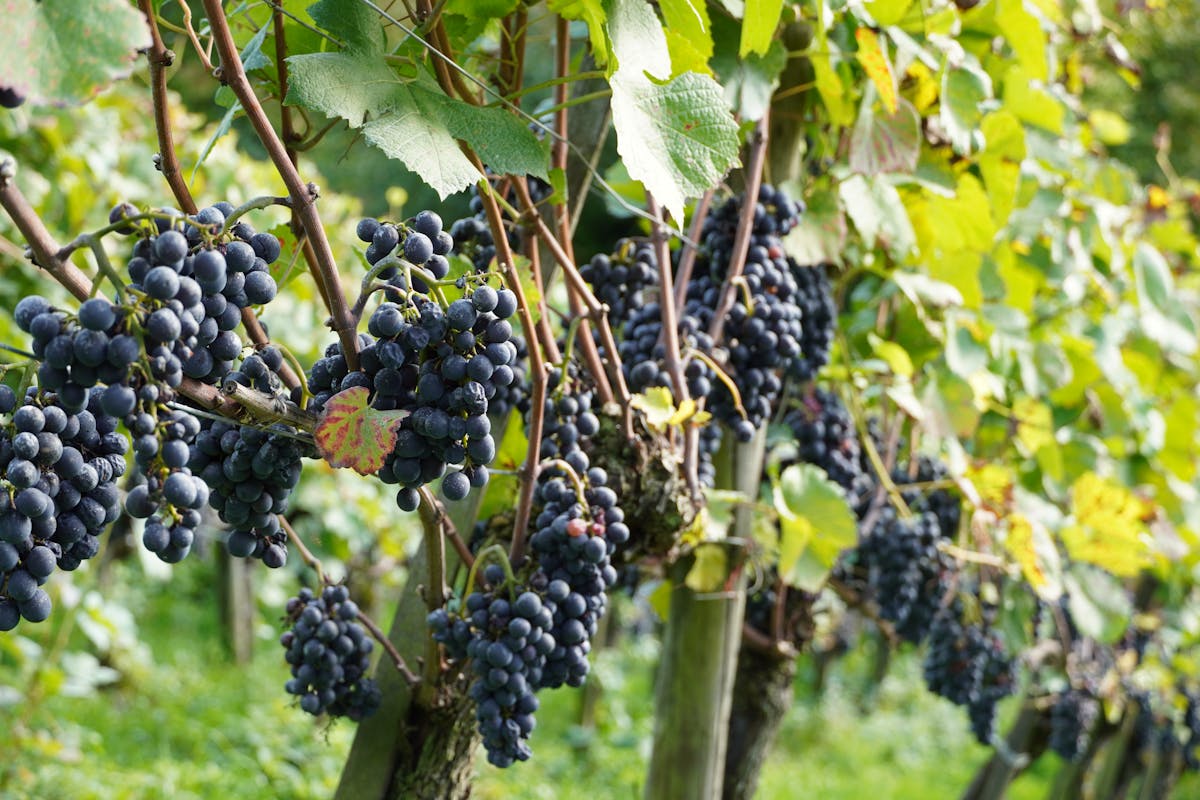
One more thing that matters for the actual wine: Merlot dominates here, not Cabernet Sauvignon. The right bank of the Dordogne has clay and limestone soils that produce softer, rounder reds — the kind you can drink younger without needing a second mortgage to afford them. This is actually a big deal for tastings, because it means you’ll be sampling wines that are approachable now, not ones that need another decade in someone’s cellar.
How to Get from Bordeaux to Saint-Emilion
There are three realistic ways to get to Saint-Emilion from Bordeaux, and your choice will shape your whole day.
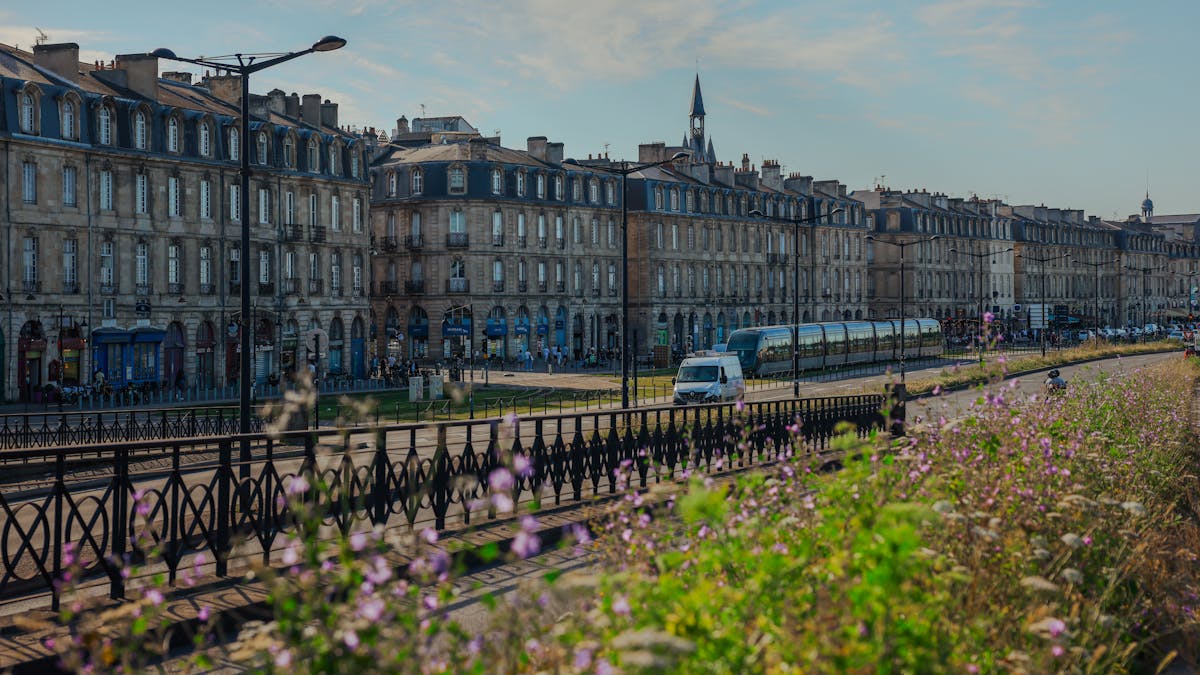
By organised tour (recommended for first-timers): Pickup is usually from the Bordeaux Tourist Office near Place de Quinconces or from your hotel. A minibus takes you directly to Saint-Emilion in about 40-50 minutes. You don’t have to think about directions, parking, or being over the legal limit by lunchtime. Most tours include 2-3 winery visits with tastings baked into the price.
By train: The TER regional train from Bordeaux Saint-Jean station takes about 35 minutes to Libourne, then you need a taxi or local bus to Saint-Emilion village (another 15 minutes). The train runs roughly every hour. Return tickets cost around 12-15 euros. The catch: once you’re in Saint-Emilion, you’re on foot, and the wineries outside the village centre aren’t walkable. You’ll need to arrange tastings independently.
By car: The D936 from Bordeaux takes about 45 minutes. Parking is available outside the village walls — don’t try to drive into the centre, the streets are medieval-width and cars get stuck. The obvious downside is that the driver can’t properly taste. And “properly” in Bordeaux means multiple glasses at multiple estates.
Official Visits vs Guided Tours — What Actually Makes Sense
You can visit Saint-Emilion’s wineries independently. Most of the Grand Cru estates offer direct tastings — you just show up, call ahead, or book on their website. Chateau Angelus, Chateau Figeac, Chateau Canon — they all welcome visitors for 15-40 euros per person depending on the tier of wine.
So why bother with a tour?
Three reasons. First, transport. Unless you’ve rented a car and designated a driver, getting between estates is a pain. They’re spread across the appellation, connected by narrow country roads with no footpaths. Second, access. Some of the better estates only accept visitors through tour operators, especially during harvest season (September-October). Third, context. A good guide turns what could be “drink wine, nod politely” into actual understanding. You’ll learn why the same grape tastes completely different depending on which side of a small hill it was grown on.
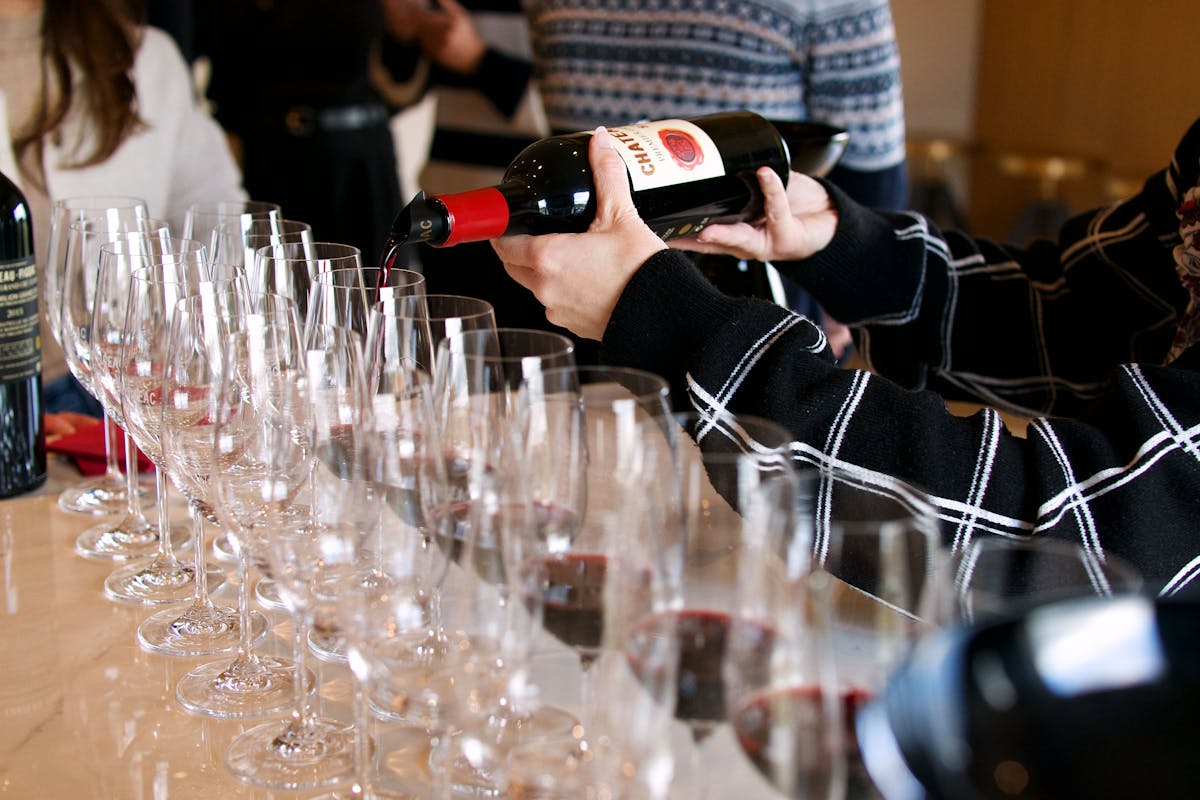
The flip side: if you’re a serious wine person who already knows Bordeaux, an independent visit gives you more control. You pick the estates, set your own pace, and aren’t stuck at a winery chosen because the tour company gets a commission there. But for everyone else — and especially first-timers — a guided tour is the way to go.
The Best Saint-Emilion Wine Tours to Book
I’ve gone through the data on every Saint-Emilion tour available from Bordeaux — ratings, prices, what’s actually included, and what people say after they’ve done them. These five stand out.
1. From Bordeaux: Afternoon Saint-Emilion Wine Tasting Trip — $112
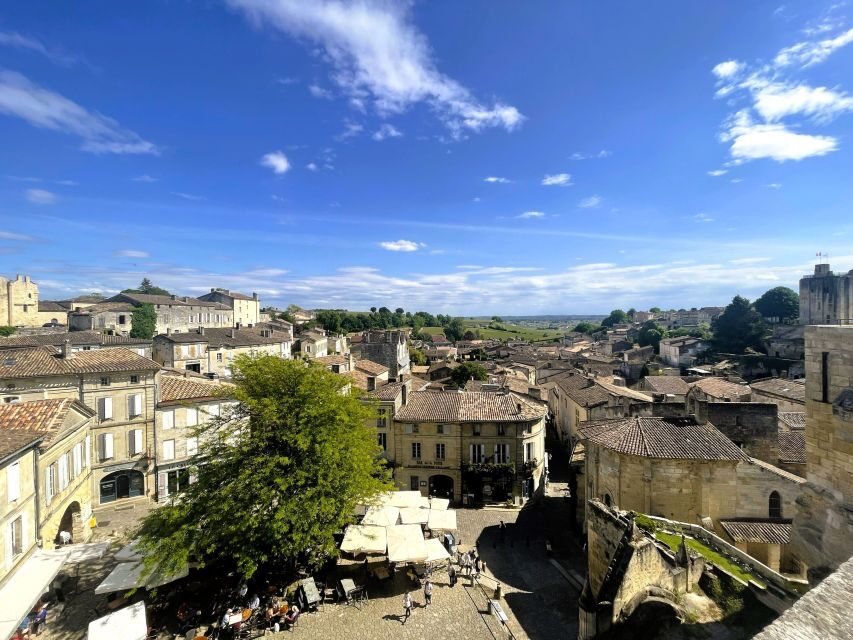
This is the one I’d tell most people to book, and it’s the most popular Saint-Emilion tour from Bordeaux for good reason. At $112 for a 4.5-hour afternoon, you get a walking tour of the village, visits to two wine estates, and enough tastings to develop opinions about right-bank Merlot.
The afternoon departure (usually 1:30-2:00 PM) is smart scheduling — you can spend the morning exploring Bordeaux, maybe hit the Cite du Vin, then head to Saint-Emilion when the afternoon light makes the limestone glow gold. Groups are capped at eight, which makes a real difference in how much attention you get from the guide. The guide Axel consistently gets called out by name in reviews — always a good sign.
The only honest caveat: you visit one winery for an actual tasting. The walking tour is the other half of the time. If you want nothing but wine, keep reading.
2. Medoc or Saint-Emilion Wine Tasting and Chateau from Bordeaux — $115
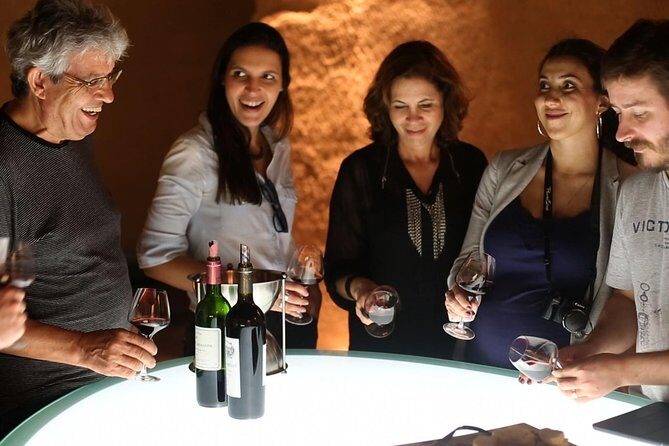
This is the interesting one for anyone who can’t decide between Saint-Emilion and Medoc. At booking, you pick which region you want — the tour runs to both, just not on the same day. If you pick Saint-Emilion, you get a chateau visit, tastings, and gourmet pairings that go beyond the standard cheese plate.
At $115 for a 4.5-hour tour, the pricing is nearly identical to the afternoon trip above, but the format is slightly different. This one focuses more heavily on the winemaking side — you’ll learn about planting, growing, pruning, and the differences between left and right bank terroir. The guides are clearly selected for depth of knowledge rather than just charm. One reviewer mentioned learning more in four hours than in a semester of wine classes.
The downside: if you pick the Saint-Emilion option, you only visit one chateau with three wine tastings. That’s it. Some people expect two or three estates at this price point. But the quality of the single visit tends to make up for the quantity.
3. Saint-Emilion Day Trip with Sightseeing Tour & Wine Tastings — $250
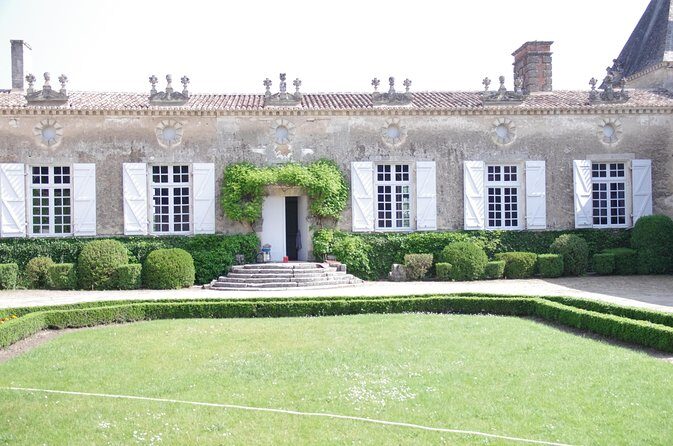
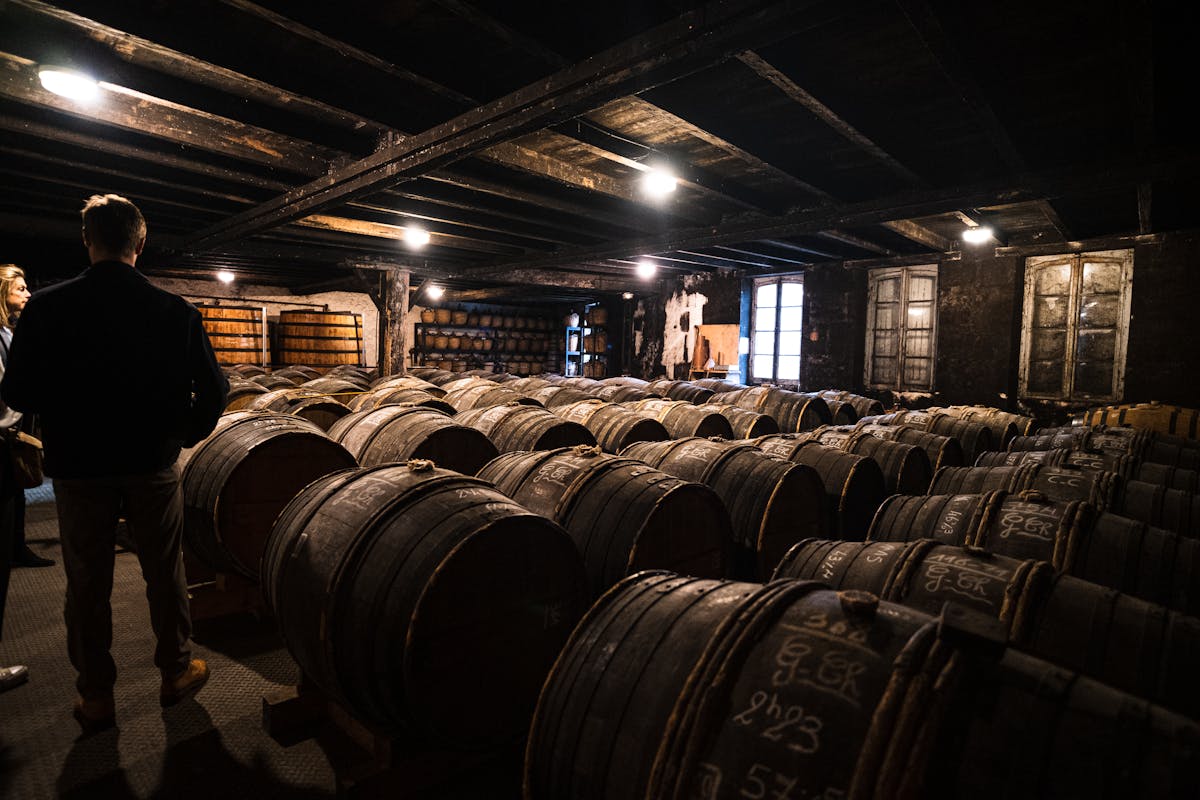
If you’ve got a full day and want to do Saint-Emilion properly, this is the one. $250 buys you eight hours covering Saint-Emilion and Pomerol — the neighbouring appellation that produces Petrus, one of the most expensive wines on the planet. You visit three chateaux, each with their own character and tasting approach.
The full-day format means you’re not rushing. There’s time for the village walking tour, time to browse the wine shops on the main square, and time to actually sit with the wines rather than gulp and move on. The Pomerol visit is the real bonus — most half-day tours skip it entirely because it’s further out, and Pomerol estates tend to be smaller and more exclusive.
One reviewer who’d paid more for a private tour on a previous trip said this group experience was comparable. That’s a strong endorsement at the price point. Rudolf, who guides the tours even in freezing weather, is apparently one of the most knowledgeable guides working the region.
4. Saint-Emilion: Grand Cru Classe Winery Visit and Tasting — $23
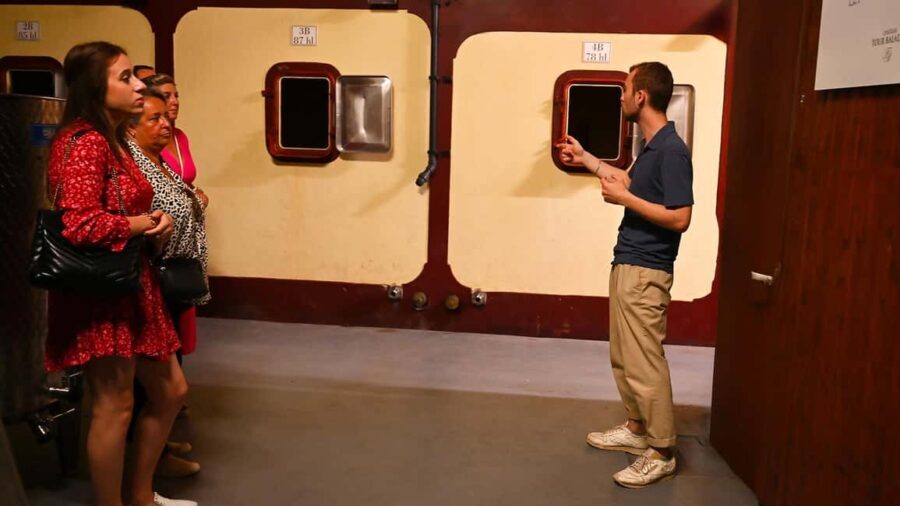
This isn’t really a “tour” in the traditional sense — it’s a one-hour guided visit to a Grand Cru Classe estate, where you taste three wines and walk through the vineyards and production areas. But at $23, it’s extraordinary value.
The catch is that you need to get to the winery yourself. It’s about a five-minute taxi ride from Saint-Emilion village, or a 30-minute walk through the vineyards if the weather cooperates. One visitor noted it was difficult to find — the sat nav sent them down the wrong road. But the winery itself, the tour, and the views across the appellation all got top marks.
This is ideal if you’re already in Saint-Emilion (maybe you took the train or drove) and want to add a proper classified tasting without booking a full tour. You could also combine it with one of the half-day tours for a more complete experience. The guides speak excellent English and actually answer questions rather than reciting a script.
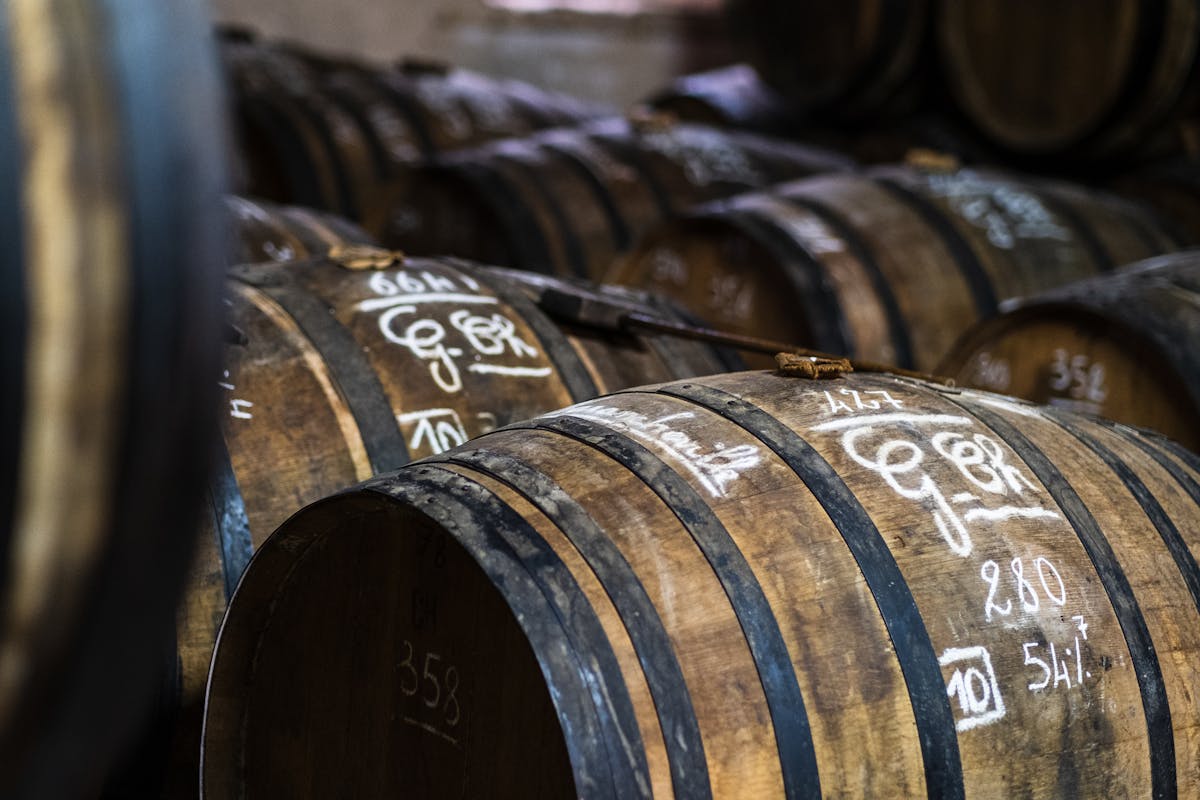
5. Saint-Emilion Half-Day Trip with Wine Tasting & Winery Visit — $133
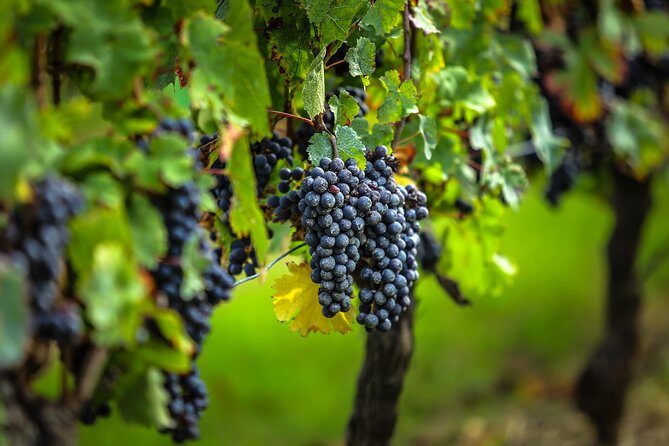
The middle ground between a quick winery visit and a full-day commitment. $133 gets you four hours: pickup from Bordeaux, a guided walk through the village, and a tasting session at a grand cru estate. It follows a similar format to the afternoon trip at number one, but with a different operator and slightly different estate rotation.
Worth noting: this one has the widest range of opinions. Some visitors loved it and said the guide made it special. Others felt there was too much talking and not enough drinking — one reviewer was blunt about expecting more wine for the price. The village tour portion takes up a decent chunk of the four hours, so if wine is your only interest, you might find it a bit padded.
But if you want the full picture — the medieval streets, the underground churches, the history and the wine — it covers all the bases in a manageable half-day. The guided walk through Saint-Emilion is genuinely good, and the guides know how to tell the town’s story without it feeling like a textbook.
When to Visit Saint-Emilion
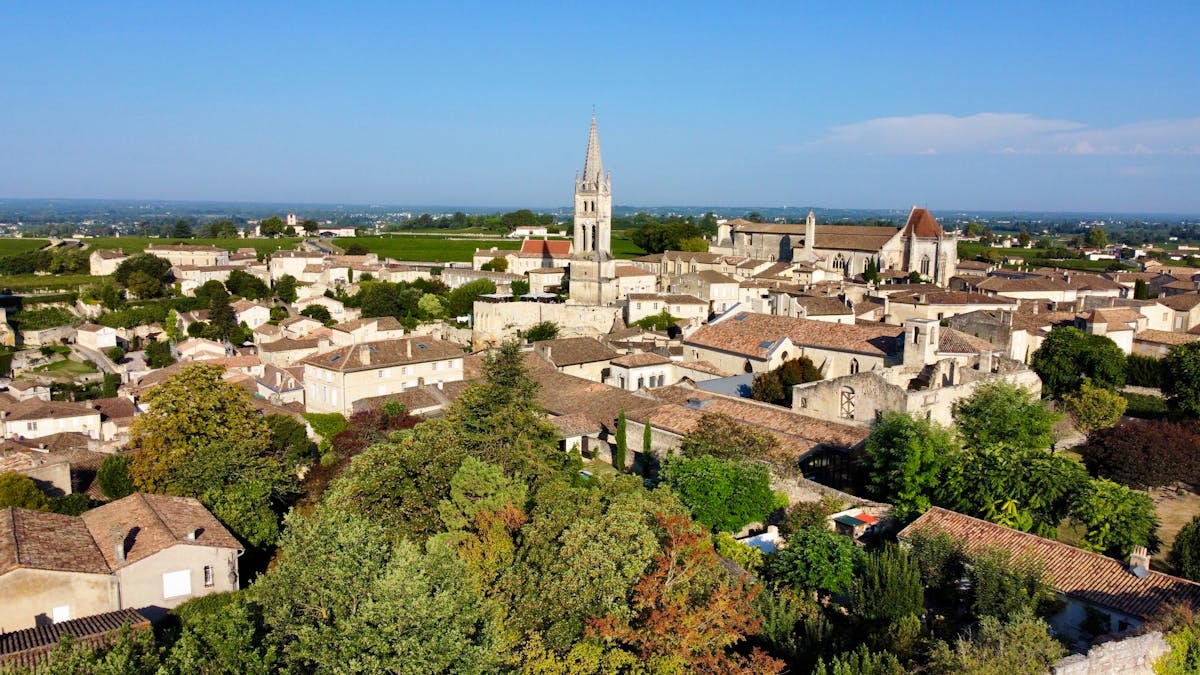
Best months: May, June, September, early October. The weather is warm without being brutal, the vines are either flowering or heavy with fruit, and the chateaux are fully operational with regular visiting hours. September during harvest season is magical — the whole appellation comes alive with activity, and some tours let you see (or even participate in) the picking.
July-August is peak tourist season. Temperatures regularly hit 35C+ and the village is packed. Tours still run, but you’re sharing the tasting room with larger crowds. Booking anything last-minute in August is a gamble.
November-March: Many smaller estates close for the winter, or only accept visits by appointment. The village is quiet — which some people prefer — but your tour options narrow significantly. The upside: the ones that do run tend to be more intimate, and you can sometimes access cellars that aren’t open in summer.
Weekday vs weekend: Go on a weekday if you can. The village squares are noticeably less crowded on Tuesdays and Wednesdays, and the chateaux can give you more individual attention. Weekend tours sell out weeks in advance during peak season.
What You’ll Actually See and Taste
First-timers sometimes arrive expecting a single winery with a gift shop. Saint-Emilion is not Napa Valley. It’s an entire medieval town built on top of limestone caves, surrounded by vines on every side.
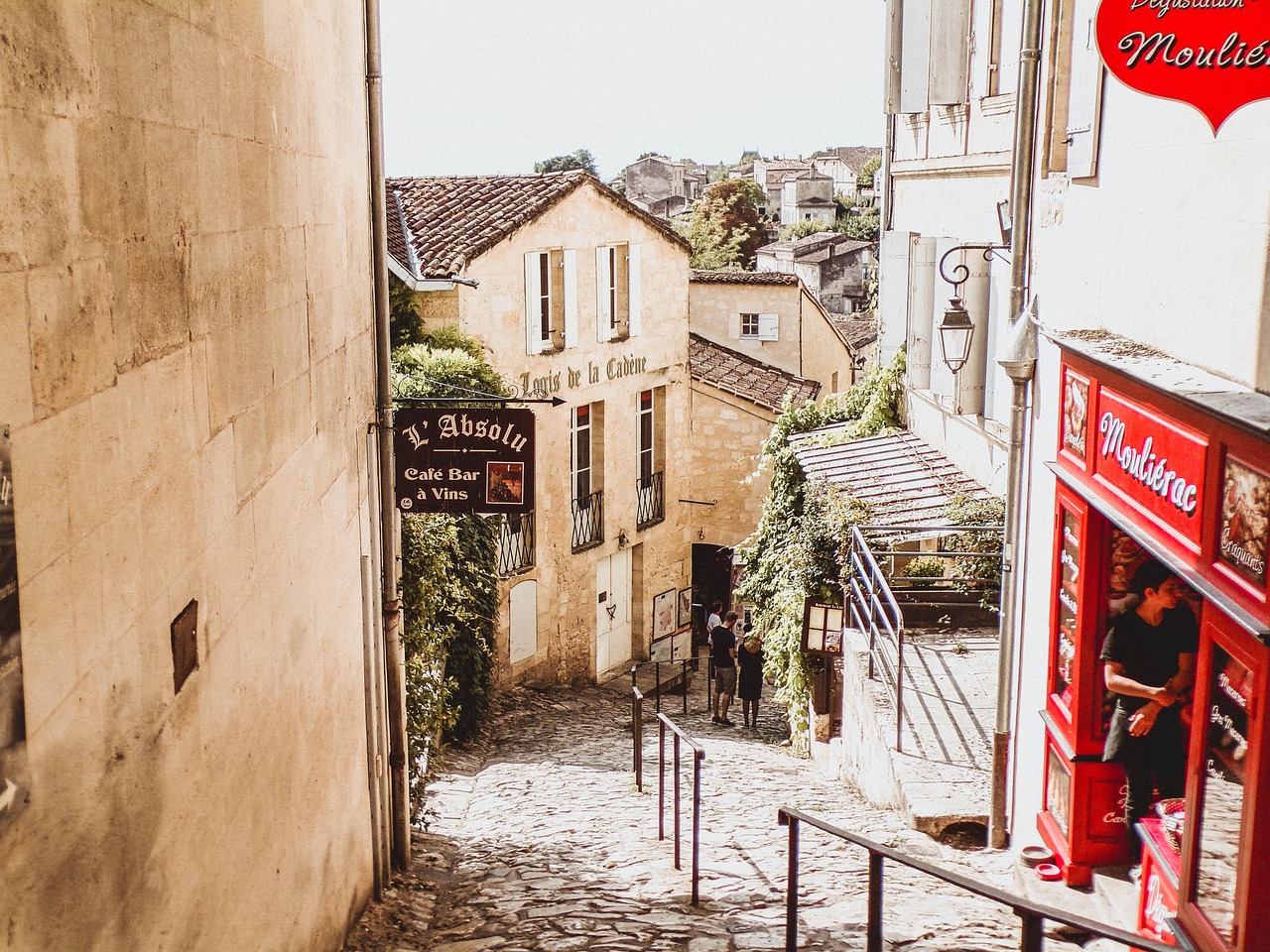
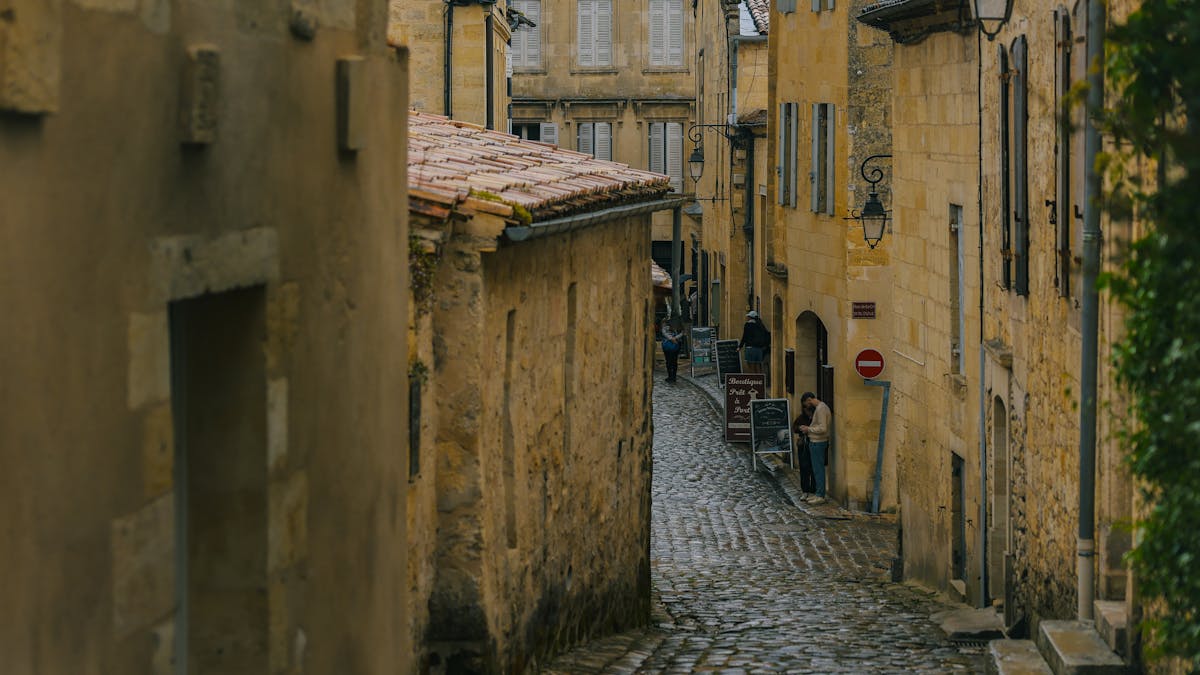
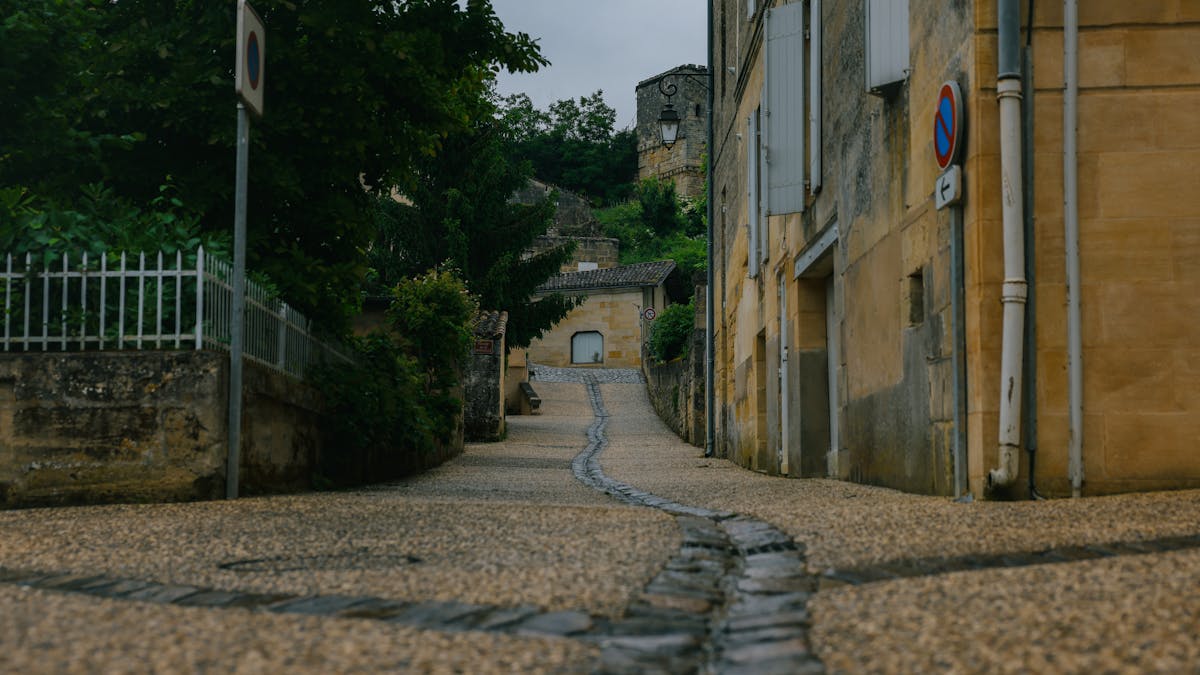
The village itself is built on steep hills — wear proper shoes, not sandals. The cobblestones are beautiful but unforgiving, and some of the best viewpoints require climbing narrow stone staircases. The central square (Place du Marche) is where most tour buses drop off, and it’s lined with wine shops, bakeries selling caneles (the local Bordeaux pastry), and restaurants with vine-covered terraces.
Underground, the town reveals its real character. The monolithic church — carved from a single piece of limestone over three centuries — sits partially below street level. The catacombs nearby contain the remains of medieval inhabitants. And the hermitage where Emilion the monk lived in the 8th century still has a dripping natural spring that visitors touch for good luck. I’m not superstitious, but I touched it. Everyone does.
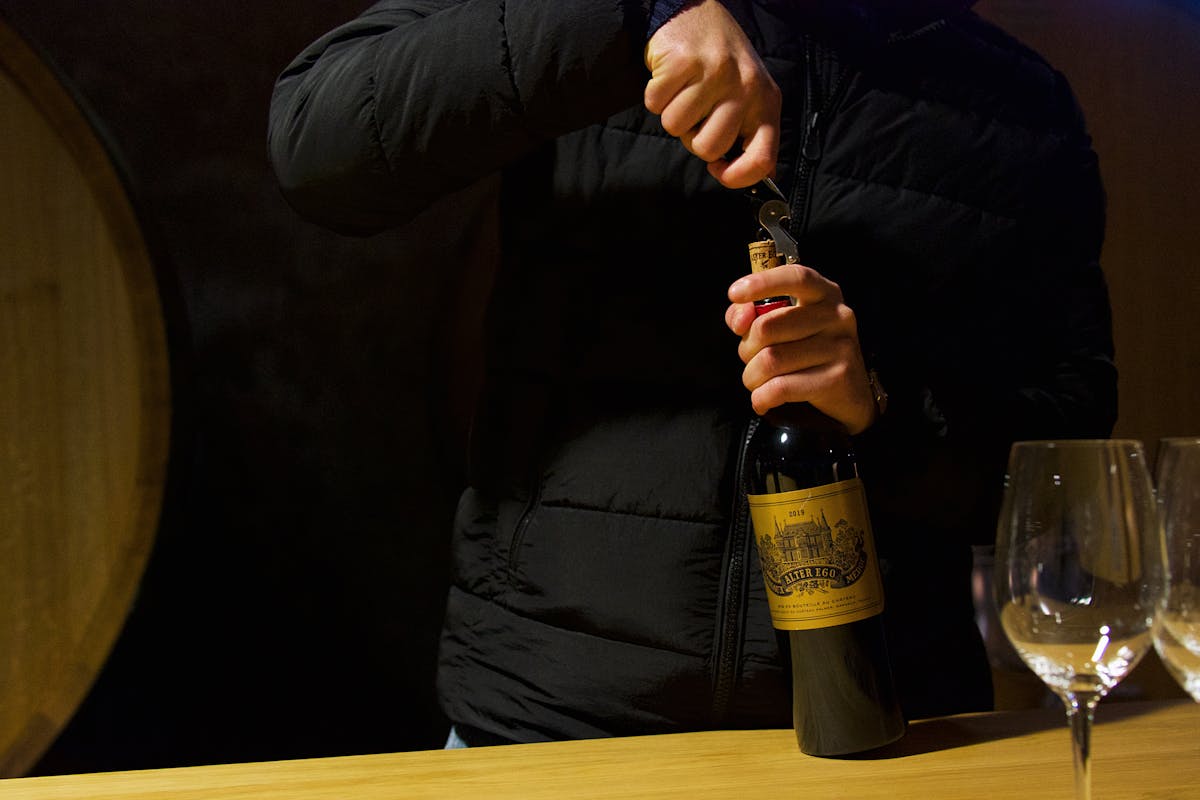
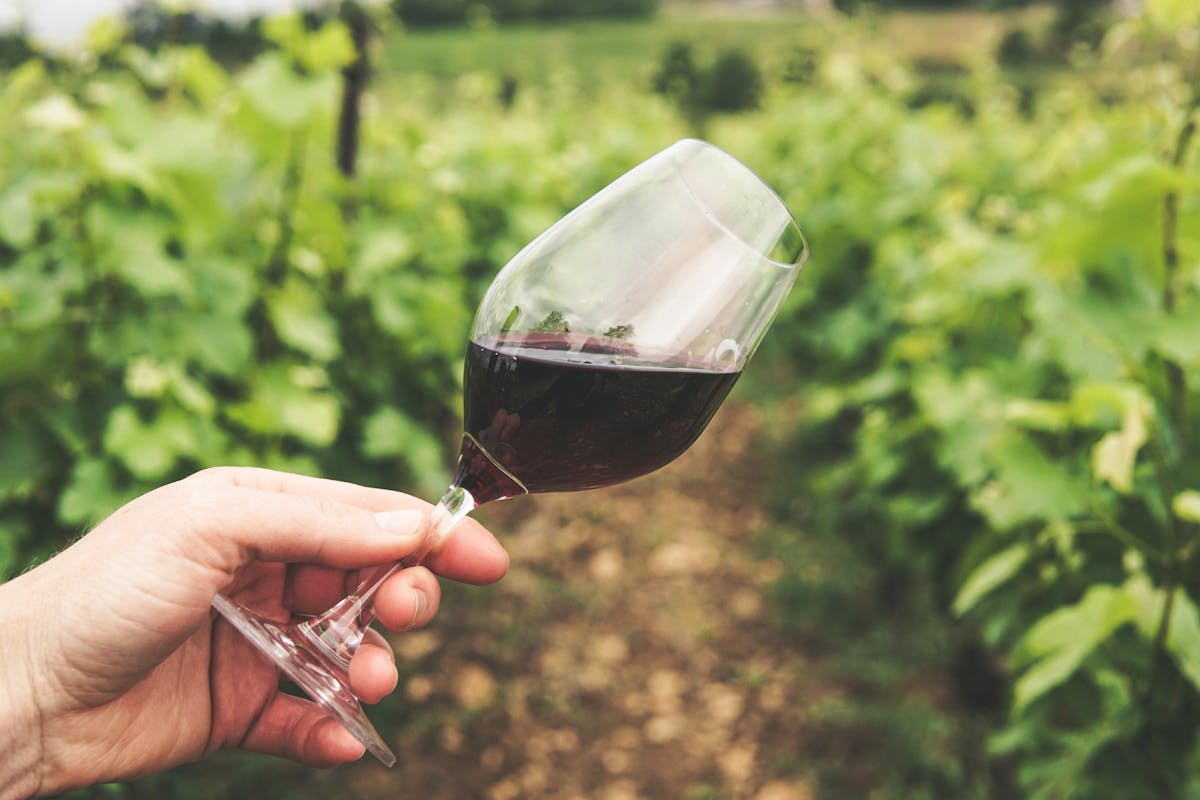
At the wineries, you’ll taste almost exclusively Merlot-dominant blends. The typical flight includes 3-5 wines ranging from a young, fruit-forward wine to an older, more complex reserve. The better tours explain what you’re tasting in practical terms — not just “notes of dark fruit and tobacco” but why the limestone soil produces a different wine than the clay terroir three kilometres away.
Most tours include at least a basic pairing — bread, cheese, sometimes charcuterie. The full-day tours tend to include lunch or more elaborate food pairings. Don’t eat a heavy breakfast; you’ll want room.
Practical Tips That’ll Save You Time and Money
Book at least a week ahead in summer. The best small-group tours cap at 8-12 people and fill up. Two weeks ahead in July-August is safer.
Bring a sweater or light jacket, even in summer. The wine cellars are underground and genuinely cold — 12-14C year-round. You go from 35-degree heat to wine-cave temperatures in seconds, and it’s not comfortable in a t-shirt.
Don’t buy wine on the tour. Most chateaux offer wine for sale after tastings, and the prices are fair but not great. The same bottles are available at wine shops in Saint-Emilion village, often at the same price, and you can compare across estates. The Nicolas chain in Bordeaux city also stocks most Saint-Emilion wines at competitive prices.
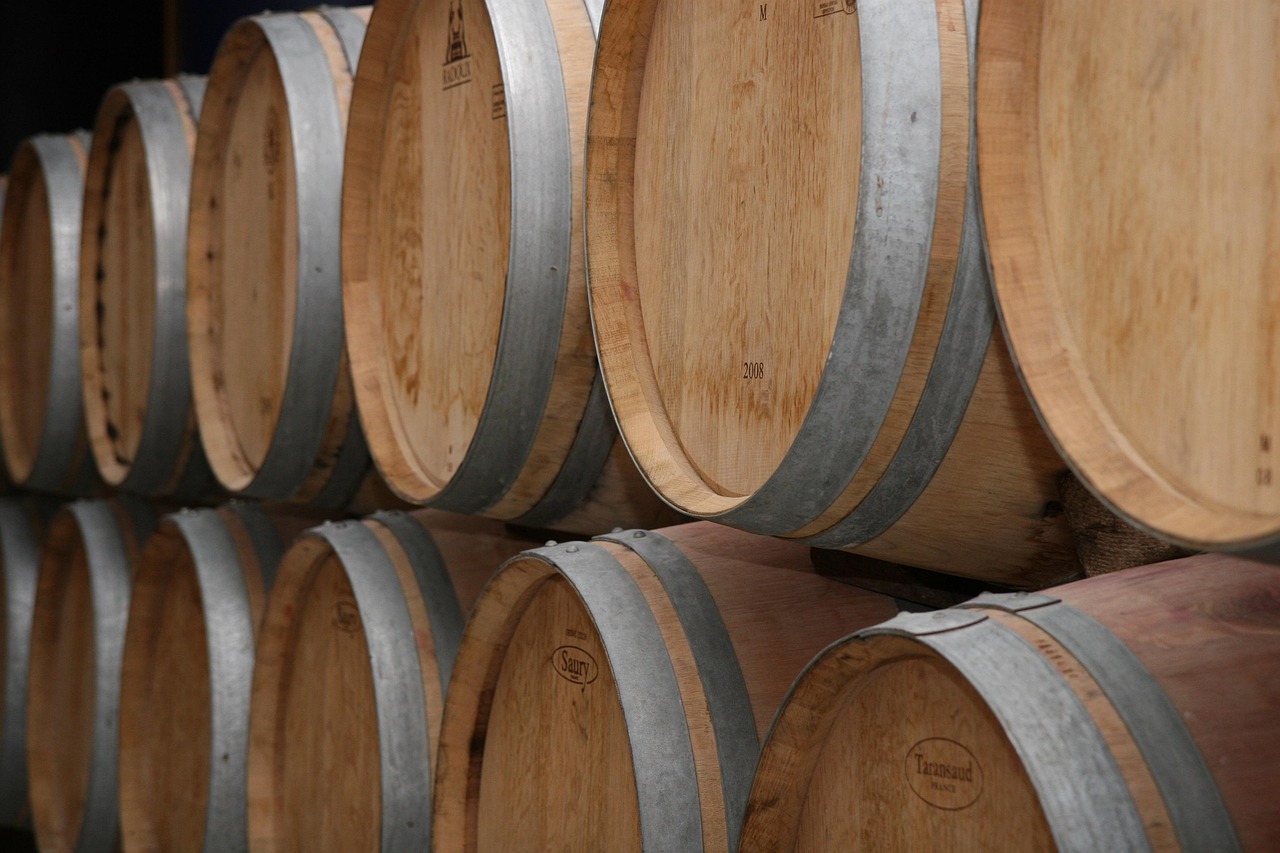
Spit or pace yourself. This sounds obvious, but if you’re doing a full-day tour with three estates, that’s potentially 12-15 individual tastings. The guides provide spit buckets for a reason. Nobody will judge you for using them — it’s standard practice in wine country, and it’s how the professionals do it.
The caneles at Maison de la Commanderie are the best in town. Soft interior, crunchy caramelised exterior, still warm. Buy two. You’ll want the second one by the time you’ve walked 50 metres.
Wear dark clothing if you’re worried about spills. Red wine on white linen during a cobblestone walk through a medieval village — it happens more than you’d think.
Combining Saint-Emilion with Other Bordeaux Wine Regions
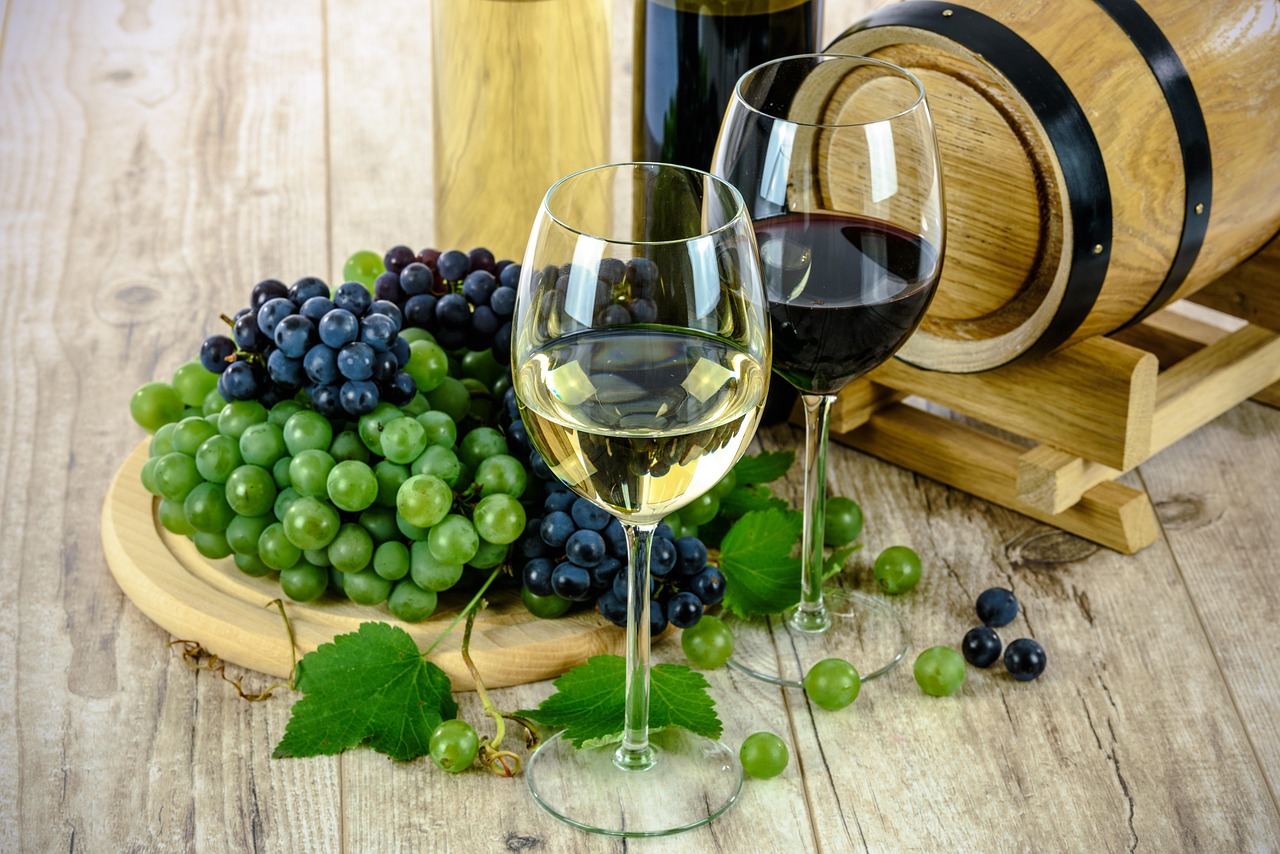
If you have more than one day for wine in Bordeaux, Saint-Emilion pairs well with the Medoc (left bank) for a complete picture of the region. The two areas produce fundamentally different wines — Merlot-dominant on the right bank, Cabernet Sauvignon-dominant on the left — and visiting both gives you a real understanding of why terroir matters.
The Medoc or Saint-Emilion tour actually lets you choose between the two regions, so you could do one on each separate day. Alternatively, some full-day tours combine both — check the Full-Day Wine Experience if that interests you.
Back in Bordeaux itself, the Cite du Vin is worth a few hours. It’s a wine museum done right — interactive, well-designed, and the tasting room on the top floor has panoramic views over the Garonne River. Good context before or after a day in the vineyards.
For a completely different experience, the general Bordeaux wine tours cover multiple appellations in a single day, including some estates that don’t do individual visits. These tend to be more structured and education-heavy than the Saint-Emilion-specific tours.
Planning the Rest of Your Bordeaux Trip
Saint-Emilion is the obvious wine day trip from Bordeaux, but it’s not the only one worth your time. If you’re spending a few days in the region, our Bordeaux wine tour guide covers the full range of options — from Medoc chateaux to Graves and Sauternes. For something completely different between wine days, the Cite du Vin makes a great morning activity before heading out to the vineyards in the afternoon. And if you’re working your way south through France, the other wine regions along the Atlantic coast offer their own character — each completely distinct from Bordeaux.
This article contains affiliate links. If you book a tour through our links, we may earn a small commission at no extra cost to you. This helps us keep producing detailed travel guides.