
Six women built Château de Chenonceau. Not metaphorically. They literally designed it, expanded it, fought over it, and saved it from destruction across four centuries. One received it as a love gift from a king. Another took it back when the king died — a lance through the eye during a jousting tournament. A third painted her bedroom black and didn’t leave for eleven years.
And somehow, during the French Revolution, one of them convinced an angry mob that this was a bridge, not a castle. It worked. The mob left. Chenonceau survived.
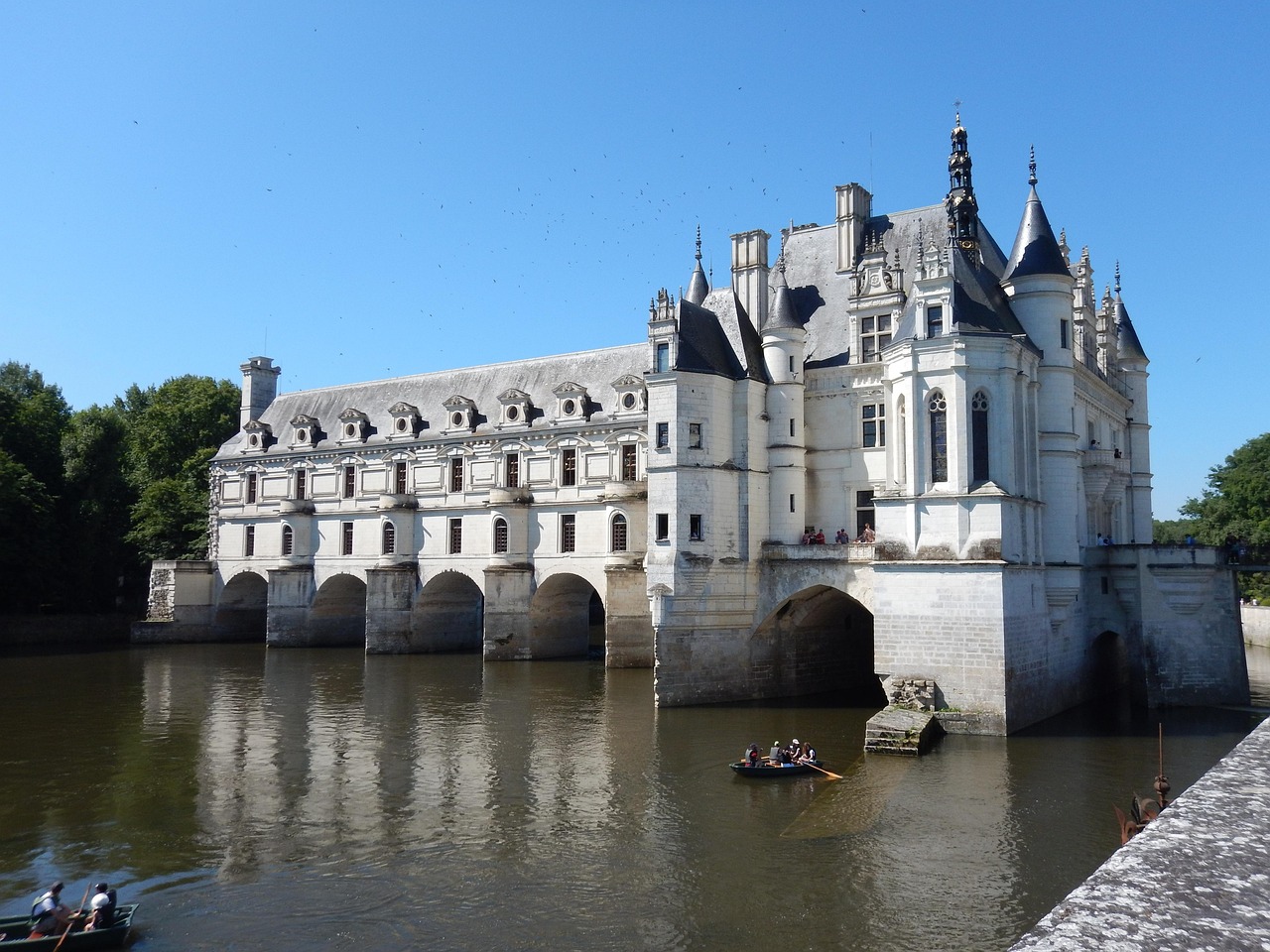
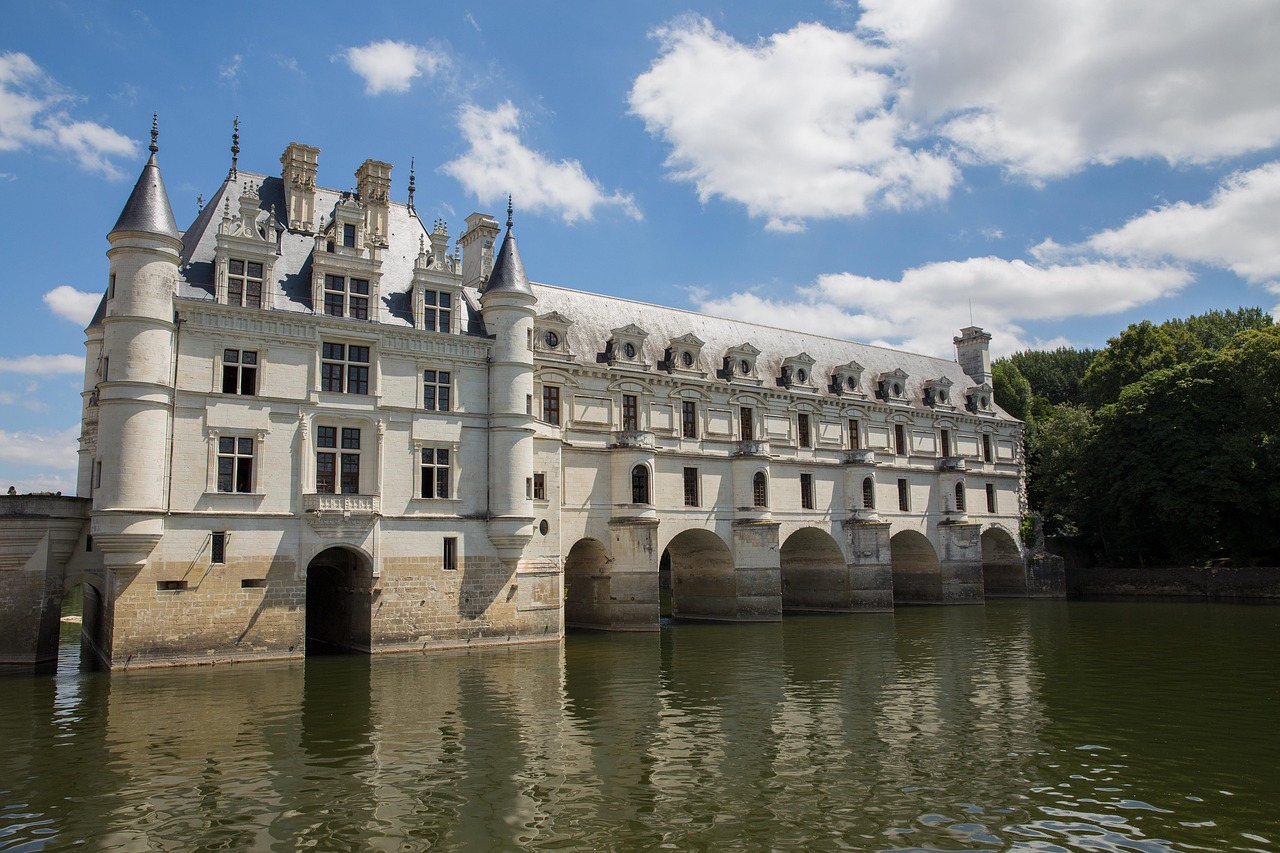
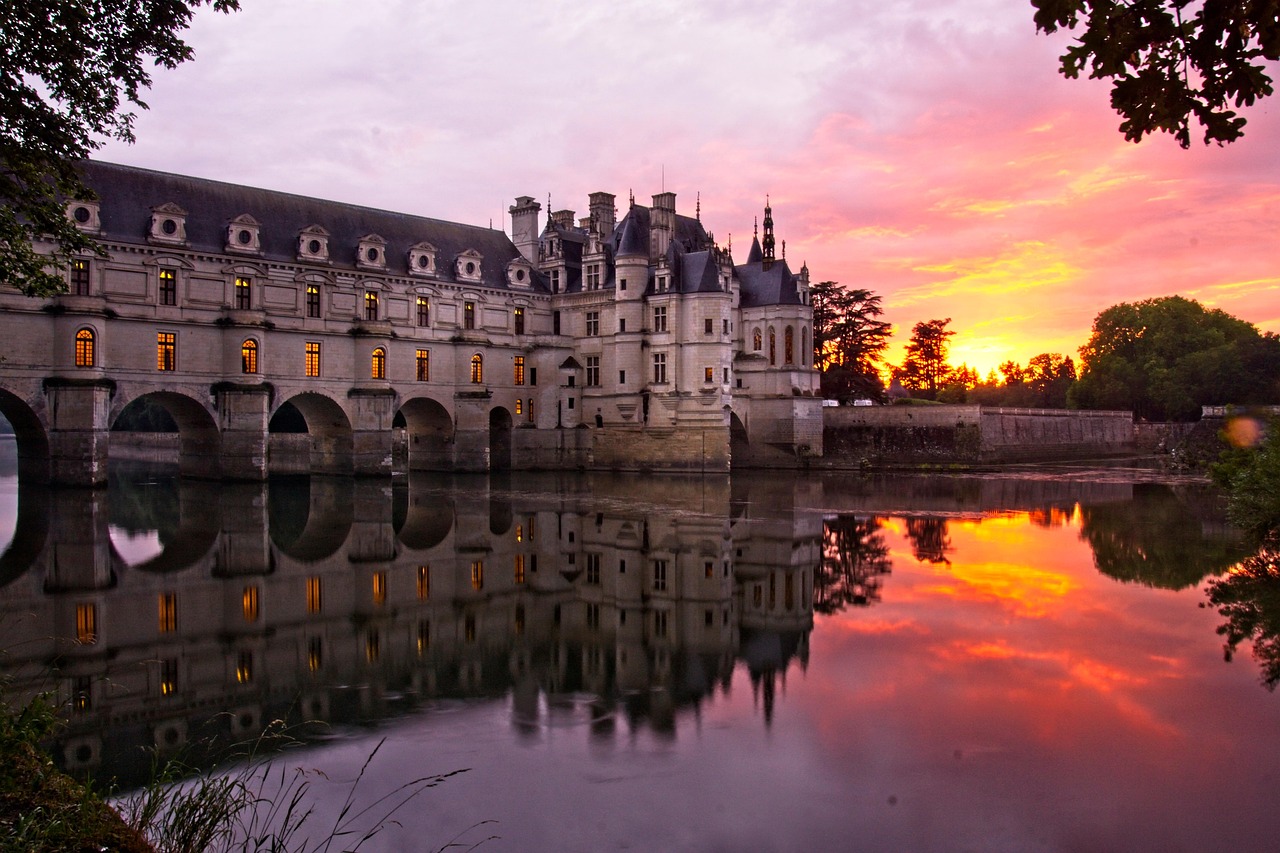
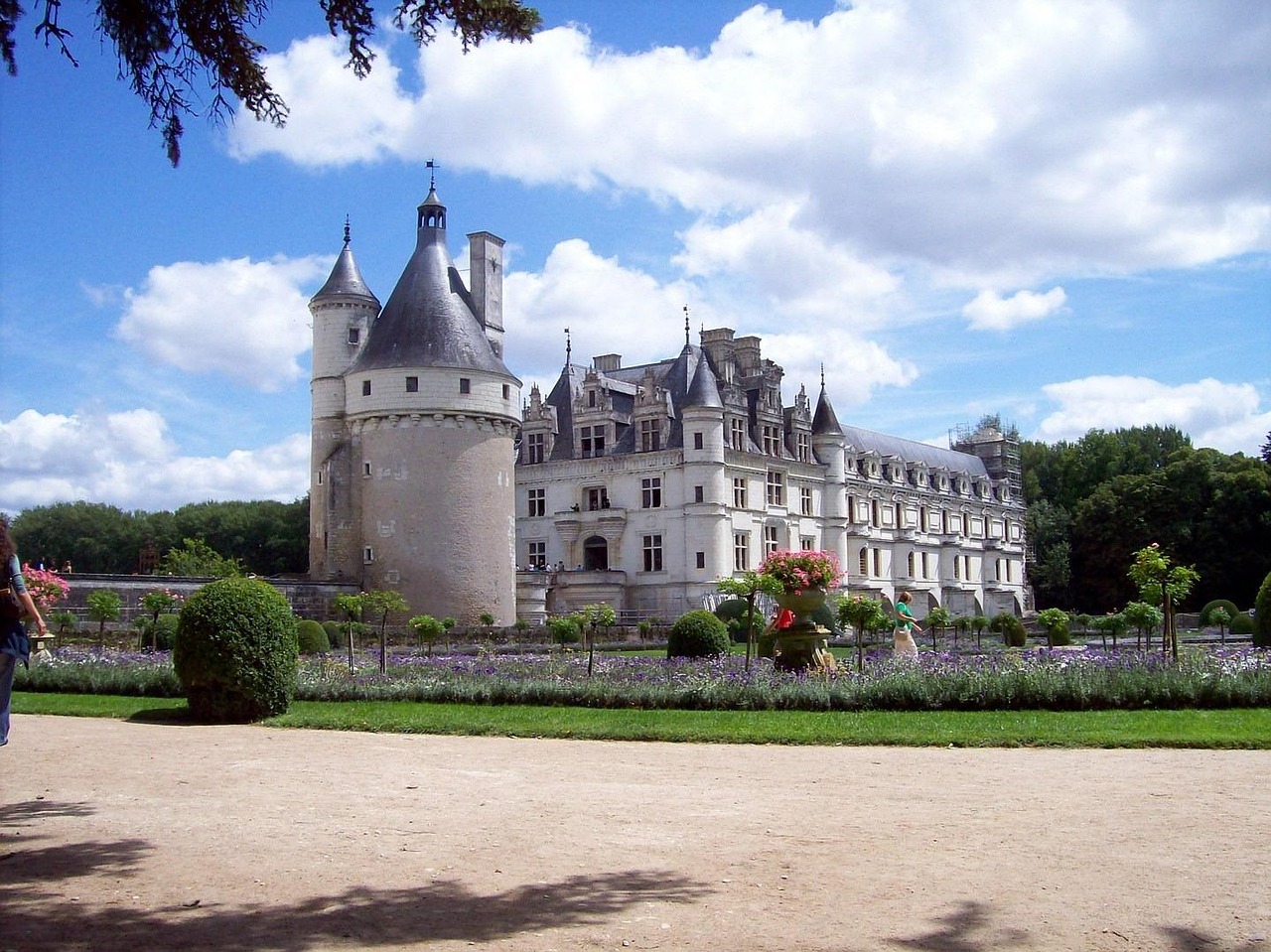
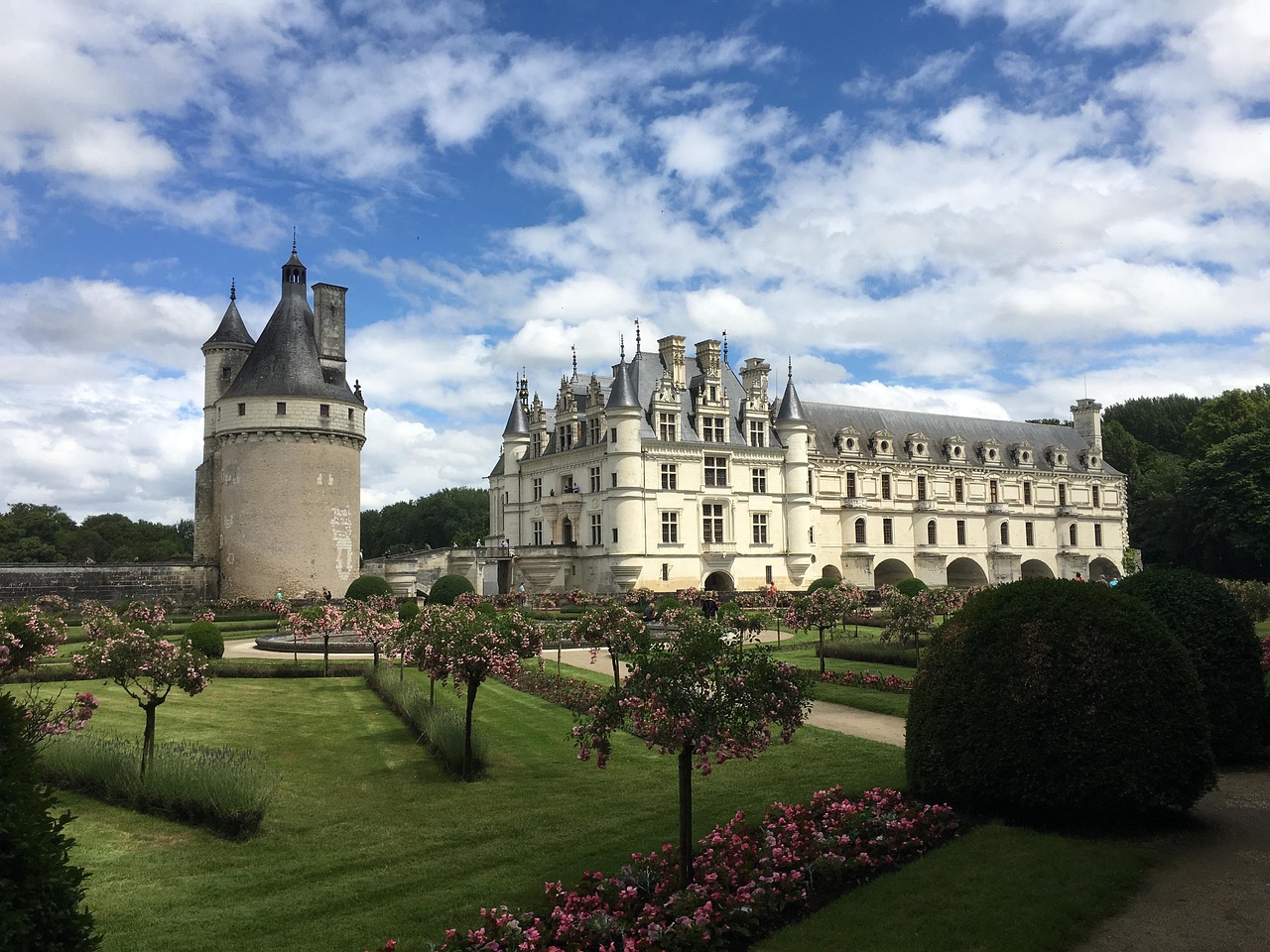
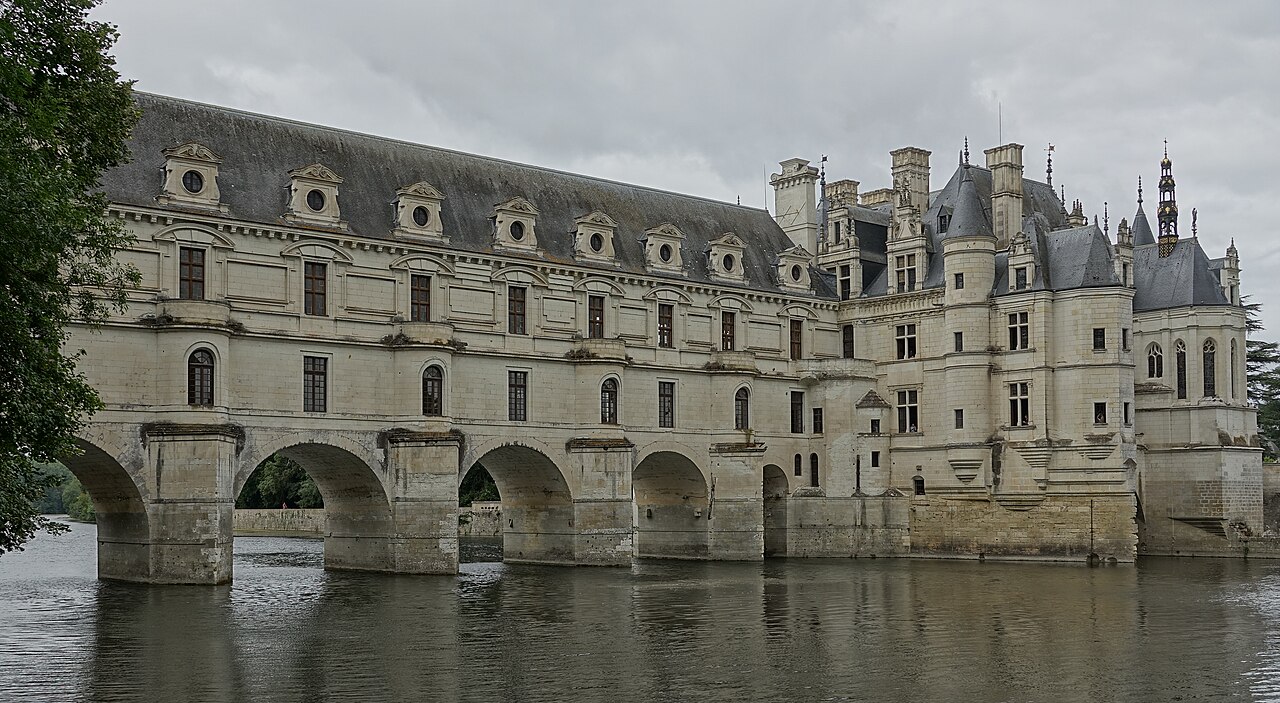
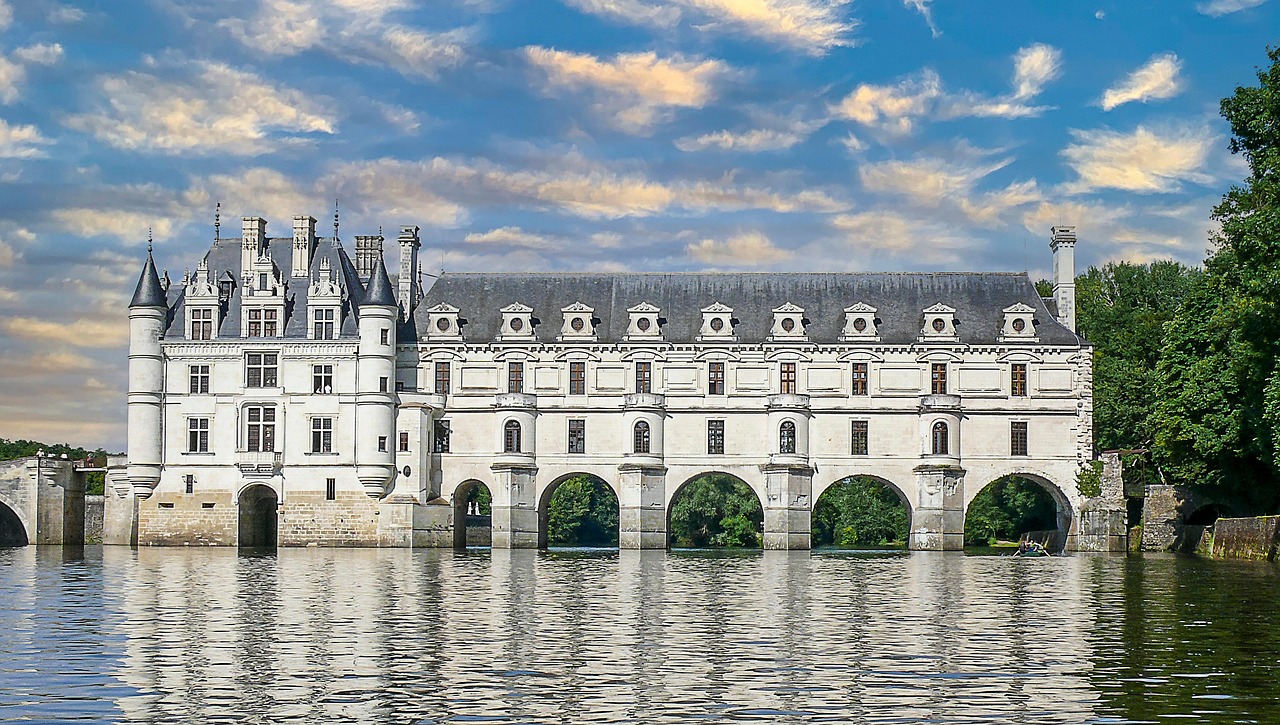
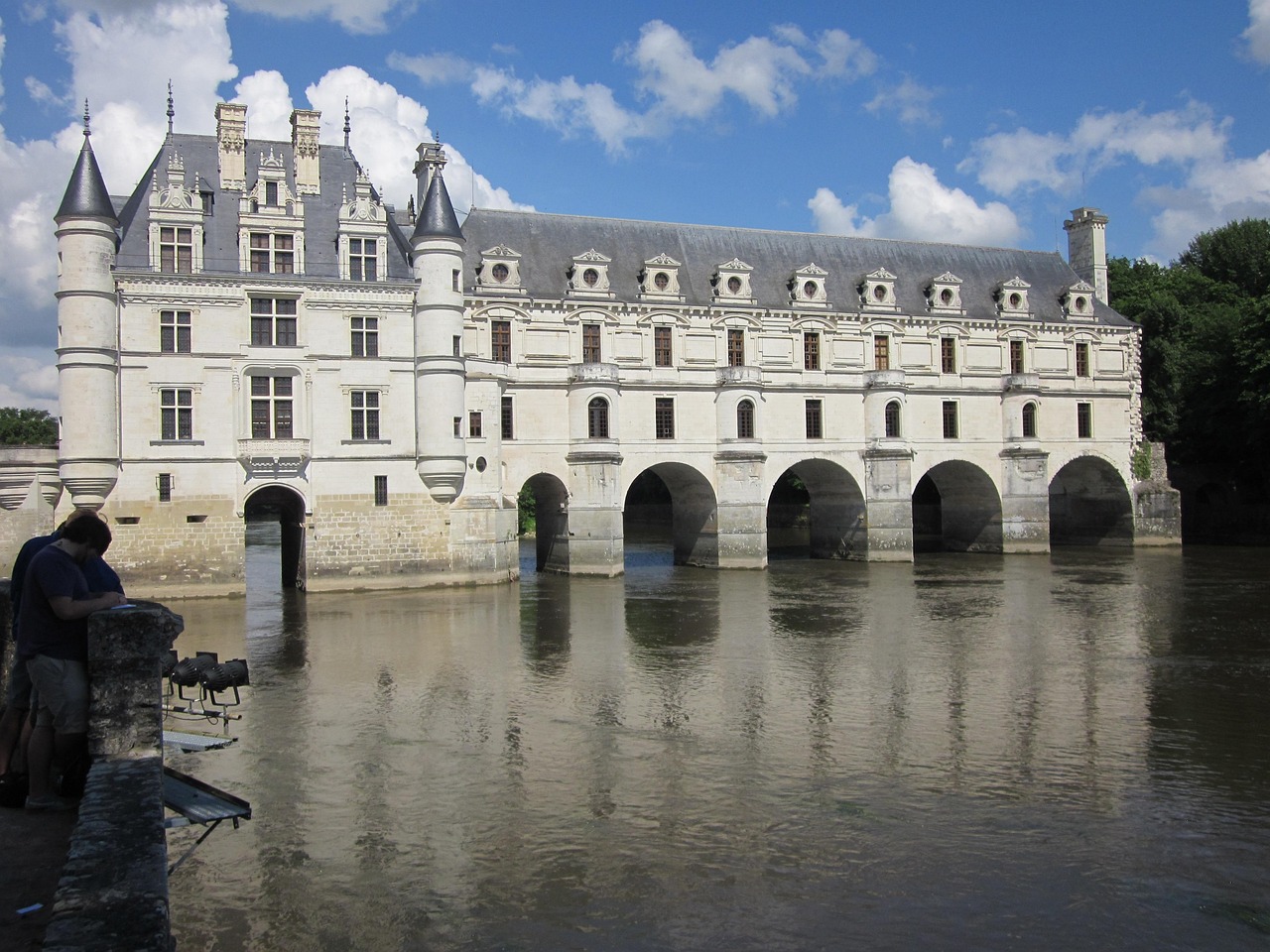
I’ve visited a lot of French castles. Chenonceau is the only one that made me stop walking and just stare. That long gallery stretching over the River Cher, five perfect arches reflected in the water below — it looks like it was built by someone who cared more about beauty than defense. Because it was.
Here’s what you should know about getting tickets and visiting.
Short on time? Here are my top picks:
Best for independent visitors: Chenonceau Castle Admission Ticket — $22. Standard entry to the castle and grounds. Grab this and explore at your own pace with the free audioguide included.
Best full-day tour from Paris: Loire Valley Castles Trip with Chenonceau and Chambord from Paris — $161. Covers two of the Loire’s biggest castles in one long but efficient day from Paris.
Best premium experience: Loire Valley Day Tour with Lunch at a Private Castle — $284. Small group with a knowledgeable guide and a private chateau lunch that people can’t stop talking about.
- How the Chenonceau Ticket System Works
- Official Tickets vs. Guided Tours — Which Makes Sense?
- The Best Chenonceau Tours to Book
- 1. Chenonceau Castle Admission Ticket —
- 2. Loire Valley Castles Trip with Chenonceau and Chambord from Paris — 1
- 3. Loire Valley Day Tour: Chambord and Chenonceau plus Lunch at a Private Castle — 4
- 4. Tours/Amboise: Chambord, Chenonceau Day Trip and Wine Tasting — 0
- 5. Hot-Air Balloon Ride over the Loire Valley from Amboise or Chenonceau — 9
- When to Visit Chenonceau
- How to Get to Chenonceau
- Tips That Will Save You Time
- What You’ll Actually See Inside
- The Grande Galerie
- The Château des Dames — Six Women, 400 Years
- Diane’s Garden and Catherine’s Garden
- The Rooms
- Nearby in the Loire Valley
How the Chenonceau Ticket System Works
Chenonceau is privately owned — it’s been in the Menier family (yes, the chocolate company) since 1913. This matters because unlike Versailles or Chambord, there’s no government bureaucracy. The ticket system is straightforward and doesn’t sell out the way Paris attractions do.
You buy tickets either at the door or through the official website at chenonceau.com. Here’s what’s available:
Standard admission: approximately EUR 18 (adults). This gets you inside the castle and both gardens — Diane de Poitiers’ garden and Catherine de’ Medici’s garden. An audio guide is included in the price (available in 16 languages), and honestly, don’t skip it. The stories behind each room are wild.
Children ages 7-18: approximately EUR 14. Under 7 is free. Students with valid ID also get a discounted rate.
Night visits (Les Nocturnes): approximately EUR 10. Available during summer evenings only, typically July through September. The gardens are illuminated and they play music — it’s an entirely different experience from a daytime visit. If you’re in the area during summer, make the effort to come back at night.
There’s also a combined ticket with Chambord if you’re doing both castles (and you should). The savings aren’t massive, but it saves queueing twice.
A word about timing: Chenonceau rarely sells out completely, but July and August get packed. If you’re visiting during peak summer, arrive before 10am or after 3pm. The lunch rush (noon to 2pm) is the worst. During shoulder season — April, May, September, October — you’ll often have rooms nearly to yourself.
Official Tickets vs. Guided Tours — Which Makes Sense?
This is a genuine choice, not a hard sell. Both options work well at Chenonceau, but for different reasons.
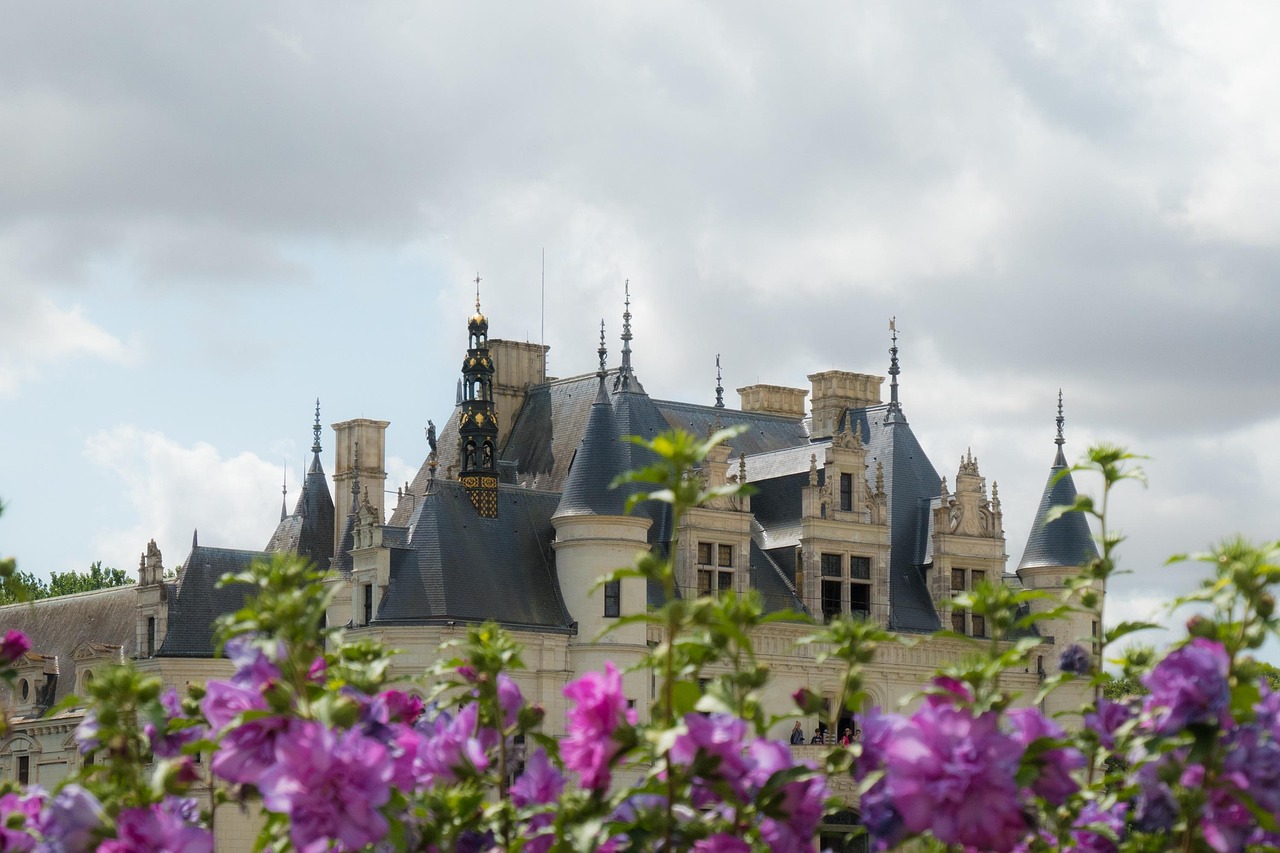
Going with an official ticket (self-guided) makes sense if you’re staying in the Loire Valley, have your own car, and want to explore at your own rhythm. The included audioguide is surprisingly good. You’ll spend about 90 minutes to 2 hours inside, plus time in the gardens. Total cost: EUR 18 per person, plus getting yourself there.
A guided day tour makes sense if you’re based in Paris or Tours and want someone else to handle the logistics. The Loire Valley is about 2.5 hours from Paris by bus, and most tours combine Chenonceau with Chambord or other castles. You’ll learn things from a good guide that the audioguide doesn’t cover — context about how these castles fit into French history, who was scheming against whom, which rooms were used for what.
The trade-off is clear: with a tour, you get roughly 60-90 minutes at Chenonceau instead of as long as you want. For most first-time visitors, that’s actually enough. But if you’re a history person who wants to read every placard and sit in the gardens, go independent.
My take: if you have a car and are sleeping somewhere in the Loire Valley, buy the official ticket. If you’re day-tripping from Paris or Tours without a car, book a guided tour. Simple as that.
The Best Chenonceau Tours to Book
I’ve sorted through every Chenonceau tour available on the major booking platforms. Here are the ones actually worth your money — organized by what kind of trip you’re planning.
1. Chenonceau Castle Admission Ticket — $22
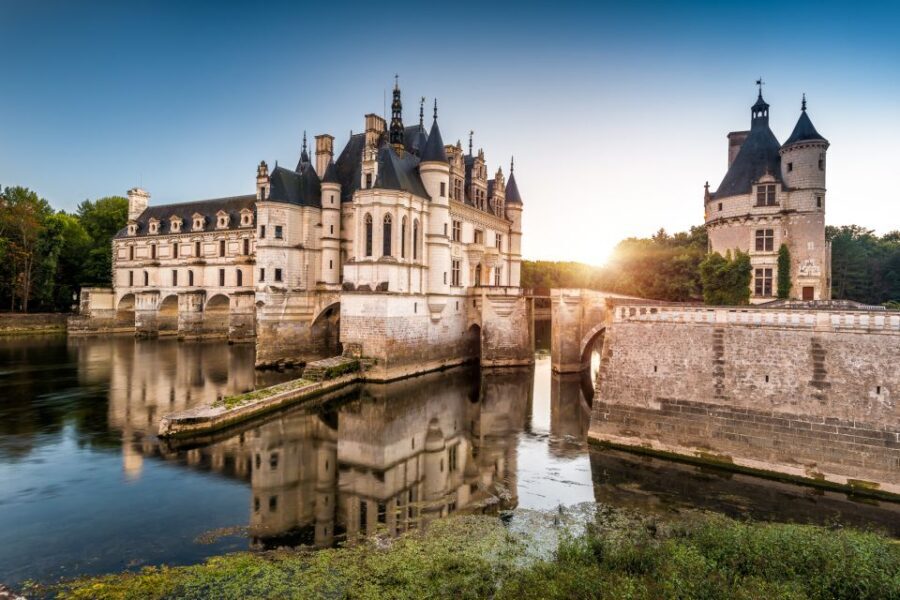
The cheapest way to see Chenonceau and, honestly, the option I’d pick if I were staying in the Loire Valley. At $22 per person, this is just the castle entry — no transport, no guide. But here’s the thing: you get an audioguide included (works in 16 languages), and the castle is laid out so logically that you don’t really need someone holding your hand through it.
This is by far the most booked Chenonceau option — over a thousand reviews and a strong rating — because most visitors who make it to the Loire Valley already have their own transport sorted. You walk at your own speed, linger in the rooms you find interesting, and spend as much time as you want in both gardens. The full review covers what’s included in more detail.
2. Loire Valley Castles Trip with Chenonceau and Chambord from Paris — $161
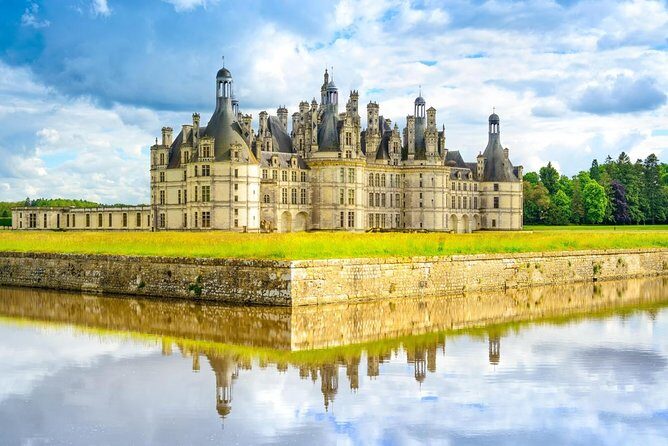
If you’re based in Paris and don’t have a car, this is the most popular way to see Chenonceau. The tour picks you up in central Paris early morning, drives about 2.5 hours to the Loire, and hits both Chenonceau and Chambord in one day. It’s a 12-hour commitment, so you’ll be tired, but both castles are genuinely worth seeing.
At $161, you’re paying for the transport and a guide who knows their French history. The trade-off is time pressure — you get maybe 90 minutes at each castle, which is enough to see the highlights but not enough to wander the grounds at leisure. For a first visit, though, it works.
3. Loire Valley Day Tour: Chambord and Chenonceau plus Lunch at a Private Castle — $284
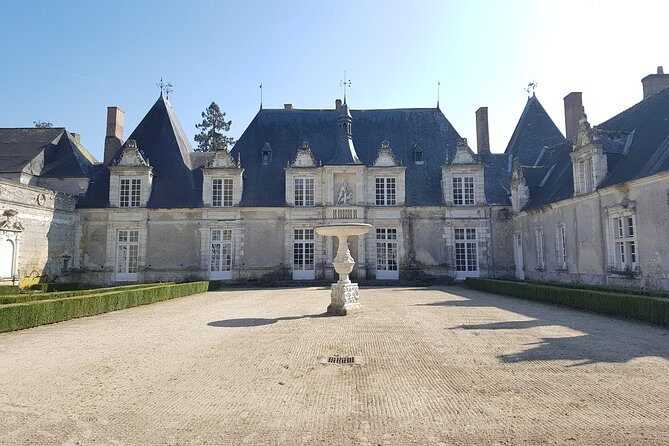
This is the upgrade. Same two castles — Chenonceau and Chambord — but with a small group (usually 8 people max), a guide who clearly loves what they do, and lunch at a privately owned castle that isn’t open to the general public. The lunch alone is worth the price bump.
At $284, it’s not cheap. But the reviews are overwhelmingly positive, and the guide quality makes a real difference. One visitor described their guide as having a PhD in French castle architecture and feeling more like a passionate friend than a tour operator. That’s the kind of experience money can’t always buy. Our full review breaks down what’s included.
4. Tours/Amboise: Chambord, Chenonceau Day Trip and Wine Tasting — $270
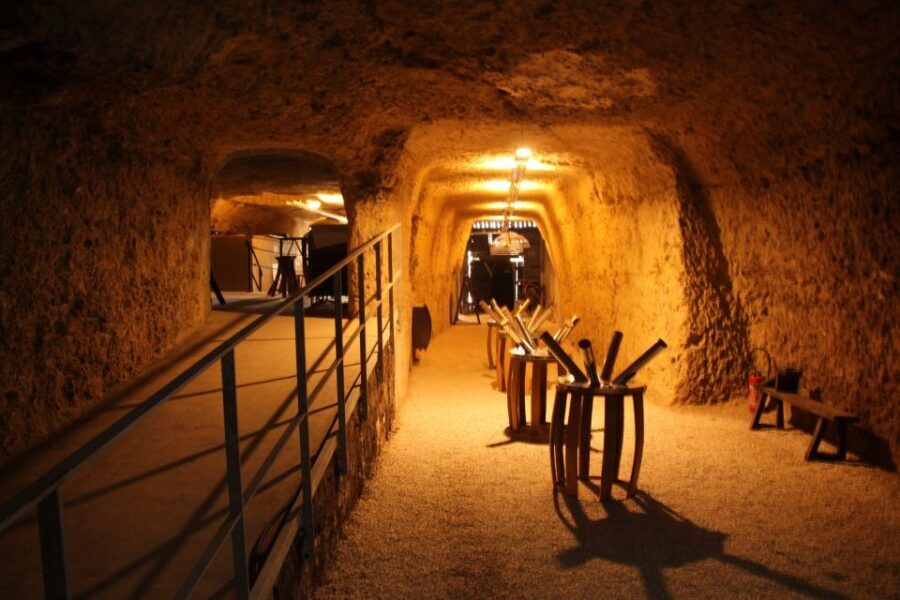
If you’re already in the Loire Valley — staying in Tours or Amboise — this is my favorite option. It starts locally instead of schlepping from Paris, and it adds a wine tasting to the castle visits. The full-day tour covers both Chambord and Chenonceau plus a stop at a local winery.
At $270 for 9 hours, you’re getting a proper day out. The wine tasting is actually good — not the usual tourist pour — and the guide brings energy and depth that make the castle visits stick in your memory. Multiple visitors singled out the wine experience as different from anything they’d done elsewhere.
5. Hot-Air Balloon Ride over the Loire Valley from Amboise or Chenonceau — $309
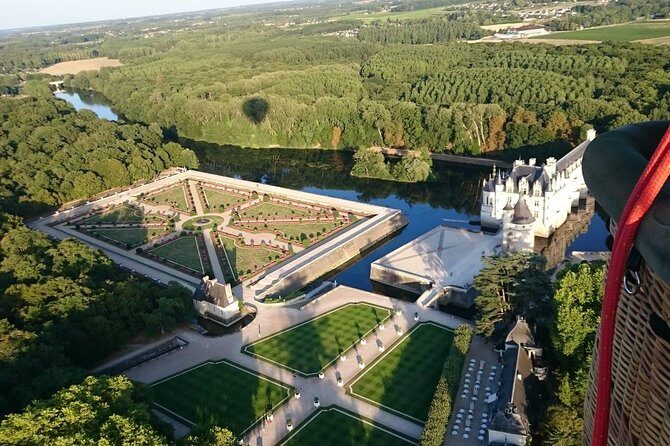
Not a castle tour — this is a hot-air balloon flight that lifts off from near Chenonceau and floats over the Loire Valley. You see the castles, the river, the vineyards, and the patchwork of French countryside from above. It’s the kind of thing you either think is absurd or exactly the thing you came to France for.
At $309, it’s a splurge. But the reviews are consistently strong — a 4.5 rating across hundreds of flights. The experience lasts about 3-4 hours total (including inflation, flight, and landing), with roughly an hour in the air. Weather-dependent, obviously. Book it and hope for clear skies.
When to Visit Chenonceau
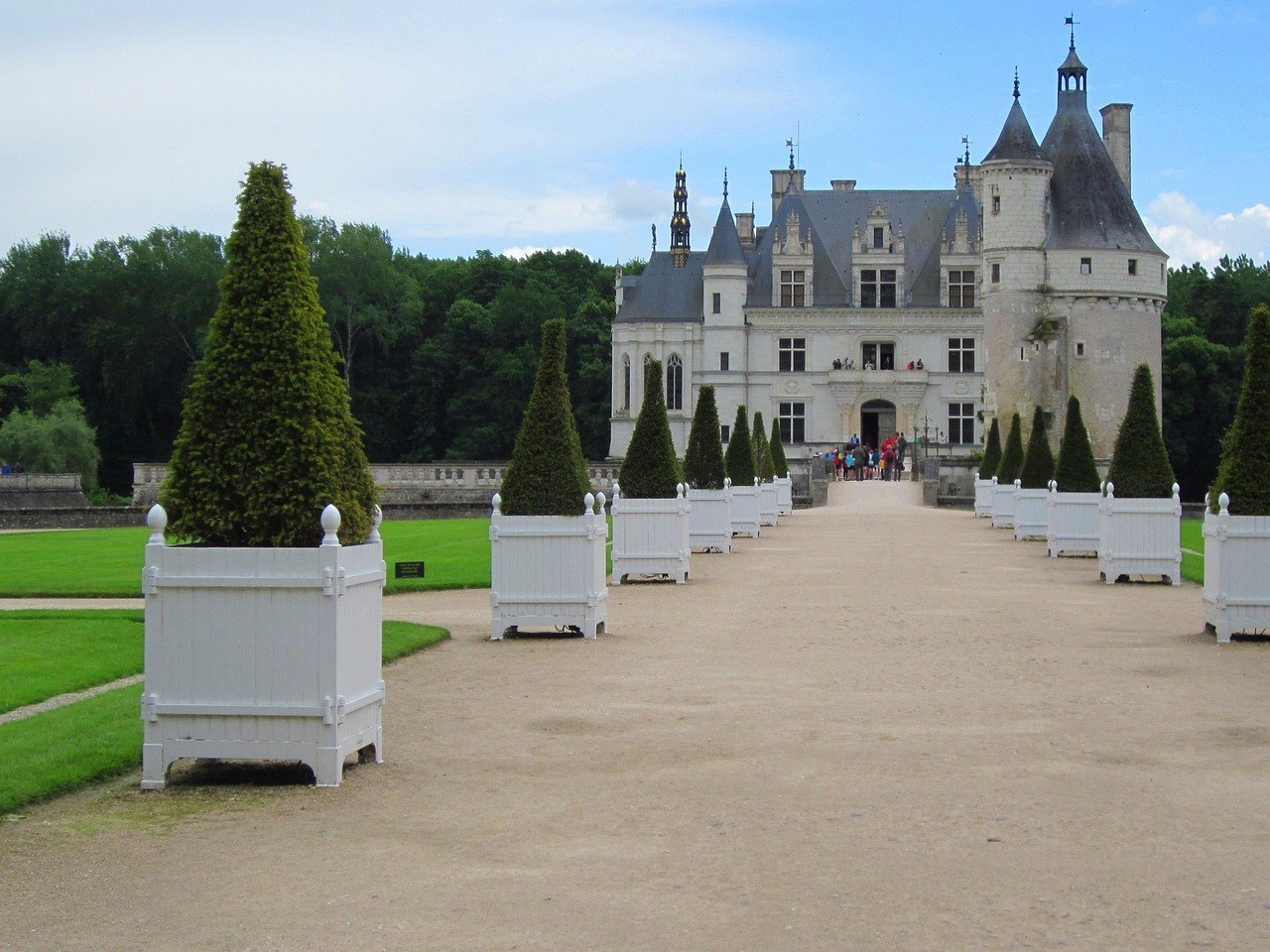
Chenonceau is open year-round, but the hours shift considerably by season.
Summer (July-August): Opens at 9:00am and stays open until 7:00pm or later. This is peak season, and it shows. Expect crowds, especially between 11am and 3pm. The gardens are in full bloom, which is genuinely gorgeous, but you’ll be sharing the gallery with a lot of other people. If you’re here in summer, night visits (Les Nocturnes) are the real highlight — illuminated gardens, music, and far fewer visitors.
Spring (April-June) and Autumn (September-October): This is the sweet spot. Hours are typically 9:00am to 6:00pm (sometimes 6:30pm). Crowds thin out dramatically, the light is beautiful, and the gardens are either blooming or turning gold. I’d pick late September or October if I could choose any time.
Winter (November-March): Shortened hours, usually 9:30am to 5:00pm (closing as early as 4:30pm in December-January). Far fewer visitors. The castle has a melancholy quality in winter that actually fits its history — think Louise de Lorraine in her black mourning chamber. Christmas decorations go up in late November, and they do a lovely job of it.
Practical tip: the castle takes about 60-90 minutes to walk through at a comfortable pace. The gardens add another 30-60 minutes. Budget at least two hours total, more if you want to really soak it in.
How to Get to Chenonceau
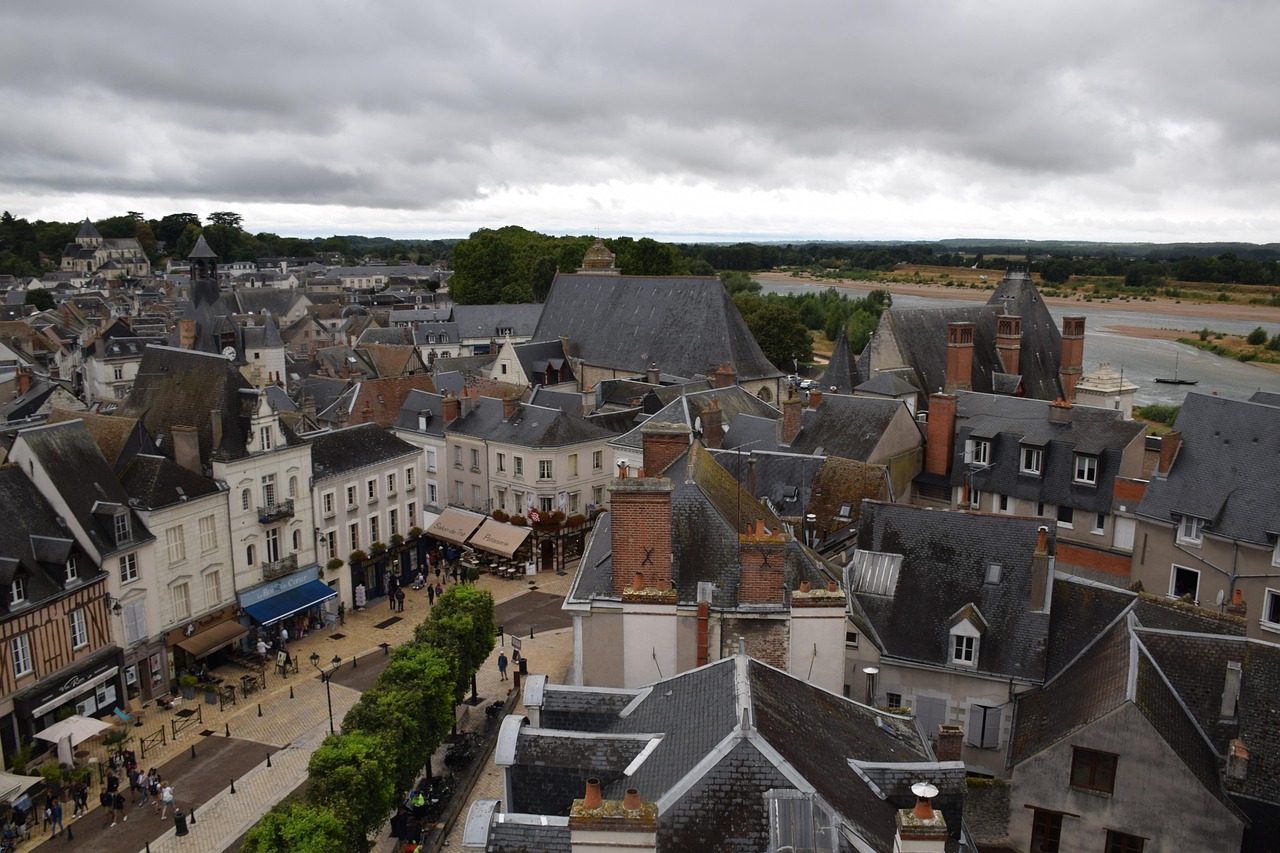
Chenonceau sits in the commune of Chenonceaux (note the extra X in the town name — the French love this kind of thing), about 34 kilometers east of Tours and 12 kilometers south of Amboise.
By car: The easiest option. Free parking right at the castle entrance. From Tours, it’s about 35 minutes. From Amboise, about 20 minutes. From Paris, it’s roughly 2.5 hours via the A10 motorway. Follow signs toward Tours, then Chenonceaux.
By train: There’s a SNCF train station literally called “Chenonceaux” — it’s a 400-meter walk from the castle gates. Direct trains run from Tours (about 25 minutes, a few euros each way). From Paris Gare d’Austerlitz, you take a train to Tours or Saint-Pierre-des-Corps, then transfer to the local TER line. Total journey is about 2-2.5 hours.
By tour bus: Most guided day tours from Paris or Tours include transport. If you’re not renting a car and don’t want to deal with train transfers, this is the simplest route. Tours depart from central Paris (usually near the Louvre or Opera area) or from Tours city center.
From Amboise: If you’re staying in Amboise (a great base for exploring the Loire), you can drive to Chenonceau in 20 minutes, take a local bus, or even cycle — the 12km route along the Cher is flat and scenic.
Tips That Will Save You Time
Buy tickets online. Not because they sell out (they usually don’t), but because it saves 15-20 minutes in the queue during busy periods. The ticket counter can get backed up in summer.
Arrive early or late. Before 10am, the castle feels like it belongs to you. After 3:30pm is also good — the midday tour buses are gone. If you’re doing a night visit in summer, arrive right at the start time.
The audioguide is free — use it. It’s included with every ticket and it’s actually worth listening to. The stories behind the rooms are what make Chenonceau special. Without context, it’s just a pretty building. With context, every room is a chapter in a 500-year drama.
Don’t skip the gardens. I’ve seen people rush through the castle and leave without seeing either garden. Diane’s garden (to the east) and Catherine’s garden (to the west) are distinct in style and both worth 15-20 minutes. The rivalry between these two women extended to their landscaping, and you can see it.
The kitchen is in the basement. It’s easy to miss — stairs lead down below the gallery. The old kitchen with its massive fireplace and copper pots is one of the most atmospheric rooms in the castle.
Wear comfortable shoes. You’ll walk more than you expect. The approach avenue, the castle itself (multiple floors, stone staircases), both gardens, and optionally the maze and farm buildings — it adds up to a couple of kilometers easily.
There’s a decent restaurant and cafe on site. L’Orangerie offers sit-down meals, and there’s a quicker self-service option too. Prices are tourist-level but not outrageous. The creperie is a good bet for a quick lunch.
What You’ll Actually See Inside
The castle isn’t huge by Versailles standards, and that’s part of its charm. You can see everything in 60-90 minutes at a steady pace, without the museum fatigue that hits at bigger royal residences. But every room here has a story, and the stories are extraordinary.
The Grande Galerie
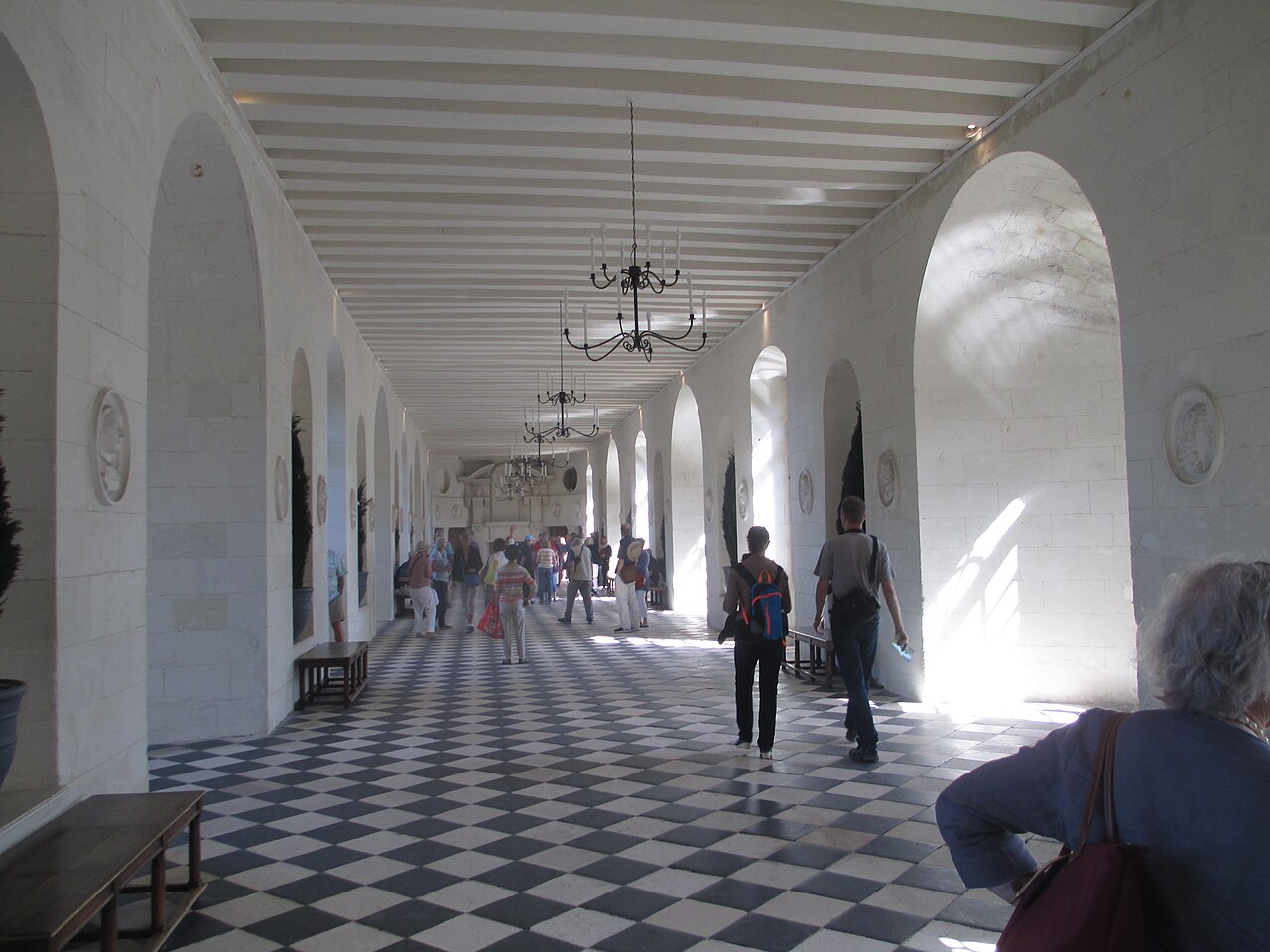
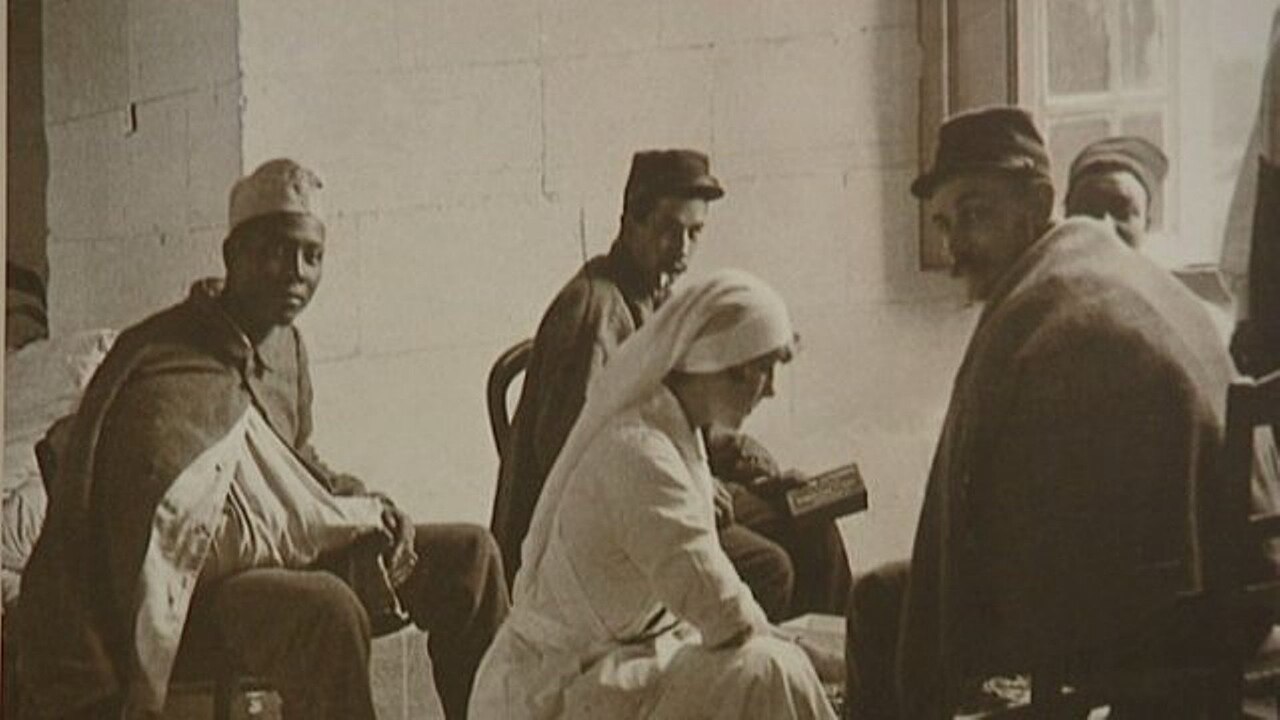
This is the room. Sixty meters long, stretching over the river on five arches, with black-and-white checkerboard floors and windows looking down at the Cher on both sides. Catherine de’ Medici built this gallery on top of the bridge that Diane de Poitiers had constructed — essentially one-upping her rival’s engineering with an even grander statement. During World War I, the gallery served as a hospital ward, with the river beneath making the space practical for medical purposes. The owner at the time, Gaston Menier, transformed it into a military hospital that treated over 2,000 wounded soldiers.
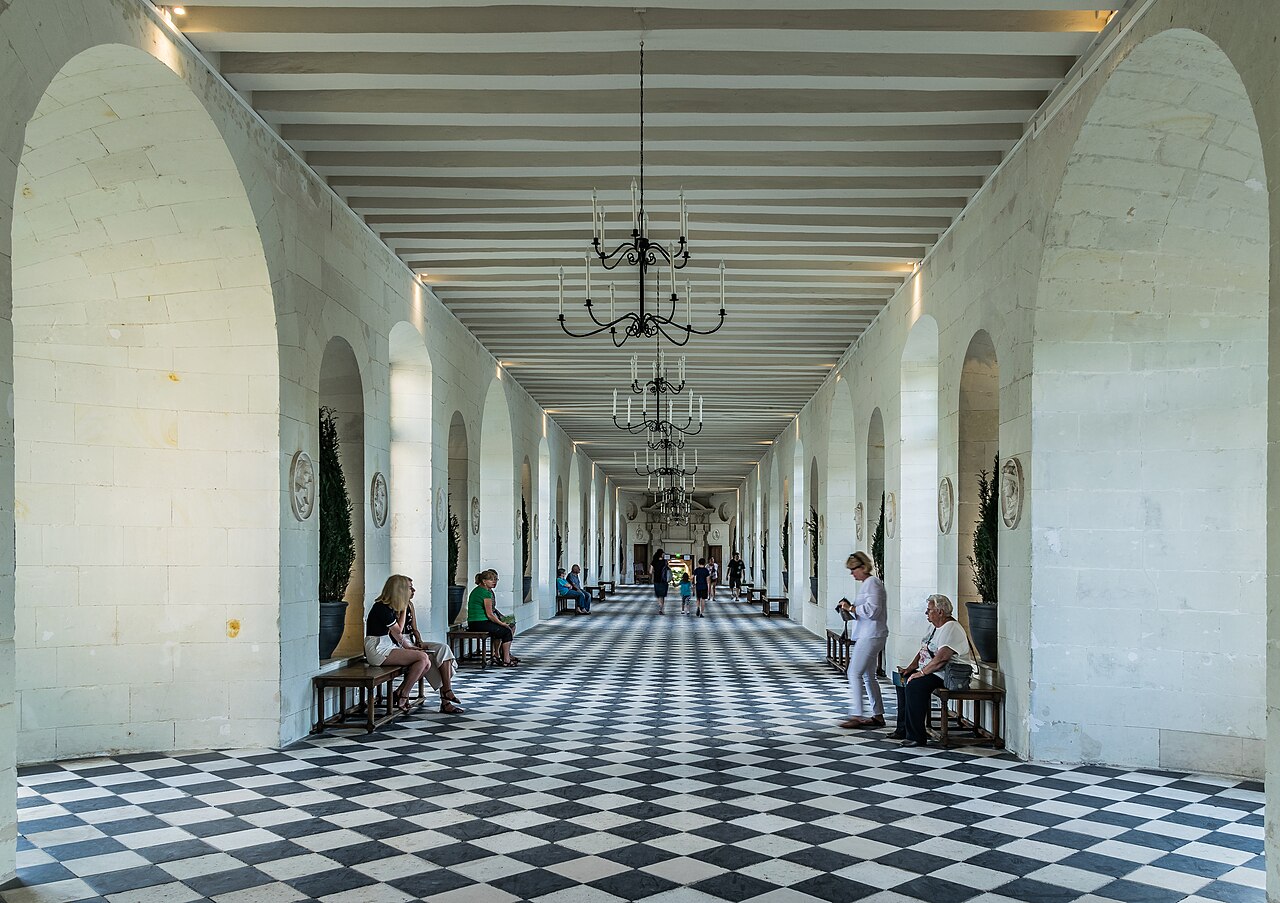
But the most remarkable chapter came during World War II. The Cher River was the actual demarcation line between German-occupied France to the north and Vichy France to the south. Chenonceau’s gallery literally straddled the border. The Resistance used the castle to smuggle people from occupied territory to the free zone — refugees entered through the north door and walked out the south door, technically crossing from one France to the other without crossing the river. The castle that was built for beauty became a lifeline.
The Château des Dames — Six Women, 400 Years
Every major room connects to one of the six women who shaped this place. This is genuinely the most compelling part of Chenonceau.
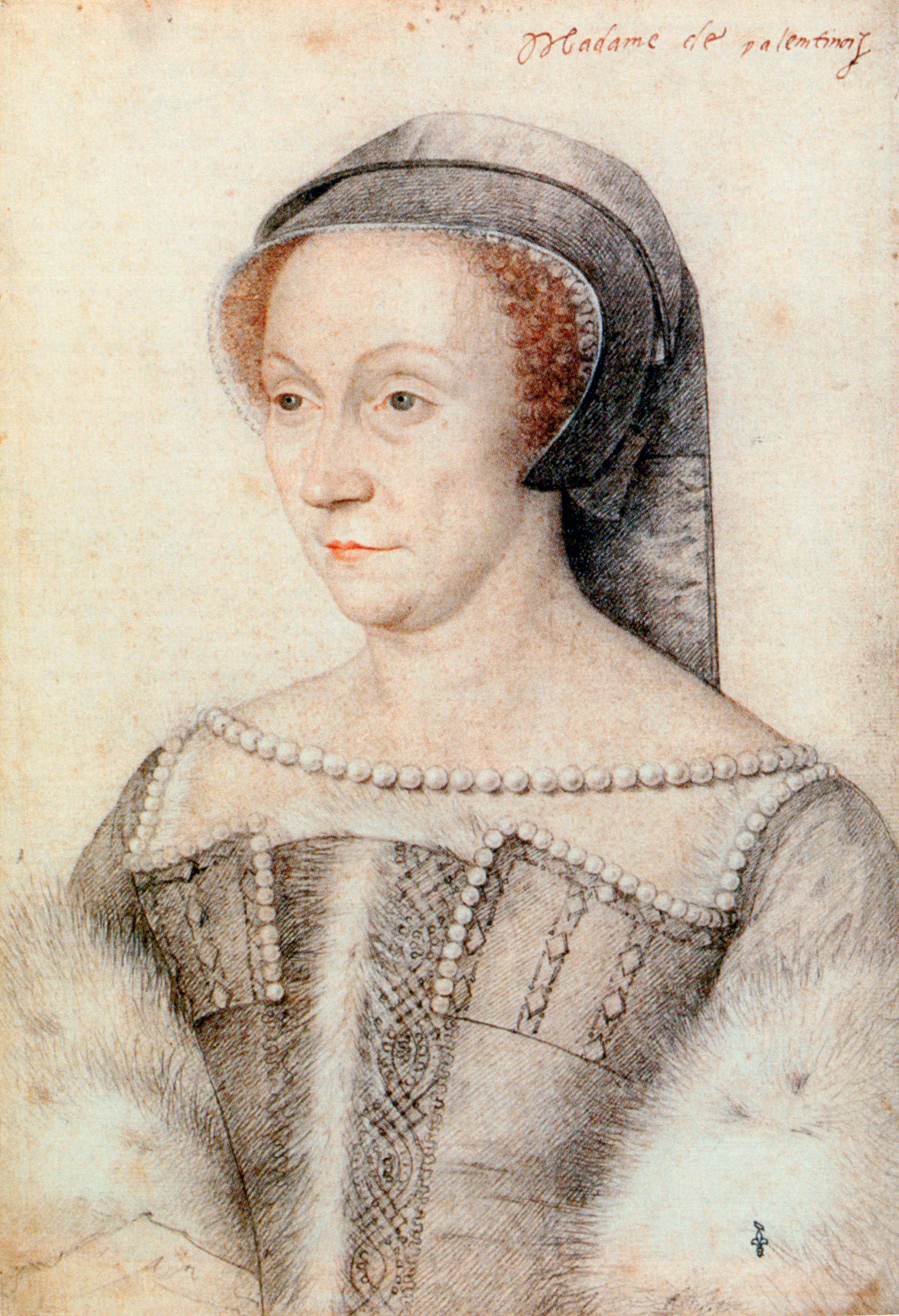
Katherine Briconnet supervised the original construction in 1513 while her husband, Thomas Bohier, was away fighting in Italy. The medieval castle that stood here before was torn down, and she oversaw the design of the Renaissance building you see today. Historians now believe most of the architectural decisions were hers.
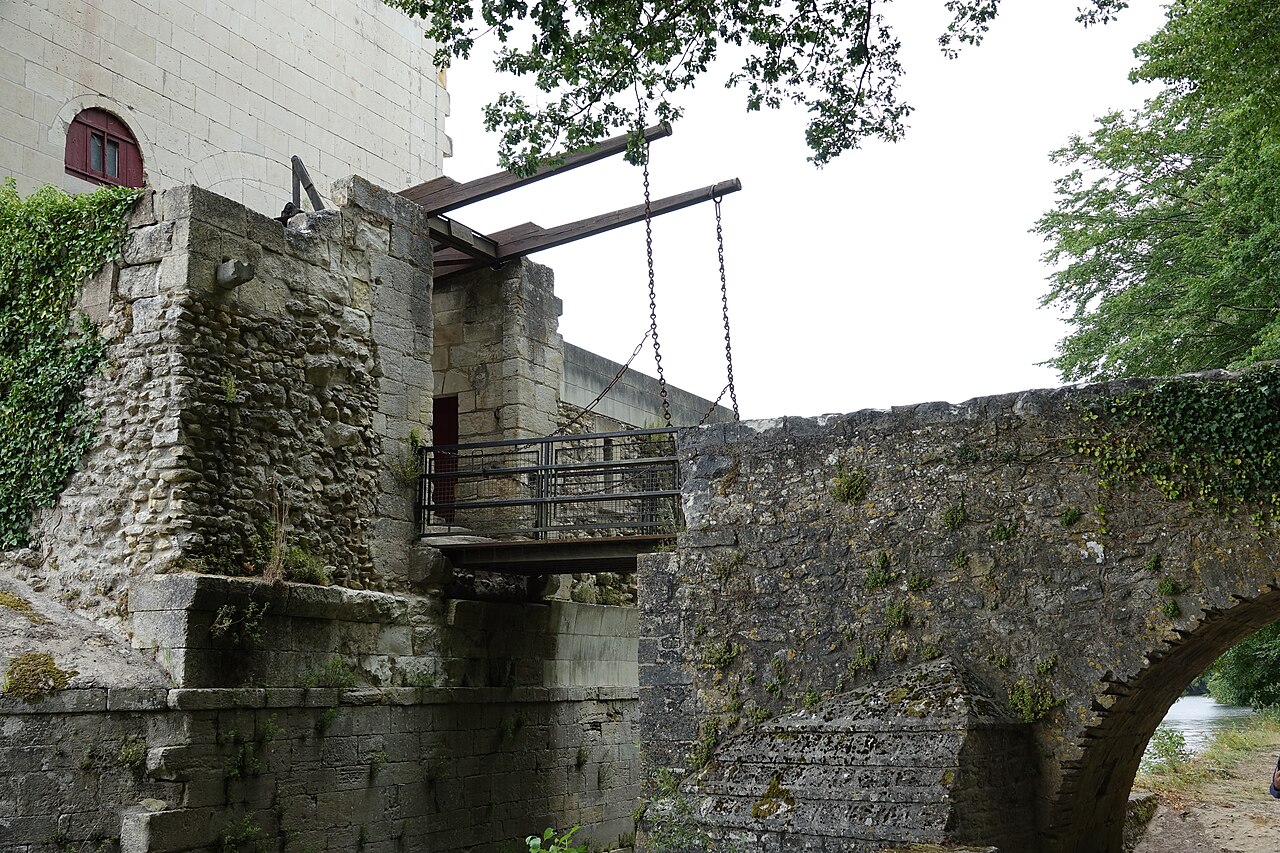
Diane de Poitiers received Chenonceau as a gift from King Henri II, her lover. She was 20 years older than the king, and their relationship scandalized the court. But Diane was shrewd — she ran the estate efficiently, built the famous bridge over the Cher, and created the first garden. For twenty years, Chenonceau was hers.
Then Henri II died in 1559 — a lance splintered during a jousting tournament and pierced his eye. He lingered for ten days. The moment he was gone, his wife Catherine de’ Medici forced Diane to give up Chenonceau. Catherine, now regent of France, built the grand gallery on top of Diane’s bridge and threw legendary parties there. The rivalry between these two women physically shaped the castle — Diane’s elegant bridge below, Catherine’s show-stopping gallery above.
Louise de Lorraine married Catherine’s son, Henri III. When Henri III was assassinated in 1589, Louise retreated to Chenonceau and had her bedroom painted entirely in black — black walls, black ceiling, black curtains. She spent the next eleven years in mourning, almost never leaving the room. You can still see the chamber. It’s unsettling.
Madame Dupin saved Chenonceau during the French Revolution. When the Revolutionary mob came for the castle, she argued — successfully — that it was technically a bridge (the gallery spans the river), not a castle, and therefore should be spared. The argument was creative enough to work. Madame Dupin was also a notable intellectual who hosted Voltaire and Rousseau; Rousseau served as tutor to her son and reportedly loved his time at Chenonceau.
Marguerite Pelouze bought the castle in the 19th century and spent a fortune restoring it, stripping away some of Catherine’s additions to reveal the earlier architecture. She eventually went bankrupt from the restoration costs.
Diane’s Garden and Catherine’s Garden
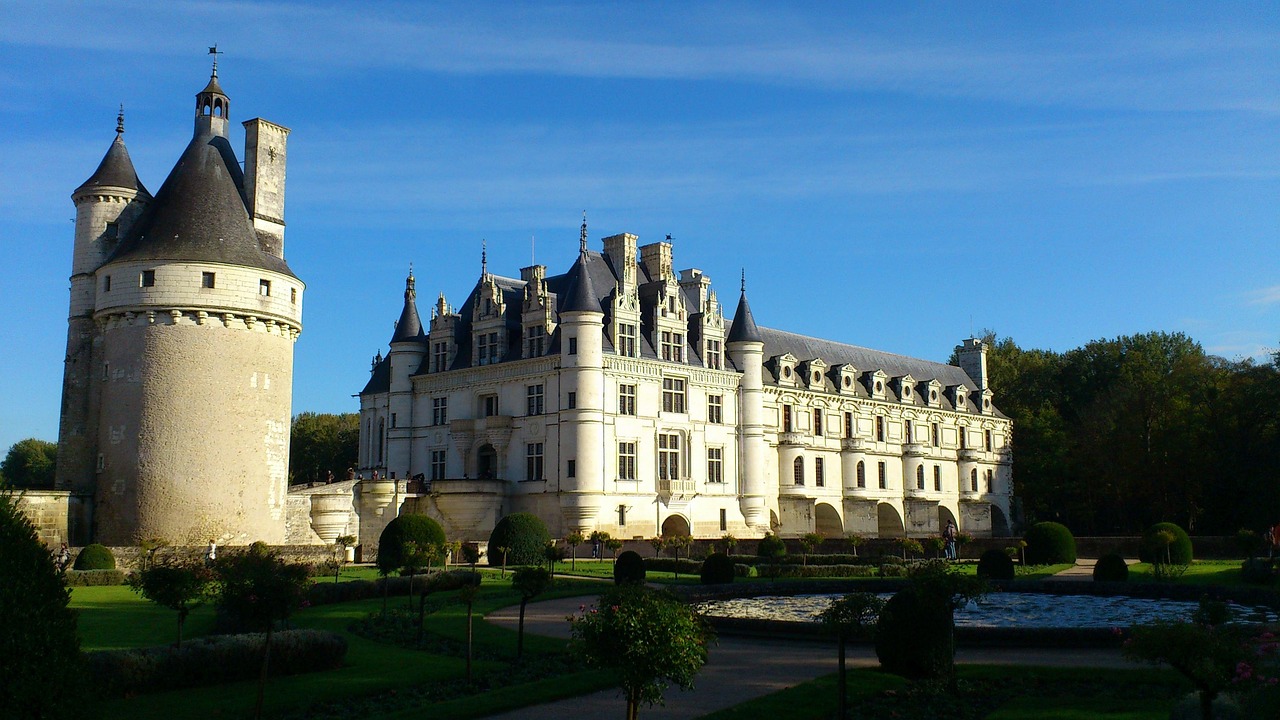
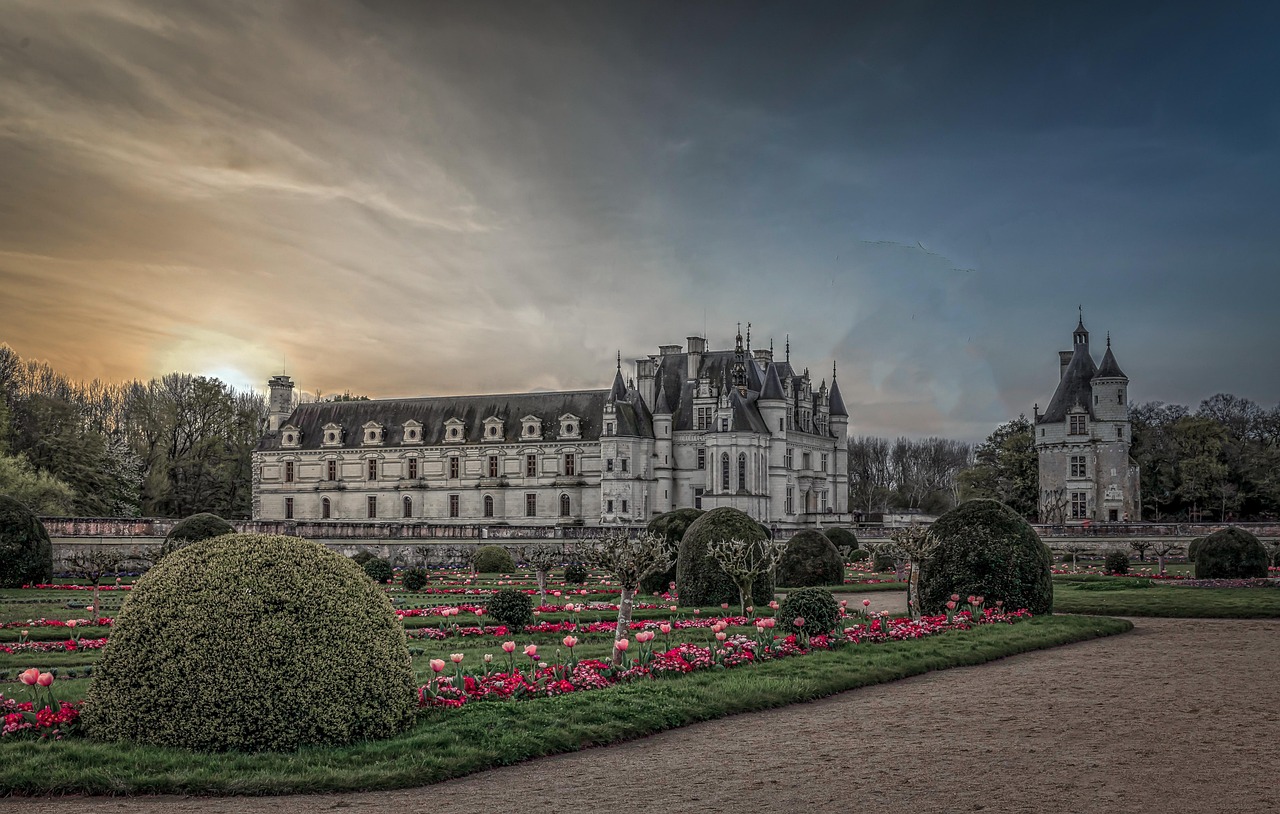
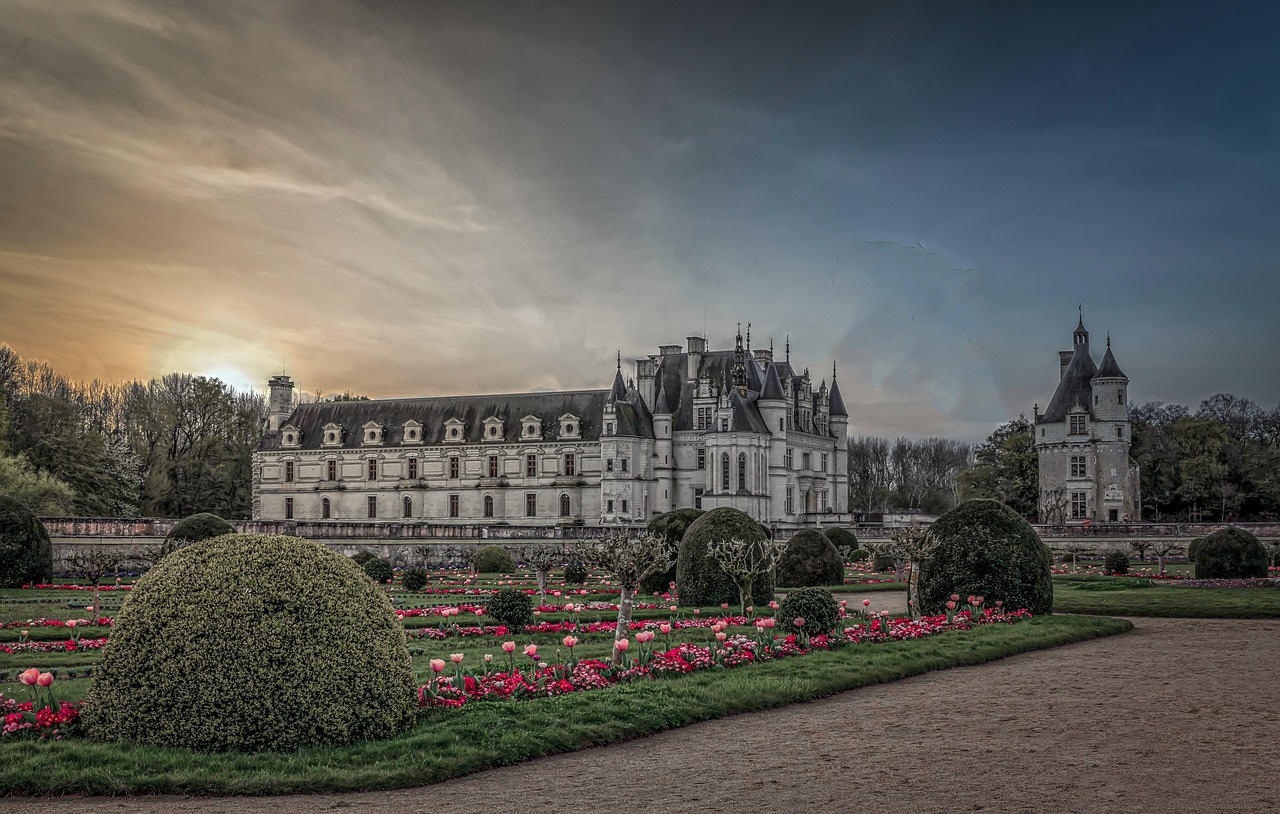
Two gardens, two women, two completely different approaches. Diane’s garden (east side) was the first, laid out in formal Renaissance style with geometric patterns. Catherine’s garden (west side) was her response — larger, with a central fountain and a more ornate design. The rivalry is visible in the landscaping. Both are immaculate.
There’s also a more recent garden designed by Russell Page, a maze made of 2,000 yew trees (kids love this), and a vegetable garden that supplies the on-site restaurant. If the weather cooperates, you could easily spend an hour just in the grounds.
The Rooms
Beyond the gallery and the history, the individual rooms are filled with period furniture, tapestries, and art. Highlights include:
- The Green Room (Catherine’s former study) — restored to its Renaissance appearance with a stunning carved fireplace
- Louise de Lorraine’s mourning chamber — the black room. Painted with skulls, bones, and tears on a black background. It’s genuinely disturbing and nothing like the rest of the castle
- The Chapel — survived the Revolution because Madame Dupin stored firewood in it, making it look utilitarian. Inside, the stained glass windows were restored in the 1950s after being destroyed in a 1944 bombing
- The Kitchens — in the vaulted basement of the castle’s foundations, with the original stone ovens and copper equipment
Nearby in the Loire Valley
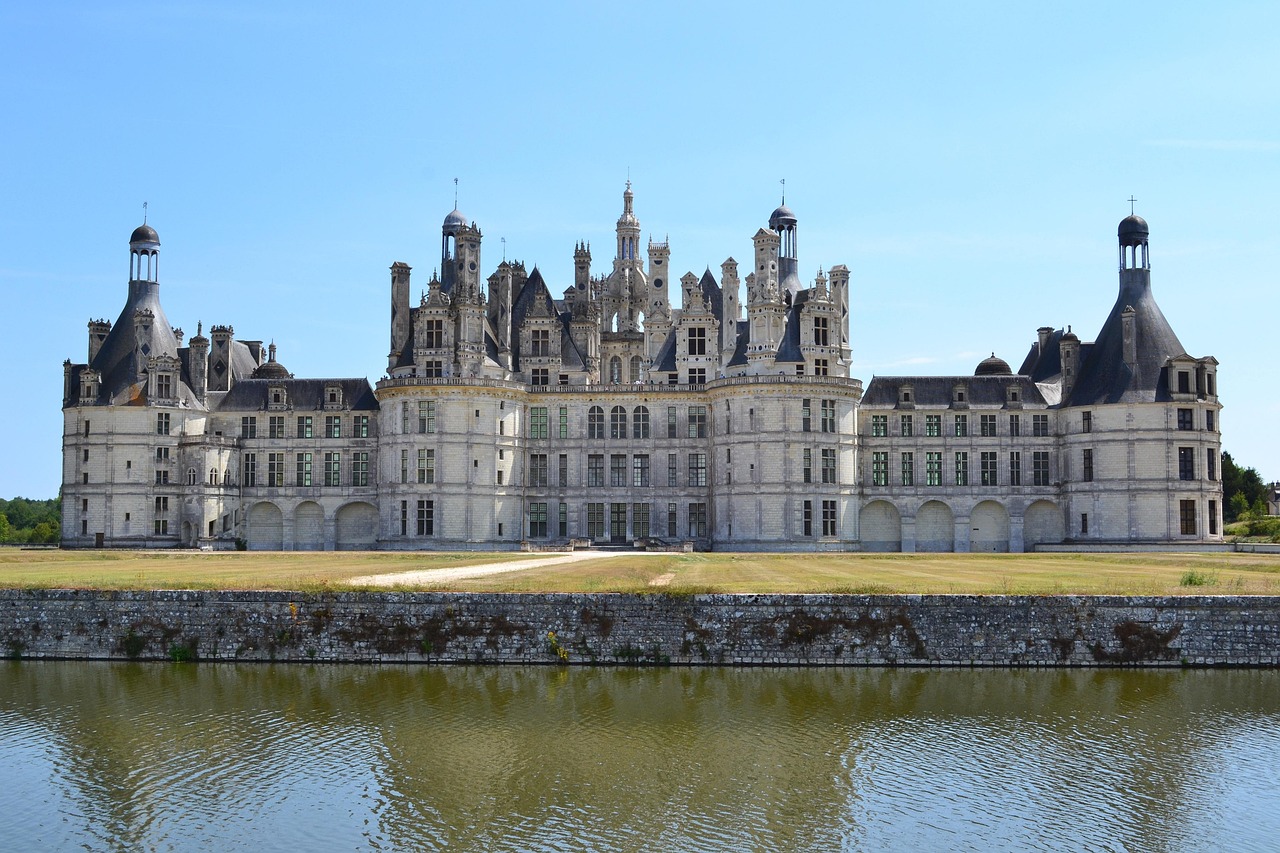
Chenonceau and Chambord are the two must-see castles in the Loire, and most visitors do both. If you’ve got an extra day, our Loire Valley tour guide covers the full range of options from Paris, including wine-focused trips and multi-castle itineraries. For something totally different, the Versailles guide is worth a look if you’re heading back to Paris — it’s a different kind of French grandeur, but the contrast with Chenonceau is striking. Versailles was built to intimidate. Chenonceau was built to be loved.
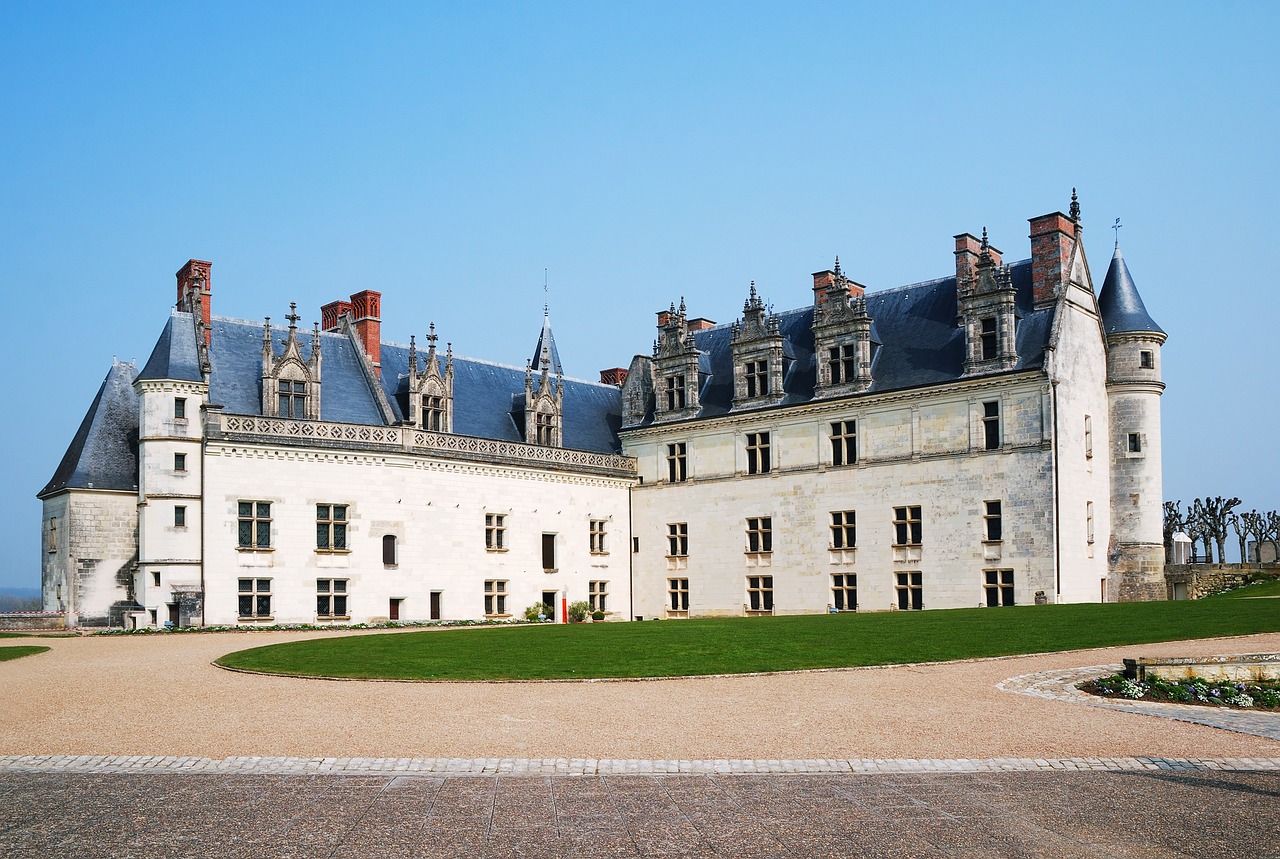
The town of Amboise itself makes a great base for exploring the region. It’s where Leonardo da Vinci spent his final years, and his house (Clos Luce) is a 10-minute walk from the castle. If you’re spending more than one day in the Loire, our guides to the Louvre and Eiffel Tower cover the essential Paris stops for when you head back to the city.
This article contains affiliate links. When you book through these links, we may earn a small commission at no extra cost to you. This helps us keep producing free travel guides.