
Marie-Antoine Careme was abandoned at a Paris gate when he was ten years old. His father, who had twenty-five children and couldn’t afford to feed them, dropped him off and walked away. That kid grew up to become the most famous chef in the world — cooking for Napoleon, the Tsar of Russia, and the British royal family. He invented the soufflé, the vol-au-vent, and basically the entire concept of French haute cuisine.
I think about that story every time someone tells me they’re “not really a cook.” Paris has been turning amateurs into capable cooks since the French Revolution, when aristocratic household chefs suddenly lost their employers and opened restaurants for the public. The word “restaurant” itself comes from a Parisian soup seller in 1765 who advertised his broth as a restorative — restaurant in French.
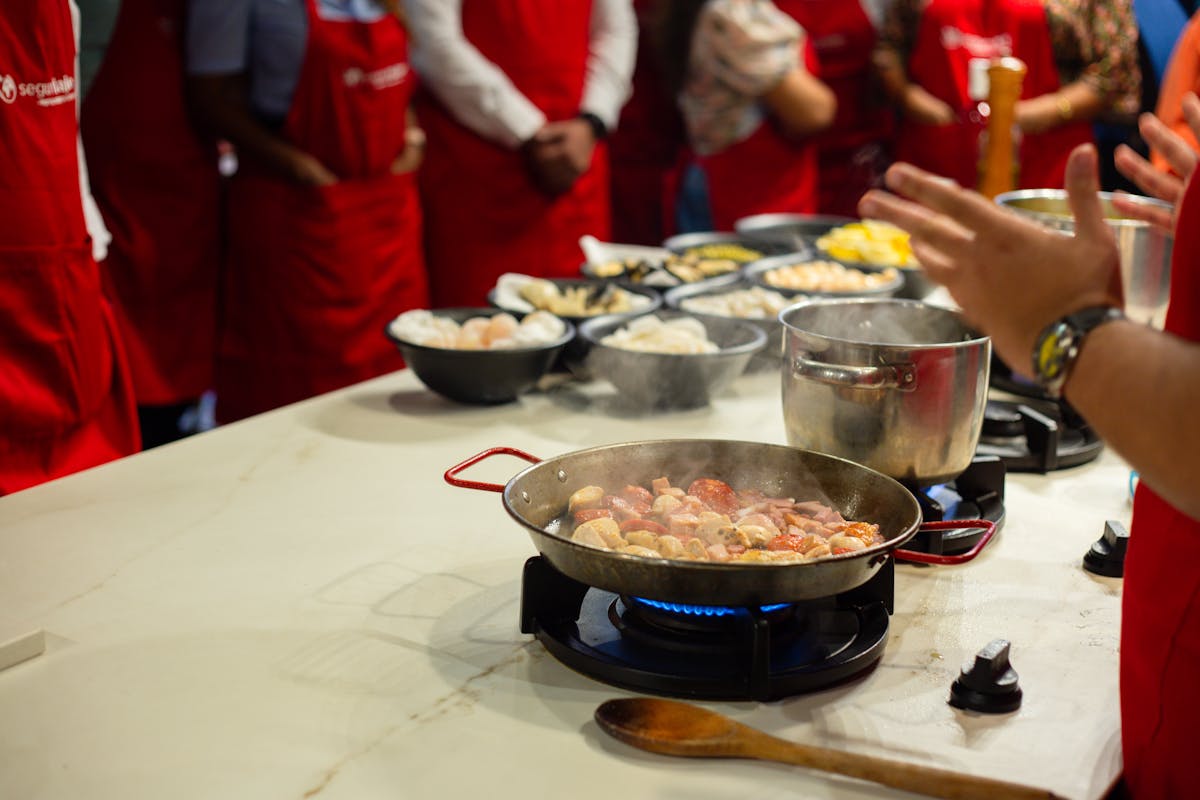
So no, you don’t need to know how to julienne a carrot before you sign up. The whole point of a Paris cooking class is that someone patient (and usually very opinionated) stands next to you and shows you exactly how to do it. And then you eat everything. That’s the deal.
But figuring out which class to actually book? That’s the hard part. There are croissant-making workshops, macaron classes, multi-course French dinner sessions, market tours with cooking afterwards, bakery behind-the-scenes visits — and the prices range from around $77 to $240 depending on what you choose. Some last an hour. Some take all day. Some are worth every cent, and a few are honestly overpriced for what you get.
I’ve gone through the best options available and picked the five that are actually worth booking. Here’s the breakdown.
Short on time? Here are my top 3 picks:
Best overall: Paris Cooking Class with Market Visit and Lunch — $240. Full day, market tour, three-course lunch with wine. The real deal.
Best for baking fans: Croissants and Pains au Chocolat Class — $127. Hands-on croissant making in a pastry chef’s home kitchen. Intimate and memorable.
Best budget pick: Behind the Scenes Boulangerie Tour — $77. One hour inside a working Paris bakery. Fast, affordable, and you eat fresh bread.
- A Brief History of Why Paris Teaches the World to Cook
- What Types of Cooking Classes Exist in Paris
- How to Book (and What to Know Before You Do)
- The 5 Best Cooking Classes in Paris
- 1. Paris Cooking Class with Market Visit and Wine Lunch — 0
- 2. Paris Macaron Baking Class — 6
- 3. Croissants and Pains au Chocolat with a Pastry Chef — 7
- 4. Macaron Baking Class in Central Paris — 2
- 5. Behind the Scenes of a Boulangerie —
- The Croissant Question (Why It Matters)
- When to Take a Cooking Class in Paris
- How to Get to Most Cooking Class Locations
- Tips That Will Actually Help
- What You’ll Actually Learn (Beyond Recipes)
- While You’re in Paris
A Brief History of Why Paris Teaches the World to Cook
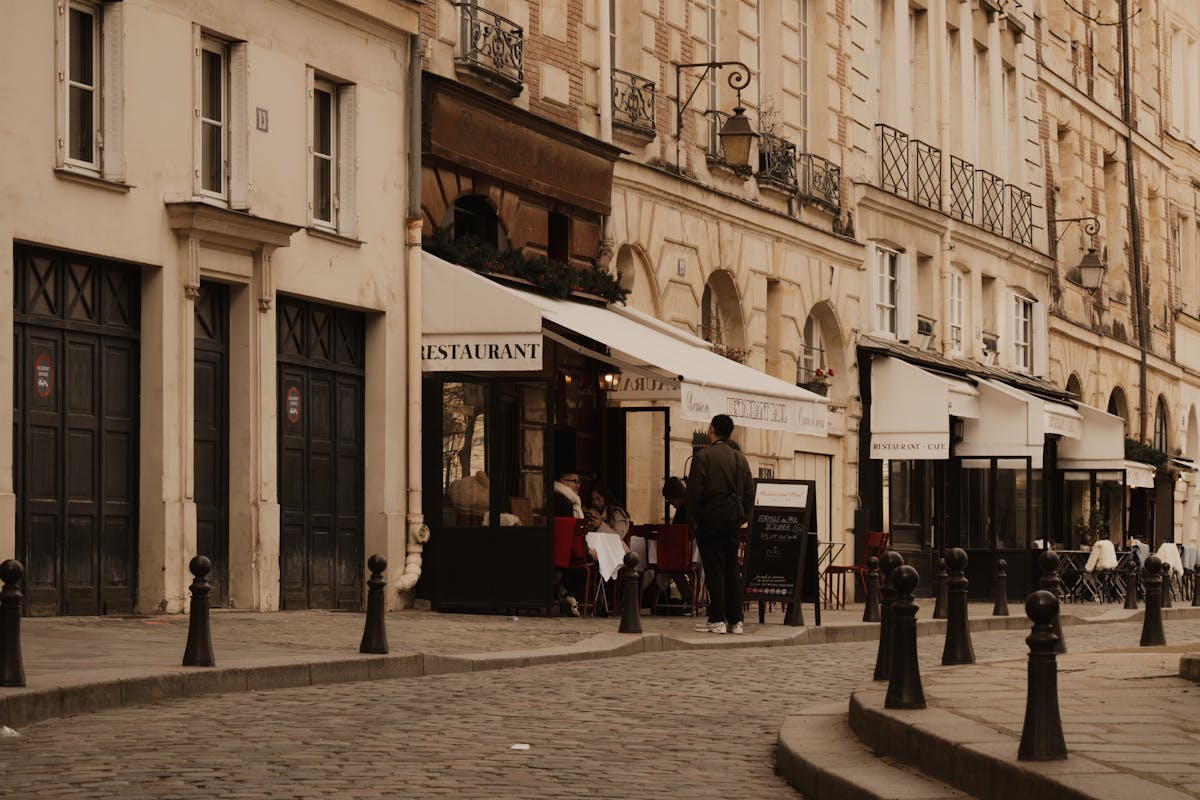
Before the French Revolution in 1789, the best chefs in France worked in private aristocratic homes. When the aristocrats fled (or lost their heads), those chefs needed new jobs. So they opened restaurants — and Paris went from having maybe a dozen public eating establishments to hundreds within a decade. That’s the foundation of everything that came after.
The formal cooking school followed not long behind. Le Cordon Bleu opened its doors in 1895, and by the mid-20th century it was attracting students from around the world. Julia Child enrolled at Le Cordon Bleu in 1949 — a 37-year-old American woman who didn’t speak much French and had never cooked seriously in her life. Her experience there inspired Mastering the Art of French Cooking and changed how an entire continent thought about home cooking.
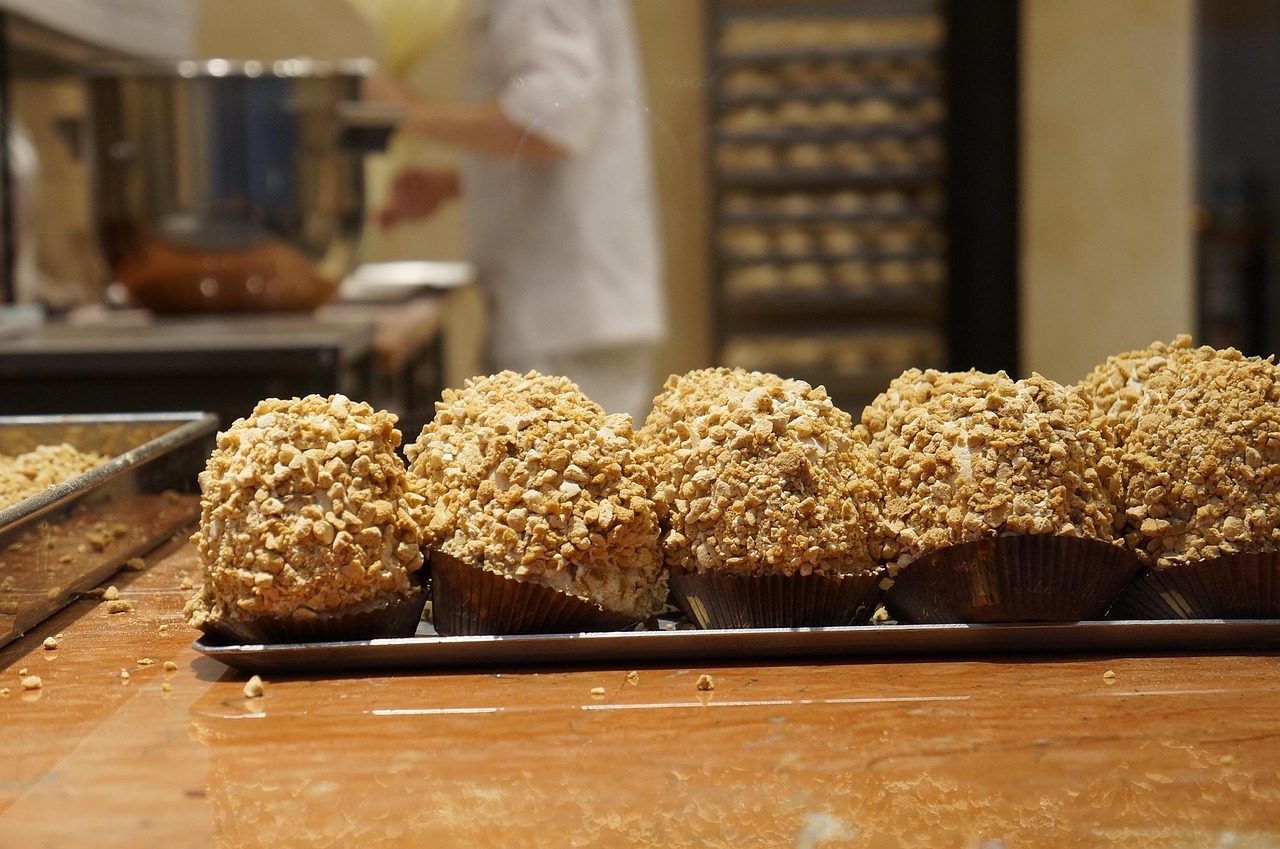
Today the teaching has gone casual. You don’t need to enrol for a six-month certificate. Most visitor-focused cooking classes run two to six hours, cost between $77 and $250, and send you home knowing how to make something specific — a proper croissant, a macaron that doesn’t crack, a sauce béarnaise that holds together. The instructors are often trained chefs who found they preferred teaching travelers to working the dinner rush. Can’t blame them.
What Types of Cooking Classes Exist in Paris
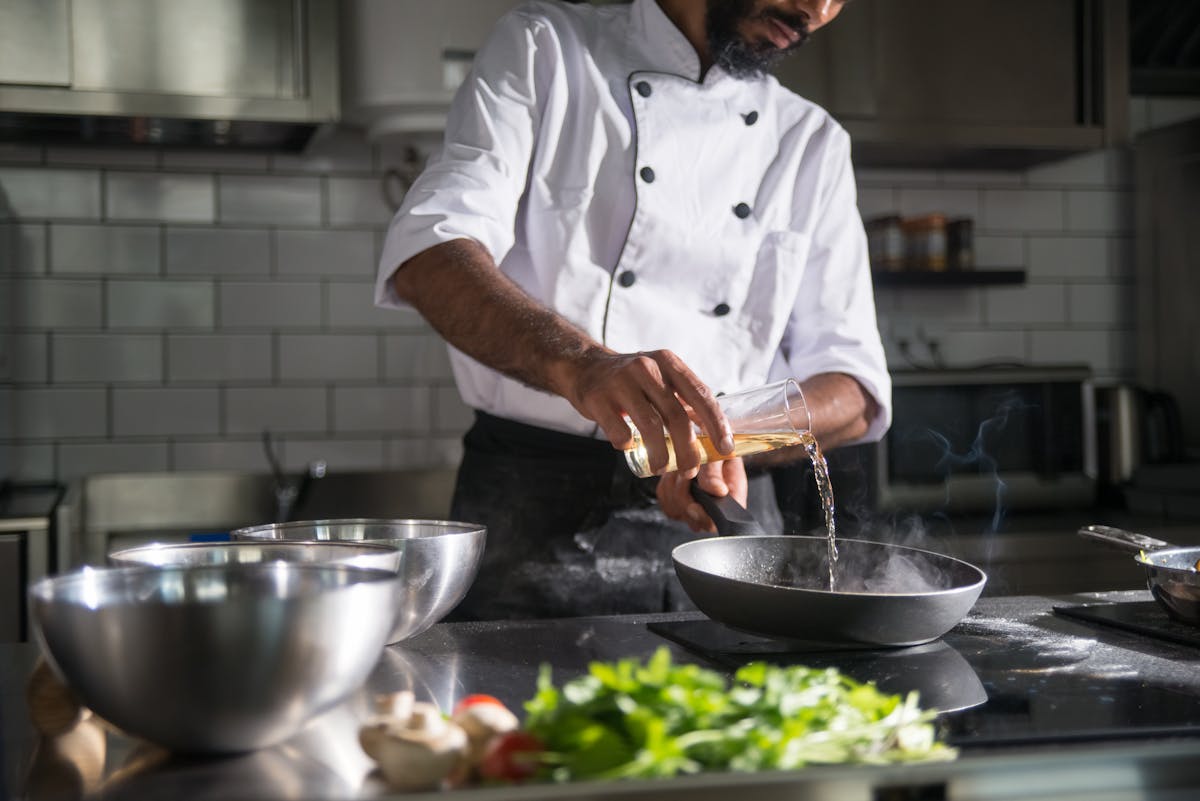
There are roughly five categories, and they’re different enough that you should know what you’re booking before you click.
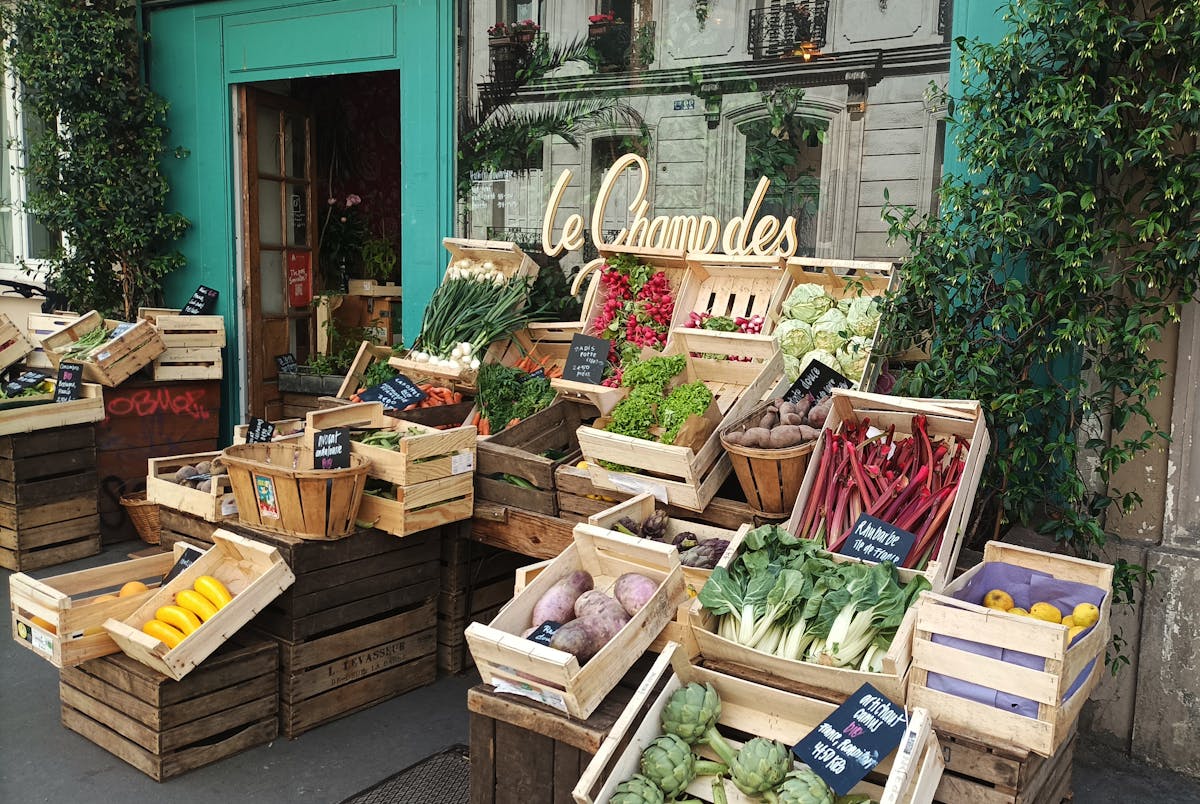
Full-day cooking classes with market visit — These are the most immersive option. You start at a local market (often Marché d’Aligre or Rue Mouffetard), shop for ingredients with the chef, then head back to the kitchen to cook a full three-course French meal. Most finish with wine pairing and you eat everything you just made. Budget a full morning — usually 10am to 3pm. Prices sit around $180-$250.
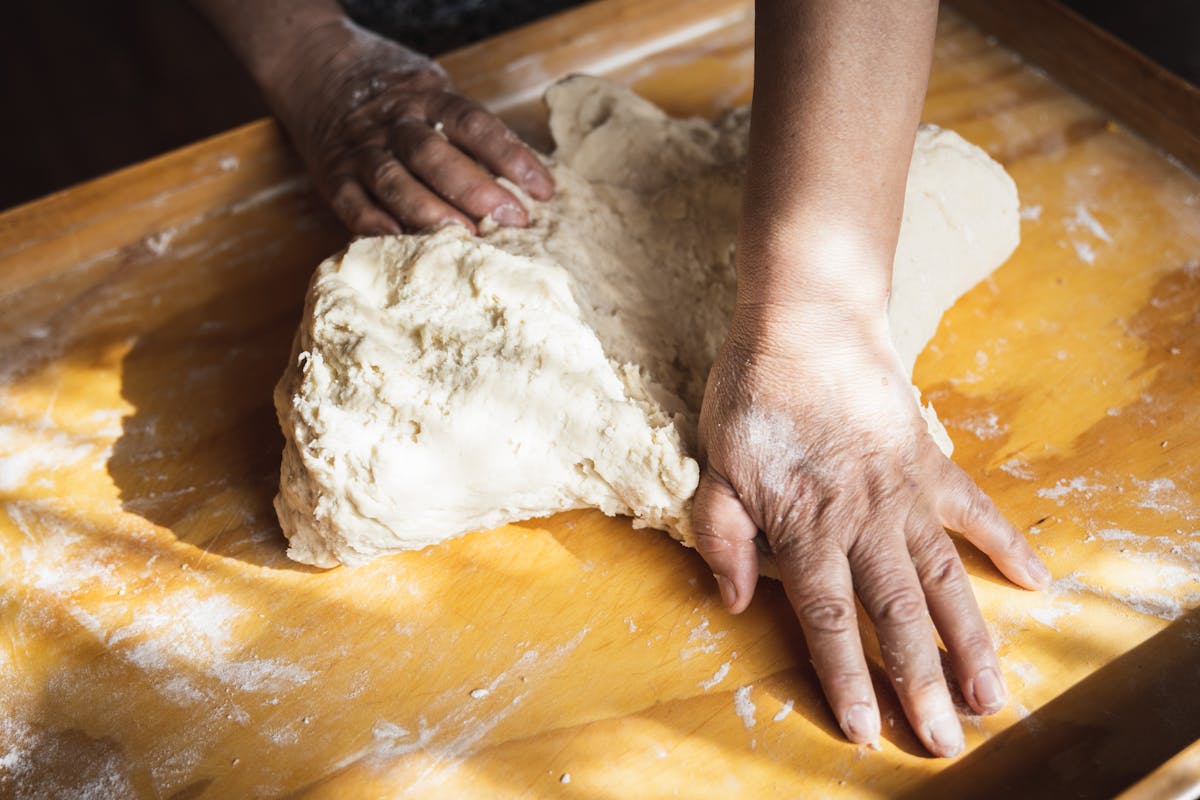
Croissant and pastry baking classes — You learn the lamination technique, which means folding butter into dough to create the layers. In a professional bakery, this process takes three days. The class condenses it into about two and a half hours, using dough that’s already been through the first resting stages. You shape, you bake, you eat. You take extras home. These run $120-$160 and are almost always mornings.
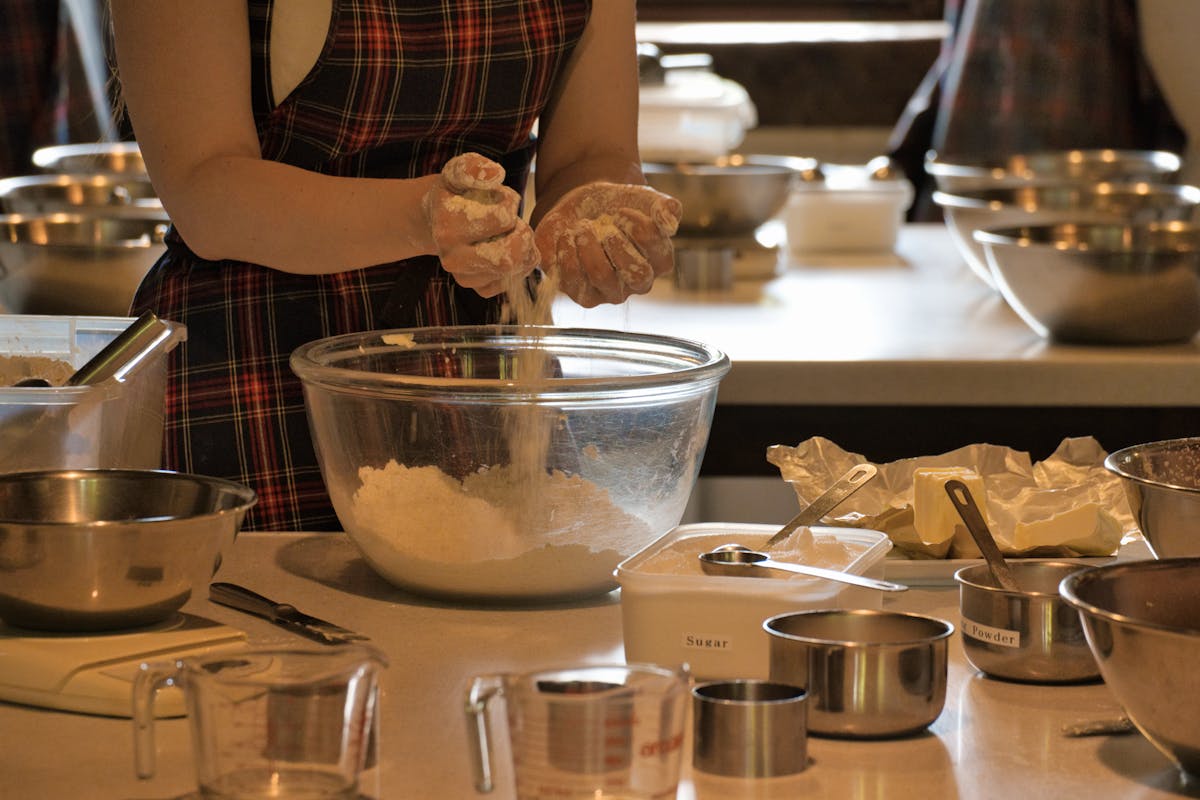
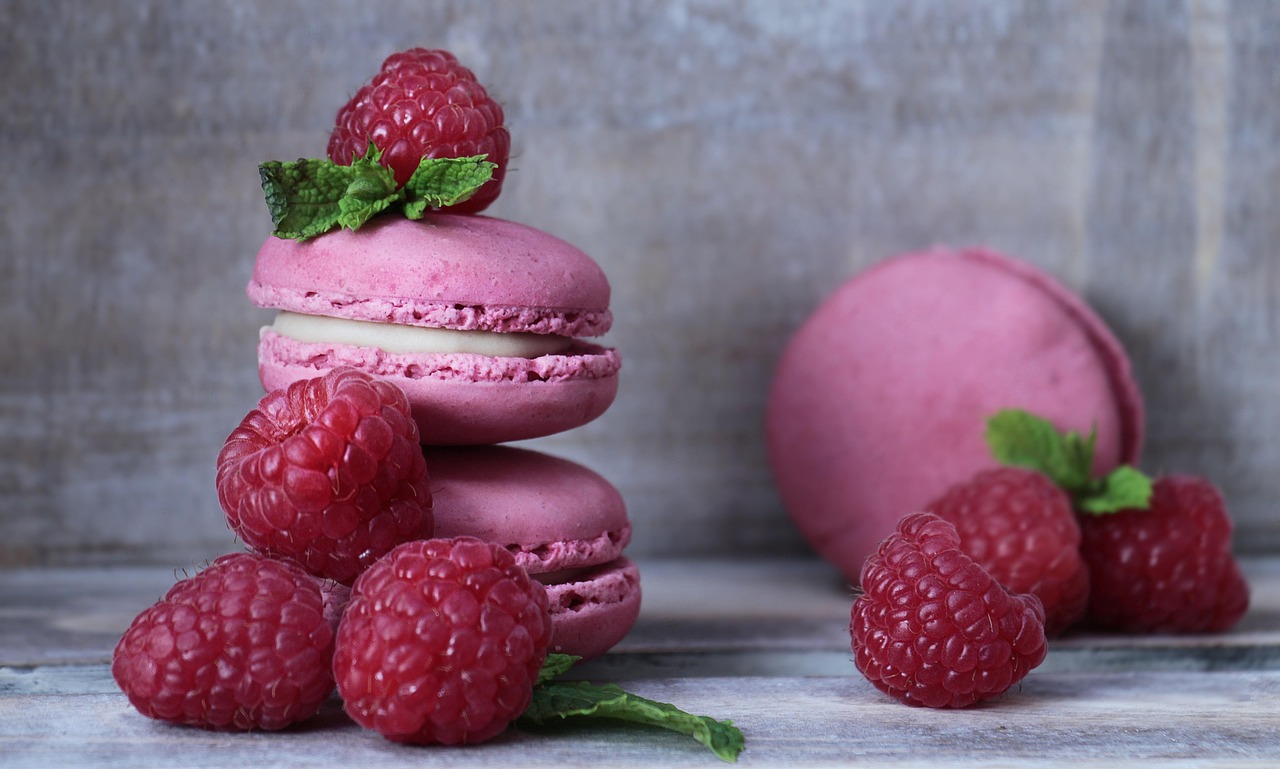
Macaron baking classes — The signature Paris baking experience. You learn the macaronage fold (the specific mixing technique that gives macarons their smooth tops and ruffled feet), pipe them, fill them, and take home a box. Classes are 2-3 hours and cost $120-$160. They sell out faster than almost any other food experience in Paris.
Bakery behind-the-scenes tours — Shorter and cheaper. You visit a working boulangerie, watch the bakers, learn how baguettes and croissants are made, and taste fresh bread straight from the oven. Usually about an hour, around $77. Great if you’re curious but don’t want to commit to a half-day workshop.
Evening dinner cooking classes — Same concept as the full-day class, but compressed into an evening format. You cook a French dinner and eat it, sometimes with wine pairing. These work well if your daytime schedule is packed with sightseeing. Usually 6pm-9pm, $150-$200.
How to Book (and What to Know Before You Do)
Almost all Paris cooking classes are booked through tour platforms — GetYourGuide and Viator are the two main ones. You can sometimes book directly through the cooking school’s website, but the prices are usually the same and the cancellation policies are often worse.
Book at least a week ahead in summer and around holidays. The popular macaron and croissant classes sell out fast — sometimes two weeks in advance during July and August. Winter is easier. I’ve booked classes three days out in February with no issues.
Free cancellation is standard on most classes up to 24 hours before. Some give you 48 hours. Read the fine print before you book, because a few have stricter policies, especially the smaller artisan schools.
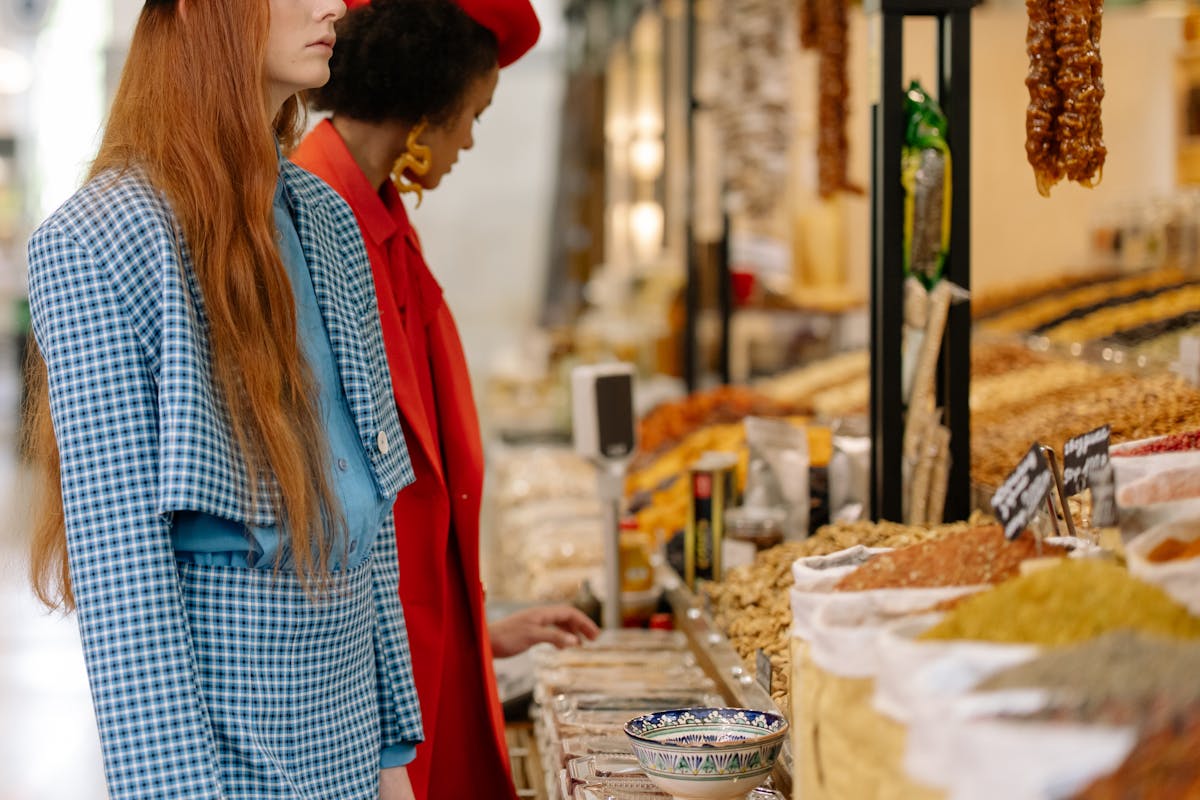
Group sizes matter. Some classes cap at 8 people. Others cram in 14-16. Smaller is better if you actually want hands-on time versus watching a chef demo while you stand at the back. Check the listing description for maximum group size.
Dietary restrictions — Most good classes accommodate vegetarians, gluten-free, and common allergies if you notify them at booking. Vegan is trickier for traditional French cooking (a lot of it revolves around butter and cream), but dedicated vegan cooking classes do exist if that’s what you need.
What to wear: Closed-toe shoes. That’s it, really. Aprons are provided. Leave the fancy outfit for dinner — kitchens are hot, flour gets everywhere, and you’ll probably spill something.
The 5 Best Cooking Classes in Paris
I’ve ranked these by how much you actually learn, how good the food is at the end, and whether the price matches the experience. All five are well-reviewed and run by professional chefs — but they’re different enough that the right choice depends on what you’re after.
1. Paris Cooking Class with Market Visit and Wine Lunch — $240
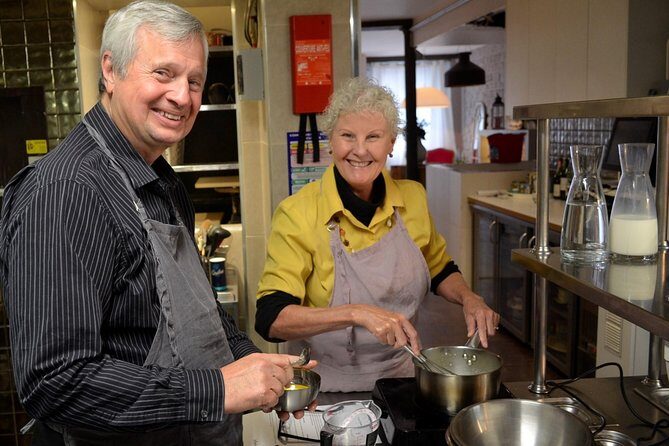
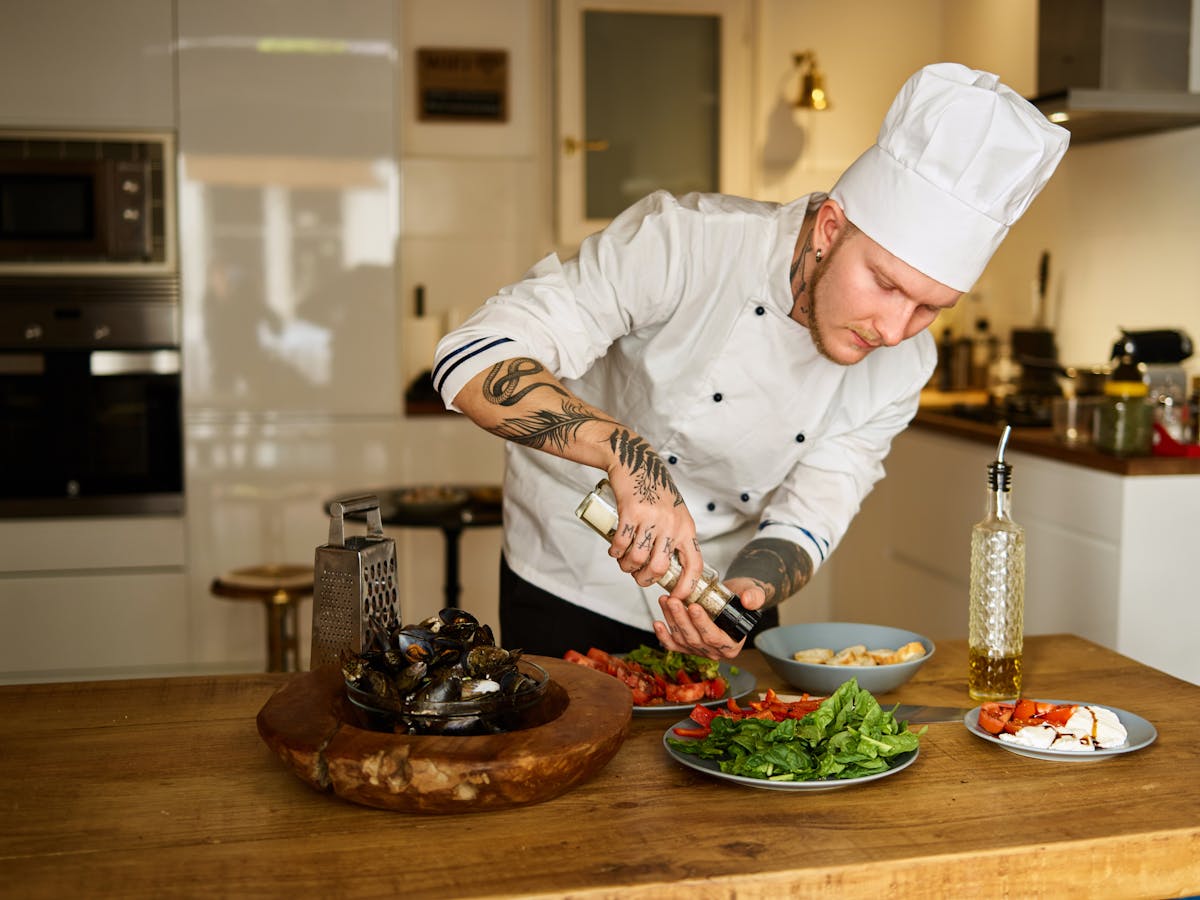
This is the full experience — the one I’d recommend if you only do one food activity in Paris. You start at a local market where the chef walks you through how to pick produce, explain cuts of meat, and negotiate with vendors (yes, that’s still a skill in Paris). Then you head back to the school kitchen and cook a three-course French meal from scratch.
The session runs about six hours and finishes with everyone sitting down to eat what they made, paired with wine that the chef selects. At $240 it’s the most expensive option on this list, but it’s also the most complete. You walk away knowing how to make a full French dinner party menu. The classes stay small — typically 8 people — and the instructors adapt the menu seasonally.
This is the most-booked cooking experience in Paris for good reason. The combination of market visit, hands-on cooking, and wine lunch is hard to beat anywhere else in the city.
2. Paris Macaron Baking Class — $156
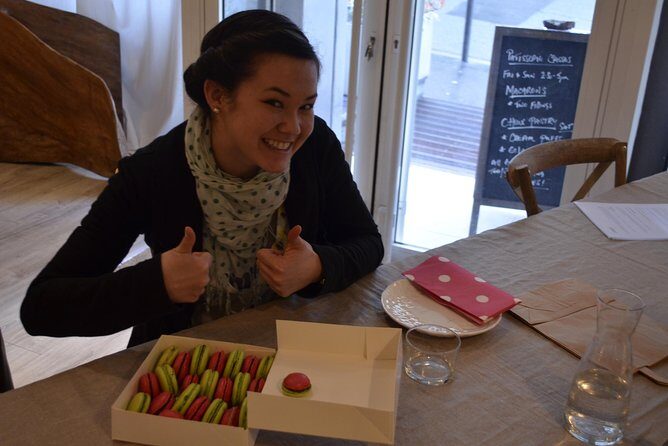
Macarons look deceptively simple — two little domes of meringue with filling in between. In reality, they’re one of the most technically demanding pastries in French baking. The macaronage technique (folding the batter to the exact right consistency) is something that takes professional pastry chefs months to master. This class gives you three hours to figure it out, and most people leave with a respectable batch.
The school — Le Foodist — keeps class sizes small and the instructors are sharp. They break down every step: whisking the egg whites to stiff peaks, folding the almond flour, piping uniform circles, and getting the “feet” (those ruffled bases) just right. At $156 for three hours, it’s solid value, and you take home a full box of macarons. The flavour options rotate, but expect classics like raspberry, chocolate, pistachio, and salted caramel.
If your travel buddy has no interest in cooking, the Montmartre walking tour runs at similar times and they can meet you for lunch after.
3. Croissants and Pains au Chocolat with a Pastry Chef — $127
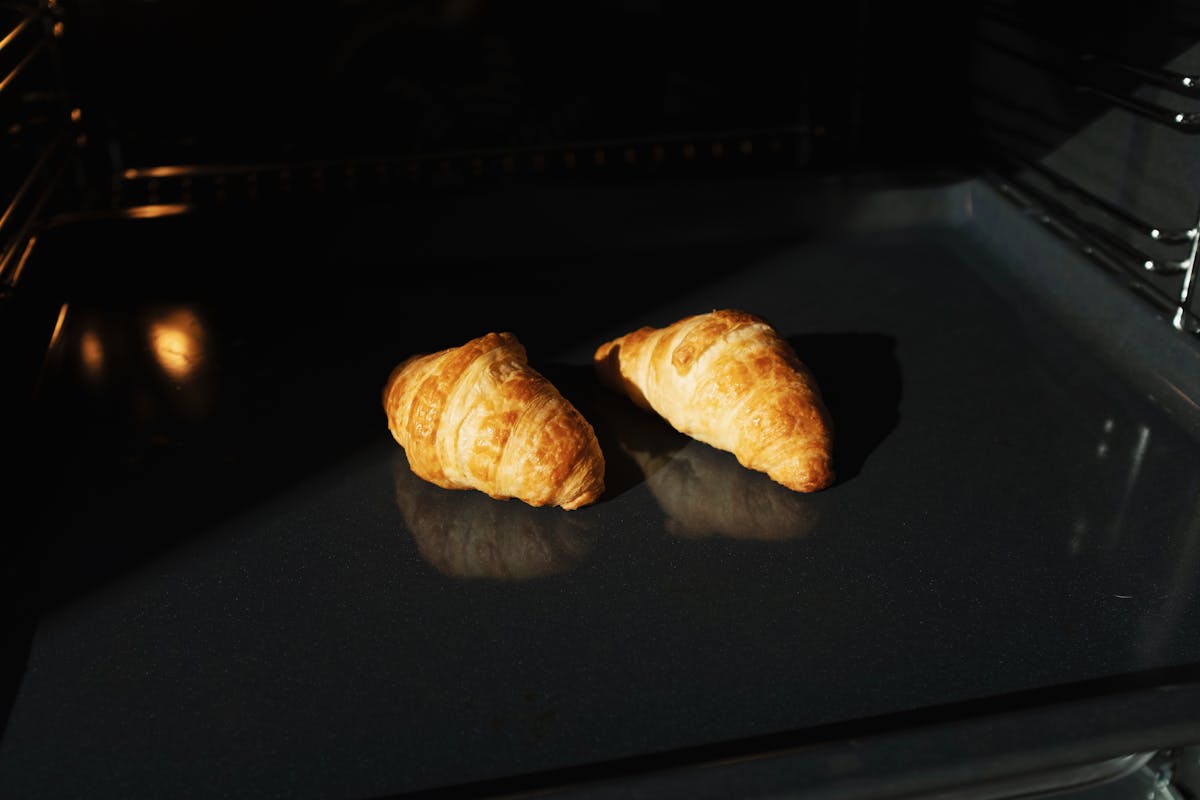
This one is different from the others. Instead of a cooking school, you go to a pastry chef’s actual home kitchen. Joannie — the host — has been doing this for years, and she treats it like having friends over rather than running a class. The group is tiny (usually 4-6 people), and you work through the entire croissant process from lamination to shaping to baking.
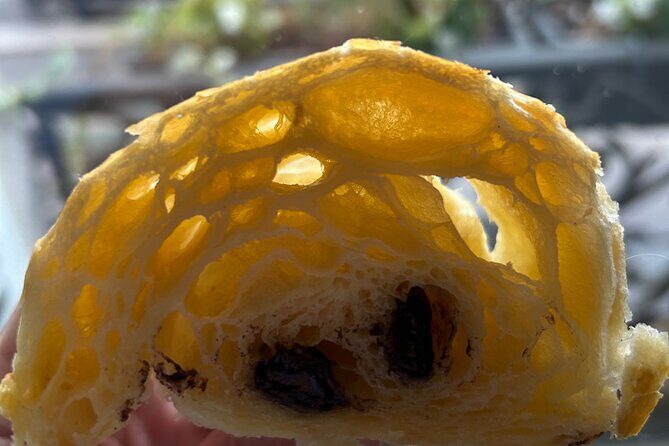
The lamination technique is the whole reason croissants have those flaky layers. You fold butter into the dough, chill it, fold again, chill again — in a real bakery this takes three days. The class condenses it into two and a half hours by having the first stages prepped for you. You handle the final folds, the shaping, the egg wash, and the baking. At $127, it’s mid-range pricing and you make both croissants and pains au chocolat.
Fair warning: the class is in someone’s home, not a commercial kitchen. Some people find that charming and intimate. If you want a sleeker, more professional setup, the macaron class above is a better fit.
4. Macaron Baking Class in Central Paris — $122
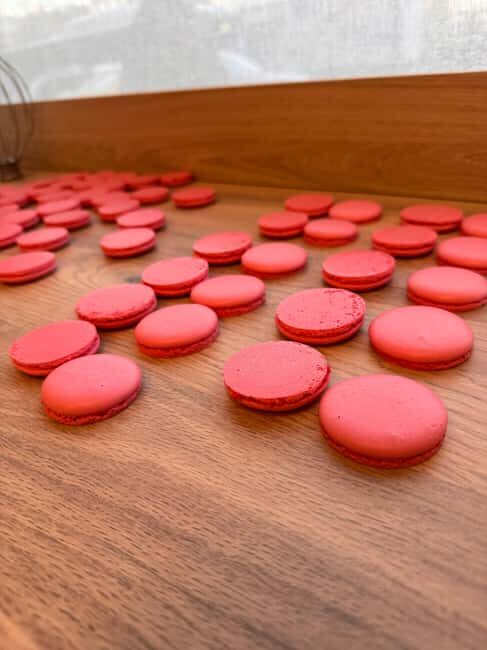
A more budget-friendly macaron option that still delivers. This GetYourGuide class runs two and a half hours in a central Paris location — walking distance from most major attractions. Chef Leo (and rotating instructors) walks you through the process step by step, and you leave with a take-home recipe card and a box of macarons.
The difference between this and the Le Foodist macaron class above is mainly time (2.5 hours vs 3 hours) and price ($122 vs $156). Both are good. This one is better value if you’re watching your budget, and the central location is more convenient if you’re trying to squeeze the class between museum visits. The group can be slightly larger (up to 10), which means marginally less one-on-one attention.
Works well paired with the Louvre in the morning and a Seine dinner cruise in the evening. A good Paris day.
5. Behind the Scenes of a Boulangerie — $77
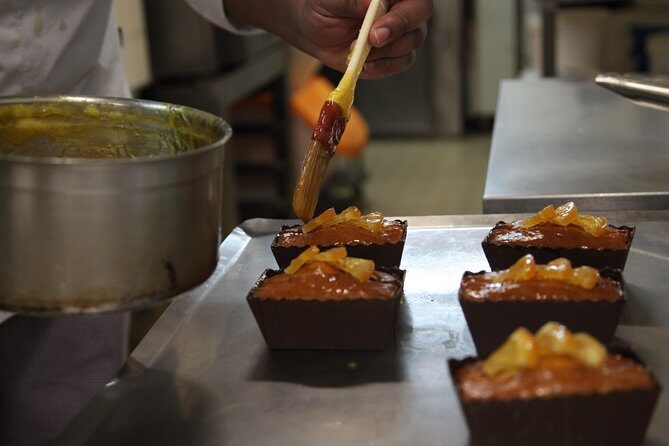
This isn’t a cooking class in the traditional sense — it’s a peek behind the curtain of a working Parisian bakery. You watch professional bakers shape baguettes, score loaves, and pull trays from ovens that have been running since 4am. The guide explains the process, you ask questions, and you taste bread that’s been out of the oven for about thirty seconds.
At $77 for an hour, it’s the cheapest option on this list and also the least hands-on. You’re mostly watching rather than doing. Some visitors find that frustrating — one reviewer noted it felt more like observation than interaction. But the flip side is: it’s a real bakery making real bread for real Parisians, not a tourist kitchen set up for classes. There’s something genuine about watching someone who has been shaping baguettes for twenty years do it at speed.
Good for people who are curious about French bread but don’t want to spend half a day in a kitchen. Also works well for families with kids — short, interesting, and there’s bread at the end.
The Croissant Question (Why It Matters)
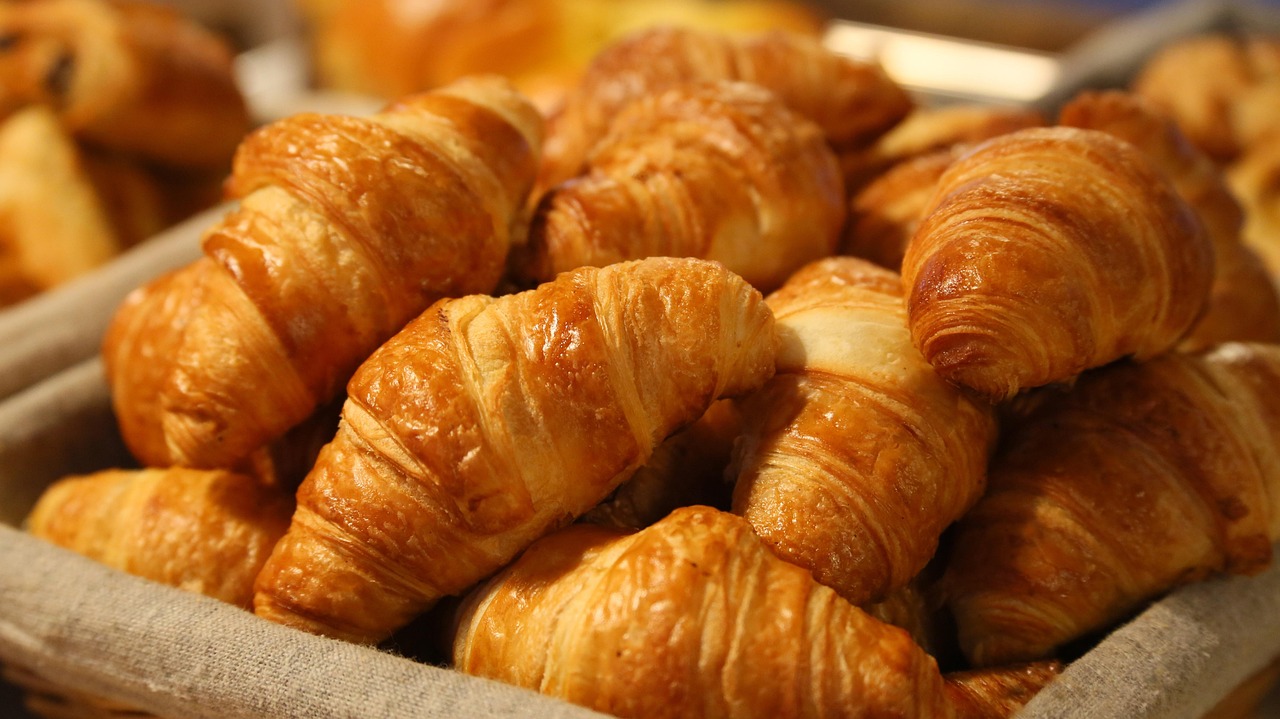
A lot of people come to Paris specifically for a croissant class, and I think it’s worth explaining why it’s actually hard. The technique — lamination — involves folding a block of cold butter into dough, then rolling it out, folding it again, chilling it, and repeating. Each fold multiplies the number of layers. After all the folds are done, the dough has 729 individual layers of butter and pastry alternating. When it hits the oven at 200°C, the water in the butter turns to steam and puffs each layer apart. That’s why a good croissant shatters when you bite into it.
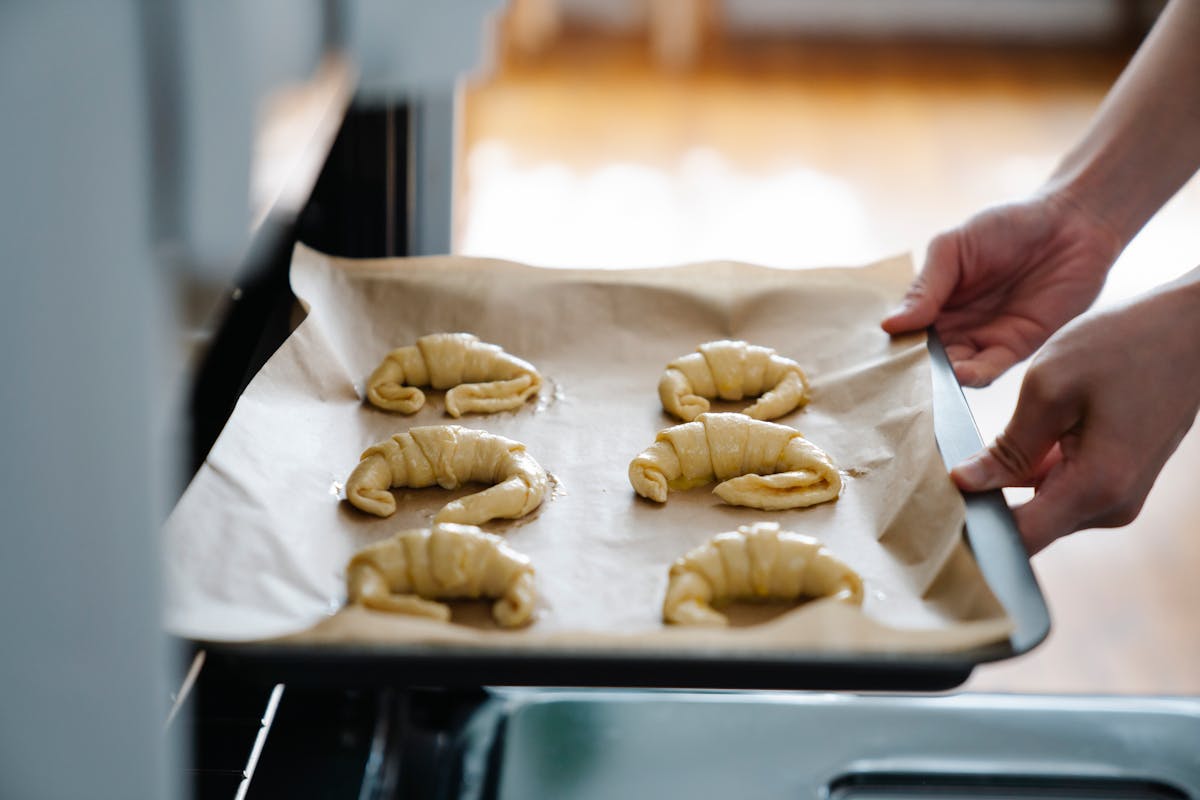
In a professional bakery, the full process takes three days because the dough needs long resting periods between folds. A two-and-a-half-hour class obviously can’t replicate that, so the instructor preps the dough through the first few stages in advance. You pick up at the final folds and handle everything from there: the shaping (which is genuinely tricky — the rolling and tucking motion takes practice), the egg wash, and the baking.
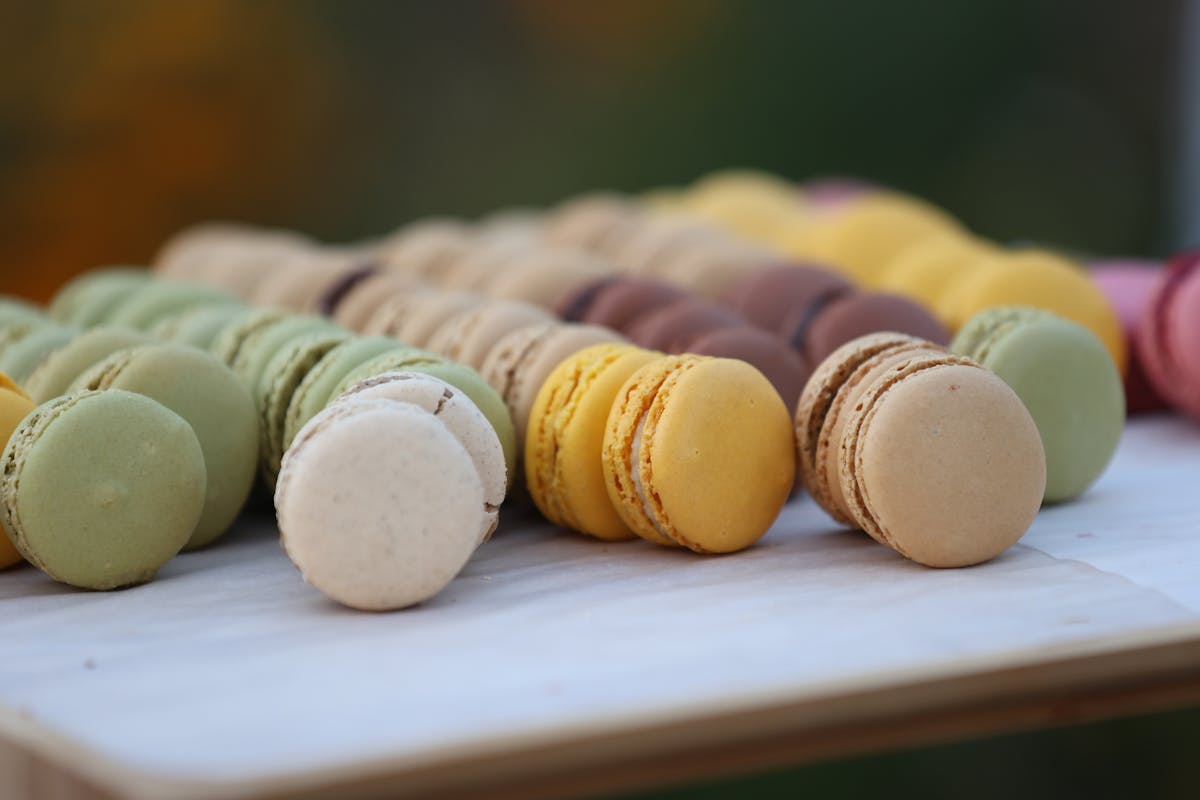
Is it the full experience? No. But you leave understanding why a croissant costs what it costs, and you’ll never look at the supermarket version the same way again.
When to Take a Cooking Class in Paris
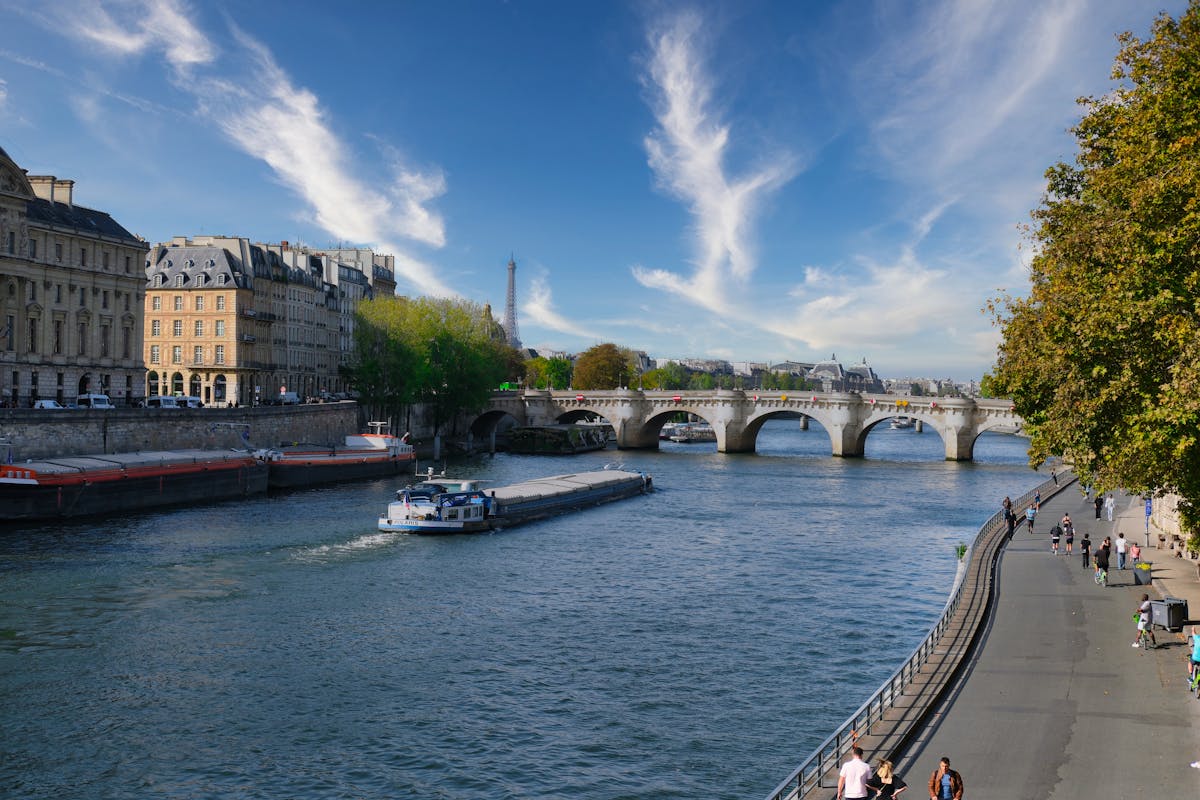
Best months: September through November and March through May. The markets are at their best with seasonal produce, class sizes are manageable, and you won’t be fighting for spots weeks in advance. Summer produce is great too, but July and August classes book fast and Paris is uncomfortably hot in a small kitchen.
Best day of the week: Tuesday through Thursday. Markets are fully stocked (many close Sunday and Monday), classes are less crowded, and you’re less likely to get a group full of bachelor parties. Saturdays work too but book further ahead.
Morning vs afternoon vs evening: Market-focused classes are always mornings (the good stuff sells out by noon). Baking classes tend to be mornings too — something about fresh pastry and coffee is a natural fit. Evening cooking classes are great if you want to replace a restaurant dinner — you cook it and eat it, two activities for the price of one.
How far in advance: One to two weeks for summer and holidays. Three to five days is usually fine from October to April. The macaron classes book fastest. The bakery tour almost always has last-minute availability.
How to Get to Most Cooking Class Locations
Most cooking schools cluster in three areas:
Le Marais (3rd-4th arrondissement) — Metro: Saint-Paul (Line 1) or Chemin Vert (Line 8). The densest concentration of cooking classes. Walk from Bastille or Hotel de Ville in 10 minutes.
Montmartre (18th arrondissement) — Metro: Abbesses (Line 12) or Lamarck-Caulaincourt (Line 12). More residential feel. The hill is steep if you’re walking up from the south. Take the funicular if you’re tired.
Latin Quarter (5th-6th arrondissement) — Metro: Maubert-Mutualité (Line 10) or Cluny-La Sorbonne (Line 10). Close to Luxembourg Gardens and the food market on Rue Mouffetard.
The exact address comes in your confirmation email after booking. Some of the smaller classes (like the croissant one in a chef’s home) don’t publish the address publicly — you get it 24-48 hours before.
Tips That Will Actually Help
Eat a light breakfast. Every class ends with eating, and the portions are generous. I made the mistake of having a full brunch before a cooking class once. Never again.
Bring a tote bag. You’ll take home whatever you make — macarons, croissants, bread. Some schools provide boxes, but not all. A simple canvas bag saves you from juggling pastries on the Metro.
Tell them about allergies at booking, not on the day. Instructors plan their menus in advance and buy ingredients the morning of. Showing up and saying you’re allergic to shellfish when the menu is bouillabaisse puts everyone in a difficult spot.
Don’t be shy about asking questions. The instructors want you to ask why they’re doing things. “Why this temperature?” and “What happens if I skip this step?” are the questions that turn a fun activity into actual knowledge you’ll use at home.
Take notes. Not during — that’s awkward and you need your hands free. But snap a photo of the recipe card before you leave, and jot down the two or three things the chef said that made a dish click. I forgot the exact butter-to-flour ratio for puff pastry within a week. Should have written it down.
The class language is almost always English. Some schools offer French-language classes too. If your French is decent, the French classes tend to be smaller and more local. But don’t worry about it if your French starts and ends at “merci” — the English-language classes are designed for that.
What You’ll Actually Learn (Beyond Recipes)
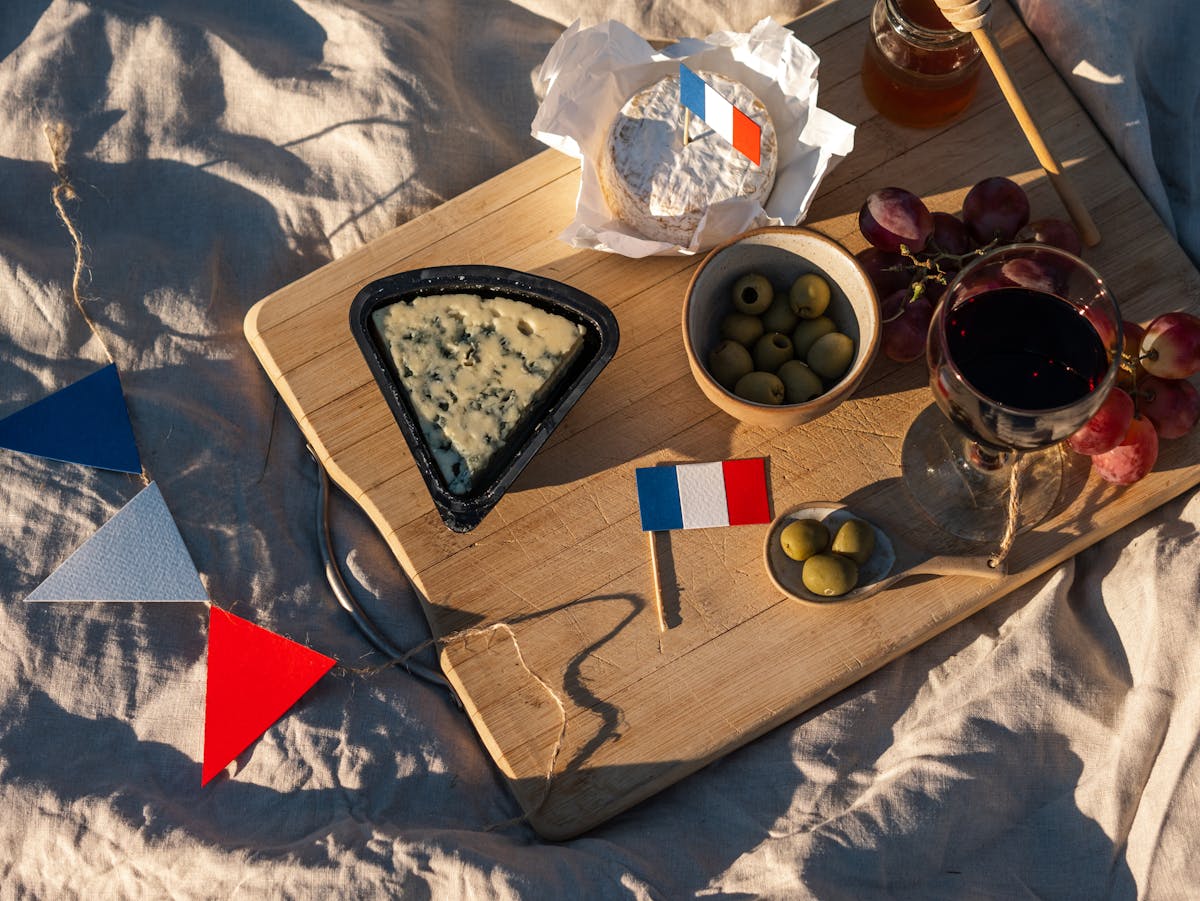
The recipe is the least important part, honestly. You can find French recipes online. What a class gives you is technique — things that are nearly impossible to learn from YouTube. How hard to knead dough. How hot a pan should be before you add butter. What a properly emulsified sauce actually looks and sounds like. The way a good instructor will grab your wrist and say “slower, slower” while you stir.
You also learn why French cooking obsesses over certain things. Why they temper eggs before adding them to hot mixtures. Why you deglaze a pan. Why butter goes in at the end, not the beginning, for certain sauces. These aren’t rules for the sake of rules — each one exists because someone centuries ago figured out it tastes better that way, and nobody has improved on it since.
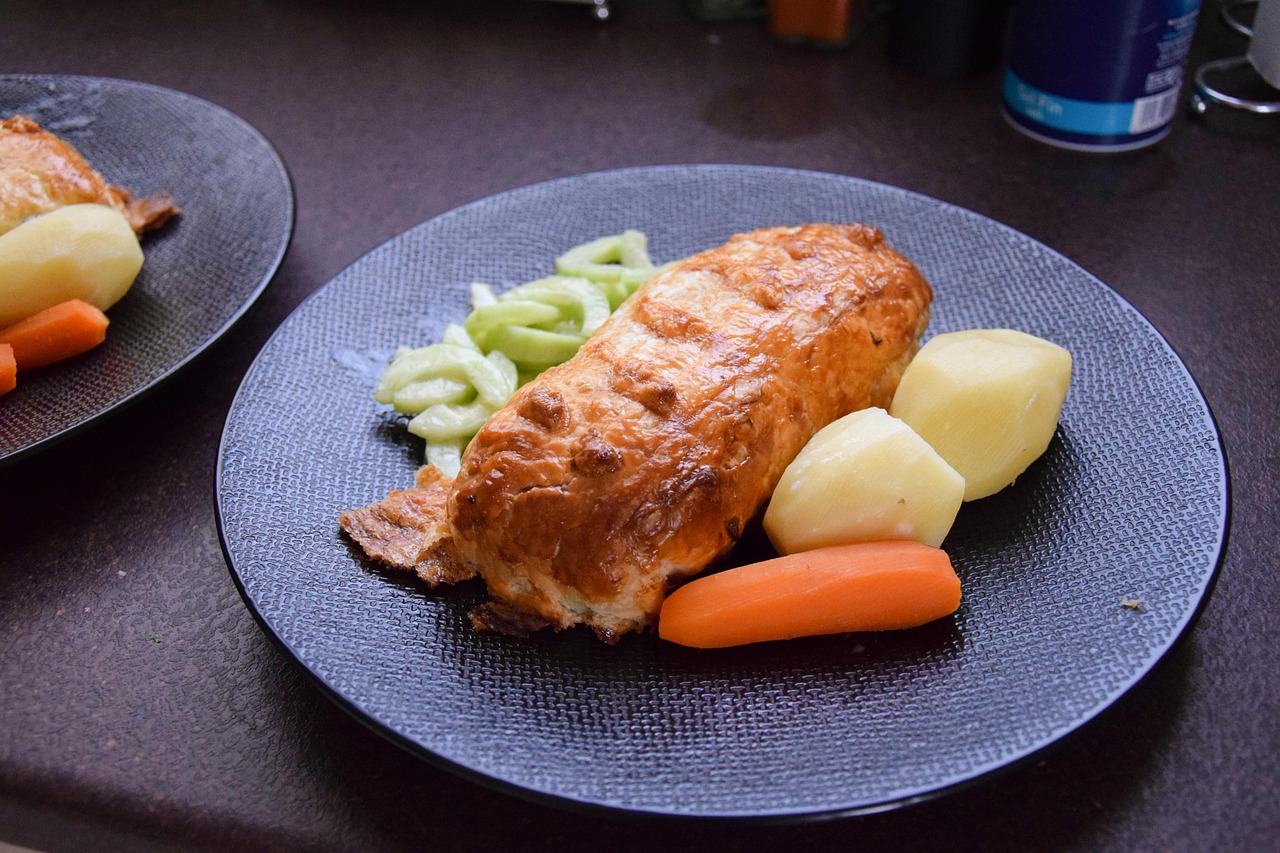
And there’s the market knowledge. If your class includes a market visit, you learn how to pick produce by smell and feel rather than just by sight. You find out which cheeses are in season (yes, cheese has seasons). You discover that French vendors respond much better when you say bonjour first and ask for the thing second. Small stuff, but it changes how you shop when you get home.
While You’re in Paris
A cooking class pairs well with the rest of a Paris food itinerary. If you want to keep the culinary theme going, a Montmartre walking tour covers some of the best bakeries and cheese shops in the 18th arrondissement — good for a morning before your afternoon cooking session. The Seine dinner cruise is worth it if you want one evening where someone else does the cooking, and the views from the water at sunset are properly beautiful. For a completely different vibe, the Louvre is a 15-minute walk from most Le Marais cooking schools, and the Eiffel Tower tickets are always worth sorting out in advance. If you have a full day free, the Loire Valley castles make for an excellent day trip, and the Champagne region is only an hour by train — bring your newly refined palate.
This article contains affiliate links. If you book through our links, we may earn a small commission at no extra cost to you. This helps us keep producing free travel guides.