
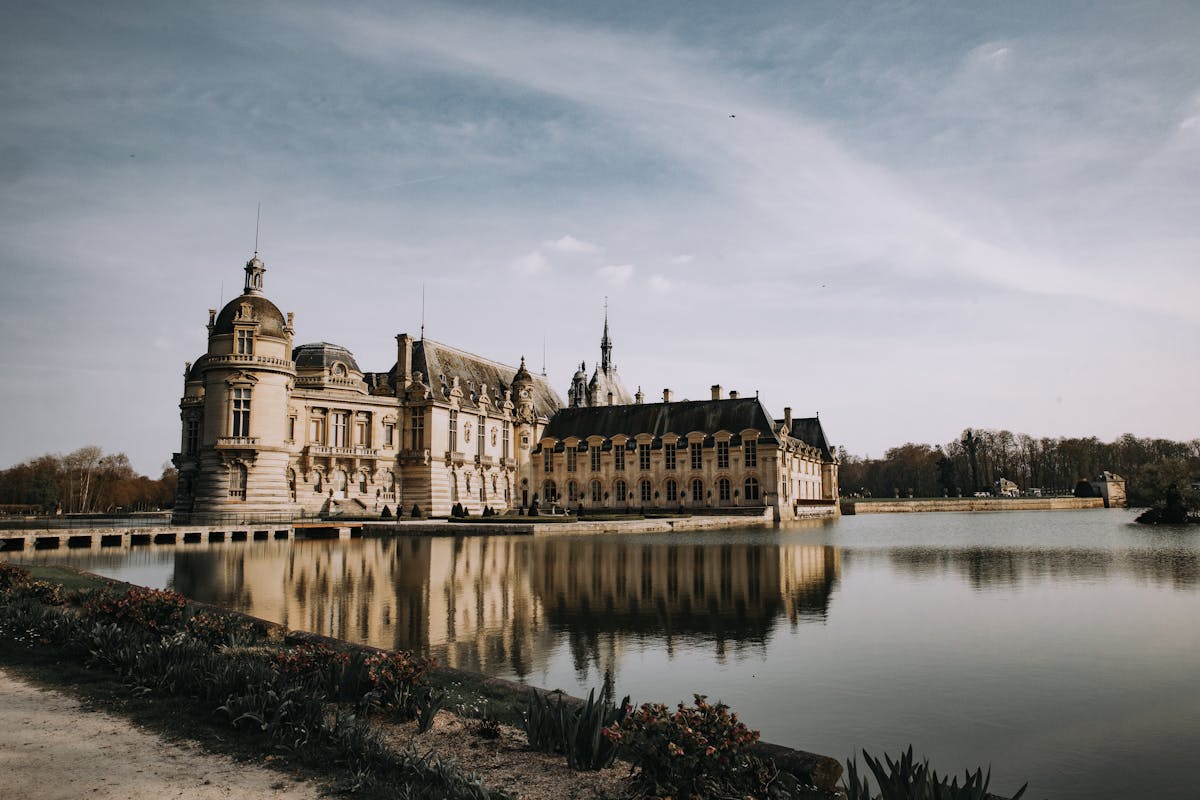
The Musée Condé at Château de Chantilly holds the second-largest collection of pre-modern paintings in France. Only the Louvre has more. And here’s the thing that makes it genuinely different from every other museum you’ll visit: the Duke of Aumale donated the entire collection in 1886 on two non-negotiable conditions. The paintings can never be loaned out. And they can never be rearranged.
Every canvas hangs exactly where he placed it over 140 years ago.
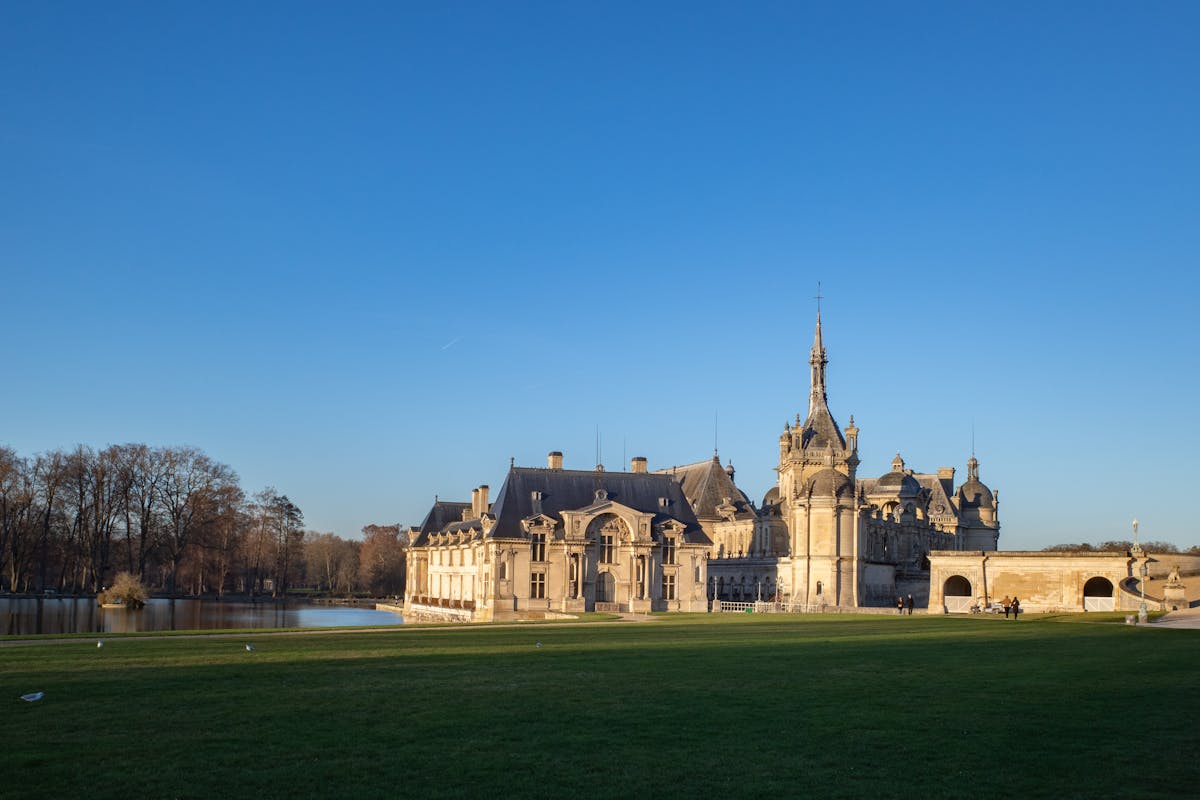
That alone would be reason enough to visit. But Chantilly is also where crème Chantilly was made famous, where the most impressive horse stables in the world were built by a prince who believed he’d be reincarnated as a horse, and where André Le Nôtre — the same landscape architect who designed Versailles — created gardens that many people consider superior to Versailles itself. It’s a 25-minute train ride from Paris. And yet most travelers have never heard of it.
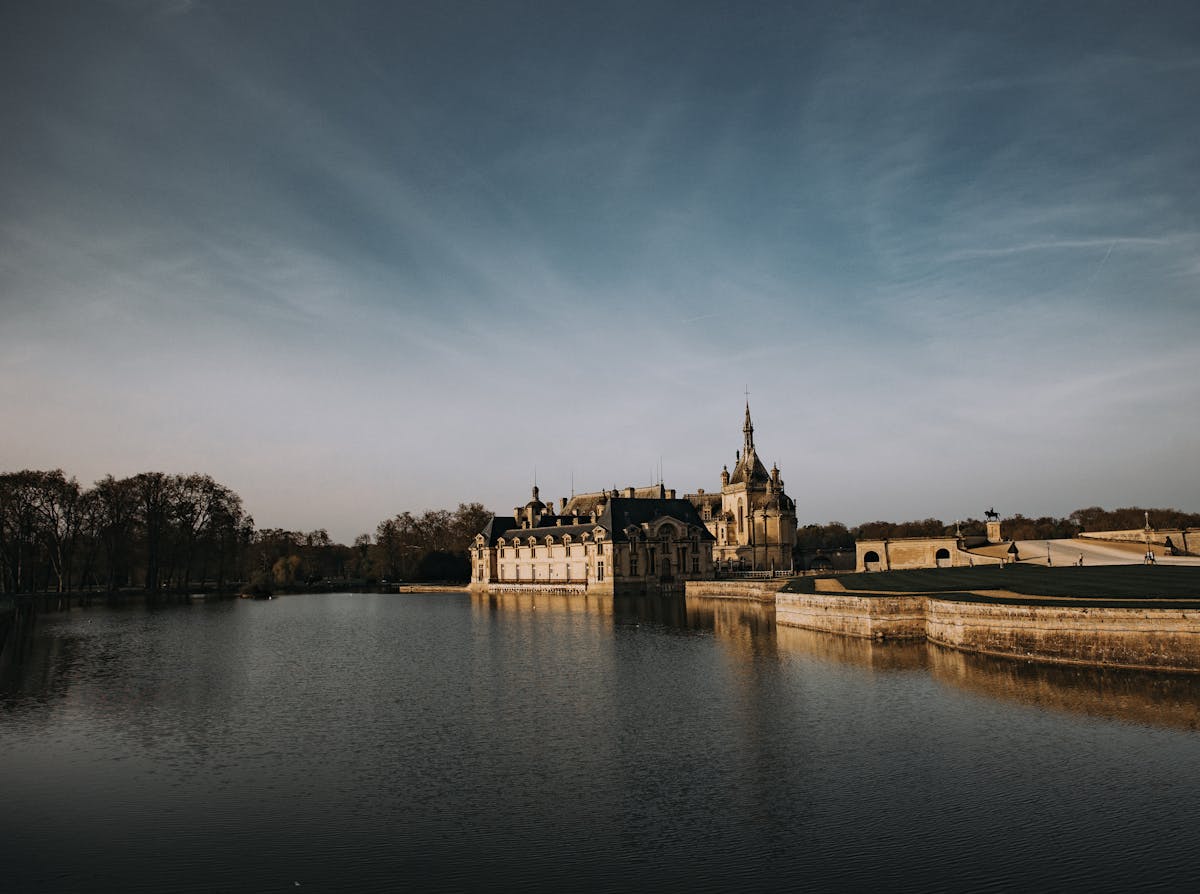
Here’s how to get tickets, what they cost, and whether you should book a guided tour or go it alone.
Best overall: Château de Chantilly Skip-the-Line Entry Ticket — $21. Covers the chateau, Musée Condé, gardens, and the Great Stables. Skip the ticket queue and go straight in.
Best full-day experience: Chantilly Tour with Great Stables & Renaissance Meal — $384. Private guided day trip from Paris with lunch in the château’s old kitchen. Worth it if you want someone else to handle the logistics.
Best private option: Private Tour of Domaine de Chantilly with Transfer — $196. Seven hours with a driver and skip-the-line entry. Good for couples or small groups who don’t want to deal with train schedules.
- How the Official Ticket System Works
- Official Tickets vs Guided Tours
- The Best Château de Chantilly Tours to Book
- 1. Château de Chantilly Skip-the-Line Entry Ticket —
- 2. Chantilly Tour: Great Stables & Renaissance Meal from Paris — 4
- 3. Private Tour of Domaine de Chantilly with Transfer — 6
- When to Visit Château de Chantilly
- How to Get to Château de Chantilly
- Tips That Will Save You Time
- What You’ll Actually See Inside
- While You’re Near Paris
How the Official Ticket System Works
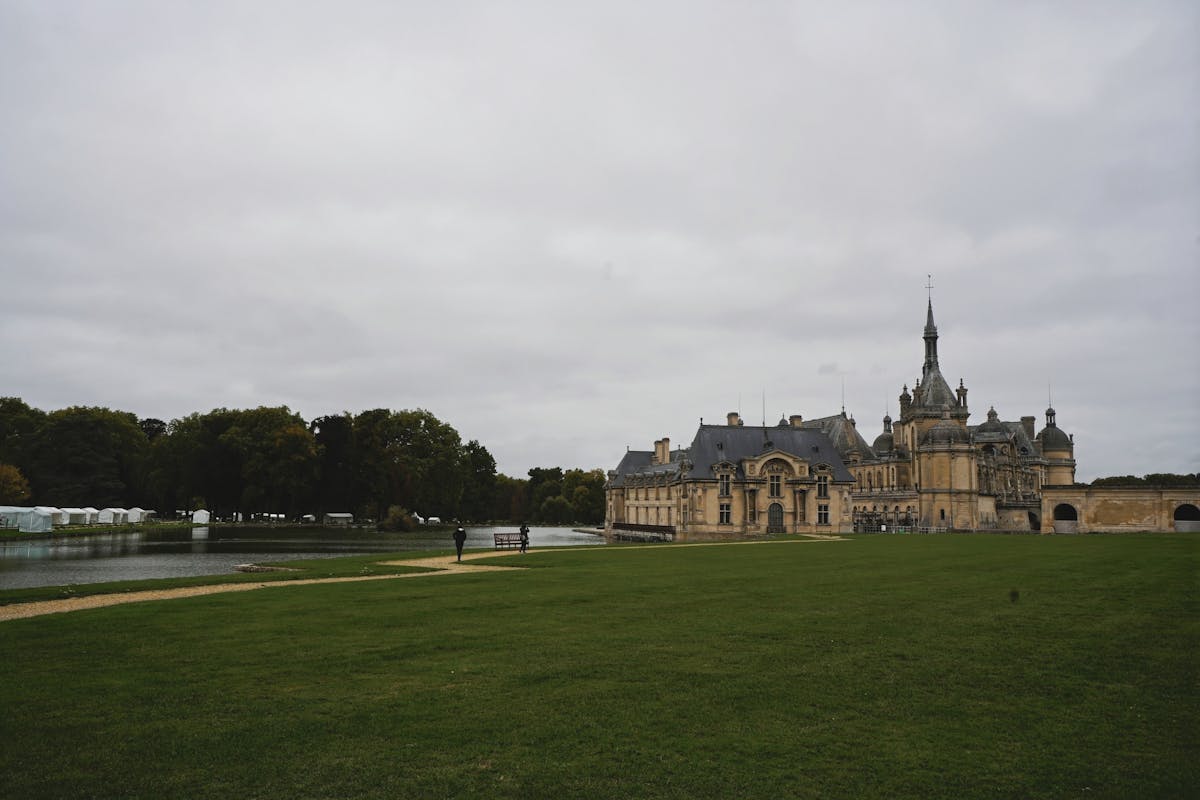
Chantilly uses a combined entry system called the “Domaine de Chantilly” ticket. One ticket gets you into the château (including the Musée Condé), the park and gardens, and the Great Stables with the Living Horse Museum. You can buy tickets at the gate or online through the official Domaine de Chantilly website.
Online tickets cost around €17 for adults, €13.50 for children aged 7-17, and free for children under 7. If you only want the park and gardens without the château interior, there’s a reduced-price park-only ticket at €8. Honestly, skip the park-only option. The Musée Condé is the main reason to come here — the gardens are lovely but you’d be missing the point.
A few things worth knowing about the official system:
- Tickets are timed but loosely enforced — you pick an entry window but nobody checks the clock too carefully
- The ticket office queue can stretch to 20-30 minutes on summer weekends. Buying online skips this entirely
- The Paris Museum Pass covers entry to Chantilly, which makes it exceptional value if you’re hitting multiple Paris museums
- Audio guides are available inside for an extra €3 — they’re decent but not essential
Official Tickets vs Guided Tours
The honest answer: it depends on how much you care about history and how comfortable you are getting to Chantilly on your own.
Go with official tickets if: You’re on a budget, you’re comfortable taking the train from Gare du Nord (25 minutes to Chantilly-Gouvieux station, then a 20-minute walk or short bus ride), and you’re happy exploring with an audio guide or just wandering. The château is well-signposted and you won’t miss anything critical without a guide.
Go with a guided tour if: You want the stories. And Chantilly has genuinely incredible stories. The chef François Vatel killed himself here in 1671 because the fish delivery for a royal banquet arrived late — he was so ashamed at the prospect of serving an incomplete meal to Louis XIV and 2,000 guests that he ran himself through with a sword. The fish turned up twenty minutes later. A good guide will tell you stories like this in front of the actual rooms where they happened, which hits differently than reading a plaque.
The private tours also solve the transport question. Getting to Chantilly by train isn’t hard, but the walk from the station is longer than Google Maps suggests (uphill, no shade, annoying with luggage or small children). A private tour picks you up from your Paris hotel and drops you back.
The Best Château de Chantilly Tours to Book
1. Château de Chantilly Skip-the-Line Entry Ticket — $21
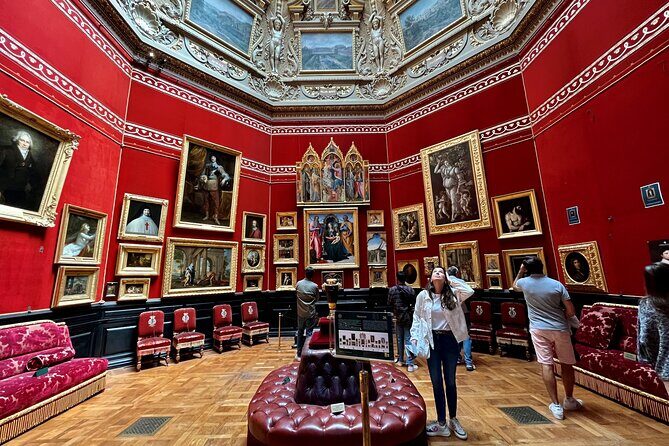
This is the one most visitors should buy. At $21 per person, it’s the cheapest way to see everything at Chantilly — the château, the Musée Condé art collection (Raphael, Botticelli, Poussin, Delacroix — works that can’t leave this building), the 115-hectare Le Nôtre gardens, and the Great Stables.
The skip-the-line element matters most on weekends from May through September. Weekday mornings you could probably buy at the gate without much wait, but the online ticket is the same price, so there’s no reason not to book ahead. It’s a self-guided visit with audio guide available for a small extra charge inside.
One reviewer put it well: the gardens are peaceful and uncrowded even when the château interior is busy. If you arrive at opening time (10 AM), start with the interior, then spend the afternoon outside.
2. Chantilly Tour: Great Stables & Renaissance Meal from Paris — $384
This is the splurge option, and it’s worth every cent if you’re the kind of traveller who wants depth over speed. At $384 per person, you get a full day with a dedicated guide who takes you through the château, the stables, and the grounds with commentary that goes way beyond what you’d get from an audio guide. The included Renaissance-style lunch is served in the château’s historic café — a former kitchen with vaulted ceilings.
The guide stays with you throughout, which means you get the real stories: the Vatel suicide, the Condé family’s complicated relationship with the French crown, why the Duke of Aumale’s conditions for his art donation were so specific. There’s also a train tour of the grounds that covers territory you’d never walk to on your own, including a spot where you can apparently see wallabies. Yes, wallabies. In France.
It’s expensive, but this is one of those tours where the price reflects genuine quality — small group, expert guide, included meal. If you can afford it and you care about history, this is the one.
3. Private Tour of Domaine de Chantilly with Transfer — $196
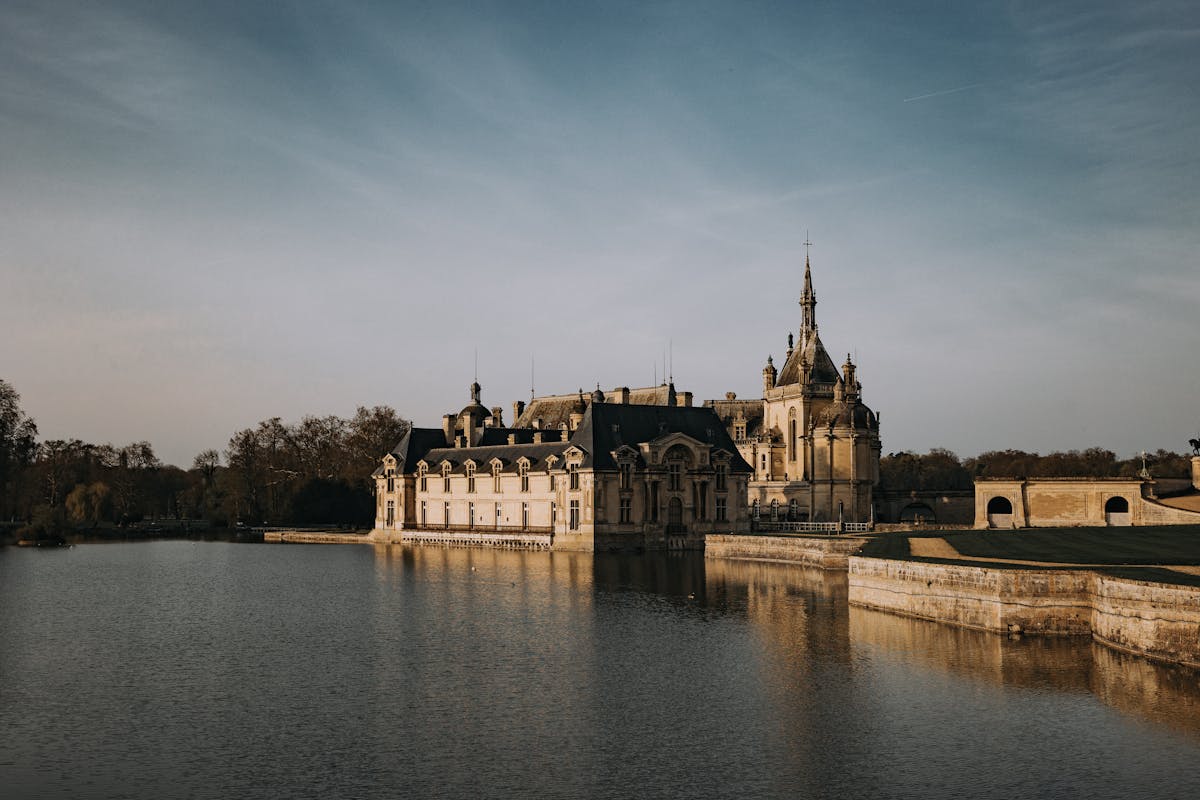
The middle ground. At $196 per person you get seven hours with a private driver, skip-the-line entry, and access to the château, gardens, and horse museum. It doesn’t include a guided tour inside — you’re on your own once you’re through the gates — but the driver is knowledgeable and can point you in the right direction.
This works well for couples or small groups (up to 4 people) who want the convenience of door-to-door transport without the full guided experience. The driver waits while you explore at your own pace, which means no rushing through the Musée Condé to keep up with a group schedule. Some drivers also give restaurant recommendations near the château, which is useful because the on-site dining options are limited.
The main drawback: you don’t get the historical context that makes Chantilly special. You’ll see the paintings, but without someone explaining why the Duke arranged them that way — and why nobody is allowed to change it — the significance doesn’t fully land.
When to Visit Château de Chantilly
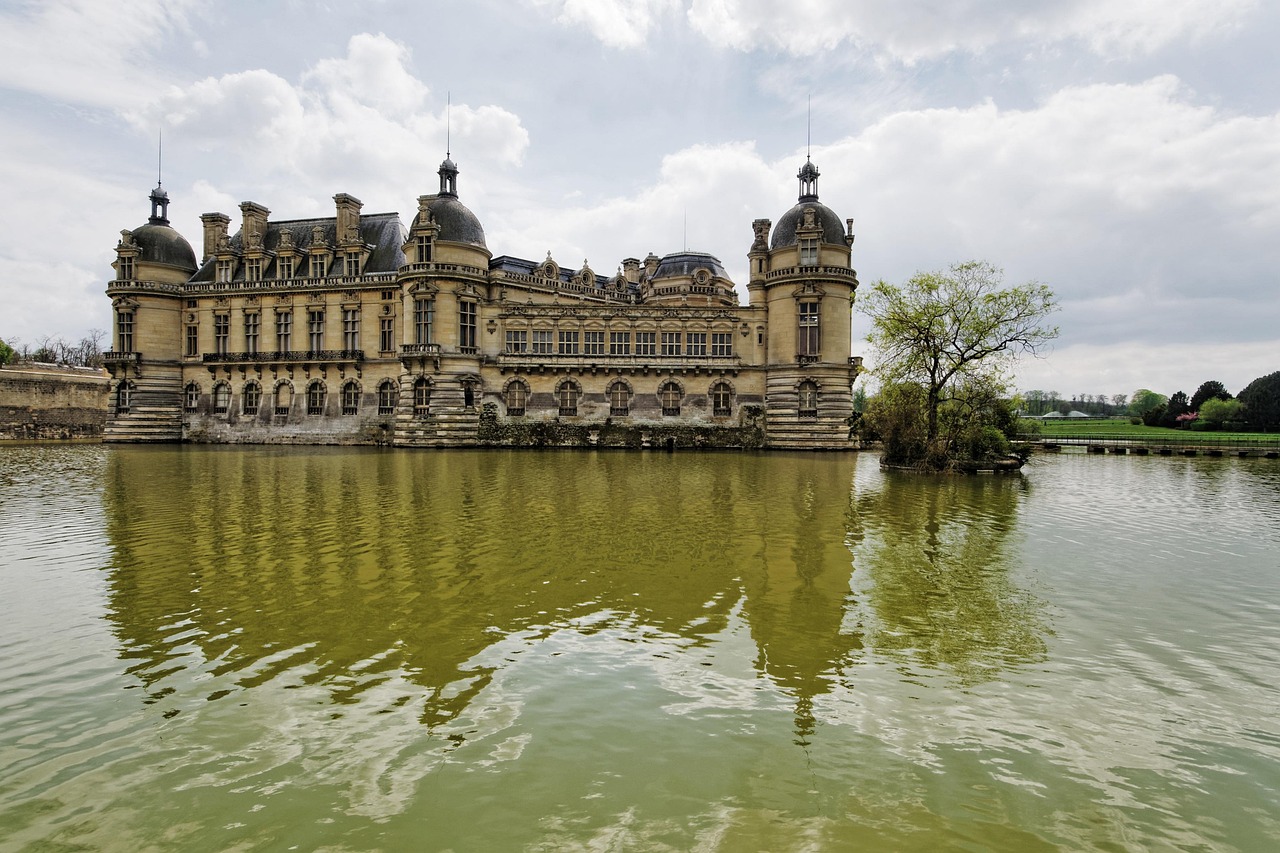
The château is open daily from 10:00 to 18:00 between late March and early November (the high season). During winter months (November through March), it’s open on weekends and school holidays only, with slightly shorter hours closing at 17:00. The gardens stay open a bit later than the château interior — plan to be inside the museum first, then wander the grounds after.
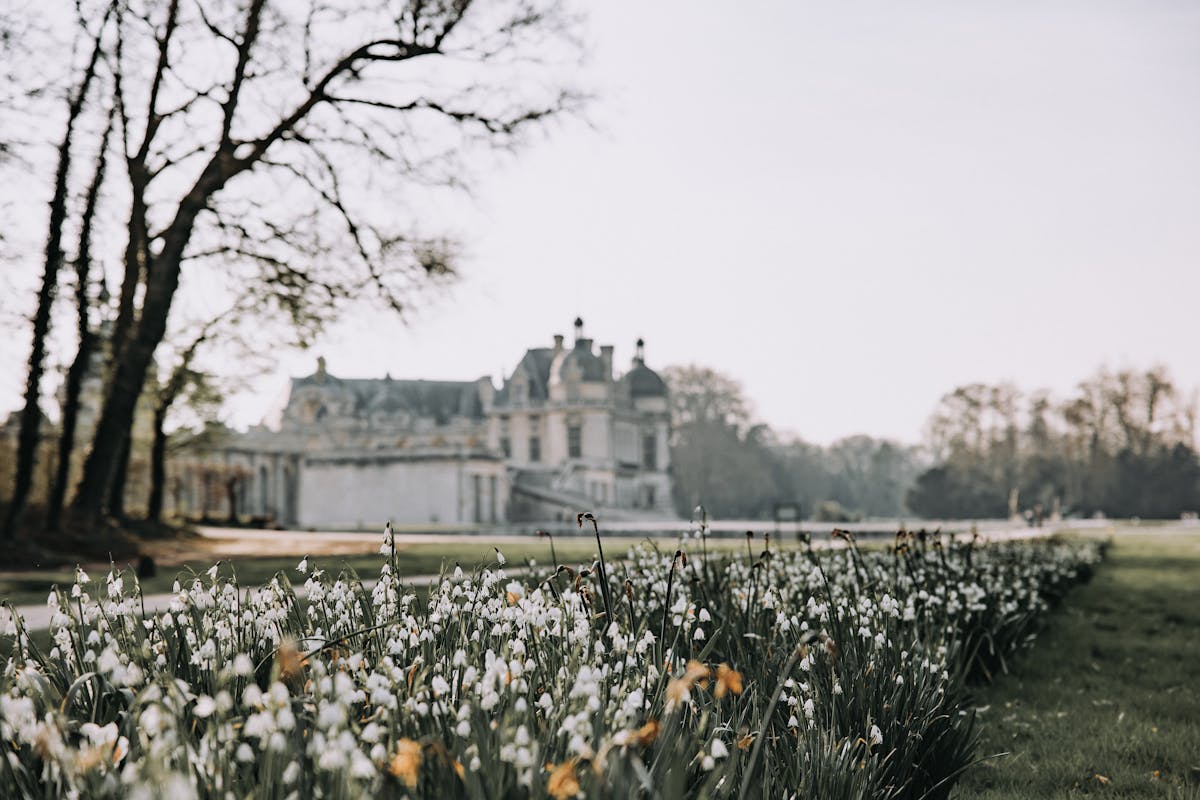
Best months: April through June. The gardens are at their peak, temperatures are comfortable for walking the grounds (which is a lot of walking — the estate covers 115 hectares), and summer holiday crowds haven’t arrived yet. September is also good — warm days, thinner crowds, early autumn colours starting.
Worst times: August weekends are packed with Parisian families on holiday. The château interior gets stuffy with no air conditioning, and the garden queues for the petit train stretch out. Christmas and school holidays are also busy despite the reduced winter hours.
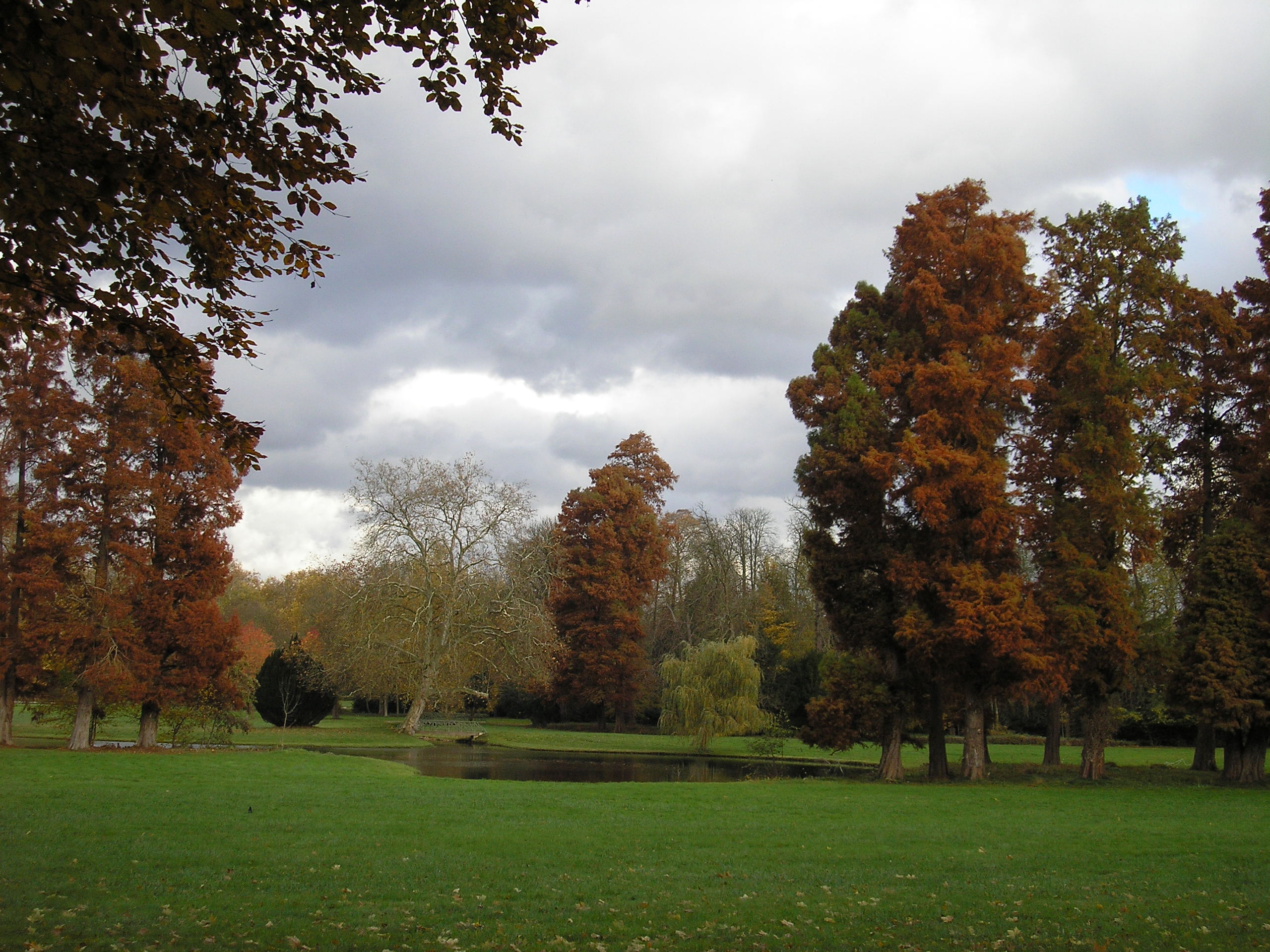
Best time of day: Arrive at 10:00 when the doors open. Head straight to the Musée Condé before the tour groups arrive (most guided tours from Paris reach Chantilly around 11:00-11:30). After the museum, have lunch, then spend the afternoon in the gardens when the light is best for photographs.
How to Get to Château de Chantilly
By train (cheapest): Take the TER train from Paris Gare du Nord to Chantilly-Gouvieux. The journey takes about 25 minutes and costs around €9 each way. Trains run roughly every 30 minutes during the day. From the station, it’s a 2-kilometre walk to the château — about 20-25 minutes on foot. The walk is mostly flat but there’s no shade and it can feel long on hot days.
Alternatively, the free DUC shuttle bus runs from the station to the château on weekends and public holidays during high season. On weekdays, a regular local bus (line 15) runs the same route for a couple of euros.
By car: About 50 minutes from central Paris via the A1 motorway. There’s a car park at the château (€6 per day). This is the easier option if you’re combining Chantilly with Senlis (a pretty medieval town 10 minutes down the road) or heading to Picardy.
By tour: The guided tours listed above include pickup from Paris hotels. This eliminates the transport headache entirely and is worth considering if you’d rather not navigate French trains.
Tips That Will Save You Time
Buy tickets online, even if it’s the same price. The ticket office at Chantilly is slow. Not “French bureaucracy” slow — genuinely slow, because there’s usually only one or two windows open. On a busy Saturday in June, I’ve seen the queue stretch to 40 minutes. Online tickets let you walk straight to the entrance.
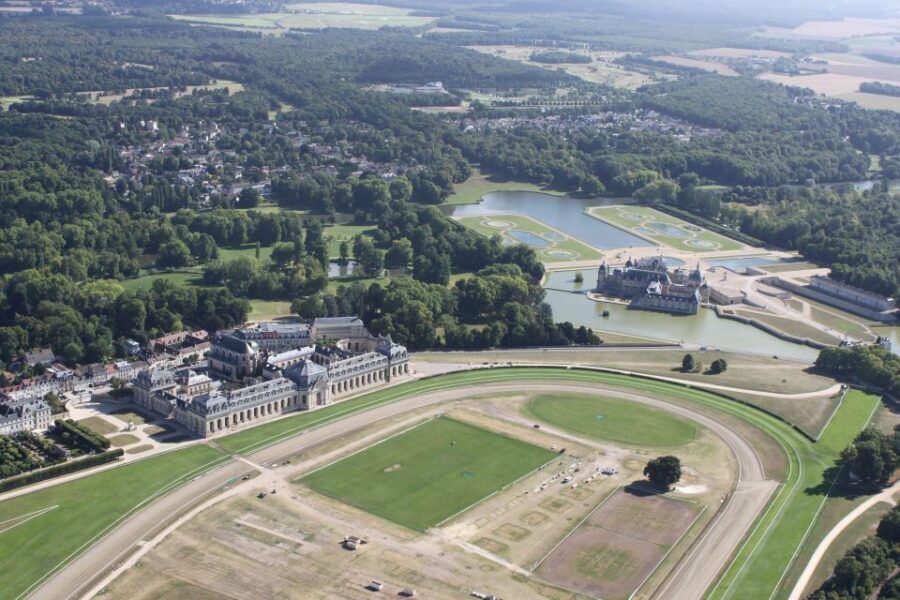
Wear comfortable shoes. I’m not being generic here. The estate is 115 hectares. That’s roughly 160 football pitches. The formal gardens alone take an hour to walk properly, and then there’s the English garden, the hamlet, the Grand Canal, and the forest paths. Heels and sandals won’t cut it.
Bring lunch or eat early. The on-site restaurant (Le Hameau) is fine but expensive for what you get, and it fills up fast between 12:30 and 14:00. The town of Chantilly has better options, but it’s a 20-minute walk back. Best bet: eat an early lunch at 11:30 before the rush, or pack a picnic for the gardens (there are benches everywhere).
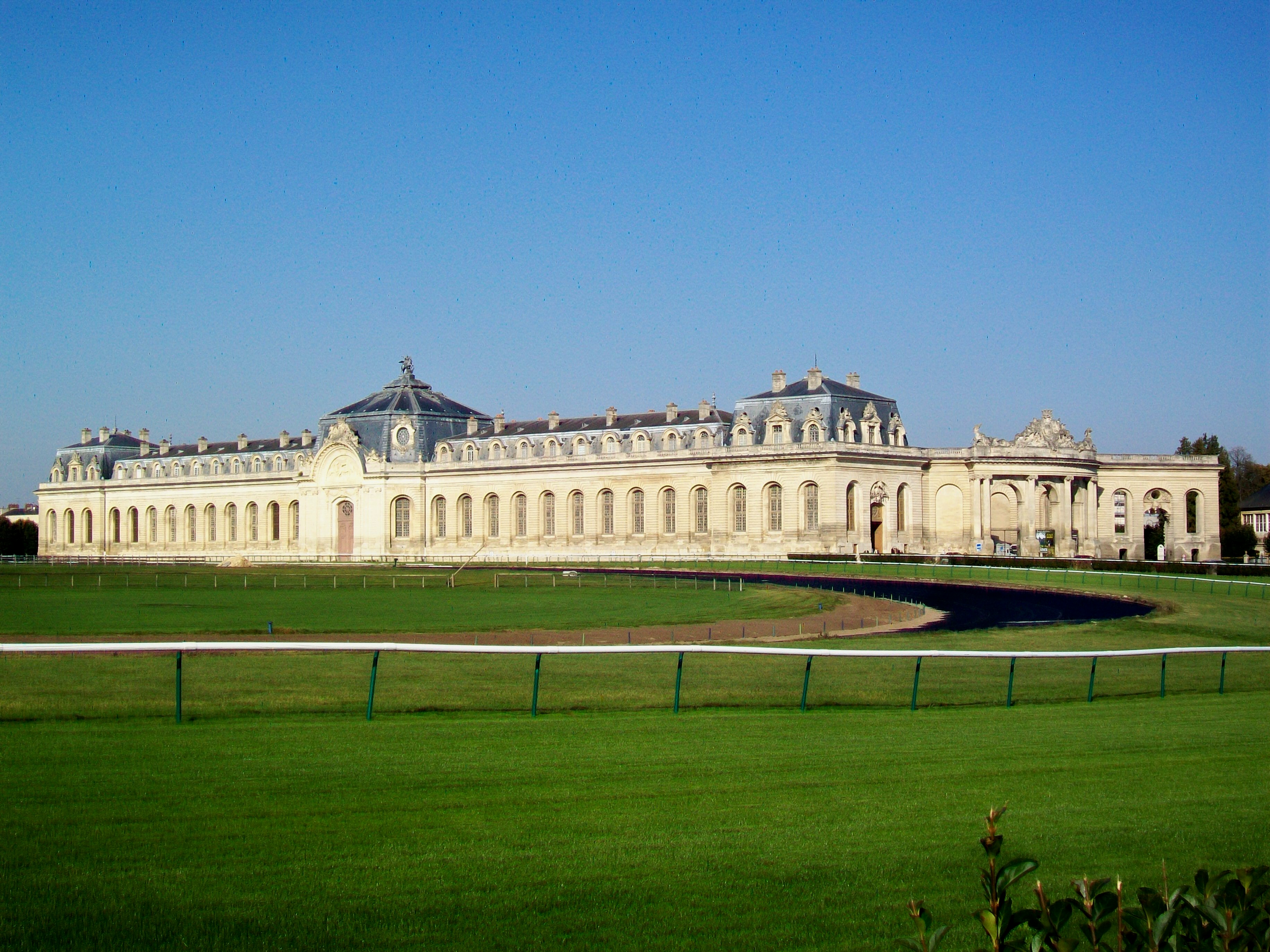
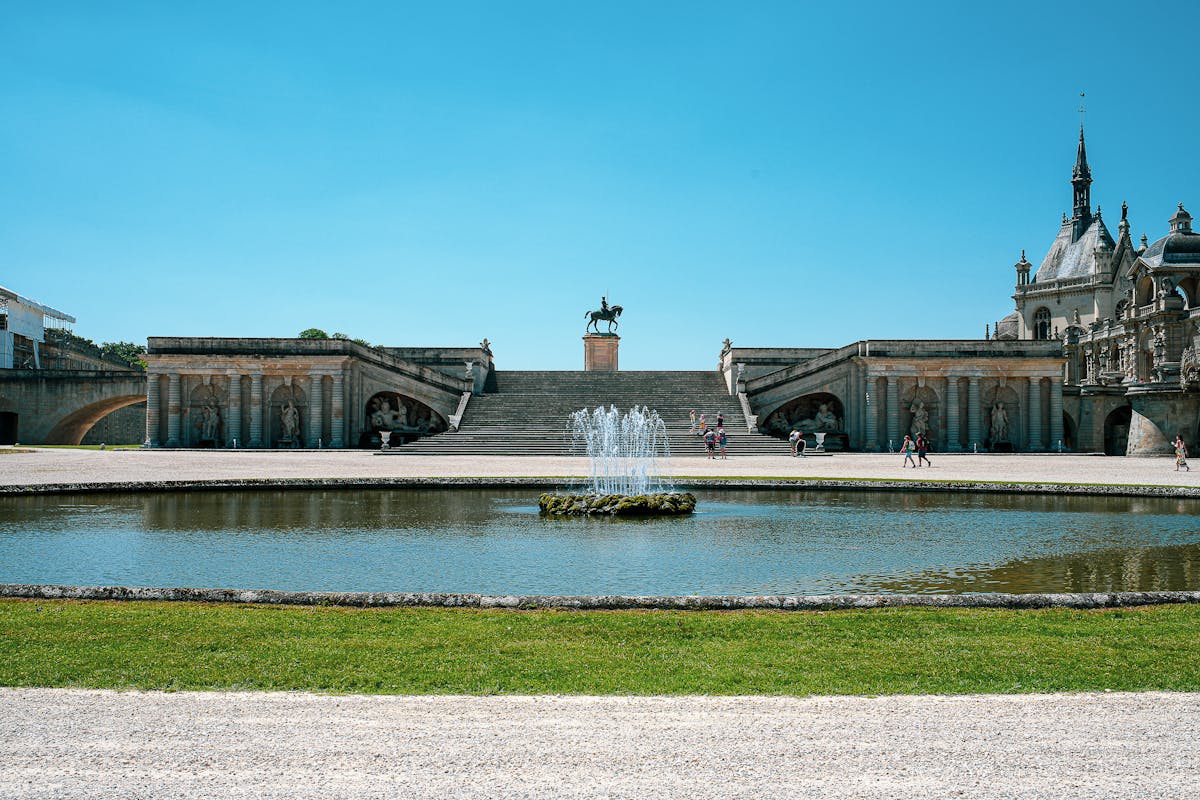
Don’t skip the Great Stables. Seriously. The Grandes Écuries were built in 1719 for the Prince of Condé, who genuinely believed he’d be reincarnated as a horse and wanted his future accommodation to be fitting. The result is the most architecturally impressive horse stables in the world — a building that would be a destination on its own merit. The Living Horse Museum inside includes equestrian shows on certain days — check the schedule when you arrive.
Check if the Paris Museum Pass covers your visit. The pass includes free entry to Chantilly, and if you’re also planning to visit the Louvre, Versailles, and a couple of other Paris museums, the pass pays for itself quickly.
What You’ll Actually See Inside
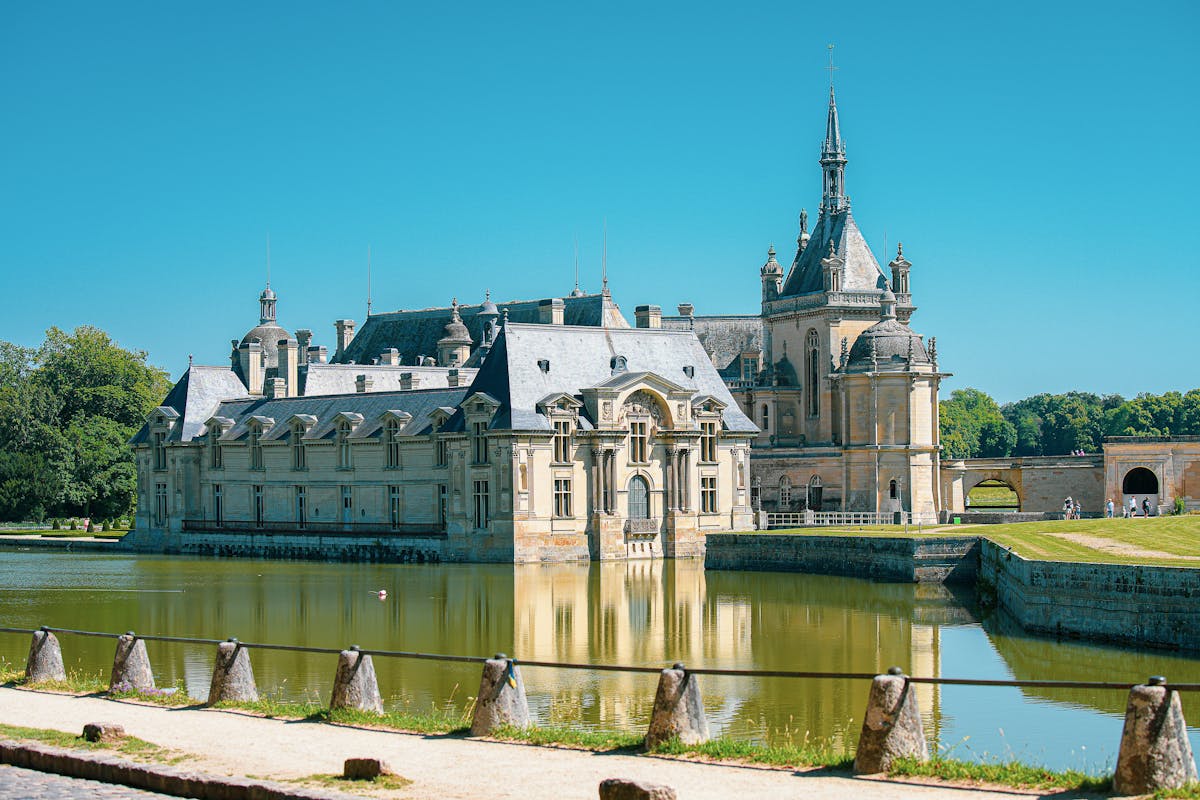
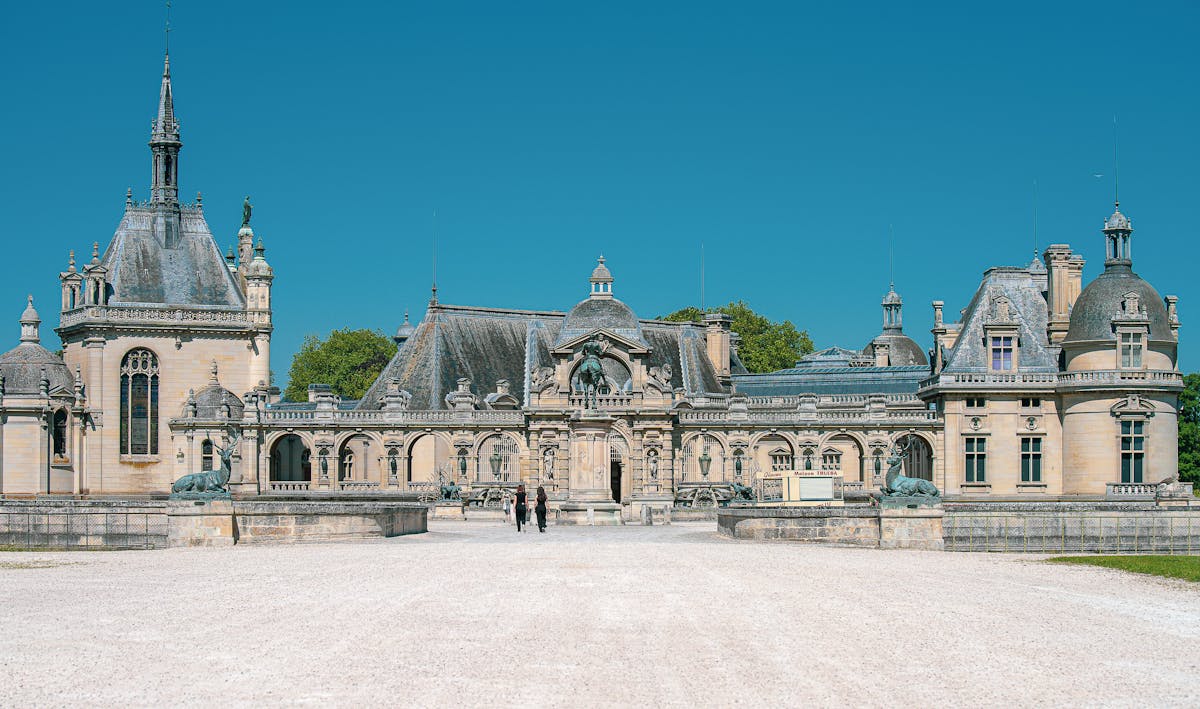
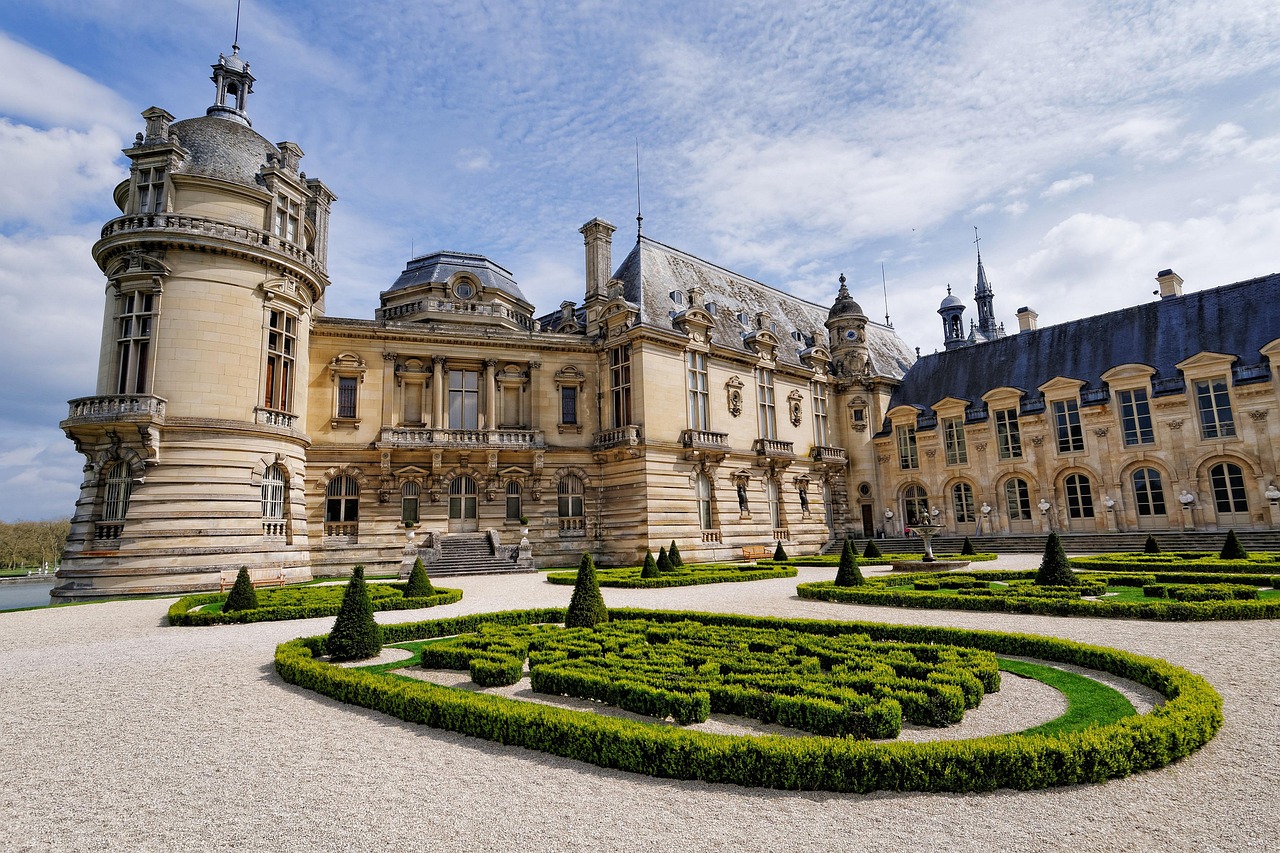
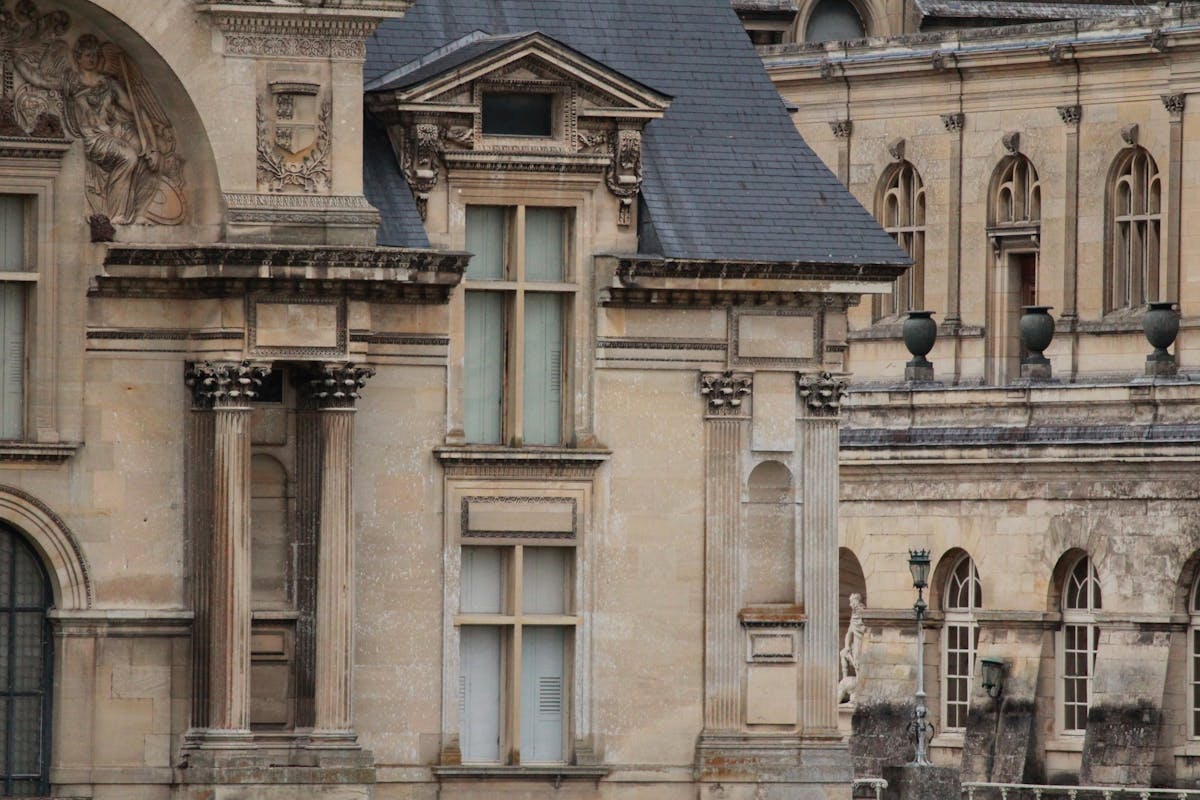
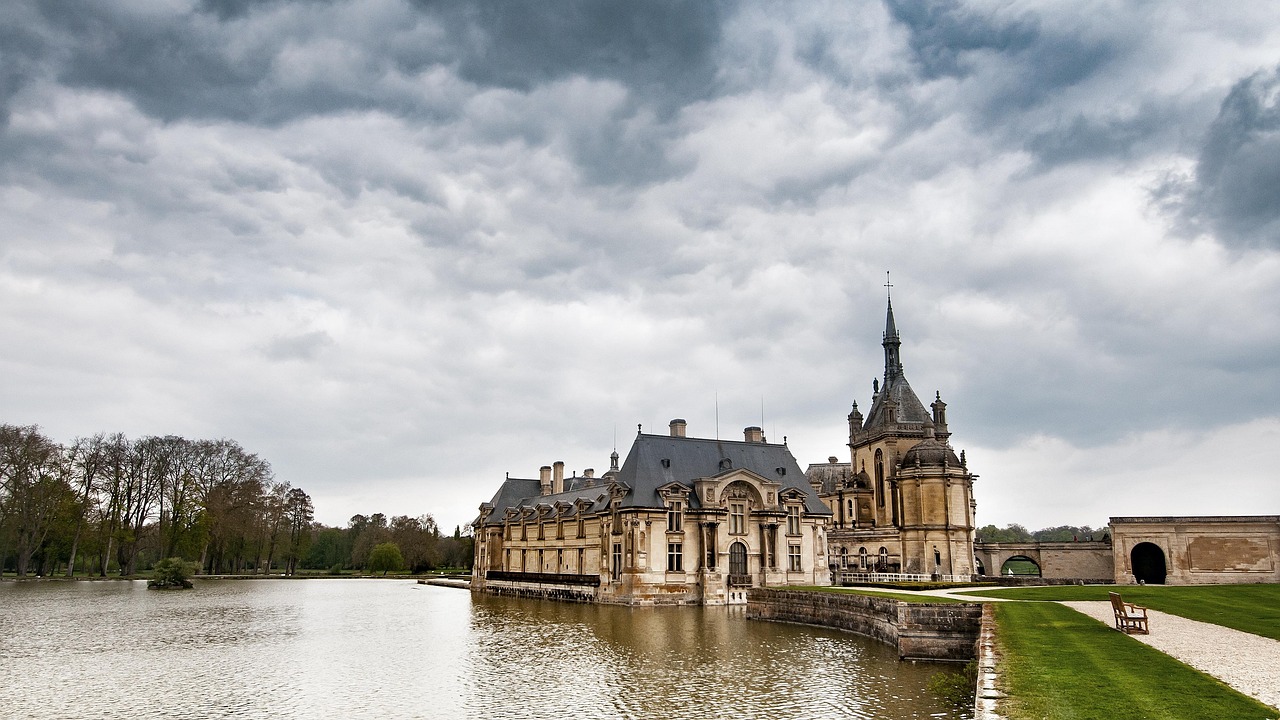
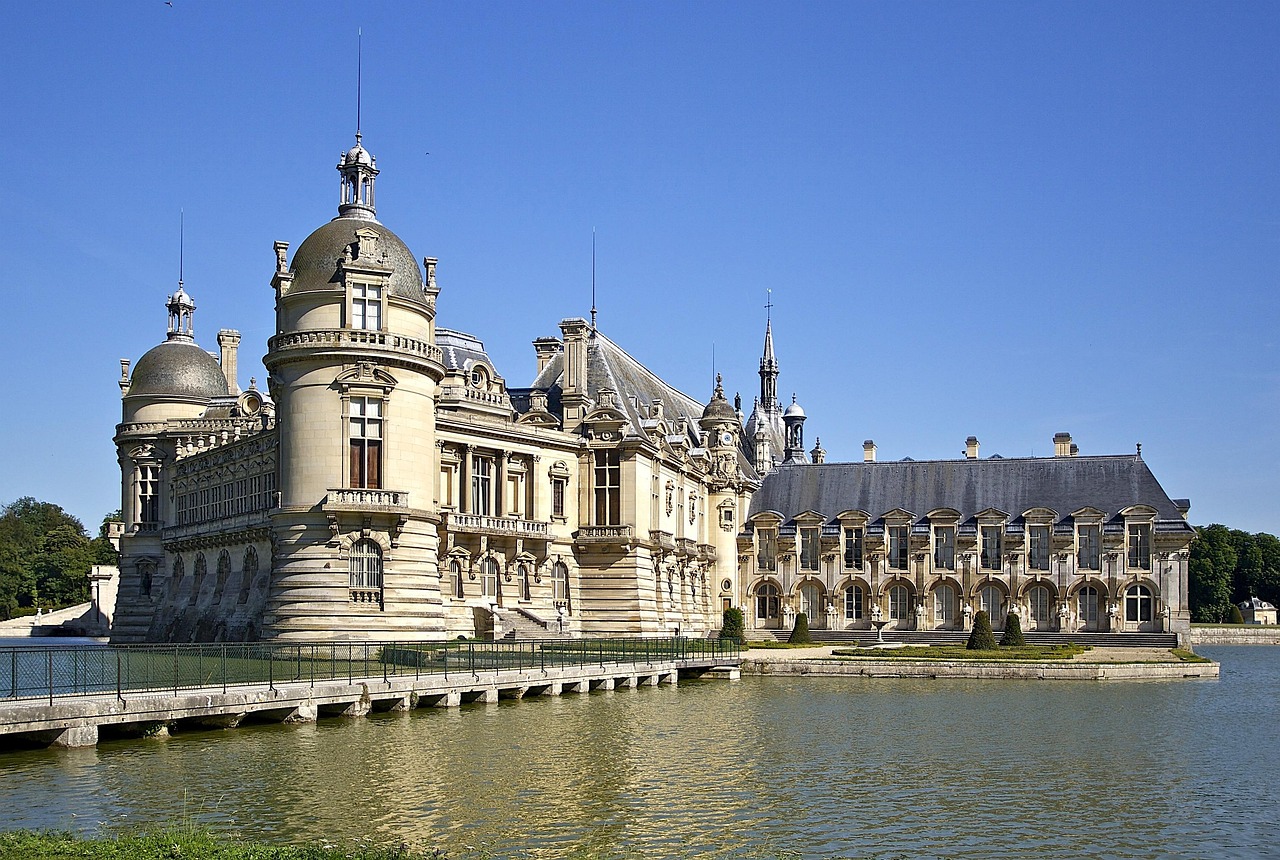
The château has two main sections: the Grand Château (rebuilt 1875-1882 by the Duke of Aumale in a neo-Renaissance style) and the Petit Château (the original 16th-century building that survived the Revolution). They’re connected and you’ll move between them naturally as you follow the museum route.
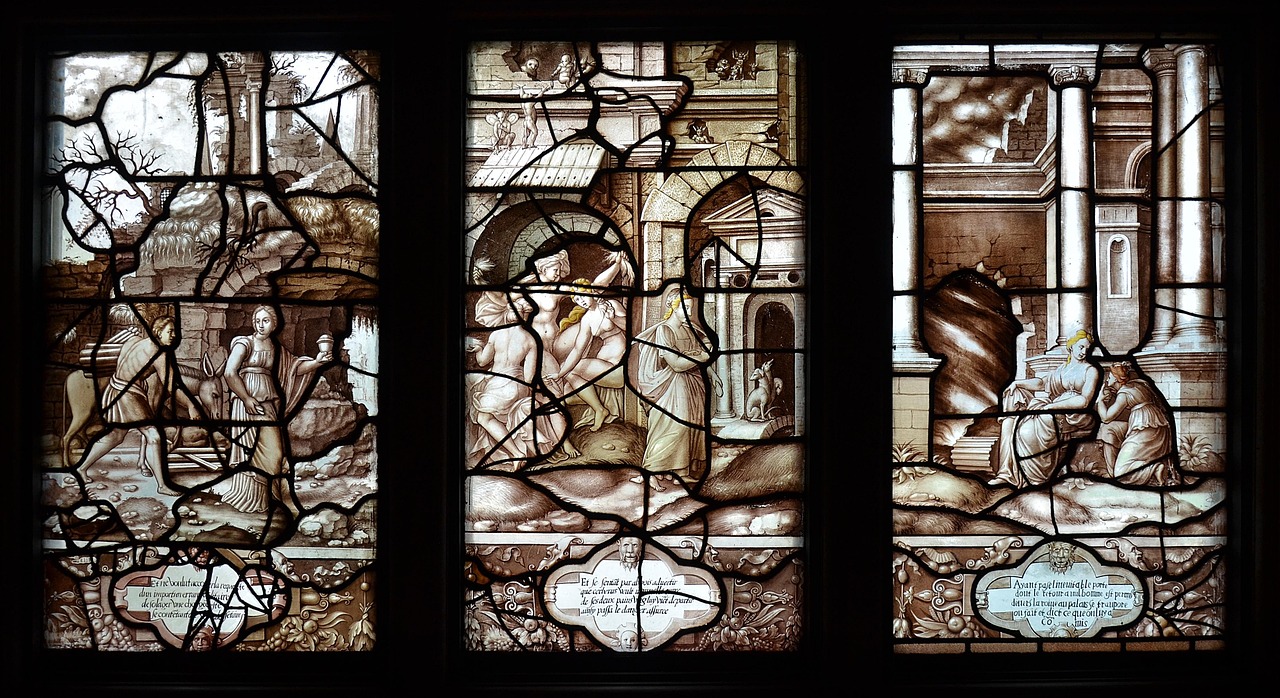
The Musée Condé is the centrepiece. It houses over 1,000 paintings, 2,500 drawings, and 700 prints. The heavyweights include works by Raphael (three paintings, including the “Three Graces” and the “Madonna of the House of Orléans”), Botticelli, Poussin, Ingres, and Delacroix. The collection also has an extraordinary selection of illuminated manuscripts, including the Très Riches Heures du Duc de Berry — widely considered the finest illuminated manuscript in existence. You can only see a facsimile most days (the original is too fragile for permanent display), but even the reproduction is stunning.
What makes the Musée Condé unusual is the Duke’s arrangement. Unlike the Louvre, where curators constantly reorganise by period, school, or theme, the Condé preserves a 19th-century aristocratic approach to hanging art. Paintings are stacked floor to ceiling, grouped by visual harmony rather than chronology. A Raphael might hang next to a minor Dutch landscape if the Duke liked the way the colours worked together. It’s not how any modern museum would do it, and that’s exactly the point.
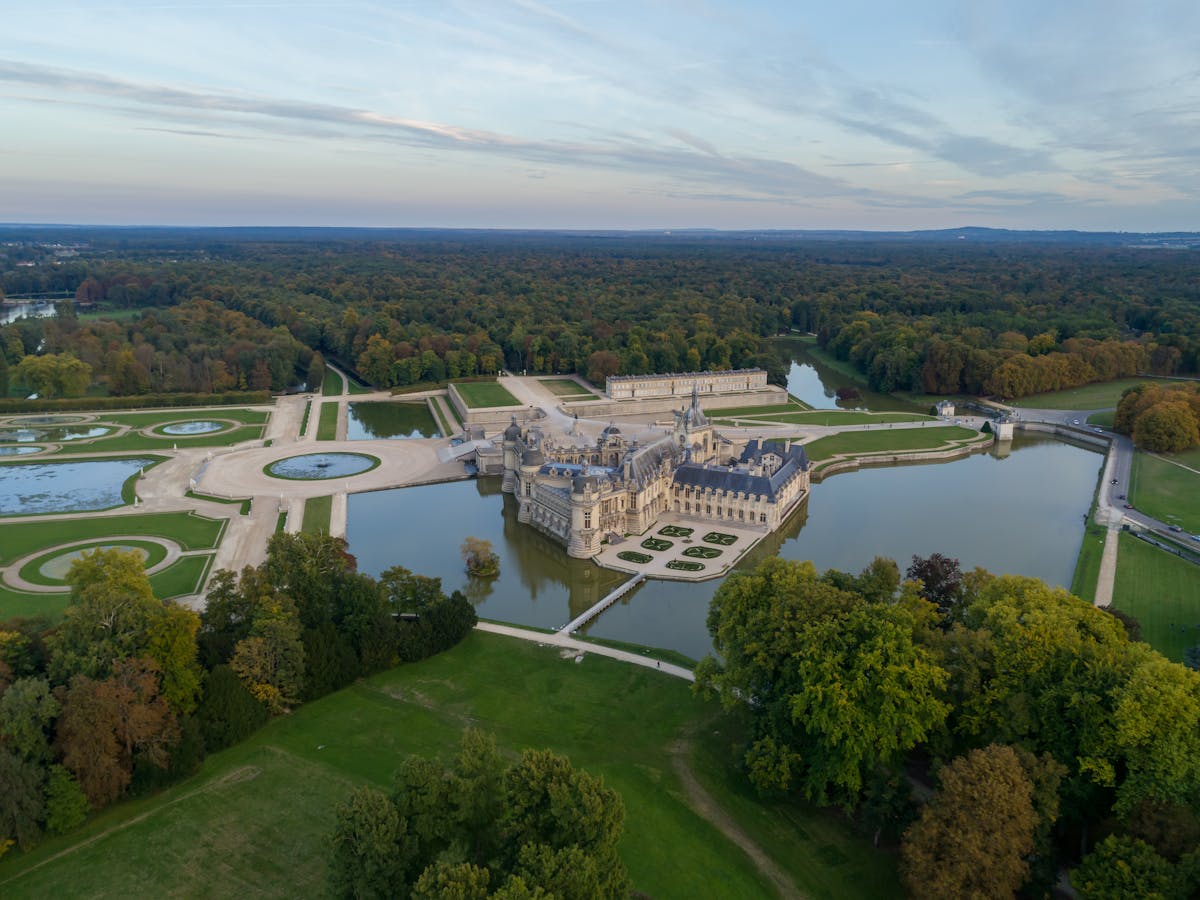
The gardens cover three distinct styles. The French formal garden (the geometric one closest to the château, designed by Le Nôtre in the 1660s) is the most photographed, with its precise hedges, fountains, and the Grand Canal stretching into the distance. The English garden (added in the 18th century) is deliberately wild and romantic, with winding paths, a waterfall, and an Ile d’Amour that’s exactly as twee as it sounds. The Anglo-Chinese garden includes a hamlet — a cluster of rustic cottages that inspired Marie Antoinette’s hamlet at Versailles.
And then there’s Chantilly lace. The delicate bobbin lace technique that bears the town’s name was a major luxury industry here from the 17th century onwards. The château has examples in its collection, and a small number of artisans in the area still practice the traditional techniques. It’s a minor footnote compared to the art and architecture, but it adds another layer to a place that already has more layers than most people expect.
While You’re Near Paris
Chantilly pairs well with a broader Paris and Ile-de-France trip. If you’re spending a few days in the city, the Louvre is the obvious comparison for the Musée Condé — visit both and decide for yourself which hanging style you prefer. The Palace of Versailles is the other major day trip from Paris, and after seeing Le Nôtre’s work at both sites, you’ll have a strong opinion about which gardens are better. For a completely different day out, Parc Astérix is actually closer to Chantilly than it is to central Paris — you could combine the two if you have kids with different priorities. A Seine dinner cruise is the best way to end any Paris trip, and the Loire Valley castles are worth it if you’ve caught the château bug and want to see Chambord, Chenonceau, and the rest.
This article contains affiliate links. When you book through these links, we may earn a small commission at no extra cost to you. This helps us keep writing detailed, independent travel guides.