
François I called him “my father.” Leonardo da Vinci — the most famous artist who ever lived — spent his final three years in a pink brick manor house in a small Loire Valley town, and you can walk through the rooms where he slept, worked, and eventually died. The Château du Clos Lucé in Amboise is not a typical French château visit. There are no gilded ballrooms or crystal chandeliers here. This was a working home, a studio, a laboratory.
Leonardo brought the Mona Lisa with him when he crossed the Alps in 1516. It was in this house — not the Louvre — when he took his last breath on May 2, 1519. The painting only ended up in Paris because François bought it after Leonardo’s death.
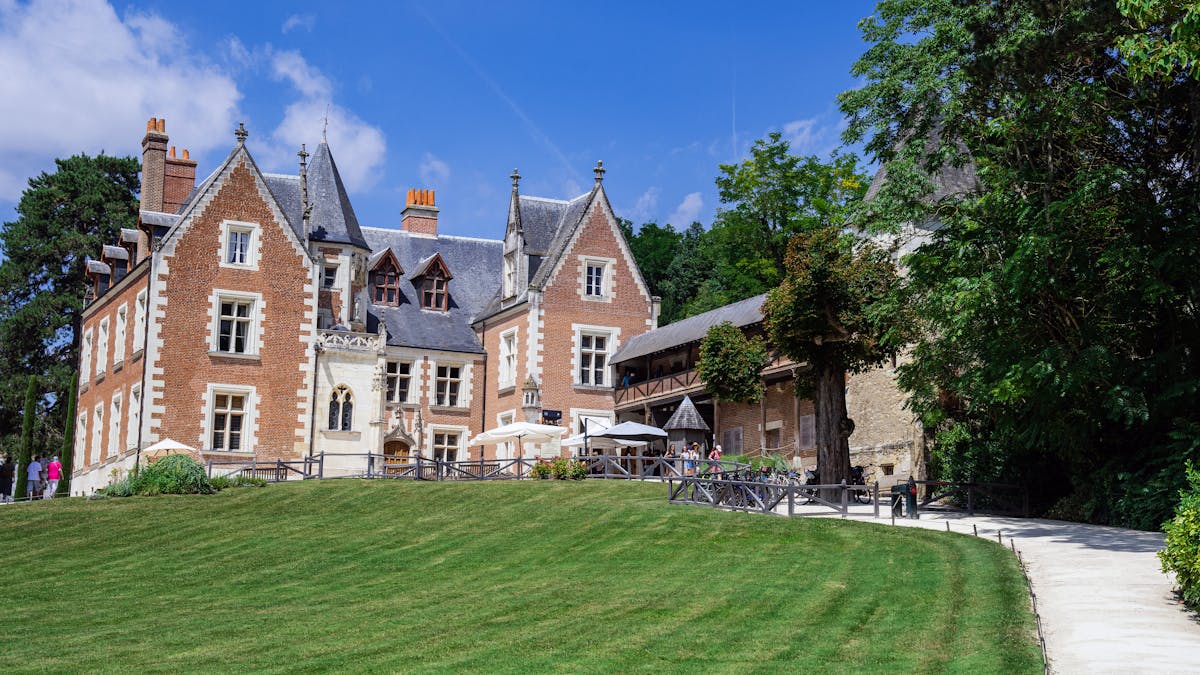
Getting tickets is straightforward if you know the system. But there are a few things worth knowing before you book — particularly if you’re combining Clos Lucé with the Royal Château d’Amboise next door, or planning a wider Loire Valley castle tour.
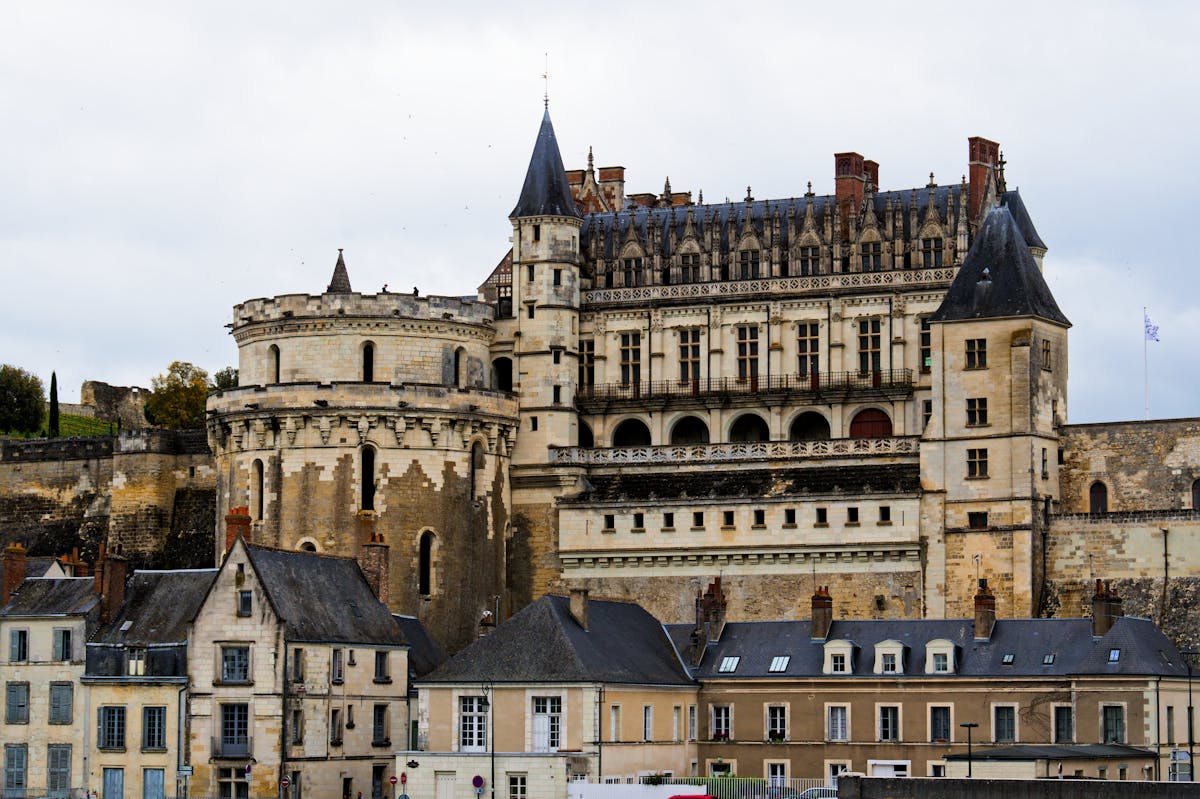
Best overall: Clos Lucé Castle, Da Vinci Park and Museum Ticket — $23. Skip-the-line entry to the château, the park with Leonardo’s invention models, and the immersive exhibitions. All you need for a half-day visit.
Best full-day experience: Chambord and Chenonceau Tour with Lunch from Amboise — $281. If you want the full Loire Valley experience in one day, this combines the two biggest castles with a private lunch at a family château. The guide covers centuries of royal intrigue.
Best multi-château tour: Chenonceau, Chambord & Caves Ambacia Day Tour — $284. Similar route but adds a wine tasting in a limestone cave beneath Amboise. Good if you want the history AND the wine.
- How the Clos Lucé Ticket System Works
- Official Tickets vs Guided Tours — What’s Worth It
- The Best Clos Lucé and Amboise Tours to Book
- 1. Clos Lucé Castle, Da Vinci Park and Museum Ticket —
- 2. From Amboise: Chambord and Chenonceau Tour with Lunch — 1
- 3. Day Tour of Chenonceau, Chambord & Caves Ambacia from Tours/Amboise — 4
- When to Visit Clos Lucé
- How to Get to Clos Lucé
- Tips That Will Save You Time
- What You’ll Actually See Inside
- A Bit of History Worth Knowing Before You Go
- More Loire Valley Guides
How the Clos Lucé Ticket System Works
Clos Lucé sells tickets both at the door and online through their official website (vinci-closluce.com). Online tickets are date-stamped but not time-slotted, which means you pick a day and show up whenever you want during opening hours. No need to rush for a specific entry window.
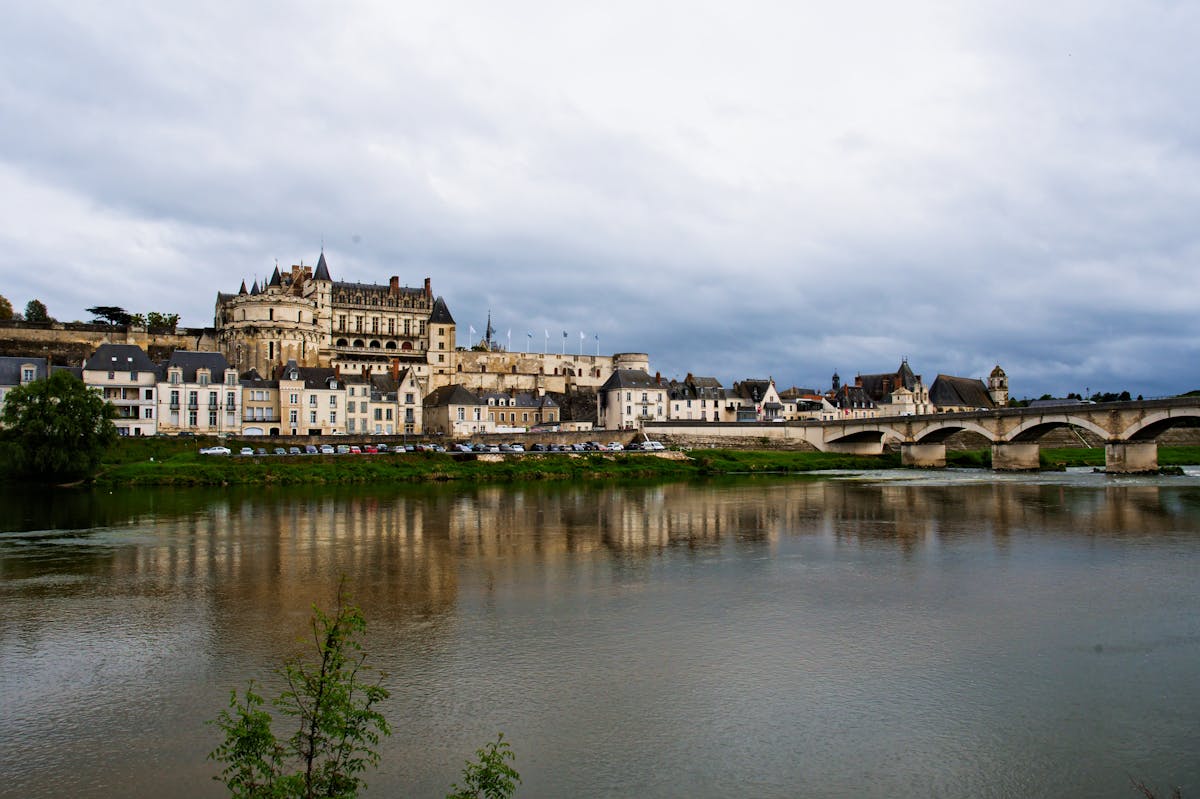
Standard adult tickets cost around 19 euros (prices as of early 2026, though they tend to rise a euro or two each year). Children under 7 get in free. There are reduced rates for ages 7-18 and students. The ticket includes everything: the château interior, Leonardo’s bedroom and workshop rooms, the underground galleries with digital projections, and the full park with the outdoor invention models.
A combined ticket with the Château Royal d’Amboise is available and saves a few euros if you’re doing both on the same day. Since the two sites are connected by an underground tunnel — the same passage François I used to visit Leonardo privately — doing both in a single visit makes obvious sense. The tunnel itself isn’t open to the public, unfortunately, but you can see its entrance.
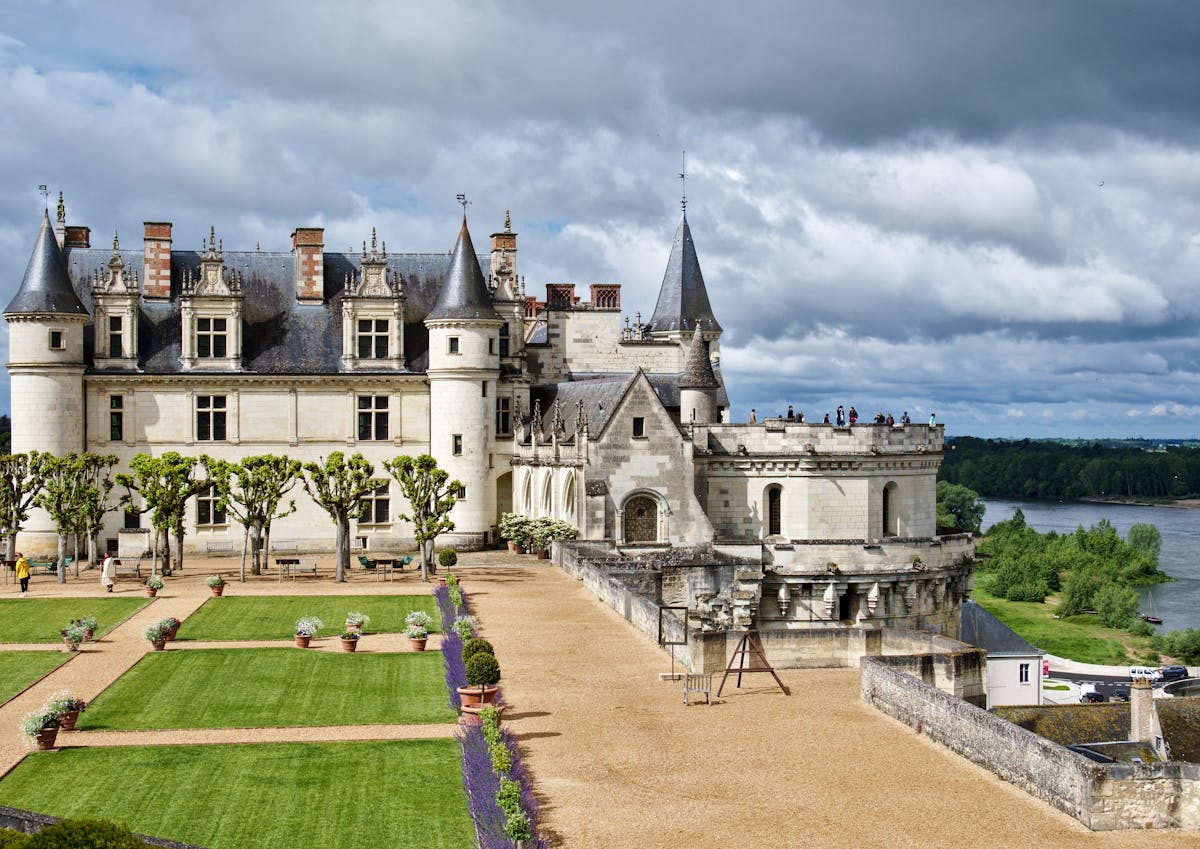
Queue times at the ticket office are worst between 10am and 1pm in July and August. The park can absorb large crowds without feeling packed, but the château rooms are small and get congested. If you’re visiting in peak season, buy online in advance and arrive either at opening (usually 9am or 10am depending on the month) or after 3pm.
Official Tickets vs Guided Tours — What’s Worth It
Here’s the honest breakdown. The official ticket gives you self-guided access to everything. The château has good signage in English and French, the park models have explanatory plaques, and the underground multimedia galleries are self-explanatory. You don’t strictly need a guide for Clos Lucé itself.
But the context matters enormously. Leonardo’s bedroom is just a room with a bed and a fireplace unless you know that he could see the Royal Château from his window — and that he chose this specific room so he could watch for François arriving. The kitchen is just a kitchen unless someone explains that Leonardo designed an elaborate system of pulleys and rotating spits that was centuries ahead of its time.
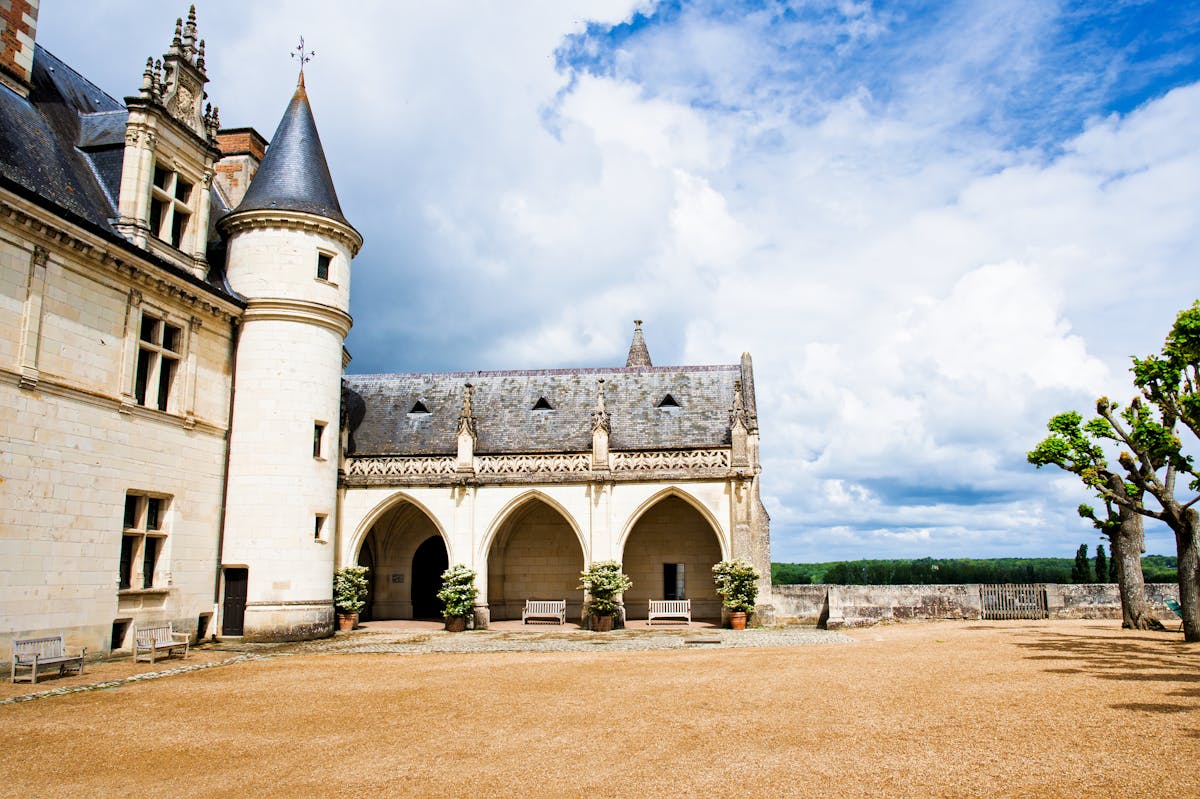
A guided tour — whether through Clos Lucé directly or as part of a wider Loire Valley day trip — adds layers you simply won’t get from reading plaques. The story of Leonardo’s final years is one of the most moving in art history. A 67-year-old man, his right hand paralysed from a stroke, still sketching plans for buildings and machines that wouldn’t be built for 400 years. François, barely 22, treating him not as an employee but as a father figure. The relationship between them is genuinely unusual in the history of royal patronage.
My take: if you’re visiting Clos Lucé on its own, the official ticket is fine. If you’re doing a full day in the Loire Valley and want someone to connect the dots between Amboise, Chambord, and Chenonceau, book a guided day tour.
The Best Clos Lucé and Amboise Tours to Book
1. Clos Lucé Castle, Da Vinci Park and Museum Ticket — $23
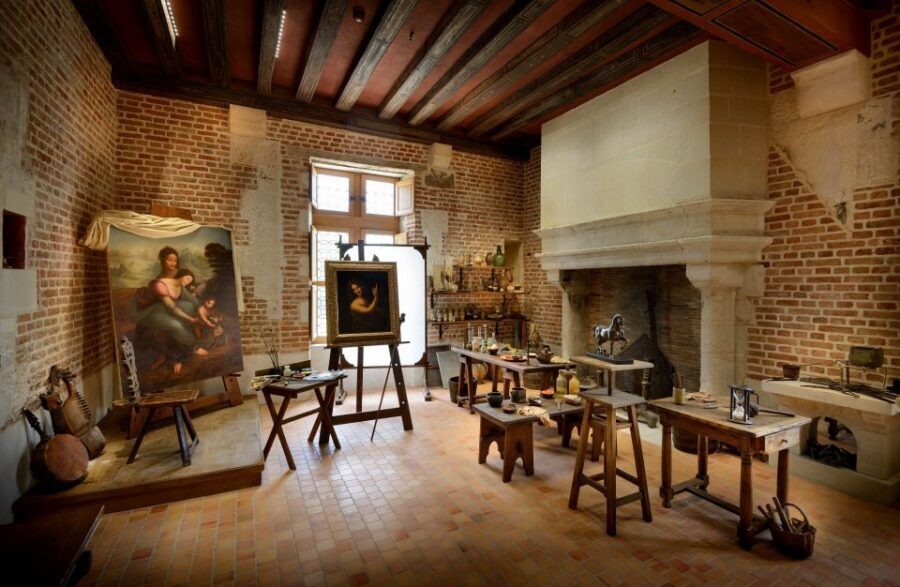
This is the straightforward entry ticket — the most popular way to visit Clos Lucé, and for good reason. At $23, you get access to the full château including Leonardo’s reconstructed bedroom, his workshop, the kitchens he redesigned, and the underground immersive galleries that project his drawings at massive scale across the walls.
The park outside is where the visit really picks up. IBM engineers built full-scale working models of Leonardo’s inventions from his notebook sketches — a tank, a rudimentary helicopter, a paddle boat, a revolving bridge. Kids go wild for them, but so do adults. You can actually operate some of the mechanisms, turning cranks and watching gears engage exactly as Leonardo designed them five centuries ago.
Plan at least two to three hours. Most people underestimate the park.
2. From Amboise: Chambord and Chenonceau Tour with Lunch — $281
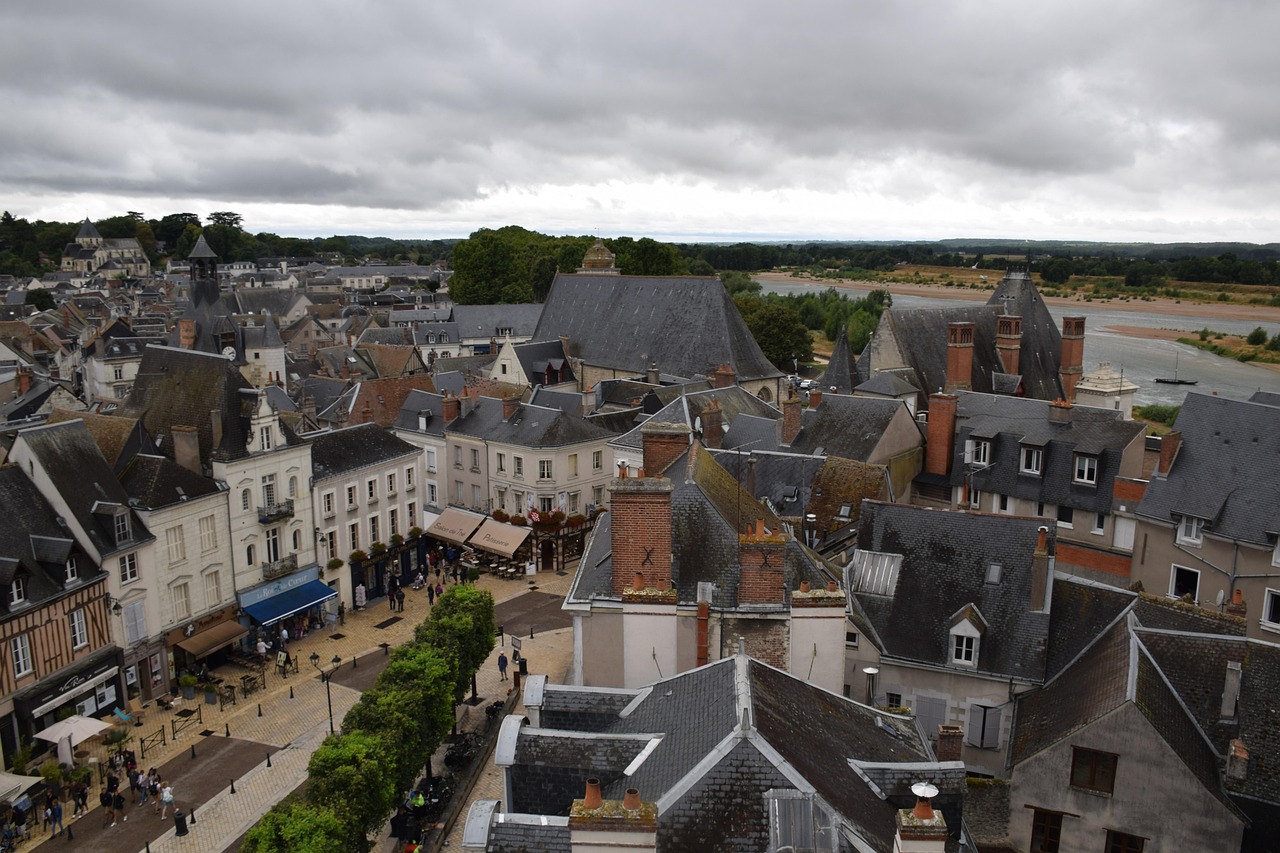
If you’re spending a night or two in Amboise (which I’d recommend — the town is more interesting than people give it credit for), this full-day tour starting from Amboise is the most convenient way to see the Loire Valley’s two heaviest hitters without renting a car.
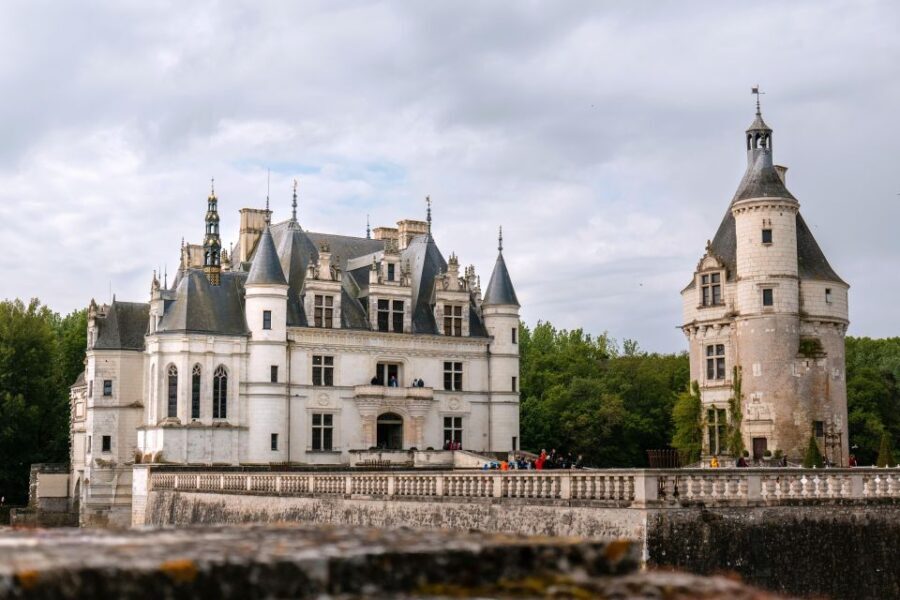
The tour runs about 8.5 hours and covers Chambord — the enormous royal hunting lodge with its double-helix staircase that Leonardo himself may have designed — and Chenonceau, the château that spans the River Cher and is arguably the most photographed building in the Loire. Between the two, you get a private lunch at a family-owned château. It’s a small-group format, which means you can actually ask questions.
At $281 it’s not cheap, but when you factor in the transport, the guided access, and a sit-down lunch with wine, it compares well to trying to rent a car and navigate rural French roads on your own. The guide drives, explains the history, and handles all the tickets.
3. Day Tour of Chenonceau, Chambord & Caves Ambacia from Tours/Amboise — $284
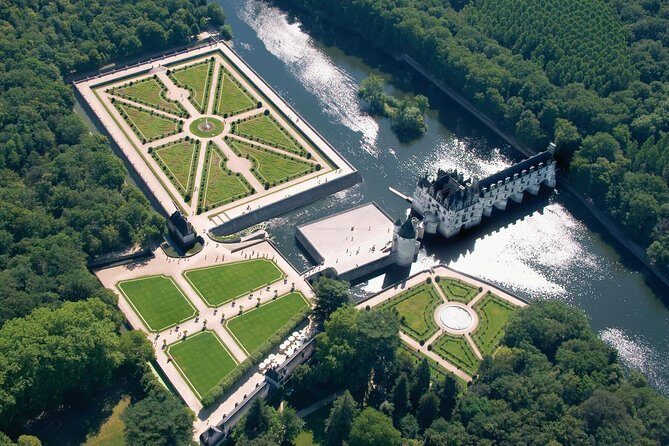
Similar to the previous tour in scope — Chambord, Chenonceau, full day with transport — but this one from Viator adds a wine tasting in the Caves Ambacia, which are carved-out limestone caves beneath Amboise itself. The caves have been used for wine storage since the medieval period, and the tasting covers local Touraine wines that most visitors never try.
Picks up from both Tours and Amboise, so it works whether you’re based in either town. The 9-hour duration means it’s a proper full day — you won’t feel rushed at either château. At $284 it’s basically the same price point as the other full-day option, but the wine angle gives it a different character. If you care about wine as much as history, go with this one.
When to Visit Clos Lucé
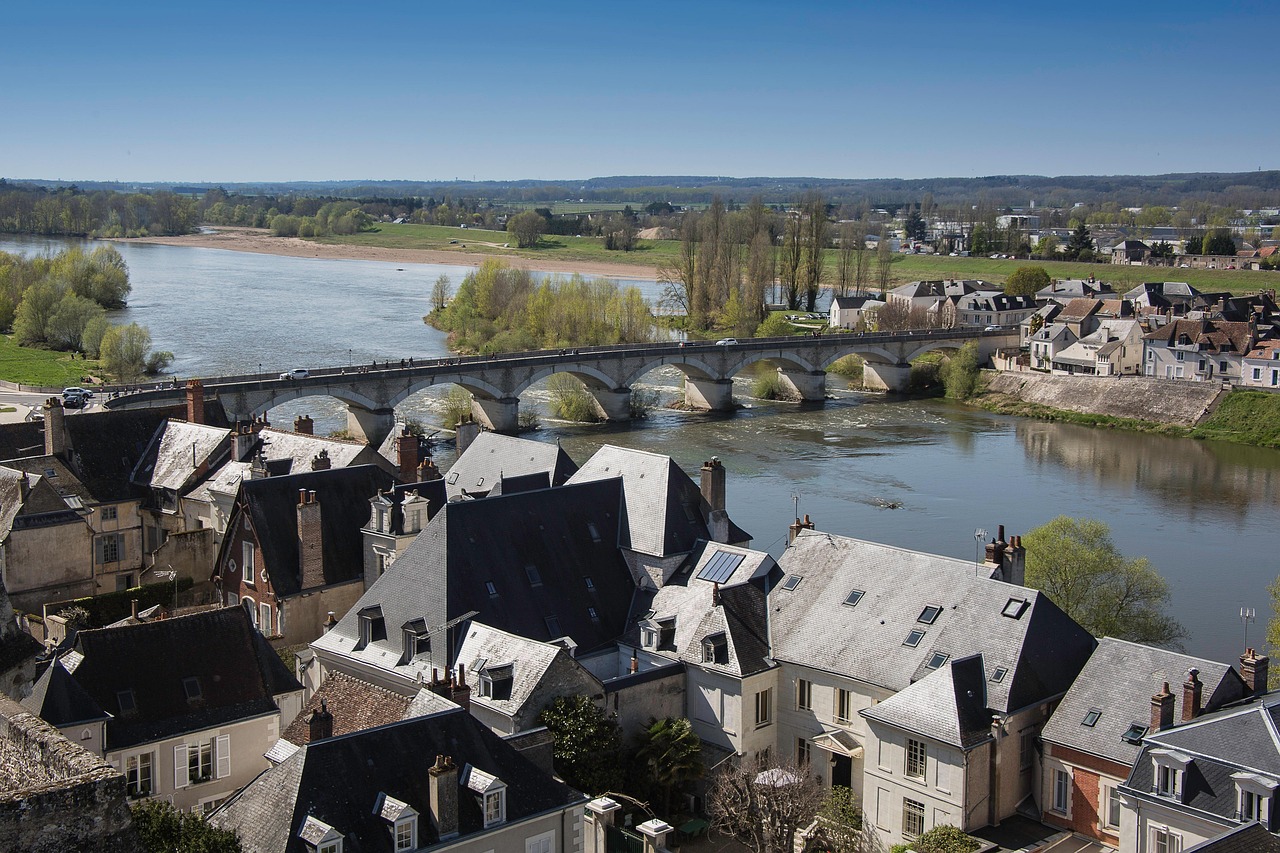
Clos Lucé opens year-round, though hours vary by season. In summer (July-August) the gates open at 9am and close at 8pm, giving you a long window. Spring and autumn hours are typically 9am or 10am to 6pm or 7pm. Winter is shorter — 10am to 5pm or 6pm — and some outdoor park features may be partially closed.
Best months: May, June, and September. The weather is warm enough to enjoy the park properly (you’ll spend at least an hour outside testing the invention models), the gardens are in bloom, and the summer school holiday crowds haven’t arrived or have just left.
Worst time: Mid-July through mid-August, especially between 10am and 2pm. The château rooms are small — Leonardo lived in a manor house, not a palace — and they fill up fast. If you must visit in peak summer, go first thing in the morning or after 4pm.
One thing to know: the park is exposed with limited shade in some areas. On hot days, the châteaux interior with its thick stone walls is blissfully cool, but the outdoor invention models can get scorching. Bring water and a hat if you’re visiting June through September.
How to Get to Clos Lucé
From Paris: Take the TGV from Gare Montparnasse to Saint-Pierre-des-Corps (about 1 hour 15 minutes), then transfer to a local TER train to Amboise (about 15 minutes). From the Amboise station, it’s a 20-minute walk uphill to Clos Lucé, or you can grab a taxi for about 8 euros.
From Tours: TER trains run roughly every hour and take 20-25 minutes. Tours is the main hub for the Loire Valley, so if you’re doing multiple châteaux, basing yourself there makes logistical sense.
By car: Amboise is about 2.5 hours south of Paris on the A10 motorway. There’s paid parking in the town centre and a larger free lot near the river. Driving gives you the most flexibility for combining Clos Lucé with Chambord (40 minutes east) and Chenonceau (15 minutes south).
Walking from the Château Royal d’Amboise: 500 metres, about 7 minutes. Follow Rue Victor Hugo uphill from the Royal Château. The route is signed and flat after the initial climb. Both tickets can be bought separately or as a combo.
Tips That Will Save You Time
- Buy tickets online the day before. Not because they’ll sell out (they usually don’t, except maybe August weekends), but because the ticket office line moves slowly. Online tickets let you go straight in.
- Do the park FIRST if you arrive at opening. Most visitors go straight into the château, so the park is empty early. By late morning the flow reverses. The invention models are more fun when you’re not queuing behind school groups.
- Combine with the Royal Château. It’s a 7-minute walk between the two. Leonardo is buried at the Royal Château, in the Chapel of Saint-Hubert — his remains were confirmed by DNA testing in the 2010s after the original burial chapel was demolished centuries earlier. Seeing both sites on the same day tells the complete story.
- Allow 2.5 to 3 hours minimum. I’ve seen people try to rush through in an hour. You can, but you’ll miss the park entirely, and the park is genuinely the highlight — watching a full-size working tank roll on the same mechanism Leonardo sketched in his notebook is something you don’t forget.
- Bring something for kids to sketch. The park has drawing stations and the museum encourages hands-on interaction. Leonardo would have approved.
- The gift shop is surprisingly good. Not the usual tourist tat. They sell reproduction notebooks based on Leonardo’s actual codices, engineering model kits, and some decent art books you won’t find at random souvenir shops.
What You’ll Actually See Inside
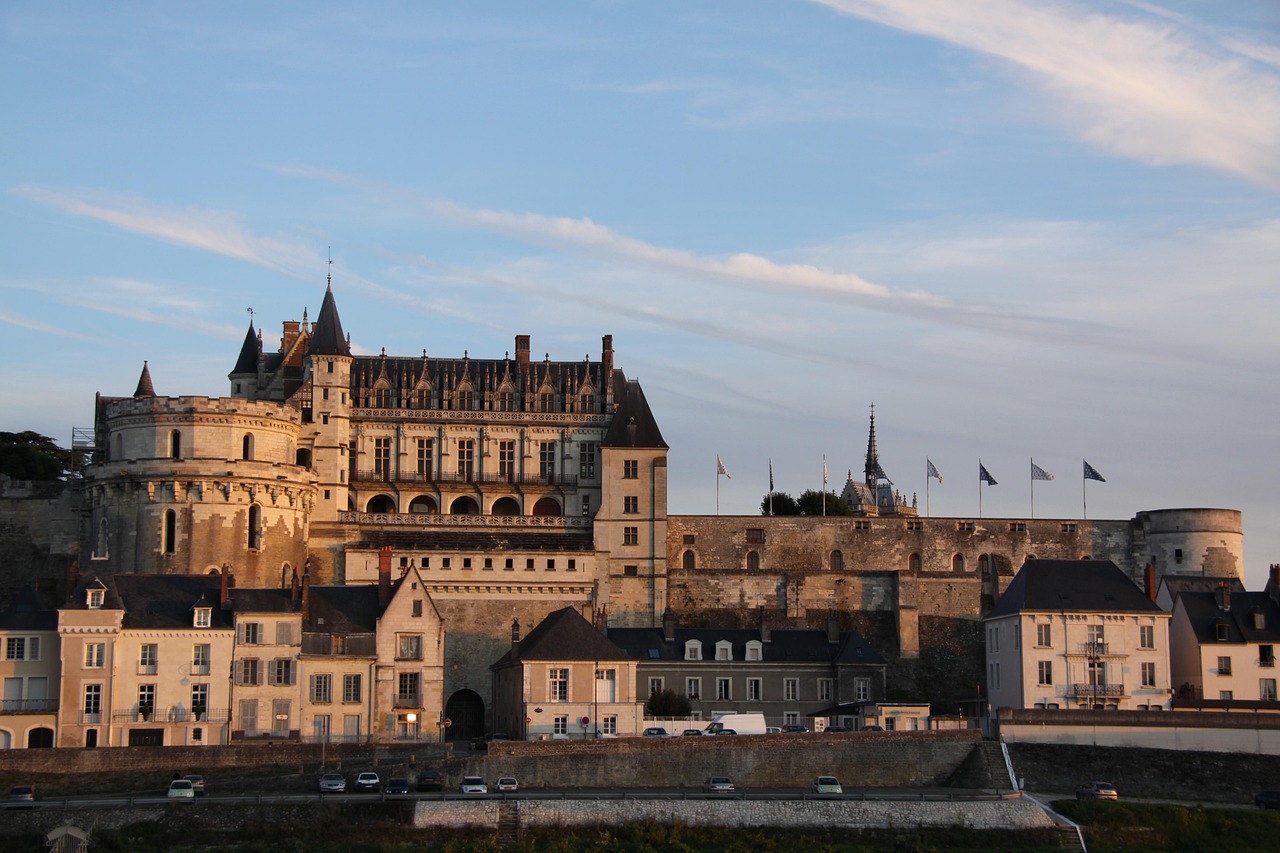
The château tour moves through Leonardo’s private rooms on the upper floors. His bedroom has been reconstructed based on period accounts — the bed, the fireplace, the window that looks toward the Royal Château where François lived. According to Vasari’s famous (and debated) account, the young king held Leonardo in his arms as he died in this room. Art historians argue about whether François was actually in Amboise that day — some records place him elsewhere — but the emotional core of the story captures something real about their relationship.
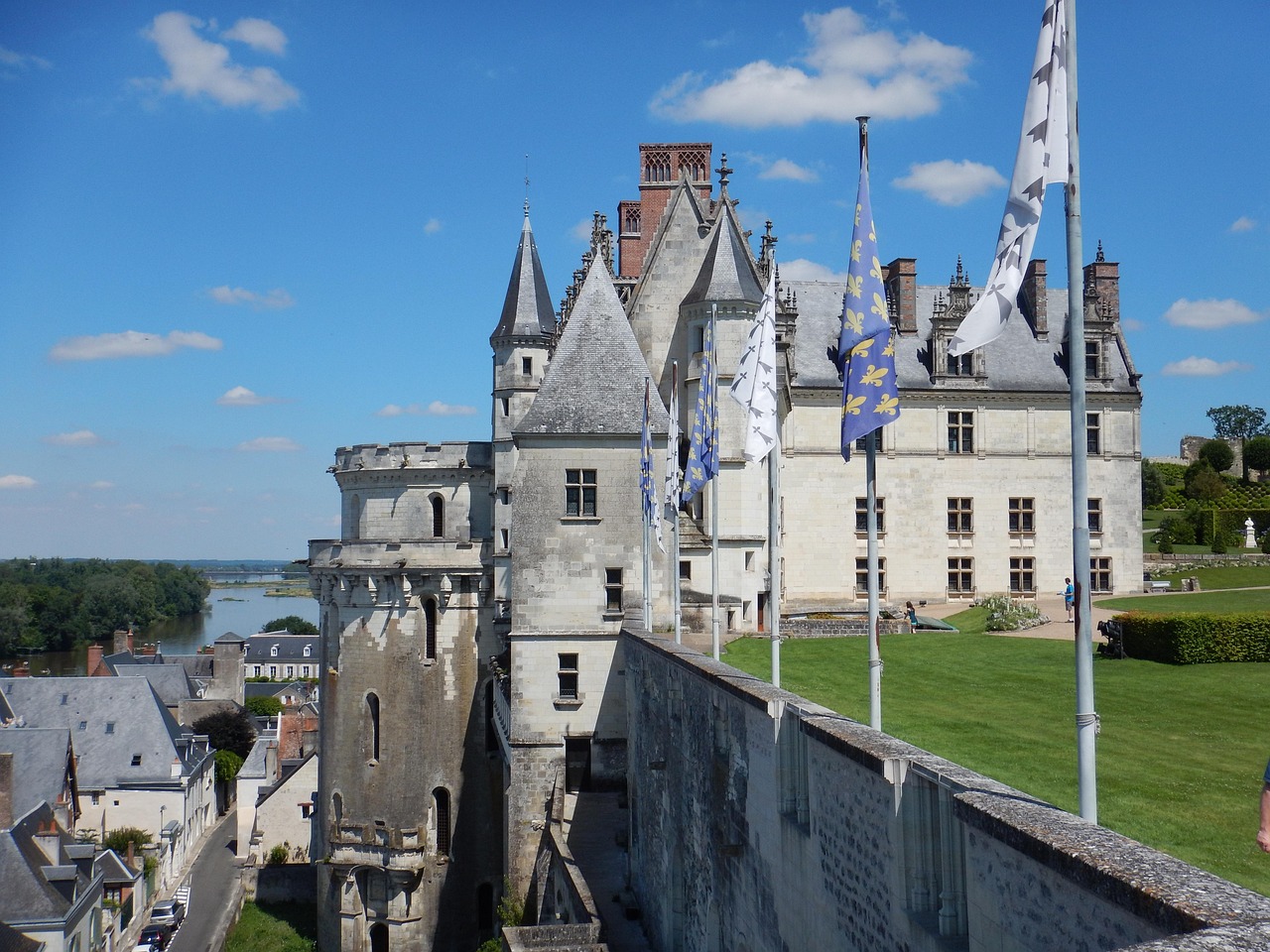
The workshop rooms display reproductions of Leonardo’s drawings alongside 3D models built from them. The famous Vitruvian Man, his anatomical studies, his architectural sketches for churches that were never built — it’s all here, presented in a way that makes you understand this was one person’s output. Not a team, not an institution. One man with notebooks.
Downstairs, the kitchen has been restored to show the mechanical systems Leonardo designed. Rotating spits, a ventilation system, and various gadgets that automated tasks servants had been doing by hand for centuries. It’s a side of his genius that the Mona Lisa doesn’t show you.
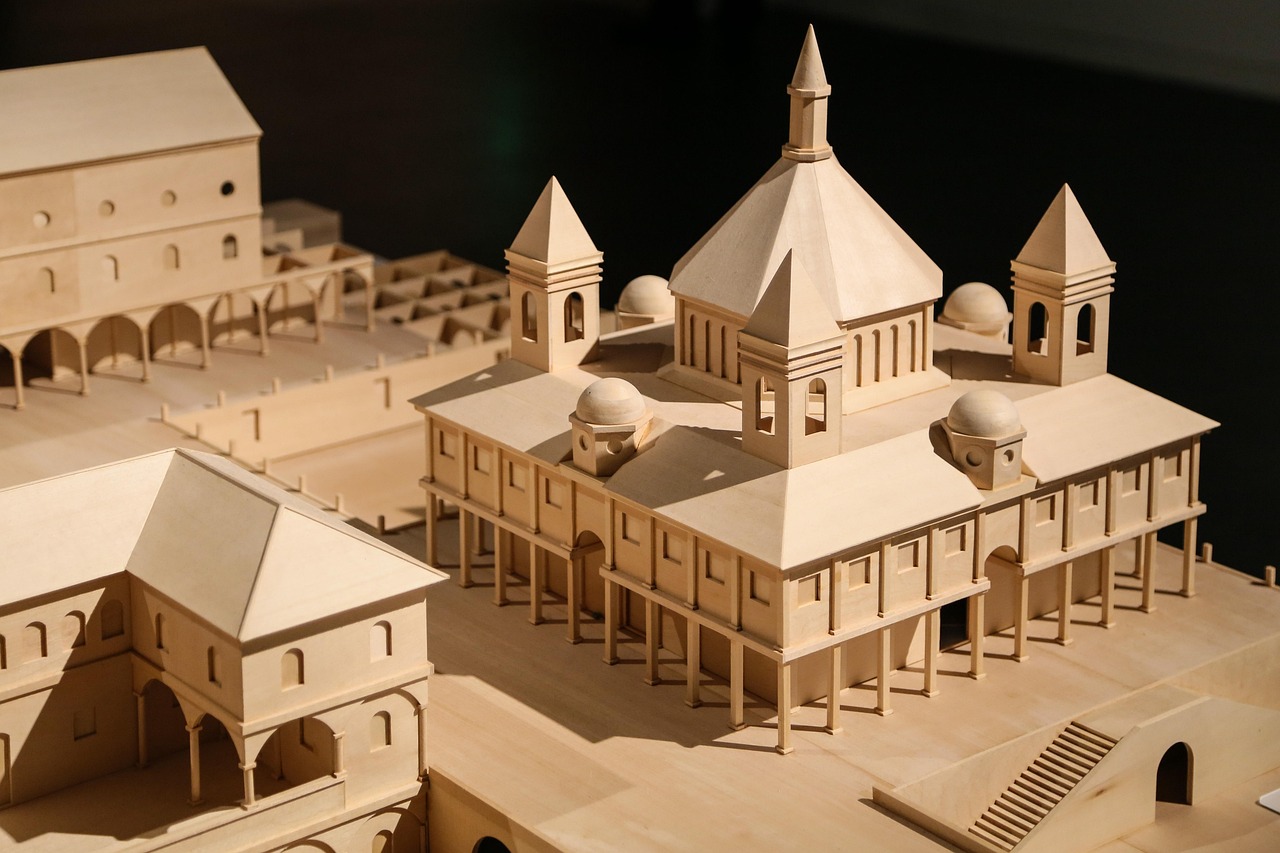
The underground galleries are the newest addition. Digital projections blow up Leonardo’s sketches to room-sized scale, with animations showing how his flying machines, bridges, and military devices were meant to work. It’s genuinely well done — not the cheap projection-mapping you see at tourist traps, but carefully produced animations that treat the source material seriously.
Then the park. Seven hectares of gardens and forest with those full-scale IBM-built invention models. A rotating bridge you can walk on. A paddle boat in the stream. An armoured tank. A rudimentary helicopter-like screw device. Interactive stations where you can try the mechanisms yourself. For many visitors — especially families — the park is the best part of the entire visit.
A Bit of History Worth Knowing Before You Go
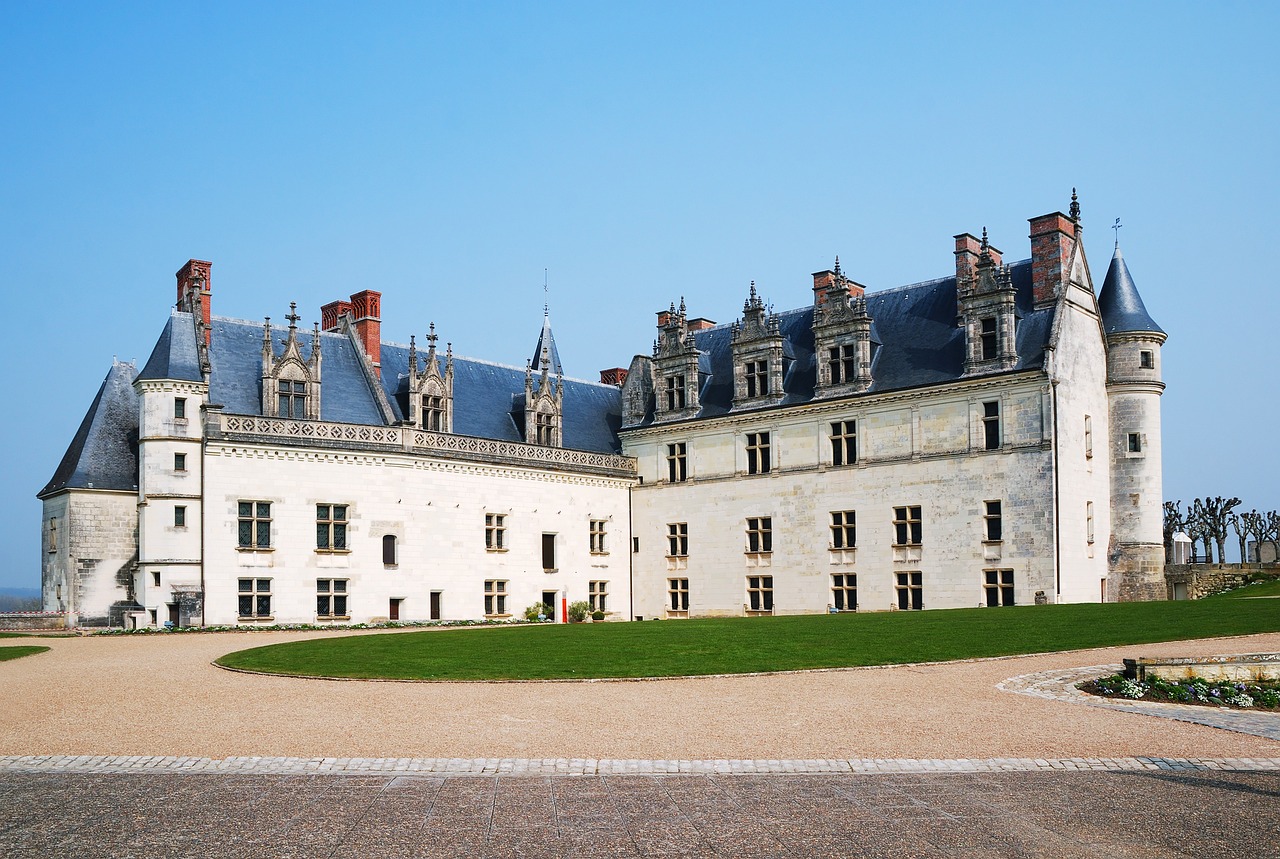
Leonardo arrived in Amboise in late 1516, crossing the Alps on mule-back at age 64 with three paintings tucked into his baggage — the Mona Lisa, Saint John the Baptist, and the Virgin and Child with Saint Anne. François I had invited him with an offer too good to refuse: a house, a generous pension of 1,000 gold ecus per year, and the title “First Painter, Engineer, and Architect to the King.” The title was partly honorary — Leonardo’s right hand was already partially paralysed — but it carried genuine prestige.
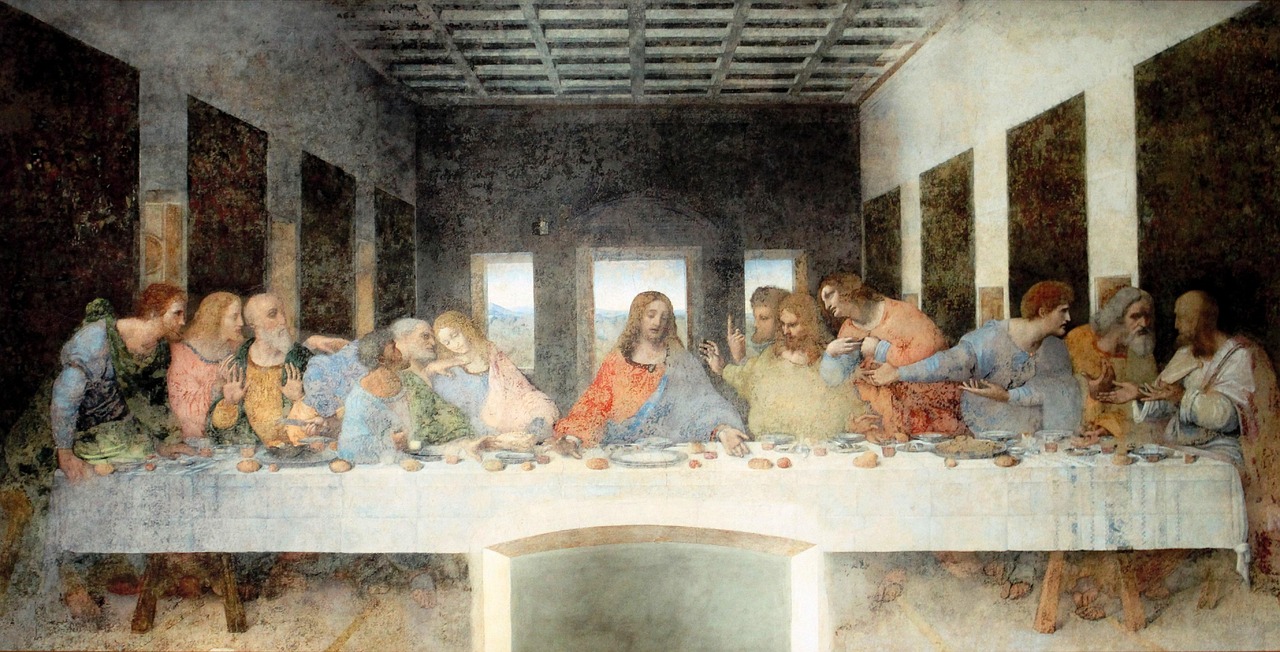
The relationship between the 22-year-old king and the aged artist was genuinely remarkable. François visited Clos Lucé through an underground tunnel that connected the two properties — a passage that still exists beneath Rue Victor Hugo, though it’s not open to visitors. Contemporary accounts describe the king spending hours in Leonardo’s workshop, discussing architecture, engineering, and philosophy. François reportedly said that no man had ever been born who knew as much as Leonardo.
Leonardo spent his final years working on plans for a new royal capital at Romorantin, designing an elaborate canal system, and continuing to fill his notebooks. He died on May 2, 1519. Vasari’s much-later account — written decades after the event — claims François held him as he died, though the evidence is disputed. What isn’t disputed is that François was genuinely devastated. Leonardo was initially buried in a chapel at the Château Royal d’Amboise that was later demolished during the Revolution. His remains were exhumed and reburied in the Chapel of Saint-Hubert, where DNA analysis in the 2010s helped confirm the identification.
More Loire Valley Guides
If you’re spending more than a day in the Loire Valley, Clos Lucé pairs perfectly with a few other major attractions nearby. Chambord — the largest château in the Loire with its famous double-helix staircase (possibly designed by Leonardo himself) — is about 45 minutes east by car and works well as a morning visit before an afternoon at Clos Lucé. Chenonceau, the château that spans the River Cher, is 15 minutes south and is often combined with Amboise on day tours from Tours or Paris. And if you’re in Amboise already, don’t skip the Royal Château just because it’s “the other castle” — Leonardo’s burial chapel alone makes it worth the ticket price. For visitors with limited time, the guided day tours that cover two or three châteaux with transport from Amboise or Tours are genuinely the most practical option in a region where public transport between sites is thin.
We include affiliate links in this article. If you book through our links, we earn a small commission at no extra cost to you. This helps keep the site running.