
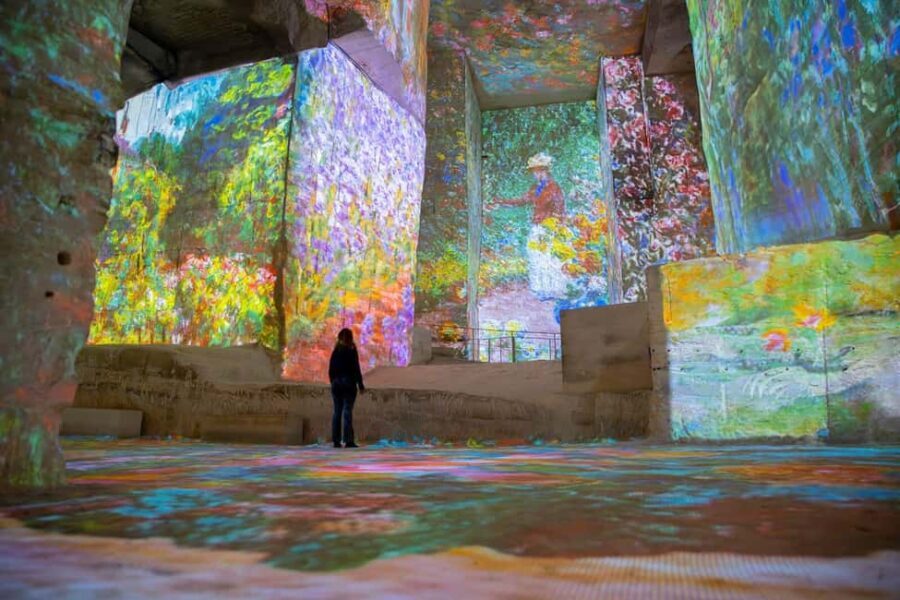
The mineral bauxite — the raw material behind every aluminium can, airplane fuselage, and smartphone frame — takes its name from this tiny village. A French geologist cracked open a piece of reddish rock here in 1821 and discovered something entirely new. Two centuries later, the quarry where locals once chiselled limestone blocks has been repurposed into one of the most extraordinary art spaces in Europe. Giant projections of Monet’s water lilies swirl across 14-metre quarry walls while surround sound fills the cavern.
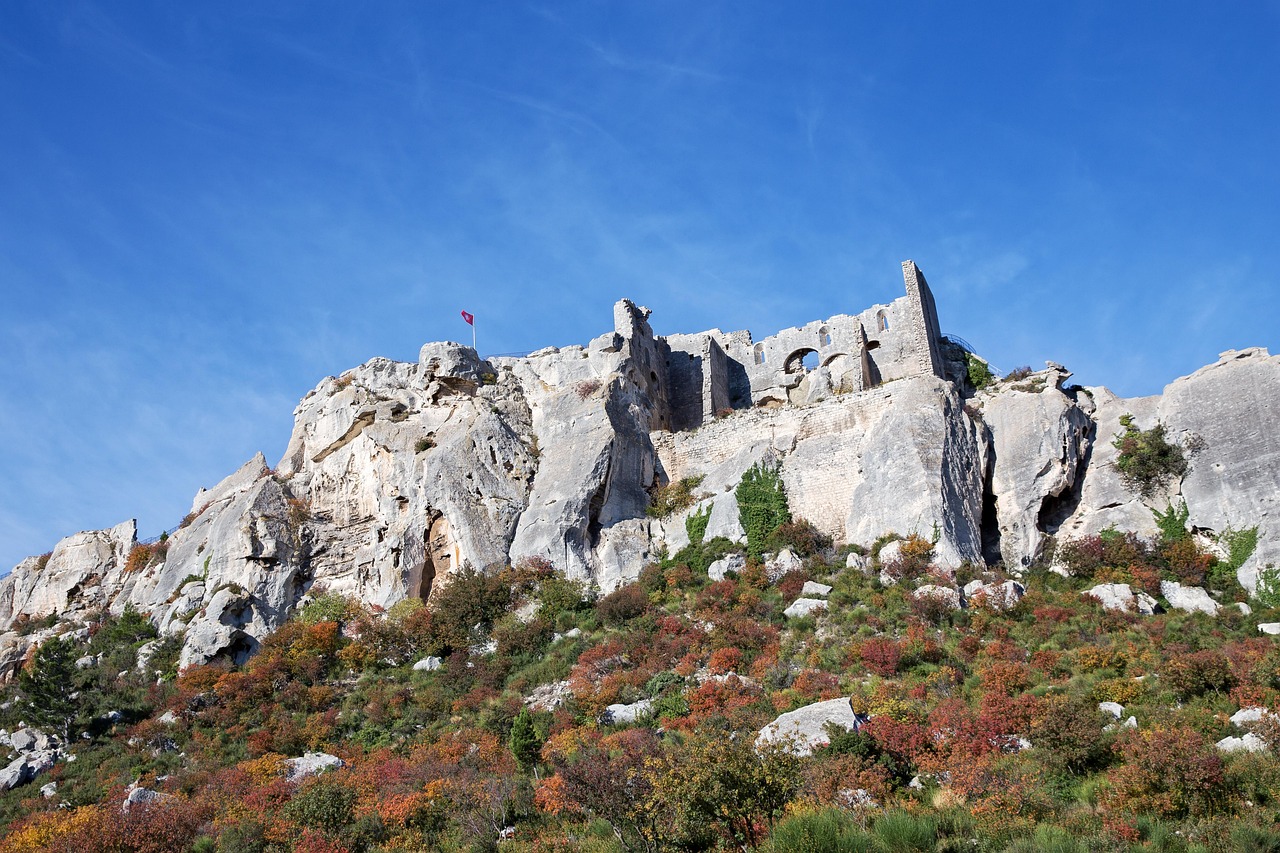
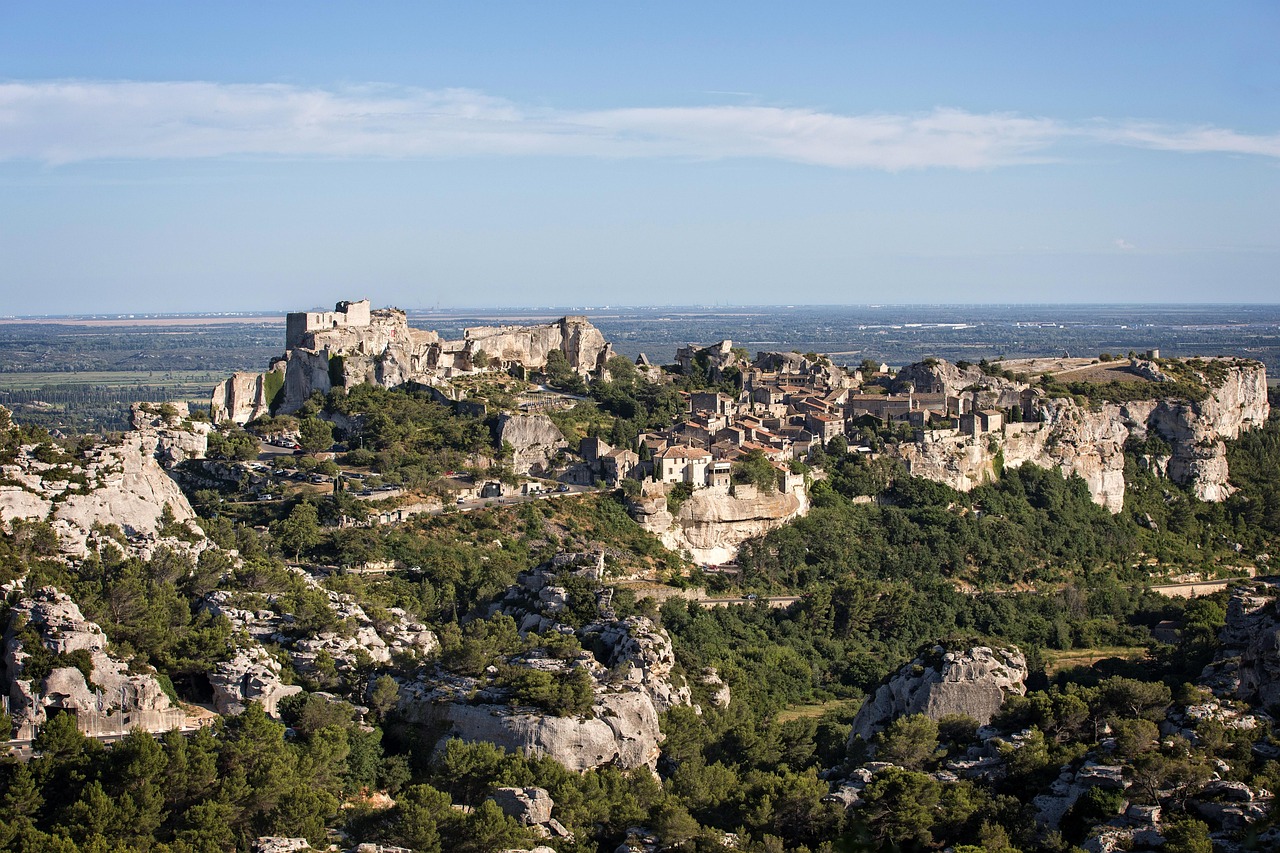
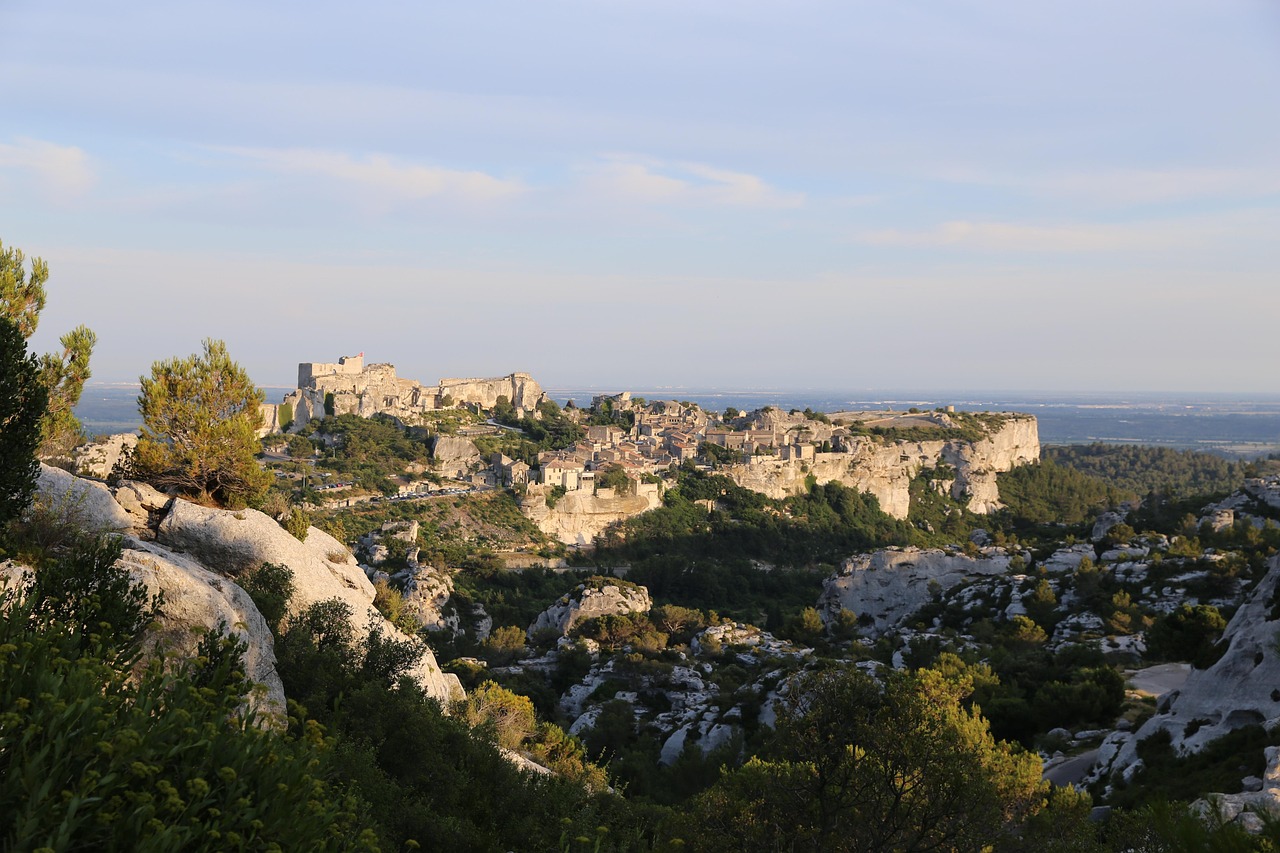
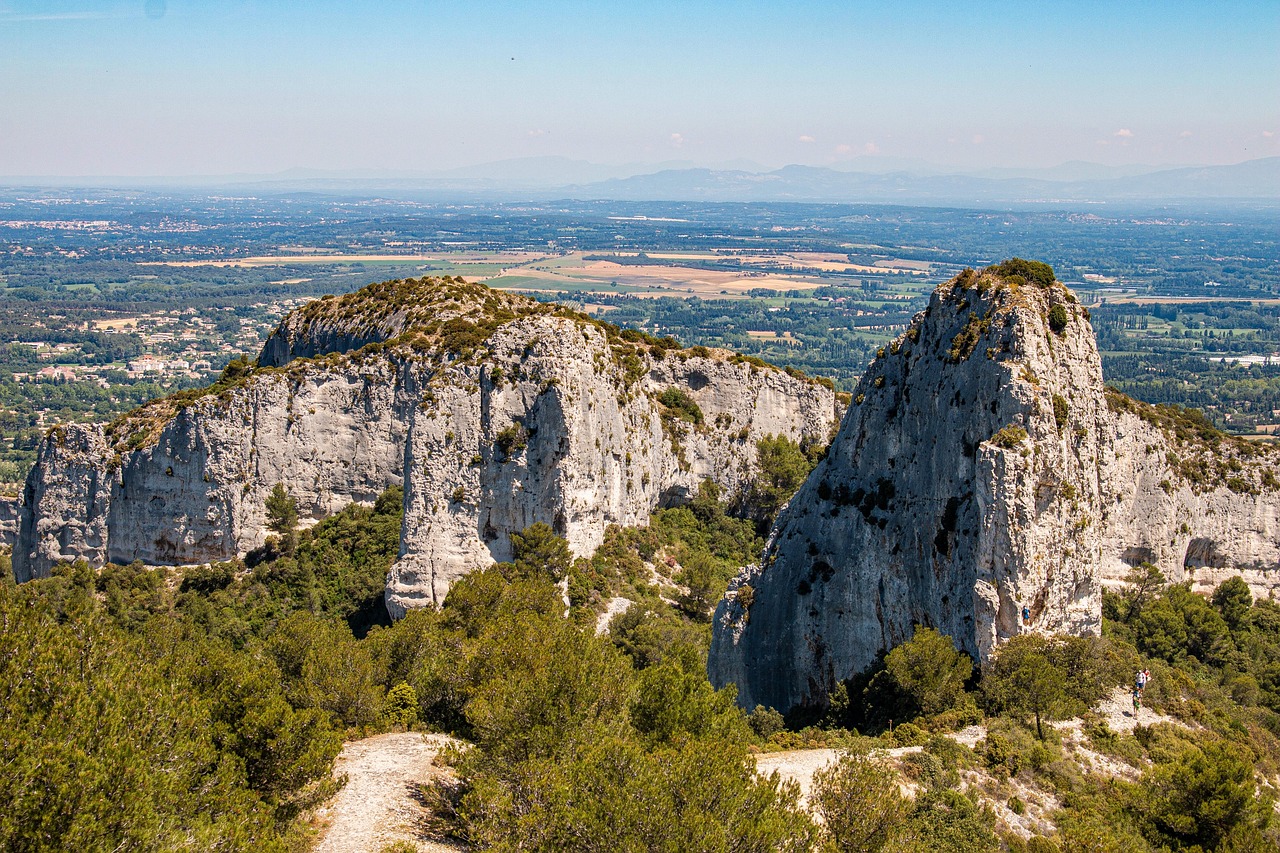
But Les Baux-de-Provence is more than its quarry show. It’s a medieval fortress perched on a knife-edge of white limestone in the Alpilles hills, with panoramic views that reportedly inspired Dante’s rocky hellscape. Fewer than 400 people actually live here. About 1.5 million visit each year.
I went on a weekday morning in October, thinking I’d beaten the crowds. I hadn’t — but the place is big enough to absorb them.
Best for the quarry show: Carrieres des Lumieres Entry Ticket — $19. Skip the queue with a timed ticket and walk straight into the projections.
Best day trip combo: Pont du Gard, Saint-Remy & Les Baux Half-Day Tour — $104. Three major stops with a local guide, perfect if you don’t have a car.
Best full-day experience: Provence Highlights Full-Day Tour from Avignon — $157. A 9.5-hour deep dive through all the best villages with lunch included.
- What Makes Les Baux and the Carrieres des Lumieres Worth the Trip
- How Tickets Work
- Official Tickets vs Guided Tours
- The Best Les Baux-de-Provence Tours to Book
- 1. Carrieres des Lumieres Entry Ticket —
- 2. Pont du Gard, Saint-Remy & Les Baux Half-Day Tour from Avignon — 4
- 3. Provence Highlights Full-Day Tour from Avignon — 7
- When to Visit
- How to Get There
- Tips That Will Save You Time
- What You’ll Actually See
- More Provence Guides
What Makes Les Baux and the Carrieres des Lumieres Worth the Trip
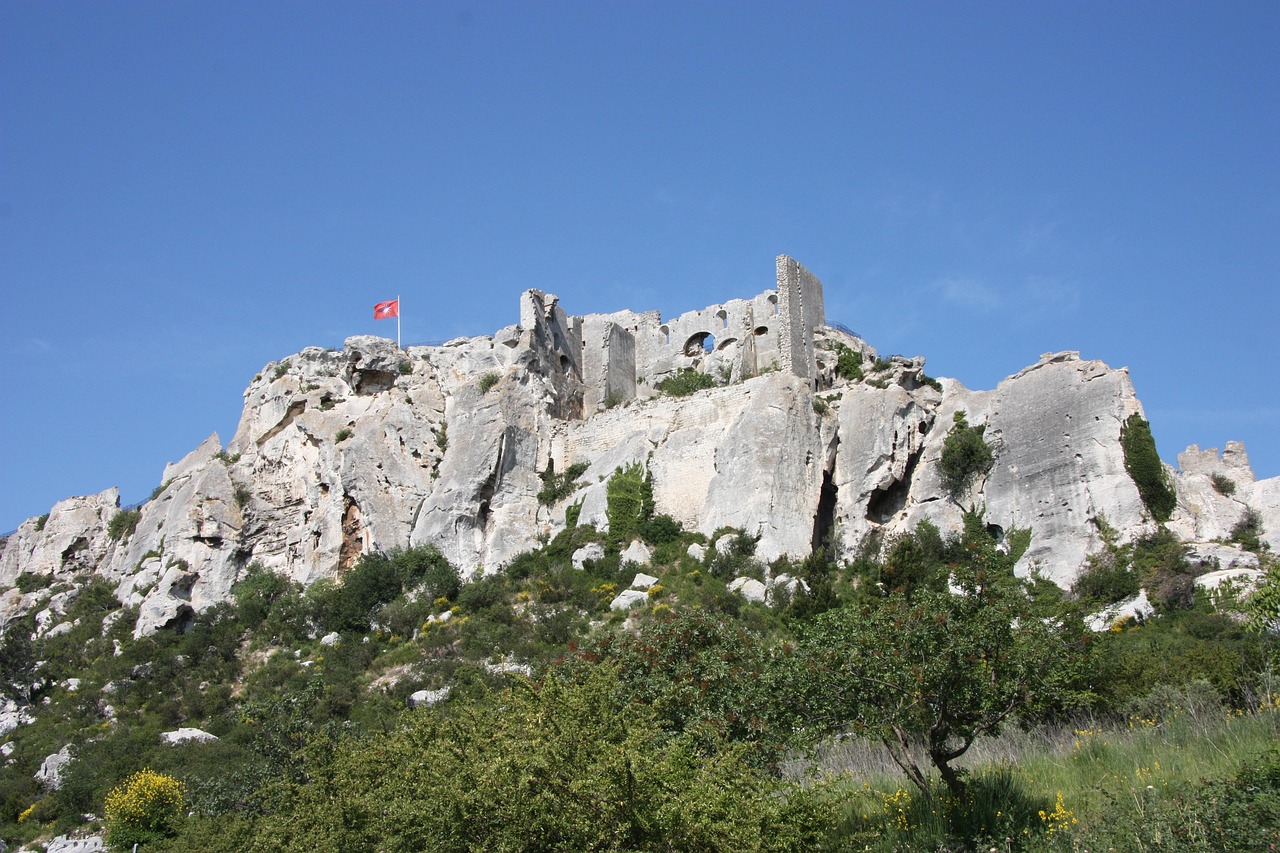
Les Baux sits at around 245 metres above sea level on a rocky spur in the Alpilles Natural Regional Park, about 30 minutes northeast of Arles and 75 minutes from Marseille. The Lords of Les Baux were one of the most feared feudal dynasties in medieval Provence — they claimed direct descent from the biblical Magi and stamped the Star of Bethlehem onto their coat of arms. Their fortress dominated this part of southern France for centuries until Louis XIII finally ordered it demolished in 1632.
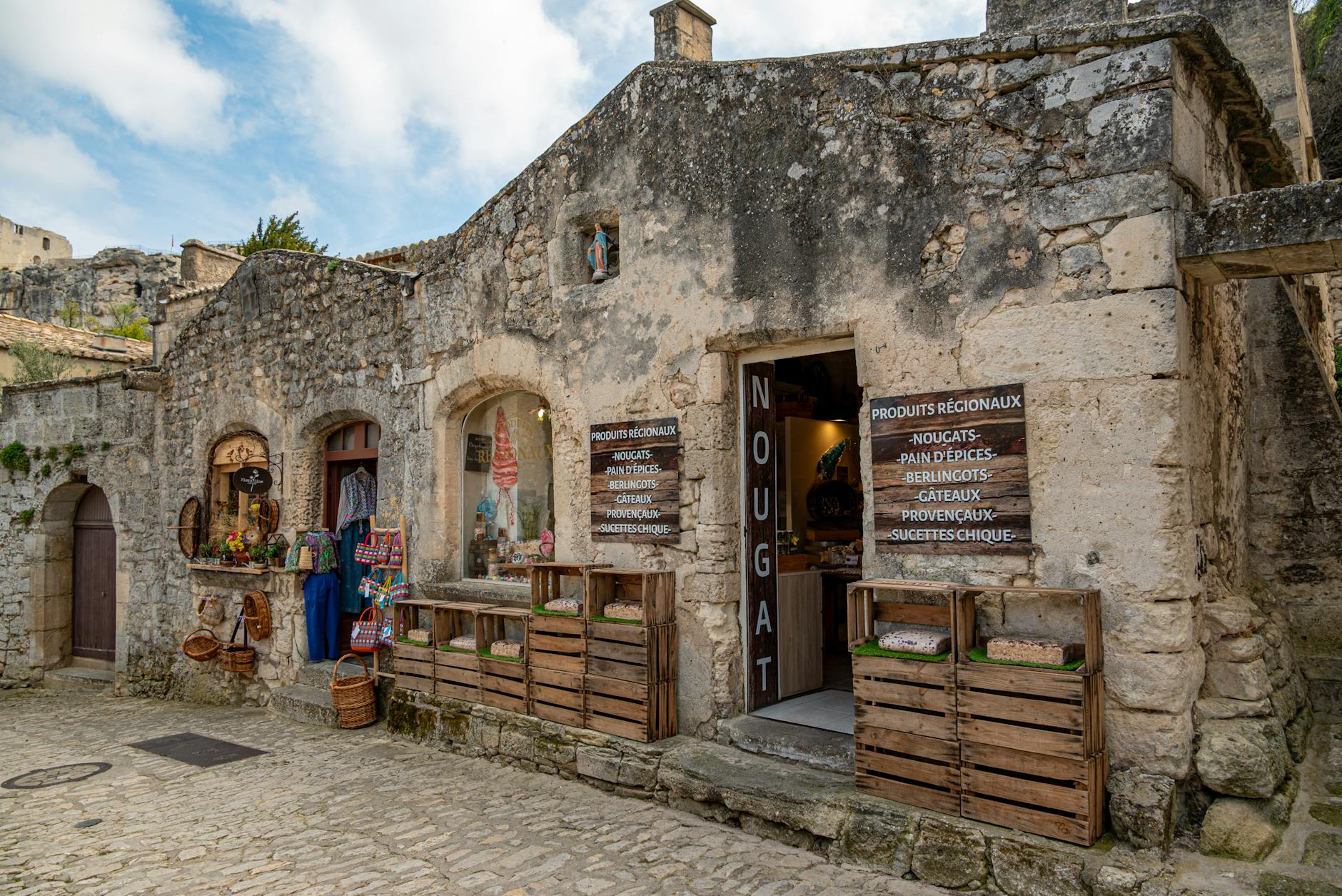
What remains is spectacular. The castle ruins sprawl across the clifftop, and you can walk through the remnants of the keep, the chapel, and the siege weapon replicas (including a working trebuchet they fire during summer demonstrations). The village below is a tight maze of Renaissance-era stone buildings, many now occupied by galleries, olive oil shops, and restaurants that range from simple to Michelin-starred.
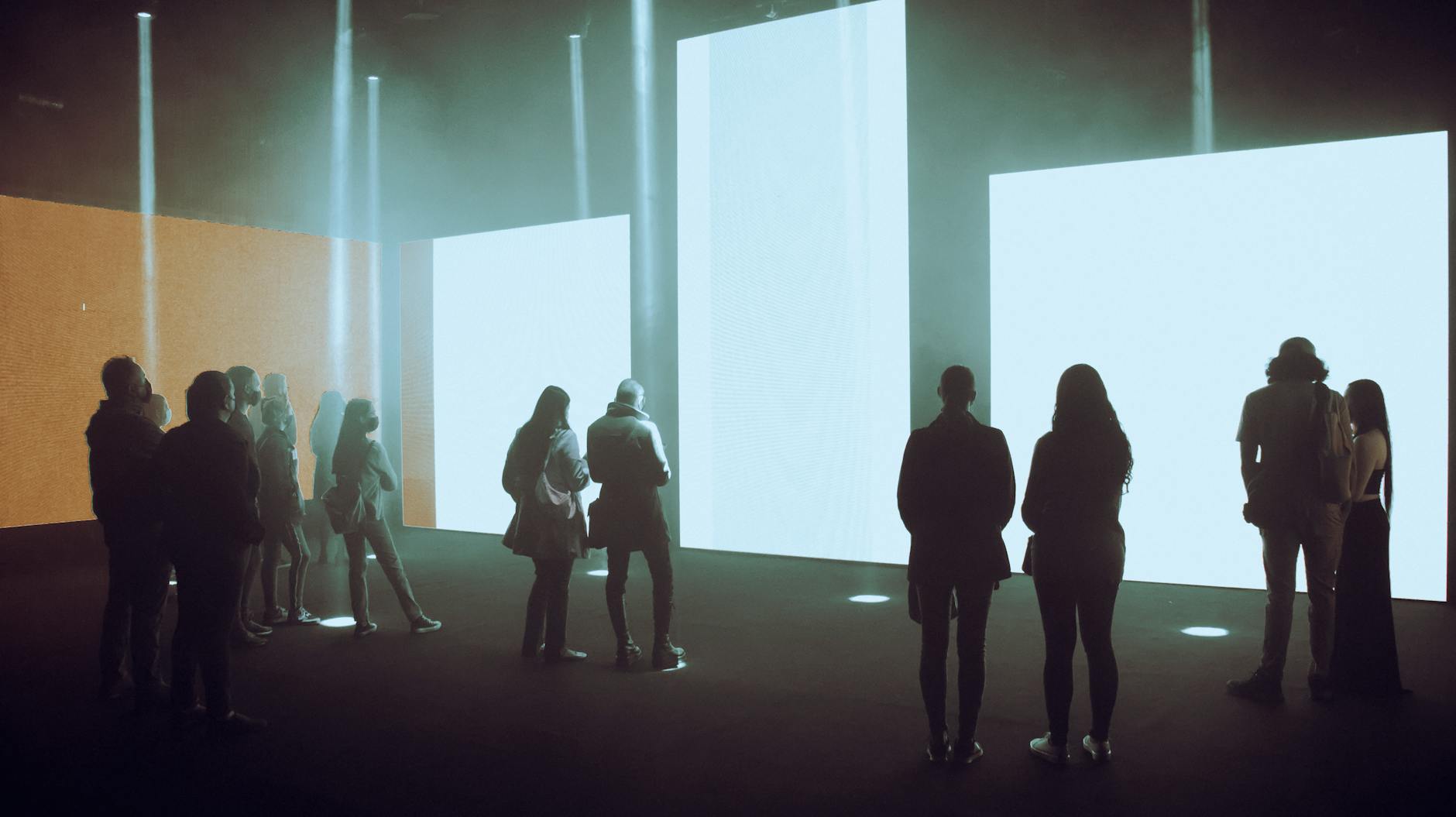
The Carrieres des Lumieres sits about 800 metres downhill from the village centre. It opened in its current form in 2012, taking over a disused limestone quarry that had been used as a backdrop for Jean Cocteau’s 1960 film The Testament of Orpheus. The concept is straightforward: 100 video projectors cast artworks onto the quarry’s walls, floors, pillars, and ceiling while music plays through speakers embedded in the rock. You walk through the space freely — there are no seats, no fixed viewpoints, no narration. The show runs on a loop of roughly 35-40 minutes, and most people stay for at least two cycles.
The exhibitions rotate annually. Past shows have featured Van Gogh, Klimt, Cezanne, and Monet. The current programme changes each spring — check the official site before booking if you want a specific artist.
How Tickets Work
Les Baux-de-Provence has two separate paid attractions, and each requires its own ticket:
Carrieres des Lumieres:
- Adults: around EUR 16-17 (roughly $18-19)
- Children 7-17: around EUR 11
- Under 7: free
- Timed entry slots — book online in advance to avoid the ticket queue
- Allow 60-90 minutes inside, though you could stay longer
Chateau des Baux (castle ruins):
- Adults: around EUR 12-14
- Children 7-17: reduced rate
- Under 7: free
- No timed entry — just show up
- Allow 1-2 hours depending on how much you explore
There’s a combo ticket available that covers both the Carrieres and the Chateau — it saves a few euros and makes sense if you’re doing both. You can buy tickets at the door, but during peak season (June through September, and all school holidays), the Carrieres frequently sells out by midday. Book online at least a day ahead during summer.
One thing that catches people off guard: the Carrieres is a working quarry cave, so the interior temperature hovers around 14-16 degrees Celsius year-round. Even in August, bring a light jacket.
Official Tickets vs Guided Tours
You have two main options for visiting Les Baux:
Self-guided (buy your own tickets, drive yourself): This makes sense if you have a rental car and want full control over your schedule. The village is small enough to explore in 2-3 hours, and you can linger at the Carrieres as long as you like. Parking costs about EUR 5-6 in the lots below the village. The downside is that the approach roads are narrow and parking fills up fast in summer — arriving before 10am helps enormously.
Guided day trip from a nearby city: This is the better option if you don’t have a car, or if you want to combine Les Baux with other Provence highlights in one day. Most tours depart from Avignon, Aix-en-Provence, or Marseille and combine Les Baux with stops at Saint-Remy-de-Provence, the Pont du Gard, or the lavender fields. The trade-off is less time at each stop — typically 45-90 minutes at Les Baux itself.
My recommendation: if you’re based in Avignon or Aix and only have one day for the area, a guided tour covers a lot of ground efficiently. If you have your own wheels and more flexibility, go independent and give Les Baux a full half-day.
The Best Les Baux-de-Provence Tours to Book
1. Carrieres des Lumieres Entry Ticket — $19
This is the straightforward option: a timed entry ticket to the Carrieres des Lumieres, booked through GetYourGuide. At $19 per person, it’s essentially the same price as buying direct from the official site, but with the added convenience of having everything in one booking platform if you’re juggling multiple activities across your trip.
The ticket gives you unlimited time inside the quarry space. Most people end up watching the full projection loop at least once, which takes about 35-40 minutes. But there’s nothing stopping you from staying for two or three cycles — the experience changes depending on where you’re standing, and moving to different spots in the cavern reveals entirely different perspectives on the same artwork.
This is the most reviewed Les Baux ticket on the major platforms, and the booking process is about as simple as it gets. Timed entry means you pick your slot when booking, show up at that time, and walk in. If you want to pair this with the castle ruins, buy that ticket separately at the door or grab the combo at the Carrieres ticket office.
2. Pont du Gard, Saint-Remy & Les Baux Half-Day Tour from Avignon — $104
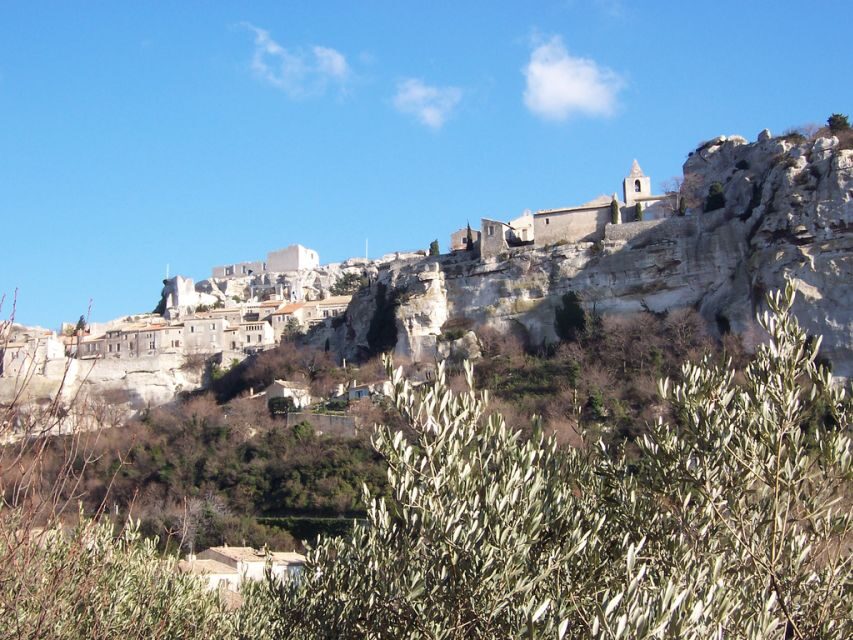
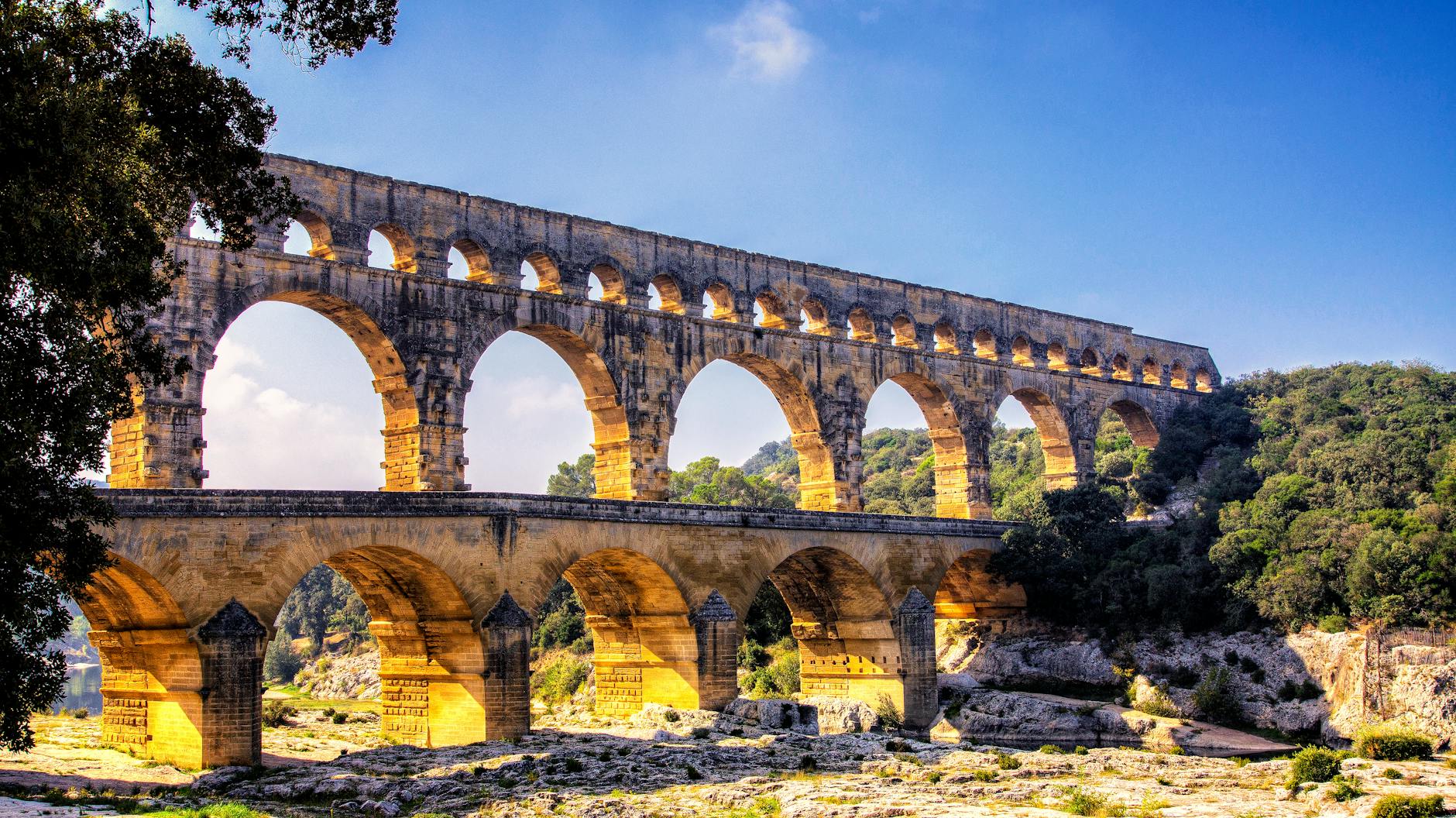
This is the tour I’d pick if I were based in Avignon with half a day free. Five hours, small group, and three stops that would take a full day to coordinate independently: the Pont du Gard (the 2,000-year-old Roman aqueduct that’s somehow still standing), Saint-Remy-de-Provence (where Van Gogh painted Starry Night from his asylum window), and Les Baux-de-Provence itself.
At $104, the price makes more sense when you factor in what you’d spend on petrol, tolls, and parking at three separate locations — plus the guide handles all the logistics and fills in the historical context. Reviews consistently mention a guide named Emile, who apparently has an almost encyclopedic knowledge of the area and delivers it in a conversational way rather than a rehearsed script.
The trade-off is time at each stop. You won’t have long enough at Les Baux to do both the Carrieres and the castle. But you’ll see the Pont du Gard, which is hard to reach by public transport, and Saint-Remy has a charm that’s easy to miss if you’re only focused on Les Baux.
3. Provence Highlights Full-Day Tour from Avignon — $157
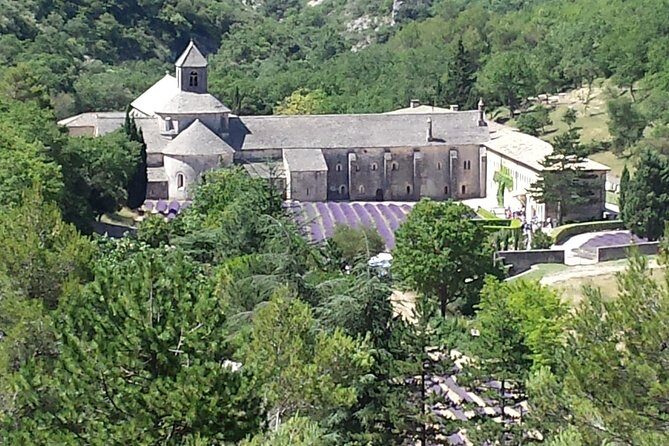
If you want the full immersion and have an entire day to give, this 9.5-hour tour from Avignon covers the most ground. It covers the major hilltop villages, Roman monuments, and — depending on the season — the lavender fields that Provence is famous for. Les Baux is one of several stops, so you get it in context rather than isolation.
At $157, it’s the most expensive option on this list, but it includes a lunch stop and a full day of guided exploration. The group size maxes out at around 8, which keeps the experience personal. One reviewer mentioned their group was just two people, which essentially made it a private tour at the small-group price.
The guide makes or breaks a full-day tour, and this one has a perfect 5-star rating across hundreds of reviews. The Viator listing specifically calls out the Mistral wind — Provence’s infamous cold northwesterly that can turn a pleasant hillside walk into something that feels like standing inside a wind tunnel. The guides know which stops to prioritise based on weather conditions, which is genuinely useful when you’re trying to photograph hilltop villages.
When to Visit
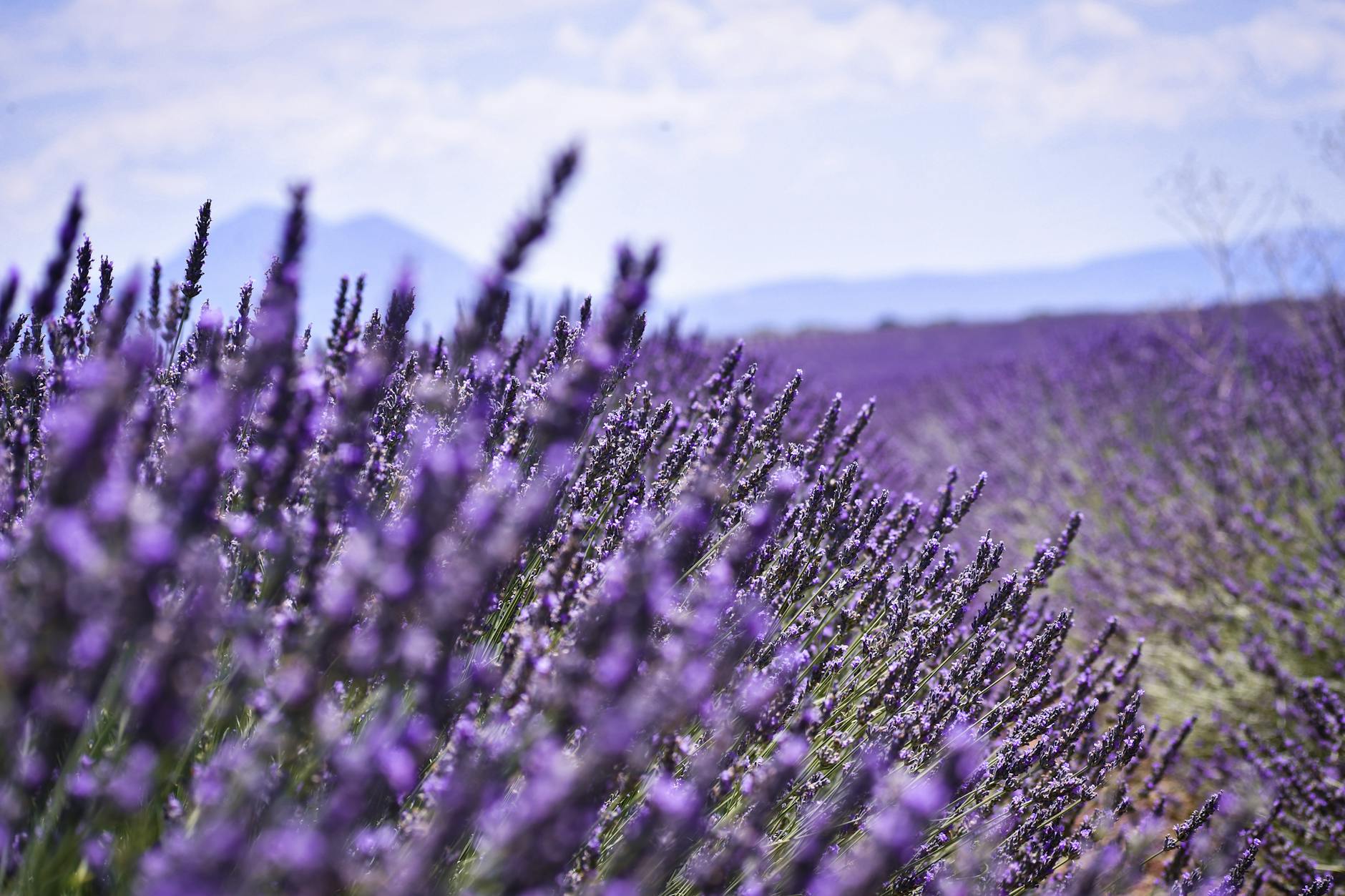
Best months: April, May, September, and October. The weather is warm enough to enjoy the outdoor castle ruins and village walks (18-25 degrees Celsius), but the crowds are manageable. June is lovely but gets busier as the lavender season approaches.
Peak season (July-August): Expect long queues at the Carrieres if you haven’t pre-booked, packed parking lots, and narrow village streets that feel claustrophobic. The upside: lavender is in full bloom nearby, and the castle does its trebuchet demonstrations. If you must go in summer, arrive before 9:30am or after 4pm.
Off-season (November-March): The Carrieres des Lumieres stays open year-round, and the quarry cave’s stable temperature means the experience is identical in January and July. The castle ruins can be bleak in winter, but the village is atmospheric when it’s quiet — you can actually hear your footsteps on the cobblestones.
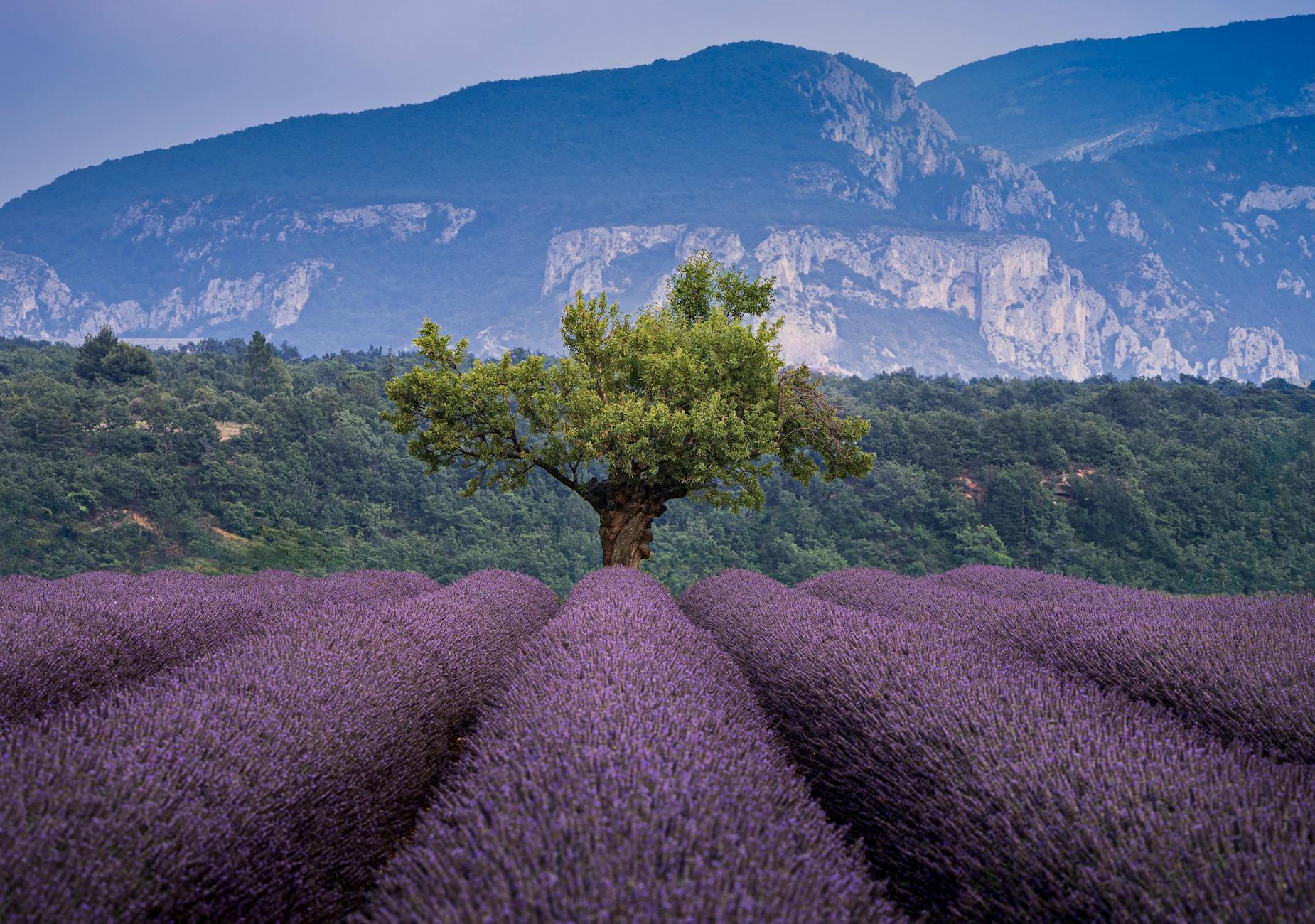
Time of day: Early morning is best for the castle ruins — the light is softer and you can actually get photos without 40 people in frame. Aim for the Carrieres either first thing when it opens or in the last 2 hours before closing, when the initial rush has passed. The projection show hits differently in the late afternoon when you’re slightly tired and your eyes have adjusted to the dark.
Opening hours: Both the Carrieres and the Chateau typically open at 9:30am. The Carrieres closes between 6pm and 7:30pm depending on the month. The castle stays open slightly later in summer. Check the official sites for exact times, as they shift seasonally.
How to Get There
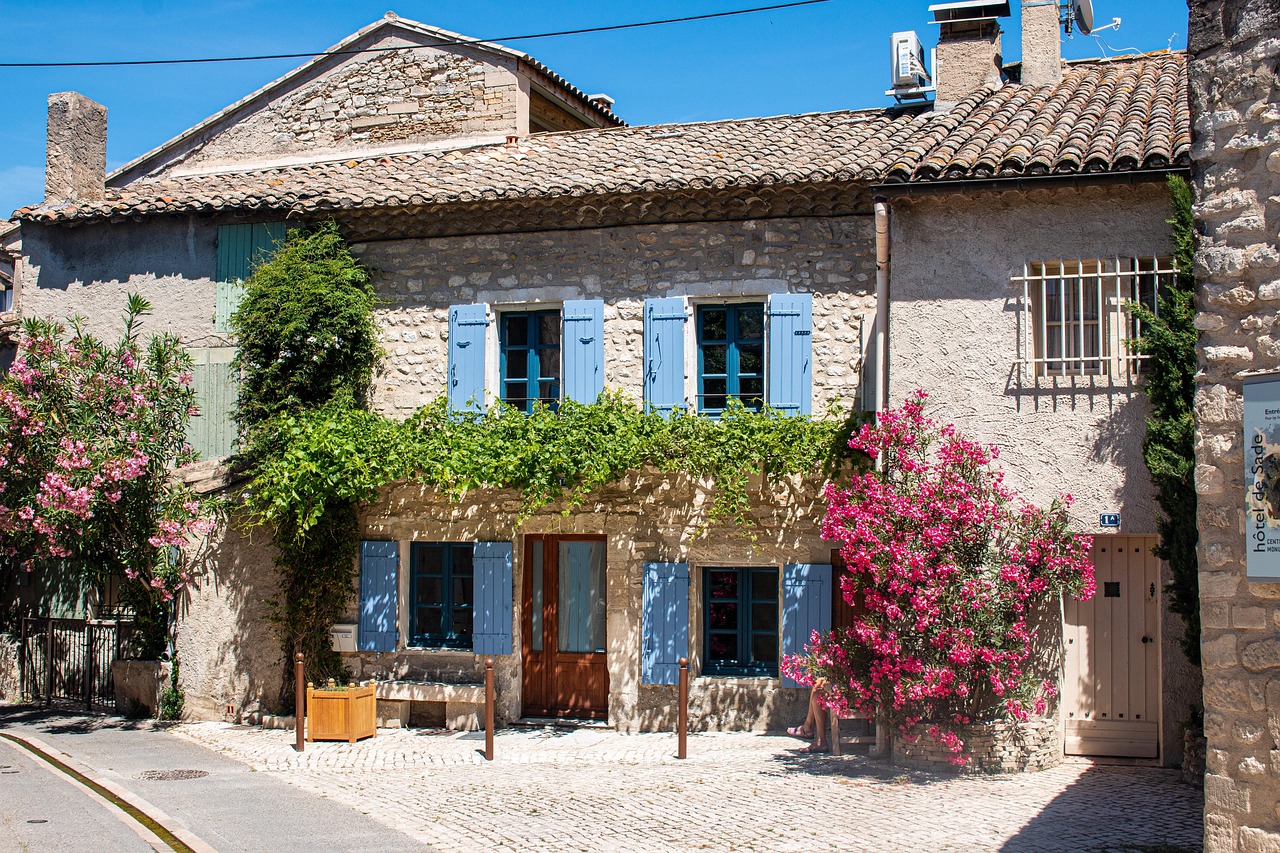
By car (the easiest option): Les Baux is about 30 minutes from Arles, 30 minutes from Avignon, 45 minutes from Aix-en-Provence, and 75 minutes from Marseille. The D27 road from Saint-Remy-de-Provence winds through olive groves and into the Alpilles — it’s one of the more scenic short drives in Provence. Three car parks sit below the village: follow the signs and take whichever has space. Expect to pay EUR 5-6 for parking.
By bus: There’s no direct bus to Les Baux from any major city. The closest you can get by public transport is Saint-Remy-de-Provence (accessible by bus from Avignon, roughly 40 minutes). From Saint-Remy, it’s about 10km to Les Baux — you’d need a taxi, a very determined walk, or a rental bike with good legs for the climb.
By guided tour: This is genuinely the most practical option if you don’t have a car. The half-day tour from Avignon or full-day tour both handle transport, which eliminates the parking headache and the narrow-road anxiety.
Tips That Will Save You Time
Buy Carrieres tickets online. I can’t stress this enough. The ticket office queue can stretch 30-45 minutes in peak season, and if it sells out, you’ve driven to a tiny hilltop village for nothing. Online tickets cost the same and guarantee your time slot.
Bring a jacket for the Carrieres. The quarry cave sits at a steady 14-16 degrees Celsius regardless of the outside temperature. In summer, you’ll go from 35-degree heat into what feels like walking into a fridge. A light layer saves you from spending the whole show hugging your arms.
Wear proper shoes. The castle ruins involve uneven rocky terrain and some scrambling. The village cobblestones are slippery when wet. Sandals are fine for the Carrieres but not for the clifftop.
Visit the castle first, Carrieres second. The castle involves more physical effort (climbing, walking on rough paths), so tackle it while you’re fresh. The Carrieres is a cool, dark, meditative experience — perfect for the afternoon when your feet are tired and you want to stand still and absorb something beautiful.
Eat before or after, not during. The restaurants in Les Baux village are fine but expensive and slow-serviced — classic tourist-trap pacing. If you’re on a day trip, eat in Saint-Remy-de-Provence instead (15 minutes away, better value, wider selection). Or pack a picnic and eat at one of the overlook points along the D27 road.
Skip the gift shop rush. The Carrieres exit funnels you through a gift shop. If you want to browse, come back to it after walking around the village rather than joining the immediate post-show scrum.
What You’ll Actually See
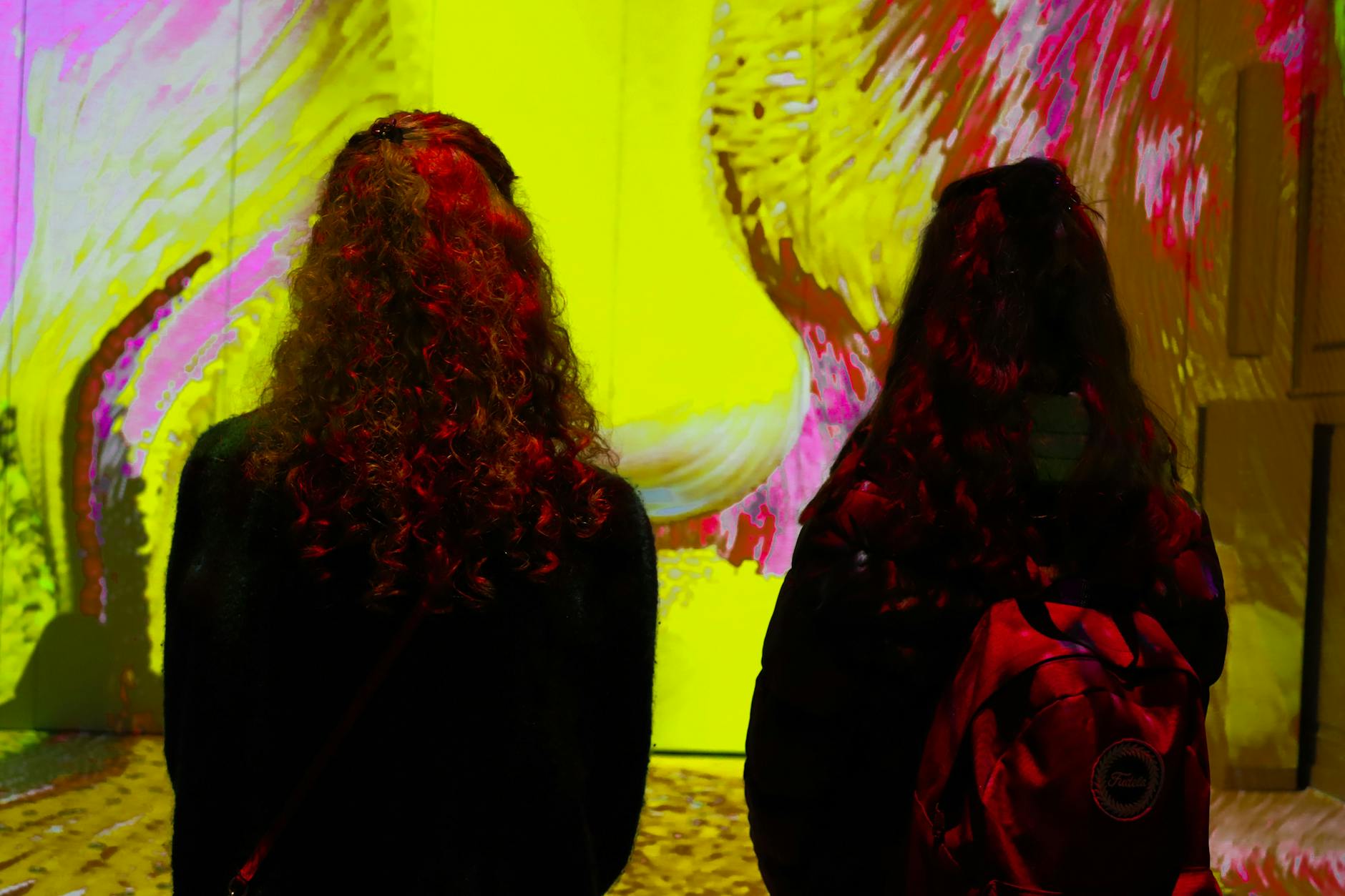
Inside the Carrieres des Lumieres: The quarry cavern is genuinely massive — about 7,000 square metres of projection surface across walls, floors, and columns that reach up to 14 metres. You enter through a short tunnel and then the space opens up in front of you. The projections start immediately and wrap around every surface. There’s no designated path; you just walk wherever you want. Some people sit on the floor in the centre. Others lean against pillars and watch the images wash over them. Kids tend to chase the colours on the floor.
The main show runs about 35 minutes and features one major artist or theme per year. There’s usually a shorter secondary show (10-15 minutes) that runs immediately after. The loop then repeats. Two full cycles gives you the best sense of the space.
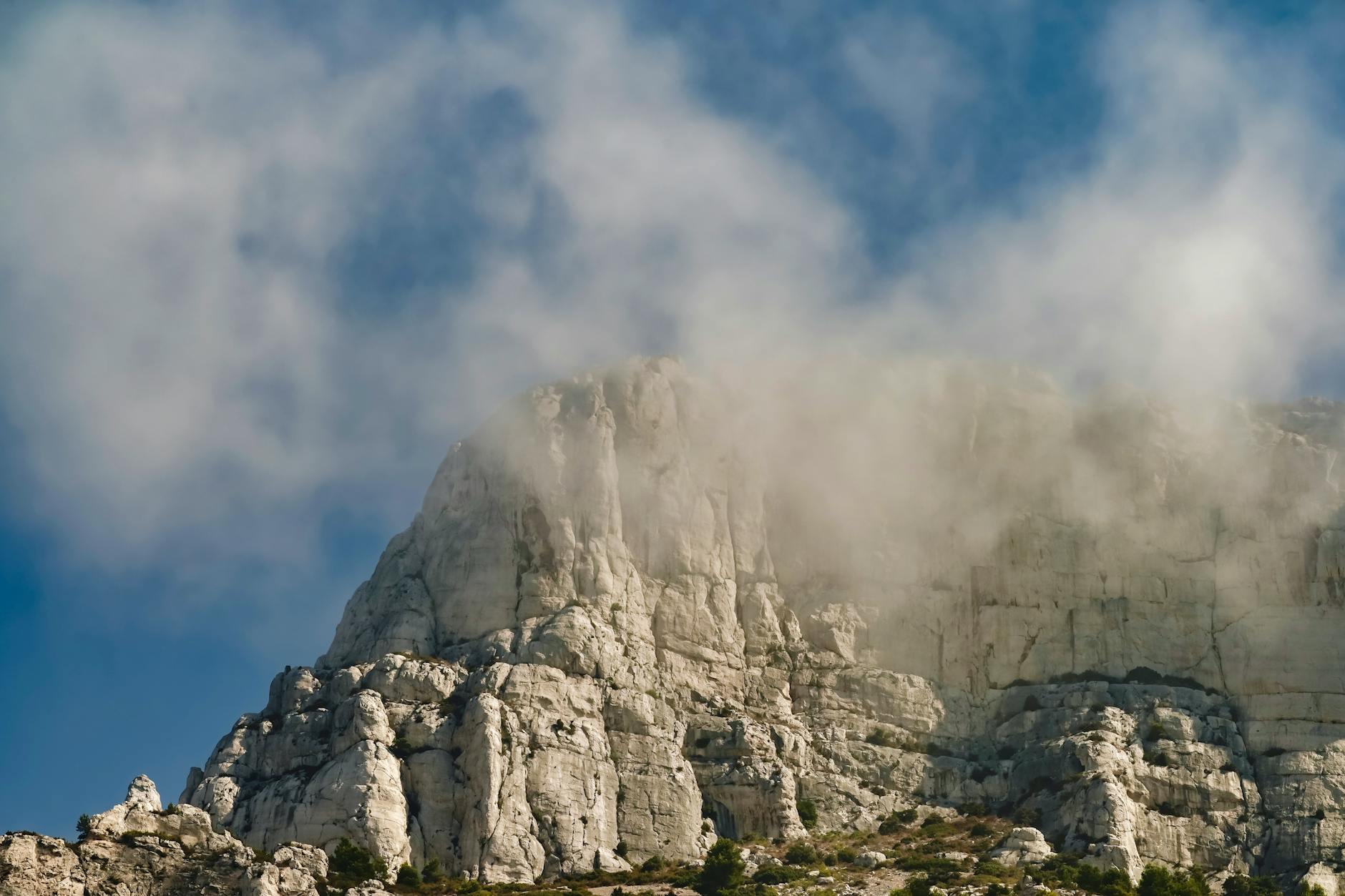
The Chateau des Baux (castle ruins): The fortress occupies the entire top of the limestone outcrop — about 7 hectares in total. You’ll see the remains of the 13th-century keep, the Chapel of Saint-Blaise (which shows a short film about the history of the Lords of Baux), and several reconstructed medieval siege weapons including a battering ram and a trebuchet. In summer, they fire the trebuchet in demonstrations — it launches stone projectiles across the valley, which is exactly as dramatic as it sounds.
The views from the castle are the real highlight. On a clear day, you can see across the Alpilles to the Camargue wetlands in the south, the Rhone valley to the west, and the Luberon hills to the northeast. Dante is said to have visited this area, and the craggy white limestone landscape supposedly influenced his descriptions of the rocky terrain in the Inferno.
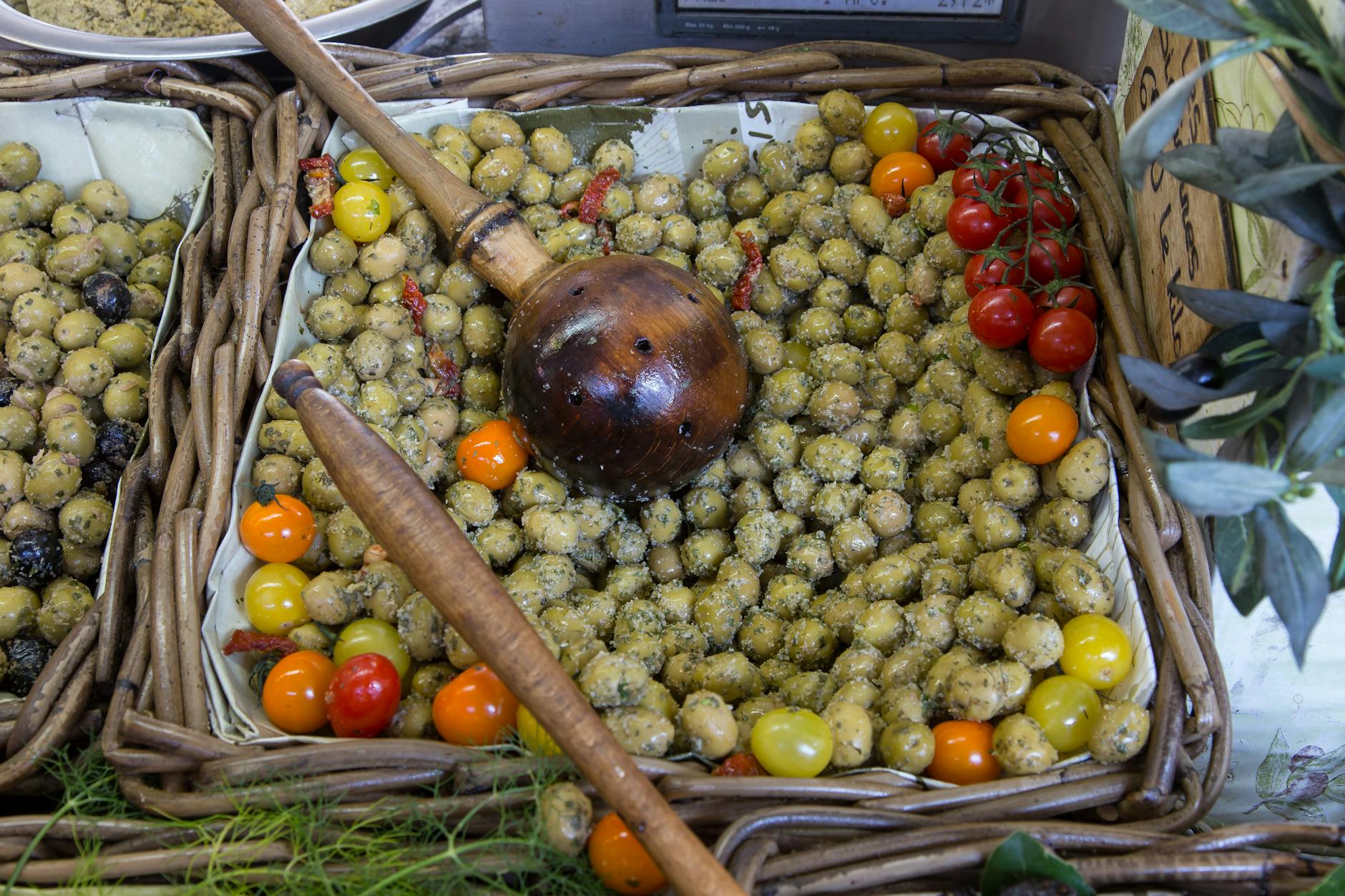
The village: The old centre is car-free and compact — you can walk every street in about 30 minutes. It’s mostly galleries, craft shops, olive oil producers, and ice cream stands. The Musee des Santons (traditional Provencal figurines) is worth a quick look if you’re passing. The village church, Saint-Vincent, has a modest Romanesque interior and a stained-glass window donated by the Prince of Monaco.
More Provence Guides
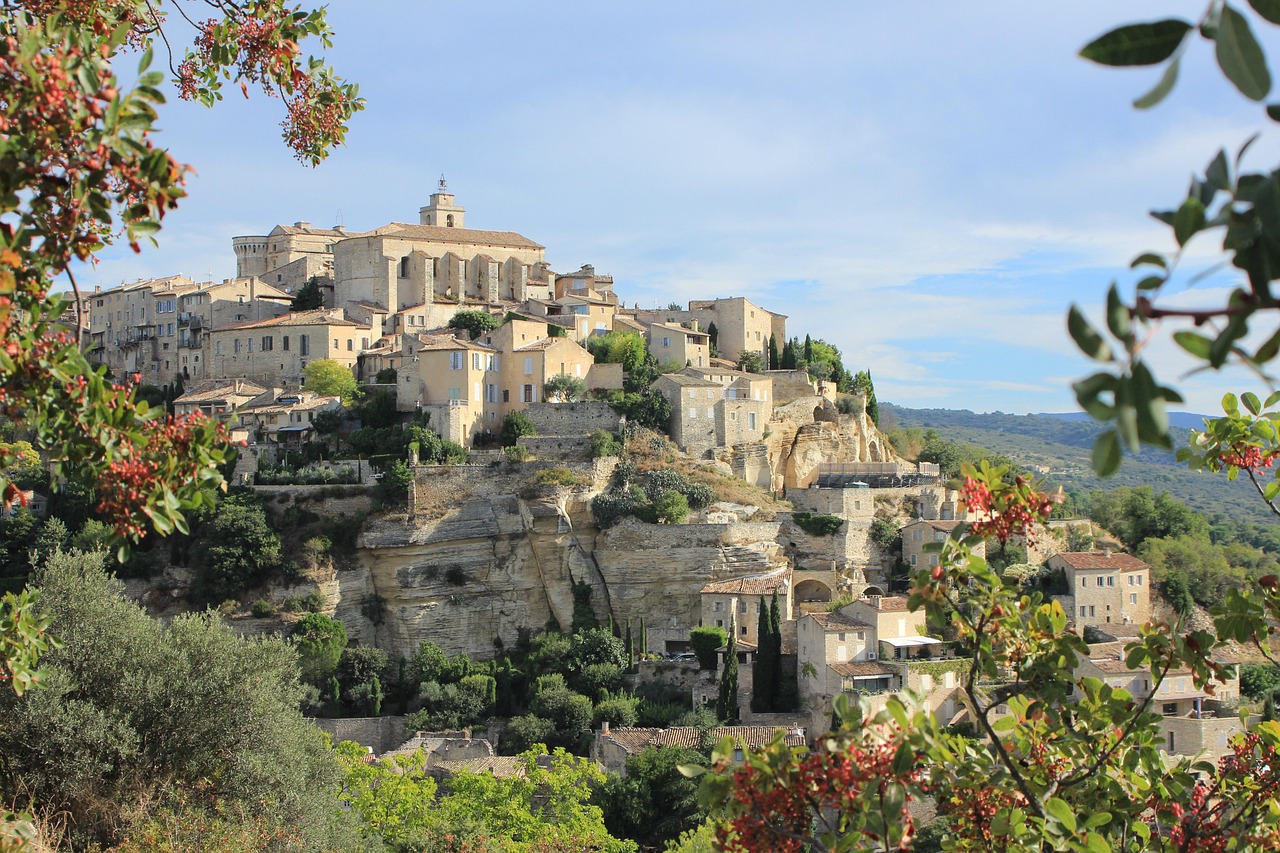
Les Baux pairs naturally with the rest of southern Provence. If you’re in the Arles area, a Camargue safari from Arles takes you into the wild wetlands south of the city — white horses, pink flamingos, and flat salt marshes that feel like a completely different planet from the Alpilles. From Marseille, the Calanques boat tour is one of the best coastal experiences in France, with turquoise water cutting into white limestone cliffs. And if you want more dramatic scenery, the Gorges du Verdon — about 90 minutes east — is Europe’s answer to the Grand Canyon. A few of these combined make for an excellent week in Provence.
This article contains affiliate links. If you book through our links, we earn a small commission at no extra cost to you. This helps us keep producing free travel guides.