
Bordeaux’s 18th-century city centre is the largest urban UNESCO World Heritage Site in the world. I mention that upfront because it changes how you think about a walking tour here. This isn’t a city where you tick off a few highlights and move on. The entire grid — every limestone facade, every grand square, every quay along the Garonne — is the attraction.
And that is exactly why doing it with a guide makes such a difference. I spent my first afternoon in Bordeaux wandering solo, and it was pleasant enough. Pretty streets, nice light, good coffee. But I walked right past buildings with stories I only learned about later, on a guided walk — how the grand townhouses along the waterfront were built with profits from the slave trade, how the entire city was rebuilt by royal governors in the 1700s, how the Place de la Bourse was deliberately designed to stun merchants arriving by river.
The solo walk was nice. The guided one was actually interesting.
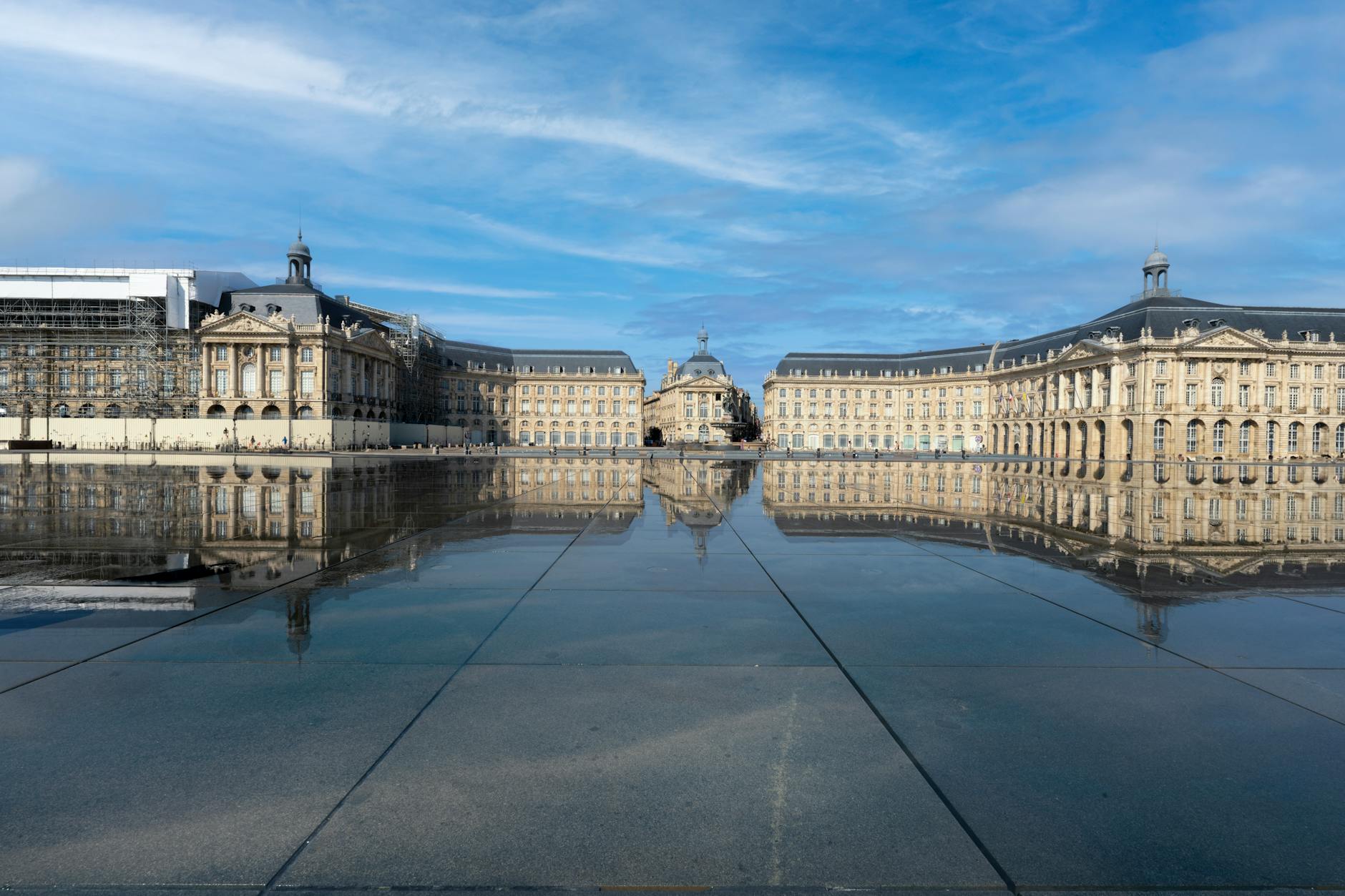
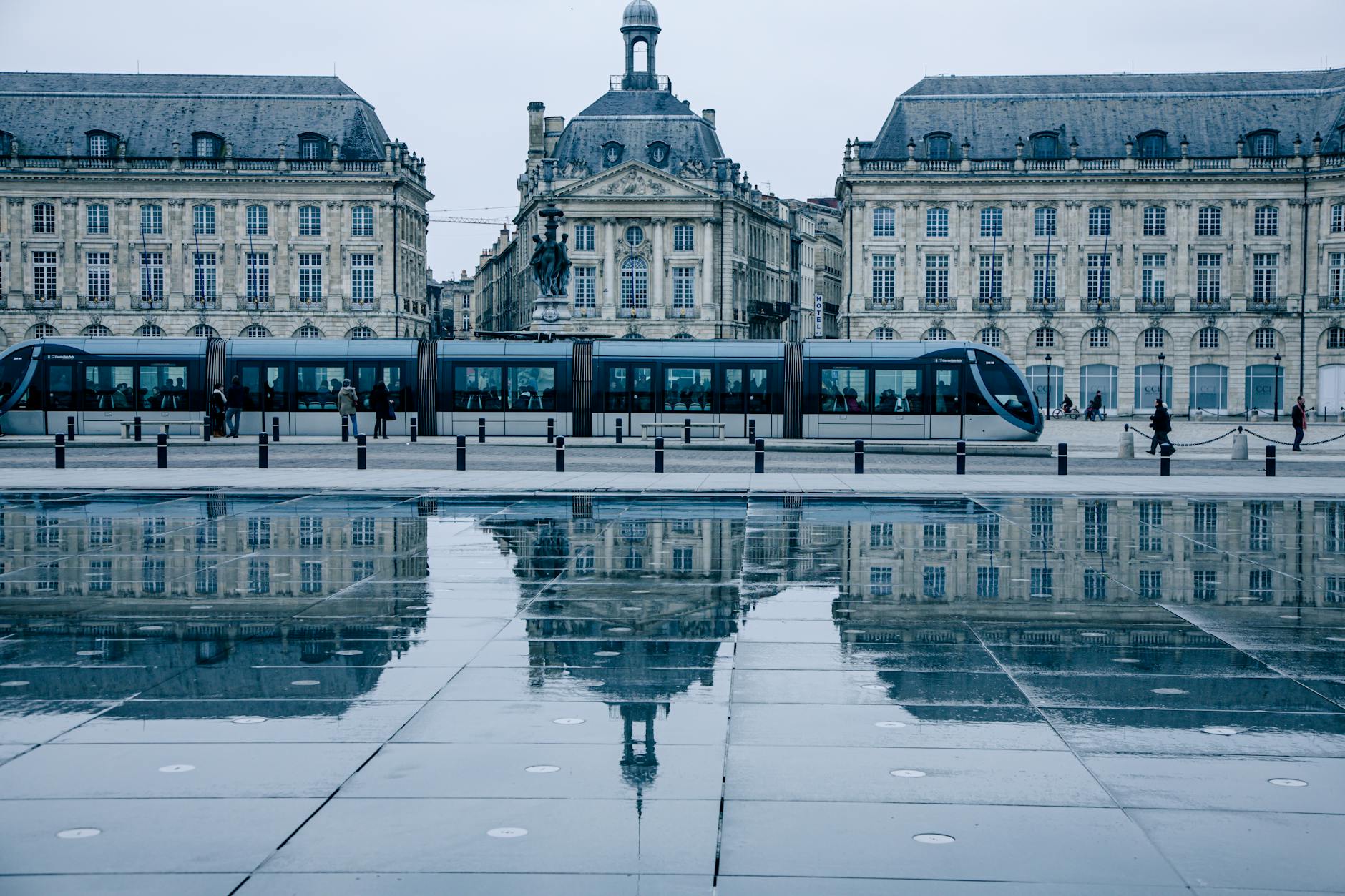
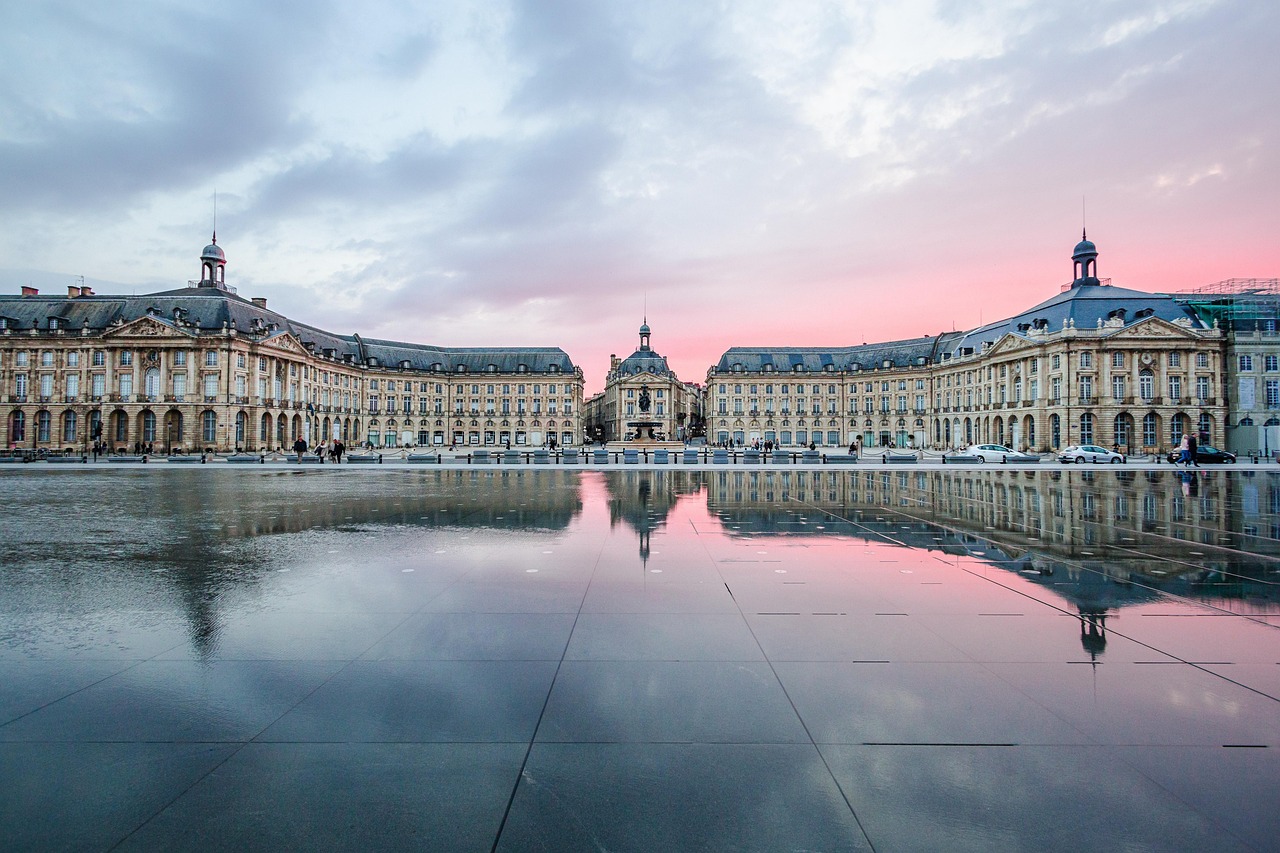
Best overall: Bordeaux: Guided Walking Tour — $17. The tourism office’s own 2-hour tour. Covers all the major UNESCO sites with a local guide who actually knows the history, not just the highlights reel.
Best on two wheels: Bordeaux: Historic Center & Chartrons District Bike Tour — $42. Three hours, covers more ground than any walking tour, and includes a canele tasting. Bordeaux is dead flat, so even casual cyclists are fine.
Best for something different: Bordeaux: Mystery and Myths Walking Tour — $20. Skips the standard script and digs into the medieval legends and dark corners most tours ignore.
- What a Walking Tour in Bordeaux Actually Covers
- Walking Tour vs Bike Tour vs Going Solo
- The Best Bordeaux Walking and Bike Tours to Book
- 1. Bordeaux: Guided Walking Tour —
- 2. Bordeaux: Historic Center & Chartrons District Bike Tour —
- 3. Bordeaux: Mystery and Myths Walking Tour —
- When to Book a Bordeaux Walking Tour
- How to Get to the Tour Meeting Points
- Tips That Will Save You Time
- What You’ll Actually See on the Walk
- The Pont de Pierre and the River Walk
- Beyond the Centre: Chartrons and the Quays
- Planning the Rest of Your Bordeaux Trip
What a Walking Tour in Bordeaux Actually Covers
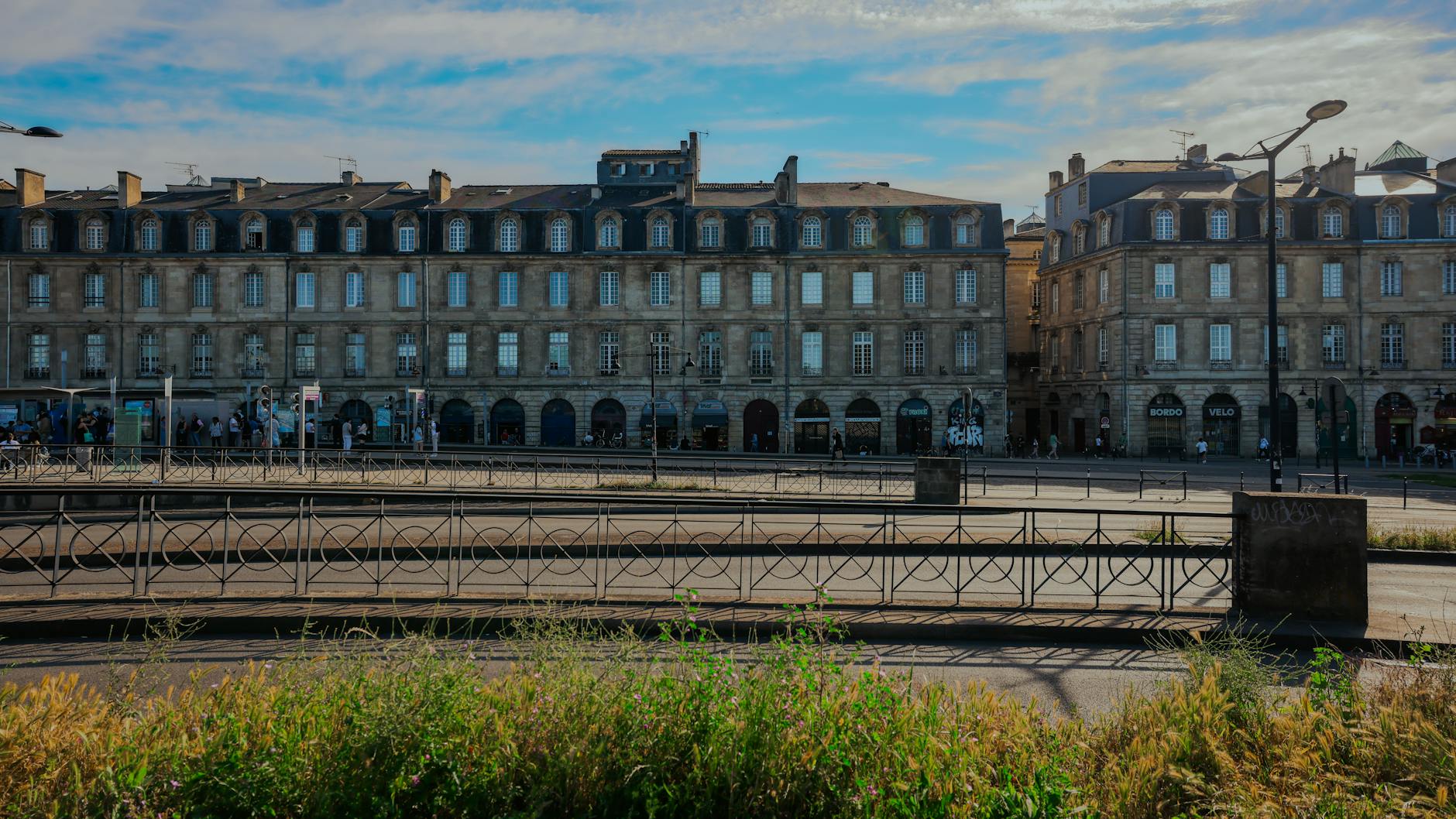
Most Bordeaux walking tours follow roughly the same loop through the old centre. You will hit the Place de la Bourse (the one with the famous Water Mirror reflection), the Gothic Saint-Andre Cathedral, the medieval Grosse Cloche belfry, the Grand Theatre, and the quays along the Garonne. Some extend into the Chartrons district, which was historically the wine merchants’ quarter.
The standard route is about 3-4 kilometres on flat ground. Nothing strenuous. But the real differences between tours come down to what the guide chooses to talk about. The official tourism office tour leans toward architecture and urban planning — how the Intendants redesigned the city in the 1700s, why the facades all match, what the UNESCO listing actually means. The mystery tour goes darker, covering medieval legends, plague history, and the stories the tourist brochures skip.
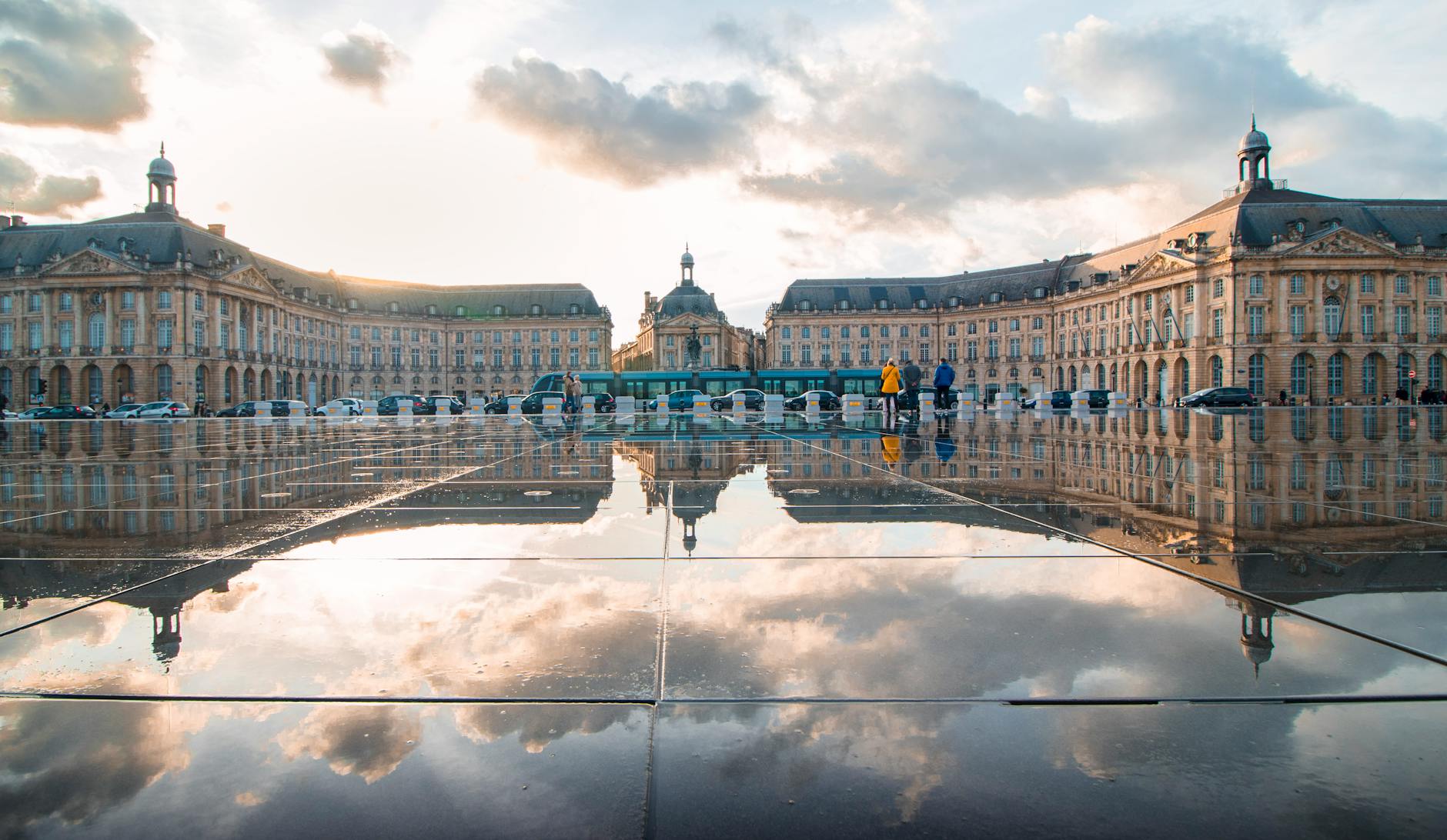
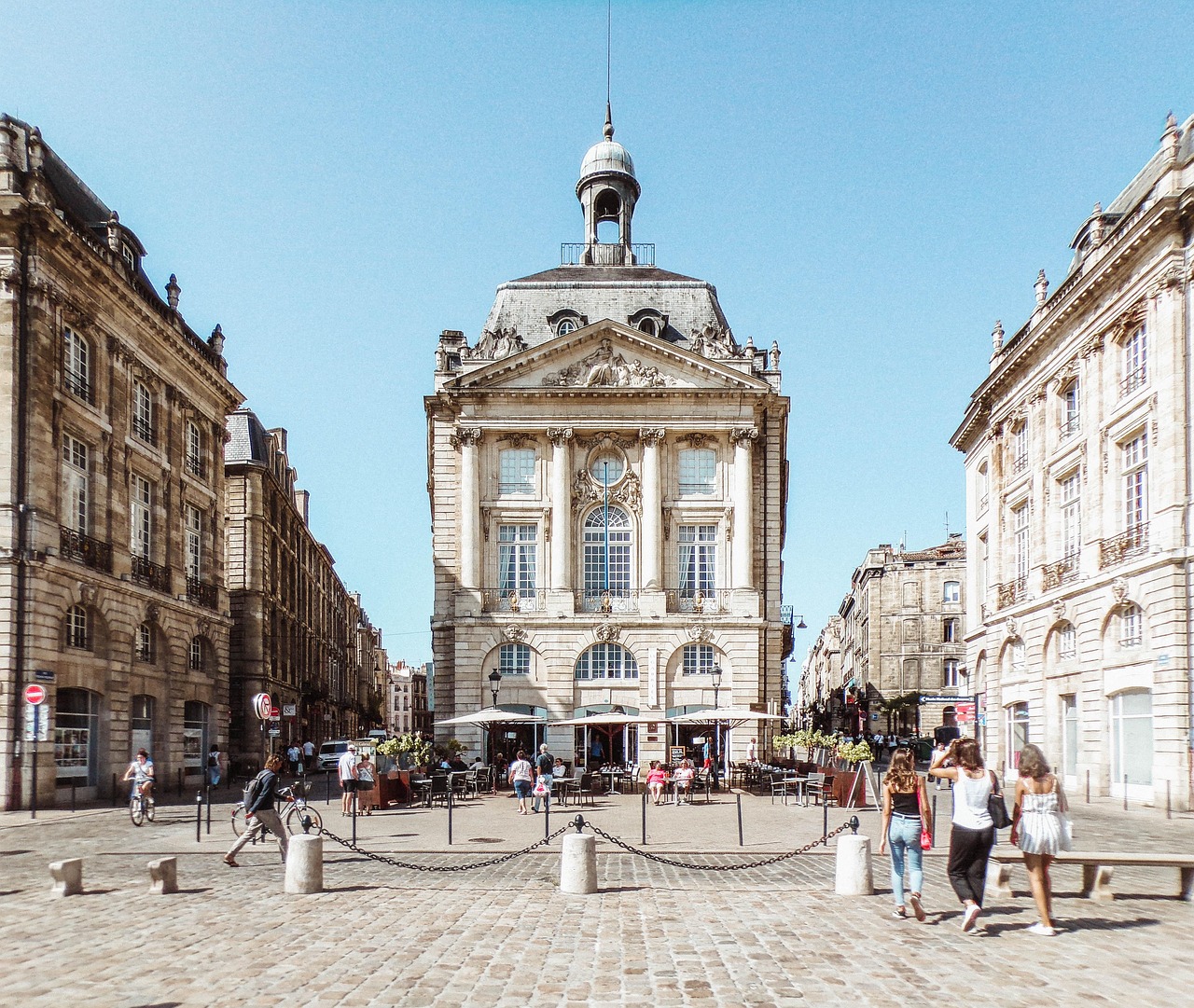
One thing almost every tour covers: the Miroir d’eau (Water Mirror) in front of the Place de la Bourse. It is the world’s largest reflecting pool, and on a still day it creates that postcard reflection of the 18th-century facade. The effect cycles every 15 minutes — mirror, then mist, then mirror again.
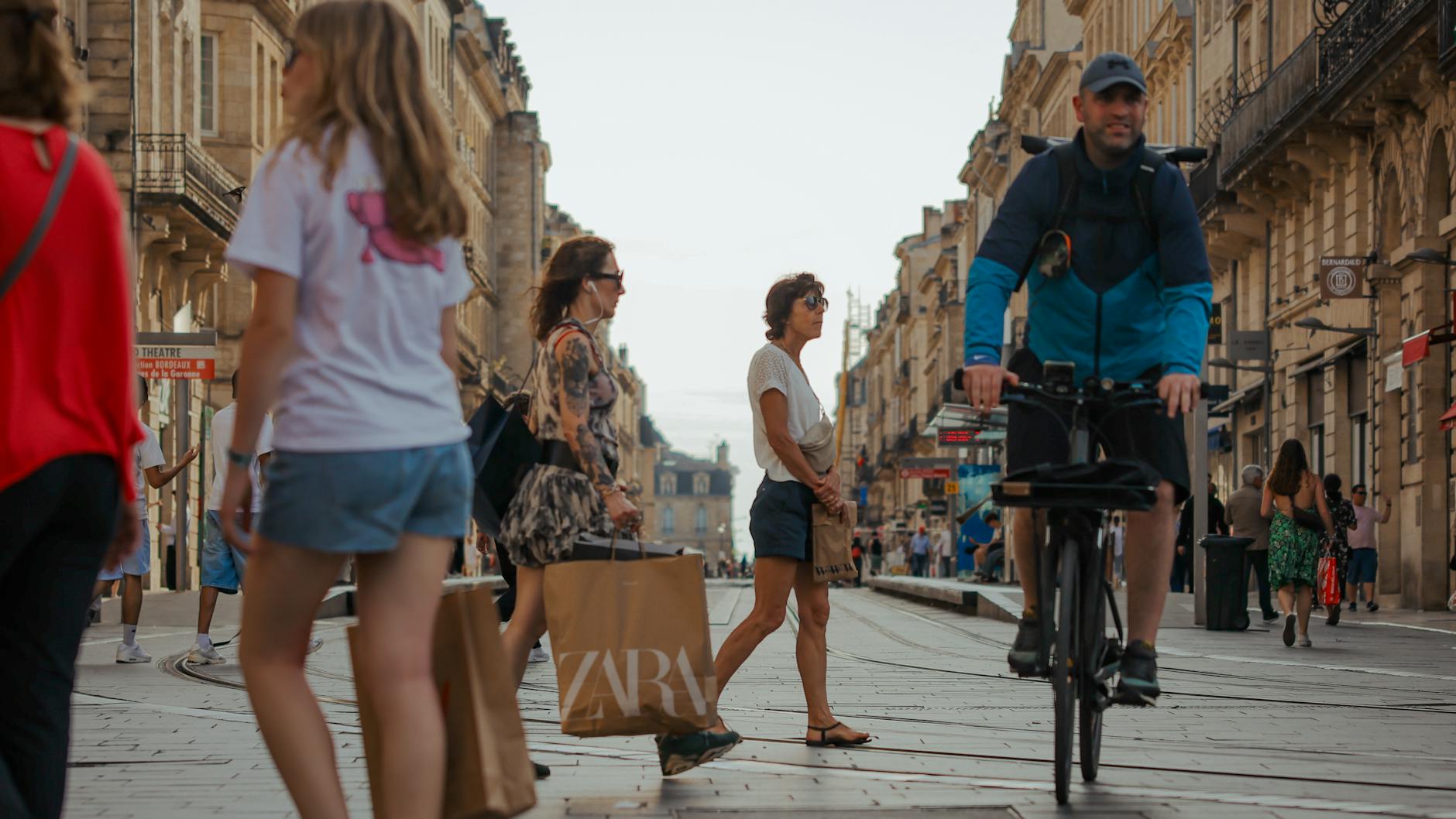
Walking Tour vs Bike Tour vs Going Solo
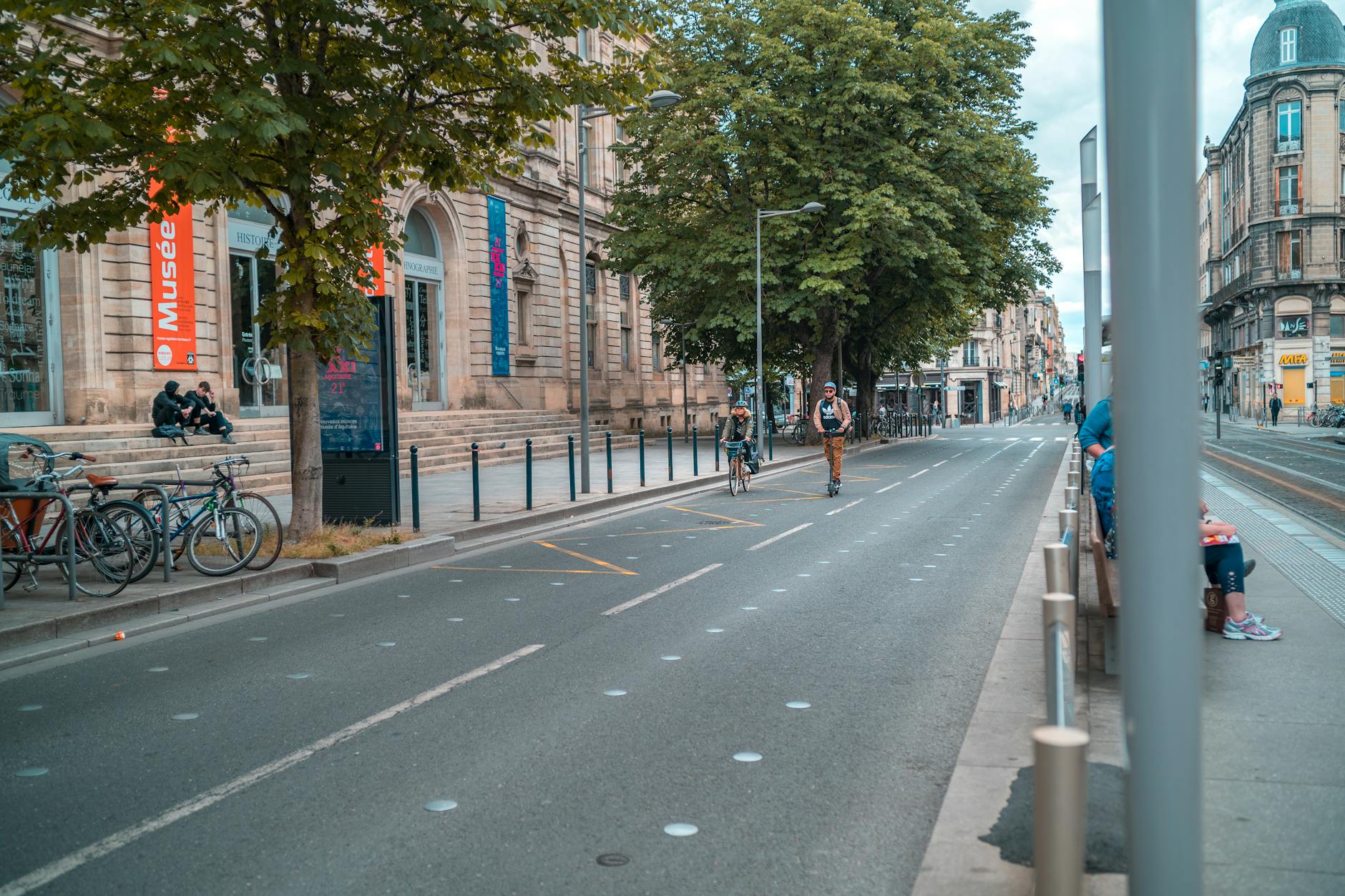
You have three real options for exploring Bordeaux on your own terms, and each suits a different kind of traveller.
Walking tours (1.5-2 hours, $17-20) are the cheapest and simplest. You cover the core old town on foot, get the historical context you would miss solo, and are done by lunchtime. The downside: you only cover a small area. Most tours stick to the triangle between the cathedral, Place de la Bourse, and the Grand Theatre. That is maybe 20% of what is worth seeing.
Bike tours (3 hours, ~$42) cover significantly more ground. The Chartrons district, the quays along the river, Pont de Pierre — you see the full shape of the city, not just the tourist centre. And Bordeaux is one of the flattest cities in France, so the cycling is genuinely easy. Most bike tours also include a canele tasting, which the walking tours do not.
Going solo works if you have done your research. But Bordeaux’s UNESCO significance is architectural and urban-planning based, which means the stories behind the buildings are the whole point. Without context, you are looking at pretty facades and not understanding why they matter. The city made its fortune from wine, slaves, and sugar — the grand townhouses on the waterfront were built with profits from the triangular trade, and this is something a good guide will explain in a way no plaque on a wall can.
The Best Bordeaux Walking and Bike Tours to Book
I have picked three tours that each offer something genuinely different. One is the classic walking tour run by the tourism office itself, one covers serious ground on a bike, and one digs into the medieval mysteries most visitors never hear about. All three are well-reviewed and actually deliver on what they promise.
1. Bordeaux: Guided Walking Tour — $17
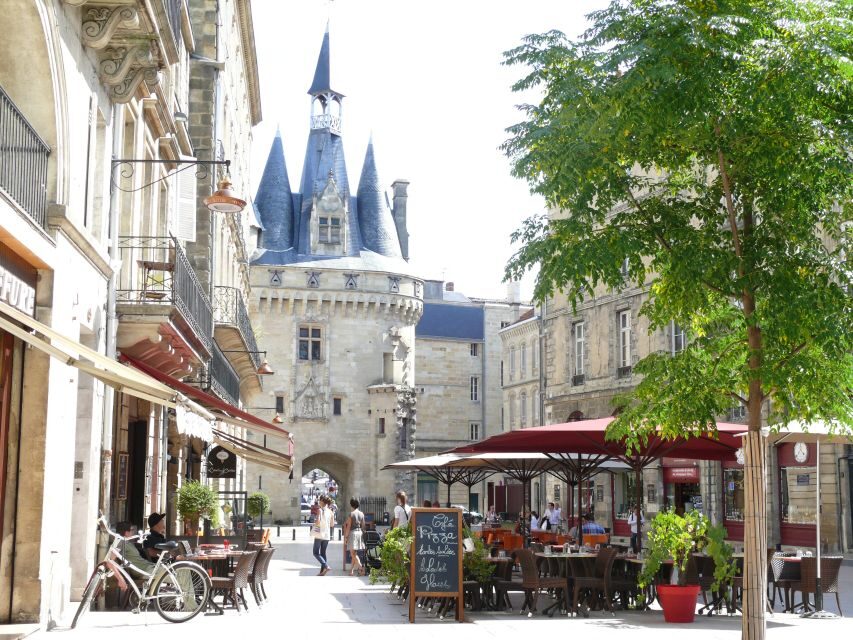
This is the one run by the Bordeaux Tourism Office, and it shows. The guides are local, knowledgeable, and clearly care about the city. Over about two hours you cover the major landmarks — Place de la Bourse, the Cathedral, the Grosse Cloche, the Grand Theatre — with proper historical context rather than just pointing at buildings.
At $17 per person, it is genuinely hard to beat. That is less than a glass of wine at most of the bars on the quays. The tour lasts about 105 minutes, which is enough to cover the essentials without dragging. One thing to note: the group can mix French and English speakers, and the guide switches between languages. That means you are hearing everything twice, which eats into the actual content time. Not a dealbreaker, but worth knowing.
This is the tour I would recommend for first-time visitors who want a solid grounding in what makes Bordeaux’s old town special. It pairs well with a Bordeaux wine tour in the afternoon — walk in the morning, drink in the afternoon. That is a good Bordeaux day.
2. Bordeaux: Historic Center & Chartrons District Bike Tour — $42
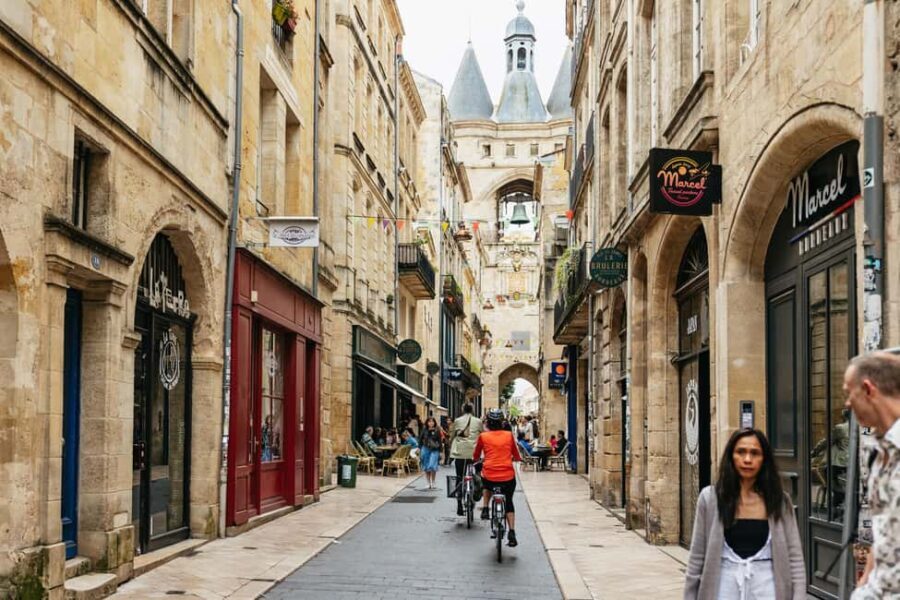
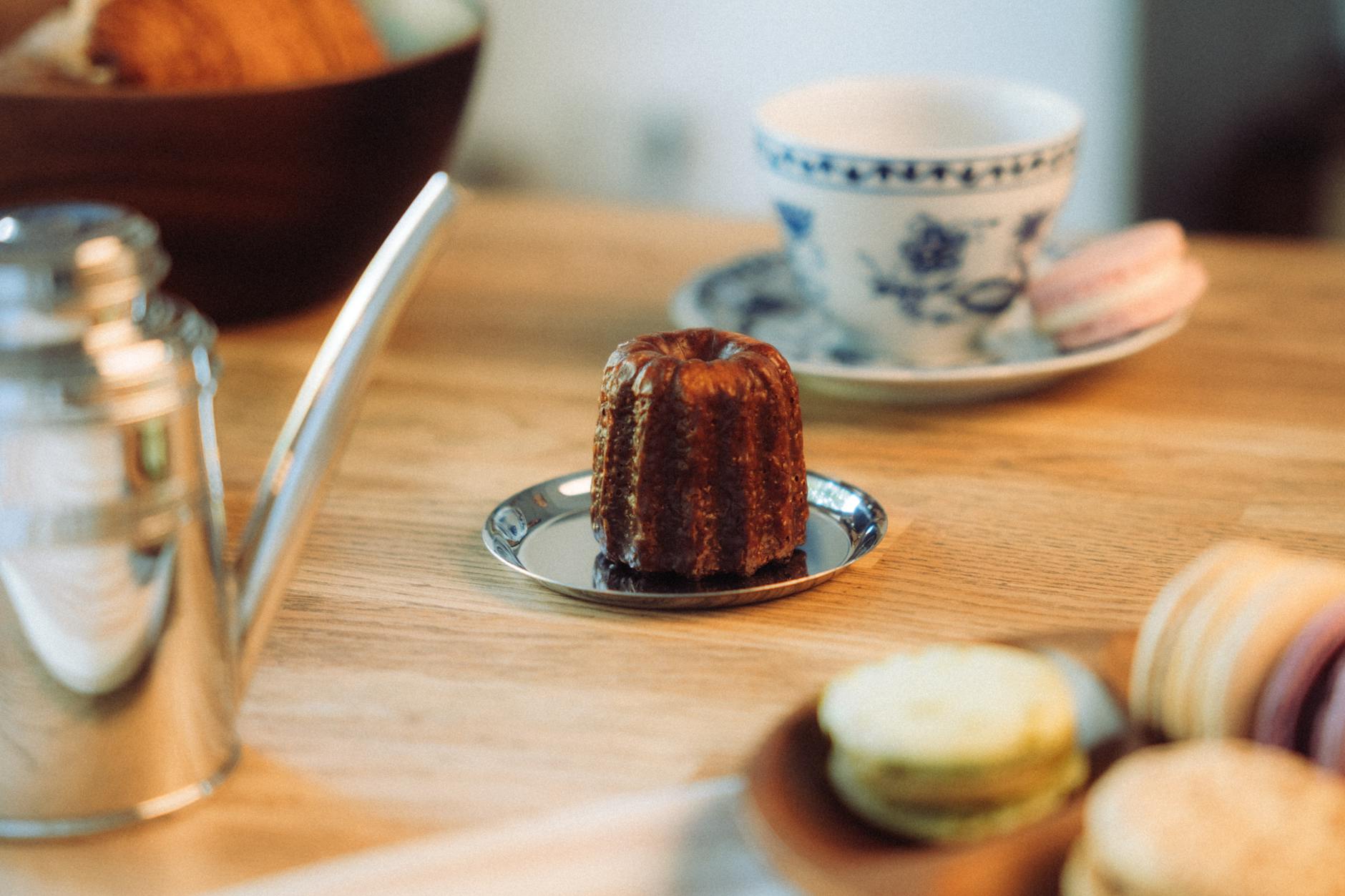
This is the one I would pick if I could only do one tour in Bordeaux. Run by Monsieur Bacchus Bike Tours, it covers the historic centre AND the Chartrons wine merchants’ district over three hours, and it includes a canele tasting. That last detail matters — caneles are to Bordeaux what macarons are to Paris, and tasting one fresh from a proper bakery is a highlight in itself.
At $42 per person, it is more than double the walking tour price, but you get triple the coverage and the canele stop. The guides from Monsieur Bacchus consistently get excellent feedback for being informative without being dry. The Chartrons district — the old wine merchants’ quarter north of the centre — is an area most walking tours skip entirely, and it has some of the best food shops and antique dealers in the city.
Bordeaux is dead flat. I want to stress this because people assume French cities are hilly. It is not. Even if you haven’t been on a bike in years, you’ll be fine. The routes are mostly on dedicated cycle lanes along the river and through the pedestrianised old town.
3. Bordeaux: Mystery and Myths Walking Tour — $20
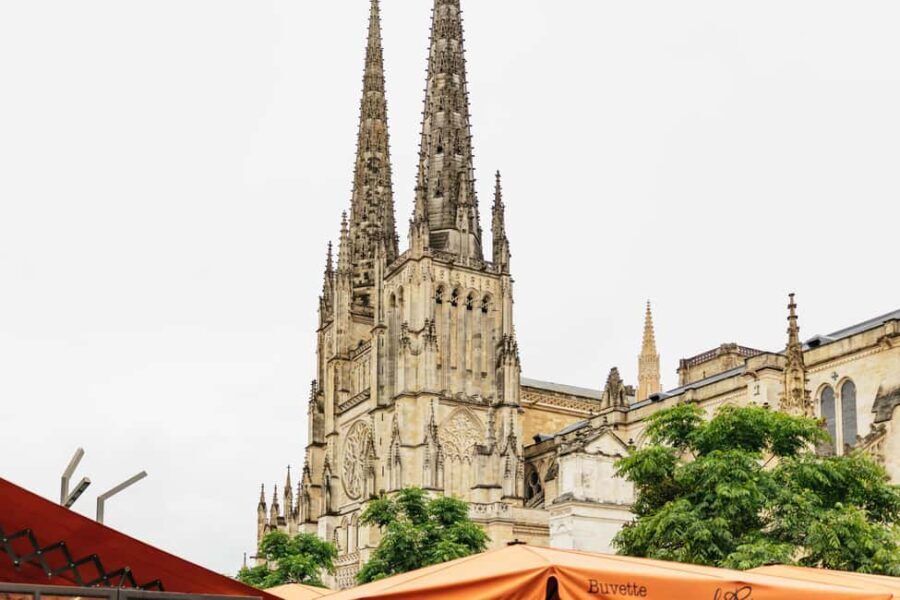
This is the one for repeat visitors or anyone who finds standard city tours a bit predictable. Run by My Urban Experience, the mystery tour skips the greatest-hits loop and instead digs into Bordeaux’s medieval past — legends, dark history, plague stories, and the narrow backstreets that most travelers walk right past.
At $20 per person for 90 minutes, the value is excellent. The guides are knowledgeable about a side of Bordeaux that the tourism office tour barely touches. If you have already done the main sights or you just prefer the darker, quirkier side of a city’s history, this is a better use of your time than a second standard walking tour.
One honest caveat: with fewer reviews than the main walking tour, this is a smaller operation. That usually means smaller groups (good) but less polish (fine, depending on your expectations). I’d pair this with the Bordeaux river cruise for a full day that covers both the glamorous 18th-century city and the medieval one hiding behind it.
When to Book a Bordeaux Walking Tour
Best months: April through June and September through October. The weather is warm enough to enjoy two hours outside without baking, and the tour groups are smaller than peak summer. July and August are hot (regularly 35C+) and the old town fills up with travelers. If you do go in summer, book a morning slot and finish before noon.
Best time of day: Morning tours, starting 9:30 or 10:00, get the best light and the smallest crowds at the Water Mirror. Late afternoon slots (around 4pm or 5pm) give you that golden hour light on the limestone — genuinely beautiful — but the squares are busier.
Worst time: Midday in July or August. Full sun on white limestone with no shade. Even the guides look miserable.
During WWII, the French government briefly relocated to Bordeaux twice — in 1870 and again in June 1940 when Paris was under threat. For a few days, Bordeaux was effectively the capital of France. Some of the better guides work this into the tour, though it depends who you get.
How to Get to the Tour Meeting Points
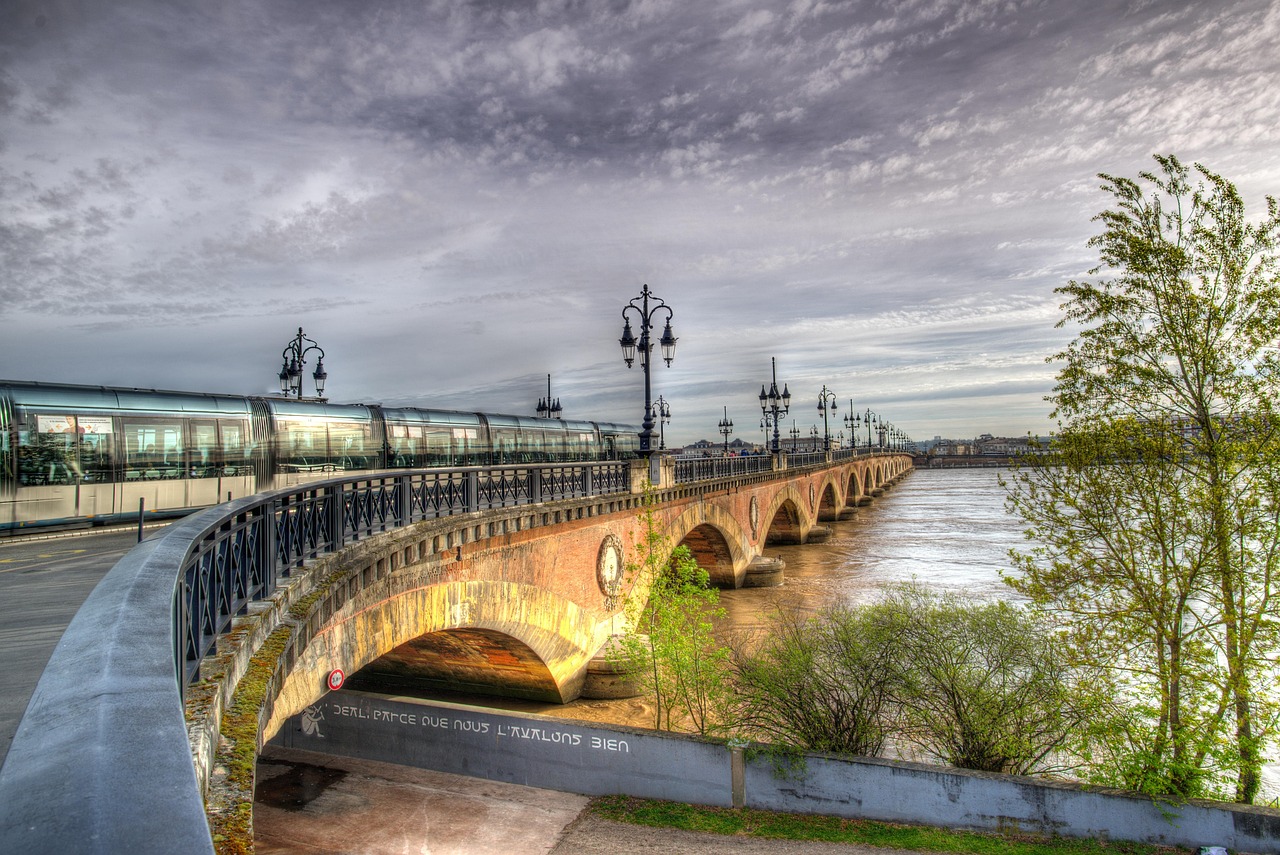
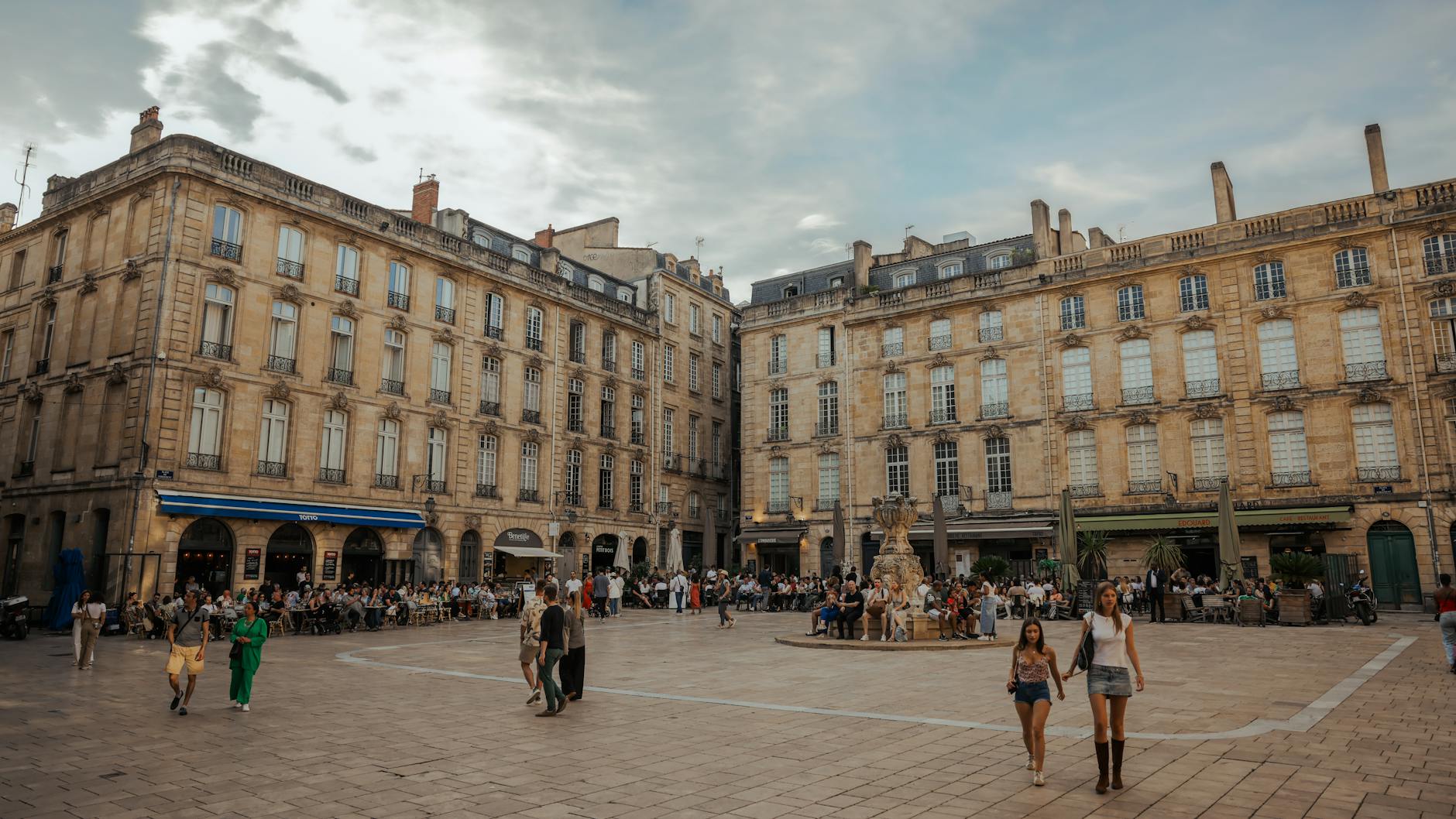
Most walking tours meet at or near the Place de la Bourse or the tourist office near the Grand Theatre. Both are on tram line C, which runs the full length of the waterfront. From Bordeaux Saint-Jean train station, take tram C directly — it is about 15 minutes to Place de la Bourse.
The bike tour (Monsieur Bacchus) typically meets near the Chartrons area or the central city — check your confirmation email for the exact address. It is an easy tram or 10-minute walk from the main centre.
If you are driving, park at the Cité du Vin car park or the Parc des Quais near the waterfront. Street parking in the old town is nearly impossible and the medieval streets are not worth the stress.
From the airport (Bordeaux-Merignac), the 30’Direct shuttle bus runs to the train station every 10 minutes and costs about EUR 10. From there, take the tram. Total time: about 50 minutes door-to-door.
Tips That Will Save You Time
Book at least 2-3 days ahead in summer. The tourism office walking tour fills up, especially the English-language slots. Off-season, you can usually book the day before.
Wear flat, comfortable shoes. Bordeaux’s old town has cobblestones, uneven flagstones, and the occasional surprise step. Heels and thin-soled sandals are miserable after an hour.
Bring water. Not all tours provide it, and the walking route passes through areas without obvious shops. In summer this is essential, not optional.
The Water Mirror cycles every 15 minutes between a flat mirror surface and a mist cloud. If you want the reflection shot, wait for the mist to clear and catch the mirror phase. Most tour guides know the timing and will give you a few minutes.
The canele shops near the cathedral are tourist traps. The best caneles in Bordeaux are at Baillardran (multiple locations) or La Toque Cuivrée. If your walking tour doesn’t include a tasting, grab one afterwards.
Combine a morning walking tour with an afternoon activity. A Bordeaux wine tour in the afternoon fits perfectly. Or if wine is not your thing, the Cite du Vin museum is a good rainy-day backup.
What You’ll Actually See on the Walk
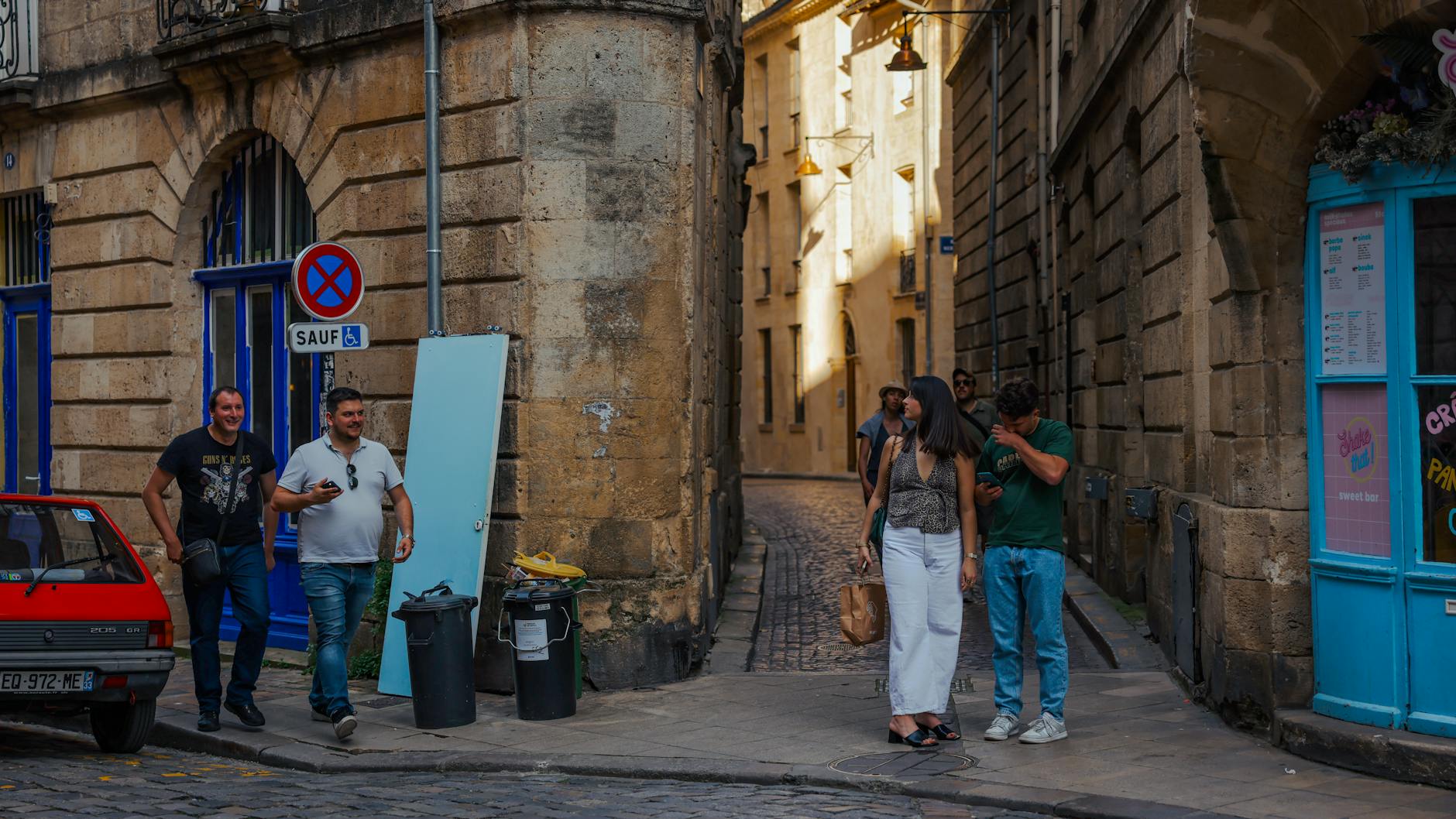
Bordeaux’s old town is built almost entirely from pale, honey-coloured limestone quarried from the hills east of the city. The whole thing was redesigned in the 18th century by a series of Intendants — royal governors who essentially demolished the medieval city and rebuilt it as a showcase of Enlightenment urban planning. Matching facades, wide boulevards, grand public squares. It was France’s answer to Bath, except on a much bigger scale.
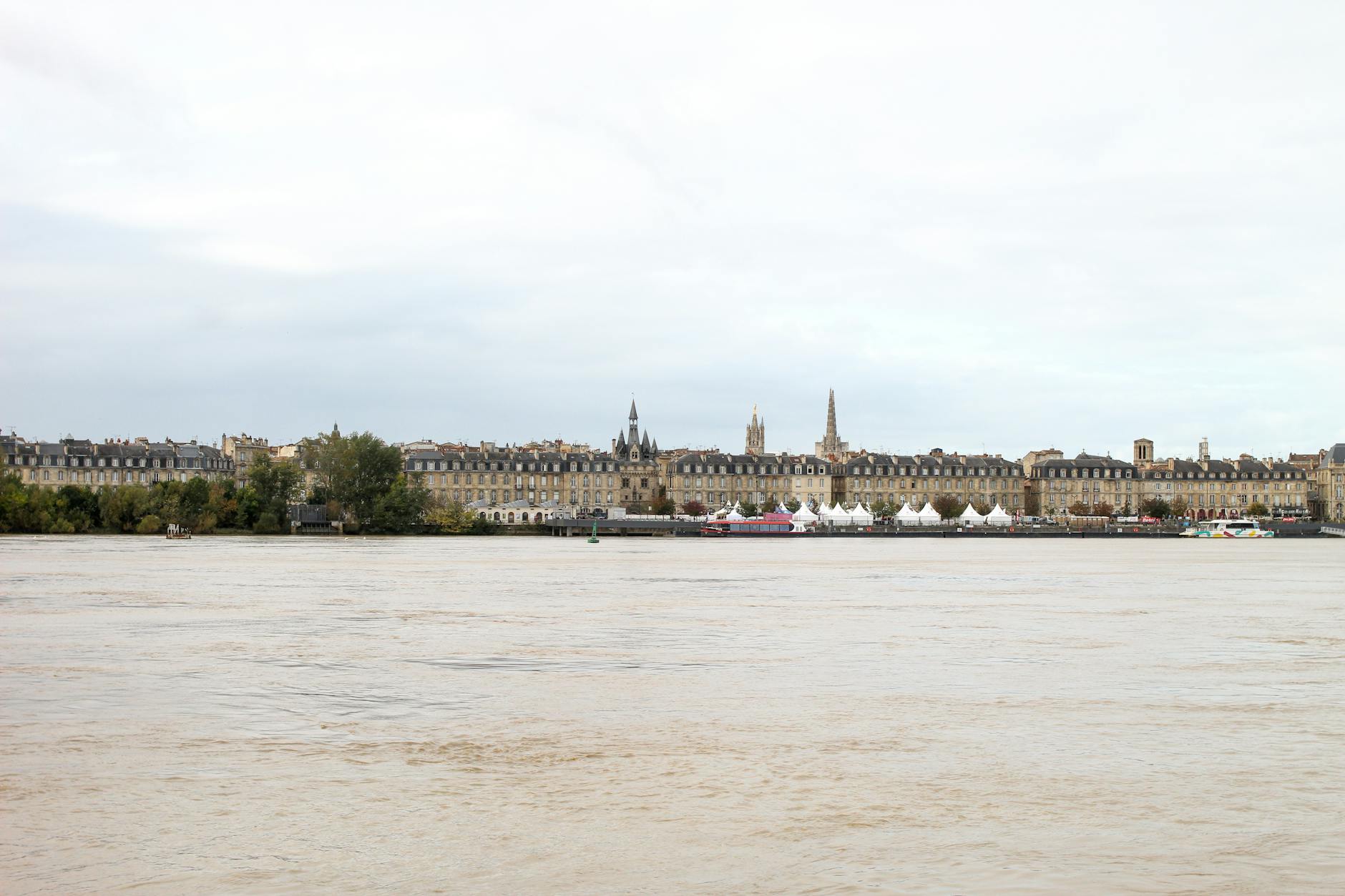
The Place de la Bourse is the centrepiece. Designed in the 1730s, it was built to face the river so that merchants arriving by boat would see the grand facade as their first impression of the city. The message was clear: Bordeaux is wealthy, powerful, and open for business. What the facade did not advertise was the source of that wealth — Bordeaux was France’s largest slave-trading port after Nantes. The grand townhouses you admire were built with profits from the triangular trade between Africa, the Caribbean, and France. The city only began publicly acknowledging this in 2018, when a permanent exhibition opened.
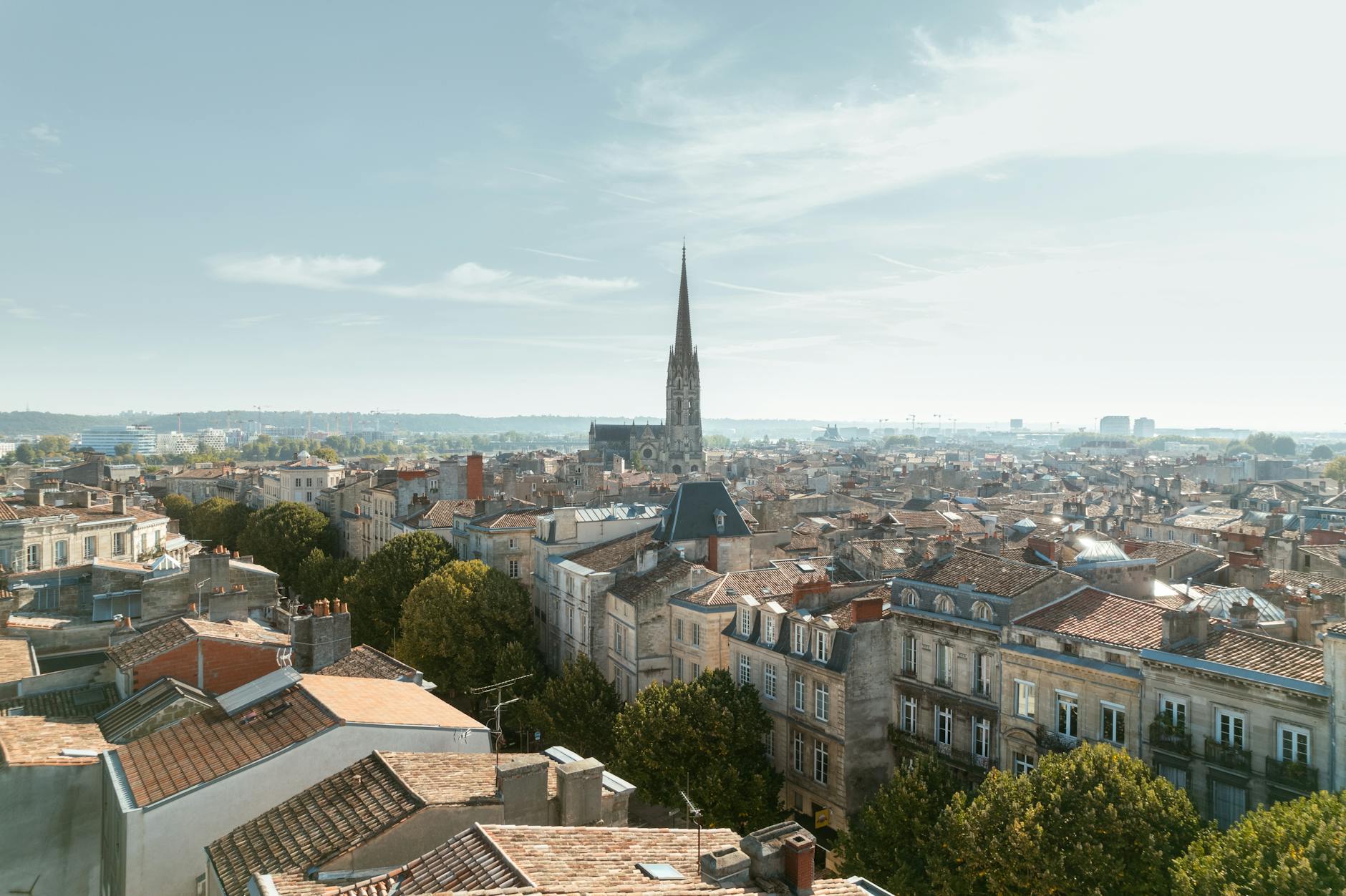
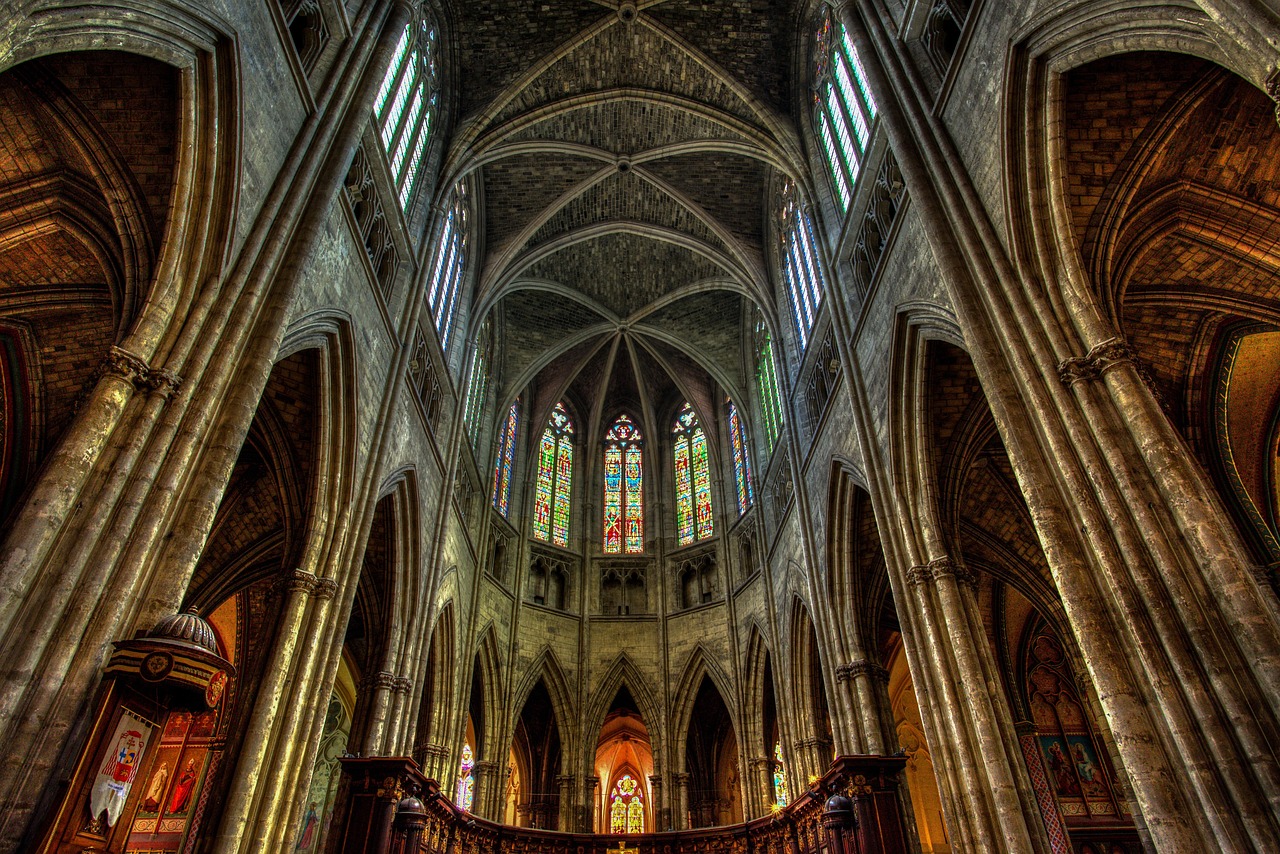
The Grosse Cloche is one of the few medieval survivors — a 15th-century belfry with a bell that still rings on special occasions. It is the kind of detail that makes a guided tour worthwhile, because on your own you’d likely walk past it without a second glance.
The Grand Theatre sits on the Place de la Comedie and is one of the finest 18th-century theatres in Europe. Its colonnade of 12 Corinthian columns inspired Charles Garnier when he designed the Paris Opera. If you get a chance to see the interior (some tours include it, or you can buy a separate ticket), the staircase alone is worth the visit.
The Pont de Pierre and the River Walk
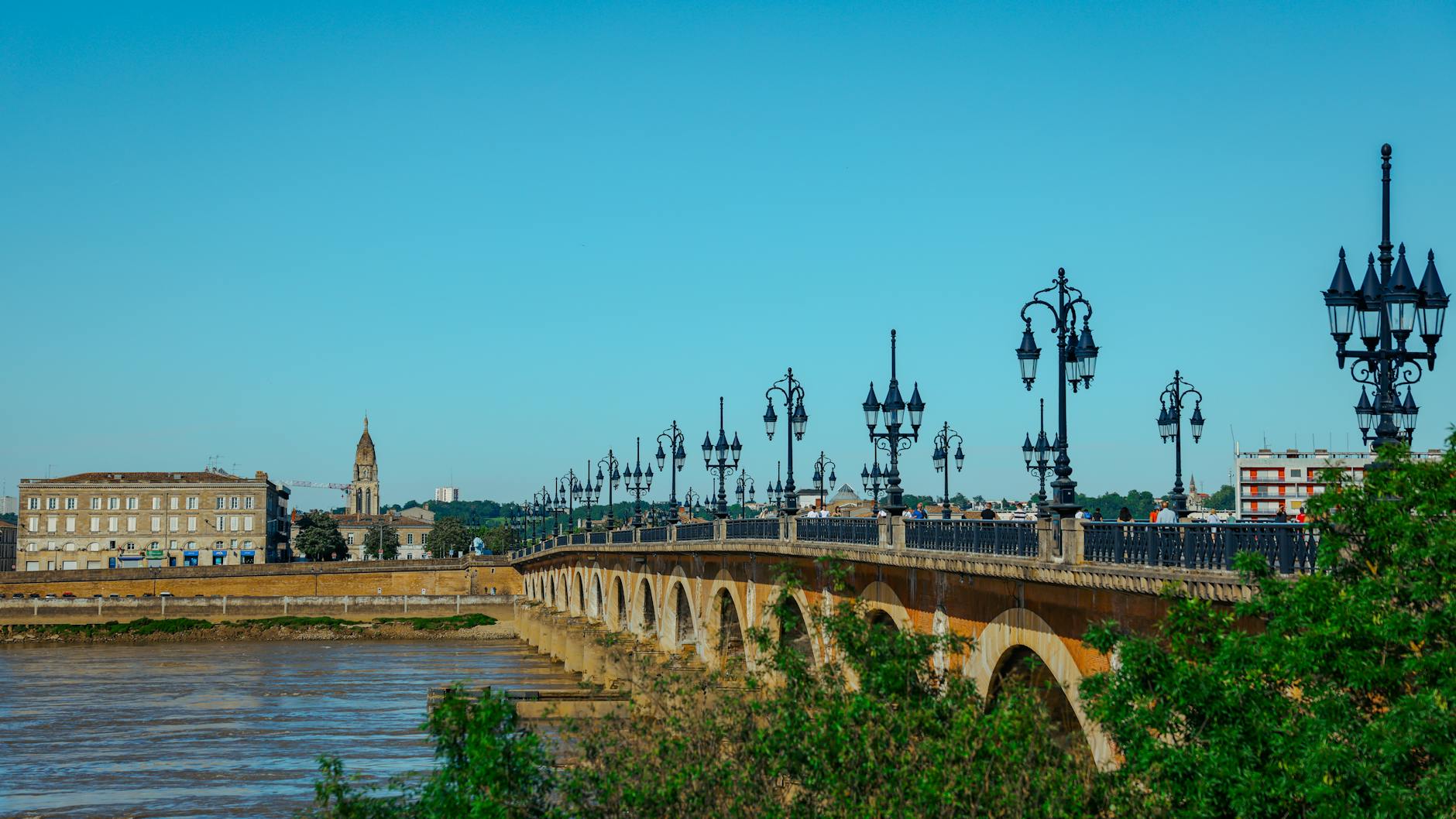
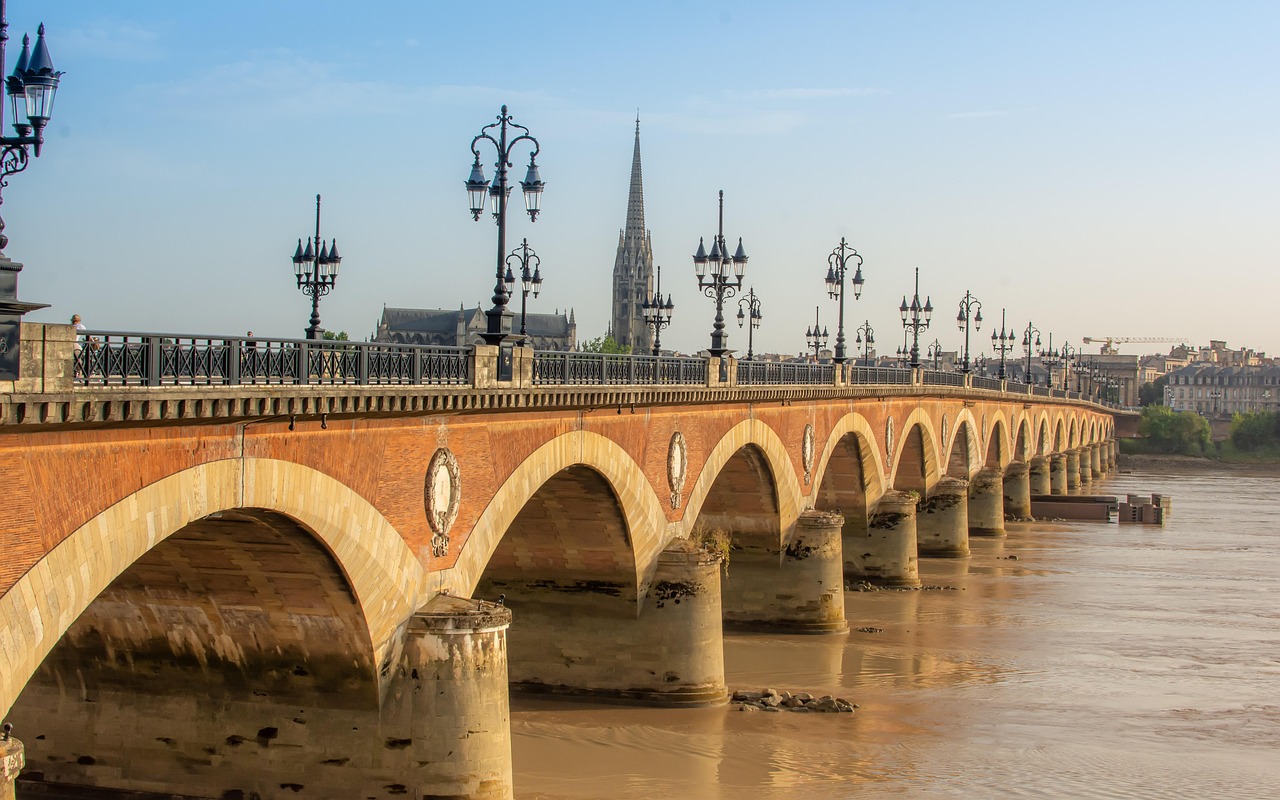
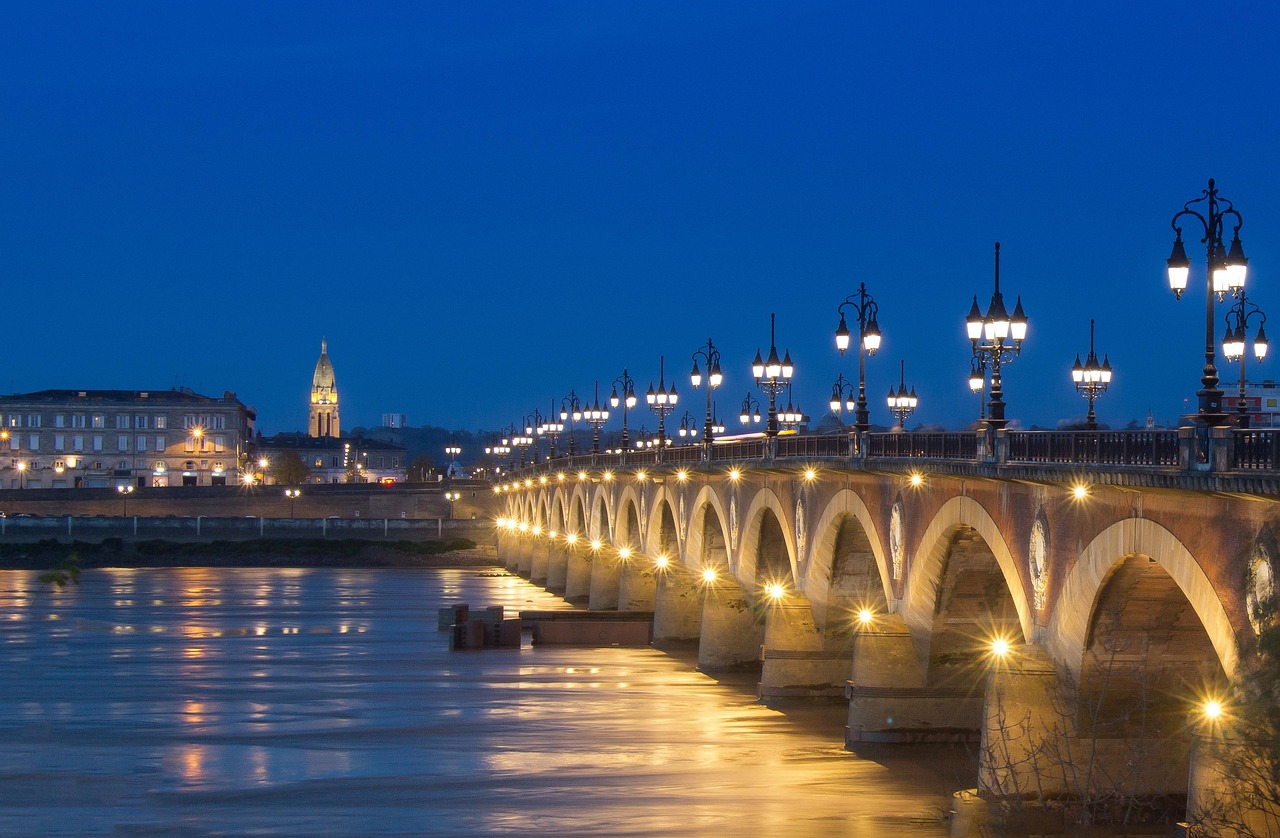
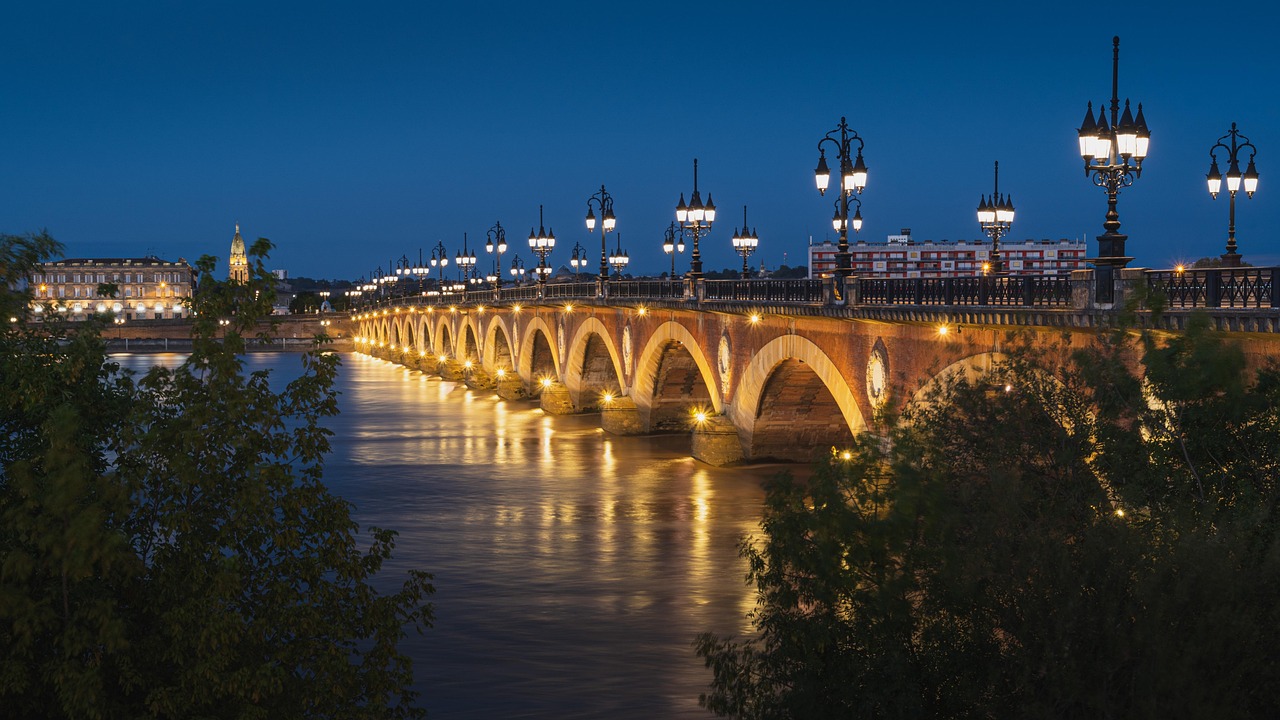
The Pont de Pierre — Bordeaux’s oldest bridge — is worth a detour whether you are on a tour or exploring solo. Napoleon ordered its construction in 1822, and it remained the only way to cross the Garonne until the 1960s. The 17 arches supposedly correspond to the 17 letters in “Napoleon Bonaparte,” though historians argue about whether that was intentional or just a good story.
Today the bridge is closed to cars and reserved for pedestrians, cyclists, and the tram. Walking across takes about 10 minutes and gives you one of the best views back towards the old town waterfront. The bike tour typically crosses here, which is one of its advantages over the standard walking route.
Beyond the Centre: Chartrons and the Quays
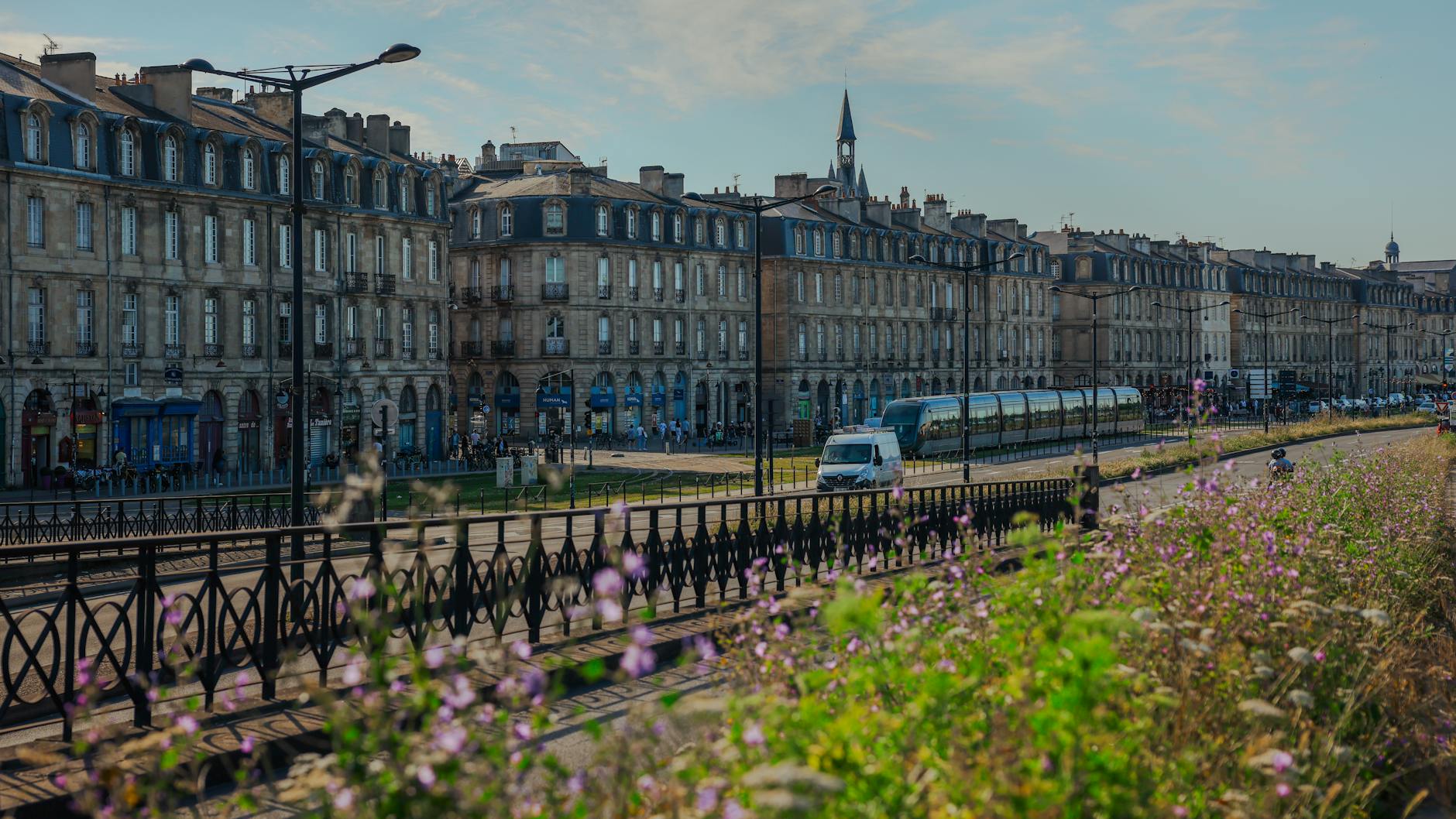
The Chartrons district, north of the main centre along the river, used to be Bordeaux’s wine merchants’ quarter. Today it is a mix of antique dealers, independent restaurants, and wine bars that feel less touristy than the Place de la Bourse area. The bike tour covers this neighbourhood, while most walking tours do not.
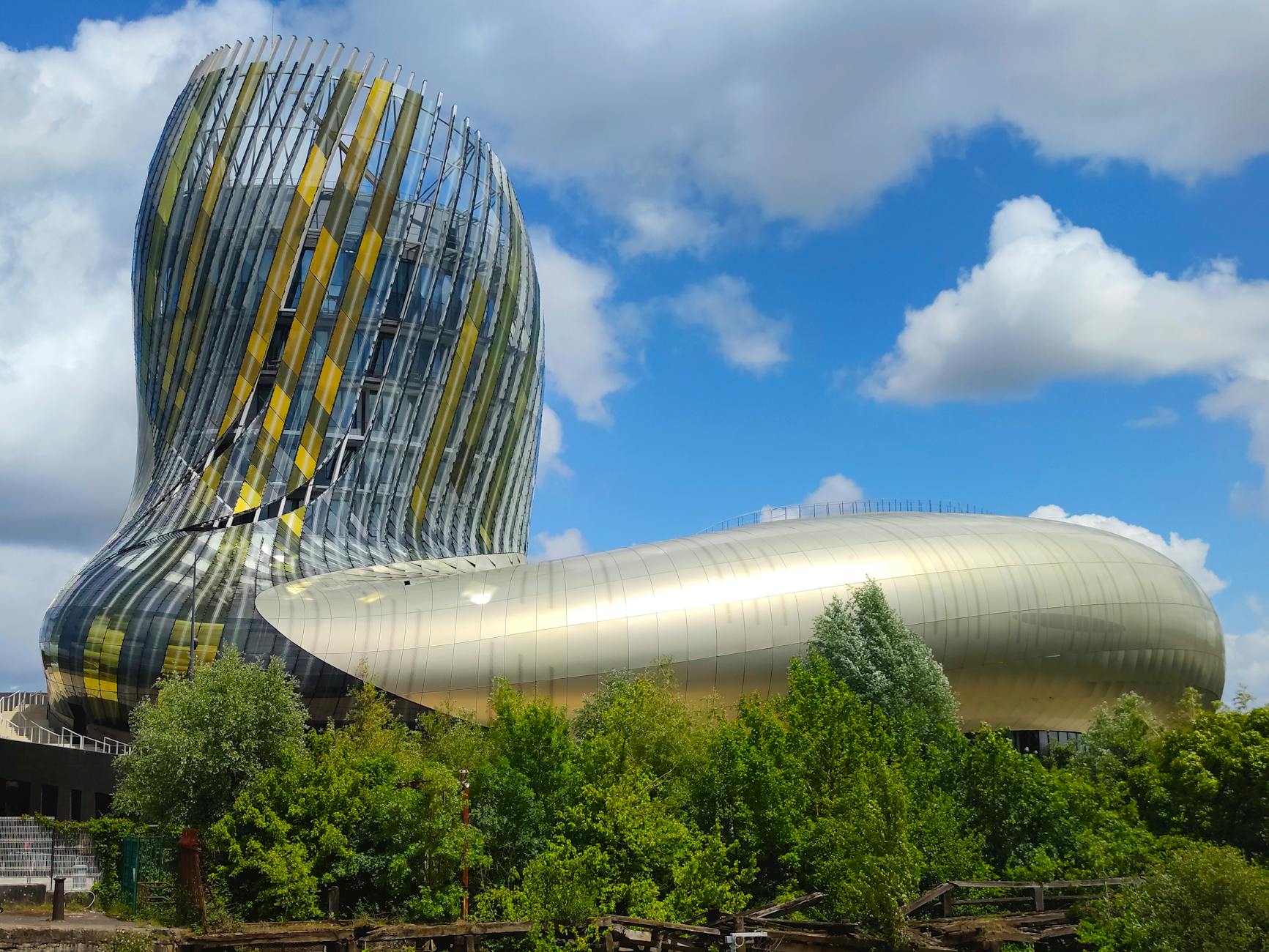
If you are on foot, it is about a 20-minute walk from the Place de la Bourse along the quays. The waterfront promenade runs for several kilometres and is one of the nicest river walks in any French city — wide, flat, with benches and occasional cafes. It is also where you will find the Cite du Vin, Bordeaux’s wine museum, at the northern end.
Planning the Rest of Your Bordeaux Trip
If you have more than a day in Bordeaux (and you should — two or three nights is ideal), there is plenty to fill the time. A Bordeaux wine tour is the obvious pairing, especially if you book one that heads out to the vineyards. For a half-day trip that takes you outside the city, Saint-Emilion is about 40 minutes east and combines a gorgeous medieval village with some of the best wine cellars in the region. A Bordeaux river cruise gives you that waterfront view from a different angle entirely, and the dinner cruises are surprisingly good value. And if you want to dig deeper into the wine side of things, the Cite du Vin tickets guide covers everything you need to plan a visit to the museum.
This article contains affiliate links. If you book a tour through our links, we earn a small commission at no extra cost to you. This helps us keep producing free travel guides.