
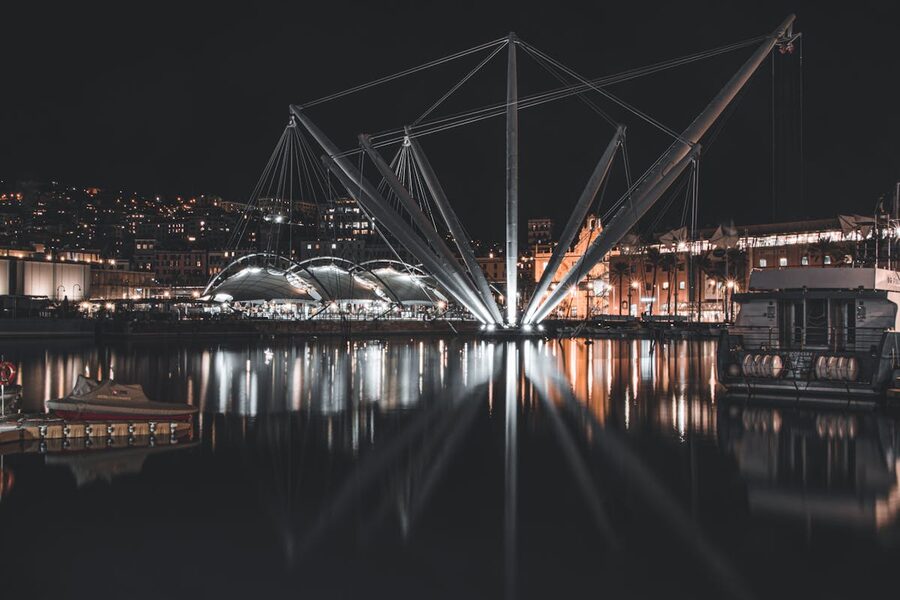
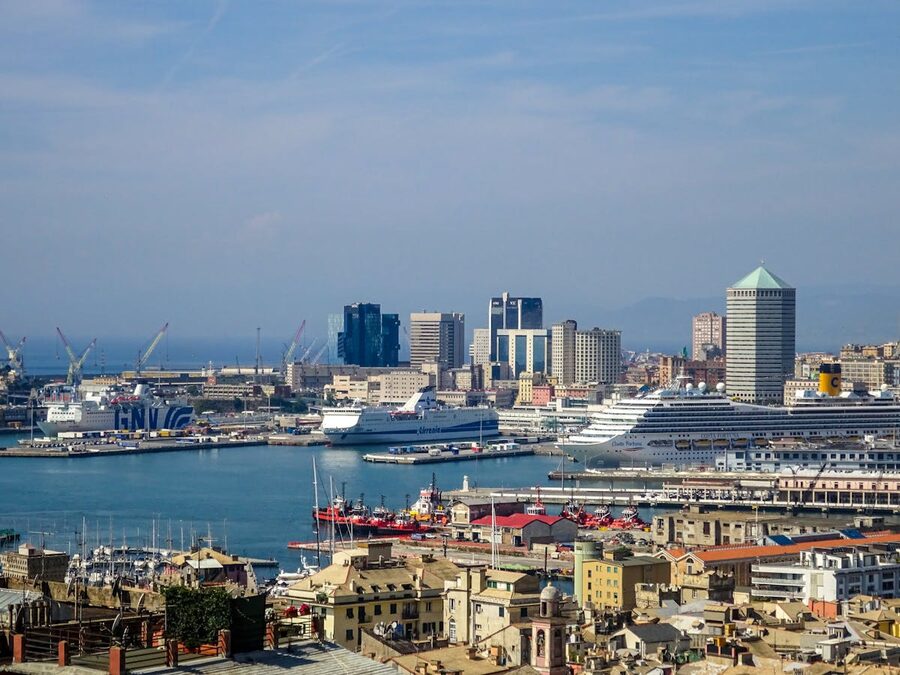
The Genoa Aquarium took six hundred years less to build than the cathedral down the road, but it might actually be the more impressive structure. Renzo Piano — Genoa’s own star architect, the same man behind the Centre Pompidou in Paris and The Shard in London — designed this place for Expo ’92 as part of a massive waterfront renewal project. What was once a crumbling commercial port became the Porto Antico, and the aquarium became its centrepiece.
I’ll be honest: I didn’t expect much. Italy isn’t exactly famous for aquariums. But the Genoa Aquarium is the largest in the Mediterranean and one of the biggest in Europe — 70-plus tanks, around 12,000 animals, 600 species. It’s a genuinely world-class facility that happens to sit in a city most travelers skip entirely on their way to Cinque Terre.
Booking tickets in advance is straightforward, but there are a few things worth knowing before you go — especially if you want to avoid the school-group crush that hits this place most mornings. Here’s everything I’ve learned about getting Genoa Aquarium tickets, which combo deals are actually worth the extra money, and how to time your visit so you’re not fighting for space at the dolphin tank.
Best overall: Aquarium Entry Ticket — $35. Standard admission, the most flexible option, and all you need for a full visit.
Best for a full day: Aquarium with Lunch — $42. Includes a terrace meal overlooking the harbour, and the food is actually decent.
Best combo: Aquarium + Lighthouse Combo — $36. Adds the Lanterna lighthouse for just a dollar more — worth it for the panoramic views.
- How the Official Ticket System Works
- Official Tickets vs Third-Party Booking Platforms
- The Best Genoa Aquarium Tickets to Book
- 1. Aquarium of Genoa Entry Ticket —
- 2. Aquarium of Genoa with Lunch —
- 3. Aquarium and Lighthouse Combo Ticket —
- When to Visit the Genoa Aquarium
- How to Get to the Genoa Aquarium
- Tips That Will Save You Time (and Frustration)
- What You’ll Actually See Inside
- More Italy Guides
How the Official Ticket System Works
The Genoa Aquarium sells tickets through its own website and through third-party platforms like GetYourGuide. The official site lets you choose a specific entry time slot, which is important because they do enforce timed entry during peak periods.
Standard adult admission runs around EUR 27-29 at the door, though online prices through third-party sellers are often slightly lower. Kids aged 4-12 get a reduced rate, and children under 4 enter free. There’s a small discount for seniors over 65.
Time slots are released on a rolling basis, and weekends in summer sell out by mid-morning. If you’re visiting between June and September, book at least a few days ahead. Off-season (November through March), you can usually walk up and buy tickets without much wait, though I’d still recommend booking online to skip the physical queue.
The aquarium also offers several combo tickets that bundle entry with other Porto Antico attractions:
- Aquarium + Biosfera: Adds the tropical greenhouse sphere next door (designed by Renzo Piano, naturally)
- Aquarium + Lighthouse (La Lanterna): Includes access to Genoa’s iconic lighthouse, the tallest in the Mediterranean at 77 metres
- Aquarium + Galata Maritime Museum + Submarine: The full maritime package for anyone seriously interested in Genoa’s seafaring history
- Aquarium + City of Children: Geared toward families with younger kids — the children’s museum is hands-on and interactive
Official Tickets vs Third-Party Booking Platforms
You have two main options: buy directly from the aquarium’s website, or book through a platform like GetYourGuide.
Buying direct gives you the widest choice of time slots and combo packages. The official site occasionally runs family promotions or seasonal discounts. The downside is that cancellation policies can be rigid — some tickets are non-refundable.
Booking through GetYourGuide often comes with free cancellation up to 24 hours before your visit, which is a significant advantage if your Italy plans are still flexible. Prices are competitive (sometimes a euro or two cheaper), and you get the same skip-the-line entry. The trade-off is slightly fewer combo options.
My recommendation: if you know your exact date and time, either option works. If there’s any chance your plans might change — and in Italy, plans always change — book through GetYourGuide for the cancellation flexibility. A day trip to Lake Como from Milan taught me the hard way that non-refundable tickets and Italian rail delays don’t mix well.
The Best Genoa Aquarium Tickets to Book
I’ve gone through the main ticket options available and ranked them based on value, flexibility, and what you actually get for your money. All three are solid — the right choice depends on how much time you have in Genoa and what else you want to see.
1. Aquarium of Genoa Entry Ticket — $35
This is the straightforward option and the one I’d recommend for most people. At $35, you get full access to all 70+ tanks and every exhibit in the building, including the dolphin pavilion, the shark tunnel, the jellyfish gallery, and the tropical reef section. There’s no guided component — you move at your own pace, which honestly works better here because some exhibits deserve ten minutes and others you’ll walk past in thirty seconds.
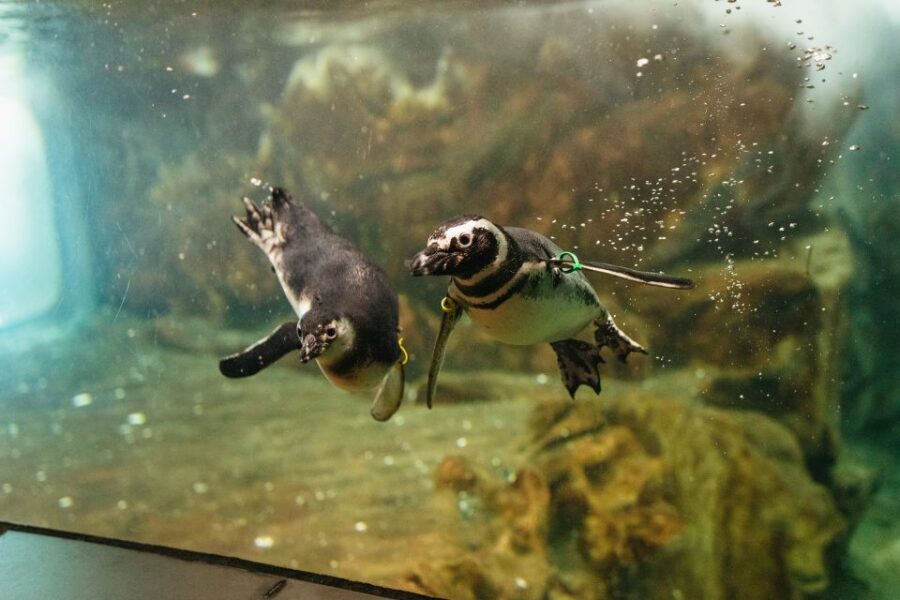
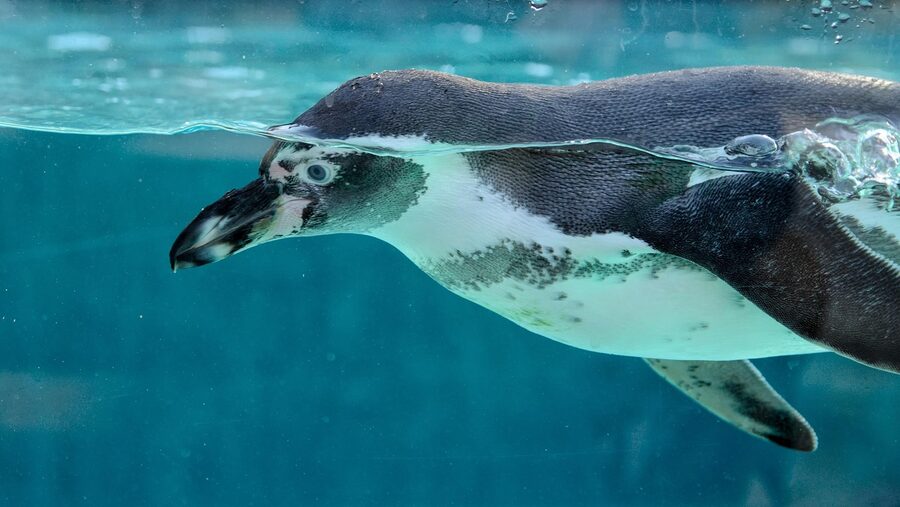
The entry ticket is the most popular option by a wide margin, and for good reason. You don’t need a guide to enjoy an aquarium — the information panels are well-written and available in English, and the layout is intuitive enough that you won’t miss anything. Budget around 2-3 hours for a thorough visit, though families with young children should plan for closer to 3-4 because getting kids past the penguin tank is a genuine challenge.
2. Aquarium of Genoa with Lunch — $42
For just $7 more than the standard entry, this ticket adds a sit-down lunch on the aquarium’s terrace restaurant. I was sceptical — meal deals at tourist attractions are usually a trap — but the food here is genuinely decent. You get a proper Ligurian-style meal (think focaccia, pesto, fresh seafood) with a view over the Porto Antico harbour. It’s not a Michelin-star experience, but it’s better than scrambling for a restaurant in the old town at peak lunchtime.
This is the smart pick if you’re spending a full day at the Porto Antico. The aquarium with lunch package saves you the hassle of finding somewhere to eat in the middle of your visit, and the terrace seating area is genuinely relaxing — fresh sea breeze, harbour views, and a welcome break for tired feet. Families with kids will particularly appreciate not having to drag hungry children through Genoa’s narrow streets in search of food.
3. Aquarium and Lighthouse Combo Ticket — $36
This combo bundles the full aquarium visit with entry to La Lanterna di Genova — the city’s iconic lighthouse and the tallest in the Mediterranean at 77 metres. At $36, you’re paying just a dollar more than the standard aquarium ticket, which makes this arguably the best value option on the list. The Lanterna is a 10-minute walk from the aquarium along the waterfront, and the views from the top are panoramic in every direction.
The aquarium and lighthouse combo works perfectly if you have half a day in Genoa. Visit the aquarium in the morning, grab lunch in the Porto Antico, then walk to the lighthouse for sunset views. The Lanterna also has a small maritime museum inside that covers Genoa’s history as one of the four great maritime republics alongside Venice, Pisa, and Amalfi. If you’re even slightly interested in maritime history — or you just want a great photo spot — this combo is a no-brainer at this price.
When to Visit the Genoa Aquarium
The aquarium is open every day of the year, though hours shift seasonally. From March through October, expect opening hours of roughly 9:00 AM to 8:00 PM (last entry 6:30 PM). Winter hours typically shorten to 10:00 AM to 6:00 PM, with last entry at 4:30 PM. Always double-check the specific hours on the day you’re visiting, because they adjust for holidays and special events.
Best time to visit: weekdays after 2:00 PM. Mornings are dominated by school groups — Italian schools absolutely love the Genoa Aquarium, and from September through June, entire classes of kids aged 6-12 flood the place from opening until about 1:30 PM. After 2:00 PM, the crowds thin dramatically and you can actually stand in front of the tanks without a child elbowing you aside.
Worst time to visit: weekend mornings in July and August. This is when Italian families drive in from across Liguria and beyond. The aquarium gets genuinely packed, and the dolphin viewing area becomes standing room only. If you must visit on a summer weekend, arrive right at opening or wait until late afternoon.
The shoulder months — April, May, September, October — offer the best balance. Warm enough to enjoy the Porto Antico waterfront afterwards, cool enough that you’re not overheating inside the building, and quiet enough that you can actually read the exhibit information without being pushed along by the crowd.
How to Get to the Genoa Aquarium
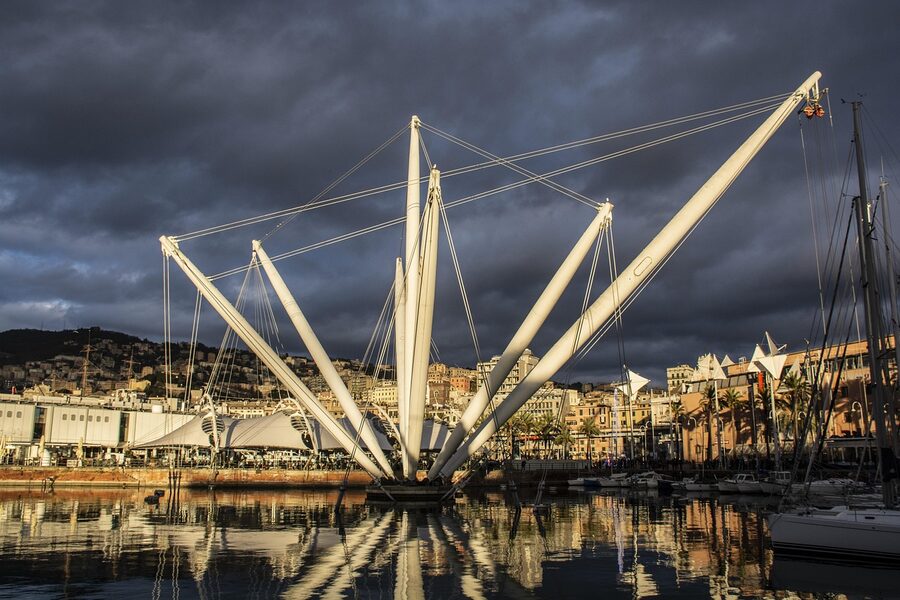
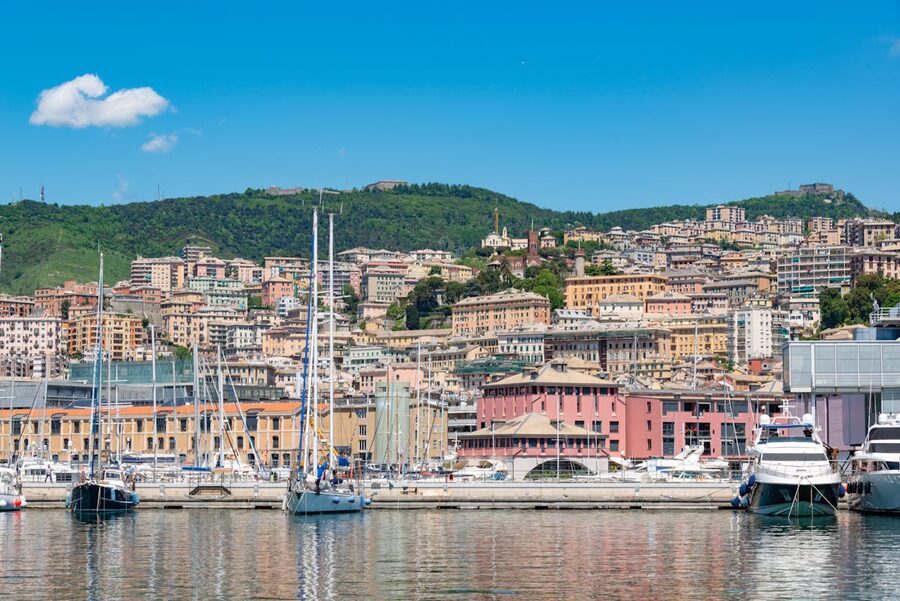
The aquarium sits at the far end of Ponte Spinola pier in the Porto Antico, which is the revamped old port area right in the centre of Genoa.
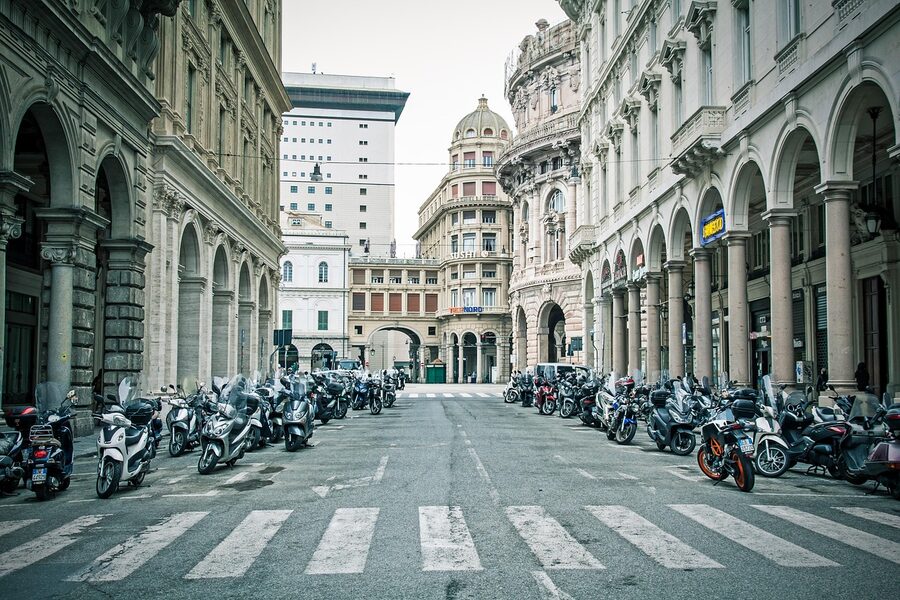
From Genova Piazza Principe station: A 15-minute walk downhill through the old town. Head south towards the water — you’ll pass through some of the caruggi (narrow medieval alleys) and emerge at the harbour. Follow signs for Porto Antico/Acquario. This is the scenic route and the one I’d recommend if it’s your first time in Genoa.
From Genova Brignole station: Take the metro one stop to Genova Piazza Principe, then walk from there. Or bus line 1 runs directly to the Porto Antico area. The walk from Brignole is about 25-30 minutes, which is doable but not pleasant with luggage.
By car: There are paid parking garages at the Porto Antico, but they fill up fast on weekends. The largest is the Parking Porto Antico garage (about EUR 2.50/hour). If you’re driving in from Milan or Turin, expect the A7/A10 motorway to deposit you close to the port area. Genoa’s one-way street system is legendarily confusing, so set your navigation to the parking garage specifically, not just “Porto Antico.”
From Milan: Direct Trenitalia trains run from Milano Centrale to Genova Piazza Principe in about 1 hour 40 minutes. Tickets start at EUR 12.90 if you book in advance. This makes the aquarium a very doable day trip from Milan — combine it with a morning exploring Genoa’s old town and you’ve got a full day. If you’re spending multiple days in Milan, this pairs well with a trip to Milan’s Duomo on a different day.
Tips That Will Save You Time (and Frustration)
- Book your time slot for after 2:00 PM on weekdays. I keep repeating this because it genuinely makes or breaks the experience. The morning school-group chaos is real.
- Allow 2.5-3 hours minimum. The aquarium is bigger than it looks from outside. Rushing through in 90 minutes means missing half the exhibits, including some of the best ones tucked away in the upper floors.
- Eat before or after, not during (unless you have the lunch ticket). The aquarium’s snack bar is overpriced and underwhelming. The Porto Antico has a dozen better restaurants within two minutes’ walk. If you booked the lunch combo ticket, you’re sorted — the terrace restaurant is actually good.
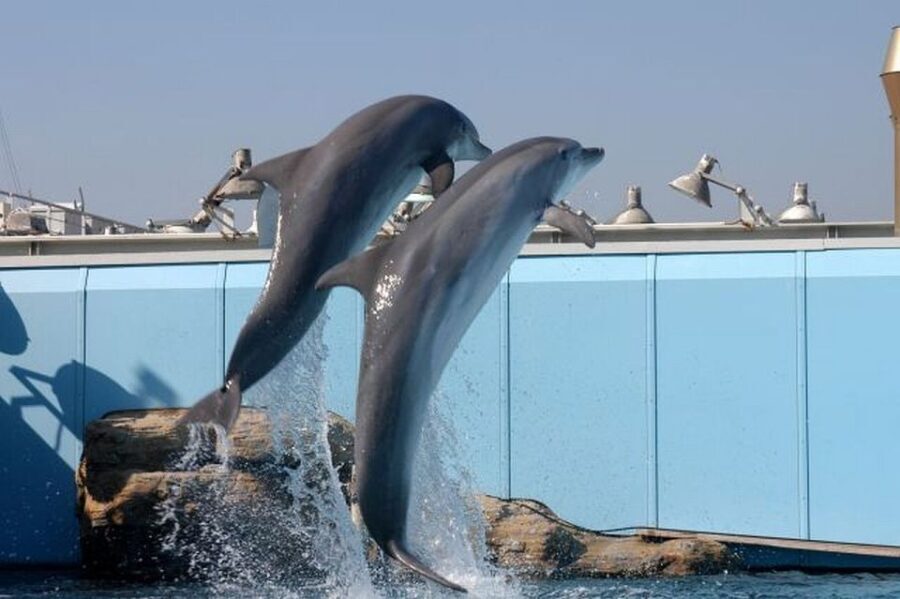
- The dolphin feeding happens at set times. Check the daily schedule board at the entrance. Seeing the dolphins during a feeding session is a completely different experience — they’re active, jumping, and the trainers explain what’s happening. Outside feeding times, the dolphins are often just… swimming. Still nice, but less exciting.
- Bring a light layer. Parts of the aquarium are air-conditioned quite aggressively, especially the tropical sections. If you’re visiting in summer, the temperature difference between outside (35C) and inside (22C) catches people off guard.
- The Biosfera is separate. That big glass sphere next to the aquarium is Renzo Piano’s tropical greenhouse, and it requires its own ticket or a combo. It’s interesting but small — 15 minutes max. Only worth it if you have the combo or are really into tropical plants.
- Strollers are manageable but not ideal. The aquarium has ramps and lifts, but some corridors get narrow and crowded. If your child is old enough to walk, leave the stroller at the free cloakroom near the entrance.
What You’ll Actually See Inside
The Genoa Aquarium spreads across two main buildings connected by a walkway, with exhibits arranged by marine ecosystem. The route is mostly one-way, which keeps traffic flowing and means you won’t accidentally miss sections.
The Mediterranean section comes first and sets the tone. Local species from the Ligurian Sea — moray eels, groupers, octopuses — are displayed in tanks that recreate their natural rocky habitats. It’s a smart opening because it grounds you in the local context before the tropical tanks pull you somewhere exotic.
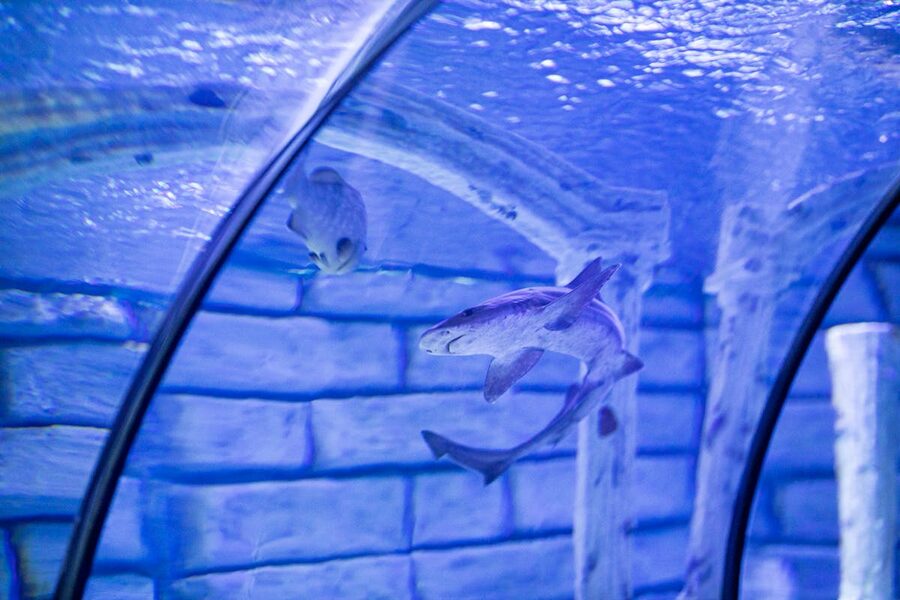
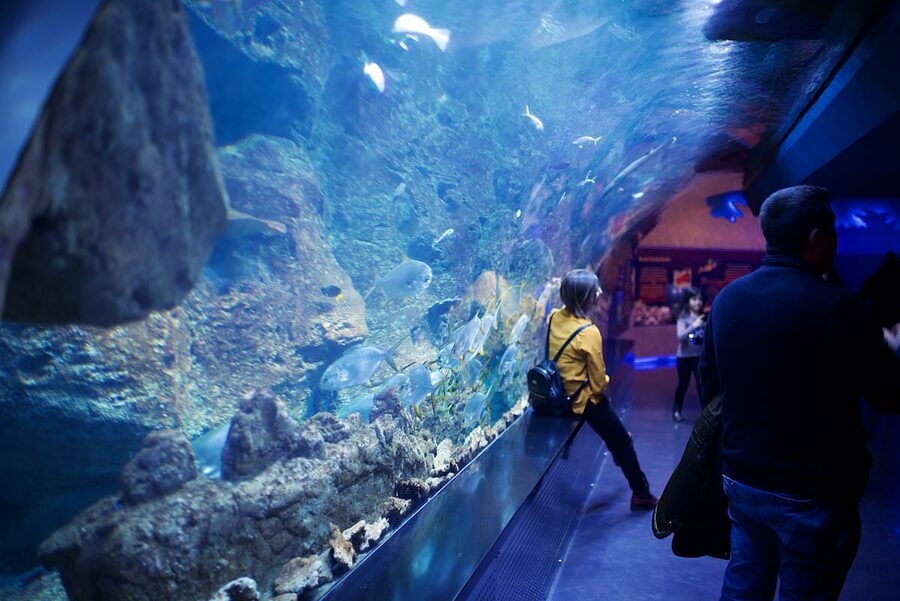
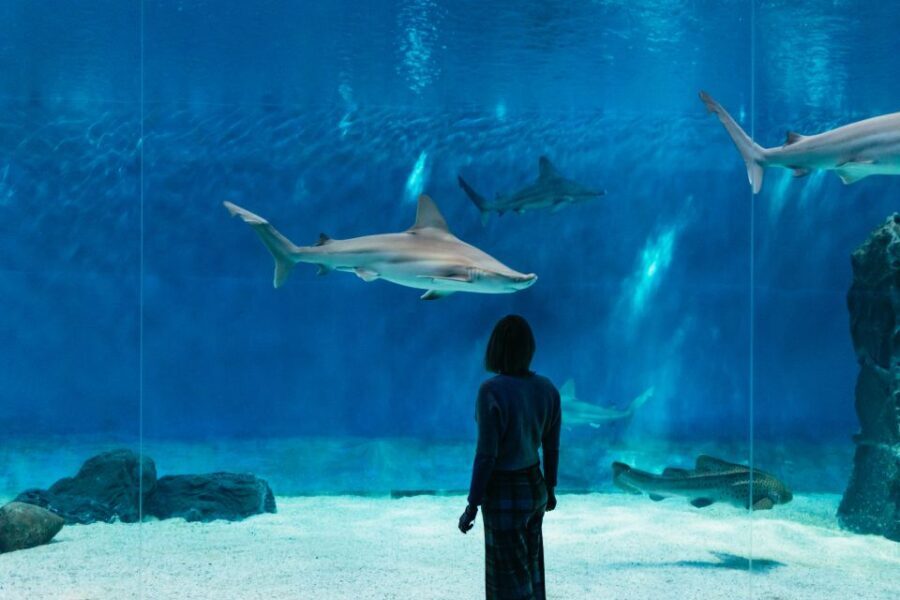
The shark tank is one of the largest in Europe and includes a walk-through tunnel where sand tiger sharks, grey reef sharks, and rays swim directly overhead. The tunnel is the spot where every visitor pauses, looks up, and forgets they’re standing in a building in Genoa. The lighting here is particularly well done — moody blue-greens that make the sharks look like they’re gliding through open ocean.
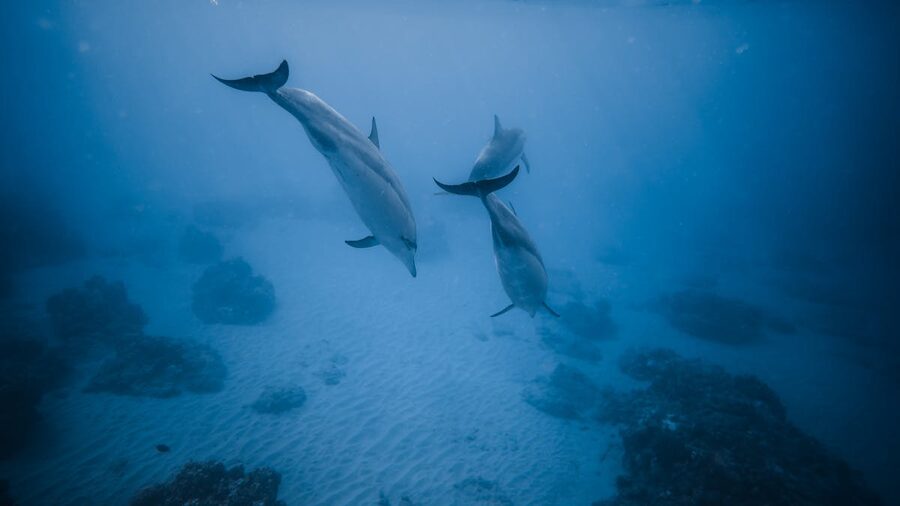
The dolphin and whale pavilion is the headline act. The aquarium runs a cetacean research programme and has one of the few open-water dolphin viewing areas in a European aquarium. You can watch from above or from an underwater viewing gallery. The dolphins are active and genuinely seem to enjoy interacting with visitors, which isn’t something you can say about every captive dolphin exhibit.
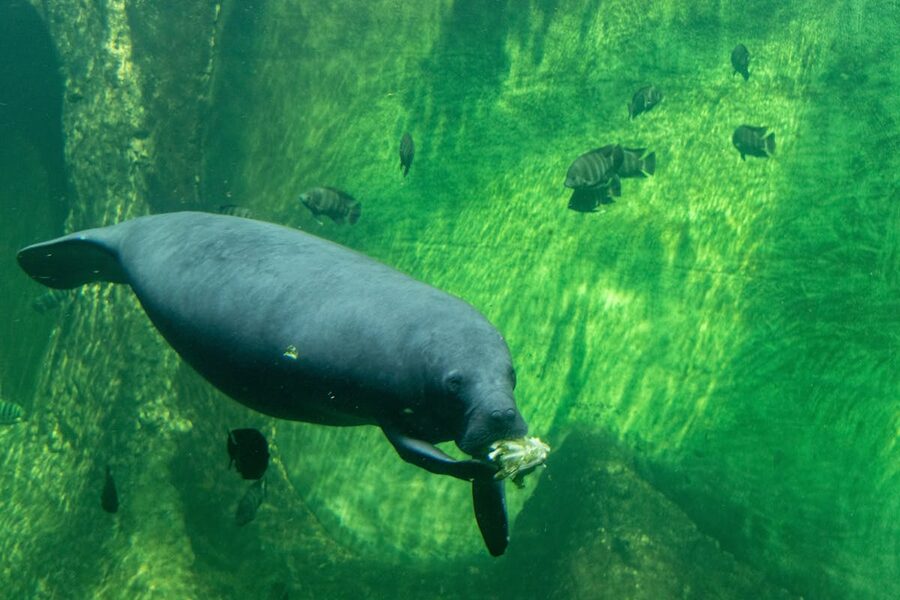
The manatee exhibit catches most visitors by surprise. These enormous, slow-moving creatures have a dedicated tank on the upper floor, and watching them drift around and munch on vegetation is unexpectedly calming. The Genoa Aquarium is one of very few facilities in Europe that houses manatees, and the exhibit does a good job of explaining their conservation status.
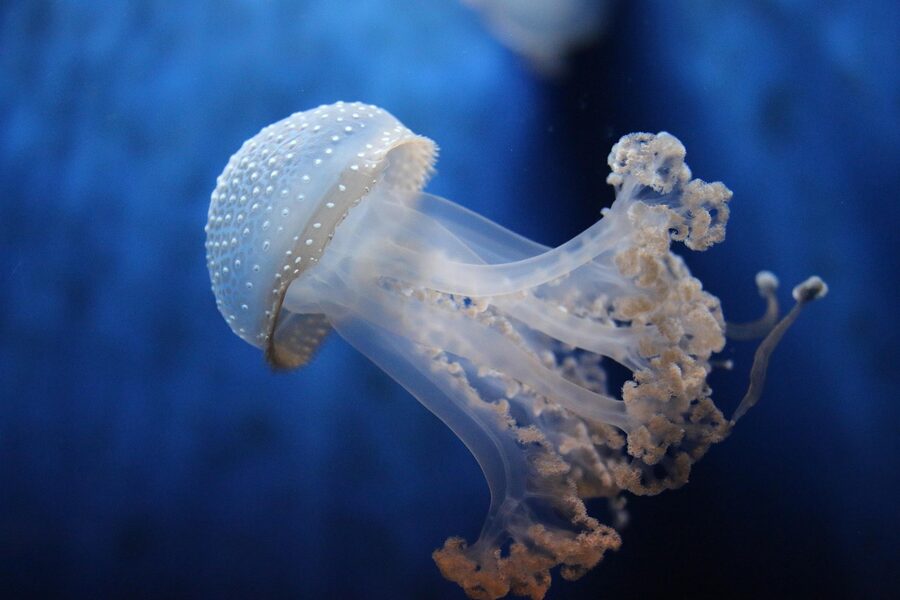
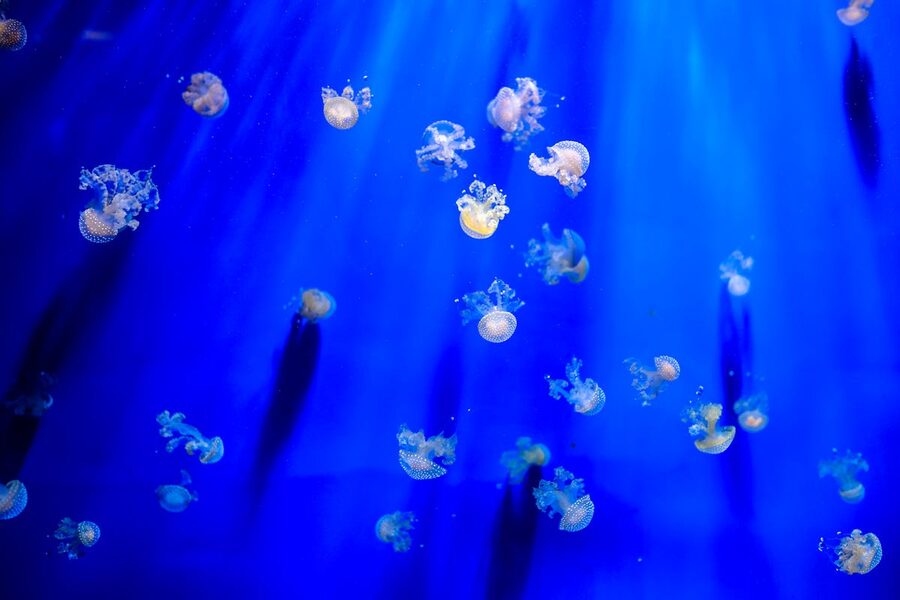
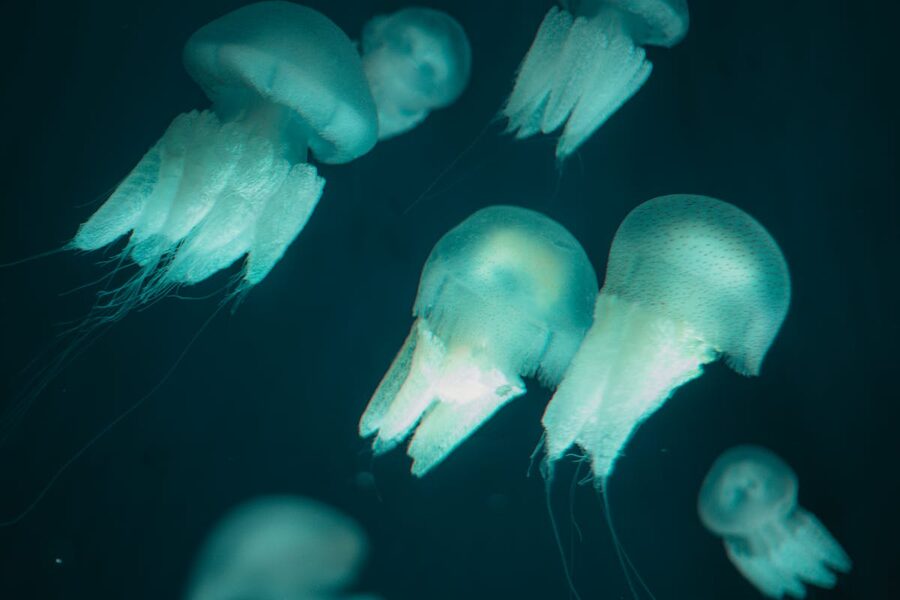
The jellyfish gallery is the most photogenic room in the building. Cylindrical tanks with coloured backlighting display dozens of species, from tiny transparent moon jellyfish to larger lion’s mane varieties. Something about the darkness, the slow movement, and the soft lighting makes this room feel meditative — it’s the one part of the aquarium where you’ll notice adults standing completely still, phones down, just watching.
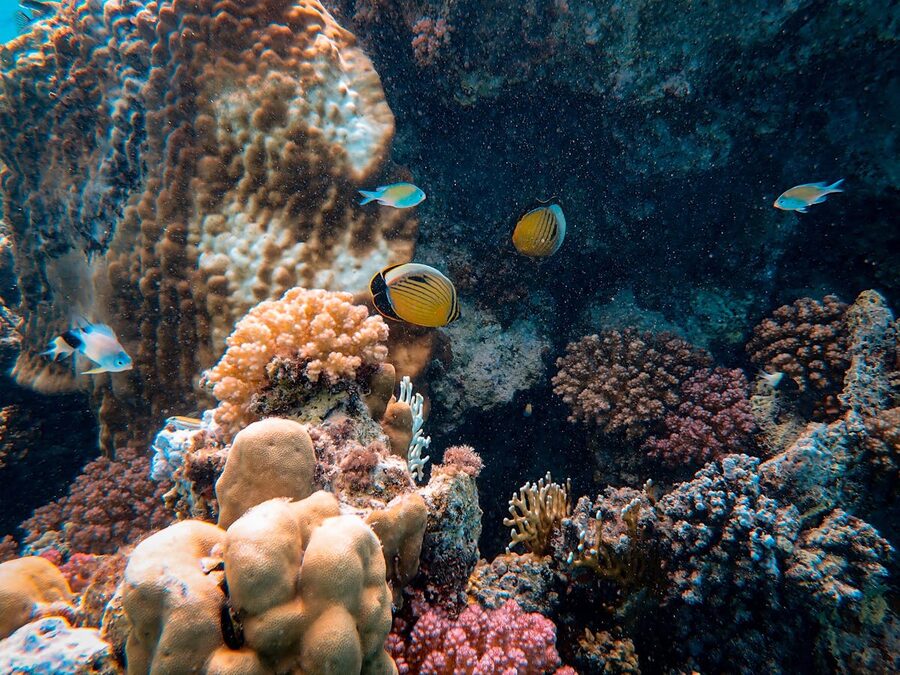
The tropical reef section is a riot of colour — clownfish, tangs, parrotfish, and dozens of coral species packed into reef-style tanks. This section was expanded in the last renovation, and the tanks are impressively deep, giving the fish room to actually swim rather than just hover.
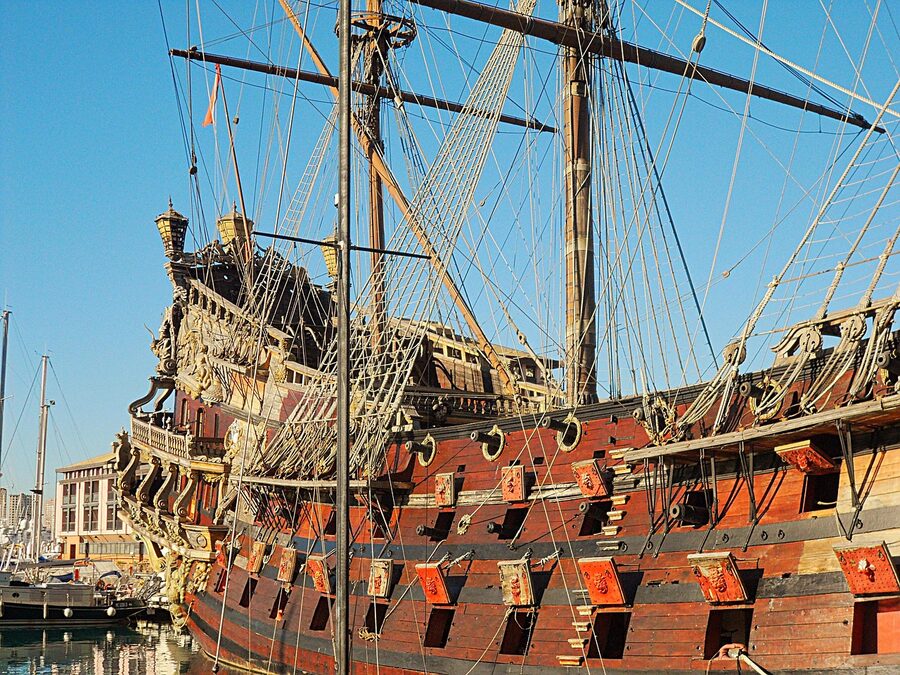
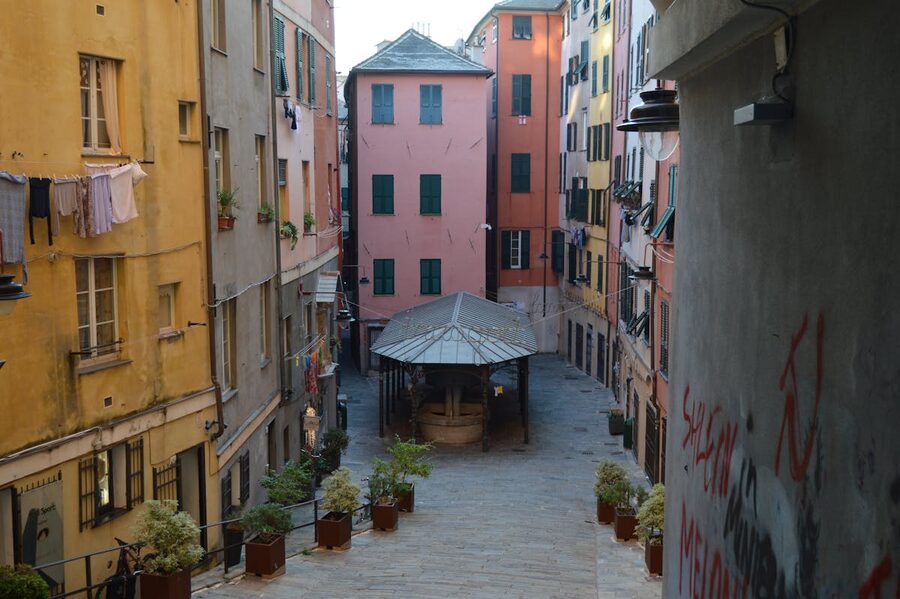
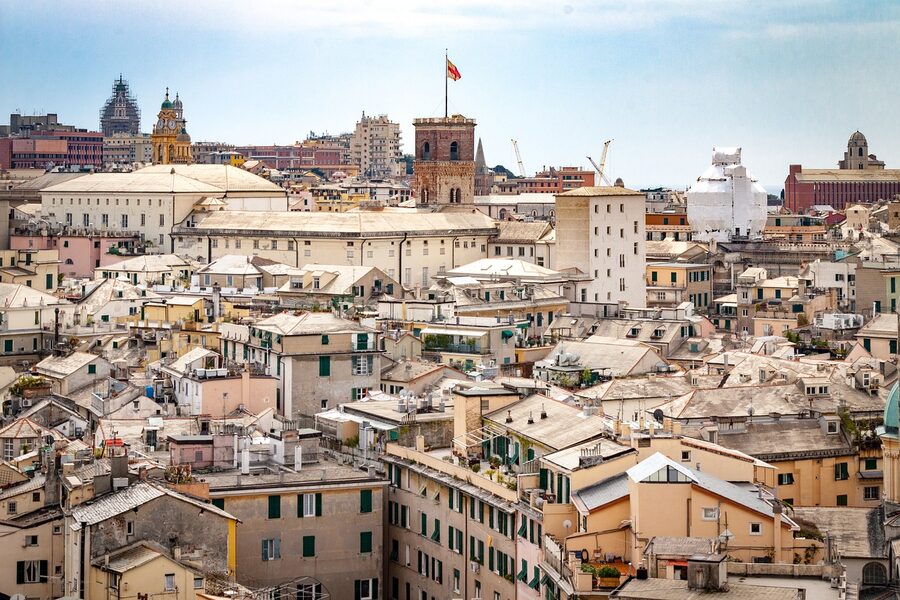
Genoa itself adds depth to the experience. This was one of the four great maritime republics of the Middle Ages — a city that built its wealth on the sea, produced Christopher Columbus (born here in 1451), and has been a commercial port for over 800 years. The aquarium sitting in the Porto Antico isn’t an accident — it’s a continuation of Genoa’s relationship with the Mediterranean. And Genoa’s centro storico, the largest medieval old town in Europe, is worth exploring before or after your visit. The caruggi — those narrow, winding alleys — are fascinating and slightly intimidating in equal measure, with everything from Gothic churches to family-run focaccia shops hiding around every turn.
More Italy Guides
If you’re building an Italian itinerary that goes beyond Genoa, our Uffizi Gallery tickets guide covers the same skip-the-line strategies for Florence’s most popular museum. The Florence Cathedral and Dome climb guide is worth reading if you’re heading south from Genoa through Tuscany. For a completely different kind of day out, visiting Lake Como from Milan makes for a gorgeous contrast to the urban grit of Genoa. And if you’re spending time in Florence, the Accademia Gallery is where Michelangelo’s David lives — another one where advance tickets save you serious queue time. Don’t forget Milan’s Duomo if you’re passing through — the rooftop terraces alone are worth the stop.
This article contains affiliate links. If you book through our links, we earn a small commission at no extra cost to you. This helps us keep producing free travel guides.