
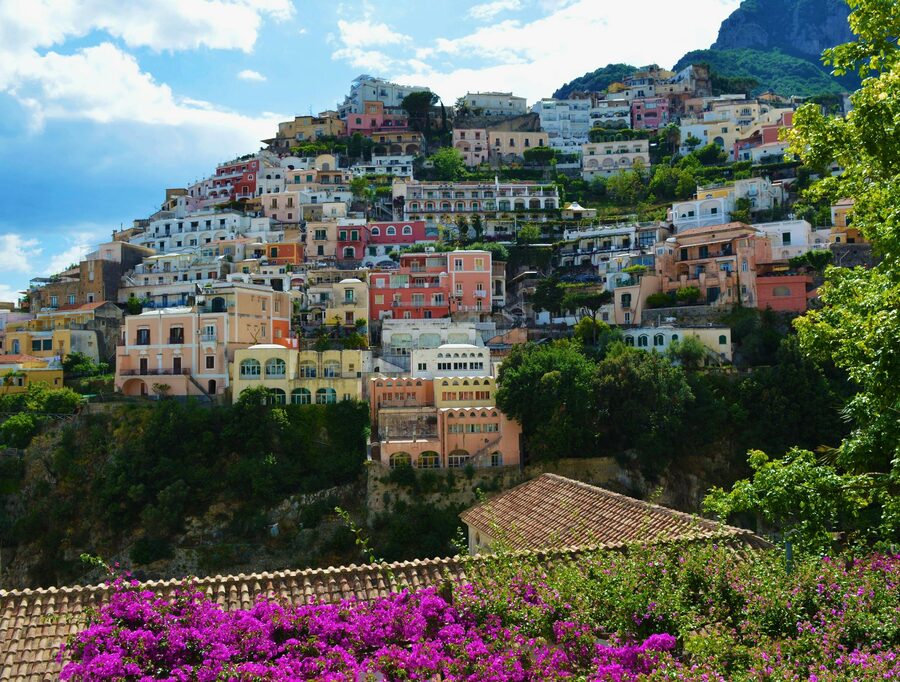
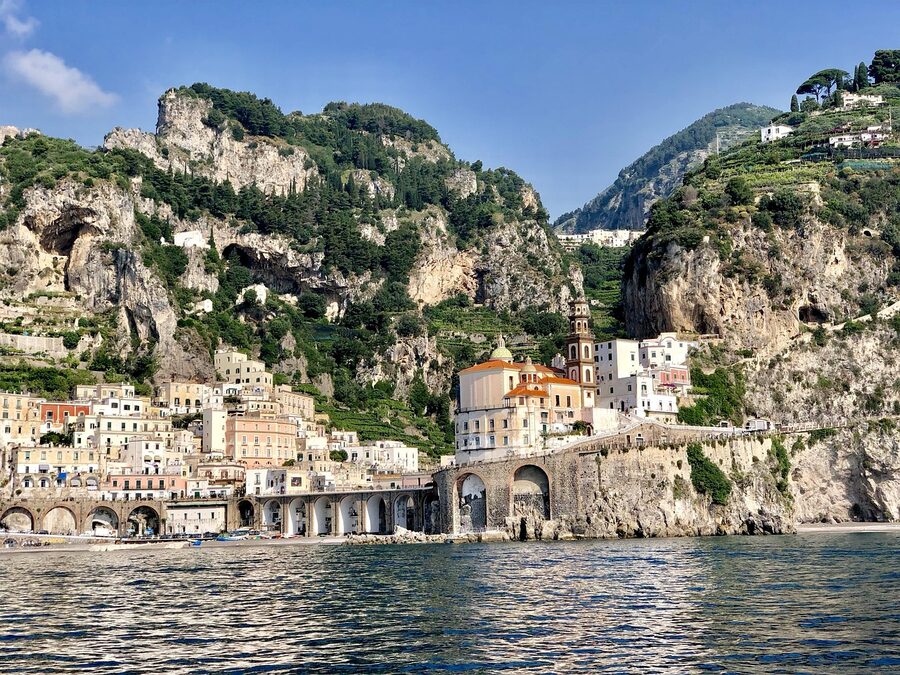
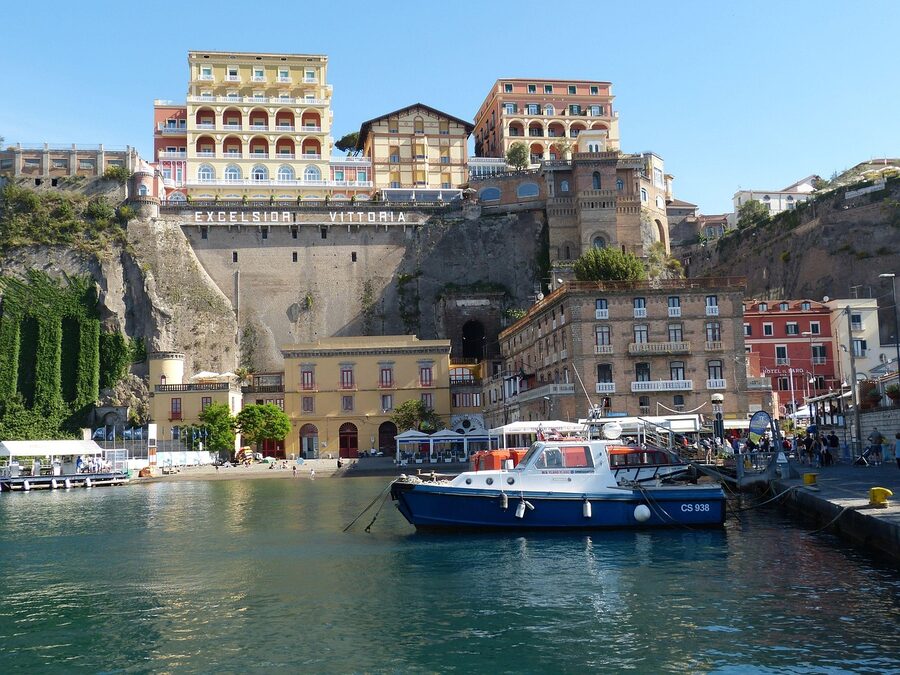
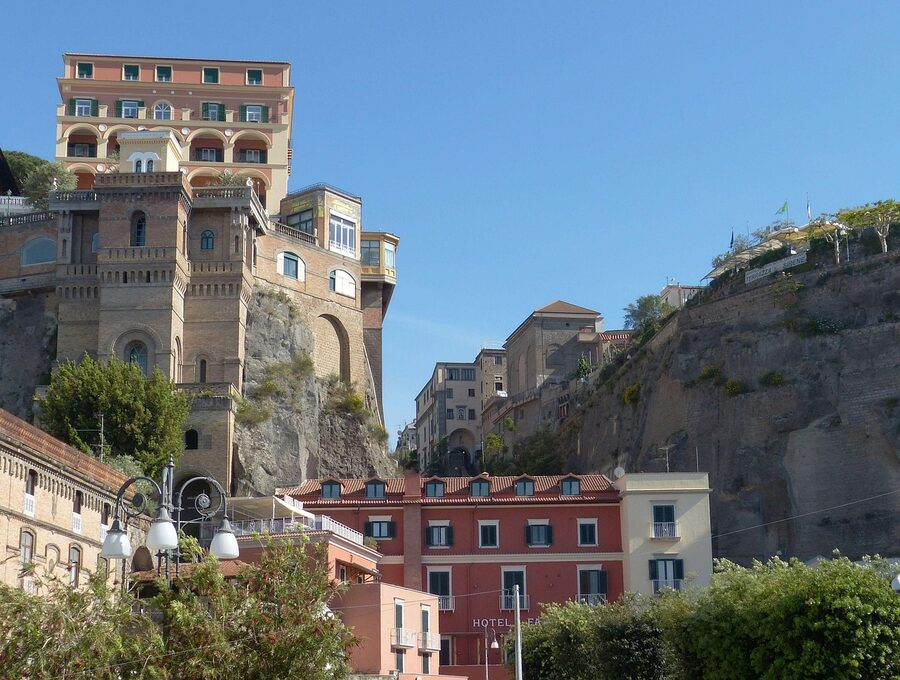
Before the Bourbon engineers finished blasting a road into the cliffside in 1840, the only way to reach these three towns was by sea or by mule path. The SS163 they carved — 50 kilometres of asphalt clinging to rock face 100 metres above the Mediterranean, threading through roughly a thousand hairpin turns — is one of the most photographed roads in Europe for good reason. And the three towns strung along it could not be more different from each other. Sorrento sits on a limestone plateau 50 metres above the sea, all orderly streets and lemon groves and that particular southern Italian ease. Positano tumbles straight down a cliff in a cascade of pastel and terracotta. Amalfi hides in a ravine, its cathedral striped in black and white, a town that once fielded a navy to rival Venice.
- If You Are in a Hurry
- Why These Three Towns Together
- How to Get from Naples to Sorrento, Positano, and Amalfi
- The Best Tours for Sorrento, Positano, and Amalfi from Naples
- 1. Sorrento, Positano, and Amalfi Day Trip from Naples —
- 2. Full-day Sorrento, Amalfi Coast, and Pompeii Day Tour from Naples — 9
- 3. Sorrento and Amalfi Coast Small Group Day Trip from Naples — 1
- What to Expect in Each Town
- Sorrento (Usually the First Stop)
- Positano (The Main Event)
- Amalfi (The History)
- When to Go
- The Drive Along the SS163
- Practical Tips
- Day Trip Versus Overnight
- Other Naples Day Trips Worth Considering
If You Are in a Hurry
Short on time? These three tours cover the Sorrento-Positano-Amalfi route from Naples, each for a different type of traveller:
- Best overall: Sorrento, Positano, and Amalfi Day Trip from Naples — $76/person, 8 hours. Hits all three towns with hotel pickup, a guide, and lunch included. The one most people should book.
- Best with Pompeii: Full-day Sorrento, Amalfi Coast, and Pompeii Day Tour from Naples — $109/person, 8-9 hours. Adds a Pompeii stop for visitors who want ruins and coastline in one day.
- Best small group: Sorrento and Amalfi Coast Small Group Day Trip from Naples — $111/person, 8 hours. Smaller van, fewer people, more flexibility at each stop.
Why These Three Towns Together
The Sorrento-Positano-Amalfi combination works because the three towns sit along the same stretch of coast, each about 20-30 minutes apart by road, and each offers something the others lack.
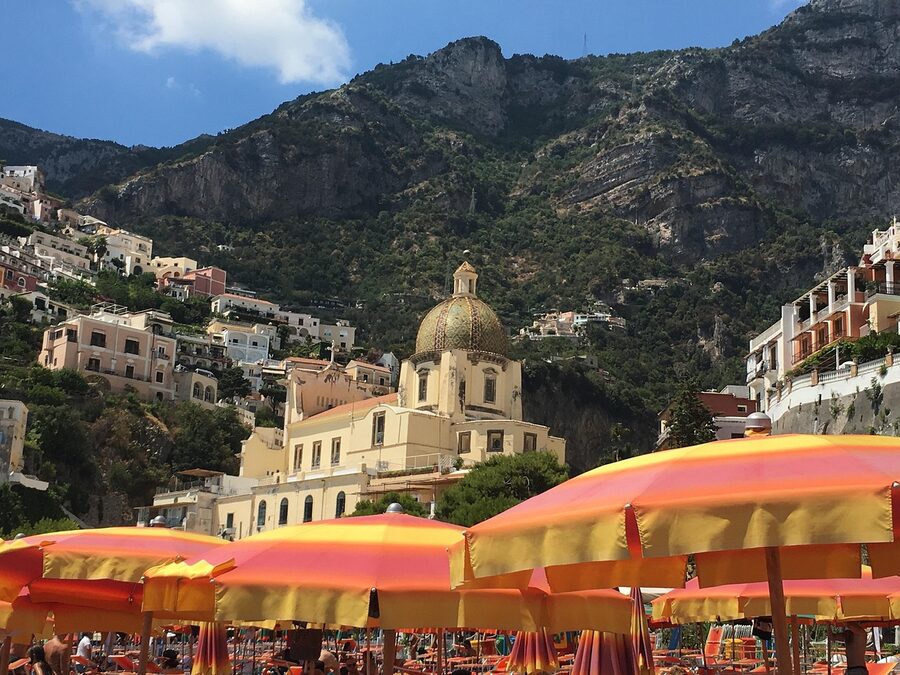
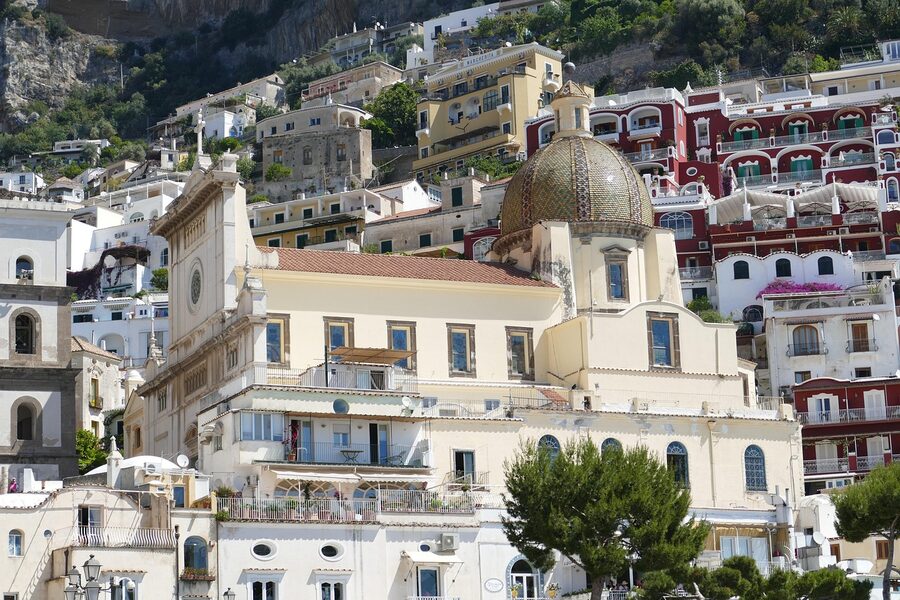
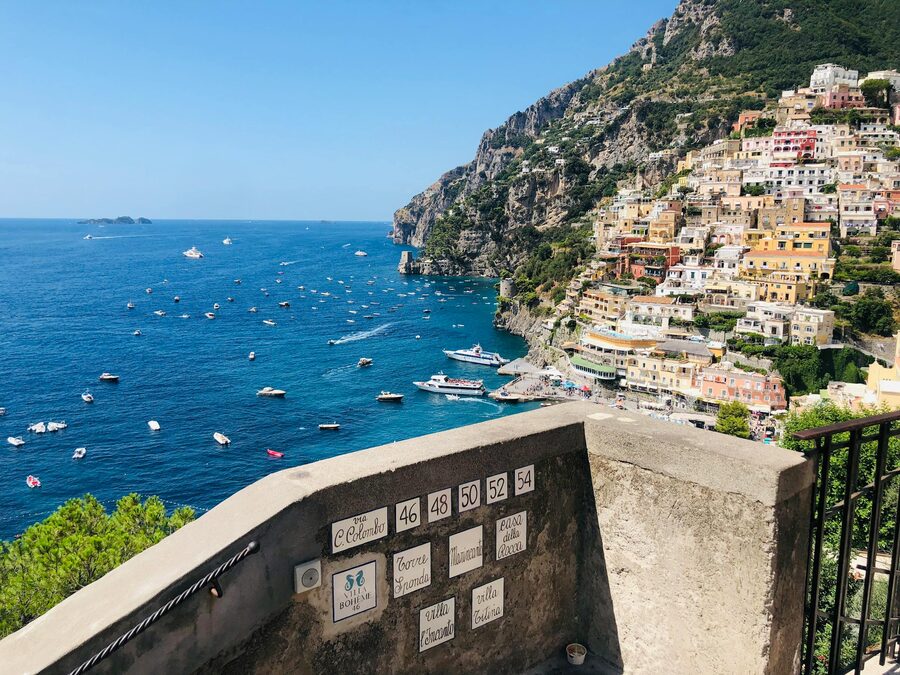
Positano is the spectacle. This is the town that Steinbeck described in 1953 as a dream place that becomes beckoningly real after you leave. Until his article ran in Harper’s Bazaar, Positano was a poor fishing village losing residents to emigration. Now it is the most photographed town on the Italian coast. The whole place drops vertically from the road to the beach — no flat ground anywhere, just staircases connecting one colourful terrace to the next. The walk down is easy. The walk back up is a workout.
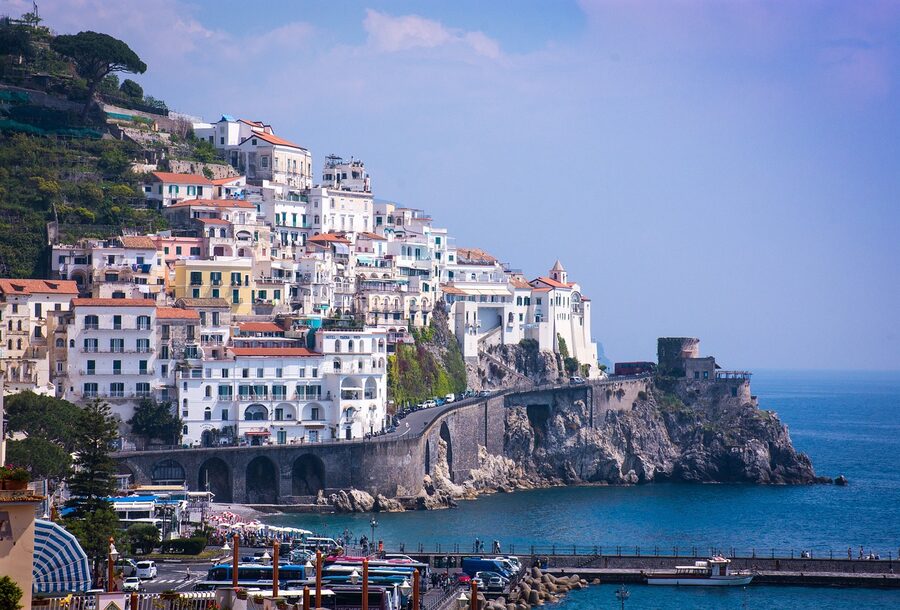
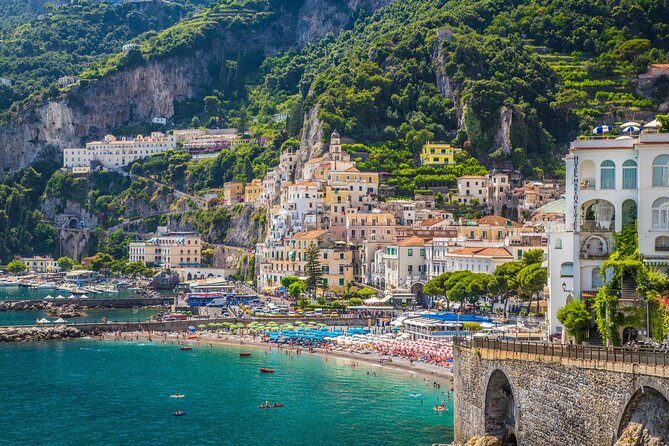
Amalfi is the surprise. Most visitors expect another picture-postcard village and find something with much more depth. This was once a maritime republic — the first in Italy, pre-dating Venice as a naval power — with a population of 70,000. The Tabula Amalphitana, the first codified maritime laws in the Western world, were written here. Today only about 5,000 people live in town, but the cathedral with its distinctive striped facade and the network of lanes behind it give you a sense of what this place once was.
How to Get from Naples to Sorrento, Positano, and Amalfi
There is no simple public transport route that connects Naples to all three of these towns in a single day. That is the first thing most people discover when they start planning, and it is the main reason guided tours dominate this route.
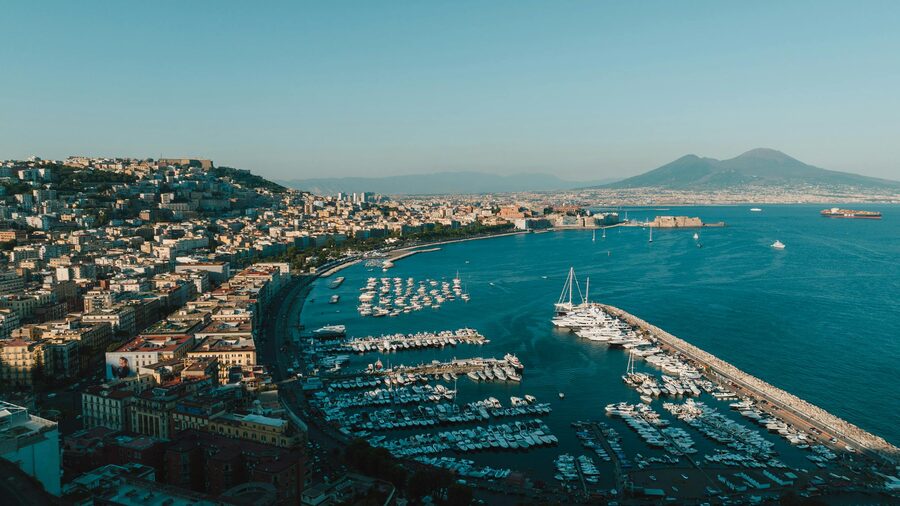
A tour picks you up from your Naples hotel or a central meeting point, handles the driving along the SS163, and drops you at each town with free time to explore. Prices run $76-$111 per person depending on the operator and group size. Most tours last 8-9 hours. You do not touch public transit, you do not argue with parking attendants in Positano, and you do not spend half your day figuring out bus schedules that may or may not be accurate.
For first-time visitors who want to see all three towns, this is the right call. I break down the best options below.
Option 2: Circumvesuviana train to Sorrento + SITA bus
The Circumvesuviana runs from Naples Garibaldi station to Sorrento in about 70 minutes for 4-5 euros. From Sorrento’s station, SITA buses run along the coast to Positano (30-40 minutes) and Amalfi (60-75 minutes). Bus fare is about 2 euros.
On paper, this is cheap. In reality, the Circumvesuviana is not air-conditioned, frequently packed to standing room, and prone to delays. The SITA buses along the coast fill to capacity in summer — you might wait 30-45 minutes for one with space. And you are adding up all the connection times: train to Sorrento, bus to Positano, another bus to Amalfi, then reverse the whole chain. In a best-case scenario, you spend 4-5 hours on transport and get maybe 2-3 hours of actual exploring.
Option 3: Ferry
Seasonal ferries (roughly April through October) run from Naples’ Molo Beverello to Sorrento, Positano, and Amalfi. One-way fares are 18-25 euros. The ride itself is pleasant — you cruise past the entire coastline. But departures are limited to 2-3 per day, ferries cancel in rough weather, and coordinating connections between all three towns by sea is essentially impossible on a day trip.
Option 4: Rental car
The SS163 Amalfitana is one lane each direction, with tour buses taking up most of both lanes. Parking in Positano costs 8-10 euros per hour — assuming you find a space, which in July you probably will not. The road is beautiful but genuinely stressful to drive. Save yourself the trouble.
The Best Tours for Sorrento, Positano, and Amalfi from Naples
I went through the available tours that cover this specific combination — all three towns, departing from Naples — and these are the three that deliver consistently.
1. Sorrento, Positano, and Amalfi Day Trip from Naples — $76
This is the one most people should book. At $76 per person for an 8-hour tour with hotel pickup, it undercuts most competitors while covering all three essential stops. You get a guide who handles the logistics, commentary on the drive along the coast, and meaningful free time at each town — typically 45 minutes in Sorrento, an hour in Positano, and an hour in Amalfi.
The operator (Worldtours) has been running this route long enough that the timing is dialled in. Your guide knows the parking spots, the best viewpoints for photos, and which restaurants will actually feed you well versus which ones survive on tourist foot traffic alone. Several travellers specifically called out their guides by name — Gabriel, Nina, Francisco — which tells you these are people who care about the experience rather than just going through the motions.
The trade-off is group size. This is a full bus, not a private van. If the person behind you is loud, you will hear about their holiday for eight hours. But at this price point, with this itinerary, it is the best value on the route.
2. Full-day Sorrento, Amalfi Coast, and Pompeii Day Tour from Naples — $109

This is the ambitious option. At $109 per person for 8-9 hours, you get the coastal trio — Sorrento, Positano, and the Amalfi Coast drive — plus a stop at Pompeii. That is a lot of ground for one day, and it only works because the operator has the route timing sharpened over thousands of departures.
The Pompeii stop adds something the coast-only tours lack: historical weight. Walking through streets that were buried under volcanic ash in 79 AD and then driving along a road carved into cliffs above the same sea that the Romans sailed — that combination creates a sense of time and place that sticks with you. If you only have one full day to spend outside Naples and you are torn between visiting Pompeii and seeing the coast, this tour removes the dilemma.
The downside is pace. You spend less time at each stop — maybe 30-40 minutes at the coastal towns instead of a full hour. If you prefer to linger over lunch in Positano and actually sit down somewhere, the coast-only tour above is a better fit. But if you are the type who moves fast and wants to see everything, this packs a remarkable amount into one day.
3. Sorrento and Amalfi Coast Small Group Day Trip from Naples — $111
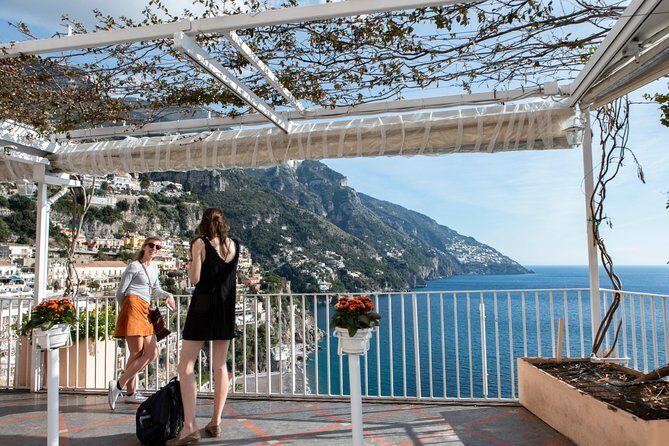
At $111 per person, this costs about $35 more than the budget option — and the difference is immediately obvious. You are in a minivan with 8-10 people instead of a full coach with 40+. The guide can actually adjust the itinerary based on what the group wants. If everyone is enjoying Positano and nobody is in a rush to leave, you stay longer. That kind of flexibility does not happen on a large bus tour.
The smaller group also means better access. The van can navigate streets and parking areas that a full-size coach cannot, which sometimes translates to closer drop-off points and less walking to reach the towns. And the guide has time to answer questions, share stories, and make recommendations that are specific to your interests rather than playing to the lowest common denominator of a 50-person group.
This is the right pick for couples, families with older children, or anyone who values the experience of the day over ticking boxes. You see the same coastline, the same towns, the same views — but you see them without feeling like you are part of a herd.
What to Expect in Each Town
Most tours give you 45 minutes to an hour in each town. Here is how to spend that time well.
Sorrento (Usually the First Stop)
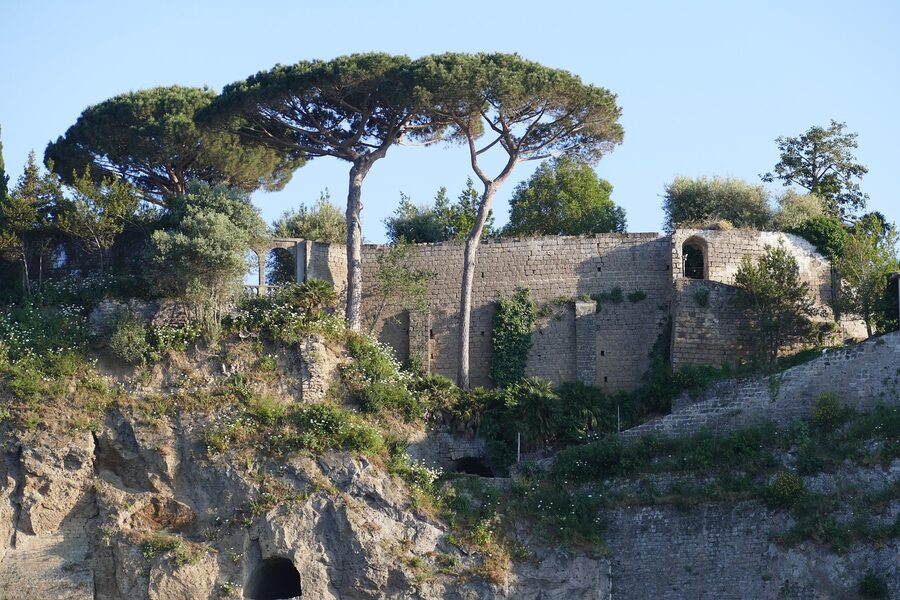
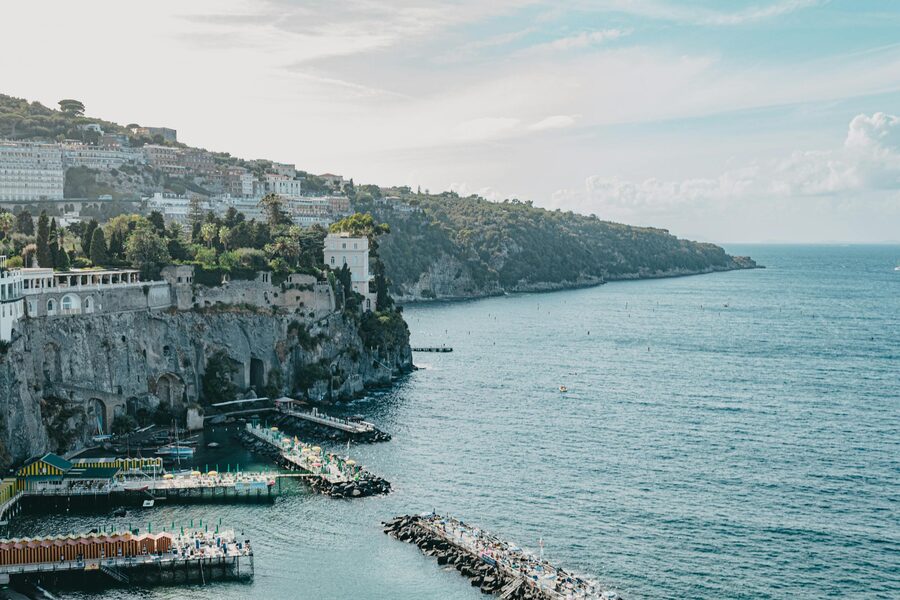
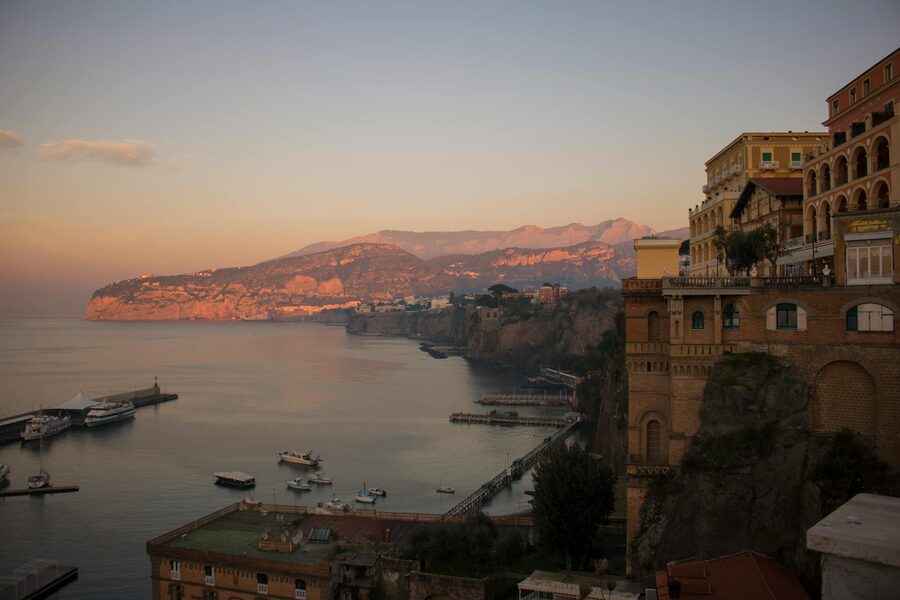
With 45-60 minutes, head to Piazza Tasso for the main square atmosphere, then walk down one of the narrow lanes toward the old town. The limoncello shops will find you — the Amalfi coast’s thick-skinned lemons grow on terraced gardens carved into these cliffs, and the liqueur they produce is everywhere. Buy a small bottle if you want, but taste it first. Quality varies wildly between producers.
If your tour stops at Marina Grande (the old fishing harbour at the base of the cliff), the walk down takes about 10 minutes and the walk back up takes about 15. Worth it for the waterfront, but mind your time.
Positano (The Main Event)

The walk down to Spiaggia Grande (the main beach) takes about 15 minutes at a steady pace. The walk back up takes 20-25 minutes and will leave you breathing hard regardless of your fitness level. Factor this into your time — if you have an hour, you are spending 40 minutes walking and 20 minutes actually at the bottom.
My suggestion: do not aim for the beach unless you plan to swim. Instead, stop about halfway down at one of the terraced restaurants or bars that have sea views. Order a lemon granita or a glass of local white wine, sit down, and look at the view. This is what Positano is for. Buying overpriced ceramics on the way back up is optional but somehow always happens.

Amalfi (The History)
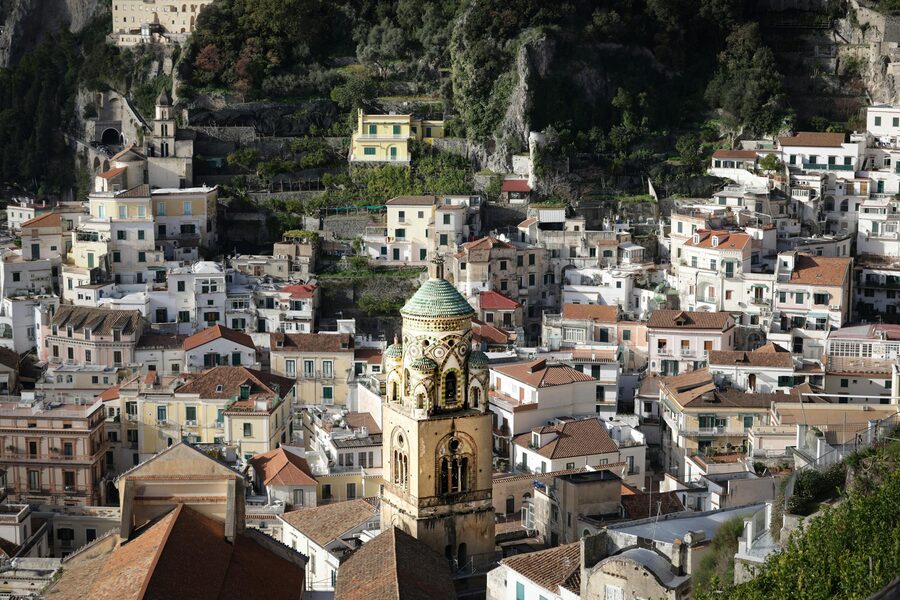
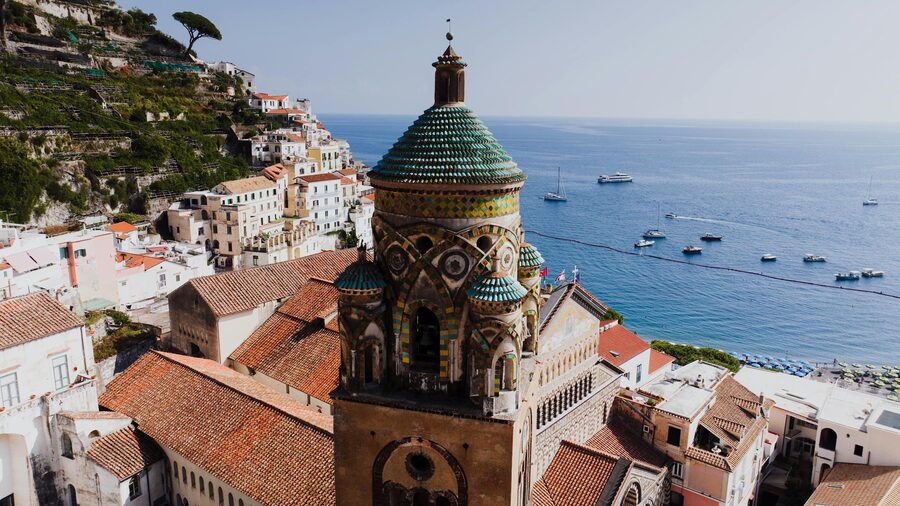
The maritime history is what sets Amalfi apart. This was one of the four maritime republics of medieval Italy, alongside Venice, Genoa, and Pisa. At its peak in the 11th century, the population reached 70,000. The Tabula Amalphitana — the first codified maritime laws in the Western world — governed trade across the Mediterranean from here. That history is visible in the cathedral’s mix of architectural styles, in the street plan that follows old trade routes up the ravine, and in the general sense that this town was once far more important than its current size suggests.
With an hour, visit the cathedral (small entry fee), walk up one of the side streets into the old quarter, and grab a sfogliatella or a lemon pastry from one of the bakeries. If you have any energy left after Positano’s staircases, the short hike up Valle delle Ferriere behind town gives you a completely different perspective.
When to Go
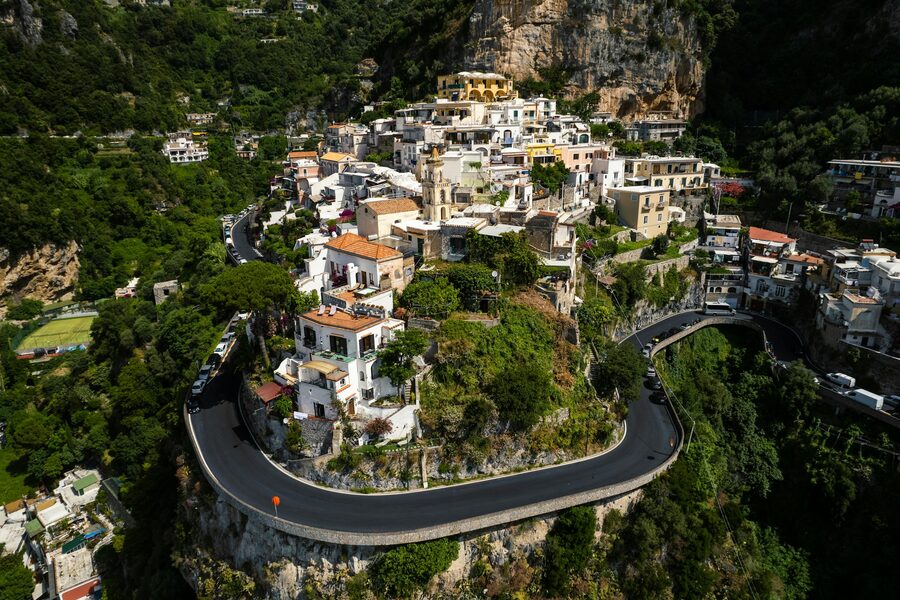
Summer (June-August) is peak season and it shows. The SS163 turns into a car park on weekends. Positano’s main path becomes a one-way shuffling crowd. Restaurants with views require reservations or long waits. Tours still run and still work — the guides know how to manage the timing — but the experience is noticeably less relaxed.
Winter (November-March) is quieter but many businesses close, ferry services stop, and some tours do not operate. If you are in Naples during winter and the weather cooperates, the coast is hauntingly beautiful when it is empty. But check tour availability before you plan around it.
Whatever month you go: leave Naples early. The 7:30-8:00am departures get you to the coast before the worst traffic and crowds. By noon in peak season, the experience is significantly different from what it is at 9:30am.
The Drive Along the SS163

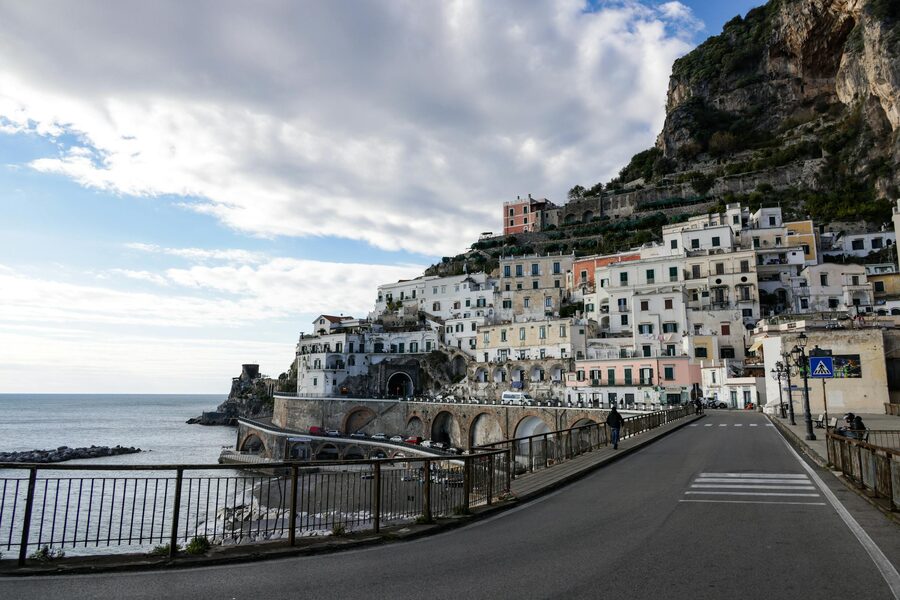
On a guided tour, you sit back and let someone else handle the white-knuckle sections. Your driver has done this road thousands of times and knows exactly where the mirrors are, how wide the bus is, and when to accelerate through a curve before an oncoming coach reaches the same point. Your guide will point out landmarks and viewpoints along the way — including a few photo stops at places where the entire coastline opens up below you.
If you are prone to motion sickness, take medication beforehand and sit toward the front of the vehicle. The road is genuinely winding, and the combination of curves and cliff-edge drops catches some people off guard. Having said that, I have never seen anyone actually get sick on these tours. It is more “mildly queasy” than “actively ill.”
Practical Tips
Wear comfortable shoes. Positano alone involves enough stairs to constitute a workout. Sandals and heels are a bad idea on the uneven stone paths. Trainers or light hiking shoes are ideal.
Bring cash. Some smaller shops, gelaterias, and public restrooms in these towns are cash only. Keep 20-30 euros in small bills on you. The ATMs in all three towns work fine if you run out, but the queues can be long in summer.

Do not skip Amalfi for more time in Positano. It is tempting — Positano is the visual showstopper and you will want more time there. But Amalfi has a depth that Positano lacks. The cathedral alone justifies the stop, and the old town streets behind the main square are genuinely interesting. Give it at least 45 minutes.
Eat lunch at one stop, snack at the others. Trying to have a sit-down meal at all three towns will eat your free time and leave you feeling rushed. Pick one town for a real lunch (I like Amalfi for this — the restaurants up the side streets are less touristy than Positano’s) and grab gelato or a quick pastry at the other two.
Camera batteries and phone storage. This is not a joke. You will take 200+ photos on this day trip. Clear some space on your phone before you leave Naples, or bring a backup battery. Running out of storage in Positano is a genuine tragedy.

Day Trip Versus Overnight
A day trip from Naples covers the highlights. You see all three towns, drive the coast, take your photos, eat your lunch. For most visitors with limited time, it works and it works well.
But an overnight stay changes the experience fundamentally. The Amalfi Coast after 6pm, when the tour buses have gone and the last day-trippers are climbing back up Positano’s stairs, is a completely different place. The streets empty, the light turns golden, and the locals start emerging. Dinner on a terrace overlooking the sea at sunset, followed by a slow walk through quiet lanes that were a tourist highway three hours earlier — that is the version of the coast that makes people fall in love with it.
If you can manage it, one night in Positano or Sorrento is worth the extra cost (budget 150-300 euros for a decent room in summer). Take a morning tour from Naples, check into your hotel mid-afternoon, enjoy the evening, and head back the next day. You will not regret it.
Other Naples Day Trips Worth Considering
If you are spending a few days in Naples, the Sorrento-Positano-Amalfi day trip pairs well with a couple of other outings. Pompeii is the obvious companion — the ruins are about 40 minutes from Naples by train and deserve a full half-day. For something completely different, Capri is a short ferry ride away and gives you the Blue Grotto, Anacapri, and a very different island atmosphere. Back in the city, the Naples Underground tunnels take you beneath 2,400 years of history in the ancient Greek and Roman aqueducts. And if you want a hands-on food experience, a pizza-making class in Naples is one of the best things you can do in the city. We also have a broader guide to the Amalfi Coast from Naples that covers additional towns and tour options beyond the Sorrento-Positano-Amalfi route.
This article contains affiliate links. When you book through these links, we may earn a small commission at no extra cost to you. This helps us keep producing detailed travel guides.