
Cacio e pepe uses three ingredients: pasta, pecorino cheese, and black pepper. That is it. And I spent a good forty minutes in a kitchen near Piazza Navona trying to get those three things to turn into something that was not a clumpy, grainy mess.
The instructor — a woman named Lucia who had clearly seen hundreds of travelers make the same mistake — watched me stir too aggressively and just shook her head. “Slower,” she said. “The starch does the work, not you.” She was right.
That is the thing about Roman cooking classes near Piazza Navona. You walk in thinking pasta is easy. You walk out with flour on your clothes, a tiramisu you made yourself chilling in the fridge, and a genuine respect for what looks simple but absolutely is not.
Best overall: Pasta and Tiramisu Cooking Class in Piazza Navona — $64. You learn two courses from scratch and eat everything you make with wine included. The full Roman cooking experience.
Best for pizza lovers: Traditional Pizza Cooking Class near Piazza Navona — $46. Dough from scratch, wood-fired oven, and you eat your pizza right there. Hands-on and affordable.
Best splurge: Pizza and Gelato Making Class in the Heart of Rome — $120. You walk out knowing how to make both pizza and gelato. Worth the price for the gelato technique alone.
- What Cooking Classes near Piazza Navona Actually Look Like
- Why the Piazza Navona Area Specifically
- The Best Cooking Classes to Book near Piazza Navona
- 1. Pasta and Tiramisu Cooking Class in Piazza Navona —
- 2. Traditional Pizza Cooking Class near Piazza Navona —
- 3. Pizza and Gelato Making Class in the Heart of Rome — 0
- When to Book Your Cooking Class
- What You Will Actually Learn to Make
- How to Get There
- Tips That Will Save You Time and Money
- Pasta Class vs Pizza Class vs Combo — Which Should You Pick?
- What Else to Do near Piazza Navona
- More Rome Guides
What Cooking Classes near Piazza Navona Actually Look Like
Most cooking classes in the Navona area follow the same general format. You show up at a restaurant kitchen or a dedicated cooking studio within a few minutes’ walk of the piazza, tie on an apron, and spend the next two to three hours making food from scratch.
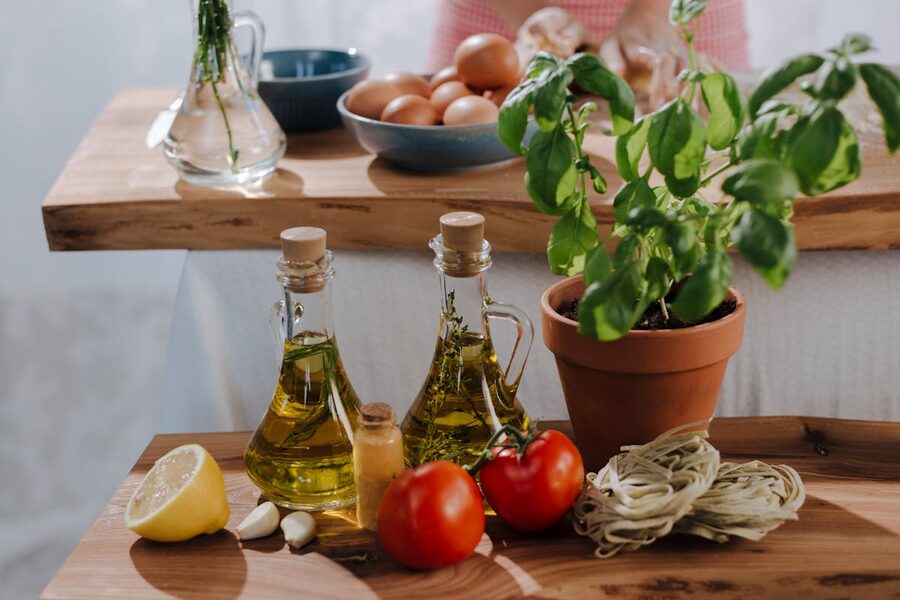
The classes are small — usually between 8 and 20 people — and the instructor works with you at your own pace. No prior cooking experience needed. I watched a guy who claimed he could not boil water turn out a perfectly acceptable batch of fettuccine. The instructors have seen everything and they know how to guide you through it.
Here is what you will typically make, depending on the class you choose:
Pasta + tiramisu classes cover two types of fresh pasta (fettuccine and ravioli are common), a sauce, and tiramisu for dessert. These run about 2.5 hours and usually include wine with the meal afterward.
Pizza classes focus entirely on dough — making it, stretching it, topping it, and baking it in a proper oven. These tend to be shorter at around 2 hours but you eat what you make, and some include drinks.
Gelato classes are less common as standalone options near Navona, but you can find combo classes that pair pizza or pasta with gelato making. These are longer but cover more ground.
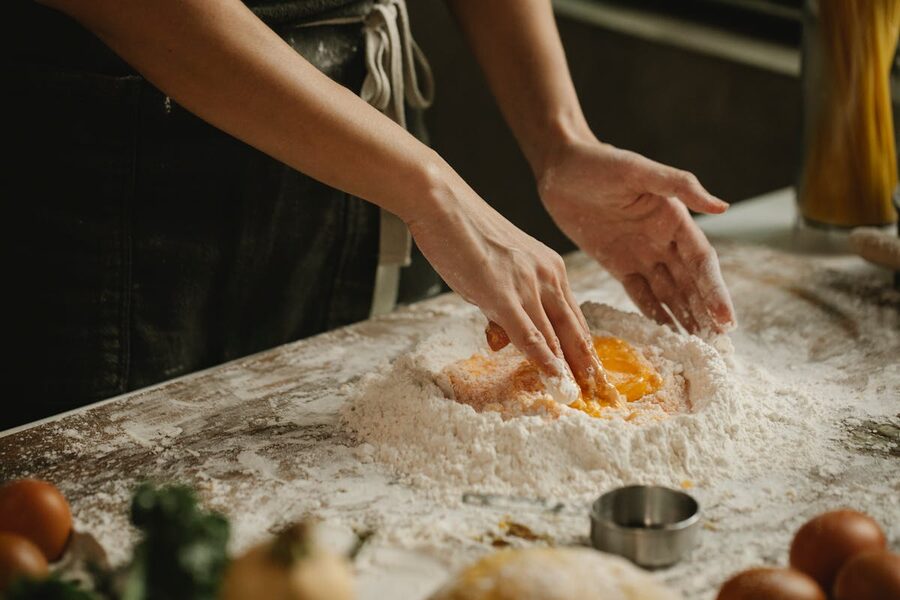
After the cooking portion, you sit down and eat everything you made. Most classes include wine, water, and sometimes aperitivo or limoncello. It is a meal and an activity rolled into one, which makes it solid value even at the higher price points.
Why the Piazza Navona Area Specifically
Rome has cooking classes scattered across the city — in Trastevere, near the Spanish Steps, around Testaccio. But the classes clustered near Piazza Navona have a few things going for them.
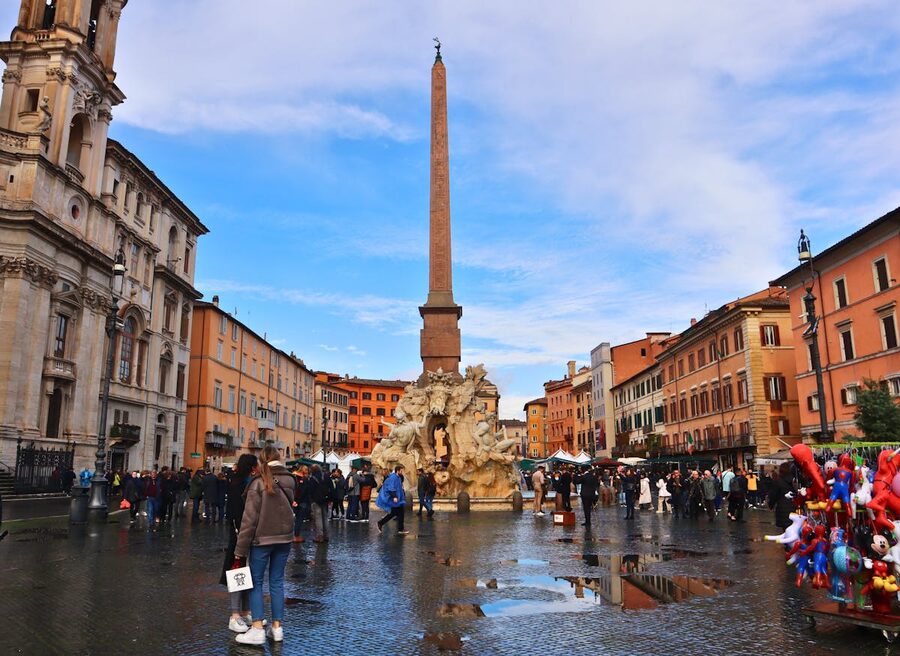
First, location. Piazza Navona sits in the middle of Rome’s historic center, walking distance from the Pantheon, Campo de’ Fiori, and the river. Whatever you are doing before or after the class, it fits into your day without a taxi ride or metro transfer.
Second, the area has kept its local food culture better than some of the more touristed neighborhoods. The kitchens and restaurants that host these classes are real working businesses, not purpose-built tourist operations.
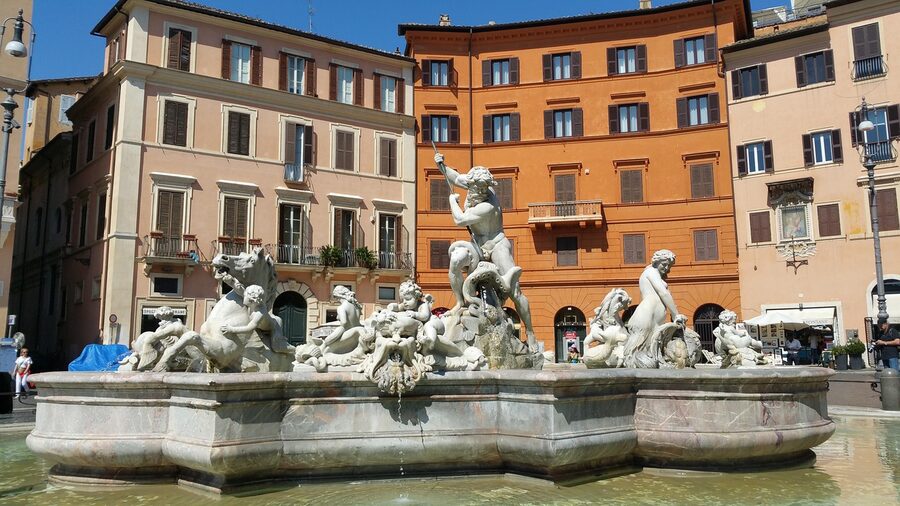
Third, there is a real history to this food. The cucina povera tradition — the “poor kitchen” — is built on making extraordinary food from cheap ingredients. Cacio e pepe, carbonara, amatriciana, gricia. The four pillars of Roman pasta. Every one uses five or fewer ingredients. The skill is in the technique, not the shopping list.
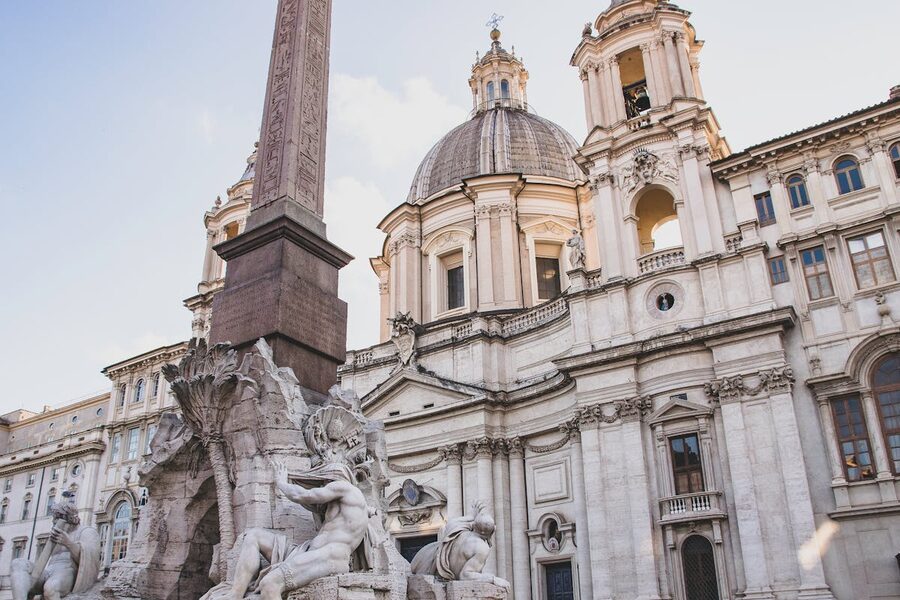
And the buildings where you will be cooking sit on foundations that date back to the 1st century AD. Piazza Navona itself follows the exact outline of the Stadium of Domitian, the ancient Roman racetrack. Your cooking class might literally be happening on top of Roman ruins. Hard to beat that for atmosphere.
The Best Cooking Classes to Book near Piazza Navona
I picked three classes that cover different price points and cooking styles. All of them take place within walking distance of Piazza Navona and all have strong track records with hundreds of verified visitors.
1. Pasta and Tiramisu Cooking Class in Piazza Navona — $64
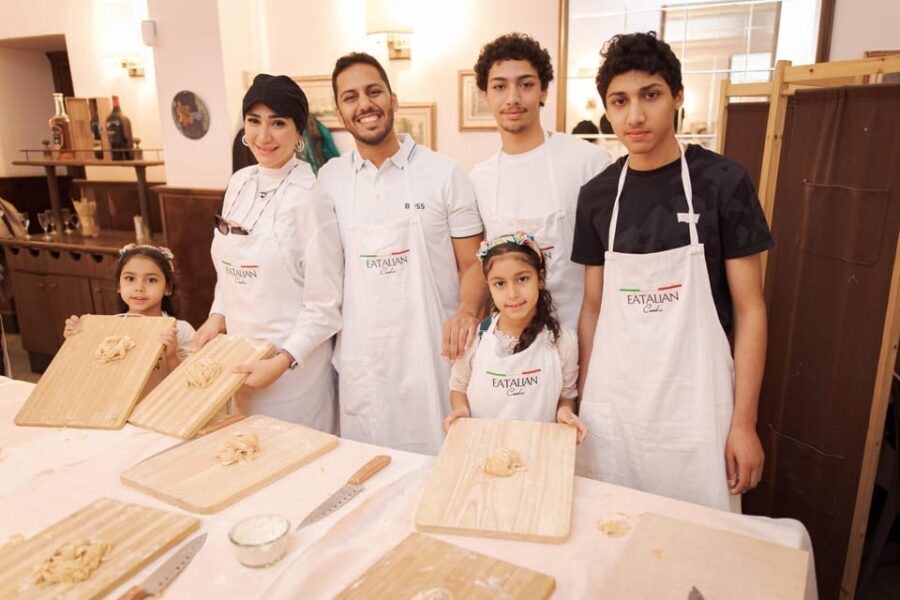
This is the one I would recommend to most people visiting Rome. For $64 per person over 2.5 hours, you learn to make fresh pasta from scratch — typically fettuccine — and then move on to tiramisu. The class wraps up with a full sit-down meal where you eat everything you made, plus wine, an appetizer, and limoncello.
What sets this apart from other pasta classes in Rome is the completeness of it. You are not just rolling dough and moving on. You make the pasta, choose your sauce, and then sit in the restaurant and eat it like a real dinner. One visitor I read about was surprised by how much food was included — they expected a quick cooking demo but got a full evening out of it. The instructors here are personable and patient, which matters when you are a first-timer trying not to destroy the dough.
The only knock is that it fills up quickly, especially for evening time slots. Book at least a few days ahead if you want a specific date. This class also works well for couples or small groups — the format encourages talking to the people next to you while you work.
2. Traditional Pizza Cooking Class near Piazza Navona — $46
If pasta is not your thing — or if you have been eating pizza every day in Rome and want to understand how it is actually made — this is the class to book. At $46 per person for a 2-hour session, it is also the most affordable option on this list.
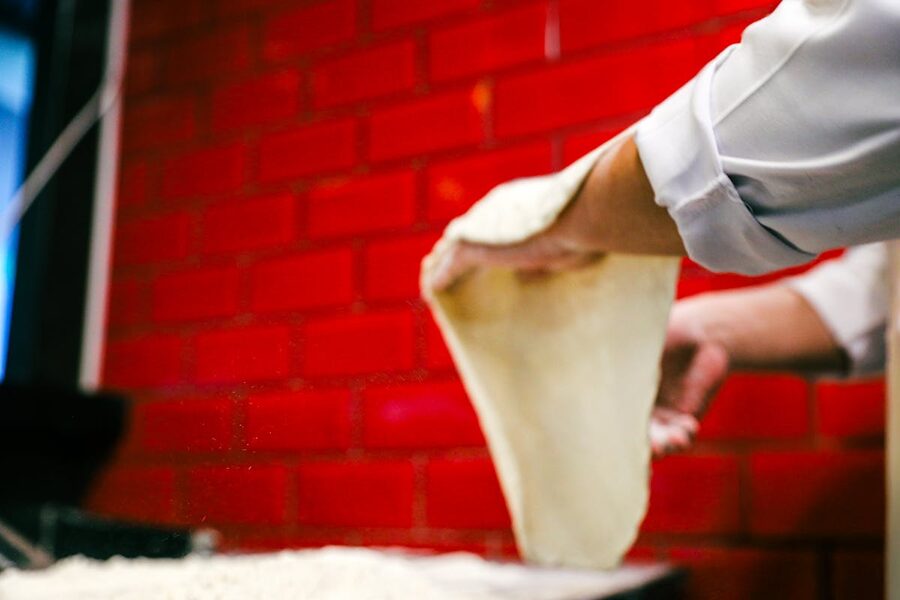
You start with the dough, which is where most of the learning happens. Roman pizza dough is different from Neapolitan — thinner, crispier, less of that chewy, blistered crust you find in Naples. Getting the stretch right without tearing the dough is the whole challenge, and the instructors here are skilled at walking you through it. You top your pizza with classic Roman toppings, bake it, and eat it. Drinks are included.
The trade-off with this class is that it is just pizza — no pasta, no dessert. But if you are short on time or traveling with kids (and pizza is the one thing that keeps everyone happy), it is a smart pick. With over a thousand verified visitors and consistently positive feedback, the instructors know what they are doing. The host Elisa, in particular, gets singled out for making the class feel like a party rather than a lesson.
3. Pizza and Gelato Making Class in the Heart of Rome — $120
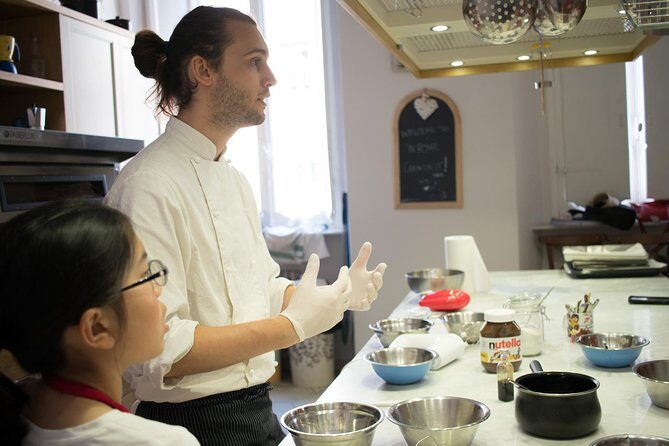
This is the premium option and the only class on this list that includes gelato making. At $120 per person for a 2.5-hour session, it is a bigger investment, but you walk out knowing how to make both pizza and authentic Italian gelato — two skills that will genuinely impress people when you get home.
The gelato portion is what makes this stand out. Most cooking classes in Rome focus on pasta or pizza because those are easier to teach in a group setting. Gelato requires more precision — temperatures matter, ratios matter, and the churning process is its own art form. You will learn why real gelato uses less air and more milk than ice cream, and why it melts faster. The instructor Simone is sharp and funny, which helps when you are trying to multitask between pizza dough and ice cream base.
The class also includes wine and recipes to take home. At $120 it is not cheap, but compared to buying separate pizza and gelato classes, it is actually reasonable. Best for foodies who want to go deeper than a single-dish class, or for anyone who has already done a pasta class on a previous trip to Rome.
When to Book Your Cooking Class
Most classes near Piazza Navona run multiple sessions per day — typically a morning slot (10 AM or 11 AM) and an evening slot (5 PM or 6 PM). Here is what matters when picking your time:
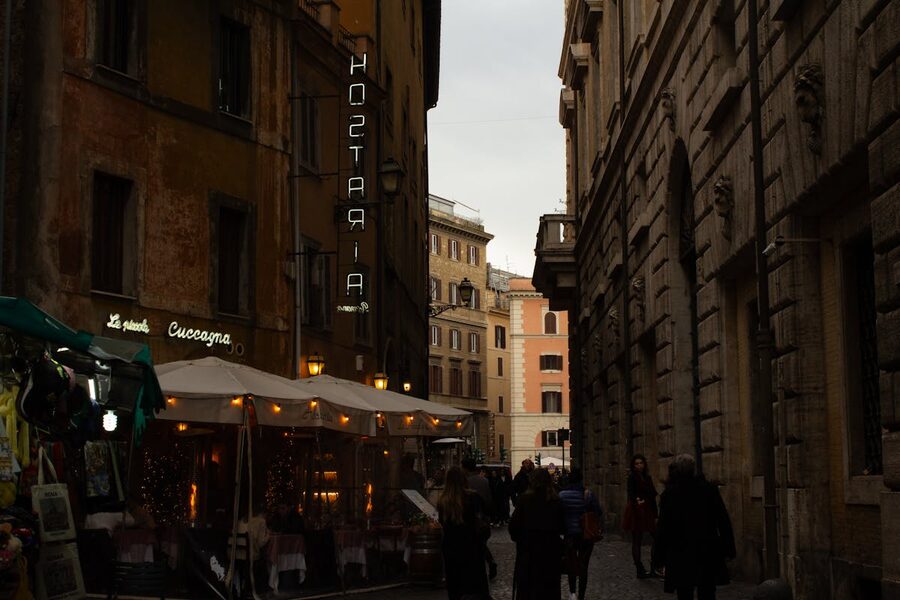
Evening classes are more popular and sell out faster. The upside is that your cooking class doubles as dinner — you eat everything you make around 7:30 or 8 PM, which lines up perfectly with Roman dining hours. You skip having to find a restaurant afterward, and the neighborhood around Navona looks gorgeous at dusk.
Morning classes are easier to book on short notice and tend to have slightly smaller groups. The downside is that you will eat a substantial meal at lunchtime, which can throw off your dinner plans. But if you want a more intimate class with fewer people, mornings are the move.
Book 3-5 days in advance during peak season (April through October). In the off-season (November through March), you can sometimes book the day before, but I would not count on it for the most popular classes — the pasta and tiramisu class fills up regardless of the season.
What You Will Actually Learn to Make
Let me break down the cooking itself, because the descriptions on booking sites tend to be vague.
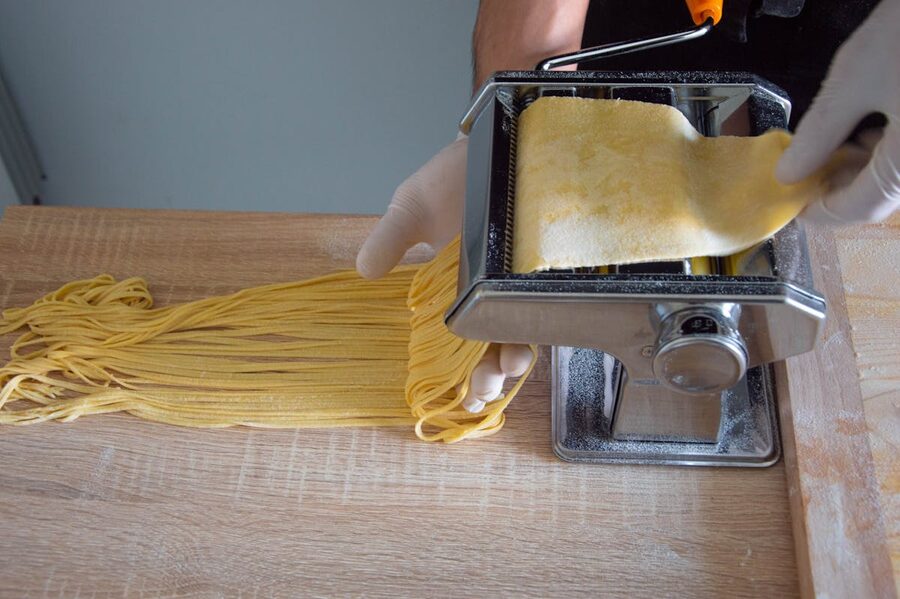
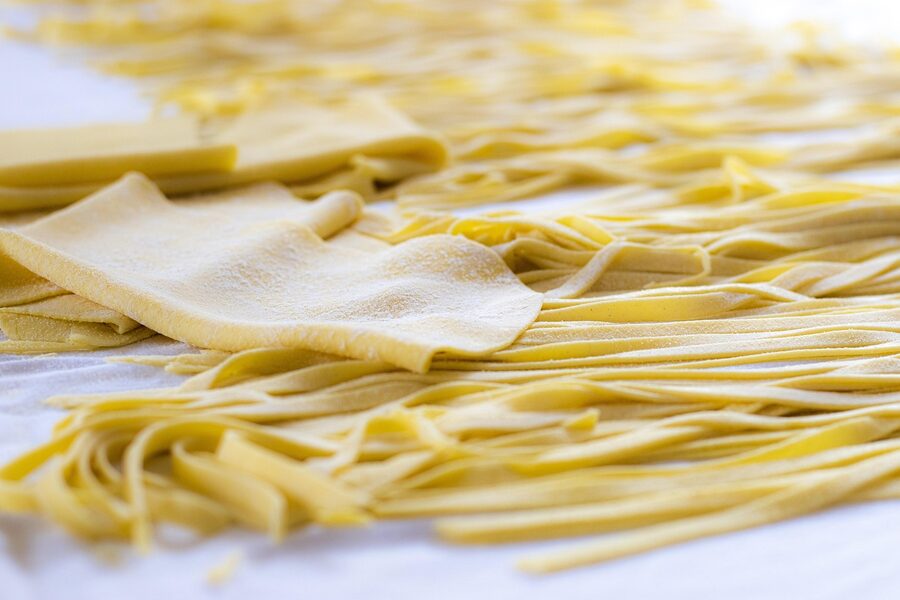
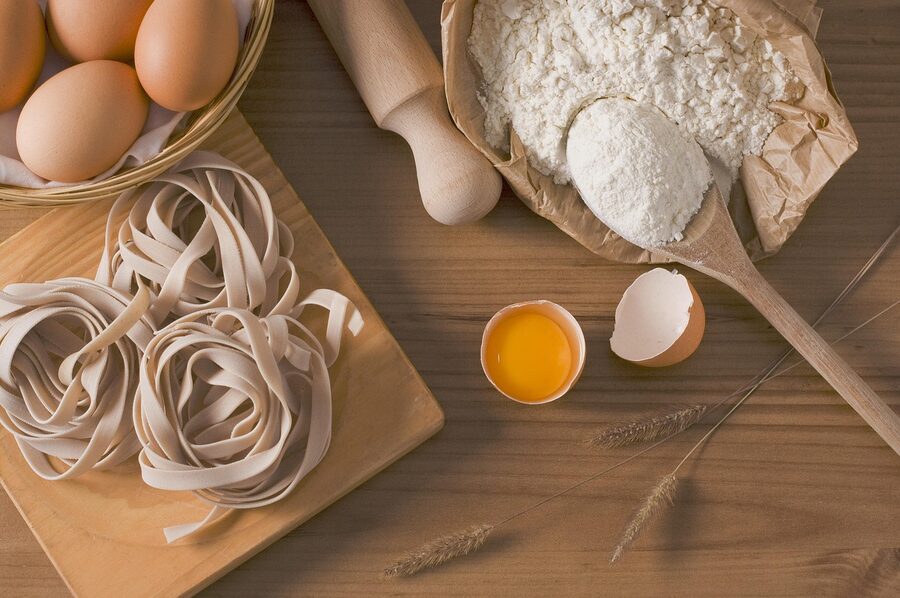
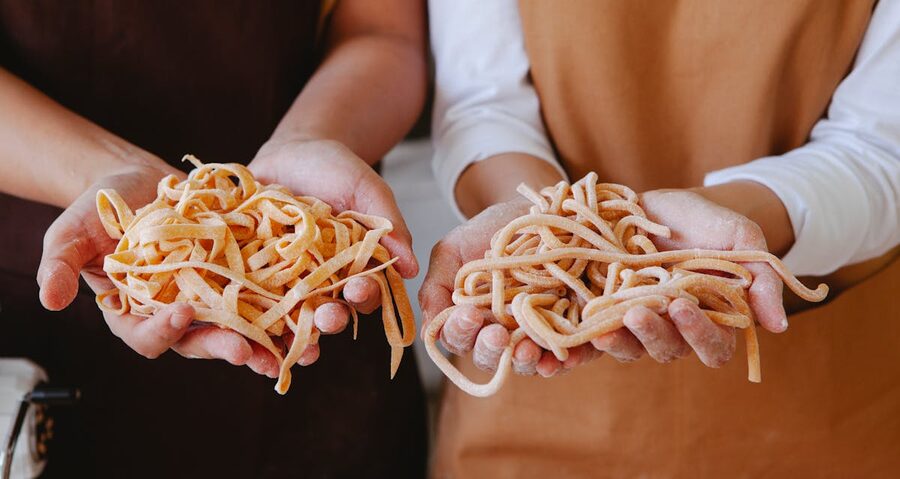
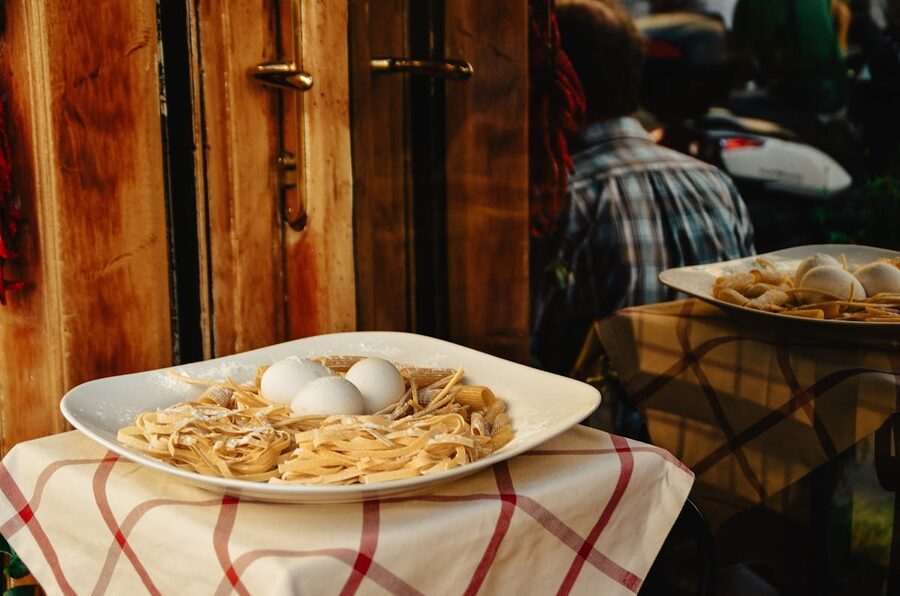
Fresh pasta from scratch means starting with a mound of flour on a wooden board, cracking eggs into a well in the center, and working the dough with your hands for about 10-15 minutes until it is smooth. Then you roll it out (by hand or with a machine, depending on the class) and cut it into fettuccine, tagliatelle, or ravioli shapes. The whole process takes about 45 minutes.
What surprised me was the sauce. In Rome, the traditional sauces — cacio e pepe, carbonara, amatriciana — use so few ingredients that the technique is everything. Getting the starchy pasta water to emulsify with the cheese is the difference between a silky sauce and a clumpy disaster. The instructor will walk you through this slowly, because it is the part where most people struggle.
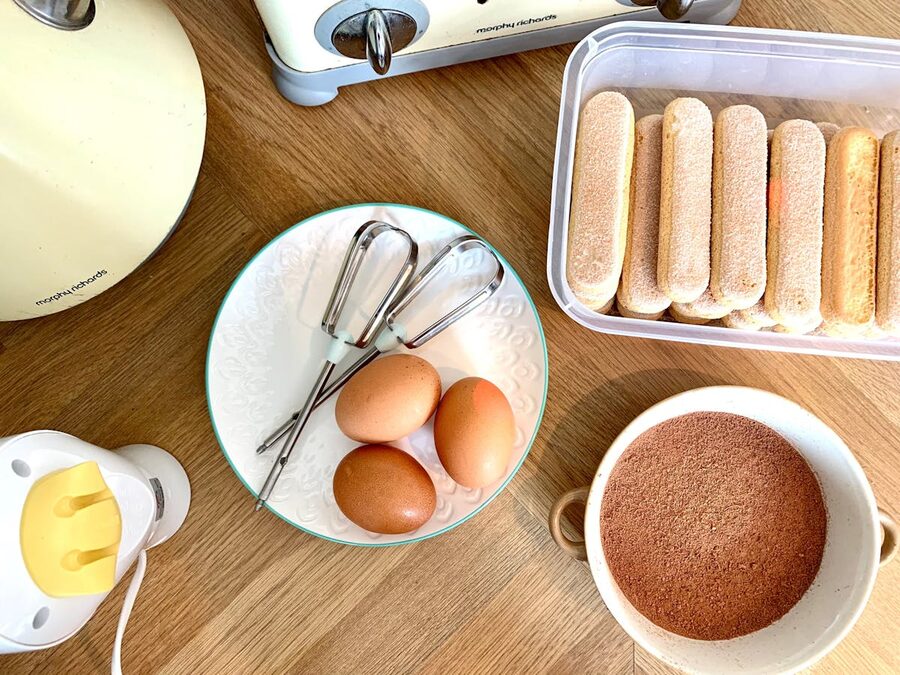
Tiramisu is more assembly than cooking, but there is real technique involved. You separate eggs, whip the yolks with sugar until they are pale and thick, fold in mascarpone, dip ladyfinger biscuits in espresso (not too long — soggy tiramisu is a crime), and layer everything in a dish. The cocoa dusting at the end feels ceremonial. Your tiramisu needs to set for a while, so you typically make it first and eat it last.
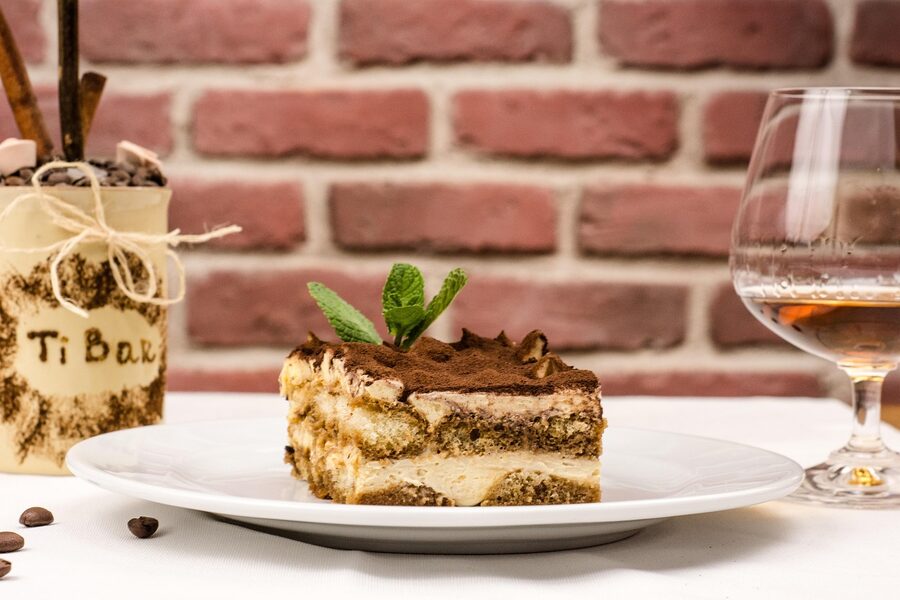
The name tiramisu translates to “pick me up” or “lift me up” — a nod to the caffeine and sugar hit. It was invented in the 1960s, though whether that happened in Treviso or right here in Rome is a debate that will never be settled.
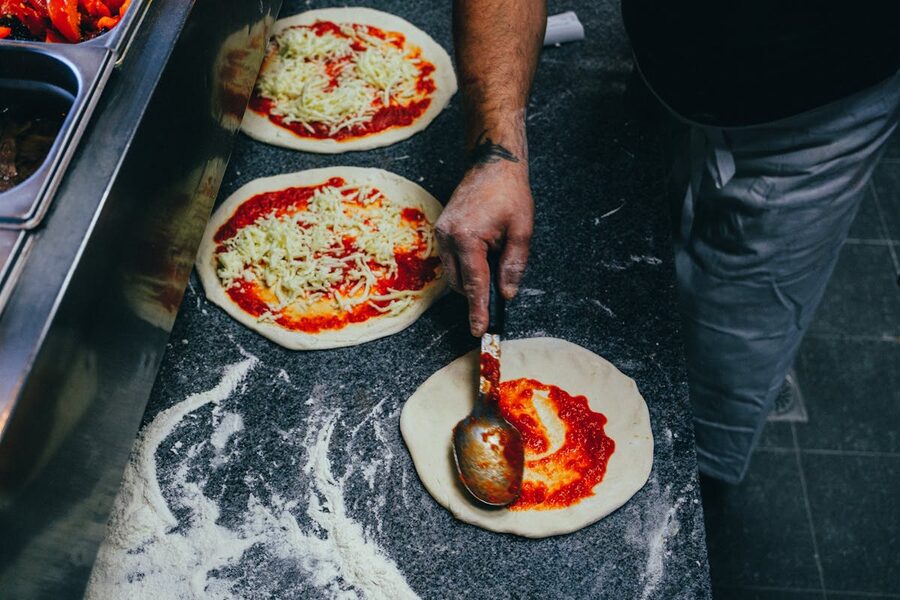
Pizza dough involves mixing flour, water, yeast, salt, and olive oil, then kneading until the dough passes the “windowpane test” — you can stretch it thin enough to see light through it without it tearing. Roman-style pizza dough is rolled thinner than Neapolitan, which gives it a crispier texture. The stretching is done entirely by hand, no rolling pin, using a technique where you drape the dough over your fists and let gravity do the work.
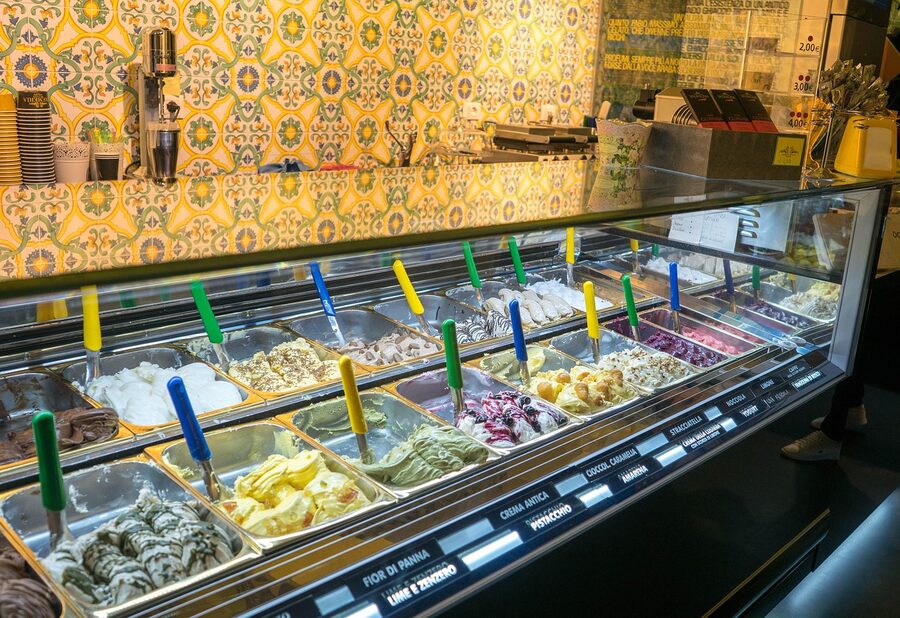
Gelato starts with a custard base — milk, sugar, and egg yolks heated gently to coat the back of a spoon. Then you add your flavor (fruit puree, chocolate, pistachio paste) and churn it in a machine that keeps the mixture moving while it freezes. The key difference from ice cream is the lower fat content and slower churn speed, which incorporates less air and creates that dense, creamy texture Italian gelato is known for.
How to Get There
Piazza Navona is in the heart of Rome’s Centro Storico (historic center), and there is no metro stop directly at the piazza. Here is how to get there:
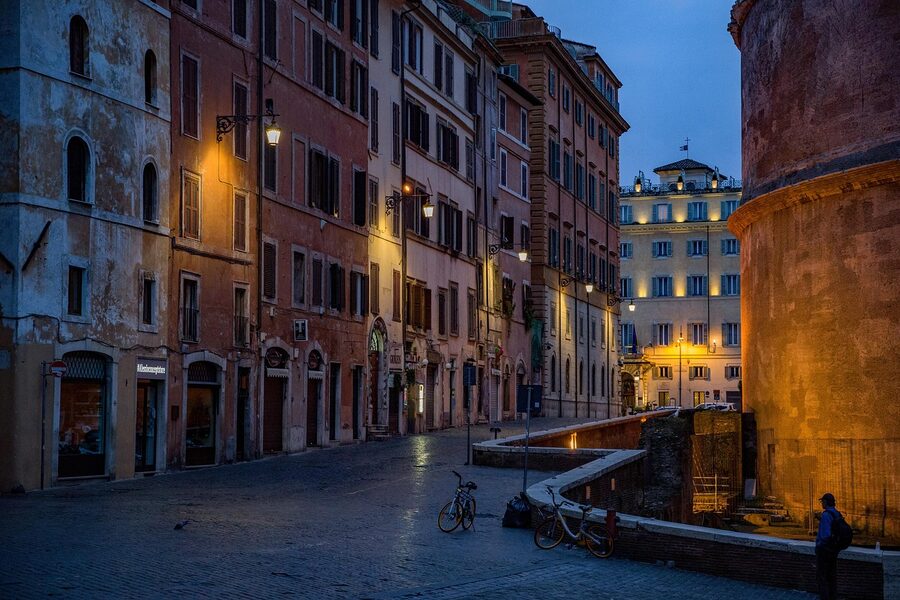
Walking: If you are already in the historic center — near the Pantheon, Campo de’ Fiori, or Largo Argentina — Piazza Navona is 5-10 minutes on foot. From the Colosseum, it is about a 25-minute walk through the Forum area and past Largo Argentina.
Bus: Several bus lines stop within a few minutes’ walk. Lines 30, 70, 81, and 87 all pass nearby. The closest stops are Corso Vittorio Emanuele II / Navona or Senato. Rome’s bus system can be unpredictable, so build in extra time.
Metro + walk: The nearest metro station is Barberini (Line A), about a 15-minute walk south through the streets. Alternatively, Spagna (Line A) is a 20-minute walk. Neither is ideal, but Rome’s metro does not reach the old center well. From the Vatican, take Line A from Ottaviano to Barberini, then walk.
Taxi/ride-share: Tell the driver “Piazza Navona” — everyone knows it. From Termini station, expect about EUR 10-15 and 15 minutes depending on traffic. From Trastevere, it is a quick ride across the river.
Your booking confirmation will include the exact meeting point. Some classes meet at the piazza itself, others at a specific restaurant address on a side street. Double-check the address the day before.
Tips That Will Save You Time and Money
Eat light before an evening class. You will eat a full meal at the end — pasta, appetizers, wine, dessert. I have seen people show up stuffed from a late lunch and struggle to enjoy the food they just spent two hours making. Have a small snack, not a sit-down meal.
Wear something you do not mind getting flour on. Aprons help, but flour gets everywhere. Dark jeans or a washable top is the way to go. Leave the white linen shirt at the hotel.
Bring a phone for photos but keep it out of the dough. The instructors are usually happy to take photos of you working, and the resulting pictures make great souvenirs. Just wash your hands before touching your phone — dough and screens are a bad combination.
Arrive 10 minutes early. Most classes start right on time and the first 10 minutes are instructions you do not want to miss. Being late means playing catch-up while everyone else is already kneading.
Ask about dietary accommodations before booking. Most classes can handle vegetarian and sometimes vegan requests if you tell them in advance. Gluten-free is harder — pasta classes are obviously flour-heavy — but some operators offer alternatives. Contact them through the booking platform before your visit.
Book the class early in your trip, not the last day. This way, if you pick up a technique you want to practice, you can try making pasta again at a local cooking supply shop near the piazza that sells rolling pins and pasta machines as souvenirs.
Pasta Class vs Pizza Class vs Combo — Which Should You Pick?
Here is a direct comparison to help you decide:
If you have never taken a cooking class before, go with the pasta and tiramisu class. It covers the most ground, teaches you two distinct skills, and the sit-down dinner at the end feels like a real Roman meal. Best all-around experience.
If you are traveling with kids or picky eaters, the pizza class is the safest bet. Everyone likes pizza, the process is physical and fun, and at $46 it is the easiest on the wallet. Kids can handle the dough stretching with help.
If you are a food enthusiast or repeat visitor to Rome, the pizza and gelato combo gives you something different. If you have already done pasta on a previous trip, the gelato-making component is the one thing most people have never tried. At $120, it is the priciest option, but the gelato technique alone justifies the upgrade.
If money is a factor, the pizza class wins at $46. It is less than half the price of the combo class and still gives you a full hands-on experience with a meal included. There is no shame in the budget pick — the instructors are excellent regardless of the price point.
What Else to Do near Piazza Navona
Your cooking class will fill 2-3 hours of your day. Here is how to build a full itinerary around it.
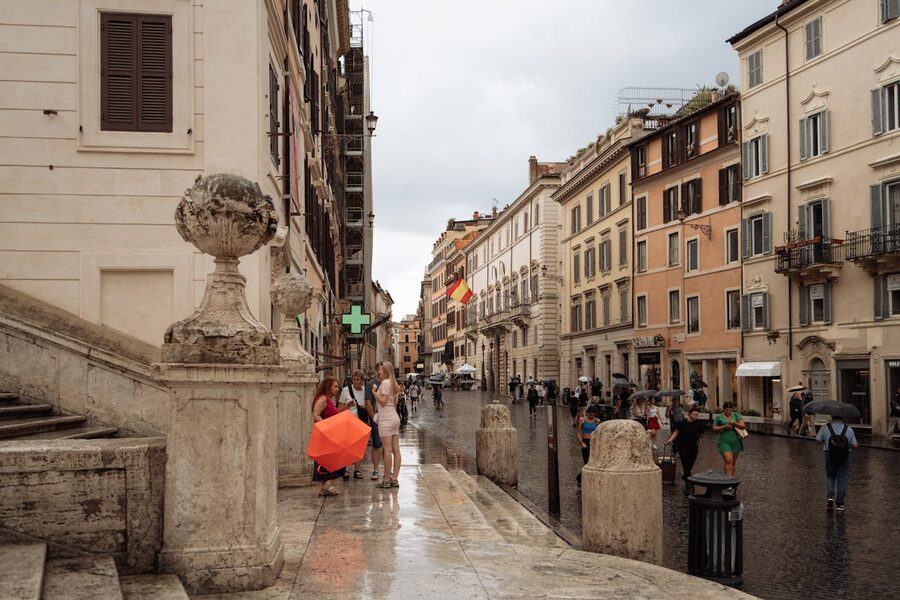
Before a morning class: Walk through the Pantheon (free entry, opens at 9 AM, five minutes from the piazza). Grab a coffee at one of the bars on Via del Governo Vecchio. Check out the Stadium of Domitian ruins beneath the piazza — there is a small underground museum at the north end.
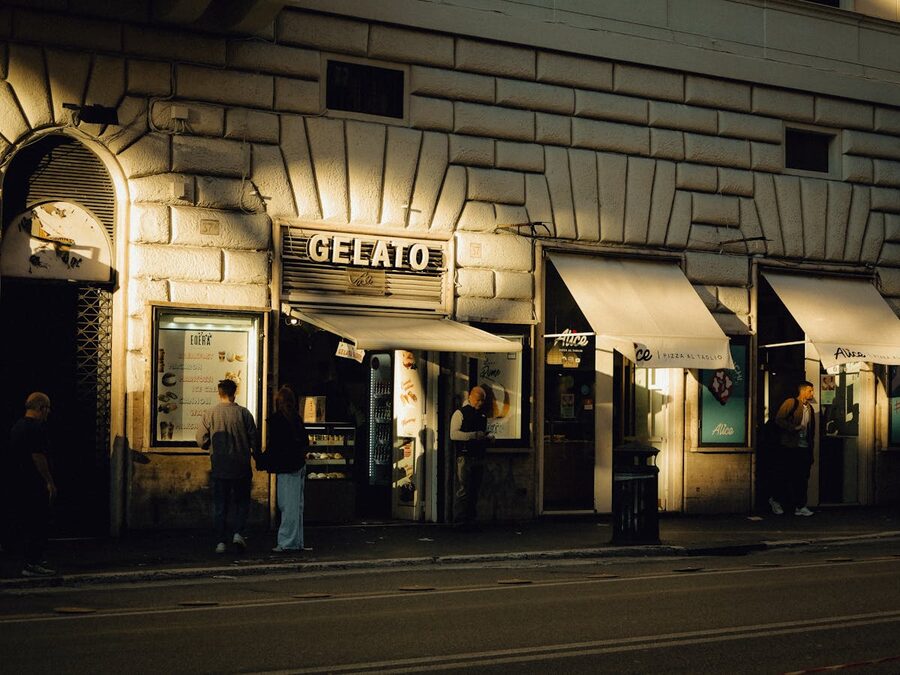
After an evening class: Walk off your meal with a stroll along the Tiber — the bridges are lit up at night and the walk toward Castel Sant’Angelo takes about 15 minutes. If you still have energy, the gelato shops along Via della Pace stay open until midnight.
Combine with a food tour: A Rome food tour in the morning gives you context for what you are about to cook — you will taste the ingredients before you learn to use them. The Trastevere food tour is especially good as a complement, since it covers a different neighborhood and different food traditions.
More Rome Guides
If you are spending a few days in Rome, a cooking class pairs well with some of the city’s major landmarks. Our guide to Colosseum tickets covers skip-the-line strategies and the best tours to book, while the Vatican Museums guide walks you through everything from Sistine Chapel access to early-morning entry. The Pantheon is free and five minutes from Piazza Navona — a natural before or after your class. For a broader look at the city’s food scene beyond the Navona area, check our general Rome cooking class guide and the Rome food tour guide for itinerary ideas that cover multiple neighborhoods.
This article contains affiliate links. When you book through our links, we earn a small commission at no extra cost to you. This helps us keep creating free travel guides.