
I spent a solid 20 minutes standing in the Colosseum ticket queue on a Tuesday morning in March, watching people with Roma Passes walk straight through a separate entrance. That’s when I decided to actually sit down and do the math on whether this card is worth buying.
The short answer? It depends entirely on how many museums you plan to visit. But the longer answer involves some surprisingly specific arithmetic, a bit of Roman history, and the fact that the skip-the-line benefit at the Colosseum alone might justify the whole thing.
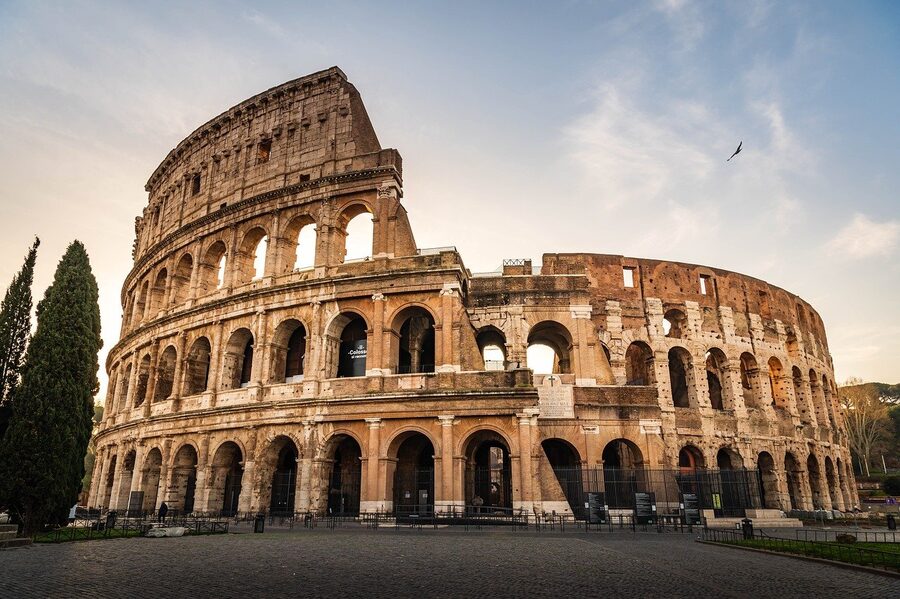
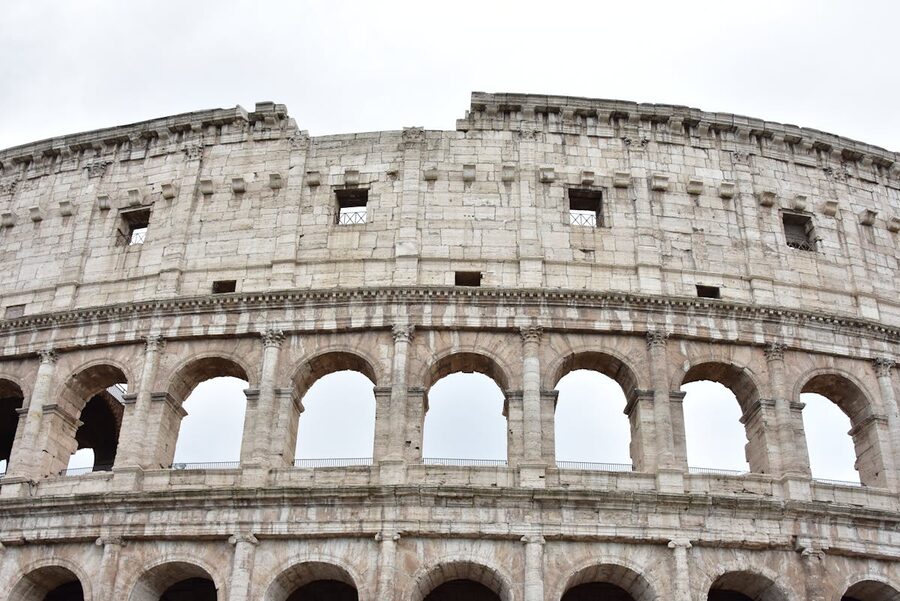
Best for most visitors: Roma Pass (72h) — $59. Two free museums, unlimited transport, skip-the-line at the Colosseum. The one that actually saves money if you’re doing 3+ sites.
Best if you want Vatican included: OMNIA Vatican + Roma Pass — $179. Covers Vatican Museums, Sistine Chapel, AND all the Roma Pass benefits. Expensive, but it’s the only combo that includes both sides of Rome.
Best budget add-on: Hop-On Hop-Off Bus — $19. Not a pass, but pairs well with the Roma Pass for getting between sites when your legs give out on day two.
- What the Roma Pass Actually Gets You
- The Math: When the Roma Pass Saves Money (and When It Doesn’t)
- The Skip-the-Line Factor (This Is the Real Value)
- A Quick History Lesson: Rome Invented the City Pass
- Which Attractions to Use Your Free Entries On
- The Best Roma Pass and City Card Options to Buy
- 1. Roma Pass: Official City Card with Transportation —
- 2. OMNIA Vatican + Roma Pass Combo — 9
- 3. Rome Hop-On Hop-Off Bus —
- Where to Buy and Activate Your Roma Pass
- What the Roma Pass Does NOT Cover
- When to Visit: Timing Your Roma Pass
- Getting Around Rome with the Pass
- Tips That Will Save You Time and Money
- What You’ll See with the Roma Pass
- Planning the Rest of Your Rome Trip
What the Roma Pass Actually Gets You
Two versions exist. The 48-hour pass costs around €33 and gives you one free museum entry, discounts at other sites, and unlimited public transport (buses, trams, metro). The 72-hour pass runs about €53 and bumps that to two free museum entries plus the same transport and discounts.
“Free entry” means you pick from a list of participating museums and skip the ticket counter entirely. The first one (or two, on the 72h pass) you visit is fully covered. After that, you get reduced-price entry at the remaining sites.
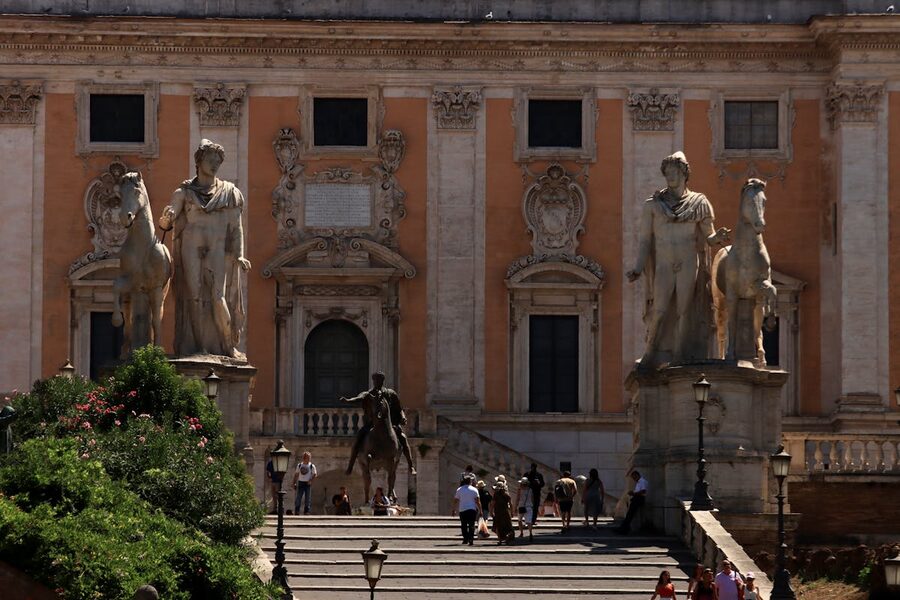
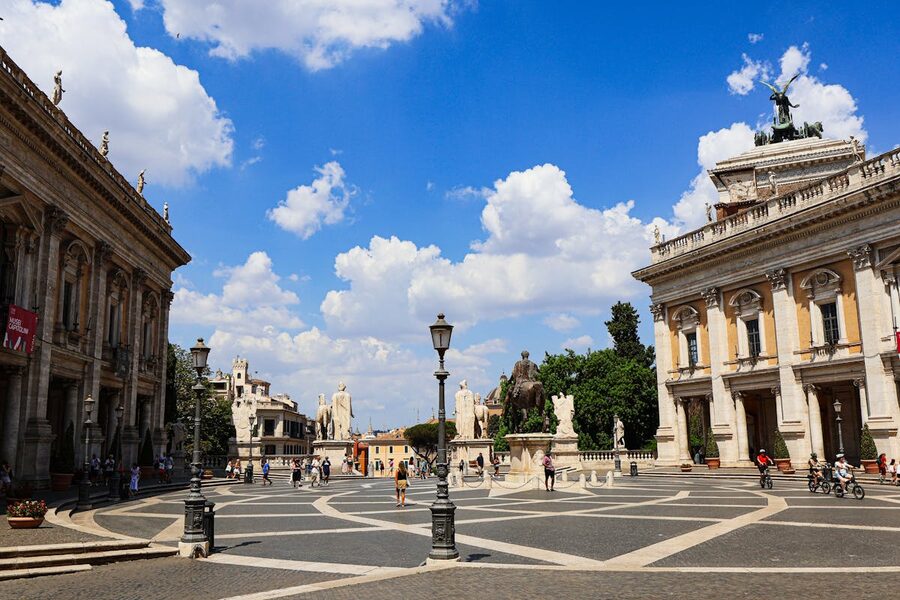
Here’s what’s on the list: the Colosseum and Roman Forum (they count as one entry), Galleria Borghese, Castel Sant’Angelo, the Capitoline Museums, Baths of Caracalla, Palazzo Barberini, Museo Nazionale Romano, and about 40 others. Some of these are genuinely excellent. Some are the kind of small archaeological collection you’d skip if you weren’t getting a discount.
And here’s the critical part: the Vatican Museums and Sistine Chapel are NOT included. The Vatican is its own sovereign state, so the Roma Pass has no jurisdiction there. St. Peter’s Basilica isn’t included either, but that’s free to enter anyway — you just queue.
The Math: When the Roma Pass Saves Money (and When It Doesn’t)
I’ve run the numbers for three different types of visitors because the answer changes dramatically depending on how aggressively you’re sightseeing.
Scenario 1: The “light tourist” (2 days, relaxed pace)
You visit the Colosseum/Forum (€18), grab a couple of bus rides (€3 each), maybe peek into the Pantheon (free). Total without pass: about €24. The 48h Roma Pass costs €33. You’d lose €9 by buying it. If you’re the type who spends most of your time eating pasta and wandering around, skip the pass.
Scenario 2: The “moderate tourist” (3 days, steady pace)
Colosseum/Forum (€18), Borghese Gallery (€15), a few bus and metro rides across three days (maybe €15 total). That’s €48 without a pass. The 72h Roma Pass at €53 costs more. Still not worth it — unless you add one more site, which tips the balance.
Scenario 3: The “heavy tourist” (3 days, museum-hopping)
Colosseum/Forum (€18), Borghese Gallery (€15), Castel Sant’Angelo (€15), Capitoline Museums (€15), Baths of Caracalla (€10), and metro/bus rides across three days (€18). Total: €91. The 72h Roma Pass gets your first two entries free (let’s say Colosseum + Borghese = €33 saved), discounts the remaining three sites by around 30% (saving roughly €12 more), and covers all transport (€18). That’s about €63 in value from a €53 card. You save €10.
The savings aren’t huge in raw euros. But here’s what the math doesn’t capture.
The Skip-the-Line Factor (This Is the Real Value)
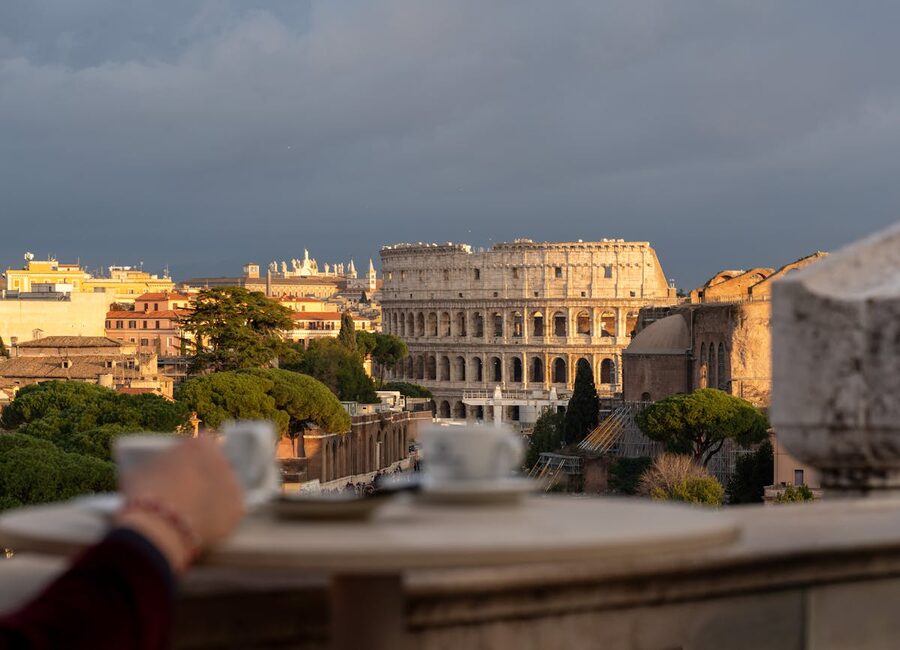
The Colosseum ticket line on a summer morning can hit 60-90 minutes. I’m not exaggerating. I’ve seen it wrap around the building and down toward the Arch of Constantine. Roma Pass holders walk into a separate, much shorter line. In peak season, this alone saves you an hour of standing in the sun.
At Galleria Borghese, you still need a timed reservation (the gallery limits visitors to 360 people every two hours), but the Roma Pass simplifies the booking process and guarantees your spot. At Castel Sant’Angelo, I walked straight in while the standard queue was about 30 people deep.
So the real question isn’t “will I save €10 on entry fees?” It’s “is skipping an hour of queues worth €10 to me?” For most people spending 3+ days in Rome, the answer is obviously yes.
A Quick History Lesson: Rome Invented the City Pass
This might be a stretch, but hear me out. Ancient Rome essentially ran the first public access scheme in Western history. The Colosseum was free for all Roman citizens — no tickets, no booking, just show up. Public baths cost a fraction of a penny (a quadrans, the smallest Roman coin). The motto SPQR — Senatus Populusque Romanus, “the Senate and People of Rome” — literally encoded the idea that the city’s infrastructure belonged to its citizens.
The Roma Pass, in a roundabout way, continues that tradition. Except now you pay €53 instead of a quadrans, and the queues are considerably worse than they were in 80 AD. Then again, the entertainment has gotten less violent, so it’s probably a fair trade.
Which Attractions to Use Your Free Entries On
Strategy matters. Your free entries should go toward the most expensive sites. Here’s my recommended order for the 72-hour pass:
Use free entry #1 at the Colosseum + Roman Forum + Palatine Hill — this combined ticket normally costs €18, and more importantly, the Roma Pass skip-the-line works here. Use it on your first morning in Rome before the crowds build.
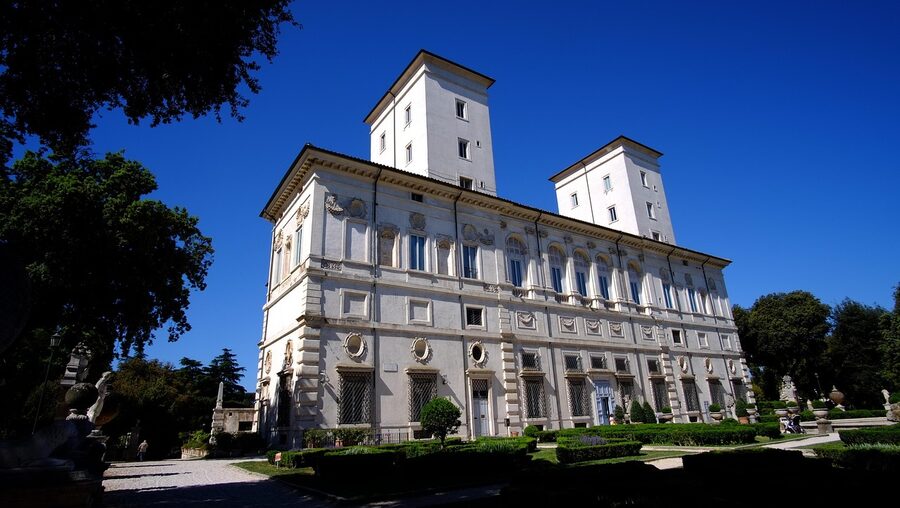
Use free entry #2 at Galleria Borghese — at €15, it’s the second most expensive participating site. The collection includes Bernini’s Apollo and Daphne and Caravaggio’s Boy with a Basket of Fruit. Book your timed slot as early as possible — Borghese sells out days in advance.
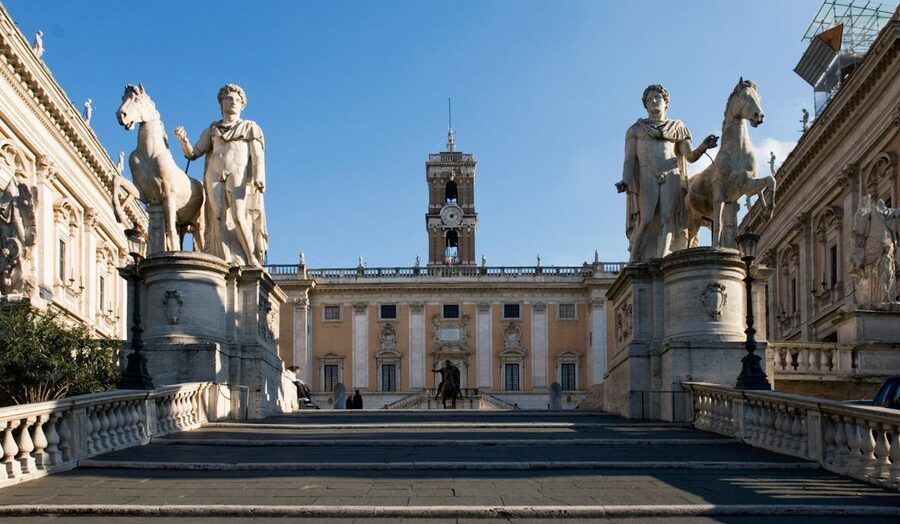
Then visit Castel Sant’Angelo (€15, discounted with pass), the Pantheon (€5 standard, small discount), Capitoline Museums (€15, discounted), and Baths of Caracalla (€10, discounted) — all at reduced rates.
The Best Roma Pass and City Card Options to Buy
Three options cover most visitors. The official Roma Pass is the standard choice, but there’s also a combined Vatican package and a transport-focused hop-on hop-off bus that pairs well with either.
1. Roma Pass: Official City Card with Transportation — $59
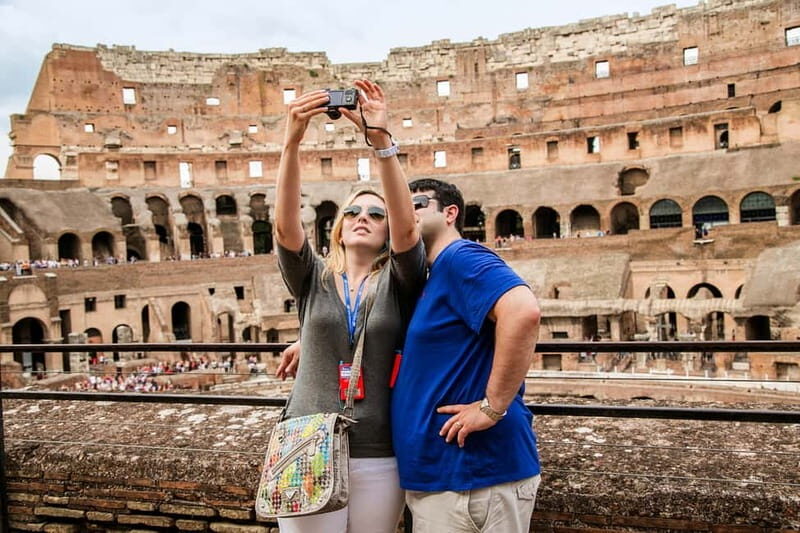
This is the one most people should buy. The 72-hour version gives you two free museum entries, discounts everywhere else, and unlimited rides on Rome’s buses, trams, and metro lines A, B, and C. It activates on first use, not on purchase — so you can buy it in advance without worrying about timing.
The transport alone is worth about €18-20 over three days if you’re using public transit to get between sites (and you should — Rome’s metro connects directly to the Colosseum via Linea B). The free entries add another €33 if you use them at the Colosseum and Borghese. That’s already more than the card costs.
One thing to know: the Roma Pass does NOT include airport transfers on the Leonardo Express train. You’ll still need a separate ticket for that (€14 one way). Regular regional trains from Fiumicino ARE covered, though — they just take longer.
2. OMNIA Vatican + Roma Pass Combo — $179
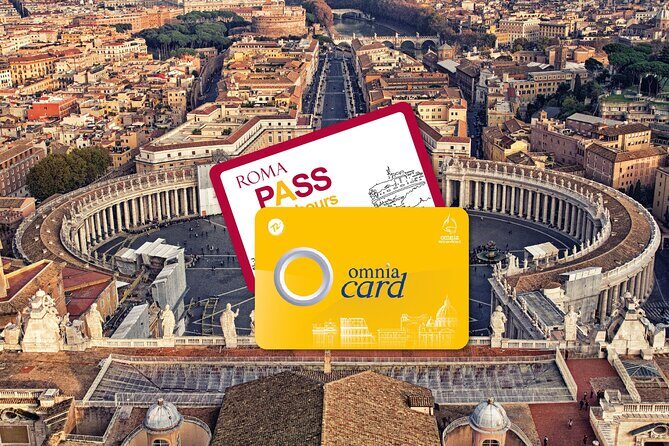
Here’s where it gets interesting for anyone who wants to visit both the city’s municipal sites AND the Vatican Museums. Since the Roma Pass doesn’t cover Vatican City (different country, technically), this combo card bundles the Roma Pass with skip-the-line Vatican access.
You get everything in the standard Roma Pass PLUS fast-track entry to the Vatican Museums and Sistine Chapel, St. Peter’s Basilica (including the dome climb), and a 3-day hop-on hop-off bus ticket. At $179, it’s a serious investment. But Vatican Museum tickets alone run €17-22, and a guided skip-the-line Vatican tour costs €40-60. If you were going to book both separately, the OMNIA starts to make financial sense.
The catch: the 3.5 rating reflects mixed experiences with the logistics. Some buyers found the hop-on hop-off bus routes confusing, and the Vatican skip-the-line doesn’t mean zero queue — it means a shorter queue. Set expectations accordingly.
3. Rome Hop-On Hop-Off Bus — $19
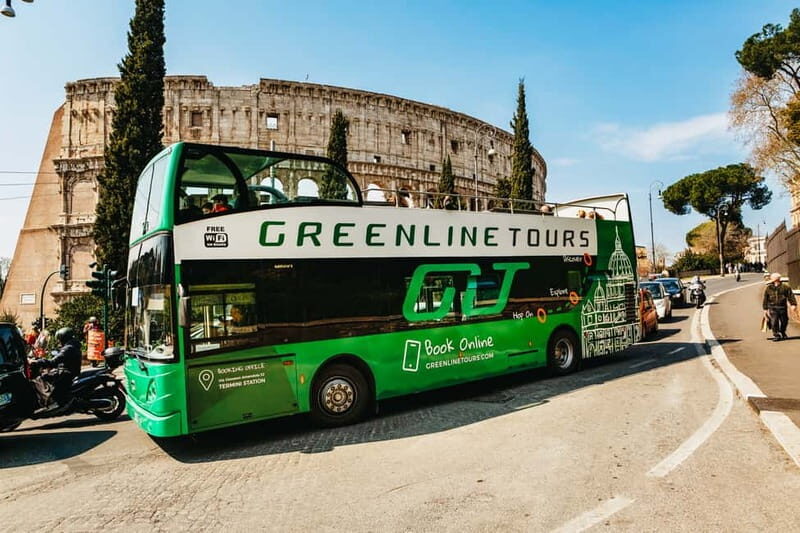
This isn’t a city pass, but it pairs extremely well with the standard Roma Pass. The Roma Pass covers metro, bus, and tram — but Rome’s public buses can be unreliable, confusing, and packed. The hop-on hop-off runs three dedicated circuits with guaranteed frequency and stops at every major attraction.
At $19 for a full day, it’s honestly cheap compared to what you’d spend on taxis between sites. I used it mainly on my first day to orient myself and hit the attractions that aren’t near metro stations — the Catacombs on Via Appia Antica, the Baths of Caracalla, and Circus Maximus. On days two and three, I stuck to the metro (covered by the Roma Pass) for most trips.
The audio guide covers 8 languages and is actually decent — better than what you’d get from a random Google search while riding.
Where to Buy and Activate Your Roma Pass
You can buy the Roma Pass online (through GetYourGuide or the official Roma Pass website) and either pick it up at a tourist information point or get a mobile version. Physical pickup locations include Fiumicino airport (Terminal 3, arrivals), Termini station, and the tourist kiosks at Piazza Navona, the Trevi Fountain area, and Via dei Fori Imperiali near the Colosseum.
My advice: buy online before you fly, then pick up at Fiumicino when you land. The pass activates on first use — not purchase — so there’s no risk in buying early. And if you pick it up at the airport, your train or bus ride into the city is your first free transport ride.
What the Roma Pass Does NOT Cover
Worth listing these explicitly because I’ve seen confused travelers at ticket counters:
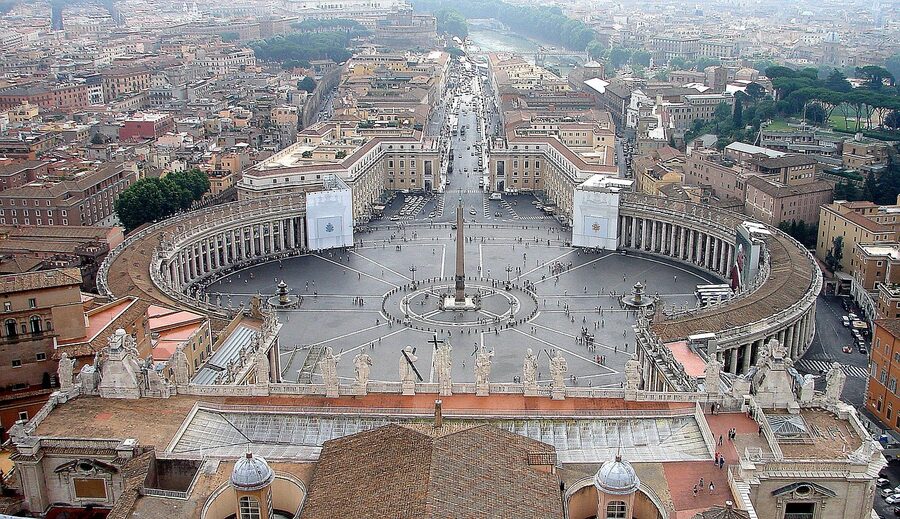
Vatican Museums and Sistine Chapel — separate tickets entirely. The Vatican is its own country. Buy tickets on the Vatican’s official site or get the OMNIA combo above if you want everything bundled.
St. Peter’s Basilica dome climb — the basilica is free, but climbing the dome costs €8-10. Not covered by any Rome city pass.
Leonardo Express airport train — the fast train from Fiumicino to Termini. Regular regional trains ARE covered, but they take 45 minutes instead of 32.
Guided tours — the pass covers entry fees only. If you want a guide at the Colosseum (and honestly, a guide at the Colosseum makes a massive difference — the ruins make much more sense with context), that’s a separate booking.
Special exhibitions — temporary exhibitions at participating museums sometimes carry a surcharge that the pass doesn’t cover.
When to Visit: Timing Your Roma Pass
Best months: October through mid-December, and late February through April. Mild weather, shorter queues, and you’ll actually enjoy walking between sites instead of melting.
Worst months: July and August. Temperatures hit 35-40°C, the queues are at their longest, and half the small restaurants shut for summer holidays. If you have no choice, start your sightseeing at 8:30 AM and retreat indoors by noon.
Best days: Tuesday through Thursday see the lowest crowds at most museums. Monday is tricky — many museums close on Mondays (including Borghese Gallery and the Capitoline Museums on some weeks). Check the specific museum’s schedule before building your itinerary.
First Sundays: On the first Sunday of each month, state-run museums offer free admission. Sounds great. In practice, the Colosseum line wraps around the building twice and moves at a glacial pace. If you have a Roma Pass, use it on a different day — the skip-the-line benefit is wasted when everyone is trying to get in for free.
Getting Around Rome with the Pass
The Roma Pass covers ATAC public transport: metro lines A, B, and B1 (line C is newer and less useful for travelers), all city buses, and trams. It does NOT cover Trenitalia regional trains beyond the airport link or any private shuttle services.
Here’s a practical transport cheat sheet:
Colosseum: Metro B, Colosseo station. Literally exits in front of the building.
Vatican area: Metro A, Ottaviano station, then a 10-minute walk. Or take bus 40/64 from Termini (covered by Roma Pass).
Pantheon: No nearby metro. Bus 40 or 64 to Largo di Torre Argentina, then walk 5 minutes.
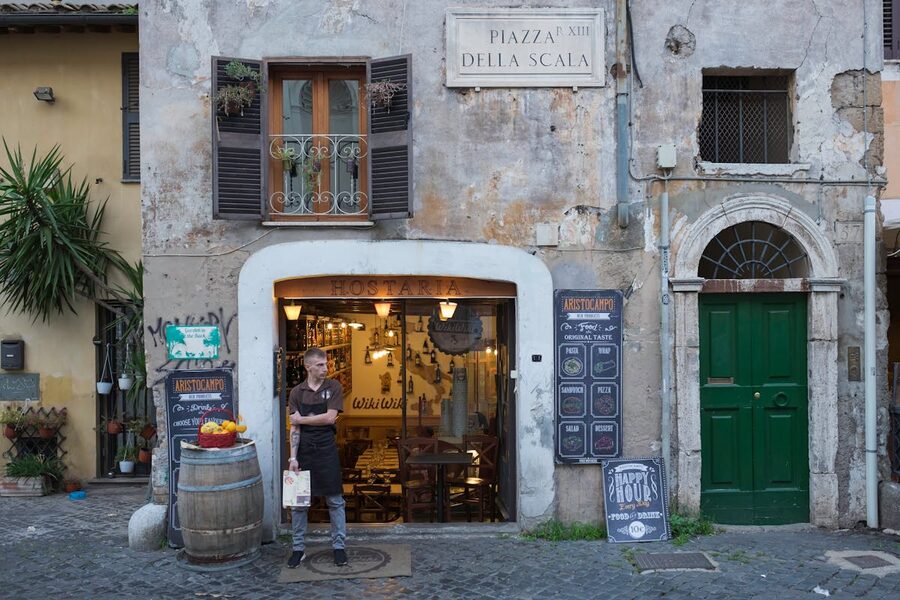
Trastevere: Tram 8 from Largo di Torre Argentina drops you right in the neighborhood. Perfect for a Trastevere food tour after a morning of museums.
Borghese Gallery: Metro A to Spagna station, then walk through the park (15 minutes, but pleasant).
Catacombs/Via Appia: Bus 118 from Circo Massimo. This is where the hop-on hop-off bus is also handy.
Tips That Will Save You Time and Money
Book Borghese separately even with the Roma Pass. The gallery requires timed reservations regardless of what pass you hold. Call +39 06 32810 or book on their website. Slots fill up 3-5 days in advance during busy periods. Your Roma Pass covers the entry fee, but not the €2 booking fee.
Start at the Colosseum on your first morning. Get there for the 8:30 AM opening. The skip-the-line benefit of the Roma Pass is most valuable here — afternoon queues in summer can hit 90 minutes. Morning queues are 20 minutes for Roma Pass holders.
Don’t waste a free entry on cheap sites. If you’re on the 72h pass with two free entries, use them at the Colosseum (€18) and Borghese (€15), not at the Pantheon (€5). The math is obvious but I’ve seen people make this mistake.
Validate on first use, not before. The pass clock starts ticking when you first scan it at a museum or tap it on a metro reader. Don’t activate it the evening before a museum day — you’ll lose hours.
Carry the pass physically. The mobile version works at most sites but some smaller museums still need to see the physical card. If you’re visiting lesser-known sites like Palazzo Altemps or the Crypta Balbi, bring the card.
What You’ll See with the Roma Pass
The Colosseum needs no introduction — it held 50,000 spectators watching gladiatorial combat, mock naval battles (they flooded the floor), and public executions for about four centuries. The underground hypogeum, where gladiators and animals waited before being lifted into the arena, opened to the public in 2010 and adds a whole different dimension to the visit.
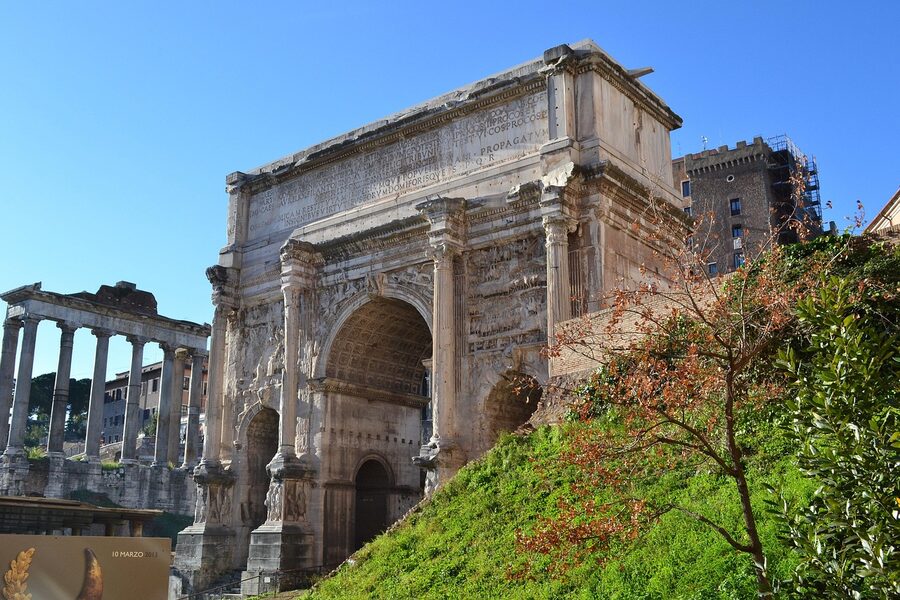
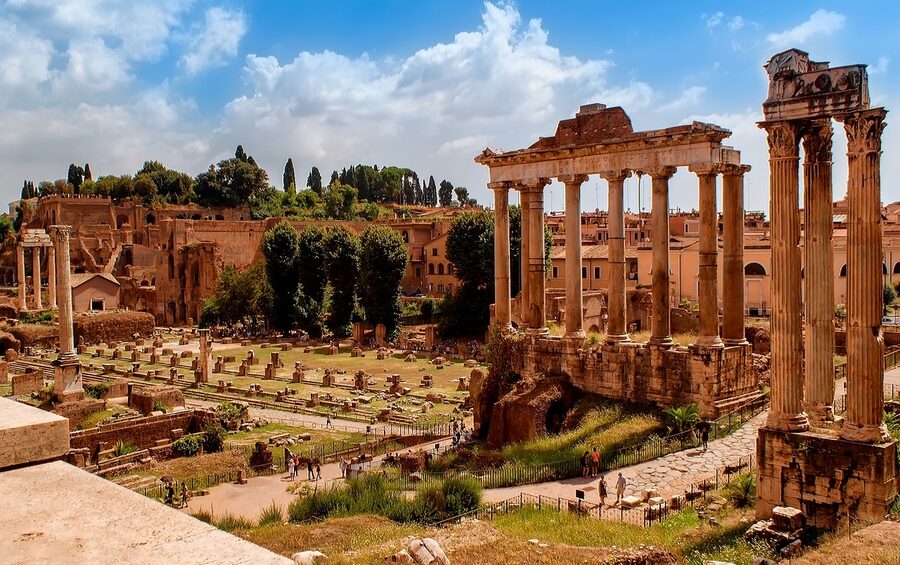
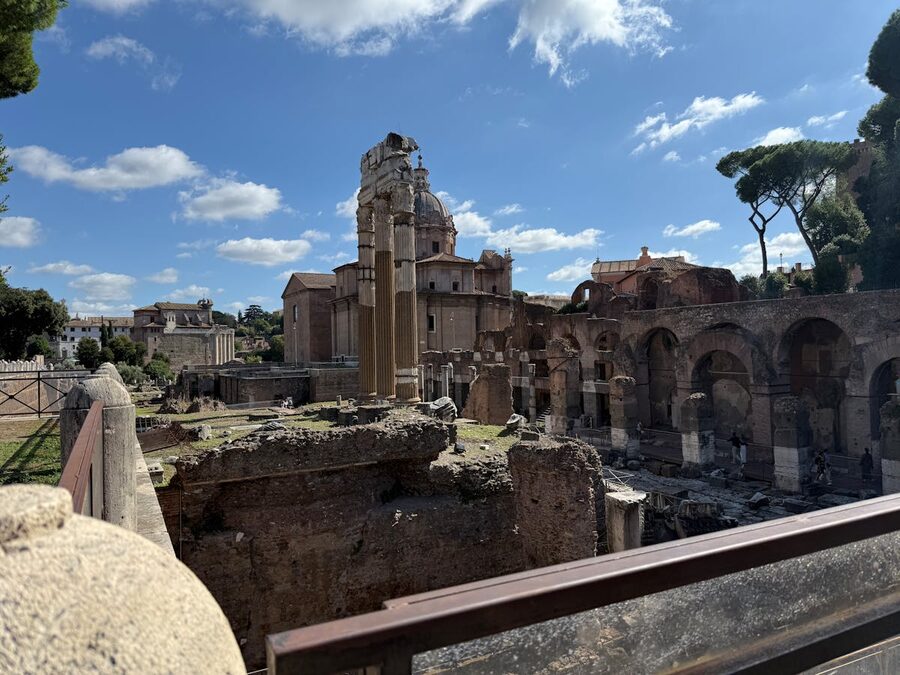
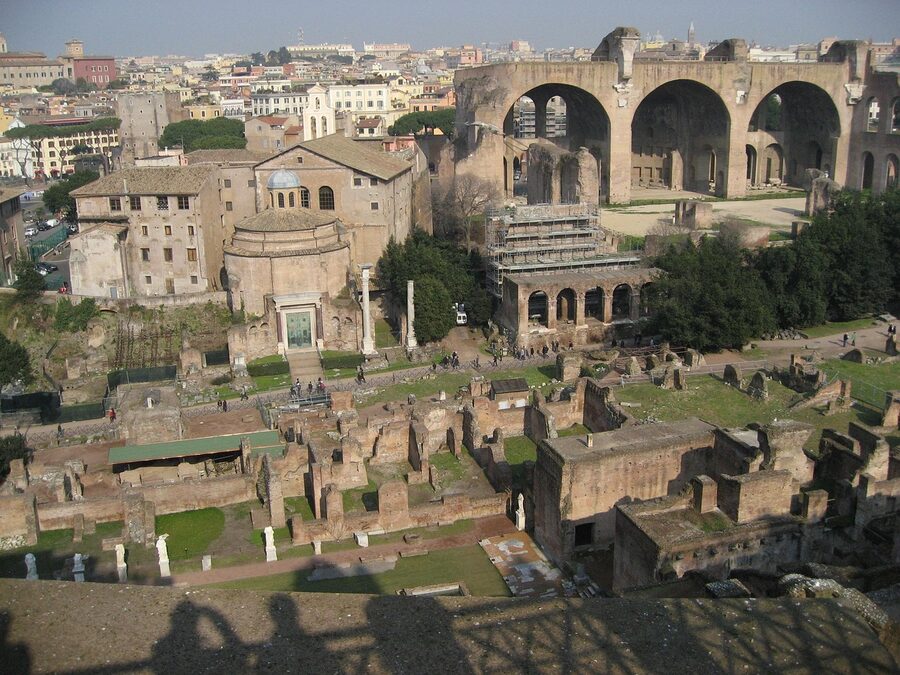
The Roman Forum next door was the political and commercial heart of the Republic and Empire. You’ll walk past the Temple of Saturn (where Rome kept its treasury), the Arch of Septimius Severus (still standing after 1,800 years), and the spot where Julius Caesar was cremated. The Palatine Hill above it offers the best views of the whole complex.
Galleria Borghese is criminally underrated compared to the big-name attractions. Bernini’s Apollo and Daphne — the marble sculpture that makes stone look like it’s moving — is here, along with his David (not to be confused with Michelangelo’s in Florence). Caravaggio’s Boy with a Basket of Fruit is here too. The building limits visitors to 360 at a time, so it never feels crowded. Every time I go, it’s the highlight of my Rome trip.
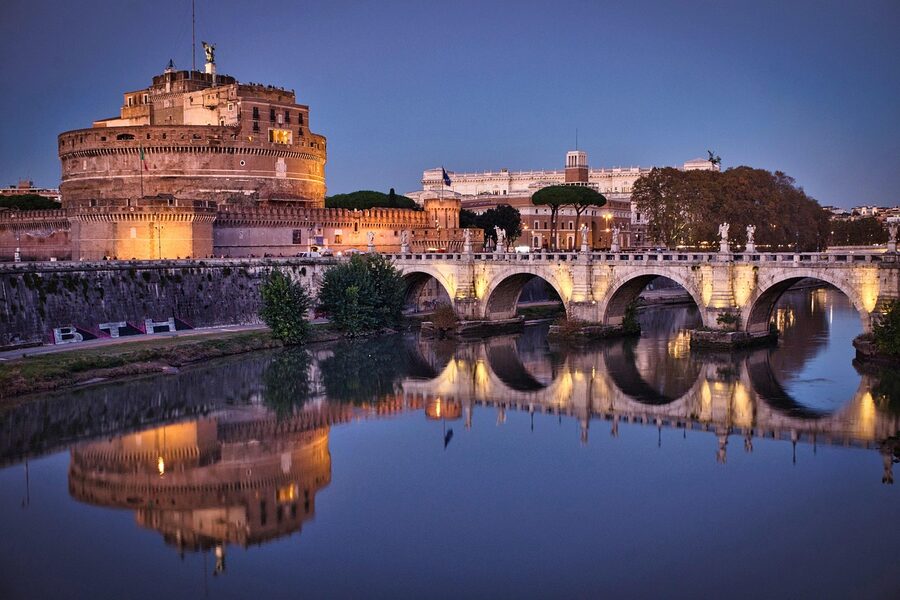
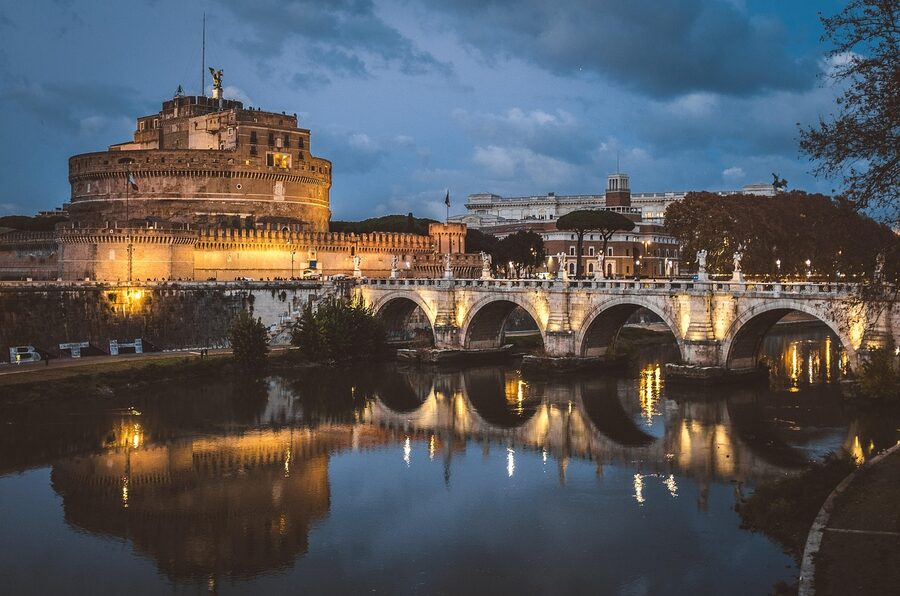
Castel Sant’Angelo started as Emperor Hadrian’s mausoleum in 139 AD, became a papal fortress, served as a prison, and is now a museum. The rooftop terrace has one of the best views in Rome — St. Peter’s dome directly ahead, the Tiber below, and the whole city spreading out behind you. This is where the popes used to flee through the Passetto di Borgo when the city was under attack.
Planning the Rest of Your Rome Trip
The Roma Pass covers entry fees, but the best way to experience Rome’s major sites is often with a guide who knows the history cold. Our Colosseum tickets guide breaks down every ticket type and tour option, including the underground levels that the basic Roma Pass entry doesn’t always include. The Vatican Museums guide is essential reading since the Roma Pass doesn’t cover Vatican territory at all — you’ll need separate tickets or the OMNIA combo. For something different, a Rome walking tour connects the dots between sites in a way that museum-hopping alone doesn’t, and a Rome food tour through Trastevere or Testaccio is the perfect counterbalance to a morning of ancient ruins. If you’re spending a night in Rome, the after-dark tours show a completely different city — the Colosseum lit up, the Forum empty, and Rome at its most atmospheric.
We use affiliate links in this article. If you book through our links, we earn a small commission at no extra cost to you. This helps us keep producing honest, detailed guides like this one.