
Andorra has no airport. No railway. No military. The only way into Europe’s sixth-smallest country is by road — specifically, a two-lane highway that winds through the Pyrenees at gradients steep enough to make your ears pop. And that, oddly enough, is exactly what makes the three countries tour from Barcelona one of the best day trips in Spain.
You leave Barcelona in the morning, cross into France by lunchtime, and spend the afternoon wandering the streets of Andorra la Vella — the highest capital city in Europe, perched at 1,023 metres above sea level. Three countries, two mountain passes, and one very long day on a bus. I’ve done it, and here’s everything you need to know about booking it.
Best overall: The Original Three Countries Tour — $129. The one with over 4,000 reviews. Full day, includes France and Andorra stops, picks you up from central Barcelona.
Best alternative: 3 Countries in One Day — $132. Similar route with a stop in Mont-Louis (a UNESCO-listed fortified town most travelers miss entirely).
Best for privacy: Private History and Sightseeing Tour — $241. Just you, your group, and a guide who tailors the whole day to what you actually want to see.
- What the Three Countries Tour Actually Is
- How to Book This Tour
- Group Tour vs Private Tour
- The Best Three Countries Tours to Book
- 1. The Original Three Countries Tour — 9
- 2. Three Countries in One Day from Barcelona — 2
- 3. Private History and Sightseeing Tour — 1
- When to Go
- Getting to the Pickup Point
- Tips That Will Actually Save You Time and Money
- What You’ll Actually See Along the Way
- The Andorra History That Makes This Trip More Interesting
- More Day Trips from Barcelona
What the Three Countries Tour Actually Is
The concept is straightforward: a coach leaves Barcelona early in the morning and drives north through Catalonia, crosses the French border near the eastern Pyrenees, stops in one or two French towns (usually Ax-les-Thermes, sometimes Mont-Louis), then continues over the mountains into Andorra. You spend the afternoon in Andorra la Vella — shopping, walking, eating — and then head back to Barcelona in the evening. Door to door, expect about 12 hours.
Three countries in one day sounds like a gimmick, but there’s genuine substance to it. The French Pyrenees are dramatically different from the Spanish side — greener, quieter, more alpine. And Andorra is genuinely unlike anywhere else in Europe: a micro-state built on duty-free commerce, squeezed into a narrow valley where medieval stone churches sit next to enormous shopping centres selling perfume and electronics at prices 20-30% below what you’d pay in Spain or France.
A few things that surprised me. Andorra was technically founded by Charlemagne around 805 AD as a buffer state against the Moors — making it one of the oldest political entities on the continent. It still has two co-princes: the President of France and the Bishop of Urgell in Spain. It’s the only country in the world governed by two foreign heads of state. And its economy was historically based on smuggling between France and Spain, which is how the whole duty-free thing started.
How to Book This Tour
There’s no official ticket system here — this isn’t a monument with timed entry. It’s a day tour run by private operators, and you book through platforms like Viator or GetYourGuide. The process takes about two minutes.
What you’re choosing between is mostly group size, language, and whether the French stop includes Ax-les-Thermes (famous for its open-air thermal baths in the town centre — free to dip your feet in, even in winter) or the fortified town of Mont-Louis. Some tours include both. The more expensive private tours let you dictate the itinerary entirely.
Most tours include hotel pickup in central Barcelona, an air-conditioned coach, a bilingual guide (Spanish and English, sometimes French too), and free time in both France and Andorra. Lunch isn’t included on any of the standard options, but you’ll have 2-3 hours of free time in Andorra la Vella where restaurants are plentiful and reasonably priced.
Booking tip: book at least a week in advance during summer (June-September) and around Christmas — the Andorra tours fill up because everyone wants the duty-free shopping. Off-season, you can usually book 2-3 days ahead without issues.
Group Tour vs Private Tour
The honest answer: for most people, the group tour is fine. You’re spending a huge chunk of the day on a bus regardless, and the stops are largely the same. The guide narrates the drive, which is genuinely interesting through the Pyrenees, and you get enough free time in Andorra to explore on your own.
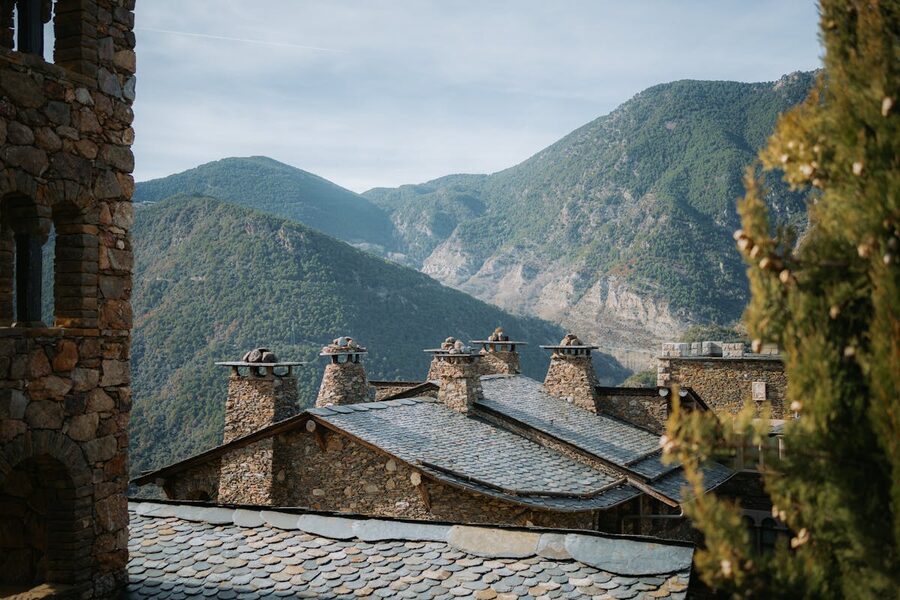
Where the private tours justify the price is flexibility. A group tour hits the highlights and moves on. A private guide will pull over at a mountain viewpoint that’s not on the standard route, spend extra time in a village if you’re enjoying it, or skip the shopping in Andorra la Vella entirely if you’d rather hike to a Romanesque church in the hills above the valley.
If you’re travelling with kids, the private option is worth considering. Twelve hours on a group bus with a toddler is nobody’s idea of fun, but a private tour lets you set the pace and take breaks when you need them.
The price difference is significant: roughly $130 per person for a group tour versus $240+ per person for a private one. But the private price includes the entire vehicle, so for a group of four the per-person cost drops considerably.
The Best Three Countries Tours to Book
1. The Original Three Countries Tour — $129
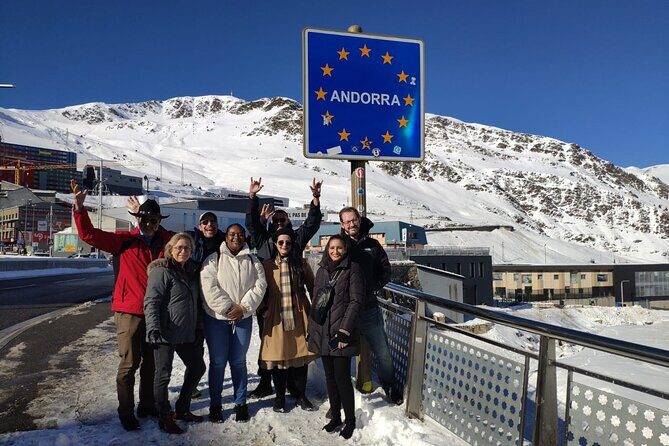
This is the one that put the three countries concept on the map, and it’s still the default choice for most visitors. At $129 per person for a full 12.5-hour day, the value is hard to beat. You get pickup from central Barcelona, a bilingual guide for the entire route, and stops in both Ax-les-Thermes (France) and Andorra la Vella.
The guide Rod gets mentioned constantly in feedback, and that matters on a 12-hour bus tour — a boring guide makes this trip miserable, a good one makes the drive through the Pyrenees genuinely educational. The French stop is shorter than the Andorra one, which is the right balance. Most people want more time for the duty-free shopping anyway.
If you’re booking for the first time and just want the standard experience done well, this is the one. It’s the most booked version of this tour for a reason — the route is polished, the timing is dialled in, and the guides know exactly where to stop for photos.
2. Three Countries in One Day from Barcelona — $132
Nearly identical in price and structure to the Original tour, but the French stop includes Mont-Louis instead of (or in addition to) Ax-les-Thermes. Mont-Louis is a UNESCO-listed fortified town built by Vauban in the 17th century — it sits at about 1,600 metres and feels like stepping into a military history textbook. Small, quiet, and genuinely interesting if you care about architecture or history.
The $132 price point is essentially the same as the Original tour. You still get a full 12-hour day, hotel pickup, and a guide. The difference comes down to which French stop appeals more: thermal baths or a fortified mountain town. Both are genuinely worth seeing.
The feedback consistently mentions the guide Laura and the relaxed pacing. Dress warmly if you’re going in winter — several people have been caught out by how much colder the Pyrenees are compared to Barcelona. Think 15-20 degrees colder. Bring a proper jacket even if you left your hotel in a t-shirt.
3. Private History and Sightseeing Tour — $241
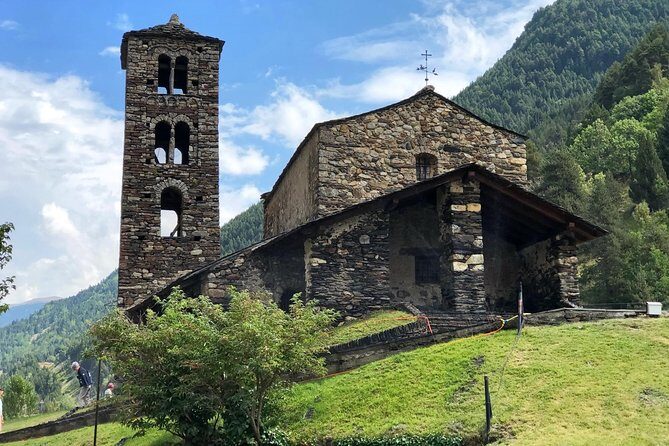
The premium option, and worth every penny if you’re travelling with family or a small group. At $241 per person it’s roughly double the group tour price, but you get an 11.5-hour private experience with a dedicated guide who shapes the entire day around your interests. History obsessed? You’ll spend longer at the medieval sites. Photographers? The guide knows mountain viewpoints that the standard buses never stop at.
The guides on this tour — Adrian gets mentioned frequently — will take photos for you at every stop, which sounds minor but actually matters when you’re travelling as a couple and want shots together without asking strangers. The itinerary is flexible enough that if one stop is boring you, you leave early and spend longer somewhere else.
For couples or groups of 3-4, this is the clear winner. The per-person price drops significantly because you’re paying for the vehicle and guide, not per seat. A group of four pays roughly $60 per person — less than the standard group tours, with a dramatically better experience.
When to Go
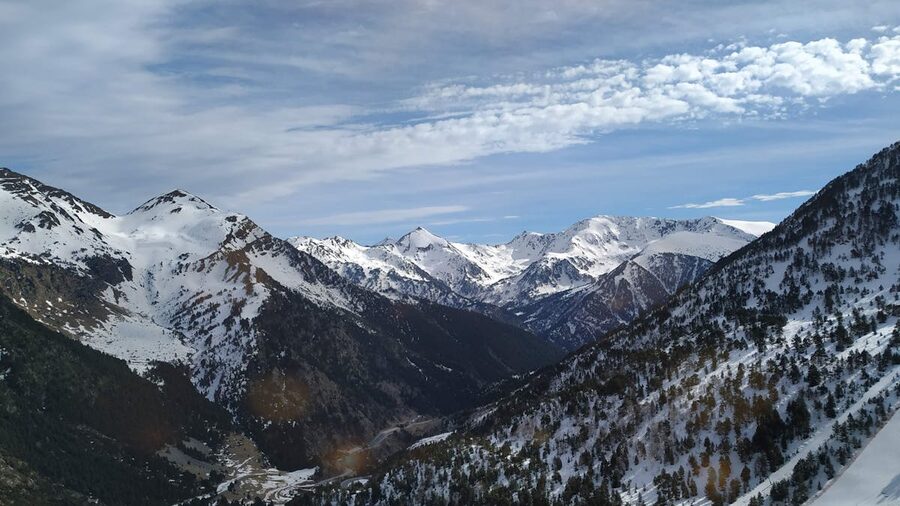
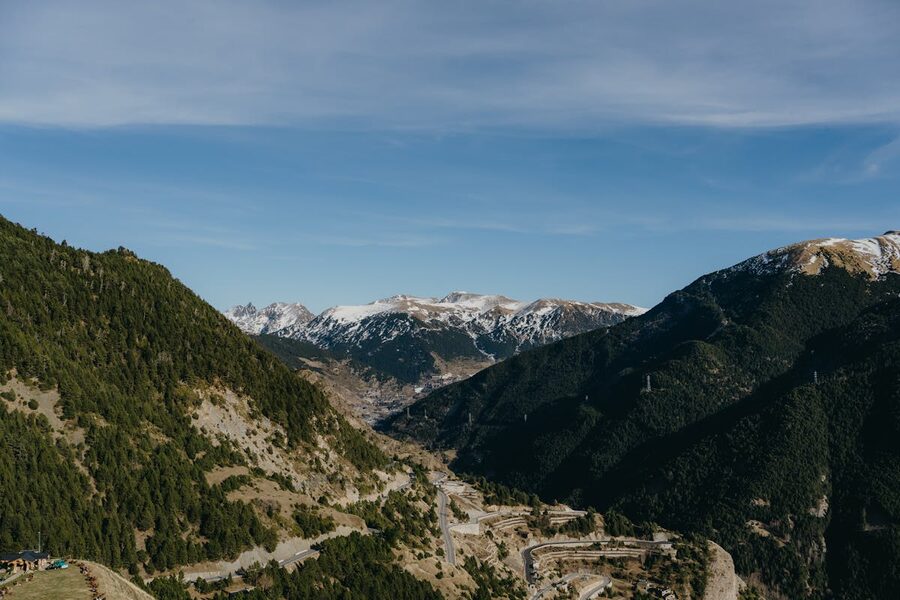
Best months: April to June, September to October. The mountain passes are reliably open, the weather in Barcelona is warm but not yet brutal, and the Pyrenees are at their most photogenic — green valleys, snowcapped peaks, clear skies. Late May and early June are the sweet spot.
Summer (July-August) works but the tours are packed and Andorra la Vella gets crowded with shoppers. The heat in Barcelona is also punishing, though the mountains are cooler — you’ll appreciate the air-conditioned bus for the lowland sections of the drive.
Winter (November-March) adds a dramatic layer of snow to everything and the Andorra shopping is especially appealing for Christmas gifts at duty-free prices. But mountain passes occasionally close, and some tours reduce their frequency. Ax-les-Thermes is arguably better in winter, when dipping your feet in the thermal baths surrounded by snow actually feels like something special rather than just lukewarm water on a hot day.
Departure times: Most tours leave between 7:00 and 8:00 AM from central Barcelona and return between 7:30 and 9:00 PM. Plan your dinner for late evening — this is Spain, so 9:30 PM dinner is perfectly normal anyway.
Getting to the Pickup Point
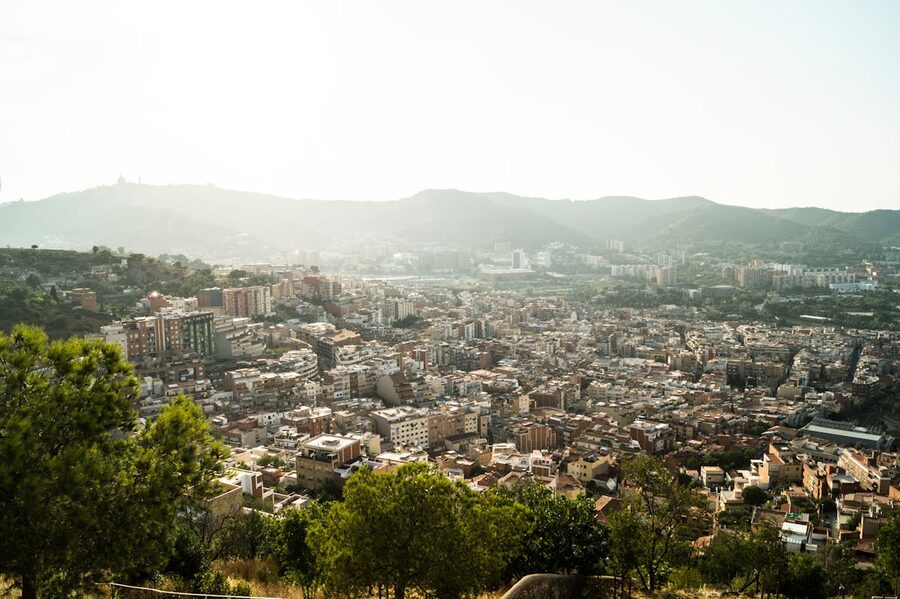
Nearly all three countries tours pick up from central Barcelona, usually around Placa Catalunya or along Passeig de Gracia. The exact meeting point varies by operator and will be confirmed when you book. Some offer hotel pickup if you’re staying in the centre — check when booking.
If your accommodation is outside the pickup zone (Barceloneta beach, Montjuic, or the airport area), plan for an early metro or taxi. The L3 (green) line gets you to Placa Catalunya from most major areas in under 20 minutes, but remember the Barcelona metro doesn’t start running until 5:00 AM on weekdays and 24 hours on weekends.
Grab breakfast before you board. Most tours don’t include any meals, and the first real stop where you can buy food is 2-3 hours into the drive. A coffee and a pastry from any of the bakeries near the pickup point will save you from being hungry and grumpy for the first quarter of the trip.
Tips That Will Actually Save You Time and Money
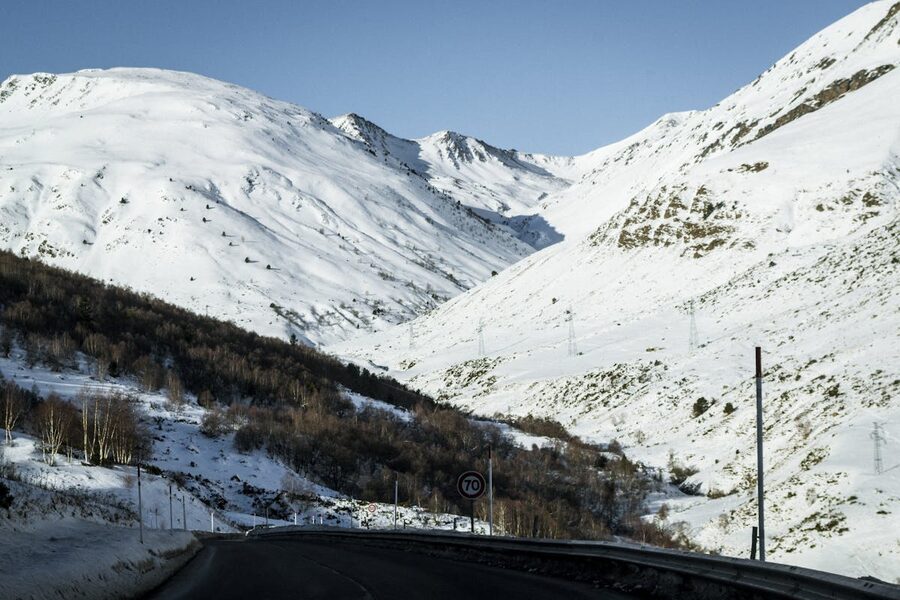
Bring a jacket, seriously. Barcelona might be 28 degrees when you leave. The Pyrenees mountain passes sit above 2,000 metres and the temperature drops hard. I’ve seen people shivering in shorts at Ax-les-Thermes in June. A lightweight layer you can stuff in a daypack is enough for summer; in winter, bring a proper coat.
Carry cash in euros. Andorra doesn’t have its own currency — it uses the euro. Most shops accept cards, but small cafes and market stalls sometimes don’t, and the ATM exchange rates in Andorra aren’t great.
Bring your passport. You’re technically crossing two international borders. In practice, border checks are rare (Andorra is in a customs union and France is Schengen), but guides recommend having it just in case. A photocopy on your phone isn’t enough if they do check.
Duty-free shopping is the real deal. Perfume, sunglasses, alcohol, tobacco, and electronics are genuinely cheaper in Andorra — not fake discounts, actual tax-free pricing. The savings are biggest on premium brands: a bottle of Chanel that costs EUR 120 in Barcelona might be EUR 85-90 in Andorra la Vella. But there are import limits. You’re allowed to bring back goods worth up to EUR 300 per person (EUR 150 for under-15s) before customs in Spain or France gets interested.
Sit on the right side of the bus. The best mountain views on the way up are generally on the right. On the way back, switch to the left. Most people don’t think about this until they’re stuck behind a headrest staring at a rock face while the other side has panoramic Pyrenees views.
Motion sickness is real on this route. The mountain roads are genuinely winding — we’re talking proper switchbacks, not gentle curves. If you’re prone to car sickness, take a tablet before boarding and try to get a front seat. Some operators let you request this when booking.
What You’ll Actually See Along the Way
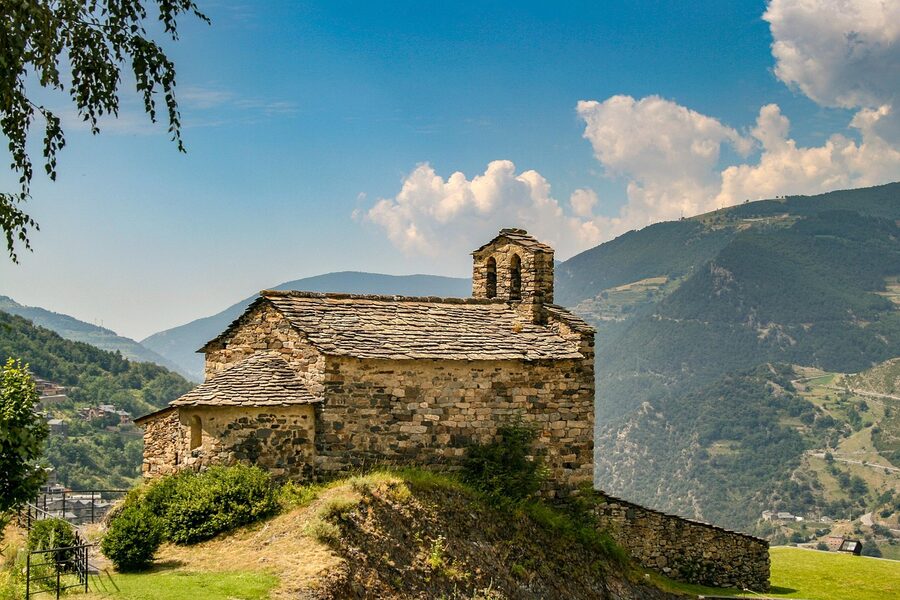
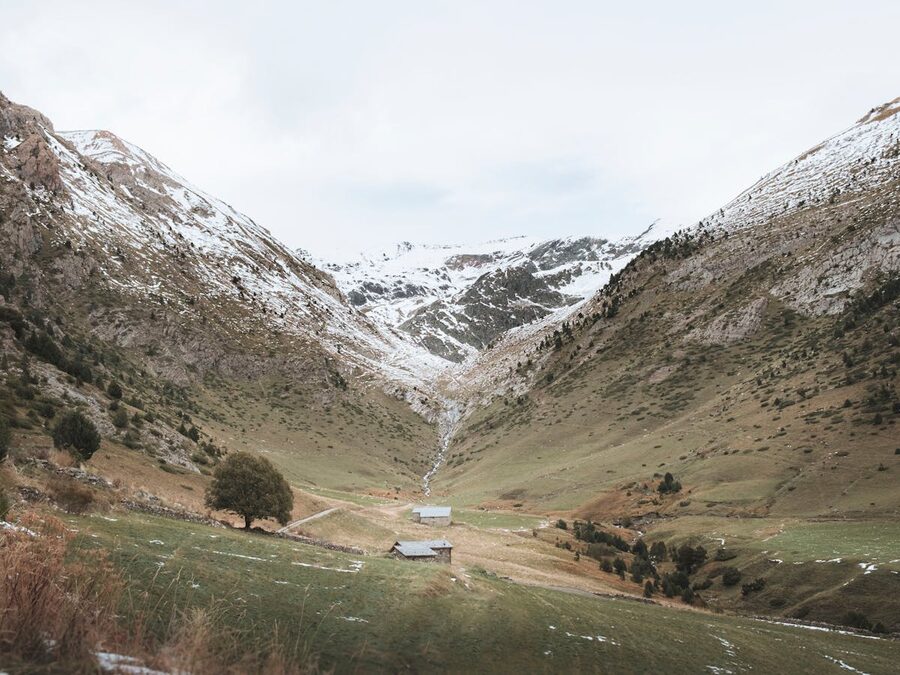
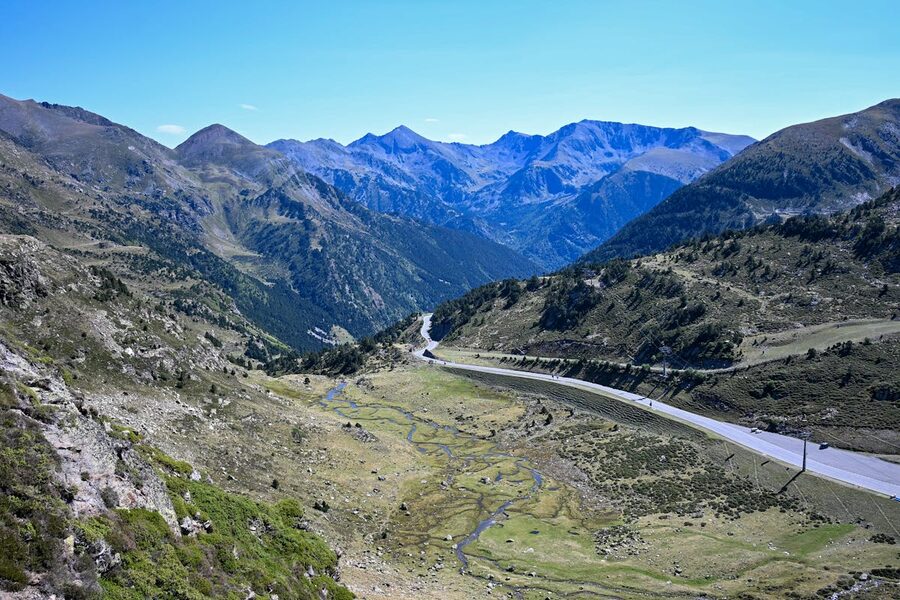
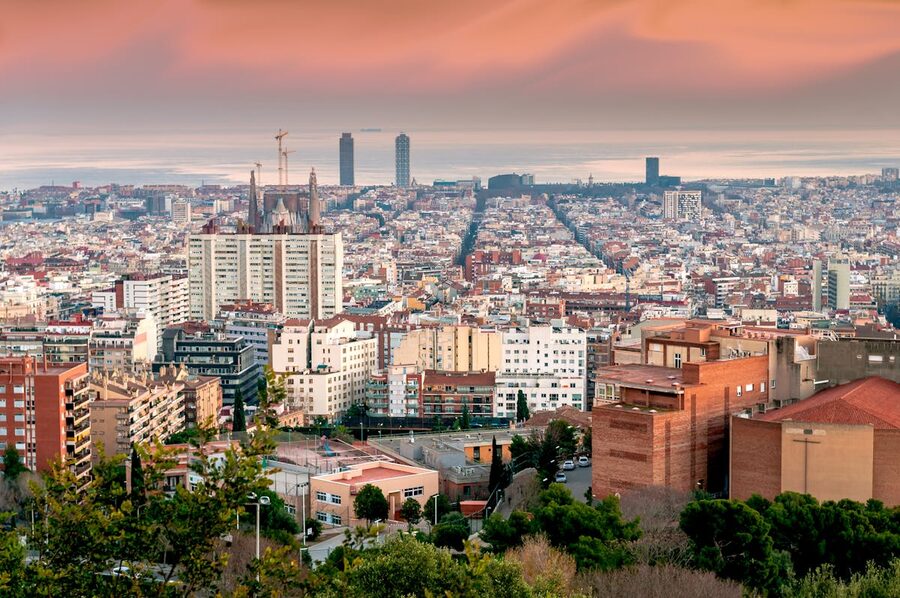
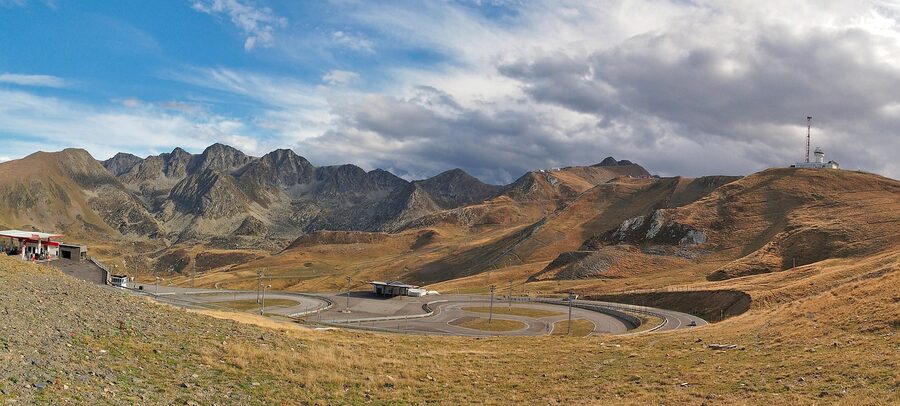
The drive from Barcelona north through Catalonia is pleasant but unremarkable — flat plains, industrial zones, the occasional medieval village on a hillside. The scenery changes dramatically once you start climbing into the Pyrenees above Puigcerda.
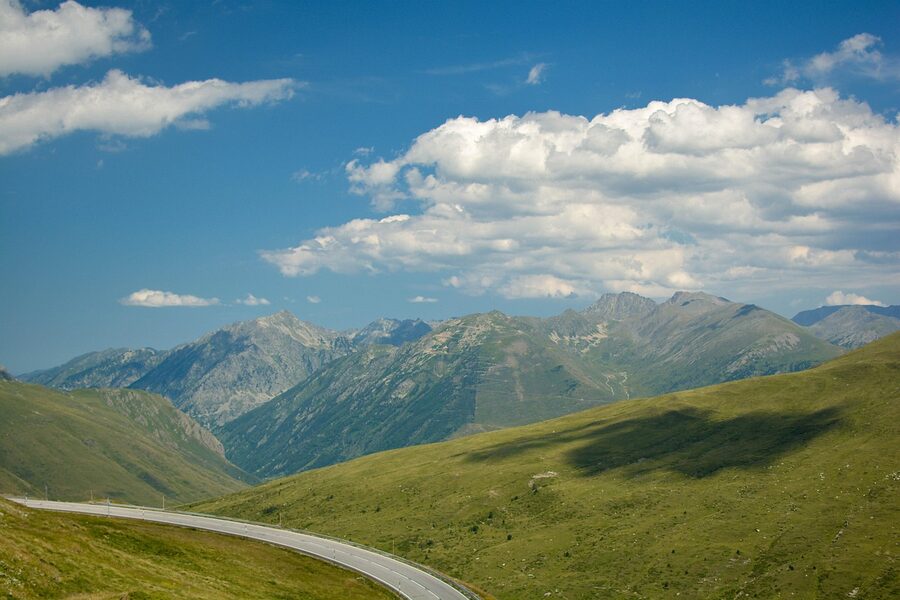
Ax-les-Thermes (France): A small spa town in the French Pyrenees, famous for its open-air thermal baths right in the town centre. The Bassin des Ladres is free to use — hot sulphurous water bubbling up in a stone basin where you can soak your feet while surrounded by 19th-century townhouses. It’s a weird, charming experience. The town itself takes about 30 minutes to walk around. Good pastries, decent coffee, and genuinely French in a way that feels abrupt after spending days in Catalonia.
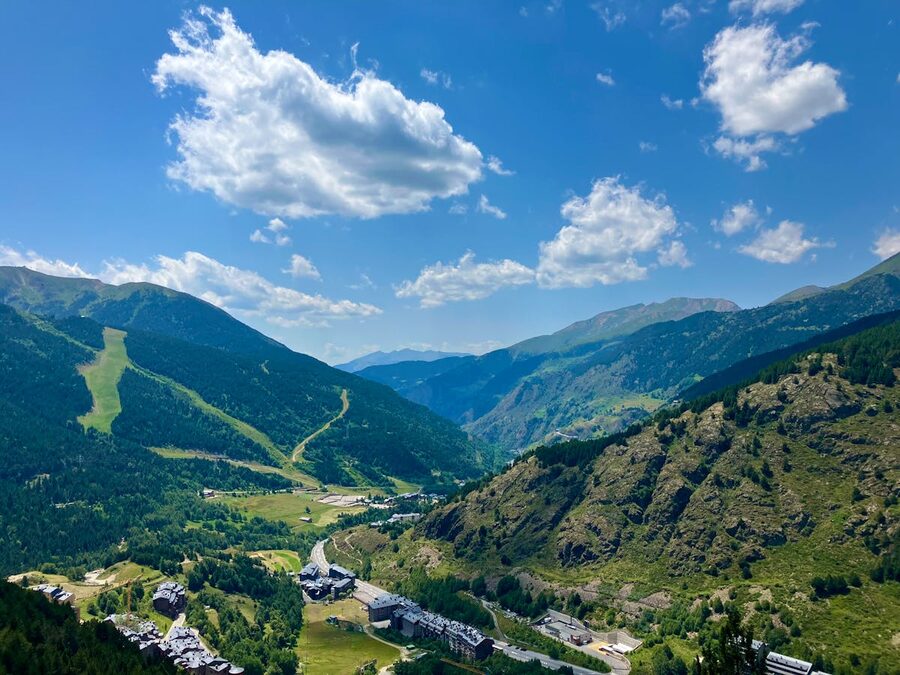
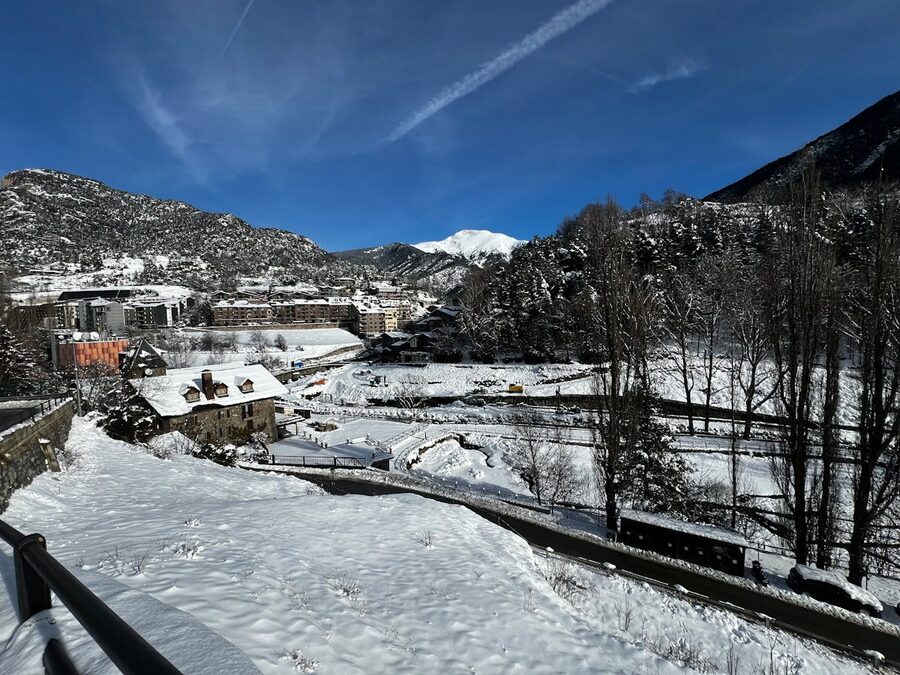
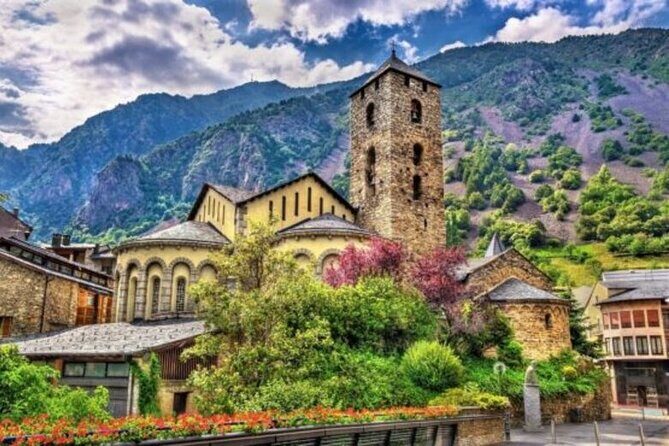
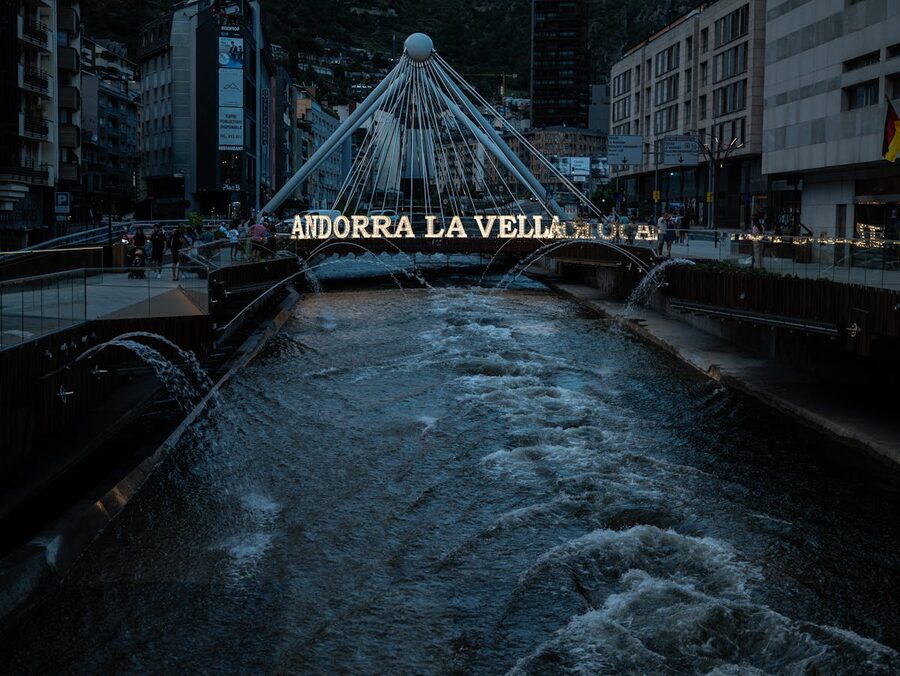
Andorra la Vella: The capital is tiny — you can walk across the old town in 15 minutes — but it packs a lot in. The main commercial avenue (Avinguda Meritxell) is wall-to-wall duty-free shops, and the prices are genuinely lower than anywhere in Spain or France. Behind the shopping strip, the Barri Antic (old quarter) has narrow stone streets, the 12th-century Casa de la Vall (the former parliament building), and a handful of restaurants serving Andorran mountain food — think grilled meats, trinxat (a cabbage and potato dish), and strong local wine.
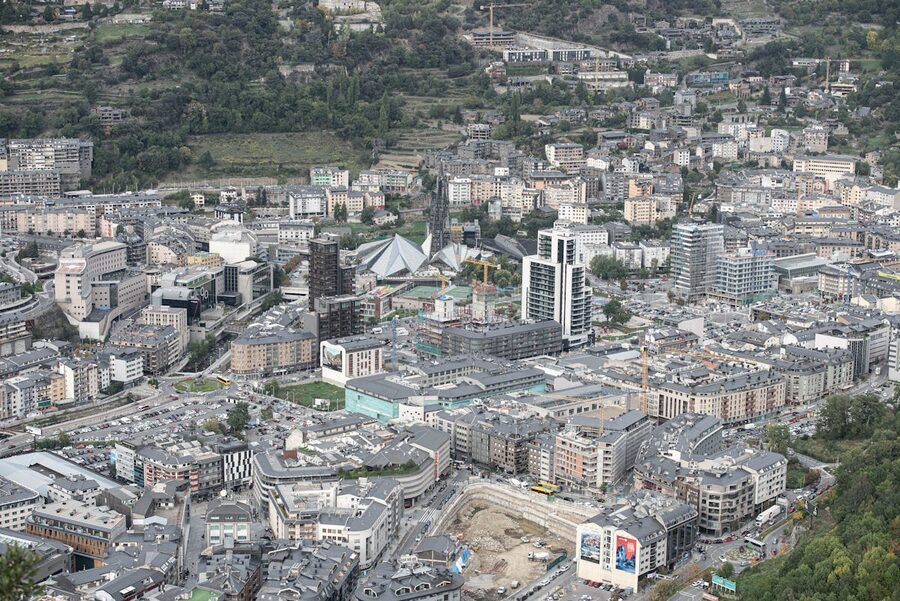
Most tours give you 2-3 hours in Andorra la Vella, which is enough to hit the shops, explore the old town, and grab lunch. Don’t waste your free time in the first duty-free shop you see — walk the full length of Meritxell first to compare prices, then go back to buy. Prices vary between shops more than you’d expect.
The Andorra History That Makes This Trip More Interesting
You don’t need to know any of this to enjoy the tour, but it makes the guide’s commentary land better if you do. Andorra’s founding story goes back to 805 AD, when Charlemagne supposedly granted the valley its charter as a reward for the local population helping fight the Moors during the Reconquista. That makes Andorra one of the oldest continuously independent political entities in Europe — older than most countries by centuries.
The co-prince arrangement is the strangest part. Since 1278, Andorra has been jointly ruled by the Bishop of Urgell (a Spanish town just south of the border) and the French Count of Foix — a title that eventually passed to the French head of state. So today, the President of France is technically a monarch of Andorra, which is constitutionally awkward for a republic that literally cut the head off its last king. The Bishop of Urgell still visits regularly. Macron has never set foot in the country during his presidency.
The smuggling history is what shaped modern Andorra. For centuries, the micro-state survived by moving goods between France and Spain without paying either country’s taxes. Tobacco, alcohol, livestock — anything that could be carried over a mountain pass. When that informal economy was formalised in the 20th century, Andorra became Europe’s largest duty-free shopping destination, which is why Avinguda Meritxell exists in its current form: a mountain village that accidentally became a shopping mall.
More Day Trips from Barcelona
If you’re spending several days in Barcelona and the three countries tour has given you a taste for day trips, the other big options from the city are worth your time. Montserrat is the obvious one — a saw-toothed mountain monastery about an hour west that’s spectacular in ways photos don’t capture, and far easier than the Andorra trip since you can do it independently by train. Girona and the Dali Museum in Figueres combine a beautiful medieval city with one of the most eccentric art museums in Europe, and it works as a full-day tour or a DIY train trip. And if you haven’t properly explored Barcelona itself, a good Barcelona walking tour covers more ground in three hours than most people manage in two days of wandering alone — the Gothic Quarter especially rewards having someone who knows the back streets.
This article contains affiliate links. If you book a tour through our links, we earn a small commission at no extra cost to you. This helps us keep producing these guides.