
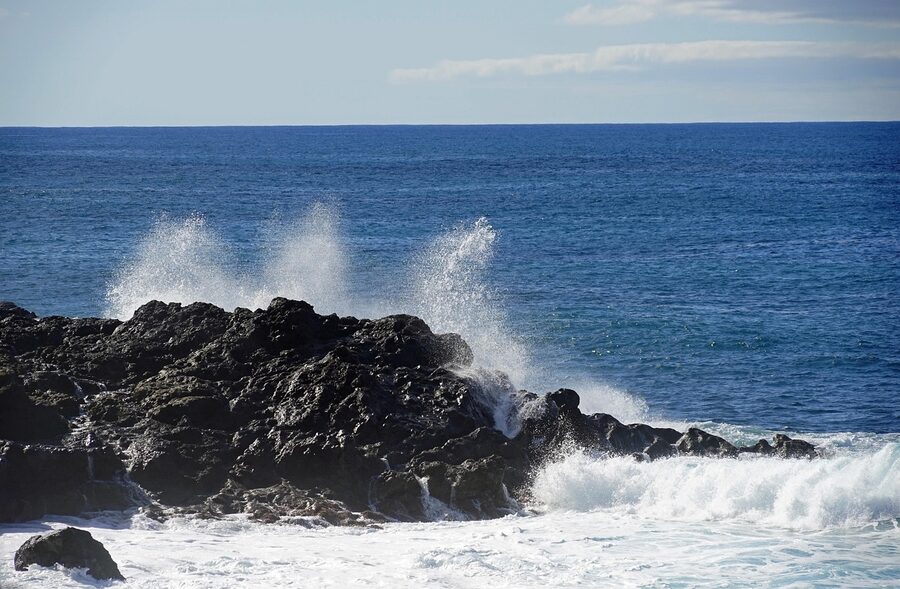
I was about two kilometres up a mountain trail when the buggy hit a rut so deep that my passenger — my brother, who had insisted he wasn’t nervous — let out a sound I can only describe as involuntary. The volcanic ash sprayed sideways. The engine growled. And through the dust cloud, the Atlantic Ocean appeared below us like a postcard someone had photoshopped into reality.
That was the moment I understood why volcano buggy tours are the most-booked activity on Lanzarote after Timanfaya.
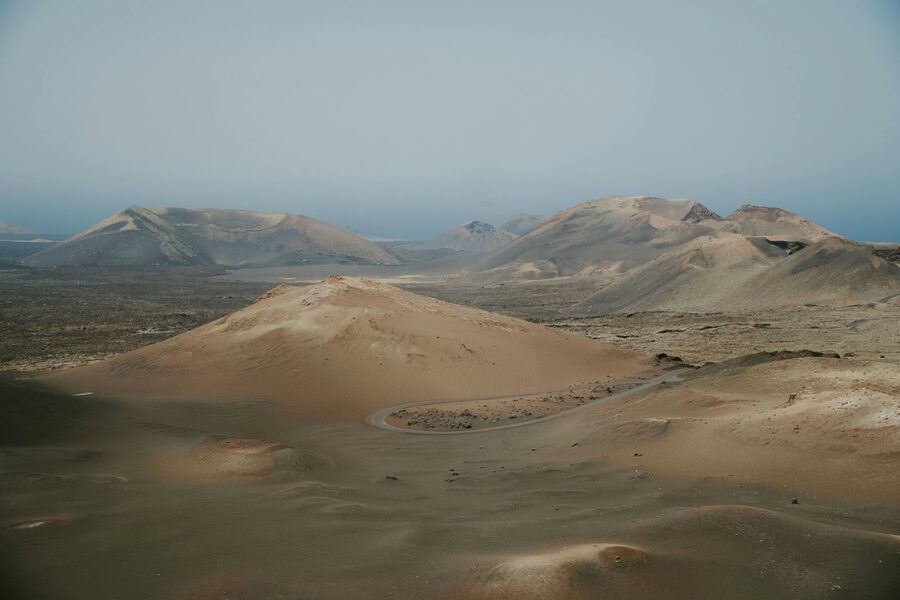
Lanzarote’s volcanic landscape is so extreme that NASA trained Apollo astronauts here in the 1970s. The agency needed terrain that matched the lunar surface, and this island — where eruptions between 1730 and 1736 buried a quarter of the landmass under lava — was the closest thing they found on Earth. The entire island has been a UNESCO Biosphere Reserve since 1993, largely because artist César Manrique fought to keep developers away. The volcanic rawness you see today isn’t accidental. It’s protected.
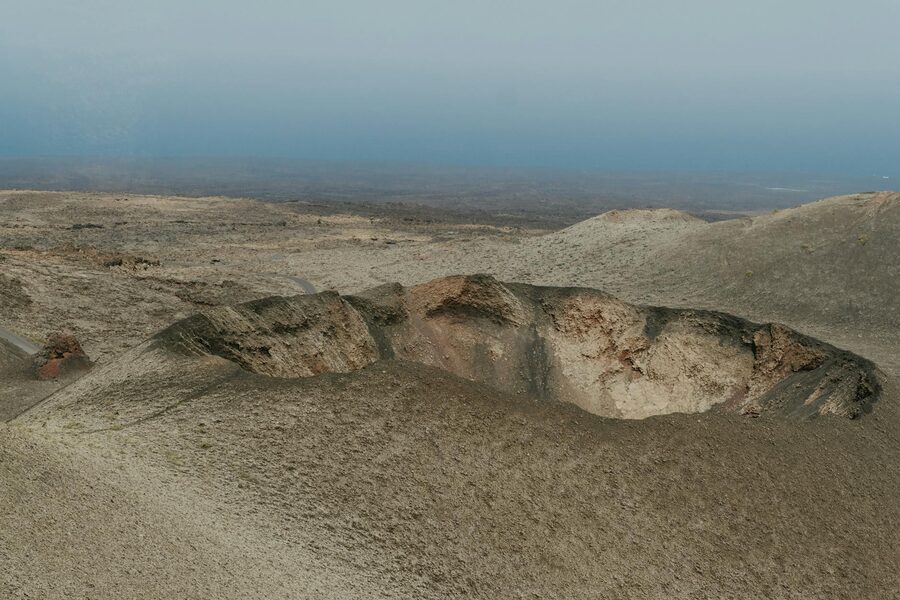
A buggy tour is the best way to actually get into that landscape instead of watching it slide past a coach window. You drive through lava fields, across the volcanic wine region of La Geria, and up into the Famara mountains, covering terrain that no regular car could handle. Most tours run 2-3 hours, cost between $150 and $215 per buggy, and require nothing more than a regular driving licence.
Best overall: Guided Off-Road Volcano Buggy Tour — $153 per buggy. The most popular option on the island by a wide margin, with a 2-3 hour route through lava fields and mountain trails.
Best for families: Mix Tour 4-Seater Buggy — $212 per buggy (seats 4). Same volcanic terrain, but in a larger buggy that fits parents and kids together.
Best for scenic variety: 3-Hour Can Am Buggy Tour — $206 per buggy. Covers villages, a winery stop, and coastal viewpoints alongside the volcanic terrain.
- How Volcano Buggy Tours Work on Lanzarote
- Self-Drive vs Guided Buggy Tours
- The Best Volcano Buggy Tours to Book
- 1. Lanzarote: Guided Off-Road Volcano Buggy Tour — 3
- 2. 3-Hour Can Am Buggy Tour of Lanzarote — 6
- 3. Lanzarote: Mix Tour 4-Seater Buggy Volcano Tour — 2
- When to Go
- What You’ll Actually See
- Tips That Will Save You Time (and Laundry)
- Getting to Your Meeting Point
- Combining with Other Lanzarote Activities
- While You’re in the Canaries
How Volcano Buggy Tours Work on Lanzarote
There is no official “volcano buggy” system on Lanzarote the way there’s an official Timanfaya bus route. These tours are run by private operators based around the island, and they all follow their own routes through different sections of the volcanic interior. Most operate from meeting points near Arrecife, Puerto del Carmen, or Costa Teguise, with hotel pickup available from many operators for an extra fee.
The standard setup: you arrive at the operator’s base, get a safety briefing, receive goggles and a windbreaker, and then you drive. The buggies are two-seaters (some operators have four-seaters for families), automatic transmission, and they top out around 60-65 km/h. You don’t need off-road experience — the guides lead in convoy and set the pace. But you do need a valid driving licence.
Routes typically cover some combination of:
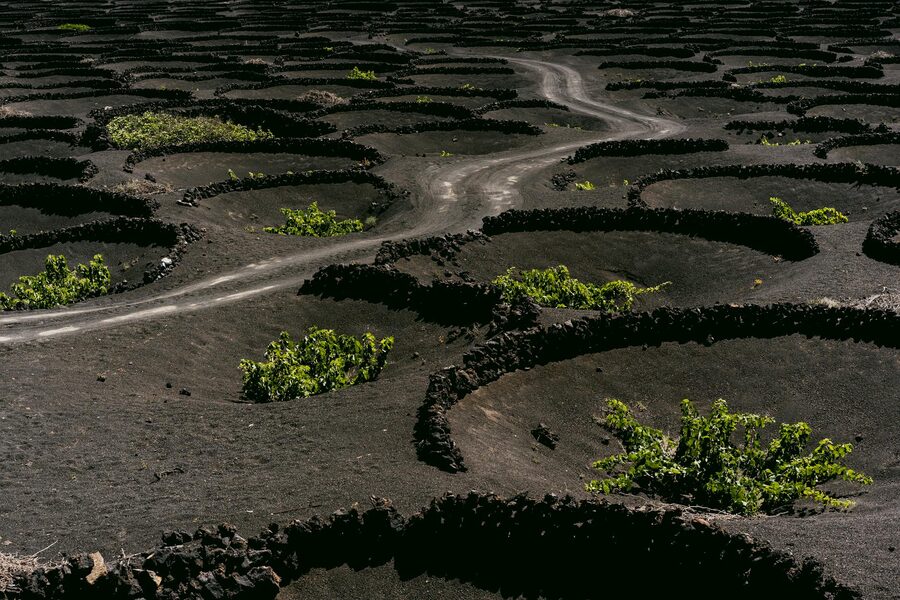
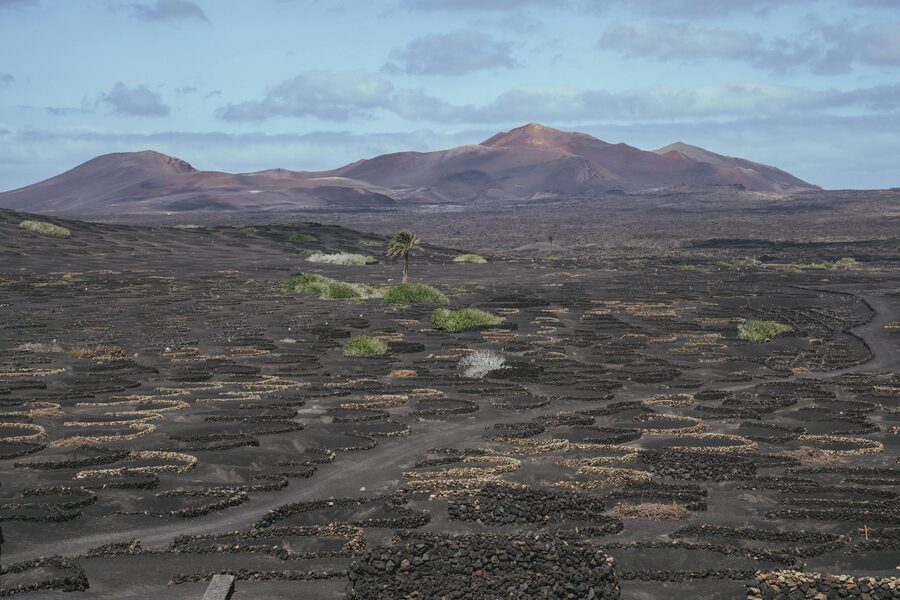
- La Geria — the volcanic wine region where vines grow in individual pits dug into ash, protected by semicircular stone walls called zocos
- The Famara massif — mountain trails climbing to viewpoints 500+ metres above sea level with views across the entire island
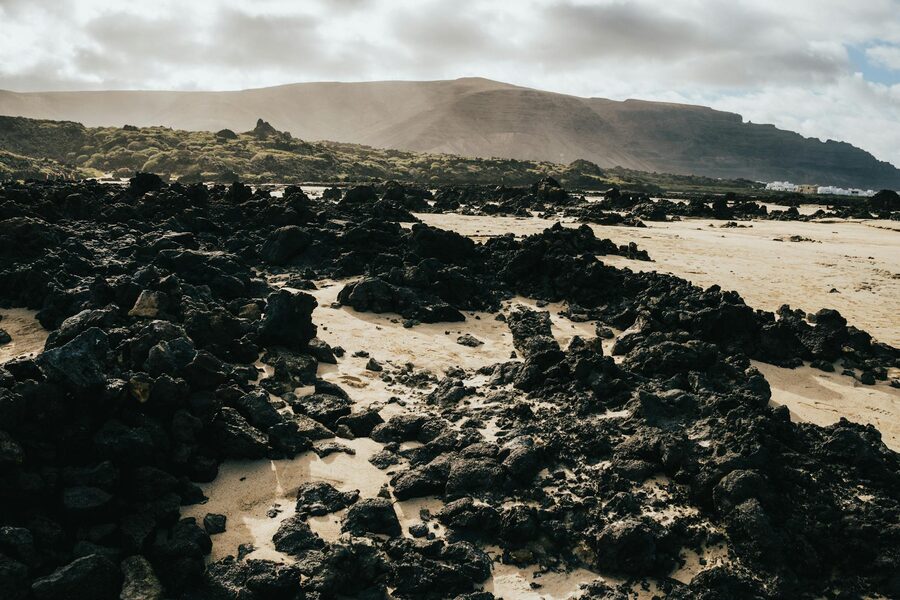
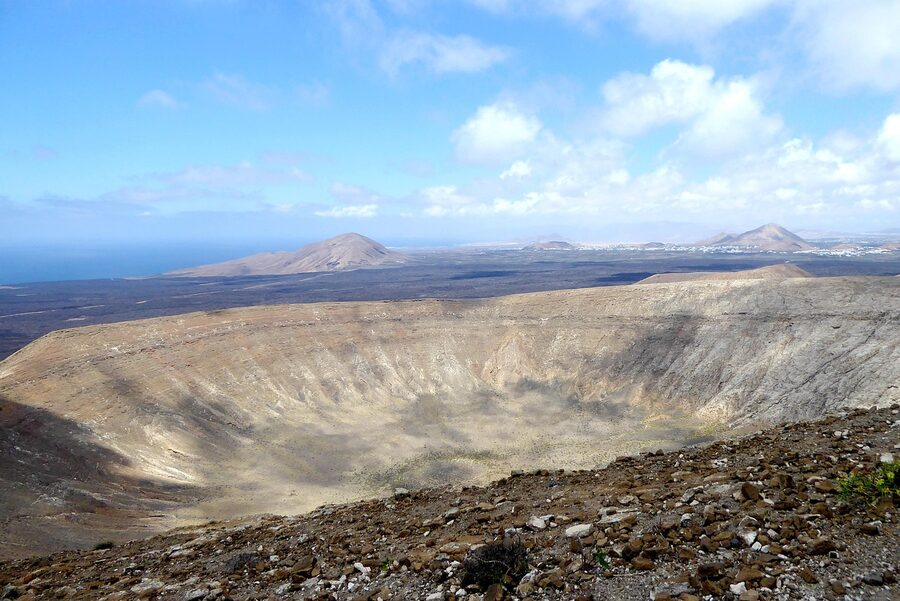
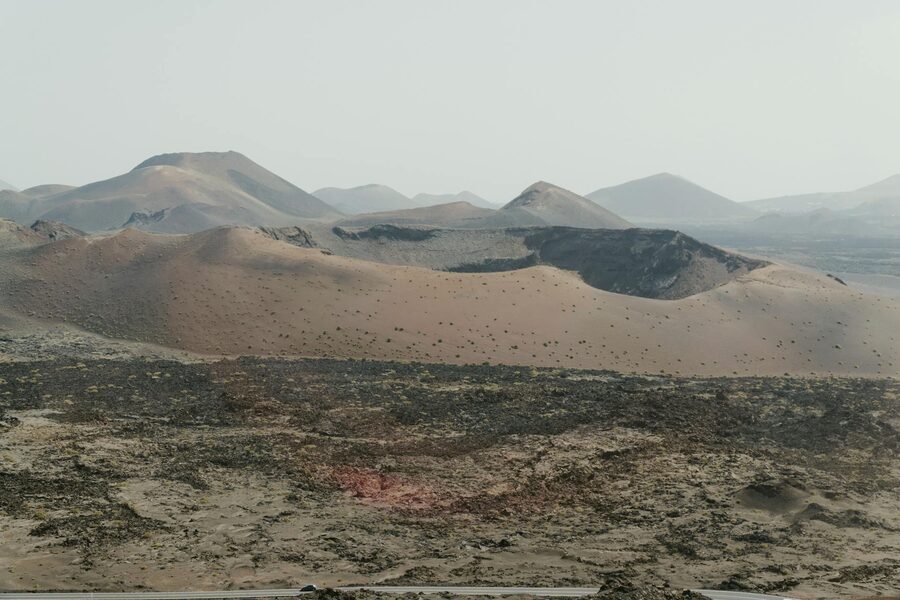
- Volcanic badlands — black lava fields, craters, and the kind of terrain where nothing grows and everything looks like a film set
- Coastal sections — stretches along the western or northern coast with Atlantic views
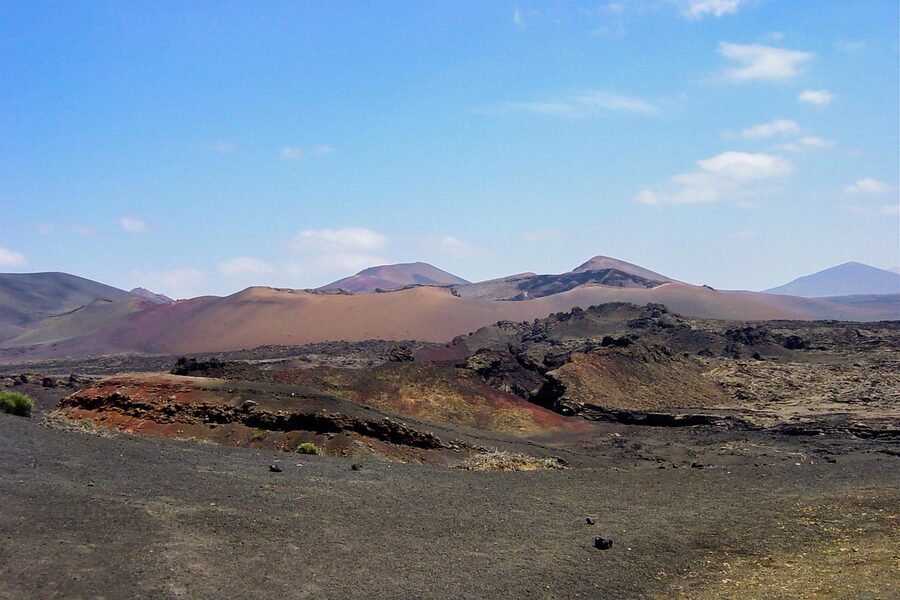
Most tours include a photo stop at a high viewpoint and sometimes a brief stop at a winery or village. Duration ranges from 2 to 3 hours, with the 3-hour options covering more ground and making more stops.
Self-Drive vs Guided Buggy Tours
Every volcano buggy tour on Lanzarote is guided — you drive your own buggy but follow a guide in convoy. There’s no self-drive rental buggy option where you go off alone into the volcanic interior (and honestly, given the terrain, you wouldn’t want to). The trails cross private land, protected zones near Timanfaya, and unmarked mountain paths that look identical once the dust kicks up.
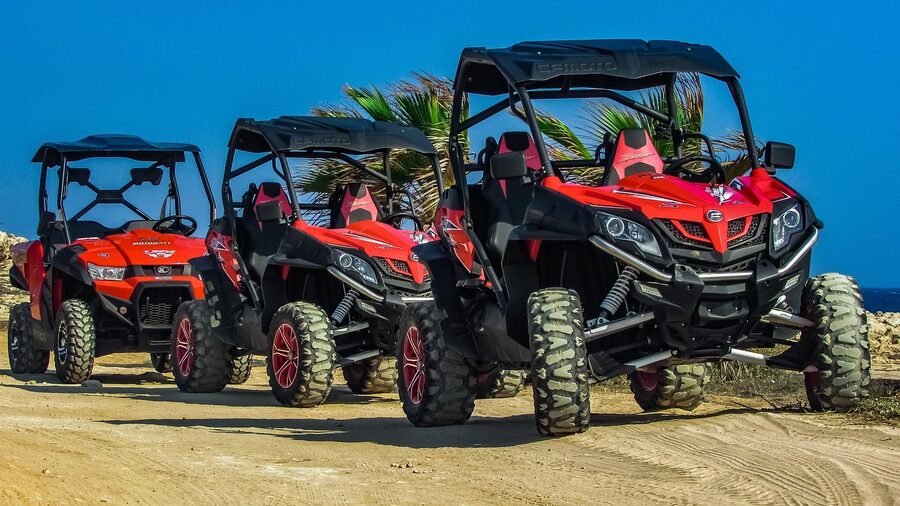
The real decision is between a standard 2-seater buggy and a 4-seater for families. Two-seaters are lighter, feel more adventurous, and handle the bumps with more intensity. Four-seaters are more stable, fit two adults and two kids, and feel more like a ride than an endurance test. Both cover the same routes.
If you want to compare this with other ways to see Lanzarote’s volcanic landscape, our guide to visiting Timanfaya National Park covers the coach tours through the national park itself — a completely different experience but worth combining on separate days.
The Best Volcano Buggy Tours to Book
I’ve ranked these by a mix of popularity, route quality, and what you actually get for the price. All three are well-reviewed and run year-round, but they each work for a slightly different type of traveller.
1. Lanzarote: Guided Off-Road Volcano Buggy Tour — $153
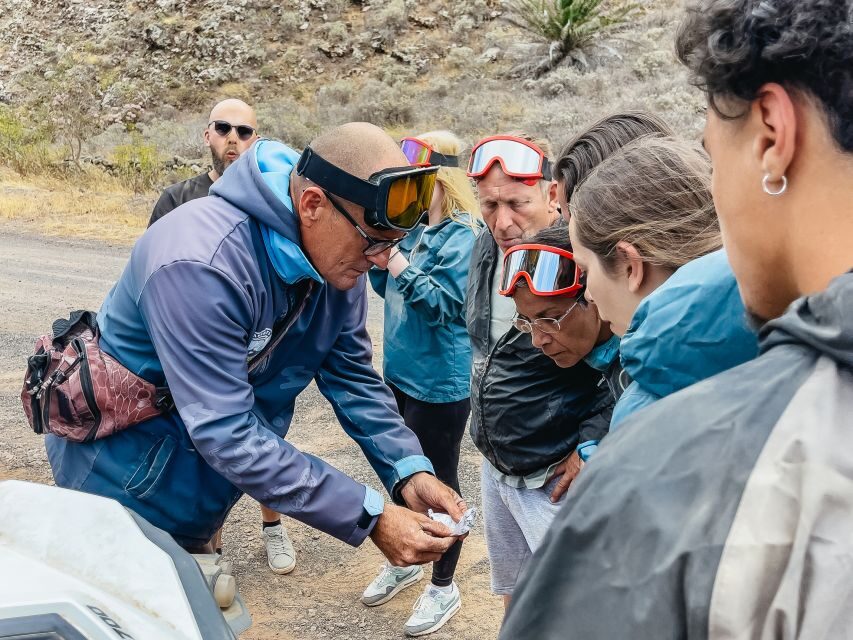
This is the big one. By far the most popular buggy tour on the island, and after doing it myself, I can see why it dominates the bookings. The 2-3 hour route goes deep into the volcanic interior — lava fields, mountain switchbacks, craters, and a viewpoint stop where you can see half the island spread out below you. The guides are experienced and keep the pace fun without crossing into reckless.
At $153 per buggy (not per person), it’s actually solid value if you’re splitting with a partner. The buggies are automatic Can-Ams, and the goggles and windbreaker are provided. You will get dirty — multiple people mentioned coming back covered in dust — so wear old clothes and leave the nice sunglasses at the hotel.
This is the tour I’d recommend to anyone who wants the full volcanic buggy experience without any fluff. Pure off-road driving through landscapes that make you forget you’re still in Europe. If you’re a couple or two friends looking for something physical and memorable, start here.
2. 3-Hour Can Am Buggy Tour of Lanzarote — $206
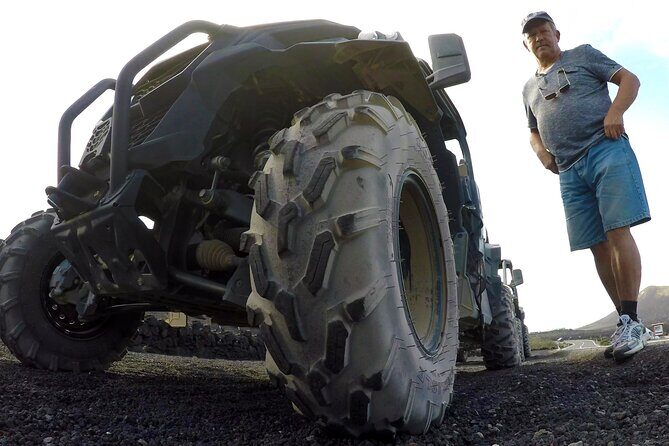
This is the scenic variety option. The 3-hour route adds village stops, a winery visit, and some coastal viewpoints that the shorter tours skip. One group described driving through a section where a historical village was cut off from the rest of the island during the 18th-century eruptions — the residents survived entirely on self-sufficiency, and the guide explained the whole story at the stop.
At $206 per buggy, it’s a bit pricier than the top pick, but you’re getting an extra hour of driving time plus the cultural stops. The buggies are automatic Can-Ams (same as tour #1), and the team has been running this route for years — some repeat visitors have done it four times. If you want more than just off-road driving and enjoy the storytelling side of guided tours, this is the one.
The route covers volcanic terrain, charming inland villages, and the unique vineyard landscape of La Geria where you’ll likely stop to see the wine-growing technique up close. Bring a jacket — it gets cold at altitude even on warm days.
3. Lanzarote: Mix Tour 4-Seater Buggy Volcano Tour — $212
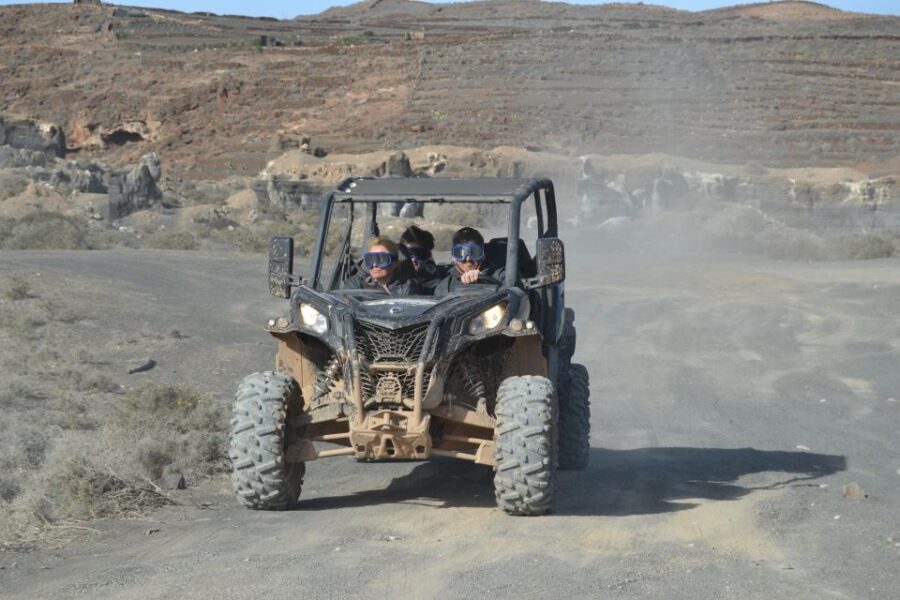
This is the family pick. The four-seater buggy fits two adults and two children comfortably, which means you’re all in the same vehicle bouncing over the same volcanic terrain together. The route covers the same highlights — craters, mountain viewpoints, lava fields — but in a larger, more stable buggy that doesn’t feel quite as intense as the two-seaters.
At $212 per buggy (seats up to 4), the per-person cost drops significantly for a family of four. Kids as young as 3 can ride along (they’re passengers, not drivers), and several families mentioned their teenagers rating this as the highlight of the entire Lanzarote trip. One guide apparently gave his own jacket to a cold child mid-tour — that kind of detail tells you something about the operation.
If you’re travelling with kids and want something more exciting than another coach tour, this is the best option for families. The 2-3 hour duration is long enough to feel like a proper adventure but not so long that younger kids hit the wall.
When to Go
Buggy tours run year-round on Lanzarote, which is one of the advantages of being on an island with consistent weather. Temperatures hover between 18-24°C most of the year, and rainfall is minimal. That said, timing matters more than you’d think:
Best months: October through April. The weather is warm but not baking, the dust is manageable, and the tourist crowds thin out enough that convoy sizes stay small. January and February are particularly good — mild temperatures, low crowds, and the occasional rain the week before your visit keeps the dust down on the trails.
Worst months: July and August. It’s hot, the buggies have no air conditioning (they’re open vehicles), and the volcanic ash amplifies the heat. You’ll be drinking water faster than you can carry it. The tours still run, but they’re less pleasant.
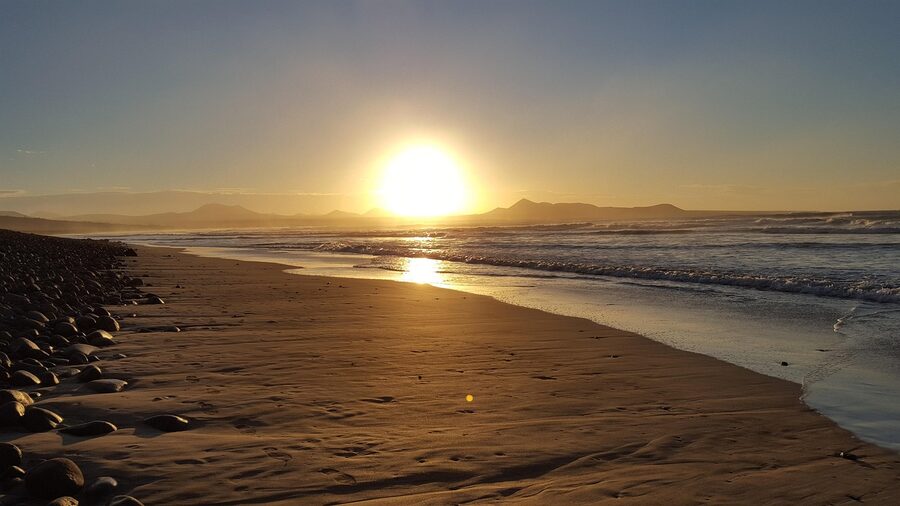
Best time of day: Morning tours (9-10am departure) or late afternoon tours (3-4pm). Midday is the hottest, and the light is flat for photos. Late afternoon catches the golden hour, especially on routes that hit the western coast or Famara viewpoints.
Book at least 3-4 days in advance during peak season (December-March and July-August). The most popular tours fill up because convoy sizes are capped at 8-12 buggies for safety. Off-season, 1-2 days ahead is usually fine.
What You’ll Actually See
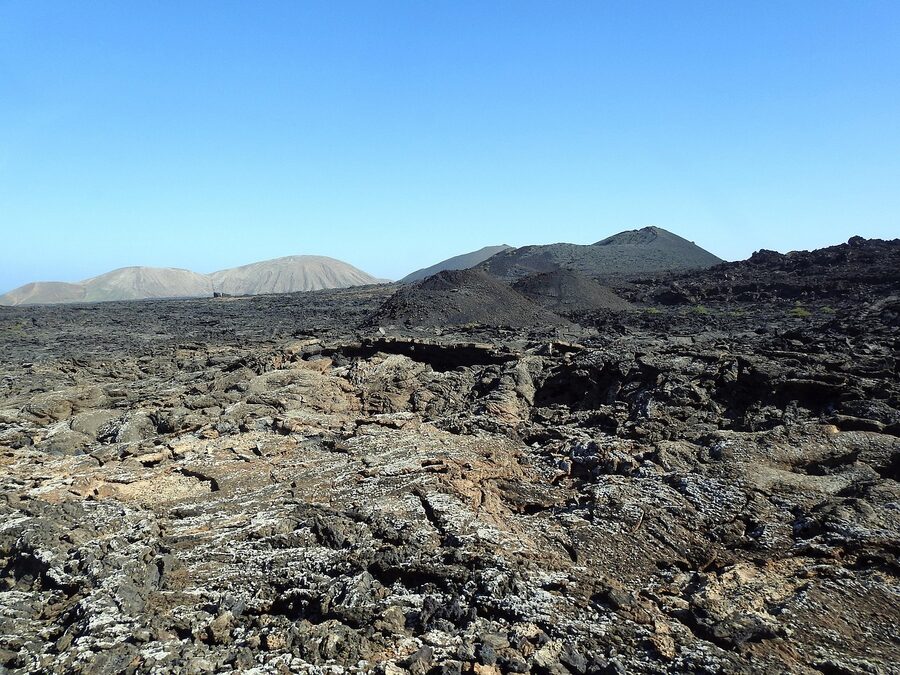
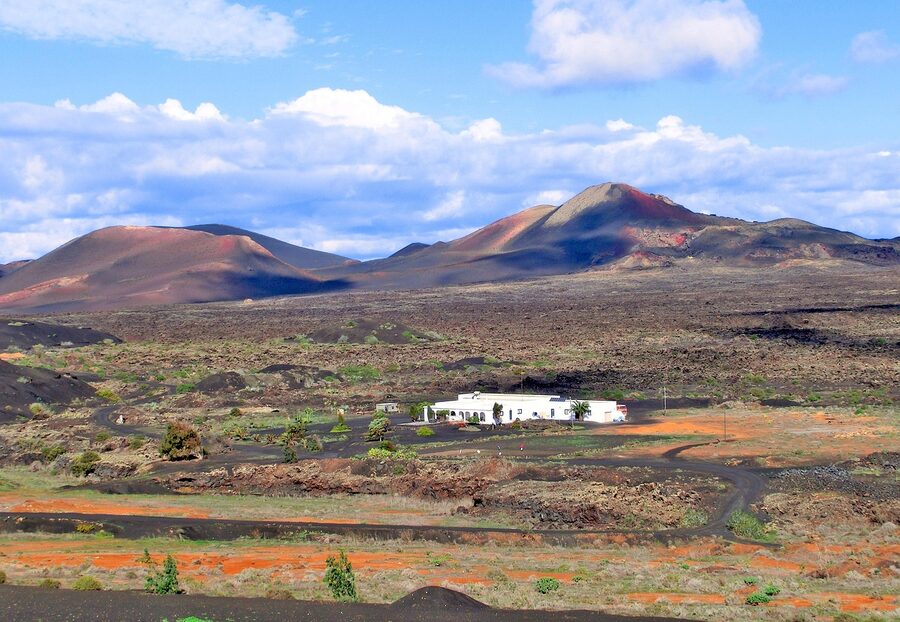
Lanzarote’s volcanic history is not ancient. The major eruption cycle that shaped most of what you’ll drive through happened between 1730 and 1736 — just six years that buried 23 villages and a quarter of the island’s farmland under lava. A second eruption in 1824 added more. The flows you’re driving across are essentially the same age as the American Revolution.
The landscape divides into several distinct zones that most buggy routes cross:
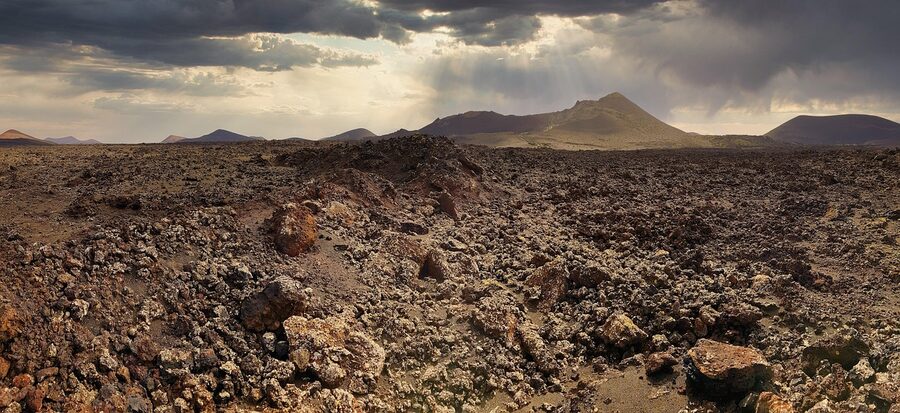
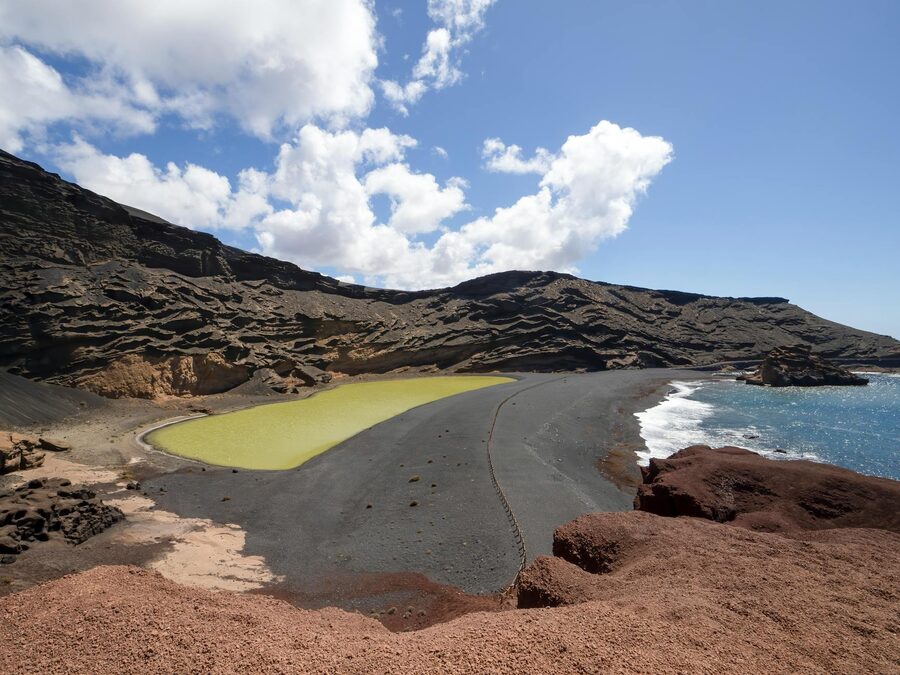
The lava fields are the most dramatic — vast stretches of frozen black rock where nothing grows. The texture is either smooth and ropy (pahoehoe) or jagged and broken (aa). Both types appear along the trail, and the difference is obvious once you know what to look for. The rough aa lava is what shakes the buggy hardest.
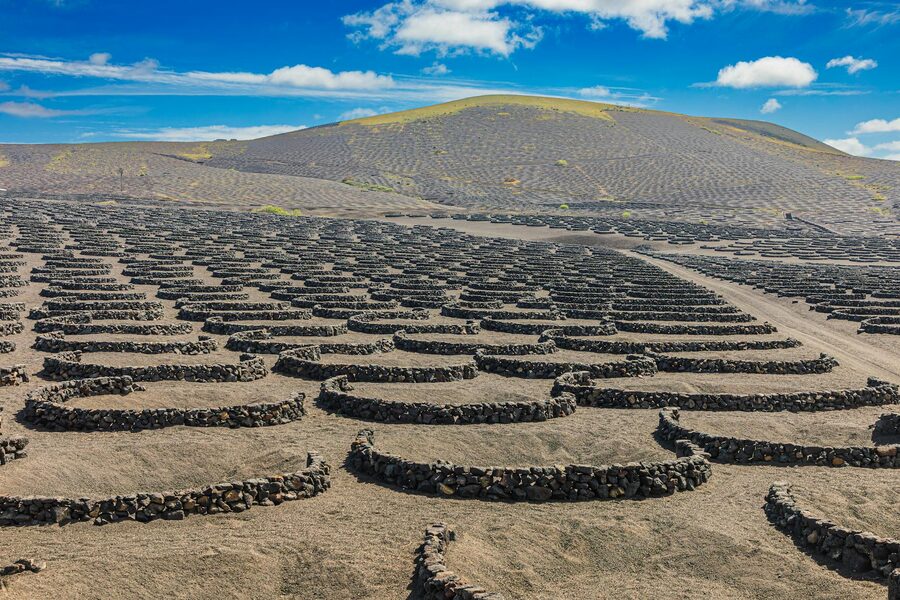
La Geria is the wine region built on top of the lava. After the eruptions, farmers discovered that the volcanic ash (picón) retained moisture from overnight condensation. They invented a system unique in the world: individual pits (hoyos) dug into the ash, each sheltering a single vine, with crescent-shaped stone walls (zocos) blocking the relentless trade winds. The result is a wine-growing landscape that looks more like a moon colony than a vineyard. It produces surprisingly good Malvasía whites.
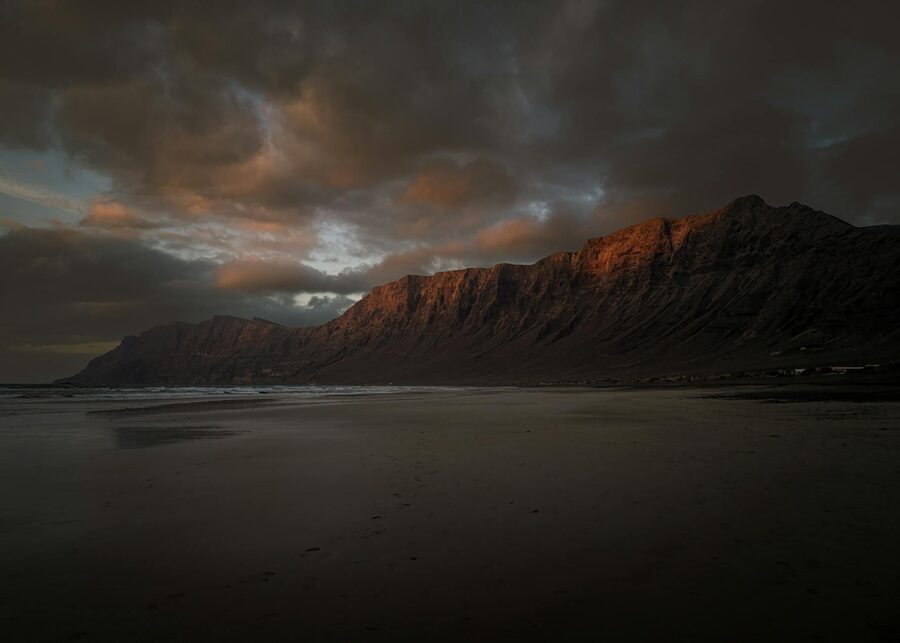
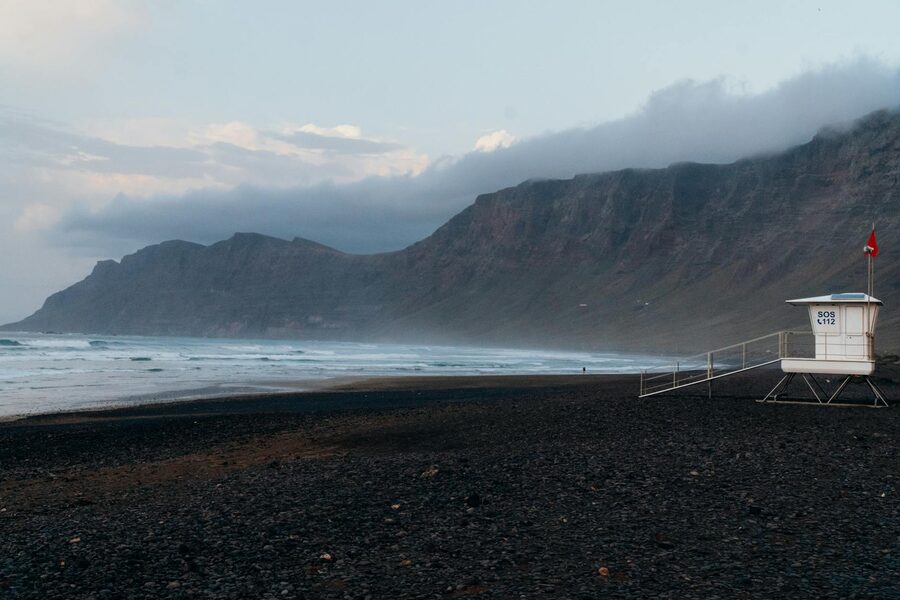
The Famara massif is the old part of the island — volcanic rock from millions of years ago, eroded into dramatic cliffs that drop 670 metres to the ocean. The buggy trails climb through the back of the mountain range on dirt tracks, emerging at viewpoints where you can see La Graciosa island to the north and the volcanic plains stretching south toward Timanfaya. This is where the temperature drops and the wind hits, so layers are not optional.
Tips That Will Save You Time (and Laundry)
- Wear old clothes and closed shoes. You will be covered in volcanic dust by the end. Multiple people have mentioned arriving back looking like they rolled in ash. Sandals are not allowed — trainers or hiking boots only.
- Bring a light jacket or fleece. The base altitude is warm, but the mountain sections can drop 8-10 degrees. Windbreakers are provided by most operators, but they’re thin.
- Leave nice sunglasses behind. Goggles are provided and you’ll want them. Your regular sunglasses will get scratched by dust and grit. Use the goggles.
- Sunscreen goes on before the goggles. Apply it at the base, not during the ride. Once the goggles are on, your hands are busy driving and the dust makes application impossible.
- Photos: use your phone, not a camera. The bumps are constant and severe. A DSLR bouncing around your neck is a liability. Your phone in a zipped pocket, pulled out only at stops, is the move.
- Hydrate before you go. Some tours have a water stop, some don’t. Either way, drink well before departure — the dust and wind are dehydrating even when the temperature feels mild.
- Photo packages are worth it. Several operators offer a professional photo/video package (around 15 euros) taken by the guide during the tour. These consistently get praised because they capture the moments you can’t photograph yourself while driving.
- Book morning for cooler temperatures. Especially in summer. The volcanic rock absorbs heat and radiates it back at you, so afternoon tours can feel significantly warmer than the air temperature suggests.
Getting to Your Meeting Point
Most buggy operators are based in the central part of the island, between Arrecife and the resort towns. Here’s how to reach the typical meeting points:
From Puerto del Carmen (the most popular resort area): 10-15 minutes by car or taxi. Many operators offer hotel pickup from Puerto del Carmen at no extra charge — check when booking.
From Costa Teguise: 15-20 minutes by car. Pickup available from most operators but sometimes at an extra fee.
From Playa Blanca: 25-30 minutes by car. This is the furthest major resort from the buggy bases, so if your operator offers pickup, take it rather than renting a car just for the transfer.
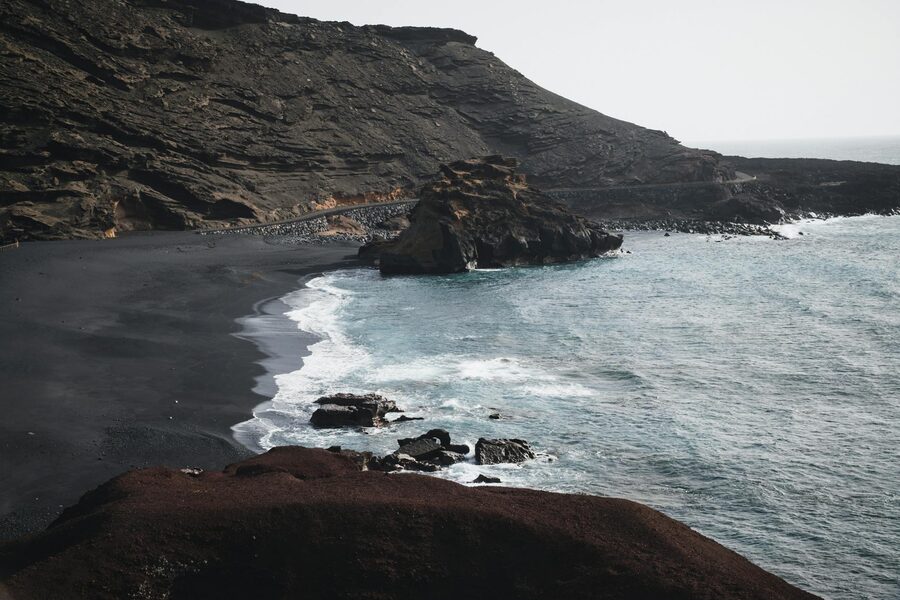
If you’re renting a car: Drive to the meeting point, park there (free parking at all operator bases I’ve used), and drive back after. Renting a car for the day also lets you combine the buggy tour with a visit to Timanfaya National Park or a self-guided drive through the rest of La Geria.
No public bus option: Lanzarote’s bus network exists but doesn’t serve buggy operator bases directly. You’d need a taxi or rental car for the last kilometre either way. Just arrange pickup through your tour or budget for a taxi.
Combining with Other Lanzarote Activities
A buggy tour fills a half-day nicely, leaving the other half open. Here’s what pairs well:
Morning buggy + afternoon Timanfaya: The buggy gives you the hands-on volcanic experience; Timanfaya gives you the science and the fire mountains coach tour. Different angles on the same geology. Our full Timanfaya booking guide covers how to get tickets and which tour to choose.
Morning buggy + afternoon winery: Several buggy routes pass through La Geria, so you’ll already have seen the vineyards from the trail. Follow it up with an afternoon wine tasting at Bodega La Geria or El Grifo, two of the island’s most established wineries. The Malvasía wines are surprisingly good and impossible to find outside the Canaries.
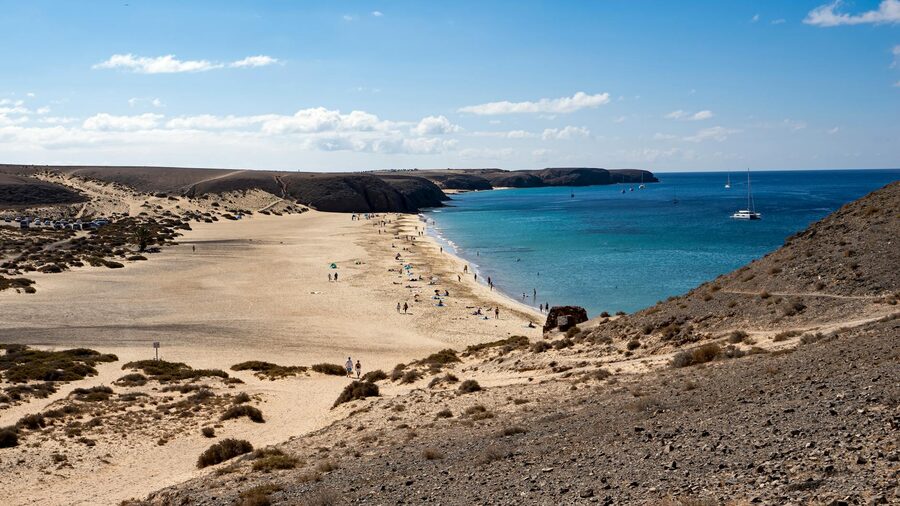
Buggy + beach: After 2-3 hours of dust and bumps, a beach afternoon is the perfect reset. Papagayo beaches on the southern tip are the best on the island — sheltered coves with clear water and volcanic rock formations. Famara Beach on the north coast is wilder, with surfers and Atlantic swells.
While You’re in the Canaries
If Lanzarote’s volcanic terrain has you hooked, Tenerife — the neighbouring island — runs a completely different set of outdoor tours worth looking into. Our guide to whale watching in Tenerife covers the boat trips off the southern coast where pilot whales are resident year-round. For a full adrenaline day, kayaking tours in Tenerife get you along volcanic sea cliffs that are only accessible from the water. And if you’re travelling with kids and want a day of pure fun between the adventure tours, Siam Park tickets are worth sorting out in advance — it regularly ranks as the best waterpark in the world. Back on Lanzarote, don’t skip Timanfaya National Park — it’s the geological context for everything you’ll see on the buggy tour, and the fire demonstrations at Islote de Hilario are something you won’t find anywhere else.
This article contains affiliate links. If you book a tour through one of these links, we earn a small commission at no extra cost to you. This helps us keep producing free travel guides.