
The first time I tried to make paella at home, I used long-grain rice. The result was closer to a stir-fry than anything you’d find in Spain. My Spanish friend stared at the pan for a full ten seconds before politely suggesting we order delivery. That’s when I realized: some dishes you just need to learn from someone who grew up eating them.
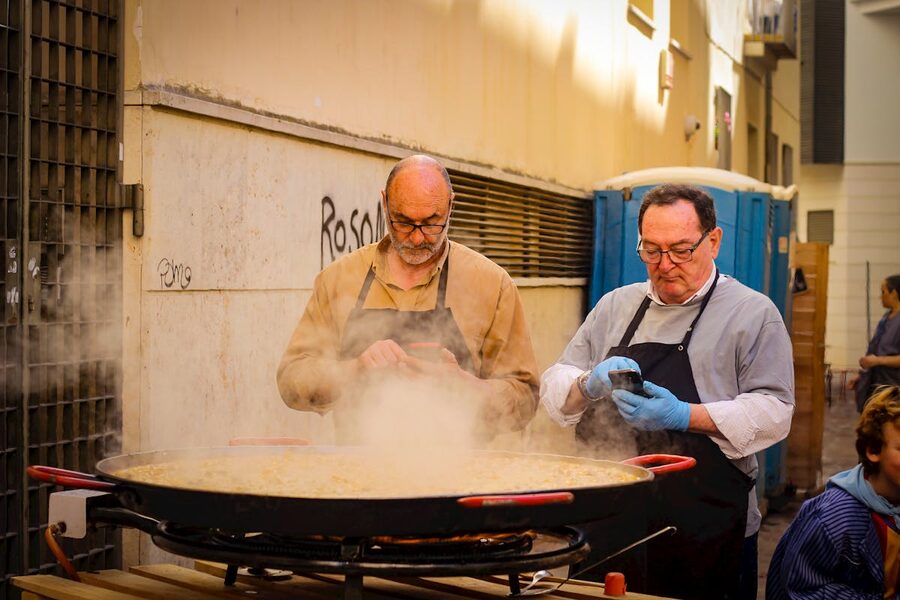
Madrid is the one city in Spain where every region’s cooking traditions crash into each other. Galician octopus, Andalusian gazpacho, Basque pintxos, Valencian paella — you can eat all of them within a few blocks. The classic Madrid dish, cocido madrileño, is a chickpea and meat stew served in three separate courses. But the cooking classes that draw the biggest crowds focus on paella, tapas, and sangria — the dishes that travelers actually want to recreate when they get home.
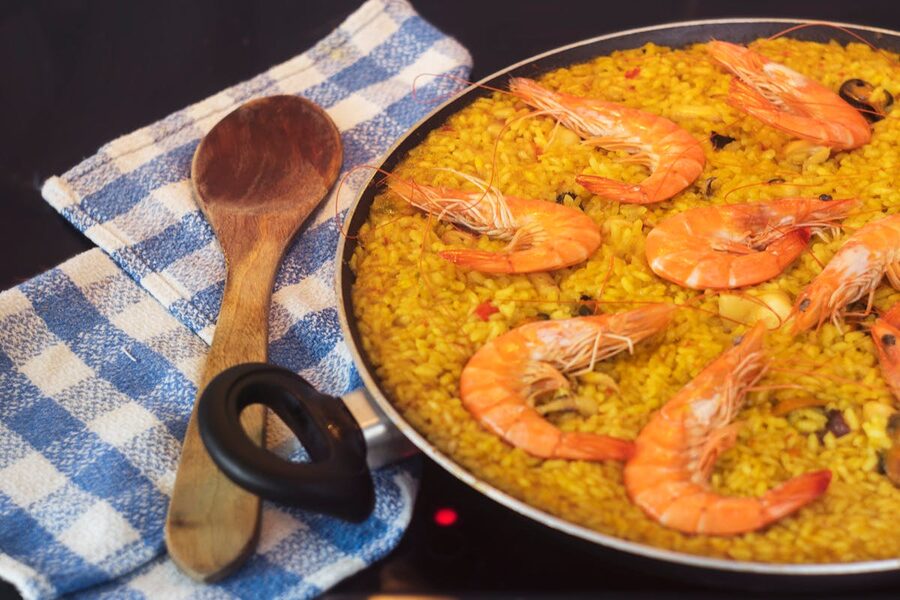
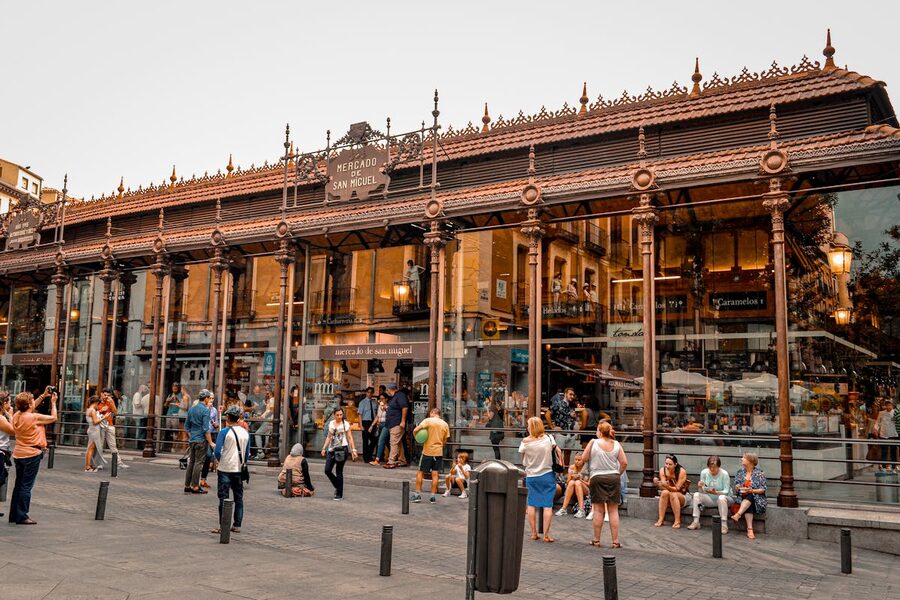
Most cooking classes start at or near the Mercado de San Miguel, a restored 1916 iron-and-glass market just off Plaza Mayor. Your chef-instructor walks you through the stalls, pointing out saffron vendors and fishmongers, before heading to the kitchen. The walk from Puerta del Sol to the market takes five minutes, and that short stroll through Madrid’s old town sets the mood before you even pick up a knife.
- In a Hurry? The 3 Best Madrid Cooking Classes
- What a Madrid Cooking Class Actually Looks Like
- The 3 Best Cooking Classes in Madrid
- 1. Spanish Cooking Class: Paella, Tapas and Sangria — 3
- 2. Paella and Sangria Workshop in the City Center —
- 3. Paella Cooking Class with Bottomless Wine Pairing — 4
- What You’ll Learn to Cook
- Paella
- Tapas
- Gazpacho
- Sangria
- The Market Visit: What to Expect
- Practical Tips for Booking
- How to Choose Between Classes
- Why Madrid Is Spain’s Best City for Cooking Classes
- A Short History of Cooking in Madrid
- Where the Classes Are Located
- More to Do in Madrid
In a Hurry? The 3 Best Madrid Cooking Classes
Best overall: Spanish Cooking Class: Paella, Tapas and Sangria — $103/person. Full market tour plus four hours of hands-on cooking with a local chef. Check Availability
Best value: Paella and Sangria Workshop in the City Center — $69/person. Three-hour class focused on paella and sangria in a central Madrid kitchen. Check Availability
Best for wine lovers: Paella Cooking Class with Bottomless Wine Pairing — $144/person. Smaller group, shorter format, and the wine does not stop flowing. Check Availability
What a Madrid Cooking Class Actually Looks Like
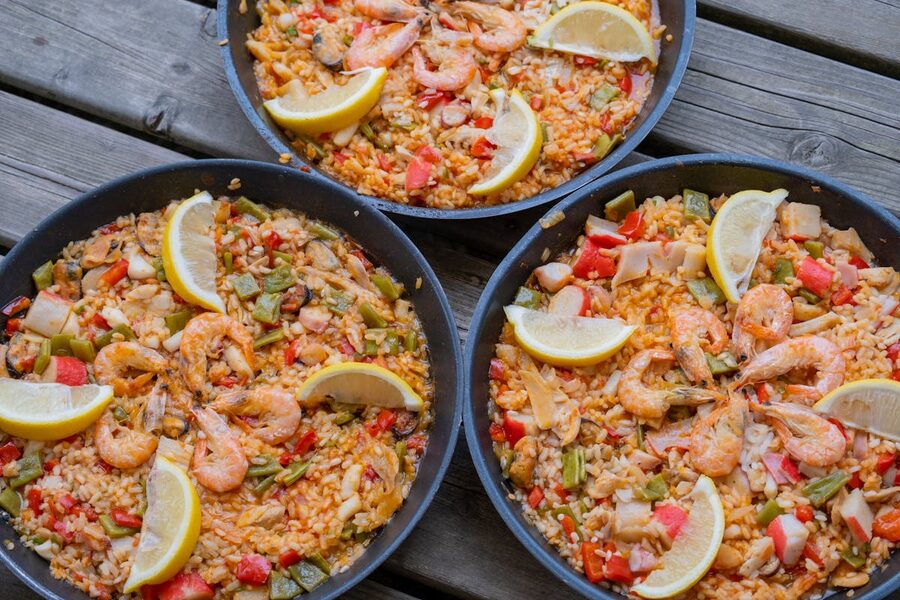
Forget the polished TV kitchen fantasy. Most Madrid cooking classes happen in compact kitchens above restaurants or in rented commercial spaces near the old town. You’ll be standing at a counter with eight to twelve other people, chopping onions, measuring saffron, and trying not to burn the garlic.
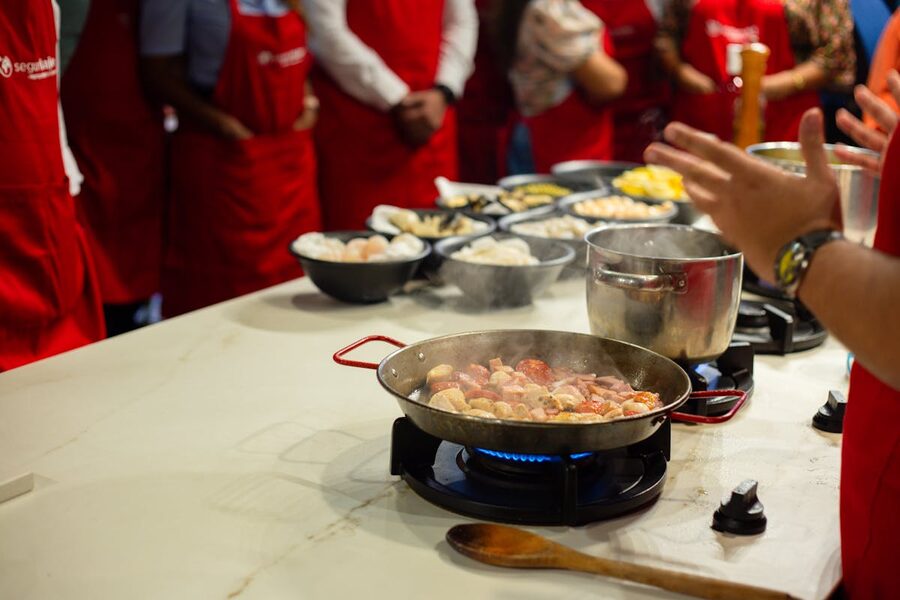
The standard format goes like this: You meet the chef at a market (usually San Miguel or a local neighbourhood market), spend thirty to forty-five minutes picking ingredients, then head to the kitchen for two to three hours of cooking. Most classes cover paella as the main event, plus a few tapas dishes and sangria. You eat everything you make at the end, which is the real payoff.
The classes are fully hands-on. You’re not watching a demonstration — you’re the one peeling prawns, dicing peppers, and stirring the rice. The chefs are used to working with complete beginners, so don’t worry if the last thing you cooked was toast.
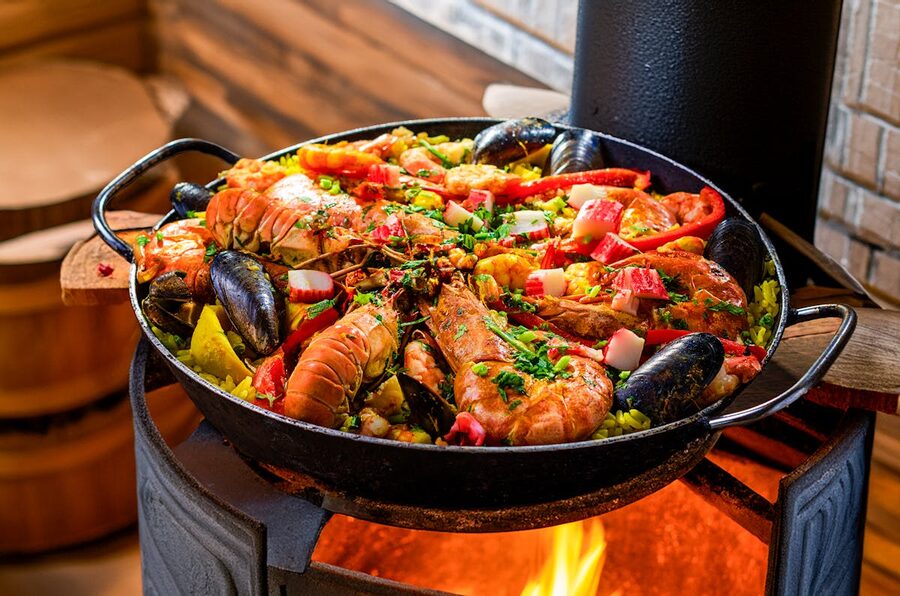
The group dynamic matters more than you’d expect. Most classes run with eight to twelve people, and you’ll be sharing workstations and splitting tasks. I’ve seen groups where half the room bonded over wine before the cooking even started, and others where everyone stayed focused until the sangria kicked in. Either way, you’re eating together at the end, so the social element is built into the experience.
The 3 Best Cooking Classes in Madrid
1. Spanish Cooking Class: Paella, Tapas and Sangria — $103
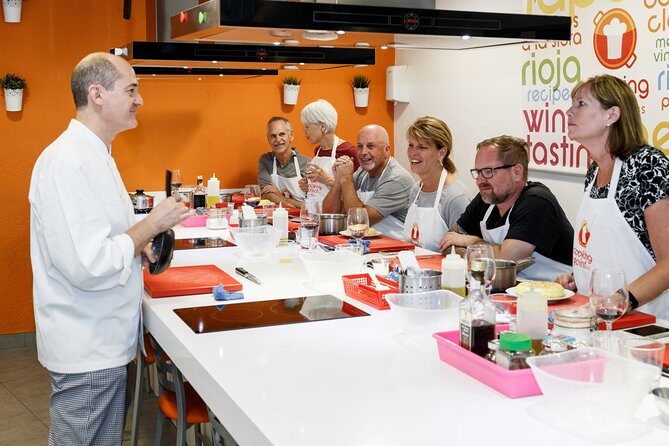
This is the one I’d pick for a first-timer. Four hours gives you enough time to actually learn technique, not just follow orders. You start at a local market for ingredient shopping, then cook paella, tapas, gazpacho, and sangria from scratch. The group caps at twelve, which means the chef can actually watch your knife work. Our full review breaks down what the market tour covers and whether the recipes translate to a home kitchen.
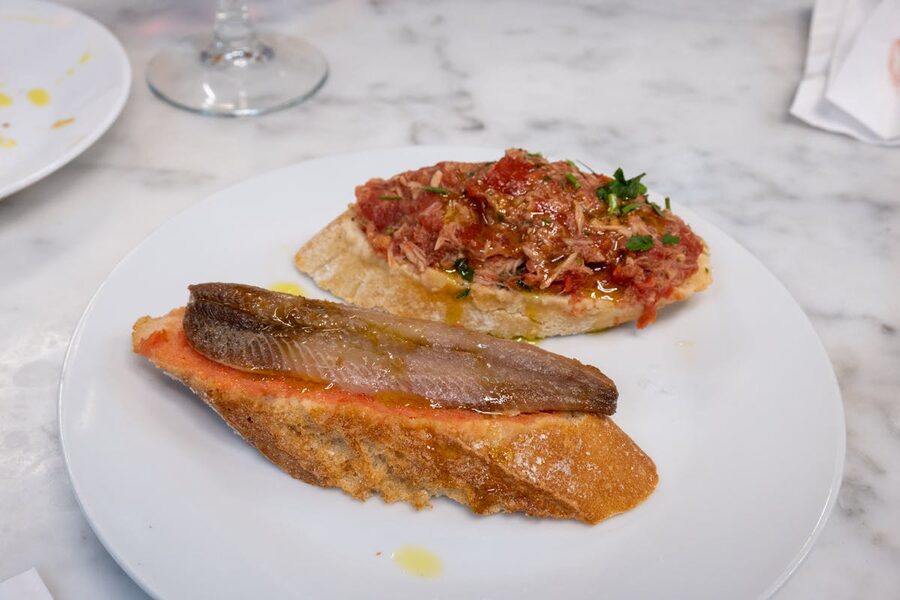
2. Paella and Sangria Workshop in the City Center — $69
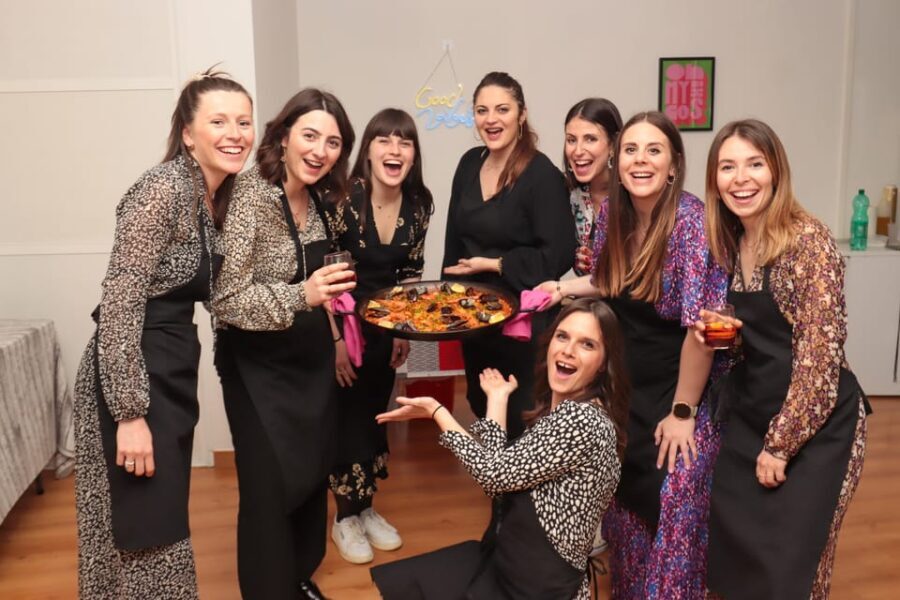
If you want the paella experience without the four-hour commitment, this is the smart pick. Three hours, paella and sangria only, located within walking distance of Puerta del Sol. The format is relaxed — more social cooking than rigid instruction, which works well if you’re traveling with a partner or small group. We cover the full experience in our review, including what drinks are included.
3. Paella Cooking Class with Bottomless Wine Pairing — $144
This is the splurge option, and it earns it. Smaller group, unlimited wine throughout the class, and a 2.5-hour format that’s tight enough to keep the energy up. The paella recipe here is slightly different from the other classes — more traditional Valencian technique. If you already know your way around a kitchen and want something more elevated, our review explains why the wine pairing makes this worth the premium.
What You’ll Learn to Cook
Paella
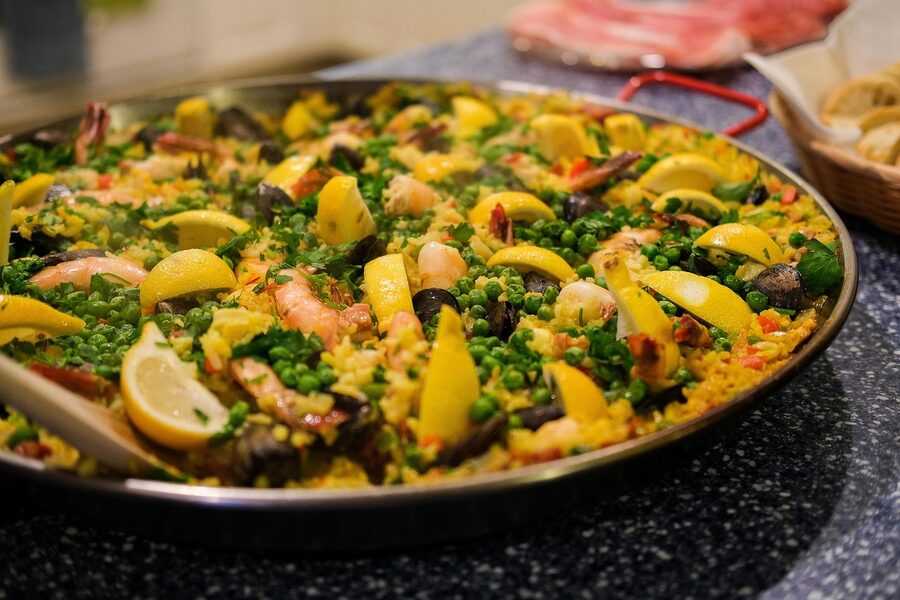
The star of every class. You’ll learn how to toast the rice, build the sofrito, manage the heat, and — most importantly — develop the socarrat, that golden crust of caramelized rice at the bottom of the pan. Most classes use a seafood base, though some offer a mixed or Valencian version with chicken and rabbit. The key lesson is always the same: less stirring, more patience.
The rice matters enormously. Spanish bomba rice absorbs twice its volume in liquid without turning mushy — that’s why it’s the only rice that works for paella. Your chef will explain the difference between bomba and calasparra, and why using jasmine or basmati rice at home will never give you the same result. This single tip is worth the price of the class.
Tapas
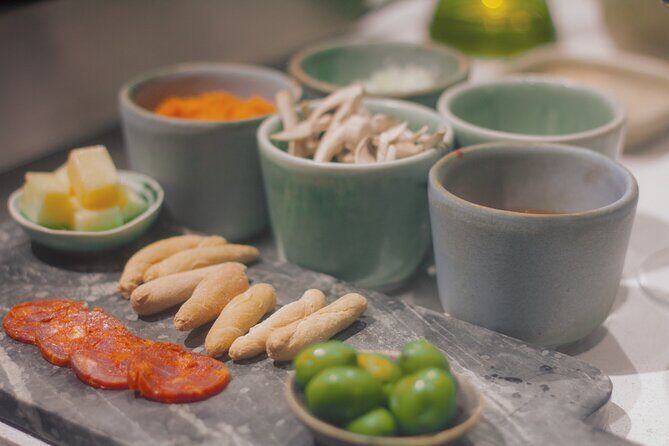
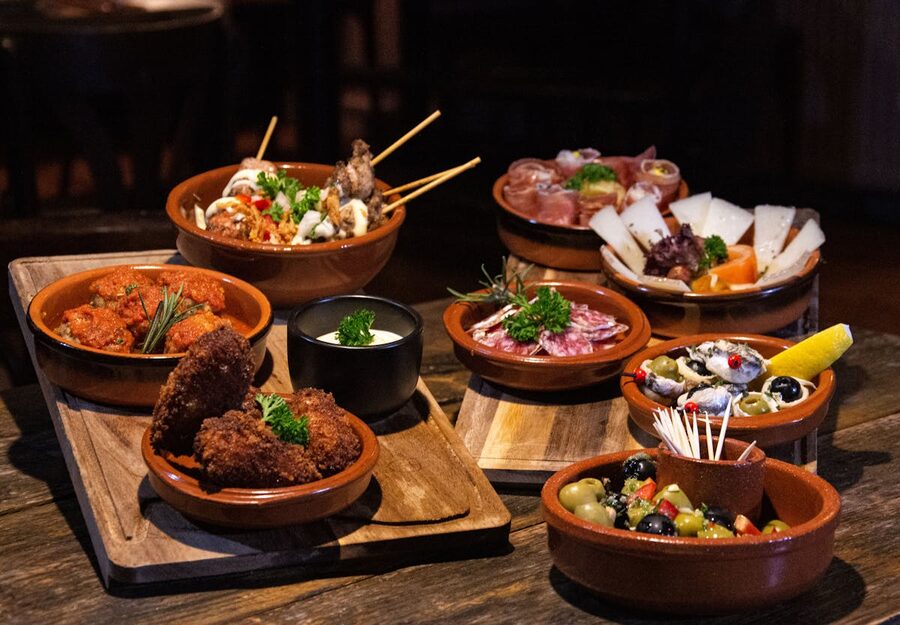
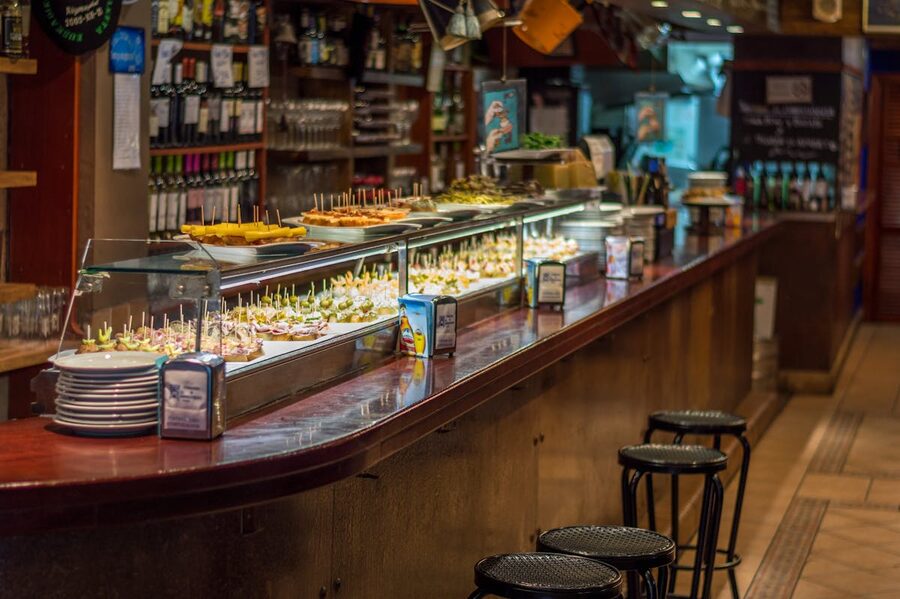
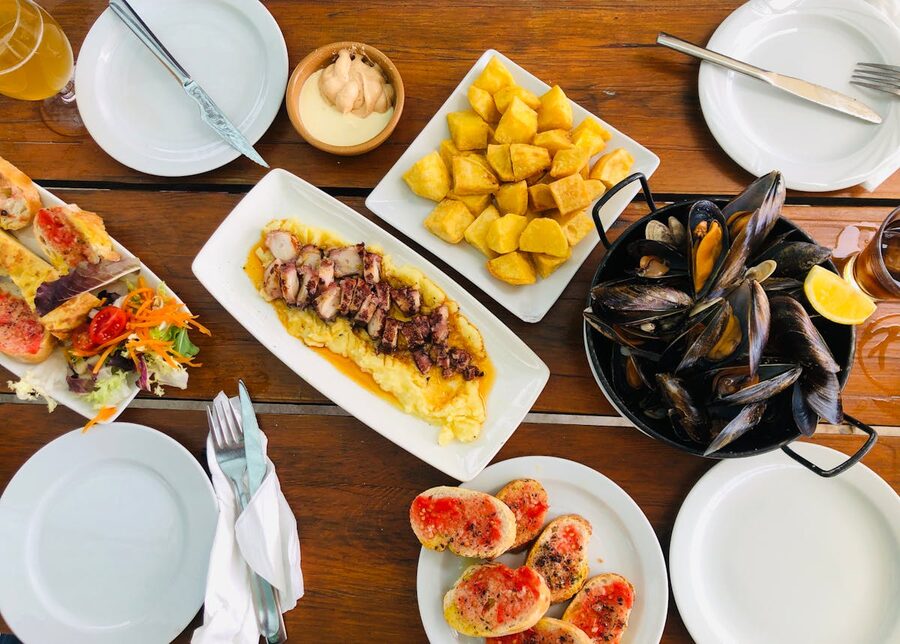
The tapas component varies by class, but expect two or three small plates. Common ones include tortilla espanola (the thick potato omelette), patatas bravas with aioli, croquetas de jamon, and gambas al ajillo (garlic prawns). These are the recipes that actually travel well — you can make them in any home kitchen with standard supermarket ingredients.
The tortilla espanola deserves special attention. It looks simple — potatoes, eggs, onion, olive oil — but the execution is tricky. The flip is the moment of truth. Your chef will demonstrate the plate-flip technique, where you invert the entire pan onto a plate and slide the tortilla back in to cook the other side. Half the class will nail it. The other half will create something that tastes the same but looks like modern art.
Gazpacho
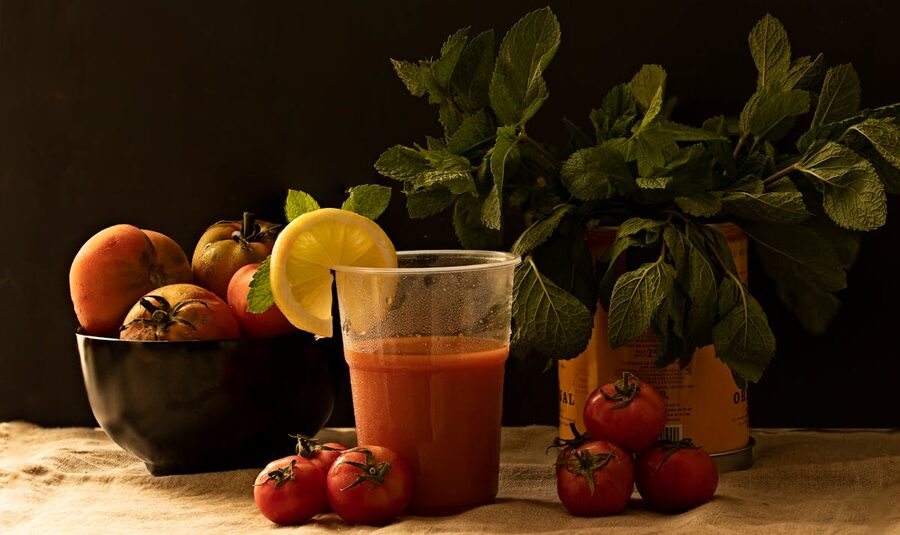
The simplest dish on the menu, and the one that surprises people the most. Good gazpacho is basically a blender, ripe tomatoes, stale bread, and decent olive oil. The trick is the bread — it gives the soup body and creaminess without dairy. Most classes serve it in small glasses as a starter while the paella cooks.
Sangria
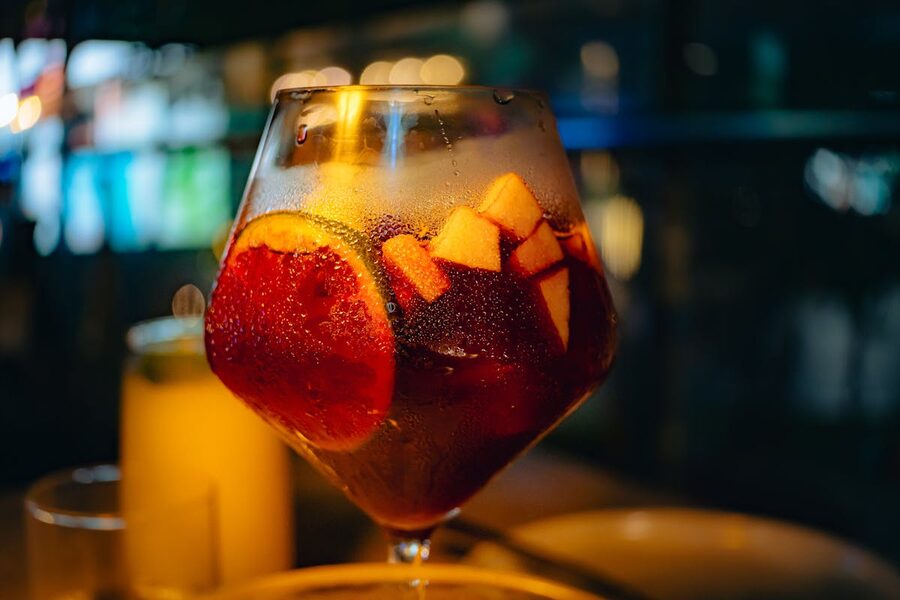
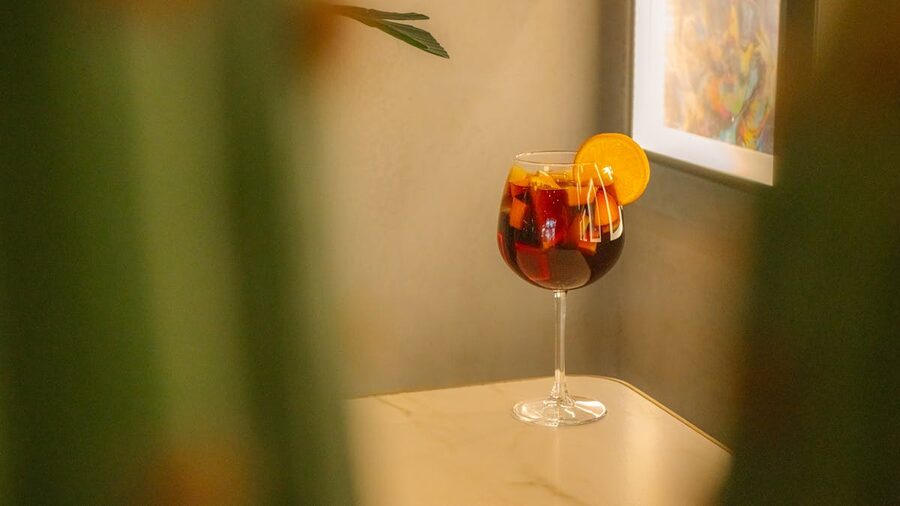
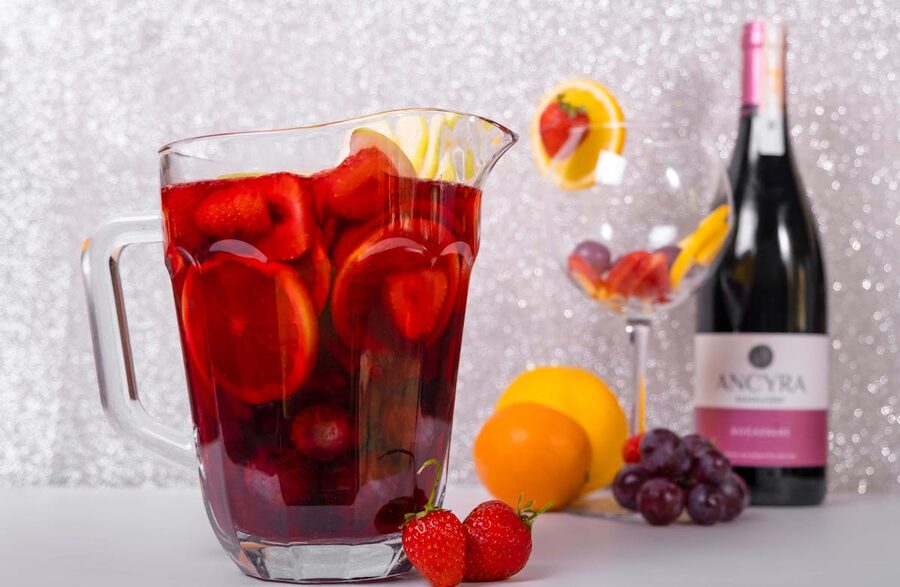
Every class ends with sangria, which doubles as the reward for doing all that cooking. The base is red wine (always Spanish, usually Tempranillo), chopped fruit, sugar, and a splash of brandy or triple sec. The chefs will insist that you let it sit for at least an hour before drinking. You will ignore this advice. It’s still good.
The secret ingredient that most home cooks skip is the maceration time. Letting the fruit sit in the wine and brandy for several hours changes the chemistry — the fruit absorbs the alcohol while releasing its sugars back into the wine. Most bars don’t bother with this step, which is why bar sangria tastes thin compared to what you’ll make in class.
The Market Visit: What to Expect
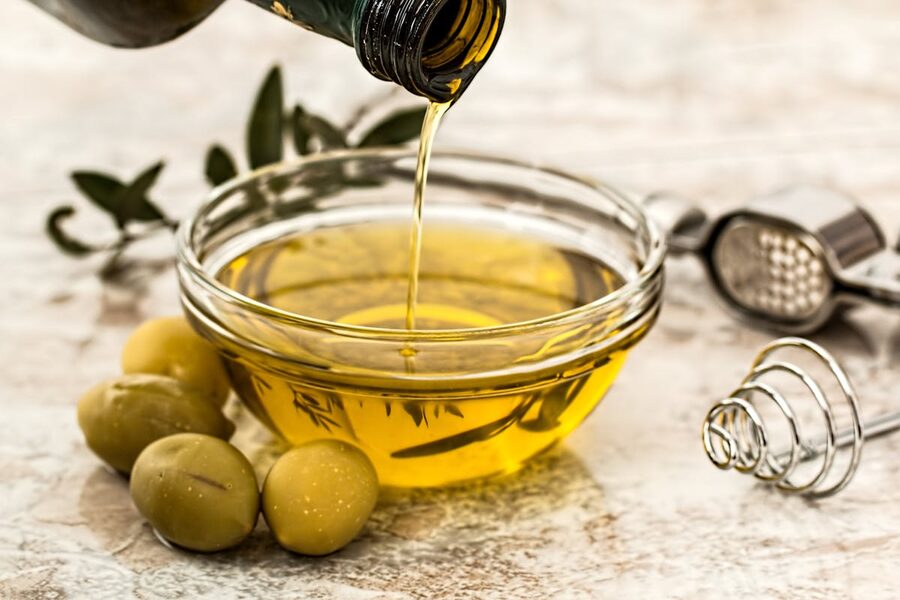
Most classes include a thirty-minute trip to a local market before the cooking starts. The Mercado de San Miguel is the most common stop for classes in the old town. Your chef walks you through the stalls, explains what to look for when buying saffron (colour, not weight), how to tell if prawns are fresh (smell, not look), and why Spanish olive oil tastes different from Italian.
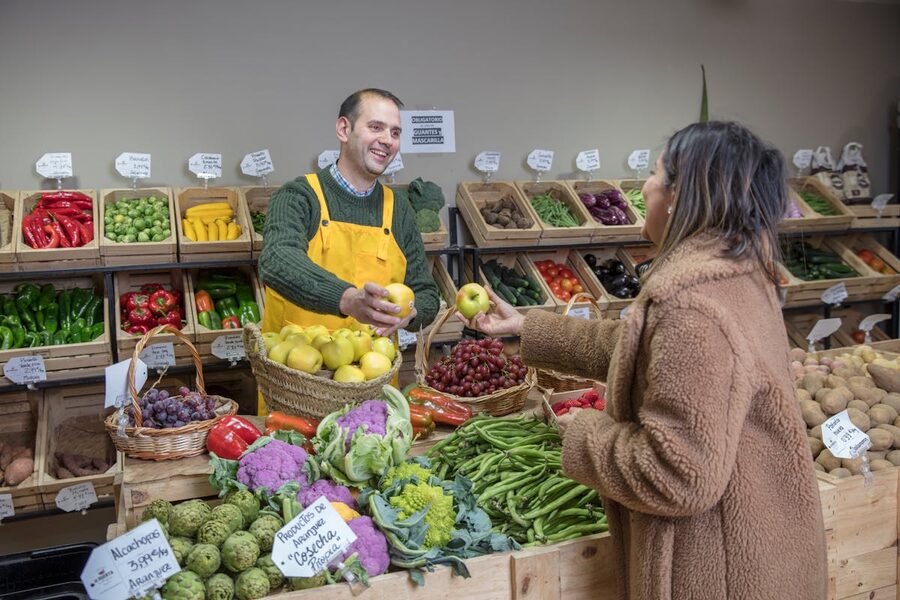
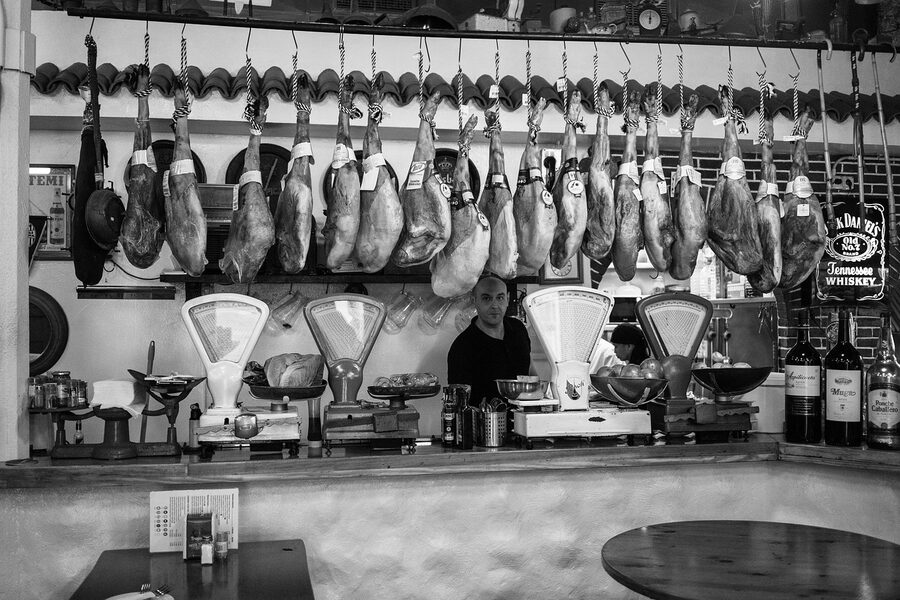
The market visit is worth the time even if you never cook again. You learn which ingredients are seasonal, what “denominacion de origen” means on a label, and how to spot the difference between regular jamon serrano and the much more expensive iberico. A few classes skip the market and start directly in the kitchen — check the description before booking if the market tour matters to you.
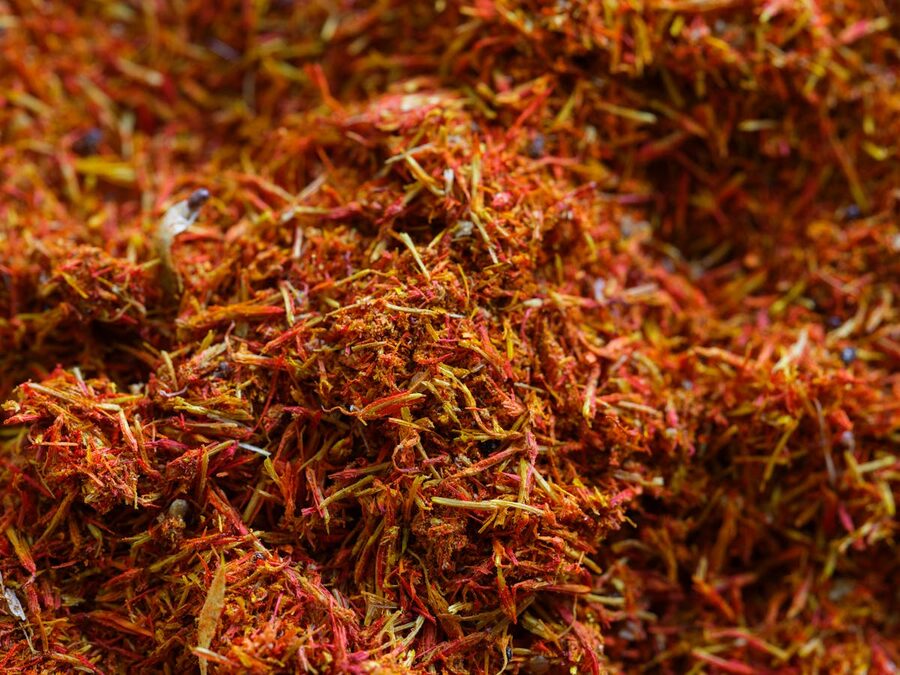
The saffron lesson alone is worth the market detour. Real saffron — the hand-picked threads from crocus flowers — should be deep red with slightly orange tips. Cheap saffron sold to travelers is often dyed safflower or turmeric threads. Your chef will show you the smell test: real saffron has a honey-like, slightly bitter aroma. Fake saffron smells like nothing. Spain’s La Mancha region produces some of the best saffron in the world, and the good stuff shows up at San Miguel’s spice stalls.
Practical Tips for Booking
Book at least 3-5 days ahead, especially for weekend classes. The popular morning slots (10-11 AM) fill first. Evening classes are easier to snag last-minute.
Dietary restrictions are fine — most classes accommodate vegetarian, vegan, or gluten-free needs if you mention it at booking. The paella adapts easily (mushroom and artichoke versions are common), and the tapas selection can be swapped.
Wear something you don’t love. Saffron stains. Olive oil spatters. Aprons are provided, but they only cover so much.
Groups of 4+ should book the same session. Classes are social, so you’ll end up cooking with strangers anyway. But showing up together means you can share a workstation.
Don’t eat a big lunch before an afternoon class. You’ll eat everything you make, and some classes include wine or beer during the cooking. Coming hungry is the move.
Morning classes tend to visit the market when it’s quietest. If the market tour is important to you, the 10 AM slot gets fewer crowds than the afternoon sessions. By 1 PM, San Miguel is packed with travelers who aren’t there for class.
Ask about recipe cards. Most classes give you printed or emailed recipes to take home. Some don’t, and you’ll be trying to remember measurements from memory. Check the class description, and if it doesn’t mention recipes, ask before you book.
How to Choose Between Classes
The three classes above serve different needs, and choosing the wrong one is the most common mistake.
If you’ve never cooked seriously before: the $103 four-hour class gives you the most instruction time. The market visit adds context, and the chef has room to explain techniques rather than rushing through them.
If you’re cooking-curious but not committed: the $69 paella-and-sangria workshop is the sweet spot. Three hours is enough to learn something real without losing the afternoon.
If you’re a confident home cook: the $144 bottomless wine class focuses on Valencian technique at a faster pace. You’ll pick up more nuance here than in the beginner-friendly classes, and the wine pairing adds a dimension the others skip.
If you’re on a tight schedule: the shorter classes (2.5-3 hours) free up your afternoon for the Royal Palace or a sightseeing tour. The four-hour class eats into the afternoon, especially with the market visit.
Why Madrid Is Spain’s Best City for Cooking Classes
Barcelona and Seville both have cooking classes, but Madrid has an advantage that neither can match. Because Madrid is the capital, every regional cuisine in Spain has a presence here. Valencia owns paella. The Basque Country owns pintxos. Andalusia owns gazpacho. But Madrid? Madrid took all of them and put them on the same menu.
That means a single cooking class in Madrid covers dishes from three or four different regions. In Barcelona, you’d learn Catalan food. In Seville, Andalusian. In Madrid, you get the greatest hits from everywhere. For travelers trying to understand Spanish food in one afternoon, there’s no better city to take a class.
The Mercado de San Miguel alone stocks products from almost every Spanish region — Manchego cheese, Galician mussels, Andalusian olives, Valencian saffron. Your shopping trip is basically a tour of Spain in miniature.
A Short History of Cooking in Madrid
Madrid wasn’t always a food city. When Philip II made it the capital in 1561, it was a dusty Castilian town with no culinary identity of its own. The food came from everywhere else — arriving with courtiers, merchants, soldiers, and priests from every corner of the Spanish Empire.
That melting-pot origin is exactly what makes Madrid’s food scene what it is today. Cocido madrileño, the city’s signature dish, was invented by immigrants from La Mancha who adapted their regional stew for the capital’s colder winters. The tabernas around Plaza Mayor that serve patatas bravas trace their lineage back to the 19th century, when potatoes were still a relatively new ingredient in Spanish cooking.
The market tradition is even older. San Miguel was built in 1916, but markets have occupied that site since the early 1800s. The original San Miguel market was open-air, and it served as the central food hub for the entire old town. When the iron-and-glass building went up, it was considered a marvel of modern architecture. Today it’s one of the last remaining iron markets in Madrid — the others were demolished to make way for parking garages and apartment blocks.
Where the Classes Are Located
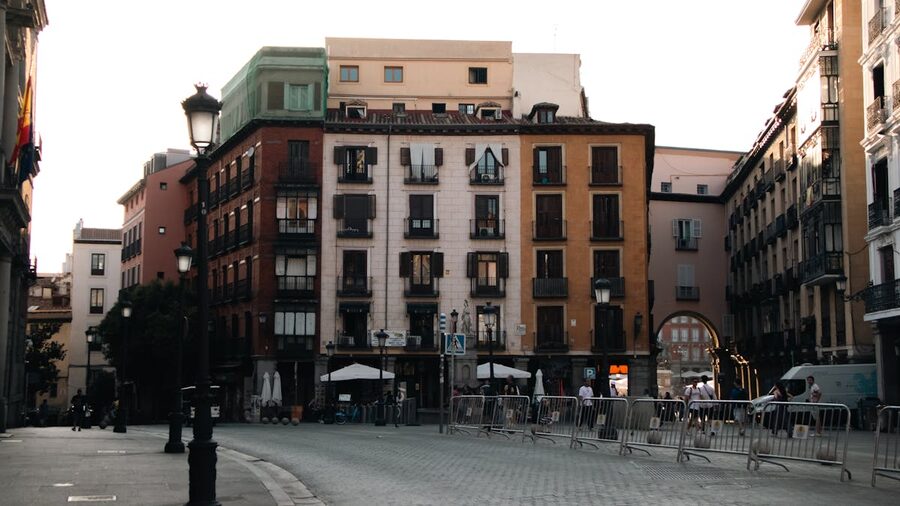
Almost all classes operate in Madrid’s old town, within a ten-minute walk of Plaza Mayor or Puerta del Sol. This means you’re already in the heart of the city’s best eating and sightseeing district. After class, you’re steps away from the old town walking tour route, the Royal Palace, and dozens of tapas bars for comparison testing.
The meeting points are usually at or near metro stations — Sol, Opera, La Latina, or Tirso de Molina. You won’t need a taxi unless you’re coming from far outside the centre. Most of Madrid’s tourist accommodation is within walking distance of these areas, which makes the logistics easy.
More to Do in Madrid
If the cooking class leaves you wanting more Madrid food experiences, a guided tapas tour is the natural next step — someone else does the cooking and you do the eating. For the evening, a flamenco show pairs nicely with a wine-heavy dinner. The Royal Palace is a ten-minute walk from most cooking class locations, and the walking tours cover the old town that you’ll already know from the market visit. If you want to keep the night going, the Madrid pub crawl starts near the same neighbourhood. And for a different pace entirely, the bike tour takes you through Retiro Park and the quieter side of the city.
We research and review tours independently. If you book through our links, we may earn a small commission at no extra cost to you. This supports our work and helps keep our guides free.