
A banana plant produces exactly one bunch of fruit in its entire life. Then it dies. The new plant? It sprouts from a shoot at the base of the old one, pushing up through the soil like nothing happened. I learned this standing in the middle of Finca Las Margaritas, surrounded by rows of broad green leaves taller than me, holding a Canarian banana that tasted nothing like the ones I buy at home.
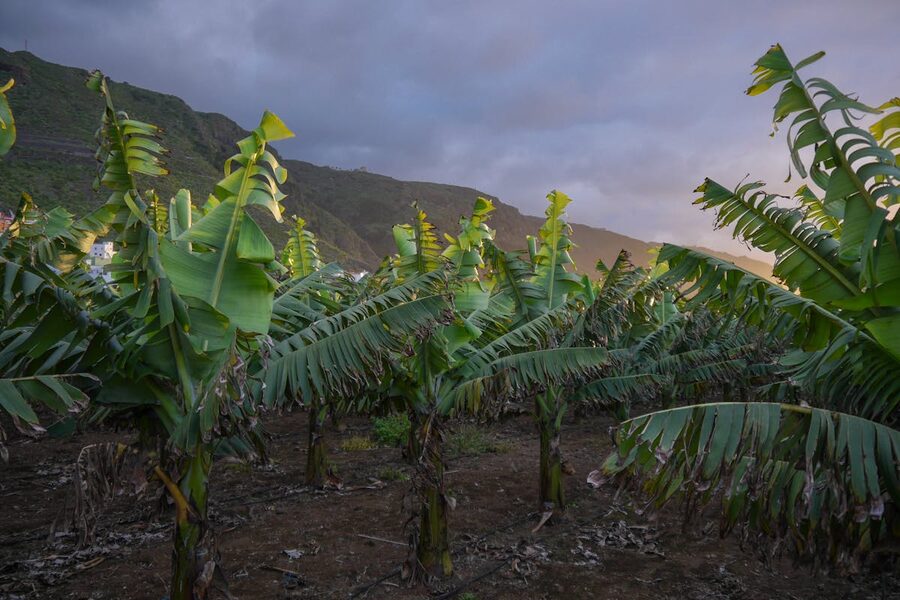
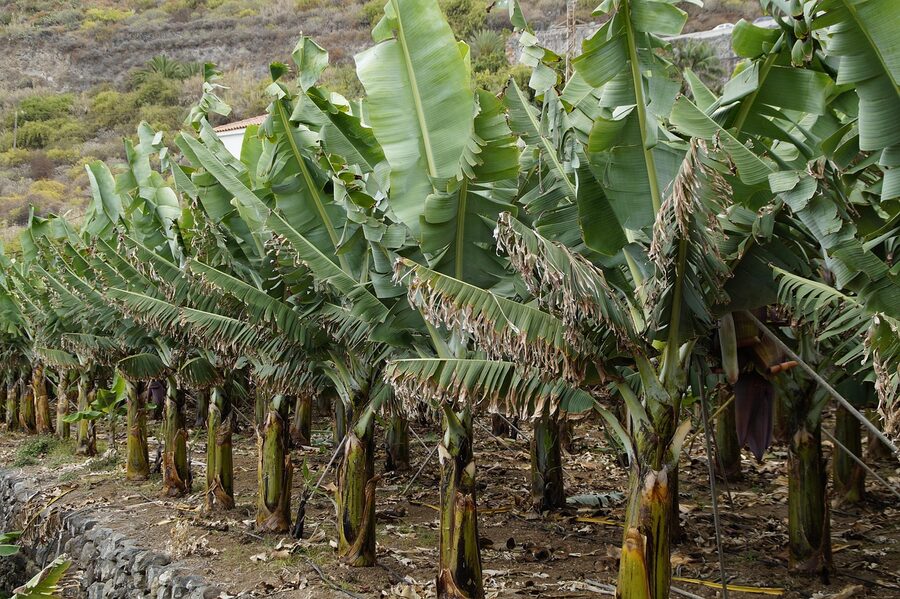
Tenerife’s banana plantations are one of those experiences that sound touristy on paper but turn out to be genuinely interesting. The Canarian banana has been grown here since the 15th century, introduced from Southeast Asia via Africa, and the island’s growers have been fighting to keep their smaller, sweeter variety alive against cheaper Central American imports ever since.
- In a Hurry? Top Picks
- Why Tenerife Grows Bananas (And Why They Taste Different)
- The Best Banana Plantation Tours in Tenerife
- 1. Finca Las Margaritas Banana Plantation Experience —
- 2. Ecological Banana Plantation Tour —
- 3. Banana Plantation and Winery Visit —
- What Actually Happens on a Banana Plantation Tour
- When to Go and What to Know
- A Short History of Bananas in the Canary Islands
- Beyond Bananas: What Else to Do Nearby
- Pair It With These Tenerife Experiences
In a Hurry? Top Picks
Best overall: Finca Las Margaritas Banana Plantation Experience — $11 per person, the most popular and well-reviewed banana tour on the island. Guided or self-guided options.
Best eco option: Ecological Banana Plantation Tour — $24 per person, a smaller organic farm with a passionate guide who goes deep on sustainable agriculture.
Best combo: Banana Plantation and Winery Visit — $83 per person, pairs the plantation with local winery visits and tastings for a full half-day.
Why Tenerife Grows Bananas (And Why They Taste Different)
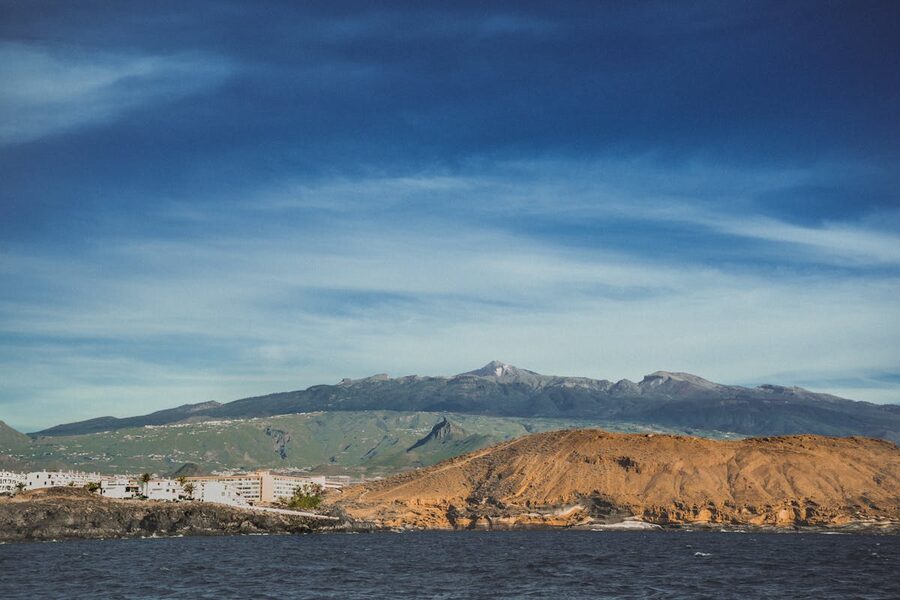
The Canary Islands sit off the northwest coast of Africa, close enough to the equator for subtropical growing conditions but with enough altitude and trade winds to keep temperatures from getting unbearable. Bananas arrived here in the 1400s, brought by Portuguese and Spanish traders who picked them up in West Africa. By the 19th century, bananas were the Canary Islands’ most important export crop, and they still are.
But here is the thing most visitors don’t know. The Canarian banana — the platano canario — is a completely different experience from what you buy in a supermarket. It is shorter, with dark spots on the skin that would get it thrown out of a British Tesco, and it is noticeably sweeter and more aromatic. The EU actually subsidises Canarian banana growers because they can’t compete on price with massive Central American Cavendish plantations. So when you eat one here, you’re tasting a variety that survives partly on government protection and partly on local pride.
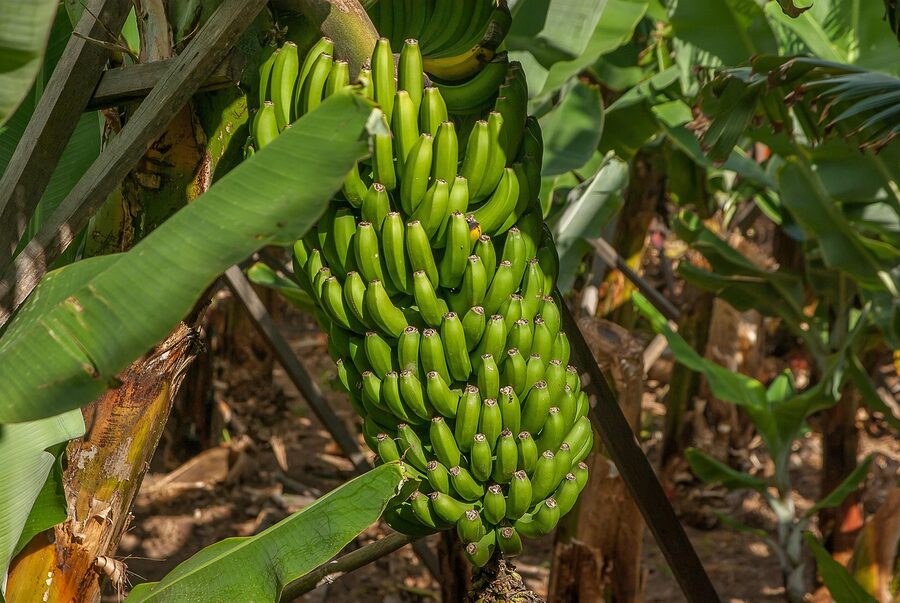
The tour at Finca Las Margaritas covers all of this. You walk through the plantation, see the different growth stages, learn how the plants propagate (that one-bunch-then-death cycle I mentioned), and sample the bananas alongside other Canarian products like Gofio, a toasted grain flour that islanders eat with practically everything.
The Best Banana Plantation Tours in Tenerife
I’ve gone through the options and narrowed it down to three that are actually worth your time. They’re all in northern Tenerife, which is where most of the plantations are concentrated.
1. Finca Las Margaritas Banana Plantation Experience — $11
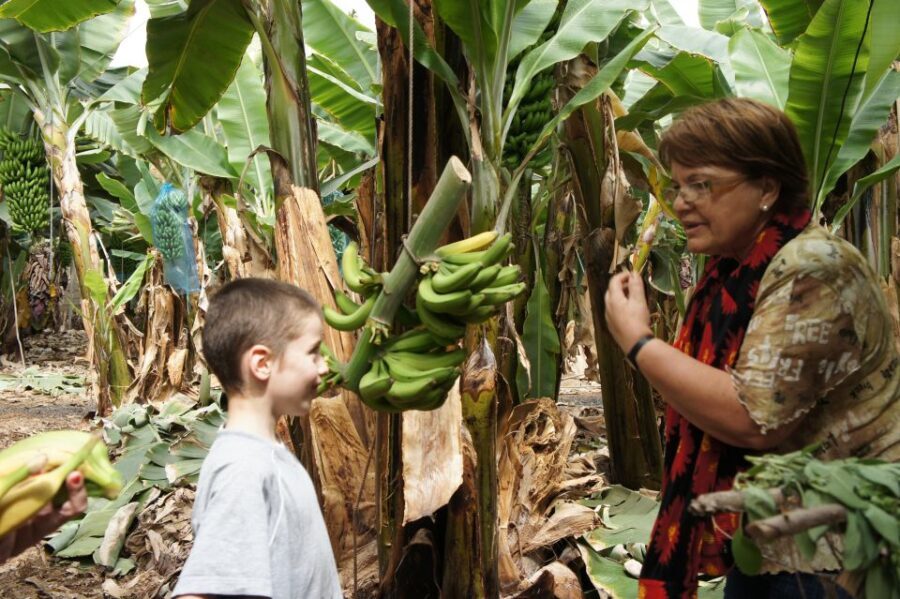
This is the one to book if you want the most polished experience. Finca Las Margaritas runs both guided and self-guided tours through their working plantation in the north of Tenerife. The guided option is better — the staff are clearly passionate about banana farming and go off-script with stories about the industry’s fight against imports. You get to taste different banana varieties and Gofio products at the end. Our full review covers all the practical details, and with over a thousand visitors rating it highly, this is the safe pick.
2. Ecological Banana Plantation Tour — $24
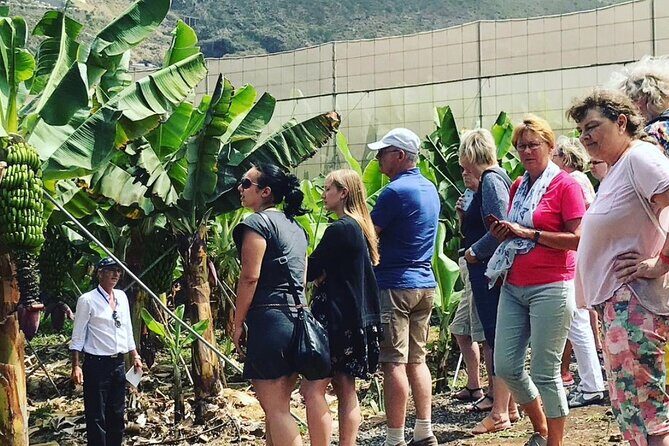
If you care about sustainable farming or just want a more personal experience, this is the better choice. It’s a small organic plantation where the guide (usually the farmer themselves) explains how they grow bananas without chemical pesticides. It costs more than Finca Las Margaritas, but the group sizes are tiny and you get more one-on-one time. Check our review for the full breakdown of what’s included. Skip this one if you’re visiting with young kids who won’t sit through the farming details — pick Finca Las Margaritas instead.
3. Banana Plantation and Winery Visit — $83
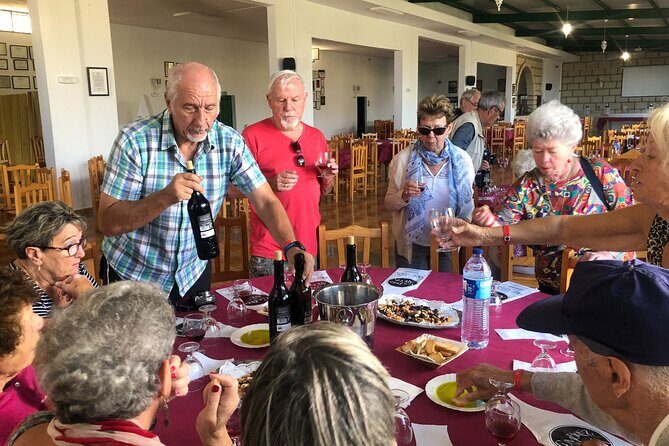
This is a half-day affair that combines a banana plantation visit with two local winery stops and a proper lunch. It costs substantially more, but you’re getting a full excursion rather than a quick farm tour. The wine tastings alone would run you $30-40 if booked separately, so the math works if you planned to do both anyway. Our full review has the details on what’s included. Fair warning: the afternoon slot can feel rushed if the group is slow at the wineries.
What Actually Happens on a Banana Plantation Tour
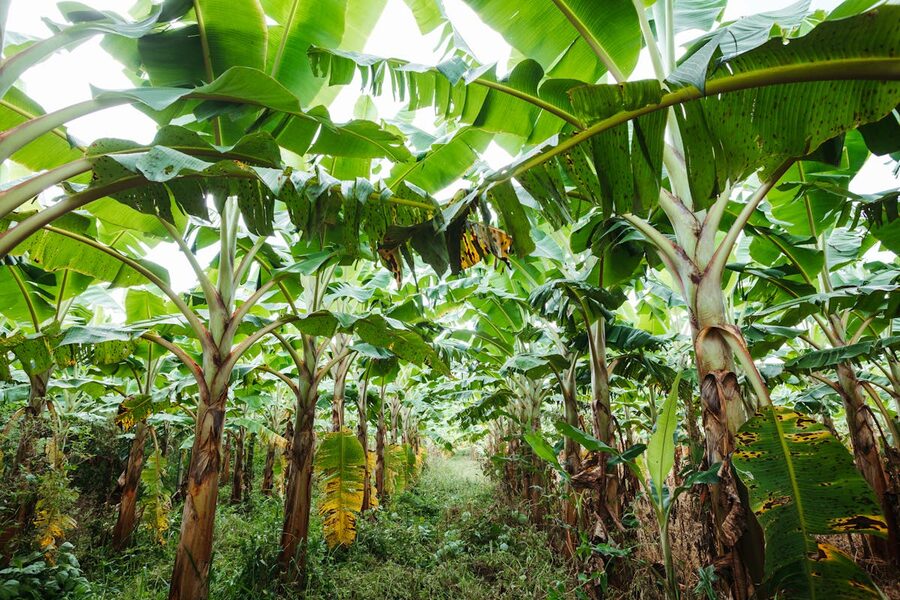
Most first-timers don’t know what to expect, so here’s the honest breakdown. You’ll spend roughly an hour walking through a working banana plantation. The guide explains the full lifecycle of the banana plant — from the initial shoot (called a sucker) to the flowering, fruiting, and eventual death of the mother plant. The fact that each plant produces just one bunch before dying always gets a reaction from the group.
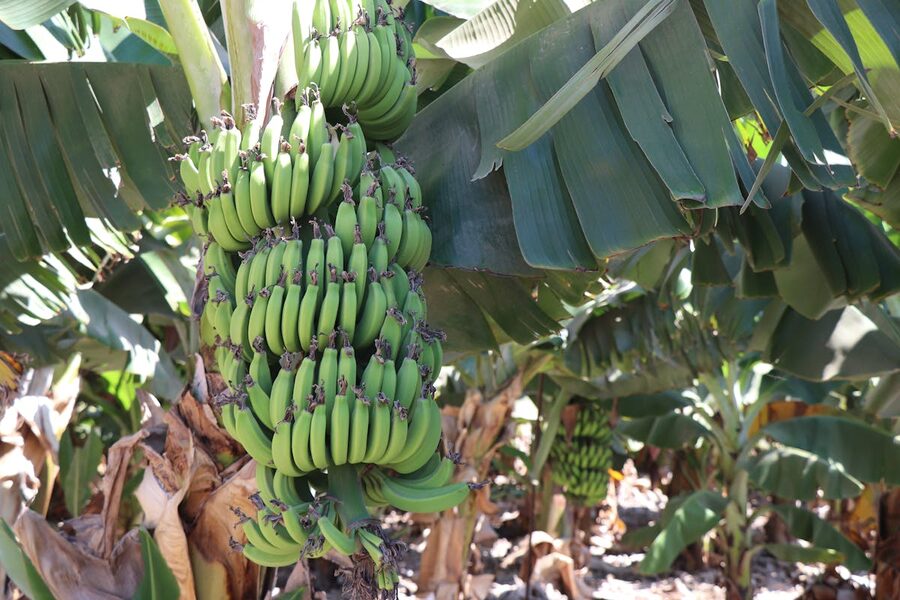
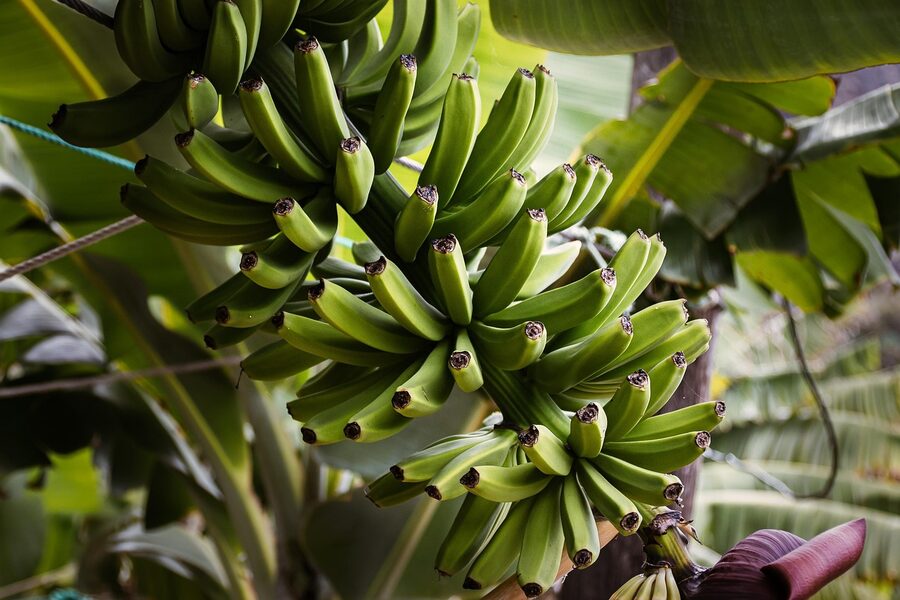
You’ll see bananas at different stages. The tiny green fingers that have just formed. The full bunches wrapped in blue protective bags (farmers use these to shield the fruit from wind and pests). And the harvested bunches, often ridiculously large, waiting to be processed.
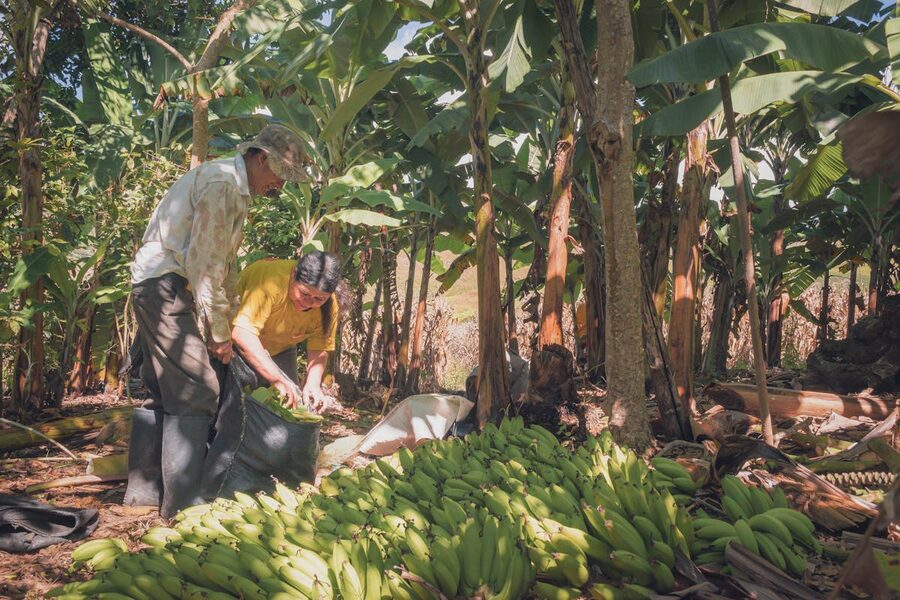
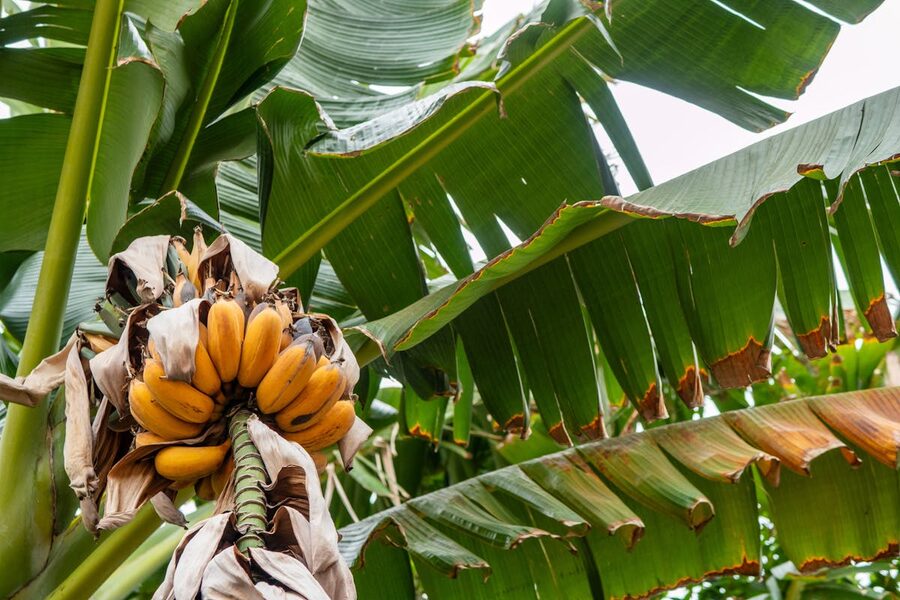
The tasting at the end is the highlight for most people. You’ll try the Canarian banana at its peak ripeness — dark-spotted skin, creamy flesh, genuinely different from the pale Cavendish variety. Most tours also include Gofio (that toasted grain flour), local honey, and sometimes banana liqueur.
When to Go and What to Know
Banana plants grow year-round in Tenerife, so there’s no bad season for a plantation visit. That said, spring (March to May) and autumn (September to November) are the most pleasant for walking around outdoors. Summer can be hot, and the plantation has limited shade outside the banana rows themselves.
A few practical notes that the booking pages don’t mention:
Getting there. Most plantations are in the Orotava Valley in northern Tenerife. If you’re staying in the south (Los Cristianos, Playa de las Americas), it’s a 40-50 minute drive on the TF-1 motorway. Public transport works but adds time — the 343 bus from Costa Adeje to Puerto de la Cruz takes about 90 minutes. A rental car gives you the most flexibility, especially if you’re combining the visit with other stops.
What to wear. Closed shoes. The plantation ground is uneven and often muddy, particularly after rain. Flip-flops are a bad idea. Also bring sunscreen even if it looks overcast — the UV in the Canaries is surprisingly strong.
Booking. Finca Las Margaritas accepts walk-ins but can fill up during peak season (December to February, when northern European travelers escape winter). The ecological tour requires advance booking since groups are small. The winery combo should always be booked ahead because they need to coordinate with the wineries.
A Short History of Bananas in the Canary Islands
The story of how bananas ended up in Tenerife is tied to the broader history of European colonialism and trade. Portuguese and Spanish sailors picked up banana plants in West Africa during the 15th century and brought them to the Canary Islands, where the subtropical climate turned out to be ideal. By the 1800s, banana cultivation had become the economic backbone of the islands, replacing the earlier cochineal dye trade that had collapsed when synthetic dyes hit the market.
The Canarian banana (platano canario) developed its own characteristics in isolation. Shorter, more curved, with a thicker skin and a sweeter, more complex flavour than the Cavendish variety that dominates global trade. The difference is real — it is not just marketing. The volcanic soil, the specific humidity from the trade winds, and the longer ripening times all contribute.
But the industry has been under pressure for decades. Central American and South American bananas are cheaper to produce. The EU’s POSEI programme provides subsidies to keep Canarian growers competitive, but many smaller plantations have closed. The plantation tours you can visit today are partly a way for farmers to diversify their income — and they’re surprisingly candid about the economics when you ask.
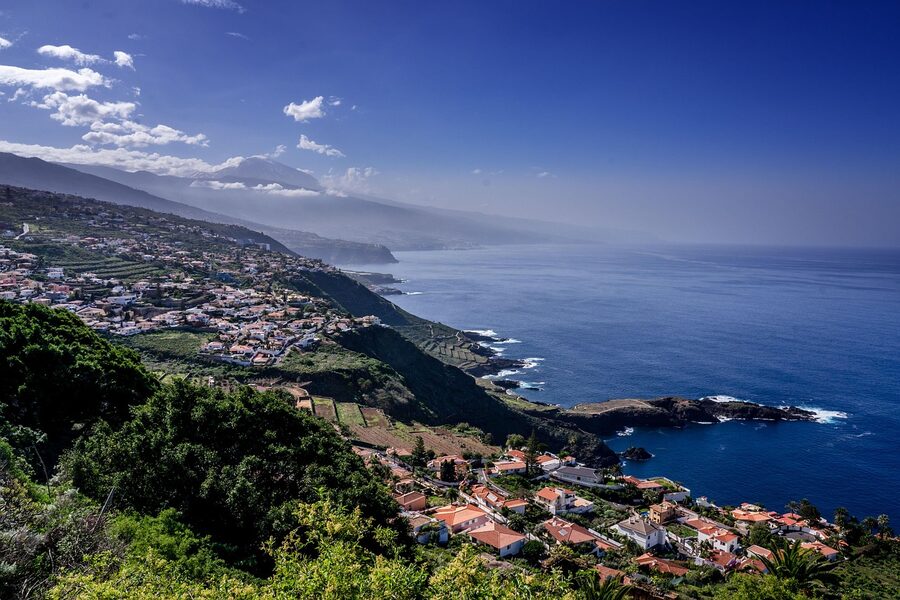
Beyond Bananas: What Else to Do Nearby
The banana plantations sit in the northern half of Tenerife, which is also where most of the island’s non-resort attractions are concentrated. If you’re making the drive up from the south, it would be a waste to come all the way for just an hour at the plantation.
Puerto de la Cruz is the nearest town with decent restaurants and a walkable centre. The Loro Parque zoo is there (controversial but popular), and the old harbour area has good seafood spots. La Orotava itself, the town above the banana valley, is worth a wander for its traditional Canarian balconied houses and quiet plazas.
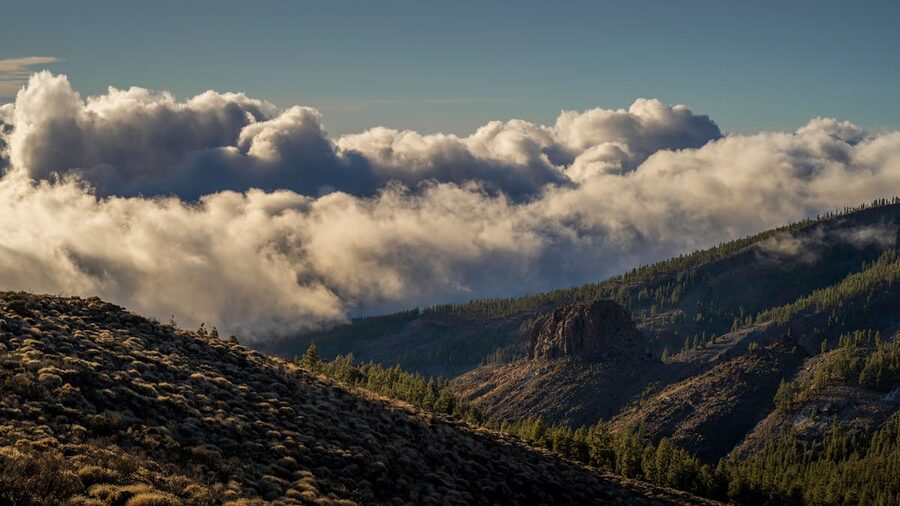
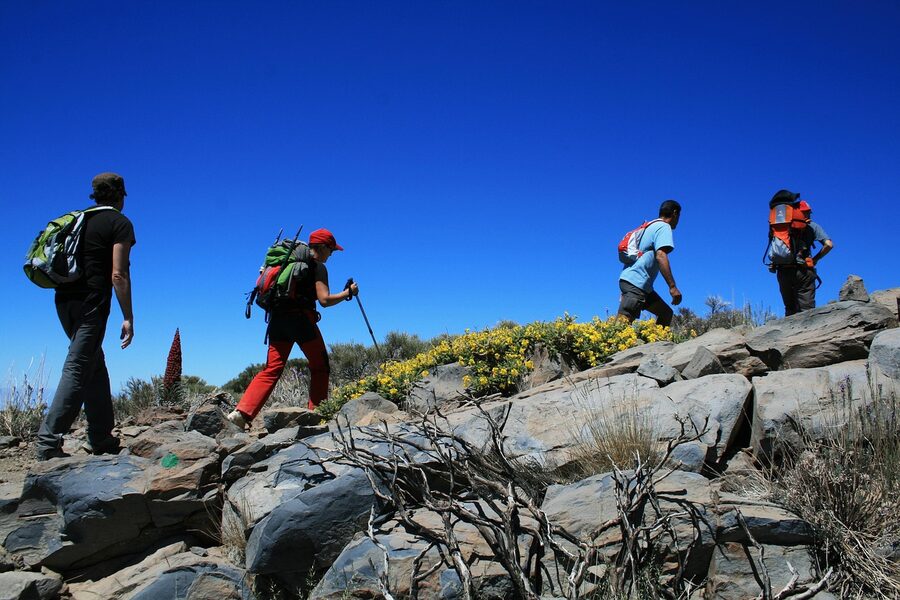
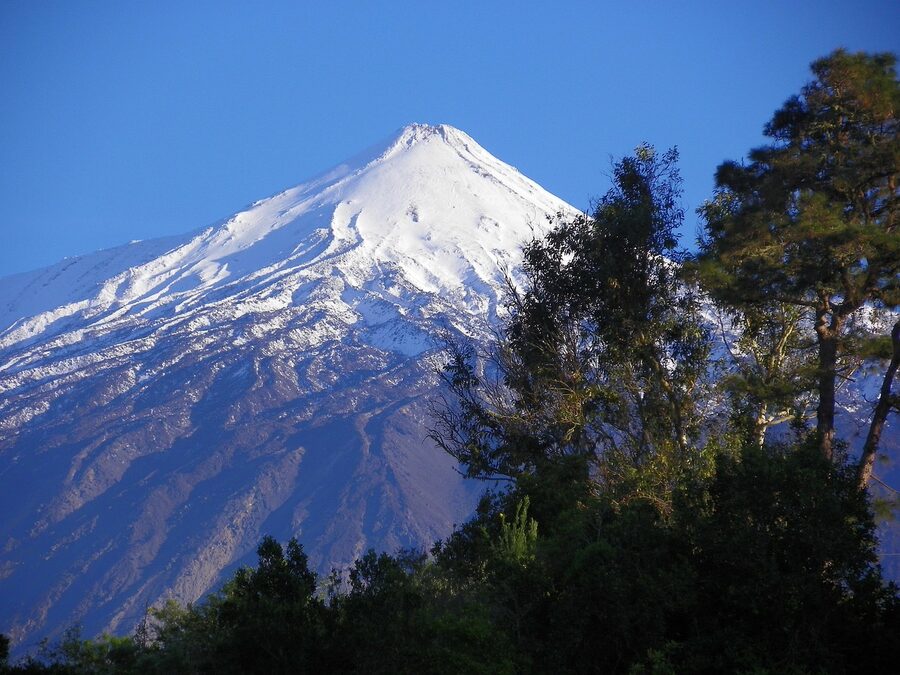
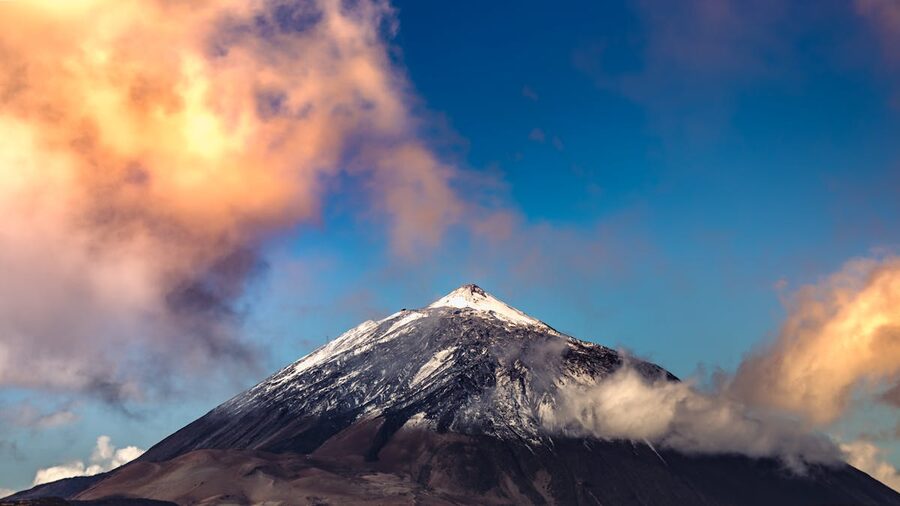
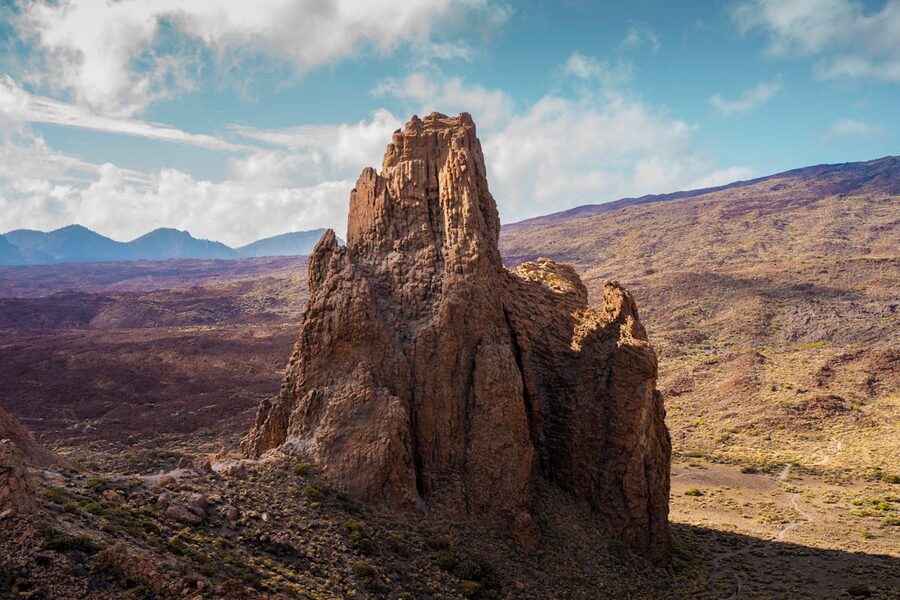
And of course, Mount Teide itself. You can drive up to the cable car base station and ride to near the summit (a permit is needed for the final ascent). The landscape inside the national park is otherworldly — black lava fields, bizarre rock formations, and views that stretch to the other Canary Islands on a clear day.
Pair It With These Tenerife Experiences
If you’re spending a few days exploring Tenerife beyond the resort pools, the banana plantation fits nicely into a day of northern island exploring. Whale watching off the coast is one of the island’s most popular excursions and leaves from the south coast — pair it with a plantation morning on a different day. The submarine dive experience is a good one if you’re travelling with kids who might find an hour at a banana farm a bit long. For something completely different, kayaking along the Tenerife coast gets you into the water and away from crowds. And if theme parks are your thing, Siam Park is consistently rated as one of the best water parks in the world — it’s a completely different day out but worth the visit.
This article contains affiliate links. If you book through our links, we may earn a small commission at no extra cost to you. This helps us keep creating free travel guides.