
Athletic Bilbao have never been relegated from La Liga. Not once, not ever, across more than a century of Spanish football. Only two other clubs can say that — Real Madrid and Barcelona. The difference? Athletic only sign players who are Basque or were trained in the Basque Country. It is the most extreme squad policy in professional football, and the stadium where they play — San Mames — carries the full weight of that identity.
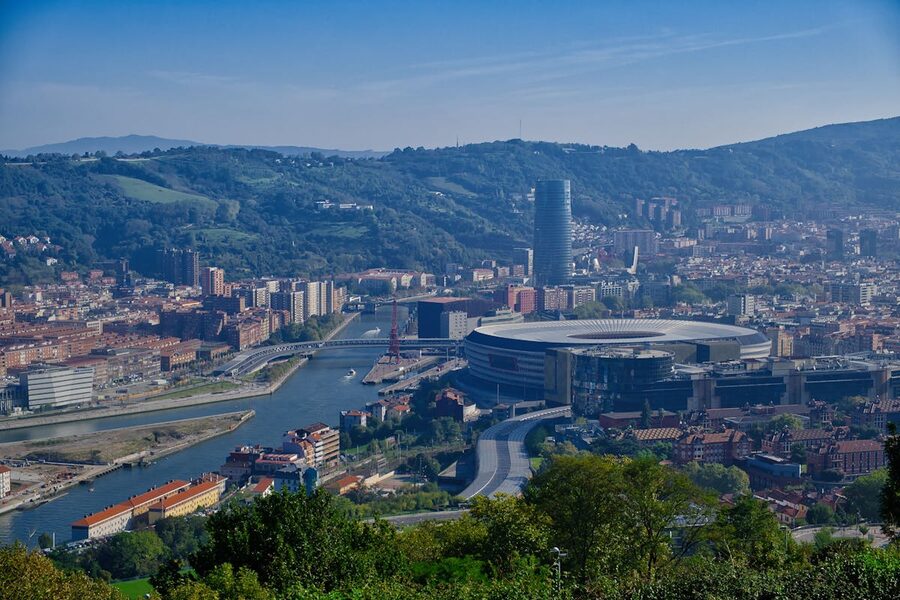

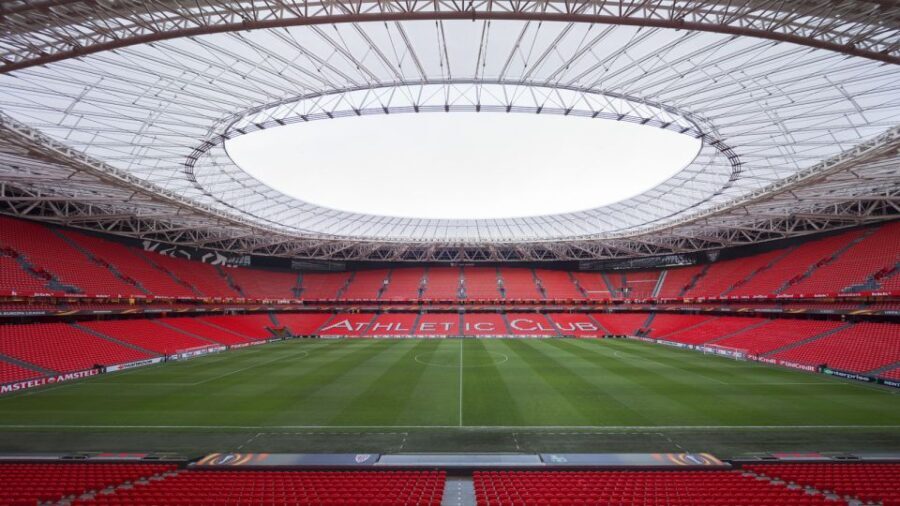
The current San Mames opened in 2013, replacing the original 1913 stadium that stood on the same spot for exactly a hundred years. The old ground earned the nickname “The Cathedral” because Athletic’s home record there was so imposing that visiting it felt like entering a place of worship. The new stadium kept the name and, somehow, the atmosphere.
- In a Hurry? Top Picks
- How the Stadium Tour Works
- The Best San Mames Tours to Book
- 1. San Mames Museum and Stadium Tour —
- 2. All Iron Tour: Guggenheim and San Mames with Lunch — 1
- Match Day Tickets vs Museum Tour: Which Should You Book?
- Getting to San Mames
- Why Athletic Bilbao’s Policy Matters
- The History of San Mames
- What Else to Do in Bilbao
- More Bilbao and Spain Guides
In a Hurry? Top Picks
Best overall: San Mames Museum and Stadium Tour — $19 per person, self-guided tour of the stadium and museum with interactive exhibits covering Athletic’s history.
Premium experience: All Iron Tour: Guggenheim and San Mames with Lunch — $301 per person, combines the stadium with a guided Guggenheim visit and a traditional Basque lunch.
How the Stadium Tour Works
The San Mames Museum and Stadium Tour is a self-guided experience, which I actually prefer for sports venues. You get an audio guide and wander at your own pace through the museum section first, then onto the stadium itself. The museum covers over a century of Athletic Bilbao history — shirts, trophies, match footage, interactive displays where you can test your knowledge of the club. The stadium section takes you through the tunnel, onto the pitch side (not the actual pitch on non-match days, but close enough), into the press room, and up to the VIP boxes.
The whole thing takes roughly an hour if you read everything, less if you’re just there for the photos. At $19, it is one of the cheapest stadium tours in Europe — Camp Nou charges nearly three times that, and the Bernabeu is even more. For football fans, it is a no-brainer. For non-fans, the Basque culture angle and the architecture of the building itself make it more interesting than a typical stadium tour.

One thing the audio guide could do better: it assumes you already know Spanish football. If you don’t follow La Liga, some of the historical references go over your head. But the interactive exhibits fill in enough context that you won’t feel completely lost.
The Best San Mames Tours to Book
1. San Mames Museum and Stadium Tour — $19
This is the standard tour and the one most visitors should book. Self-guided with an audio guide, covering both the museum and the stadium areas. You’ll walk through the tunnel, visit the dressing rooms, see the press conference area, and get pitch-side access. At this price point, it is easily the best value stadium tour in Spain. Our full review covers all the practical details including exactly what you see at each stop.

2. All Iron Tour: Guggenheim and San Mames with Lunch — $301
This is the premium option for visitors who want everything in one day. A local guide takes you through the Guggenheim Museum (with deeper context than the audio guide provides), then on to San Mames for the stadium tour, with a traditional Basque lunch in between. The price is steep — this is not a budget option — but it covers two of Bilbao’s top attractions plus a proper meal. Check our full review for a breakdown of exactly what the five hours include. Only makes sense if you were going to visit both the Guggenheim and San Mames anyway.
Match Day Tickets vs Museum Tour: Which Should You Book?
If your dates are flexible, try to attend an actual match. The stadium tour is interesting, but it cannot replicate the atmosphere of 53,000 Basque fans singing in unison. Athletic’s home schedule is on the La Liga website, and tickets for most matches (not derbies or Champions League) are surprisingly available, typically between 30 and 80 euros depending on the seat.
But here is the realistic situation for most travelers: you’re in Bilbao for 2-3 days, your dates are fixed, and there may not be a match during your visit. The museum tour is the reliable option. It is available most days (closed on match days and some public holidays), doesn’t need flexible scheduling, and gives you a thorough understanding of what makes this club different.
How to buy match tickets. Go through the official Athletic Bilbao website (athletic-club.eus). Third-party resellers charge significant markups. Tickets go on sale about 2-3 weeks before each match. For the big fixtures — Real Sociedad, Barcelona, Real Madrid — they sell out quickly and often go to socios (members) first. Mid-table opponents are usually available up to match day.
Getting to San Mames
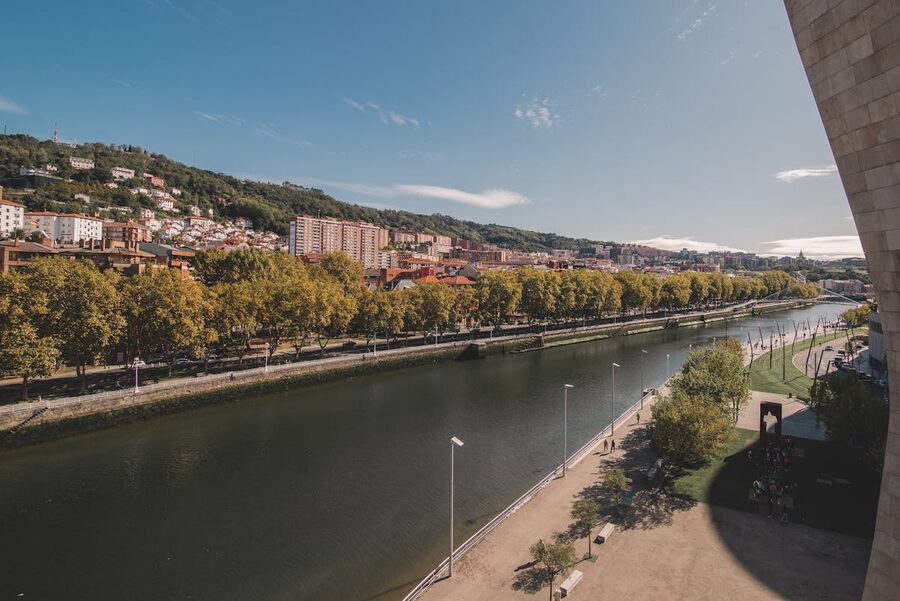
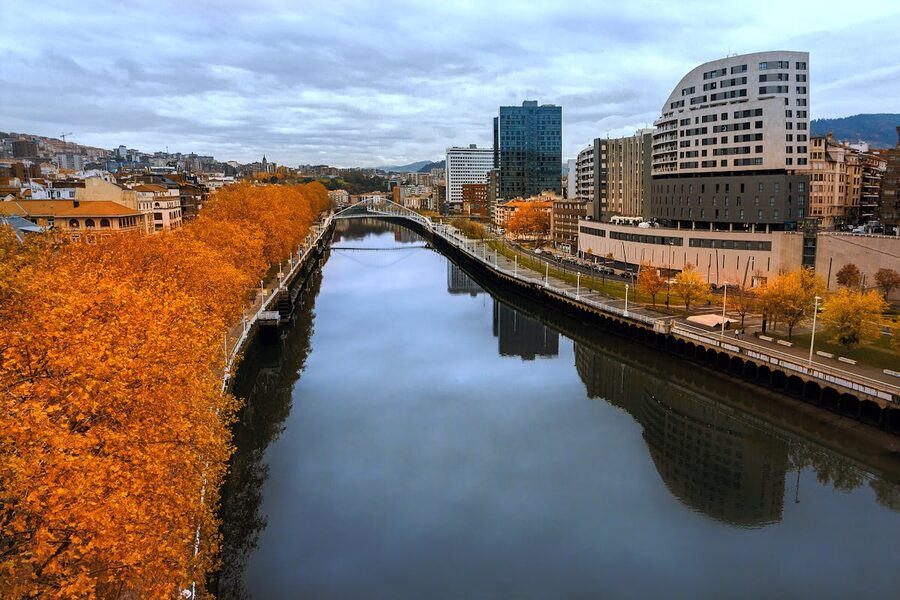
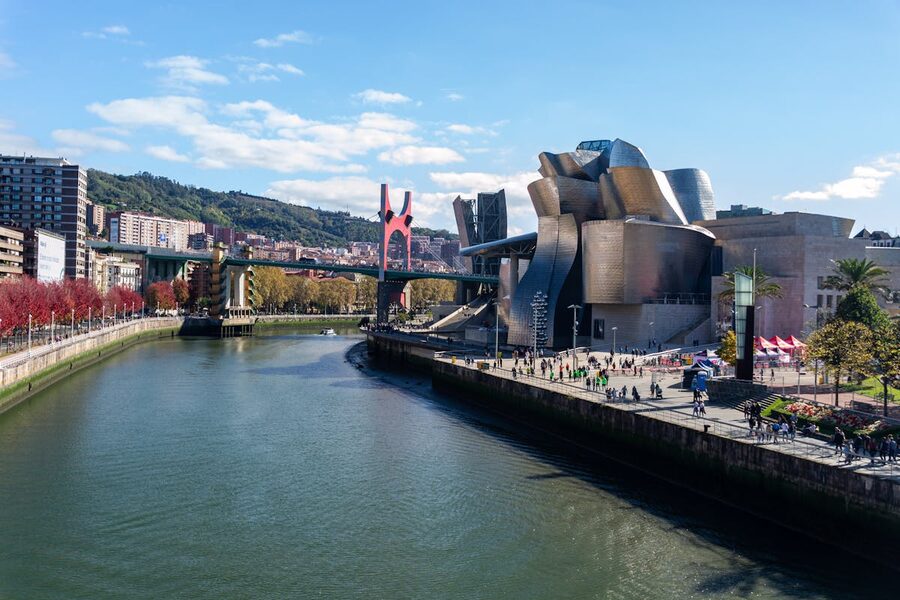
The stadium is in the San Mames district, about a 15-minute walk from the old town (Casco Viejo). The metro is the easiest option — San Mames station is on Line 1 and Line 2, and the exit literally puts you at the stadium’s doorstep. If you’re walking from the Guggenheim, it is about 20 minutes along the Nervion river. Pleasant walk. No need for a taxi.
On match days, the area around the stadium fills up hours before kick-off. The bars along Sabino Arana Kalea serve pintxos and local beer, and the pre-match atmosphere is part of the experience. Get there early — finding a spot at the bar within an hour of kick-off is a challenge.
Why Athletic Bilbao’s Policy Matters
I want to explain the Basque-only policy because it changes how you experience the stadium. Athletic only signs players who were born in the Basque Country or who were trained in a Basque youth academy. No exceptions. They have maintained this since the club’s founding in 1898. Think about what that means: while Barcelona spends hundreds of millions on global superstars, Athletic builds its entire squad from a region of about 3 million people.
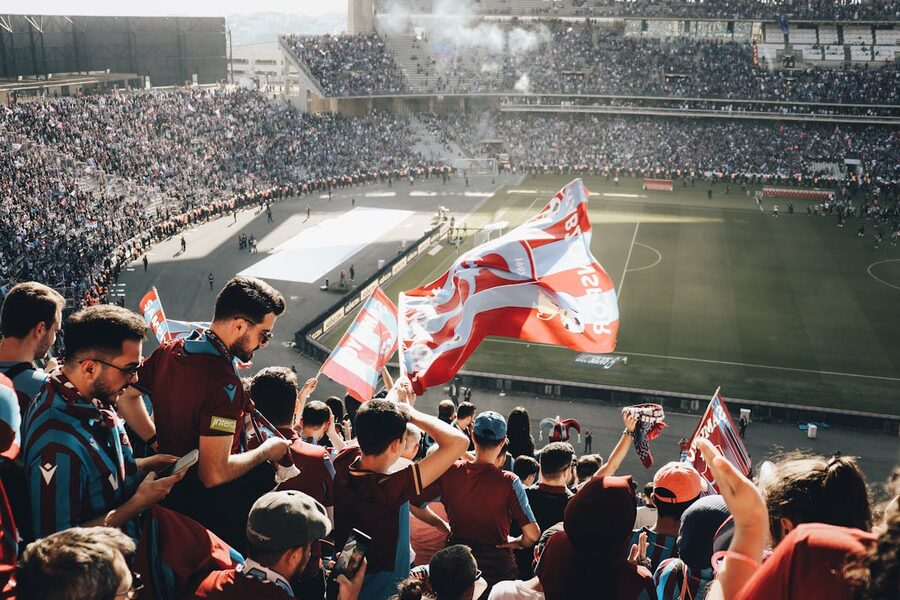
The result? A connection between club and community that doesn’t exist anywhere else in football at this level. Every player in the squad grew up within a short drive of San Mames. The fans didn’t just watch these players develop — they might have gone to school with them or their families. When you walk through the museum, this context transforms what could be a generic stadium tour into something with genuine emotional weight.
And the fact that they’ve never been relegated, despite this self-imposed limitation, is arguably the most impressive achievement in European football. The museum does a good job of putting this into context — you see the moments where the club nearly went down and how the Basque policy shaped their identity through both glory and near-disaster.
The History of San Mames
The original San Mames opened on August 21, 1913. It was named after the nearby church of San Mames — St. Mammes, a Christian martyr — not after any football connection. The local press called it “The Cathedral” because the church was next door, but the name stuck because Athletic’s home record was so dominant that the stadium itself became a kind of sacred ground.
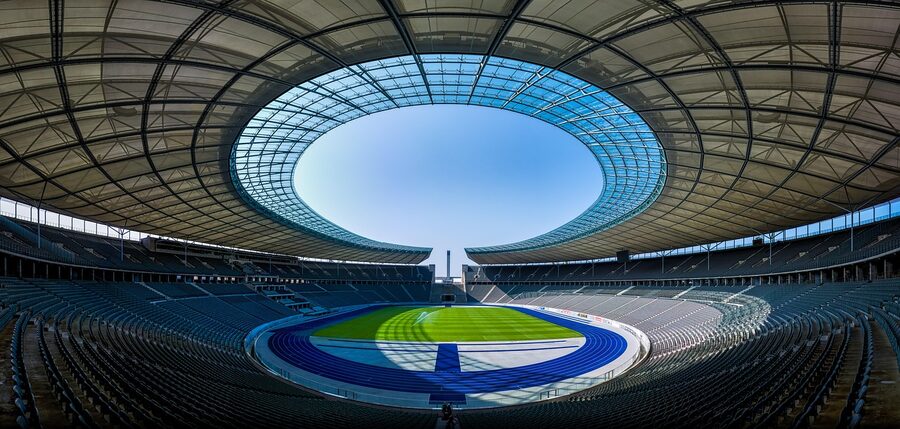
For a hundred years, the old ground hosted La Liga matches, Copa del Rey finals, and Spanish national team games. By the early 2000s, it was showing its age. The club debated renovating versus rebuilding, and eventually chose to tear down and build new — a decision that split opinion in Bilbao. The new stadium, designed by ACXT Architects, opened in 2013 with 53,289 seats and a distinctive white exterior membrane that glows at night. It hosted matches during the 2014 FIBA Basketball World Cup and several Euro 2020 group stage games.
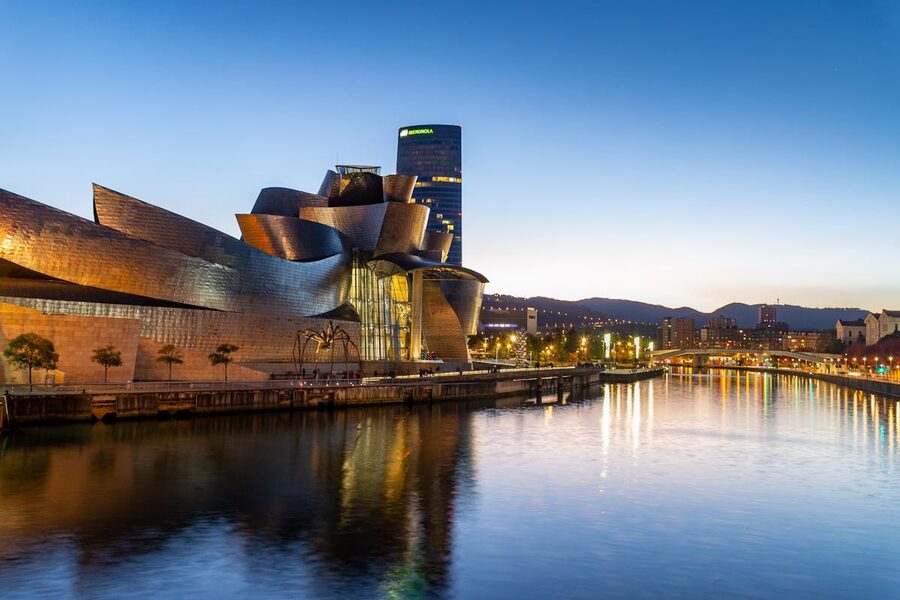
What Else to Do in Bilbao
Bilbao is a compact city and easy to explore on foot. After the stadium tour, you’re well-positioned to hit the other major sights without needing transport.
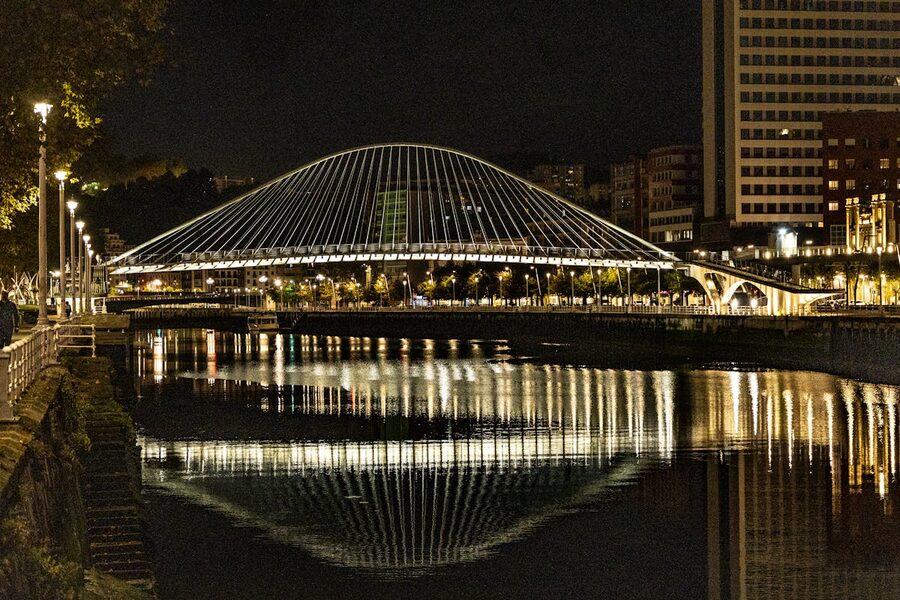
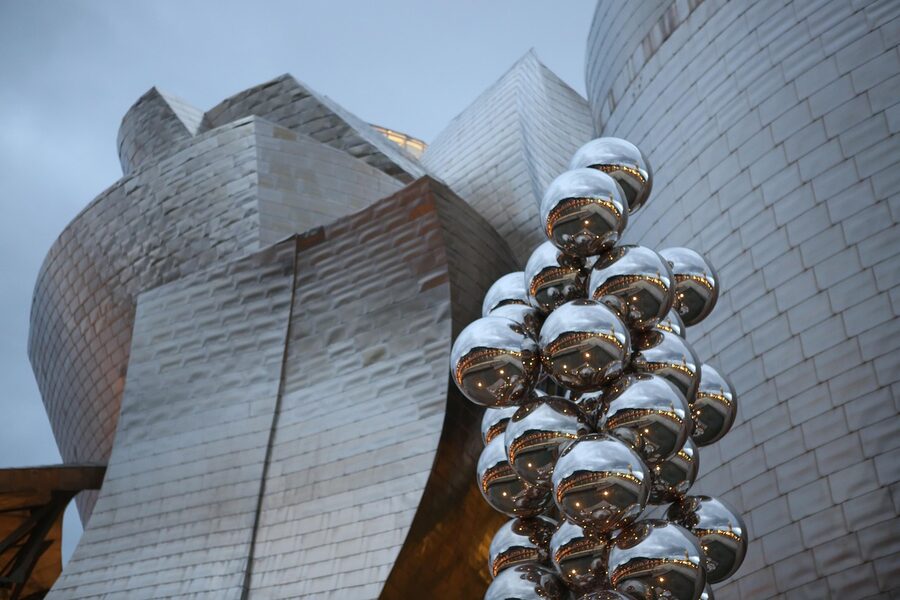
The Casco Viejo (old town) is the best area for pintxos — the Basque version of tapas. Plaza Nueva has the highest concentration of good bars, but the side streets off Calle de la Tenderia are where locals actually drink. Order a txakoli (the local slightly sparkling white wine) and a gilda (anchovy, olive, and pepper on a stick). That is the Bilbao starter kit.
More Bilbao and Spain Guides
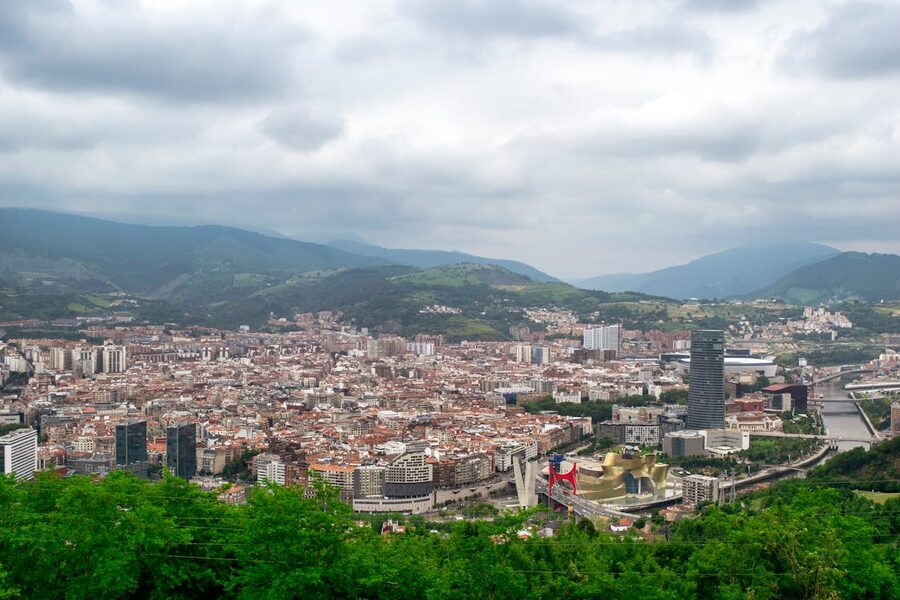
If the San Mames visit has you hooked on Bilbao, there’s plenty more to explore in the Basque Country and beyond. A boat tour along the Nervion river shows you the city from the water and covers the industrial harbour district that most walking travelers miss. The day trip to Gaztelugatxe — that dramatic island hermitage made famous by Game of Thrones — is about an hour’s drive from the city and worth every minute. If you’re heading to Barcelona next, the Camp Nou stadium tour makes for an interesting comparison with San Mames, though the experience is very different (and significantly pricier). And for something lighter, Barcelona’s walking tours are an excellent way to get oriented in a new city.
This article contains affiliate links. If you book through our links, we may earn a small commission at no extra cost to you. This helps us keep creating free travel guides.