
The six most famous women in Greek art stand in a row at the back of the Acropolis Museum. Five of them are here. One of them is 2,900 kilometres away, in London.
That gap — empty plinth, waiting caryatid — is the whole point of this building. Greece designed the museum in 2009 partly to prove they had somewhere worthy to put the Parthenon Marbles if London ever gives them back. It worked as architecture. The political question is still open.
I went on a Wednesday afternoon in shoulder season, paid thirty euros for a ticket and audio guide, and ended up staying nearly three hours. This is how to get tickets, what to prioritise once you’re inside, and which combo passes are actually worth it.


In a Hurry? The Three Ticket Options That Matter
- Just the museum: Acropolis Museum skip-the-line with audio guide — from €29. If you’ve already seen the Acropolis itself (or don’t care about it), this is all you need.
- Best value combo: Acropolis + Parthenon + Museum guided tour — from €40. Same day, three hours, both sites plus a live guide. The most-booked Acropolis tour on the market, and the only one I’d recommend if it’s your first time in Athens.
- Small group: Acropolis walking tour with optional museum add-on — from €42. Groups capped low, flexible ticket upgrades on the day.
- In a Hurry? The Three Ticket Options That Matter
- Acropolis Museum Tickets: What They Cost and What You Actually Need
- Skip the Line — Does It Actually Save Time?
- Audio Guide — Worth the Upgrade?
- Combo Tickets and the Multi-Site Package
- The Best Acropolis Museum Tours and Tickets
- 1. Acropolis Museum Skip-the-Line Ticket with Audio Guide — from €29
- 2. Acropolis + Parthenon + Acropolis Museum Guided Combo — from €40
- 3. Small-Group Acropolis Walking Tour with Optional Museum Add-On — from €42
- What’s Actually Inside the Acropolis Museum
- Ground Floor: The Glass Floor Over the Dig
- First Floor: Archaic Gallery
- First Floor: The Ionic Gallery
- First Floor: The Caryatid Porch
- Top Floor: The Parthenon Gallery
- The Elgin Marbles Question
- The Cafe and the Terrace
- How Long You’ll Need
- Best Time to Visit
- Opening Hours and Closing Days
- Getting to the Museum
- Practical Tips from Doing It Wrong Once
- Things I Didn’t Know First Time
- Worth Pairing With
- Where to Eat Nearby
- Getting Around Athens Afterwards
- The Short Version
Acropolis Museum Tickets: What They Cost and What You Actually Need
Base entry is €15 in high season (April–October), €10 in low season (November–March). Anyone under 18 is free. EU students and under-25s get heavy discounts. That’s the counter price.
Online via GetYourGuide the same ticket runs €29 with the audio guide included. Why pay double? Because the museum doesn’t offer online bookings through its own site for general admission — you either turn up and queue, or buy a skip-the-line package through a third party. The third-party tickets use a mobile QR code and work as both your entry and your audio guide. I did it this way and walked straight past the ticket queue.
Skip the Line — Does It Actually Save Time?
In July and August, yes. I’ve seen the ticket window queue stretch out to the plaza on a 35°C morning — easily 30 minutes. Skip-the-line lets you walk past all of that. In shoulder season (April, May, October) the queue is shorter but still a 10-minute saver. In winter there’s almost no queue at all. If you’re visiting between December and February you can skip the online ticket and pay at the counter.
Audio Guide — Worth the Upgrade?
Yes. The museum has good signage but the audio guide digs deeper into why objects matter rather than what they are. I’d rather listen to someone explain why a 500 BC kore has traces of red paint on her lips than read a placard that just says “Kore, Archaic Period.” It’s about 90 minutes end-to-end, narrated in a BBC-ish voice that doesn’t try too hard. If you speak a non-English language, the app covers fifteen of them.
Combo Tickets and the Multi-Site Package
The €30 Combined Ticket sold at the Acropolis entrance covers the Acropolis itself plus six other ancient sites (Agora, Roman Agora, Hadrian’s Library, Kerameikos, Olympieion, Lykeion) — but it does not include the Acropolis Museum. The museum is always a separate ticket. If you want the full Athens archaeological stack plus the museum, you’re looking at €45 total at counter prices, or closer to €50 with skip-the-line.
For most visitors I’d save the multi-site pass and instead pair the Museum with the Acropolis itself via a guided tour — the €40 combo is close to the same money and you get a human explaining both sites. Our combo pass guide breaks down the pros and cons of each option.
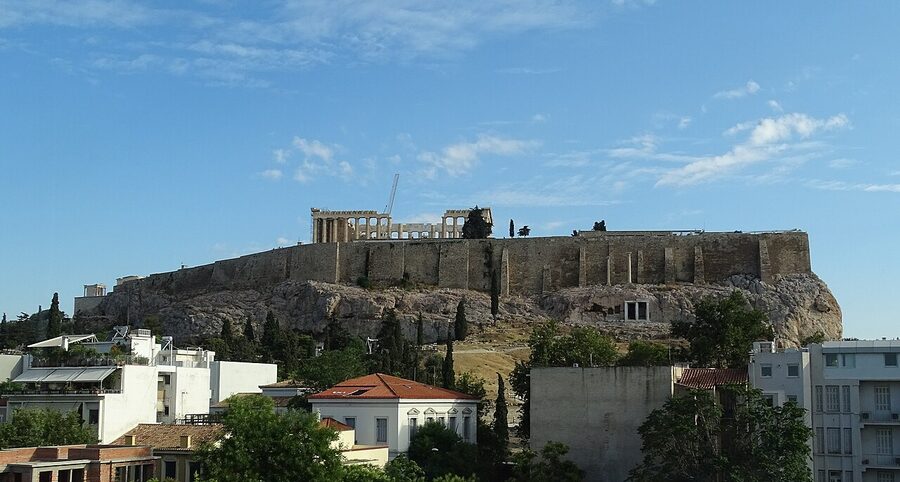

The Best Acropolis Museum Tours and Tickets
Three options worth your attention, in order of how I’d pick between them.
1. Acropolis Museum Skip-the-Line Ticket with Audio Guide — from €29
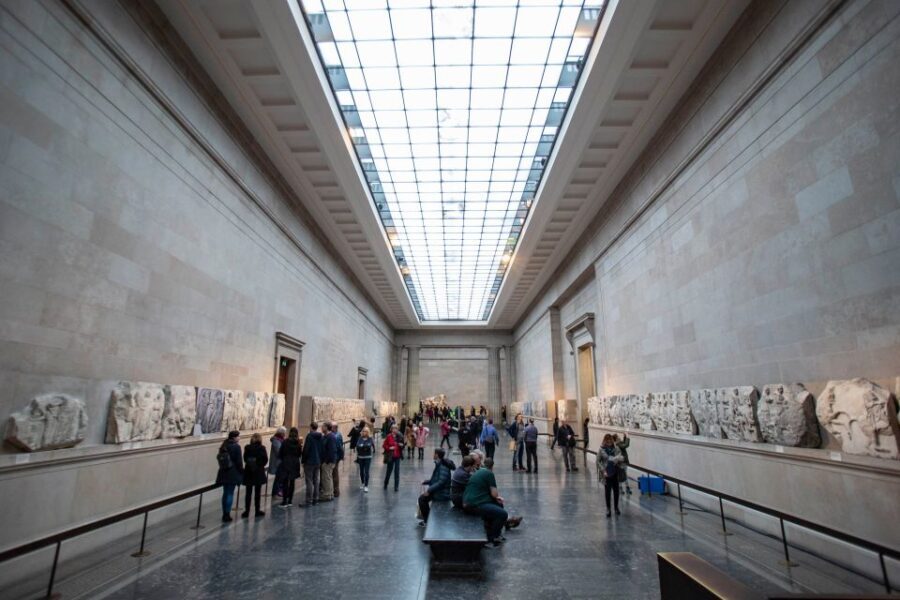
Pure ticket option for people who want to see the museum without being tied to a tour. You book online, get a QR code on your phone, use the fast-track entrance, and pick up the audio guide on the way in. This is the one I bought myself, and our full review walks through how the audio app works offline and which galleries it covers in most detail.
2. Acropolis + Parthenon + Acropolis Museum Guided Combo — from €40
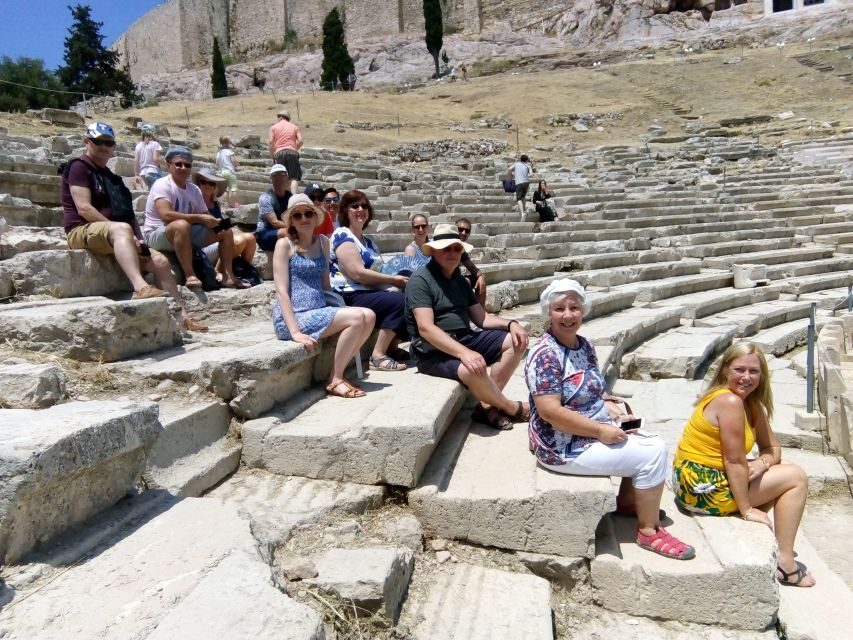
If you’re new to Athens and want both sites in one go, this is the only combo I’d actually book. You get a licensed guide (required to enter the Acropolis with commentary), fast-track through both the rock and the museum, and roughly ninety minutes on each. Our review covers the meeting-point logistics and what to wear — the Acropolis is slippery marble and a lot of people turn up in flip-flops and regret it.
3. Small-Group Acropolis Walking Tour with Optional Museum Add-On — from €42
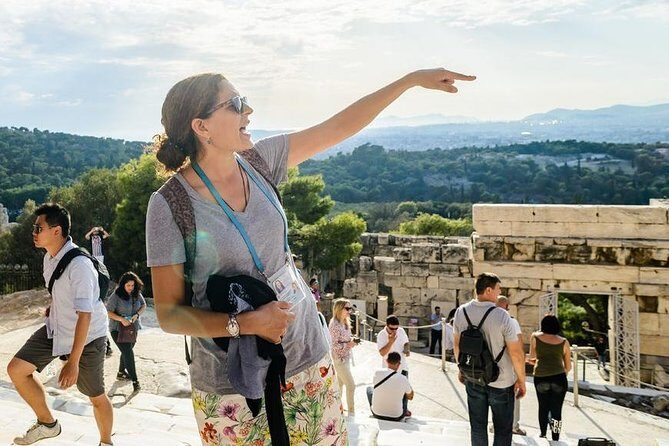
For anyone who wants a smaller group and flexibility to add the museum only if they’re still energetic after two hours on a baking hot rock. Athens Walks run these with licensed archaeologists as guides, not generalists. Our full review has more on who the guides are and what the optional museum add-on gets you.
What’s Actually Inside the Acropolis Museum
The building is laid out chronologically. You walk up a ramp that mimics the Panathenaic Way (the ancient processional route to the Acropolis), then spiral through three floors from 1000 BC to the Parthenon. Here’s what I’d make sure you don’t miss.
Ground Floor: The Glass Floor Over the Dig
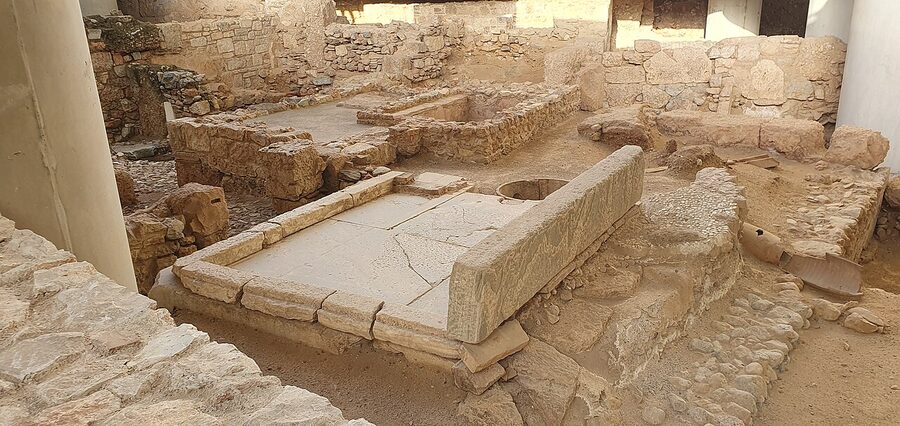

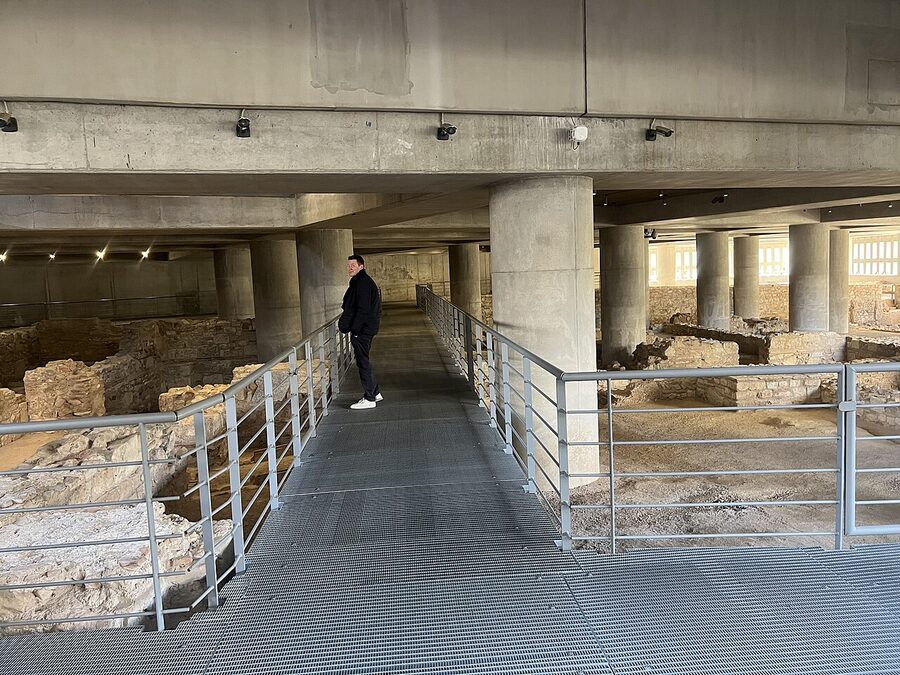
When they broke ground in 2003 they hit the remains of an entire late-antique Athenian suburb — streets, houses, workshops — and changed the building design mid-project to preserve it. The whole museum floats on 100 concrete pillars and the ground floor has floor panels of reinforced glass over the dig. It’s free to walk over. There’s also a paid descent into the excavation itself for €5 on top of entry, which I’d recommend if you’re into archaeology rather than just the objects.

First Floor: Archaic Gallery
Probably my favourite room in the museum, and the one most visitors rush through on the way up to the top. It’s the Archaic Gallery — all the statues, reliefs, and friezes that decorated the original temples on the Acropolis before the Persians burned everything in 480 BC. The Athenians buried the wreckage in a pit when they rebuilt. Archaeologists dug it up in the 1880s.
That’s why these sculptures still have paint on them. They were underground within about a year of being made, which is not something you can say about many 2,500-year-old objects. Walk close — the red ochre on the lips and eyes of the kore statues is still visible. Ancient Greek sculpture was loud, colourful, kind of gaudy. The bleached-marble look we associate with classical art is a Renaissance misunderstanding.
First Floor: The Ionic Gallery
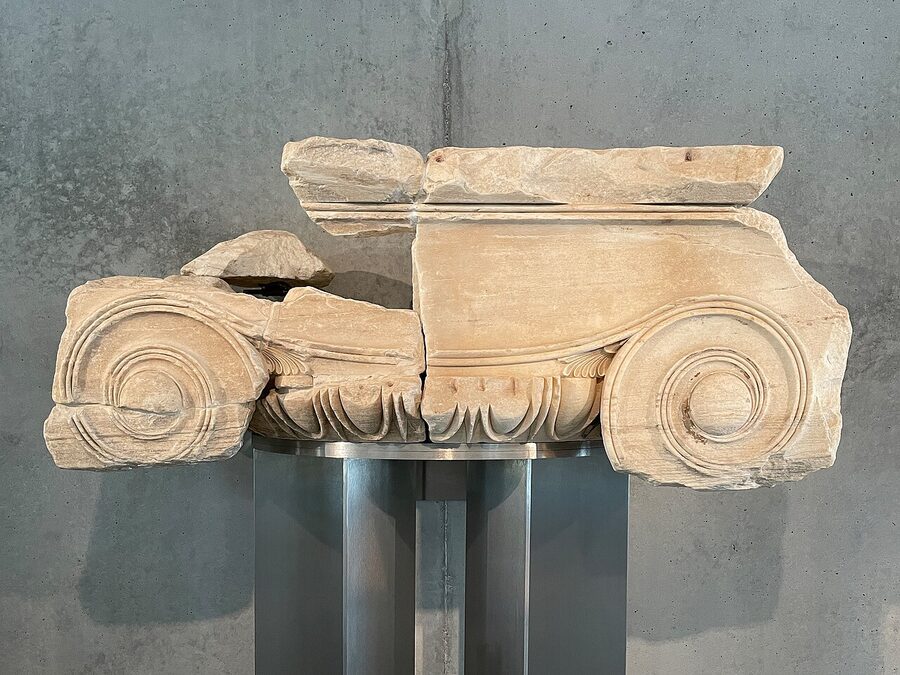

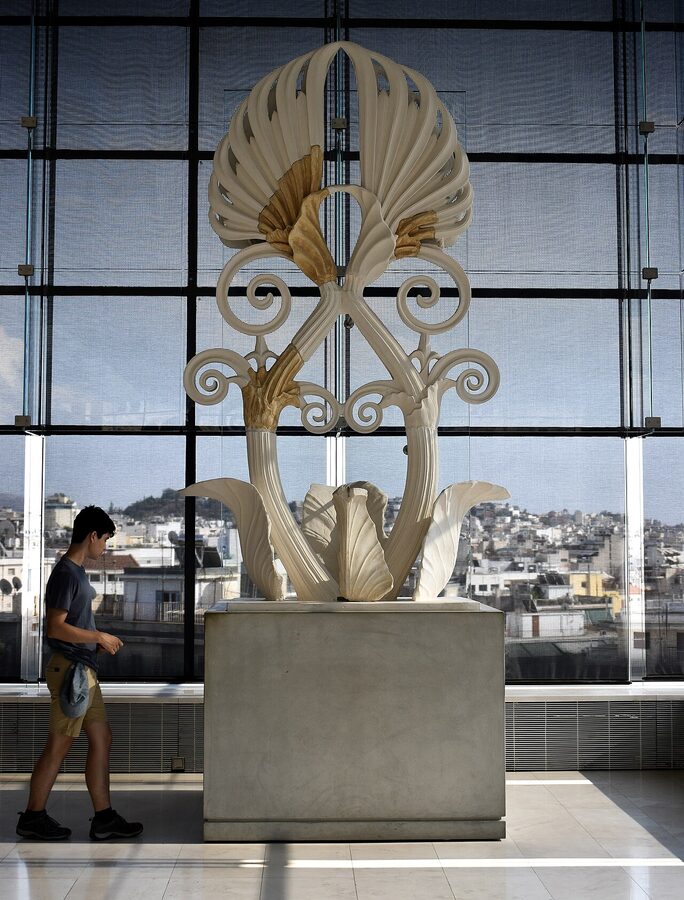
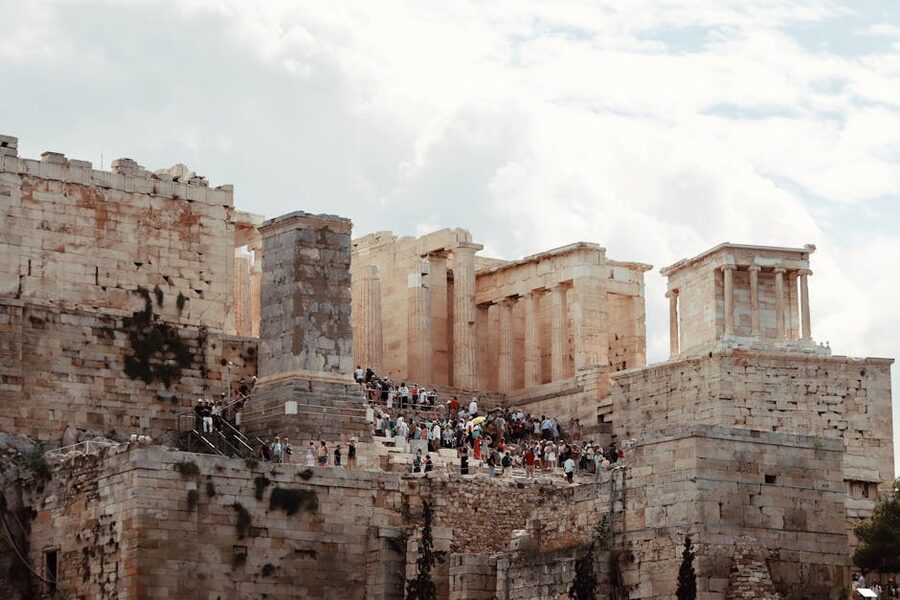
The gateway to the Acropolis — the Propylaia — had massive Ionic columns inside and Doric outside. One of the inside columns is in this room. Ionic capitals have the two scrolls on top, like a ram’s horns. Doric capitals are the plain square blocks. Now you’ll never un-know it, and you’ll spot the difference on every Greek temple you see for the rest of your life.
First Floor: The Caryatid Porch
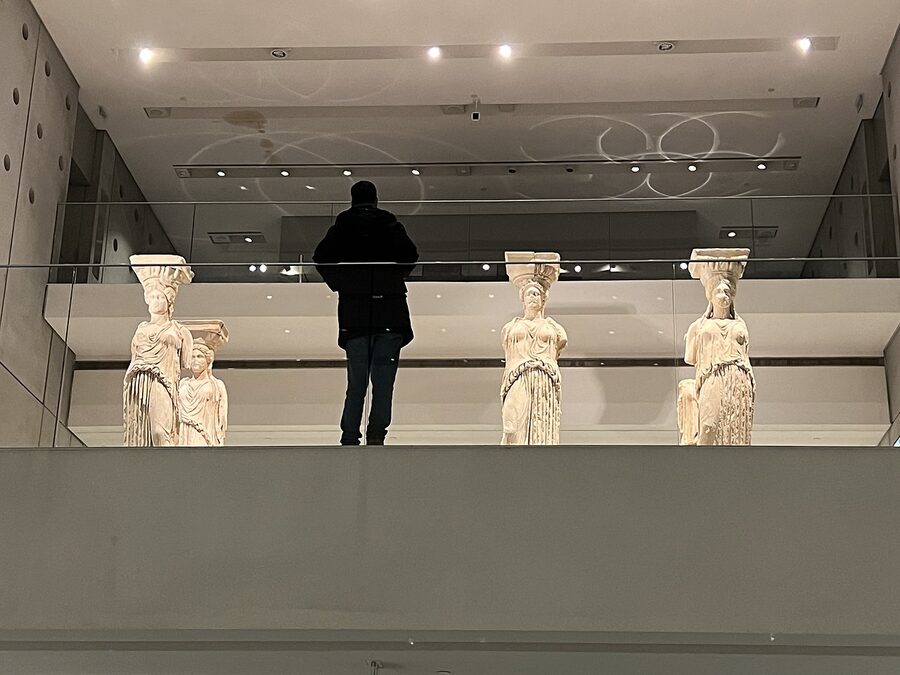

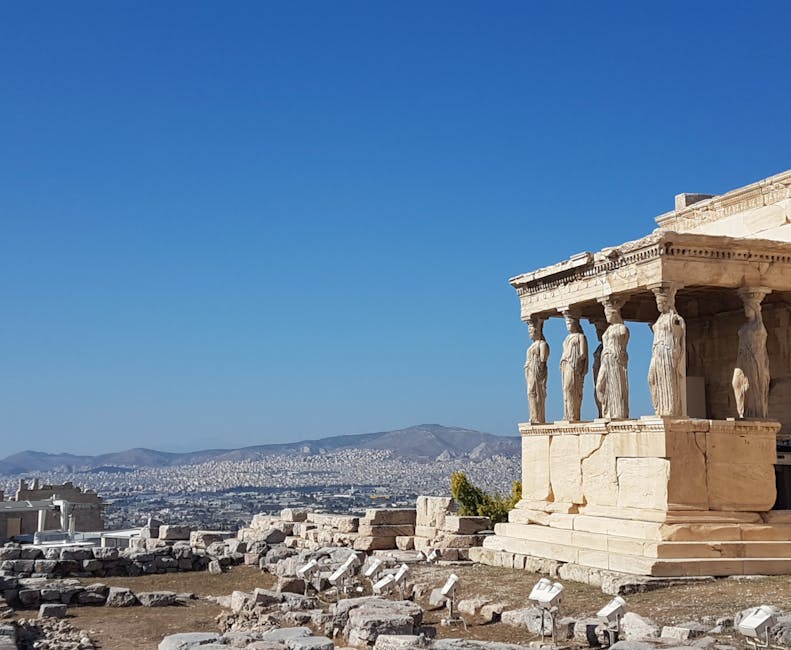
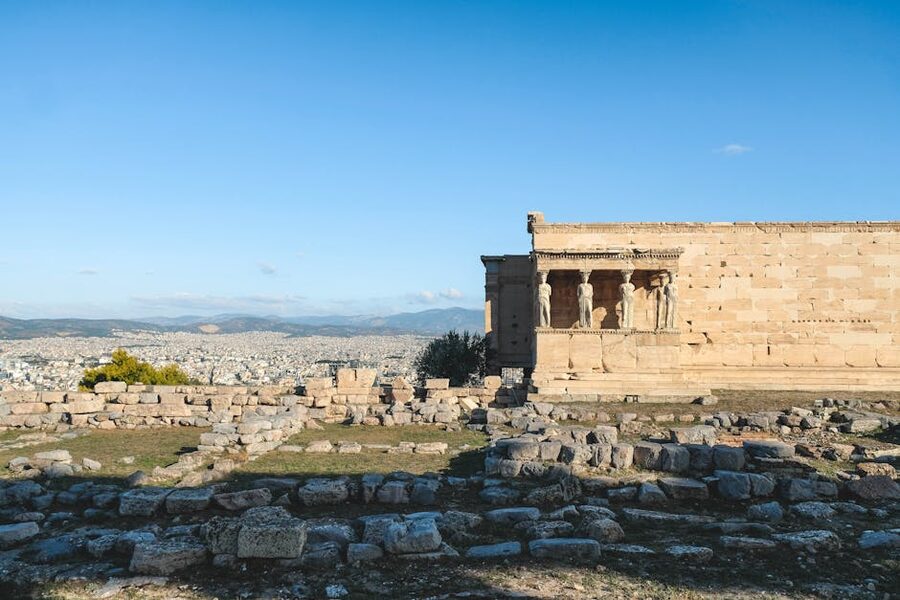
The caryatids are the most photographed thing in the museum. They’re the six draped female figures that served as columns holding up the roof of the Erechtheion’s south porch. By the 1970s Athens had such bad air pollution that the marble was literally dissolving, so they brought the originals inside and put concrete copies on the Acropolis. You’ll see the copies if you do the rock first.
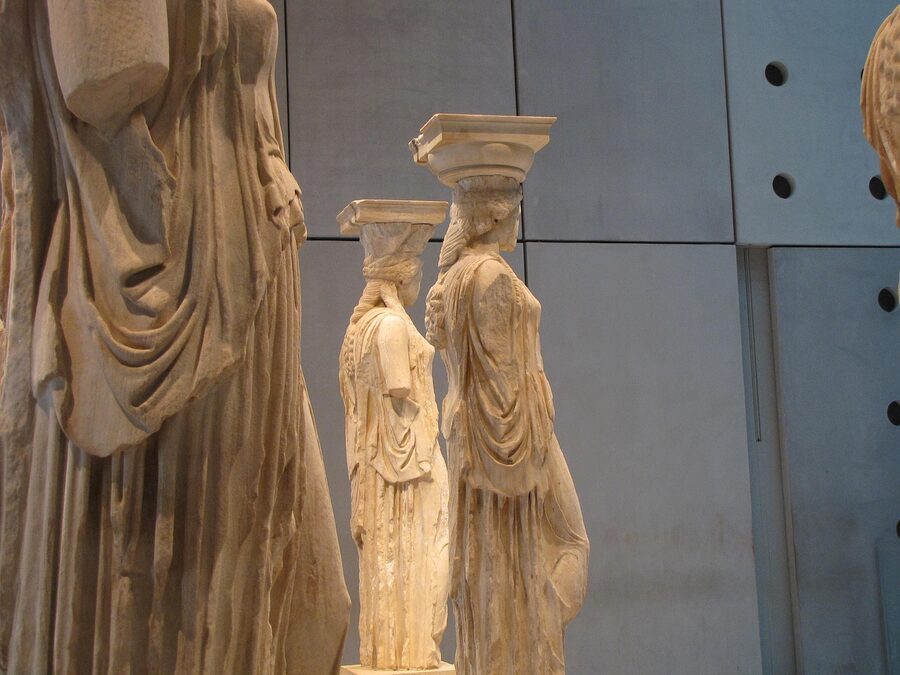
Look at their feet. The three on the left stand on their left foot; the three on the right stand on their right foot. That’s how classical sculptors dealt with the fact that a draped figure needs one weight-bearing leg showing through the fabric. It also means the three on one side are actually the mirror image of the three on the other — a small detail that took me an hour to notice.
Top Floor: The Parthenon Gallery
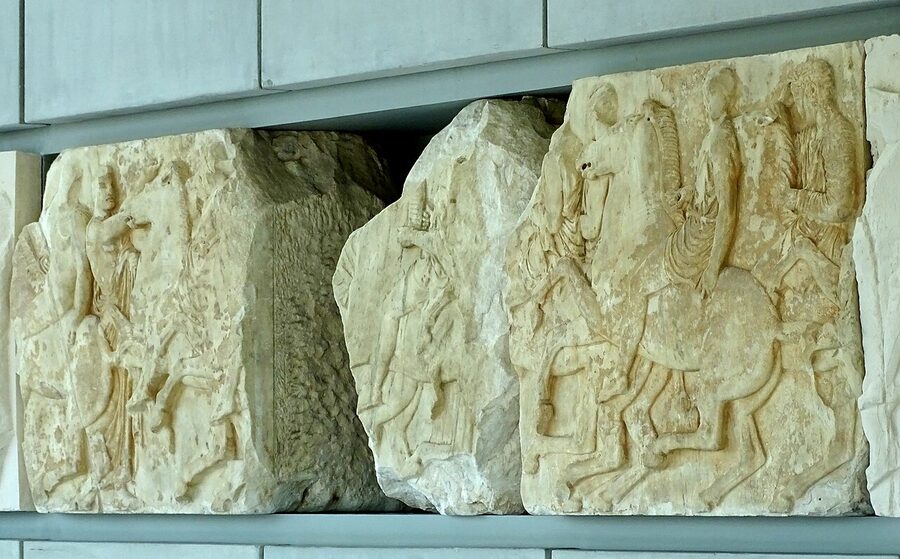

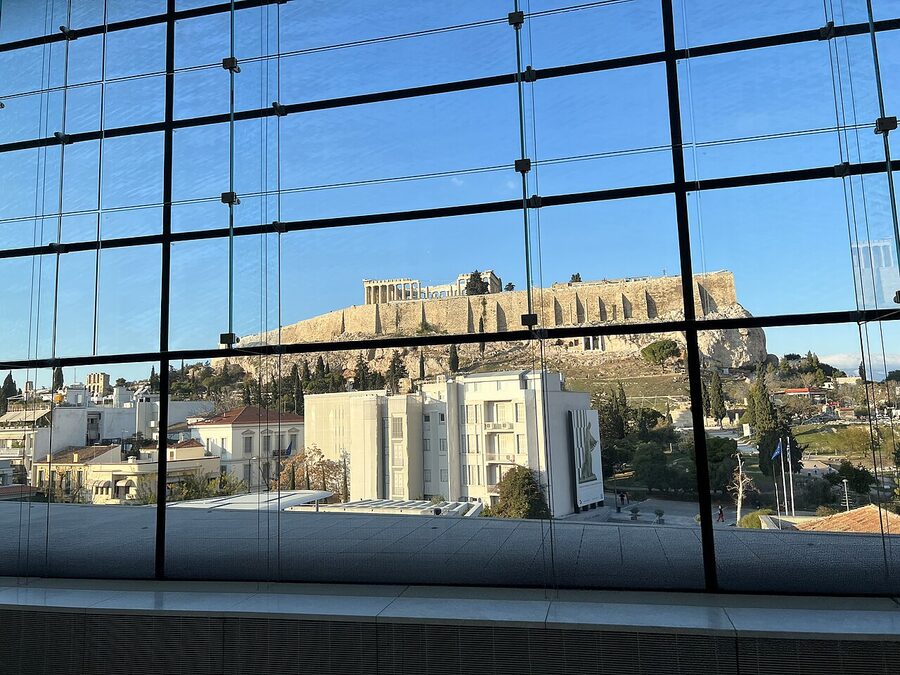
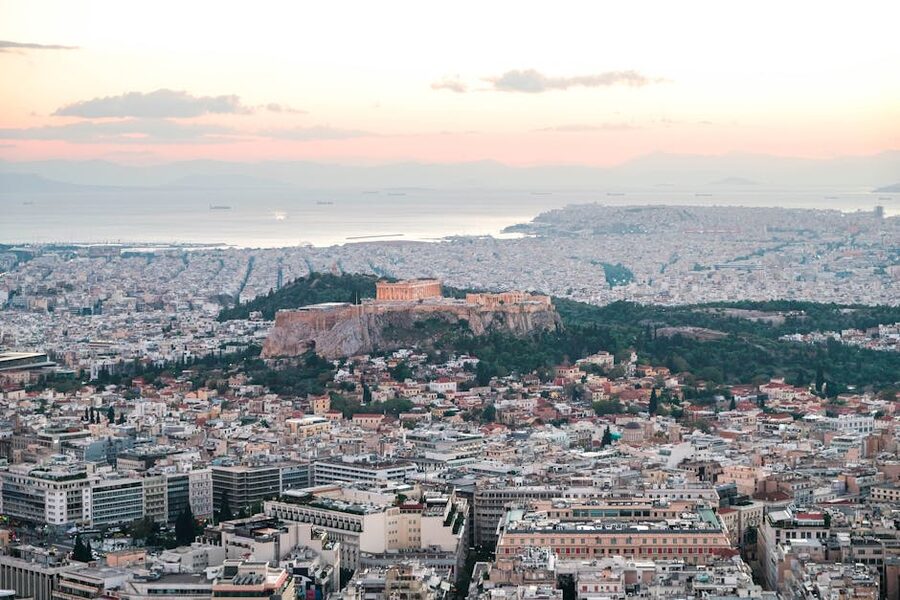
This is the whole reason the museum was built. The third floor is a single enormous room, made of glass, aligned to the exact dimensions and compass bearing of the Parthenon itself — so as you walk around you’re effectively walking around the building above you, in the same orientation.
The room holds every piece of the Parthenon’s sculpture that Greece currently owns. The original marbles they have sit next to plaster casts of the ones in London, Paris, and a handful of other museums. The plaster casts are a slightly different colour — white against the honey-toned originals — so you can see exactly which pieces are missing. It is, I have to say, a very effective diplomatic statement.
The Elgin Marbles Question
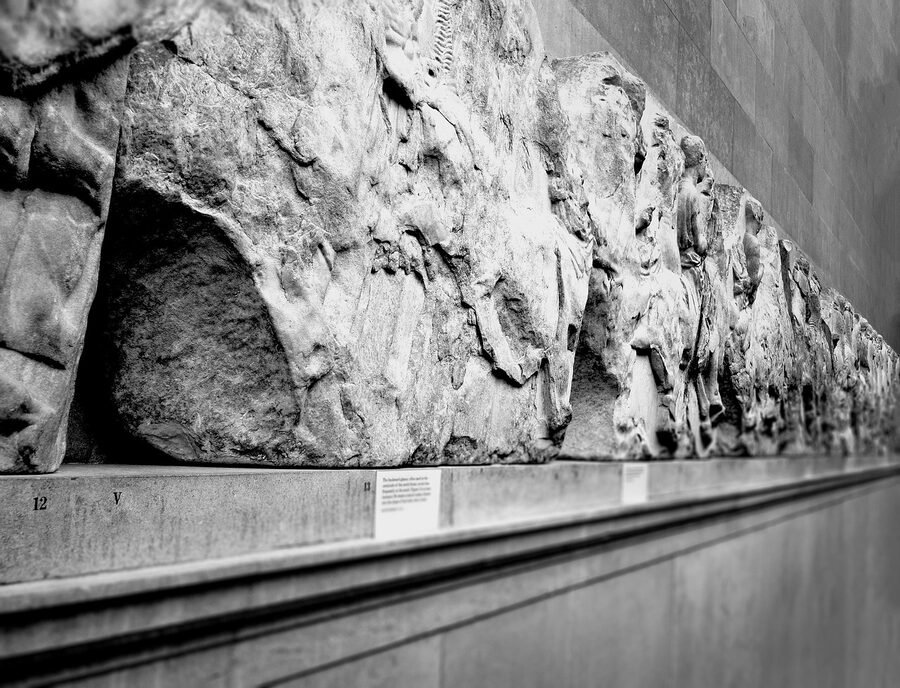
In 1801–1812 Lord Elgin (then British ambassador to the Ottomans, who ran Athens at the time) stripped about half the Parthenon’s sculptures and shipped them to London. The British government bought them in 1816. They’ve been in the British Museum ever since.
The Greek position is: give them back. The British position is: they’re part of a global collection now. The opening of this museum in 2009 made the argument considerably harder for the UK — the main objection used to be that Greece didn’t have a proper climate-controlled space to display them. Now they do. A 2023 YouGov poll found 64% of British respondents favour return. The UK government doesn’t. Watch this space.
The Cafe and the Terrace
There’s a cafe on the second floor with a full open-air terrace that looks straight at the Parthenon. Coffee is around €4, a full lunch €18–25 — not cheap, but you’re paying for the view. In summer, late afternoon is when the light hits the marble gold and the terrace fills with people quietly not wanting to leave.
How Long You’ll Need
Two hours is the minimum. Three is comfortable. Four if you do the basement excavation and stop for coffee. I’ve never heard of anyone getting through it in under ninety minutes and feeling like they did it justice. If you only have an hour, skip the Archaic Gallery and just do the Parthenon Gallery on the top floor — the single most important room.
Best Time to Visit
Weekday mornings when it opens at 9am, or Friday evenings when it’s open until 10pm. Worst time is Saturday afternoons — cruise ships, tour groups, school trips. If you can, visit the Acropolis first thing, then come down for the museum from about 11:30am onwards. The archaeological logic also flows better in that order: see the ruined temple, then see the sculptures that used to be on it.
Opening Hours and Closing Days

Summer hours (April 1 to October 31): daily 9am–8pm, with Fridays extended to 10pm. Winter hours (November 1 to March 31): Monday–Thursday 9am–5pm, Friday 9am–10pm, Saturday and Sunday 9am–8pm. Closed January 1, Orthodox Easter Sunday, May 1, December 25 and 26. March 25 (Greek Independence Day) and October 28 (Ochi Day) are free-entry days but the museum is open only for limited hours and crowded — avoid those two dates if you can.
Getting to the Museum
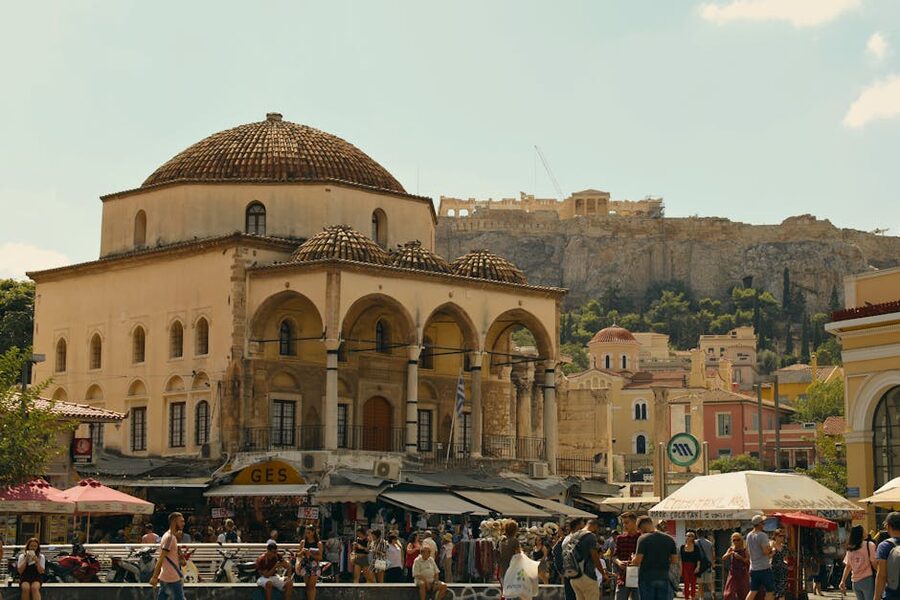
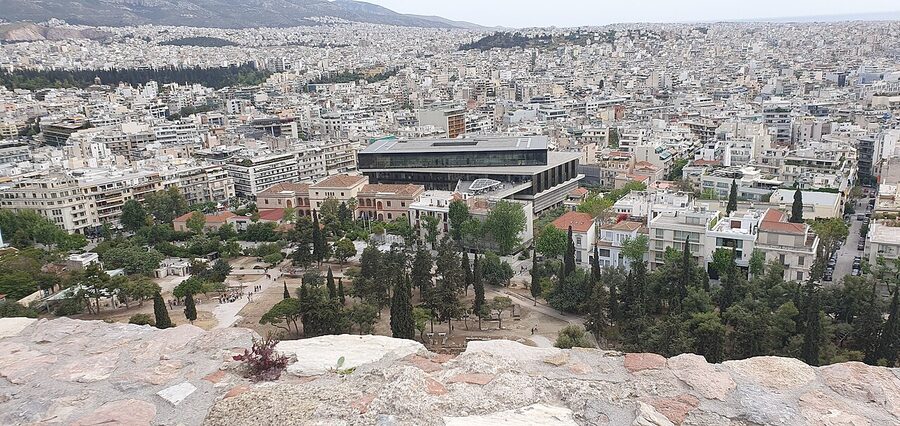
It’s on Dionysiou Areopagitou Street, the pedestrian road that runs along the southern base of the Acropolis. Closest metro stop is Akropoli on the red line — literally a 90-second walk to the entrance. If you’re coming from Syntagma by foot, it’s about twenty minutes via Plaka, which is the more scenic route anyway. Don’t drive. Parking in central Athens during museum hours is a waking nightmare.
From the airport, the metro direct to Akropoli takes 45 minutes and costs €9. A taxi is around €40 and fights traffic for 45 minutes too. Metro wins.
Practical Tips from Doing It Wrong Once
No large bags — anything bigger than a small day pack goes in a free locker at the entrance. Photography is allowed everywhere except in the Parthenon Gallery (where they don’t want flash-damaging the originals), and even there the ban is widely ignored. Tripods and selfie sticks are banned throughout. There’s decent wifi in the cafe. Audio guide battery tends to die after about three hours of continuous use — something to know if you’re planning a long visit.
If you bring kids, the ground floor has a small free activity area and the museum runs family workshops on weekends (register online a week ahead). The cafe is pushchair-friendly, and there are lifts between every floor for anyone who doesn’t fancy the ramp.
Things I Didn’t Know First Time
The restoration lab is on the ground floor, behind glass, and you can watch conservators working on actual marble pieces. I missed it twice before I finally looked right on the way to the caryatid gallery. It’s one of the few places in the world where you can watch archaeology happen in real time.
There’s also a small dedicated gallery for the Hecatompedon — the temple that stood on the Acropolis before the Parthenon was built. Nothing much left of it, but the pediment sculptures (blue-eyed Herakles wrestling a triple-bodied snake monster) are some of the oldest monumental sculpture in Greece. Most visitors walk past them entirely.
Worth Pairing With
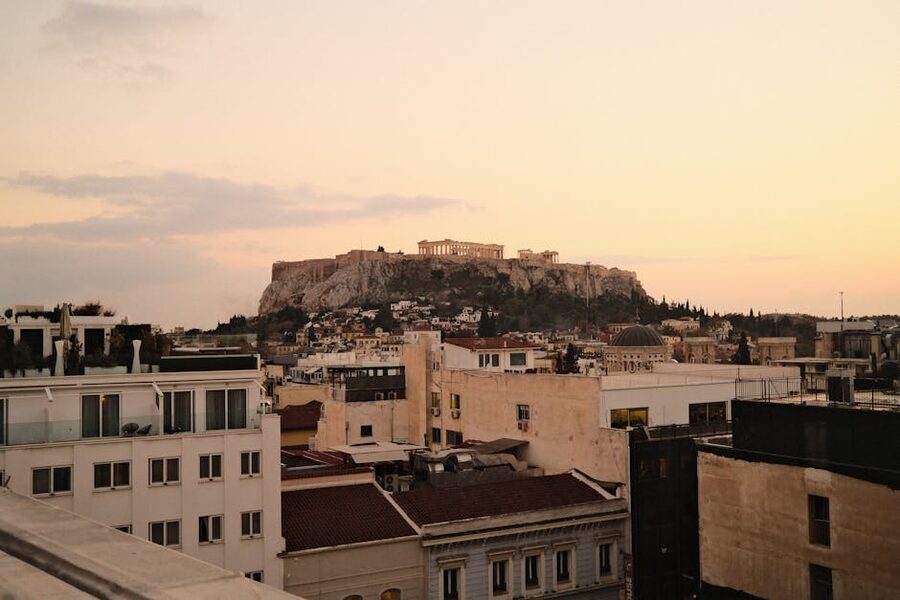
The natural combo is the Acropolis itself, and the single best way to do both is the guided combo tour. If you’re doing them separately, read our full guide to Acropolis tickets — the timed-entry system changed in 2023 and a lot of older advice online is out of date.
For a bigger-picture view of the ancient Mediterranean, Athens also has the excellent National Archaeological Museum, which covers Greek history from the Bronze Age to the Romans — the Acropolis Museum is deep, the Archaeological Museum is broad. They complement each other. Give them a day each if you can.
If you’re staying more than two days, the Acropolis-plus-Acropolis-Museum stack leaves your second day free for a day trip. Delphi is the classic choice, Ancient Corinth is quieter, and Mycenae with Epidaurus is the one for Bronze Age nerds. For sunset, Cape Sounion beats staying in the city.
Where to Eat Nearby
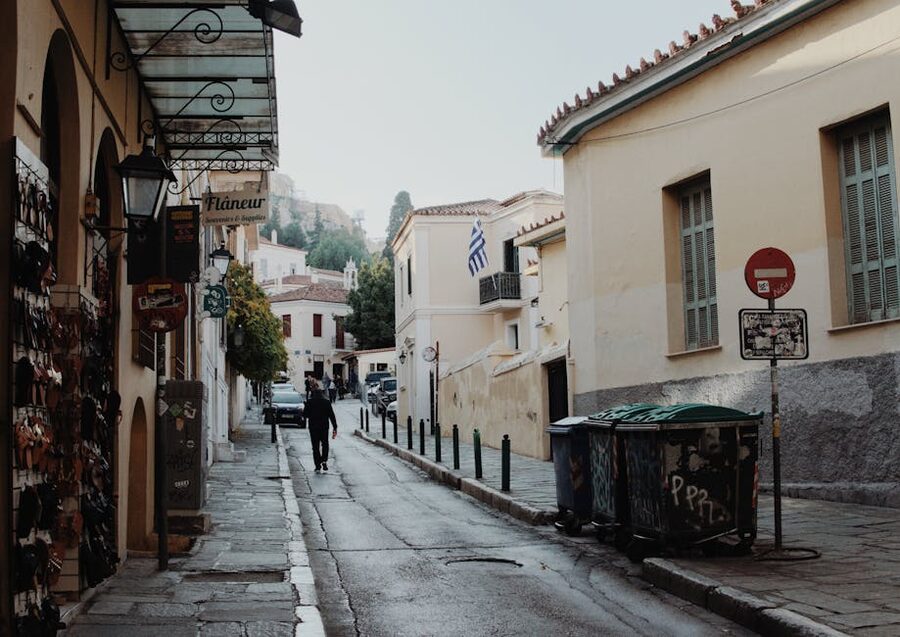
The Plaka neighbourhood is three minutes north of the museum and packed with tavernas. Most are tourist traps. The honest exceptions: Mani Mani (first floor on Falirou, two blocks from the museum) for modern Peloponnesian cooking around €25 a head, and Ta Karamanlidika (a bit further, near Monastiraki) for Smyrna-style mezze and cured meats. If you want something quicker, the street food stands around the Akropoli metro exit do decent souvlaki wraps for €3–4.
If food is the point of your Athens trip rather than the side, a proper Athens food tour or an Athens street food walk will take you somewhere locals actually eat. The Acropolis Museum area is where the tour buses feed — deeper in Psyrri or Kerameikos is where it gets real.
Getting Around Athens Afterwards
If you’re based in a hotel further from the centre, the Athens hop-on-hop-off bus stops right outside the museum and can shuttle you to Syntagma, the Panathenaic Stadium, and the National Archaeological Museum without you having to work out the bus network. It’s overpriced if you’re only using it for one trip, worth it if you’re doing four or more.
The Short Version

Buy the skip-the-line ticket with audio guide online, go on a weekday morning or a Friday evening, give yourself two to three hours minimum, and make sure you see the caryatids and the Parthenon Gallery before you leave. Everything else is a bonus. And if the sixth caryatid ever comes home from London, make the trip again.
Affiliate disclosure: Some links in this article are affiliate links. If you book through them we may earn a small commission at no cost to you. Every recommendation is based on my own visit and honest opinion.